



★★★
“Russian off to war…”
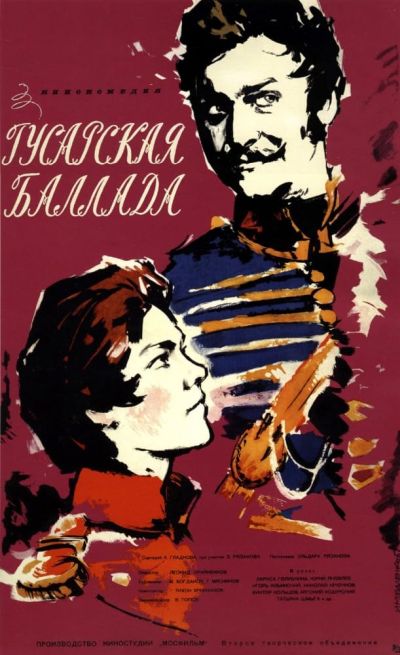 This is an adaptation of a Russian play A Long Time Ago by Alexander Gladkov, but was inspired by the real-life exploits of Nadezhda Durova. She was a woman who basically pulled a Mulan, concealing her gender in order to defend her homeland in the Napoleonic and other wars of the early 19th century. Durova joined the army on her 23rd birthday and served honourably for a decade, even after her true gender was discovered. Tsar Alexander I was impressed when he heard about Durova, giving her a promotion after summoning the soldier to his palace in St. Petersburg. Wounded by a cannonball at the Battle of Borodino, she eventually retired in 1816, with the rank equivalent to captain-lieutenant.
Somehow this became a light and fluffy slice of musical rom-com. 17-year-old Shura Azarova (Golubkina) is an accomplished rider and tomboy, who meets Hussar officer Dmitry Rzhevsky (Yakovlev), and is mistaken by him as a brother in arms. [As usual in these things, significant suspension of disbelief is required!] When war with France breaks out, Rzhevsky returns to his unit and Shura convinces faithful family retainer Ivan (Kryuchkov) to help her join the army in disguise. She makes a name for herself as a skilled and brave courier, though her relationship with Dmitry is more adversarial than romantic. There’s a French actress on whom he has designs, triggering her jealousy. Mistaken as rivalry, Dmitry and Shura end up having a duel, though the war keeps interfering in its execution.
All is forgiven after Shura is captured on a spying mission, Dmitry leading his platoon to the rescue, and leading to a rather decent extended fight, running through a ransacked stately home. [While the actual swordplay is no great shakes in general, the other stunts aren’t bad, including Shura leaping down off a balcony, which looks to have been done by the actress herself] The sudden moments where people burst into song are a little jarring initially, yet I got used to them – probably, again, a point of comparison to Mulan. The production is quite large in scale: there’s an opening ball sequence that’s impressive, and the battle scenes aren’t bad, albeit not quite War and Peace [though some of the costumes from it were recycled here!]
There is the obvious, and given the era probably entirely expected, patriotic theme, with discussions about defending the motherland. The film’s premiere took place on the 150th anniversary, to the day, of the previously-mentioned Battle of Borodino, a famous and bloody encounter between Russia and Napoleon’s forces – best known for inspiring the 1812 Overture by Tchaikovsky. However, it’s rarely heavy-handed, and for all its fluffiness, lack of substance and shortcomings in the motivation department, you do find yourself rooting for Shura. To be honest, perhaps to a greater degree than Dmitry, who comes off as a bit of an arrogant dick. Likely more genuinely progressive than anything coming out of Hollywood around the same time.
Dir: Eldar Ryazanov
Star: Larisa Golubkina, Yuriy Yakovlev, Igor Ilyinsky, Nikolay Kryuchkov
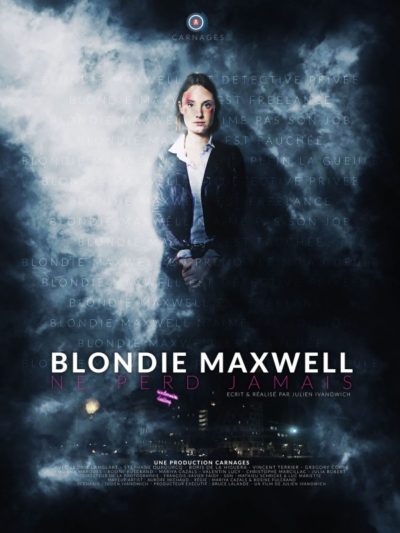 This French film takes place a little way into the future, though society has undergone radical changes. Law enforcement is now privatized, with investigations contracted out to private investigators, who have to balance their costs in order to turn a profit on the cases they accept. One such PI is Blondie Maxwell (Langlart) – and to get the obvious out of the way first, no, she is
 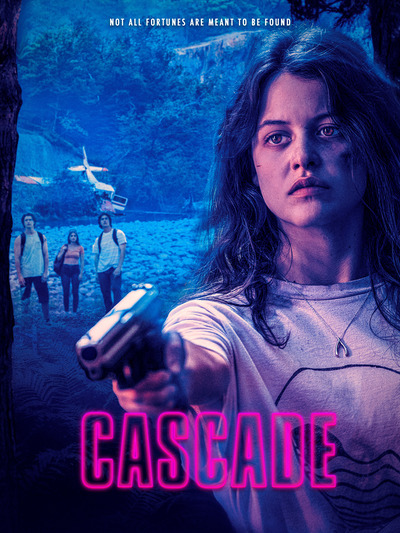 It’s kinda interesting to compare this to
  This is the second novel in the author’s Unsanctioned Guardians trilogy, a prequel to her earlier Elioud Legacy series. The new trilogy presents the background of how the three heroines of the first one (all of whom were intelligence agents, though of different nationalities) met and formed their sub rosa partnership as off-the-books rescuers of female victims of sexual abuse and trafficking. In the first book,
 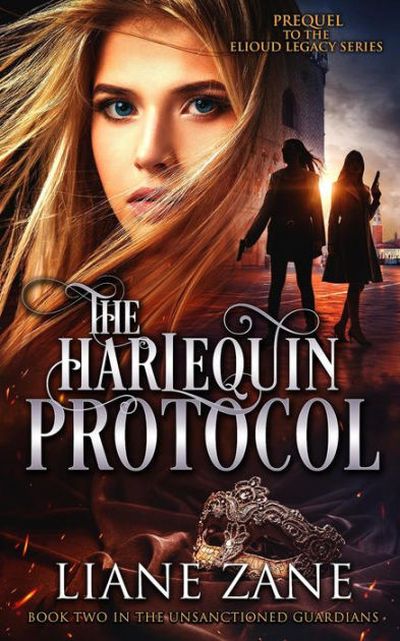 Because the author and I are Goodreads friends, she graciously gifted me with a review copy of the paperback edition of this book, as she has with all of her books, as soon as it was published; though she knew I’d really liked the previous book, she didn’t pressure me for a favorable review, but trusted that the book would stand on its merits. It definitely did; I actually liked this one even better! What earned the added appreciation (and the fifth star) was what I felt was the heightened dimension of moral challenge and choice here, which for me often makes the difference between great and merely good fiction, and which isn’t as strongly present in the first book. Discerning what the right thing is here requires thinking for oneself, not just obeying orders; and deciding to do it comes with a real risk, not just of harm to life and limb, but of disapproval from the powerful, of serious repercussions to one’s career, and maybe of legal punishment. The strong, distinct characterizations of the three heroines, who are each very different individuals though sharing a basic gut instinct for justice and decency, is also a positive feature that makes the book stand out from the pack.
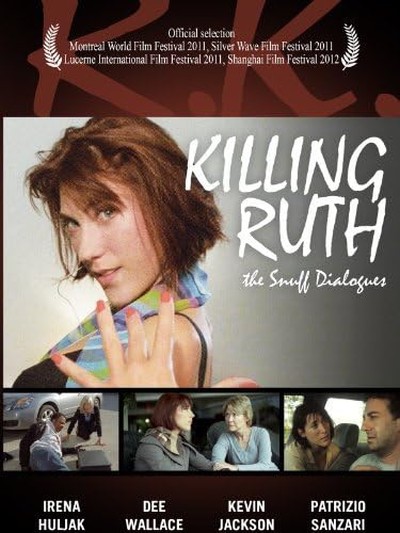 As soon as I saw the running time of this was one hundred and thirty-one minutes, it immediately went onto the back-burner. I have a busy life, and I’ve going to devote close to two and a quarter hours to a low-budget movie, it is going to be when I have a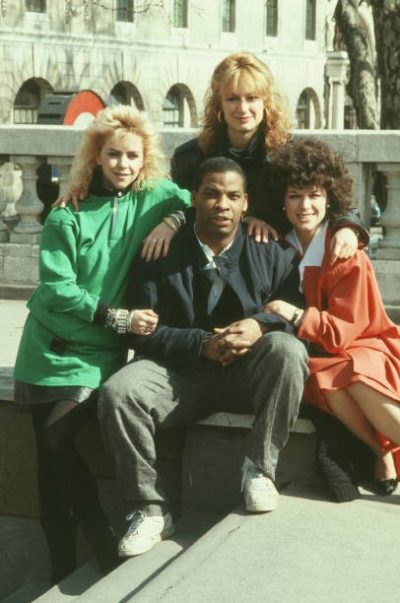
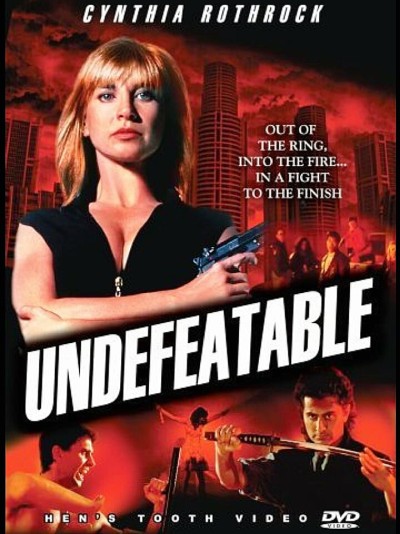 The traditional rule of thumb is, Cynthia Rothrock’s Hong Kong movies are good, but her American ones are bad. The question is, what category should this one be placed? On the one hand, it’s a Hong Kong production. On the other, it’s filmed in America, with an American cast. On the third hand, it’s directed by notorious schlockmeister Ho, as “Godfrey Hall”. I’m painfully aware how much his work can vary in quality, though I’ll confess, I am generally adequately amused. The results here are a real grab-bad of the good, the bad and the laughable. Put it this way: Cynthia is probably close to the best actor. That’s not something you’ll hear often.
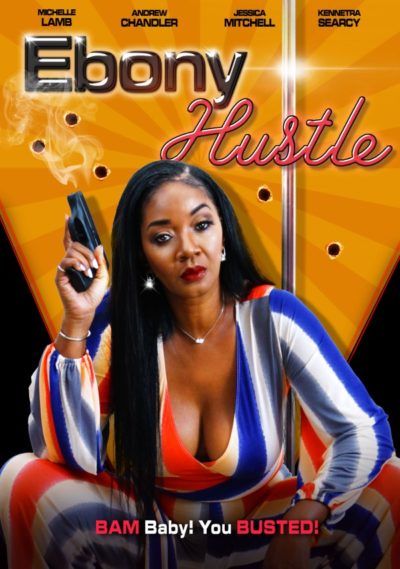 When the best part of a movie is the opening credits, we have a problem. That’s the case here, with an 007-influenced montage that feels as if it cost more than the entire rest of the film to put together. However, by that point, the movie was already on thin ice, because the volume of the music was roughly three times that of dialogue in the pre-credit scene. Lunging repeatedly for the button on the remote is always a red flag for any indie movie, and proved accurate here. The same goes for the gratuitous name-checking of much better black heroines, such as
 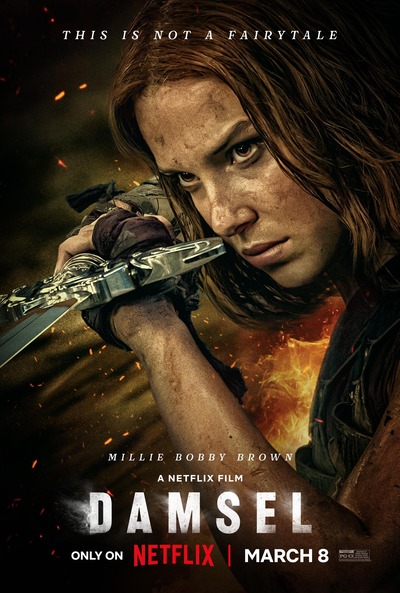 Brown is definitely among Netflix’s golden girls. After breaking out with an ensemble role in Stranger Things, she has taken an action turn, starring in
 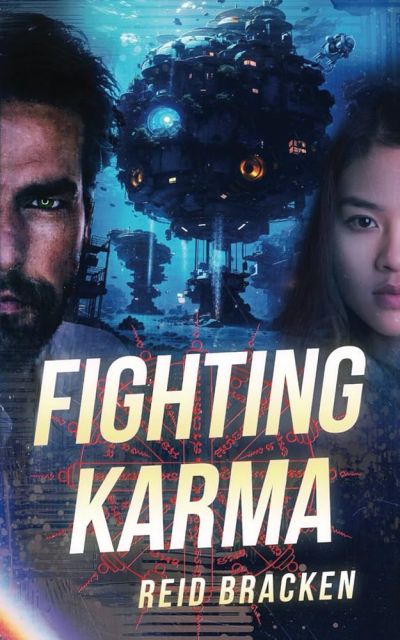 This is a sequel to