




Literary rating: ★★
Kick-butt quotient: ☆☆½
“Cara Loft, Room Trader…”
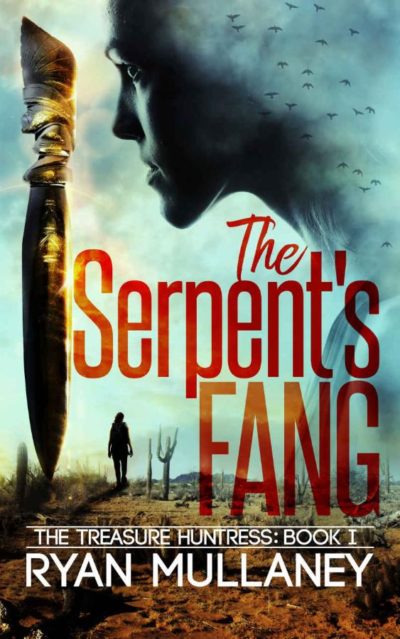 This book comes with a fairly lengthy note at the end, in which the author explains how he came to the idea here. Five words are all that were necessary: “I ripped off Lara Croft.” Because this is the closest I’ve yet seen to the literary version of an Asylum mockbuster movie, such as Tomb Invader. Globe-trotting locator of lost artifacts? Check. Remarkable gymnastic abilities? Check. Orphan? Check. I think it was when I read “Simone started to tie her hair into two braids”, that the eye-rolling began in earnest.
The story begins with her discovery of a lost city in Cambodia. While Simone Cassidy is recovering from that, she is recruited by a secretive quasi-governmental organization, to help them recover the titular blade. This ancient Aztec dagger is laden with legendary mystical energy, and the government want to stop it from falling into the wrong hands, those who would misuse its powers [not something a government would ever do, of course…] Initially reluctant, our heroine is lured into joining up with the promise of information about her parents – who, wouldn’t you know it, were also treasure hunters, before their untimely death. Cue more eye-rolling.
Naturally, they’re not the only ones after it. There is also Heather Severn and her colleagues at SWANN. Do not ask me what that stands for, because we are never told. We don’t learn much about their aims and motivations either, other than that they are “A private organization skilled in tactical combat.” They work for Felix Enderhoff, a private collector of artifacts who wants the Fang… because for him, it appears to be like Pokemon, and you gotta catch ’em all. When word seeps out that a clue to the location of the blade has been found in Mexico, he dispatches Heather and her team, aiming to beat Simone and her quasi-governmental colleague, Lincoln and April, to the punch.
From there, it’s a race through Mexico City to the clue, some gratuitous library-fu, then off into the jungle, and on towards the goal. The main thing we discover is that SWANN are actually more than a bit crap at tactical combat, failing on numerous occasions to take out Simone and her team, despite heavily out-numbering them, and Simone having virtually no fighting experience. Though her psychological qualms about using violence are actually one of the book’s few redeeming merits, and certainly fit in better than her pathological fear of… automobiles? While a result of the car crash which killed her parents 25 years earlier, all I could think of was an Indiana Jones-like line: “Cars. Why did it have to be cars…”
It’s all not very interesting, with little here you won’t have read or seen before. You don’t get much insight into either Simone’s character or the world which Mullaney wants to build. The Fang is no more than a McGuffin, and even when its powers are revealed [Felix, like all megavillains, simply has to be there at the denouement], they’ll provoke little more than “is that it?”. The book itself will probably do the same.
Author: Ryan Mullaney
Publisher: Sunbird Books, available through Amazon, only as an e-book.
Book 1 of 3 in the Treasure Huntress series.
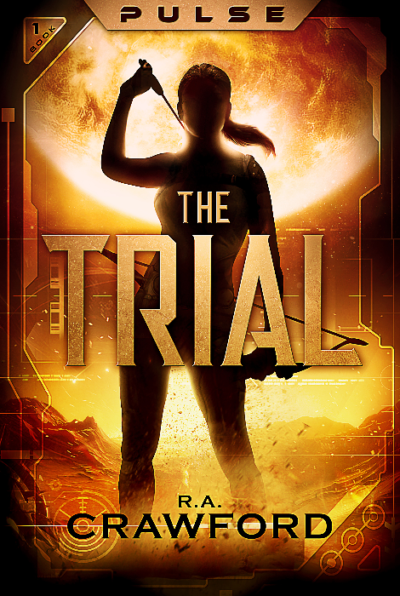 The synopsis starts, “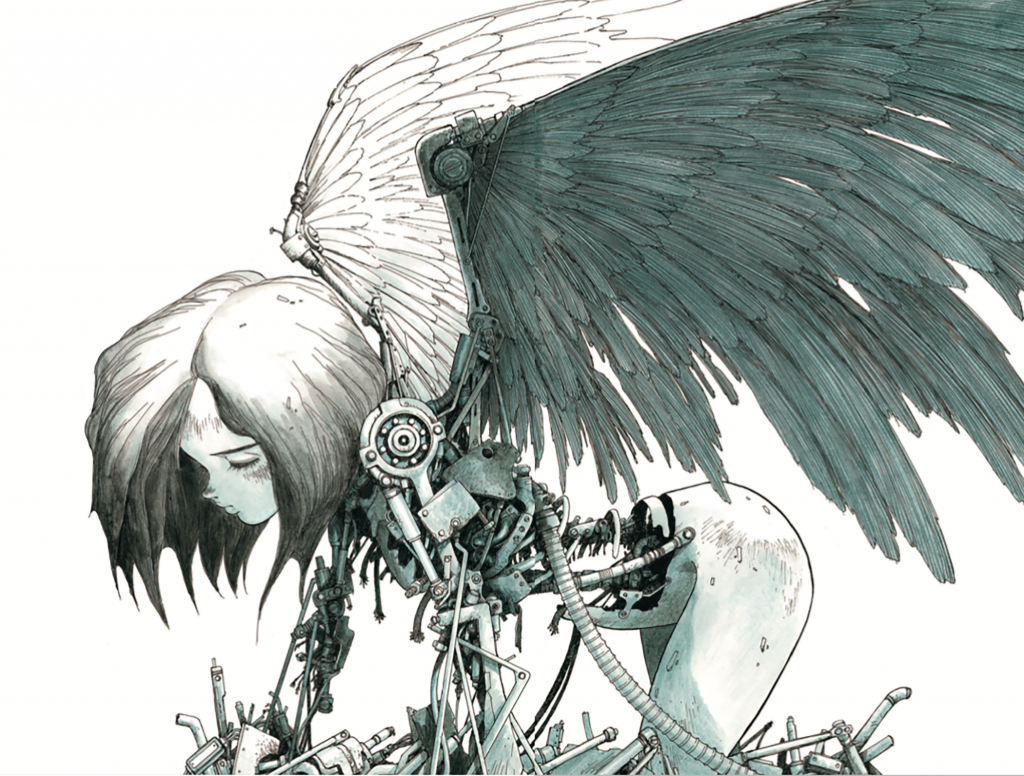
 I used to read a
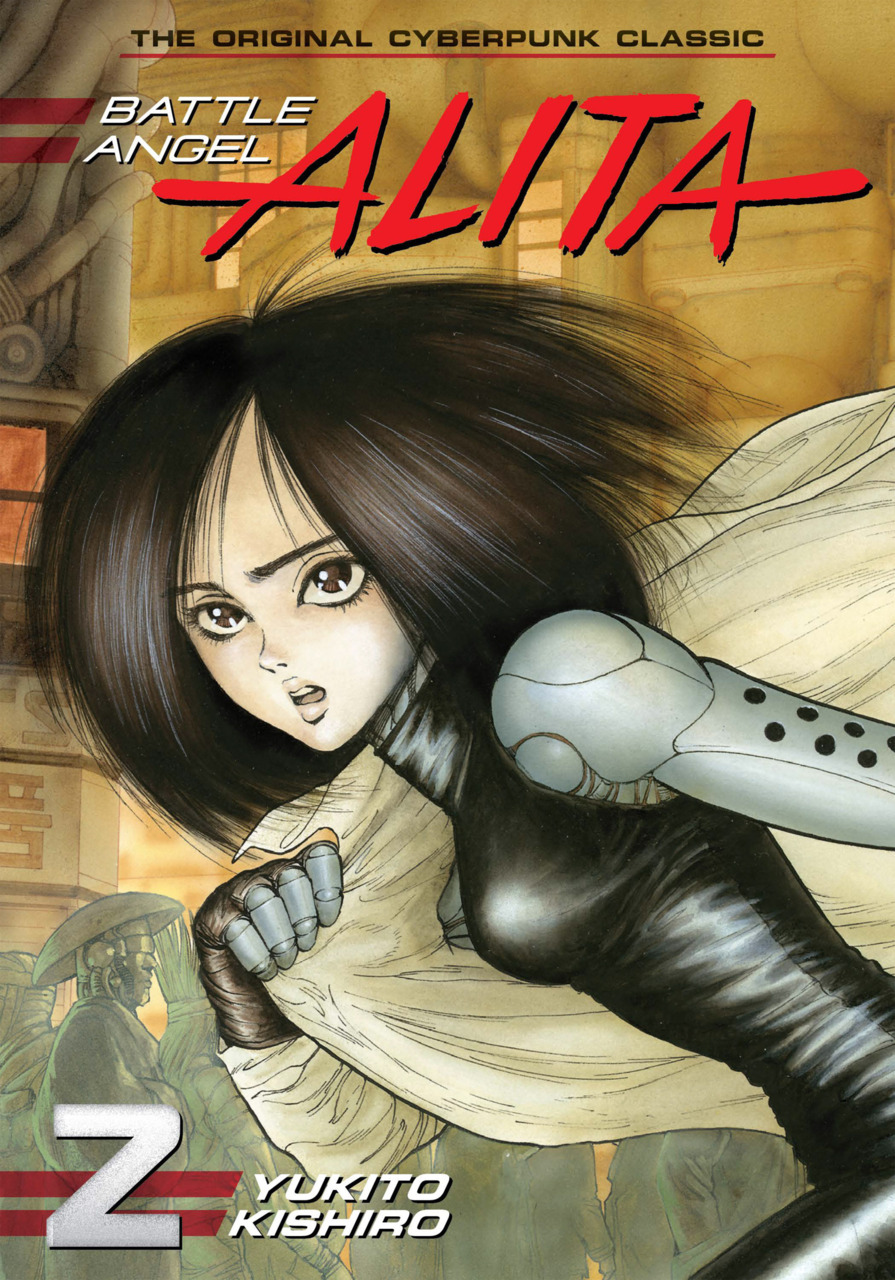
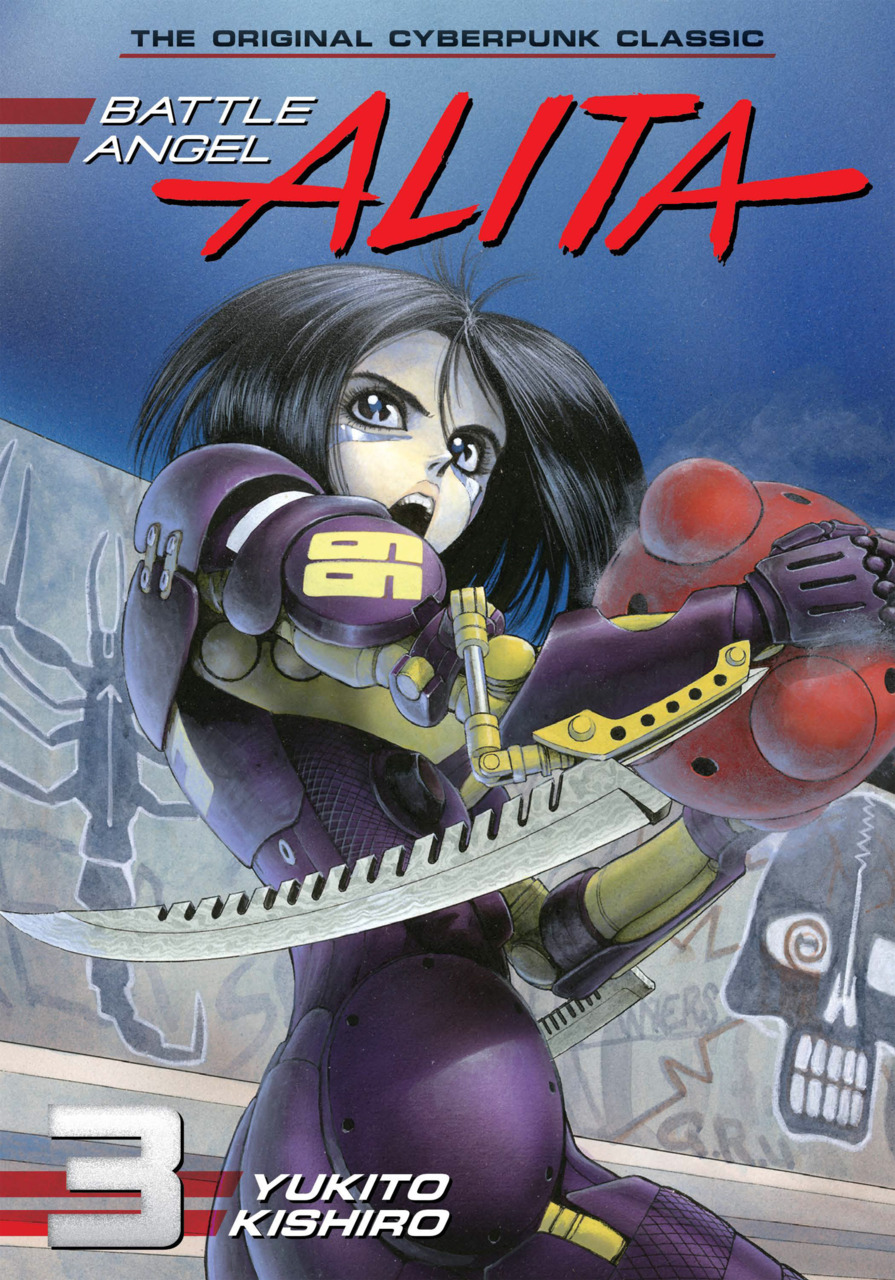
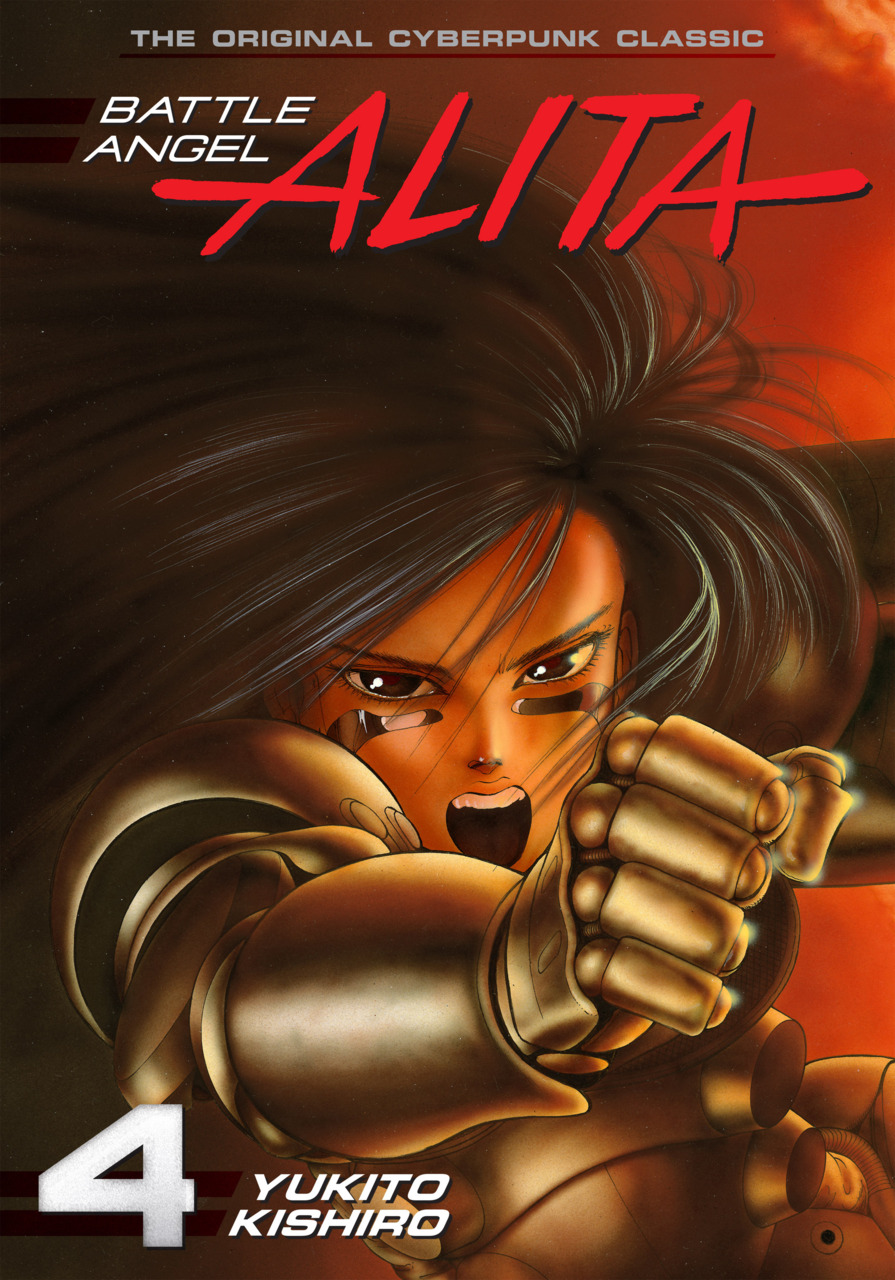
 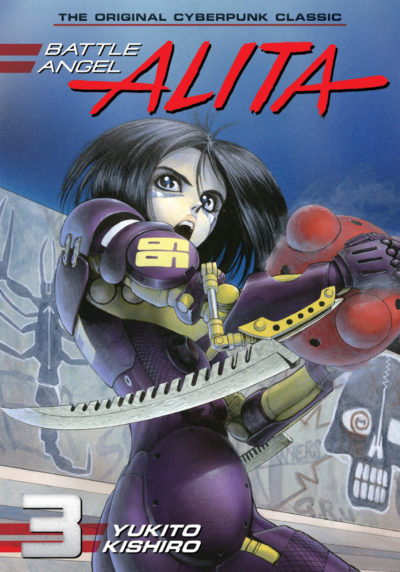 wever, there’s still an amazing amount going on in terms of story-line and universe-building. You can easily see how the feature film will only be able to cover perhaps one-quarter of the series. I presume it will begin with the origin story, in which Ido finds the head of Alita in the scrapyard beneath the floating city of Tiphares, and gives it a cybernetic body. He’s a part-time bounty hunter, only to find out quickly, the combat abilities of his new charge far surpass his own. Unfortunately, she has little or no memory of her prior life; where she got these skills and how she ended up in the scrapyard is only revealed well into the series.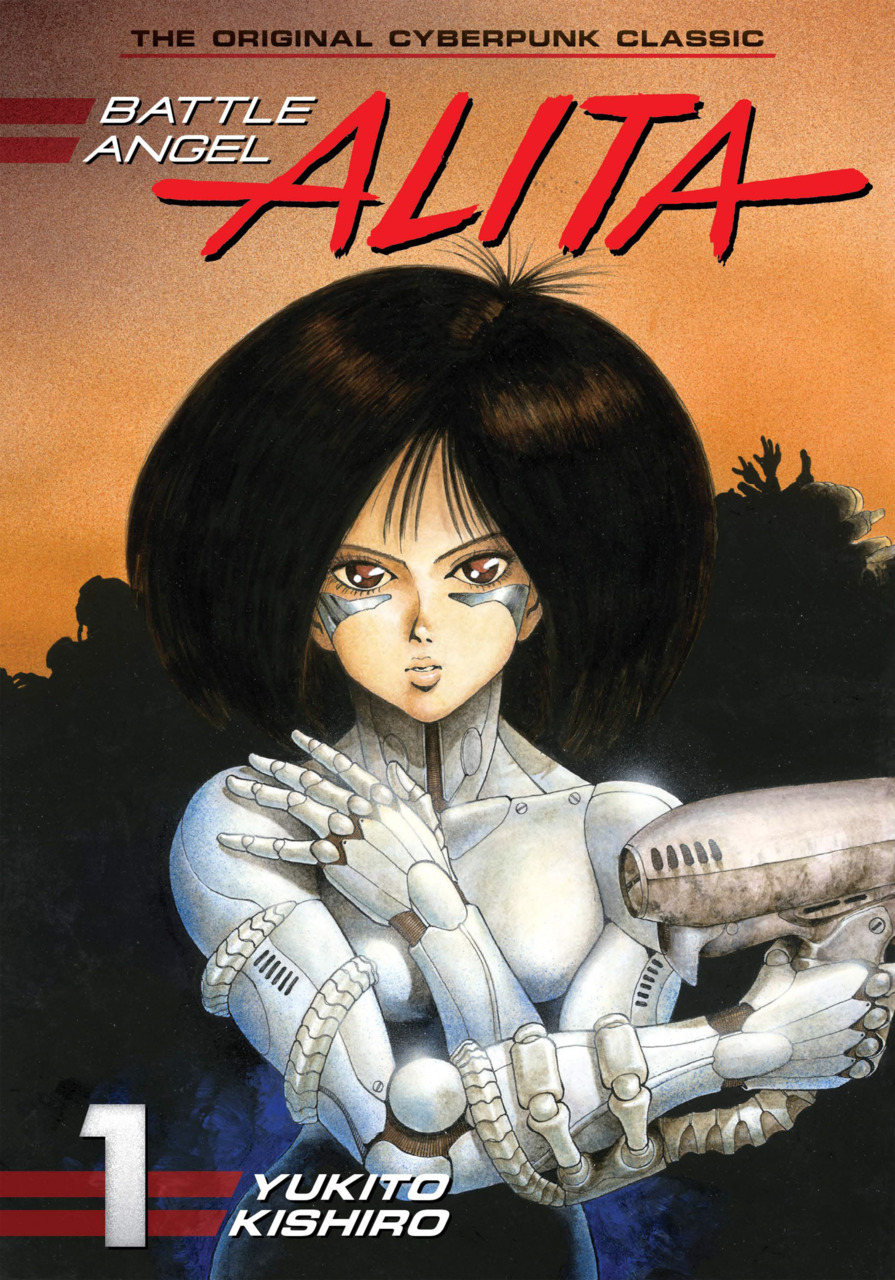
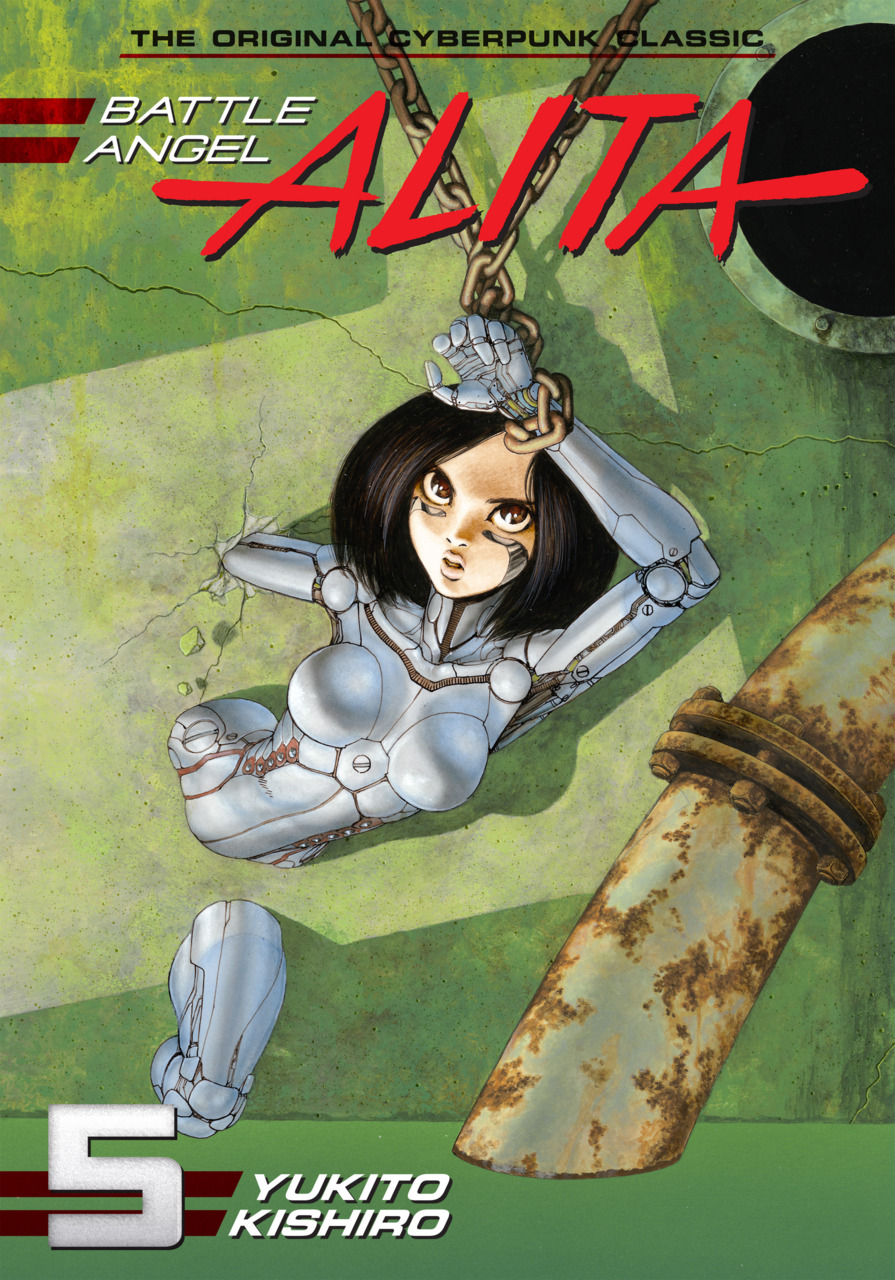
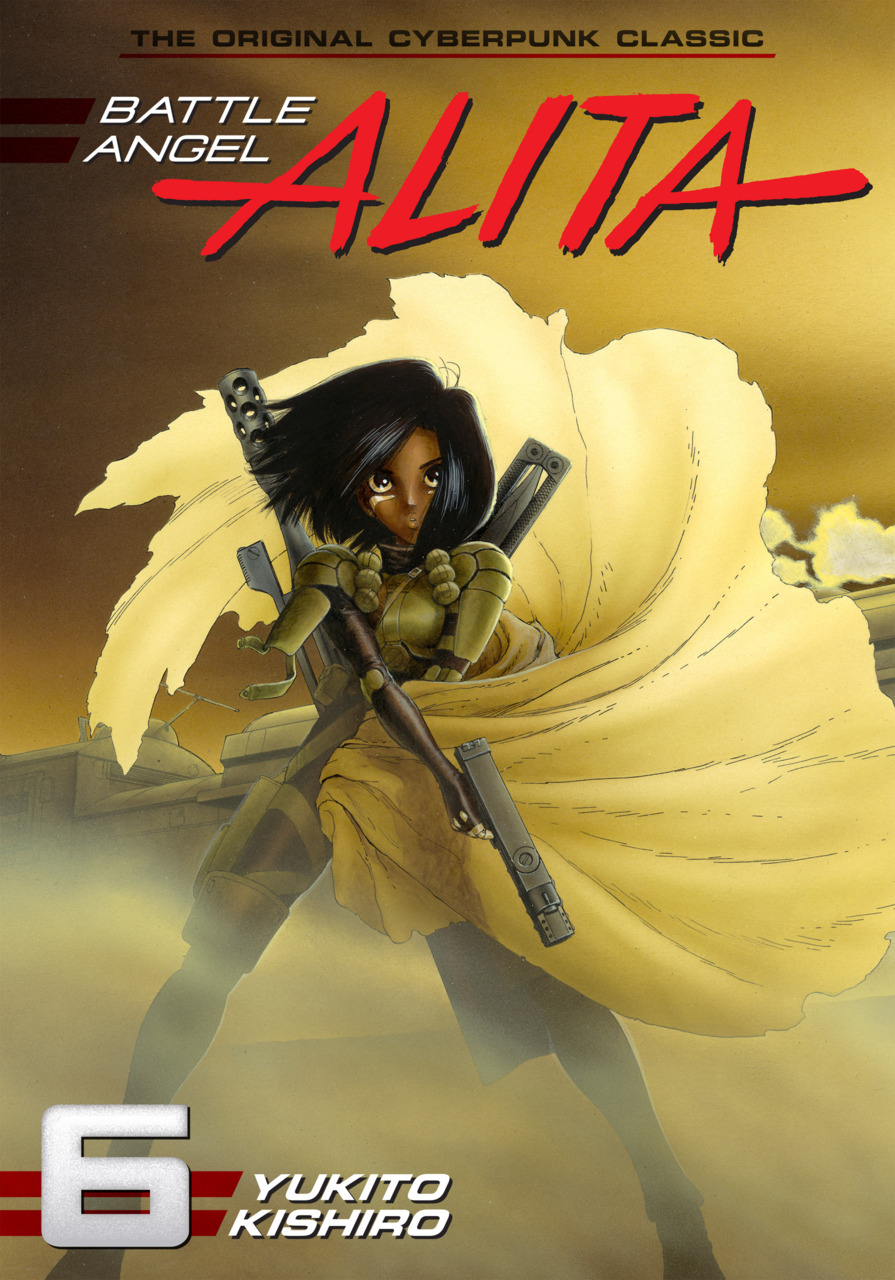
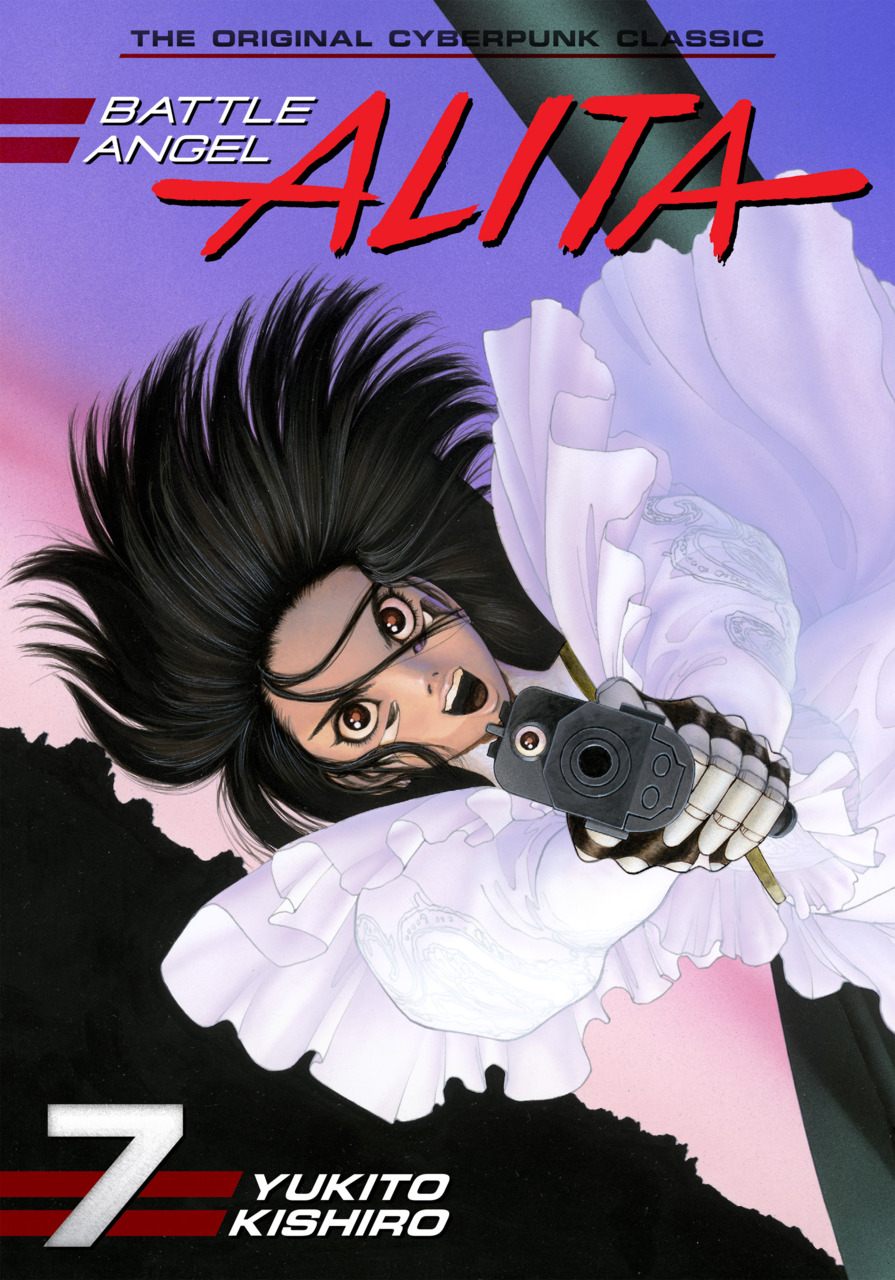
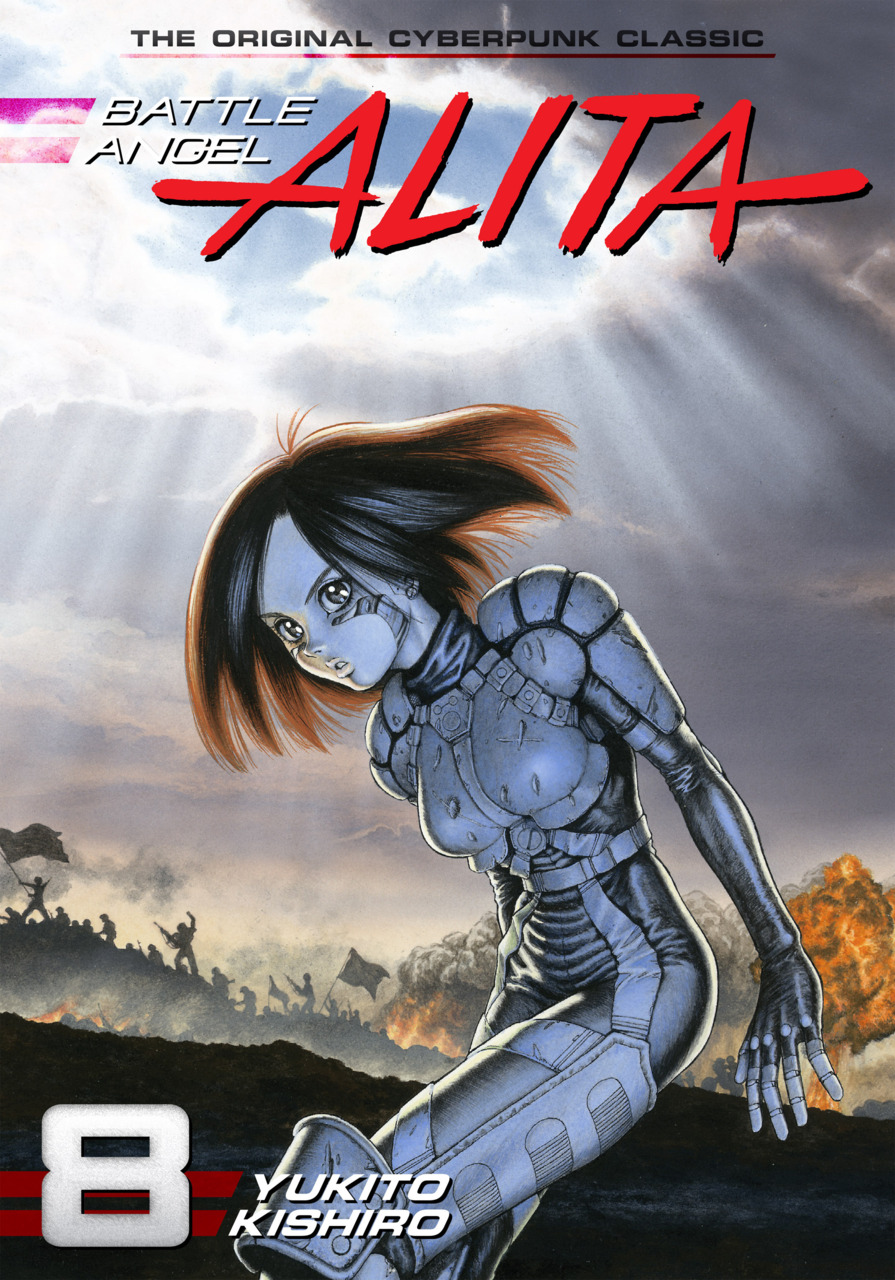
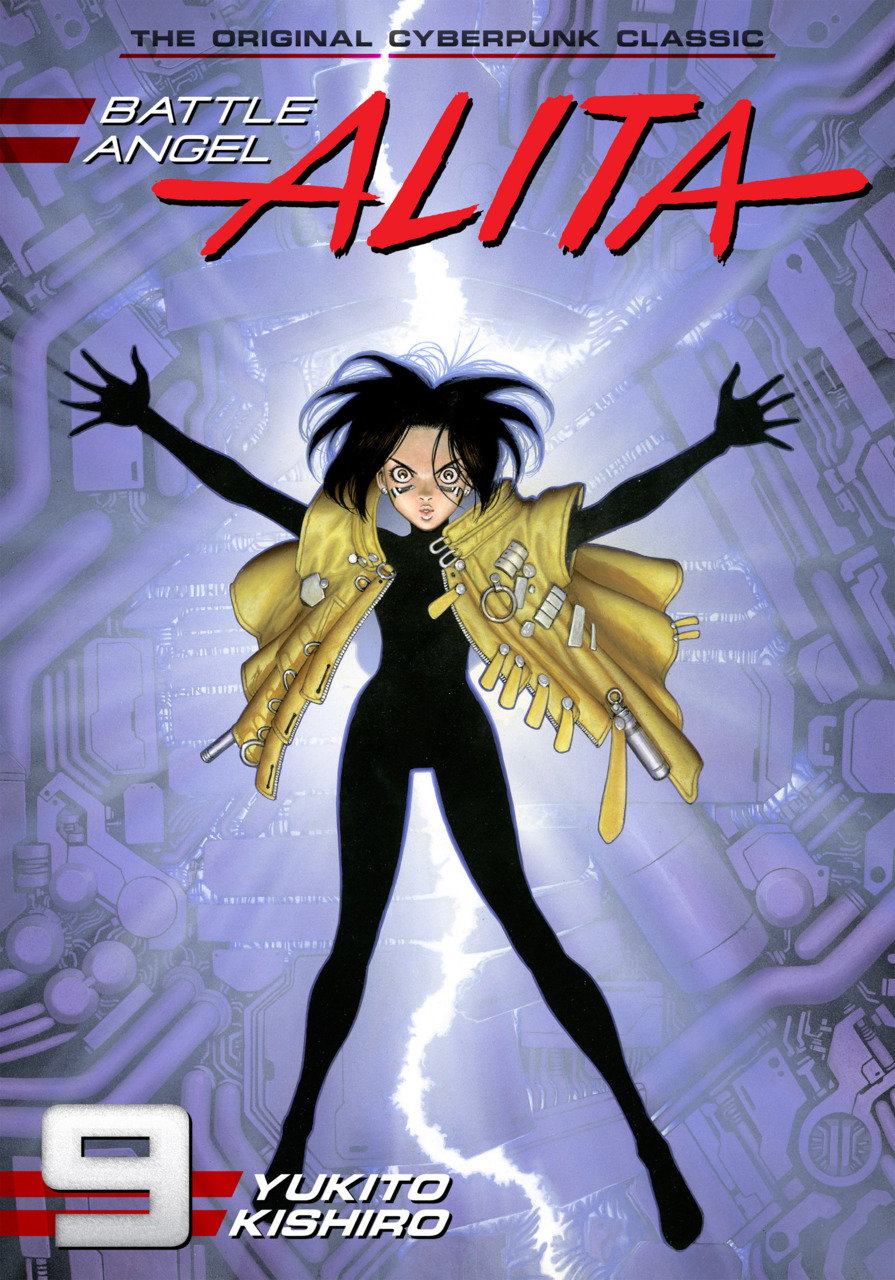
 “In this world, you are nobody unless you can wield a sword, and I will not be nobody! My life will count for something!”
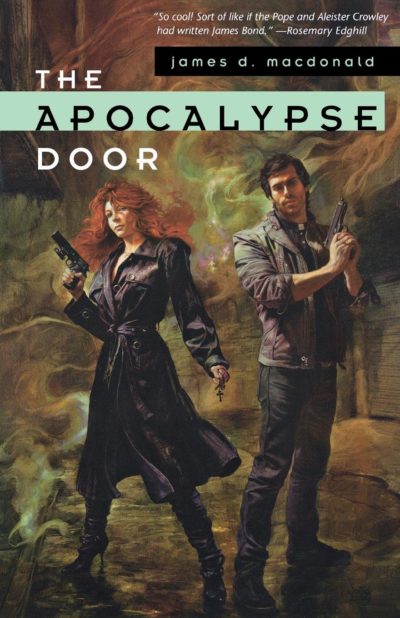 Those criticisms aside, however, this is a very gripping, exciting read, that moves along at a rapid pace right out of the starting gate. We have two distinct narratives here, alternating: a main one set in the author’s present (2002), laid out in the numbered chapters, and an earlier one from 1980, interspersed between each chapter in short sections titled “In-Country.” How the one strand is related to the other isn’t clear until near the end, although one connection comes into focus sooner than that. This is a challenging structure for a novelist to pull off, and to my mind Macdonald does it very well; both strands held my interest, and the rapid cutting between the two made for a constant cliff-hanger effect. I was completely hooked for both of them early on.
 To be fair, the low rating here is not necessarily just the author’s fault. It was only almost at the end – when I was checking to see how much more I had to endure – that I discovered a salient fact. While this is described as being “Book 1” in the series, it appears to be a follow-up to the same writer’s five-volume Hunter Circles series. The heroine there,
 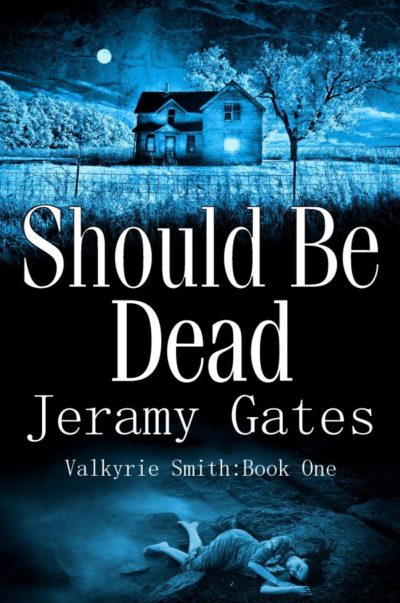 “Liberation, Val had learned, was not a simple matter of casting off stereotypes and social conventions. Nor was it a mere change in perspective. Rather, it was an evolution in state of being, a release not from consequences, but from fear.”
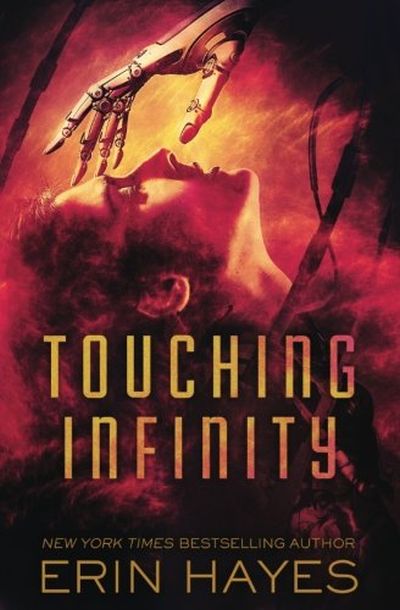 I will confess to a little post-read confusion here. Amazon calls this Volume 2 in the author’s Rogue Galaxy series – but I could find no information, there or elsewhere, regarding Volume 1. I suspect Amazon and Goodreads are wrong, and this is actually the first entry, as stated in the Dominion Rising collection. It certainly
 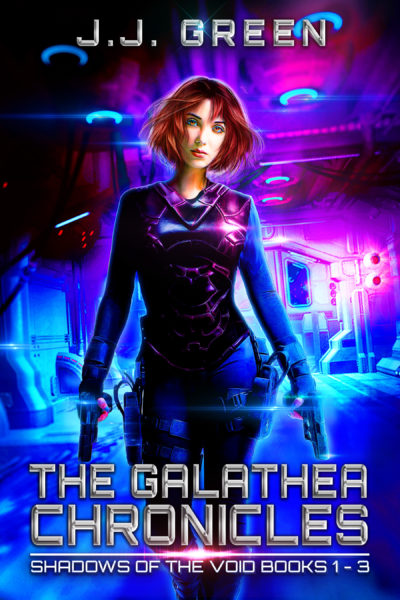 This compendium gathers together the first three (shortish) parts of Green’s Shadows of the Void series. In this, humanity has to face a malevolent alien species, the Shadows, which capture their victims, then take their shape in order to lure in more people. In these books, the threat is known but being largely kept under wraps, which is why it comes as a surprise to Jas Harrington. She’s the security officer on board a private exploration ship, sent out by the Polestar corporation to find new worlds to exploit. They find what appears to be a prime target, yet Harrington can’t shake the feeling something is wrong with the planet. Over-ruled by the ship’s captain, it turns out she was right – but by that point, the captain and almost all the officers have been replaced by their doppelgängers.
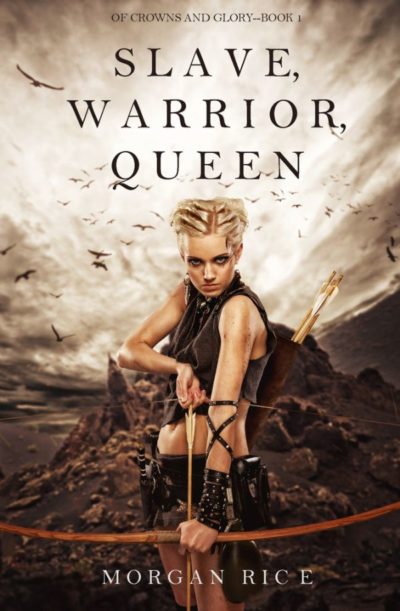 author is certainly prolific: this series, Of Crowns and Glory is eight books, yet only her