



★★★★
“Not backwards in high heels, yet still highly impressive”
 This one might sound familiar, as I did previously review it about four years ago. But it deserves, and gets, a fresh analysis, due to my having recently had the chance to watch it in a way much closer to how it was originally meant to be seen. This version was purely subtitled, rather than dubbed, and in particular, had a 2.35:1 ratio print, rather than the previous 4:3 atrocity which meant that half the time, one or other fighter in the (numerous) battles was cropped off the side of the screen. This made it feel such a radically different movie, it took an hour for me to realize I’d actually seen it before. And it was all the better for the new look.
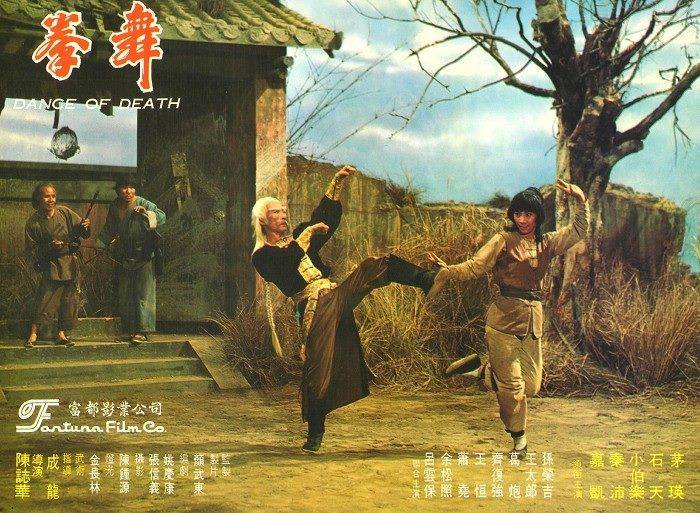 There were aspects which still befuddle me, such as most of the plot. Why, exactly, is Angela Mao pretending to be a boy? It’s completely unconvincing, and entirely unnecessary to the story-line. No-one ever discovers her true gender: it’s almost as if this were originally written for a man, then they got Mao, and in all the excitement, forgot (or, alternatively and equally credibly, couldn’t be bothered) to change the script. The rest of it is an odd mix. It’s partly vengeance with Fei Fei (Mao) out to pick up enough martial arts skill to take revenge on those who killed her family. Yet this sits alongside slapstick comedy which you’d not expect given the title, such as the two kung fu masters – one drunk, one stoner – whom she tricks into sharing her talents, or the villain with the world’s tiniest fan whom she defeats on her way to the big bad.
This time, those elements didn’t bother me anywhere near as much, and even if they had, I’m willing to forgive an enormous amount when the fights are so acrobatically inventive – the hand of Jackie Chan, who was a stunt co-ordinator here, might have something to do with this. Yes, it’s almost retro, even for its time. For by this point, in 1976, Bruce Lee’s shooting star had already blazed across the sky of martial arts cinema, and the Peking Opera approach was quickly being replaced by films based on his harder hitting style. Yet the long takes and fluid choreography used here have an undeniably elegant rhythm to them. I previously wrote that this movie reminded me of Fred Astaire and Ginger Rogers, and that’s one element which hasn’t changed between these viewings.
The steady progression in Fei Fei’s talents also remains notable, as does the blizzard of different styles of kung-fu, from crane through dragon to monkey, as well as less traditional approaches such as the.. ah, “flatulence fu” which shows up at one point. The graceful skill which Mao demonstrates in virtually all of these – save the intestinal variety, I’m pleased to say! – is truly a joy to behold, especially in this format, which allows you to appreciate it all the better. If there’s a more impressive vehicle for her talents, I’ve yet to find it.
Dir: Chuan Lu
Star: Angela Mao, Shih Tien, Shiao Bou-Lo, Chin Pey
 ★★½
★★½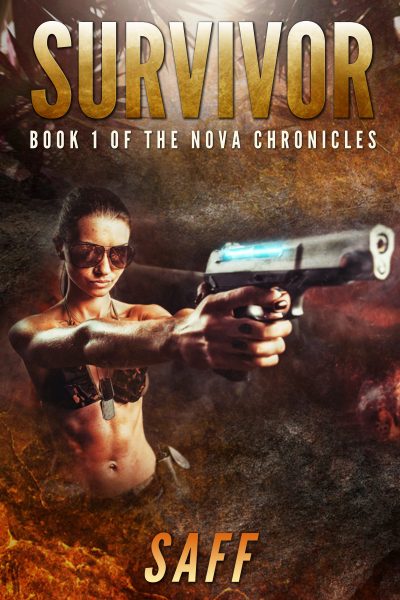 Nova is a bounty hunter, smuggler and generally survivor of life in the grey areas of legality. In need of a quick buck to fix her space-ship, she takes on the hunt for a couple of escaped fugitives. She locates them working in an archaeological dig being run by the Confederacy – which is odd, since the planet in question was supposedly never inhabited. An unfortunate translation error ends up helping unleash a long-buried race of reptiloid extra-terrestrials, the Ancients – a species with both the inclination and the ability to wage genocidal war on the rest of the galaxy. And Nova is the only one left who can stop them.
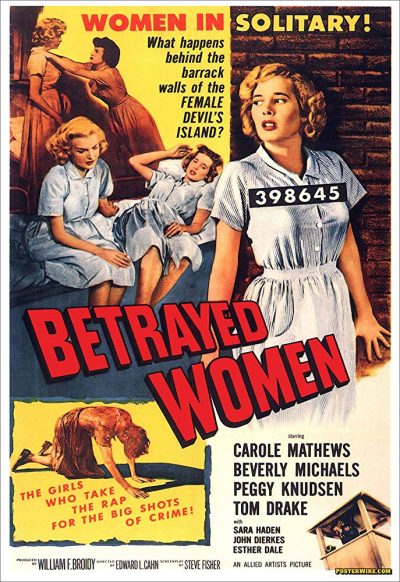 First, let me just say: that poster is a true work of art. Seriously, how can anyone look at that and
 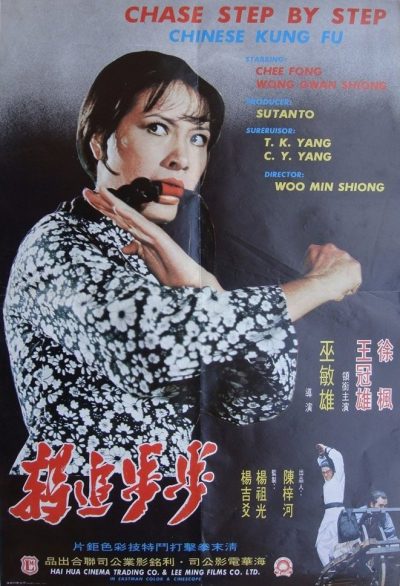 A solid if unremarkable Taiwanese kung-fu film, it’s set in 1887 and focuses on a mission to deliver a thousand taels of gold, which are intended for use in drought relief by another province. (Presumably) To avoid attracting unwanted attention, the delivery is kept very low-key. In fact, only two people are assigned as security for the gold: circus acrobats Lin Ying (Hsu) and Sao Wu (Chow). However, word apparently leaks out, and on their journey, they’re almost perpetually under attack.
 Ella (Daly) is a shy college student, whose psychology lecturer gives the class an unusual project: break a sexual norm. Unfortunately, Ella is rather confused about the intersection between sex and violence, in part because of genetics, for her father was a serial killer, before abandoning her pregnant mother (Heinrich). As a result, Ella’s attempt to carry out the assignment by auditioning at a strip-club, ends with her slitting the throat of the owner (Ron Jeremy, being appropriately grubby). This awakens the serial killer dormant inside her, and she starts taking out the sleazy men around her. The problem is nice guy Daniel (Andres), whose unwillingness to match her stereotypical opinions of masculinity, triggers further conflicting feelings in Ella, as her acts of murder become increasingly more blatant.
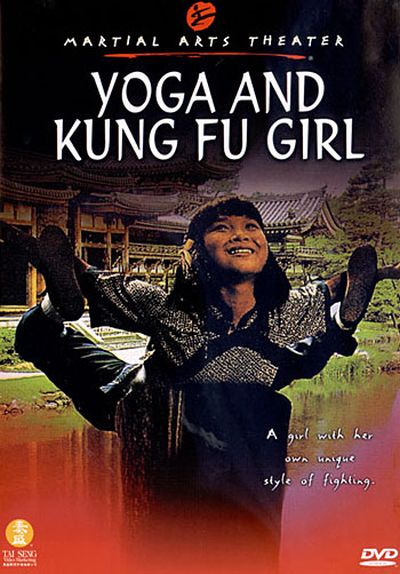 I’m trying to figure out if the “the” in the IMDb title used here is superfluous. “Yoga and Kung-fu Girl,” as on the DVD sleeve would make more sense, given the heroine’s martial arts are a combination of traditional skills with extreme flexibility. In some ways, it’s a slightly less exploitative version of things like The Crippled Masters, with its amputee-fu. The heroine here, Phoenix, could similarly make a living as a carnival exhibit, given her contortionist abilities, which are here shoe-horned into use to provide a style of fighting. To say this works with variable success would be an understatement. There are moments when her talents and flexibility are genuinely impressive. However, there are others where her limitations and lack of training are painfully apparent.
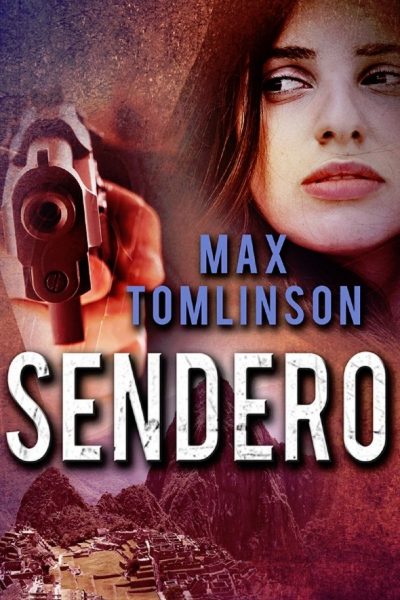 When you think of drugs, terrorism and South America, Colombia probably comes first to mind, thanks to Pablo Escobar and his cartel pals. However, it’s far from the only country in the region with a troubled history. Peru has had its fair share of strife: it produces virtually as much cocaine, and the Marxist guerillas of the Shining Path movement fought a long, bloody war against the government through the eighties. It’s during this time that the novel begins. Young girl Nina has her father killed by soldiers hunting the guerillas in her rural village, and her brother Miguel vanishes to join the Shining Path.
 Officer Shivani Shivaji Roy (Mukerji) is part of the Serious Crimes Squad in Delhi, whose approach to policing is very much “by any means necessary.” However, she is taken out of her area of expertise when Pyaari. a young girl she has been helping goes missing from an orphanage. Everything indicates the girl has been picked up by a sex trafficking ring, run by Sunny Katyal (Verma) and his partner, Karan (Bhasin), and will soon be sold off to the highest bidder and exported out of the country. Roy has to work her way up the chain to rescue Pyaari, despite opposition both from her boss, because it’s not her responsibility, and from the gang. As she gets nearer to the top, the climb becomes increasingly hard, with the criminals making it clear they won’t take lightly the threat to their lucrative business which Roy represents. It’s also clear they have friends in high places.
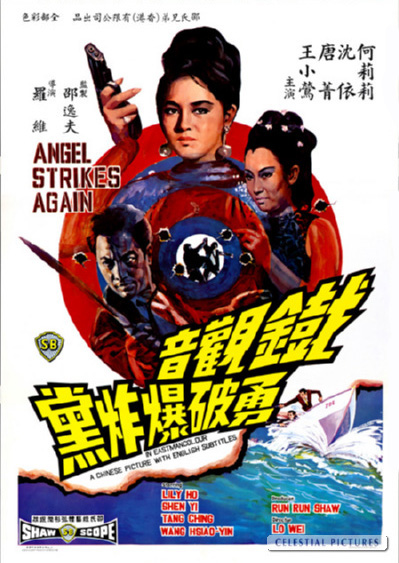 This is a sequel to