 ★★★★½
★★★★½
“Here be drag-ons…”
 D
D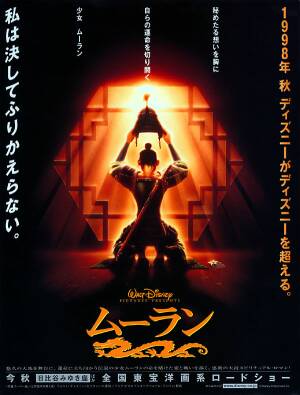 isney movies are not the usual place to find action heroines: their classic woman is a princess, who sits in a castle and waits for someone of appropriately-royal blood to come and rescue her from whatever evil fate (wicked stepmother, poisoned spinning wheel, etc.) that has befallen her.
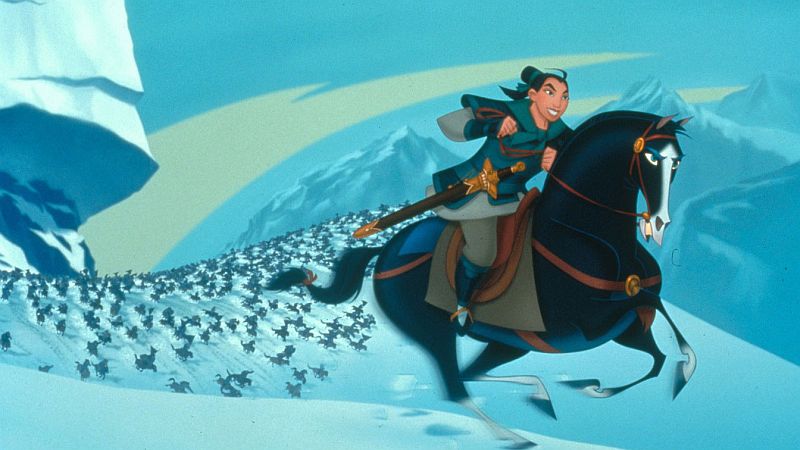
The first inklings of a change to this traditional attitude came in 1991 with Beauty and the Beast, where Belle was an independent-minded young lady who rejected the advances of the handsomely square-jawed hero, because he was an idiotic jerk. Unfortunately, the moral was somewhat diluted by the end when – and I trust I’m not spoiling this for anyone – the Beast turns into a rather convincing facsimile of said handsomely square-jawed hero. So, looks are everything, after all… Much more successful was their 1998 attempt, Mulan, recently released for the first time on DVD, which took a traditional Chinese legend about a girl who dresses as a man to join the army, and converted it into the traditional Disney animated feature format, complete with songs and amusing sidekick. Given the studio’s previous track record (hey, why bother paying writers to come up with new stories, when there’s public domain ones to rape?), qualms here are understandable. Perhaps most memorably, Disney gave Hans Christian Andersen’s The Little Mermaid a happy ending, though turning Quasimodo into a lovable Happy Meal probably comes close – that whirring sound you hear is Victor Hugo spinning in his grave.
And, yes, liberties were taken, though to be fair, you expect this in any screenplay – especially one whose story originally appeared in a poem written by an anonymous Chinese author around the 5th or 6th century AD. [The poem also appears on the DVD, but without any attribution or context; you’d be forgiven for thinking it was written by a Mousketeer] From here sprang a whole raft of tales, with different eras, locations or surnames, largely dependent on the author’s feelings, but having several common threads. The story takes place over more than a decade, and Mulan’s identity isn’t discovered until she has finally returned home and resumed her normal life.
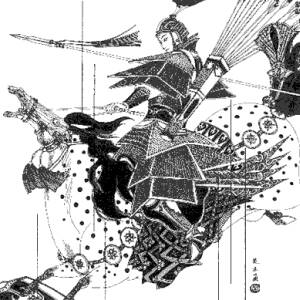 There’s also no threat of execution when her deception is found out – Chinese culture may perhaps actually have a more tolerant approach to such things, though this is admittedly going only by the likes of Peking Opera, and a good chunk of Brigitte Lin’s career. And, of course, both the romantic angle and amusing sidekick were modern additions. This contrasts sharply with one version of the original, which has the Emperor hearing of Mulan’s exploits, and demanding she becomes his concubine. Mulan commits suicide in preference to this fate, an ending that, for some reason, didn’t make it into the Disney adaptation…
Perhaps the surprising thing is that there haven’t been more movie adaptations of the story – contrast the literally hundreds of movies based on Wong Fei-Hung. There have been a couple, most notably 1960’s The Lady General Hua Mu Lan, directed by Yue Fung, and starring Ling Buo as Mulan (real-life husband Jing Han played General Li). Before that was Maiden in Armor starring Nancy Chan, made in 1937, largely as propaganda to rally the Chinese against the Japanese. The most recent version was in 1999; Yang Pei-Pei’s 48 episode TV series starred Anita Yuen as Mulan [photo, right]. However, over the past couple of years, no less than three versions have been rattling around in development hell. The most eagerly anticipated one stars Michelle Yeoh as Mulan, with Chow Yun-Fat co-starring. The director is uncertain (Peter Pau and Christophe Gans are most often mentioned) and production still hasn’t started, even though it was announced back in July 2001; recent reports now have it scheduled to begin filming early next year.
Stanley Tong has also been working on The Legend of Mulan; the original plan was to shoot this in English, with Lucy Liu and The Rock as Mulan and the Hun general respectively, but this may have fallen through; with Tong now working on the next Jackie Chan film, this one seems to be on the back-burner. Finally, a Korean version, with either Jeon Ji Hyun (My Sassy Girl) or Zhang Zi-Yi, was scheduled, but not much has been heard about this lately. The Disney version, on the other hand, just came out on DVD for the first time – in part, I suspect, to act as marketing for the forthcoming, inevitable Mulan II. The trailer for the sequel is on the Mulan DVD, but Lady and the Tramp II, The Little Mermaid II, The Hunchback of Notre Dame II and Aladdin II should give you an idea of how wonderful Mulan II will be. [It’s going straight to video, of course, but it does at least have Ming-Na Wen. No Eddie Murphy though.]
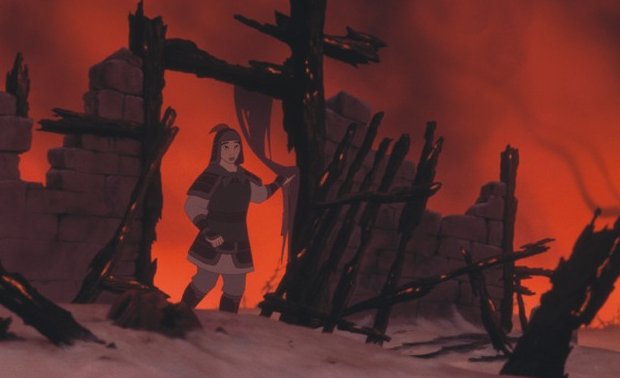 That’s a shame, because the original still has a great deal to offer. Unlike many Disney films, the songs don’t bring proceedings to a grinding halt and are notably absent from the second half of the film. Indeed, the transition is deliberately abrupt: a band of happy, singing warriors is stopped mid-verse when they come across a burnt-out village which the Huns have exterminated (right). It’s a simple, but highly effective moment, where silence says a lot more than any words. [At one point a song for Mulan about the tragedy of war was considered, but this was dropped, along with Mushu’s song, Keep ‘Em Guessing – both decisions which can only be applauded.]
Obviously, in terms of action, it’s hamstrung by the G-certificate (though the British censors insisted on a headbutt being removed to get the equivalent ‘U’-rating), but allowing for this, it’s still got some exciting scenes, and the first encounter between Mulan and the Hun army is fabulous by any measure. It also avoids the pitfall of many a Disney film – making the villains more memorable than the main characters. [Everyone remembers Cruella DeVille from 101 Dalmatians; but can you name the hero?] Here, Shan-Yu is almost a caricature, but does what’s necessary quickly, allowing the other characters to be developed more completely, and compared to other Disney heroines, Mulan may be the most well-rounded human being.
Of course, Eddie Murphy comes close to stealing the show as demoted family guardian, Mushu. Unlike Shrek, where the competition for laughs with Mike Myers was painfully clear, Ming-Na Wen is content to be the straight “man”, and the film benefits as a result. Murphy’s accent is entirely anachronistic, naturally, but that’s half the fun – interestingly, the American DVD offers the option of a Mandarin soundtrack, which is a nice option. We did try it for a bit, but the Chinese Mushu just didn’t have the life and energy of Murphy, and we soon switched back. [HK singer CoCo Lee plays Mulan, while Jackie Chan is the voice of Shang in both this and the Cantonese versions] The tunes are perhaps not quite “classic” Disney, in the sense that they don’t stay in your brain for years after, to explode at the most inappropriate moments. They’re still fairly hummable though, and Jerry Goldsmith’s Eastern-tinged score compliments the similarly Oriental-flavoured animation well. The makers clearly did a lot of research, thought it does have to be said, the film does not exactly portray Chinese culture in a particularly good light; Mulan, the heroine, is shown as rebelling against it in almost every way. One reviewer describes its basic theme as, “a woman with western values overcoming the oppression of a backwards Chinese civilization.” Ouch.
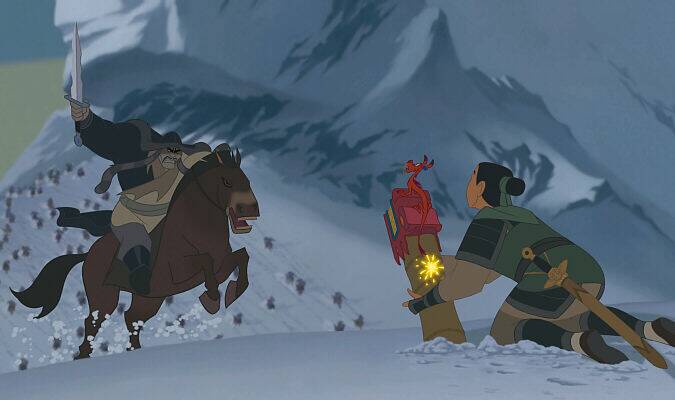 However, personally, I’d say the value of having a clearly non-Caucasian heroine (a first for any Disney film) outweighs relatively minor quibbles about subtext. It may be the last great hand-drawn animated feature from the studio which invented the genre, and all but defined it for sixty years, so I have absolutely no hesitation in recommending this as an empowering and highly entertaining tale for children – of any age, but especially those too young to read subtitles. There aren’t many action heroine films our entire family loves, but Mulan is definitely high on the list.
Dir: Tony Bancroft and Barry Cook
Star: Ming-na Wen, Eddie Murphy, B.D.Wong, Soon-Tek Oh


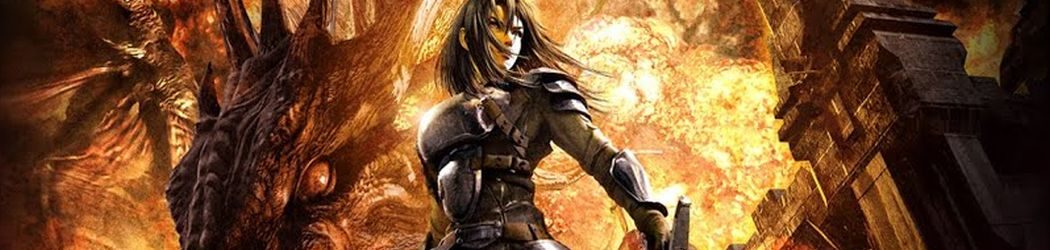

 The opening shot zooms in on Rodriguez with her head down; slowly, she raises her head, and stares into the camera with ferocious intensity. If this renders the rest of the film largely redundant, it’s not really anyone’s fault. In Michelle Rodriguez, the makers have the perfect person to play Diana, a pissed-off, troubled/troublesome) teen, who finds that violence does solve problems after all. Okay, that’s not perhaps the message the authors intended, but when Diana finally lays into her father, it certainly seems that way.
 The picture on the right probably does a better job of explaining what Cutey Honey is about than I ever could; part-girl, part nano-technology, rebuilt post-car crash with superpowers and some interesting costumes, which require fuelling through junk food. After her uncle is kidnapped by the evil Sister Jill (Sakai) and his/her/its minions – Jill is part tree, and has also been kidnapping women en masse, in order to drain their lifeforce – only Cutie (Sato) can save the day, assisted by a no-nonsense policewoman (Ichikawa) and a journalist who, basically, acts as “Exposition-San” (Murakami).
 ★★★★
★★★★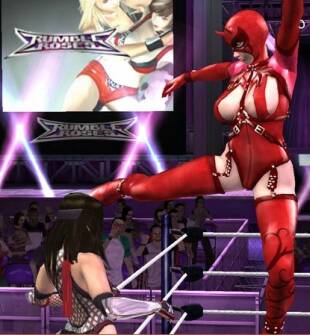
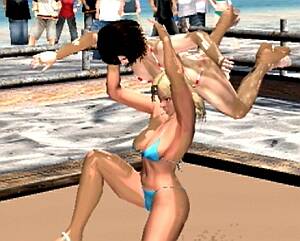 It’s kinda hard to decide whether this is feminist or sexist. There’s no doubt that these are strong, independent women who can kick ass with the best of them. Yet they also wear outfits which would prove structurally unfeasible in real life, and you could say the same thing about physical attributes resembling a multiple Zeppelin pile-up. Then there’s “mud mode” (left), which is exactly what it sounds like. Of course, this cheesecake aspect is far from unheard of: Dead or Alive: Beach Volleyball took the female characters from the beat-em-up game and put them in swimsuits to play volleyball against each other. Yet, its roleplaying aspects made that one a favourite with our teenage
 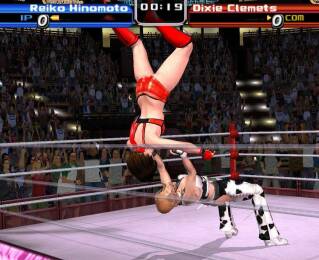 My playing-style is your average button-masher, but it took me only an hour or so to beat the game with my first character – there are ten to choose from at the beginning, and playing through story mode in each one unlocks their alter-ego. Play through all 20, and you can be the bosses too, but be warned: the voice acting is horrible, and the storylines positively wince-inducing. In addition, you can play straightforward exhibition matches, and carrying out certain tasks, known as “vows” e.g. winning inside three minutes, can cause characters to switch from good to bad versions too. A problem here seems to be that you can’t have both alignments active simultaneously, so you’re not able to have Reiko Hinomoto (nice) take on Rowdy Reiko (naughty).
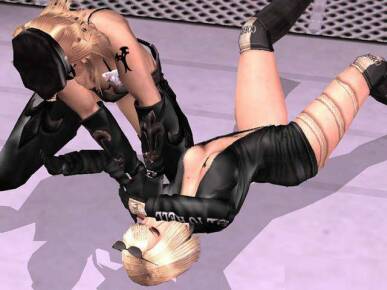 The graphics kick ass. An awful lot of polygons (I believe around 10,000!) go into each character, with detailed hair, costumes, tattoos, backgrounds and other refinements that look good even on the biggest TV set. However, when the wrestlers run, it sometimes doesn’t work at all. The music is pretty lame J-Pop, so you’ll probably rapidly find yourself turning off the entrance videos too. On the down side, as well as practice mode, we could have used tag matches, survival mode, create-a-character, a bigger range of locations… The options present here are pretty sparse, though in gaming I suppose it’s usually better not to be a jack-of-all-trades.
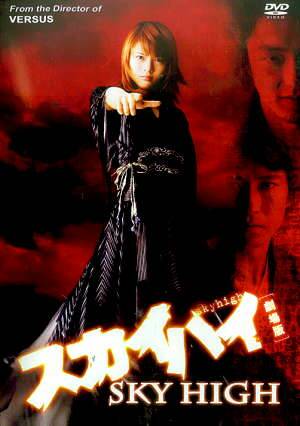 Combining elements from Dead Like Me and Ghost, this still manages to come up with something unique, especially given its origins as a prequel to a popular TV series. It is designed to explain how Mina (Shaku) got the job as Keeper of the Gate, where murder victims must decide whether to forgo revenge and pass on, return to Earth as a ghost, or seek vengeance at the price of eternal torment. She ends up there after having her heart torn out on her wedding day by insane billionaire serial killer Kudo (Osawa) who will stop at nothing to save his one true love, currently lying in a coma. Trust me – it all makes perfect sense, and it’s a particularly nice touch that Mina’s fiance, Detective Kohei (Shosuke) is equally driven in his actions by love.
 ★★★★
★★★★
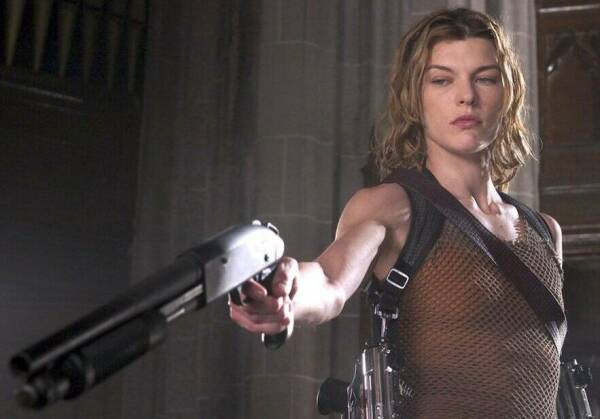
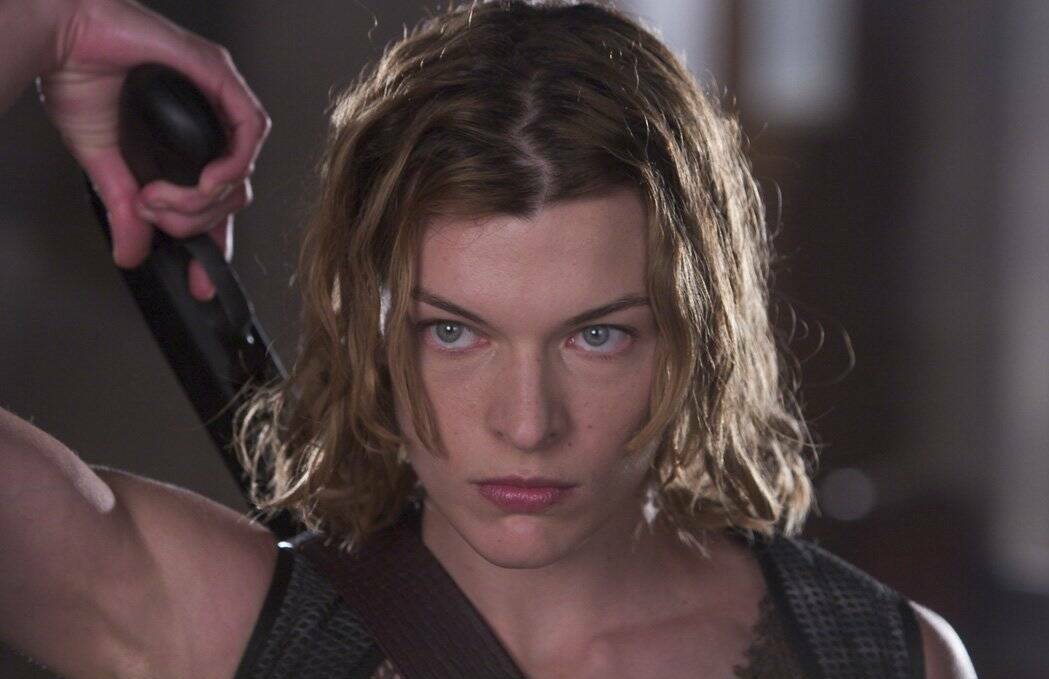
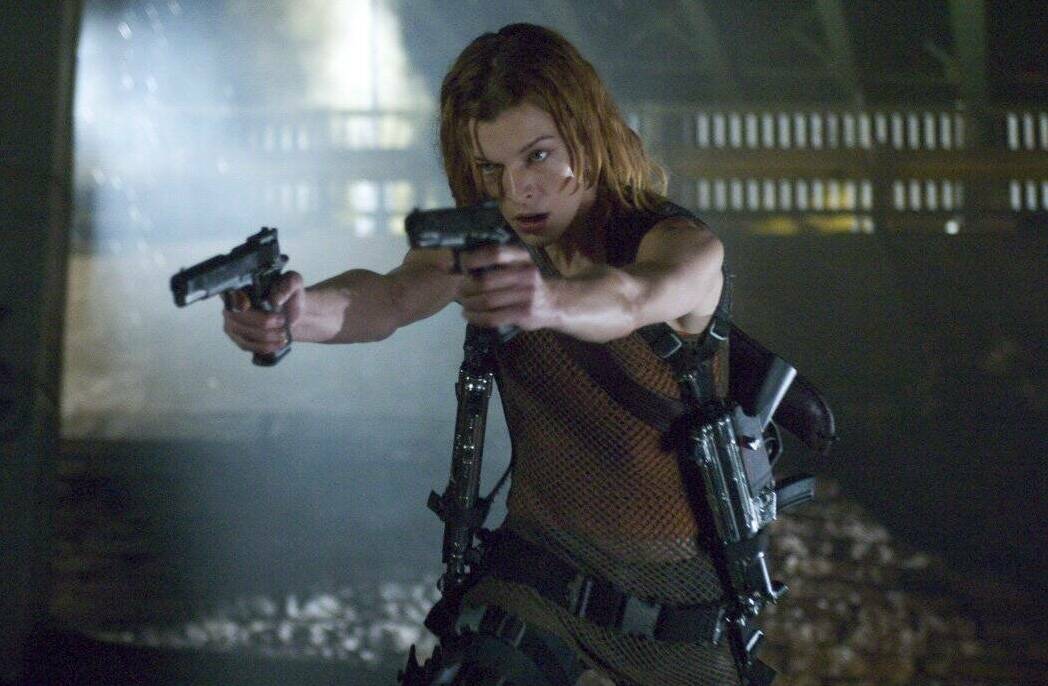
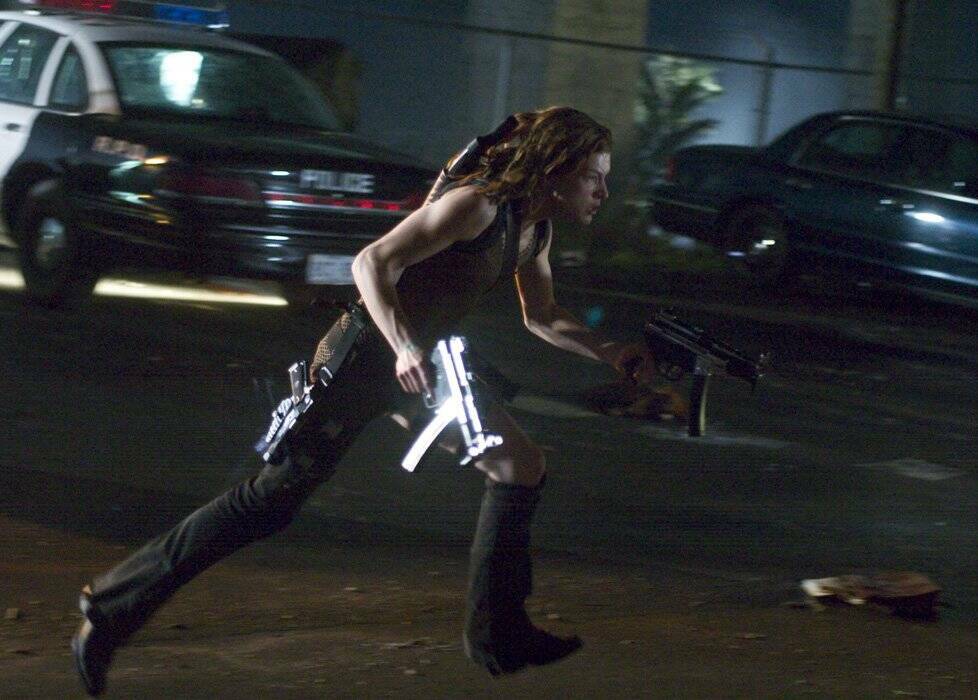
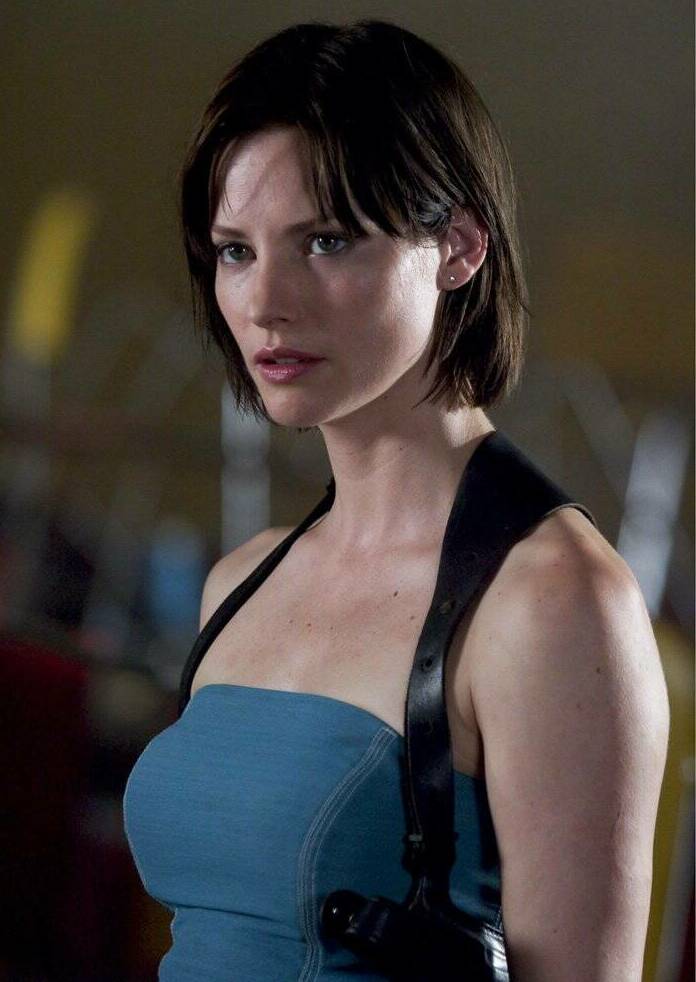
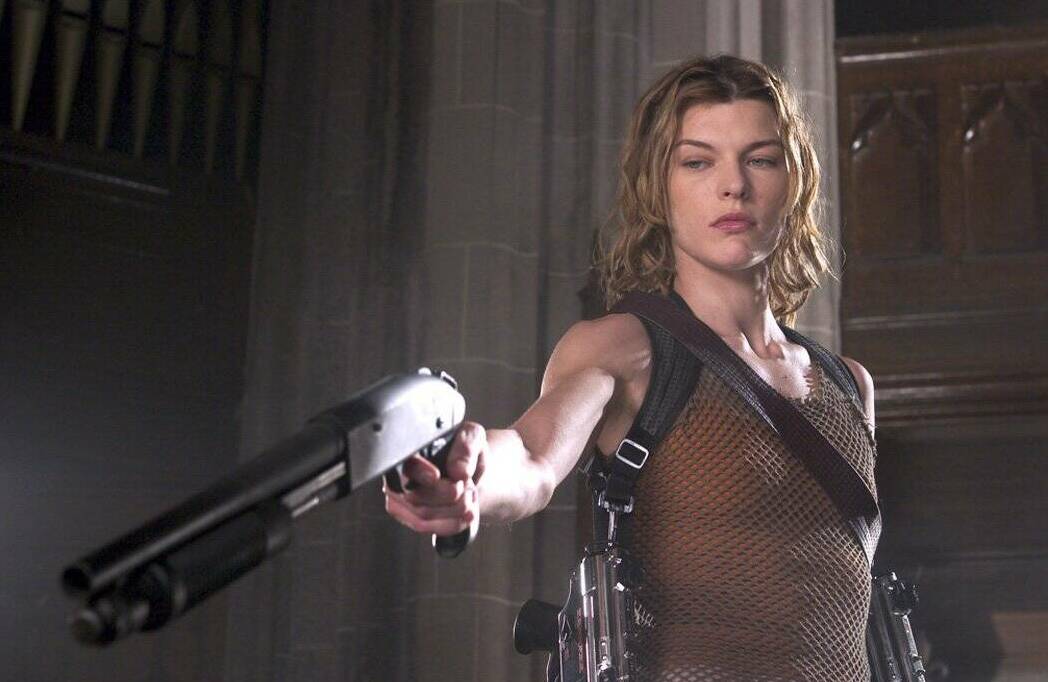
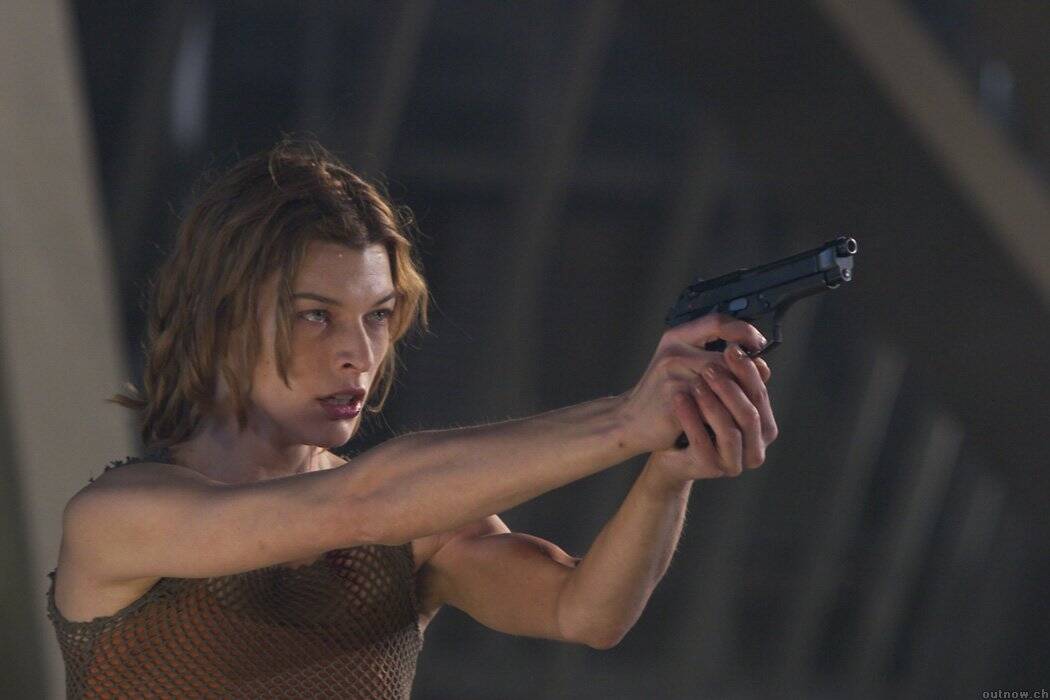
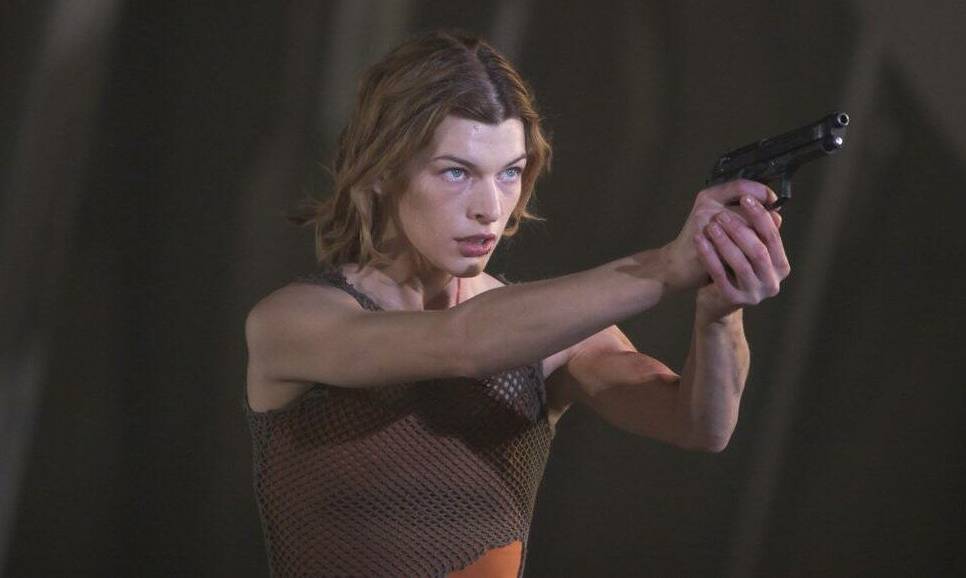
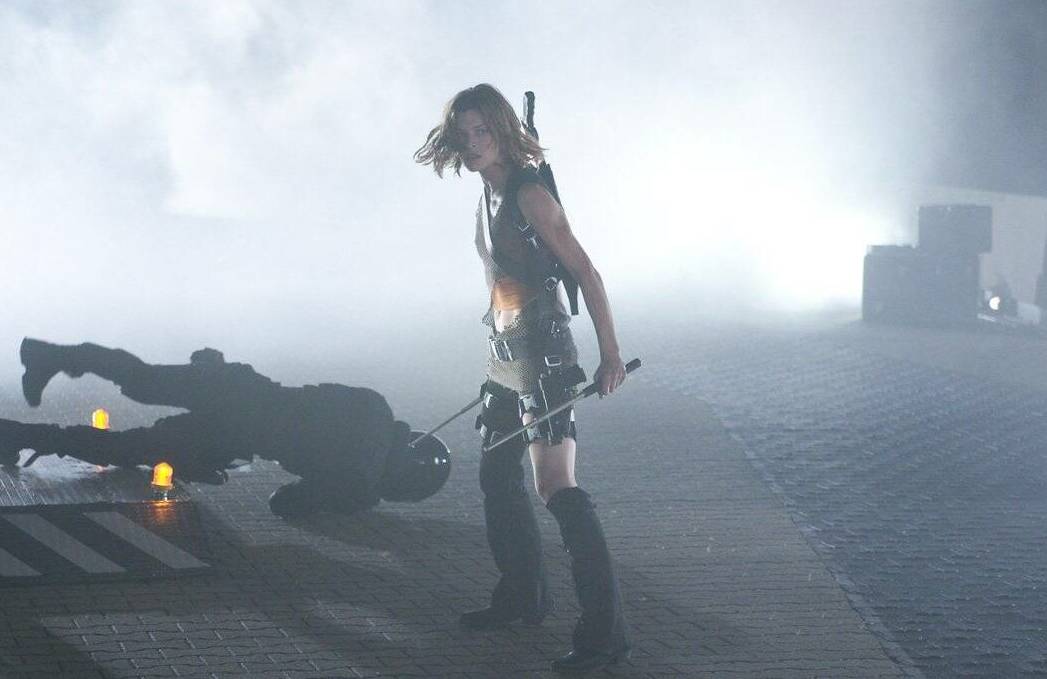
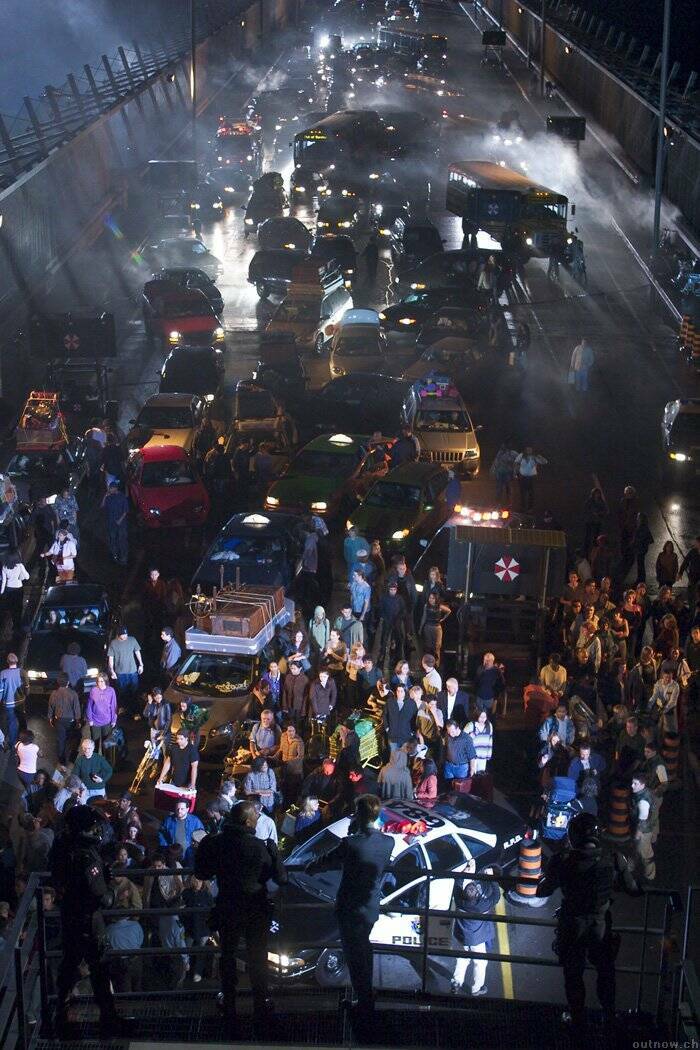
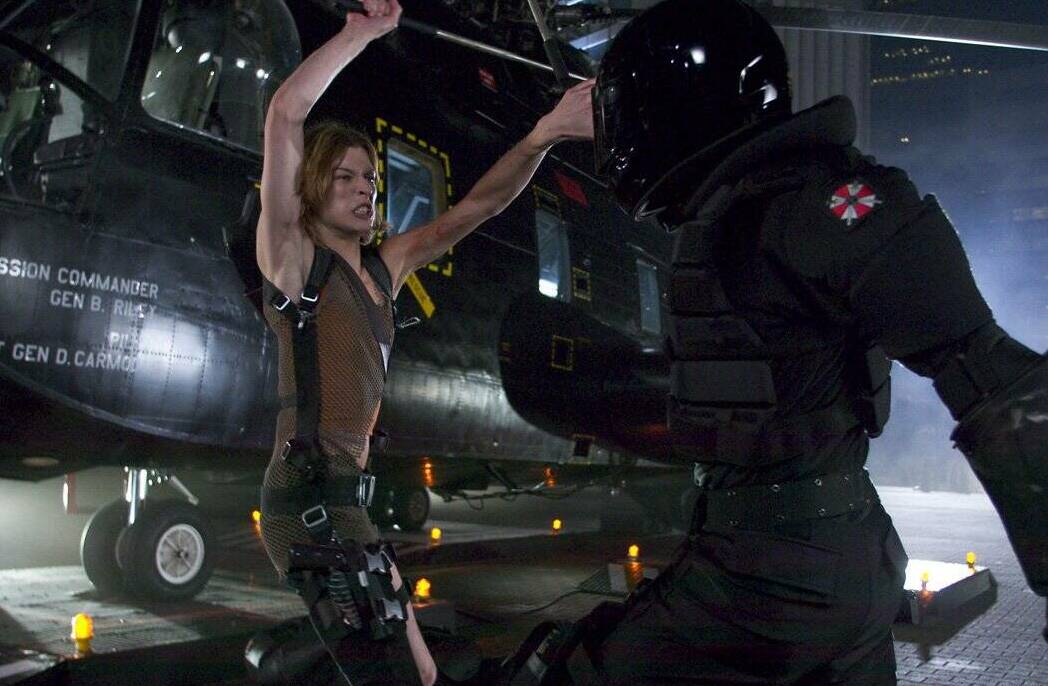
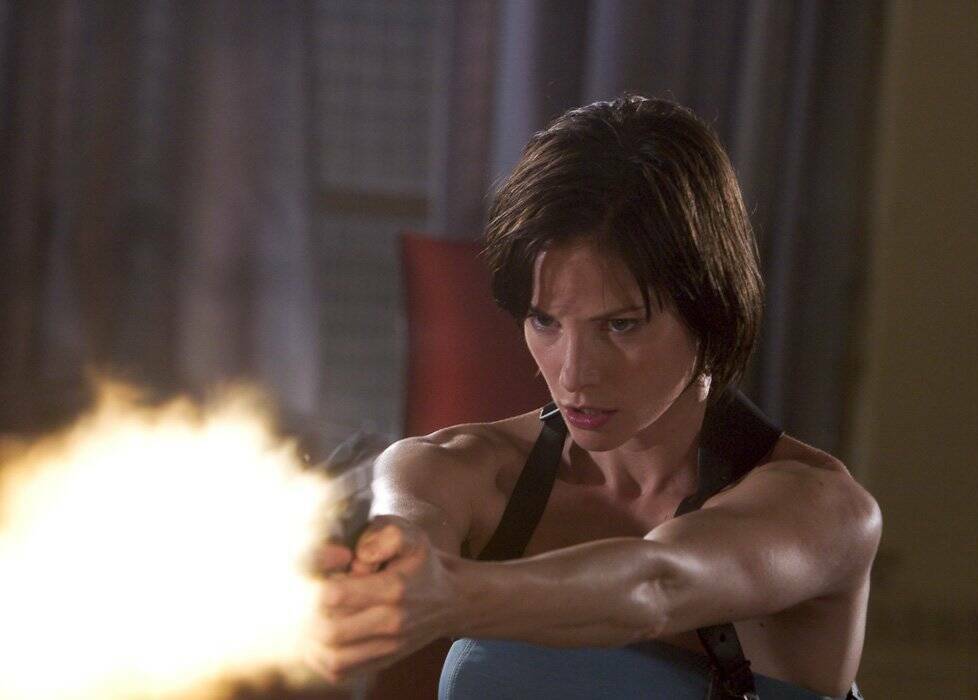
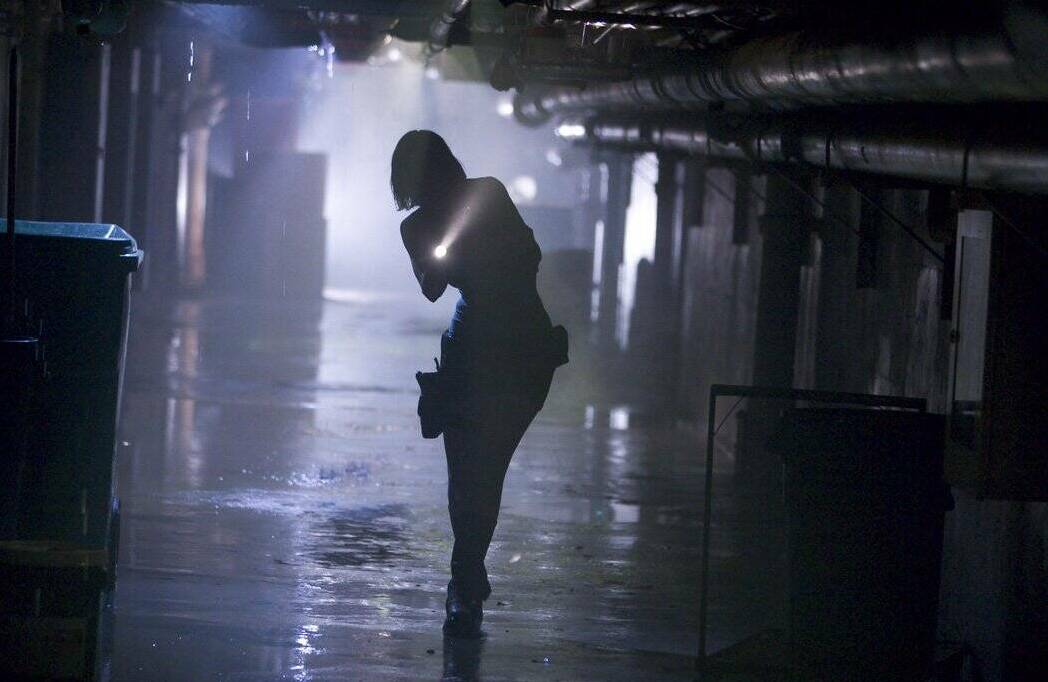
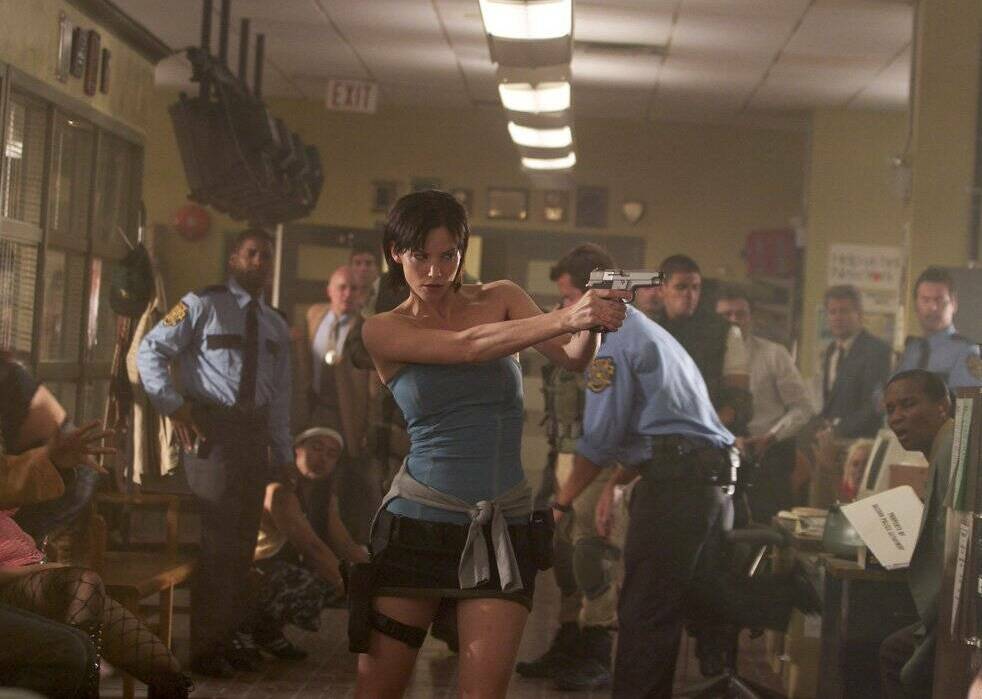
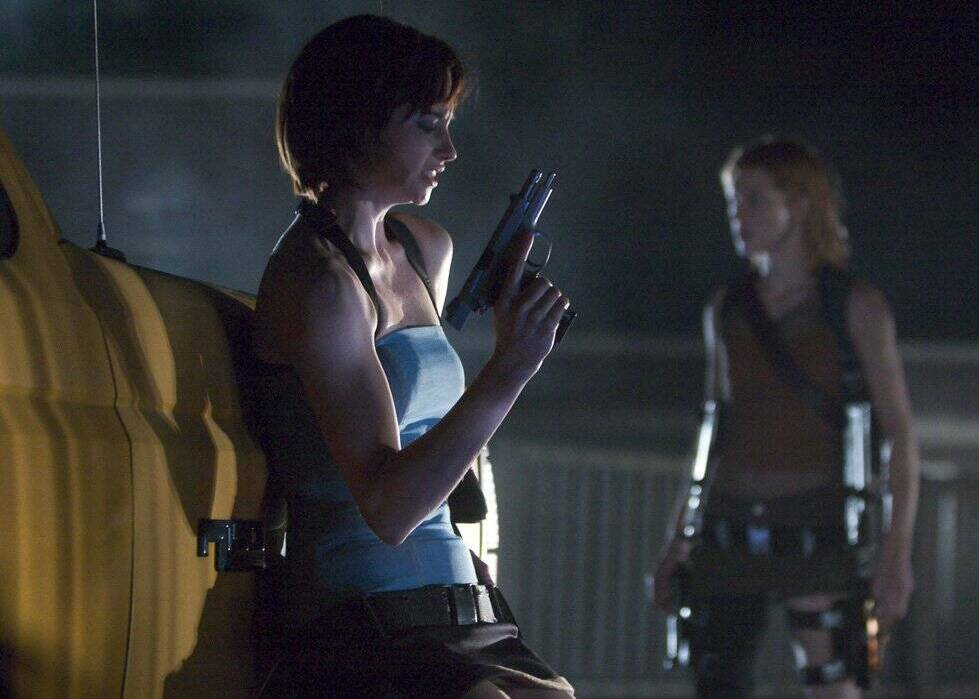
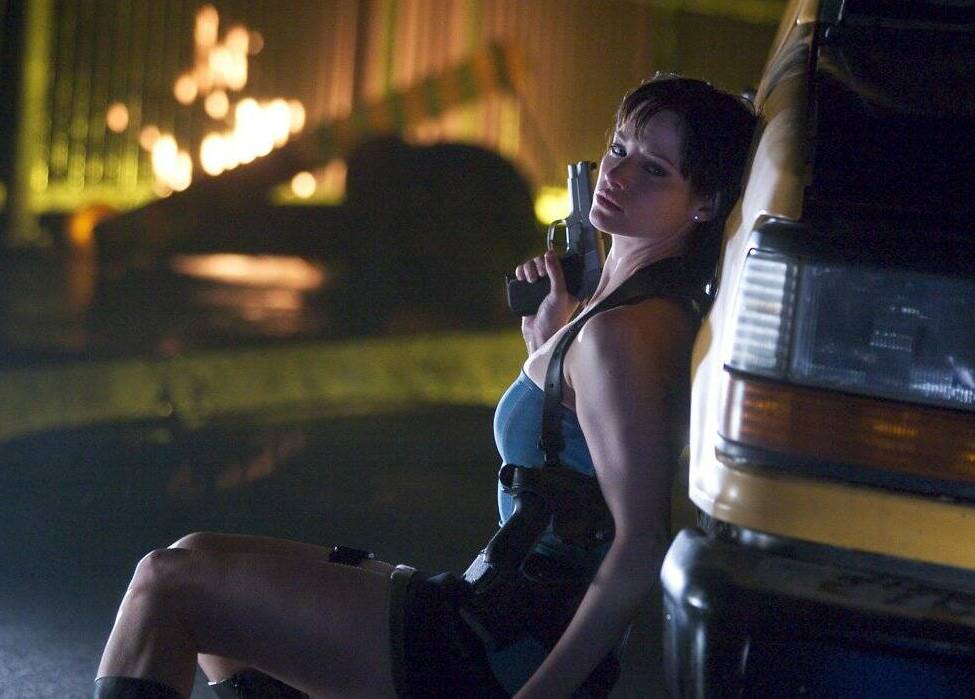
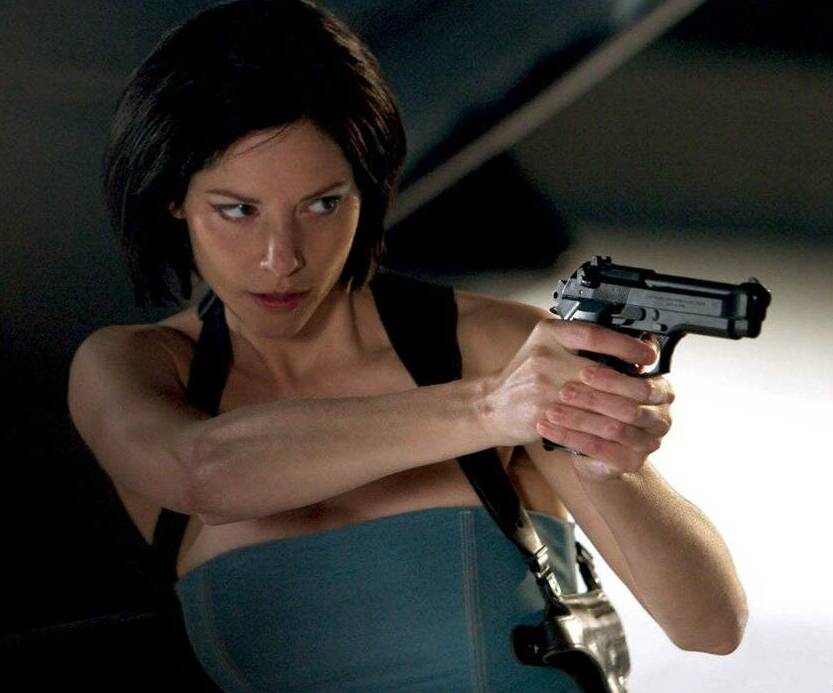
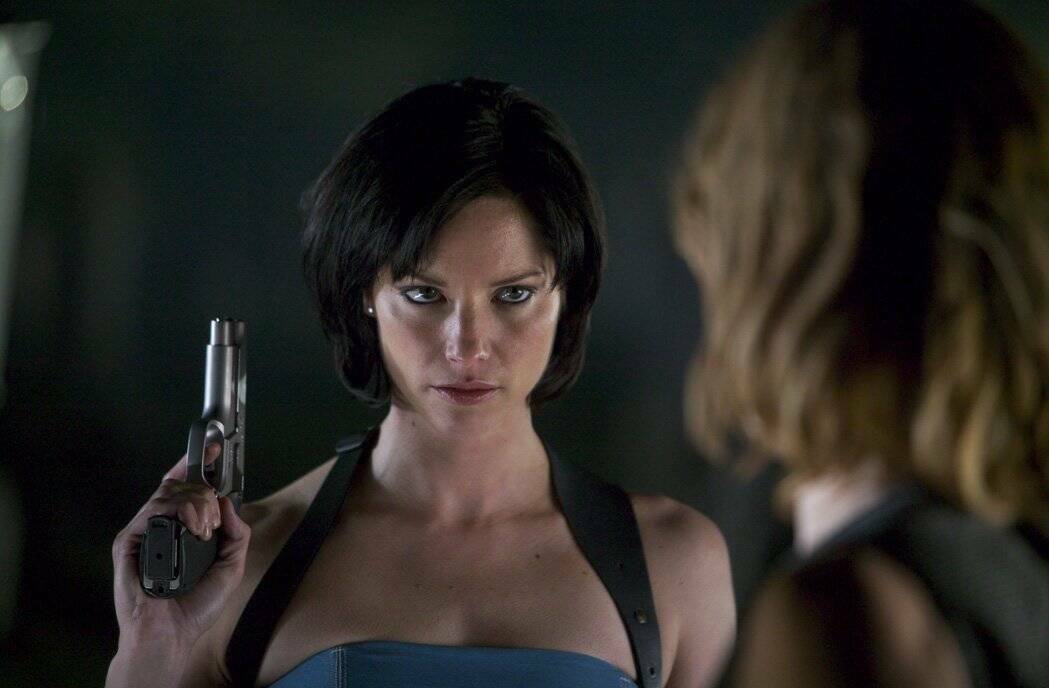
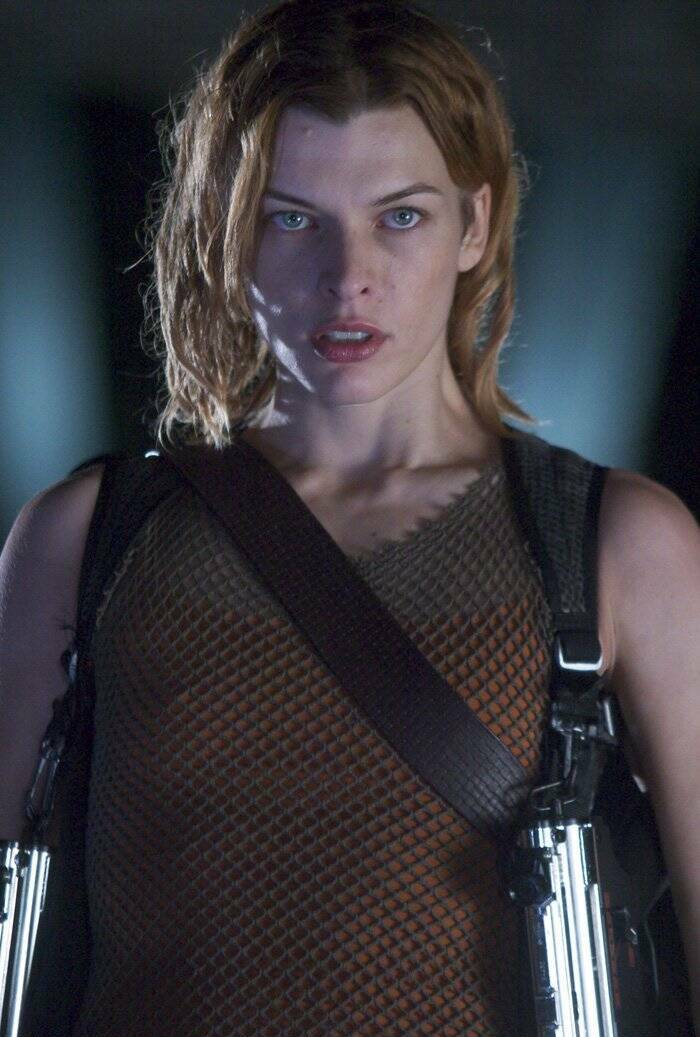
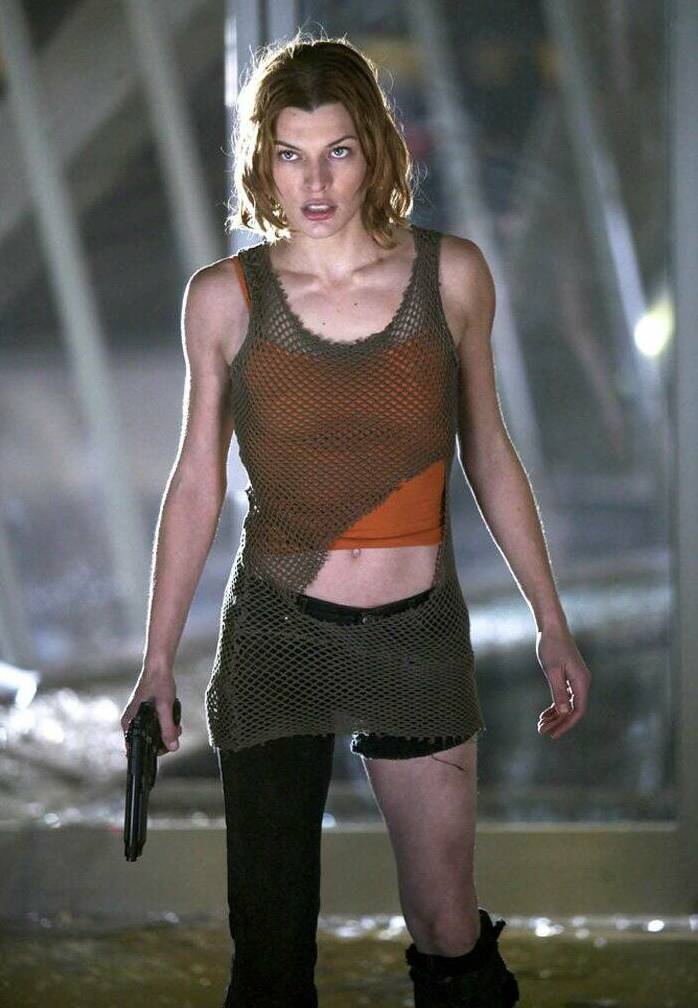
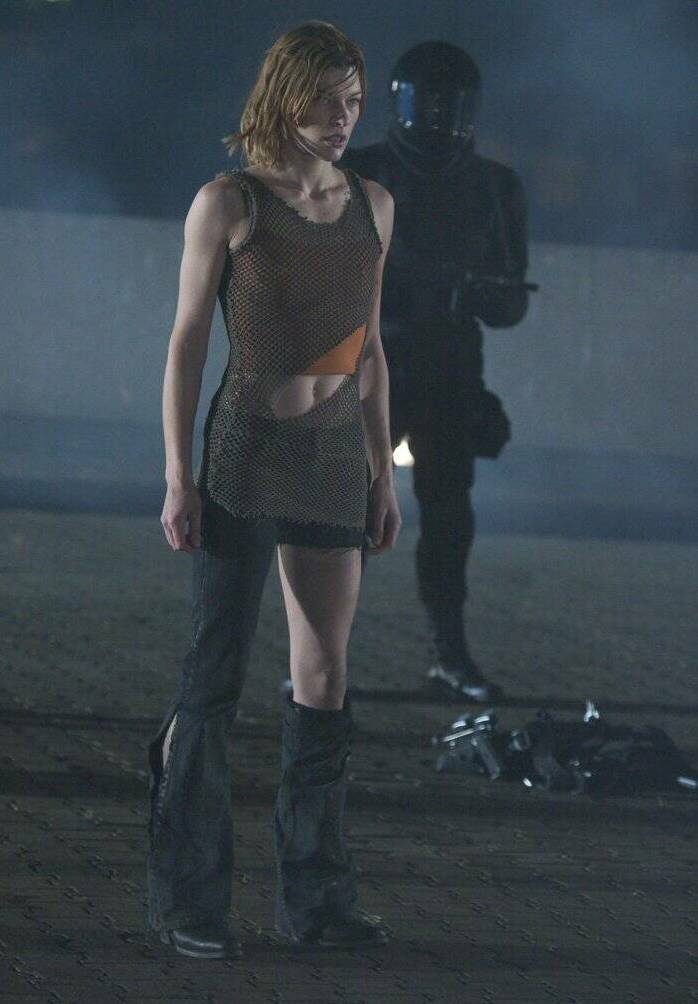
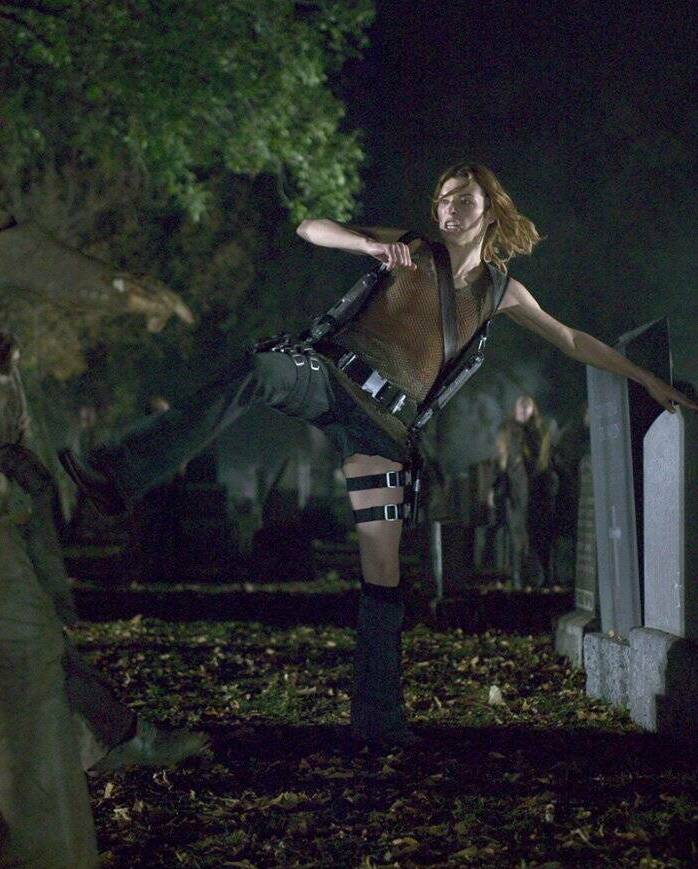
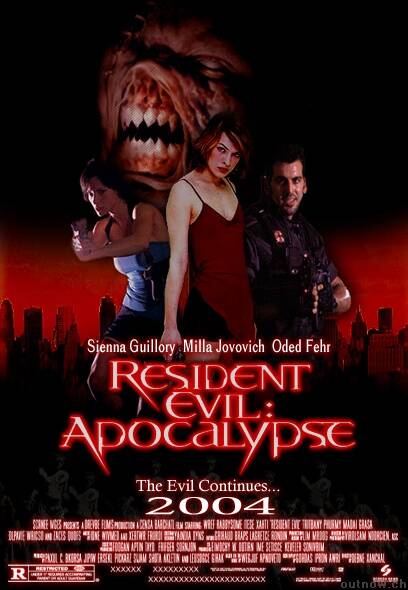
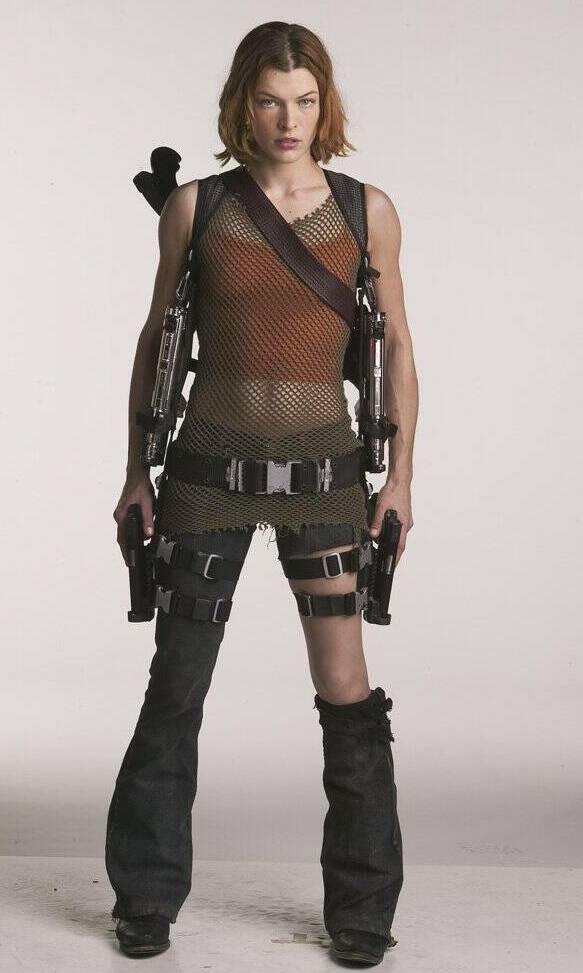
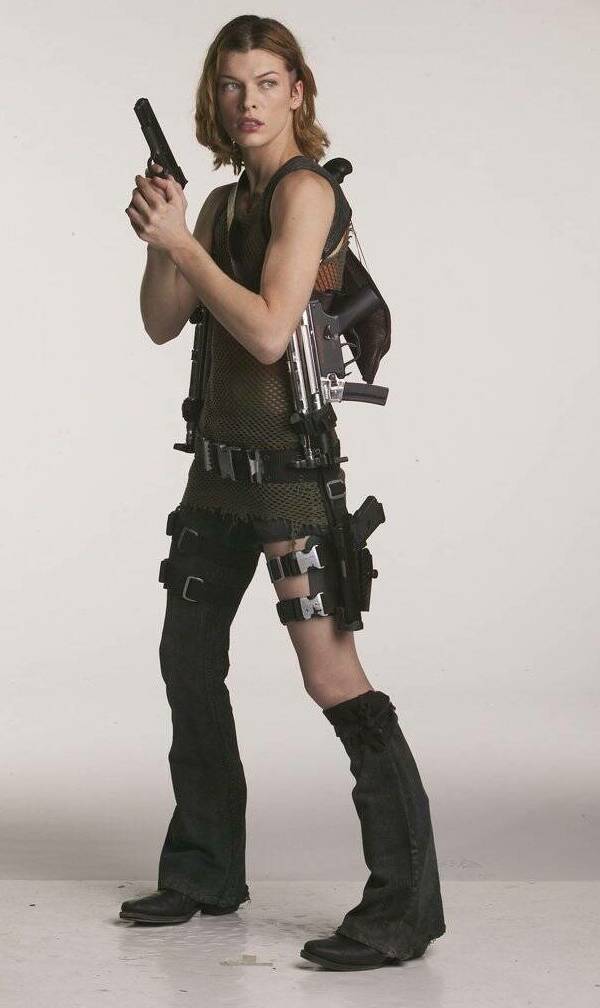
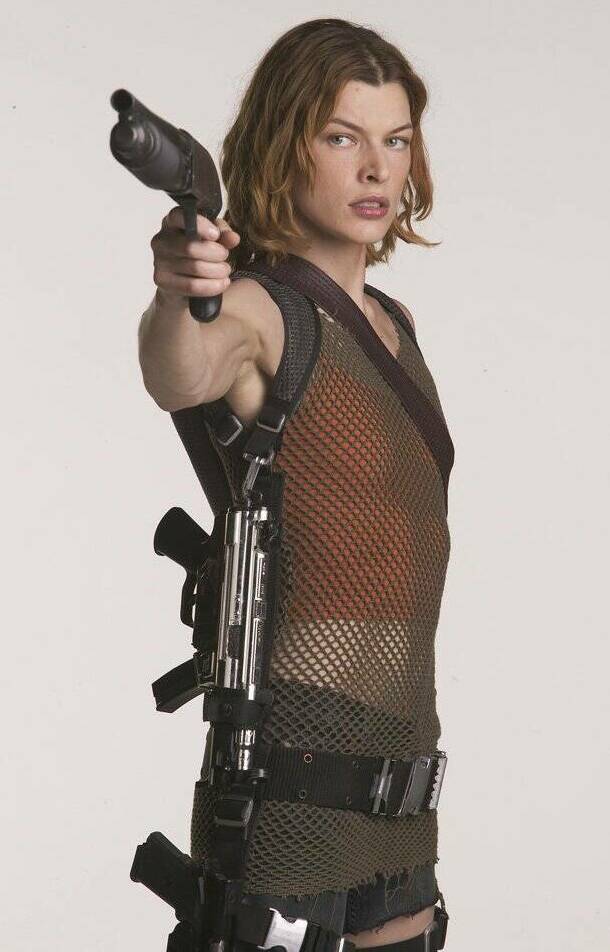
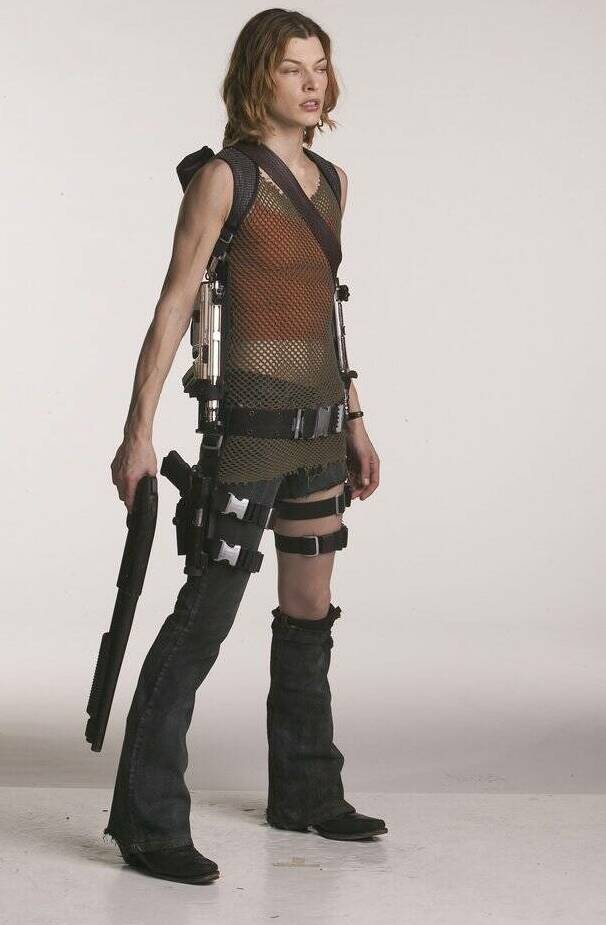
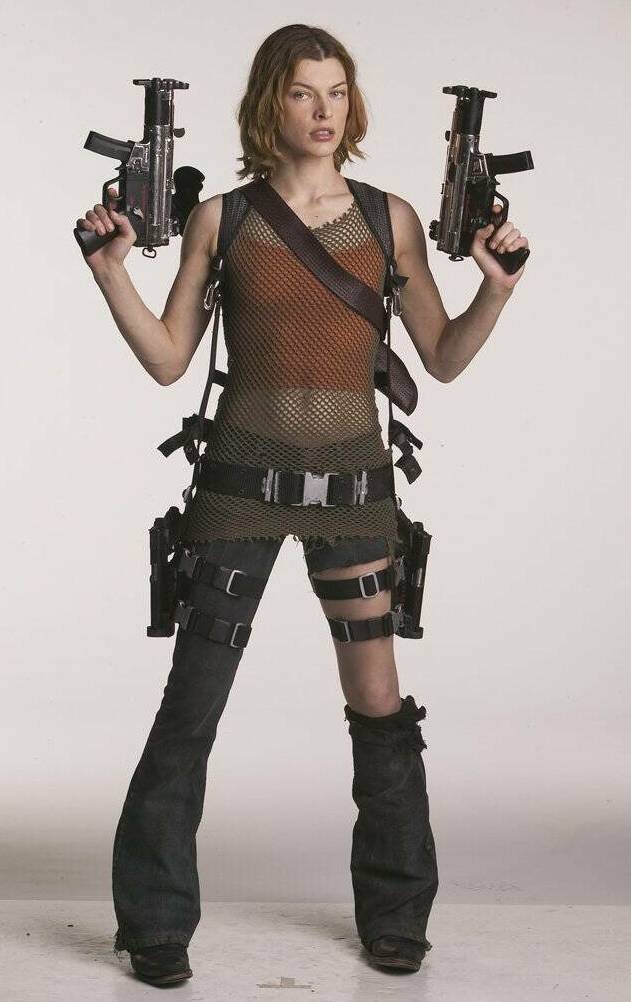
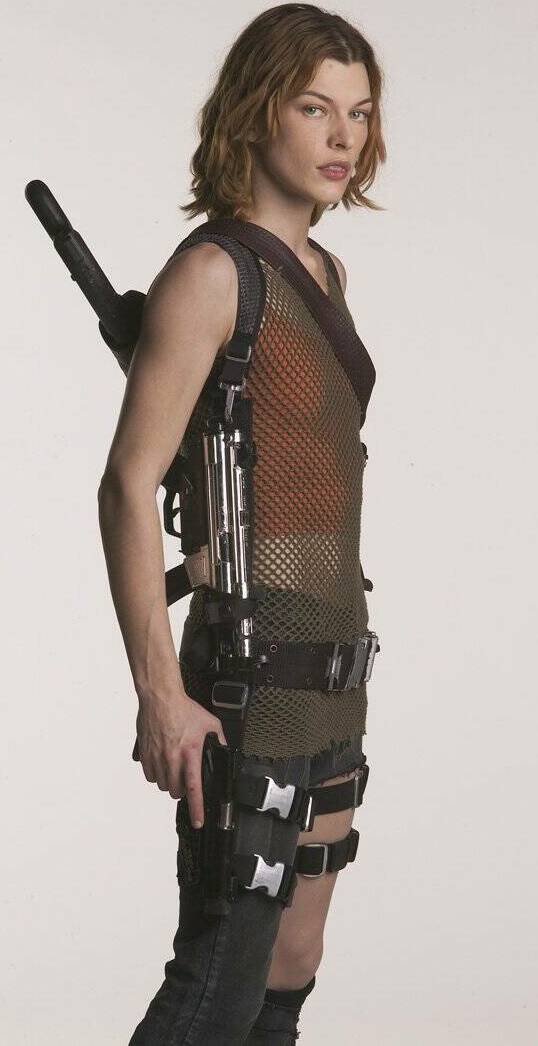
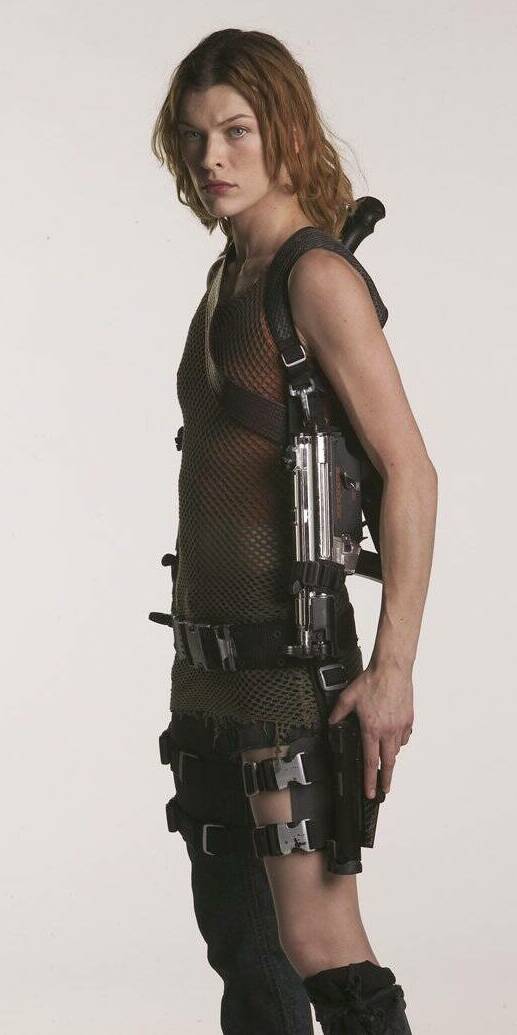
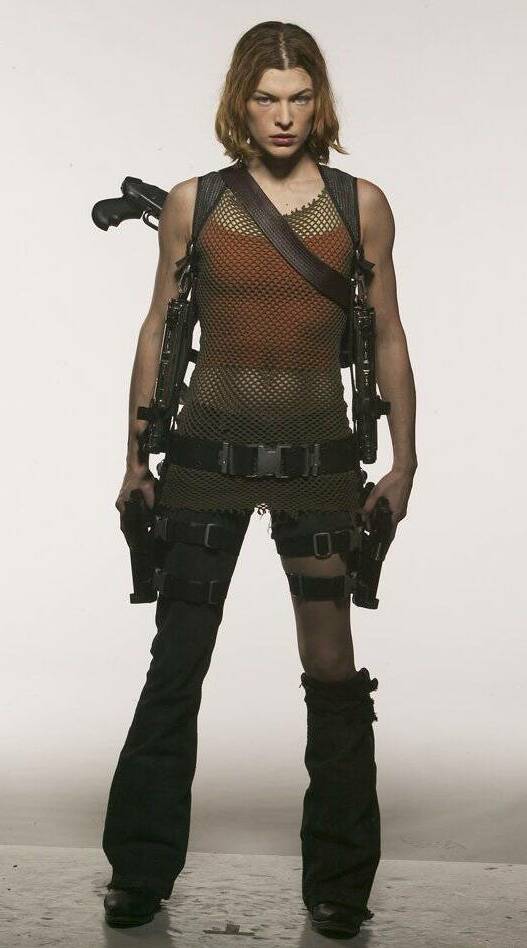
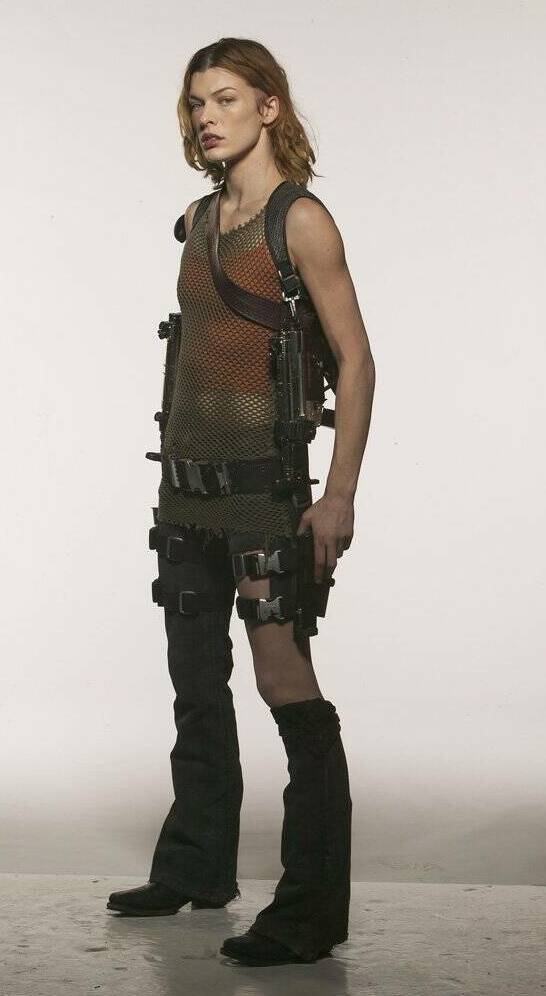
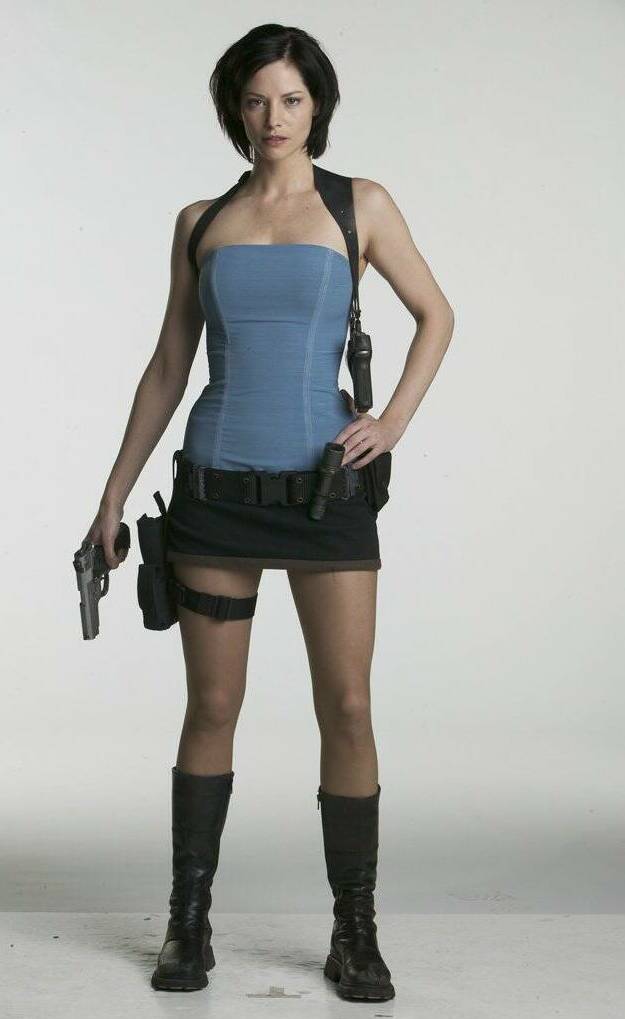
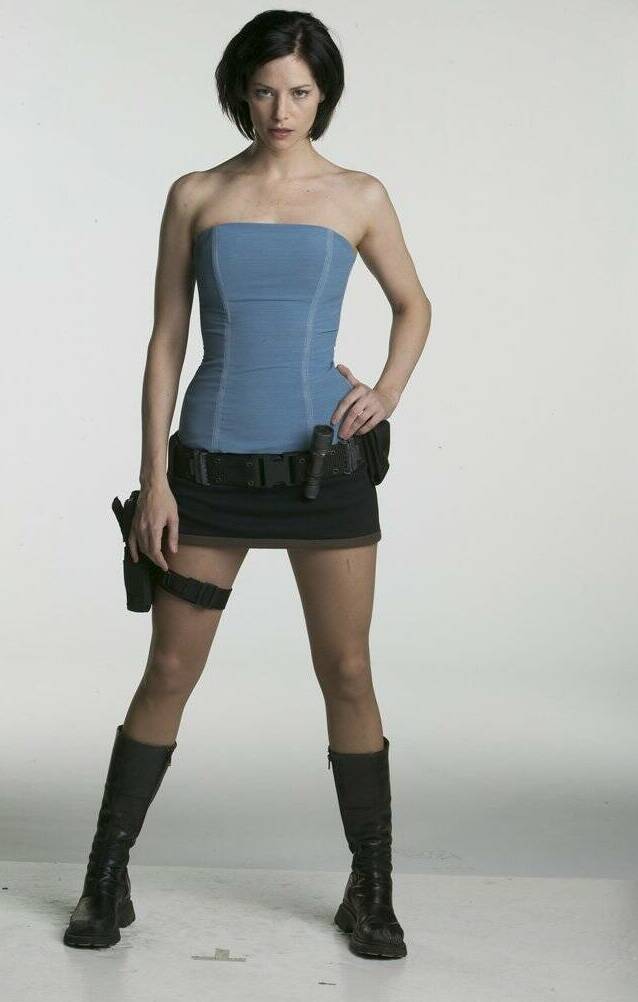
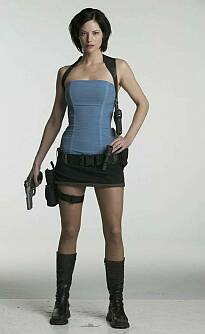 The tactic here was simple and clear. Keep all the good stuff from the original, e.g. Milla Jovovich, zombie dobermans, and throw a few new elements in, this time including some stuff which, unlike Jovovich’s character, Alice, actually has a significant connection to the game. Hence, you get Jill Valentine (Guillory), a special forces chick who, in most other movies, would be the heroine, but is here largely to show you how Alice v2.0 has been improved beyond human. It’s reminiscent of how Ripley, by Alien Resurrection, had partly been transformed into what she was fighting, and Alice is now faster, stronger and cooler than she was last time – which is something of an achievement in itself.
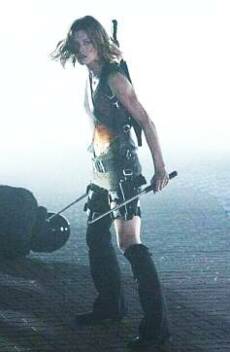
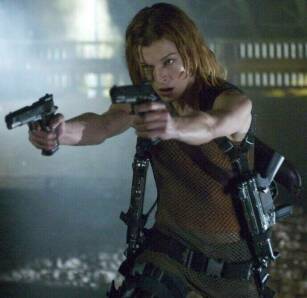 Or at least, mostly solidly – let’s get the criticism out of the way first. Witt wants to stick the camera right in there, when what we want to do is fully appreciate the grace and athleticism of the heroines, not suffer from motion sickness. Also: hello, “R”-rating? Presumably this was for the language, topless undead hookers, and Milla’s scarily-large nipples (Chris pointed out they’re almost larger than her breasts), because it certainly wasn’t for the gore. These monsters were almost bloodless, even when shot through the head or exploded by hand-grenade – the latter would seem dangerous when you’re dealing with a highly-infectious, fluid-borne disease, but I’m quibbling here.
 As mentioned, the undead attack canines are also back, and just as bad as before; this time, it’s mostly Valentine who has to deal with them, at least until the end, when Alice effortlessly one-ups her rival yet again. We briefly muttered “catfight!” under our breath, and it’d certainly have been fun to see Jill and Alice go toe-to-toe, but the outcome of that would be so predictable – Alice would win, without even breaking sweat – that its omission is understandable. The supporting characters do their job adequately; Mike Epps is the comic relief, something not really present in the first film, and manages the tricky task of doing the job without becoming annoying. Oded Fehr is somewhat irrelevant as a soldier also after the scientist’s daughter, while Sandrine Holt, playing journalist Terri Morales, is understandably overshadowed by Jill and Alice. On the Umbrella side…blah evil corporate drone, blah misunderstood scientist blah, blah. We don’t care – and nor should we.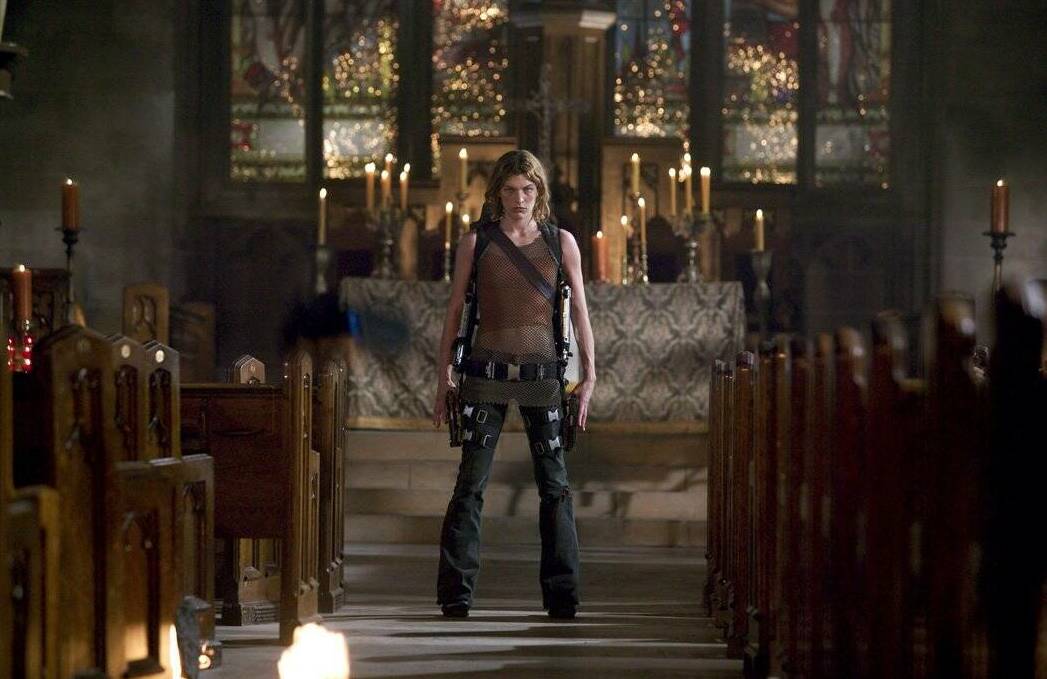



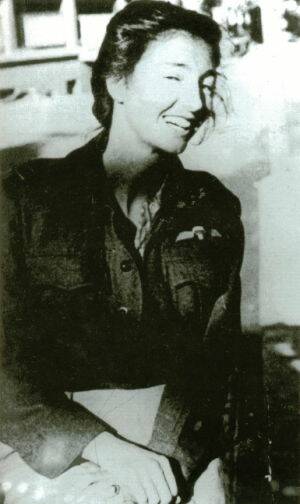 In World War II, the British SOE (Special Operations Executive) recruited and trained a number of women agents for insertion into occupied territory. There, they risked torture and execution, while carrying out missions of intelligence-gathering, subversion and sabotage. The exploits of some have received the recognition they deserve (such as Violette Szabo, who received both Britain’s George Cross and the French Croix de Guerre), but most seem to have slid through the cracks of time – Binney’s book is a solid and commendable effort to save at least a few from historical oblivion.