



 ★★★★
★★★★
“A taste of Honey.”
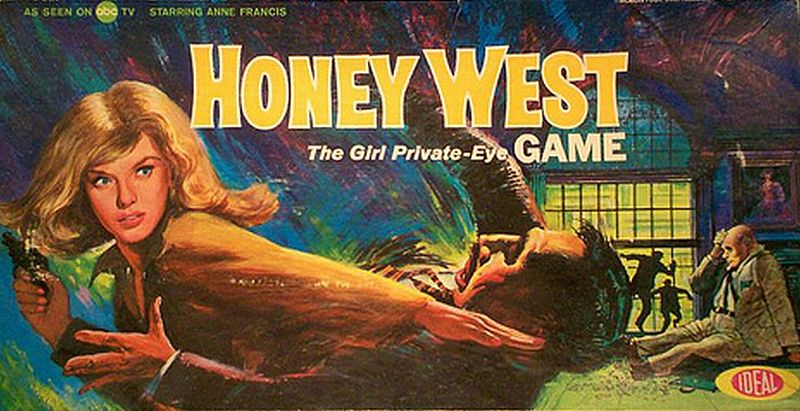
 Honey West’s significance in television history can’t be exaggerated. She was the first ever woman detective to be the central character in an American network series, and was arguably the medium’s first action-heroine. Even though it ran for just one season, it helped open the doors for those who followed, such as The Girl from U.N.C.L.E., Get Christie Love and Police Woman. The show was based on a series of books by husband-and-wife team Gloria and Forrest Fickling, writing as “G.G.Fickling”. Beginning in 1957 with This Girl For Hire, eleven novels were produced over the next half-decade, and noted producer Aaron Spelling bought the rights and turned it into a TV series, originally spinning off from Burke’s Law [Gloria Fickling states they were largely screwed over by Spelling, getting little beyond a credit].
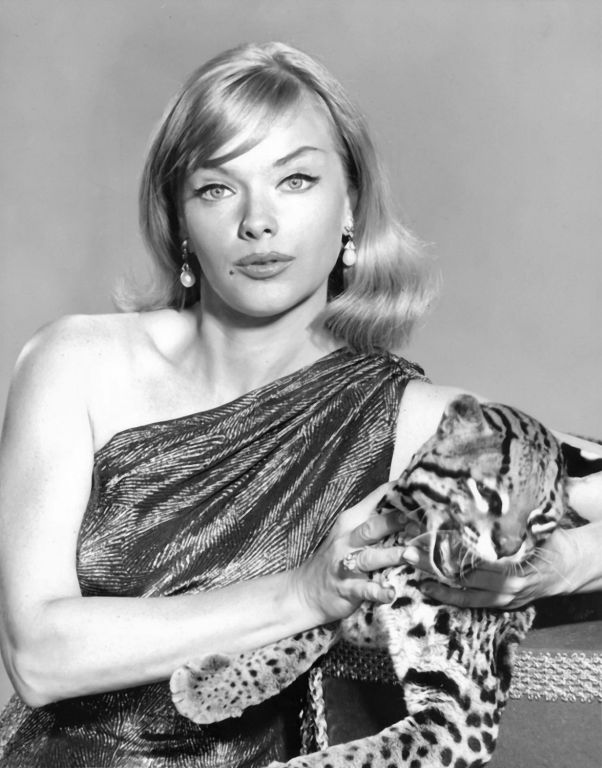 Naturally, this being the mid-sixties, the racier elements of the pulp novels had to be toned down, but the presence of Forbidden Planet star Anne Francis added its own share of potential, especially to boys of the appropriate age, which according to Francis, included Oliver Stone. But she was just as fascinating to young girls. It’s hard to appreciate in a world of Rizzoli and Isles, Prime Suspect, etc, that this presented a character which had never been seen on television. Fans included Chris, who even used to have the Honey West doll – given it now is offered on Ebay for up to $250, she wishes she had kept it, in the original box and with all its accessories.
How does the show stand up, almost fifty years later? Firstly, you have to appreciate that…well, it’s fifty years later. Most obviously, this shows in that the action is basically woeful, by modern standards. Honey’s karate skills extend little beyond flipping people on to their back, with the odd chop – and, it appears, in the sixties, everyone had a spot on their neck which would trigger immediate unconsciousness when touched. The doubling, is often painfully obviously a man in a blonde wig, though frequent stand-in (and early MMA practitioner) Gene LeBell does have decent legs. Credit in this area for the later episodes to Sharon Lucas, another stunt-double, and we should be fair and point out that no show from the time could stand against modern era in terms of action.
The unofficial lyrics “Honey West, she’s a P.I. – for real… Karate and judo, amazing contraptions, gadgets, a sports car, and the latest fashions. Plus… She… Has… Got… An… Oh… Ce… Lot! But she’s smart, and she’s sexy, Though her partner’s a little bit bitchy. So that’s why we love Honey West! (For real). |
In contrast, the show was ahead of its time in terms of gadgetry, with Honey using on an everyday basis tools that have become part of everyday life now, e.g. mobile phones, GPS, etc. Ok, the phone in question was still the size of a normal phone and attached to the car (a really neat Cobra sports model), but this was 1965. One could even argue that the sunglasses used as a two-way communication device, was the first appearance of a Bluetooth headset. Though the illusion of secrecy for these is somewhat damaged, shall we say, by the fact that, in order to communicate, you have to take the glasses off, raise the antenna, and speak directly in to the corner of the frame…
Fortunately, what works really well, and still seems as fresh and entertaining as the day the show first aired, are the characters. Honey is a delightfully feisty character, who wouldn’t seem out of place at all in the 21st century, refusing to be the “little woman” that was expected of her sex at the time. The show feels like it was an ancestor of Burn Notice, with the trio of West, partner Sam Bolt and Aunt Meg more than a little reminscent of Michael Weston, Fiona and his mother. Here, Sam has a bit of a temper, and is always trying to control Honey – despite being very clearly the junior partner [it appears the private detective agency was started by her father] But she blithely ignores him, and does exactly what she thinks best.
There is hardly ever any fat on the storylines, a necessity when you have only 25 minutes or so for the entire episode. The results are plots that are crisp, to the point and miniature models of well-done storytelling. As with the characters, they could largely be transplanted forward 45 years and used, almost without significant adjustment. Admittedly, this seemed to change towards the end of the series, with the last five or six episodes apparently written by eleven-year olds. These include such elements as Mexican gypsies with a pet gorilla in the basement, a killer robot and a bizarre, extended dream sequence where Honey imagines herself to be a movie star in a range of films. It’s a dubious contrast with the well-grounded approach to Honey’s character.
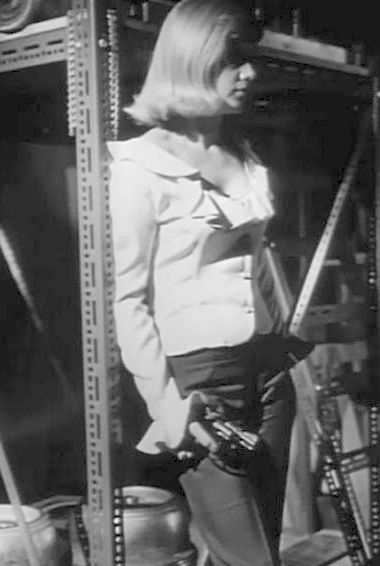 We also appreciated the parade of supporting actors, which include a significant number of familiar names, especially if you watch other shows from the era. Other names should be recognized regardless, including Kevin McCarthy, Michael J. Pollard, Richard Kiel, Joe Don Baker and Dick Clark. The music, by Joseph Mullendore, is an appropriate blast from the past, resulting in much snapping of fingers and shaking of shoulders from the GWG couch by myself and Chris. Indeed, Chris even came up with her own set of lyrics for the theme-tune, which you can find in the sidebar; we were singing lustily along with the opening credits, to the utter bemusement of our son. [The middle section is a bit tricky, and should probably only be attempted by trained professionals. We ended up going, “Raindrops on roses, and whiskers on kittens…” much of the time!]
We have to mention Bruce, Honey’s pet ocelot. If you’re not sure what one of those is, think 30 pounds of wild feline. And, by most accounts, “wild” was the word. As Francis put it, “If a cat is happy, it bites and scratches; and if it is unhappy, it bites and scratches.” She was left bruised and in need of a tetanus shot by the end of some scenes, though Anne bore it with grace, as in the publicity pic (top left). It’s undeniably impressive to see a heroine deliver lines with impeccable aplomb, while a sizable carnivorous animal attempts to gnaw off her face. This, however, has not stopped Chris from wanting an ocelot for Christmas, I think our two geriatric dogs would object; something plush might be better for all concerned.
It’s the kind of show that, on a casual glance, is more laughable than anything – the first couple of episodes watched, we were mostly sniggering at the anachronisms and sixties stylings. But as the series wore on, that aspect ceased to be notable, and we found ourselves enjoying the relationships, snappy repartee and characters present in the show, without any ‘ironic’ overtones. It wasn’t long before we found ourselves looking forward to watching an episode with our morning coffee, and were genuinely sorry to come to the end of the final installment.
The show initially did well enough in the ratings, making the top twenty programs, while Francis won a Golden Globe and was nominated for an Emmy, losing out to Barbara Stanwyck in The Big Valley. However, neither that nor the merchandising returns could save the show. its viewing figures were clobbered toward the end of its run by Gomer Pyle, though the decision not to renew the show for a second season was largely the result of network stinginess. As Francis remembers it, “ABC said, We can buy The Avengers cheaper than we can make Honey West. And that’s exactly what happened.” It was an ironic replacement, West being effectively “killed off” by her Transaatlantic cousin, Emma Peel.
There has been subsequent talk of a movie version, with Reese Witherspoon attached in 2001 and again in 2007, but nothing came of either project. Most recently, 7th Voyage Productions apparently bought the rights, but that was more than two years ago now, with little or no progress since. There have been a series of comics, but in a world where ABC will hand out a lot of money to botch a Charlie’s Angels remake, it’s a shame no-one has made a serious effort to reboot Honey, which in many ways is a property intrinsically better suited to the modern era.
Star: Anne Francis, John Ericson, Irene Hervey
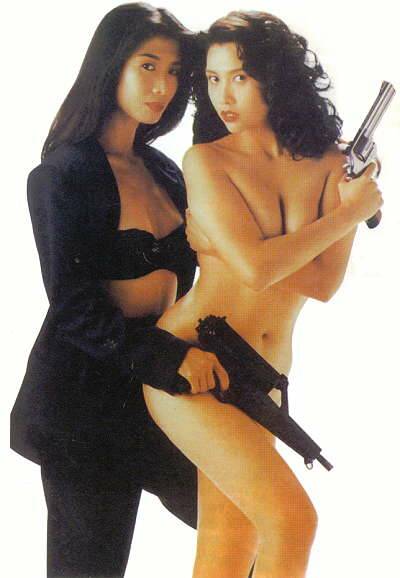
 Ng, in particular, nails her part with a relish that’s just fabulous, but Kelly Yao also does surprisingly well – her role is perhaps the most pivotal in the plot, and she’s required to do more than look pretty, which she does with a maturity and confident poise that borders on the balletic. Yau is about the closest to a sympathetic character the film has, being largely the victim of unfortunate circumstances, while Yam has pretty much made a career out of playing the troubled cop, and could do this kind of job with his eyes shut. Indeed, given the vomiting required, he largely does.
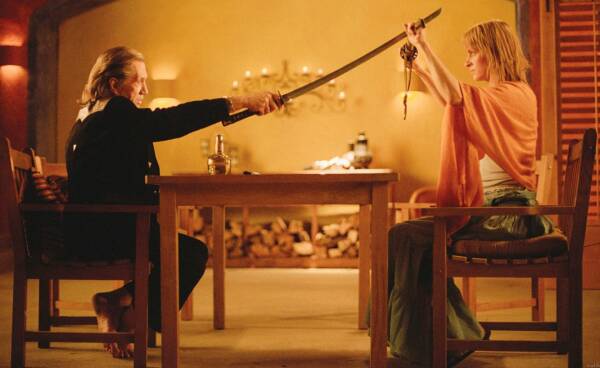 ★★★★
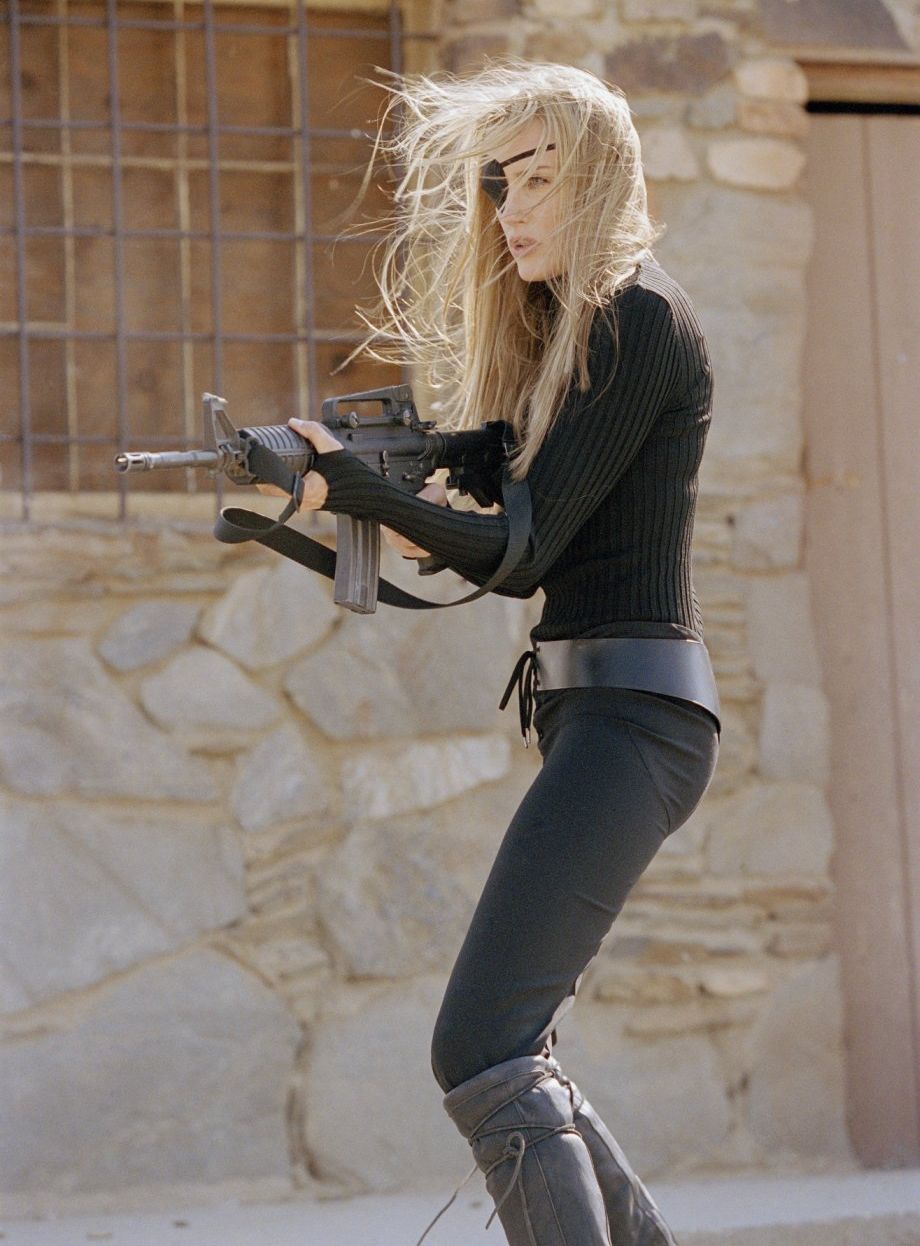
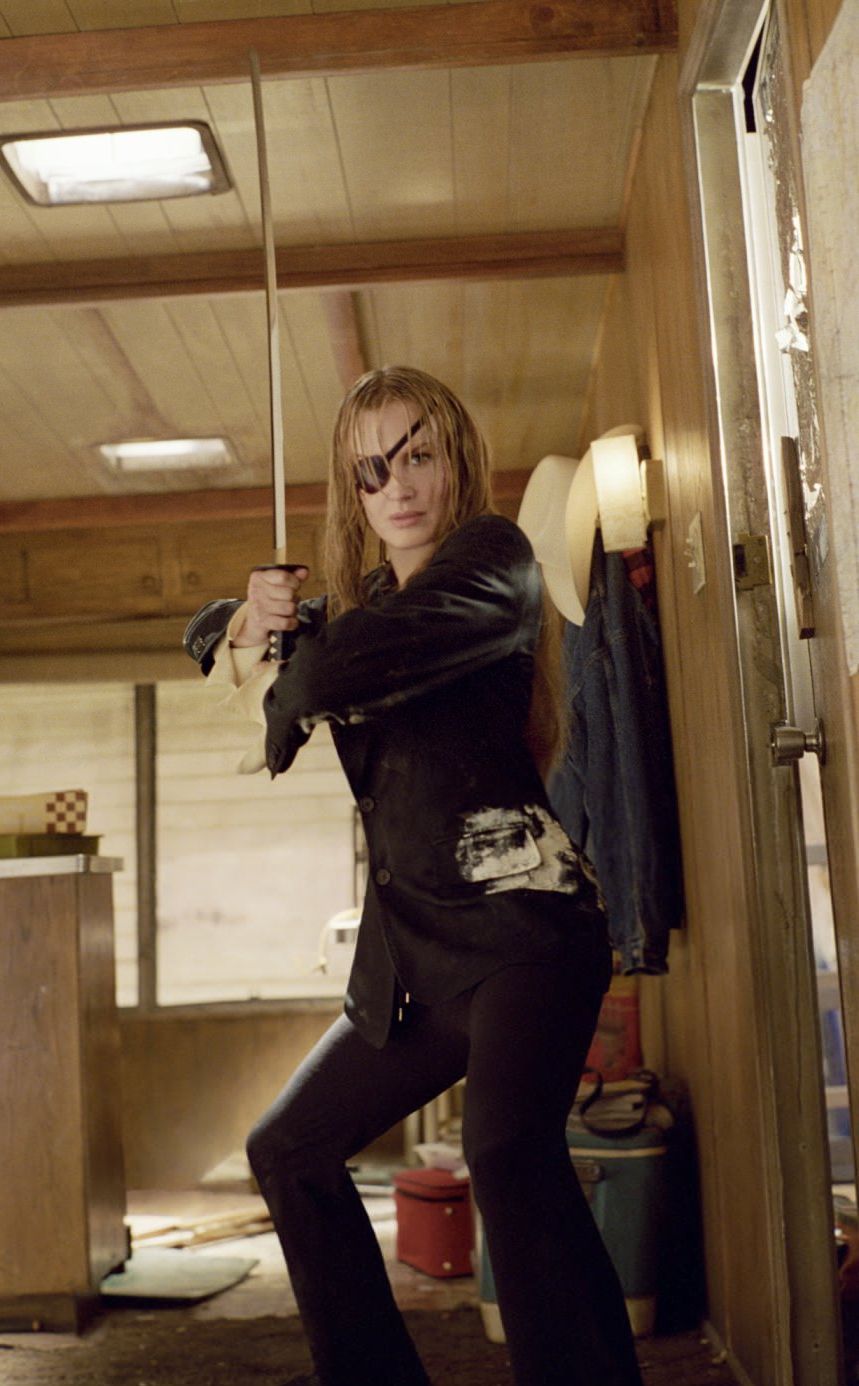
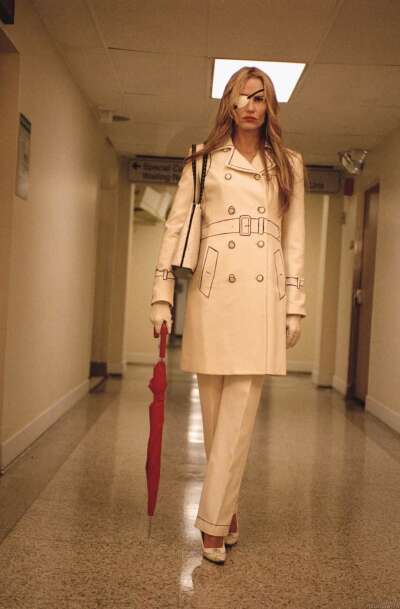
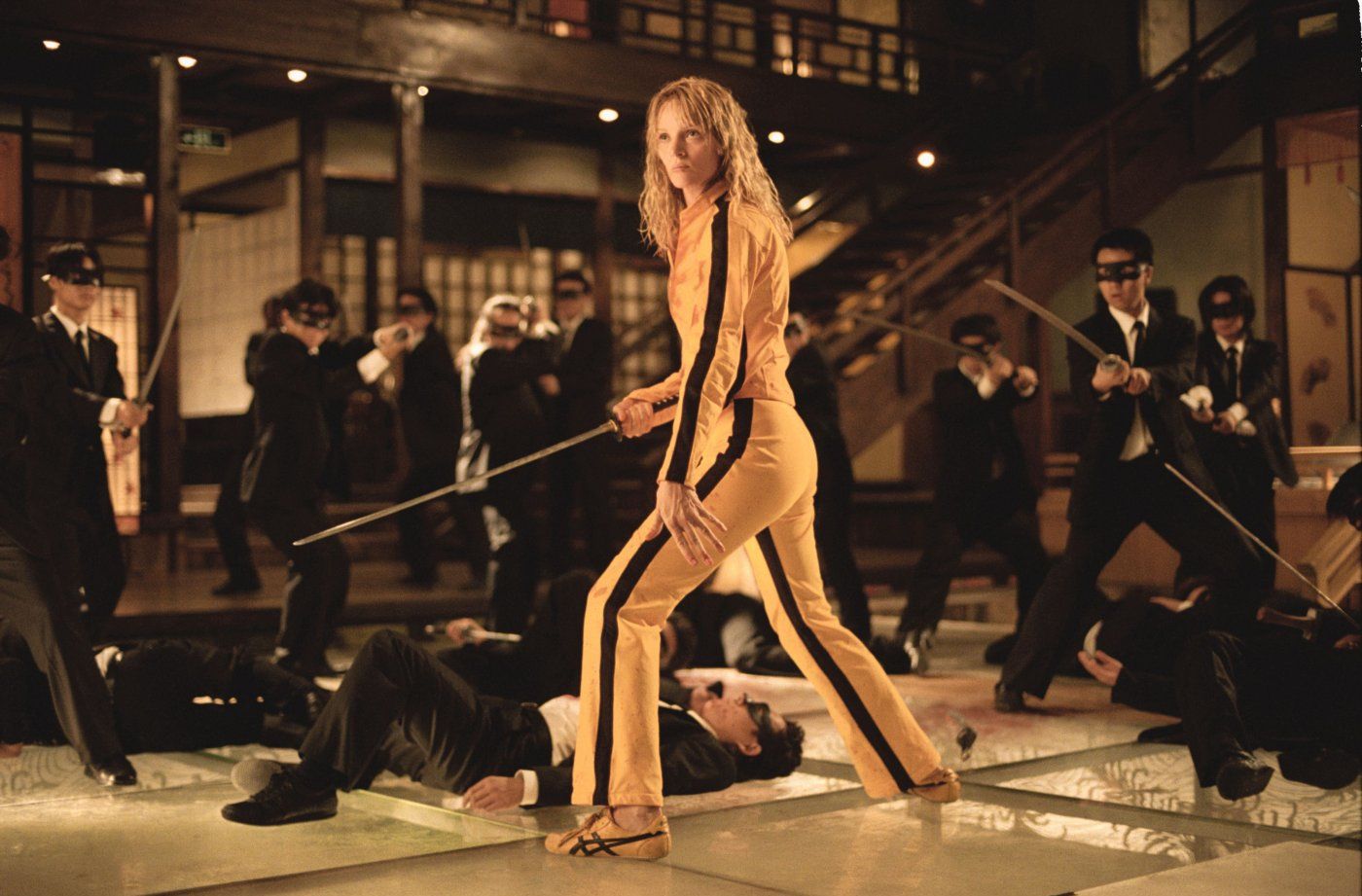
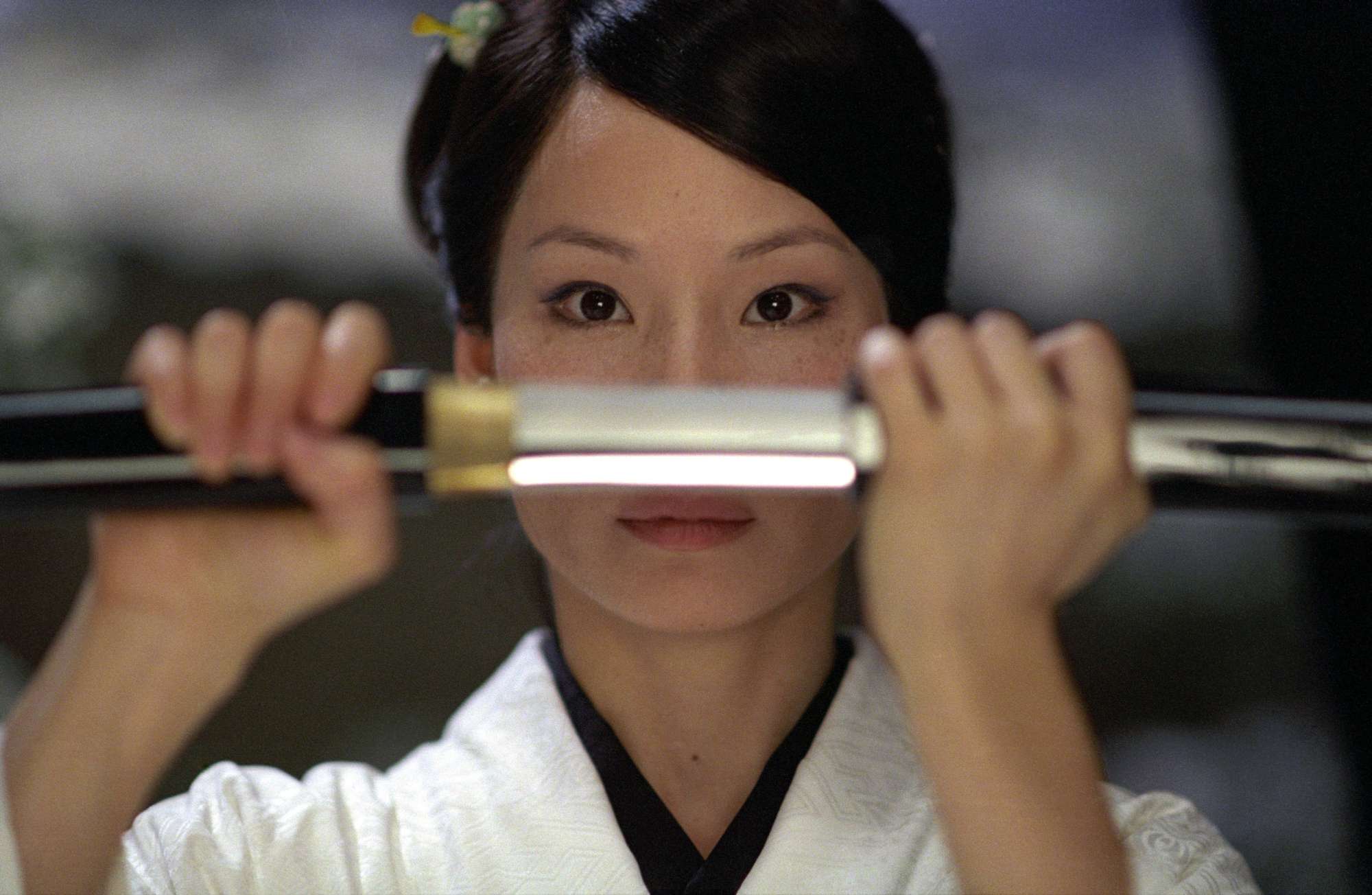
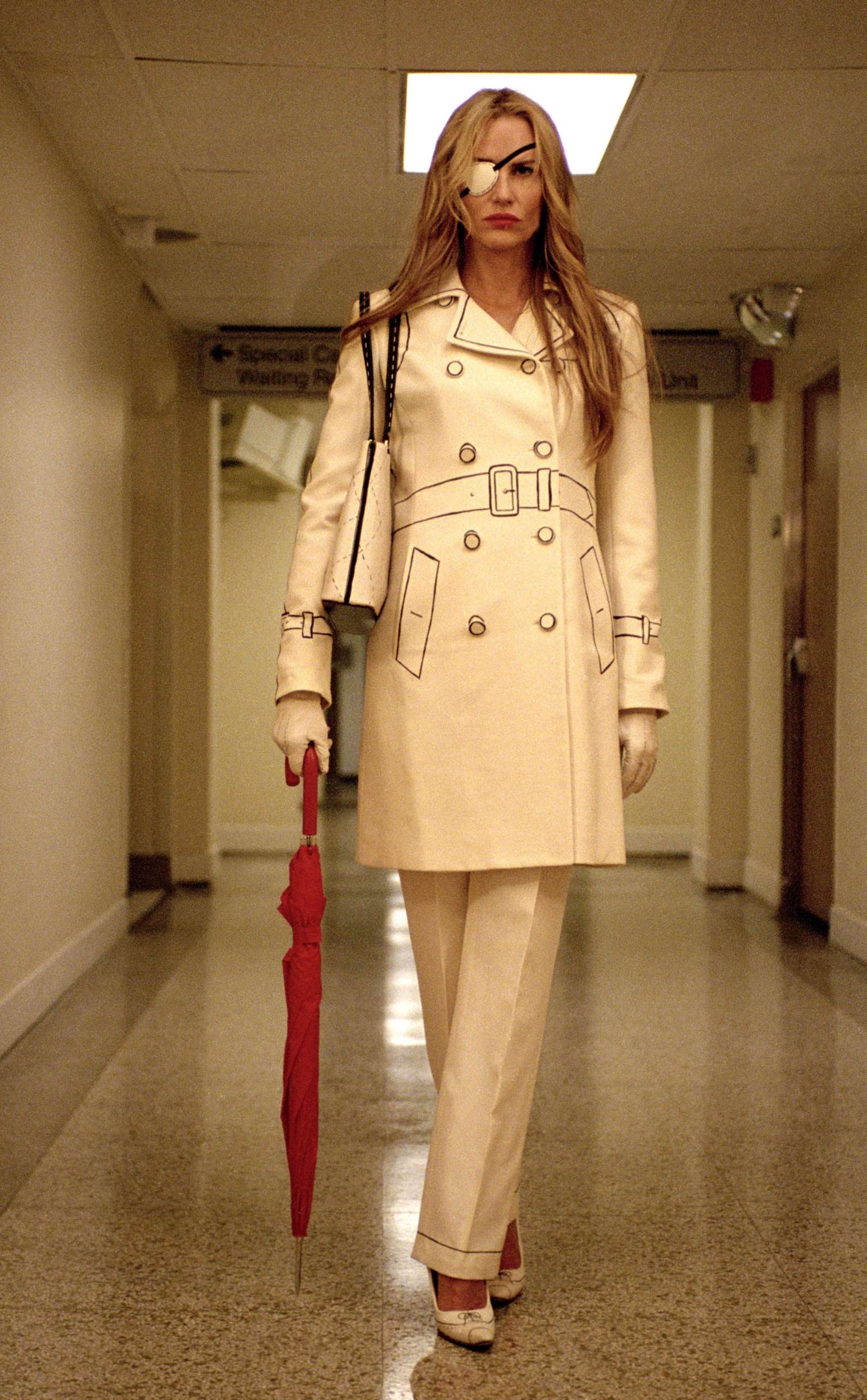
★★★★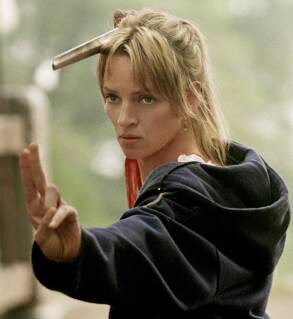 Precisely what, I’ll get to in a minute. But I also have to say that when this film works, it does so extremely well, with moments – and a good number of more lengthy sequences – that are just about perfect. We learn why Elle Driver (Hannah) has only one eye; the relationship between Budd (Madsen) and Bill (Carradine); the reason the Bride quit her life as an international jet-setting killer; and how the Crazy 88’s didn’t actually have 88 members. All these elements are dealt with swiftly and efficiently, plugged in like jigsaw pieces in their correct place, so it’s not as if Tarantino
 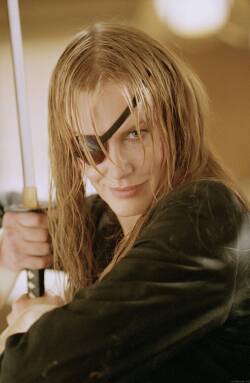 But when Tarantino just nods to other movies, rather than waving them in the air and shouting “Look at me! Amn’t I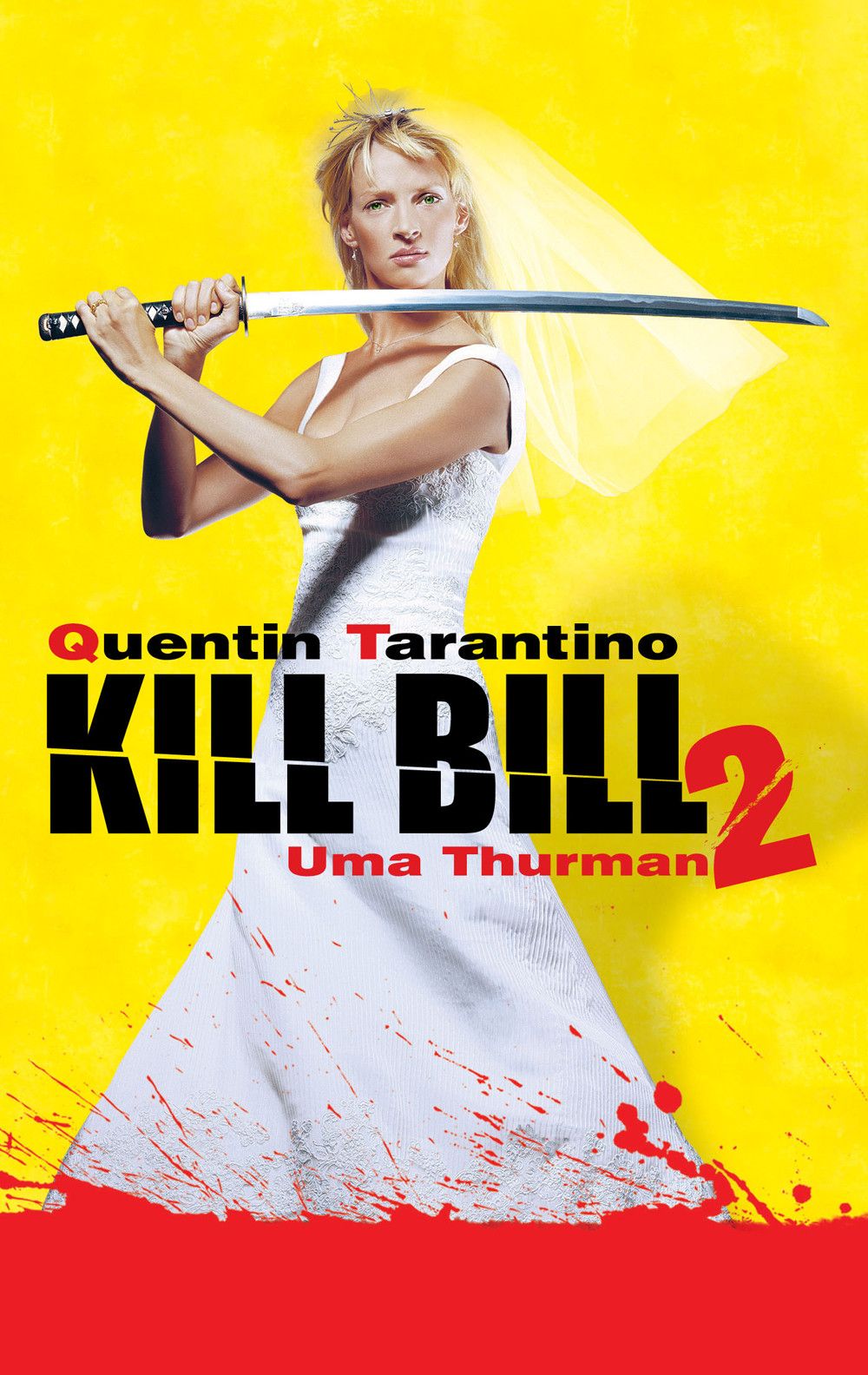
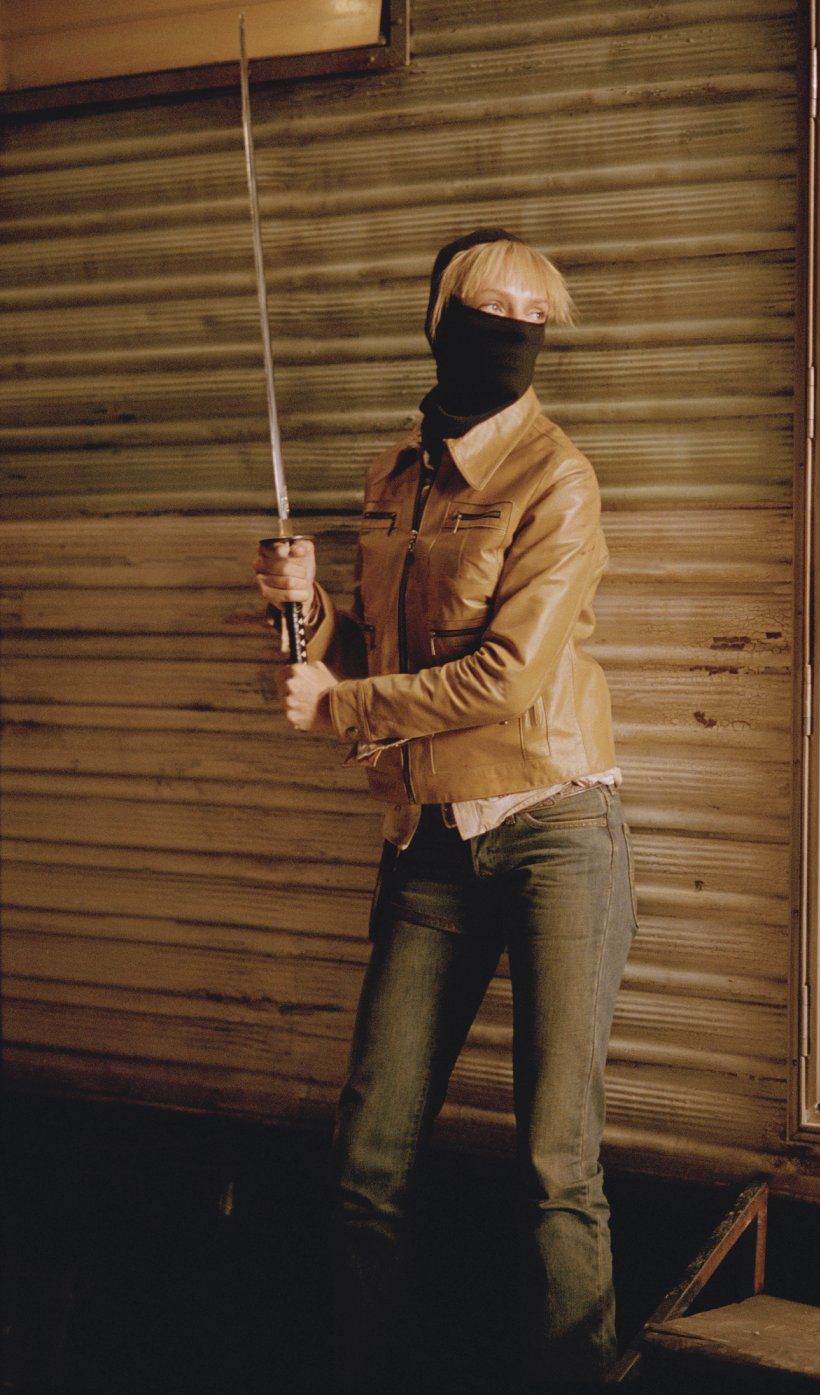
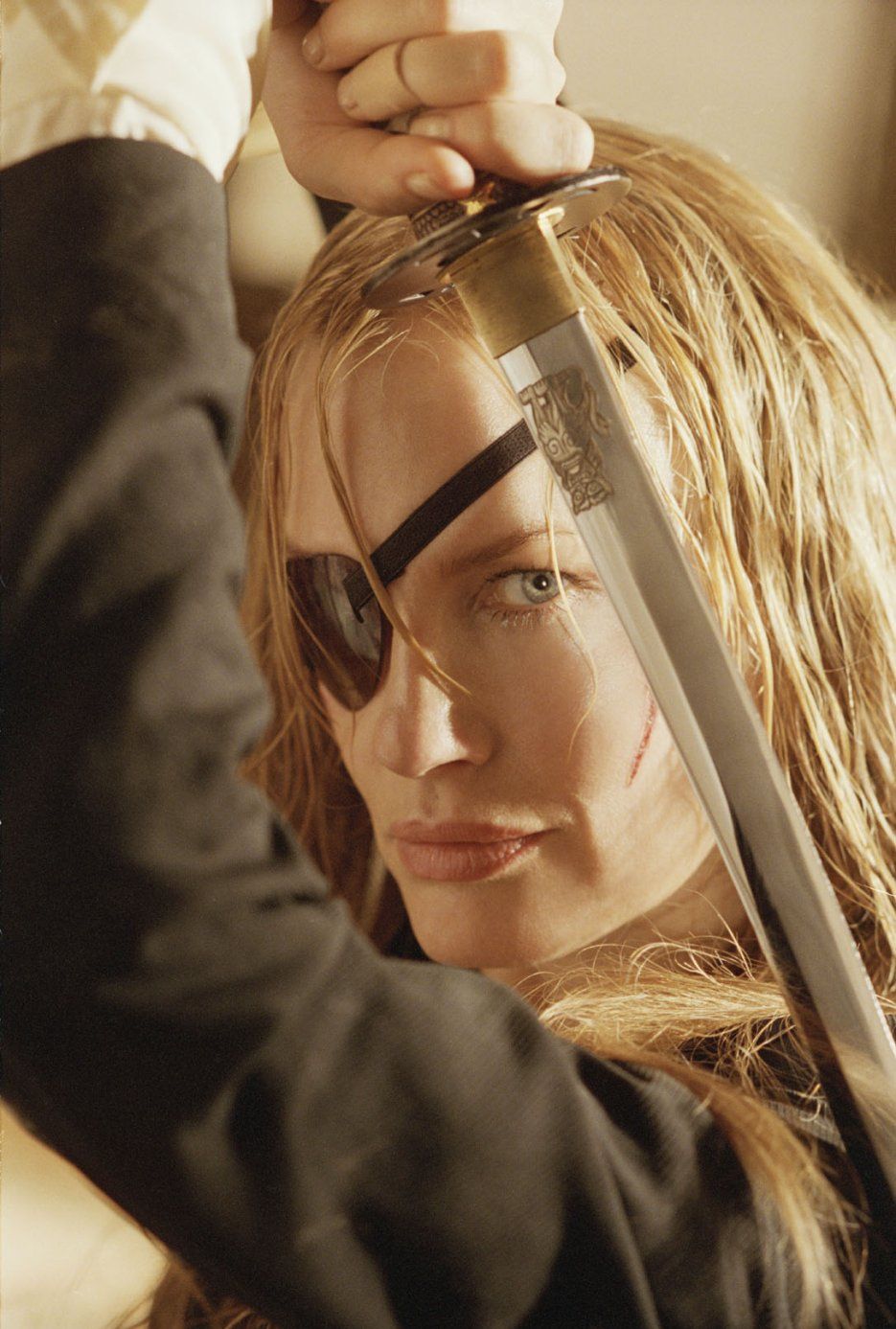
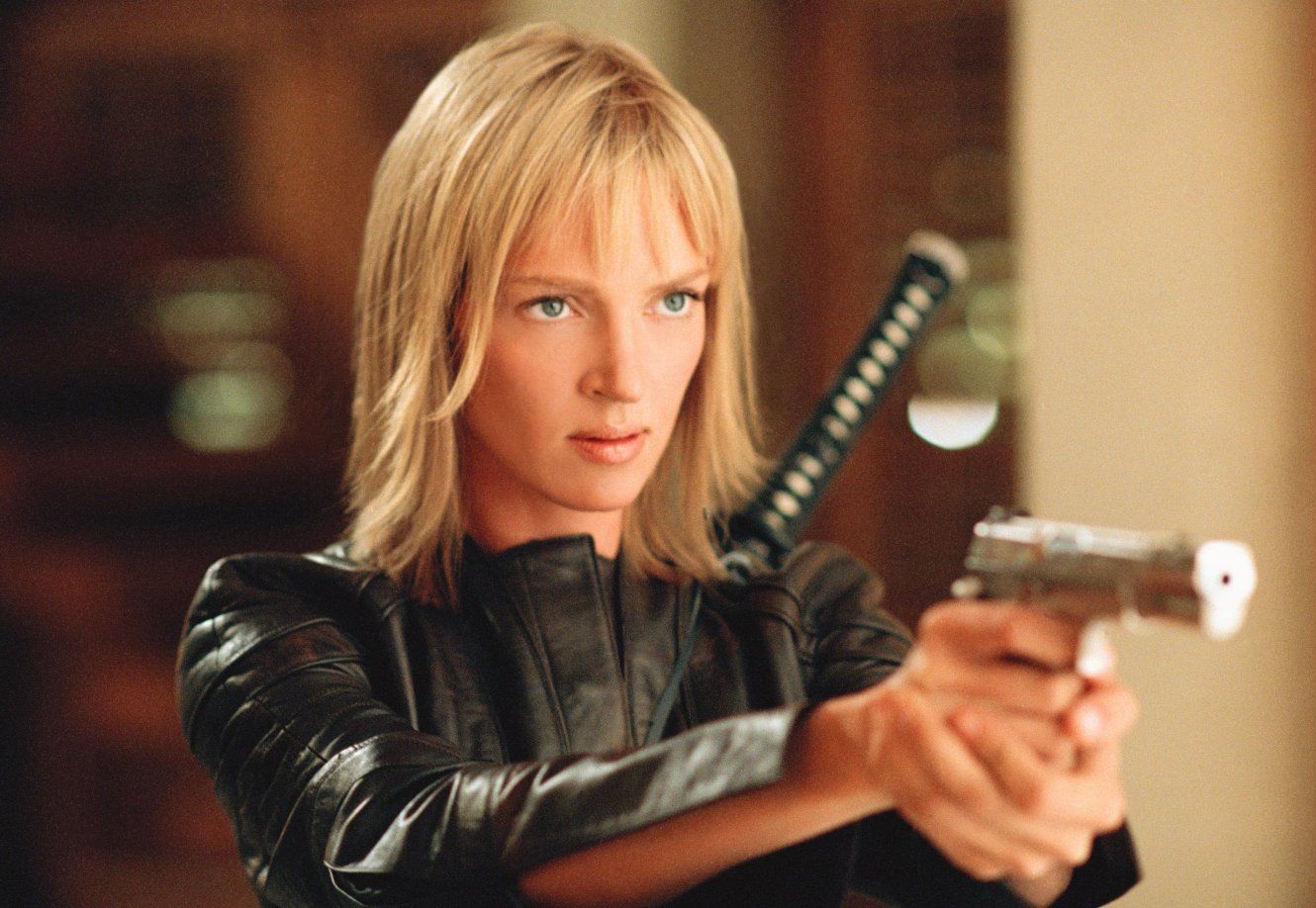
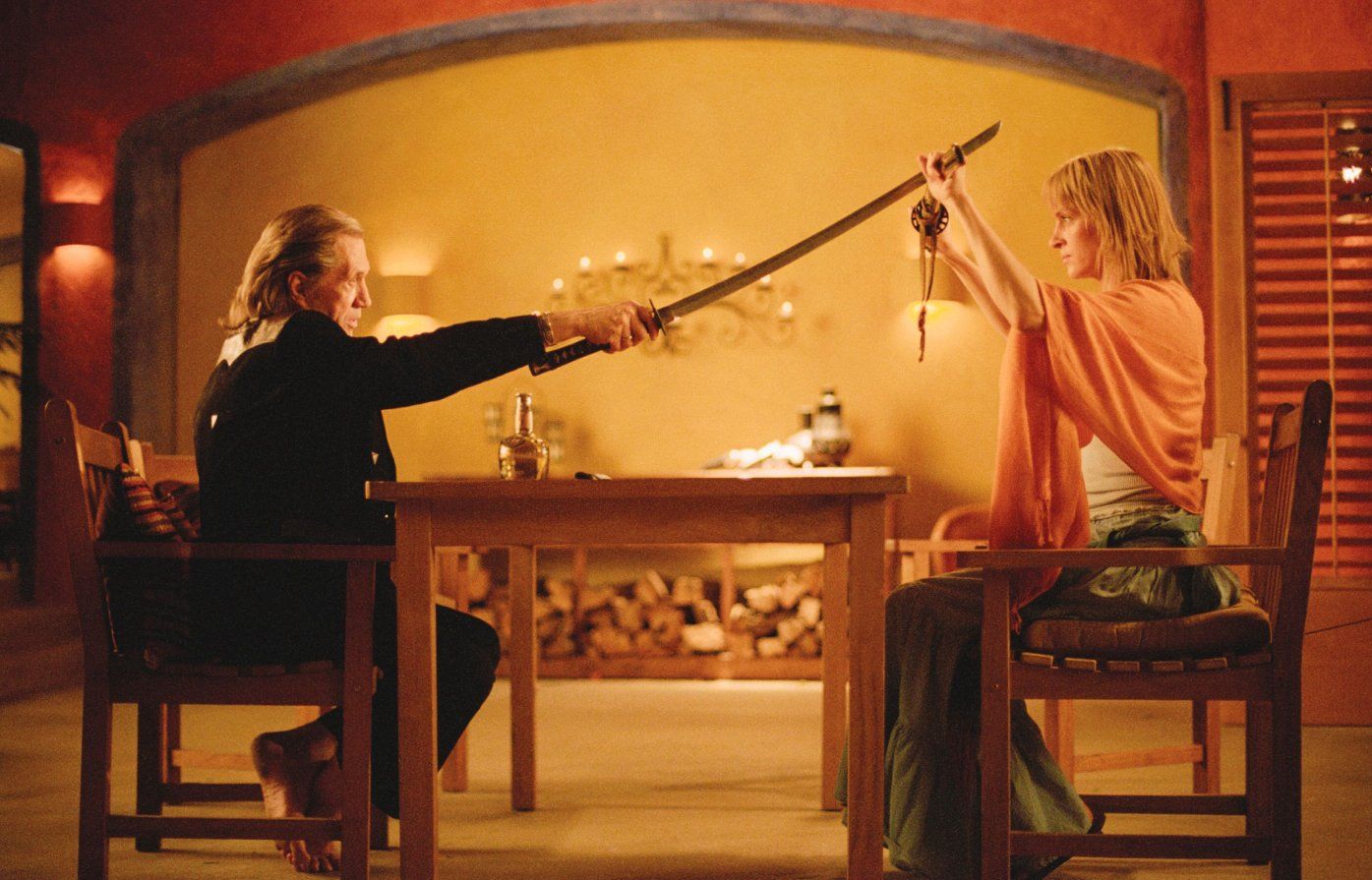
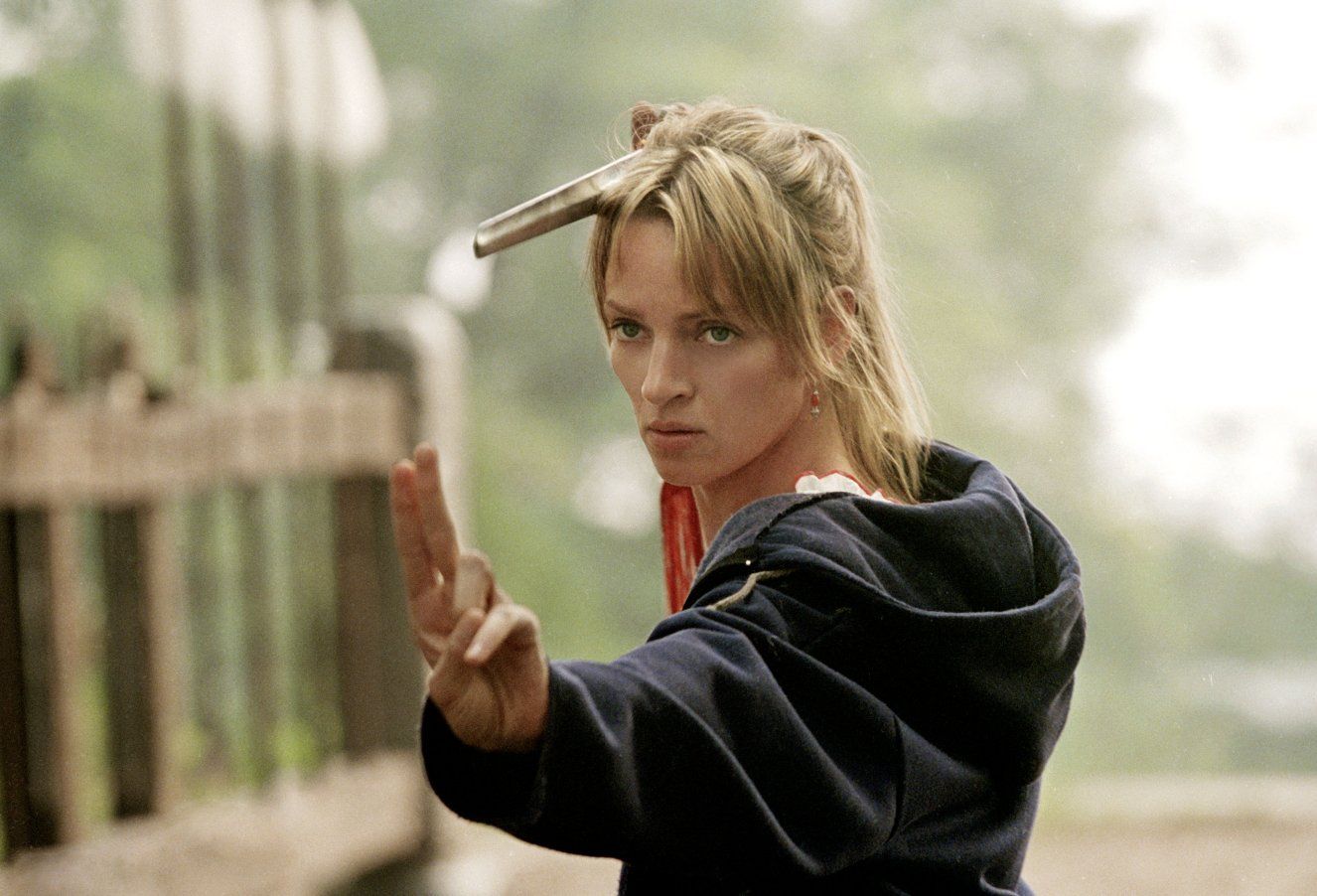
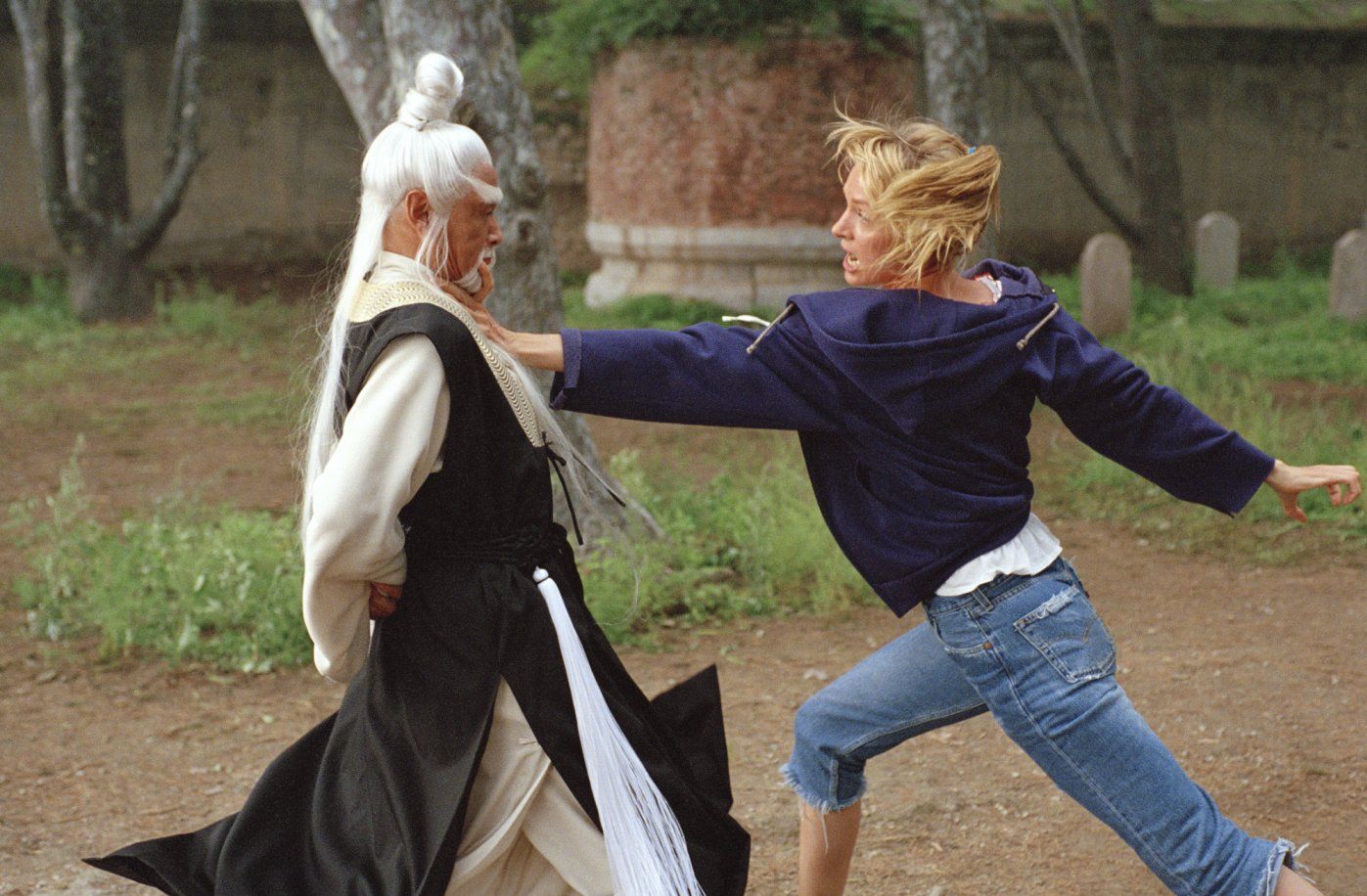
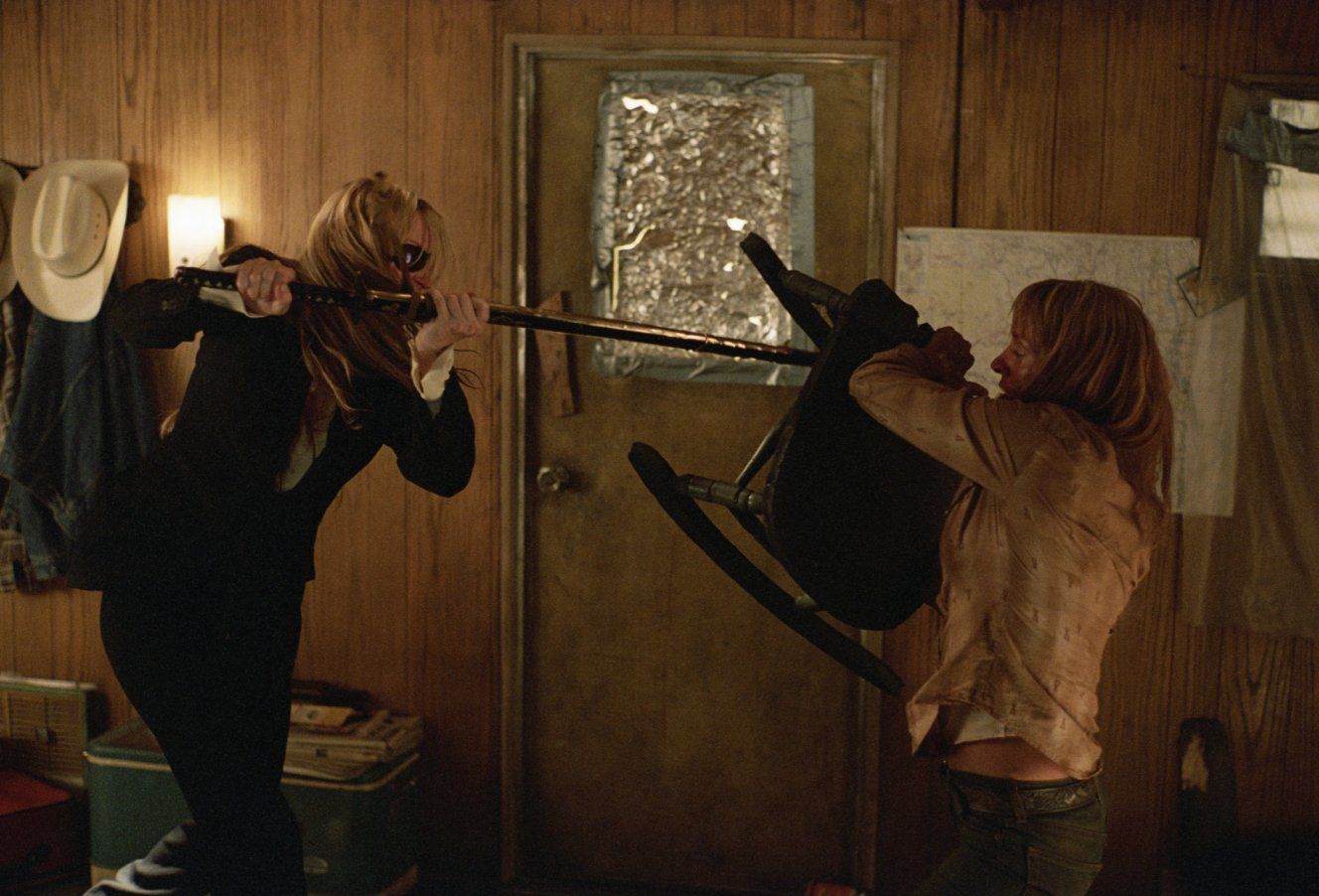
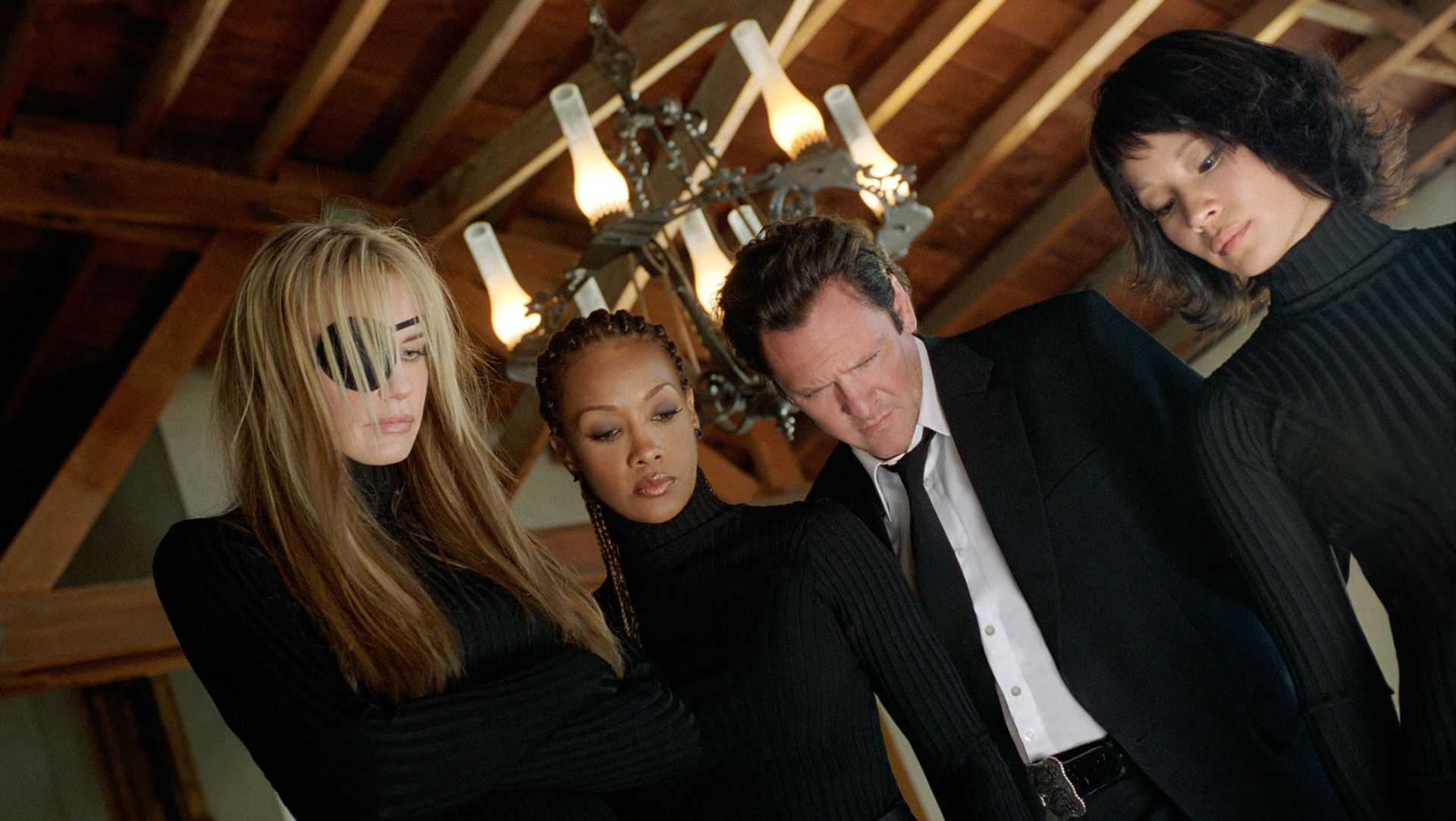
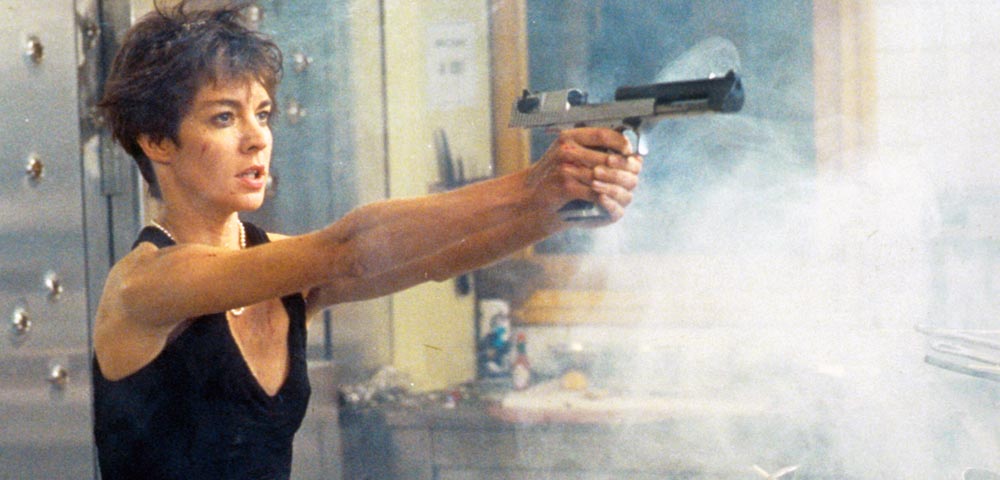
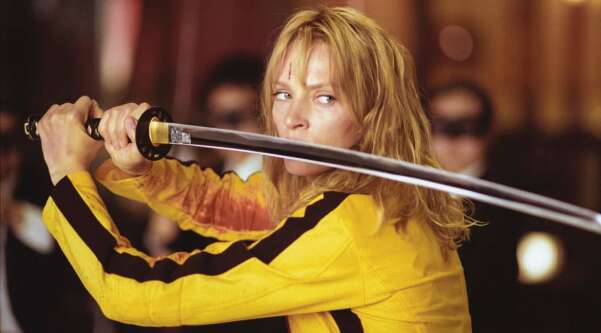
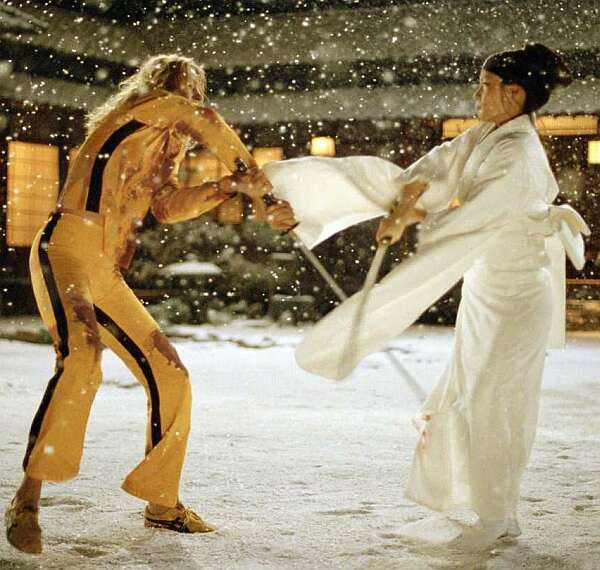 There is also the nasty question of how much of what is praiseworthy, is actually Quentin’s own work. If you’ve seen the infamous Who Do You Think You’re Fooling?, which intercuts clips from Reservoir Dogs with very similar scenes from a Hong Kong movie made several years previously, City on Fire, you’ll know what I mean. I’d rather praise film-makers such as David Cronenberg, who do more than cobble together pieces “borrowed” from other people, no matter how amusingly post-modern the results may be.
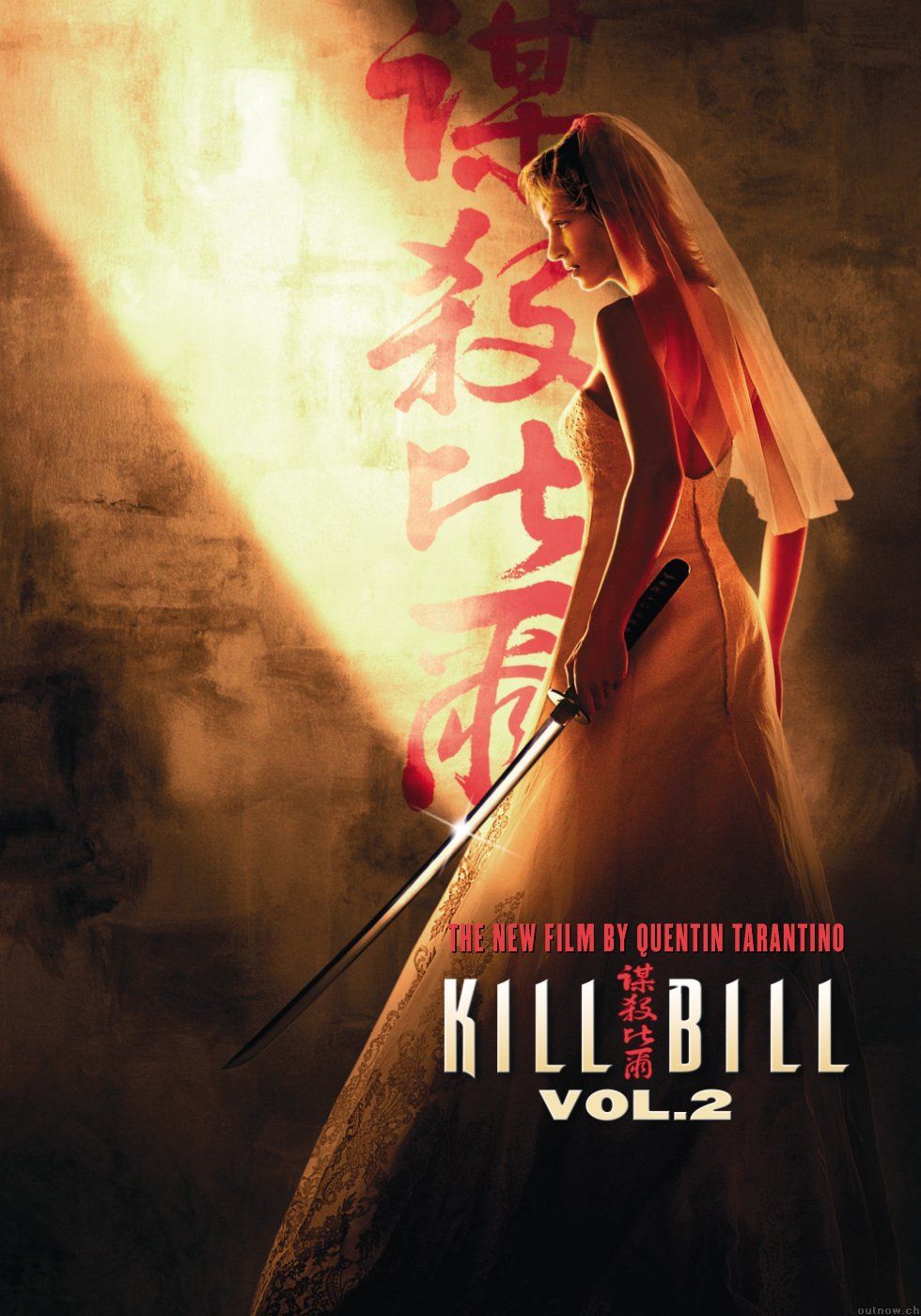
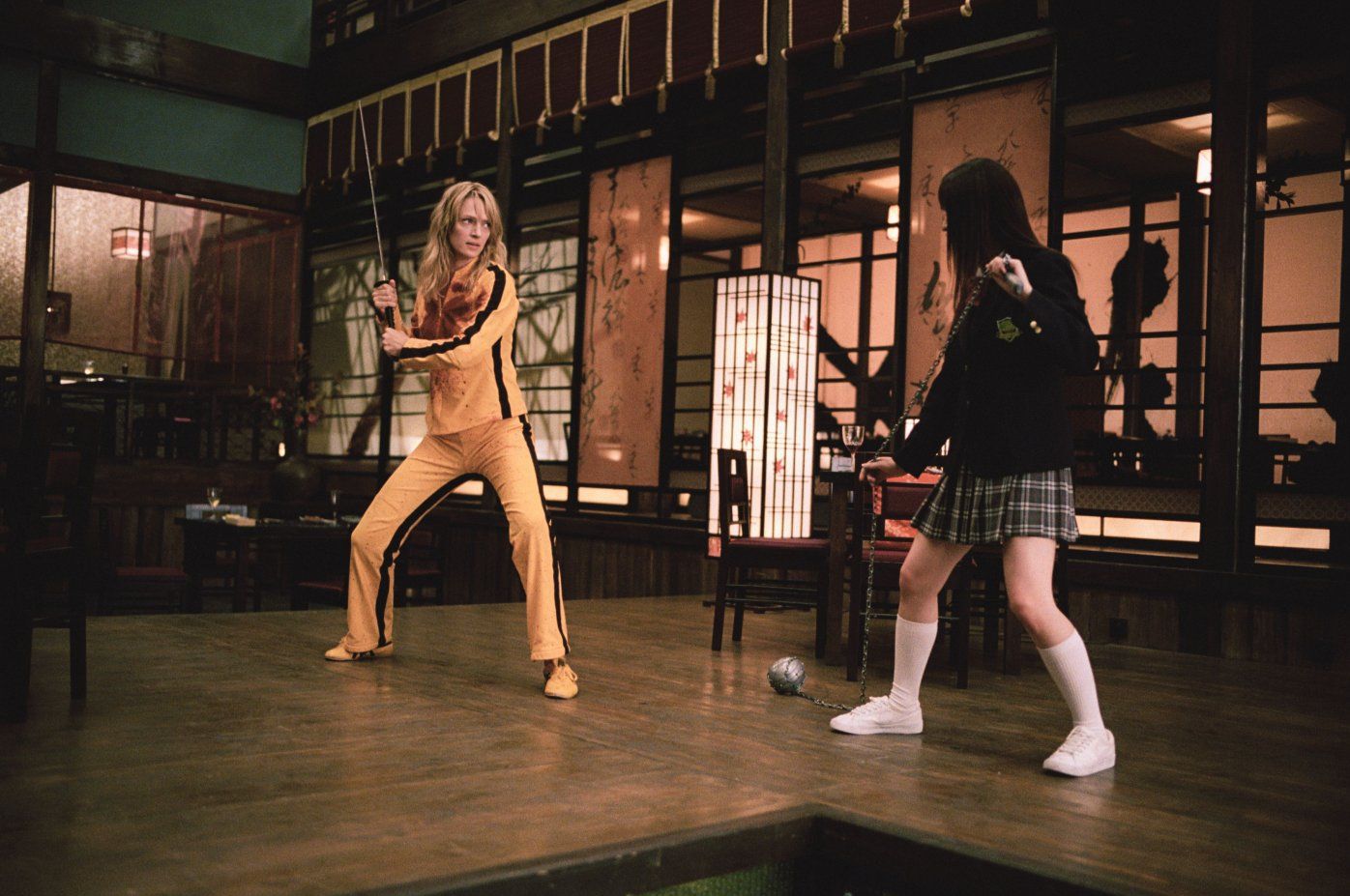
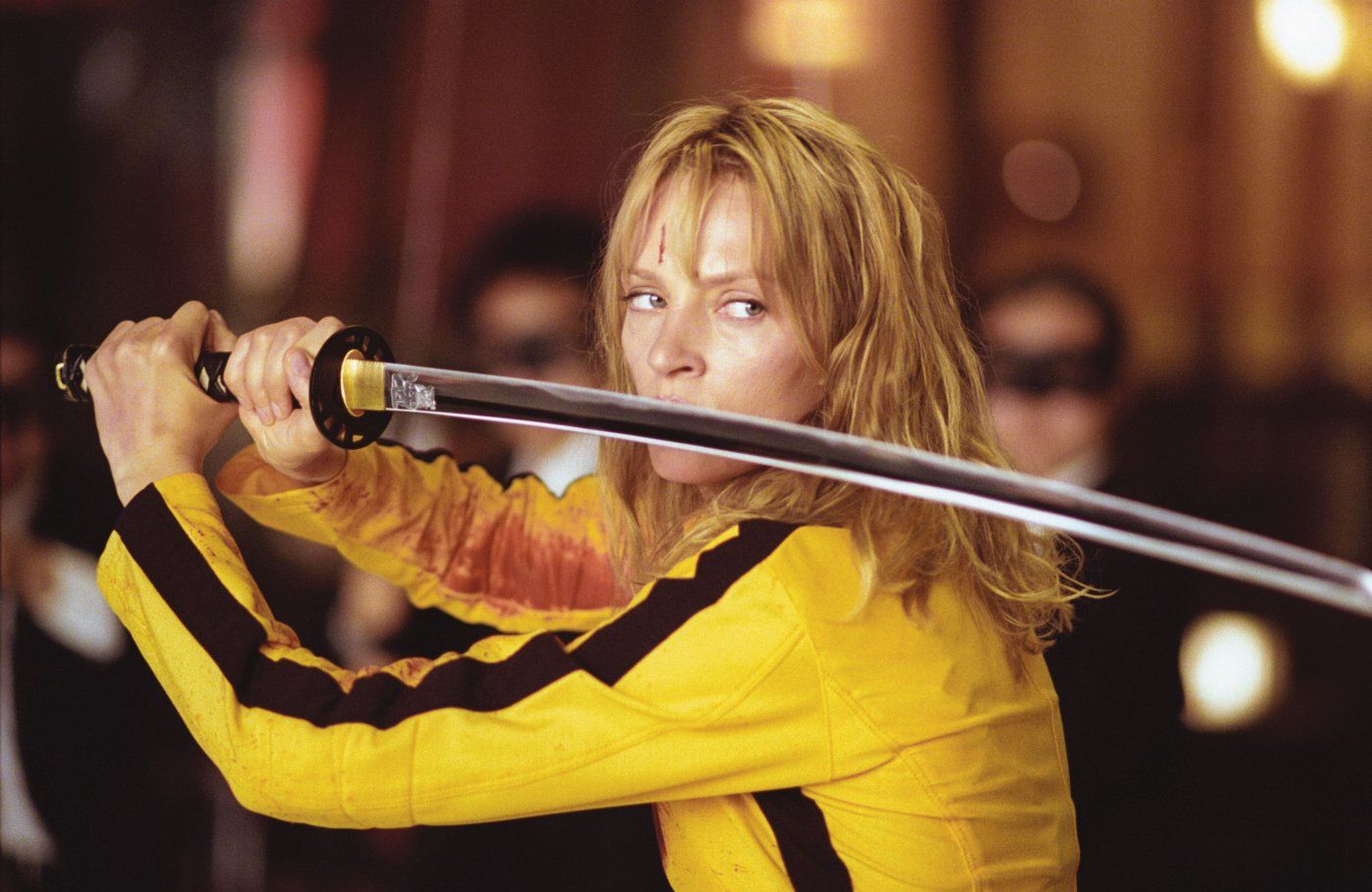
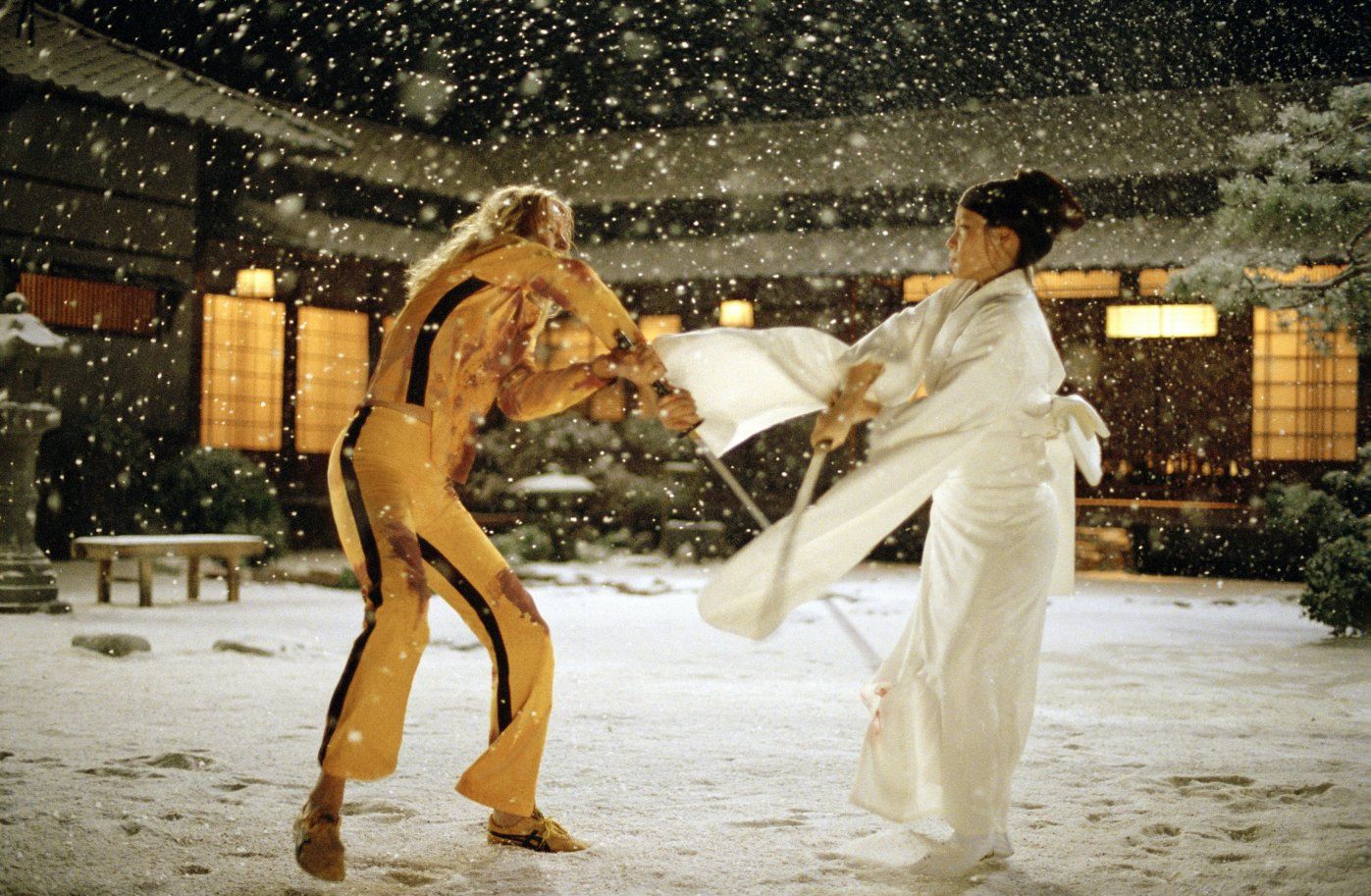
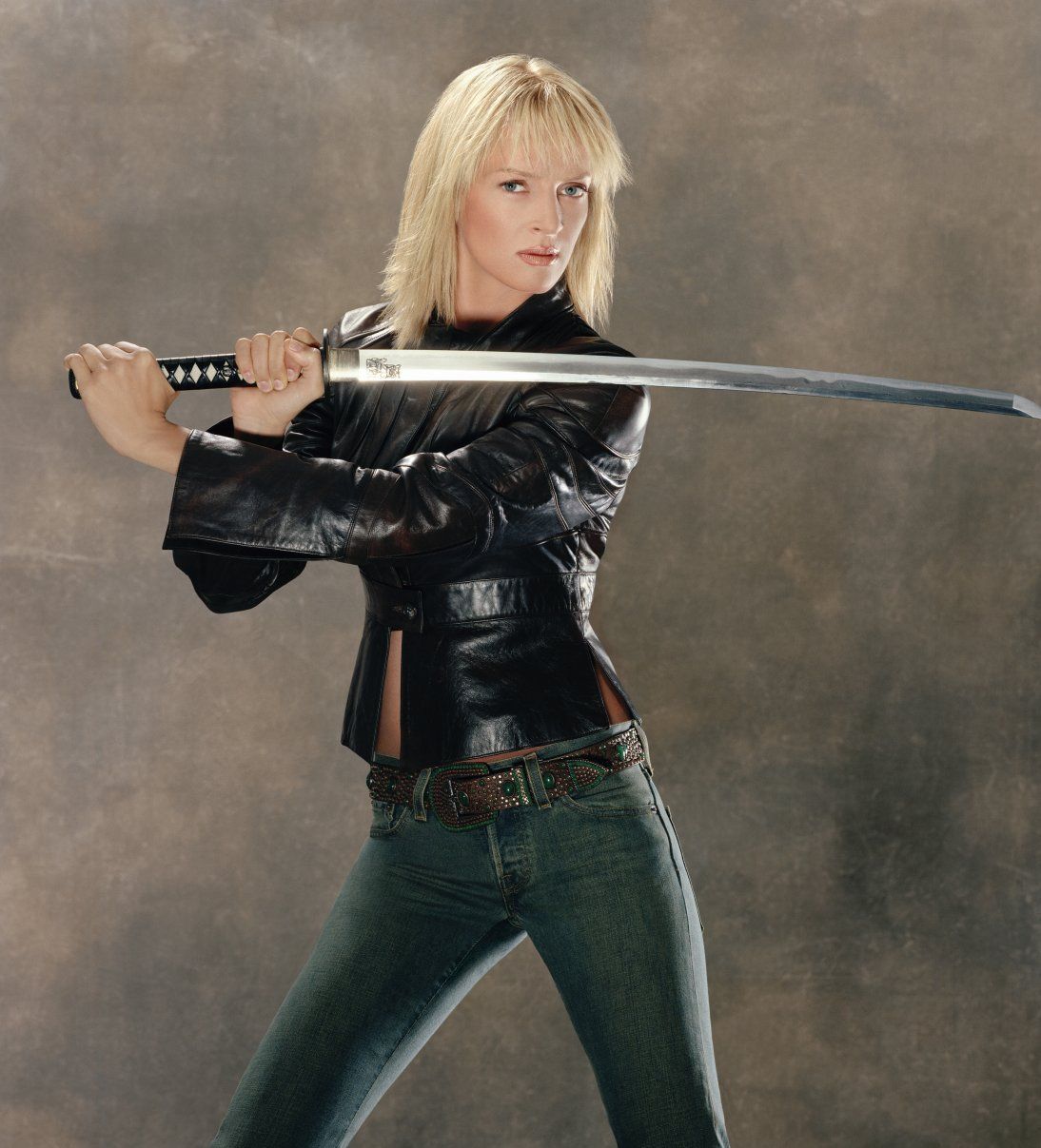
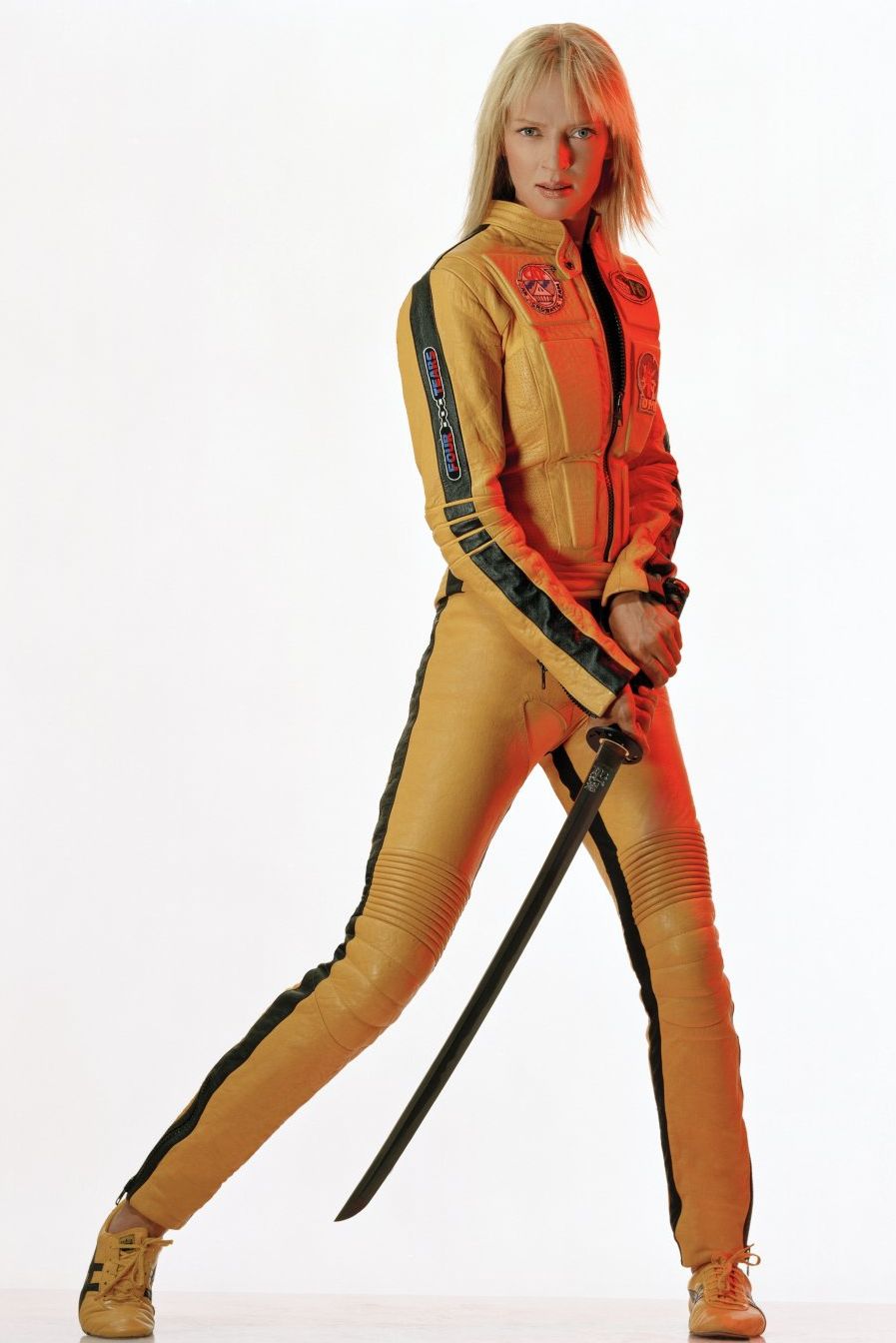
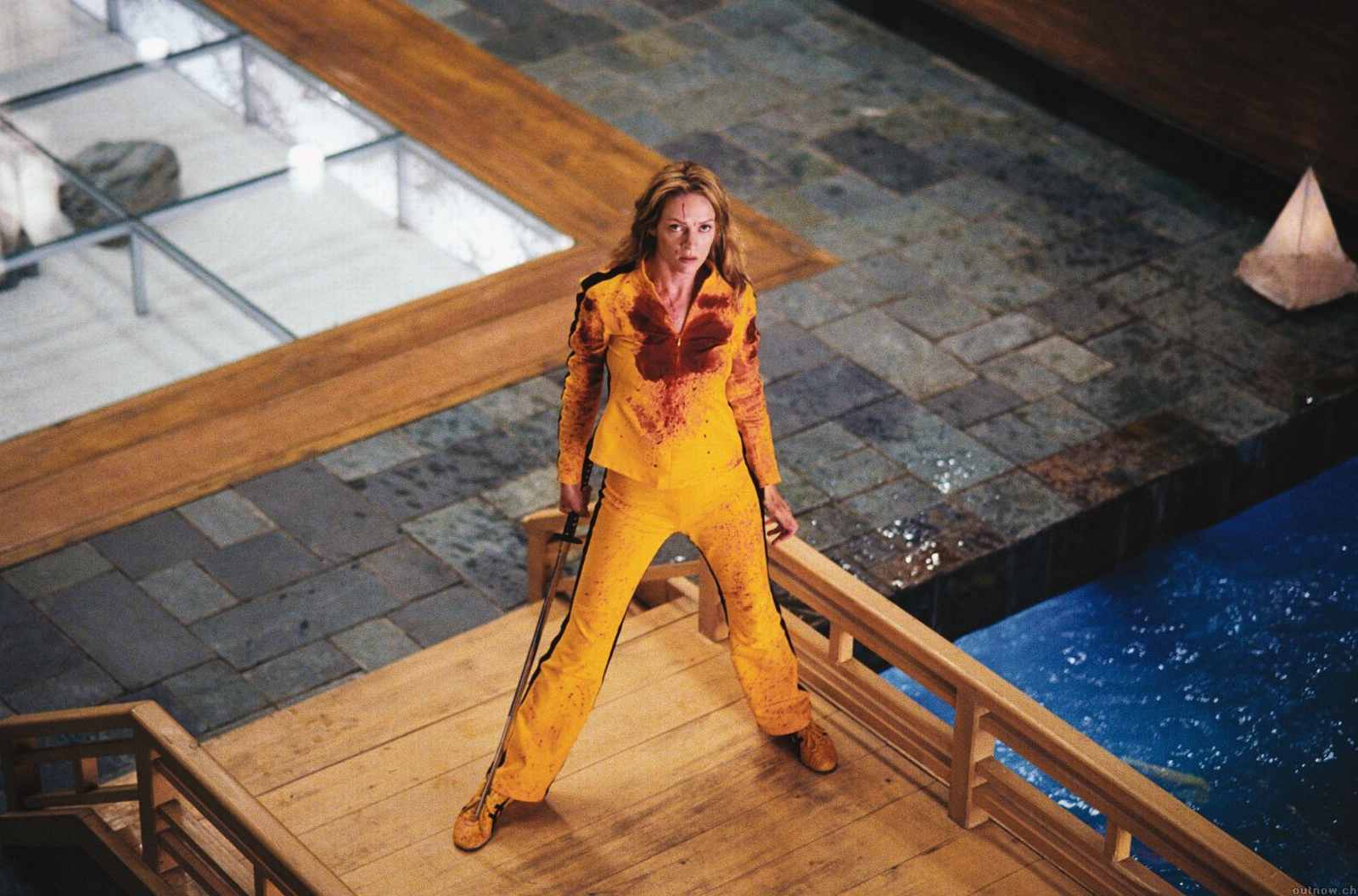
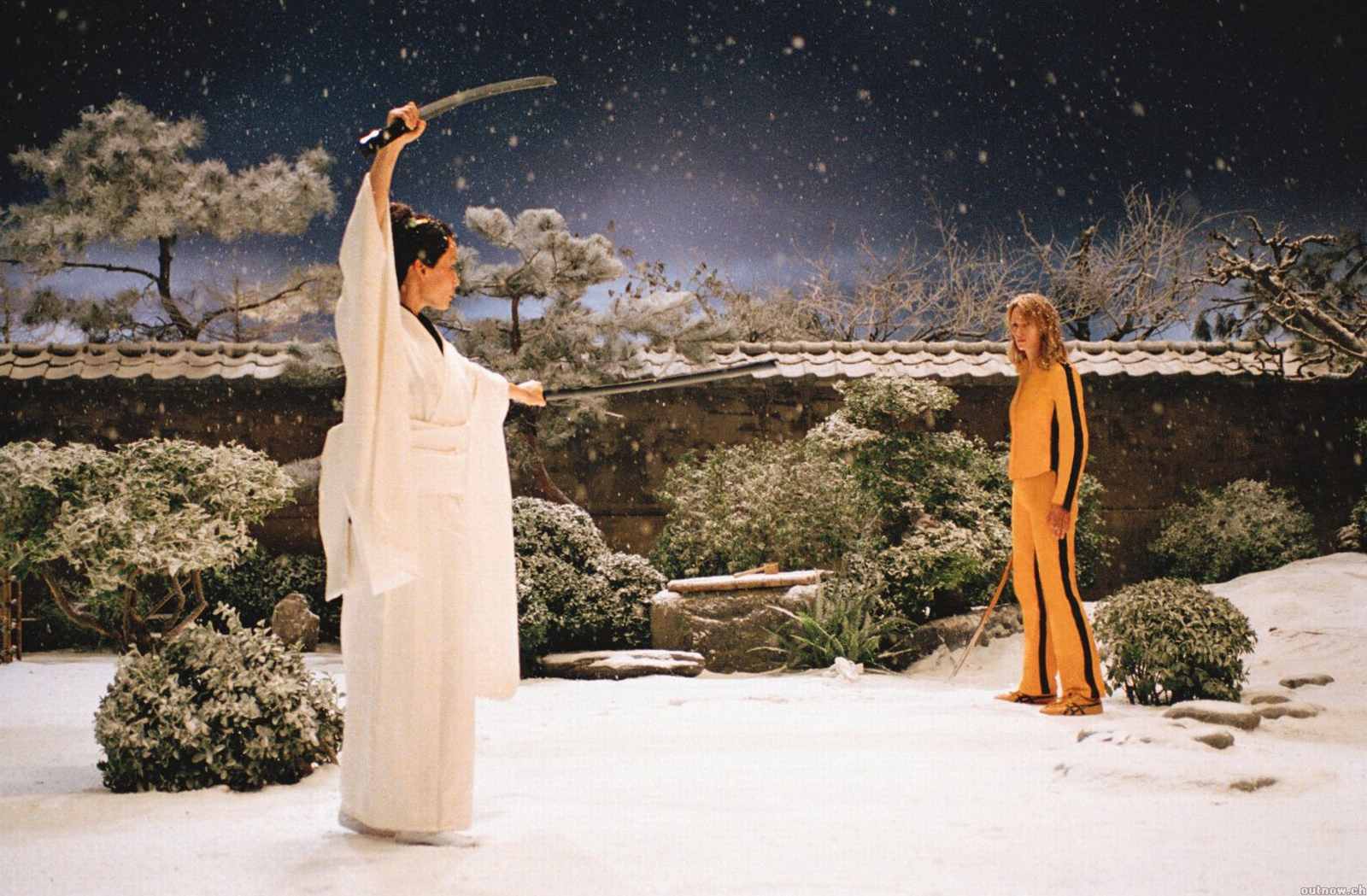
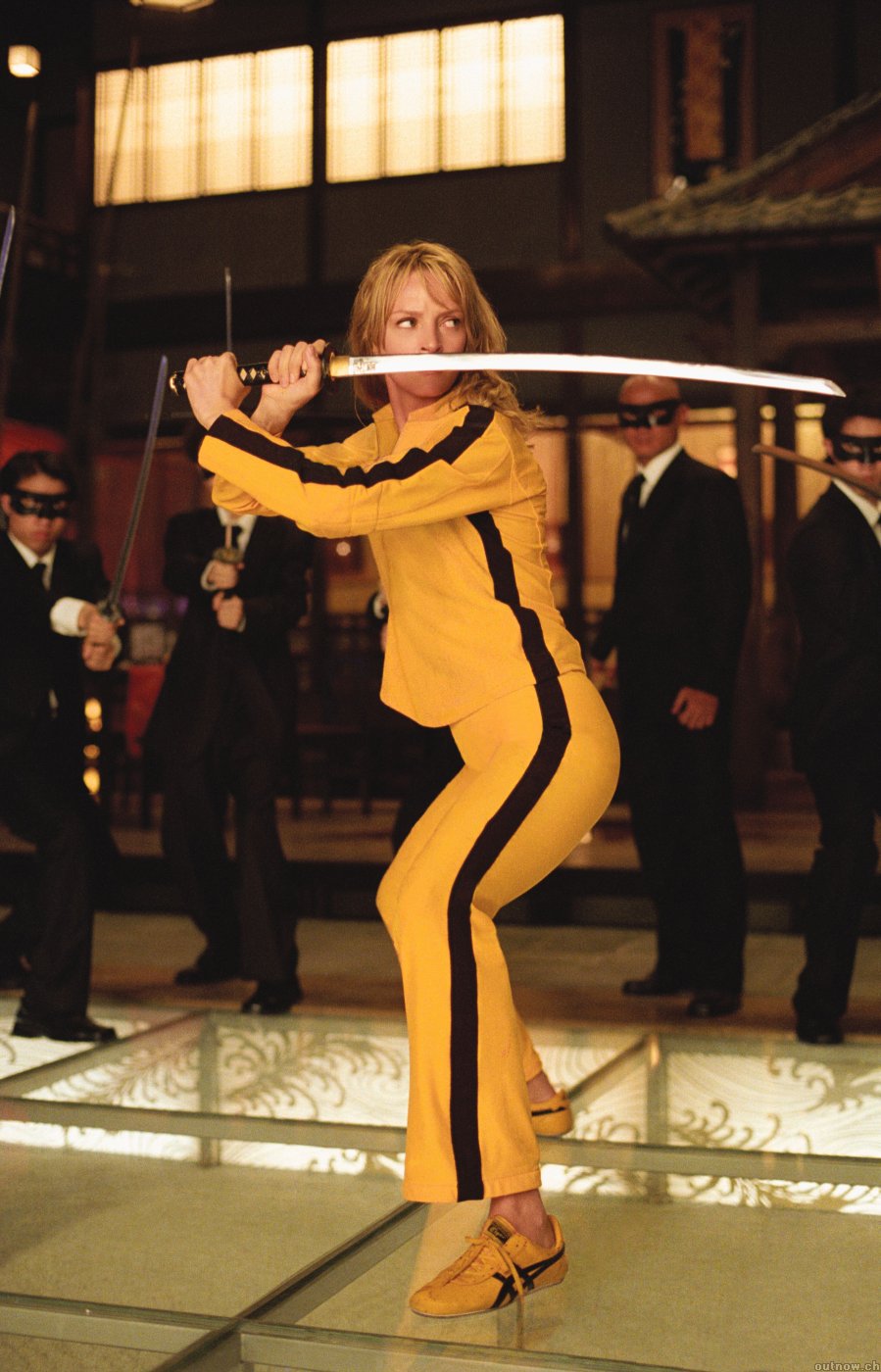
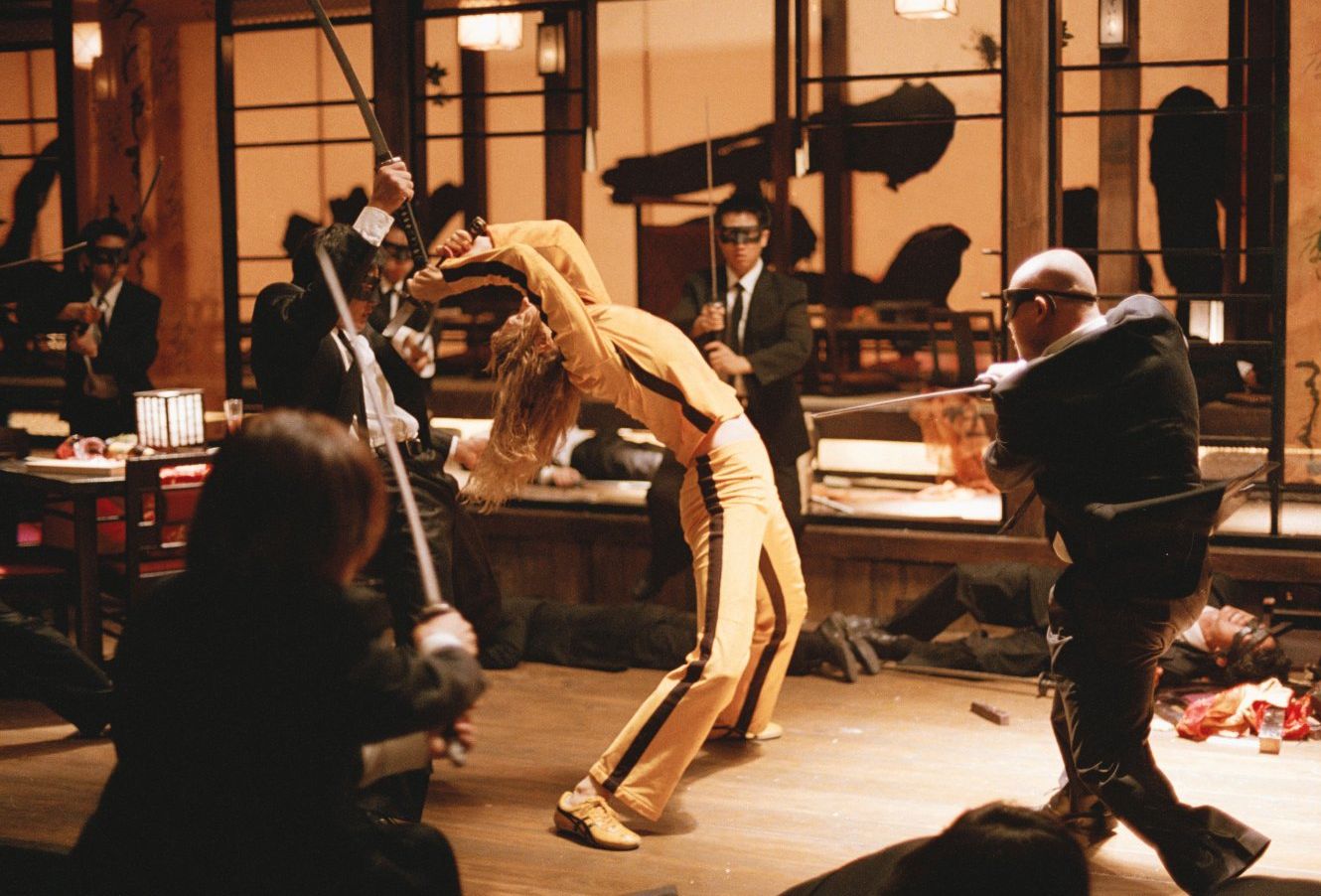
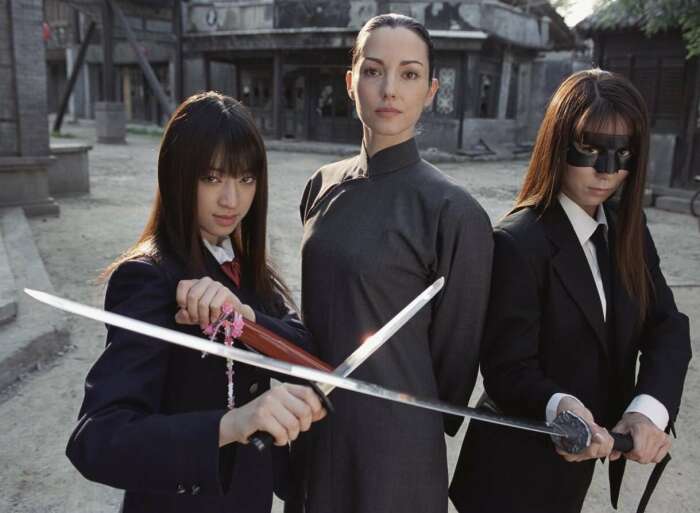 Uma Thurman is The Bride – her character is never named (it’s given a couple of times, but beeped out) – a member of the Deadly Vipers Assassination squad operating under the eye of Bill (David Carradine, not yet seen). When she tries to quit, her marriage is interrupted by the rest of the team, who kill the groom, the priest and even the guy playing the organ. They think they’ve killed the pregnant bride. They’re wrong.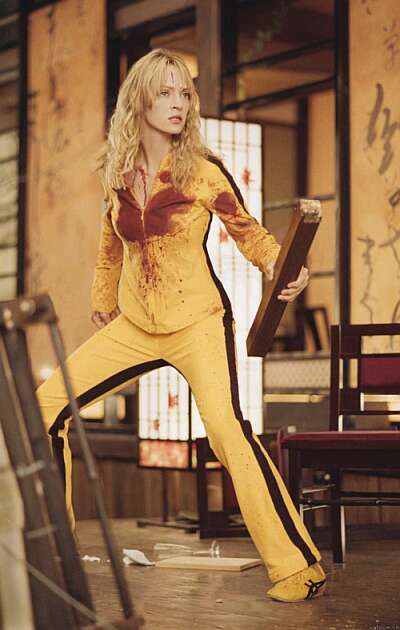
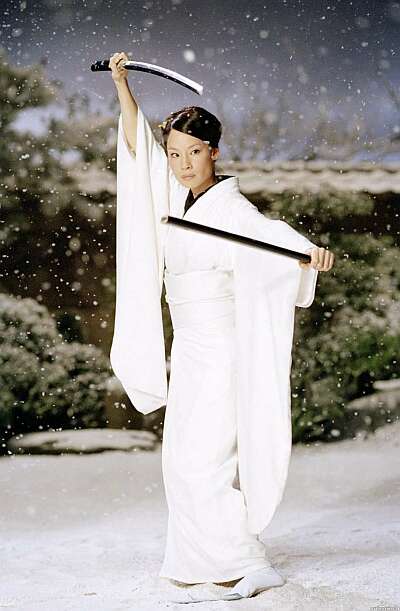
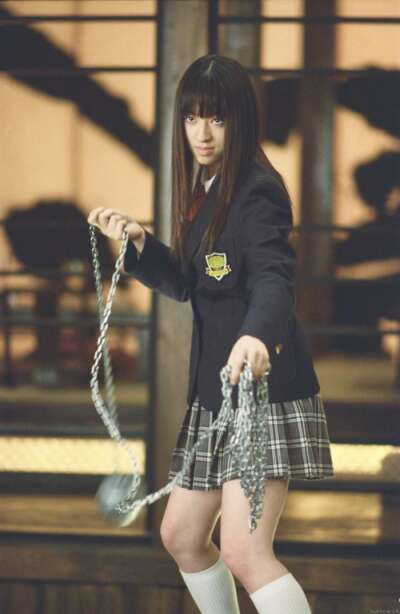
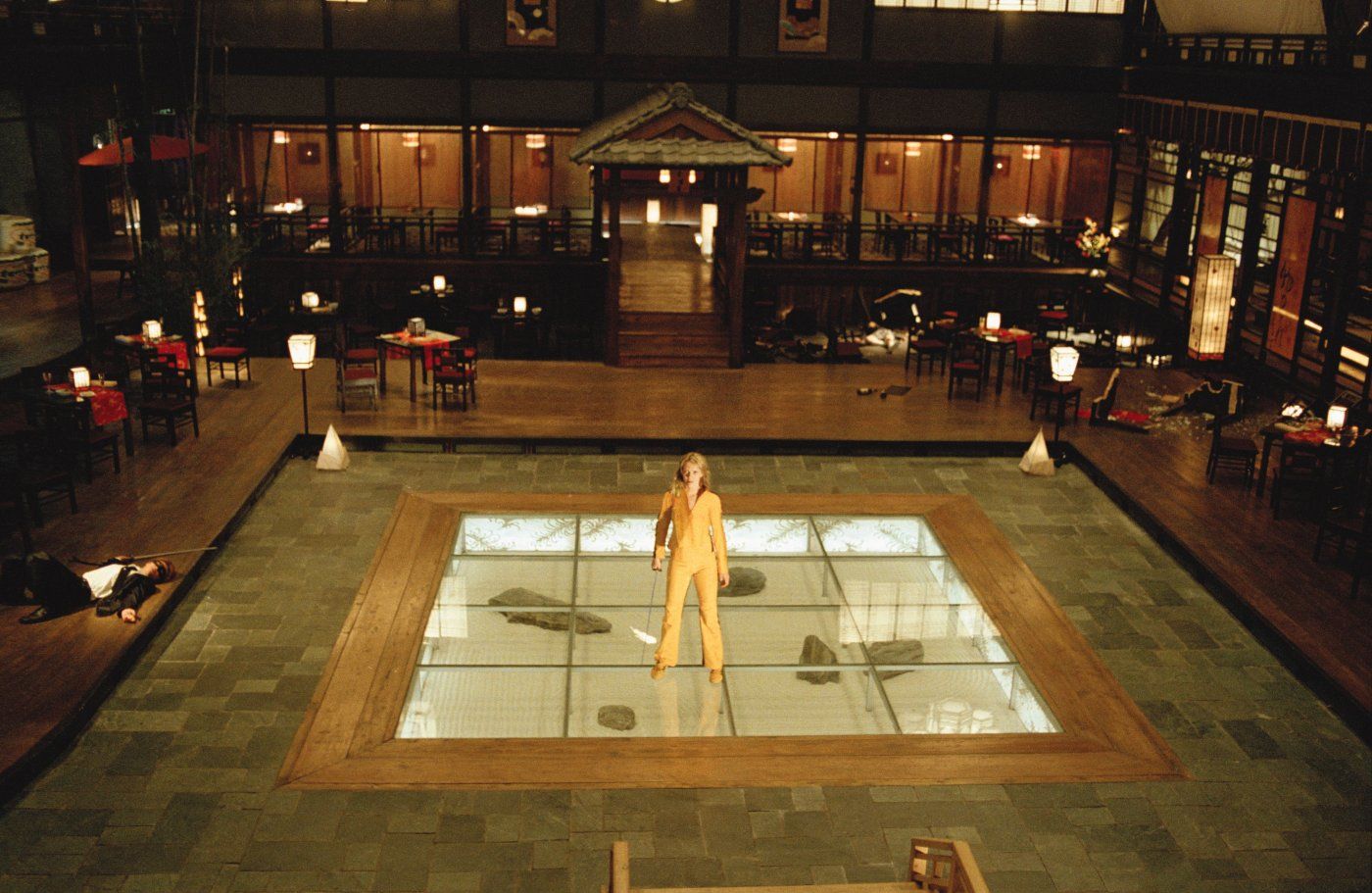
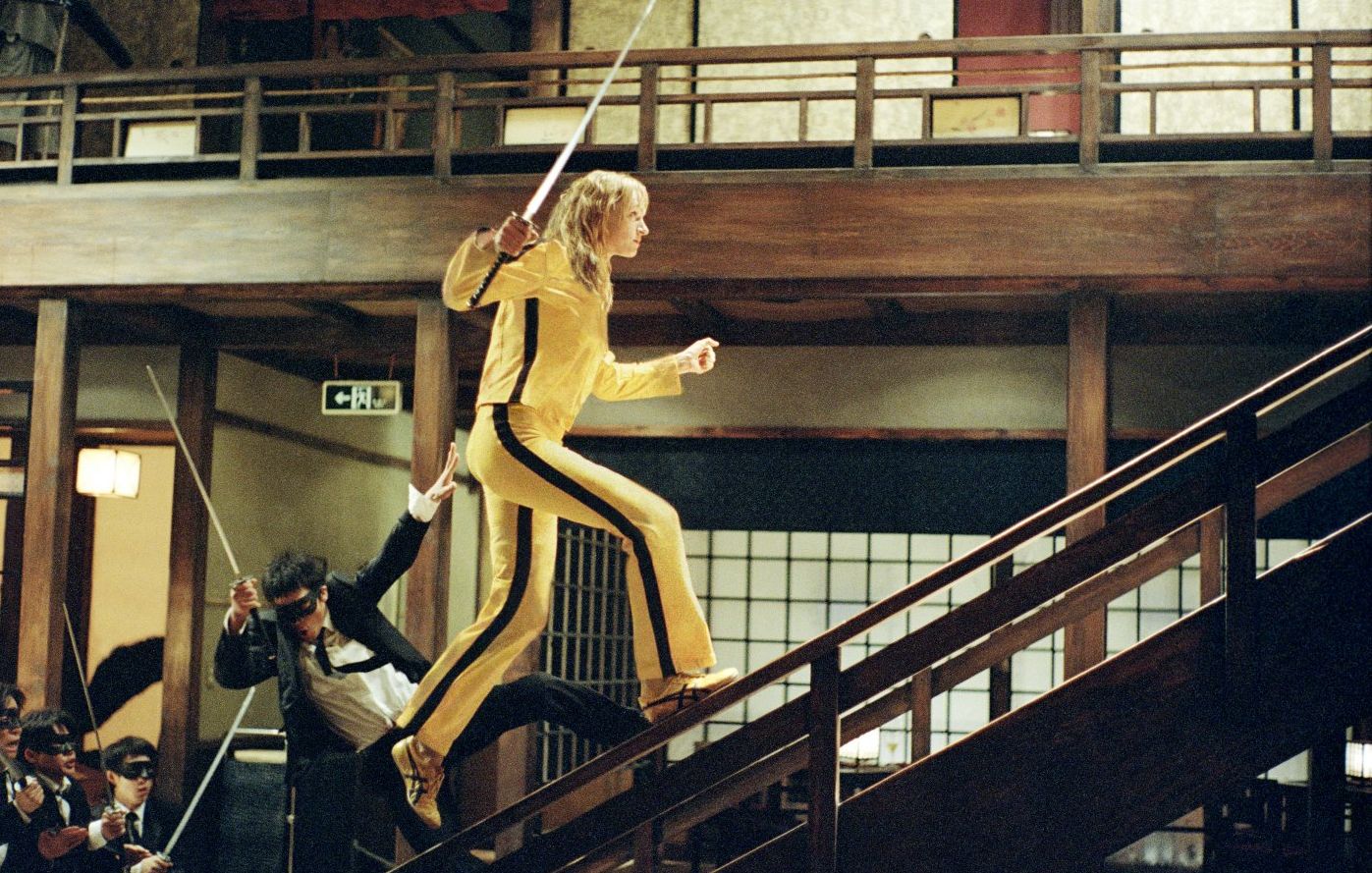
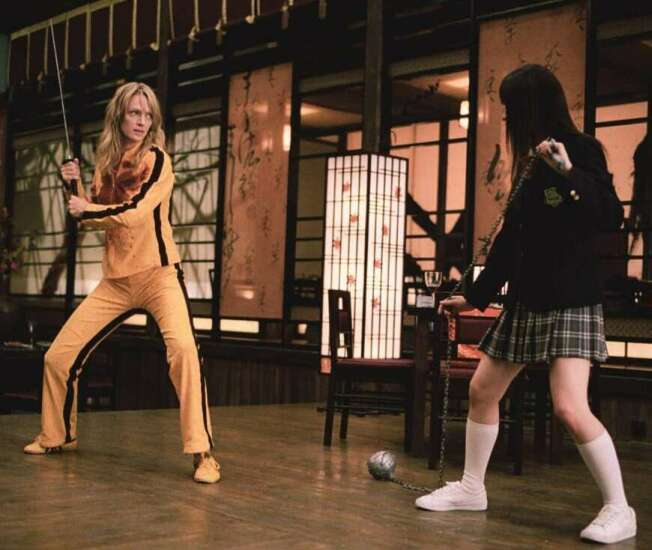 The trailers make this look as if it’s non-stop action, but it isn’t really – there are only a couple of proper set-pieces. The first (cinematically, if not chronologically for the characters) is between The Bride and Green, a brawl around the latter’s house. Despite imaginative use of kitchen utensils, the photography is all wrong, with way too many closeups, leaving it impossible to tell whether there’s any skill – or, indeed, what the hell is going on. I wouldn’t be surprised if this was one of the first things Tarantino shot, since it’s the kind of mistake you’d expect from someone like him, unfamiliar with shooting martial arts.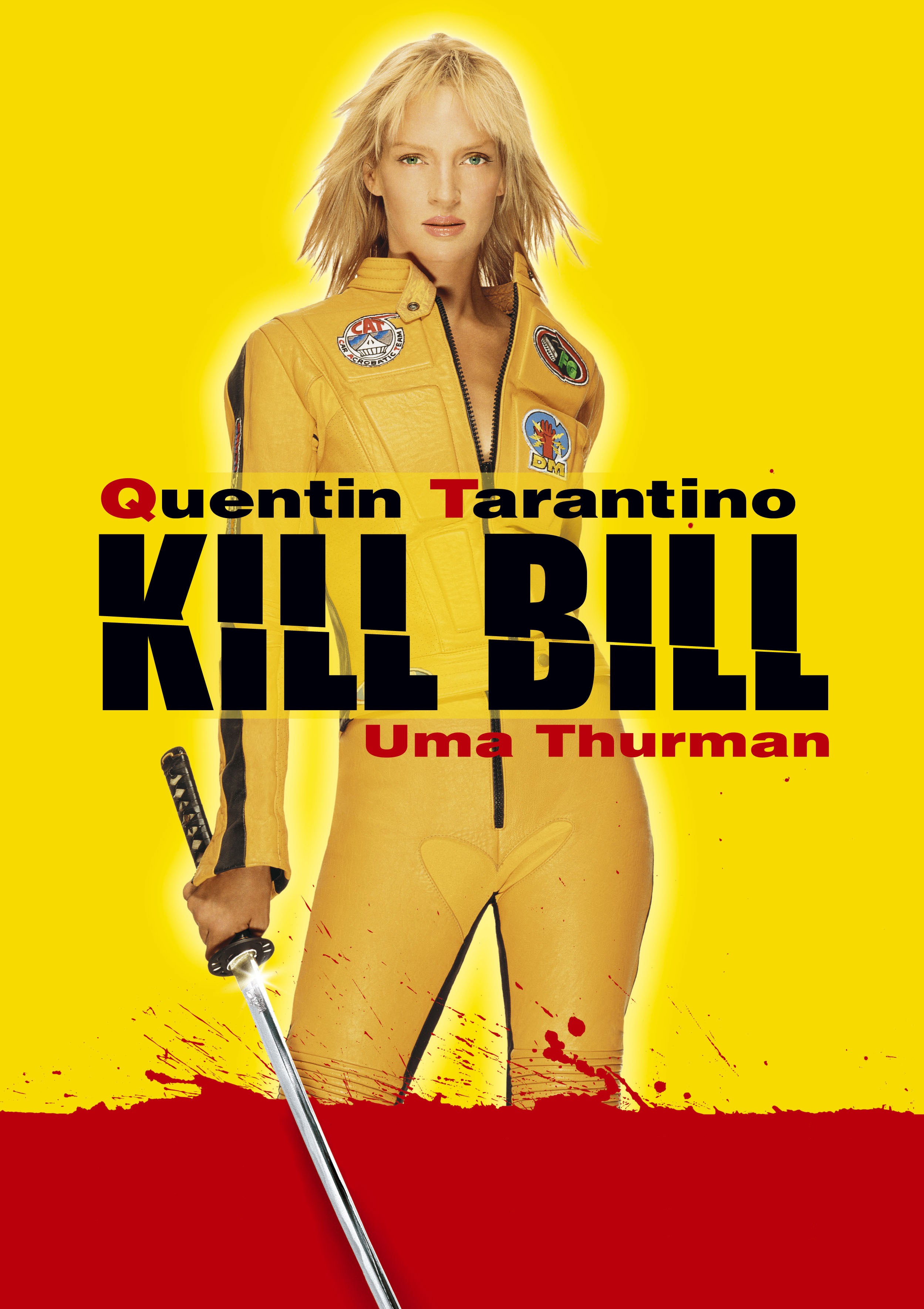



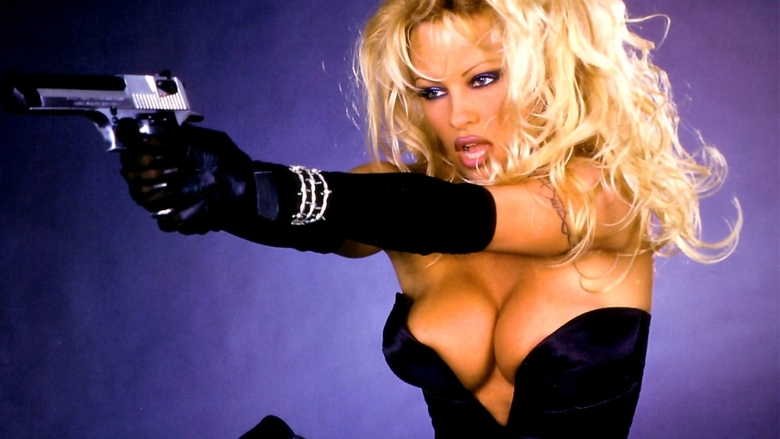

 While one might question Pam’s acting talents, she is backed by a sterling cast of character actors: Steve Railsback, Xander Berkeley, Clint Howard, Udo Kier and Temuera Morrison. Each one hits the mark in their role, delivering lines with the correct level of enthusiasm. Kier, as usual, steals the show (his presence definitely helped soothe Chris’s eye-rolling), though Berkeley’s sleazy cop is perhaps the biggest surprise, especially if you’re only familiar with him as Jack Bauer’s boss in the first two seasons of 24.
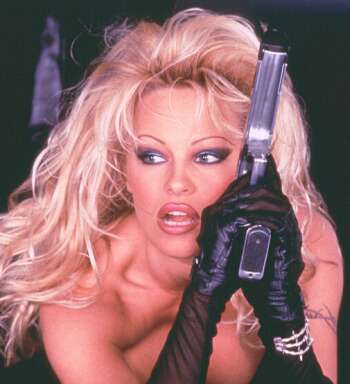 I admit, you could argue the entire story is irrelevant, and this is nothing more than an indefensible cocktail of eroticized violence. But those who live in such a moral vacuum as to require Hollywood to fill in the gaps, have got much bigger problems than Pamela Anderson’s breasts. If you can get past the first five minutes (which even I will say seem a lot longer), there’s no denying the effort expended here – albeit mostly on sex and violence, aimed at the lizard section of the viewer’s brain.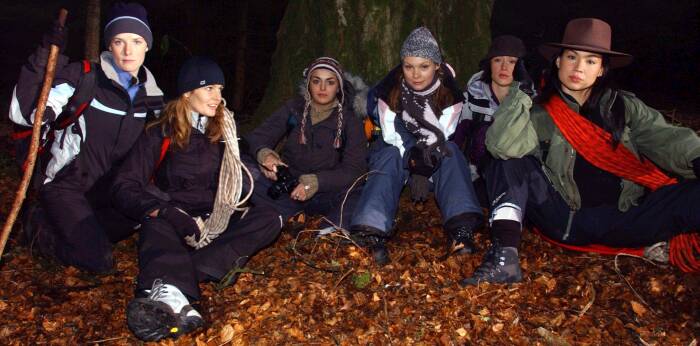
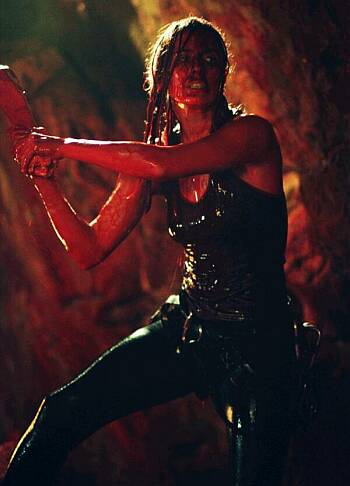 Simplicity is under-rated, especially when it comes to genre films. The simplest horror movies often work the best, because they prey on widely-held fears: monsters (Jaws), getting lost (The Blair Witch Project) or claustrophobia (Below). And now, we get The Descent, which combines all three into one ball of nerves, pitting six female cave-explorers against
 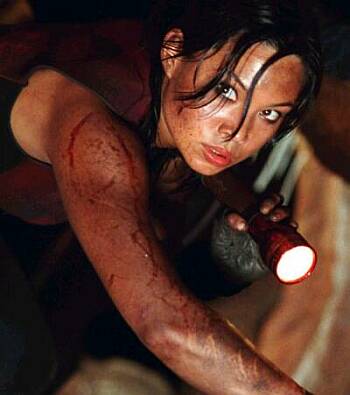 The focus of the film is Juno and Sarah, with the rest of the cast largely reduced to cannon-fodder – though not badly-drawn cannon-fodder, I must admit. Juno is a near-Amazon, while Sarah has to become one, simply in order to survive, and that’s about the extent of the character development here. Demureness, beauty, the ability to bear babies, and all other typical “feminine” traits, are of absolutely no use whatsoever. The ability to drive your pick-axe, repeatedly, into the head of pissed-off Gollum wannabes, on the other hand… Yeah, that
 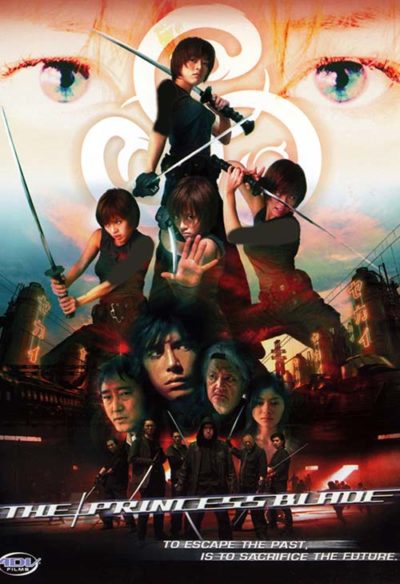 The same source comic inspired Lady Snowblood, but plenty of original thought has also been put into this, set in an interesting alternate present, after 500 years of imposed isolation. A band of fighters, the Takemikazuchi, have been thrown out of work and now roam the country, killing for pay. One of their number, Yuki (Shaku), discovers their leader (Shimoda) killed her mother, and after confronting him, leaves. Except the group’s motto seems to be, “No one here gets out alive”… She finds shelter with Takashi (Ito) – except he is part of a rebel group with a similar philosophy, so a quiet, peaceful life is not on the cards for either of them.
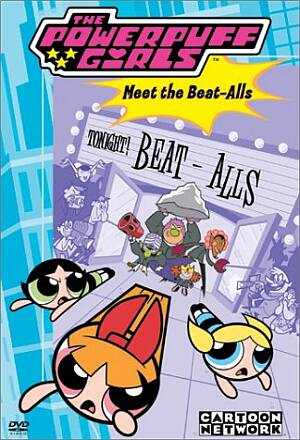 This sprang virtually fully-formed from the twisted mind of McCracken back in 1992, as a student film: even then, he intended it as a series, with most the characters, both heroines and villains, already present. The main change was to the title, the Cartoon Network balking at presenting a show called The Whoop-Ass Girls, and so the “can of whoop-ass” which was originally part of their make-up, was replaced by Chemical X.