★★★★
“They Came From Japan…”
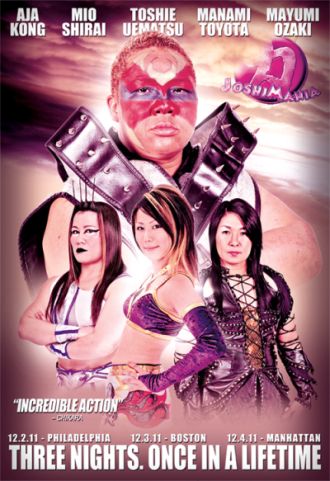
 If I’d heard about this event in advance – rather than the first I saw of it being a review of the opening night – a road-trip to the East coast might have been in order. For this would have been a chance to see some of the giants of Japanese women’s wrestling – known as “joshi” – on a rare trip to the United States for three shows on successive nights. That includes Toyota who, in her mid-90s heyday, was perhaps the best female wrestler ever, and was among the very best, of either gender, at the time: from 1992-95, she wrestled in no less than ten bouts rated as five-star by the Wrestling Observer Newsletter, two of which were named the world-wide Match of the Year. Fifteen years later, I was curious to see if she and other icons like Kong could still bring it, and also to check out Sara Del Rey. A few years ago, Del Rey had been a regular part of IZW, the local promotion we helped at, and her reputation now had her among the best indie workers in the US.
Some general thoughts before we get into each event. If you’re used to the WWE and their “divas”, these events would be a startling change, on a whole variety of levels. Most obviously: the matches aren’t three minute bathroom breaks. For instance, on the debut show, all the women’s matches ran for at least ten minutes, with Toyota vs. Toshie Uematsu running just short of twenty. And, just as important, the skills on view are undeniable, both technically and from the ‘in-ring story telling’ point of view – which is basically an ignored aspect in WWE, where it’s get in, string a few spots together, pin-fall and get out. Here, there’s a palpable sense of effort going in to building a character as heel or face, especially necessary in a one-off set of shows like this, where there’s no back story on which the crowd or wrestling can rely to create atmosphere.
As with just about all wrestling shows, not all matches are equally good, or equally relevant. and I’ll generally be concentrating on the the main bouts more than the undercards – though there were still some moments worth mentioning from the latter. The three nights of Joshimania also included some men’s bouts: Chikara is mostly a male promotion, with even Del Rey fighting against men. I acknowledge the existence of these matches here, and will not cover these again, though they were generally entertaining.
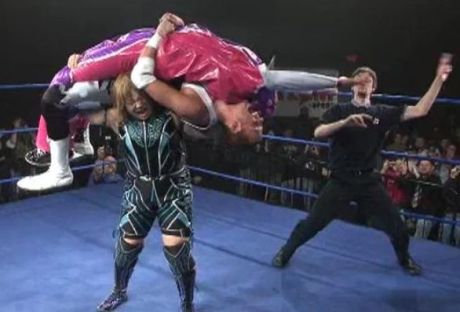
Night 1: December 2, ECW Arena, Philadelphia. A good example of those “mentionable moment” came in the opening contest, an inter-gender match where the joshi trio of Kaori Yoneyama, Tsubasa Kuragaki & Hanako Nakamori beat the Chikara heel team of Archibald Peck and Los Ice Creams. This ended with the submission move shown below on the left, in which Kuragaki lifted two opponents across her shoulders. It was the move of the night, amazing especially if you consider that most divas – with the honorable exceptions of Beth Phoenix and Kharma (who was a tag partner of Aja Kong in Japan in the mid-2000’s) – would crack in a stiff breeze. That was the highlight of the undercard, with the GAMI vs. Sawako Shimono bout rather slow and uninteresting, coming across as too obviously staged.
 Things perked up with Cherry & Ayako Hamada vs. Mayumi Ozaki & Mio Shirai, the latter playing the cheating heels to impeccable effect, and this really showcased the character aspect of pro wrestling. In particular, the veteran Ozaki had a grudge against the “rookie” Cherry, and concentrated on bullying her every chance she could get, legally or otherwise. It’s the first time I’d seen Shirai, and she made a great impression too, in what was probably the most entertaining bout of the opening evening. Manami Toyota is now into her forties, and has probably lost a step or two from her peak, but is still an unrivalled combination of high-flier and technical expertise – her misile drop-kicks remain a thing of wonder. Her opponent was Toshie Uematsu, another veteran, albeit one three years younger than Toyota. This was a solid enough match, between a pair of veterans who are more than familiar with each other, but the lack of an obvious heel/face may have robbed this of some drama.
No such problem with the final bout: it was clear who was who, from the moment Kong spurned Del Rey’s offer of a handshake pre-bout, leading the US wrestler to yell “Too good to shake my hand, Aja?” at her opponent. Del Rey threw everything she at at Kong right from the start, but Kong wouldn’t go down – for instance, after being hit by Del Rey’s headbutts, she went over and started headbutting the corner turnbuckle. What this did was set up the later parts, when Del Rey’s offense did have an impact, such as the massive suplex dropping Kong on her back. Del Rey took her share of punishment, including a metal can to the head after the a ref bump took the official out. The finish came after Kong missed her finisher, the uraken or spinning back fist; Del Rey took advantage to roll Kong up for the pin, ending the first night’s events.
Night 2: December 4, Everett Rec Center, Boston. Okay, a little outside Boston, technically, but let’s not split suburbs. Many of the same competitors from last night were seen again, with the matches swapped around to provide a different set of contests. The crowd looked a bit smaller than Night 1, but were probably a little bit more into things – it’s amusing to be reminded of how wrestling fans anywhere (be it Massachusetts or Arizona), tend to react the same way. More than once, I thought, “Is that Chikara’s equivalent of ?” Wherever you go, there you are. Which has probably just made this the only review of Joshimania to quote Confucius. Or Buckaroo Banzai, if you prefer.
 Quickly to go through the undercard, GAMI still continues to underwhelm; watching her and her opponents dawdle their way across the ring at leisurely paces, was like watching furniture being rearranged. However, Kaori Yoneyama did prove impressive in her match against Hanako Nakamori. That was especially so, given her small stature – she’s only 4’11” – but that did not reduce her impact in the match one bit. It was mentioned several times that Yoneyama was going to retire shortly, but it seems this tour helped lead to a change of heart, with Yoneyama announcing, literally during her retirement ceremony, that she’d be carrying on. Glad to hear that, since I enjoyed her matches: the promoters of that final event were none too happy, and had to offer refunds to those who’d attended!
Things literally kicked into high-gear with Mayumi Ozaki vs. Mio Shirai – they’d been losing tag partners last night, and based on this one, each blamed the other, because this was phenomenally stiff. Shirai’s kicks and Ozaki’s punches were the stuff of nightmares: the latter won out in the end, and even Chris nodded approvingly, saying “This is real women’s wrestling.” Hard to argue with that. Sara Del Rey took on Tsubasa Kuragaki in the next match, which for my money just took Bout of the Night honours, though it was hard to separate the singles matches in terms of quality. This was a blitzkrieg of perpetual near-falls, and you had the sense the match could end at any time, in either direction, which made for engrossing viewing. An amazing strength move by Del Rey, suplexing her opponent, out of the Royal Butterfly submission hold [with both her opponent’s feet already off the floor], proved decisive.
Manami Toyota was in action next, but as part of an 8-man tag match – or, rather, a 6-man 2-woman match. Listing the participants would use up all my space, so I’ll just say it was as packed with action as you’d expect from such a crowded ring, though I’d rather have seen a ring goddess like Toyota as more than 1/4 of one side, even if she was certainly involved more than one-quarter of the time. I was a little surprised, given their lengthy track record, we didn’t see the “obvious” match of Toyota vs. Kong, one-on-one, in this series. Instead, the main event here was Kong vs. Ayako Hamada, with Hamada giving away about 80 lbs or so. Can’t say I felt the outcome here was ever in doubt, but credit Hamada for withstanding much punishment, e.g. Kong stomping on her body, before catching an uraken. Goodnight, Vienna: though even Kong – ever the monster heel – acknowledged Hamada’s effort after the bout, a nice touch.
Night 3: December 5, Highline Ballroom, Manhattan One of the problems with one-off shows like this is there’s no possible story arc; a key aspect of pro wrestling is threads that run over multiple consecutive events, typically building to a big finish in some way. With a fresh audience each night, that’s not possible here, but what is lacking there is largely made up for in personality and ongoing character. By the time I got to the third show, I knew that Mayumi Ozaki would cheat like a three-card hustler, Aja Kong would no-sell just about every bit of offense thrown at her, and Sara Del Rey would stand her ground against the best joshi could throw at her. This predictability might seem a deficiency, but it’s what we want. This is soap opera with violence, and is designed to give viewers what they want, not confound expectations. This night’s showed delivered impeccably.
On the undercard, I should mention Saturyne, who was one half of an impromptu tag-team taking on Los Ice Creams, and was more or less an unknown. She made a good impression, taking a good deal of punishment but also showcasing some spectacular high-flying moves. One to watch. This was followed by GAMI vs. Portia Perez, and while I was unimpressed with the former in the other two nights, this was her best match of the weekend, with some great strength moves, including holding a vertical suplex for a full 20 seconds. The final match of the half saw Toshie Uematsu fit in nicely with the demonic Batari trio, and take on Cherry and the Colony (all three Ant fighters) in an eight-person bout that was no less frantic than the one the previous night.
It was certainly warmly appreciated by the audience, and I they were the “extra man” which helped make this night’s show the best one. They seemed really into almost every bout, and their reaction to the moves certainly enhanced their impact. It was a “cosy” venue, with the fans almost on the edge of the ring, and this made for a great atmosphere, despite the early 4pm start. After intermission, they really started to get into things with the Ozaki vs. Yoneyama match – as noted above, this delivered exactly what you’d expect, with the OZ twisting all the rules and Yoneyama [coming to the ring in s head-dress, for some reason…] taking all the punishment and bouncing back like a Duracell bunny made of latex. I think it was this bout which included a Human Centipede reference from the commentator. Not something you get on WWE.
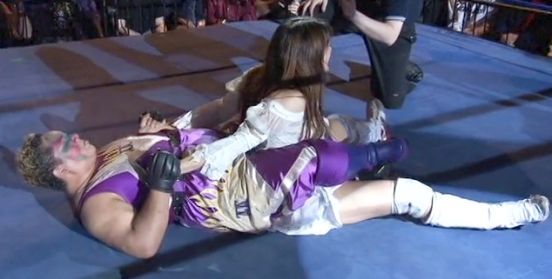 Manami Toyota, Sawako Shimono & Hanako Nakamori vs. Aja Kong, Tsubasa Kuragaki & Mio Shirai. Frak me, this was good. If you buy only one DVD, Show #3 would be it, and if you watch only one match on one DVD, it’s this one. It ran for twenty-eight minutes, fifty-seven second. Let me repeat that. No, better yet, merely appreciate it was about ten times as long as your average Divas contest, and that’d include the WWE introductions. And you know another thing? There wasn’t a dull moment. Little wonder the crowd were chanting “This is awesome!” while the bout was still in progress. I was expecting this mostly to focus on Kong and Toyota, but it was a real barn-burner, with all six women both taking and delivering an impeccable showcase for women’s wrestling. While most of the matches in these three night were good, this one was outstandingly well-paced and entertaining.
The last bout had Sara Del Rey go for the triple-crown, having gone 2-0 against Kong and Kuragaki so far. Ayako Hamada stood in her way, and this one started cautiously, with both women trying to find an opening that would give them an advantage. Eventually, however, all such pretense at subtlety was replaced by them kicking each other in the head. Repeatedly. With feeling. Del Rey eventually prevailed after fifteen or so minutes, courtesy of a spike piledriver, to complete her undefeated run. While a solid main event, it definitely came up a step or two short of the fabulous bout which immediately preceded it. However, given the amazing pedigree of those involved, Del Rey shouldn’t be embarrassed in any significant way.
Conclusion. This was a heck of an event, and kudos are due to Quackenbush and the entire Chikara organization for the undeniably huge effort that went into putting these three shows on. It’s probably not much of a stretch to describe them as the finest series of women’s wrestling shows ever put on in the United States, and for any fan of the genre, the DVDs – available from Smart Mark Video for $15 each, and the digital downloads are less than ten bucks – are almost essential. As noted, if you can only get one, the third night is likely the one to have, containing the standout bout of the trilogy, as well as a number of extremely solid other matches. And even if all you’ve ever done is yawn your way through a two-minute Divas match on Monday Night RAW, this is the equivalent of a triple-shot expresso, injected directly into a vein.
Date: December 2-4, 2011: Philadelphia, Boston, New York.
Star: Manami Toyota, Sara Del Ray, Aja Kong, Mayumi Ozaki
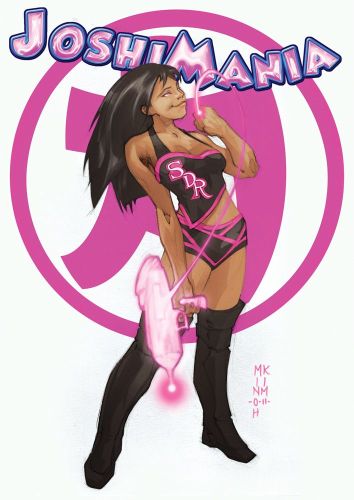
[Tip of the GWG hat to Minoh Kim for the Sara Del Rey illo, and Makeway Graphix for the event poster.]



 In contrast to Brutal Beauty, this succeeds to a far greater degree is in putting over the attraction of roller derby. The first couple of films seem aimed more at the devotee, and it was more or less taken as read that already you liked it, or were at least somewhat interested. Here, I think even the more casual viewer will find themselves sucked in. They may or may not want to go any further, but the doc does a much better job of explaining the entertainment to be found, both for participants and spectators. The sheer sense of fun that is found at the best roller-derby events [or even, to be frank, the crappy ones, which we have also attended!] is a good deal more palpable here than in the other films, which concentrated on personalities to a greater extent than the sport. That isn’t the case here, and to an outsider, the results are likely better for it.
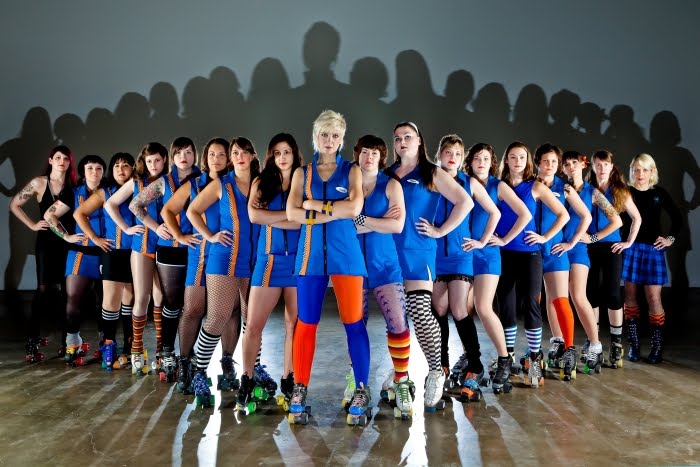 Not that there is any shortage of said personalities, such as the mother and daughter who both take part in the sport, or the three sisters who have been roller-skating virtually their entire life, and are feared across the entire Seattle league. There are, admittedly stories about romance and marriage included, but even these have a close connection to roller-derby, like the guy who proposes after his girlfriend became part of the championship-winning team [I can relate to this, having proposed to my wife immediately after the Arizona Diamondbacks won the 2001 World Series!]. I also enjoyed the insight into the different teams, like the Sockit Wenches (right) or the Derby Liberation Front, and the different ways in which they both perceive themselves and are perceived from the outside. Each has a different group personality, which of course, attracts other like-minded individuals, reinforcing that aspect of the team.
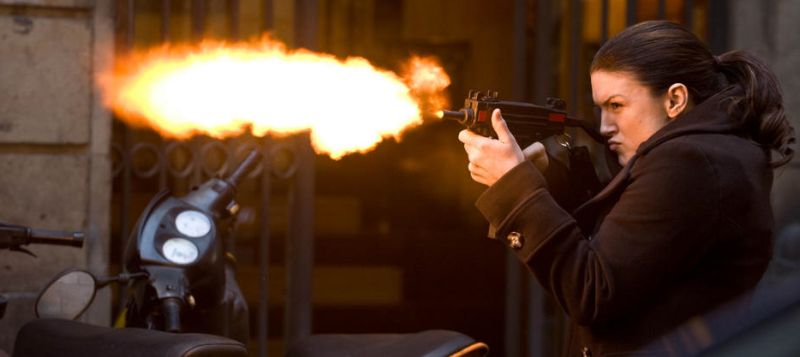 ★★★★½
★★★★½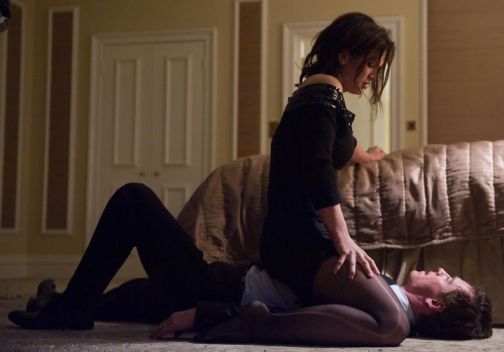 We first meet her in a diner, where Aaron (Tatum) meets her. It’s clear there’s some tension, with Aaron having been ordered to bring her in. After a brief, brutal brawl, she knocks him out and escapes, in a car belonging to startled patron Scott (Angarano). There she reveals what led up to that day: an operation in Barcelona, supposedly to rescue a hostage, followed by another in Dublin, which turned out to be an attempt to tidy up the loose ends from Barcelona, The plan is to frame Kane for multiple murders and portray her as a rogue operative. Kane needs to get to her boss, Kenneth (McGregor), and expose the truth before she’s gunned down.
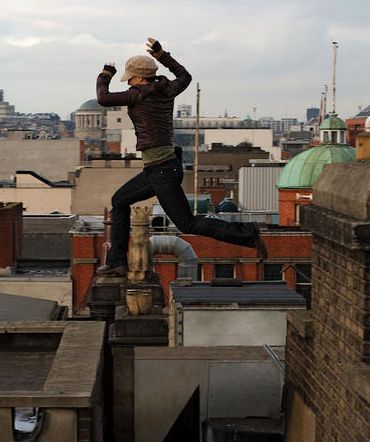 And then there’s the ass-kicking, of various kinds. It’s good, Carano demonstrating a no-nonsense style that’s highly-effective. Perhaps
 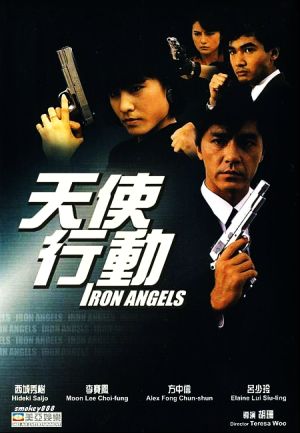 This and Yes, Madam were basically the Genesis and Exodus of the genre as we know it. Sure, there had been action heroines before, but never with quite the heft of their male counterparts. Madam showed they could kick ass with the best of them; Angel took this, and added about a billion bullets to the mix. Sure, it’s rough around the edges, with scenes that appear randomly inserted and characters so shallow they resemble a puddle. But its influence was massive, and if you can watch the final battle without wincing, as Lee and Oshima kick the utter crap out of each other, you’re made of tougher stuff than I [It’s the December 2011 video of the month].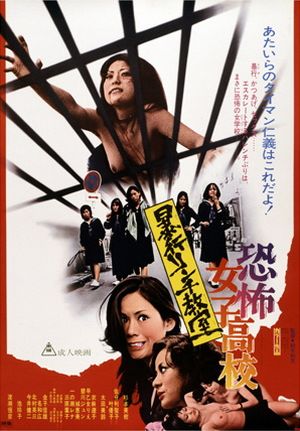
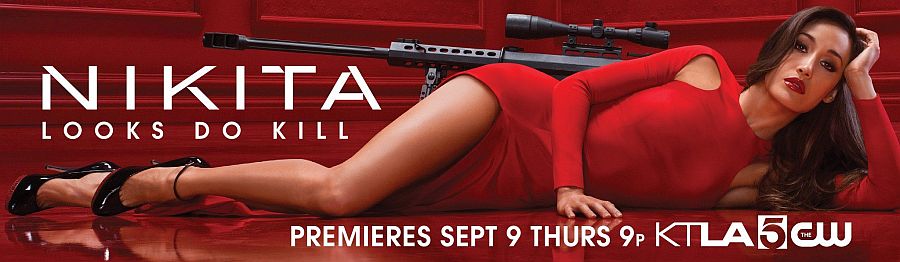 ★★★★
★★★★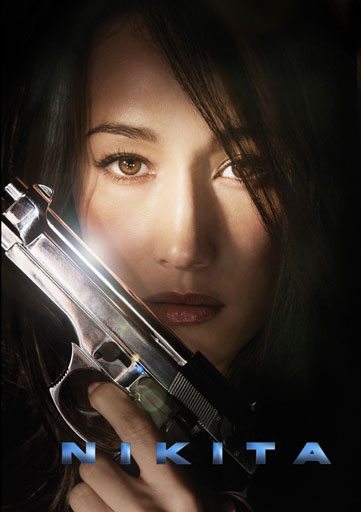 I was reassured by the casting of Maggie Q as the lead, who has a solid action pedigree, both in Hong Kong (Naked Weapon) and the West (Live Free or Die Hard and M-I:3). While its source material was clear, it took a different approach. Instead of telling Nikita’s story from the beginning, with her recruitment into a shadowy semi-official organization and training as an assassin, it starts later, after she has mutinied and left them. Now, she is working to bring down the organization known as Division, its leader, Percy (Berkeley), and his right-hand man, Michael (West), who trained Nikita before she went rogue. Her ‘secret weapon’ is Alex (Fonseca), a new recruit going through training, while acting as Nikita’s mole and feeding her information, allowing her to sabotage and obstruct Division’s missions.
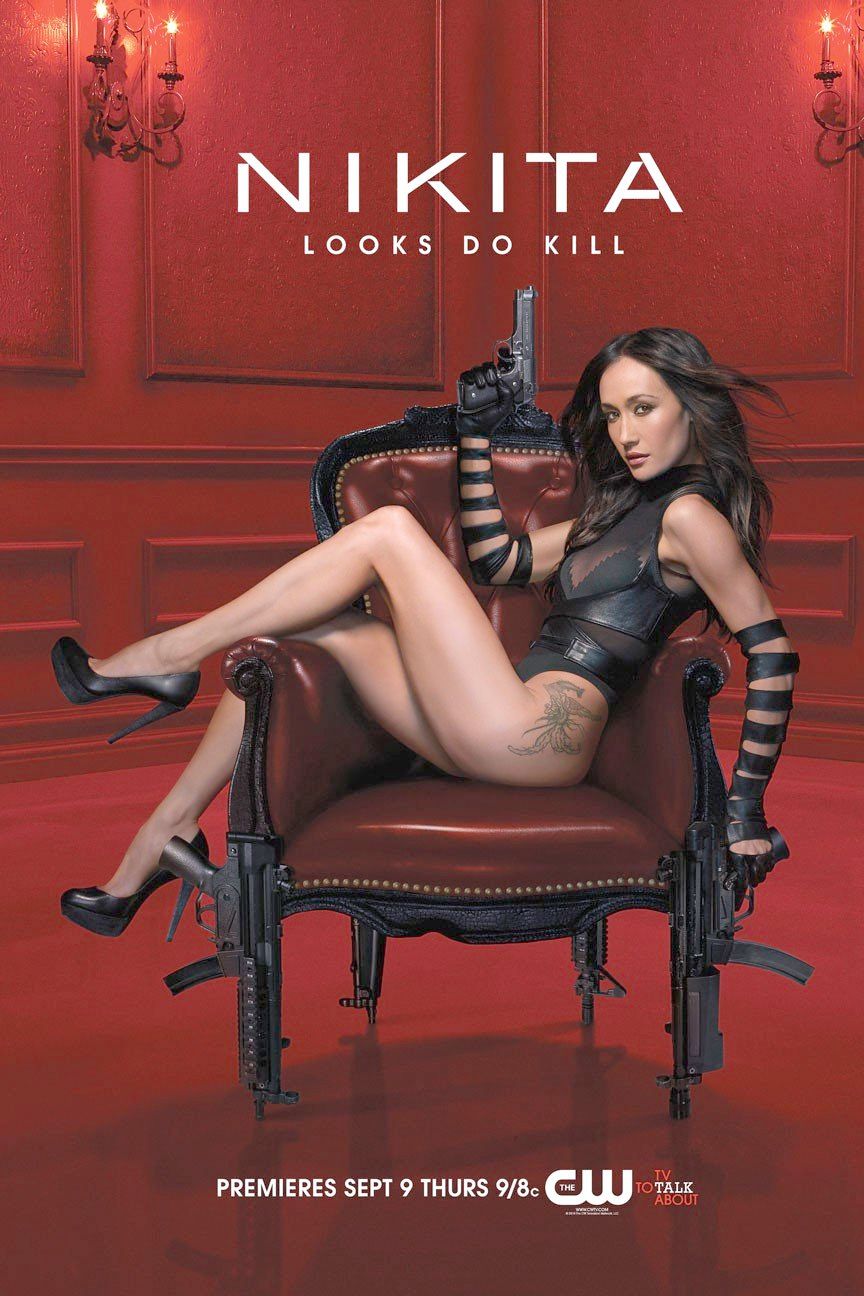 They even crammed in nice nods to the original movie and its TV predecessor too, with a dive down a chute to escape, and a cameo from Alberta Watson, one of La Femme Nikita‘s actors, as part of the intelligence committee supposedly in charge of Division. By the time the dust has settled, Nikita was driving off into the sunset with a surprising ally, and Alex was also teamed up in a new way, setting things up nicely for the second series. Whether it was going to get one or not seemed in doubt for a while, as the rating did sag mid-season, dropping the show onto the ‘bubble’. However, it was announced in May that the CW would pick it up for another series, moving the show to Friday nights to play along with Supernatural.
 “What did your mother die of?”
 ★★★★½
★★★★½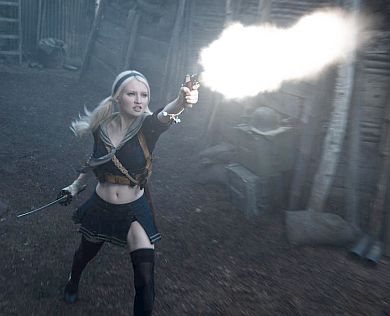 There’s not even any genre love lost. Joe Wright, director of the somewhat similarly-themed Hanna, which came out two weeks after Sucker,
 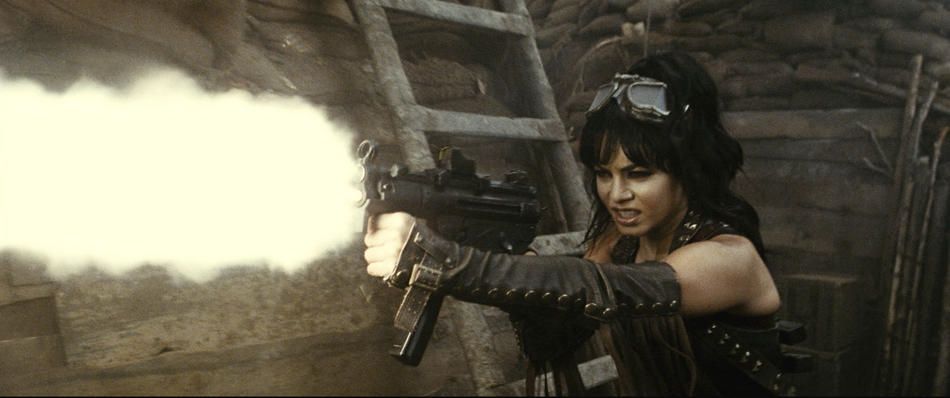 But those who like it,
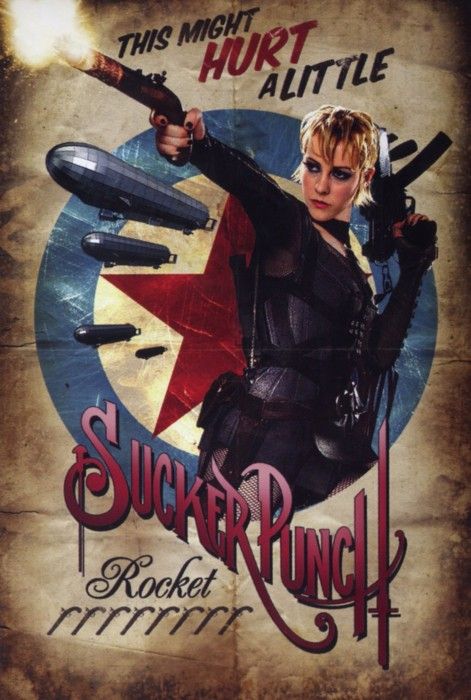
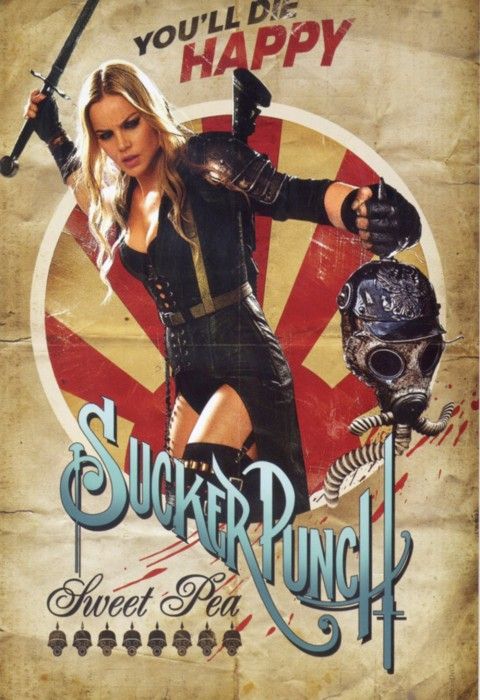
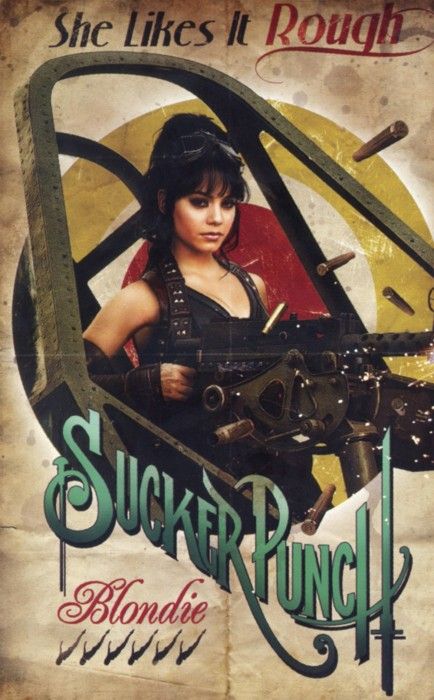
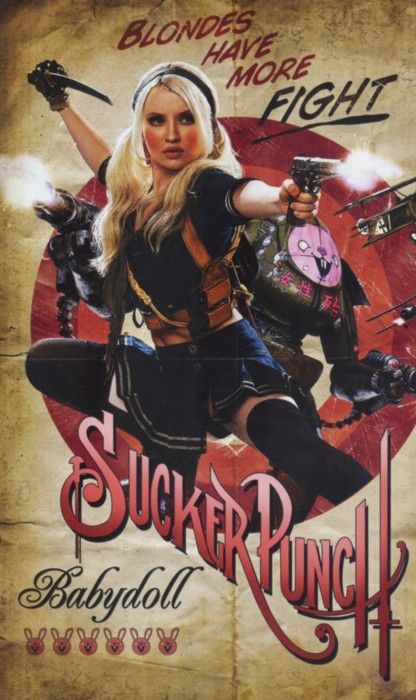
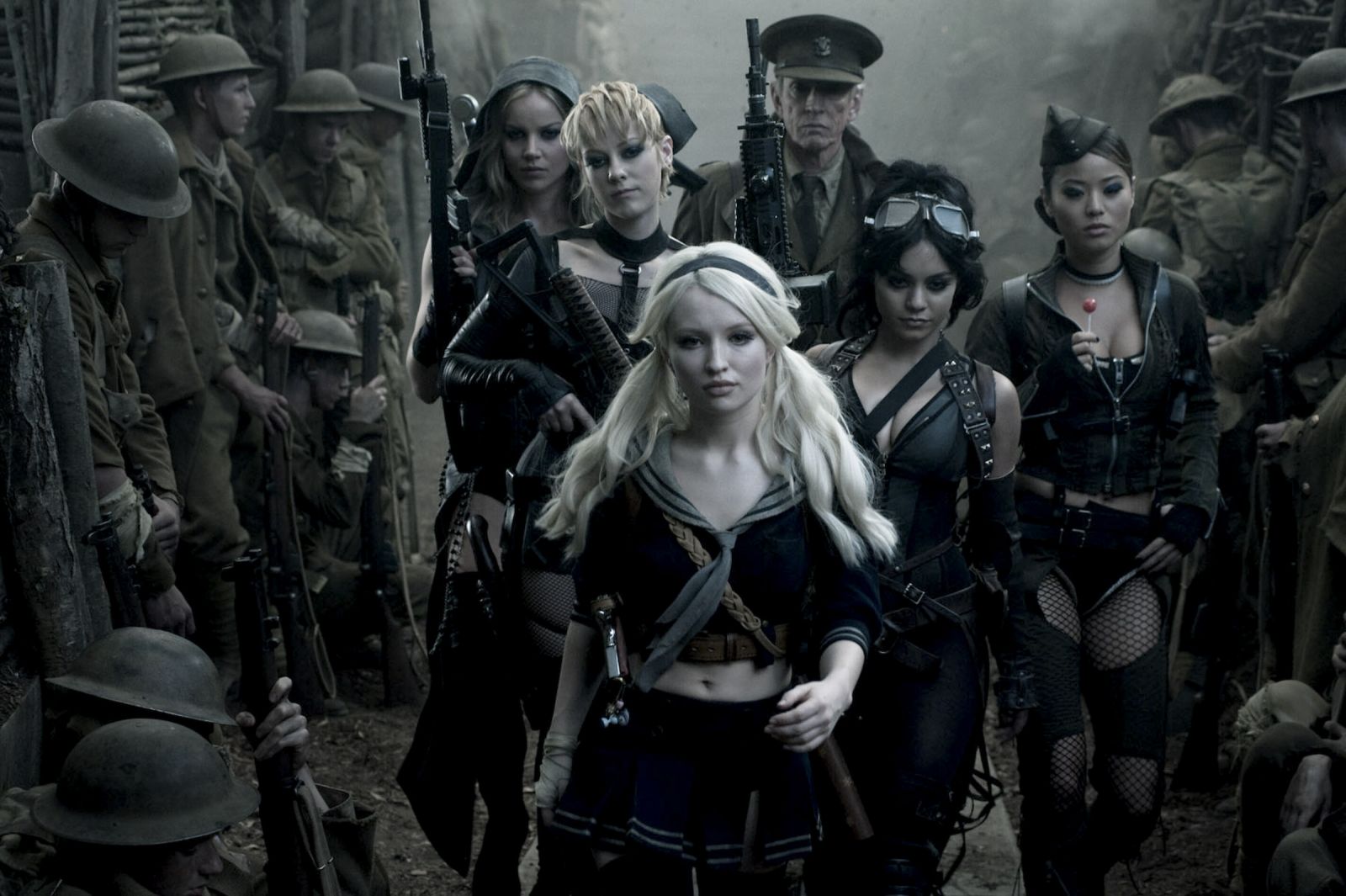
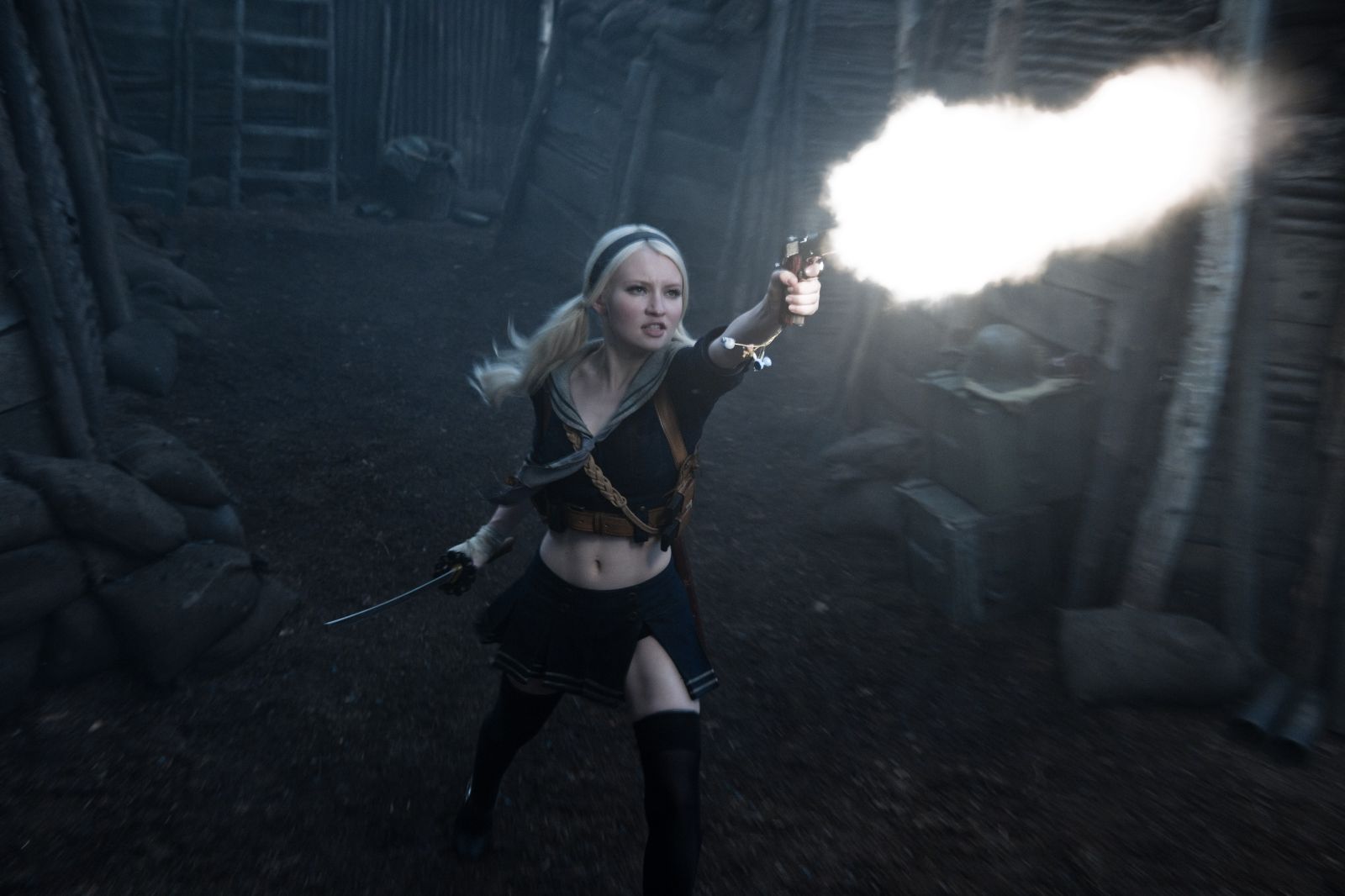
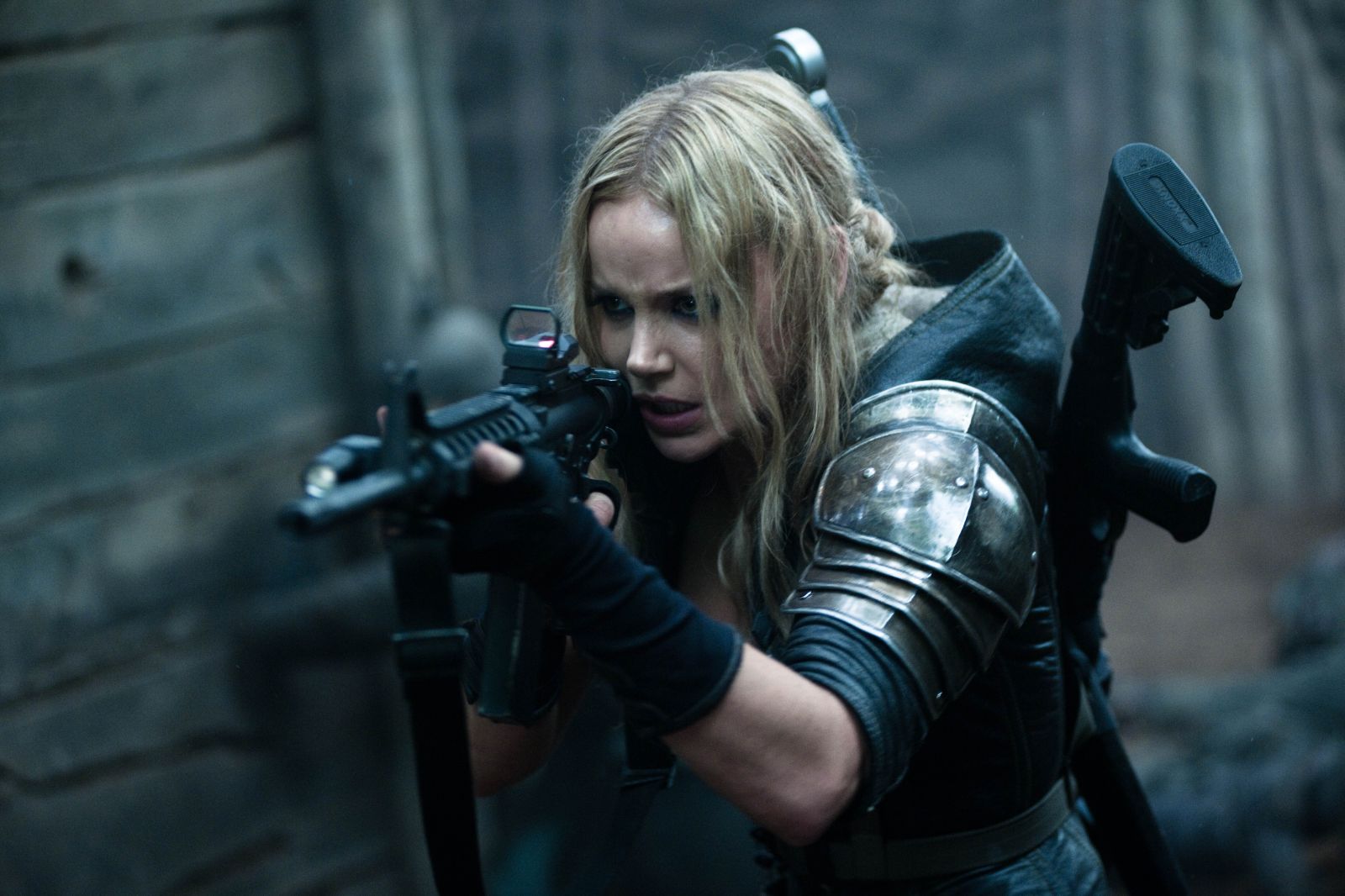
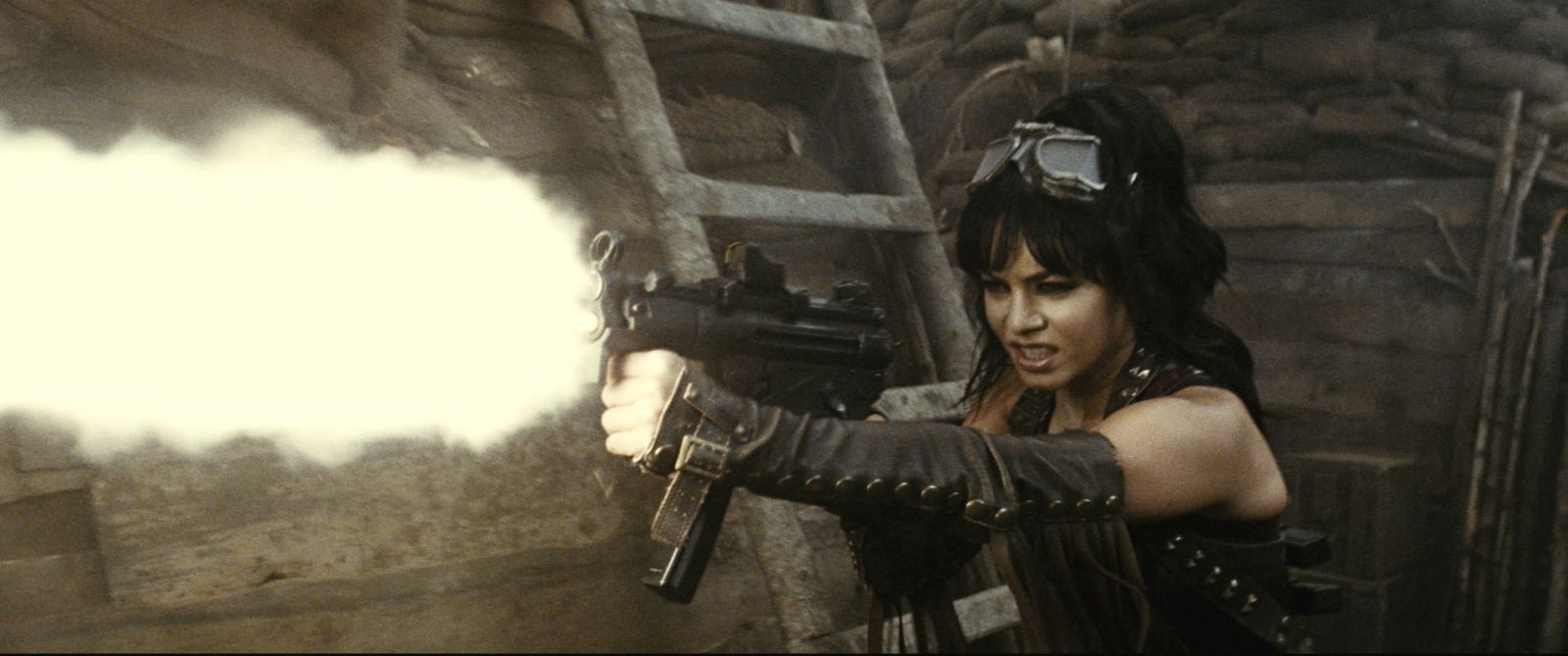
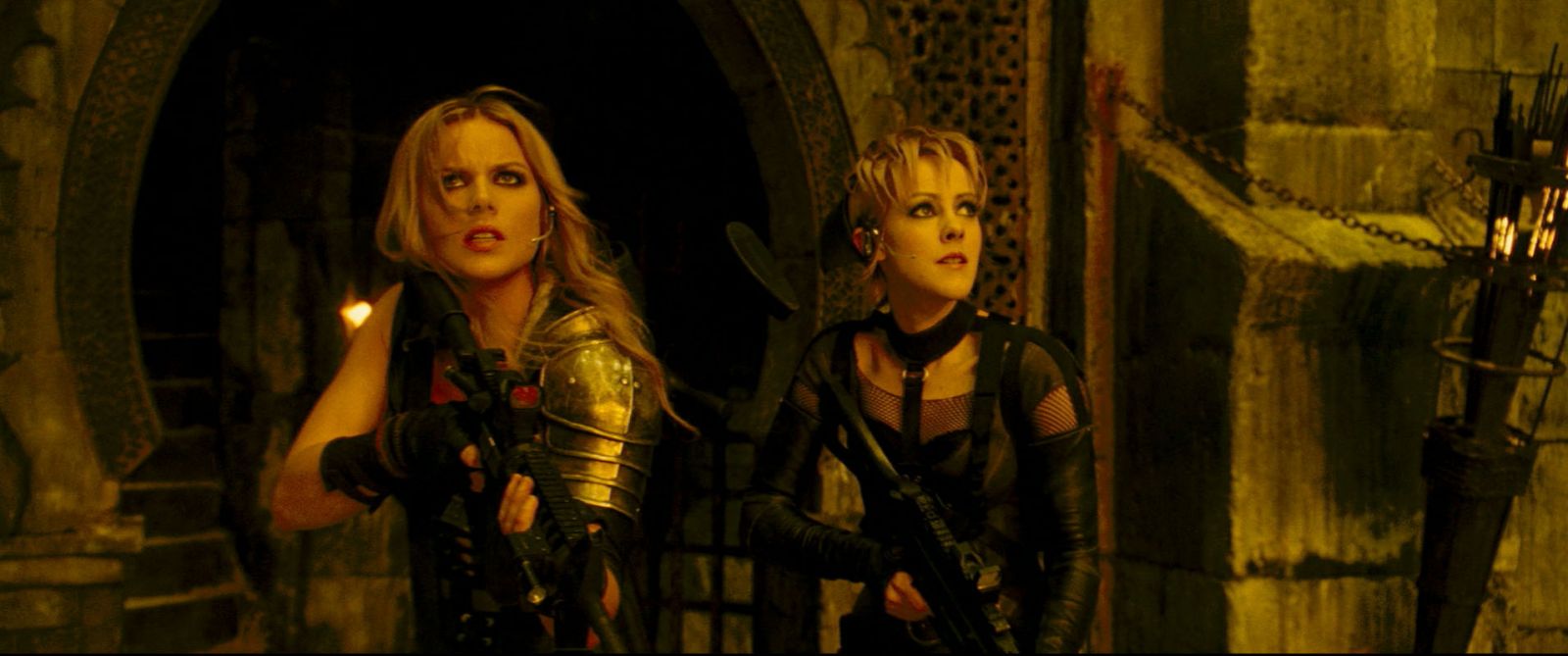
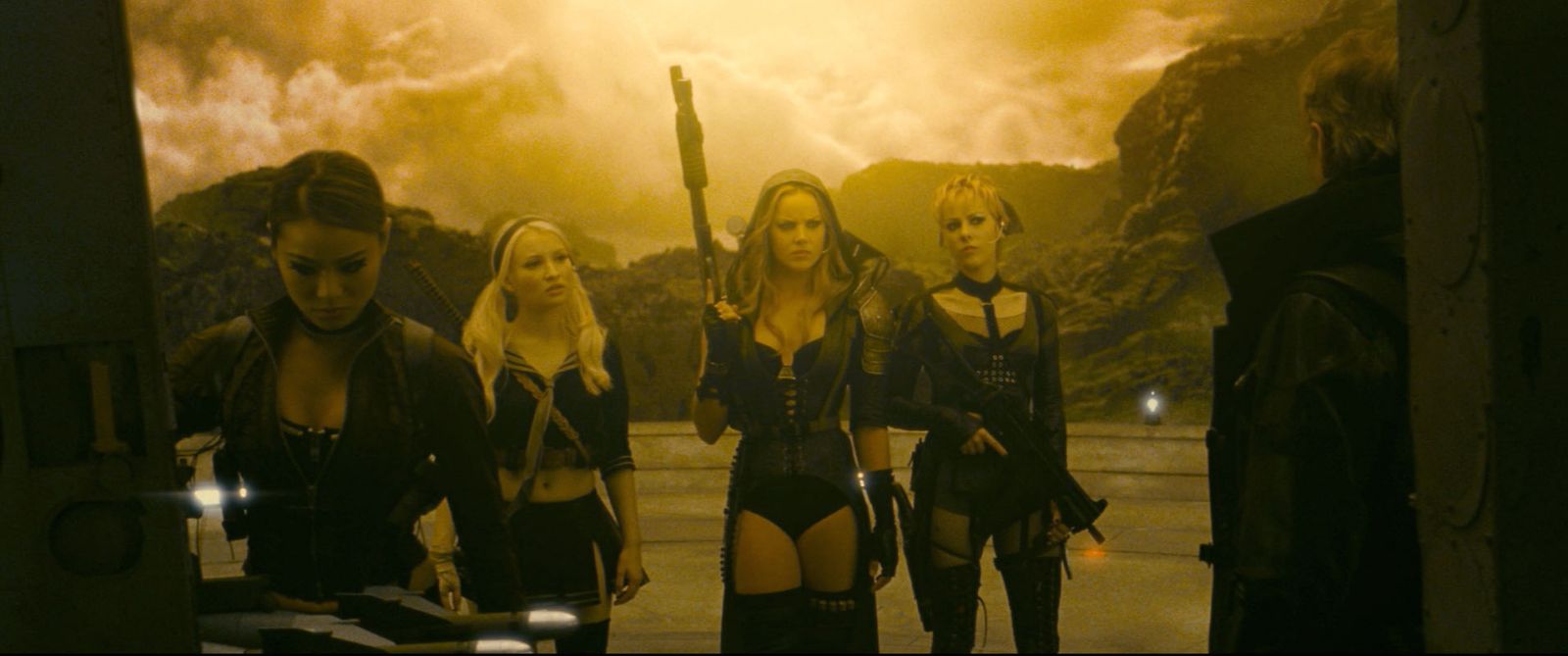
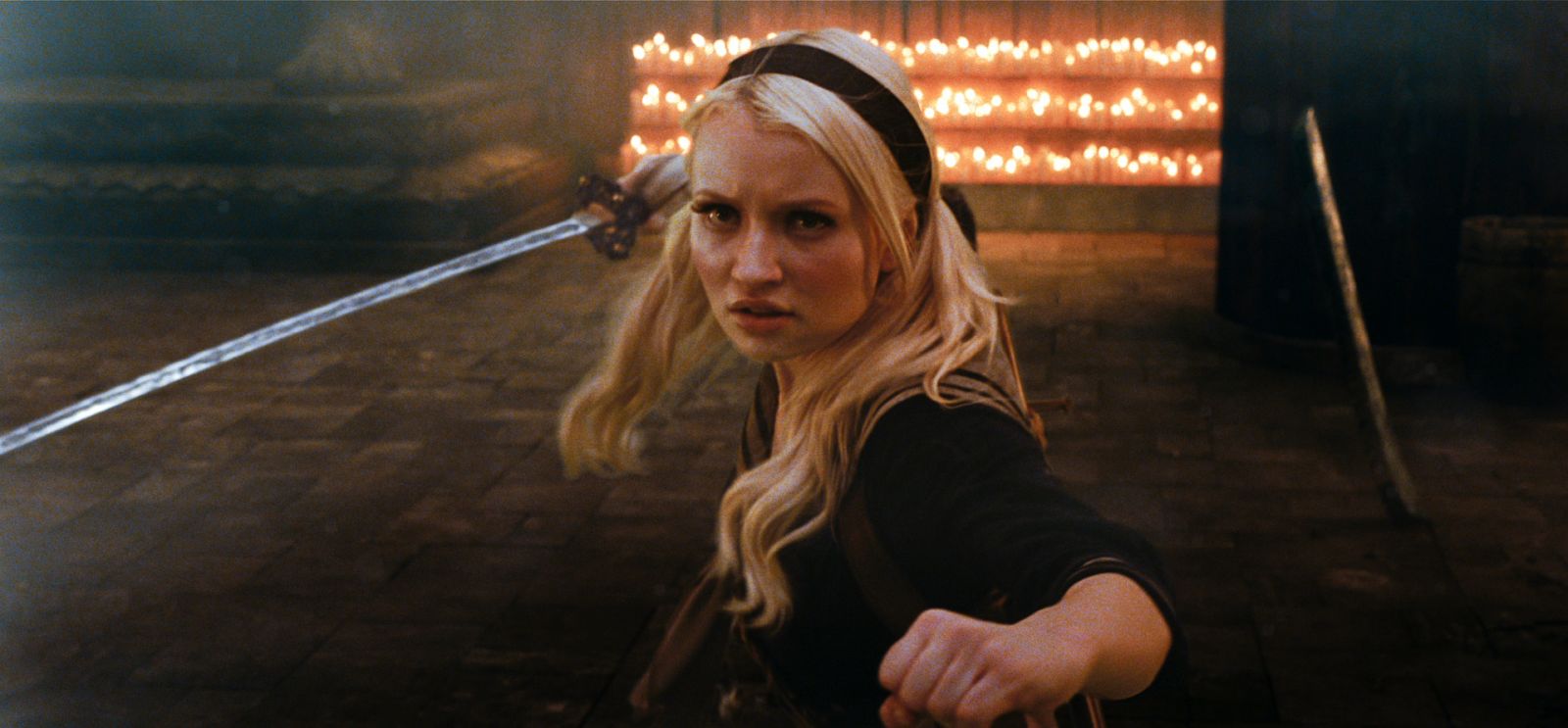
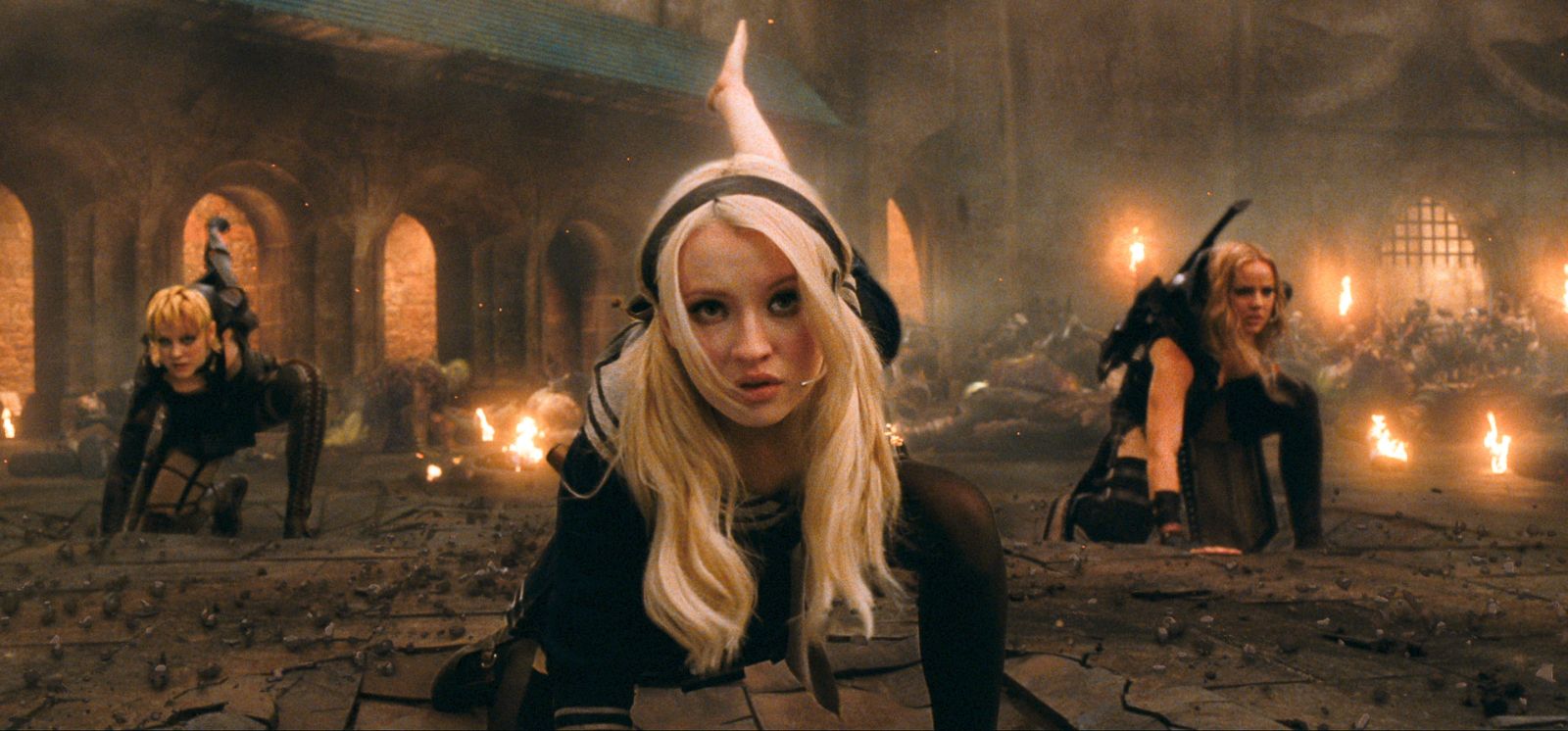
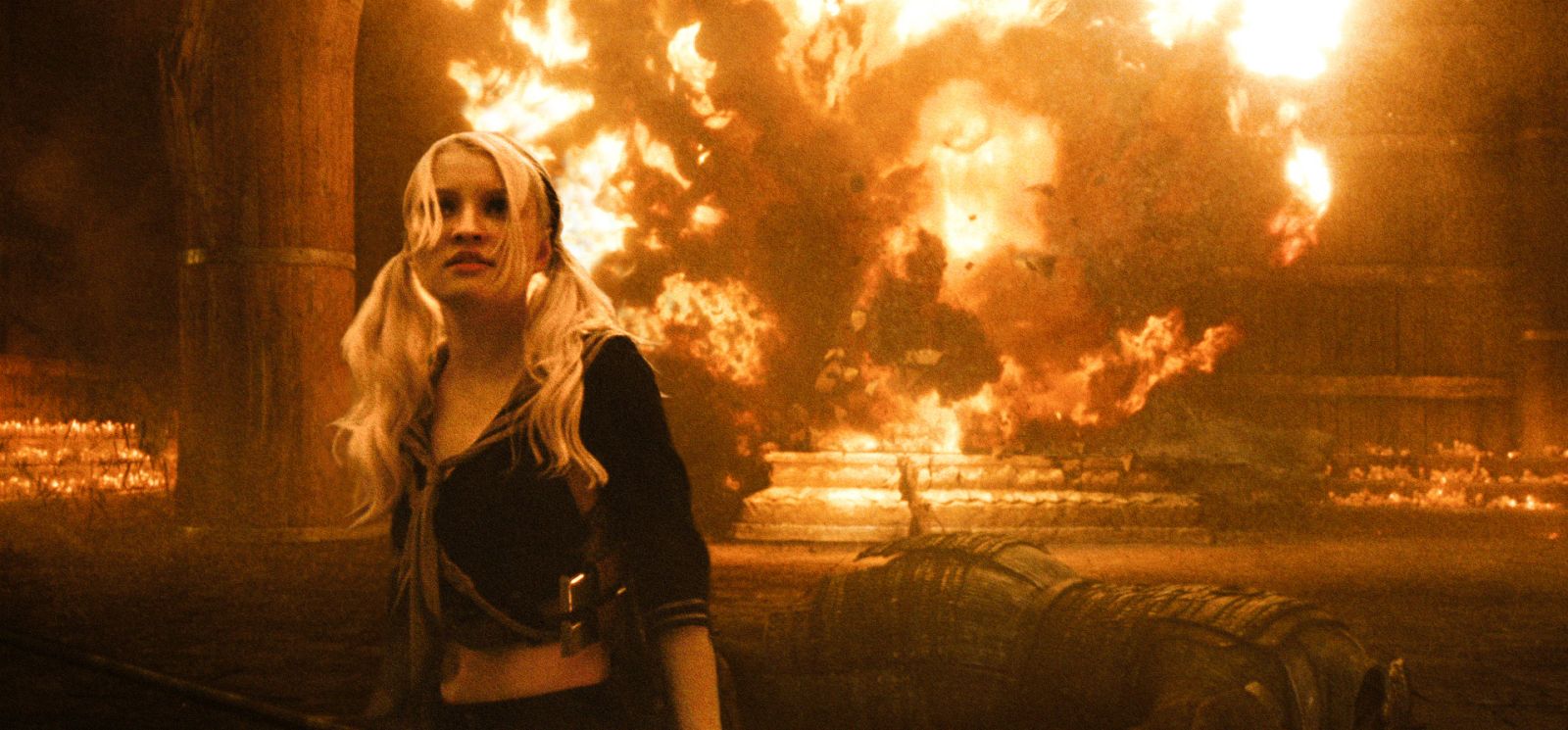
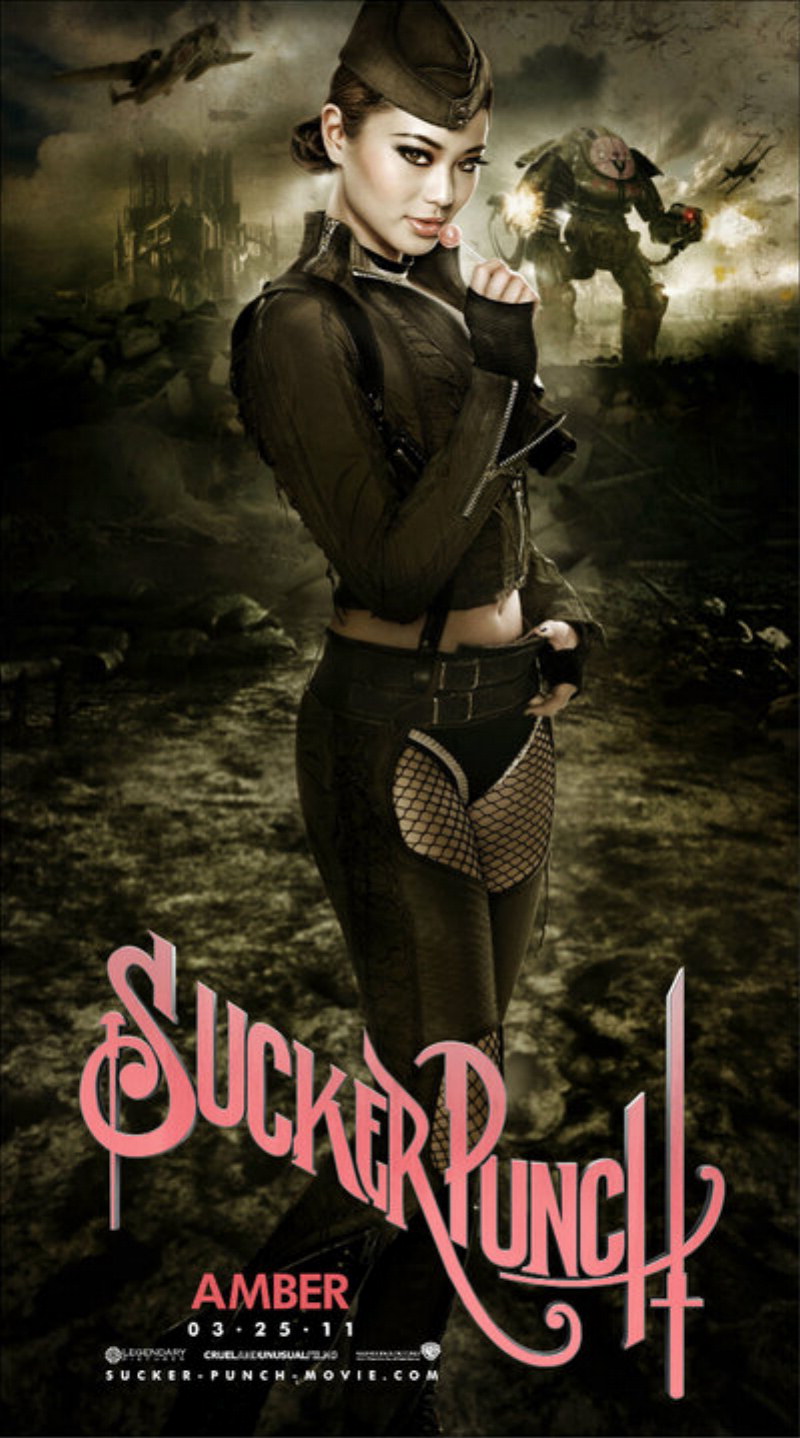
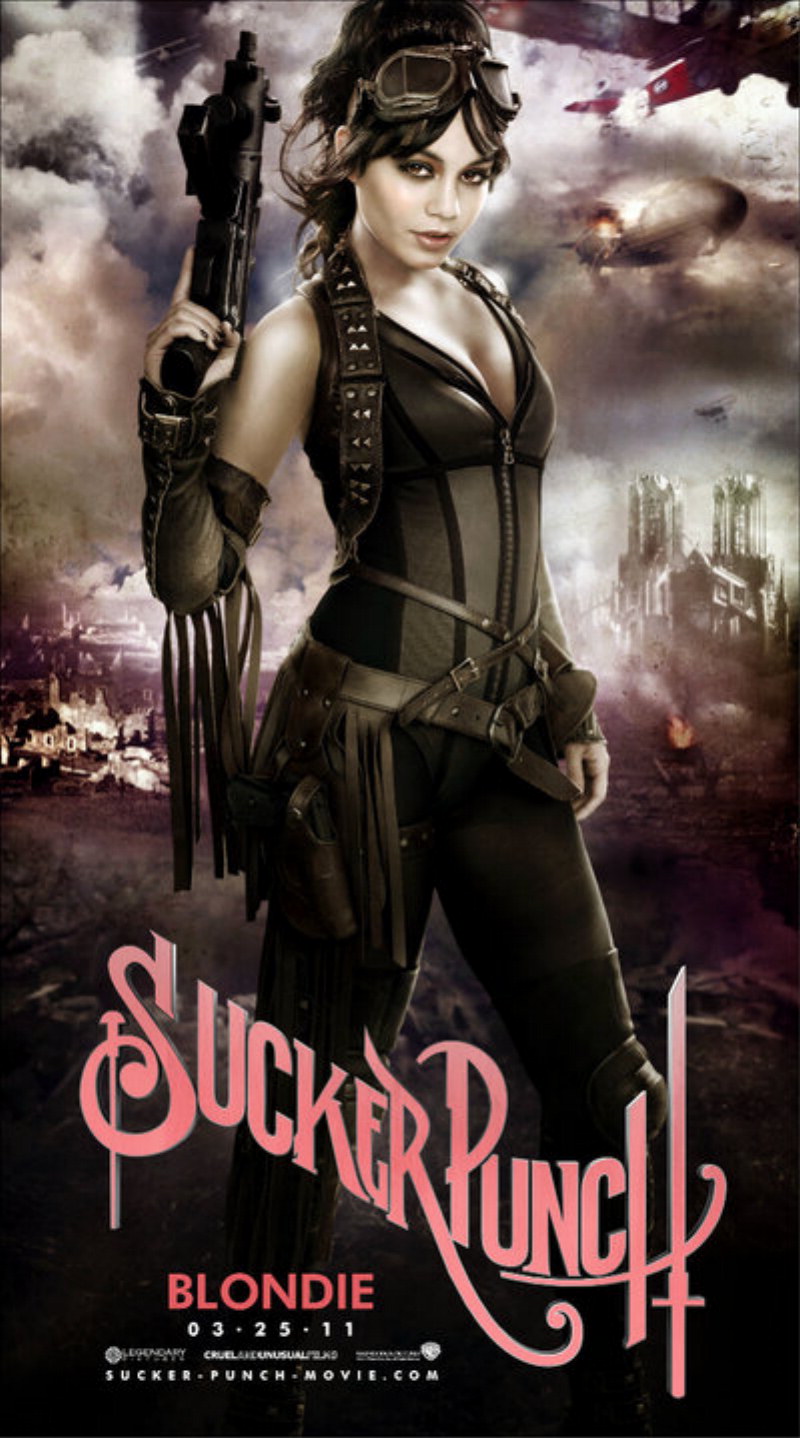
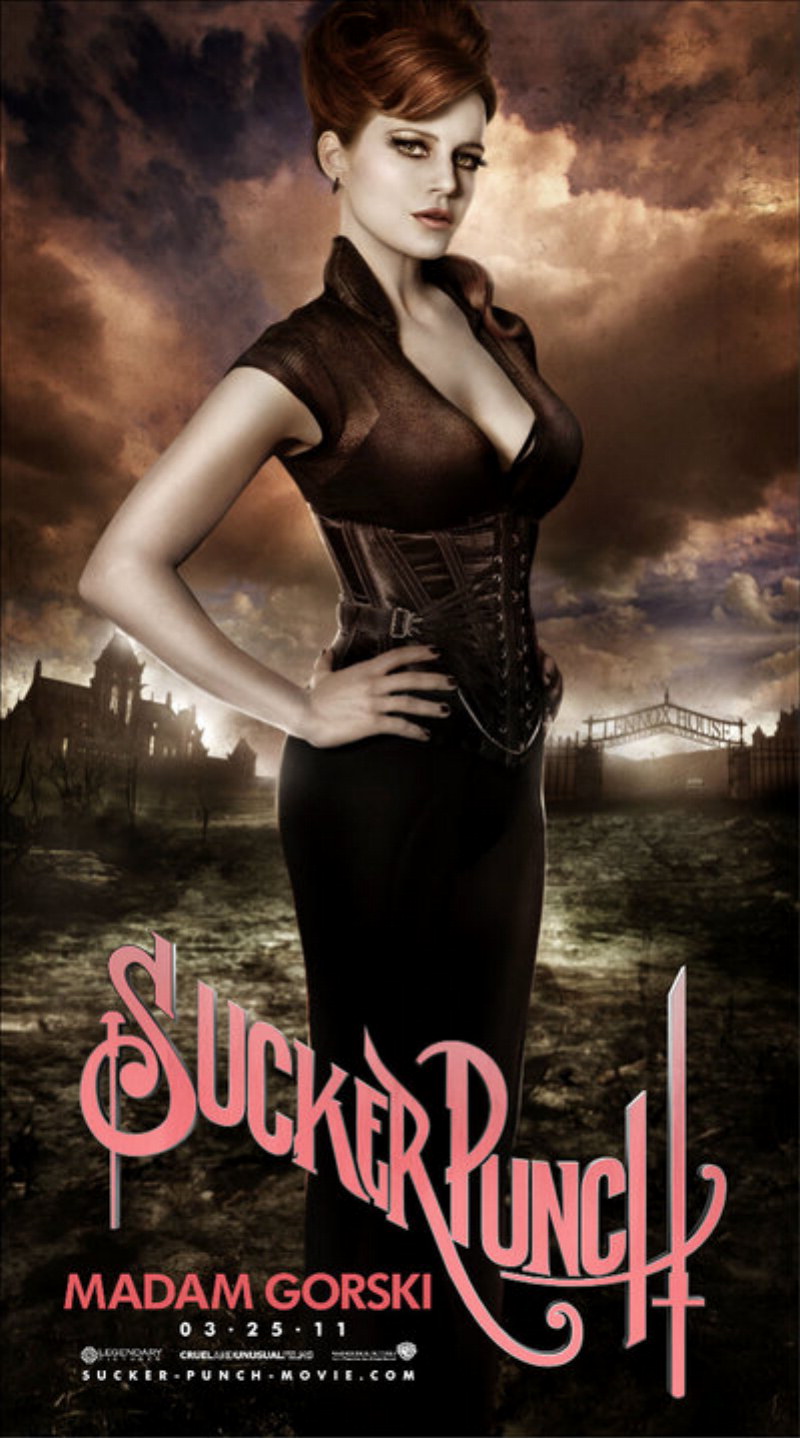
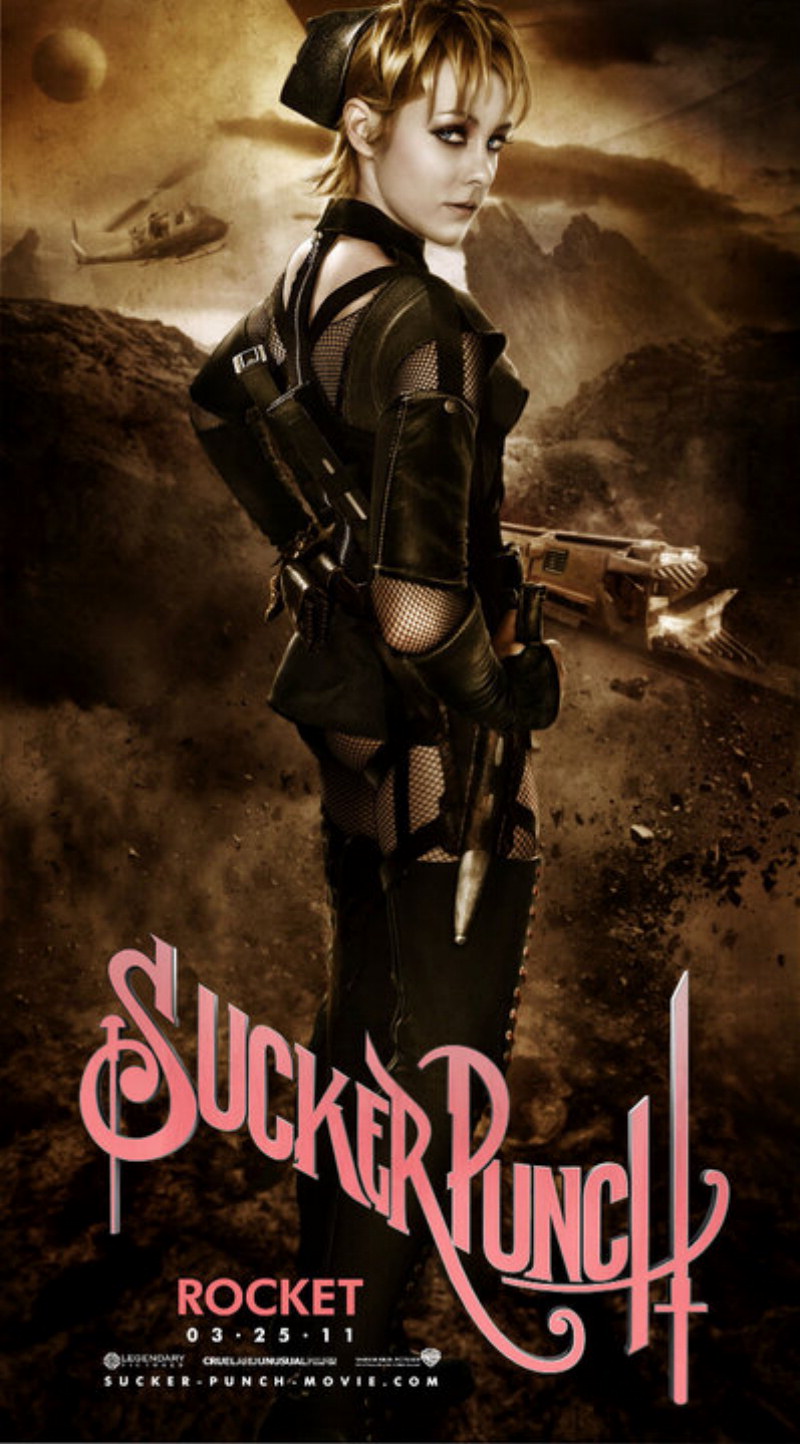
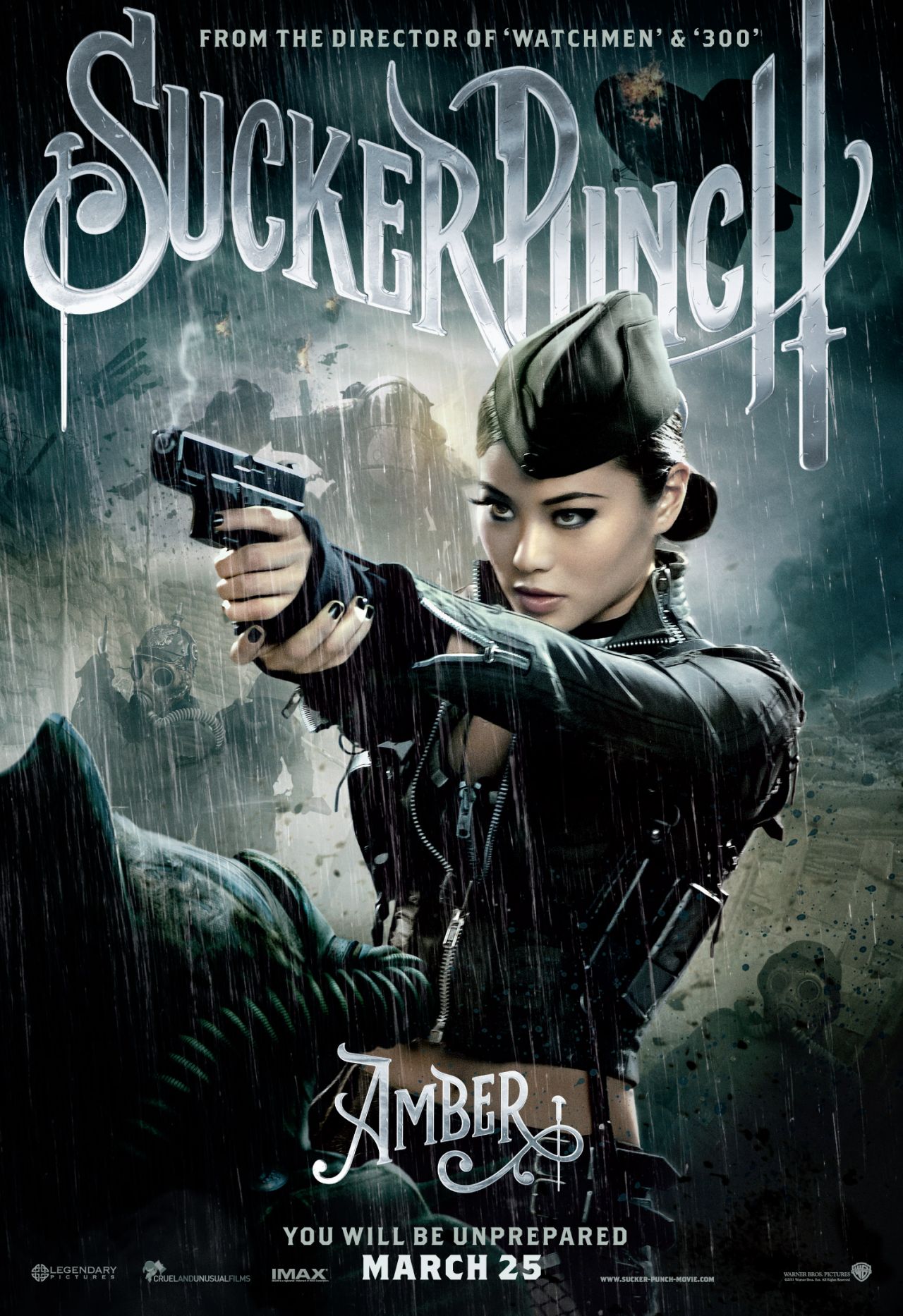
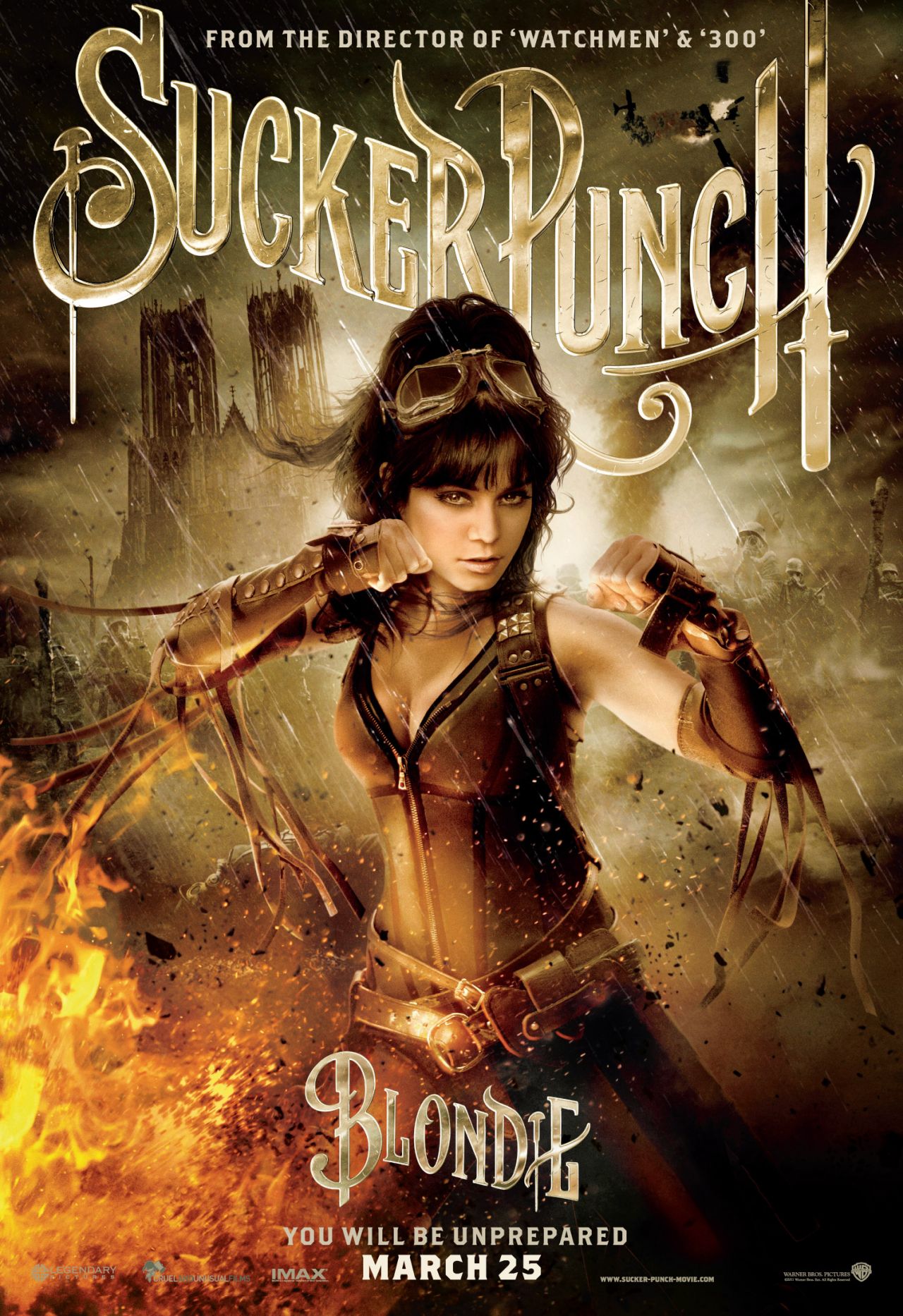
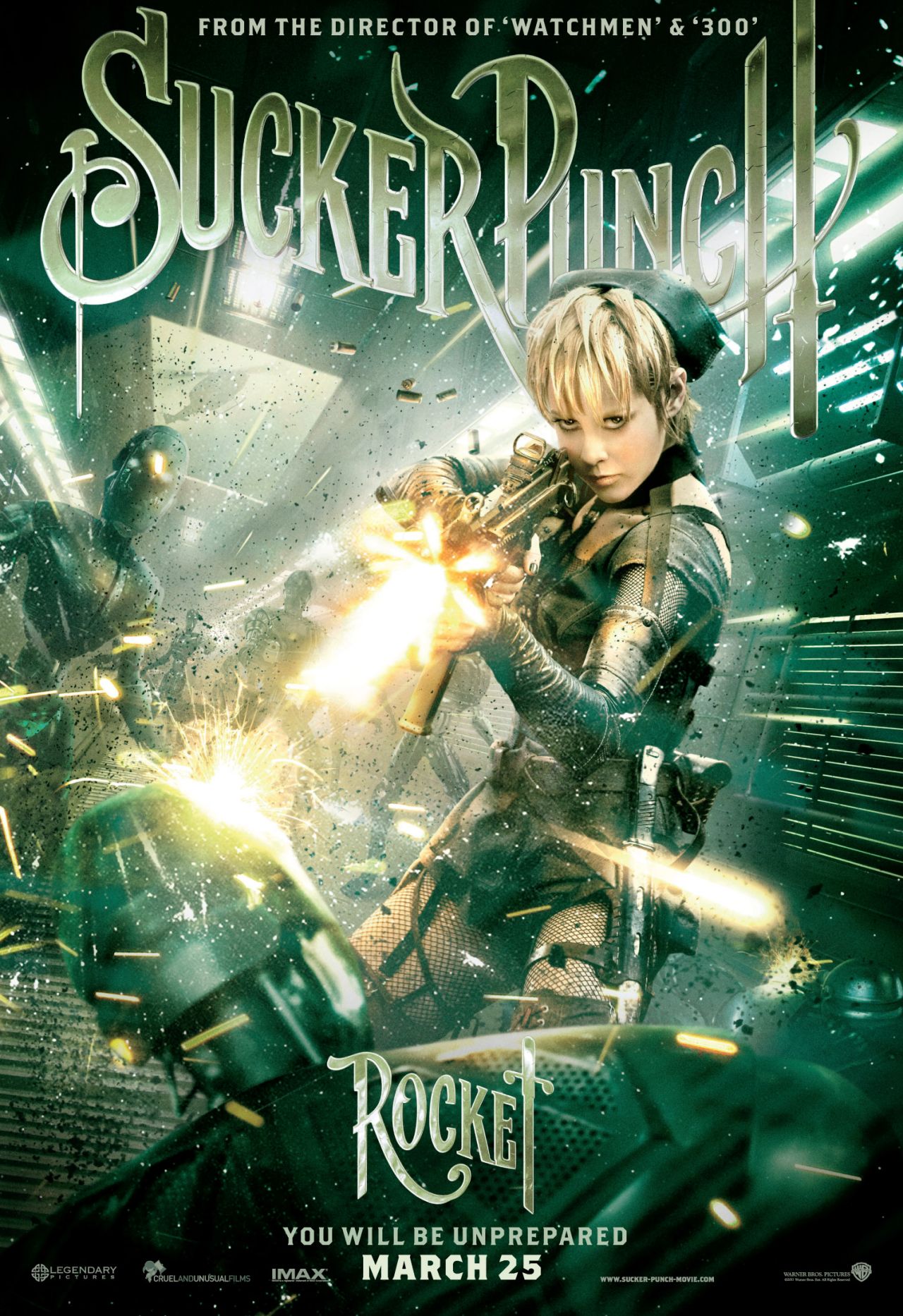
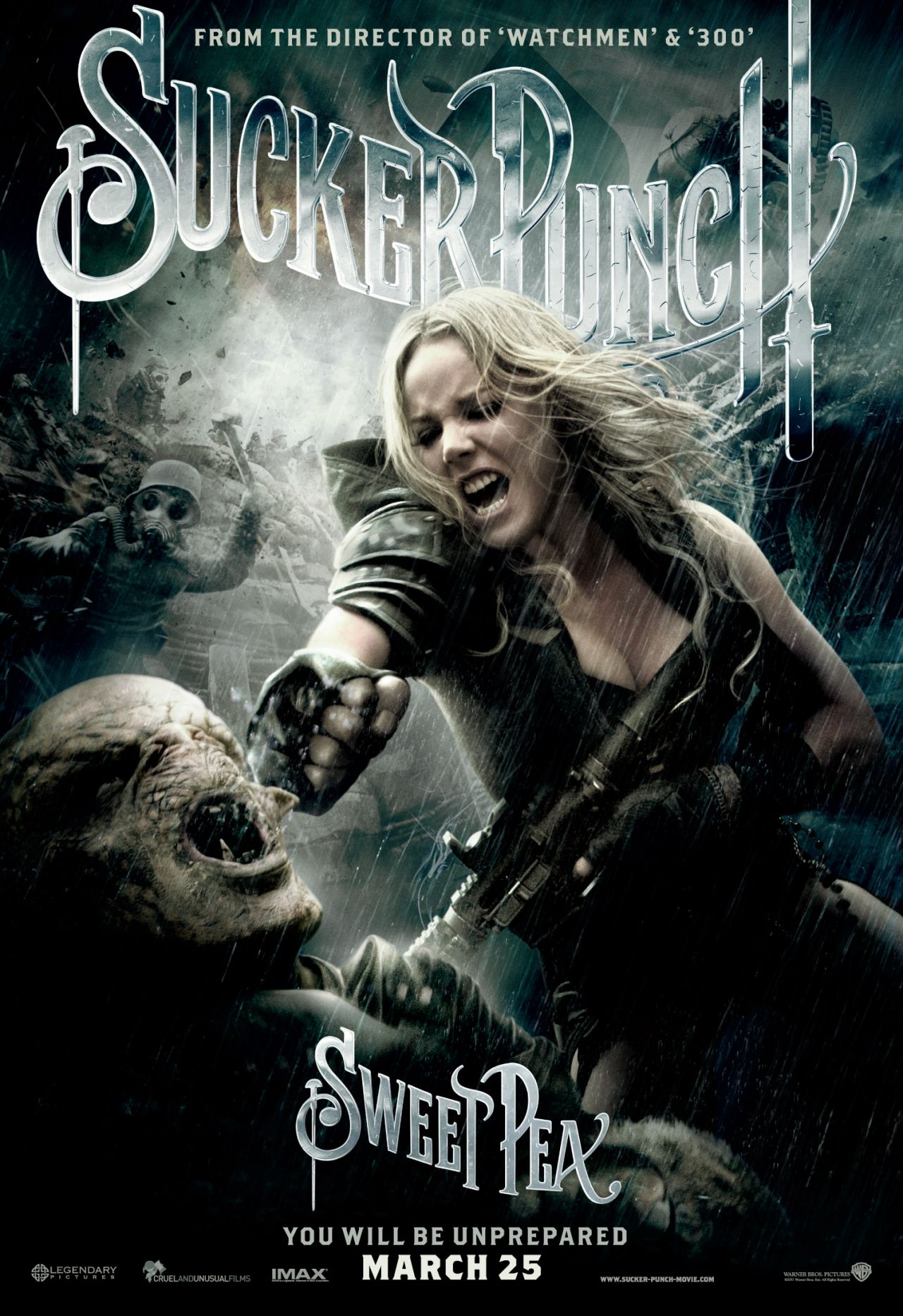
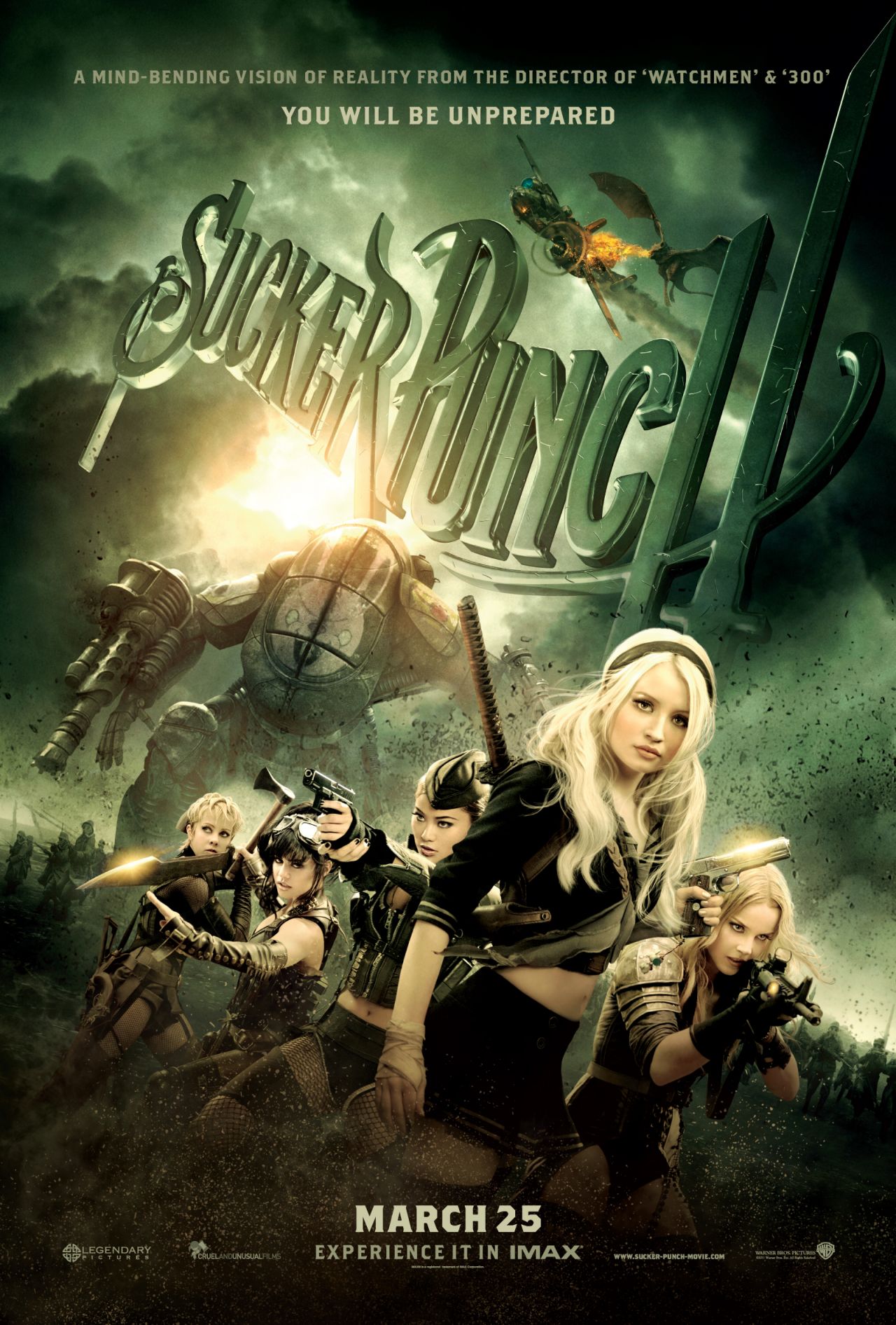
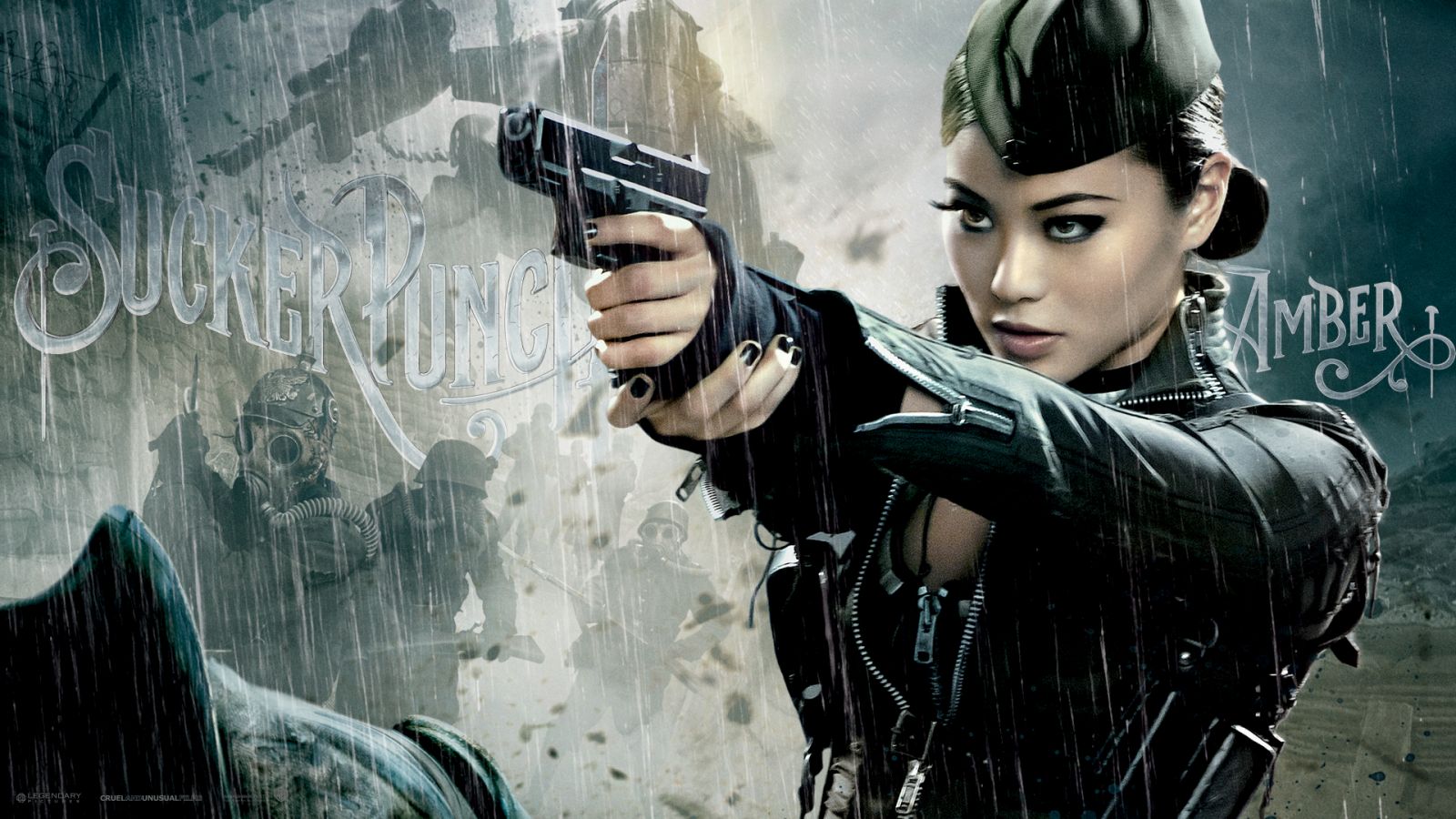
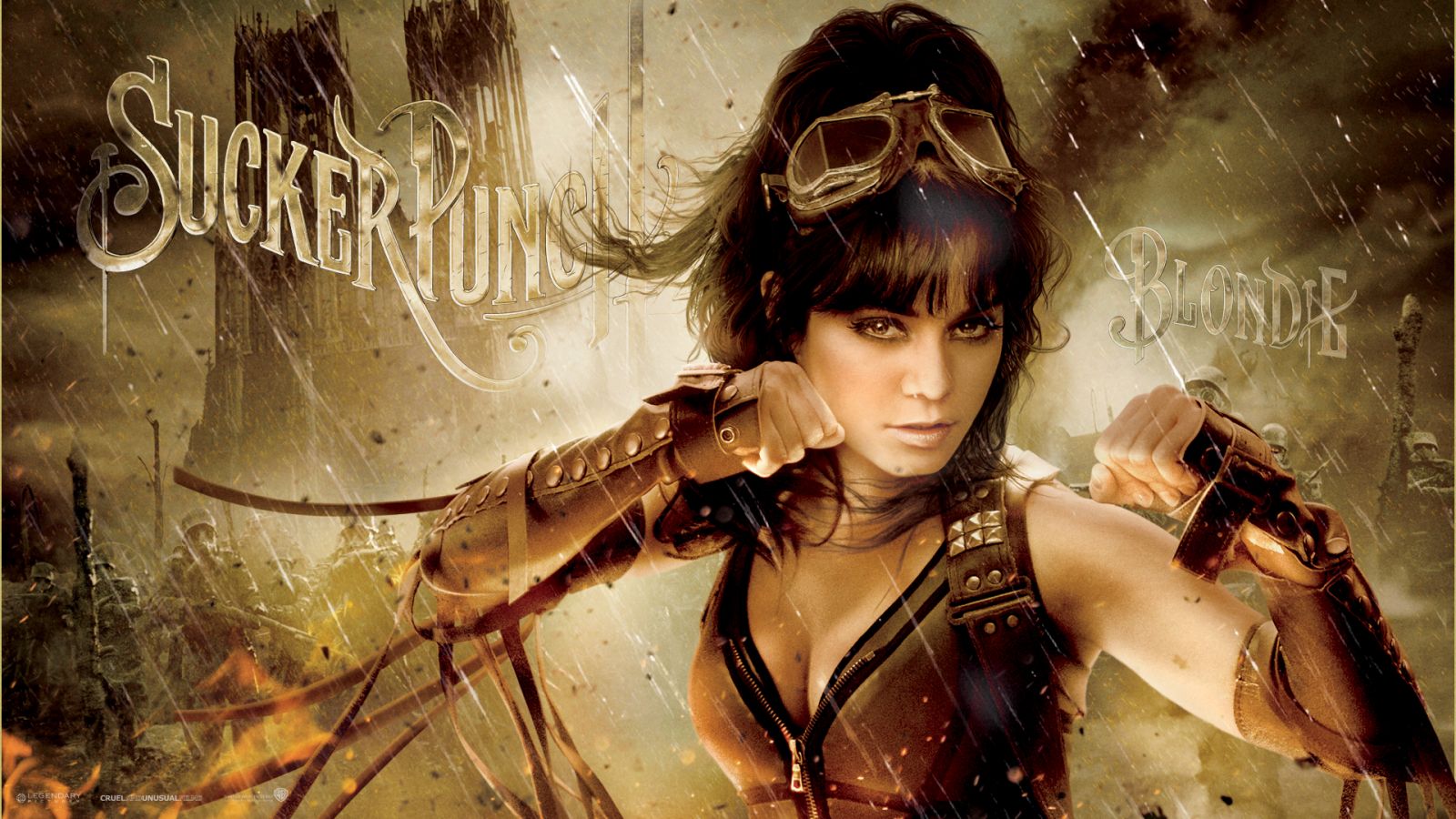
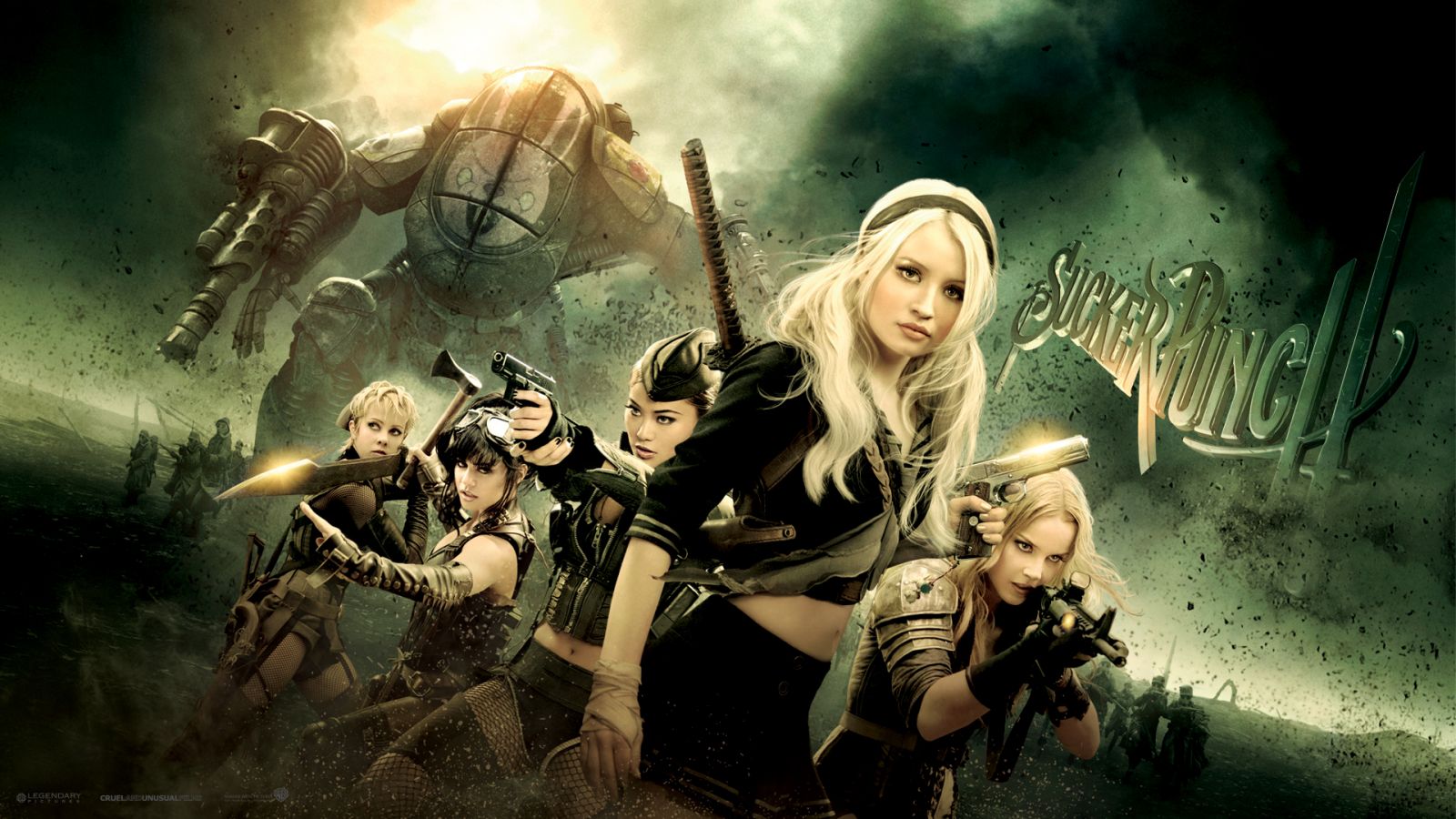
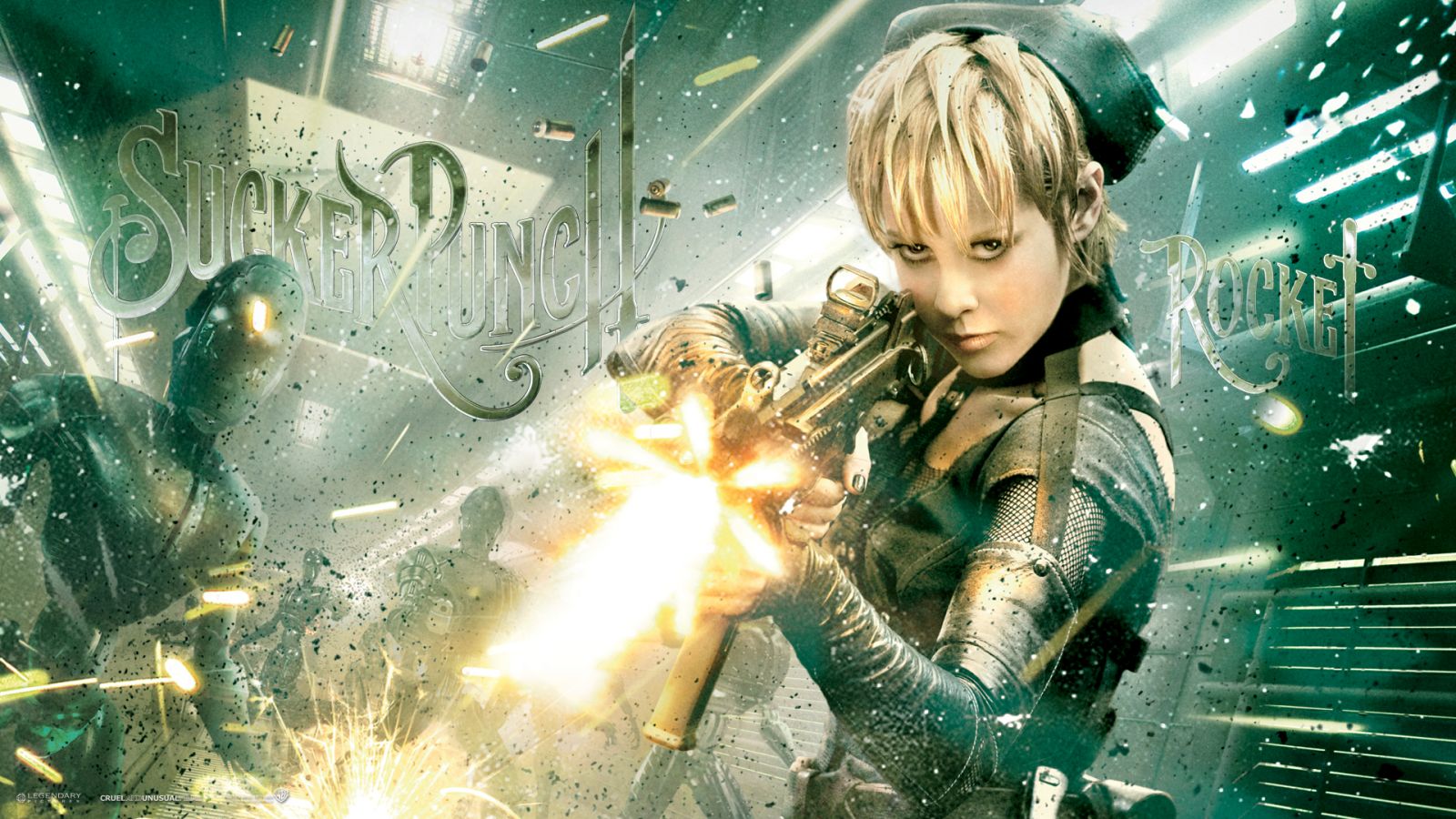
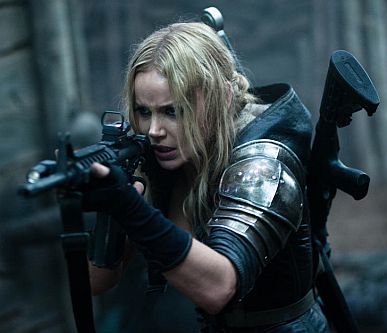 The movie itself is imperfect; by some measures perhaps not even the “best” GWG film I’ve seen at the cinema this month. However, it is thoroughly cinematic and can only be admired as such – I’m far more likely to pick up the Blu-Ray DVD of this than Hanna. An un-named 20-year old (Browning) is sent to a lunatic asylum by her stepfather, after rejecting his attentions and being made the scapegoat for the death of her younger sister; her lobotomy is scheduled for five days time. Turns out the asylum is a high-end brothel where our heroine – nick-named “Baby Doll” – and the other girls are kept to perform for the pleasure of various high-rollers. Baby Doll plots an escape, the tools necessary lifted by her accomplices while she entrances the staff and customers with her dancing. During these, Baby Doll retreats even further, to fantasy worlds to do battle against dragons, robots, samurai warriors, etc. But which “reality” is real?
 Since Baby Doll is explicitly stated to be 20, this doesn’t strictly fall into the category of “teenage action heroines,” but her hair, clothes, make-up, etc. all are designed to evoke the spirit of what Chris disparagingly called, “schoolgirl porn” – but the PG-13 rating means it can get absolutely no closer, so really, what’s the point? At least Showgirls delivered the goods: Baby Doll’s fantasy world might as well have been an office, college dorm or, frankly, convent, instead of the world’s most demure brothel.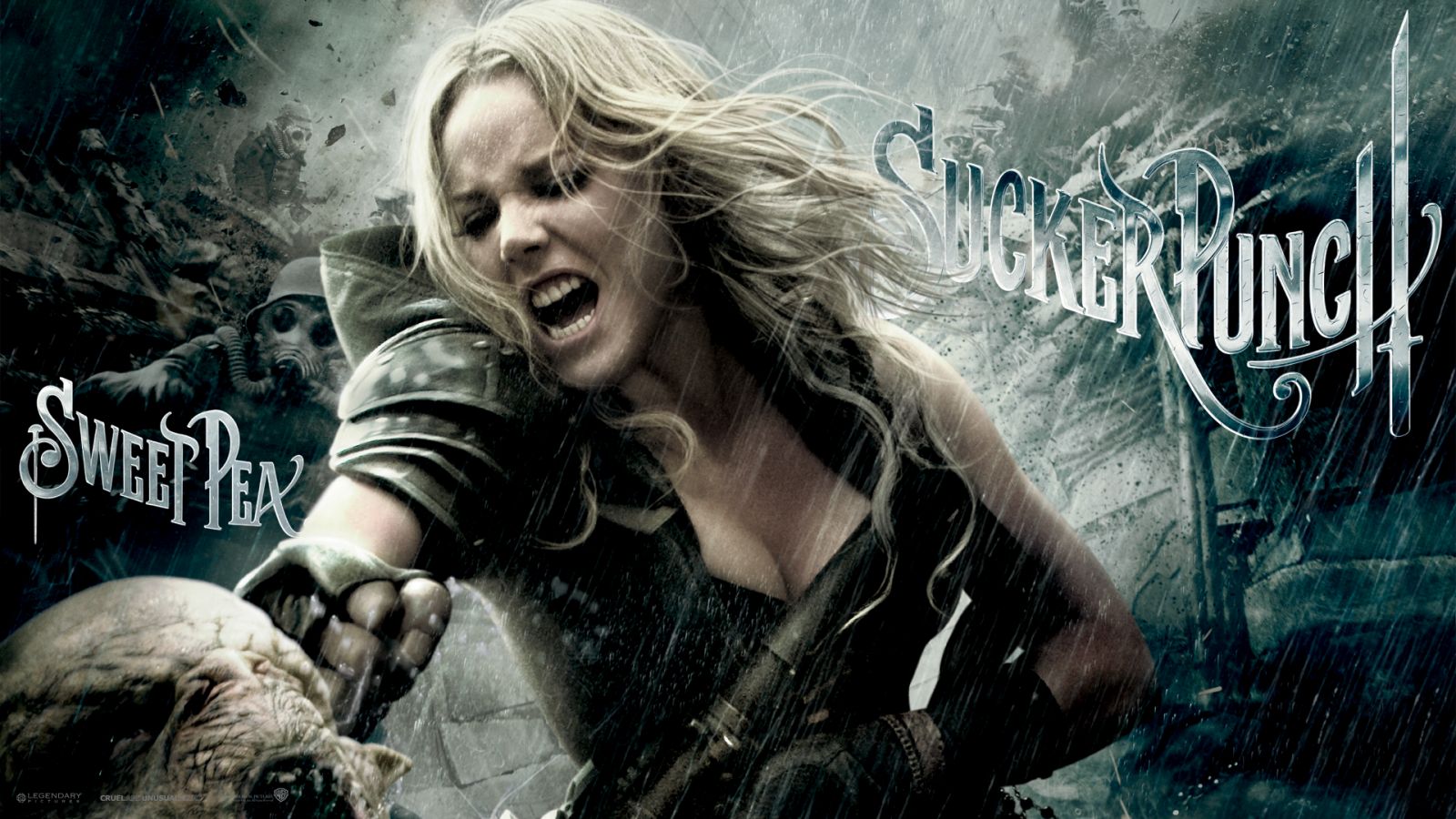






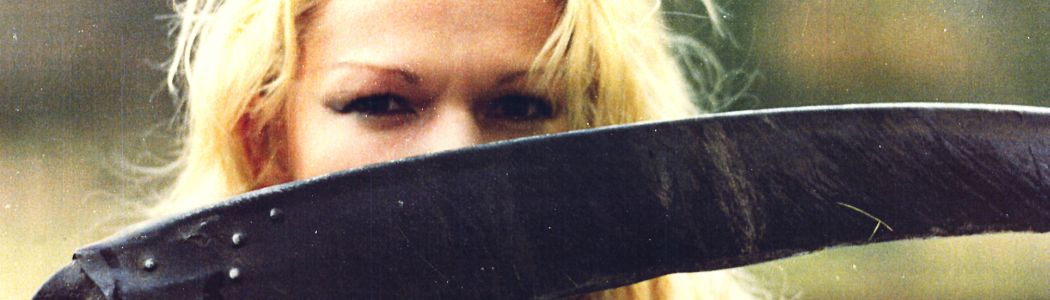 ★★★★
★★★★ Watching porn stars try to act is often a painful experience, but renowned 70’s XXX starlet Lahaie is perfectly cast here. She plays a feral creature, driven entirely by instinct, and with no qualms about using sex or violence to achieve her aim, of keeping Mark in the house for the night. The sight of her stalking across the bridge which forms the castle’s sole entrance, wielding a blood-stained scythe almost the same size as the actress, is one that will stick with you. The film does betray its cheapness with some fairly crappy effects [you’re going to have someone hacked apart with a scythe, you should do better than some red gunk on the throat], but more than makes up for it with a parade of strong, confident and sensual female characters. Mark is by no means an idiot or a weakling, but from the moment he arrives in the house, it’s clear he’s completely beyond his depth, out-maneouvered at every turn by the women.