 ★★★★★
★★★★★
“Queen of outer space”
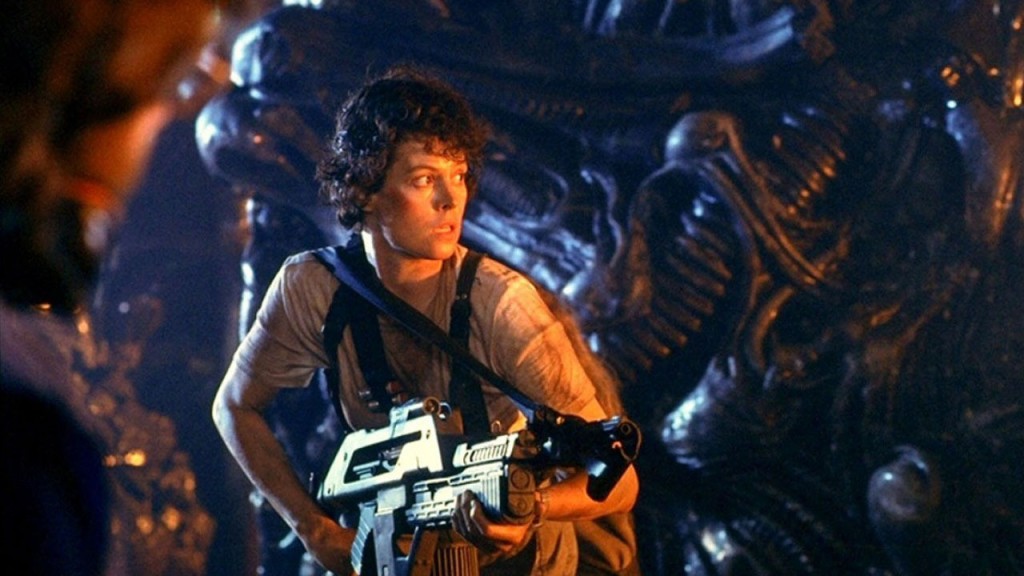
 Few sequels are as good as the original, never mind surpass it. The Godfather II. Evil Dead 2. Mad Max II. But perhaps the finest of them all is Aliens, which did something obvious with the premise, yet executed it with breathtaking audacity to make what remains, even almost two decades later, one of the finest films of all-time.
Yep, a blank, which you can fill in a number of ways. Science-fiction, certainly; horror, too. But I personally rate Aliens as one of the finest action movies of all time – whether it beats Die Hard depends almost entirely on which one I’ve seen more recently – and if you were to argue that it’s a classic war movie too, you wouldn’t hear loud complaints from me.
 For in many ways, this is a Vietnam allegory. A technologically superior, arrogant military force lands in foreign territory…and gets its butt kicked by a ferocious enemy with no moral qualms, while the non-combatants are happy to plot their demise in pursuit of some other cause. It is likely also significant that Cameron worked on First Blood, Part II, which is perhaps why some reviewers e.g. the Philadelphia Daily News, referred to Aliens as “Rambo in space”.
That over-simplifies thing enormously; the script here works on a far more efficient level, both emotionally and logically. The tricky question of how to get Ripley out to face the aliens once more is dealt with smoothly – she wants to go, in order to exorcise the ghosts of her first encounter. Physically, she may have won that battle, but mentally, she has to fight it again every time she goes to sleep, and it’s killing her, one nightmare at a time. The audience might not do the same thing, but they understand why she does it.
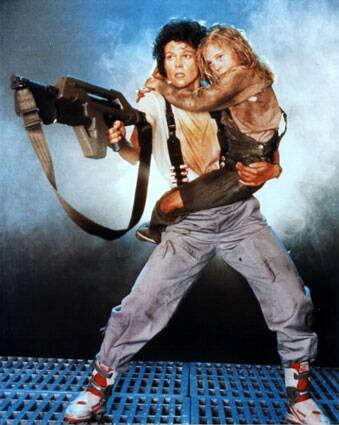
The story also gives Ripley another reason to fight, in the persona of Newt, a young girl found in the airducts of the otherwise inhospitable base – her survival for several weeks there surely has enough material for a movie by itself. This resonates with particular force in the director’s cut, which includes a scene where Ripley learns of her daughter’s death, turning Newt into a surrogate child. This makes the final face-off between Ripley and the alien queen into a conflict of mothers, both intent on defending their offspring at any cost, even their own lives. It’s a terrific concept, almost unique in the genre up to that point, and still rare even today.
The other issue was how to make the monster as terrifying as it was originally. This wasn’t the first time Cameron had been brought in to direct a genre sequel, though I suspect he might not thank me for mentioning Piranha II: Flying Killers in this context. But here, as there, he re-invented the basic concept, albeit in this case with a good deal more logic and coherence. If one alien is terrifying, how about a hundred?
 In addition, he imbued them with movement, something almost lacking first time round, where the monster lurked, came out, grabbed you, then vanished into the shadows again. Here, they’re in your face – or if not, are coming towards it at high speed. With cinematic smoke and mirrors, Cameron created the illusion of dozens of creatures, but in reality only had six actual suits – if you watch the film, you’ll never see more than this number of aliens in any shot.
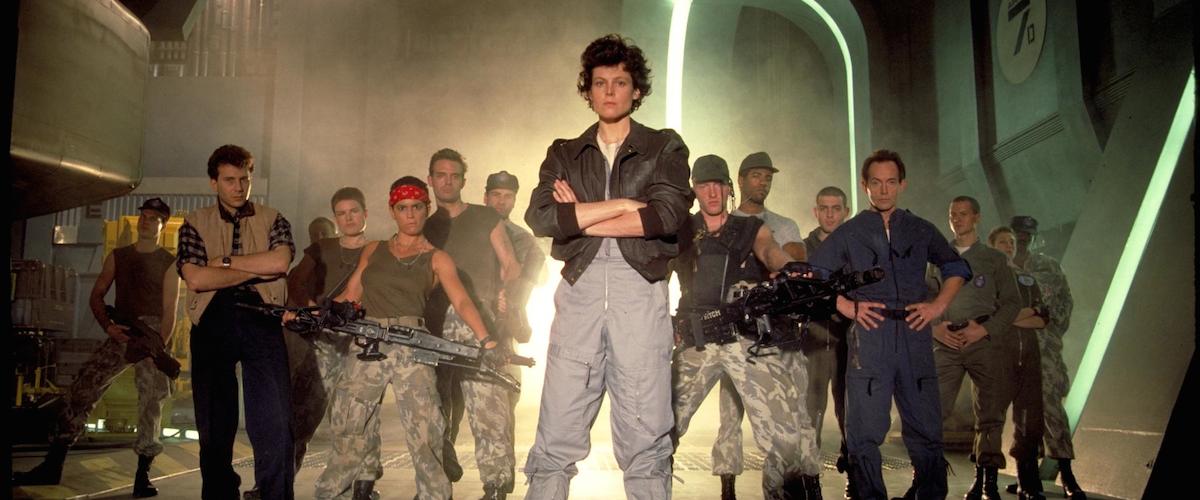
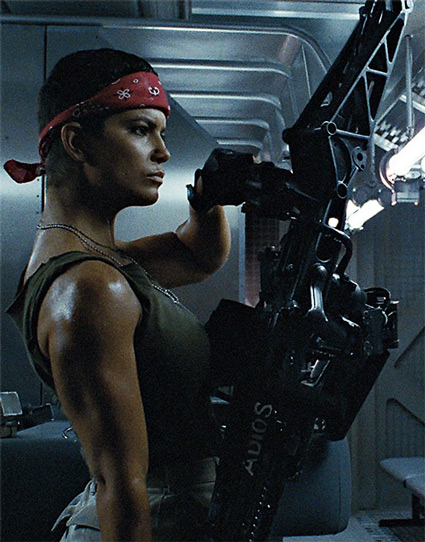
It does take its own sweet time getting there, with the first adult alien not being seen until over 70 minutes into the extended version of the movie. You can certainly see why some cuts were made for the theatrical version, such as the discovery of the aliens by the colonists [though someone could do an Alien 1.5, covering the gap between that discovery and the arrival of the Marines here]. But the subsidiary characters are such great fun to be around, that this delay isn’t a chore. Hudson, Hicks, Vasquez (left – Jenette Goldstein is perhaps the best supporting action heroine in cinema history), Apone, and the rest of the marines are fabulous, entire personalities being generated in just a few words, and what could come off as unjustified arrogance is actually endearing.
Add in Paul Reiser’s corporate slime, Carter Burke, and Bishop the android (Henriksen), who confounds Ripley’s expectations of how an “artificial person” should act, and all of these help make Aliens one of the most eminently-quotable films of recent years. Let’s pause for a moment and enjoy, once again, some of those classic lines…
The Ten Best Aliens quotes
- 10. Hudson: We’re on an express elevator to hell – going down!
- 9. Ripley: These people are here to protect you. They’re soldiers.
Newt: It won’t make any difference.
- 8. Vasquez: Look, man! I only need to know one thing – where…they…are.
- 7. Ripley: I say we take off and nuke the entire site from orbit. That’s the only way to be sure.
- 6. Frost: What the hell are we supposed to use, man? Harsh language?
- 5. Hudson: Hey, Vasquez – have you ever been mistaken for a man?
Vasquez: No. Have you?
- 4. Hudson: Is this going to be a standup fight, sir, or another bug-hunt?
- 3. Newt: My mommy always said there were no monsters – no real ones – but there are.
- 2. Hudson: That’s it, man – game over, man! Game over!
- 1. Ripley: Get away from her, you bitch!
|
You can see why the Aliens patch for the computer-game, Doom, became an essential item. The two were made for each other, and I spent many hours, blasting away at face-huggers, warriors and queens with my pulse rifle, while samples such as the ones above, or accompanying this page, blared semi-randomly. Ah, happy days… Er, where was I?
On the action level, Aliens is almost flawless (I admit that a couple of effects shots during the descent haven’t stood the test of time). The first encounter between marines and the aliens in the film should be required viewing for every director interested in staging a scene more energetic than two people talking, shot in close-up. And from that point on, there’s hardly a slack second, as things go from bad to worse to this-place-is-going-to-explode-real-soon.
Ripley is more pro-active in this film than Alien, where she became the heroine almost by default, being the only person left. In the sequel, she is the first to realise that the search for the colonists has gone horribly wrong, and effectively hijacks the APC on a rescue mission. After that, she is no longer an outsider, whose opinion is an irrelevance to the professionals. She is the instigator, the innovator and also the anchor, who keeps despair from becoming as deadly an enemy as the aliens. And who can doubt her bravery when, with escape in her grasp, she turns and voluntarily goes back into the ticking nuclear-bomb of the base, in order to rescue a child she met only a few hours previously.
It’s moments like that which elevate Aliens to a special place in my heart, and the hearts of many – voters at the Internet Movie Database rank it in the top 100 films of all time. Regardless of any debate over the genre to which it belongs, this is a classic, make no mistake about it.
Dir: James Cameron
Star: Sigourney Weaver, Michael Biehn, Lance Henriksen, Bill Paxton





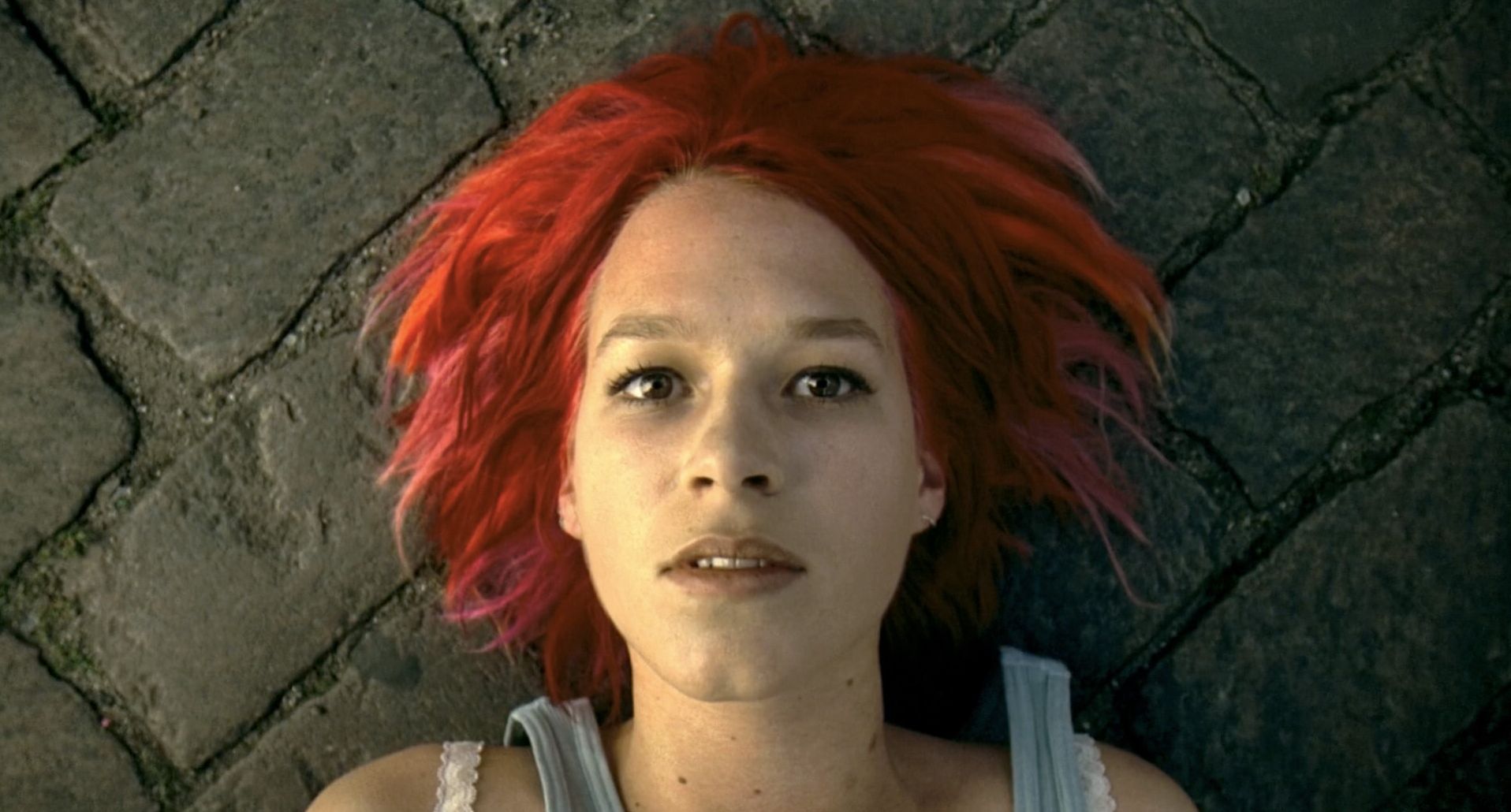
 Our qualms were largely because, unlike Run Lola Run or Groundhog Day, which made no attempt to explain what was happening, here there’s just enough logic to be unsatisfying. The “rules” are clearly important – for example, do time-travellers keep their memories? – yet are inadequately laid out. We spent the last 15 minutes with furrowed brows, trying to see if it made sense. It may, or may not, but either way was an unwelcome diversion in an otherwise pleasant surprise.
 ★★★★
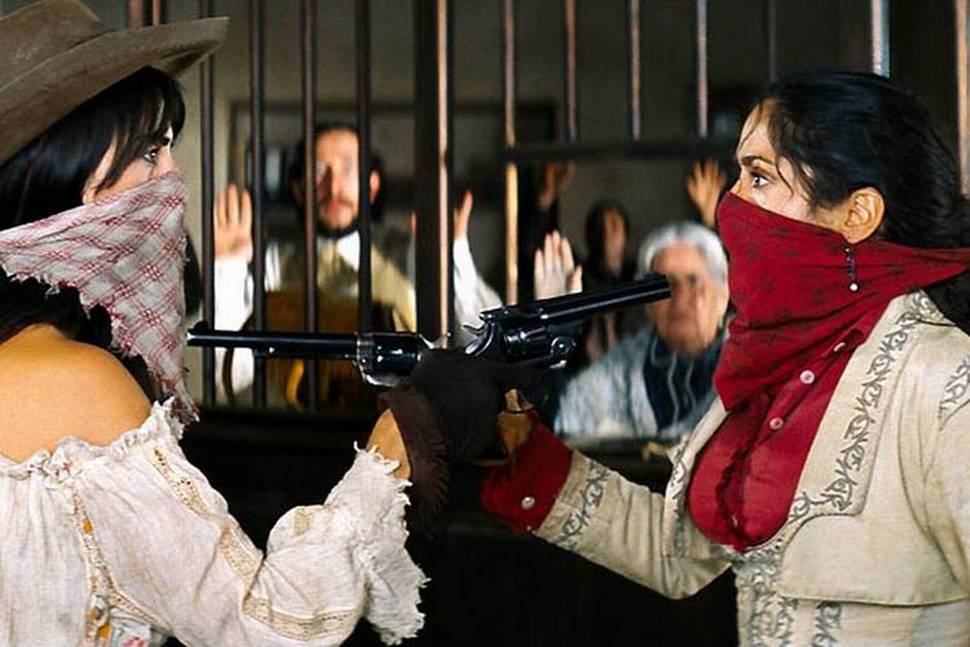
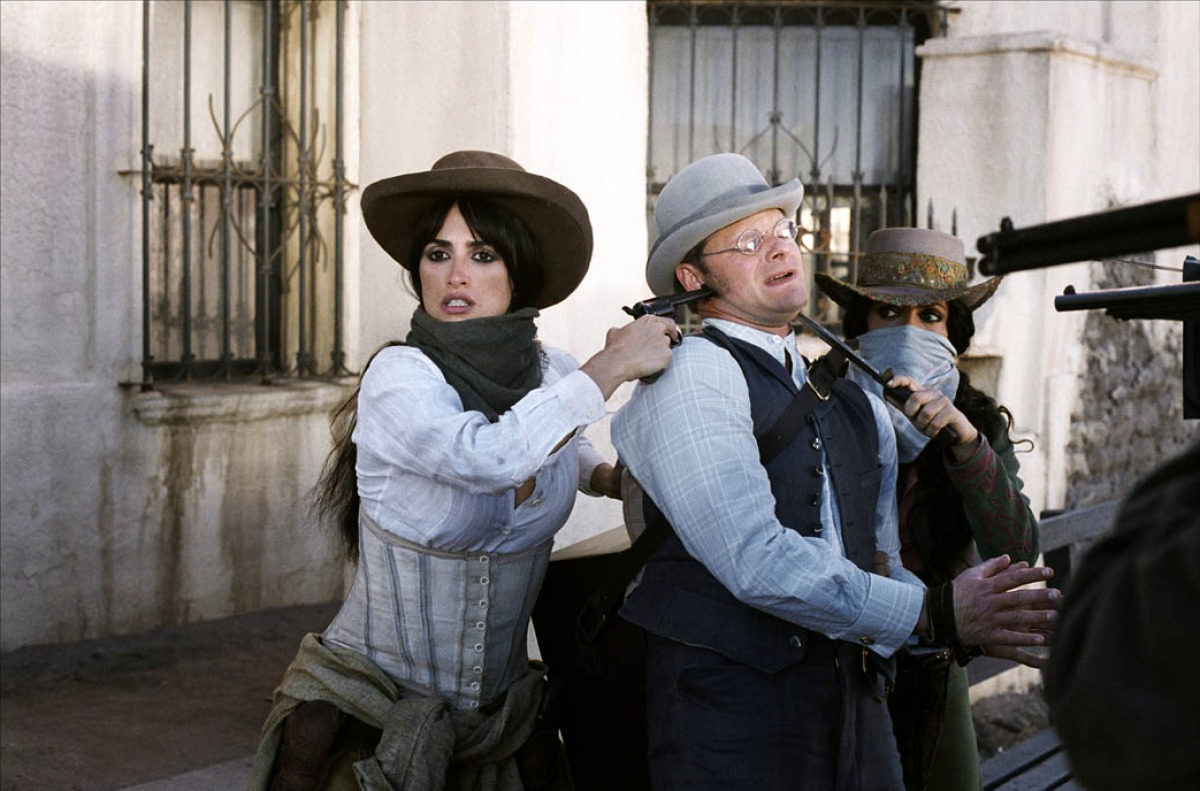
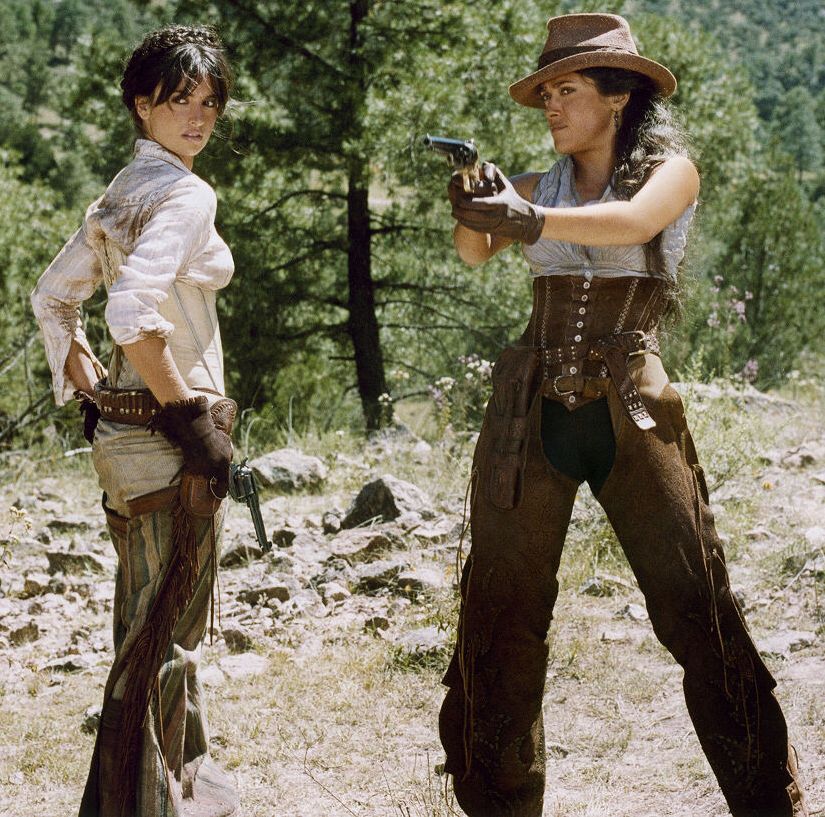
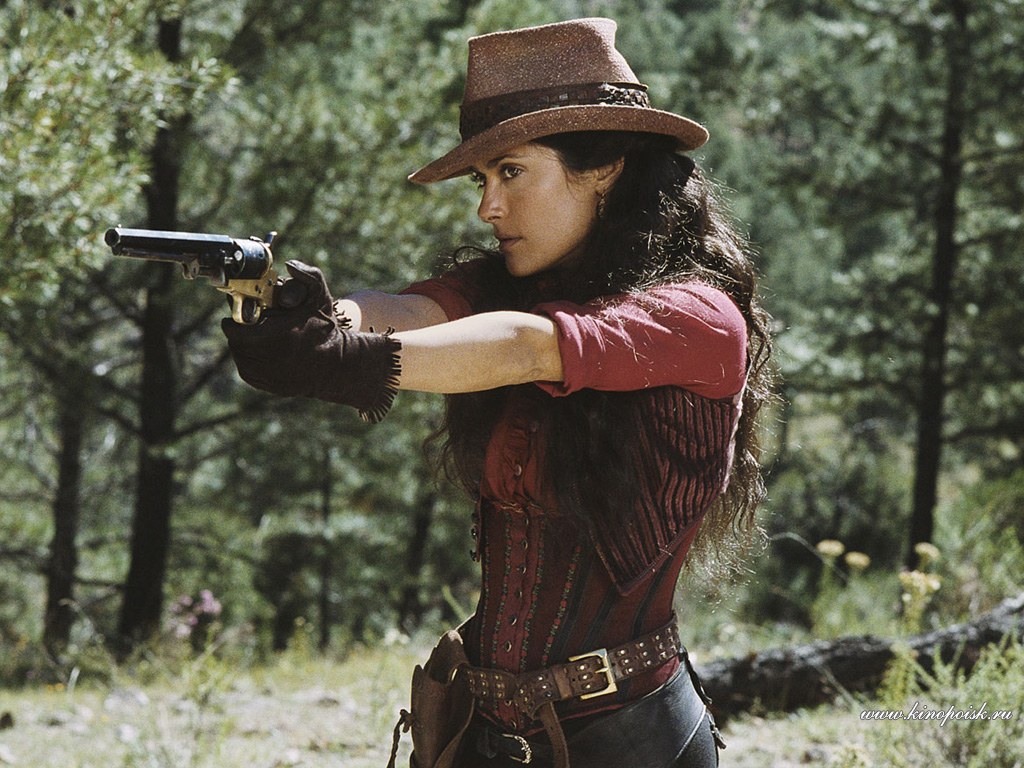
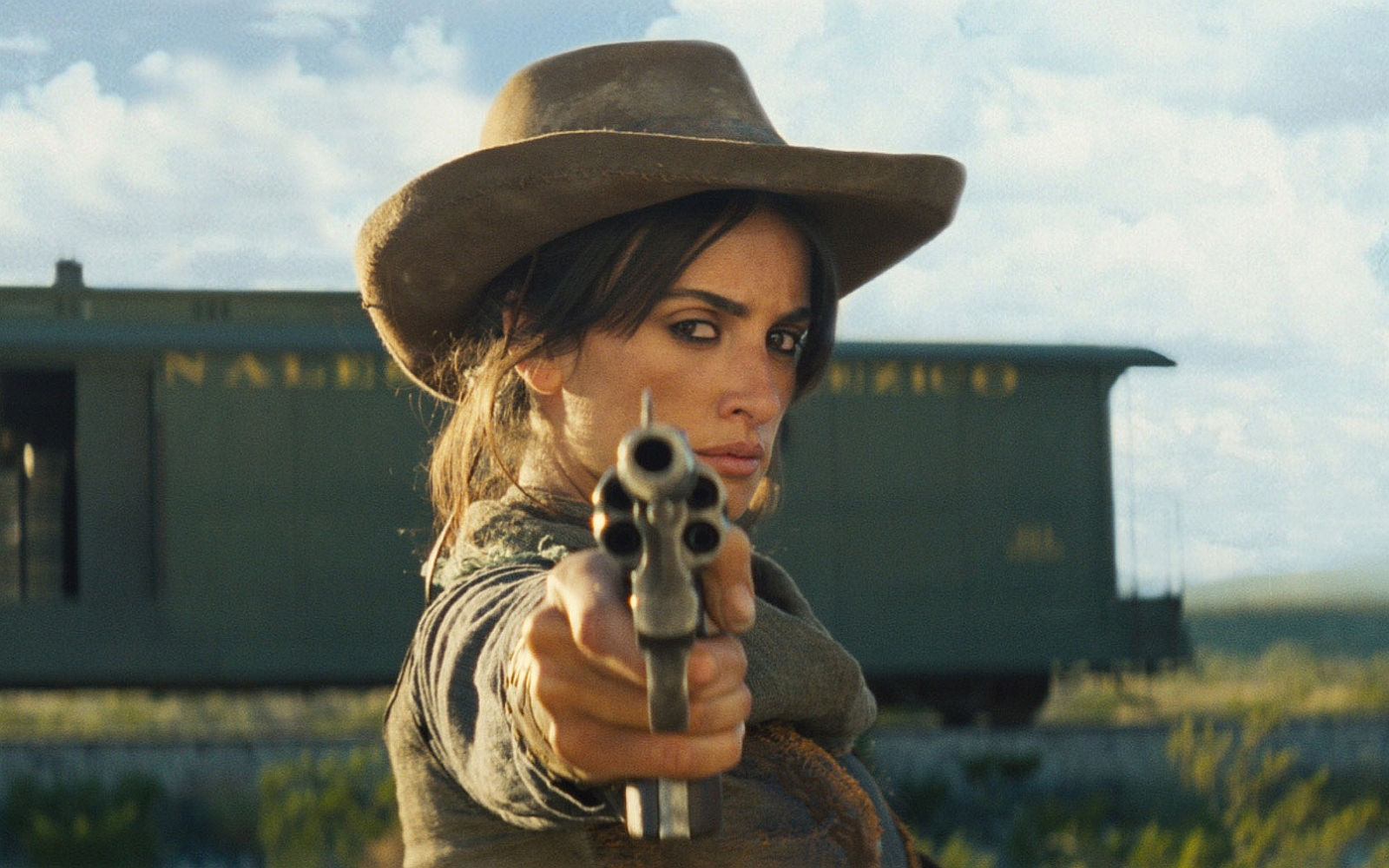
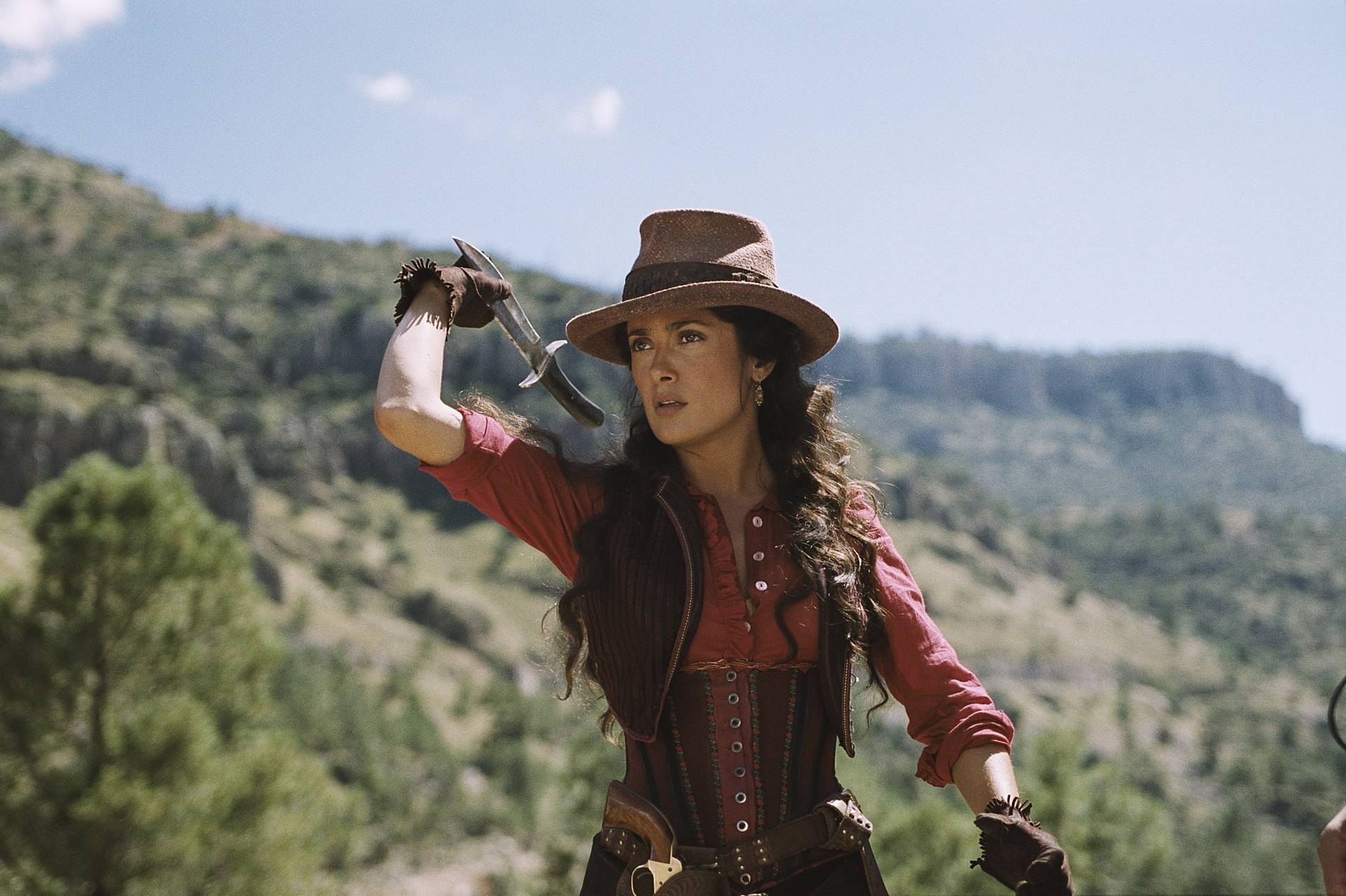
★★★★ When they start their campaign, Jackson brings in a specialist in the new ‘scientific method’ of criminal investigation, Quentin (Zahn), to help track down the bandidas. However, after discovering Sara’s father was poisoned, heis convinced by the pair that he is actually working for the wrong side, and comes across to join them. The latest security measures are defeated – with the aid of a pair of ice-skates! – and as a result a train is loaded with the Mexican government’s gold reserve, to ship it to safety in Mexico. The bandidas resolve to take the cargo, but Jackson and his gang are waiting for them…as is Quentin’s fiancée…
 What did disappoint me was the action. I expected more from Besson, who helped give us such gems as The Transporter and District B-13, as well as the titles mentioned above, though a couple of moments stand out. There’s a bravura slow-motion scene in the final battle – bullets, knives, bodies and debris fly in a single shot, the camera panning back and forth to capture the carnage. But, the most amazing part is seeing a horse, with a rider on its back, climb a ladder. This was apparently a combination of training (the horse, with a stunt rider, walked up a specially-made set of stairs) and CGI work by Parisian FX house Macguff, to replace the stairs with a ladder, add dust and bounce, etc. It’s a throwaway moment, in a throwaway film, but is worthy of note, and applause.






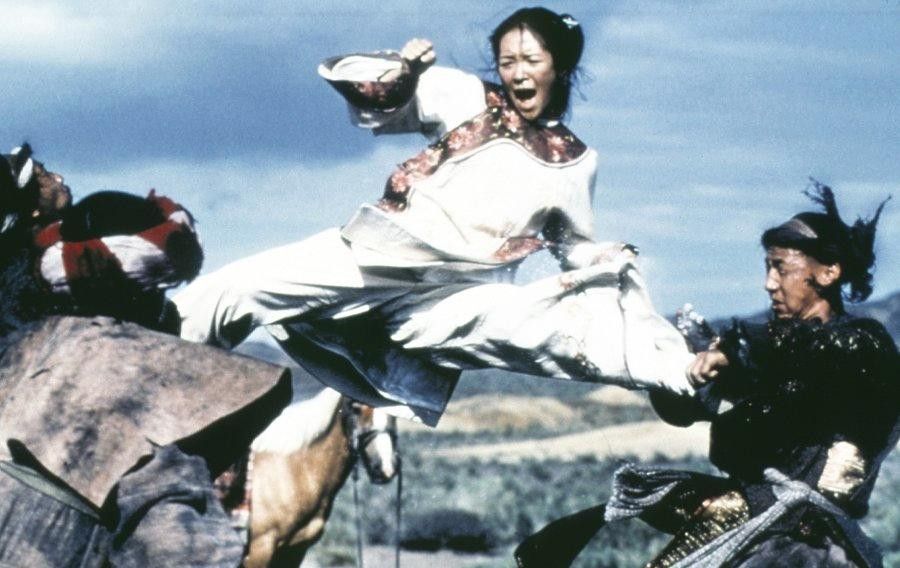


 If there’s nothing there to keep you interested, the film makes up for it in lots of other ways. The aim was to make it seem like turning pages of a comic-book, and this certainly succeeds – there’s always something going on. While the nods to political correctness are kinda irritating (the villain and all his henchmen can muster precisely one gun between them), no-one is really taking it seriously, and the tongue-in-cheek approach saves the whole thing. The supporting cast are good, too: Bill Murray as their overseer is his usual laconic self, while Kelly Lynch and Crispin Glover give good support to Sam Rockwell.
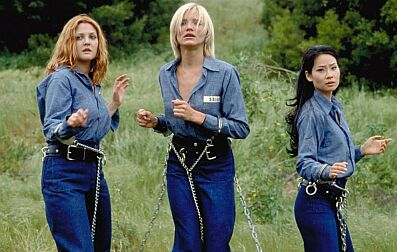 The pacing is a little weird though; apart from one impressive battle between the trio and Crispin Glover in a back-alley (to the tune of the Prodigy’s Smack My Bitch Up), all the martial arts is concentrated in one 20-minute span near the end. At one point we have Cameron Diaz taking on Kelly Lynch, Lucy Liu going toe-to-toe with Glover and Drew Barrymore taking on a whole roomful at virtually the same time, and the cross-cutting does get a little aggravating. Barrymore’s battle is very show-offish: she tells her opponents what she’s going to do, pauses in mid-stream to name the fighting techniques, and moonwalks out of there when she’s done. A tap on the wrist and a warning
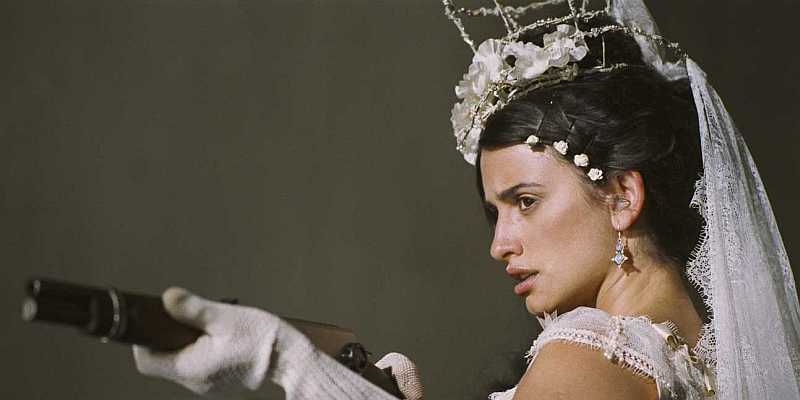
 It has been a long time since we’ve enjoyed a film so much. Right from the start, which shows a bride, in her wedding-dress, being stalked by a demon (or does it?), this grabbed our attention, and hardly let up for a second until the finale. I have to say, the odds are that you will either love this film, or fail entirely to ‘get’ what it’s trying to do and dismiss it as a lame Buffy ripoff. But in our living-room, it got four enthusiastic thumbs-up from the viewing panel, and seems like the perfect complement to beer and pizza.
 Less effective or interesting are the men, and it’s abundantly clear where Magnat’s passion lies. Father Carras (Collado), the Vatican priest and papal bodyguard is bland and colourless, despite having a name borrowed from The Exorcist. The best is actually Mallory’s demon husband (Julien Boisselier), now stuck in limbo after the murderous end to their marriage. The pair have a relationship which is genuinely touching, in a way which Joss Whedon could only dream of.
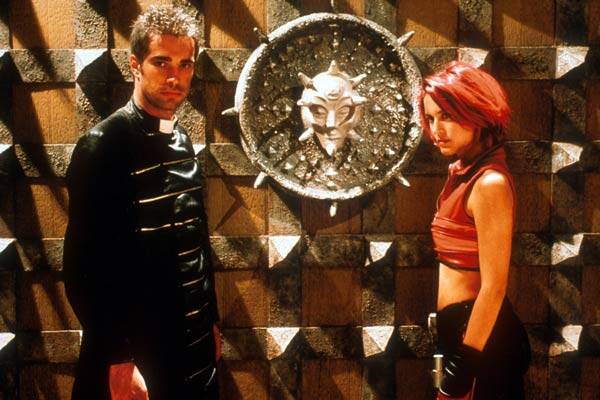 Perhaps what we enjoyed most was the balance Magnat strikes between parody and drama. This is clearly not intended to be taken
 I imagine no-one genuinely doubts the answer, but this adds a whole new plot twist, especially as the last time the Mongoose activated his weapon, its impact was pretty heavy. What happens when it’s used here is never really shown, and there is some scientific handwaving about the black hole absorbing all the energy, but it would be gratifying to think that it became necessary to destroy the city in order to save it. Not least because Cameron’s Dark Angel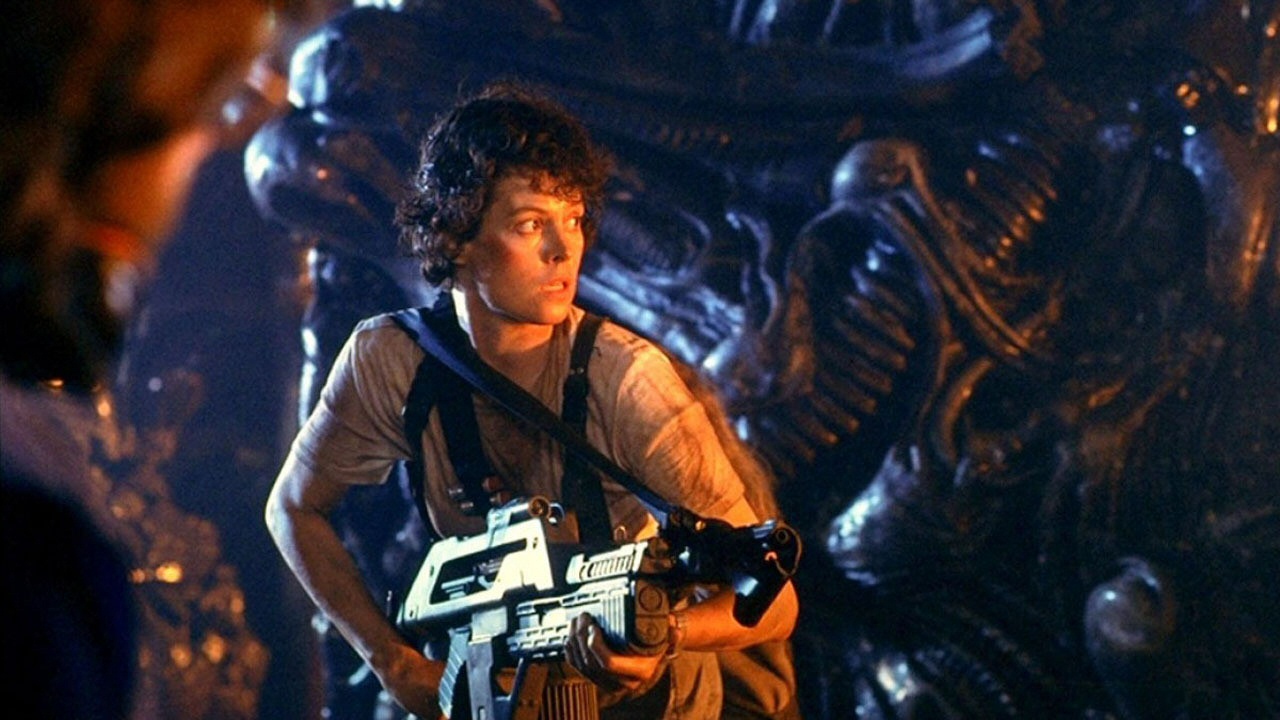
 I usually start watching this in a sense of disbelief, since it’s certainly not the most immediately convincing of movies. However, there’s a point near the middle which has in quick succession an amazing action sequence and two revelations, one touching, one tragic, and I realise that I am, yet again, utterly buying into the characters, storyline and setting. Disbelief simply ceases to be an option, and by the end, I know why this is among my all-time favourites, not just in the action heroine genre, but among all cinema.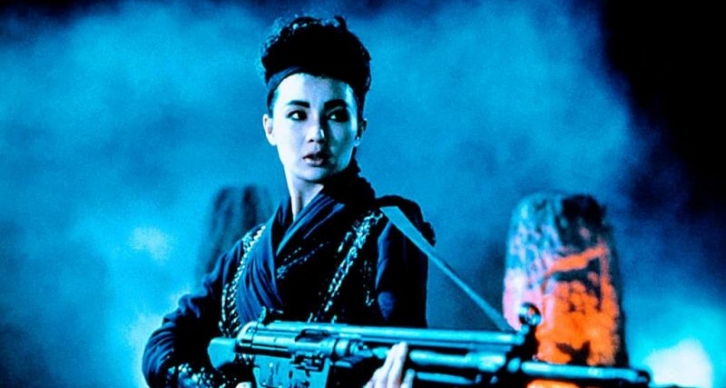
 ★★★★½
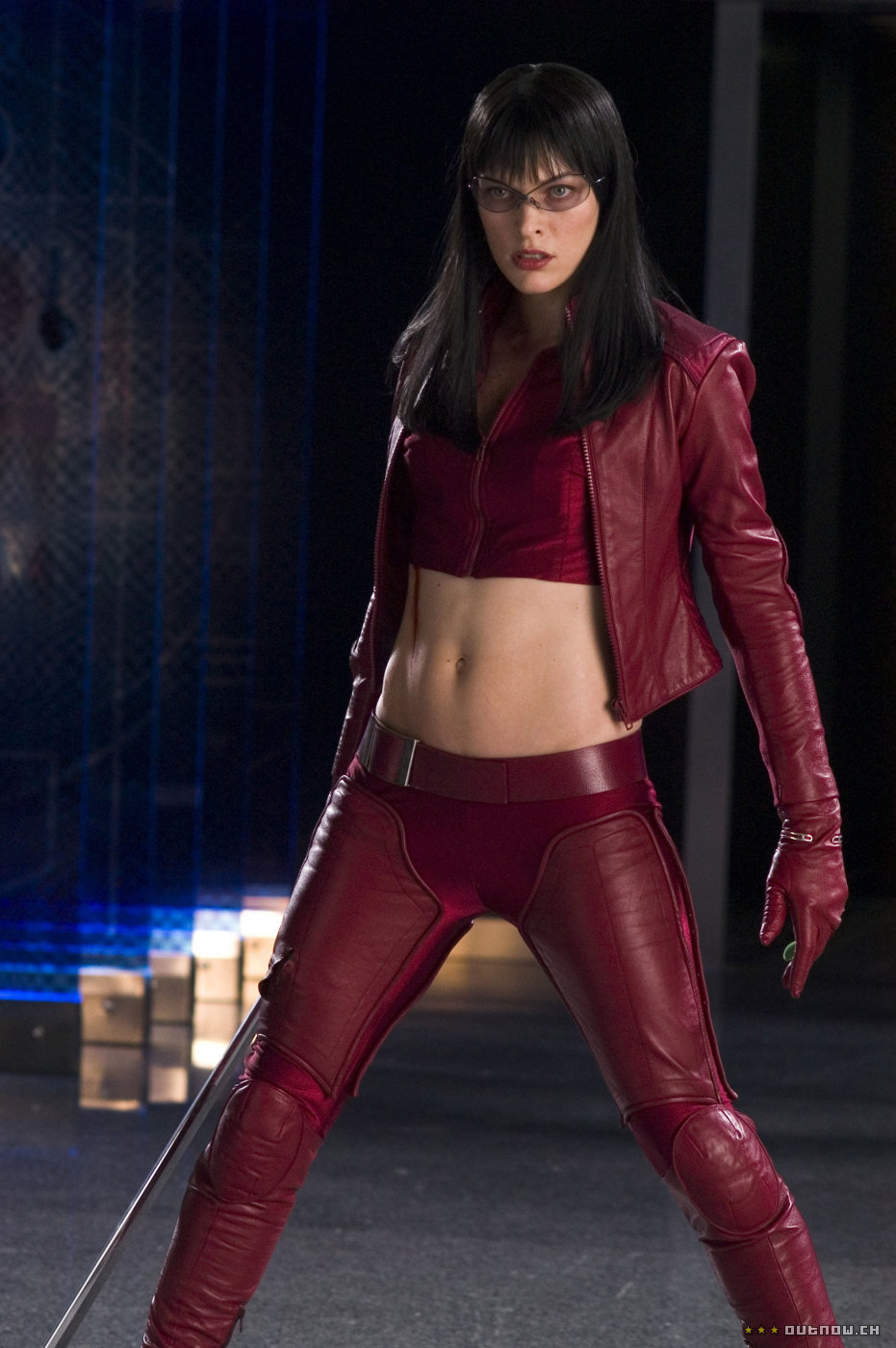
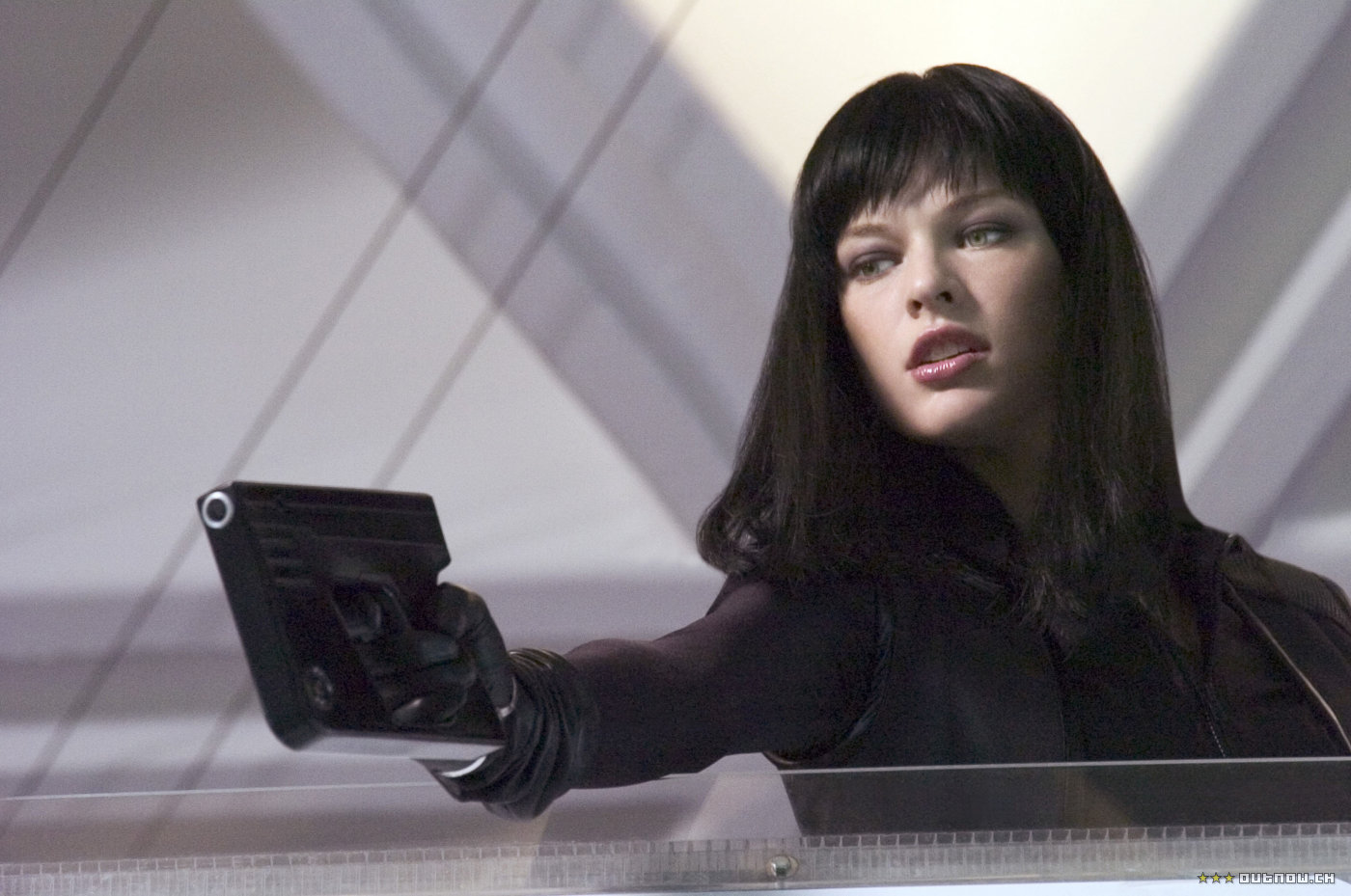
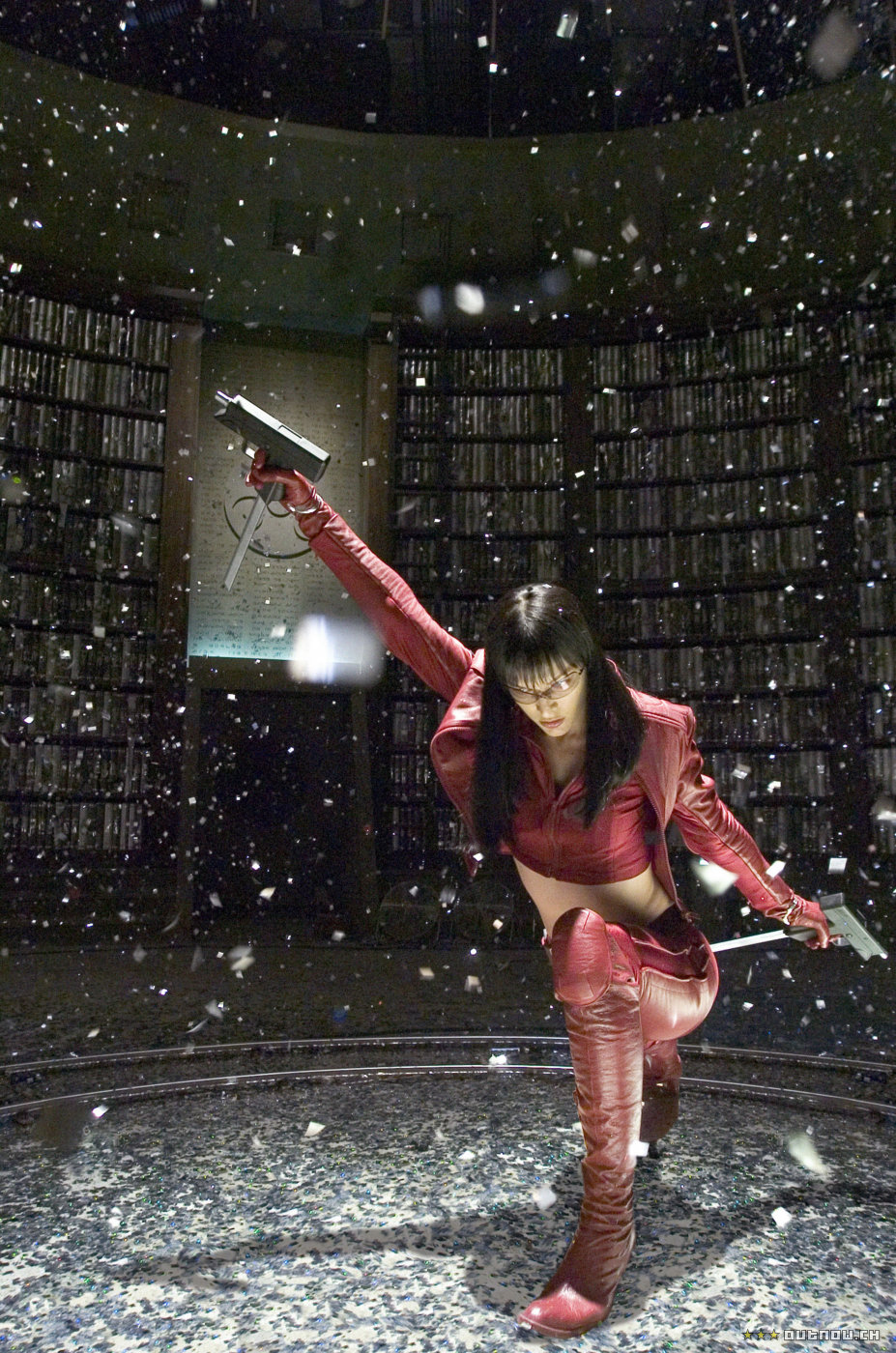
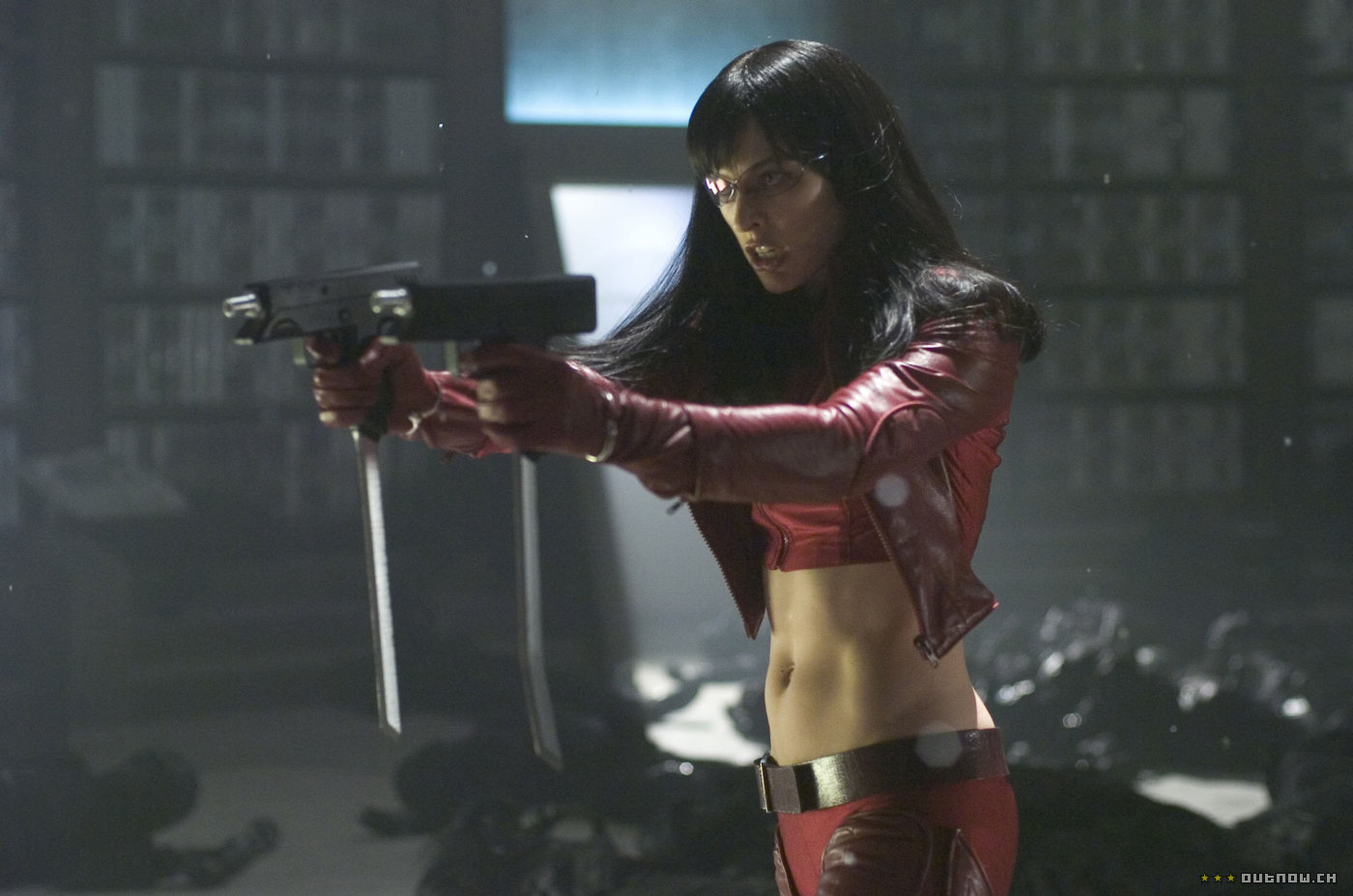
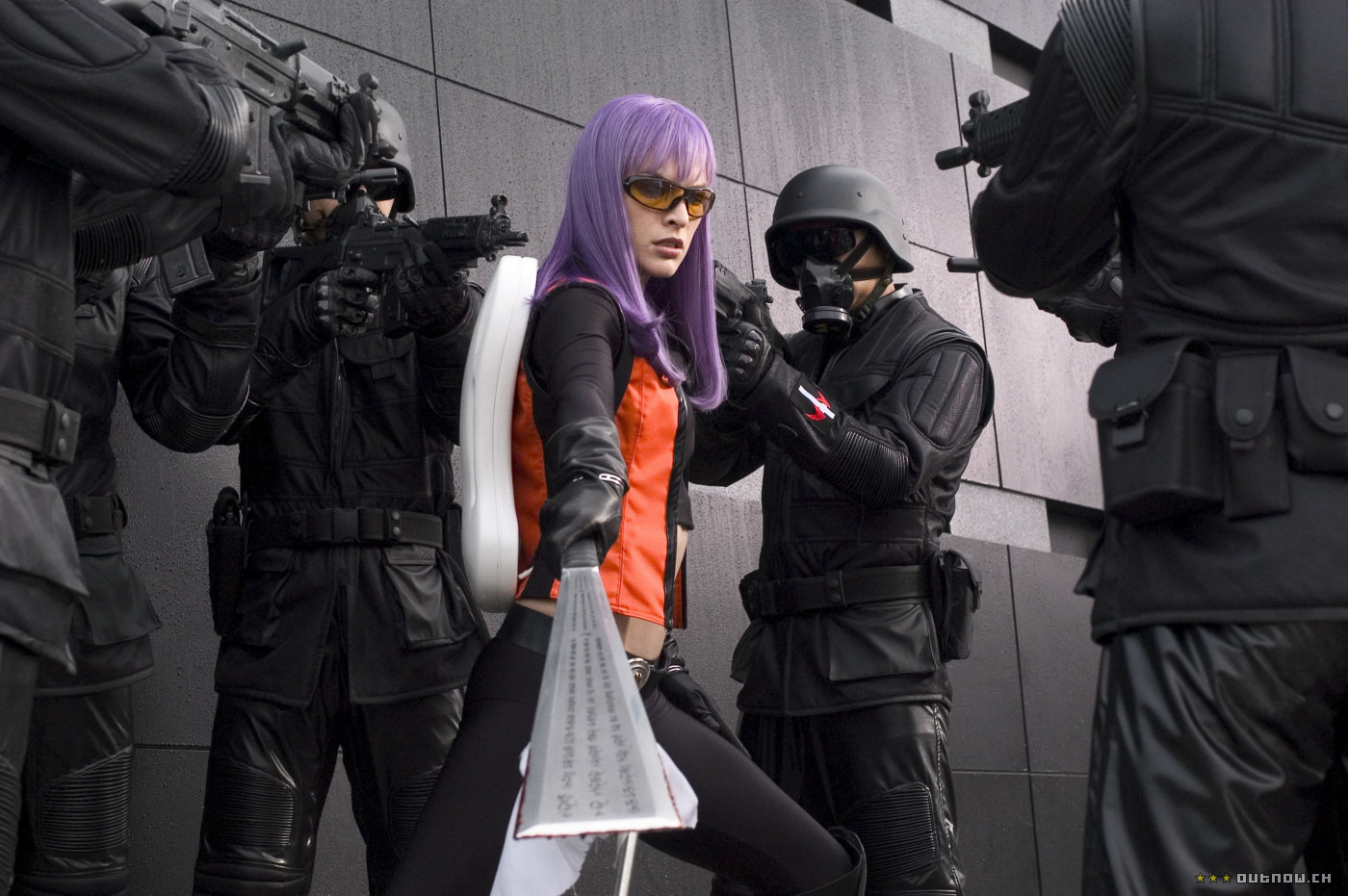
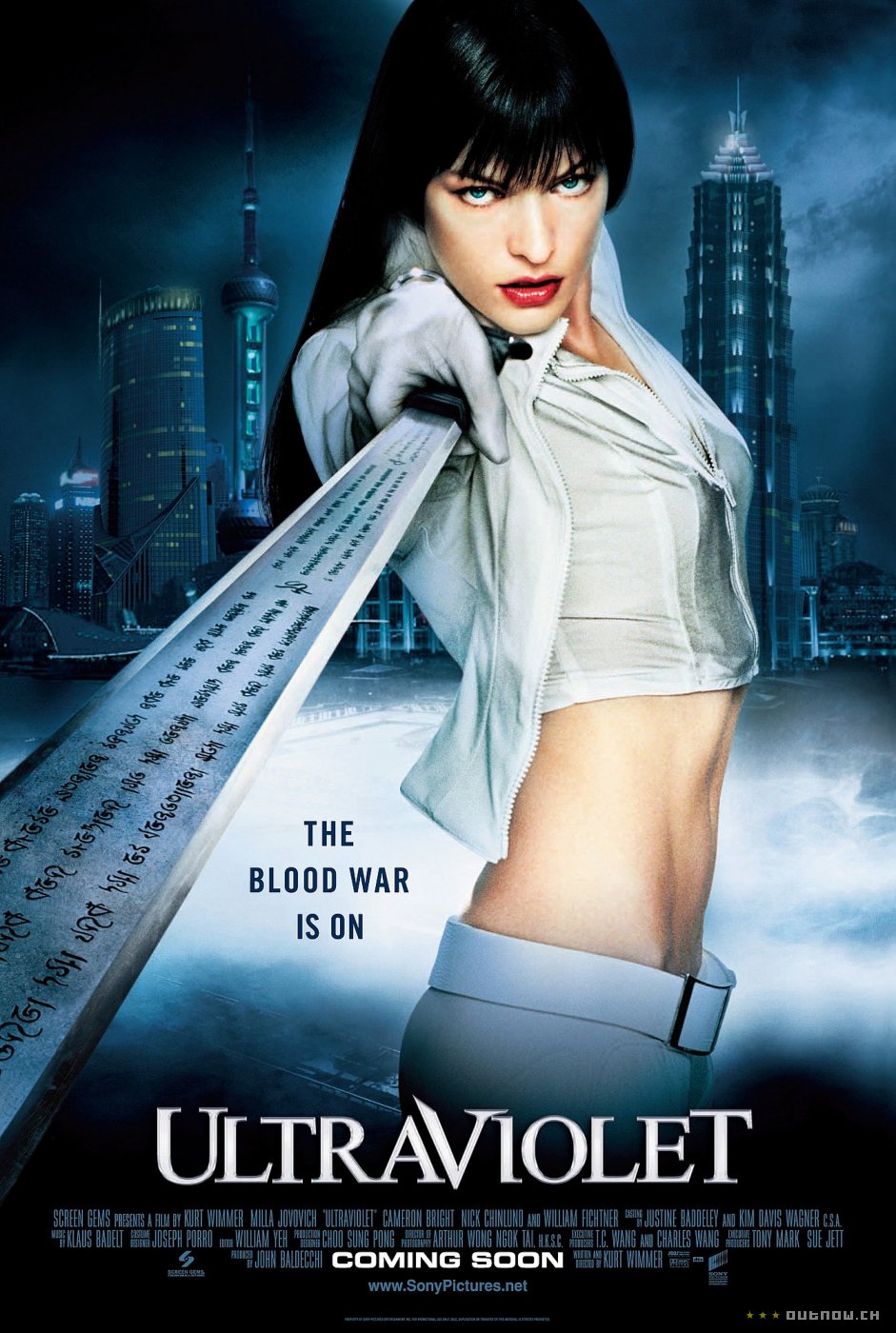
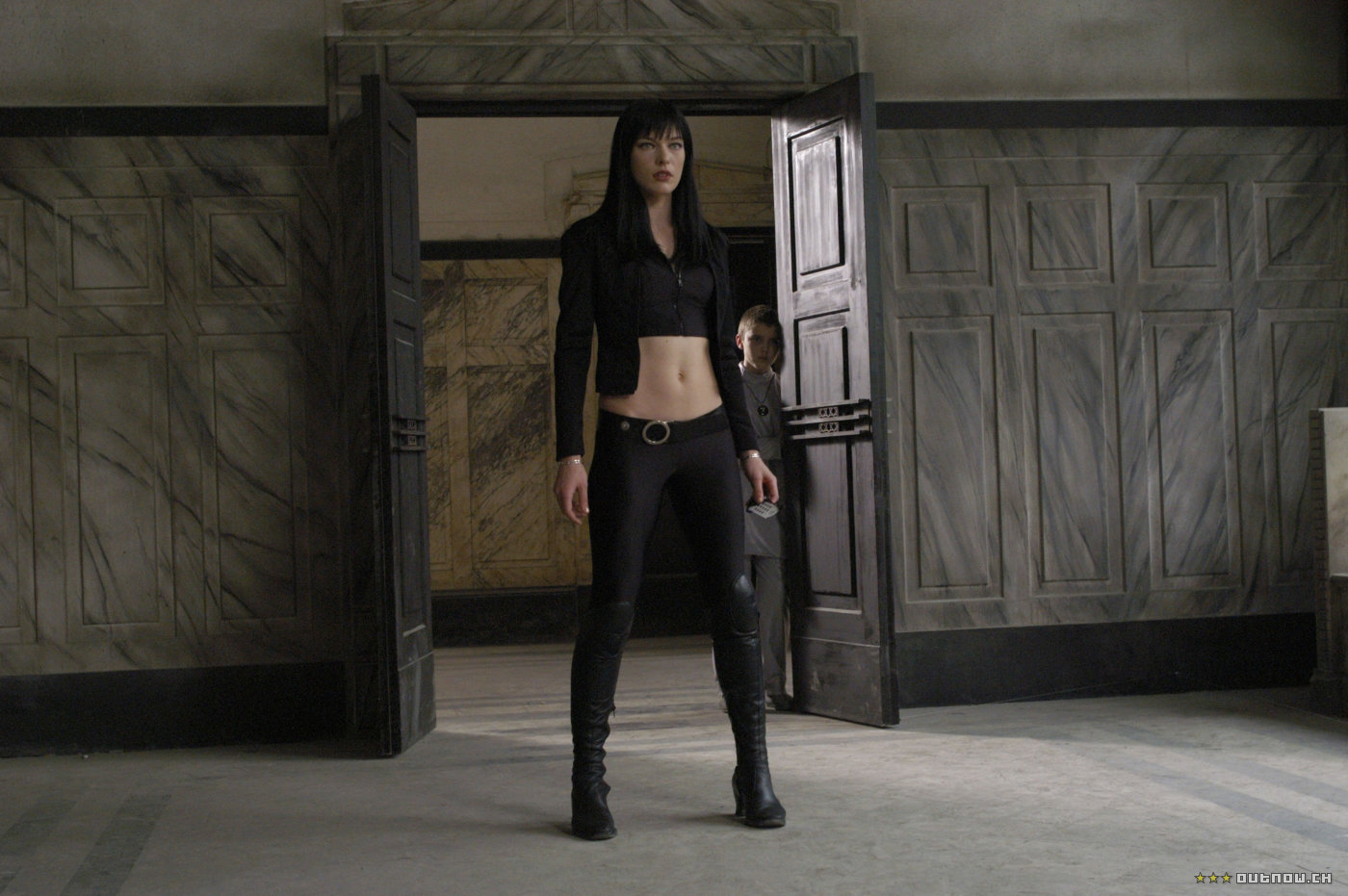
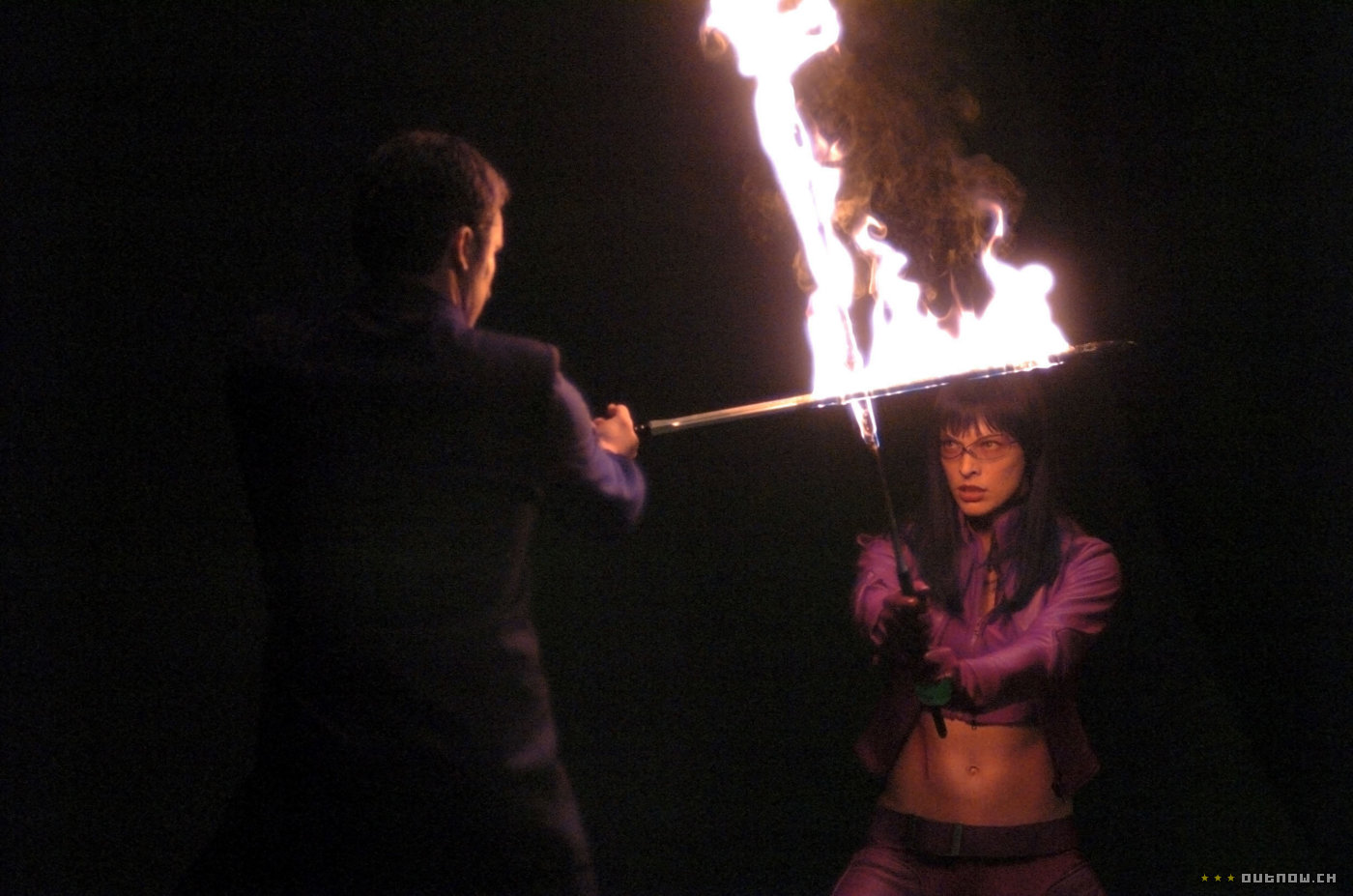
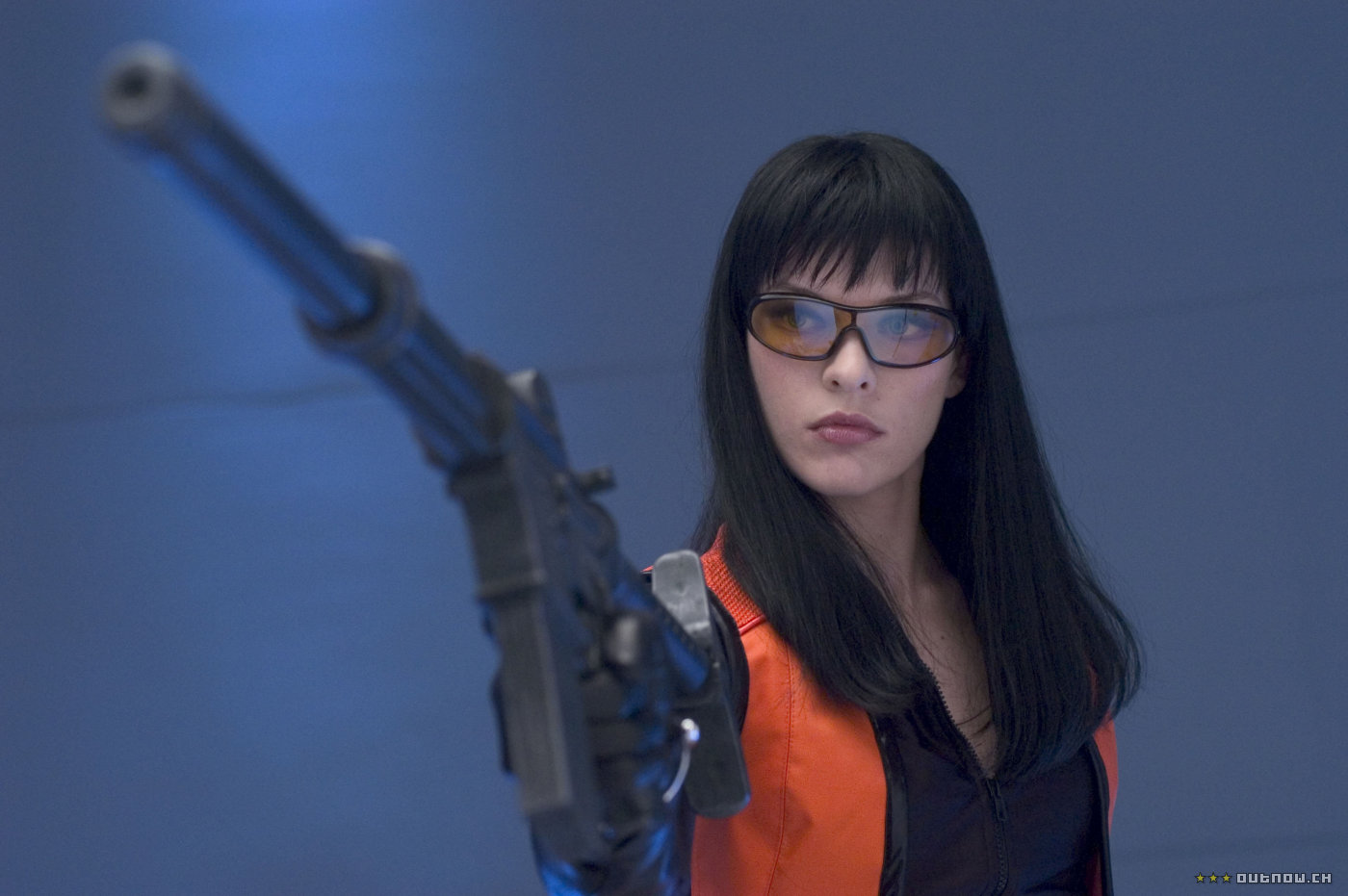
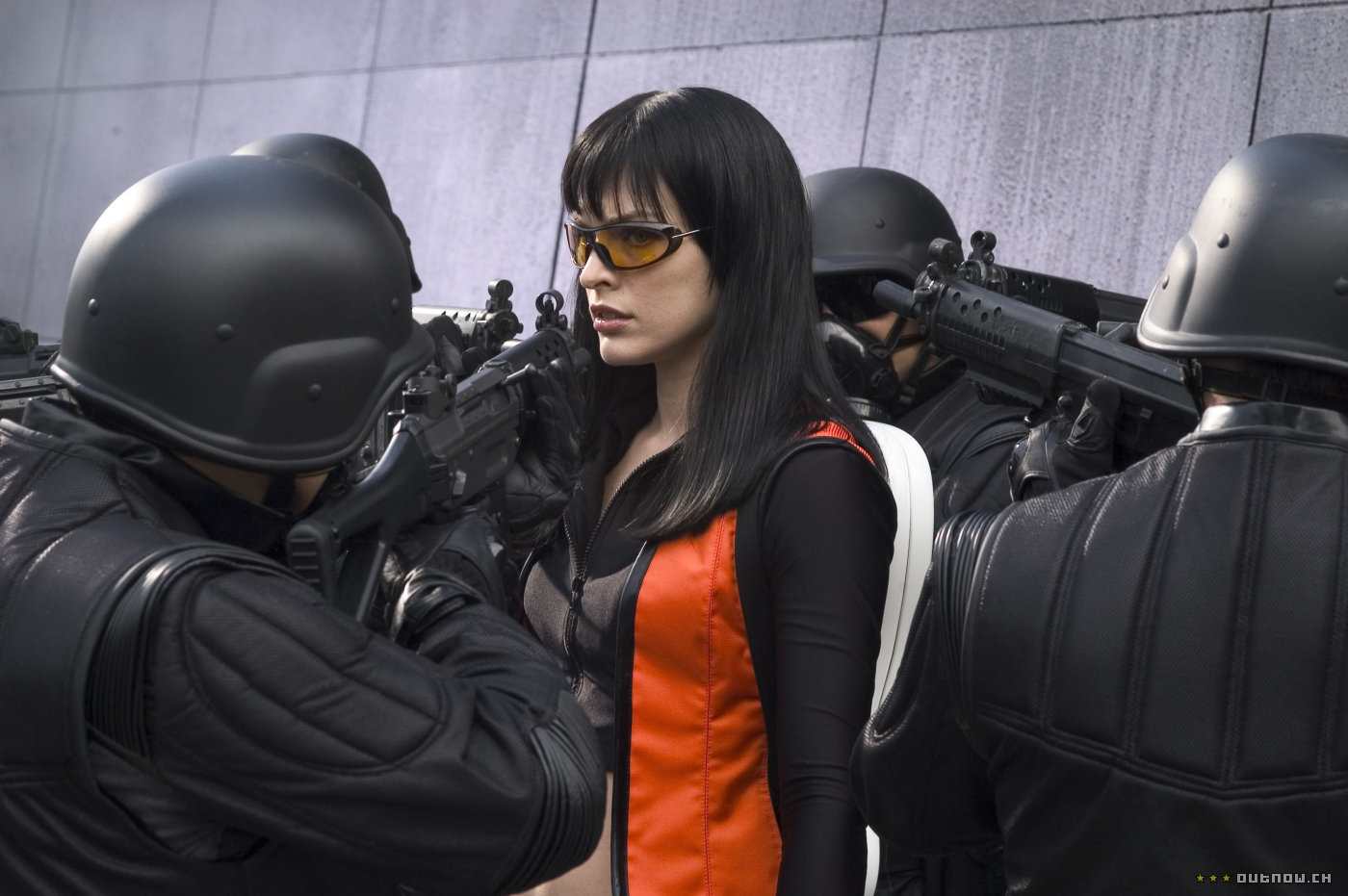
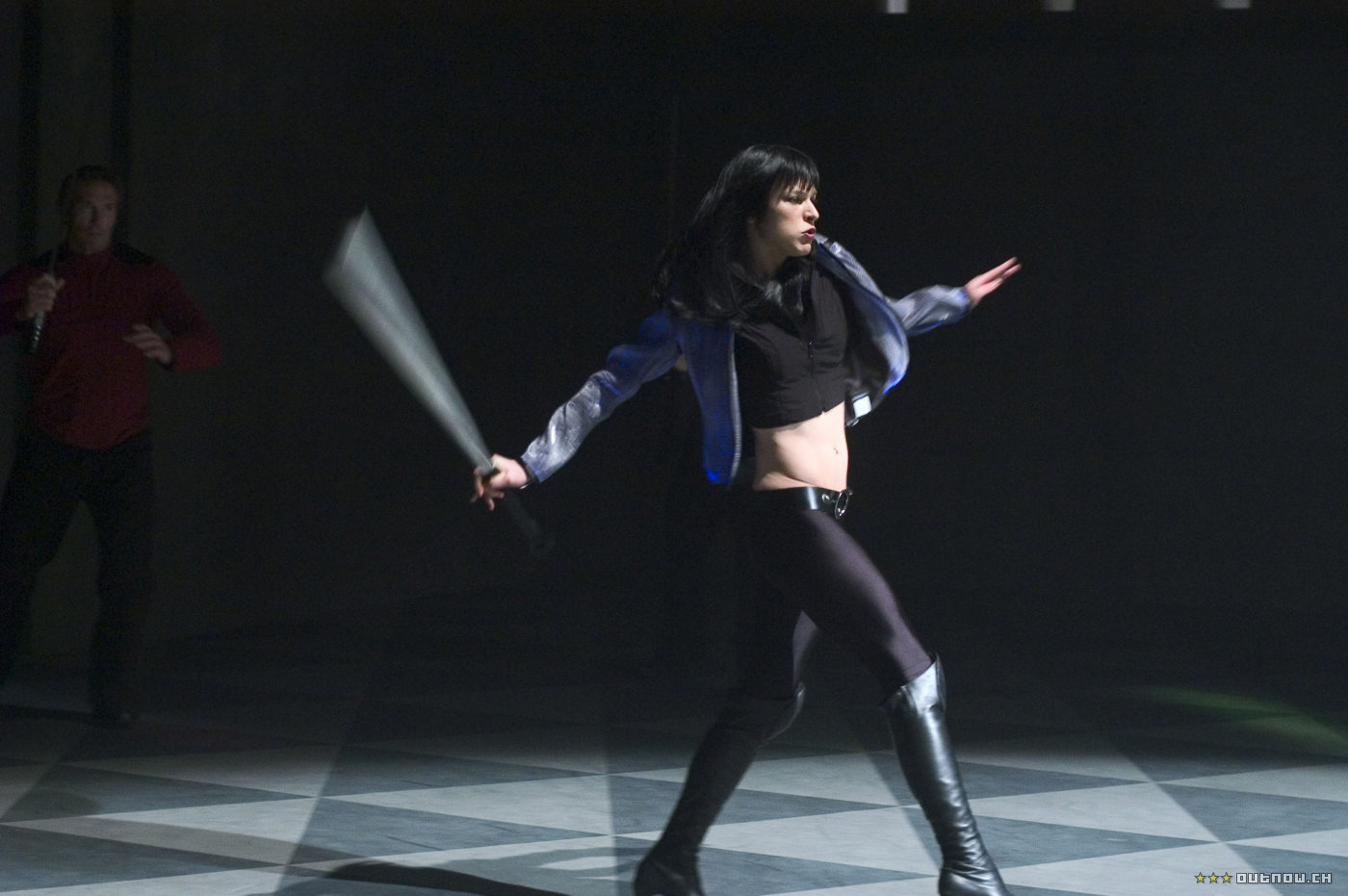
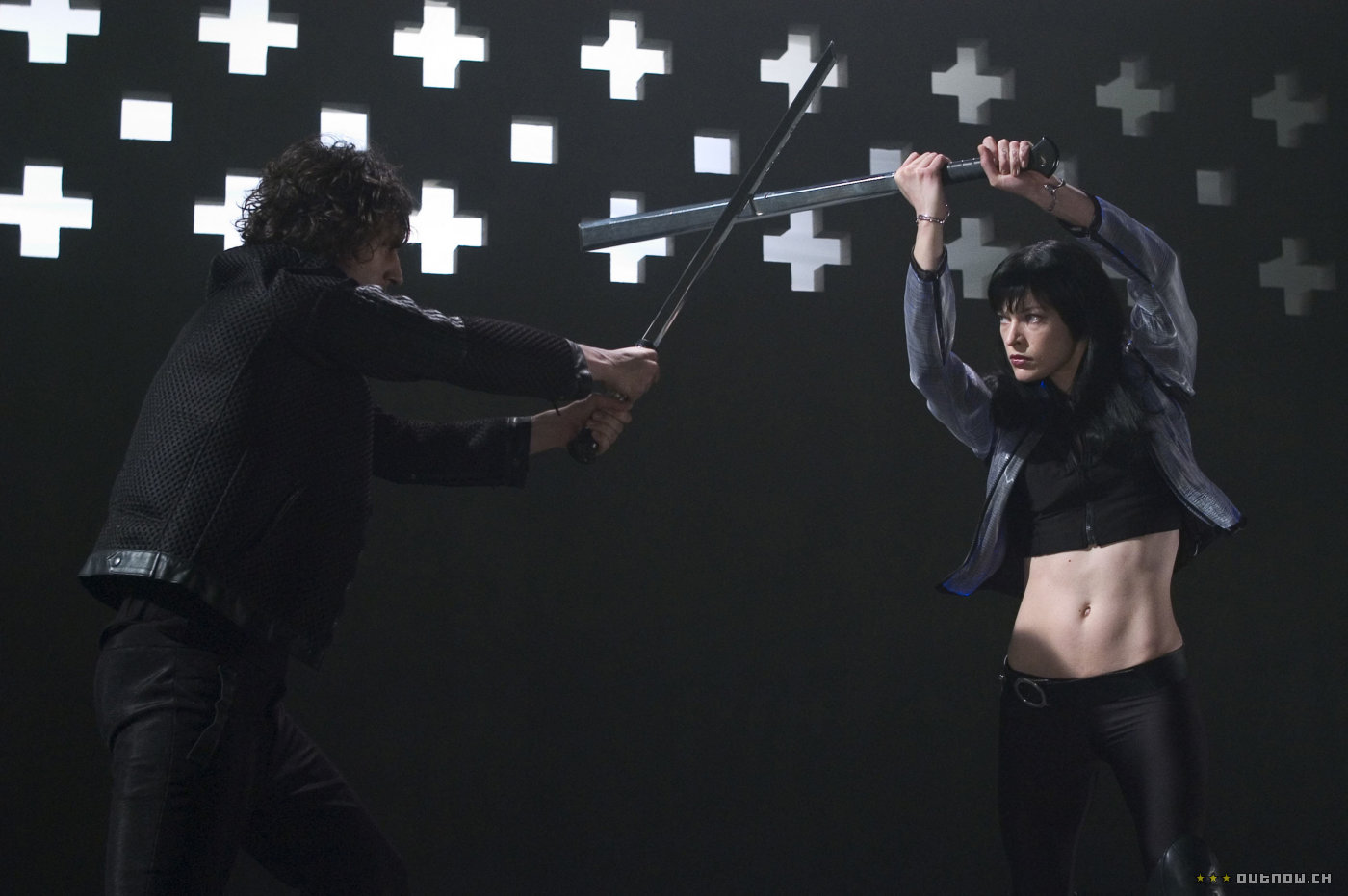
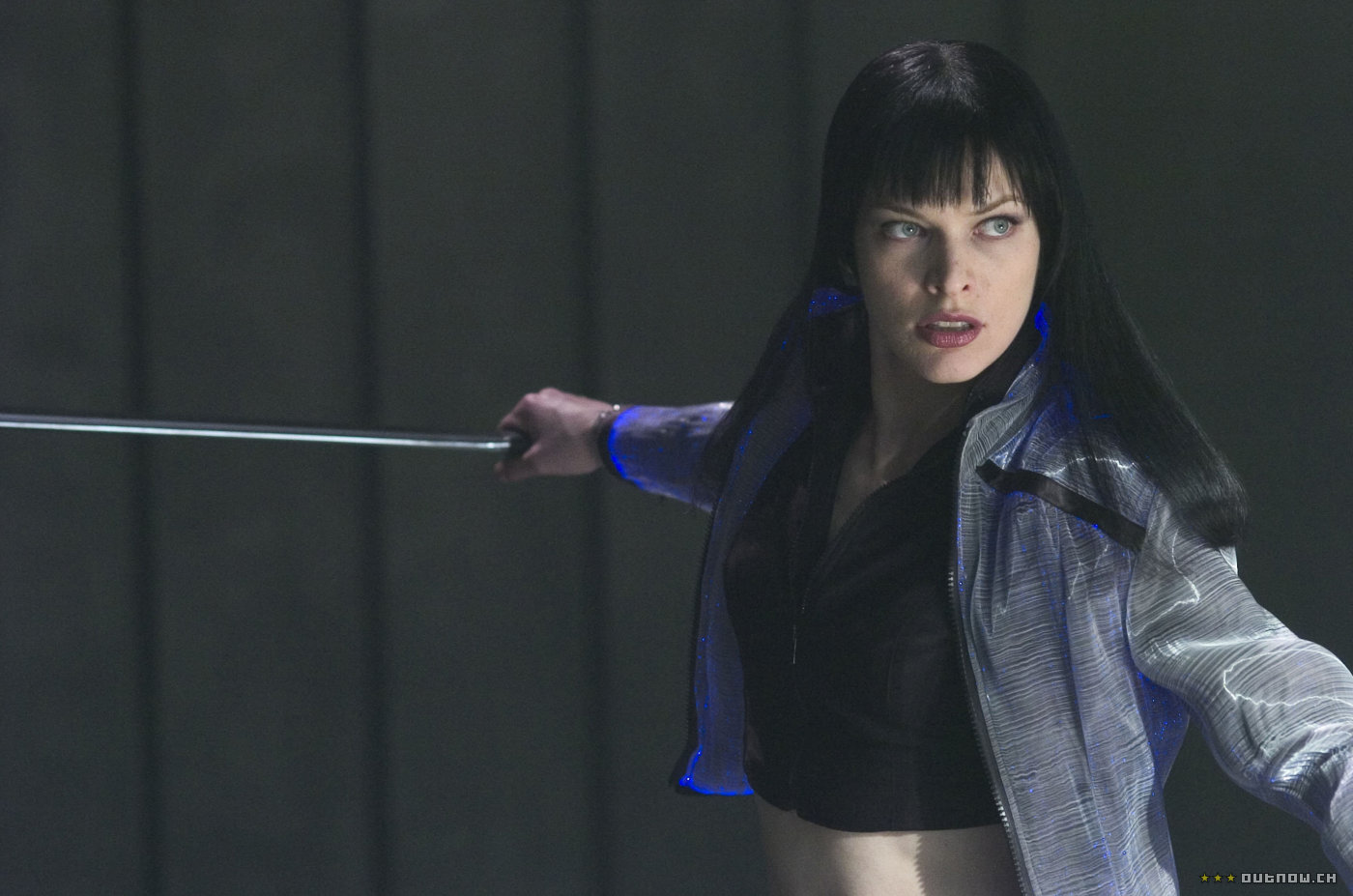
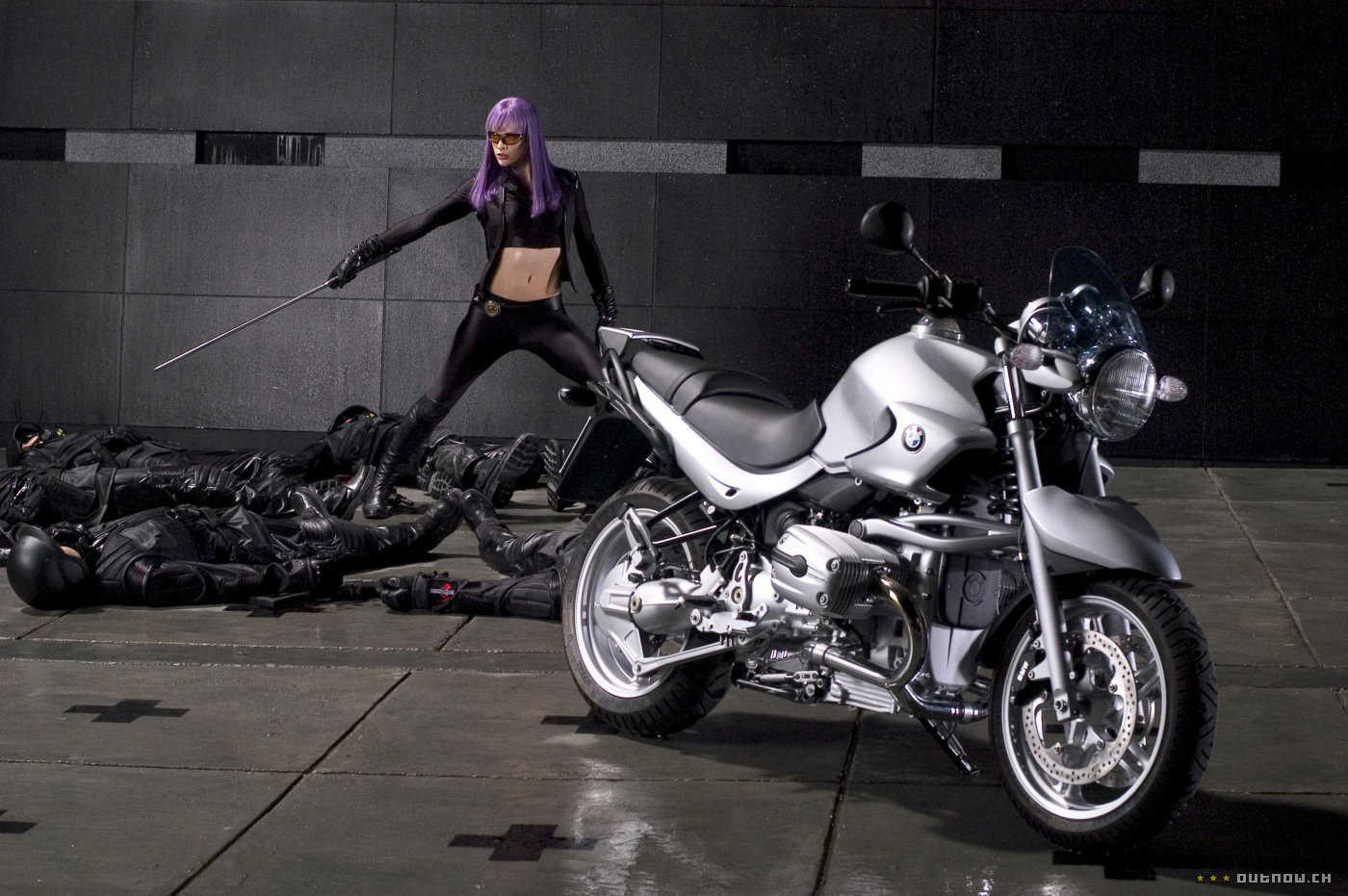
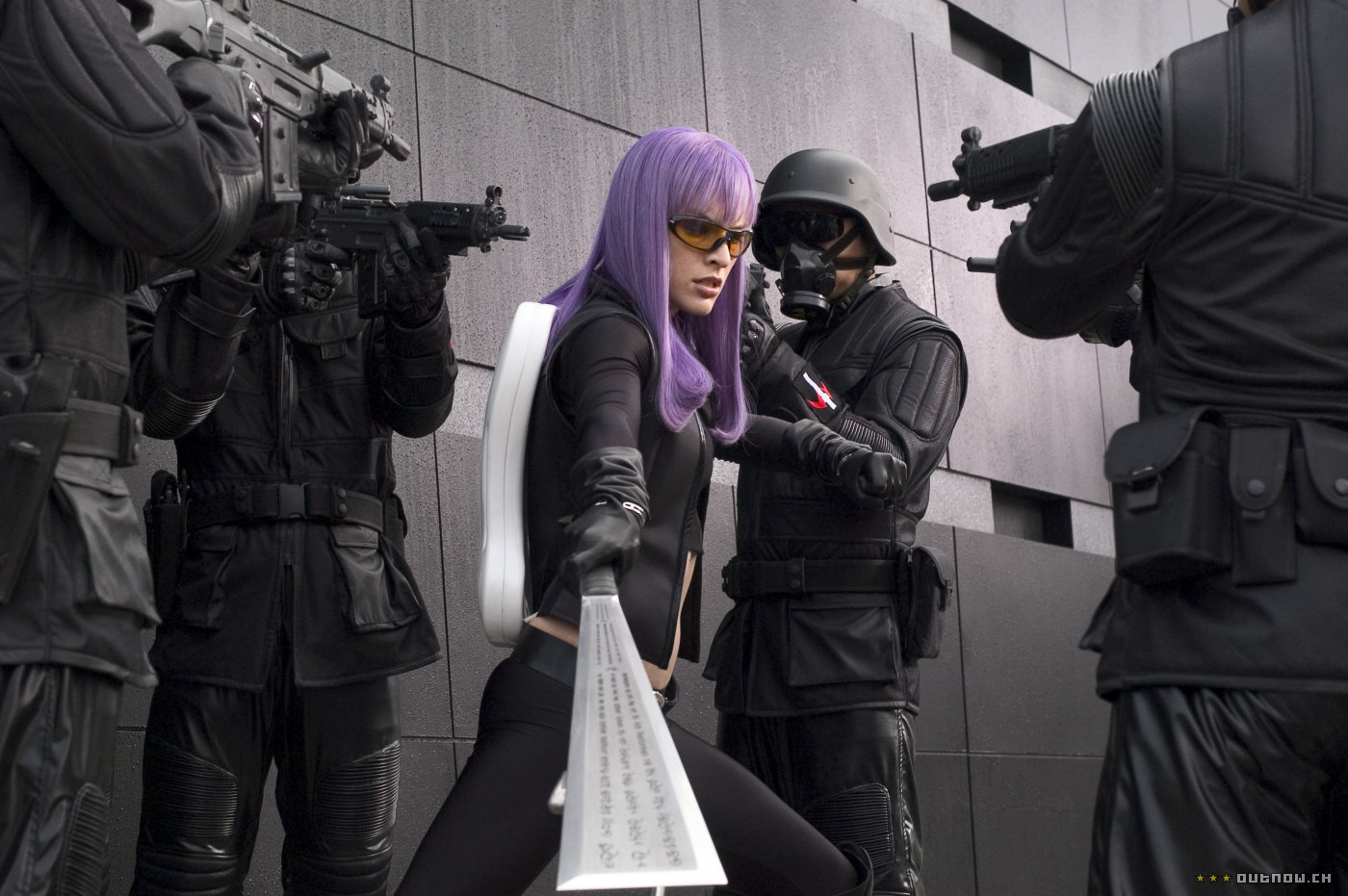
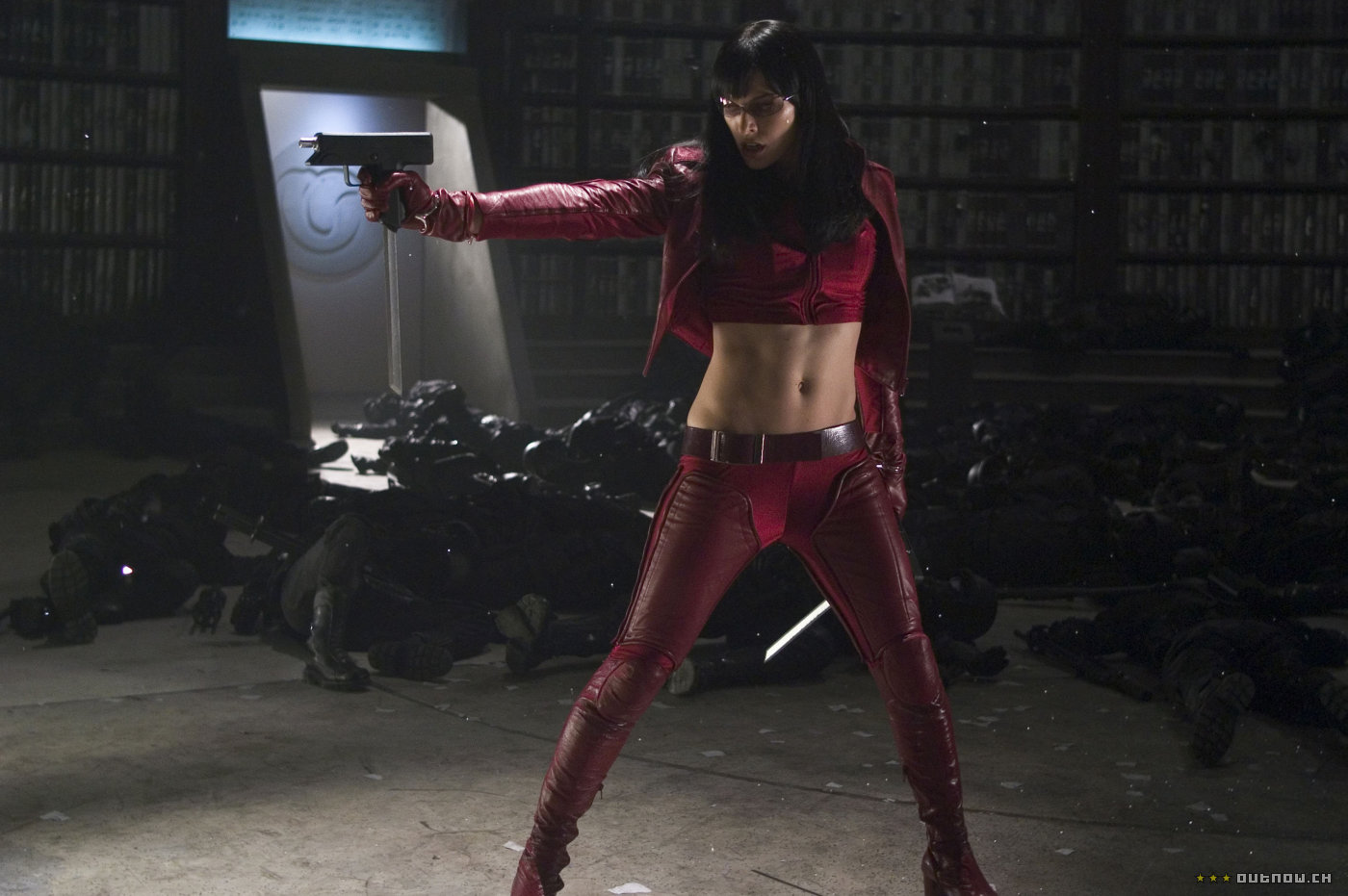
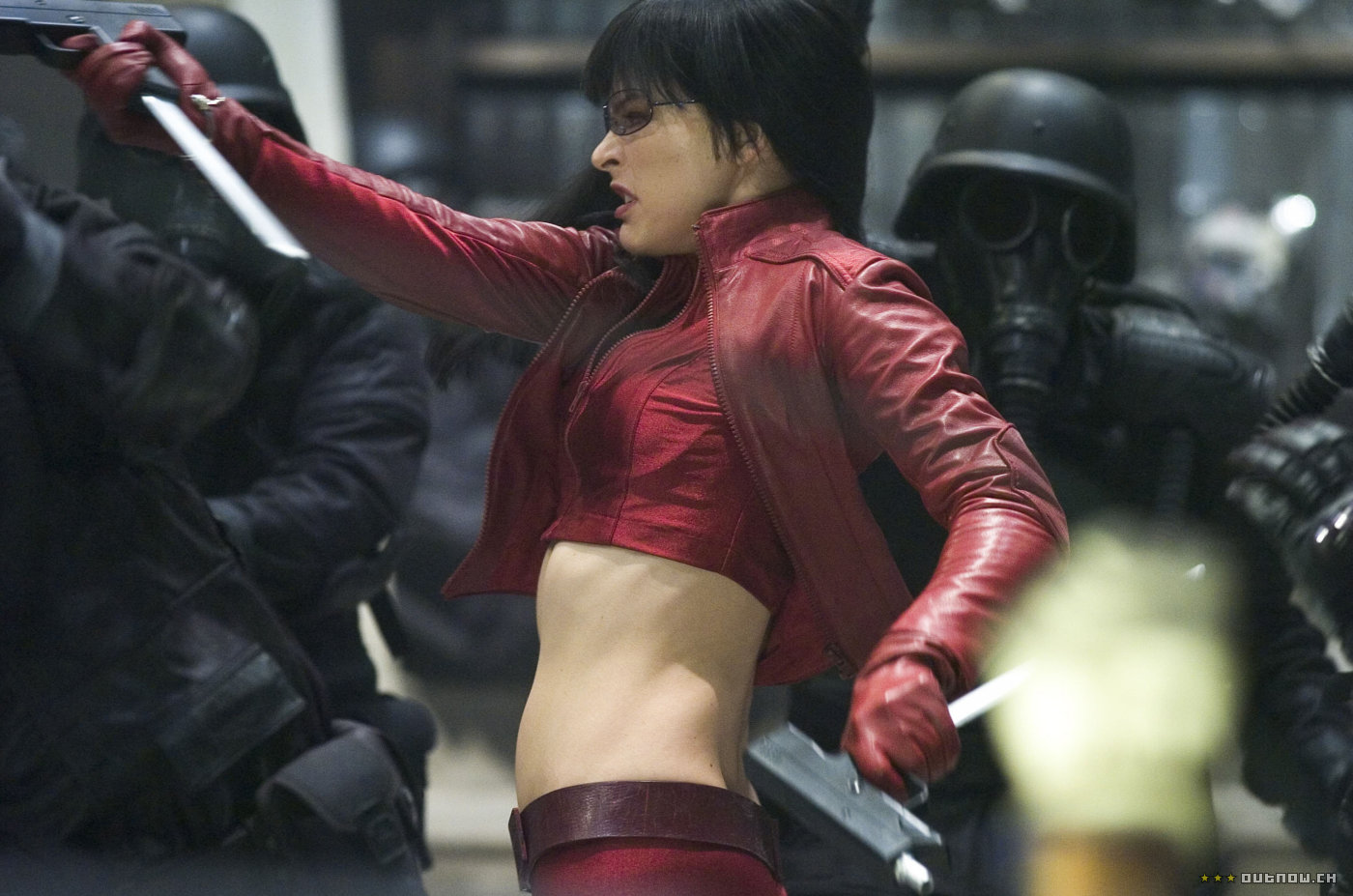
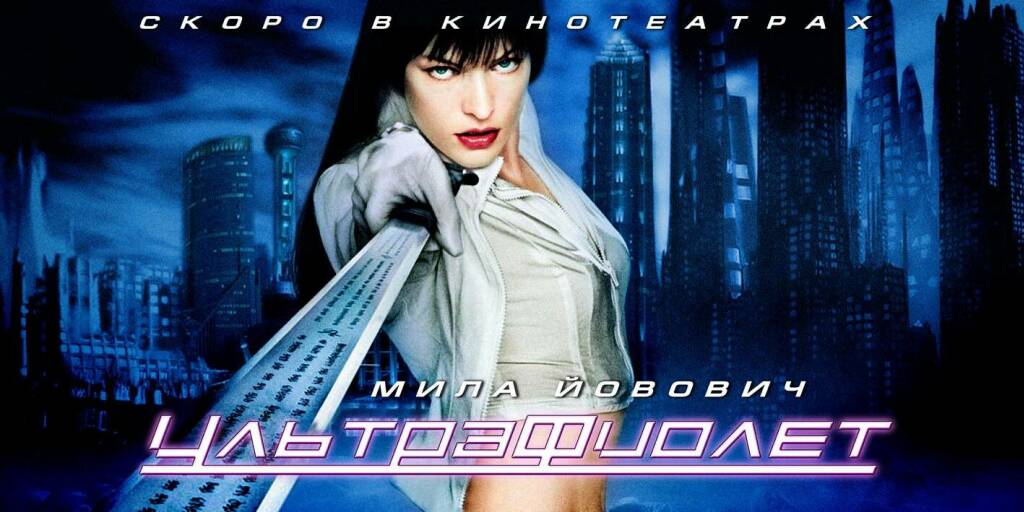
★★★★½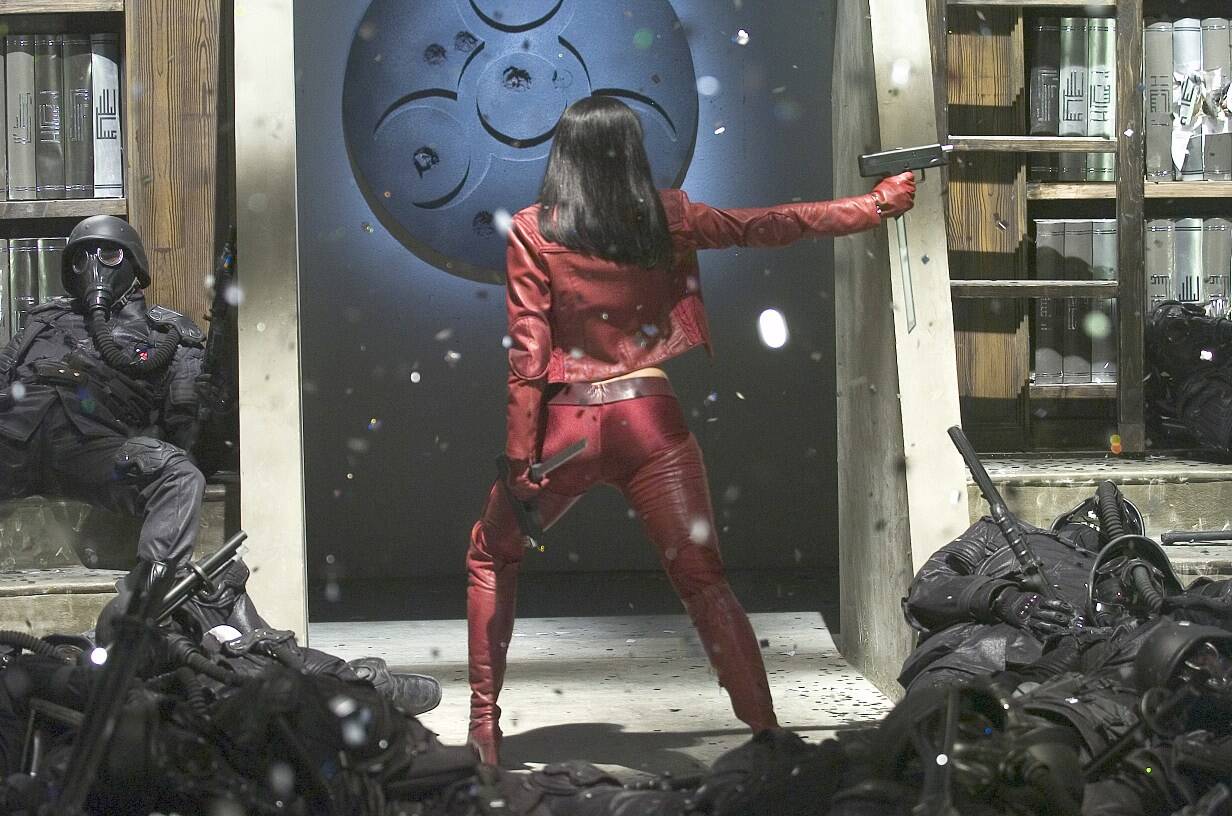 As with Resident Evil, the main asset is Jovovich, who projects just the right mix of chic bad-ass – her belly-button gets so much screen time, it deserved its own credit – with wardrobe and hair changing colour in synch with her mood [and, I believe, it’s far more likely nanotech will be used for this kind of thing than, say, curing cancer] When her co-vampires prepare to take her on, pointing out they’re just as fast and strong as she is, her response is, “Yeah, but are you as pissed-off as I am?”. It’s hard to imagine any other actress who’d come out with such a cheesy line and get away with it.
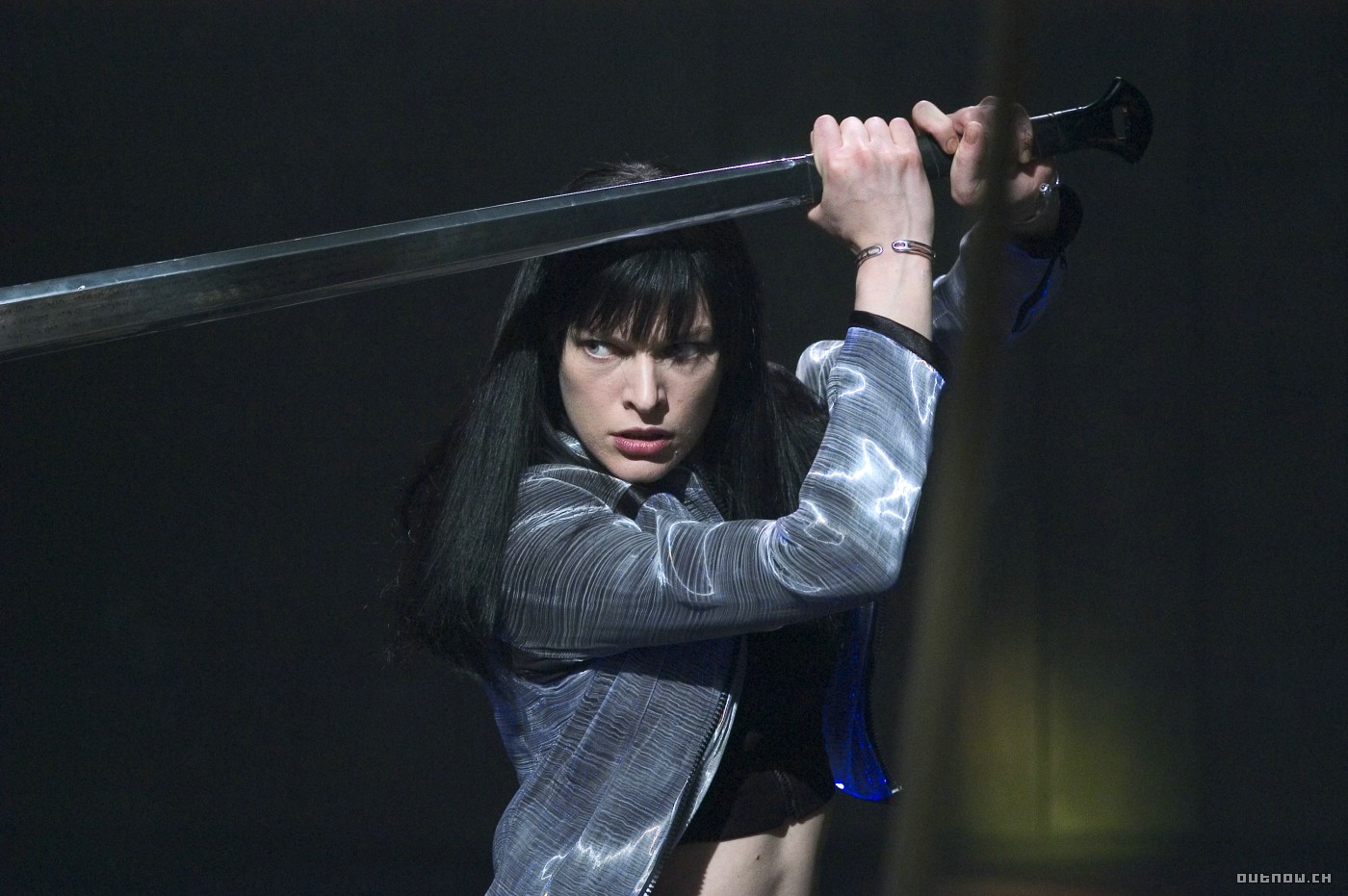
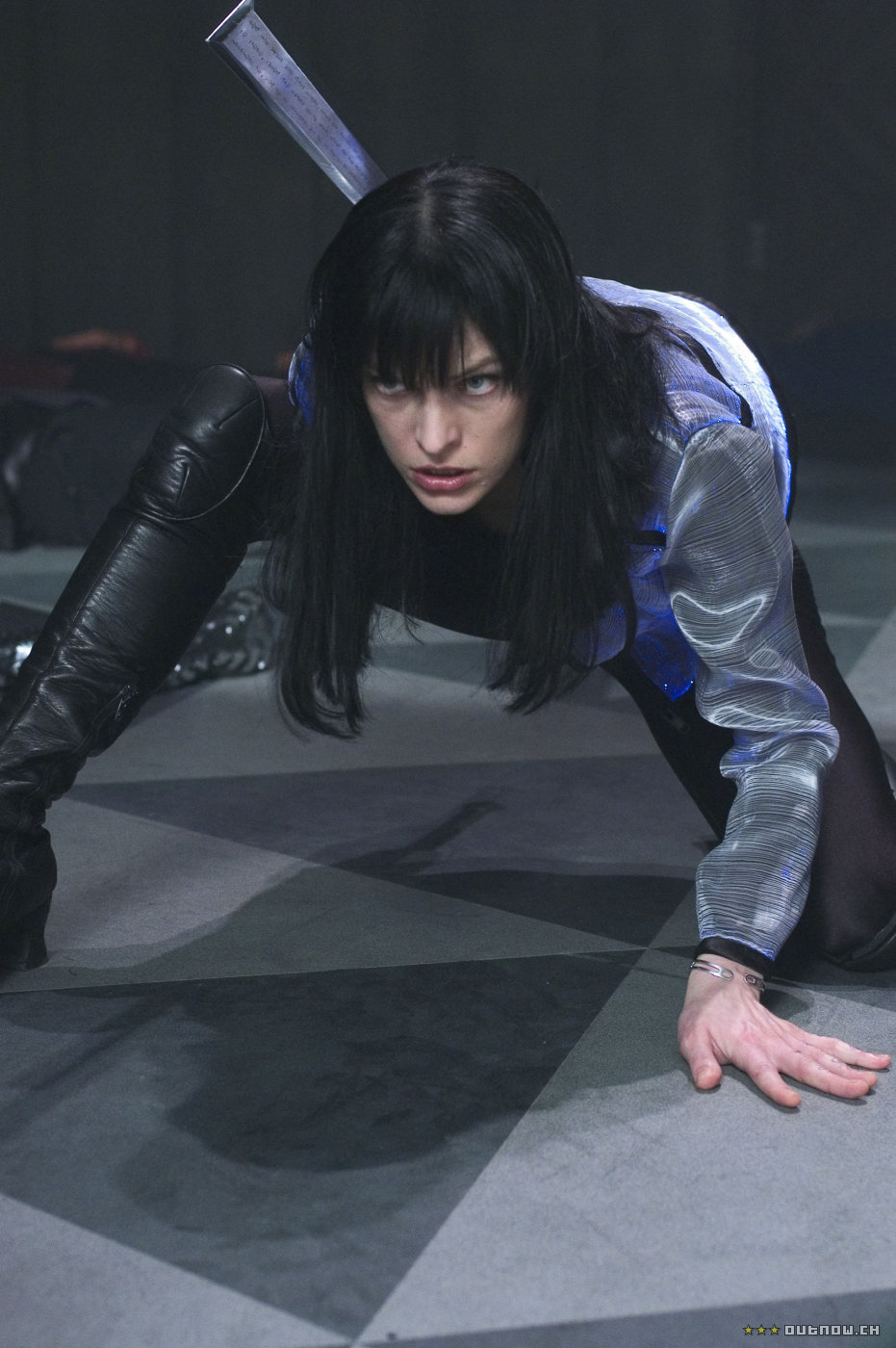
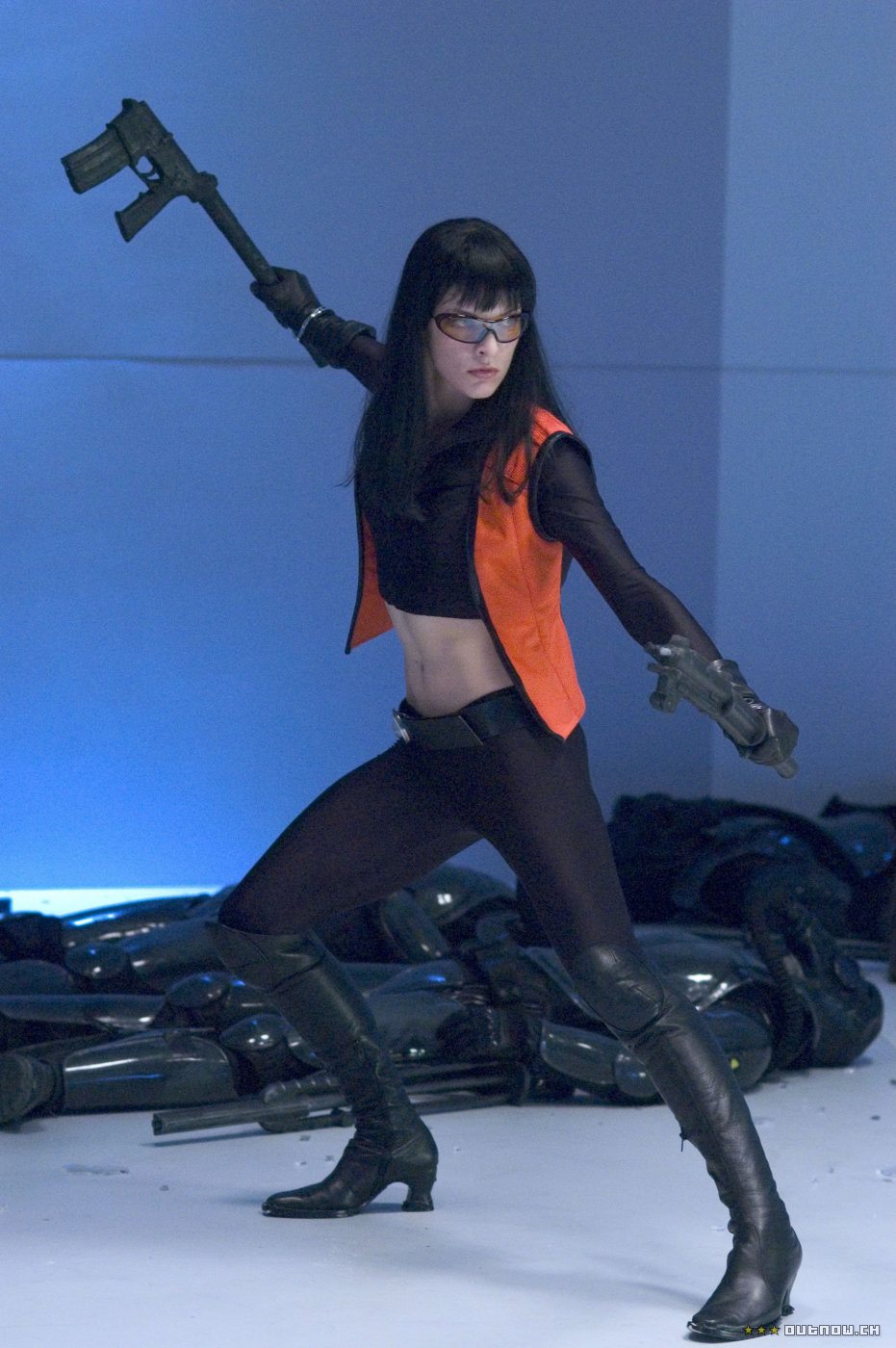
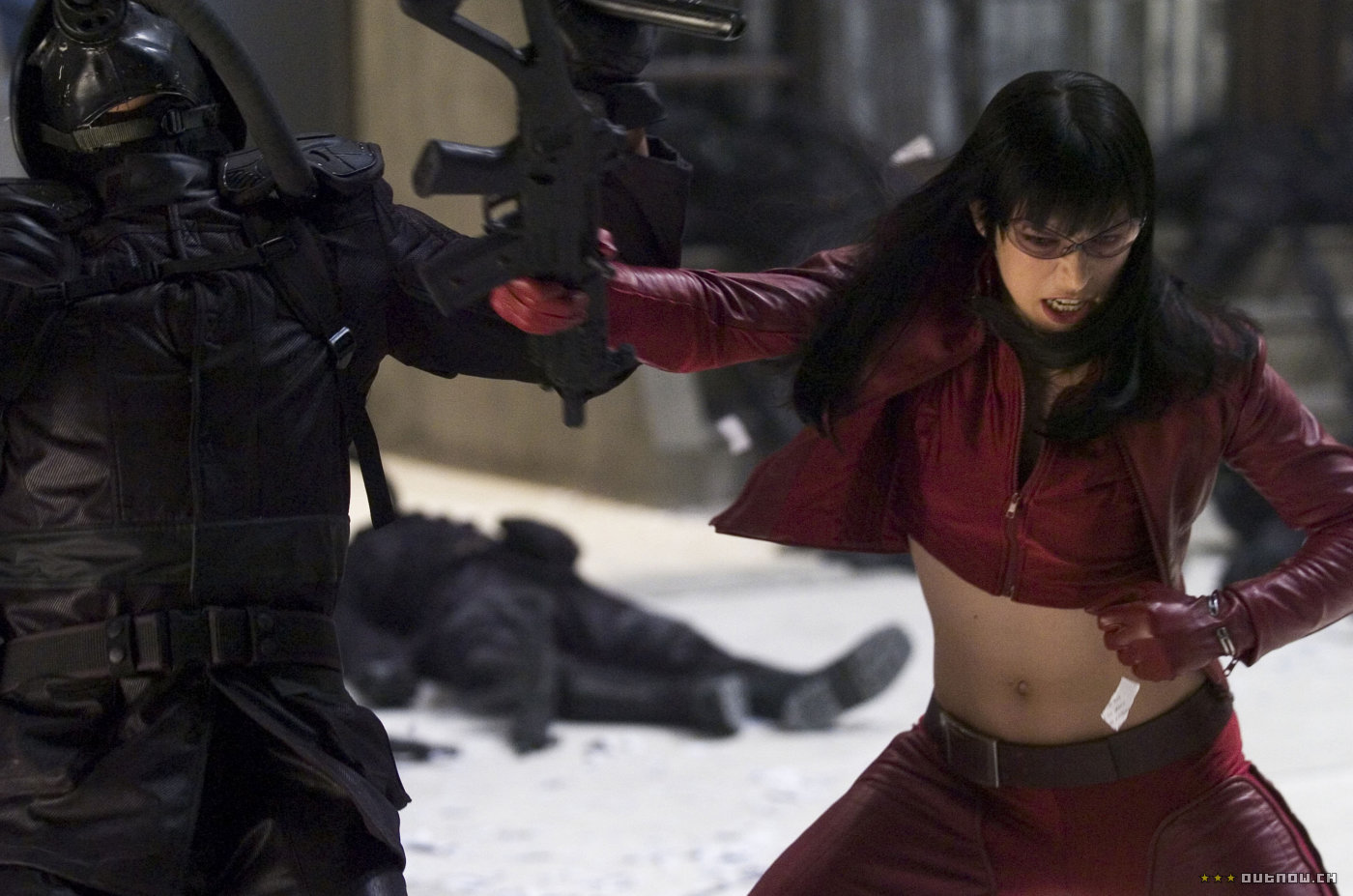
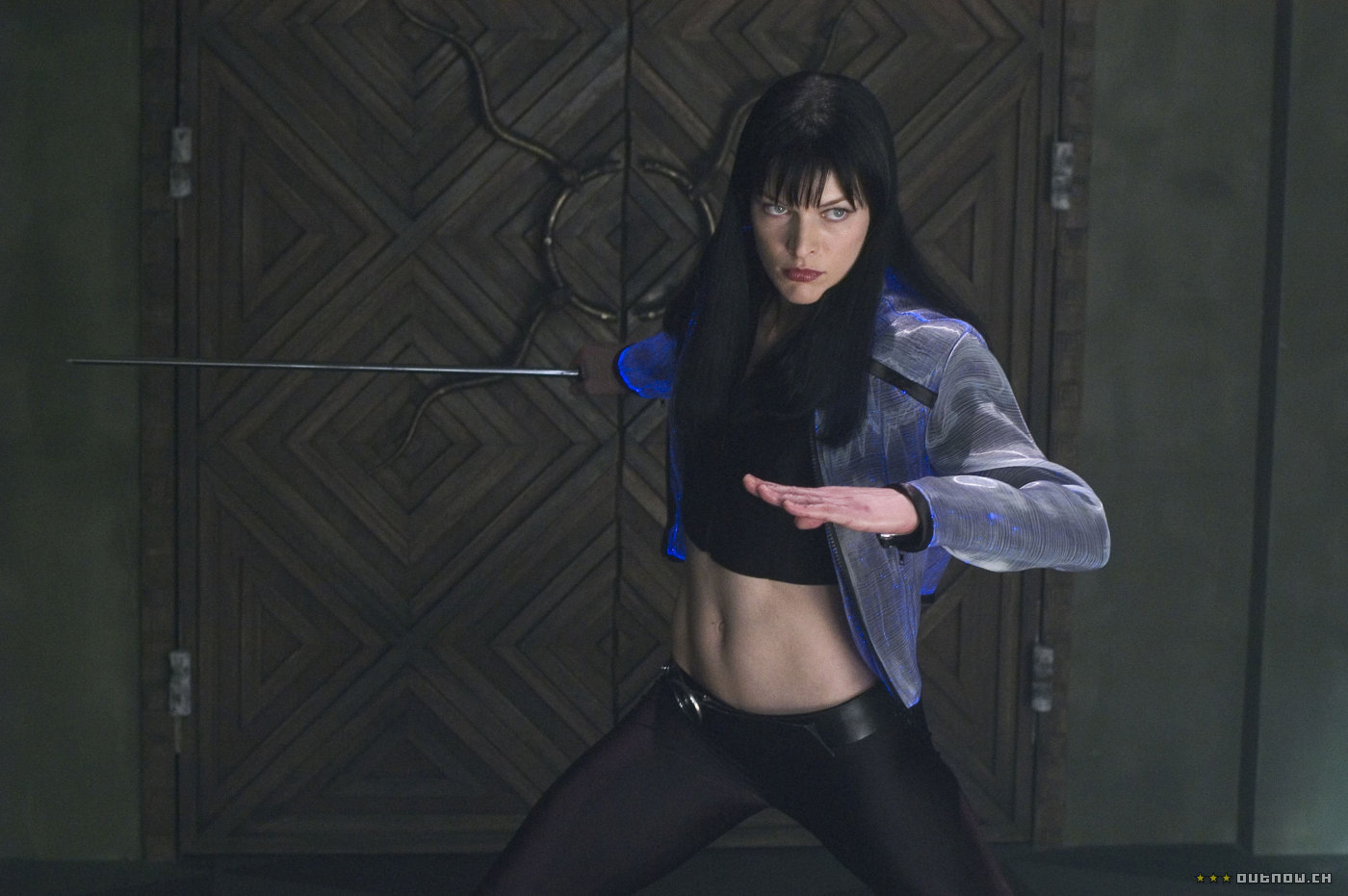
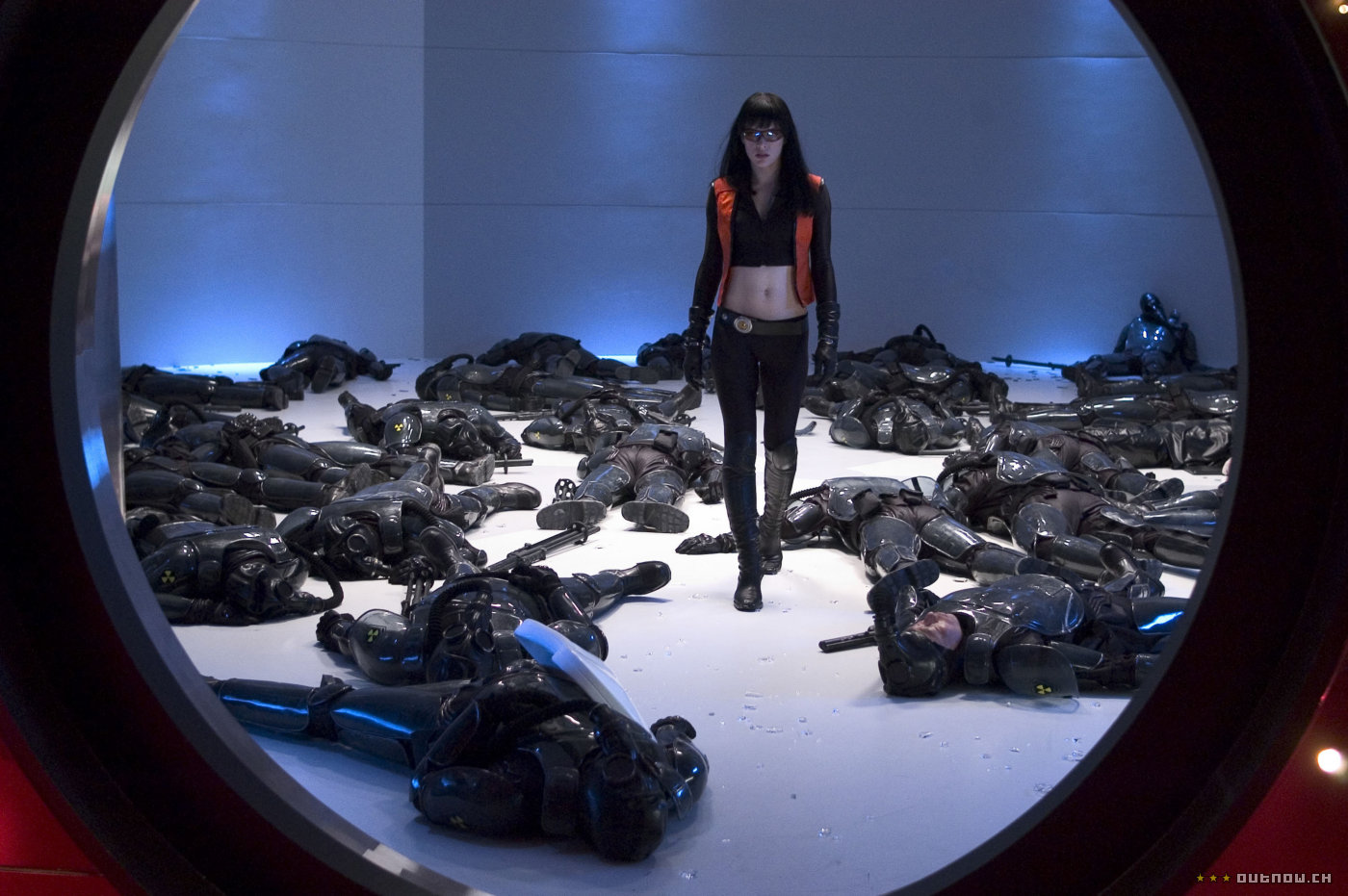
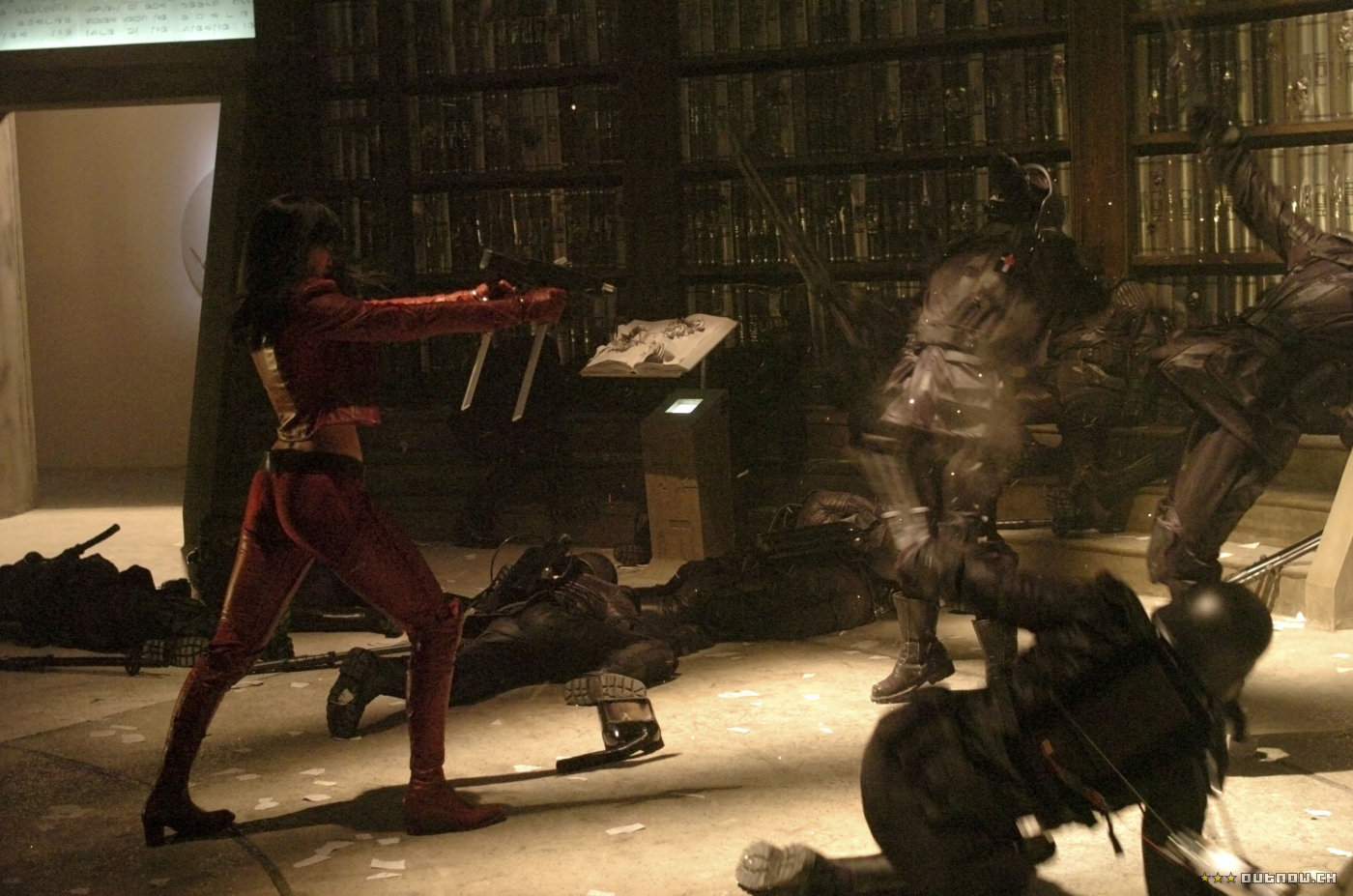
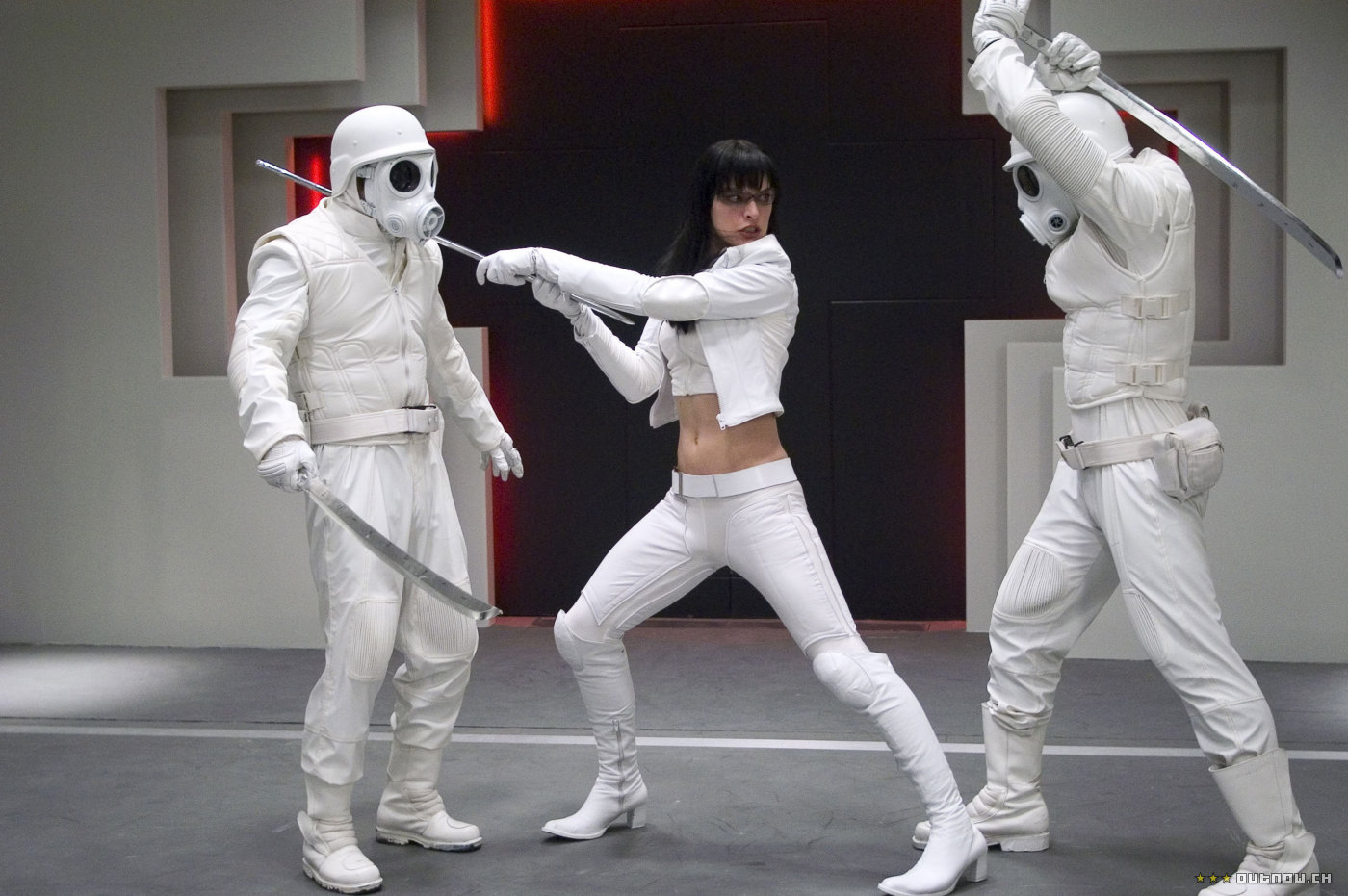
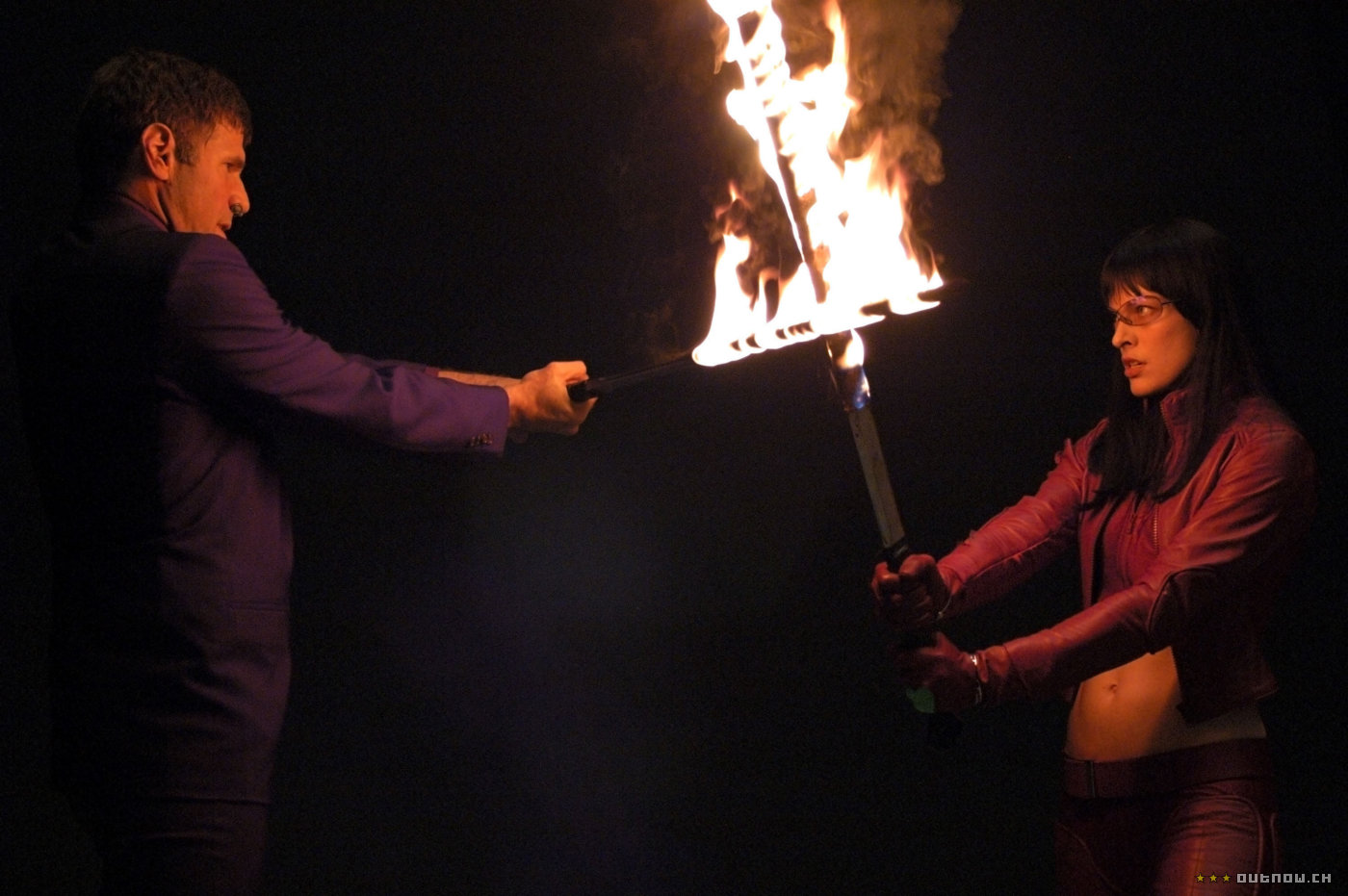
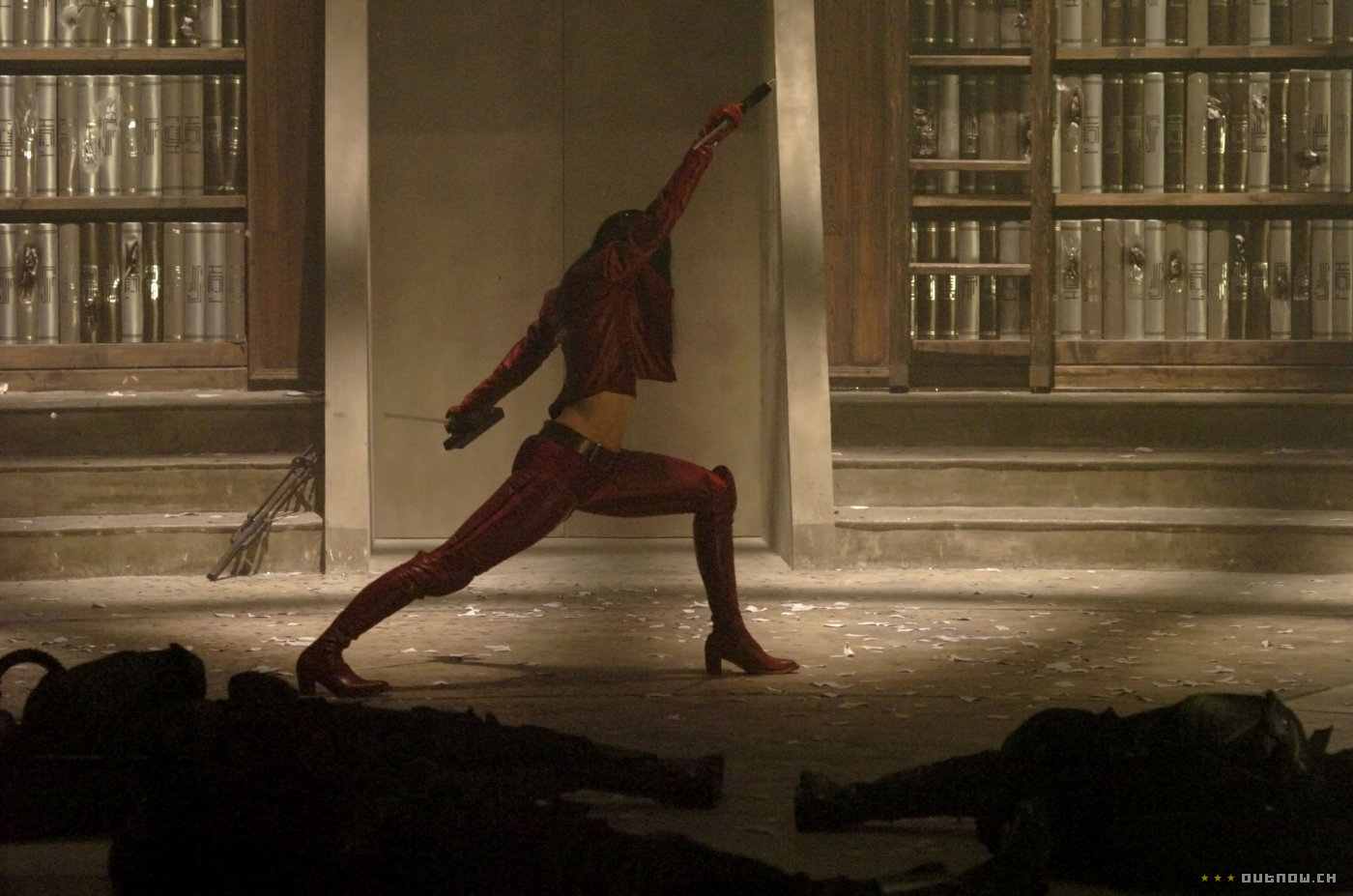
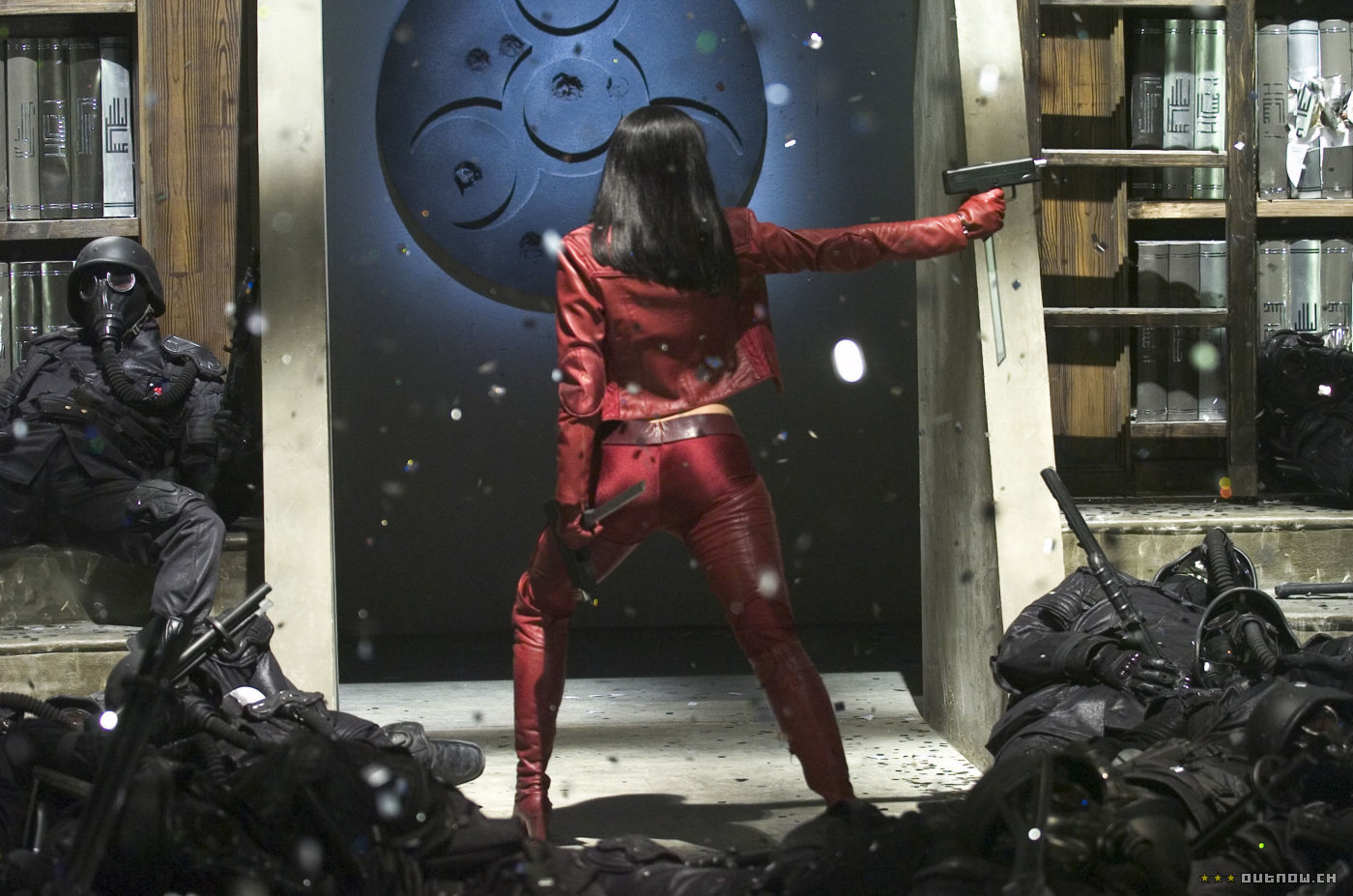
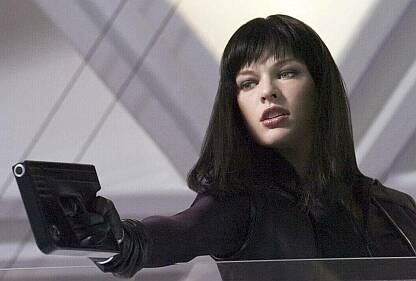 Otherwise, however, the action is excellent, CGI enhancing the impact of the fights. There is a certain sameness, it must be admitted – Violet faces multiple opponents and kicks their arses from here to next week – but Wimmer takes this basic theme and runs enough variations on it that it doesn’t become boring. Visually, it is hard to work out where the sets stop and the plentiful effects work begins (to some extent, that’s true of the supporting cast as well, who don’t have really have much to do, and may be avatars). Either way, it looks fairly good, given the budget: as noted, it isn’t going for photorealism, though the motorcycle chase did look more like an Xbox game. But even little things like disposable mobile phones, indicate genuine thought has gone into the edges. Perhaps more so than the plot, truth be told.