




Literary rating: ★★★★★
Kick-butt quotient: ☆☆☆☆½
 Although I first experienced this series through the two sequel novellas, this second installment of Armstrong’s Nadia Stafford trilogy would be best read after the series opener, Exit Strategy. References are made to events in the first book, and to parts of Nadia’s backstory which are detailed there, and these are much more meaningful if you’ve read the first installment. Even more importantly, Armstrong really introduces Nadia’s complex character and current circumstances in depth in the first book; the development she undergoes here presupposes that foundation. (That’s also true for other characters from that book who continue to play roles here; you need the full-orbed picture to understand them.)
Some six months have passed since the events of the earlier novel. Nadia’s kept in contact with Quinn, a U.S. federal cop who secretly moonlights as a vigilante assassin. He’s romantically interested in Nadia; her feelings about him are more ambiguous (even to her), but she values his friendship. As a teen, she came close to qualifying for Canada’s Olympic distance shooting team. That gives her very formidable skills with a sniper rifle; and when this book opens, she’s peering through the scope of one from a belfry in downtown Toronto. Quinn’s solicited her help with one of his hits. That particular episode, though, is over quickly and painlessly for all concerned. It serves mainly to remind us (and to clue in readers who skipped the series opener) that as fictional female sleuths go, our protagonist is not nearly so law-abiding a member of that sorority as, say, Nancy Drew. She is, however, one who has some investigative know-how, which she’s willing to use in a good cause if it’s needed –and it’s soon going to be, sorely.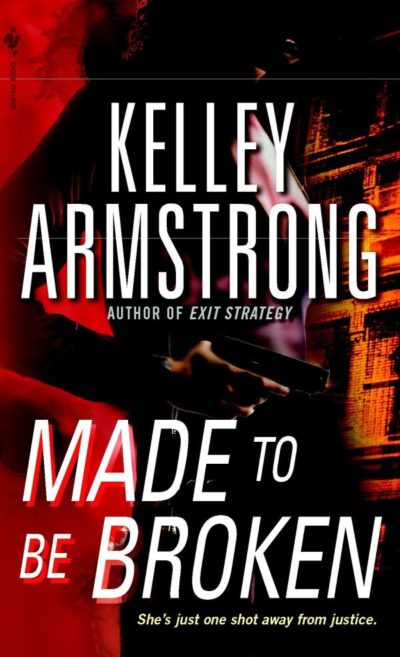 Even with her off-the-books side income, Nadia can’t afford to pay more than a tiny staff at her guest lodge; but out of kindness, she’s given a job as assistant housekeeper to a 17-year-old girl from the nearby small town of White Rock, Sammi Ernst. Sammi’s foul-mouthed, barely literate, and has a chip on her shoulder; the latter isn’t surprising, given her life situation. She’s the out-of-wedlock daughter of Janie Ernst. Both women are widely looked down on in the community –Janie because she’s a drunken, mean-tempered, self-centered deadbeat, and Sammi mainly because she has Janie for an (abusive) mother. Also a single mom herself, Sammi’s not promiscuous like Janie (she had a single affair, with a visiting rich college kid who wasn’t interested in marriage or fatherhood, and left her to bear his unacknowledged daughter alone); and also unlike her own mom, she genuinely loves baby Destiny, and wants to work to support her, rather than making a dead-end career out of welfare dependency as Janie has.
When, soon after Nadia’s return home, Sammi and Destiny don’t come back from their usual evening walk in the woods, there are things that strongly suggest to our heroine that their disappearance wasn’t voluntary. But White Rock’s police force is small, not especially competent, and has other priorities; and the two senior officers despise Nadia because of the way she was kicked out of the force years ago, so aren’t disposed to take anything she says seriously. As far as they’re concerned, Sammi obviously just ran off; because, hey, that’s what trashy teens can be expected to do, right? Most of the townsfolk are quite content with that explanation. (Janie’s only feeling about the matter is anger at losing the rent money she charged the girl.) Of the few who aren’t, Nadia’s the only one actually capable of looking into the matter. But though Jack’s been out of touch for about six months, he’ll soon be at the lodge recovering from a broken ankle. (And don’t forget about Quinn, either.)
This is a gritty, page-turning mystery, reflecting the violent stylistic school associated mostly with American writers (rather than the more cerebral traditional school of Doyle and Christie). A number of people are going to die here, not all of whom deserve to, because we’re dealing with ruthless villains with no consciences. (While this is fiction, it looks at a dark underbelly of anomic modern society in a way that could easily be true.) And Nadia being who she is, the mode of dealing with some of these types may be with the business end of a pistol. As another reviewer commented, her ethics and moral compass may not be something all readers endorse (I don’t, as such –and Nadia doesn’t claim saint status for herself, either).
But she does HAVE ethics and a moral compass; and for me, the way she sincerely tries to grapple with balancing it with the realities of a very grim world, in which the law doesn’t always serve justice or protect the helpless, is one of the great strengths of the series, and a source of its considerable emotional power. That’s as true of this book as of the others. Despite the body count, there’s no wallowing in blood and gore, and no sex as such, though there are a few “sexual situations.” Romantic feelings and angst are not a major strand of the plot here. Nadia’s narrative voice, IMO, is perfect for these books. The one negative is the amount of f-words and profanity from some characters, especially Jack. I admit that this is “realistic” for speakers who are steeped in this milieu, and have the backgrounds that some of them do; but I don’t really need that much pedantic realism. But the strong character portrayals and serious moral reflection here earn the book its stars despite that factor.
Author: Kelley Armstrong
Publisher: Bantam Books; available through Amazon, both for Kindle and as a printed book.
A version of this review previously appeared on Goodreads.
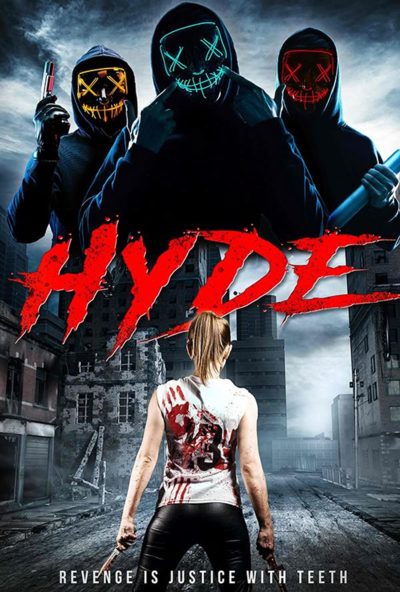 This gets off to an impressive and intriguing start. Cora Fisher (Pribilski) has a perfectly normal life. Then, she’s involved in a car crash. The next thing she knows, she wakes up in a hospital bed. Oh, to which she is handcuffed. Before she can come to terms with that, she is informed that ten years have passed. And completing the triple-whammy, Texas Ranger Jim Krueger (Llorens) enters, and tells Cora he’s going to make sure she gets the death penalty for the murders she committed. It’s safe to say, the movie has successfully gained my attention by this point. Guided by mysterious cellphone texts, Cora escapes the hotel and goes on the run, seeking to find out the truth about what happened.
  I will say, I did actually enjoy this rather more than the rating above indicates. For pure entertainment value, it’s a 3 to 3½-star entity, when watched as a brutal parody of new feminism. The problem is, I don’t think those involved with it were making a parody. As a serious statement about gender, it’s almost impossible to take seriously. Alexandra Nelson (Cotter) is at the end of her tether, when she gets a call that her long-estranged mother is dying. Driving home to pick up the body, she finds it being hustled out the back of the crematorium. Turns out to be part of an organ harvesting scheme, run by the local crime bosses. This gives Alex something to live for, and she begins a one-woman campaign to take down the perpetrators. But that’s a mission which will drag in her estranged sister, bikini barista Jenny (Gately), into peril as Alex’s targets respond to her actions.
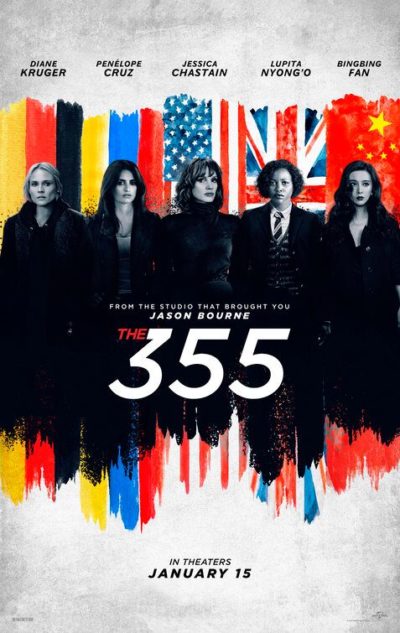 I went into this preparing to hate it. There had been red flags all over the place, such as star and producer Chastain coming out with comments about her movie like, “It’s very important for society. We’ve moved against the status quo, and we’re creating our own narrative for it. The film is, in some sense, a political act.” Uh-oh. No film is
 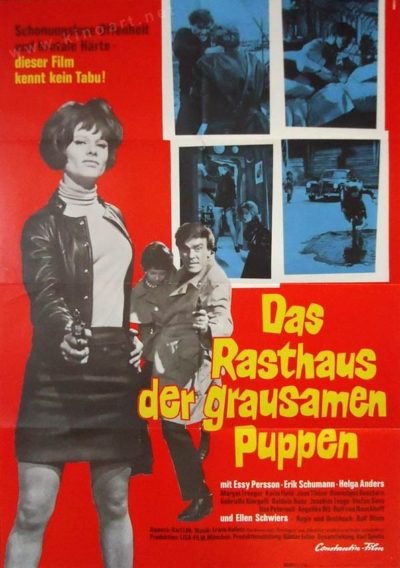 I’m usually not a too big fan of trash movies, because a lot of them are not so much trashy, as they are boring. Nevertheless, I’m always in for a good, entertaining bit of trash, as long as I don’t find it
 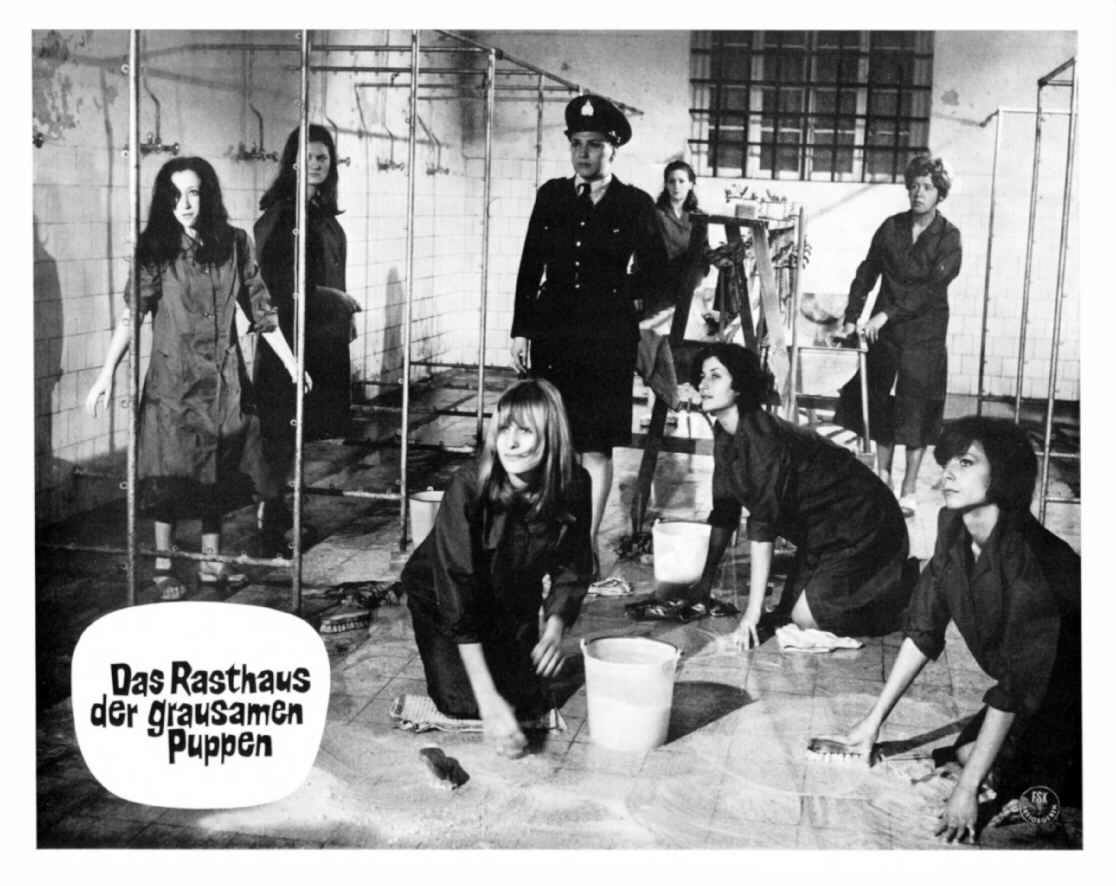 The setting and style – production design, costumes, cars – reminded me strongly of the Edgar Wallace movies. At the same time, you see women appearing as erotically as they could without ever being nude. Add to that the typical wooden acting of an Edgar Wallace movie, and you have an involuntary comedy of the highest order. I was screaming my head off because I found it hilariously stupid, especially when some of the actors tried to be “very emotional” and over-acted, without being able to be convincing. Also, I had to laugh at Betty killing off nearly everyone who has the misfortune to be in her line of fire. She is very trigger-happy and has a tendency to shoot first and ask questions… never.
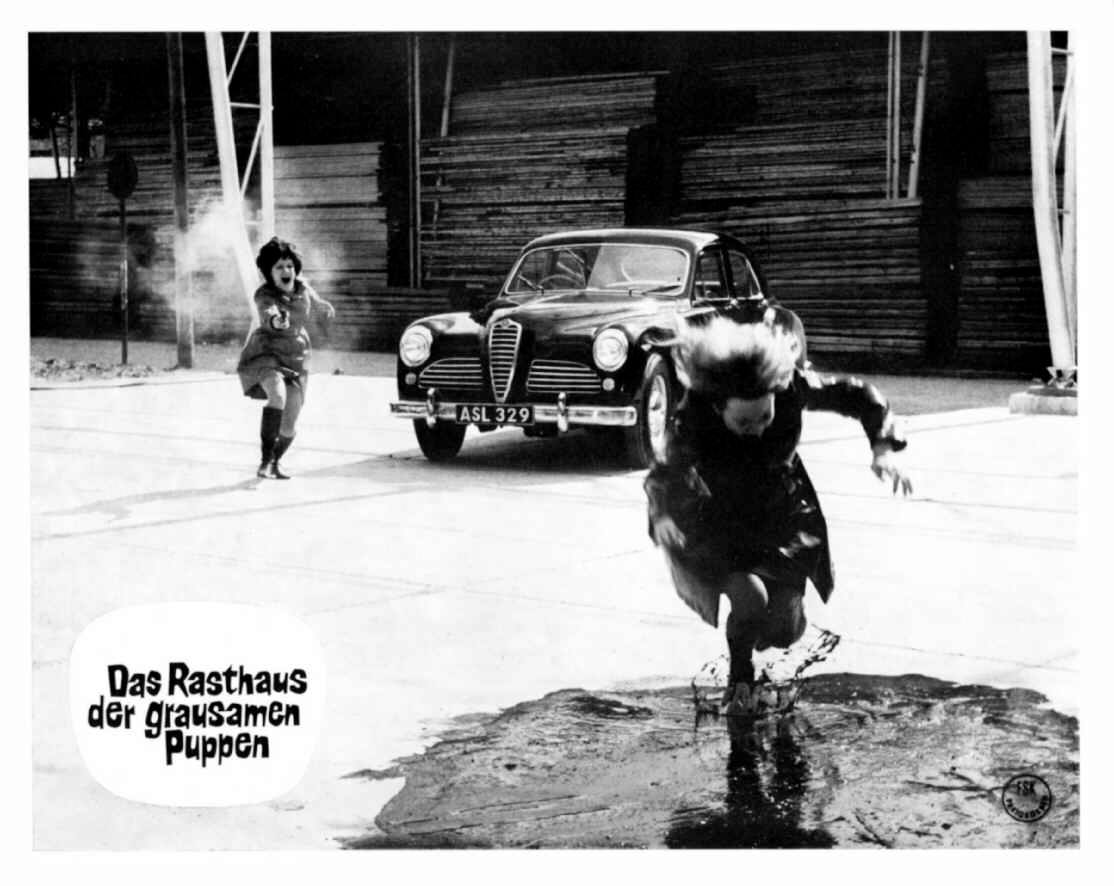 No, this is to be taken as seriously as long-running German TV series Hinter Gittern (Behind Bars), about a women prison. Which means: not at all! I always thought this genre came into existence in America in the 70s, having seen movies such as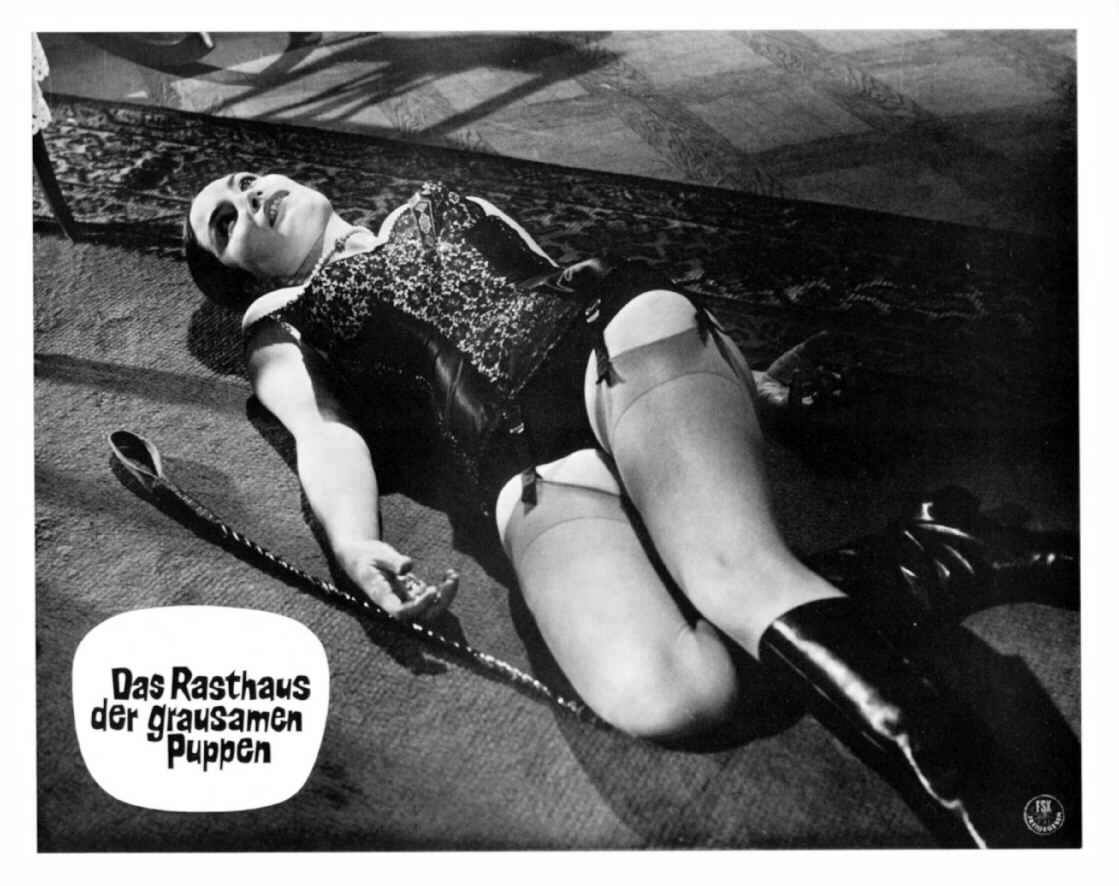
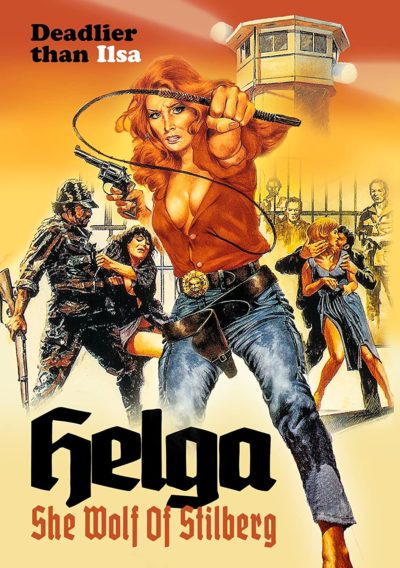 I guess this shows that the concept of the “mockbuster” is not something invented by The Asylum. This came out in 1978, the year after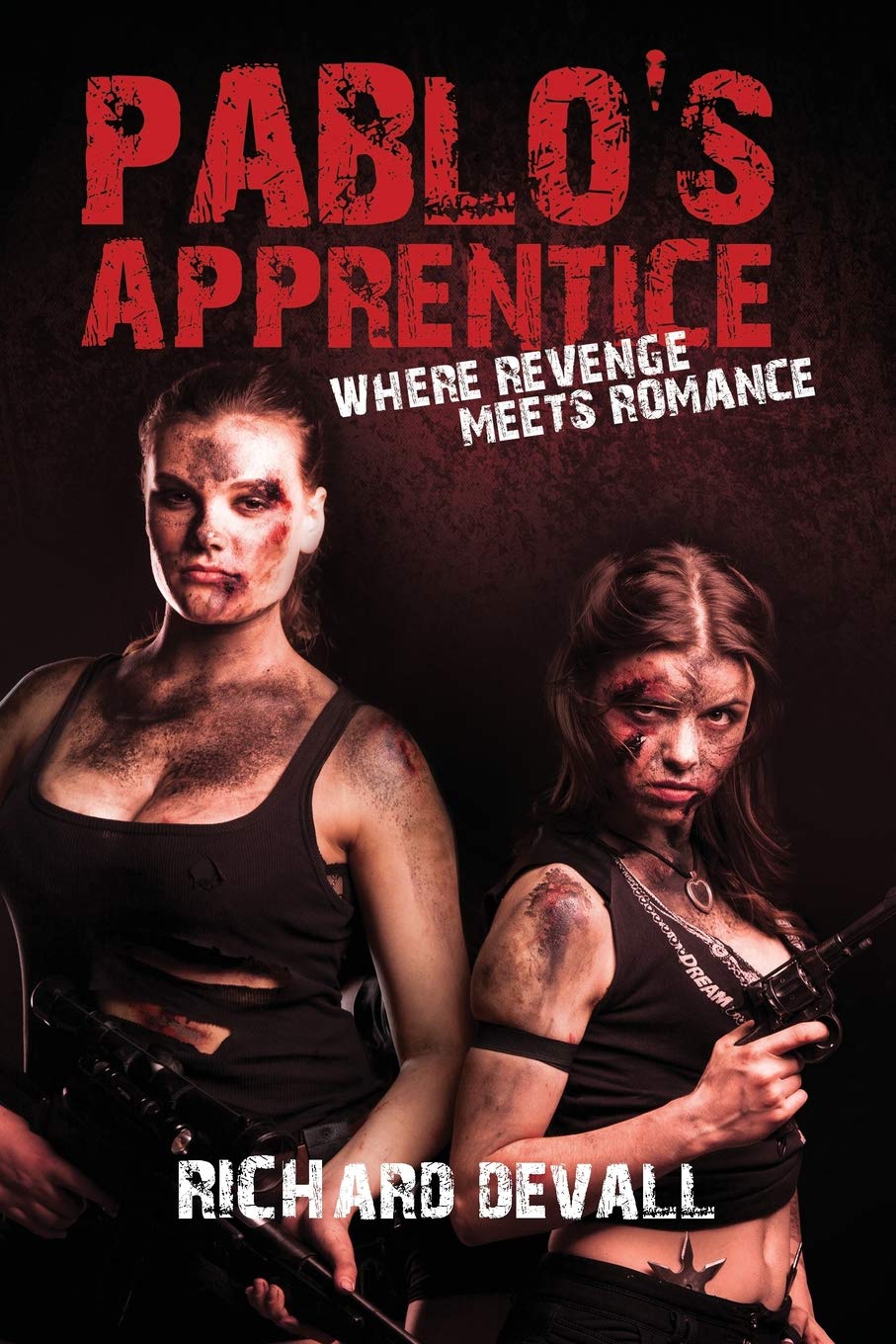
 There’s a decent idea here, and an attempt to add some new wrinkles to that old reliable, the rape-revenge genre. Unfortunately, there are too many problems and missteps to make this a worthwhile entry. Violet (Winkler) is an aspiring actress, whose dreams are shattered when she falls for a fake audition. She is lured into a basement, raped, and the resulting footage posted on a highly-dubious website. She’s clearly broken by the trauma, to the increasing worry of her mother (Burns). But hope is present in her growing relationship with Josh (Crowe), a young man she met at the lake where Violet likes to sit, trying to find some measure of peace. However, how will he react when he finds out about her other life, in which she is making those responsible for the assault, pay.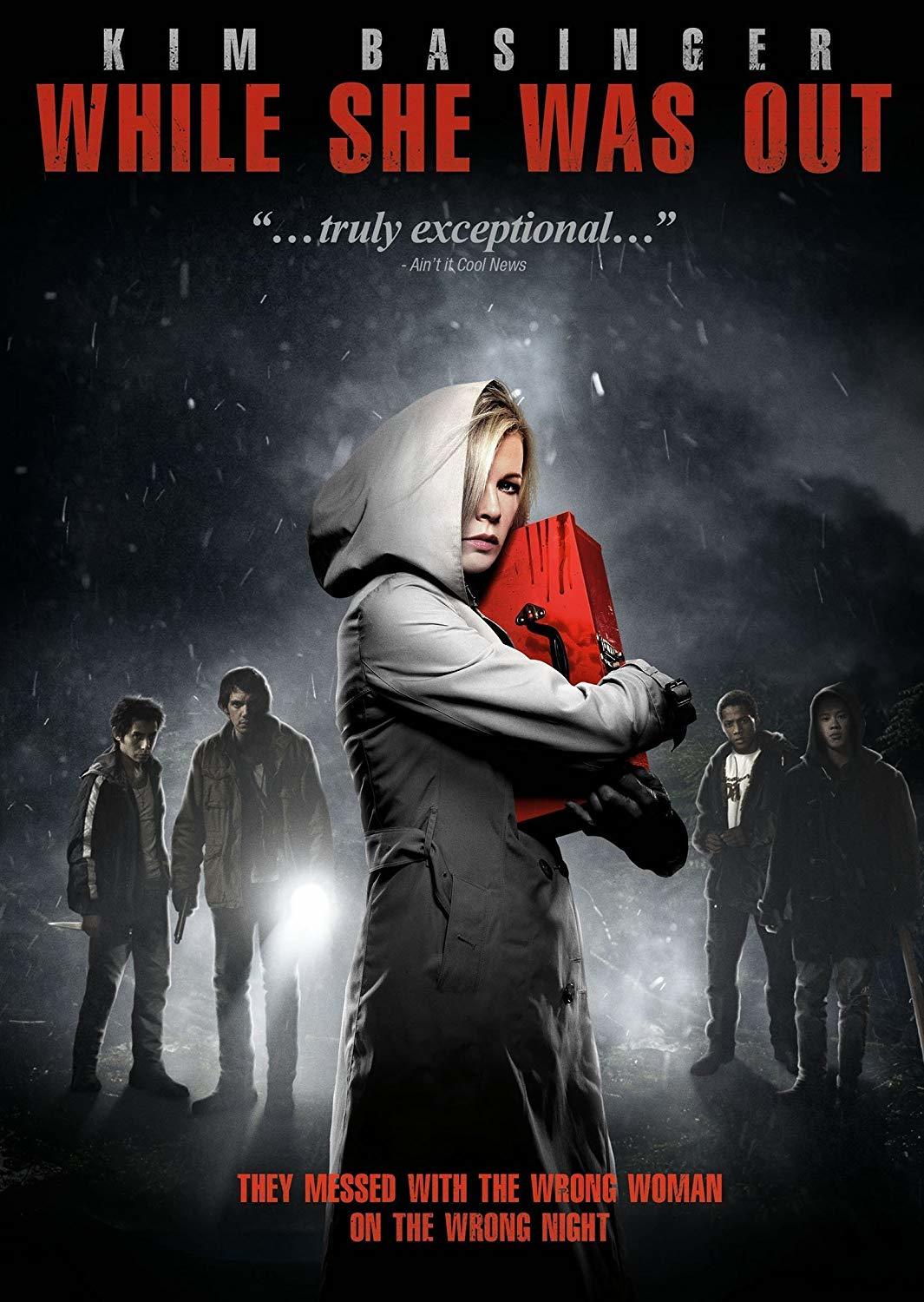
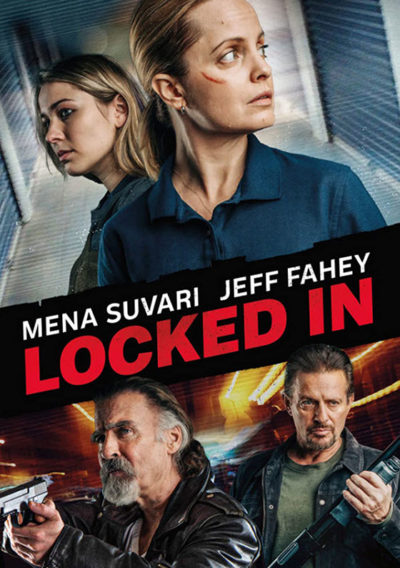 I am old enough to remember when Suvari was playing jailbait in American Beauty. It is therefore a bit disturbing to find her here, taking on the role of the mother of a seventeen-year-old daughter. Where has the time gone? But then, it has now been approaching 23 years since Beauty came out. This realization is probably more chilling than anything this technically competent, but almost entirely lacklustre thriller is able to deliver. It starts off with an interesting premise, and even has some not commonly-seen elements in its heroine. But the longer this goes on, the more it feels rote and by the numbers, without enough to differentiate it from other, better entries in the (more or less) Die Hard knock-off sub-genre.