



★★★★
“Known as Terminator Woman in Spain, I can see their point.”

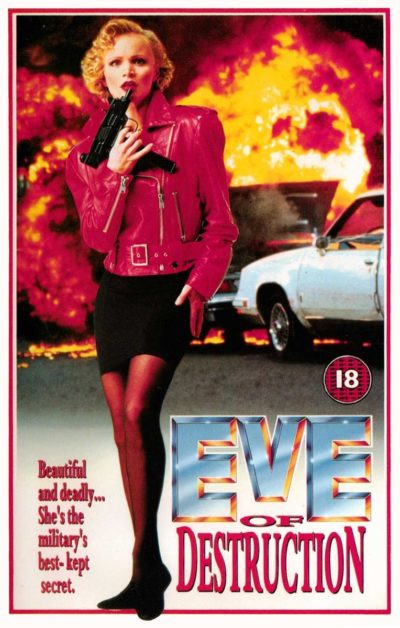 While undeniably a product of its time – which would be 1991 – this has stood the test of time very well, and remains a solid piece of action SF. Eve Simmons (Soutendijk) is a researcher working for the US government on creating life-like robots for surveillance missions, and her creation, Eve VIII, not only looks like her, but has her memories and psychology too. When on a test run in San Francisco, Eve VIII is caught up in a bank robbery and a bullet sends her off the grid, and on her own mission. Jim McQuade (Hines), something like a proto-Jack Bauer, is brought in to track down the lost little robot, who has all of her creator’s complexes, but none of the social restraints, leading to a fondness for automatic weapons, which she uses with abandon as she works out her psychiatric issues [cheaper than counselling, and a good deal more fun]. Oh, and Eve VIII also has a nasty little surprise package tucked away inside. It’s up to McQuade and Simmons to stop the killing machine before things really get out of hand.
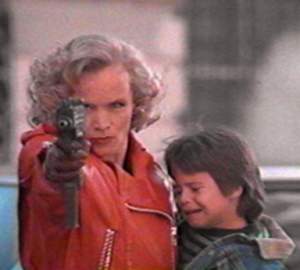
Former pop-video director Gibbins [he did Wham’s Club Tropicana] makes a smooth transition to the action genre, and keeps things moving at a fine pace. It’s Soutendijk’s first European role – or rather roles, since she plays both human and cyborg, and she does a good job of splitting and defining them. Eve VIII has the kind of unfettered approach that’s fun to watch, wielding a Mac-10 with delightful abandon, and the image of Soutendijk in her red leather jacket, blazing away, is justifiably an icon of the genre. I particularly recall seeing the cardboard standee in the video-store which advertised the film. Sure, there are a number of convenient plot-holes [it’s never quite explained how Eve VIII tracks down her father through an army associate] and occasionally the budget and effects don’t prove quite up to the ideas the script wants to express. The subplot involving Eve’s son learning about genitals should probably have been removed entirely too: in these more-sensitive days, it comes across as creepy rather than anything.
 But as a straightforward B-movie, it works nicely, with Hines having a nicely sardonic wit: “A spinach lasagne, in a light tomato and basil sauce,” is the reply, when Simmons asks dubiously what is McQuade’s “specialty” as a government agent. I’m still trying to work out if the film is feminist or chauvinist: you could read it either way, with the ‘liberated’ (if robotic) woman a free spirit, though the ending firmly puts Even back in her place, to say the least. She also emasculates one man, somewhat familiar territory for Soutendijk, who previously wielded a scissors to leg-crossing effect in The Fourth Man. Gibbins, meanwhile, died in the 1993 Hollywood fires, while trying to rescue a cat. Guess there’s never an unstoppable robot around when you really need one.
Dir: Duncan Gibbins
Star: Renee Soutendijk, Gregory Hines, Michael Greene, Kurt Fuller
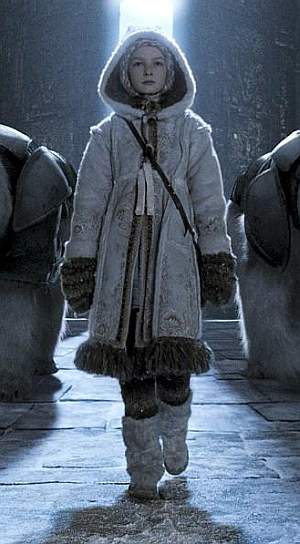 There aren’t that many decent action heroine films for kids: much as I love Bloody Mallory or Kill Bill, they aren’t really child-appropriate. At the other end, films like the Harry Potter or the Narnia series, while containing female characters of some importance, sideline them in favor of the boys. That makes this a refreshing breath of fresh air, in that the heroine is firmly front and center as she goes through her adventures. It’s set in an alternate universe where people’s souls take the form of animals that accompany them everywhere, known as daemons. Childrens’ daemons shapeshift, but adults’ ones are static in form. Things are run by an authoritative group called The Magisterium, but Lord Asriel (Craig) who has found “dust” in a far Northern land, that could challenge the established order – the Magisterium have been kidnapping children for use in human experiments to counter dust. Into this is dropped Asriel’s niece, Lyra Belacqua (Richards), who is given the last golden compass, a device able to answer any question in the right hands. she is about to head North with Mrs. Coulter (Kidman), only to find she has a central role in the kidnapping – as Lyra’s best friend has now vanished, she bravely heads off, initially on her own, to rescue him.
 Khaled became internationally famous in 1969, for hijacking a TWA flight from Rome to Athens, diverting it to Damascus, where it was blown up – after everyone had been taken off [this was a kinder, gentler era of terrorism]. She then underwent plastic surgery to conceal her identity, and the following year tried to hijack another plane. However, air marshals shot her colleague and captured Khaled, who was taken into custody in London, only to be released soon afterwards as part of a prisoner exchange. She returned to the Middle East, her sky-piracy career at an end, but became an icon of the Palestinian movement, and remains active in it to this day, despite travel restrictions. The Guardian wrote of Khaled in 2001,
 A fascinating and complex character, it can’t be said that much of the complexity – both hers, and the entire Middle East situation – comes across in this documentary, less than a hour long. You get a quick romp through her early history, her family’s departure from then-Palestine just after World War II, both hijackings, and then we leap forward to the present day, where she’s a mother and works for a political group. There are some interesting moments, such as where she draws a line between what she did, and the 9/11 hijackings: “I don’t agree with the murders of civilians, no matter where in the world”, and she’s been consistent in expressing that. More probing questions would have been welcome: instead, Makboul – brought up in Sweden by her Palestinian parents – admits to having been basically a fan. She interviews others involved in the hijacks, such as a stewardess and the crew, and follows Khaled on a trip to the Chatila refugee camp in the Lebanon, but the film ends abruptly, just as she asks Khaled about the negative image of Palestinians as terrorists that she helped create.
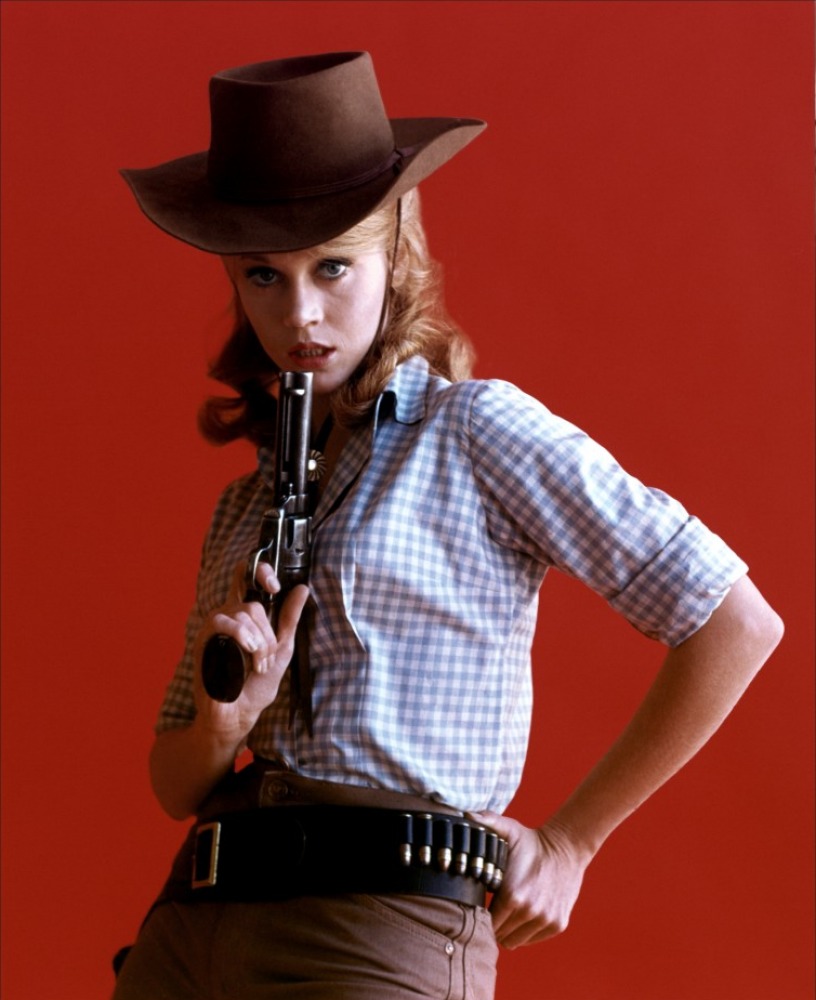
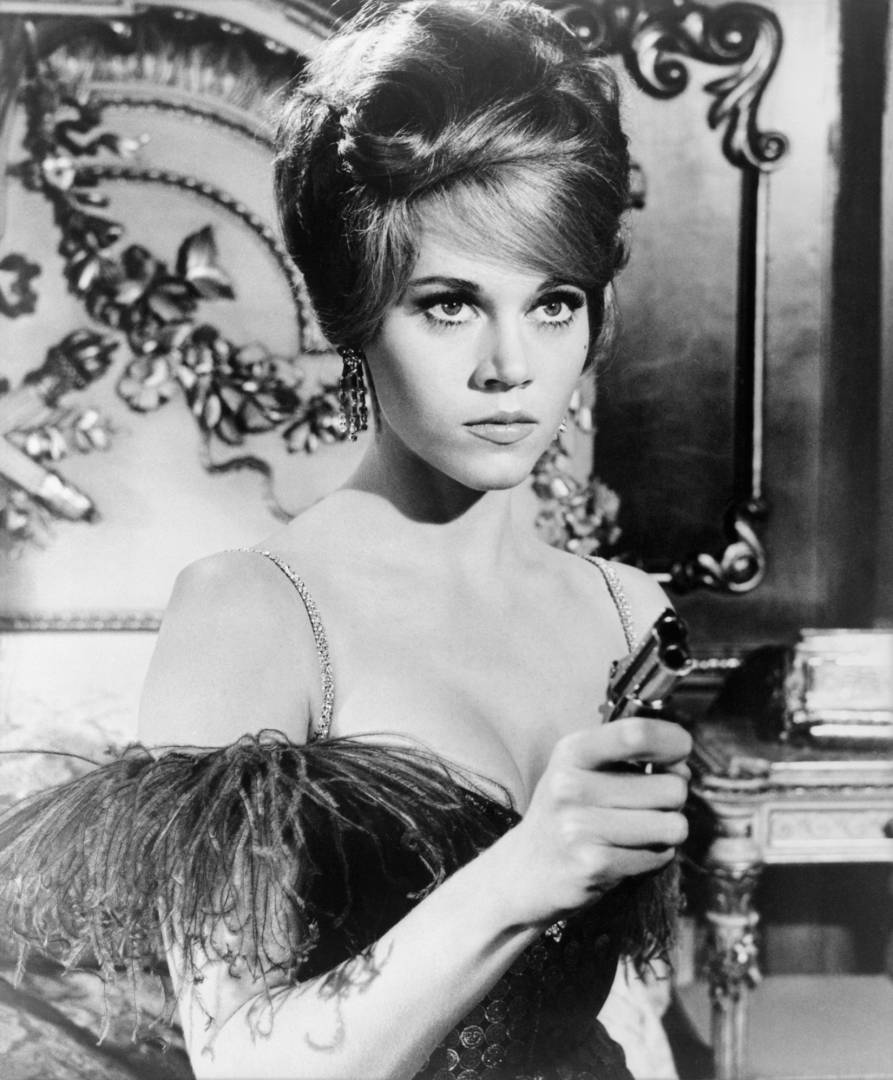
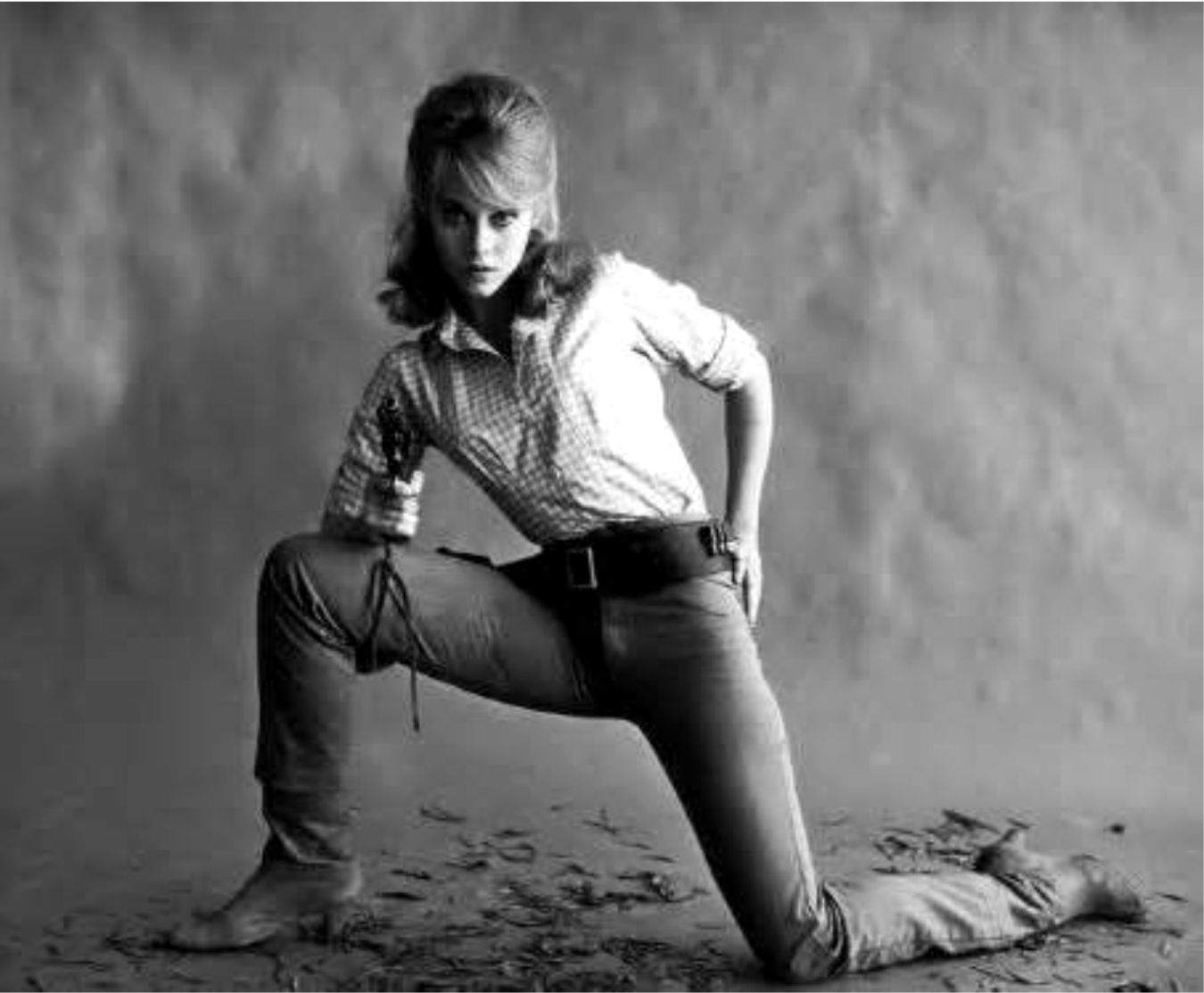
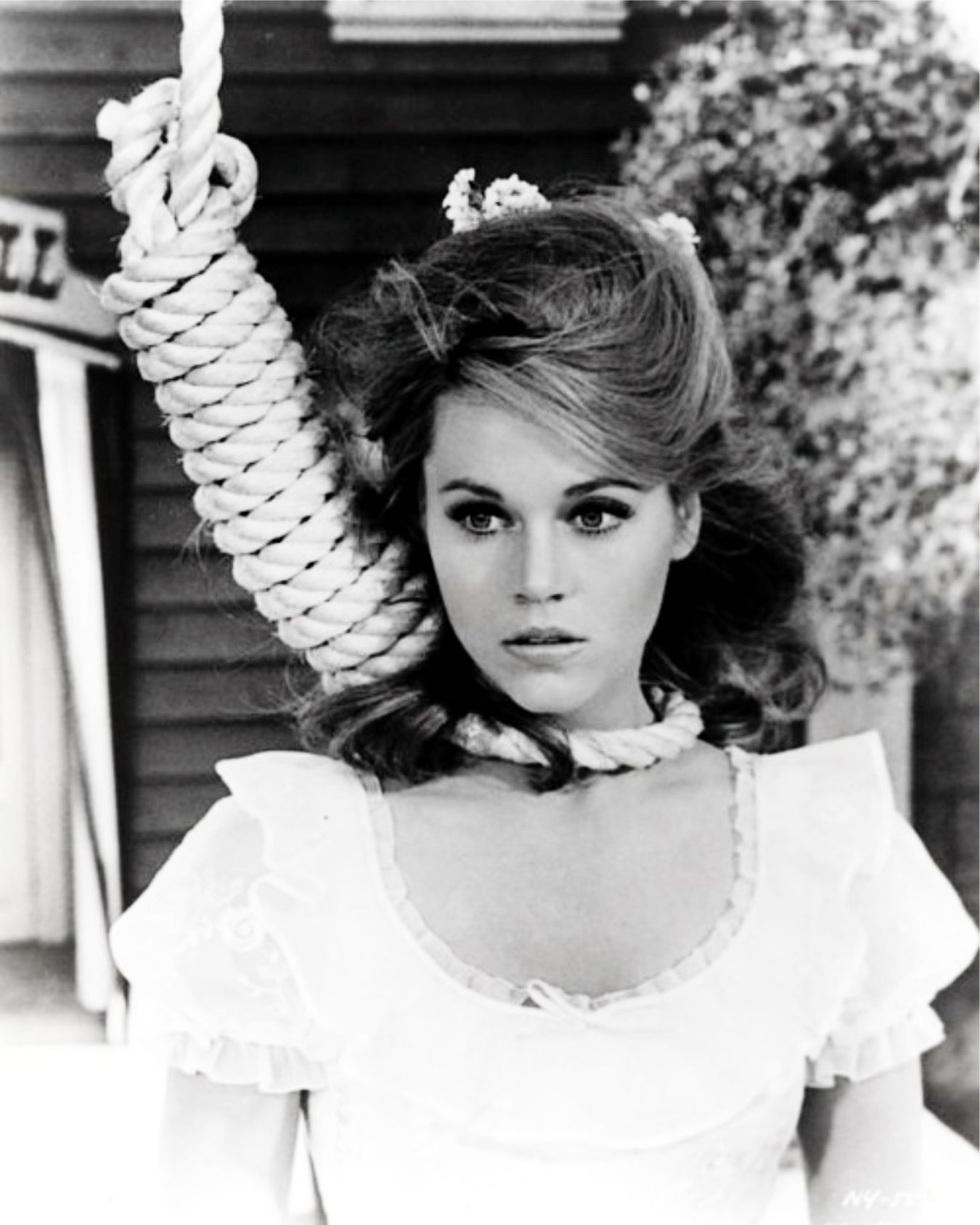
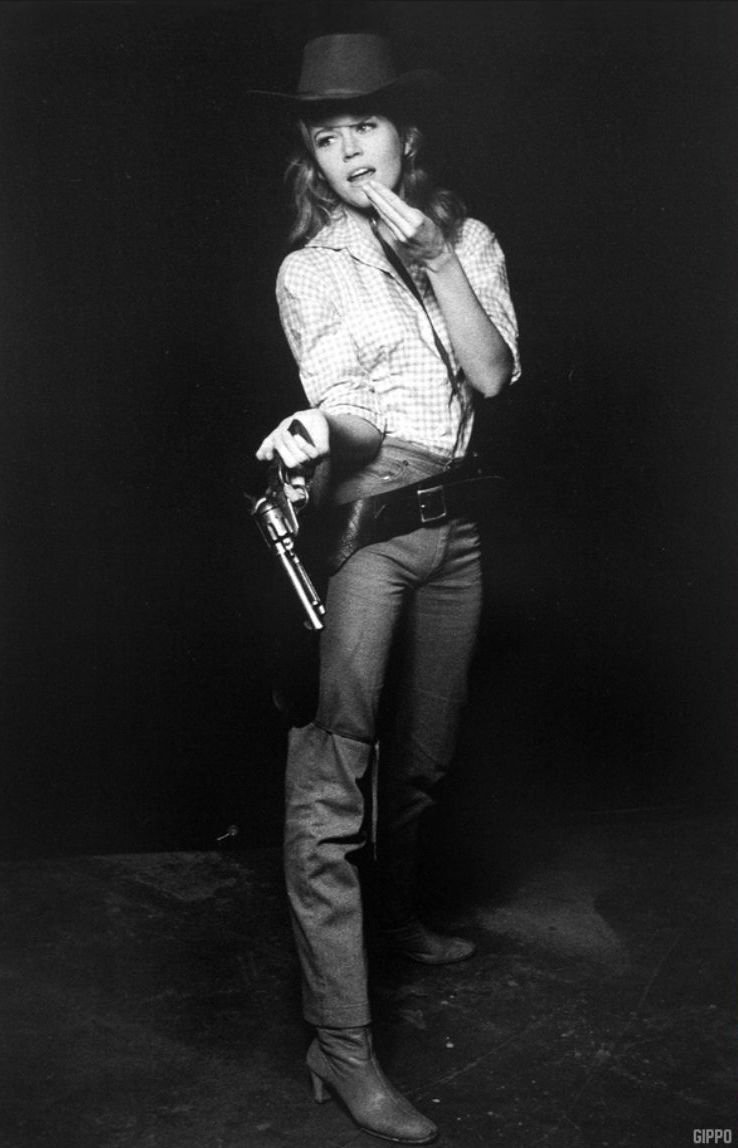
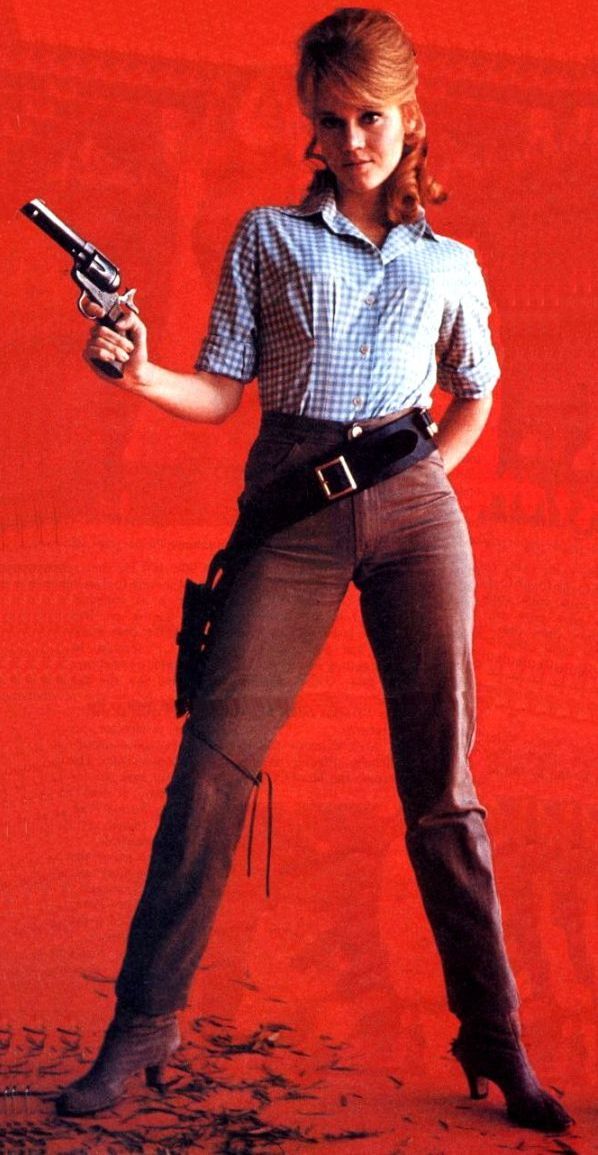
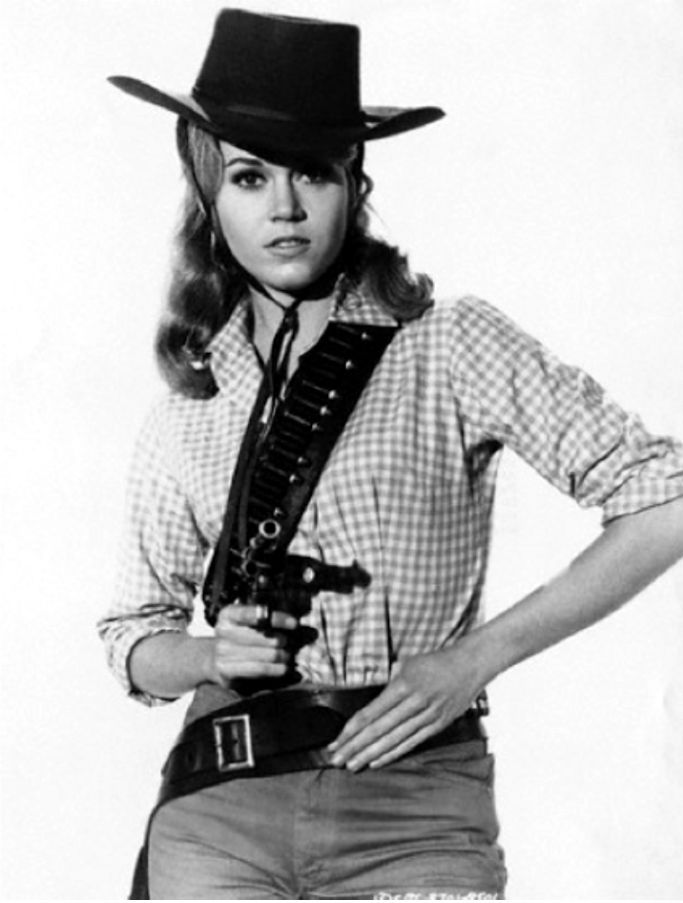
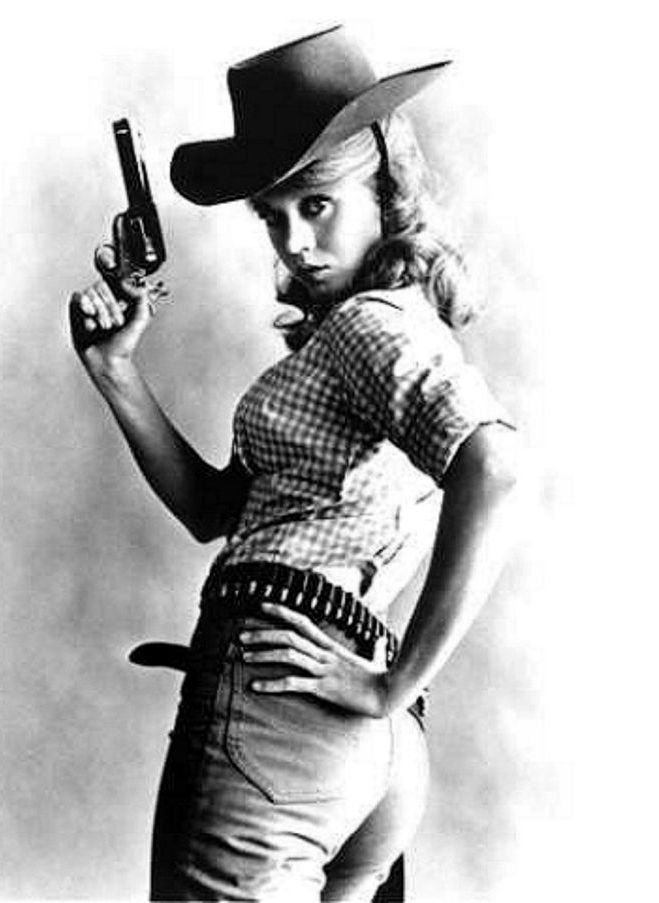
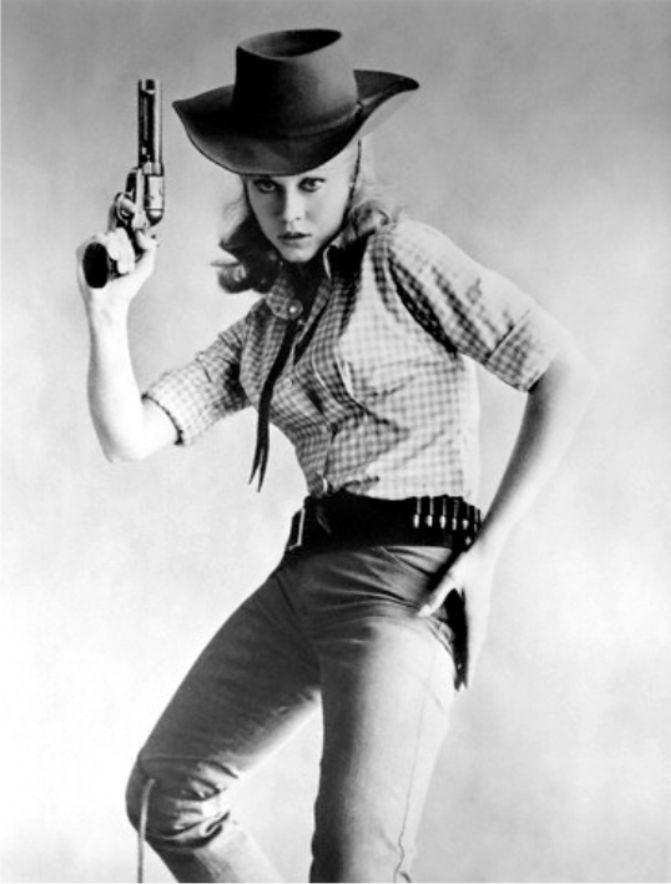
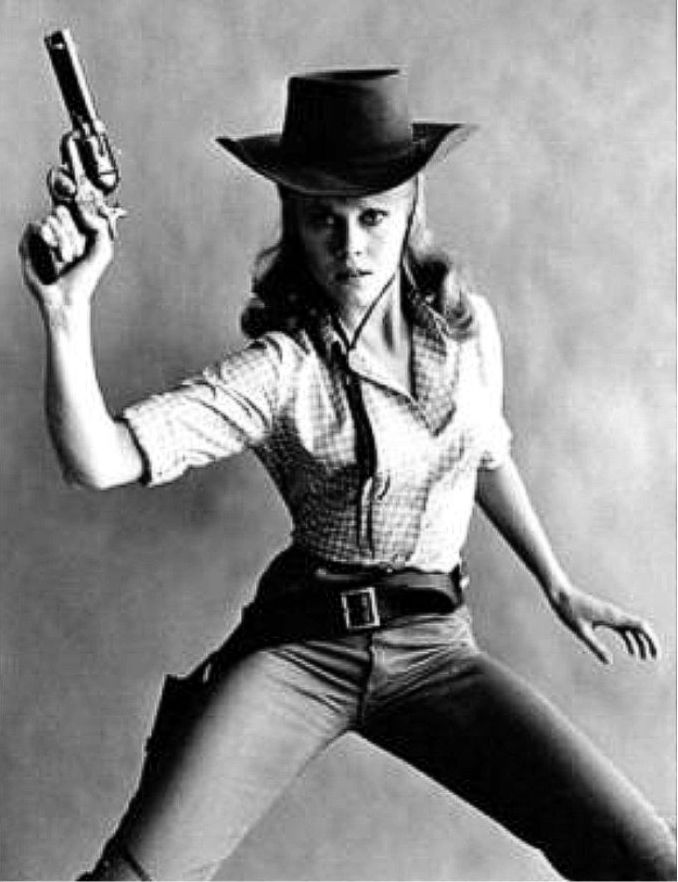
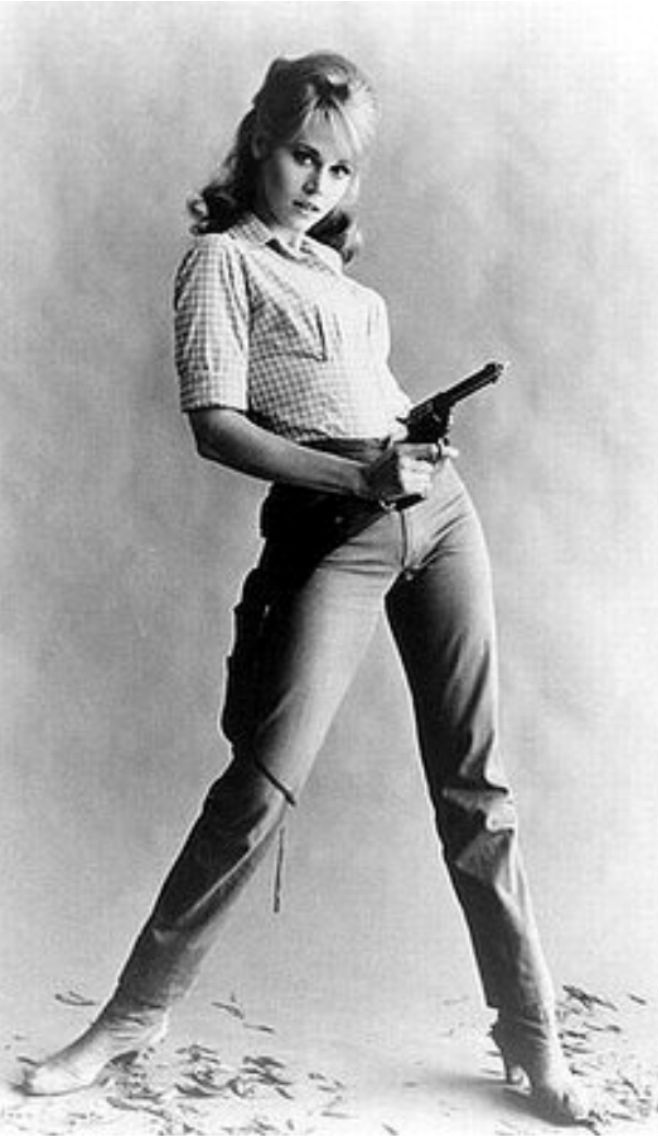
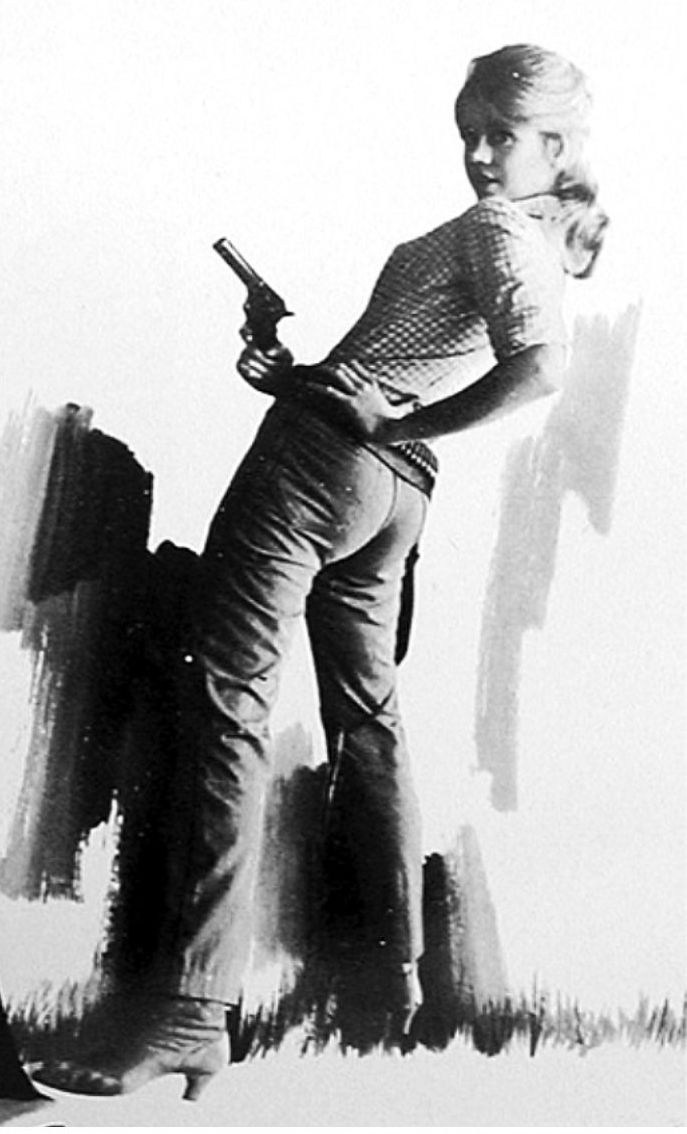
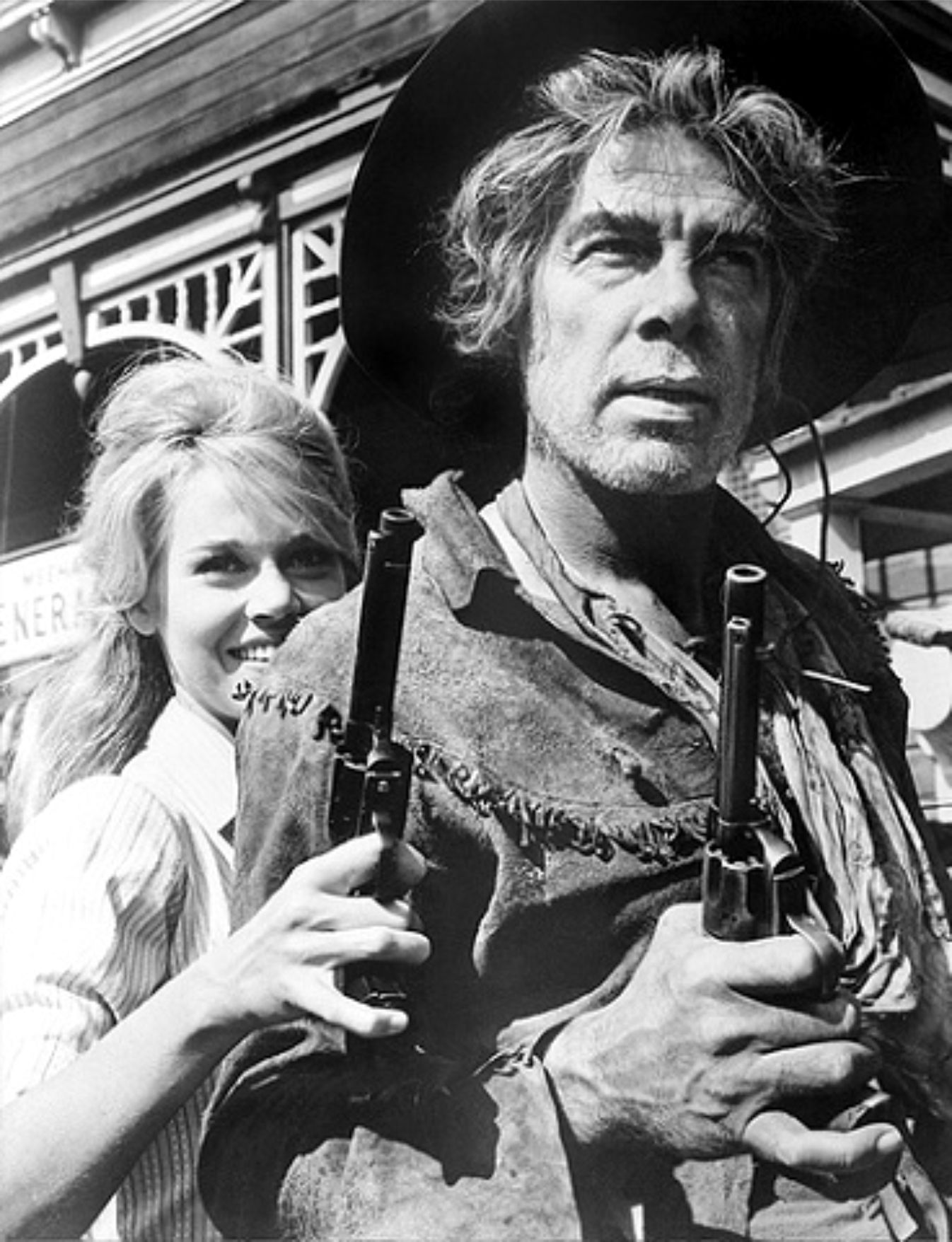
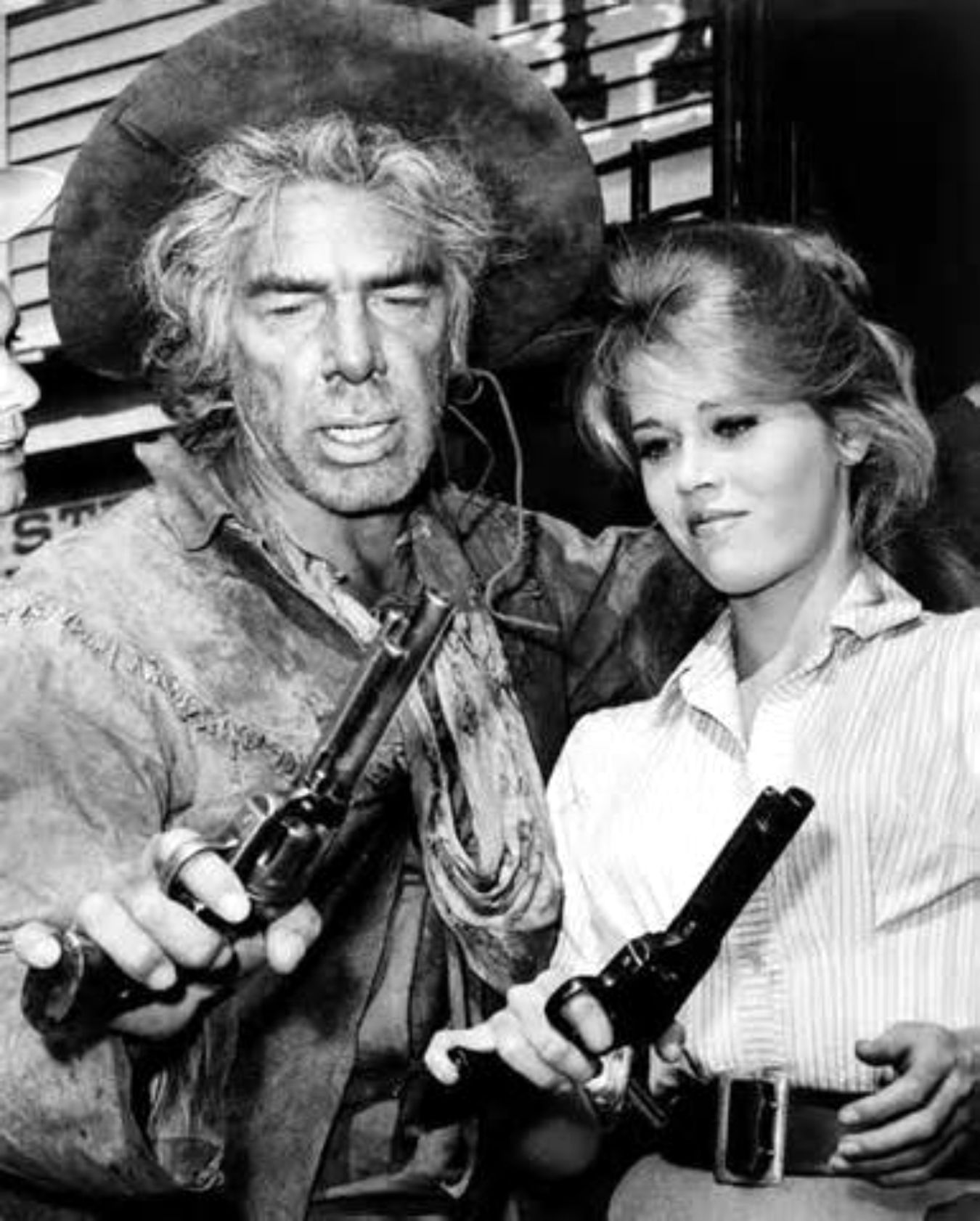
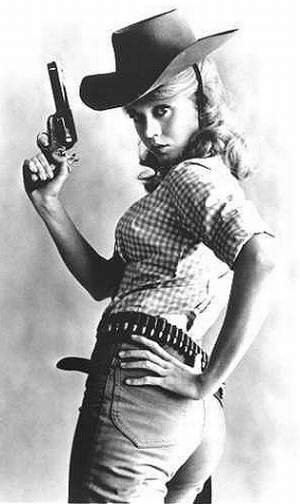 Aspiring teacher Catherine Ballou (Fonda), heads home to see her father in Wyoming, but finds him engaged in a struggle over his land with a land baron, and threatened by the villainous Tim Strawn (Marvin). She sends for legendary gun-fighter Kid Shelleen (also Marvin) to come protect them, only to find he is less legendary gun-fighter, and more alcoholic bum, incapable of saving himself. Strawn shoots Cat’s father and, when justice fails to be served, she heads off to a nearby outlaw town, where she vows to bring the land baron down and take revenge herself.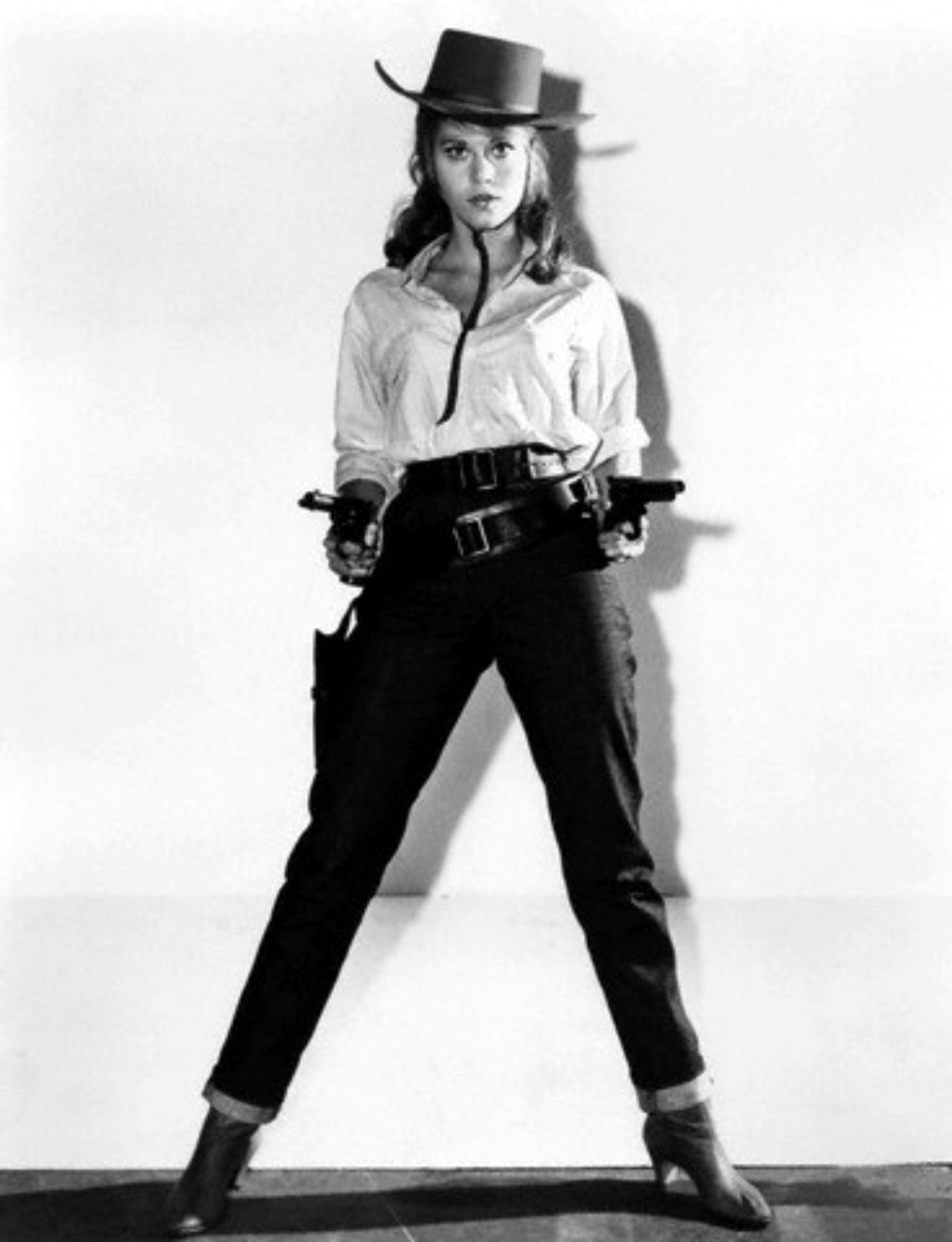

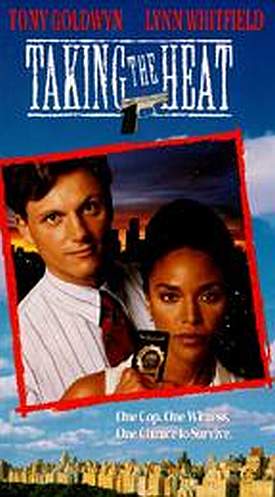 Michael Norell (Goldwyn) sees mob boss Tommy Canard (Arkin) whacking a debtor, but won’t admit it to the cops. However, when they look at the credit-card transactions, the truth comes out and Detective Hunter (Whitfield) is sent to retrieve the witness; Canard, thanks to a mole, also finds out and send his top hitman to ensure Norell never reaches the courthouse. A heatwave has simultaneously hit New York, leading to blackouts, gridlock and a breakdown in communications, so it’s down to Detective Hunter, back on her old stomping ground, to negotiate her way through the traffic jams and dodge the killers out to get Norell.
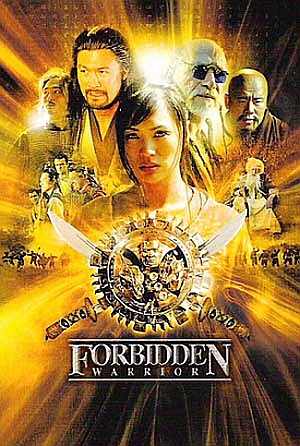 Though I couldn’t put my finger on why, large chunks of this seemed very familiar when I was watching it last night. Maybe it was just the story, cut from a template [mystical book, blah, chosen one, blah-blah, key to all power, etc.] we’ve seen a million times before. But then, when I Googled the film’s title, I realised why: at #6 was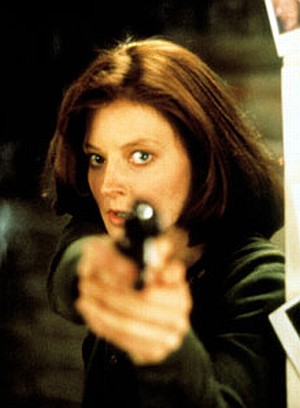
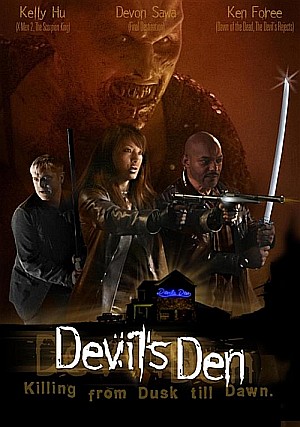 Sadly, despite the above tagline, the movie doesn’t quite live up to expectations. It has some very interesting ideas, but kinda goes about them the wrong way: I love the idea of a government task-force that roams the world, taking out vampires, werewolves, etc. I enjoy the concept of government-sponsored assassins, working on behalf of pissed-off senators. Instead, for the most part, the film wants desperately to be From Dusk Till Dawn – an admirable target, for sure, even if it falls short on almost every level. Vamp is another obvious touchstone for the script, which has Quinn (Sawa) stop off at the titular strip-club on his way back from Mexico, only to find the buffet is of the patrons, not
 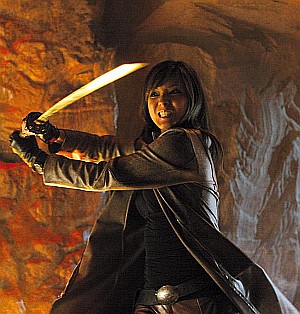 That said, there is a fair amount to enjoy here, with the performances, particularly of Foree and Sawa, being entertaining. Sawa is perfect as a stoner dude who, while initially freaked out for obvious reasons, eventually comes to terms with what’s going on: during the climatic fight between Caitlin and the queen ghoul, he just sits there with a goofy grin on his face, taking it in like we all would. Foree, a horror icon since his performance in Romero’s Dawn of the Dead, also delivers a quirky turn, and there’s a sublime sequence where he and Quinn, both fans of cinematic samurai Zatoichi, imagine what the blind swordsman would do in their shoes. Hu’s role builds gradually throughout the film, and eventually brings this into GWG territory, which I wasn’t expecting initially. She handles the action scenes fairl well, covering all the bases with gunplay, sword skills and martial arts – I note that one of the stuntwomen on the film is Zoe Bell, whom you should remember from her role in Death Proof. If the potential is never fully realized, there is enough going on to make it a pleasant-enough way to spend 85 minutes.
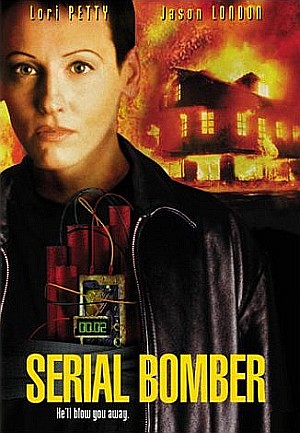 Mad bomber Chris Murdoch (London), is running around Seattle, blowing up Japanese people. FBI agent, Sara Davis (Petty) is part of the team looking into the case, but though they take Murdoch’s Japanese girlfriend (Kawagoe) into custody, Lt Sugimura (Amami) of the Tokyo police sweeps in and demands they release her, so she can be returned home – her father has influence on both sides of the Pacific. Davis won’t let that happen, since the girl is their main hope of catching the bomber; he, needless to say, is none too pleased to find the love of his life in the hands of the police.
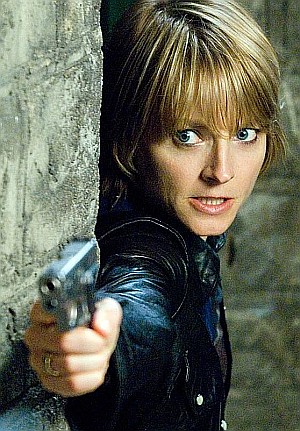 Erica (Foster) has a very comfortable life: nice job as a radio host, imminent marriage to a doctor. This is suddenly destroyed in minutes, when she and her fiance (Andrews) are brutally attacked: he is killed, and she is left a nervous wreck, who sees a threat in every shadow on the city streets. A move to Kansas, while probably better for all concerned, would not be so cinematically or narratively interesting: instead, she buys a black-market gun for protection. A chance encounter on the subway unleashes her inner Bernhard Goetz and before you know it, she’s sweeping the scum off the streets, up to and including the crime lord whom even Detective Mercer (Howard) cannot touch, while simultaneously documenting the city’s reaction to her exploits on the airwaves. This brings her into contact with Mercer, since he is also investigating the vigilante slayings; his suspicions in this area gradually turn towards his new friend.