




 ★½
★½
“Send help.”
Yes, this is one of those cases where the title is the review, because I suspect many viewers will be signalling enthusiastically for help before reaching the end. I would start off by saying something snarky, like “That’s an hour and a half of my life that I’ll never get back.” But this would imply the film actually held my attention for an hour and a half, which would.. not be entirely correct. I was in the same room where it was playing. My eyes were open. I am not prepared to commit to much more than that. I also note that at the North American box-office, it took a grand total of $4,382, including a whopping $209 over its second week of release. I trust everyone involved in the production learned a valuable lesson from this.
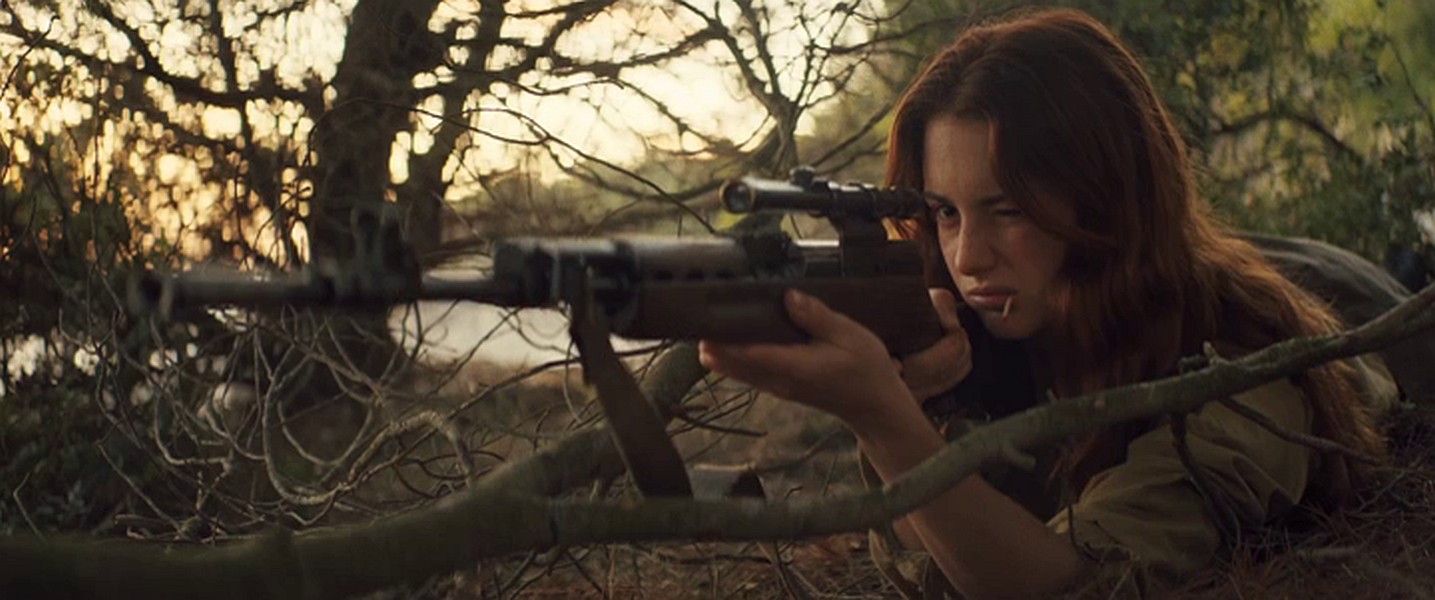
This is a “war of the sexes” picture thinly disguised as fantasy, which throws elements from Alice in Wonderland, Peter Pan and Lord of the Flies into a blender, in the belief that doing so makes for some kind of feminist statement. It doesn’t. Not even when you burden the cast with lines like, “You’ve been in a war your whole life, you just didn’t know it,” or “You need to stop hurting yourself and start hurting others.” It begins with downtrodden waitress Ana (Grace Van Patten) crawling through an oven in the hotel where she works, and emerging onto a vaguely WW2-era shoreline. There, she bonds with a group led by Marsha (Goth), who lure male soldiers to the beach using fake Mayday signals, sniping dead any who make it past the turbulent conditions. Because all men are predators who deserve to die, right?
It plays like an “Is caffeine-free Pepsi alright?” version of Sucker Punch, with Ana crawling into her own headspace, trying to escape the traumas of everyday life, in a world with repurposed characters. For example, Marsha is the same, reluctant bride Ana comforted in the bathroom shortly before her break from/with reality. The only element of interest was Ana’s refusal to go down the same murderous path of intent as her colleagues. though this does lead to a feeling the movie doesn’t quite know what message it’s trying to send. At least Paradise Hills, which occupied similar territory, had a gorgeous visual sense to paper over the weaker plot elements. Here, there’s no such distraction.
This is not quite the worst “young women trapped in a surreal landscape” movie I’ve ever seen. That would be the near irredeemable awfulness of non-GWG film, Ladyworld. However, that I found myself consciously comparing this to it, is not a parallel to any movie’s credit. If there’s a lesson to be learned from Ana’s eventual fate, it’s that the cure for what mentally ails you, apparently involves a psychotic break, along with some quality girl time spend living on the beach alongside a crew of Aileen Wuornos wannabes. I guess it probably works out as cheaper than therapy.
Dir: Karen Cinorre
Star: Grace Van Patten, Mia Goth, Soko, Havana Rose Liu
 I never considered myself to be afraid of heights. I respect them, sure. But I am capable of going up the ladder to change that annoying smoke alarm battery without a safety net. This film though, literally gave me sweaty palms. It’s about climber Becky Connor (Currey) who lost her husband Dan (Gooding) in a rockface accident a year before, and has spiralled down into alcoholism and depression since. Her father (Morgan) gets her best friend Shiloh Hunter (Gardner) to intervene, and she convinces Becky the best thing is to get back on horse, with a climb of a two thousand feet tall, abandoned TV mast.
 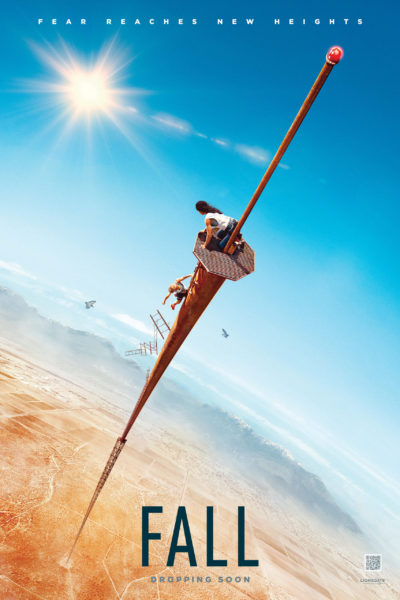 The journey up is where the moist hands started. I don’t care how nice the views might be, I’m afraid it’s going to be a no from me, dawg. Adding to the fraught tension, is the focus by Mann on the decaying structure: rust, missing bolts and general creakiness. It’s like Final Destination: you know something is inevitably going to go terribly wrong, it’s just a question of when, and the specifics. It duly does, leaving the pair stranded near the top, on a platform about the size of our dining table, with no route down or way to call for help. The rest of the film is the struggle of Becky and Hunter (she uses her last name, or her social media identity of “Danger Deb”) to find a way to do one or the other.
 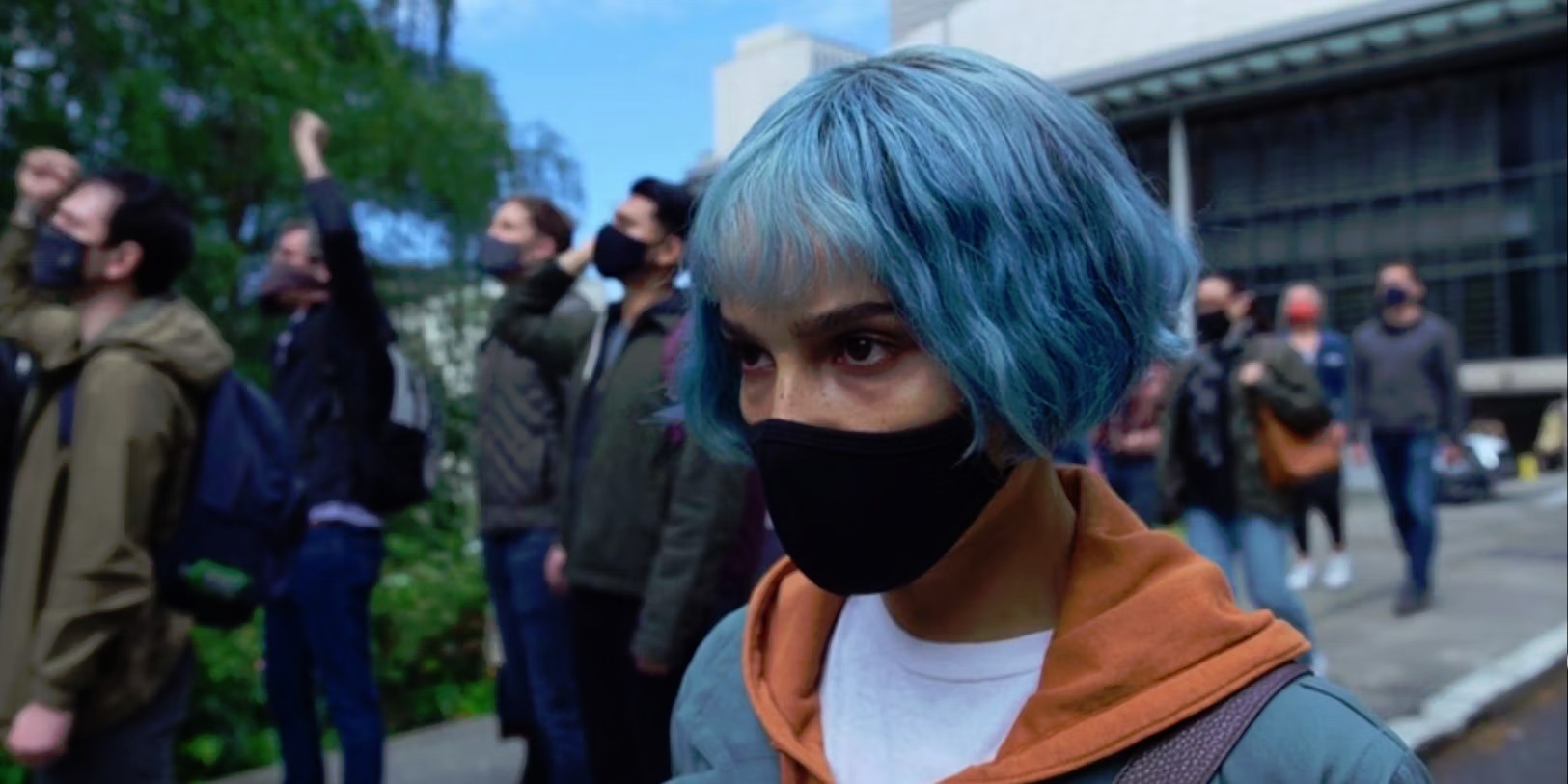 ★★★
★★★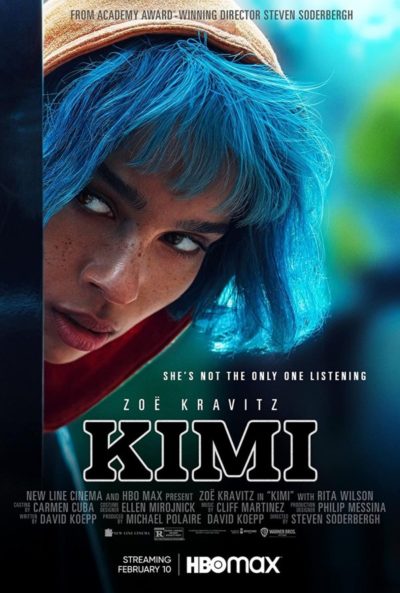 Kimi indirectly discusses this attitude, but also seems to make a clear point that there is a need to leave your own four walls sometimes, because not everything can be handled from your laptop. That said, it’s quite disturbing how much
 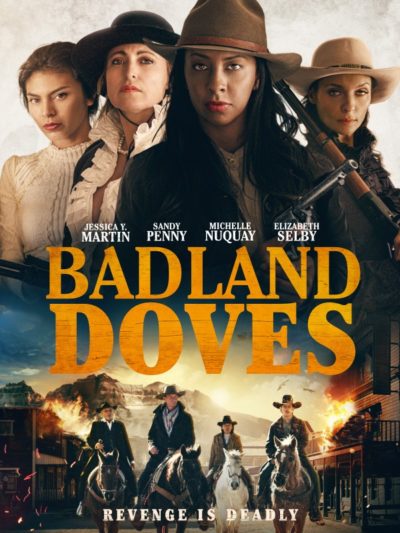 I am contractually obliged to appreciate at least somewhat, any film made here in Arizona. This certainly fits the bill, having been shot at places like the Pioneer Living History Museum, Sitgreaves National Forest and Winters Film Group Studio. However, it is a fairly basic tale of two-pronged revenge, with significant pacing issues. The proceedings only come to life in the last 20 minutes – and barely that. Initially, matters are more than a tad confusing, as we jump about in time and space without apparent notification. But the basic principal is eventually established.
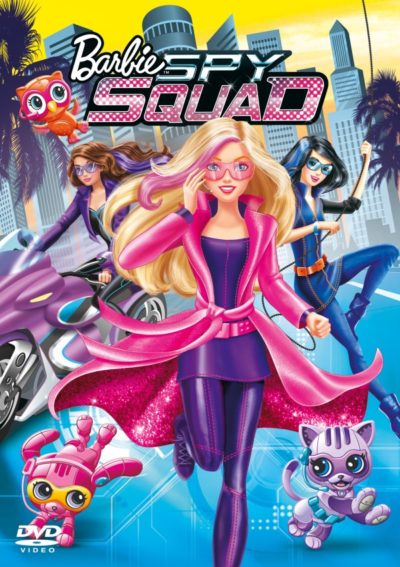 Ah, the things I watch for you people. Safe to say, this probably hit new heights of “I am not the target demographic”, but it’s hard to argue it is outside the remit of the site. To the film’s credit, this is not as bad as I feared it might be. If I had an eight-year-old daughter – such a shame this turned up about 25 years too late! – there would be far worse things to have inflicted on me. Not that I’ll exactly be chasing down any of the other
 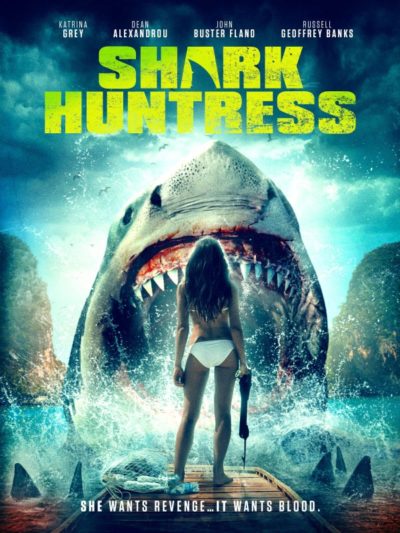 I’ve previously talked about – OK, “ranted” may not be inappropriate – the perils of message movies. But I did wonder whether it was the specific content to which I objected. Would I dislike a film so much, if I was on board with its strident message? On the evidence here, I can confidently state: hell, yes. For this is painfully earnest and hard to watch, much though I agree with the environmental topic, that humanity’s use of plastics are threatening the oceans. An alternative needs to be found. By which I mean, I strongly suggest you find an alternative to watching this movie. The poster has clearly strayed in from a far more entertaining offering, and bears little resemblance to what this provides.
 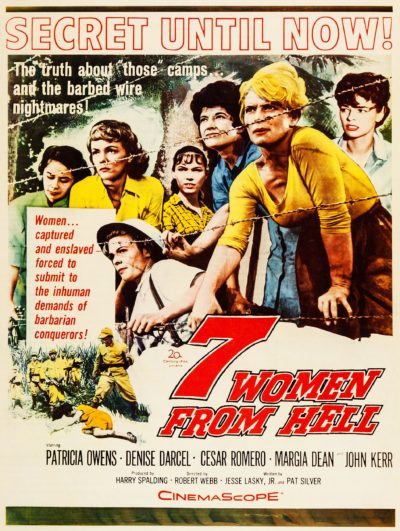 About the only review online I found for this, said it “may be the worst movie released in 1961.” I can only presume the writer of that statement has never seen The Beast of Yucca Flats. Even if I admit its weaknesses, Seven is nowhere near the same league of badness. Indeed, it starts off well, depicting the sudden invasion of Papua New Guinea by Japanese forces in 1942, with “enemy” civilians being herded into interment camps. The ones on the women’s side are a multi-national bunch, including Australian Grace Ingram (Owens), several Americans including Janet Cook (Craig), a German widow Ann Van Laer (Sylvia Daneel), Frenchwoman Claire Oudry (Darcel), and mixed-race nurse Mai-Lu Ferguson (Pilar Seurat).
 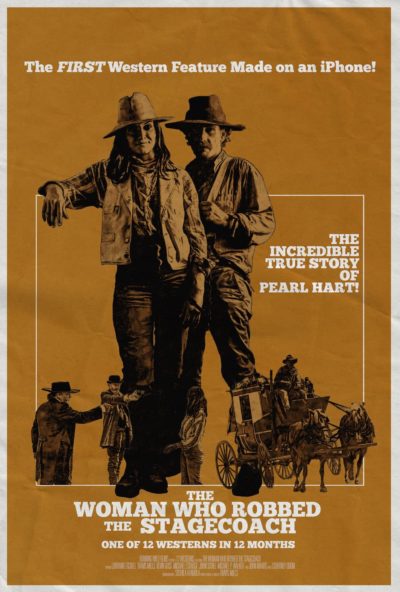 There are a couple of points to note going in. This was one of “12 Westerns in 12 months”, a project run by the director during 2020. It also proudly pronounces itself as the first ever Western feature to be shot entirely on an iPhone. Both of these do lead to limitations. The sheer speed involved obvious has an impact, and I can’t help wondering if a more measured approach would have been better for the end product. As for the iPhone… Well, on the plus side it looked perfectly watchable on my 49″ television, especially the outdoor scenes. However, the indoor sequences seemed almost
  ★★★½
★★★½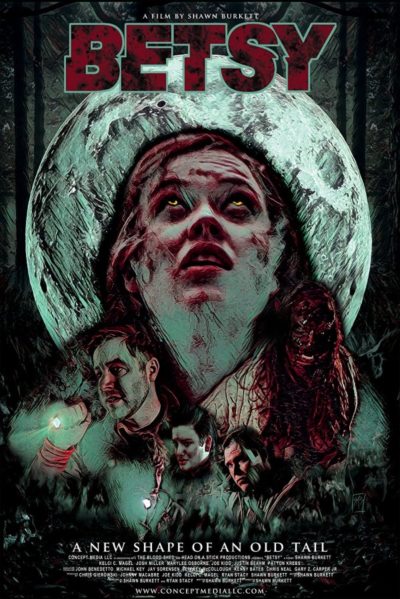 On her way home one night, Betsy (Ryan) is attacked by a mystery assailant and badly injured. While she recovers, she’s traumatized by the events, with nightmares that even her attendance at a support group can’t help. She is also increasingly plagued by violent outbursts against her supportive but increasingly concerned roommate Kayte (Osborne), and physical changes. If you are at all familiar with horror movies, you’ll know the symptoms: Betsy’s attacker was a werewolf, and she’s now in the process of becoming one. This throws a spanner in her growing relationship with Sam (Miller), made worse because he’s a policeman, investigating the recent spate of “animal attack” murders around town.