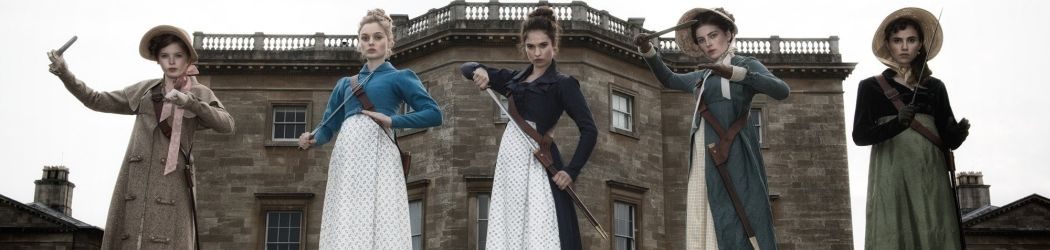

★★★
“Constitutional wrongs.”
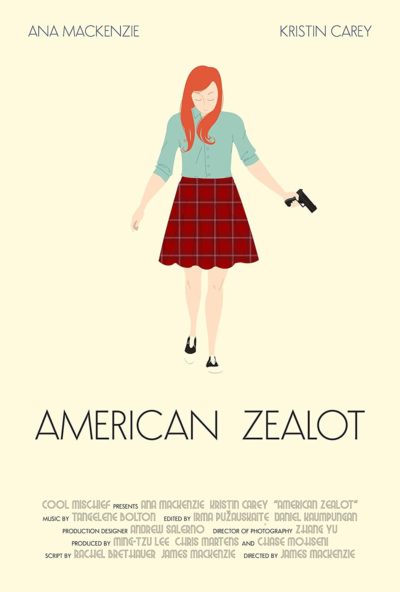 As I write this, in December 2021, abortion is again a bit of a hot topic on the American political scene. I am, personally, fairly neutral on the topic. Or, at least, to the point that I’d need to spend the entire review outlining my position. Such nuance tends not to fly on the Internet, where you are either a baby-killer or want to turn America into The Handmaid’s Tale, and moderation is for pussies. On that basis, this film is a bit of a losing proposition, likely destined to satisfy no-one with its relative fair-handedness. These days, it feels like everyone just wants their echo chamber reinforced, rather than challenged, even in the mild way this offers.
It is, certainly, a fringe entry here. Lucy (Mackenzie, the director’s fiancée at the time, now wife) is a girl. Who uses a gun. So there’s that. An action heroine though? Not so much, at least in the genuinely understood definition. Like the topic of abortion, it’s complex. For Lucy is in her final year at a Christian high school, and is shocked to discover that her classmate and best friend, Rachel (Marie), has terminated her pregnancy, in defiance of everything Lucy holds dear. After a moral conundrum (basically, the trolley problem) is posed by a teacher, Lucy decides to save future lives by shooting the doctor (Carey) at the women’s clinic, using a gun belonging to the parents of a classmate, Ralph (Miller). However, does Lucy have the moral fortitude necessary to buttress her actions, or will her qualms about the act lead her down a different path?
Though Mackenzie is too old to make a convincing high-school girl (per the IMDB, she was 28 when this came out), it’s a good performance. You can see the way in which her beliefs lead Lucy down the path, to a point where her actions do not just make sense, they are almost required as a result of those beliefs. Less successful is the “de-programming” element, which largely consists of her teacher blustering, “You can’t sacrifice the minority to save the majority. That’s just not how good society functions.” Well, about that… Seems more like a problem with society, to be honest. It’s an angle which needed more effort applied to it, in order to be convincing.
It is also perhaps a little too understated for its own good. The shooting of the doctor is so low-key, you could blink and miss it, when in many ways, it’s the most important moment in the movie, and should have been weighted in accordance with it. Still, given the budget here was just $11,000, this is no small accomplishment. It looks and sounds like a far bigger budget production, and credit is also due to both of the Mackenzies, for being prepared to take on a challenging topic in a way that tries (largely successfully) to avoid being judgmental. While many independent film-makers go the commercially easy route of genre movies, this is something more challenging. If not without flaws, it should succeed in provoking thought.
Dir: James Mackenzie
Star: Ana Mackenzie, Kendall Miller, Keana Marie, Kristin Carey
 ★★★½
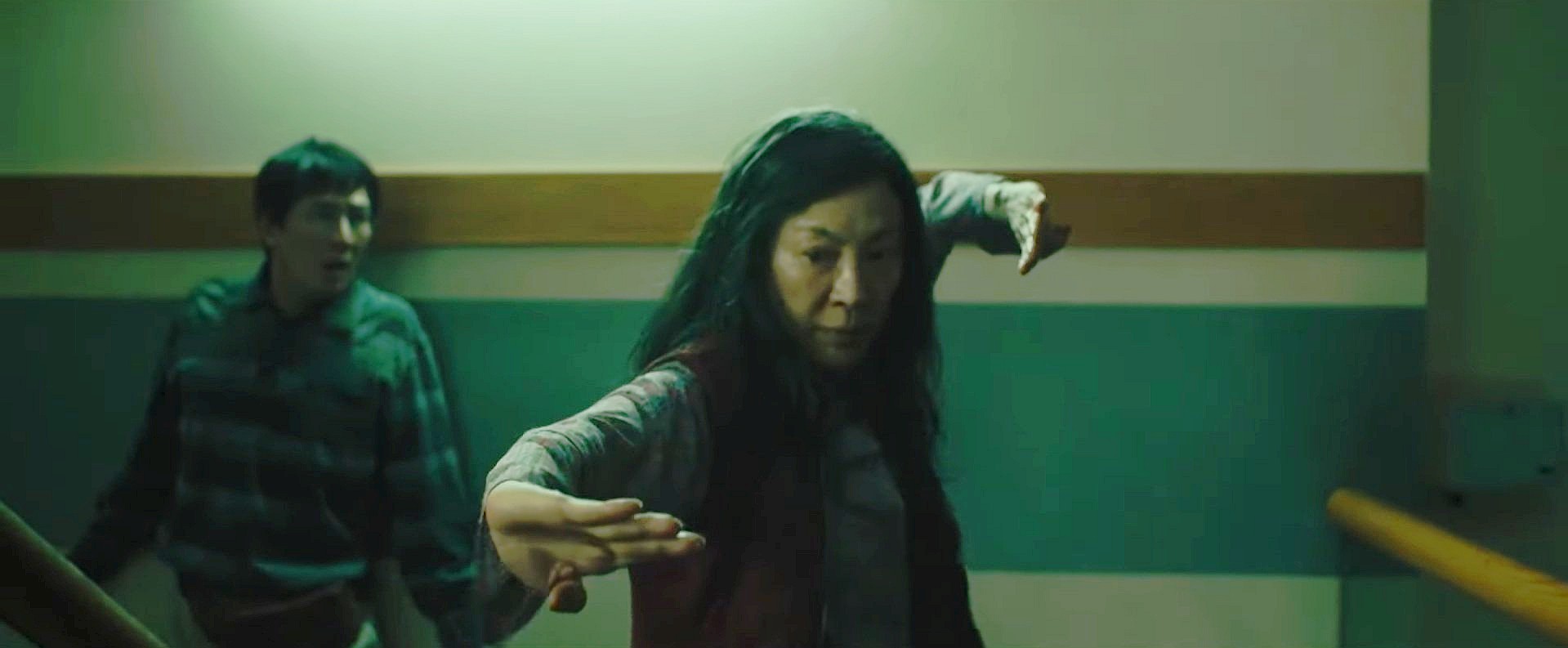
★★★½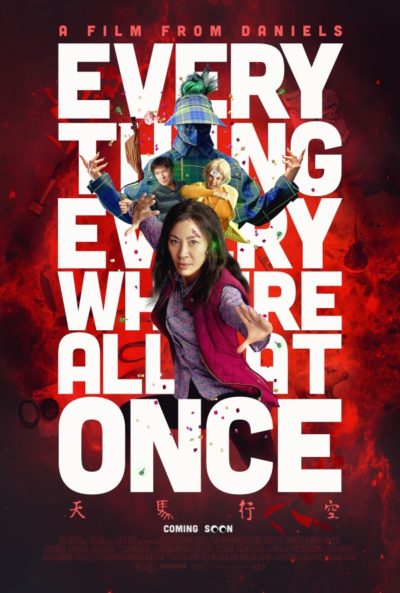 Like I said: almost infinite in scope. Apparently, co-writer/director Kwan was diagnosed with ADHD during the creative process: to be frank, it shows. While the imagination on view is admirable, the film bounces about between ideas at a ferocious rate, almost regardless of whether they deserve it. We spend an inordinate amount of time in a multiverse where everyone has long, floppy fingers. Yet there is also buttplug-fu, which is an example of the movie going places you’d never have expected could be so entertaining. Or a lengthy, surprisingly engrossing, scene in which two rocks in an otherwise lifeless multiverse have a conversation in captions. Because why not?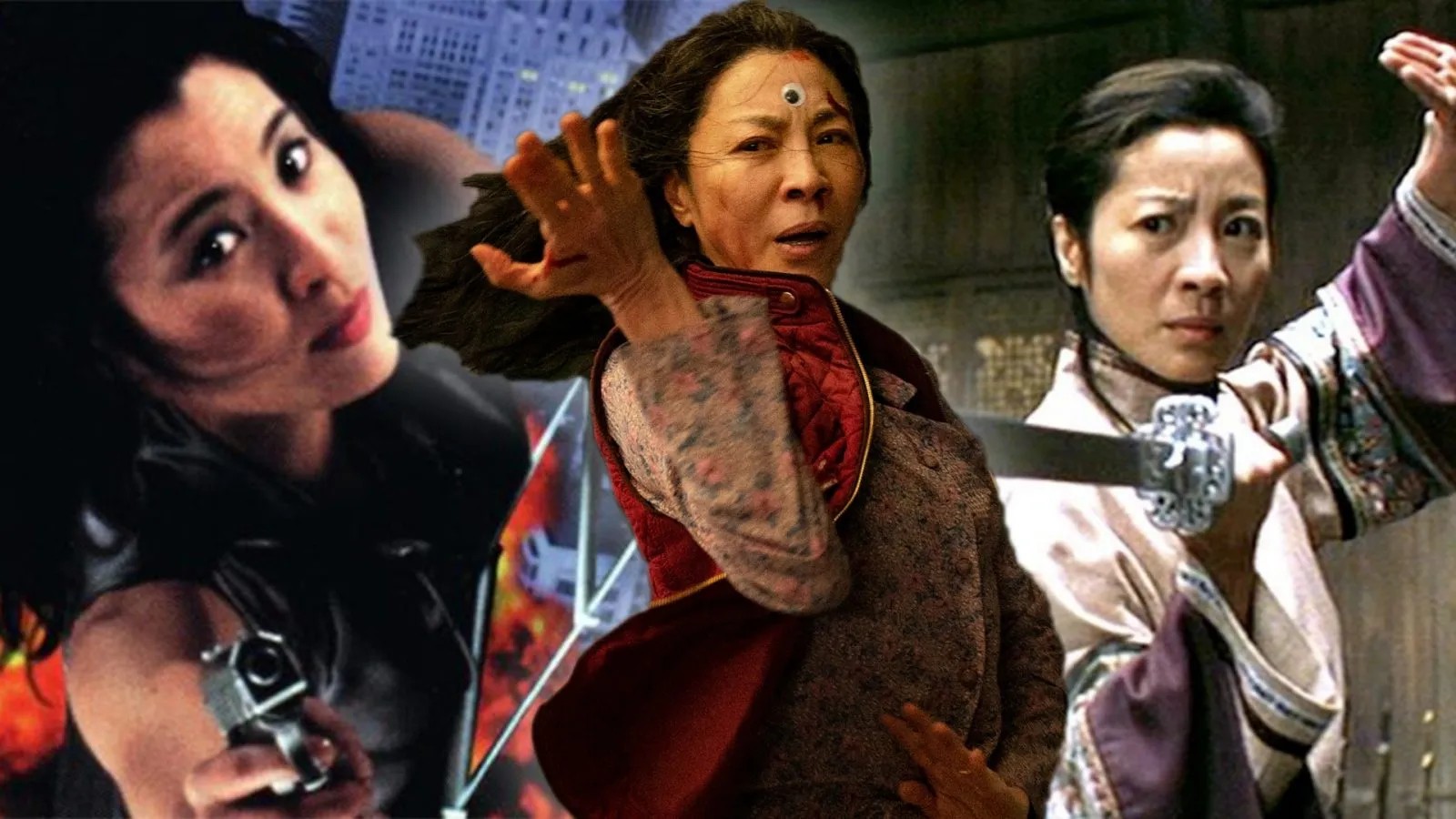
 It probably didn’t help that I watched this the same day as I finished off the slick, well-animated and occasionally downright beautiful
 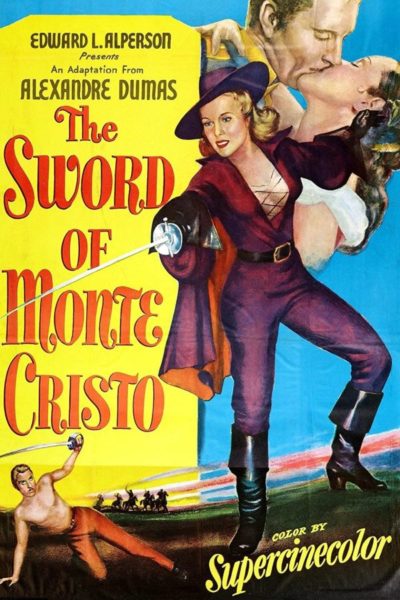 This 1951 movie is a bit clichéd. But then one has to consider that a lot of these weren’t clichés at the time the movie was made. That said, you will find everything here that you might expect from such a movie: A good king, his evil scheming brother who wants his throne, a dashing captain who has his way with the ladies, revolting citizens, a hidden treasure and a beautiful lady.
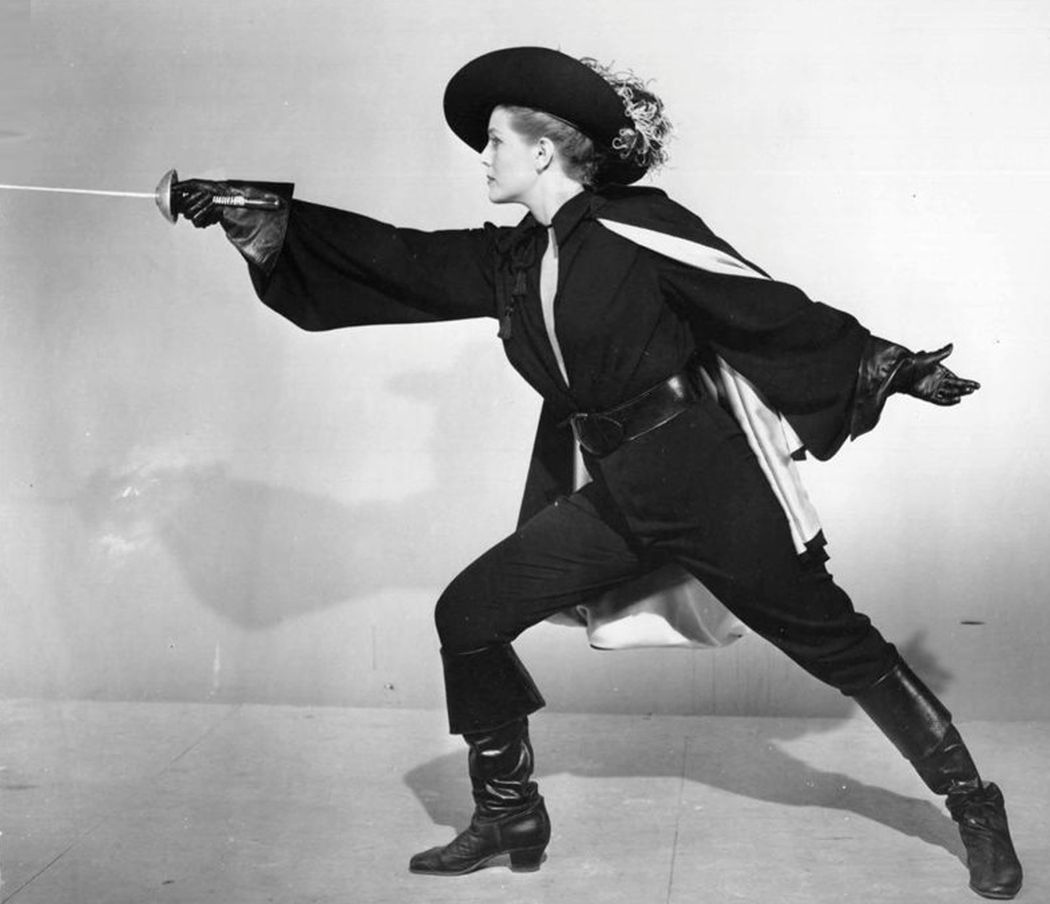 When he enters her private rooms, after she has just redressed as her normal self again, he takes – unasked – a seat and puts his shoes on the table. He also forces a kiss on Lady Christianne. When she snaps, “You don’t behave like a gentlemen should!“ he answers, “Well, you don’t behave like a woman should!“ You are left a bit baffled wondering how women in 1951 were supposed to behave when being kissed involuntarily, by an unknown stranger, who just entered your home through the window? But then even her nanny seems to agree (“A young lady shouldn’t run away from a man, she should catch one!”). How things have changed since that time!
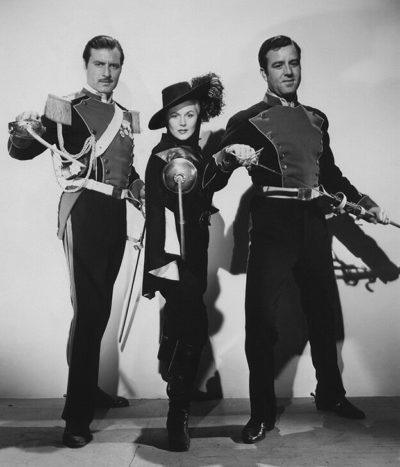 Countess Christianne does enough riding, fencing and chandelier-swinging to be rightfully included in the genre of female action heroines. Yes, she is not alone: Captain Renault comes across like a second-class Errol Flynn, supporting her and hinting as to her “true motives“ for cross-dressing and fighting (“You don’t fight against the king! I think, you are fighting against your female nature!“). Though Renault kills the big bad, she still has a mind of her own, riding with the Royal dragoons and killing off LaRoche’s right-hand man, Major Nicolet (Conrad).
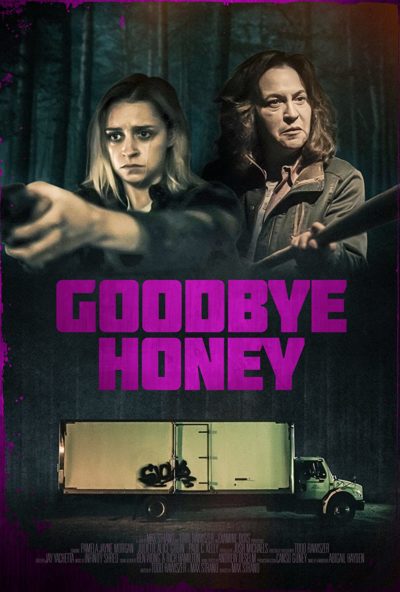 There is a good concept here. Unfortunately, rarely have I seen an idea so conspicuously derailed by dreadful execution. Let’s not get ahead of ourselves though, and begin by focusing on the positives here. Dawn (Morgan) is a truck driver who is on a cross-country route, and pulls off the road into a remote, wooded location for an obligatory rest stop. Barely has she come to a halt, when a terrified young woman, Phoebe (Gobin), shows up outside her cab, demanding help. She claims to have been abducted, and been held nearby. But she managed to escape from her kidnapper, who is now hot on her heels, with evil intentions. However, is the new arrival speaking the truth or is she dangerously deranged?
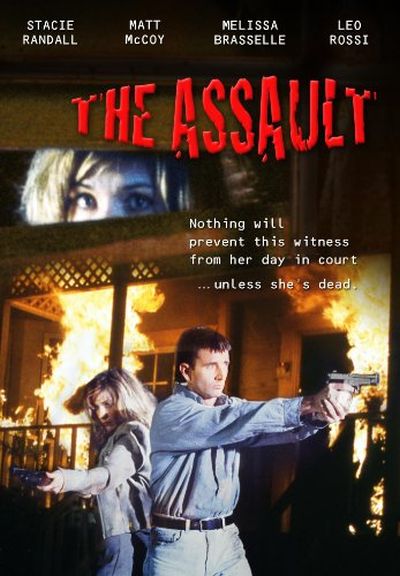 This was a very pleasant surprise. I wasn’t expecting much from this, especially after seeing Wynorski’s name – let’s be honest, he is best known for bargain basement soft-port. That said, he does occasionally hit one out of the park, such as the sublime Deathstalker II. This is definitely one of his better entries, even if it is, by and large, a low-budget version of Assault on Precinct 13.
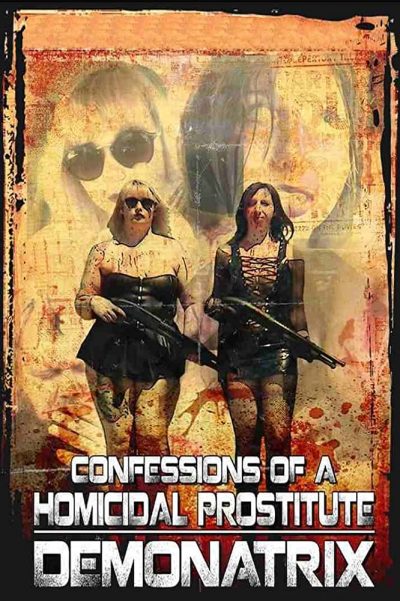 I must confess I have not seen Confessions of a Homicidal Prostitute, to which this is a sequel. It’s marginally possible, I suppose, that the character development, story and nuance were present there, and explain why these are all but entirely absent in its successor. I would not, however, be prepared to bet on it. I suspect the original was every bit as mean-spirited as this: and “suspect” is all I’ll ever do, because I won’t be making any effort to track it down. In fact, I probably wouldn’t watch it if my aged mother begged me to on her death-bed. Too harsh? Perhaps. Yet I don’t think I’ve ever seen a flat-out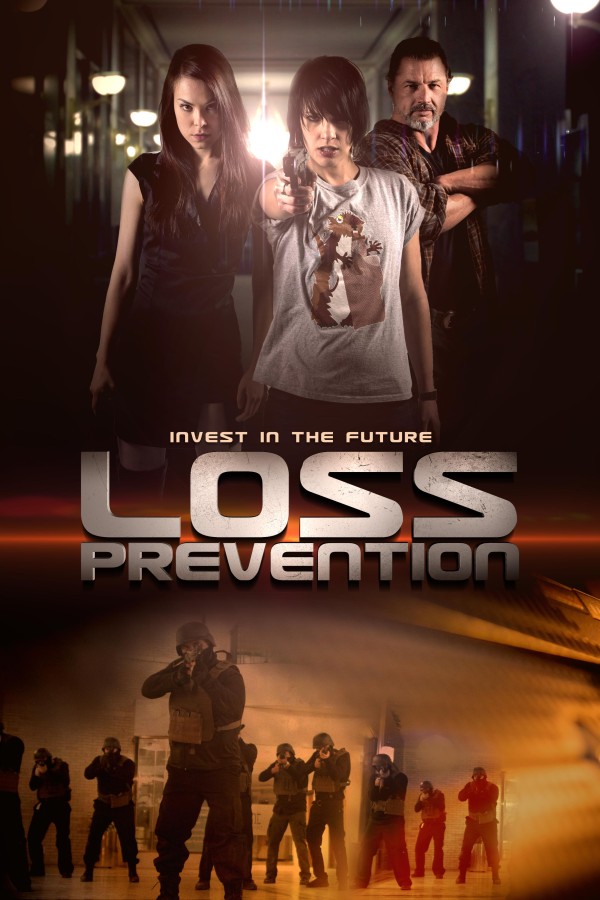
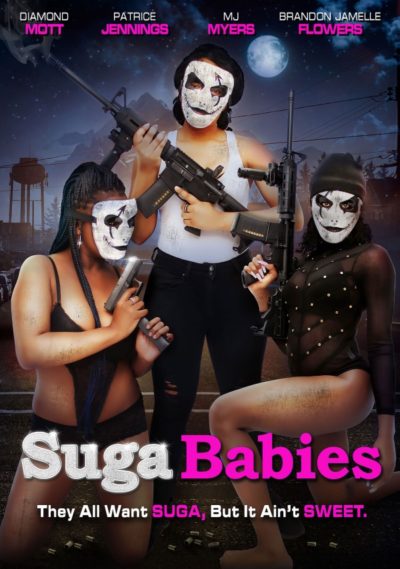 As usual, I begin with the normal disclaimer, that I’m about as far from the target audience as you could imagine. For this is an inner-city story about a drug war between three rival gangs in South Carolina: the Guardians, the Dynasty and the GeeChees. That said, however, there have been other films, with not dissimilar themes, which I have enjoyed. Most obviously, I am not the target audience for Pam Grier’s seventies output either. But those still kick ass. Even among the modern entries, there have been ones like