




★★★★
“Dutch treat”

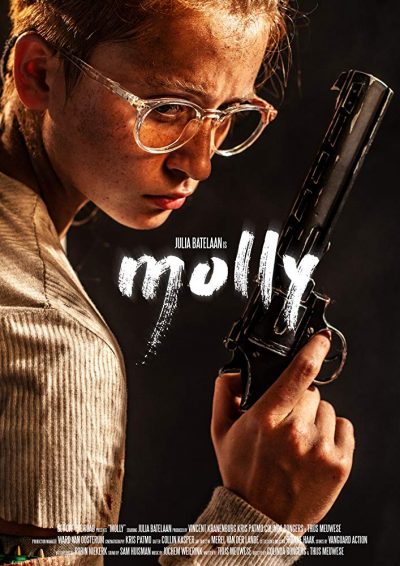 Up to a certain point (which I’ll get to in a bit), this low-budget post-apocalypse picture from the Netherlands has been solid if unspectacular. The limited resources have shown themselves in a world which almost entirely consists of running about sand dunes and light forest. The fight scenes have been grubbily realistic rather than impressive, with the kind of amateur flailing around with limited weaponry you’d probably actually see after armageddon has actually taken place. And the main focus of the plot has been the usual warlord type, Deacon (Bolt) who turns people into “supplicants” – drug-crazed pit-fighters for his personal amusement. Standard practice for a post-apocalyptic leader, really.
The main point of note is the titular heroine (Batelaan), who runs – entirely deliberately, I suspect – counter to expectations of what such a woman would be like. Molly is a scrawny teenage red-head, almost helpless without her glasses, and as noted above, hardly skilled in the martial arts – Imperator Furiosa, she is not, shall we say. She does have some assets: she’s not bad with a bow and arrow, and has a pet hawk. Most significantly, she has some kind of psychic abilities, that tend to come out when she’s upset. It’s these which bring her to the attention of Deacon, and to ensure she complies with his interests, the warlord kidnaps Bailey (de Paauw), the kid whom Molly has just befriended.
Which brings us to where this goes from “Not bad, works within its limits quite nicely, though not exactly original” to “This one’s a keeper”. Because Molly storms the off-shore stronghold where Deacon is keeping Bailey. In one 30-minute take. Okay, it’s clearly as much “one take” as Hitchcock’s Rope was – you can spot any number of moments where cuts have taken place. Yet, even attempting to put something like this together is extraordinarily ambitious for any low-budget film, and that the result works as well as it does, is simply amazing. The segments pitting Molly against Deacon’s lieutenant, Kimmy (Appelhof) and her mechanically-enhanced arm, are particularly well-done.
Some of the earlier scenes are shot similarly and work as appetizers; yet about eight minutes into the grand finale, I still suddenly went, “Hang on. When was the last cut?” If you’re like me, you’ll immediately be rewinding to watch it from the beginning. Elsewhere, the film is helped by crisp cinematography and an effective soundtrack, which sounds bigger budget than the movie. Perhaps wisely, the directors keep Batelaan’s performance largely driven by her actions rather than her dialogue. She fares considerably better than Bolt in this regard, and the ending is almost painfully abrupt.
All told though, and despite the over-familiarity of some aspects, the elements that are new and refreshing are really new and refreshing, from the non-fighting through to the awkwardness of the heroine. However, it’s the glorious mess of her final battle, which will stick in the mind of just about anyone who watches this. The trailer won’t prepare you for that level of awesomeness.
Dir: Colinda Bongers and Thijs Meuwese
Star: Julia Batelaan, Joos Bolt, Emma de Paauw, Annelies Appelhof

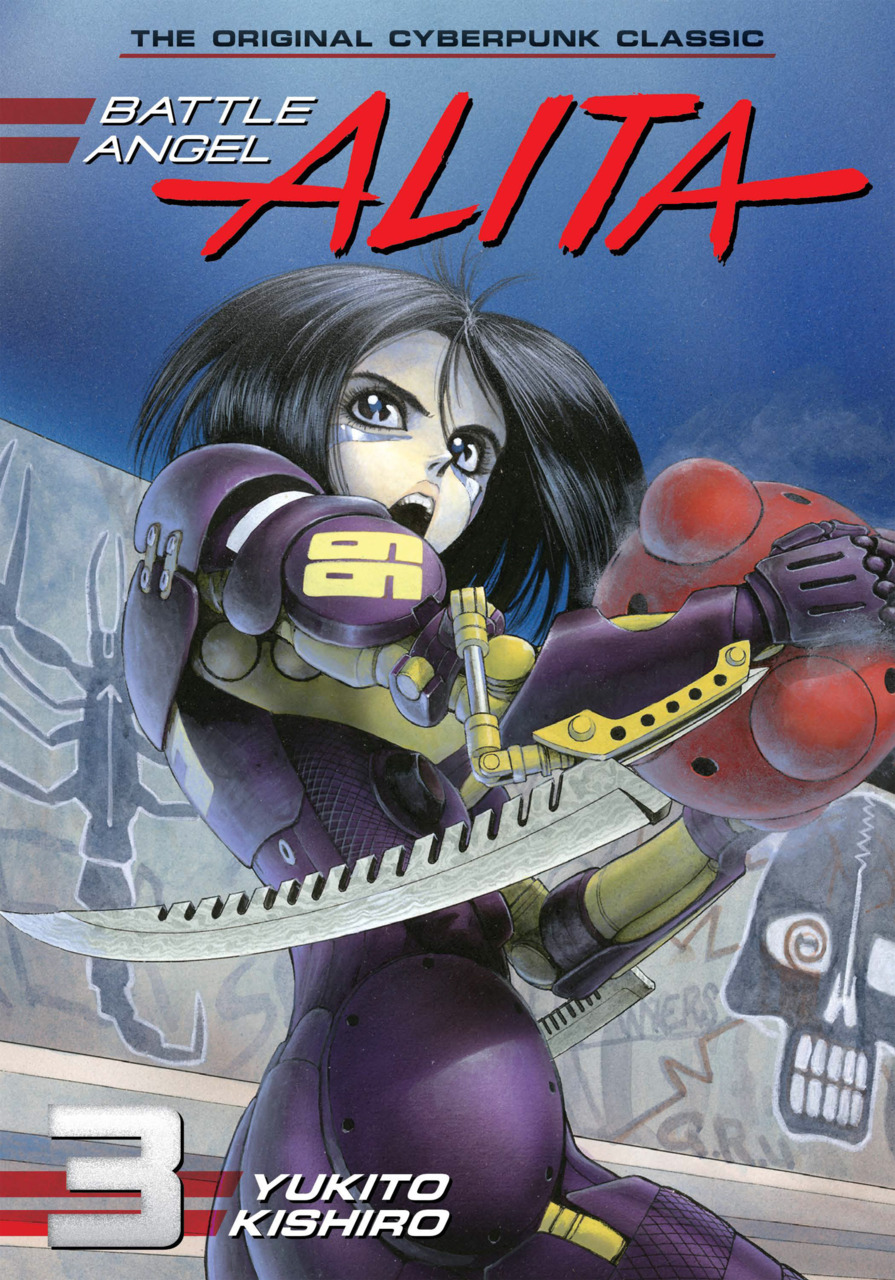
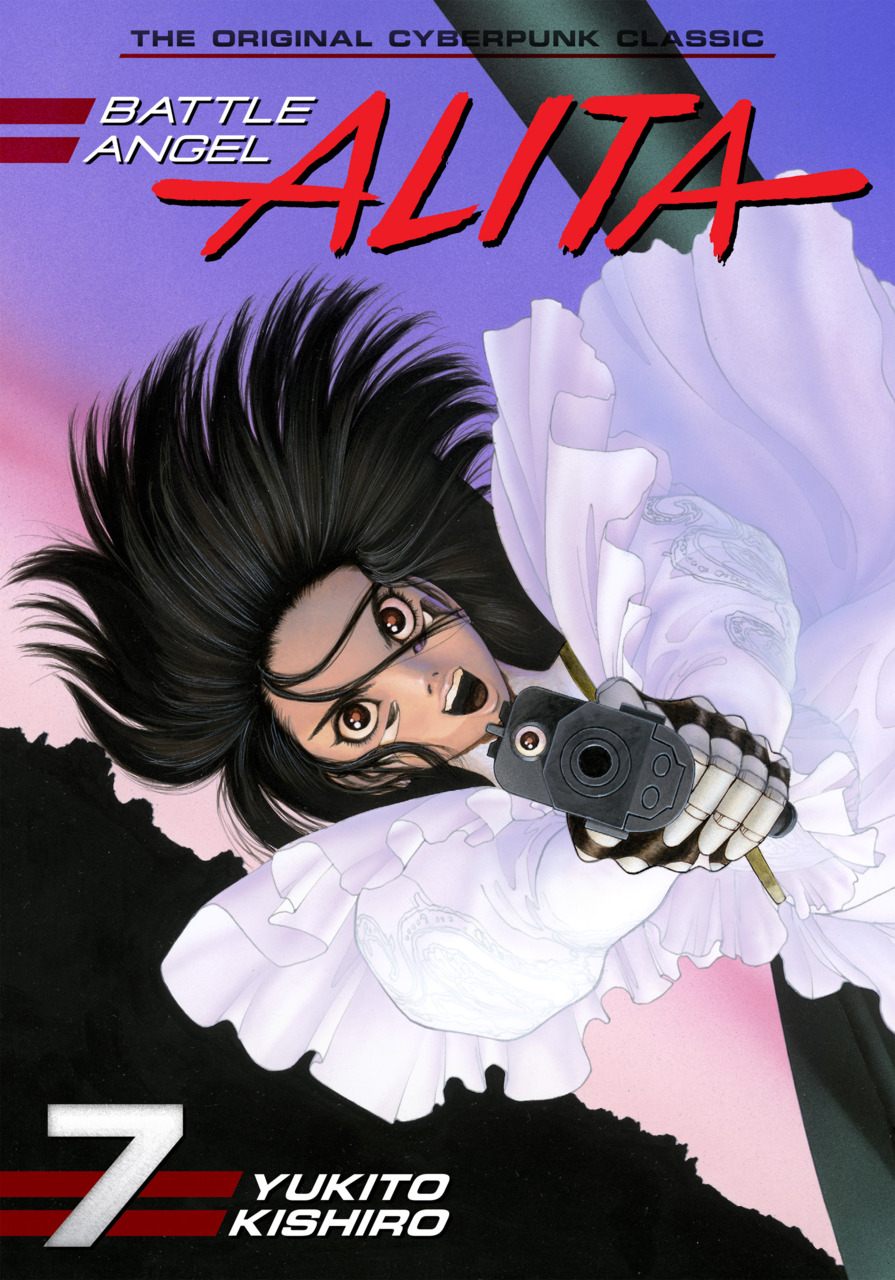
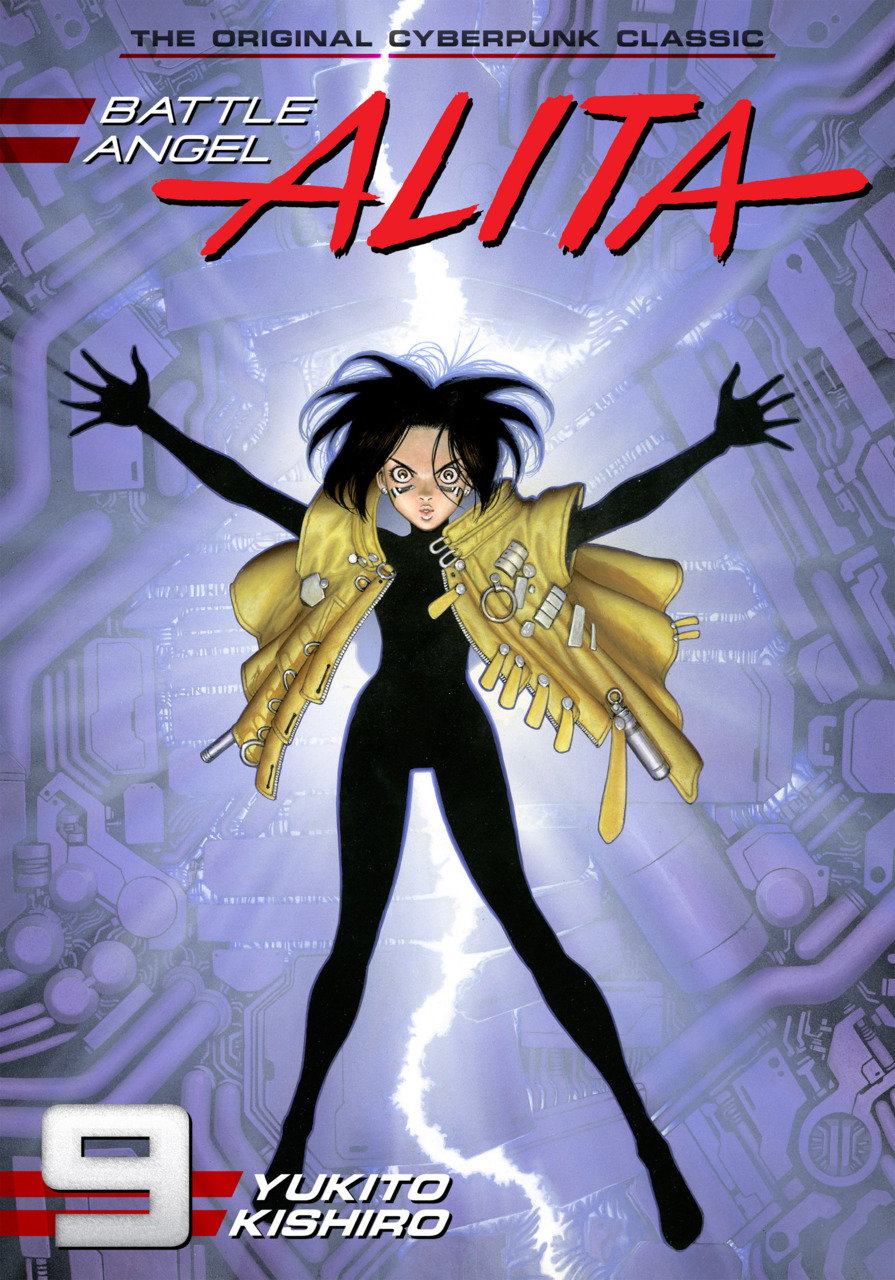
 wever, there’s still an amazing amount going on in terms of story-line and universe-building. You can easily see how the feature film will only be able to cover perhaps one-quarter of the series. I presume it will begin with the origin story, in which Ido finds the head of Alita in the scrapyard beneath the floating city of Tiphares, and gives it a cybernetic body. He’s a part-time bounty hunter, only to find out quickly, the combat abilities of his new charge far surpass his own. Unfortunately, she has little or no memory of her prior life; where she got these skills and how she ended up in the scrapyard is only revealed well into the series.






 ★★★★
★★★★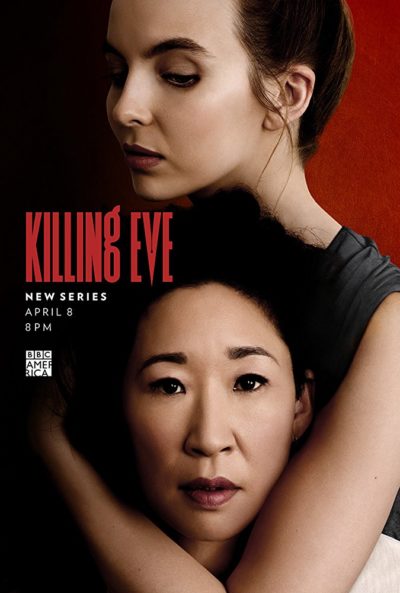 The show is defiantly messy in terms of its characters, who manage both to embody the stereotypes of the dogged law-enforcement official and the slick, femme fatale, while also subverting them. From the viewpoint of this site, Oksana is likely the more interesting. As a high concept, imagine a female version of Dexter: charming and affable on the surface, yet extraordinary lethal – and capable of flicking that switch in a moment. The difference is, Villanelle has chosen not to control and direct her “dark passenger” so much as embrace them fully, and is given the chance to do so by the profession into which she is recruited. It also allows her to indulge her fondness for haute couture.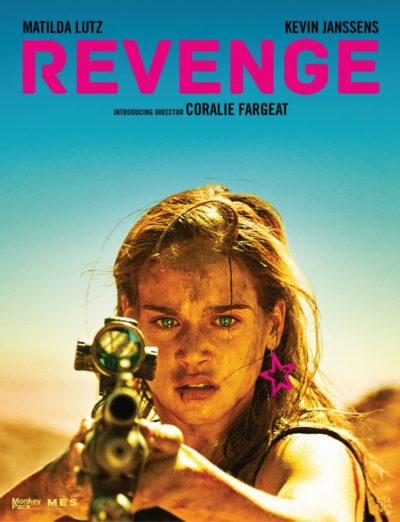
 For a film lauded for its supposed up-ending of the male gaze, this feels a bit odd, since it could be read as the sexual assault triggering Jen’s blossoming: rape as psychological therapy. She should thank her attackers! [The image of a rising phoenix branded into her skin, due to her impromptu first-aid, is not exactly subtle in its imagery. Then again, the entire film is not exactly subtle, and proudly defiant as such] If that reading is on shaky ground, it’s also amusing to note Revenge utterly fails the dreaded Bechdel Test, despite being brutally empowering, to a degree rarely seen. More evidence – as if it were really needed – of how shitty the Bechdel Test is at evaluating films.
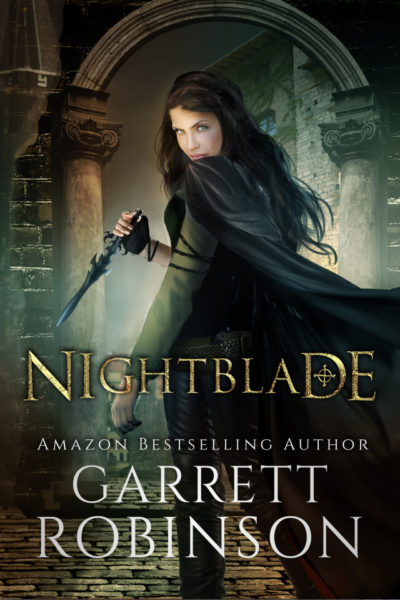 One of the common problems I’ve found with fantasy novels is establishing the universe. It’s clearly going to be very different from the reader’s, and the author needs to get them up to speed on how things work in the book’s setting. If this isn’t done quickly and effectively, the reader can be left floundering in a world they know nothing about. Robinson uses a neat trick to get around this. His heroine, Loren, basically knows nothing about it either, because she has been brought up in a remote rural area. Virtually all she knows about life outside the woods comes from tales told to her by an itinerant tinker, and her dreams of becoming a heroic thief seem no more than fantasies.
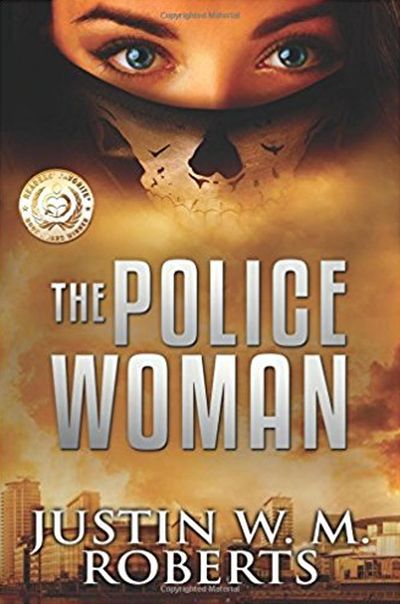 He also appears to have a background in police and/or military counter-terrorist services. His knowledge of S.W.A.T. (special weapons and tactics) terms and procedures, firearms specs, and both British and Indonesian police and military organization and organizational culture and traditions is extensive, to put it mildly, and he puts this to use in spades throughout the book. It’s noted at the beginning of the book that almost all of these tactics are “intentionally disguised” to protect police and military officers (so that baddies can’t use the book as a text to learn what to expect!), but it still has a very realistic feel. We’re in the hands of a writer who knows his stuff here; readers who need and want technical accuracy won’t be disappointed. For other readers like me, who don’t know one brand of firearm from another and have little technical knowledge of covert operations, much of this information will go over our heads, but it will still give a feeling of verisimilitude, and maybe impart some knowledge that will stick! (Seven and a half pages of glossaries of organizational “alphabet soup” and British, Indonesian and Irish military/police slang and terms and Gaelic –here spelled “Gaeilge”– phrases are provided; and if you’re anything like me, you’ll refer to them frequently.)
 ★★★★
★★★★
 I say the above, since the father of the star here is Clint Eastwood, possibly the most famous vigilante in cinematic history. He gave us Dirty Harry, who memorably spat out lines such as, “When an adult male is chasing a female with intent to commit rape, I shoot the bastard – that’s my policy.” This apple doesn’t fall far from the tree. Though Noelle, the art student who becomes an avenging force after being raped at a party by a fellow student, takes a little longer to get to that point of unrepentant street justice. Her first victim is purely accidental, her attacker falling over a balcony after she confronts him, in the hope of getting some kind of apology. Doesn’t happen, and his death doesn’t exactly cause her sorrow. When she realizes she is also far from alone in what she has gone through, she decides that active retaliation is the best approach.