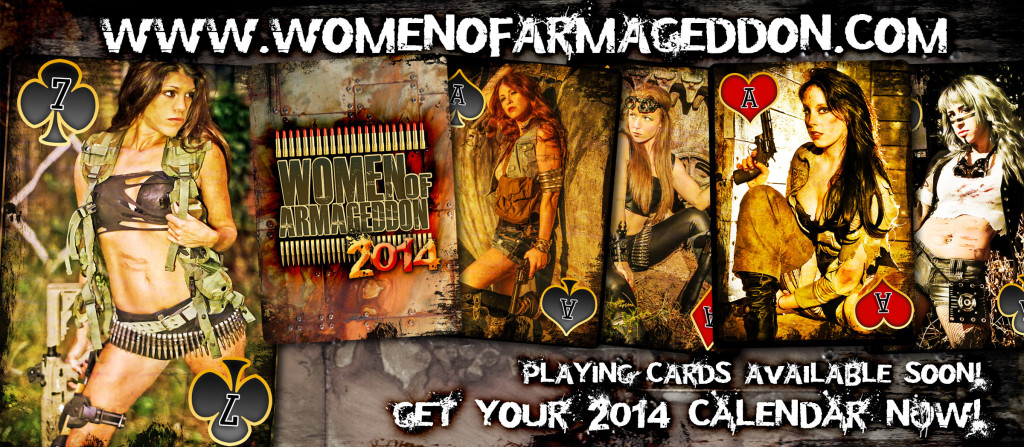
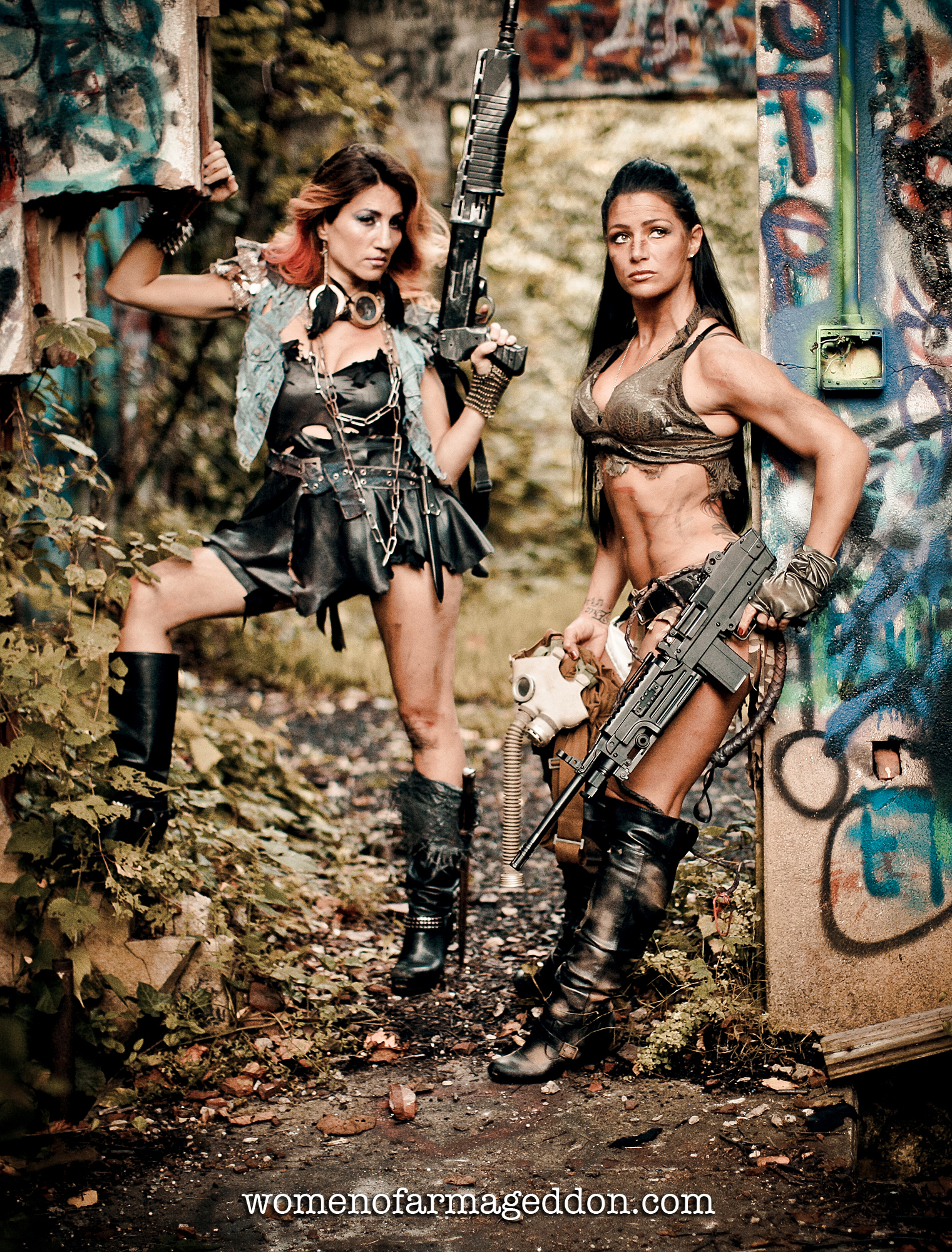
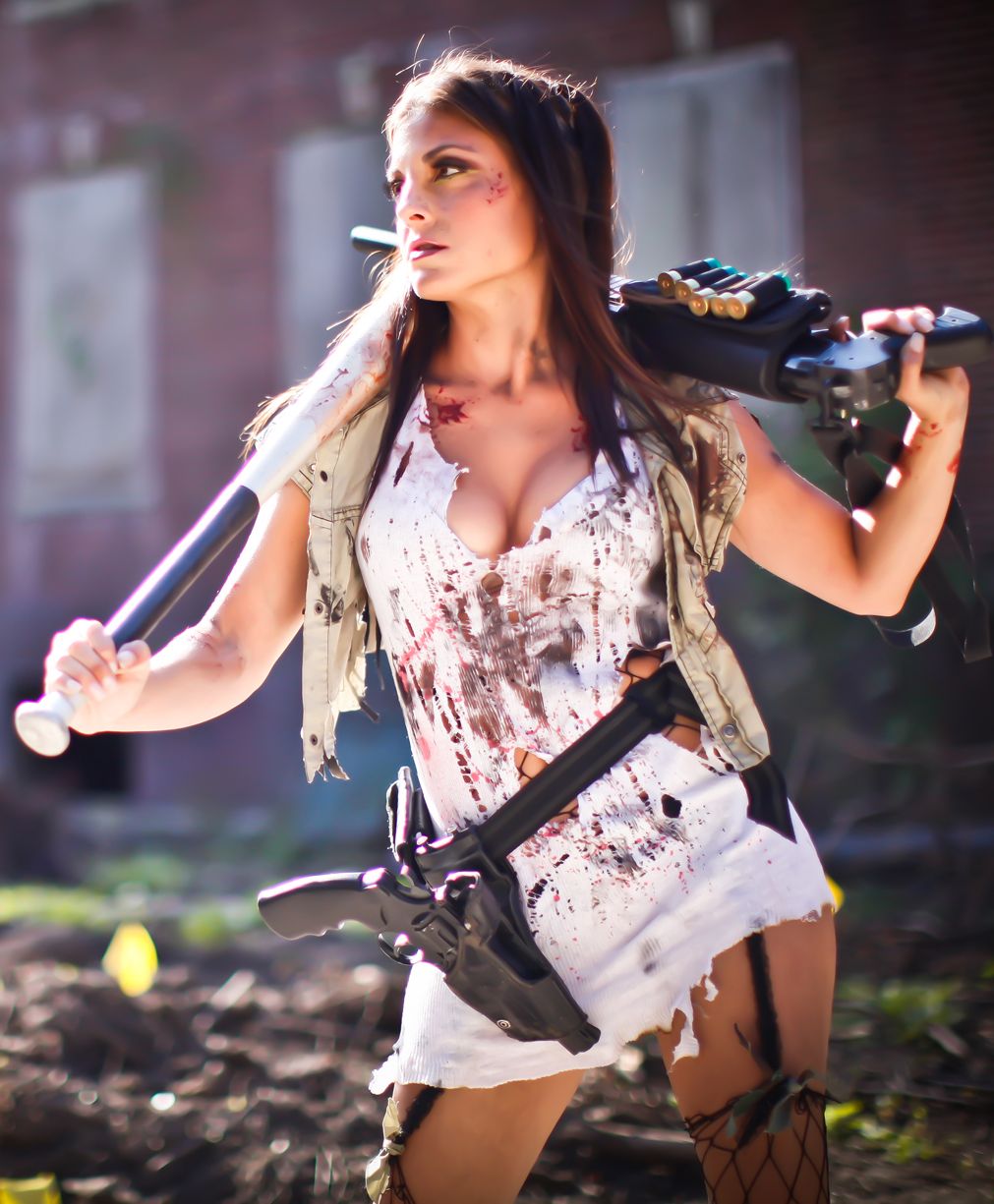
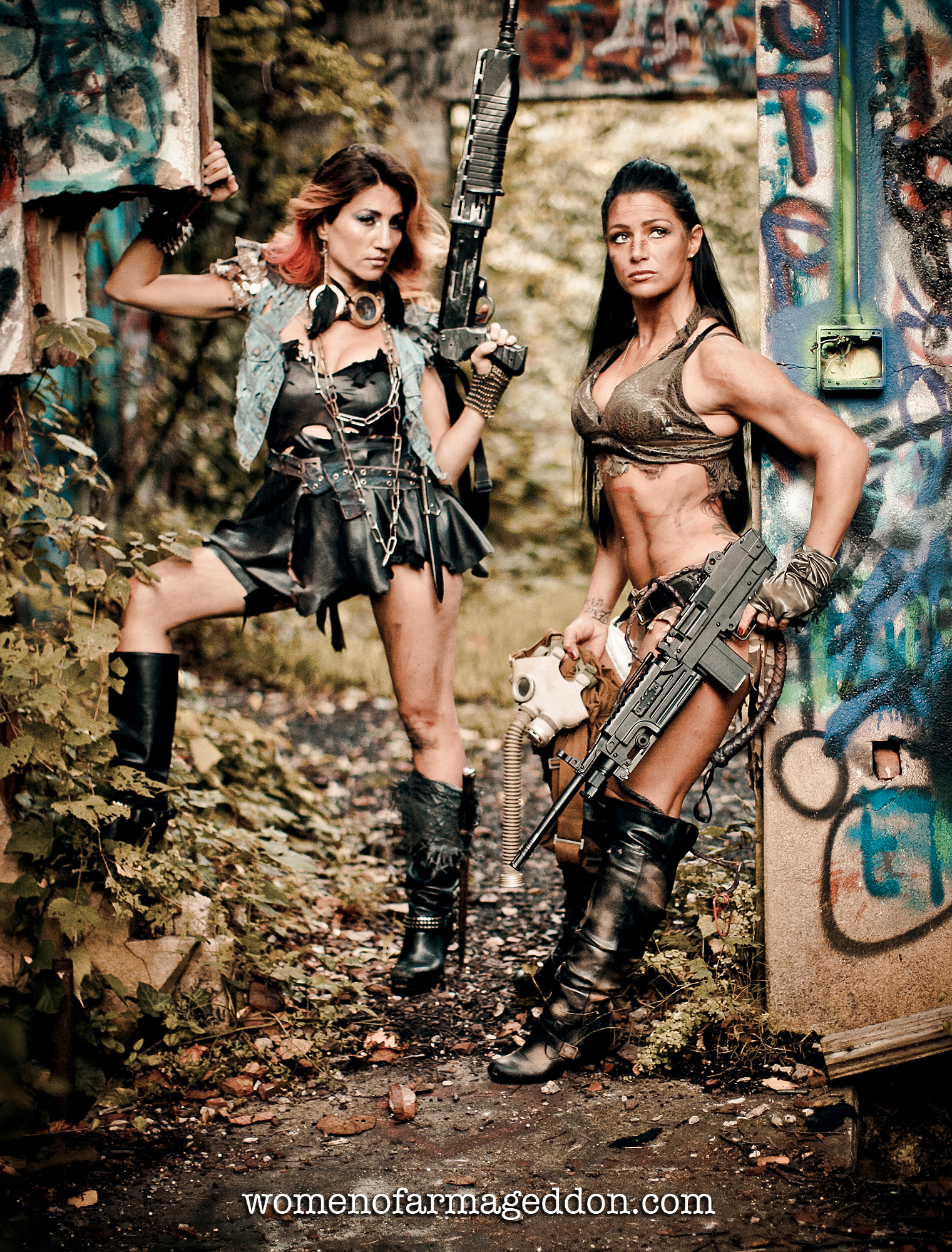
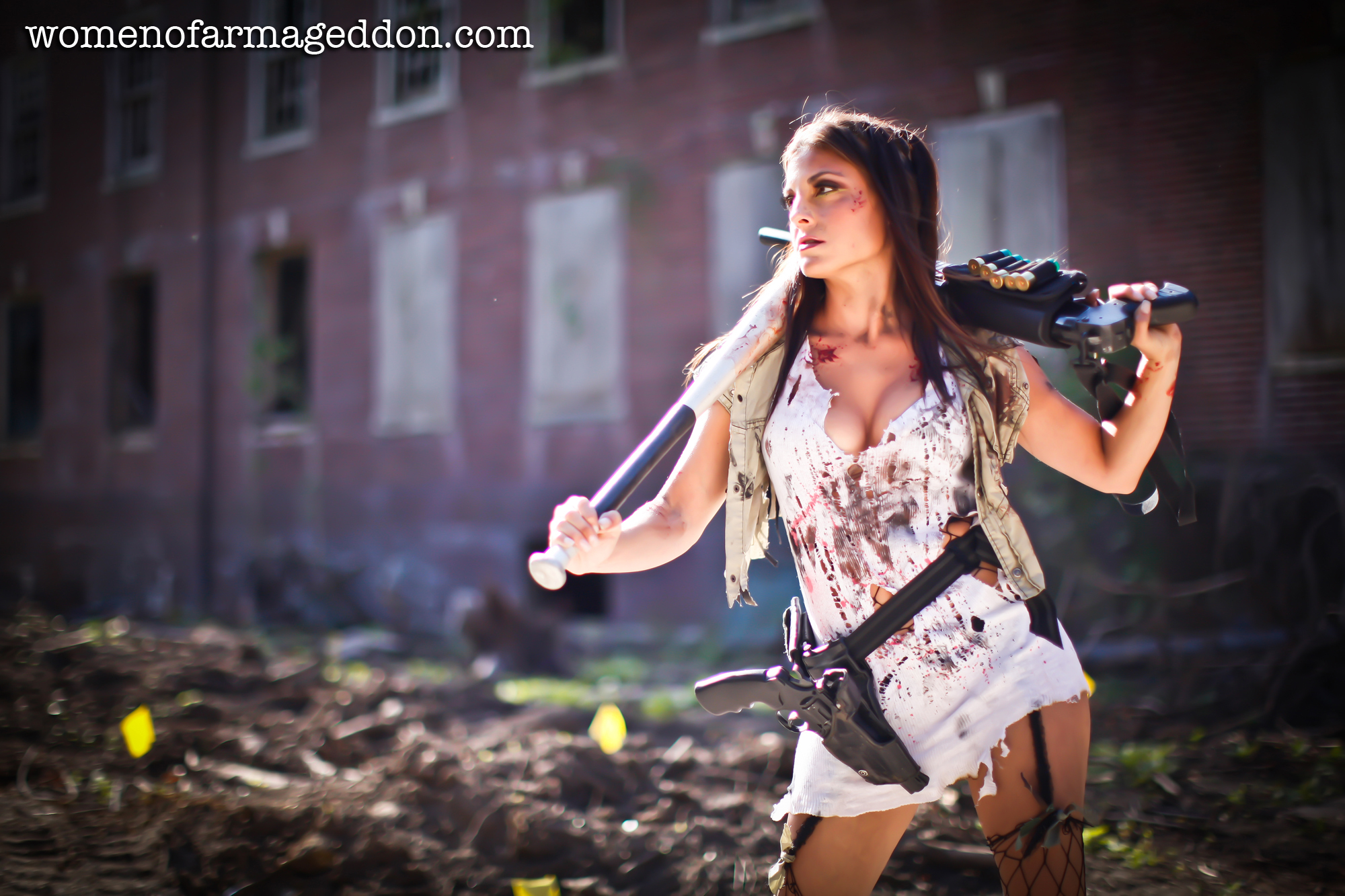
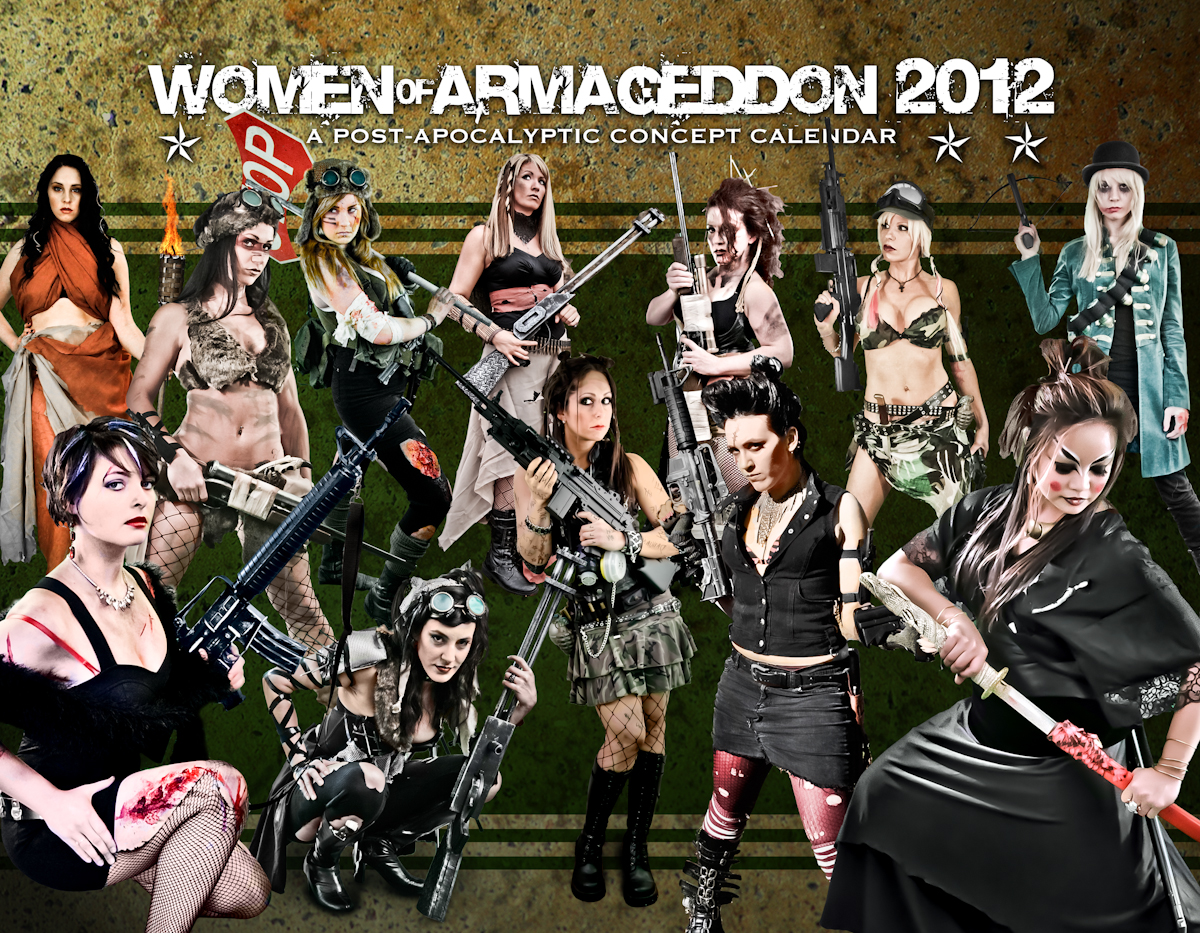
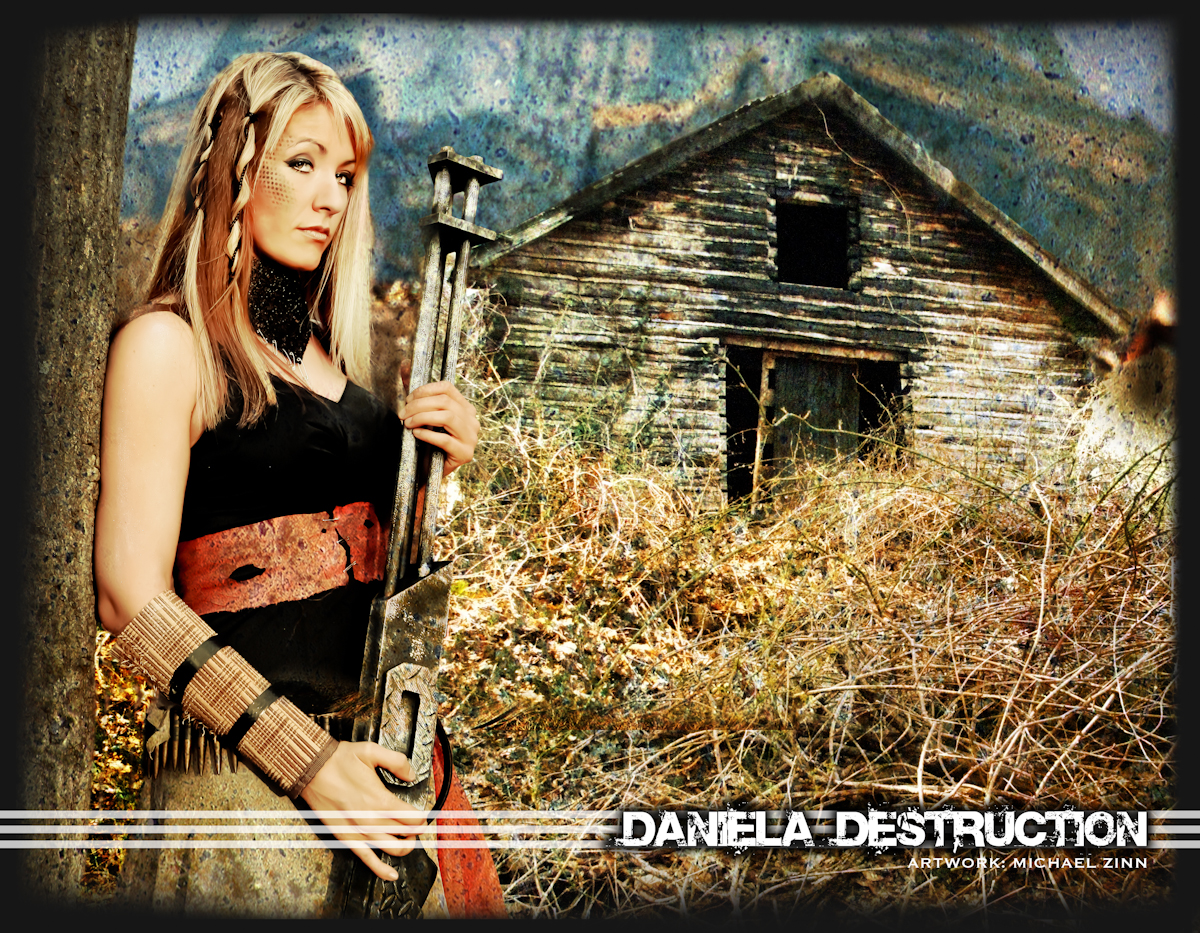
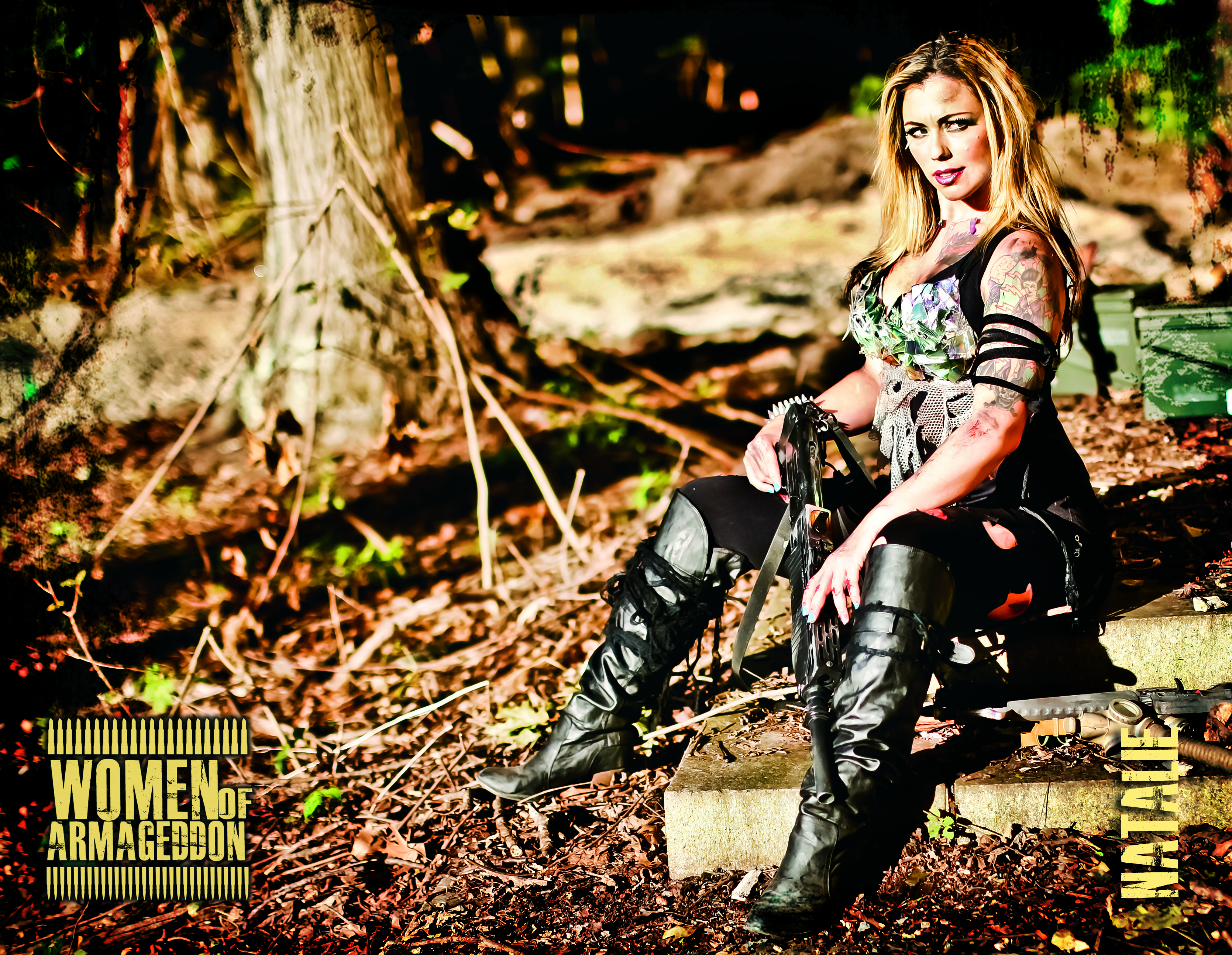
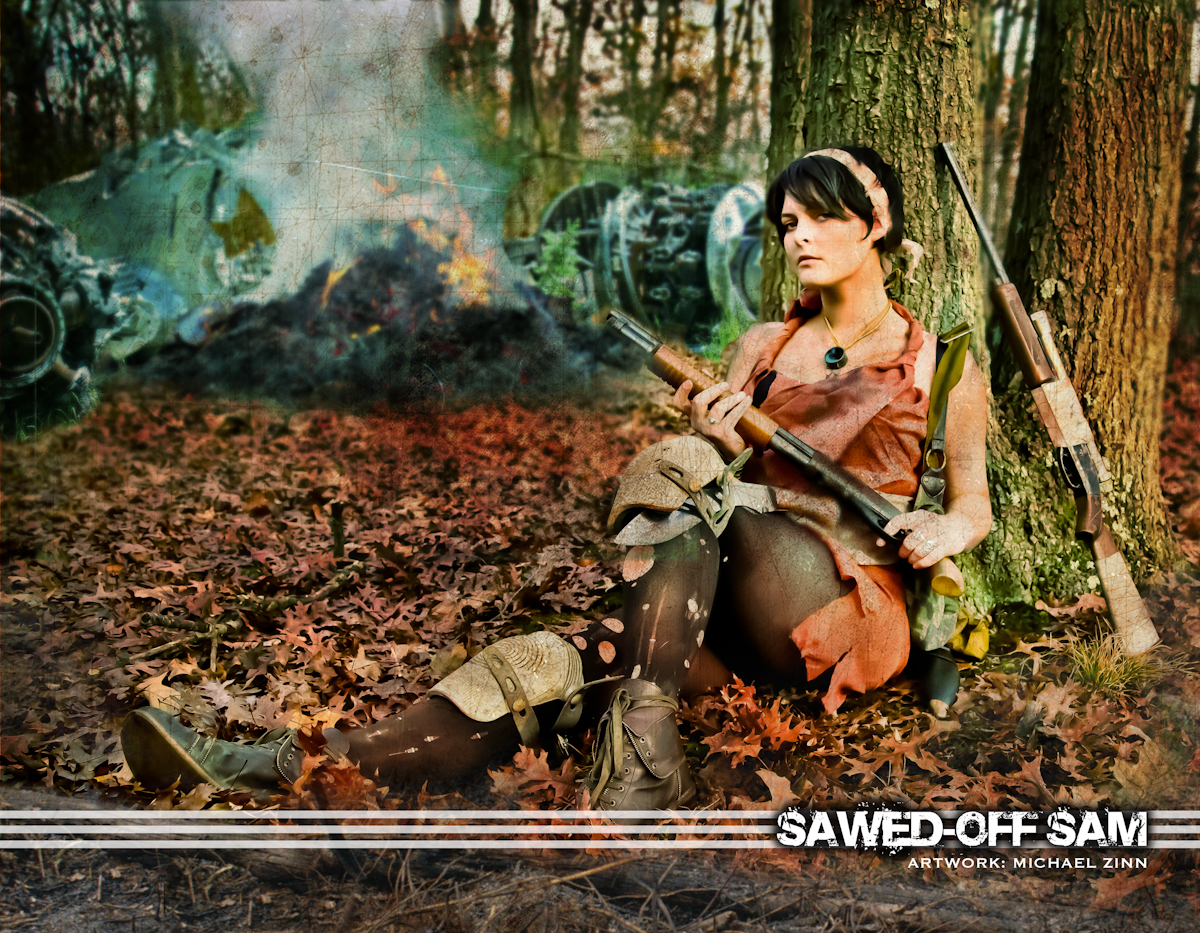
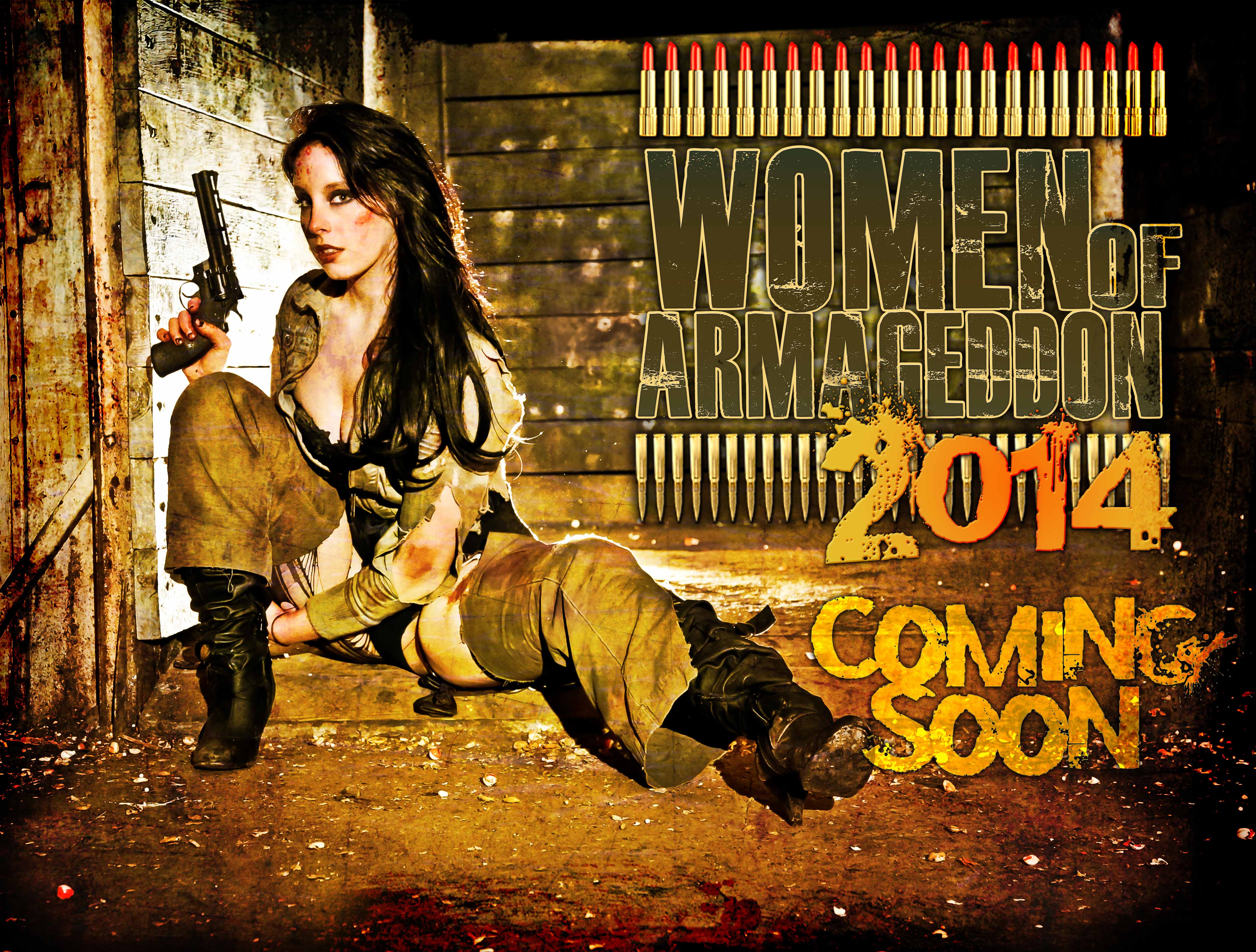
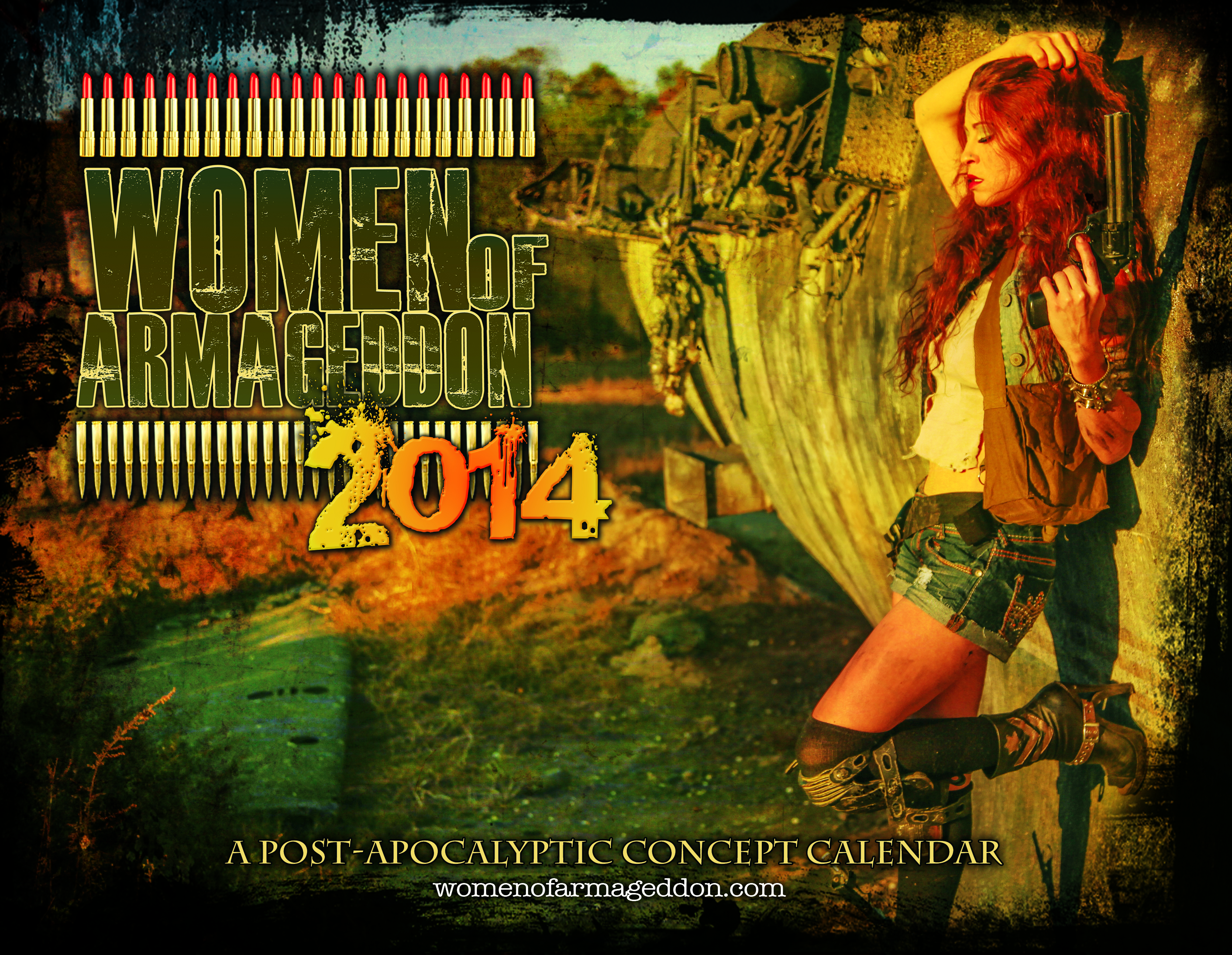
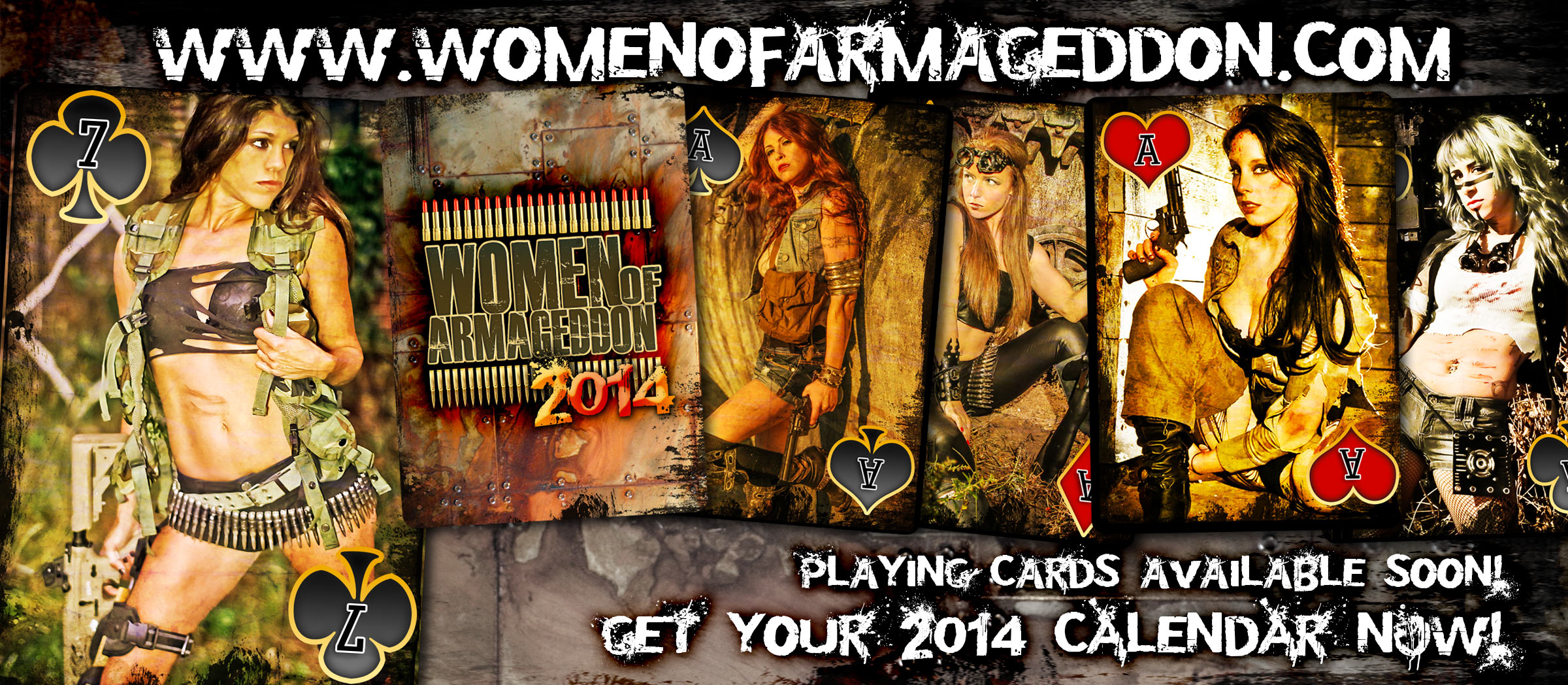
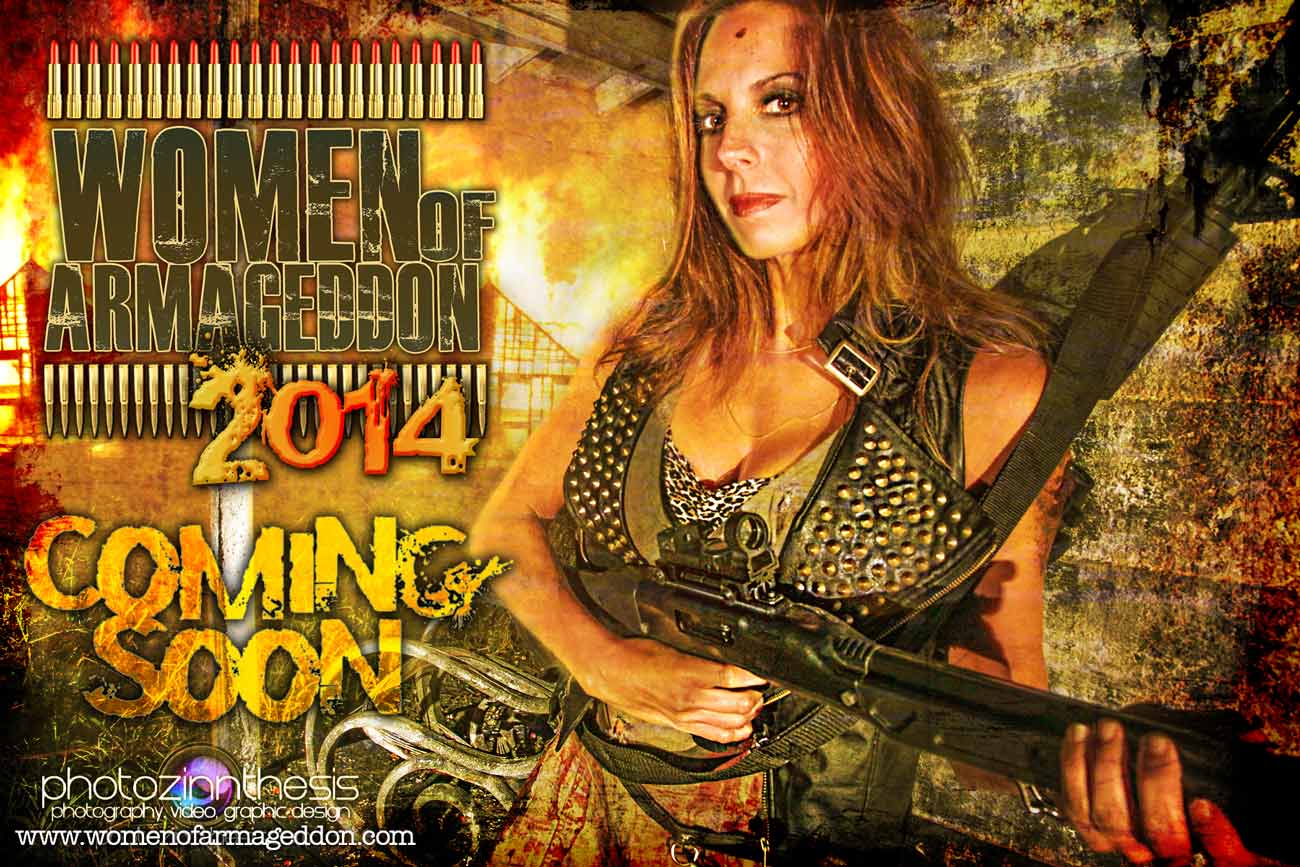
 The Woman of Armageddon is a sci-fi/action crossbreed, taking elements from both action heroine and post-apocalypse genres. Initially created as the basis for a 2012 calendar, now in its third year, the idea has expanded, under the loving care of its creator, Michael Zinn. Zinn took time off from arranging Doomsday, to speak to GWG.org about the end of the world, as he knows it.
For those who don’t know, high concept Women of Armageddon for us.
Women of Armageddon is a (beautiful) vision of an alternate future. “What if the world ended, and only beautiful women were left?”
What’s your background and artistic influences?
Well, I am a computer geek at heart, but when I was in college, everything was lumped into “computer science ” and there was no such thing as Photoshop. I changed my direction, and ended up at the Hartford Art School as a photography major. By the time I left, computers had started doing graphics and I was able to combine my passions.. As far as influences, well, some artists that definitely inspired me are Boris Valejo – as a matter of fact it was his fantasy artwork calendars that directly inspired the look and colors of 2013. I’m also a big H.R. Giger fan. Another big influence is scifi movie posters as wel as “sexploitation” movie posters like Barbarella; two movies that had a specific influence on this project are Planet of the Apes and Mad Max
Where did the idea come from?
Imagine Mad Max meets the Sports Illustrated Swimwear Calendar. The idea originated in 2011, with the prophecies of impending doom in 2012 and the hype of the world ending… possibly on Dec 21, 2012. It was a spoof in my head. A mash up of the Mad Max costumes and women who had the time apparently, to do their makeup and retain their femininity… But it soon evolved to represent women more as a symbol of strength and survival.
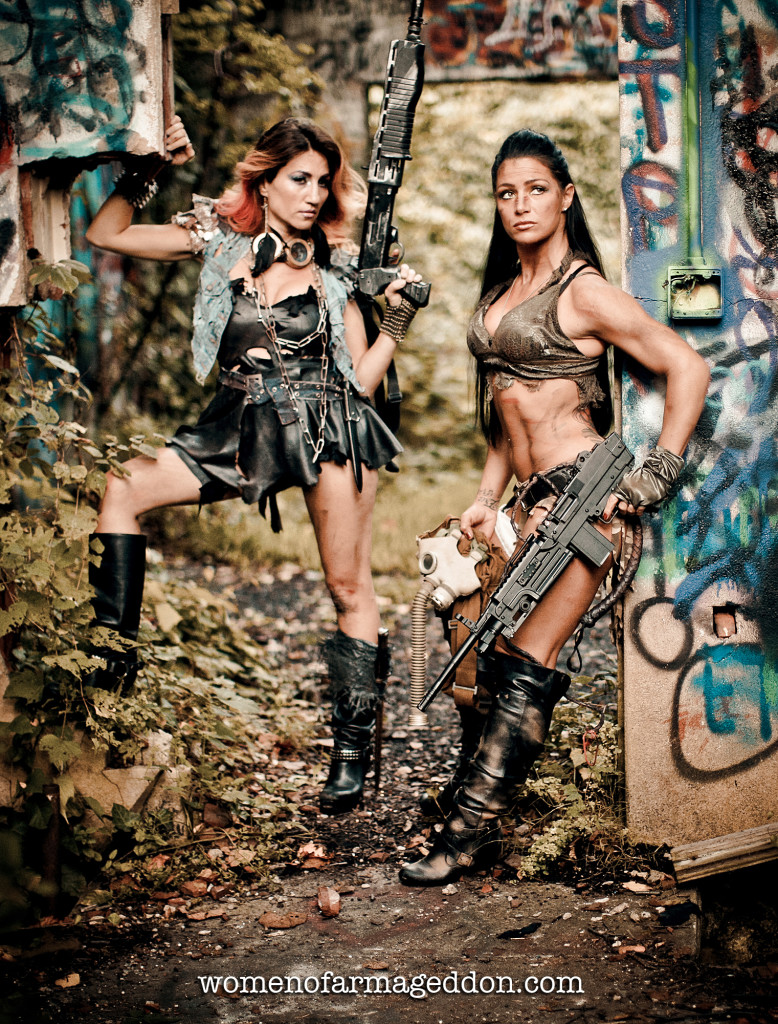 Was there a particular type of Armageddon in mind?
Actually, yes and no… The original calendar had a few concepts tossed around. One was that each month would represent a different Armageddon: zombies, aliens, biochemical warfare, natural disaster, nuclear war, etcetera. Another concept was going to be Armageddon around the world, using Landmarks like the Eiffel Tower, Empire State building, Wall of China, Golden Gate Bridge. So there’s the “no”. The “yes”, is that in the photographic novel I am developing, there is a specific Armageddon – but that’s not to be disclosed at this time!
How did you go about putting the first calendar together in 2012, getting the models and the weapons?
It was Thanksgiving 2011, and I was visiting family in AZ. The idea had been in my head all year and I finally shared it with my girlfriend at the time, Janine Maloney, who is a fabulously talented makeup artist. She was very encouraging and brainstormed the idea with me, and involved the first models , whom she had worked with on makeup at the local Haunted Houses that usually crop up during Halloween season. They were all very inspired by the concept and eager to get involved, which really helped bring the calendar to life.
In addition to Janine’s “theater” friends, I come from the local music scene, and was able to involve some of my local female musician friends, which helped add some audience to the calendar. We were very fortunate that they were all available and in about three weekends we scrambled to costume and shoot 12 girls! As a matter of fact, a few of the models had boyfriends who built props and sets, and they showed up with some awesome weaponry that appears in the first calendar. It went amazingly smooth for the first time around. I did all the graphic design and layout over a week, and we were able to have the calendar available to order right around Christmas-time!
How was the reaction?
People seemed to really get it for the most part. It also seemed to be inspiring to women. I think people like the fact that these are regular girls and they look great, tough yet battered, Hard, yet soft. Our own reaction – which was interesting – was that this concept needed to expand. We originally were thinking about making a comic book, and in looking for an illustrator, we realized that we had already created a style we could use to express this as a “photo-graphic novel”, a twist on the popular adult version of comic books called “Graphic Novels”
Where did things go from there?
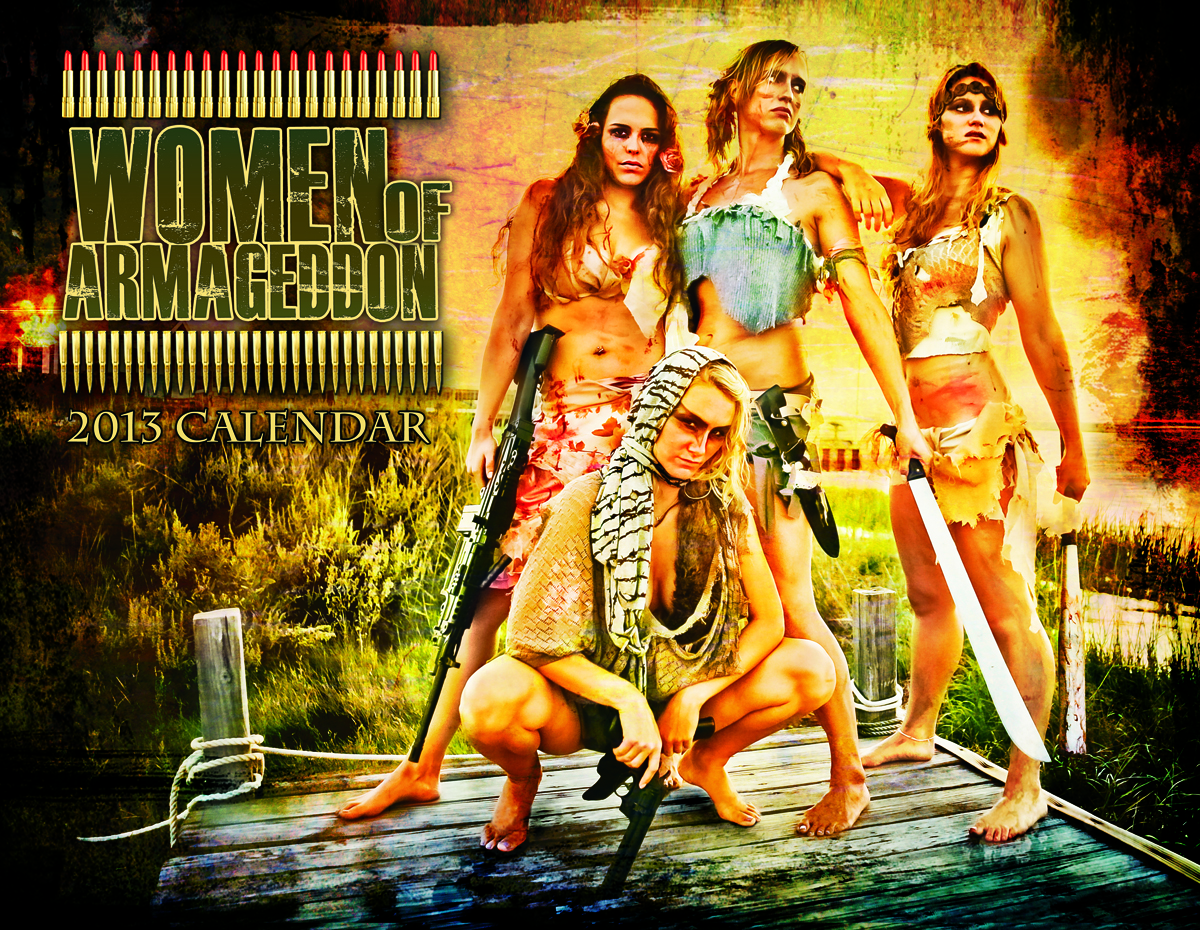
While we were writing the story, the opportunity to appear at ComicCon in NY came up. We didn’t have time to produce the PhotoGraphic Novel we wanted, so we decided to do another Calendar )2013. 2013 was even better than 2012 and we also did a deck of playing cards. The second calendar was amazing! We were definitely better prepared and even more energized – it was also more photography based than post-processed.
What have been the biggest lessons you’ve learned, and the most rewarding moments?
Each project presents its own set of challenge and learning experiences. I learned that a Calendar has a limited window of opportunity for selling! But I also learned that the concept was huge and there was a world to create. The biggest challenge was definitely losing my partner in the project. Janine Maloney is an amazingly creative and talented Makeup Artist who happened to be my girlfriend. When we split up, she moved to New Mexico. The 2014 Calender was emotionally challenging as well as logistically.
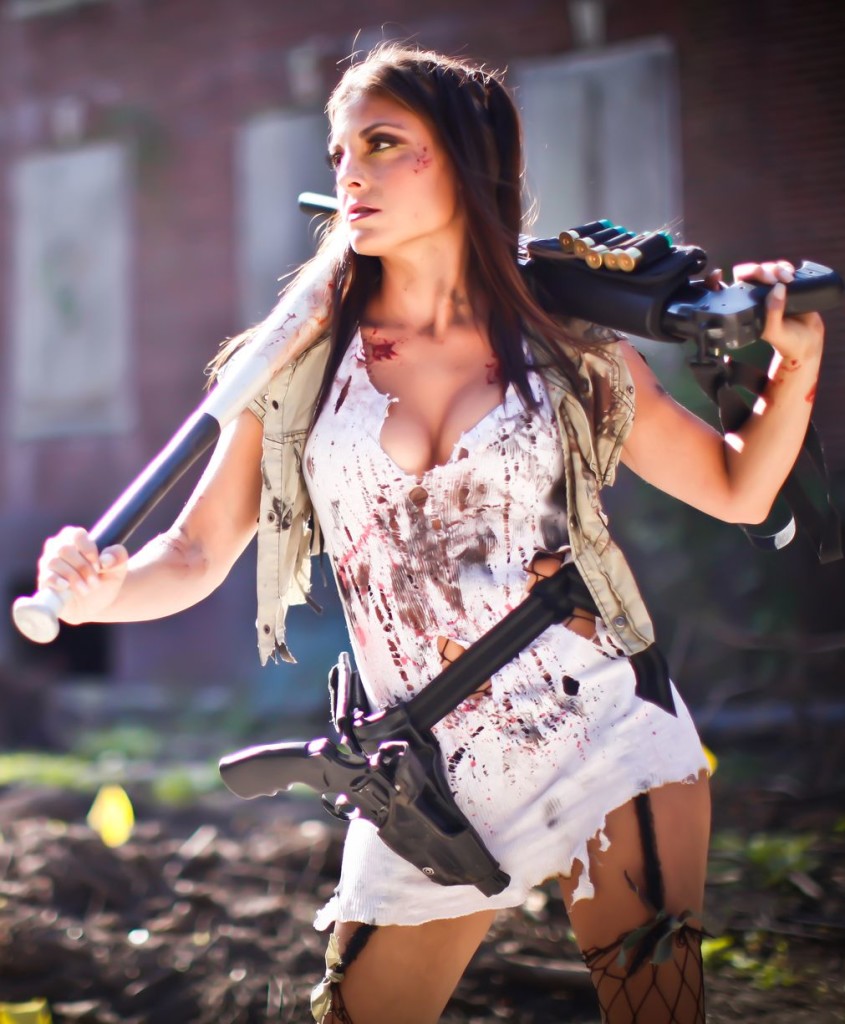
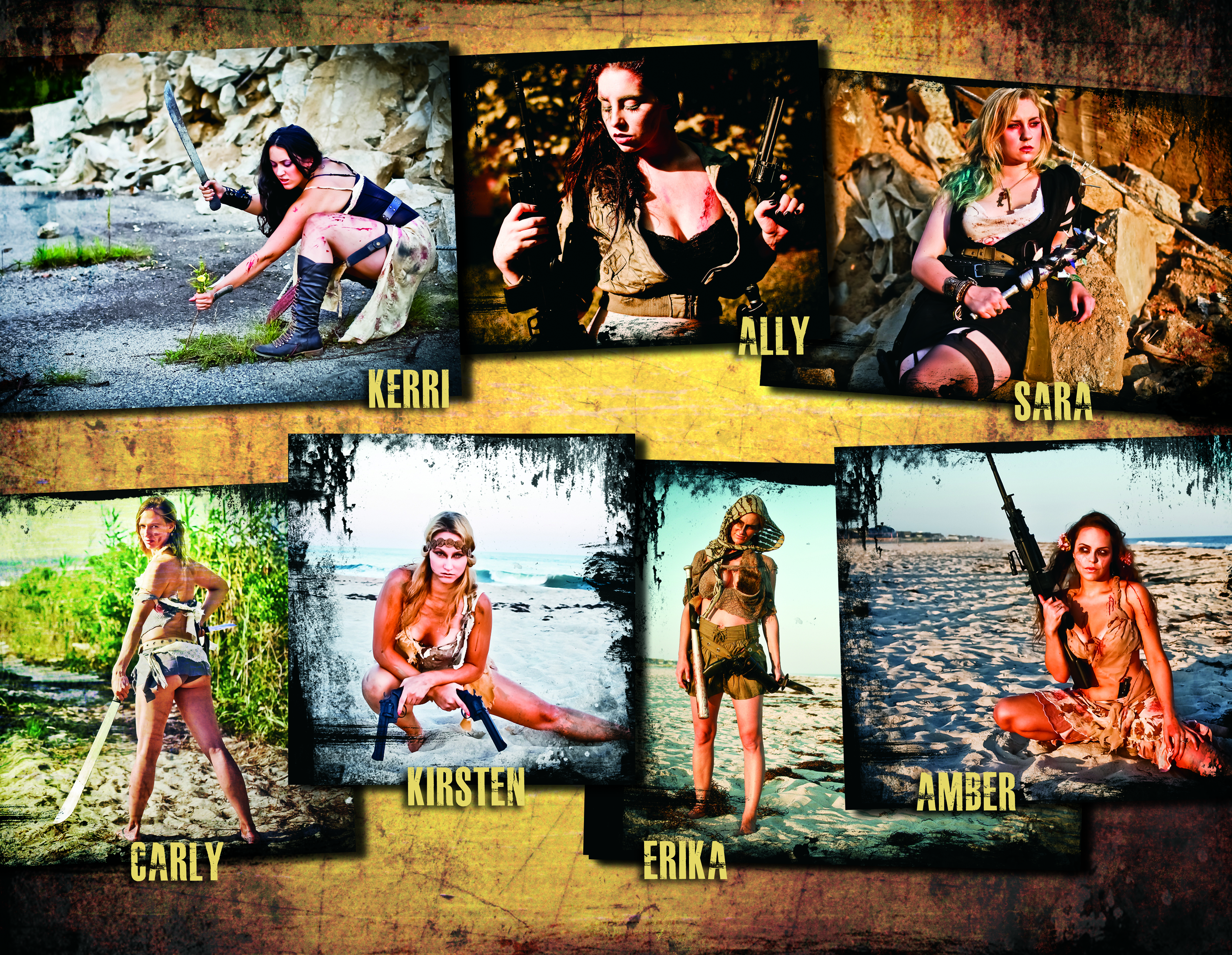
Fortunately, a few of the girls i worked with were also talented Makeup Artists and helped me through the challenge, Ally Antun, he only girl that has actually been in all three calendars, is extremely talented and motivated. She has created some great horror characters for “Slim’s Chamber of Horrors” a local haunted house experience that made the news this past season.
The most rewarding moment was holding the first calender in my hands. It was the most tangible proof i had ever seen that “You can do whatever you set your mind to.” The second most rewarding was having a booth at Comicon 2012 in NY with the girls in costume. The response was amazing.
Looks like this is just one of several similar projects – tell us about the others.
Well, This project has definitely connected me to my own style, which I don’t think I had established before, as far as shooting with women goes. While I do enjoy just shooting portraits, The ideas that excite me are more storytelling oriented, a moment in time that speaks to the viewer…
I have a project called DrrtyGrrls which is an homage to old school pinup photography and style, with a little twist – each girl has gotten herself “dirty” in her respective scenario. For example “Arc-Angel” os a girl in a motorcycle shop with a welding flame, working on a motorcycle, or “Flour Girl”- a waitress in a kitchen who has made a bit of a mess with the mixing machine.
Some newer work I’ve been doing is inspired by groups on Facebook like Girls with Guns and Badass Babes, so I have been focusing on the gun culture as well as the biker and tattoo cultures, which are very visual to begin with, providing me with tons of inspiration and material. I have also recently begun working for United Ink, a tattoo based company that runs Tattoo Expos and sponsors their own United Ink Angels – a group of up and coming tattoo models.
What are your favorite action heroine movies?
Hmm. That’s a tough one. I love the Rssident Evil Series. Of course, I have to mention Tarantino’s Kill Bill, and Planet Terror. Can I sneak in Tomb Raider as well?
How would you survive a zombie apocalypse?
Unfortunately, I don’t think I would last too long! But if I had any chance to just escape to the wilderness beforehand, that’s what I’d do. Avoid areas that were once populated.
What next for the Women of Armageddon?
Well, the story is pretty much developed and the script is being put together, so we can begin production on the photo-graphic Novel. But I have also been doing a bit of video production the last few years and it’s a very good possibility that we can bring the Women of Armageddon into some sort of live action series or feature. That would be phenomenal!
More information



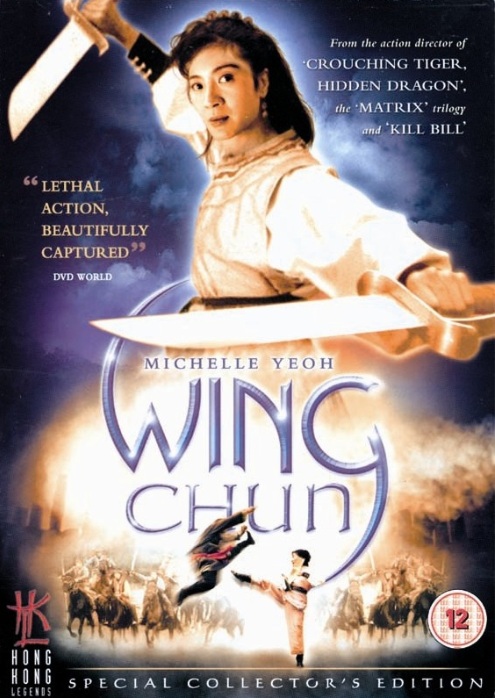
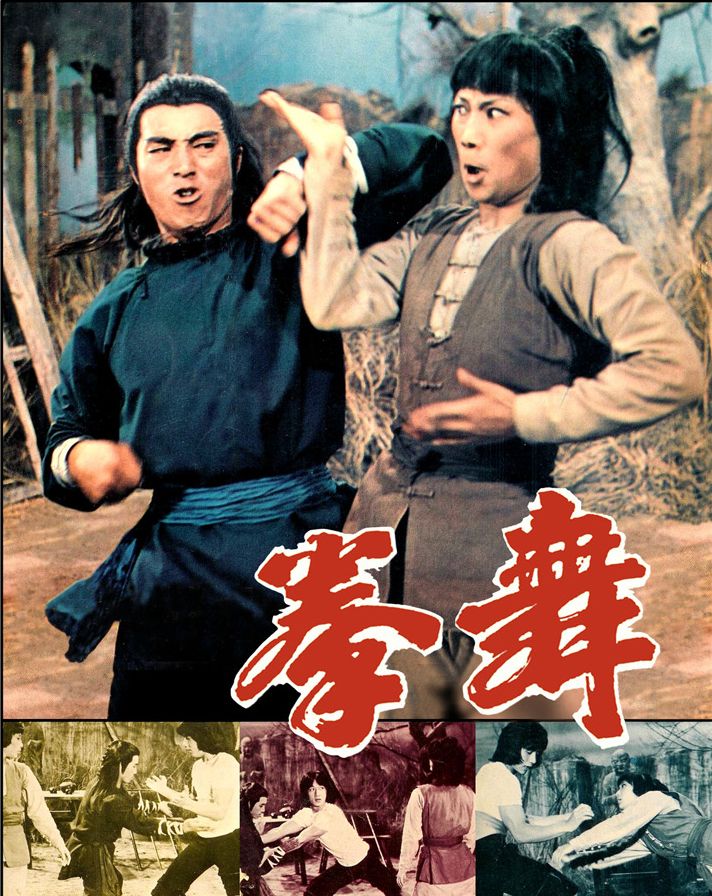 In the seventies, Angela Mao was the queen of Hong Kong cinema, occupying much the same position as Pam Grier in the blaxploitation films of the decade. Probably best known in the West for her role as Bruce Lee’s sister in Enter the Dragon (for which she was paid the princely sum of $100!), she had much meatier roles in a slew of films. This is my first exposure to her work, albeit in a print which has seen better… well, never mind days, I’m thinking better decades. It was dubbed and had subtitles, though the English track often matched the English subs more in spirit than anything else. And it wasn’t even ranked in her top 25 by IMDB rating. But, whaddya know, it actually wasn’t too bad.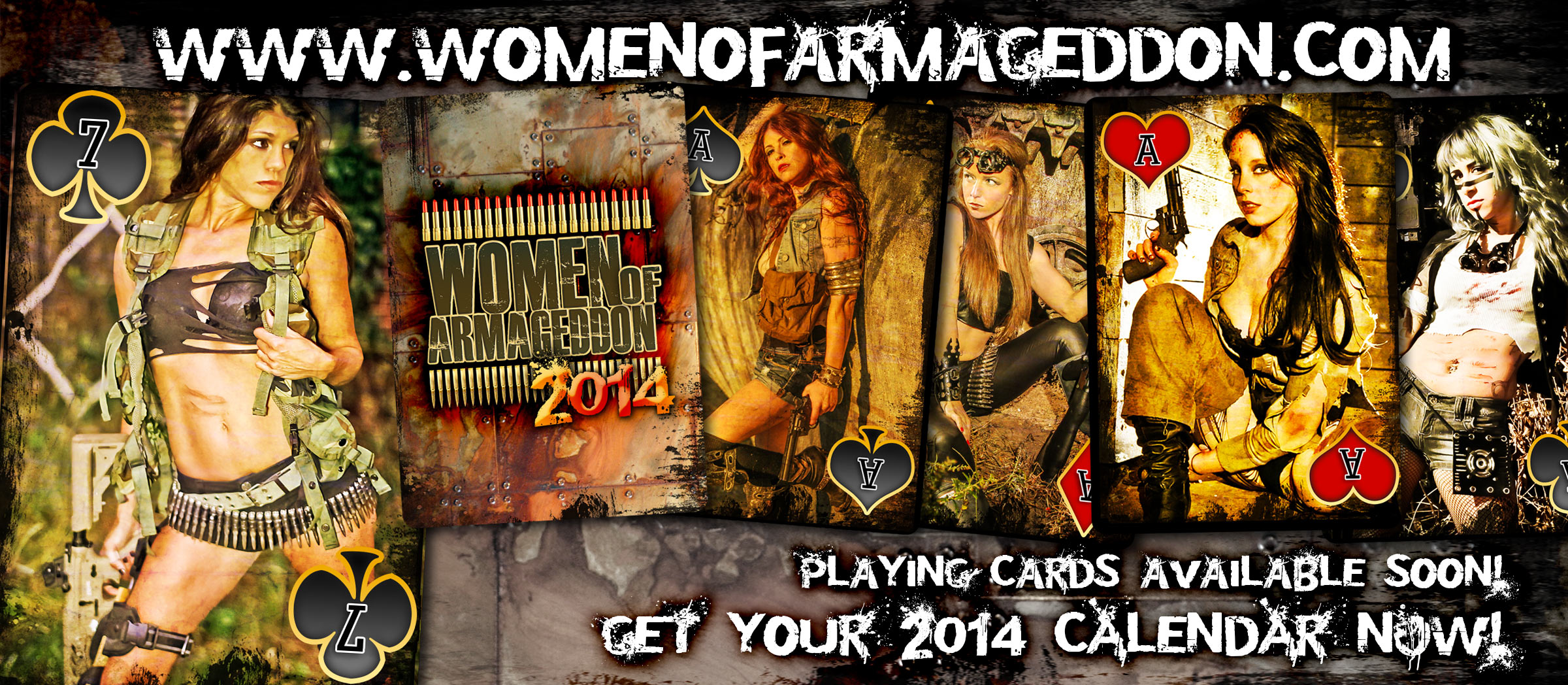

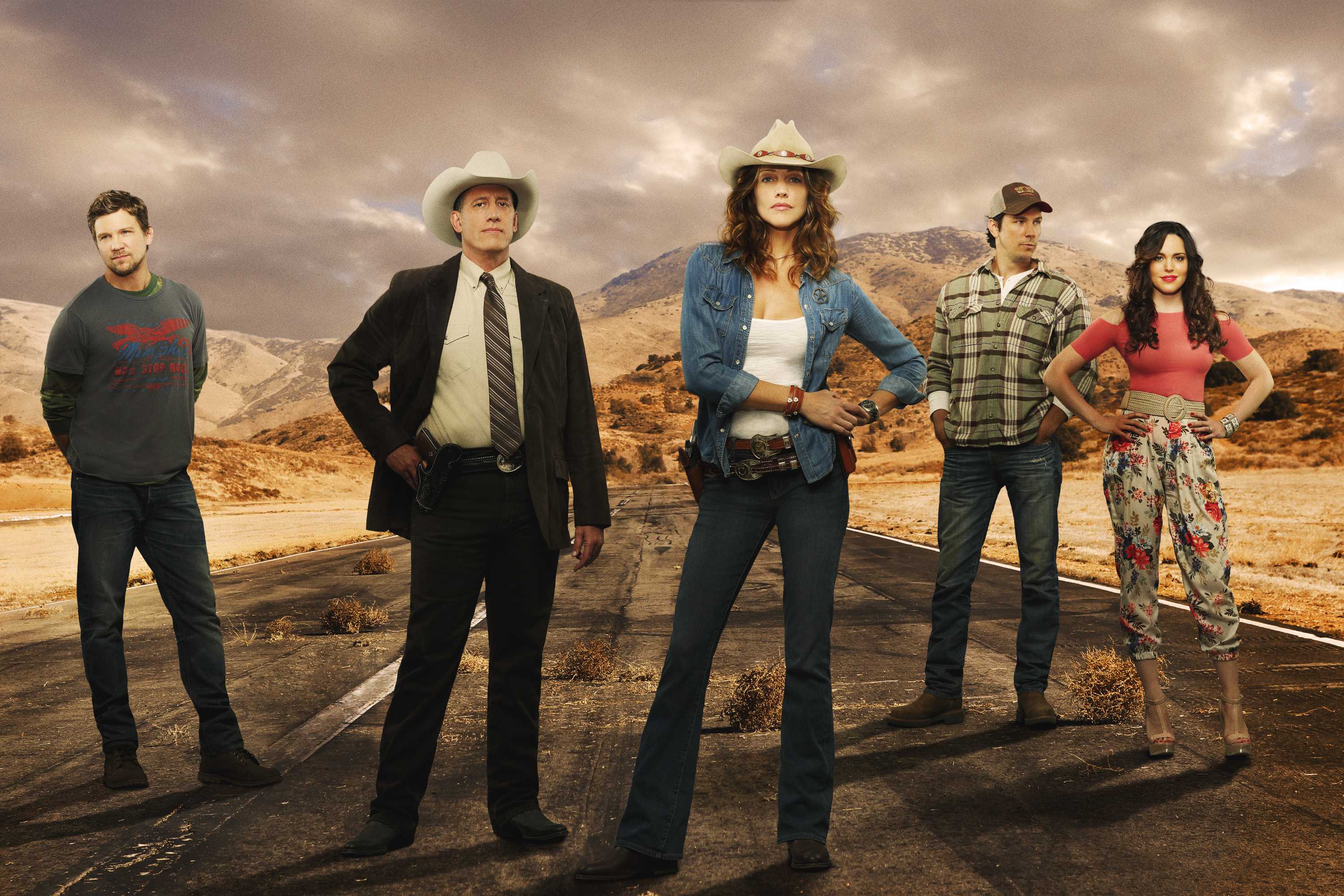
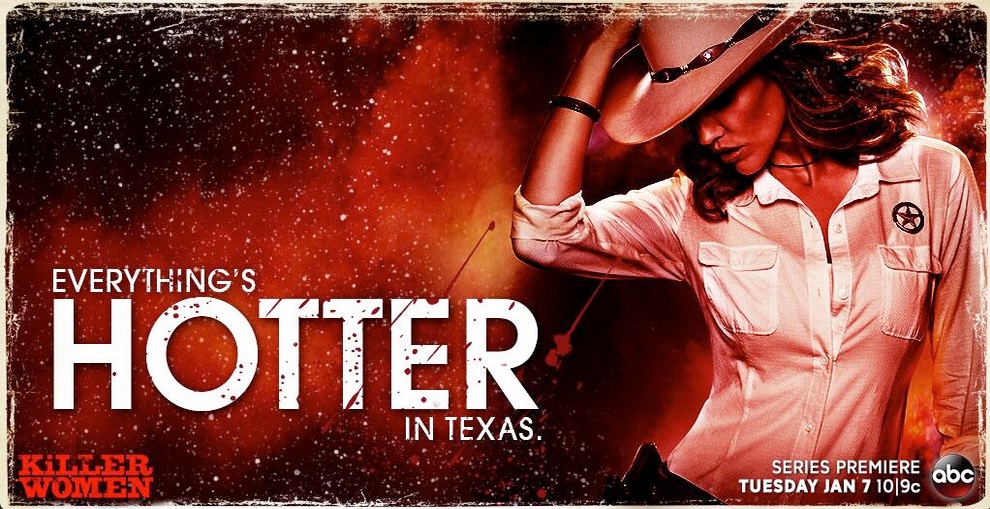
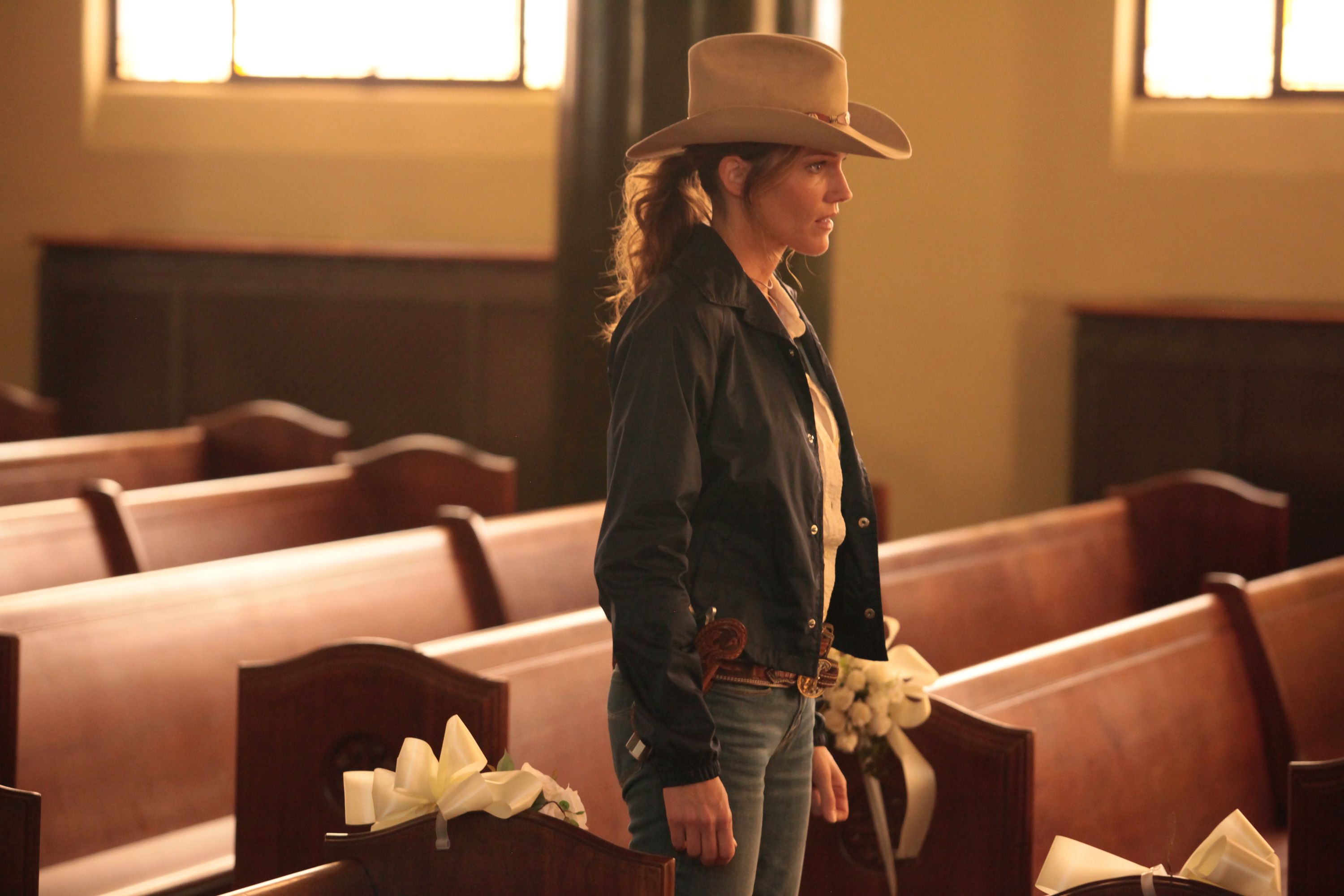
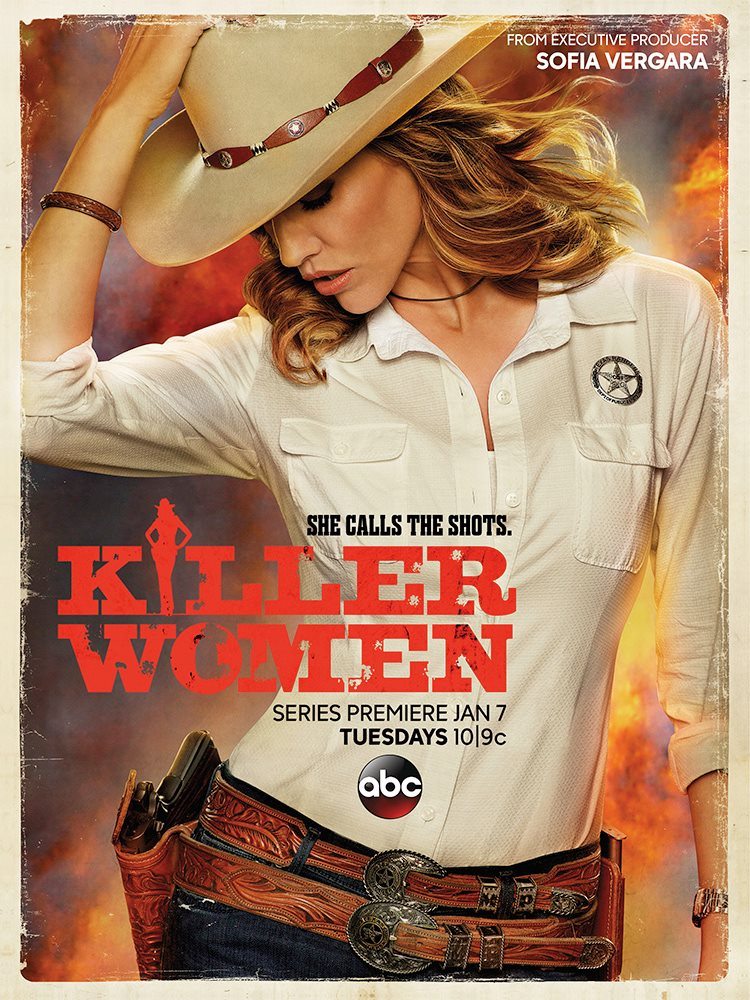 And it didn’t take long for the fatal blow. The series was an American version of the popular Argentine crime drama Mujeres Asesinas, which had already been successfully transplanted to other Latin American countries. This edition was originally only given a trial run of sorts, with eight episodes bought, and scheduled after New Year as a mid-season replacement for another deceased ABC series. However, after miserable ratings for the first two episodes, the network cut the order to six shows, a mere ten days after the series premiere. Unaware of this, it caused us some confusion when we turned on #6, which was suddenly now #8, with the sixth and seventh having been reduced in their entirety, to “Previously, on Killer Women…”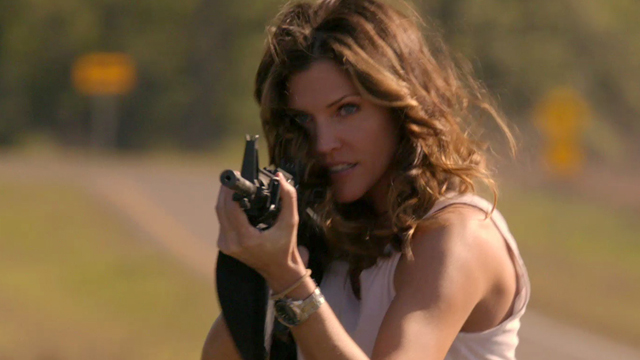
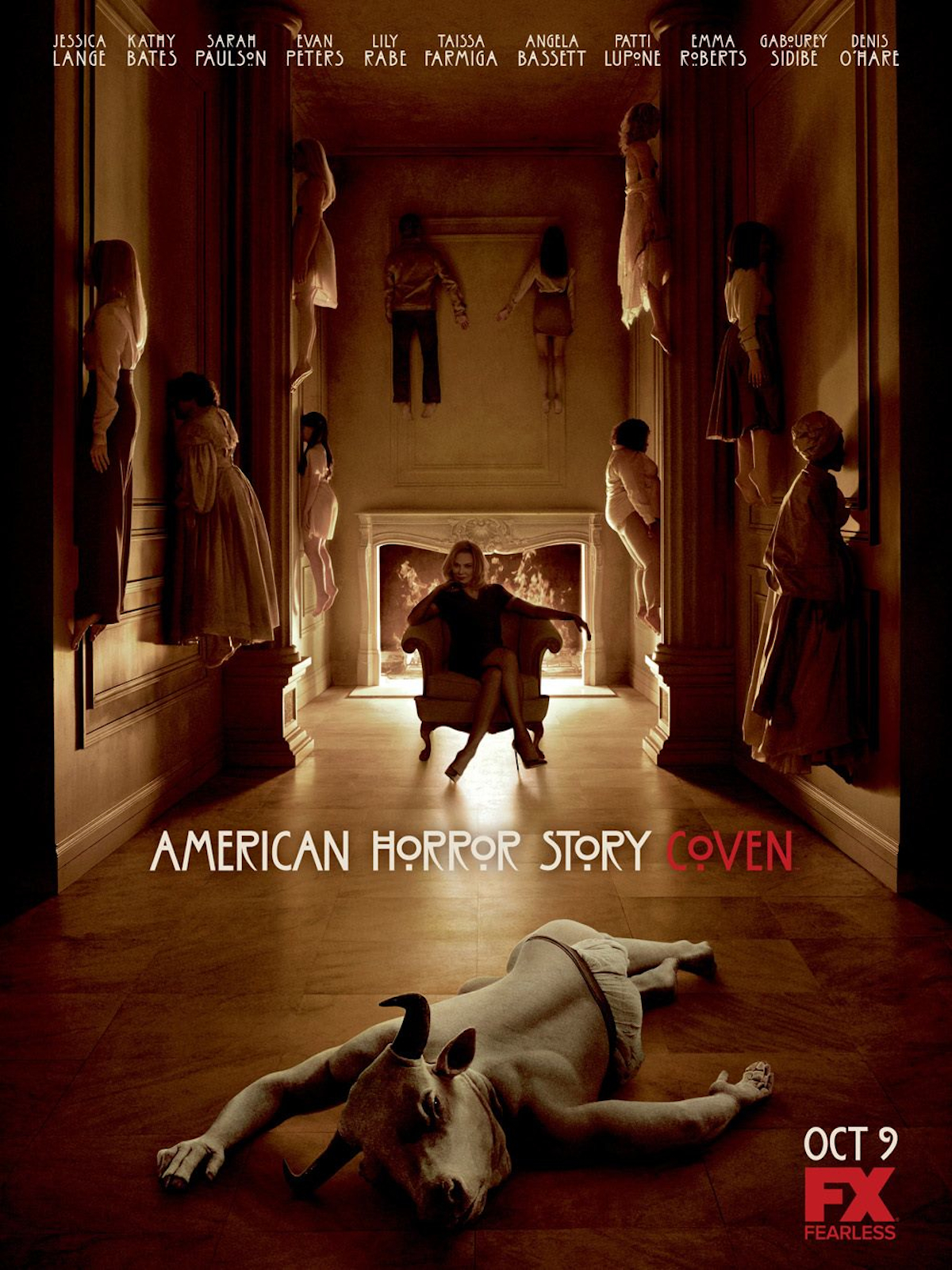
 While few shows on television are more twisted, perhaps the most bizarre thing about American Horror Story is that the creators of the franchise, Ryan Murphy and Brad Falchuk, are best known for that paragon of liberal smugness, Glee. It’s hard to think of two series more diametrically opposed, with AHS being deliciously mean-spirited, in a way much closer to Murphy/Falchiuk’s previous show, Nip/Tuck, but adding a far greater degree of viciousness. To steal a line once aimed at Margaret Thatcher by Denis Healey, AHS could fairly be accused of “glorying in slaughter,” as it romped through its first two seasons, set in a Los Angeles haunted house and New England lunatic asylum respectively. The stories it told were independent, albeit with a number of actors who appeared in both, playing different characters. Most notable among these was Jessica Lange, who showed exactly why she had won two Best Actress Oscars.