
★★★½
“Still not as good as the book.”
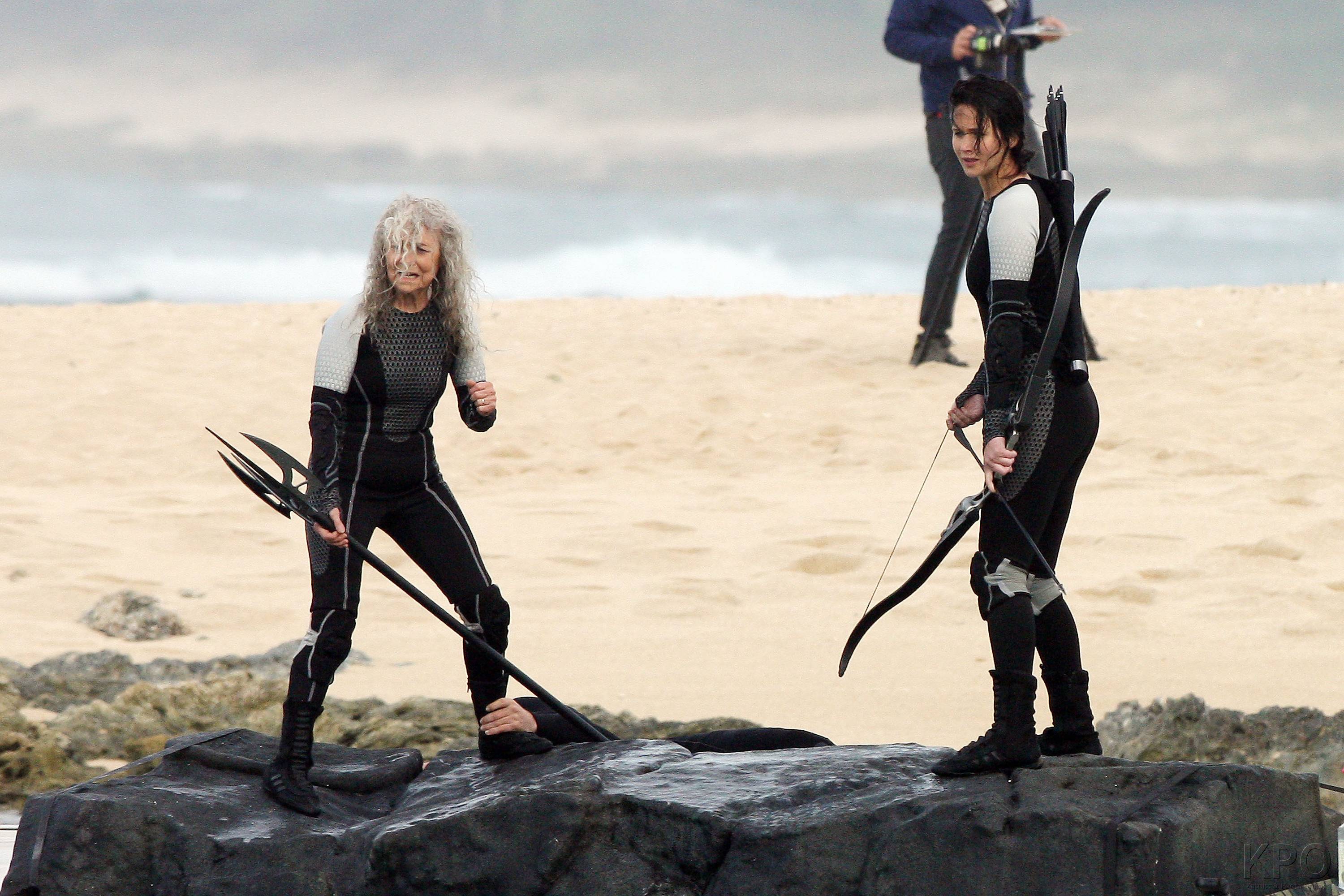
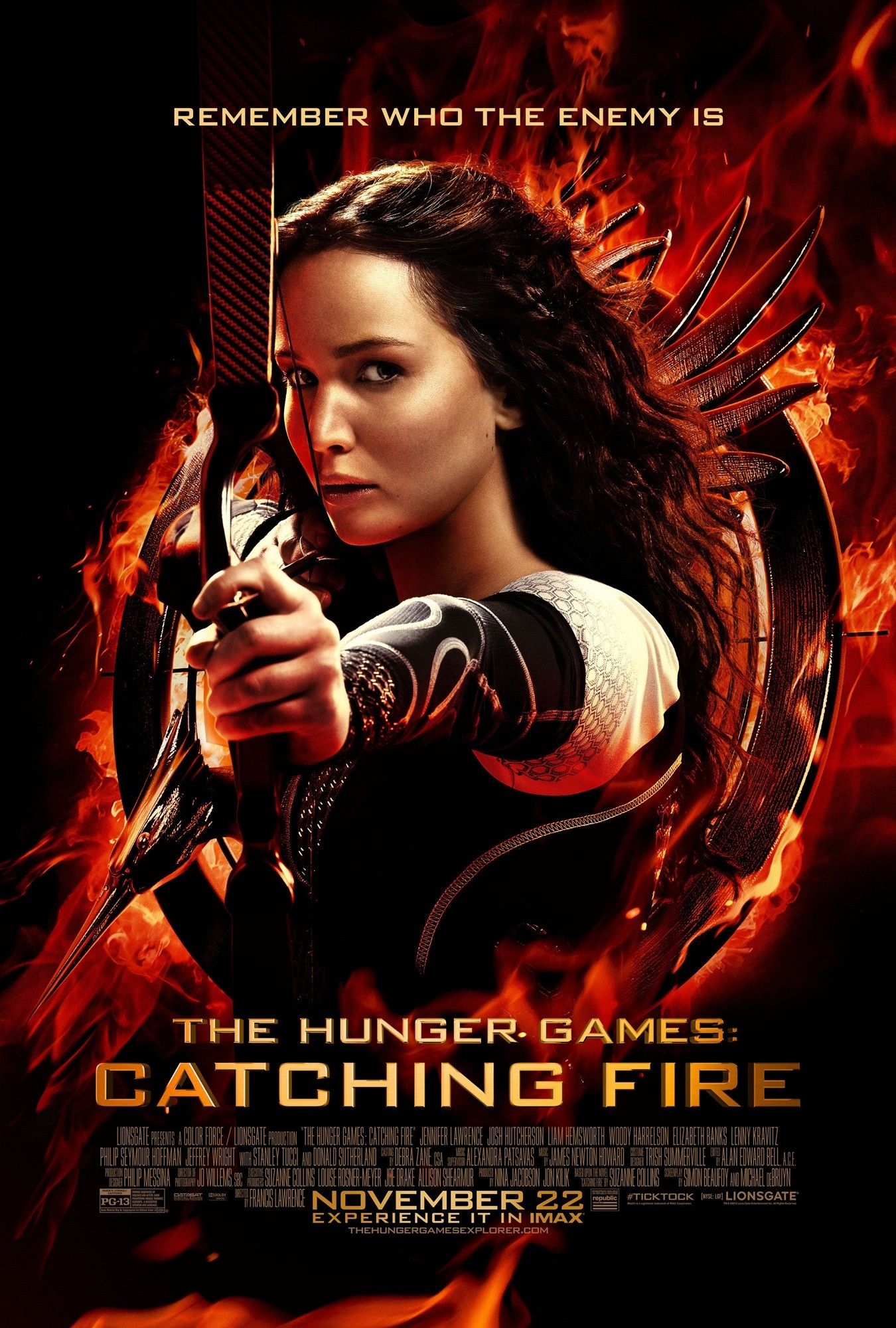
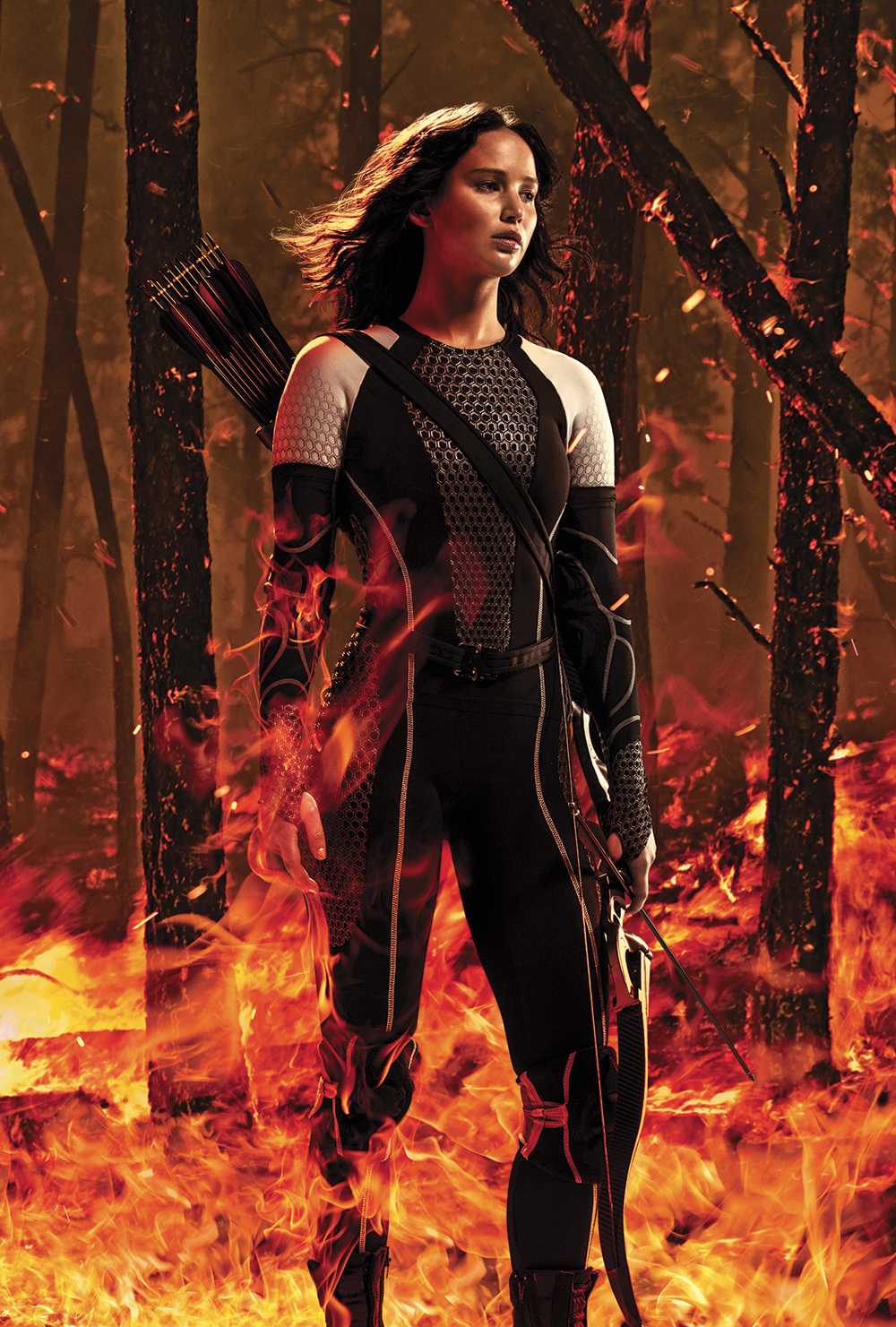
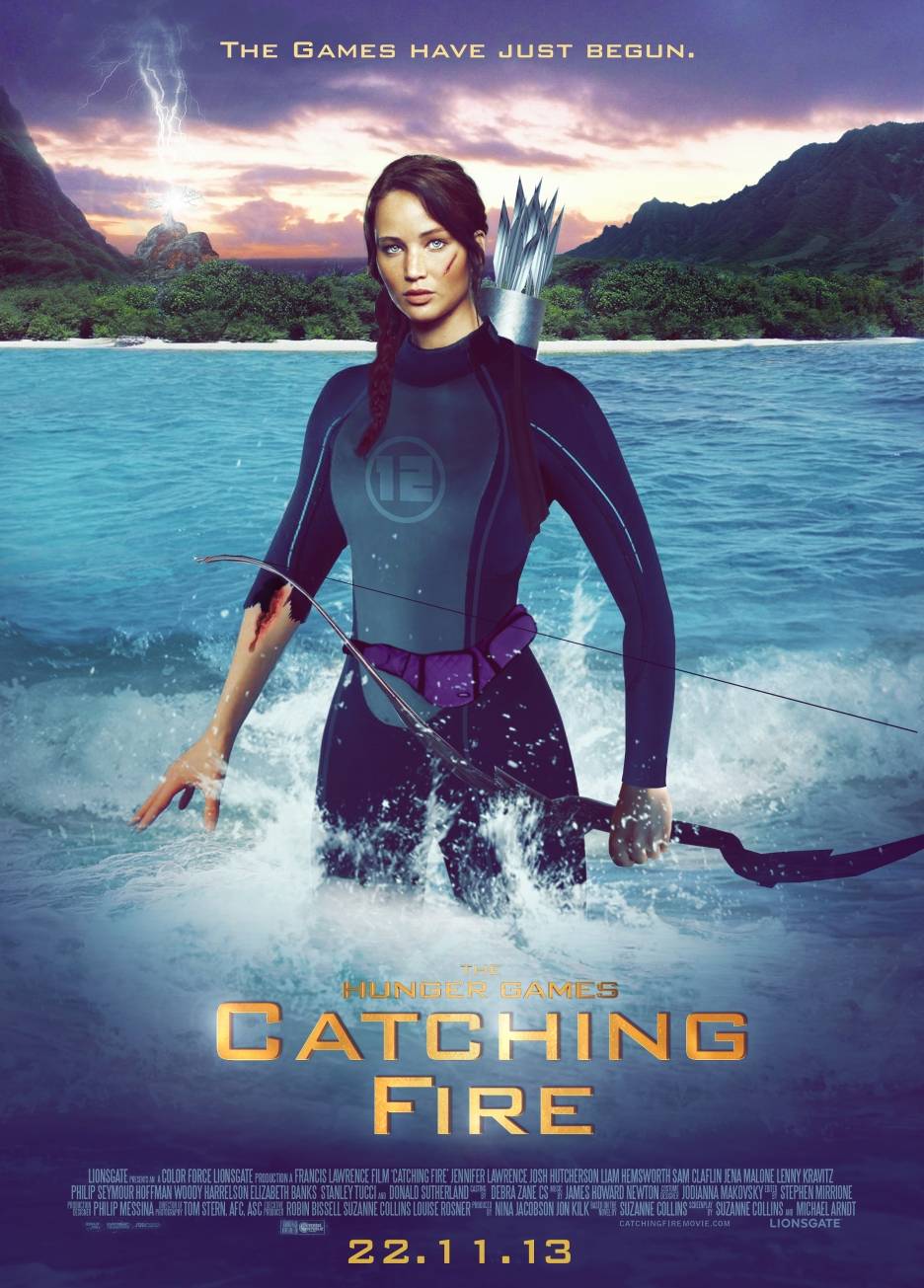
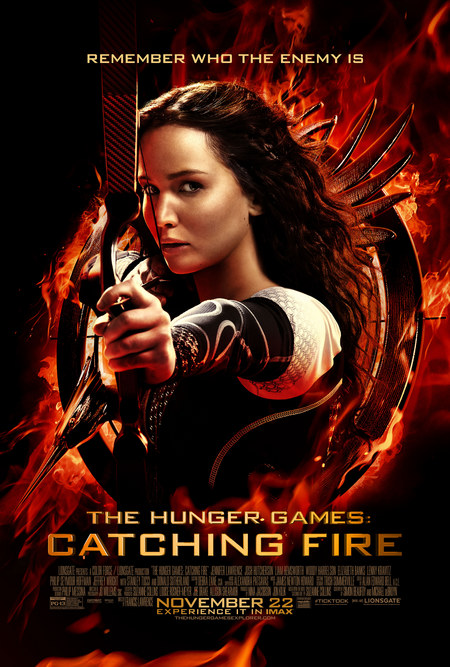 It took a little way into 2014 for it to get there, but Catching Fire overtook Iron Man 3 to become the biggest-grossing film in the US, released in 2013. What’s particularly stunning about that is, it’s the first #1 film for a year, with an woman as the unequivocal lead, in four decades. And depending on how you view Linda Blair in The Exorcist, you might have to go back even further, to Babs Streisand in 1968’s Funny Girl. It indicates just how far this series has redrawn the playing field: there can no longer be any credible claim, as heard after the failures of Catwoman, Aeon Flux, Cutthroat Island, etc. that action heroines are, per se, box-office poison.
I was really looking forward to this, too, having enjoyed the second book more than the first, and with the reviews for the cinematic part two also an uptick better. And… S’alright, I suppose. Though that’s a bit unfair: it’s mostly disappointing only in relation to my increased expectations. On any other level, this is very solid cinema, with Lawrence continuing to provide a steely, resourceful heroine who breaks the mould. But I’m still finding myself on the outside, looking in – observing Katniss, rather than feeling for her. If there’s an emotional heart here, it hasn’t been beating in synch with my own; when this ended, I turned it off, went to bed and forgot all about it.
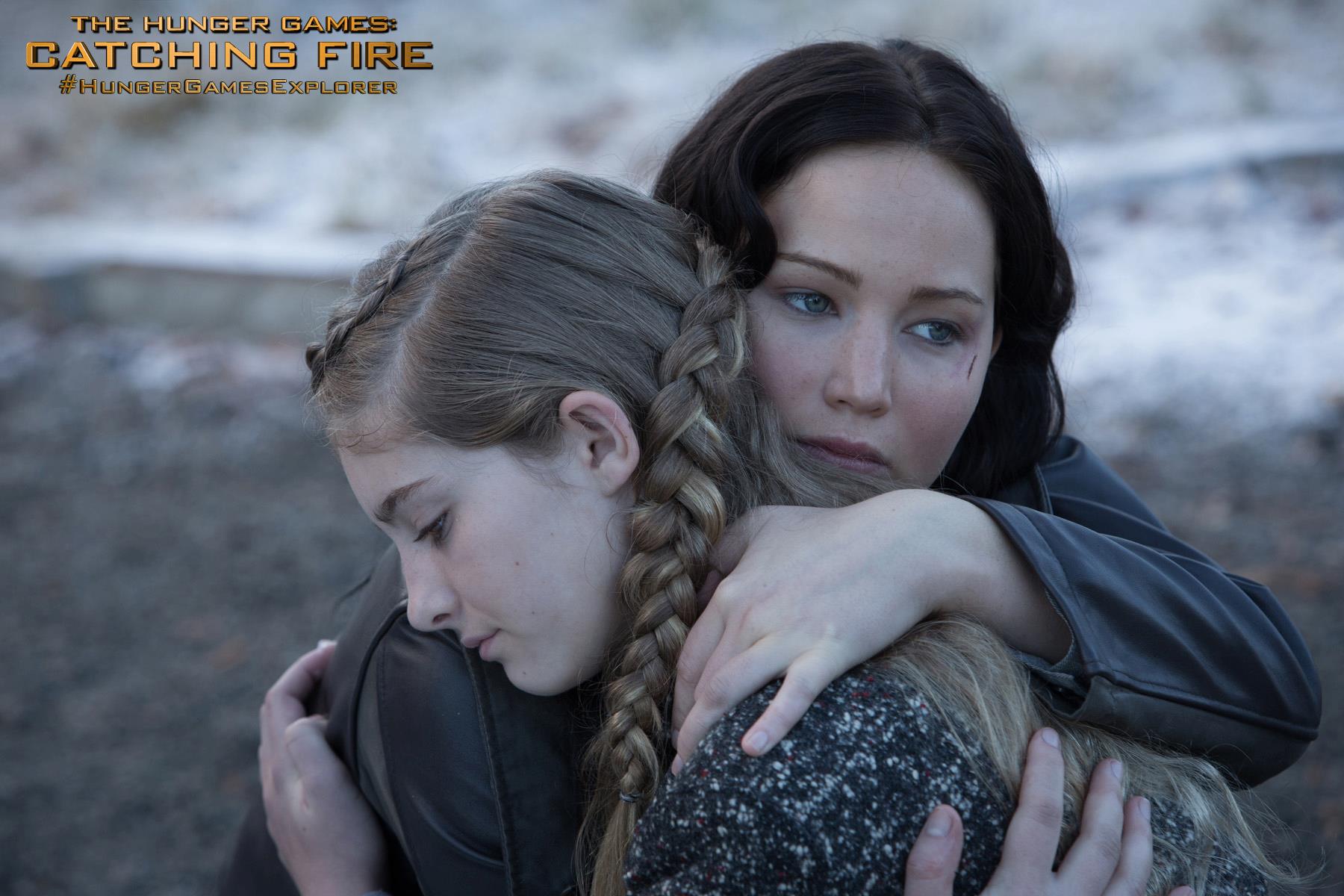
There were a couple of ways in which it felt deficient to the book, even though it’s still an extremely faithful adaptation, with virtually every incident being reproduced, in a way not far off how my mind’s eye saw them. “Virtually” might be important there. Even at 146 minutes, I got the feeling some key elements were watered down. For instance, the film doesn’t do a good job of explaining why Katniss decides that Peeta must survive at all costs. In the book, it’s clear that it’s because she believes only he can lead a rebellion, with her role being to make sure he lives to do so. Of course, the Peeta in these films doesn’t exactly come over as a teenage Martin Luther King or Gandhi: he seems there more as a cuddle-buddy for Katniss, when Gale isn’t around [thankfully, that love triangle seems pushed further into the background this time around].
 The same sense of dilution goes for both the attacks and their results in the film version, with neither packing much wallop. A number of Katniss’s friends and allies are killed in this one, but none have as much punch as their most obvious counterpart in the first part [name omitted, just in case anyone reading this hasn’t seen or read it!]. Finally, and to some extent contradicting what I said in the opening paragraph, our heroine isn’t less the focus here, as she was in the first film, where she all but flew solo in the Games. Again, it plays differently from the book, whose first-person narration ensures that Katniss is put squarely front and centre: this entry feels more like The Expendables, with a team-based approach to the process. To some extent, this does make sense, however: one of the themes here, is the ripple effect of Katniss’s victory and how things are not longer just about her survival. The gradual realization that this is now much larger, plays a major part in the lead-up to the Quarter Quell.
Which brings me to the things the film does well, because the set-up, as Katniss and Peeta go on their “victory tour” of all the districts, is quite exquisite. Right from the first stop, where a supposedly celebratory rally ends up diverting far from what the authorities want, after the couple abandon their bland, pre-prepared speeches, you get a real sense of rising revolt. What also comes across well, is the sense of large-scale discontent, even among the power elite in the capital: witness the reaction to Peeta’s (fake) announcement of Katniss’s pregnancy, or the costume designed for her, which contains a none too subtle reference to the rebellion (and for which its designer pays the price). As a work of political subversion, this is far superior to the likes of V for Vendetta, and the dystopia depicted, in all its brutal coercion, is undeniably chilling.
It does suffer somewhat from “second film syndrome,” though stands alone much better than, say, The Desolation of Smaug. Proceedings end on the same cliffhanger as the book: while Katniss was fighting for survival, the powers that be were taking care of business elsewhere. I haven’t read the third volume yet, and am torn between doing so before I see the next film or after it. Complicating matters, the last book, Mockingjay, will be pulling a Harry Potter or Twilight, and becoming two films, to be released in November 2014 and 2015. I’m a bit dubious: the book is barely half the length of either of those volumes, and we’ve seen with The Hobbit, what can happen when material is stretched too thinly. Against that, due to its first-person narrative, the book is likely much more limited in its ability to depict the obviously impending global revolution, and one imagines this will be expanded upon in the two parts of Mockingjay.
One thing seems little in doubt. By the time the series in finished, Lawrence will have the number one, two, three and four box-office hits in action heroine history, and may even have the first billion-dollar global entry. That can only be applauded.
Dir: Francis Lawrence
Star: Jennifer Lawrence, Josh Hutcherson, Sam Claflin, Woody Harrelson






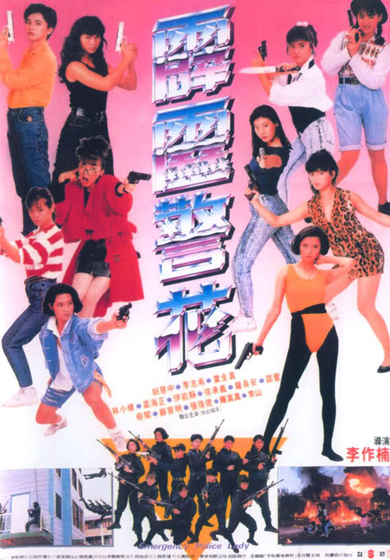
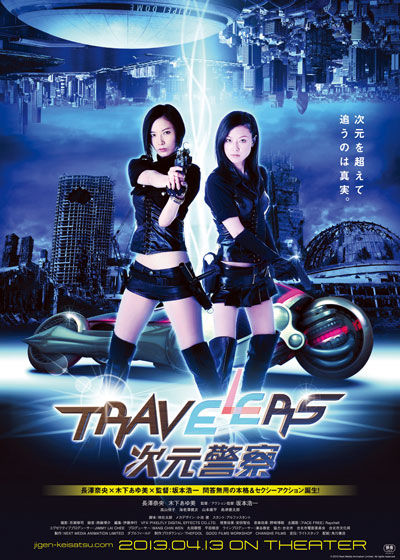 This doesn’t so much hit the ground running, as plummet into it at top speed, to such an extent I genuinely stopped the film, to check if this was perhaps part two of an ongoing series. It isn’t: it’s just that unconcerned about explanations. What seems to be going on, is a universe where the different dimensions are now connected. Hence, there’s Retro World, Fairy World, Lost World, etc. This offers new criminal possibilities; to counter these, a trans-dimensional police force is also created. One such officer is Ai (Nagasawa), but her mission, to protect a psychic (Takayama) against the terrorist group Doubt is thrown into… Well, doubt after she meets her former partner Yui (Kinoshita), who appears to have thrown her lot in on the side of the villains.
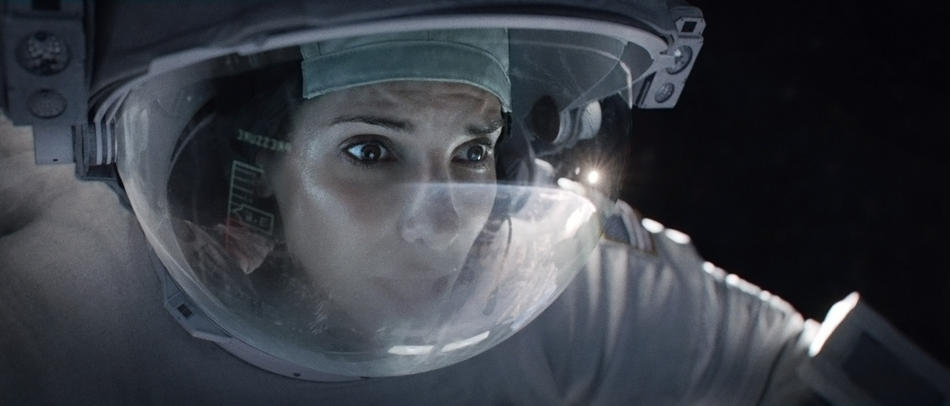
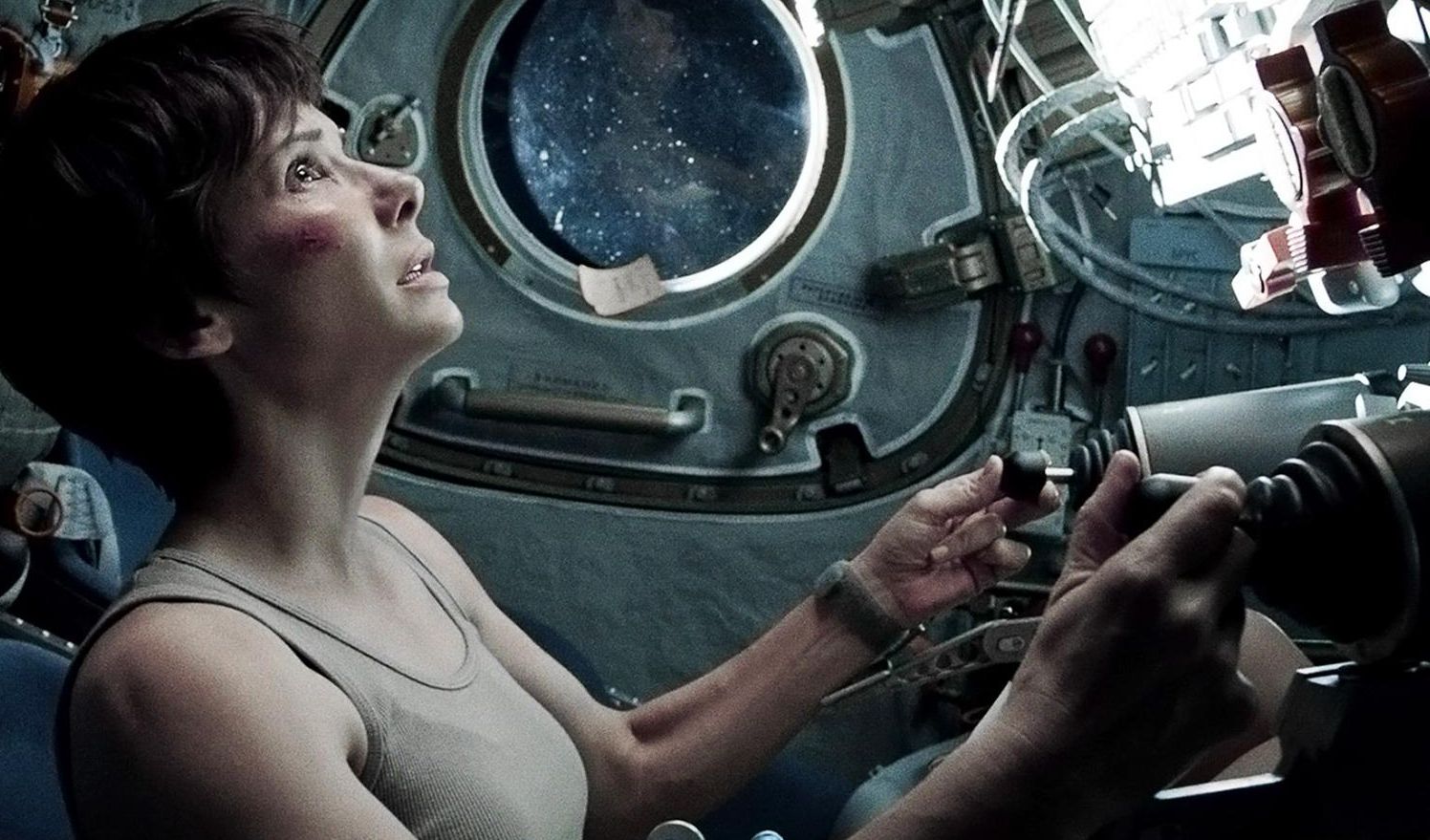
 2013 was perhaps a landmark for women in action films. with the top slot at the American box-office going to Jennifer Lawrence in Catching Fire. But also present in the top five was this, which kicked Katniss’s arse for critical acclaim, snaring 10 Oscar nominations to Fire’s… Well, none at all, actually. That’s probably a little starker contrast than is accurate – they are respectively 97% and 90% Fresh at Rotten Tomatoes – but it is interesting to compare the two films and their approach. In Gravity, the sex of the lead character simply isn’t very relevant: you could switch it to being a man, and you wouldn’t need to change much, not even the name – Ryan Stone. I’d be unsurprised if told that, like Salt, this was originally written for a male lead. Indeed, it also fails the infamous Bechdel Test of feminism, passing none of its three criteria – though this says more about Bechdel’s uselessness than Gravity, I feel (Run Lola Run also goes 0-for-3, and it’s not the last thing it has in common, as we’ll see).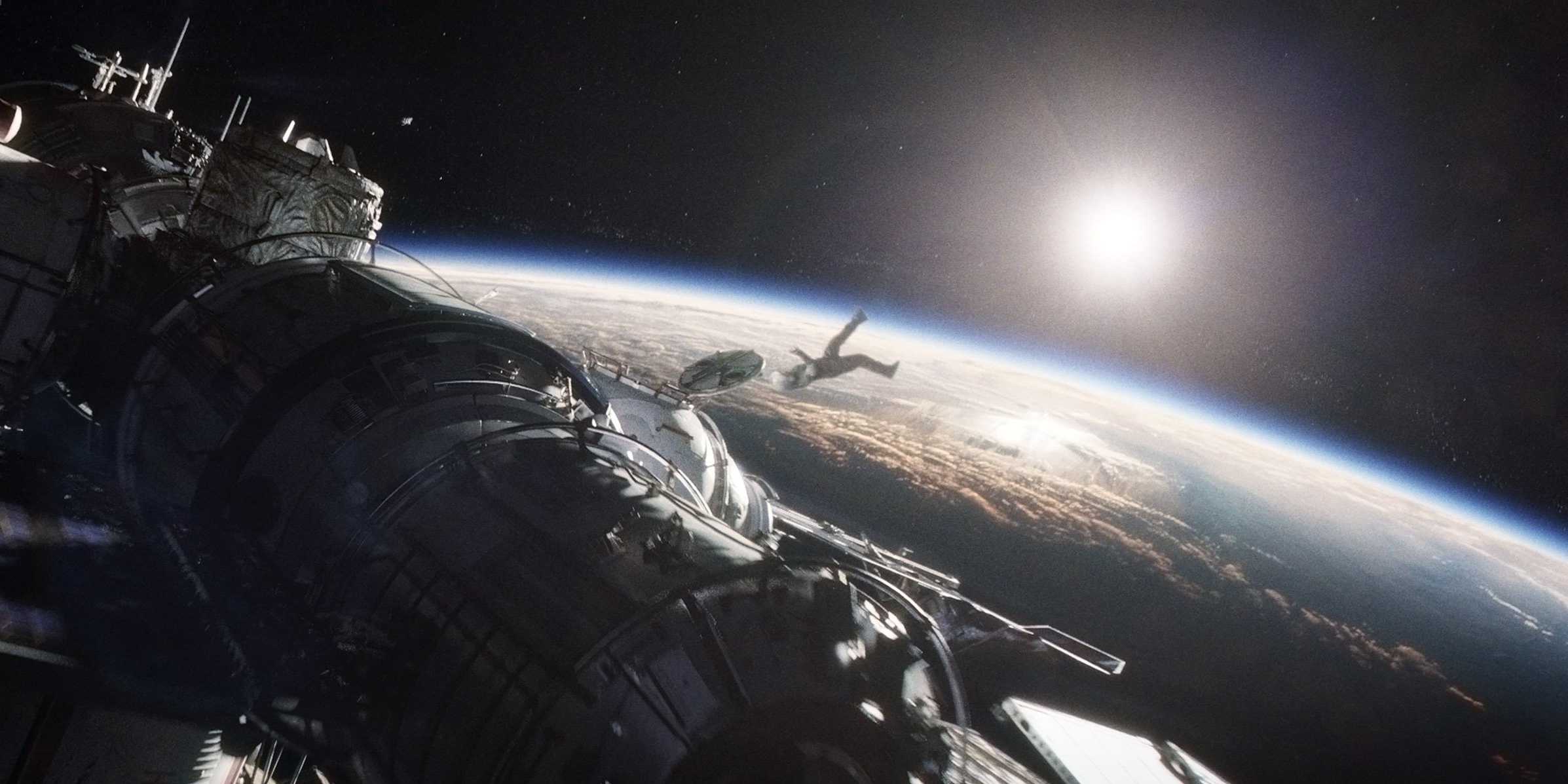
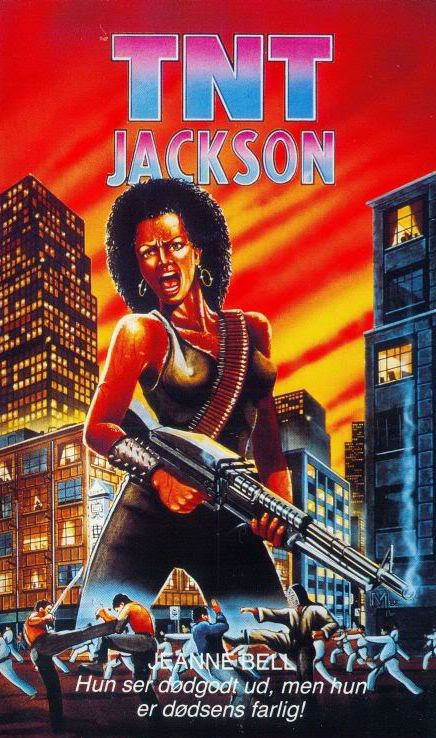
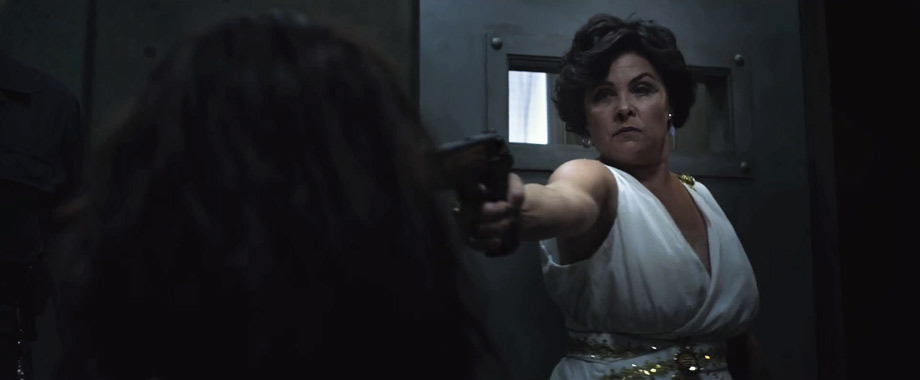
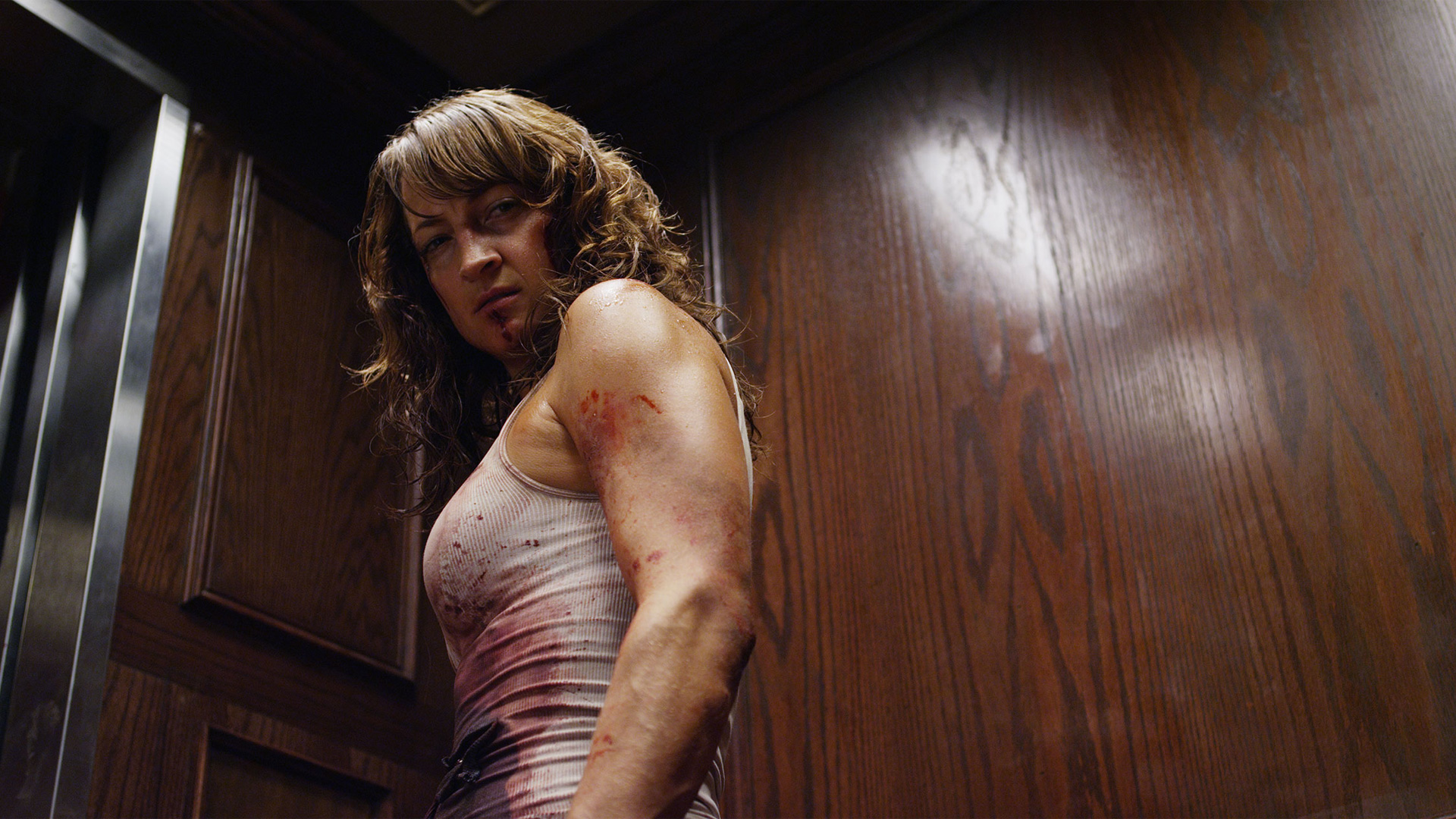
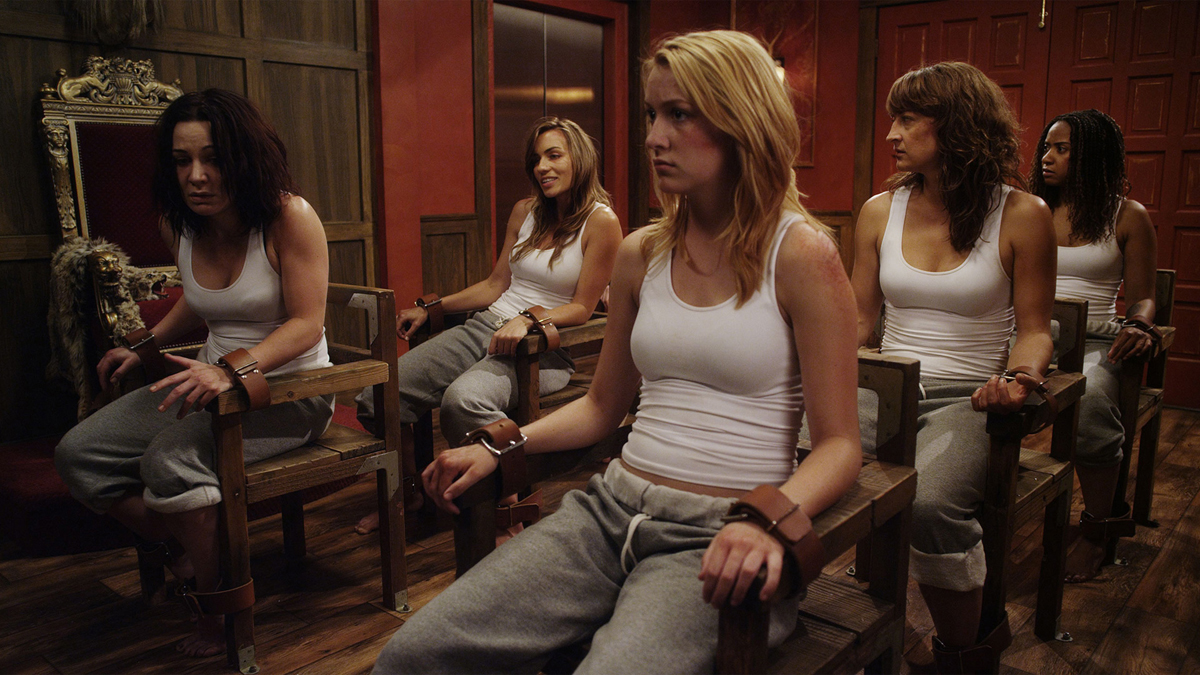
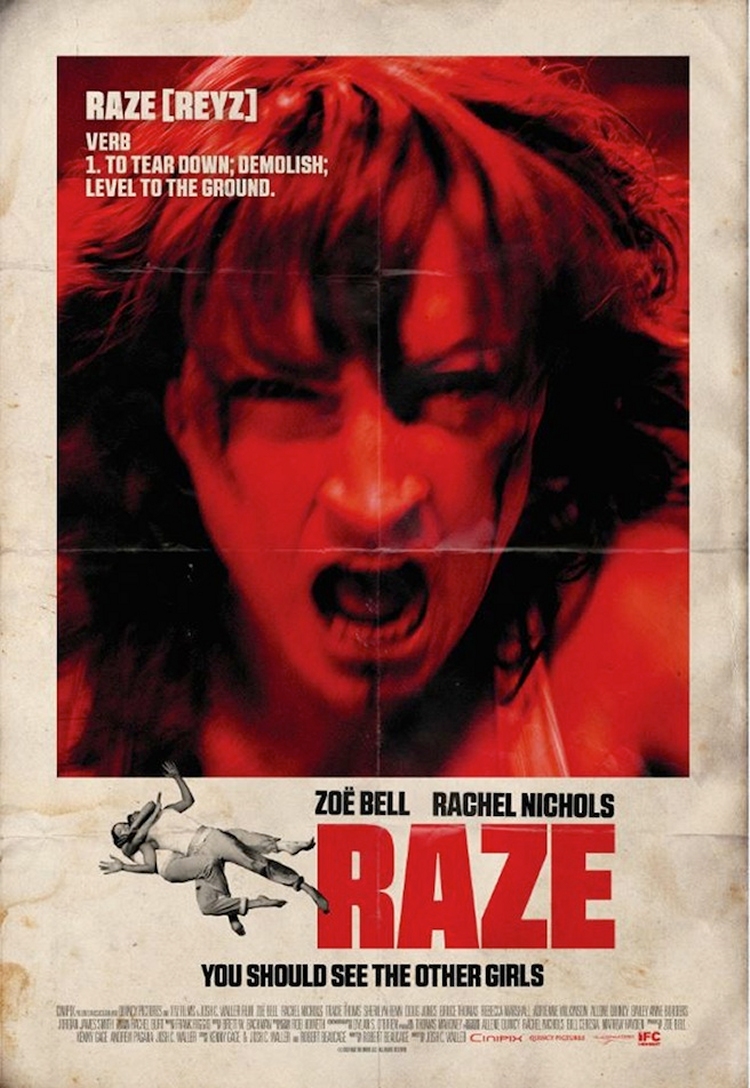 It’s interesting to read other reviews, which span the range from “This ugly, dull and idiotic actioner doesn’t know if it wants be fun or grim. It winds up simply bring deplorable exploitation,” to “an incredible action film… giving viewers exactly what it promises to give without pulling any punches or wasting time. I absolutely loved it.” This seems to be one of the cases where your preexisting mindset may determine your reaction, as much as any qualities of the movie. There’s not really any other way I can see, to explain a reaction like the former. I mean, “deplorable exploitation”? Really? There’s no nudity