★★½
“Only women bleed…”
The Hardcore genre is denigrated by some pro-wrestling fans as “garbage wrestling,” but I’ve never quite felt that way. To be good, you still need many of the same skills necessary to be good at the more regular end of sports entertainment: ability to work the crowd, sell the offense of your opponent, put over a storyline, etc. It’s true, you don’t need much in the way of technical aptitude to let someone break a fluorescent light-tube across your head, but the willingness to do so is certainly worthy of undeniable respect (if coupled with questions about your sanity). The bottom line is, there are good “garbage wrestlers” and there are bad ones. We’ve seen both in our previous coverage of the genre, when we wrote about FMW: Torn to Shreds, where we saw Megumi Kudo and Shark Tsuchiya, who represent the two ends of the spectrum.
We’ve also spoken before about the gulf betwen Japanese women’s pro-wrestling and the largely pathetic excuse for it put out by the WWE, where two minutes of a glorified cat-fight passes muster as a title match. You need to abandon network TV and go down to the independent level if you want to look for anything comparable – in style, if not necessarily in quality – to joshi puroresu, and it’s there that we found this. The IWA Mid-South federation had been holding annual “King of the Deathmatch” tournaments for quite some time, the first being won by Ian Rotten, one of the most well-known/infamous garbage wrestlers (current WWE heavyweight champion, C.M. Punk was part of the 2004 event, in a non-deathmatch bout). But in 2006, they also staged a similar event for women wrestlers.
 Of course, this being independent wrestling where the phrase “card subject to change” is a given, the eight women scheduled to complete ended up being seven and a man. MC Ian Rotten said that Delilah Starr had a car-crash on the way here, and another competitor, LuFisto, had broken her hand fighting another notorious garbage wrestler, Necro Butcher, in a Canadian Death Match tournament called “Bloodstock”. Taking advantage of the open spot was SeXXXy Eddy, a male wrestler with a long history of intergender matches, which his in-ring persona thoroughly enjoyed, as you can imagine from his name. The roster also included reigning IWA women’s champion Mickie Knuckles, Rachel Putski (grand-daugher of WWE Hall of Famer Ivan Putski), and two joshi wrestlers, Mayumi Ozaki and Sumi Sakai.
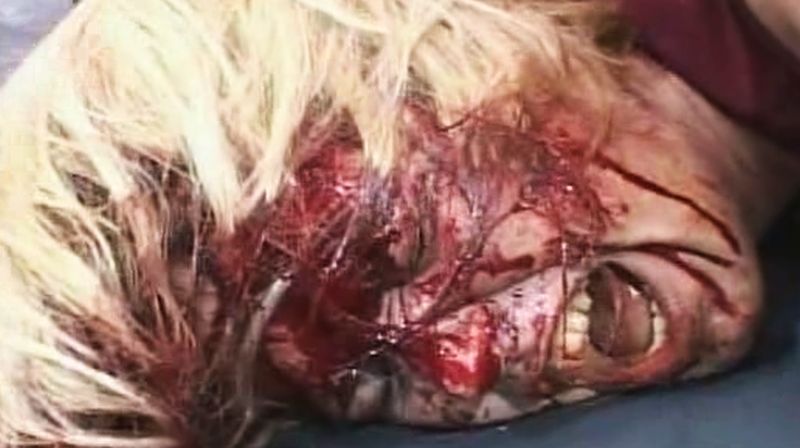
The first round got under way with a Staple Gun Match between Knuckles and Ann Thraxx: it was best of 13, so the first to embed seven staples in their opponent won. Knuckles was busted open immediately, but this was very much equal opportunity carnage: as the pic on top shows, the red, red blood contrasted nicely with Thraxx’s bleached blonde hair. The score was tied at six with a staple to Knuckle’s crotch, but she took the win by tacking a dollar bill on Thraxx’s nose. Next up was a disappointingly bland thumbtack match, with Putski taking on Vanessa Kraven in ring containing a small box of tacks: it was Kraven’s first death-match, and you could tell her heart really wasn’t in it. Add another skill to the list necessary to succeed as a garbage wrestler: commitment.
The third match was improved, though from a strictly aesthetic and visual sense, was hard to watch. Amy Lee – about as far from a WWE diva as it’s possible to get – took on SeXXXy Eddy, who was wearing what can only be described as a “banana hammock”. This was a “Four Corners Of Pain” bout, with the corners of the ring behind home to barb-wire/salt, mousetraps, fluorescent light-tubes and..,er, lemons? Life gives you lemons, you…stage a death-match. That said, this was mostly fun for Eddy’s antics, not least his epic selling of the mousetraps: though he won, he took care in the post-match interview to put Amy over, for which he deserves credit. The first round finished with Mayumi Ozaki taking on Japanese colleague Sumie Sakai, in a Barbed Wire Ropes and Boards match: this was basically a squash, Sakai taking all the damage, as Ozaki prevailed.
Moving on to the semi-finals, the first pitted Knuckles against Putski in a Taipei Death Match. In this, the wrestlers’ fists are taped, dipped into glue and then in broken and crushed glass, to turn their fists into nasty weapons – its use here may have been because the most infamously bloody of these was between tonight’s MC, Ian Rotten, and his “brother” Axl, at a 1995 ECW show. This one is not much less messy, especially when the two wrestlers set up on facing chairs, and take turns whaleing away at each other’s foreheads [a common target in this kind of wrestling, being an area not likely to incur permanent damage, but capable of generating plenty of the red, red kroovy, as A Clockwork Orange called it, running down the face]. Knuckles prevailed, but hard to say who lost more blood.
Osaki took on Eddy in a two out of three, light-tube log-cabin match. You’re wondering what a light-tube log-cabin is, aren’t you. Those are fluorescent tubes, taped together in a square, four to a side and maybe stacked four interweaved rows or so high. They make a very satisfying crunch when you drop your opponent through one, as we discover here. One thing wrestling fans know, is “two out of three” anything means the first two will inevitably be split, and that’s the case here: Ozaki gets backdropped through the first log-cabin, but comes back with a flying kick off a chair to send Eddy into the second. She takes the win after he tries a high-risk manoeuvre off the top rope, only to be grabbed by his banana hammock and flipped through the deciding log-cabin. Ozaki, again, appears to avoid significant damage.
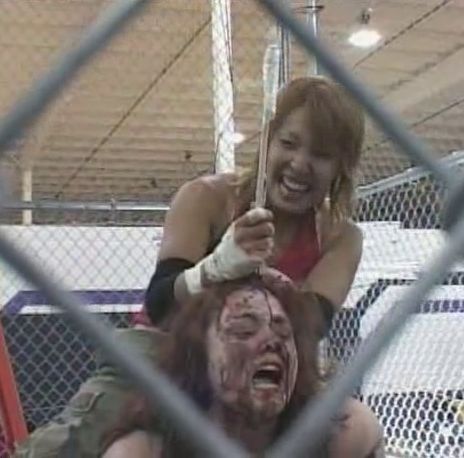 The final, between her and Knuckles was officially described as a (deep breath!) “No Rope Barbed Wire Fans Bring The Weapons Electrified Lighttubes Cage Match”. Basically, pretty much anything went, inside a steel cage which came already furnished with a ladder, beer barrel, barbed-wire ropes, a host of other offensive shrapnel (barbecue fork, baking tray, and bizarrely, a light-up magic wand with a star on the end) and enough fluorescent light-tubes to illuminate Vegas – yes, some of which were plugged in and working, for added emphasis. It is, I think, the first wrestling bout I’ve seen where the referee wore eye-protection. Knuckles hadn’t even bothered to clean up after the last bout, coming to the ring still covered in dried gore from her semi-final.
This one was relatively brief, and must confess, I actually found it somewhat disappointing, especially considering it was supposed to be the grand final. It felt almost as if both women had been drained by the previous encounters, so (understandably) had little energy left for their third match of the night. There was some breaking of glass and some mild use of foreigh objects, but it lasted only a little more than seven minutes in total, before Knuckles kicked through one of the electrified light fixtures into Ozaki’s forehead, following up with a pin for a three-count and victory. She didn’t really get to enjoy her title for long, as LuFisto and Kraven came in, blindsided her and left Knuckles draped in a Canadian flag, obviously intended to set a grudge-match up for the next IWA Mid-South event,
This is not great wrestling, by any means: matches generally proceed at a sluggish pace, and the format offers little scope for any significant degree of technical skill. But I have nothing but total respect for the participants, who put their bodies on the line for the entertainment of the audience, with a cheerful lack of concern for safety. If they were getting paid tens of thousands of dollars, I could perhaps understand it, but the paying crowd here probably numbered a hundred or less, so the compensation for their efforts can have been little more than token. Such willingness to suffer for your art (and there is no doubt in my mind, that pro wrestling is indeed an art), can only be applauded.
Date/time: November 3, 2006 at the Capital Sports Arena in Plainfield, Indiana.
Participants: Mickie Knuckles, Mayumi Ozaki, Rachel Putski, Sexxxy Eddy
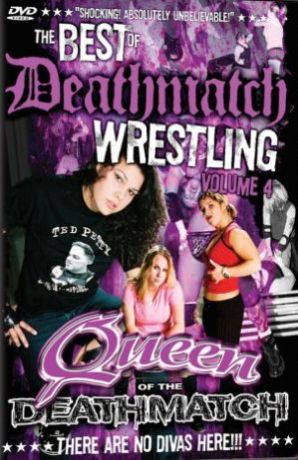
Available through Amazon, as The Best of Deathmatch Wrestling, Vol. 4: Queens of the Deathmatch.


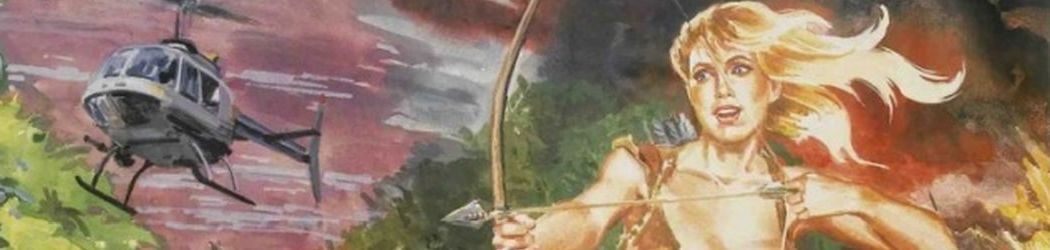

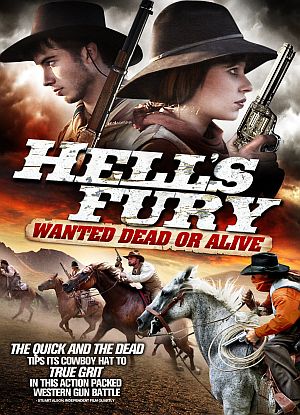 Eryn Cates (Hague) returns home to Texas from finishing school in New York, to find her family farm teetering on the edge of foreclosure [maybe if they hadn’t spent all that money to send her to finishing school in New York…]. In a misguided attempt to help things, her brother tries to rob a stagecoach carrying payroll, but is injured. The attempt fails, but local mogul Mortimer (Harris), who holds the loan on the Cates farm, sees a chance and pockets the loot. Two Texas Rangers, including the young and handsome Flint (Hagenbuch) show up to investigate the robbery, but it’s up to Eryn to save the family property, take on the mantle of the bandit, fend off the unwanted advances of Mortimer and engage in pseudo-romantic banter of the least interesting or convincing sort with Flint.
 ★★★★
★★★★ While being (again) largely disappointed by the previous entry, Afterlife,
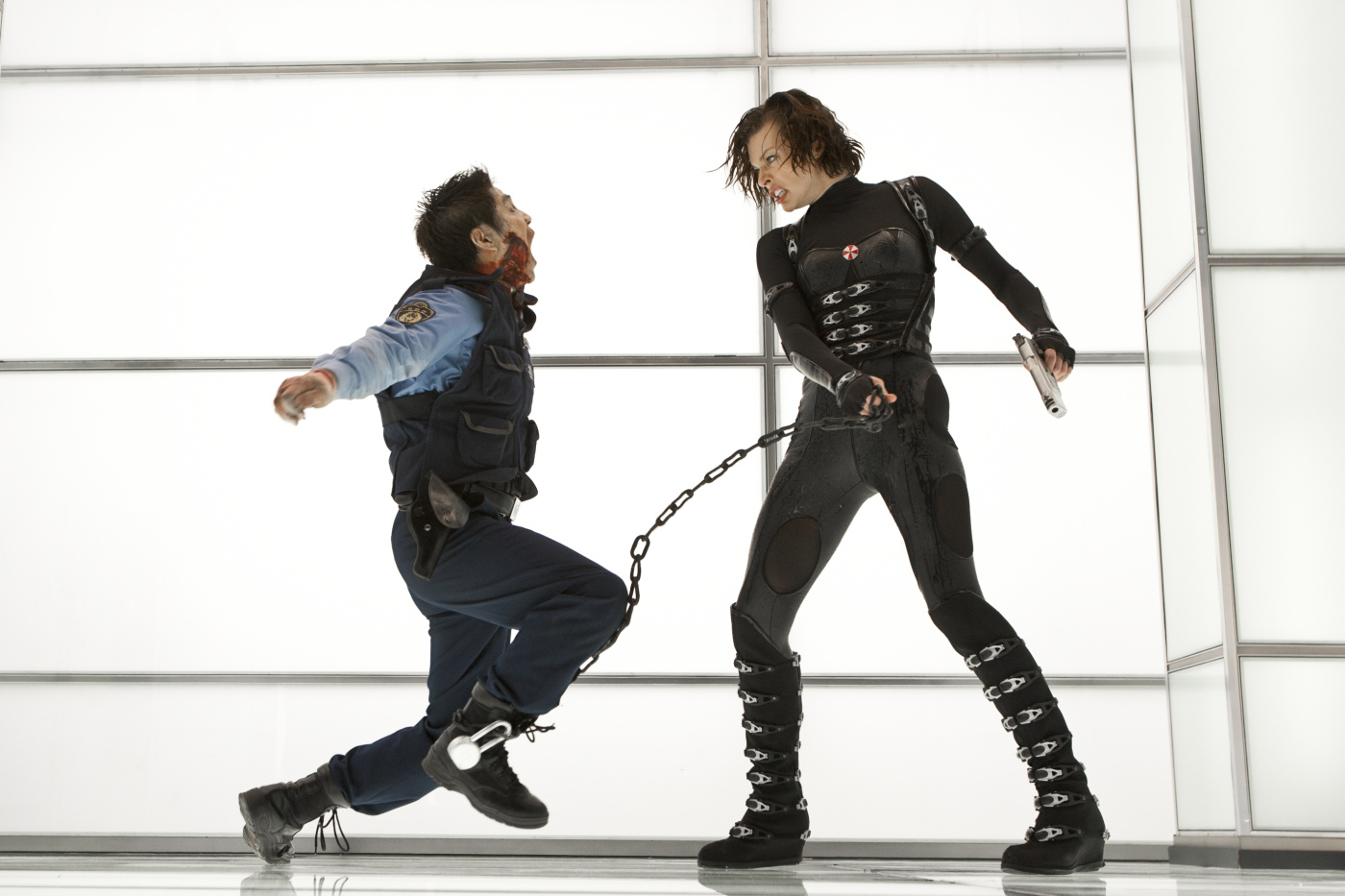
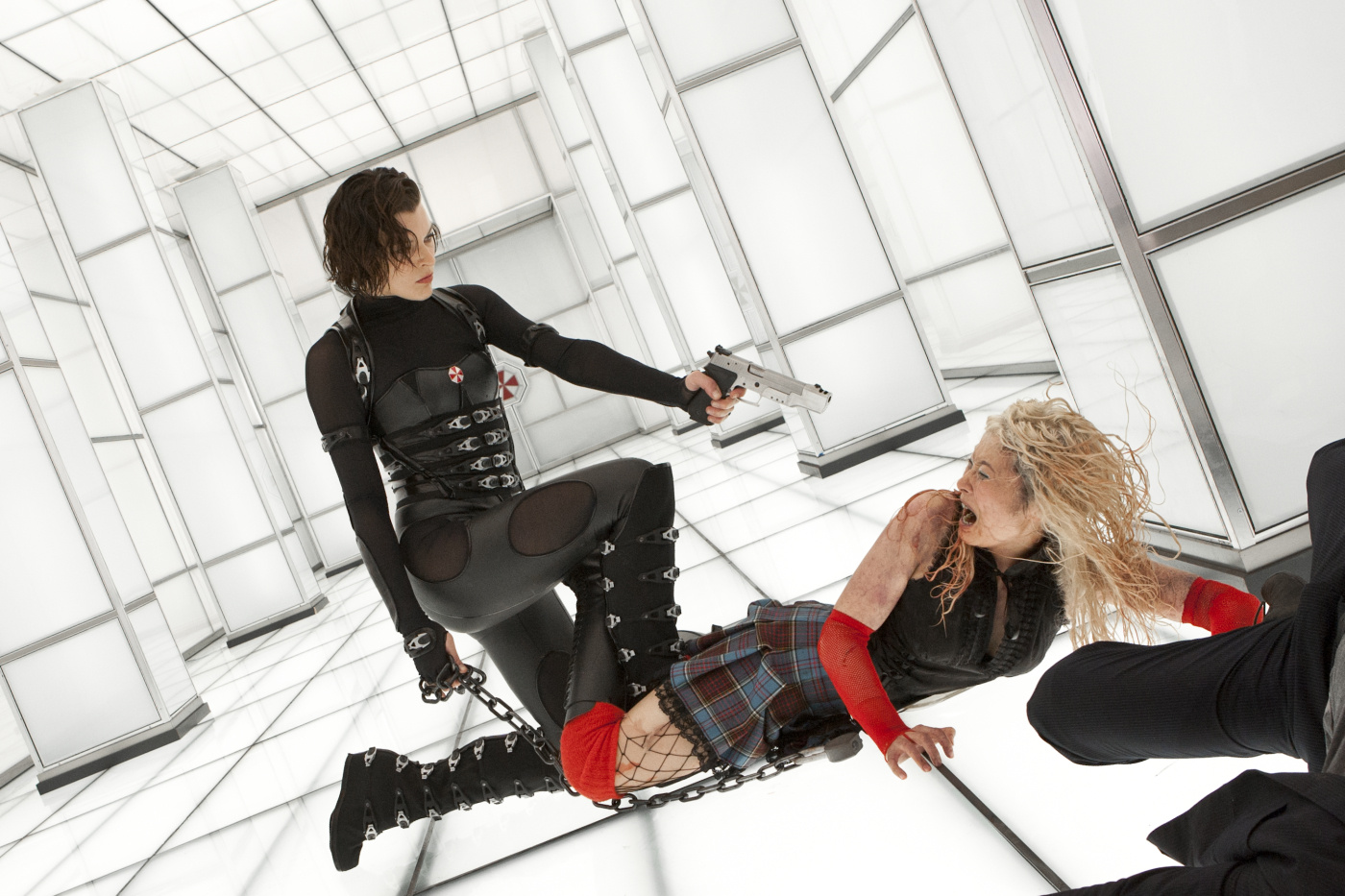
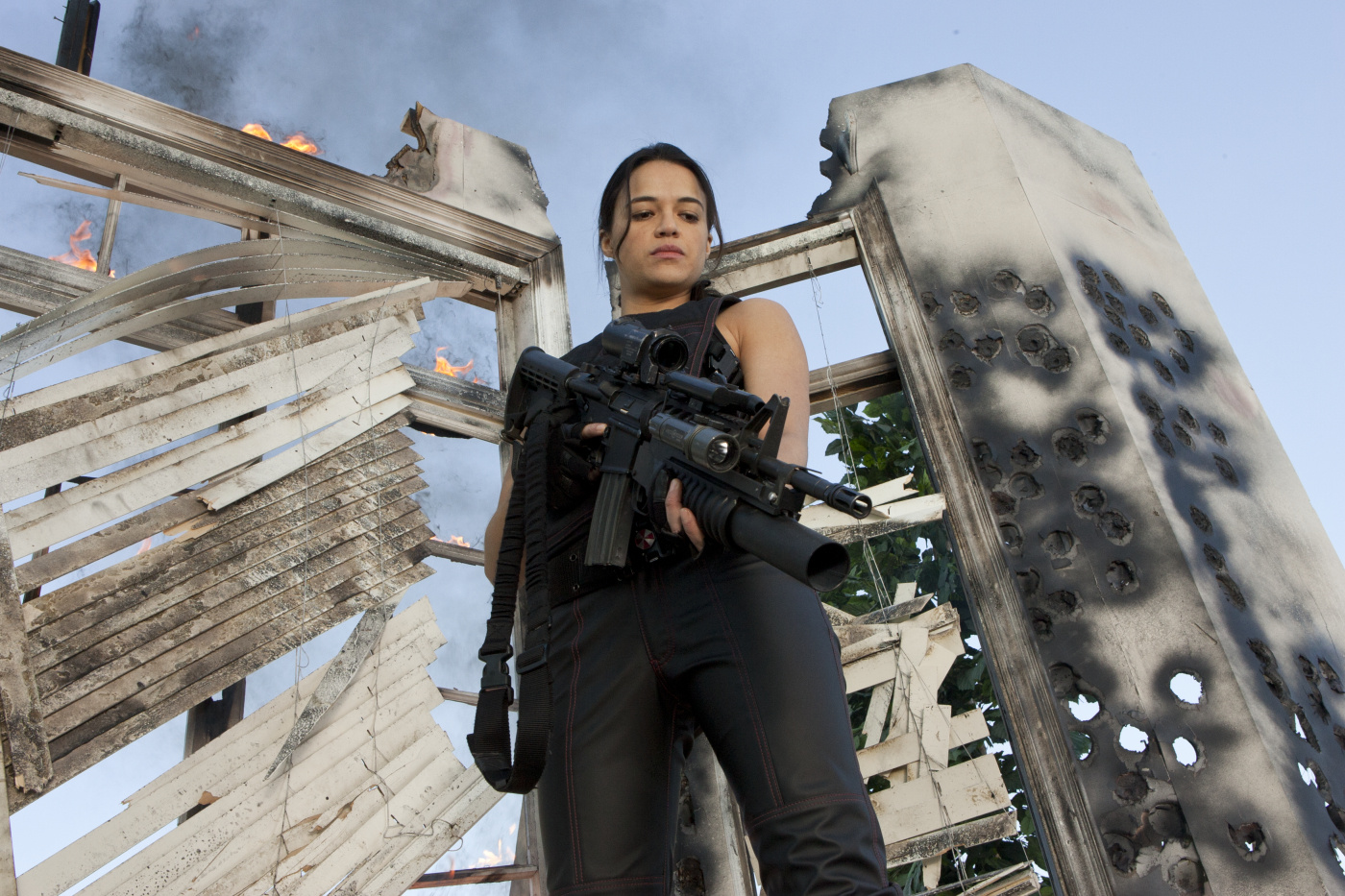
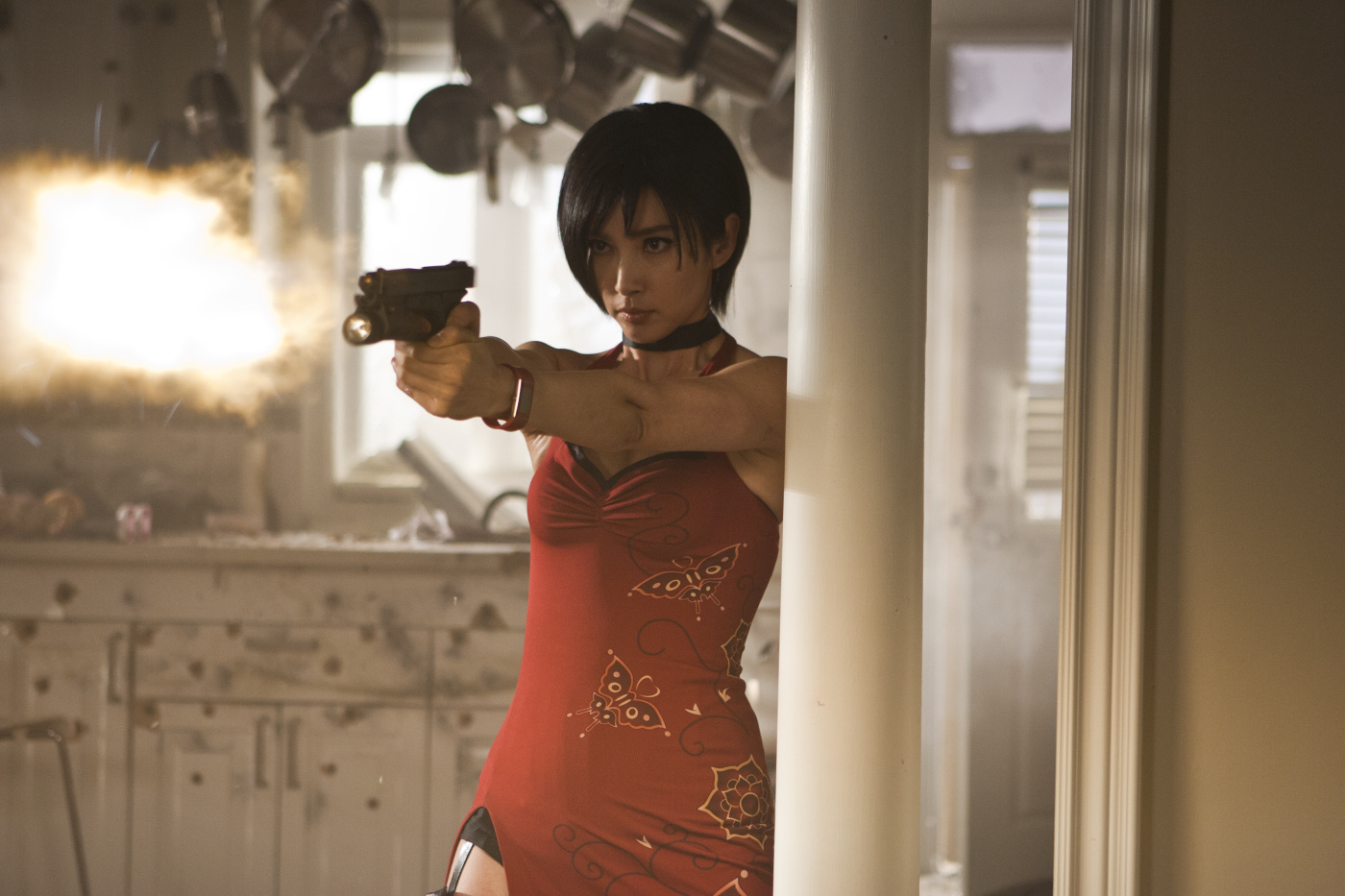
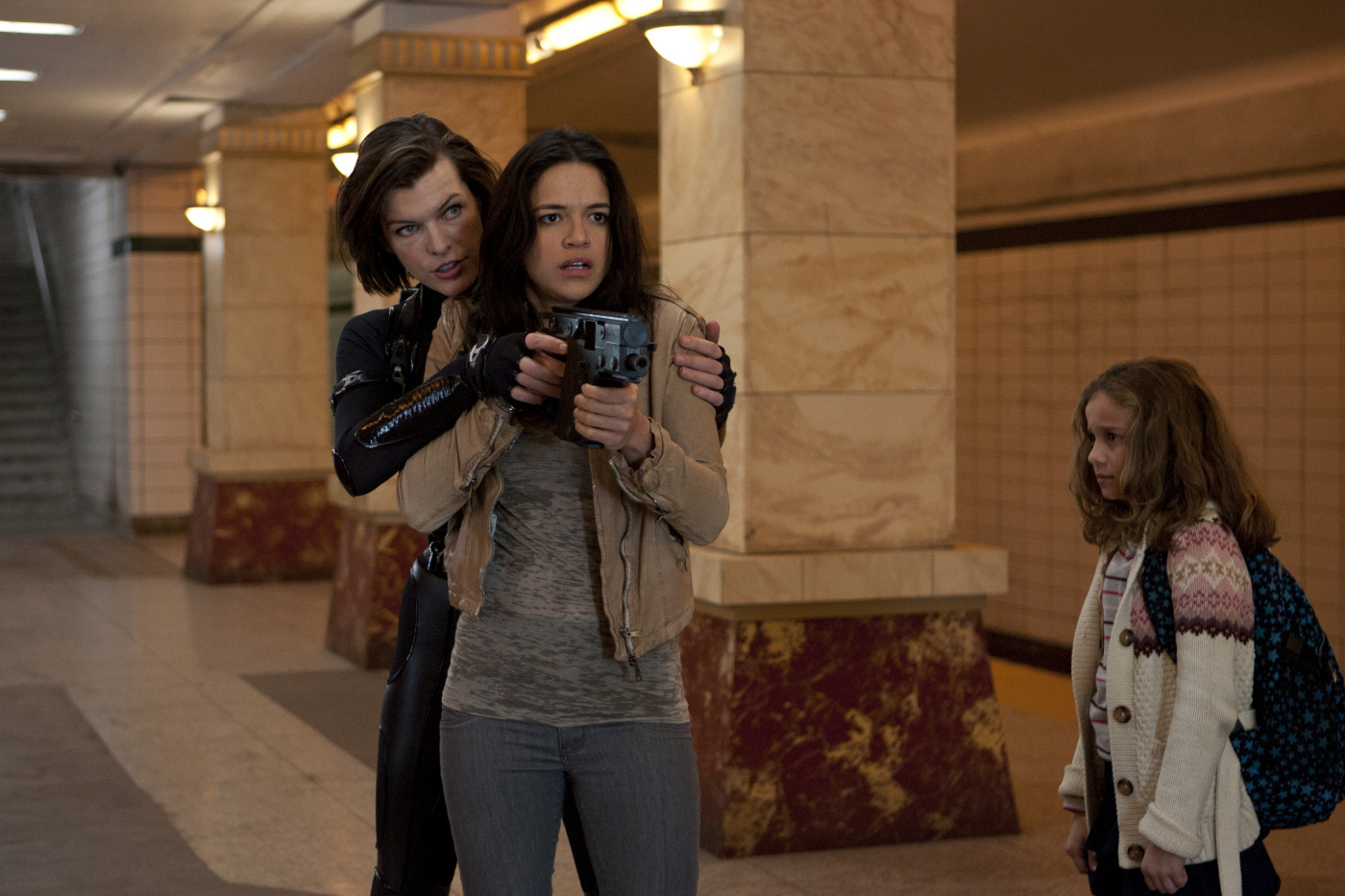
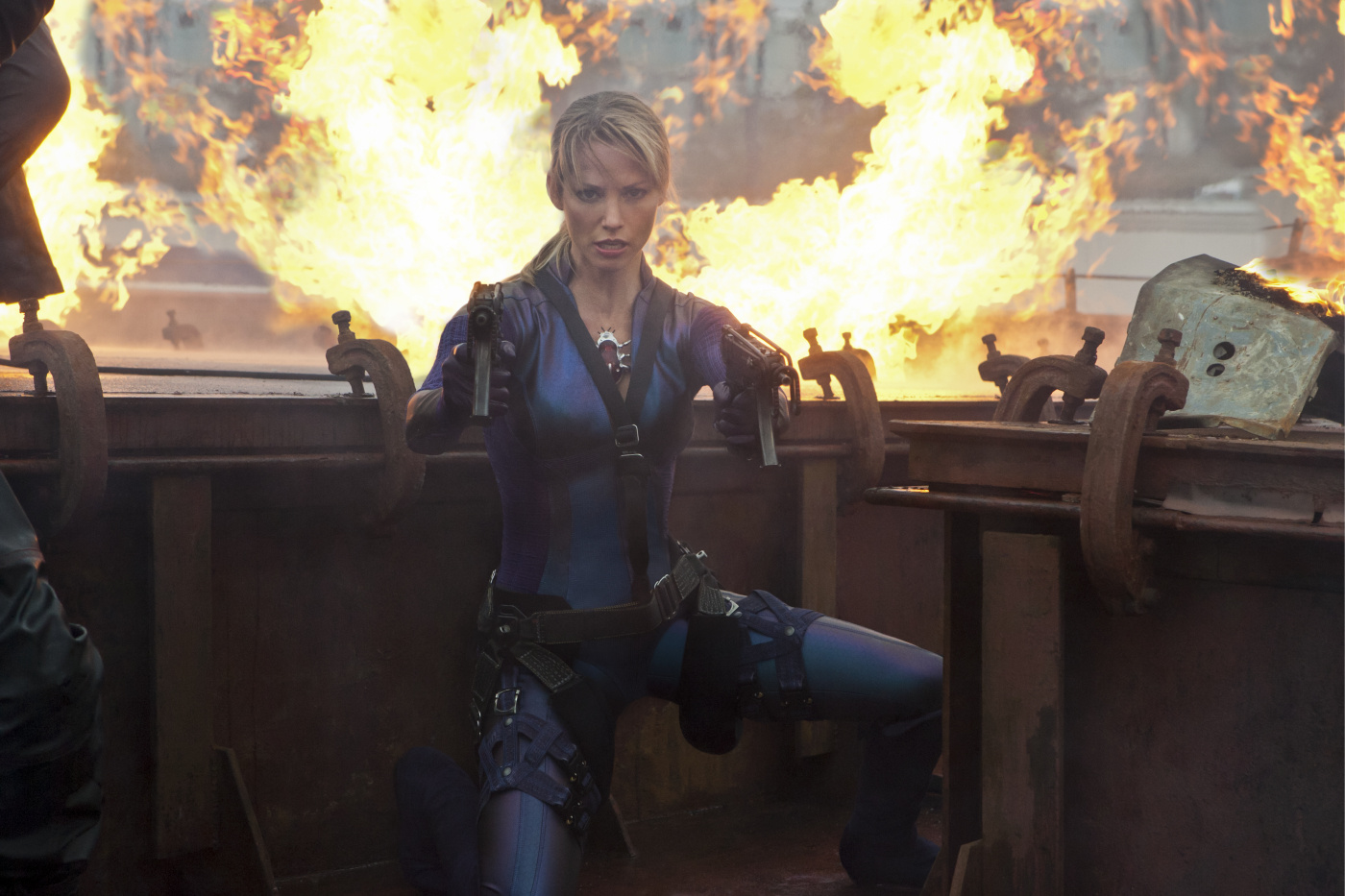
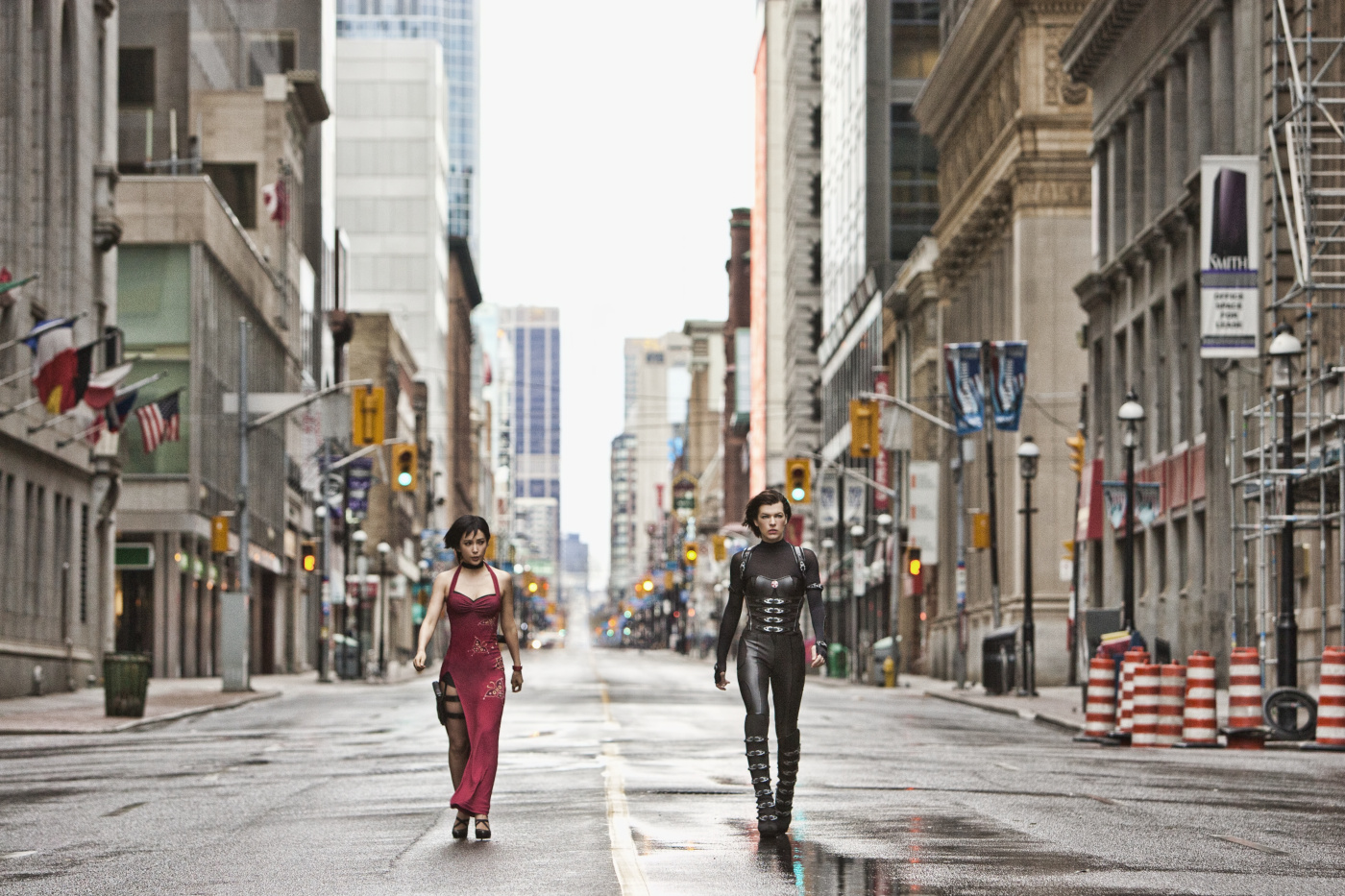
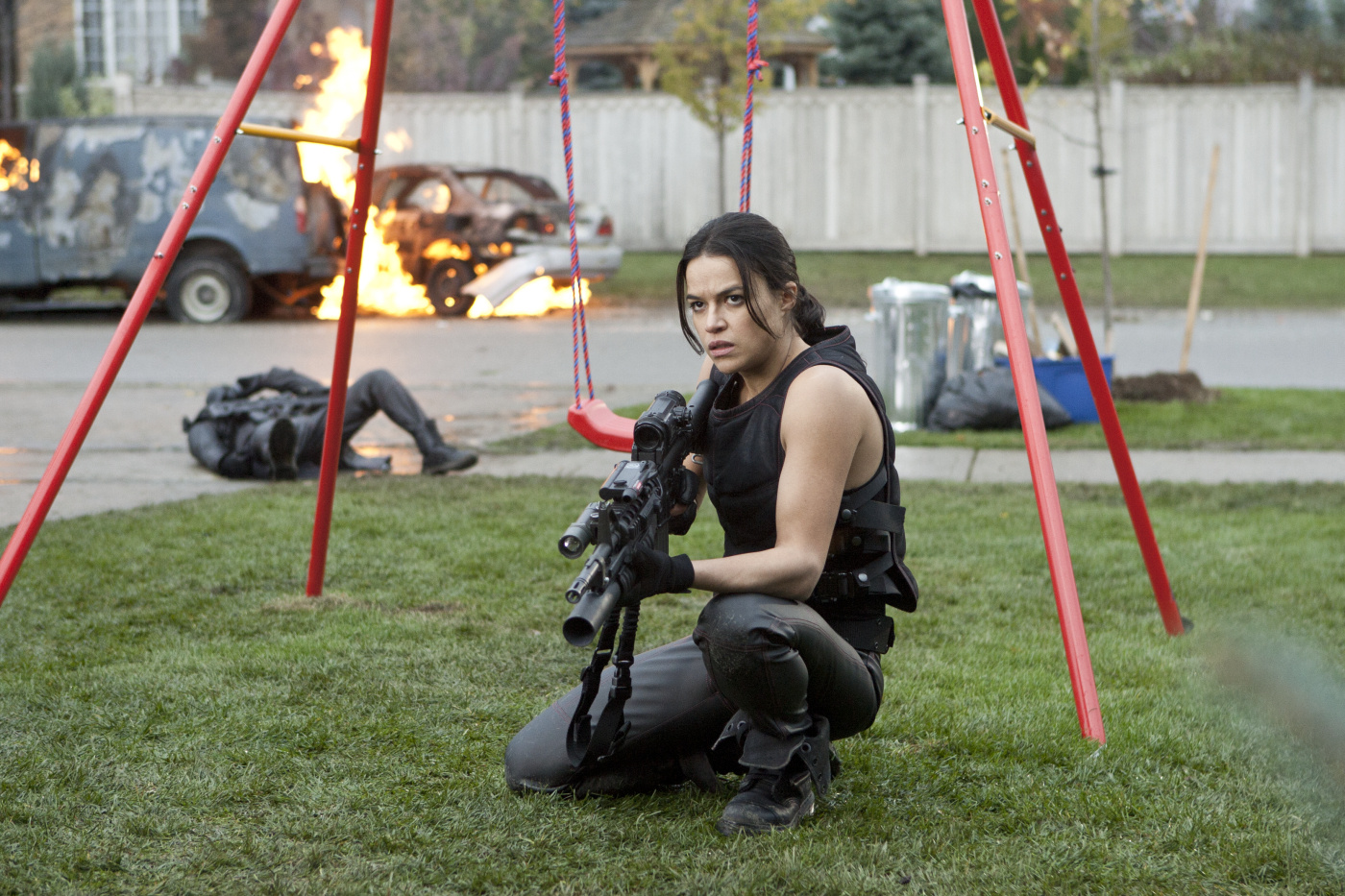
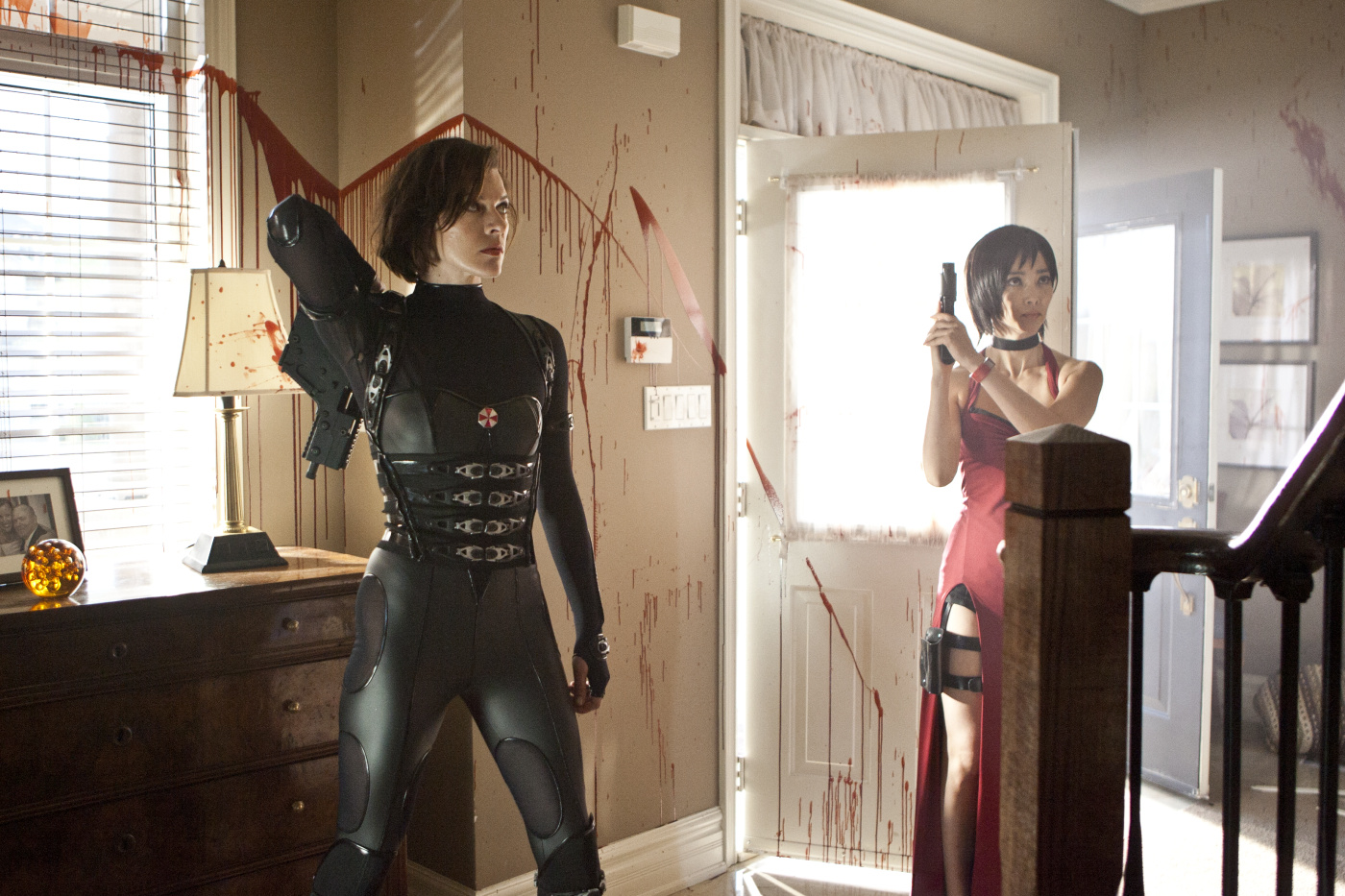
 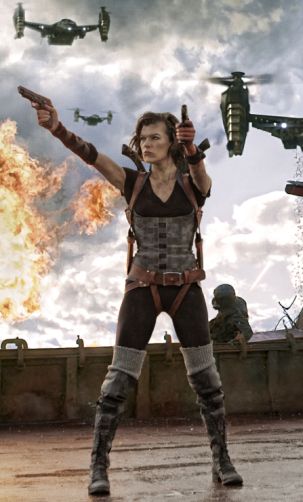 Though actually, this is almost a “greatest hits” package, especially in terms of participants. Not seen since the first film, are Rain Ocampo (Michelle Rodriguez) and James Shade (Colin Salmon). Apocalypse brought us Jill Valentine (Sienna Guillory) and Carlos Olivieira (oded Fehr), while Extinction introduced the audience to Claire Redfield (Ali Larter) and K-Mart (Spencer Locke). Finally, Afterlife was the debuts of Luther West (Boris Kodjoe) and Chris Redfield (Wentworth Miller). But they are
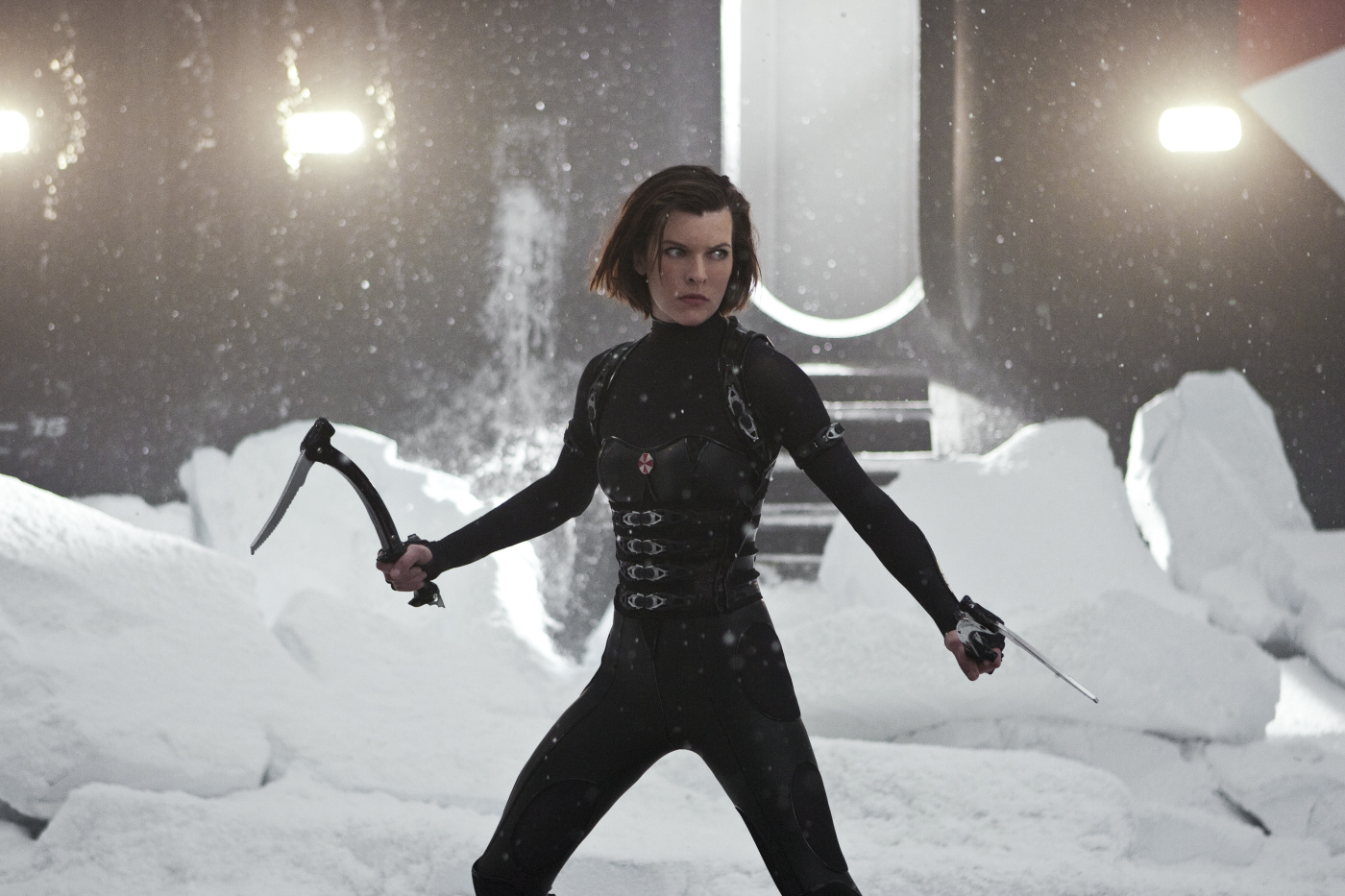
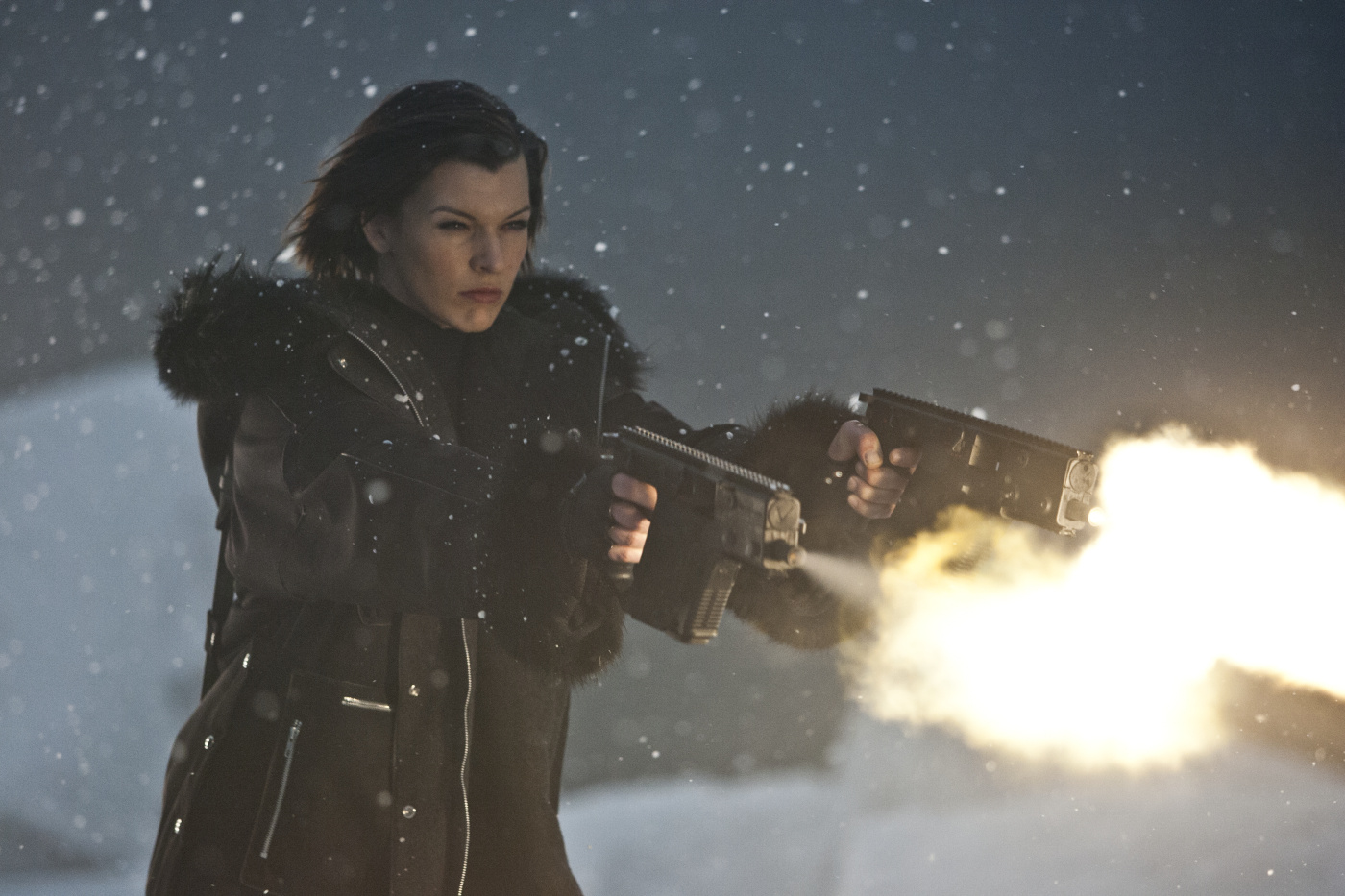
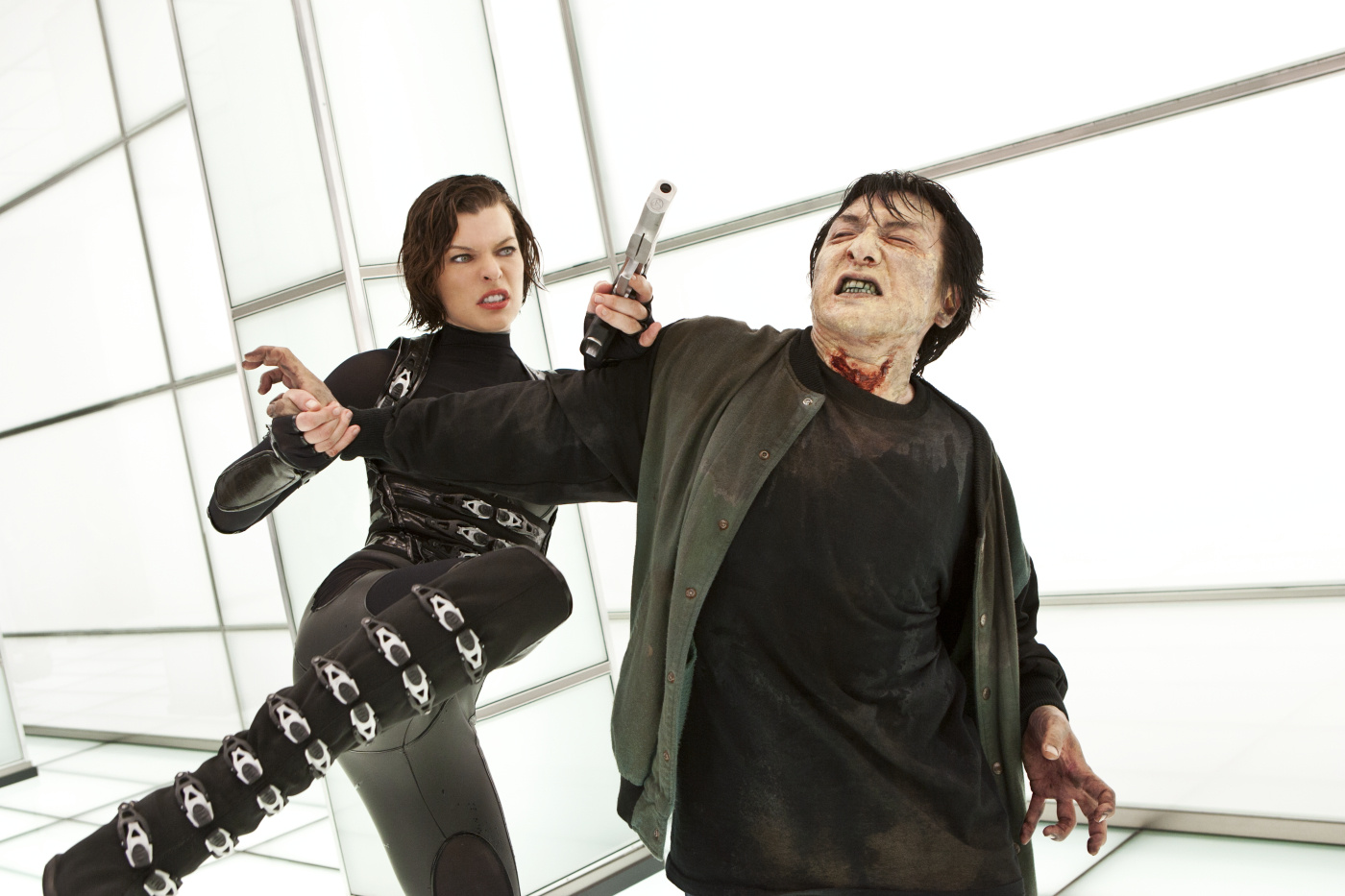
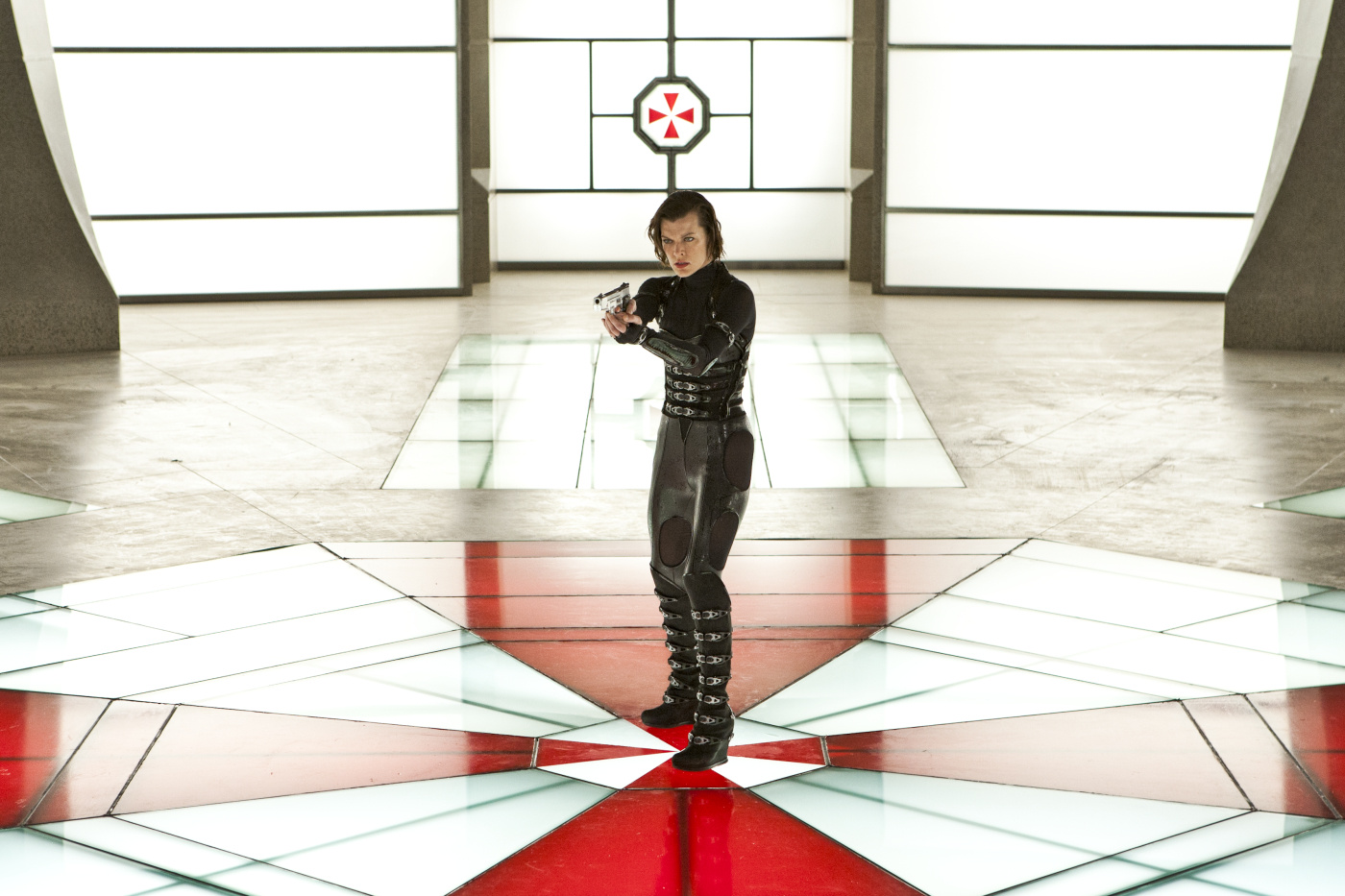
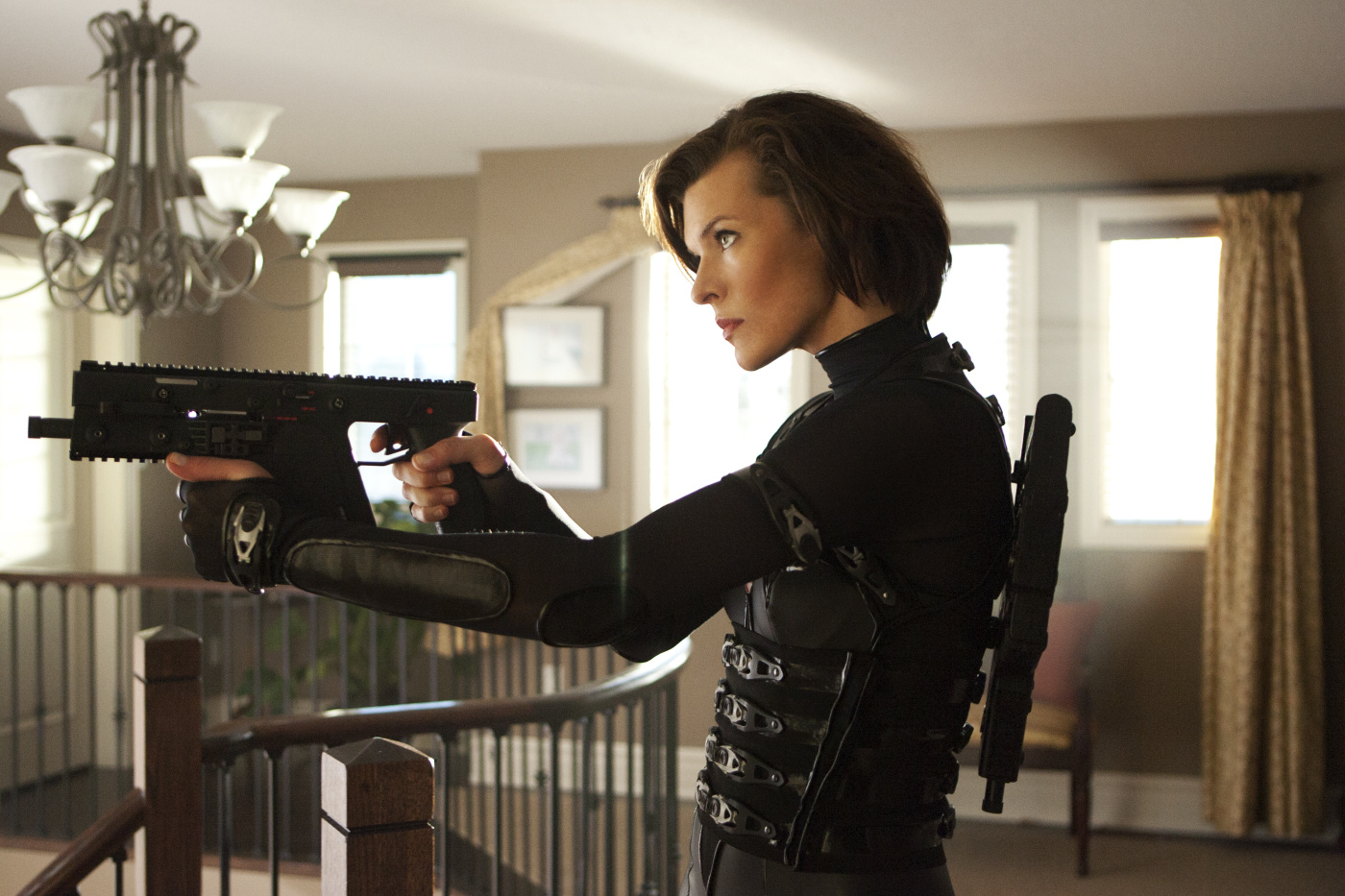
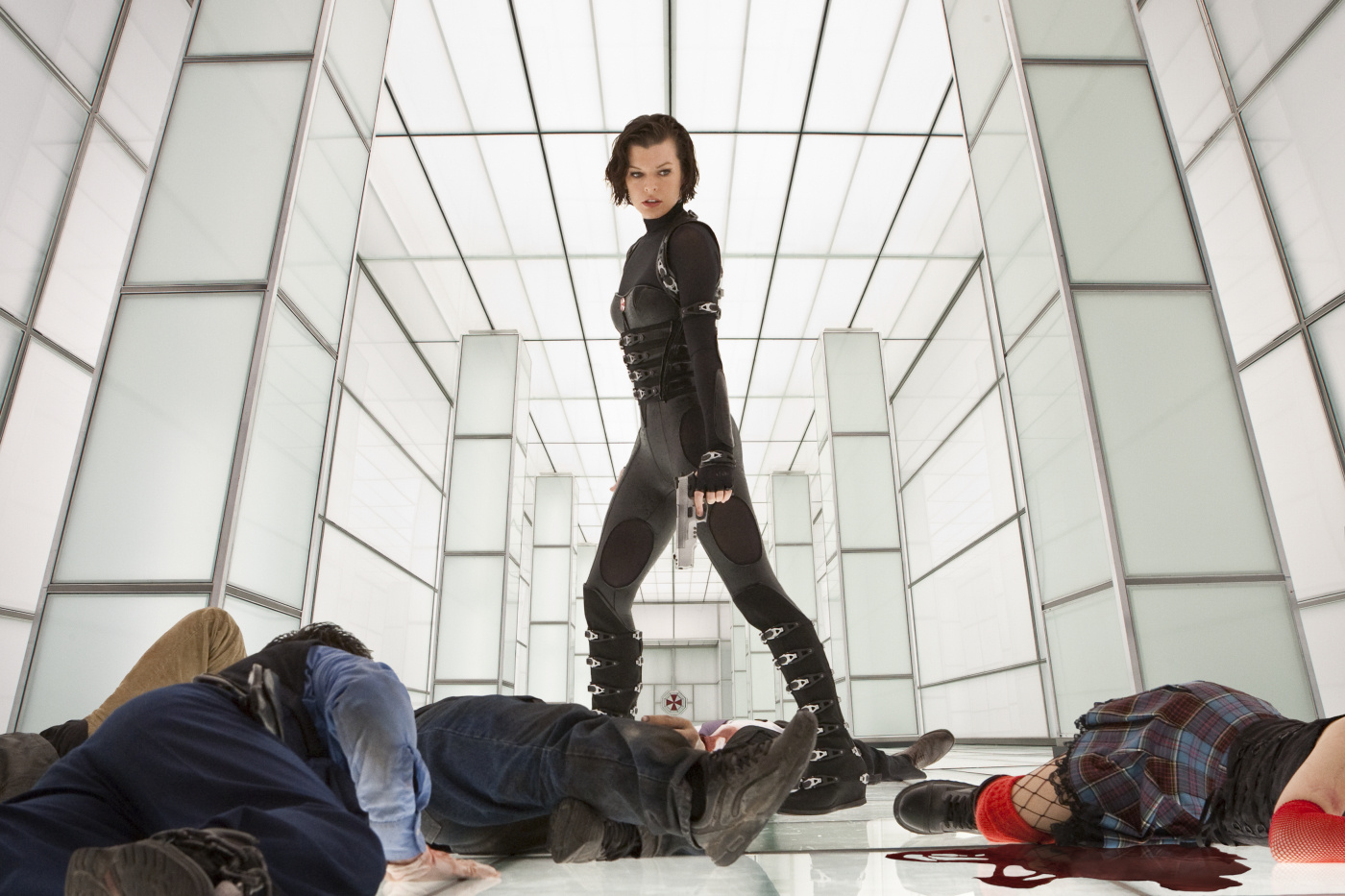
 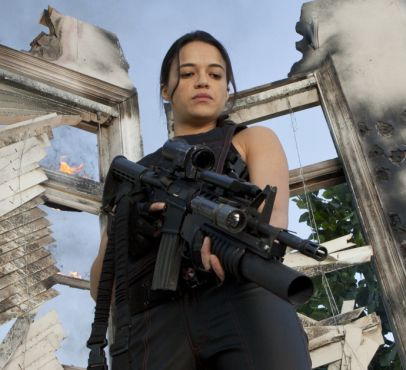 It might be wise for Jovovich to contemplate retirement from the series. After all, she turned 37 earlier this month, and there are few things sadder than an action hero/ine desperately clinging on, past their prime (see also, Universal Soldier: Day of Reckoning). She’s not quite there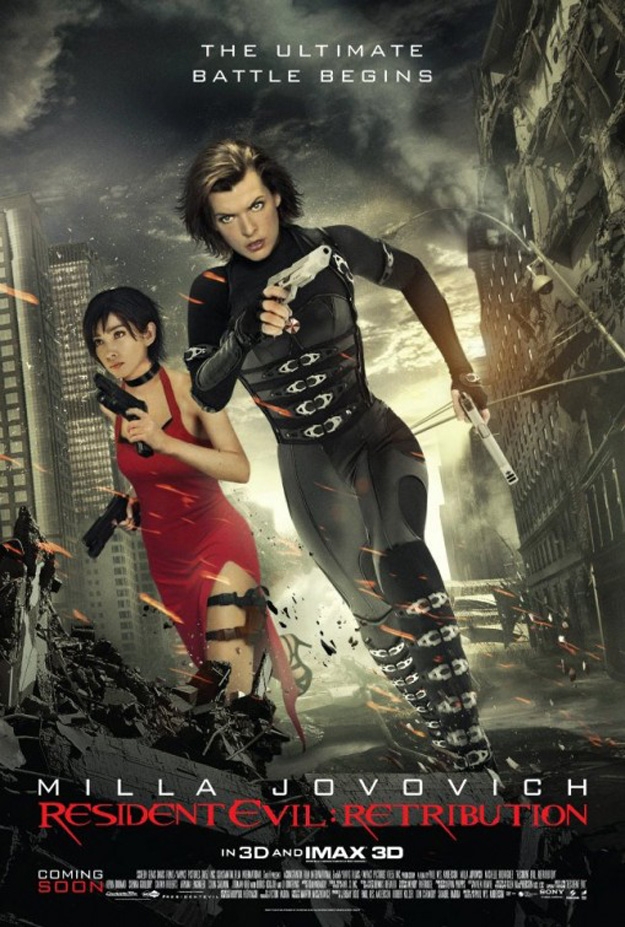

 ★★★
★★★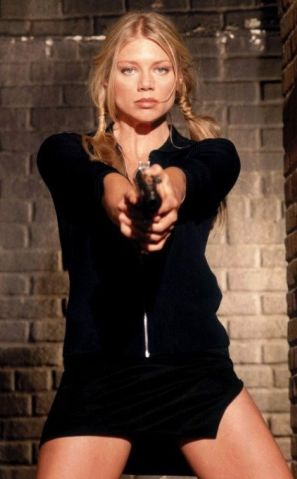 The other chance is that Section One, their version of Division, is not malicious – at least not in the same way. It’s certainly a heartless organization, which is utterly ruthless, and prepared to dispose of anyone who may interfere with their actions, but it’s more an awareness that when you’re dealing with terrorists, organized crime or other threats to the country and world, you can’t be unwilling to get your hands dirty. It leads to a significant bleaker overall tone, and is amazingly prophetic, given this was screened well before 9/11 led to this attitude become a necessary part of national security. Early on, it’s established that you can never trust Section heads Operation (Glazer) and Madeleine (Watson, who was also part of the remake, playing Senator Pierce – her given name there was also Madeleine), to the extent that their deceit becomes almost a cliché.
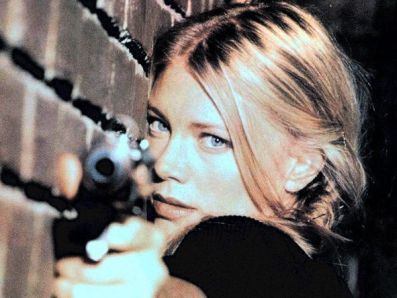 On the other hand, apart from the lack of action, the angle I liked least was the relationship between Nikita and her handler/fellow agent, Michael (Dupuis). I’ll come right out and say it: I hate ‘shippers, and storylines that pander to them are nothing more than an irritant to me, especially in shows which I watch for action, where they do little except interfere with the good stuff, in my humble opinion. [We’ve seen this in the new incarnation, where the show has disintegrated from one of the best shows on TV, into little more than Mr. and Mrs. Smith And Friends.] I’m definitely a “noromo”: If I wanted unresolved sexual tension and relationship nonsense, I’d watch daytime soap operas. Right from the first time Nikita and Michael meet, it’s doe-eyed heaven, even though there is obviously little or no honesty, trust and anything else on which a genuine relationship could ever be founded.
 ★½
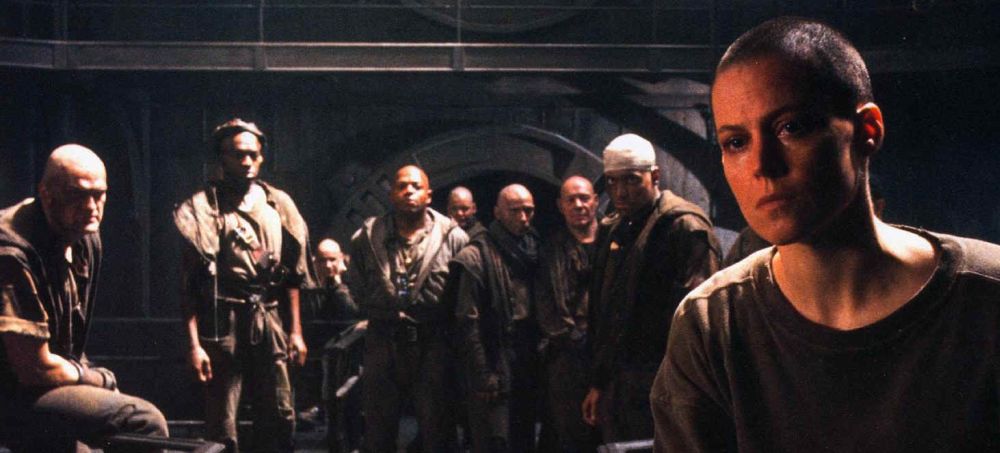
★½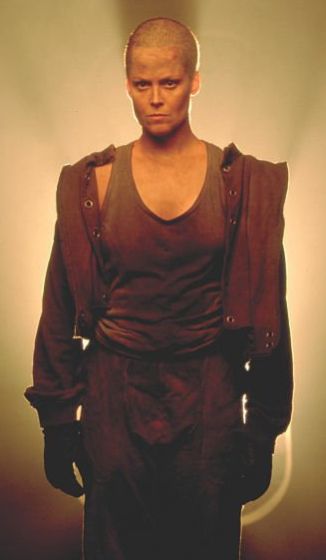 Right from the get-go, the script basically junks its predecessor. An emergency on the spacecraft bringing Ripley, Newt, Hicks and Bishop home causes it crash-land, with Ripley apparently the only survivor. It’s a near-derelict former prison planet, which was about to be decommissioned, but the inhabitants, under spiritual leader Dillon (Dutton), opted to stick around, under minimal supervision. They’re none too happy to have a woman dropped into the middle of their society, and a message is sent to request Ripley be removed as soon as possible. Needless to say the Weyland-Yutari Corporation are more than happy to oblige. However, it soon becomes clear that Ripley was not the only living thing to escape the crash, as local residents start turning up “diced.” When it’s confirmed, through Ripley re-activating Bishop, that there was indeed an alien present: destroying it is necessary, not only to survive, but also to stop it from falling into the hands of Weyland-Yutari.
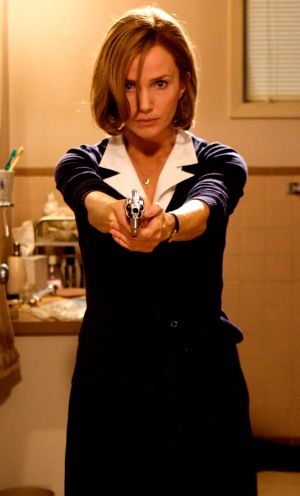 A loose remake of a somewhat infamous 1980 horror movie [rejected by the BBFC and as yet unreleased in the UK], this is a nastily brutal and effective home-invasion story, with a maternal angle that’s both surprising and well done. On the run after a botched bank robbery, the three Koffin brothers end up in the wrong home, and end up with a houseful of hostages, who were visiting Beth Sohapi (King) and her husband. The criminals call on the rest of their family for help, led by their mother (De Mornay), who is 50% June Cleaver – even providing cake and ice-cream for the residents – and 50% Lizzie Borden, showing absolutely no restraint against anyone she perceives as threatening her brood. As the night progresses, a lot of skeletons come out and we discover the Sohapis definitely do not live up to their name…
 There are films which get a sequel because they’re successful. There are films which get a sequel because they are good. And then there’s a sequel to a film which was sub-mediocre, and appeared to vanish without causing even a ripple after its straight to video release in 2003. As a measure, nine years later, it hasn’t even reached 750 votes on the IMDB. Yet, we get this: a sequel that is neither needed, nor demanded by the public, and which manages to be even more boring and badly-constructed than its predecessor. Most movie-makers acquire at least a measure of technical skill as their career progresses, bur La Marre seems to have forgotten what little he knew a decade ago.
 ★★★
★★★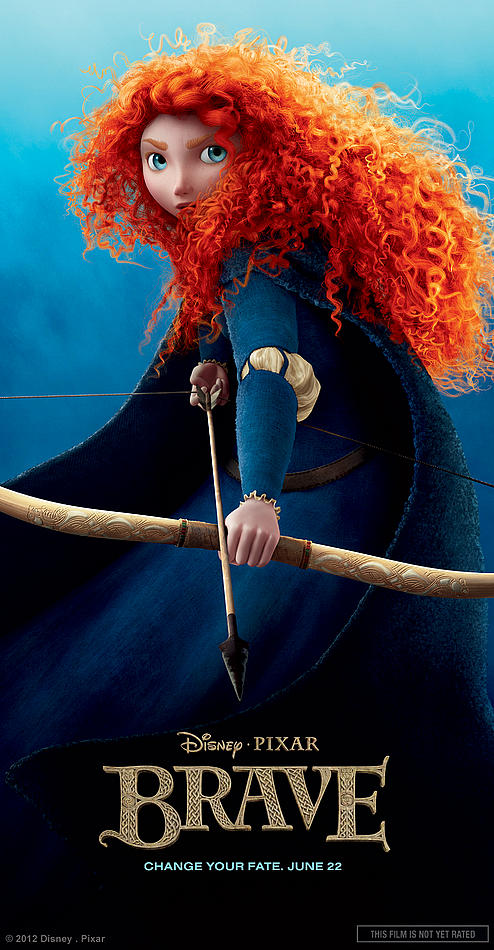 I was immensely stoked for Brave on a number of levels. First, Pixar kicks ass. With the exception of the underwhelming Cars and its pointless sequel, the quality of their work speaks for itself: Monsters, Inc is close to the finest animated movie of all time. Secondly, genuine action heroine films for the whole family are rare, to the point that they can probably be counted on the fingers of one hand over the past 25 years. Thirdly, it’s Scotland. Y’know, where I’m from. It’s the bit at the top of England. I feel I should mention this, because Pixar had originally tabbed Reese Witherspoon to voice the teenage, Scottish heroine, Merida. Fortunately, scheduling prevented this, and Pixar ended up with an all-Scottish lead cast.
 The problems are more with plotting – basically, the issue described above by Chapman is still present. The story starts in one direction, looking suitably action-oriented. It’s difficult to provide any specifics without giving spoilers – there’s a major plot-point not even hinted at in the trailers, which certainly surprised me. But I can see that it abruptly changes direction in the middle, going in a much less satisfactory direction, that seems almost to push Merida into the background of her own story. Even the climax relies less on any innate abilities of our heroine, such as her much-touted archery, or even her temperament, more the fortuitous toppling of a large geological entity [I doubt the film would have sold quite as well had it been named “Lucky”].
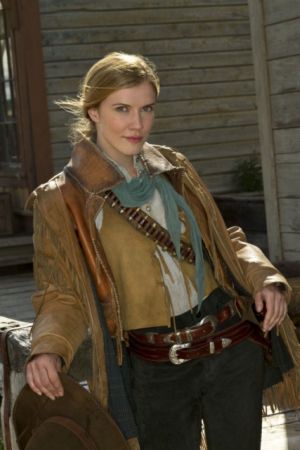 In 1866, the young child Hannah Beaumont (Canning, best known for her role in The Vampire Diaries) watches as the rest of her family is slaughtered by outlaw Frank McMurphy (Pyper-Ferguson). Twelve years later, Hannah is now getting her long-awaited revenge. Having been trained to shoot, ride and collect the bounty on wanted men by Isom Dart (Danny Glover in a small role), she is now reeling in the members of McMurphy’s gang, one by one. When McMurphy hears about this, he gathers up his entire posse and rides to Hannah’s base in Dodge City to finish off what he started, a decade before. Can Hannah – with the aid of the town’s deputy marshal, Wyatt Earp (Holt) and her other friends, come out on top?
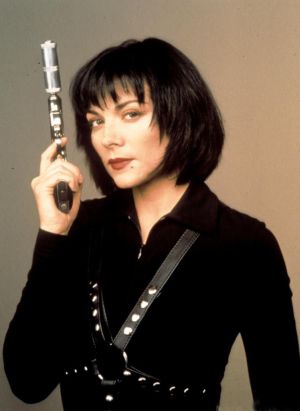 Agent Delilah (Cattrall) is undercover investigating arms dealer Alec Kasharian (Voyagis), and his connection to Palestinian terrorists [this was 1993, when people were concerned about such things]. At the behest of her handler Paul (Zane), she copies a floppy-disk containing vital information [I repeat, this was 1993, when an entire arms dealer’s business would apparently fit on a floppy!], but she’s discovered, shot multiple times, and left for dead. Paul drags her Swiss cheese-like body back to a secret government lab, where she is repaired, upgraded and generally enhanced in terms of speed, power and other abilities.