
★★
“Tomb for two, please.”
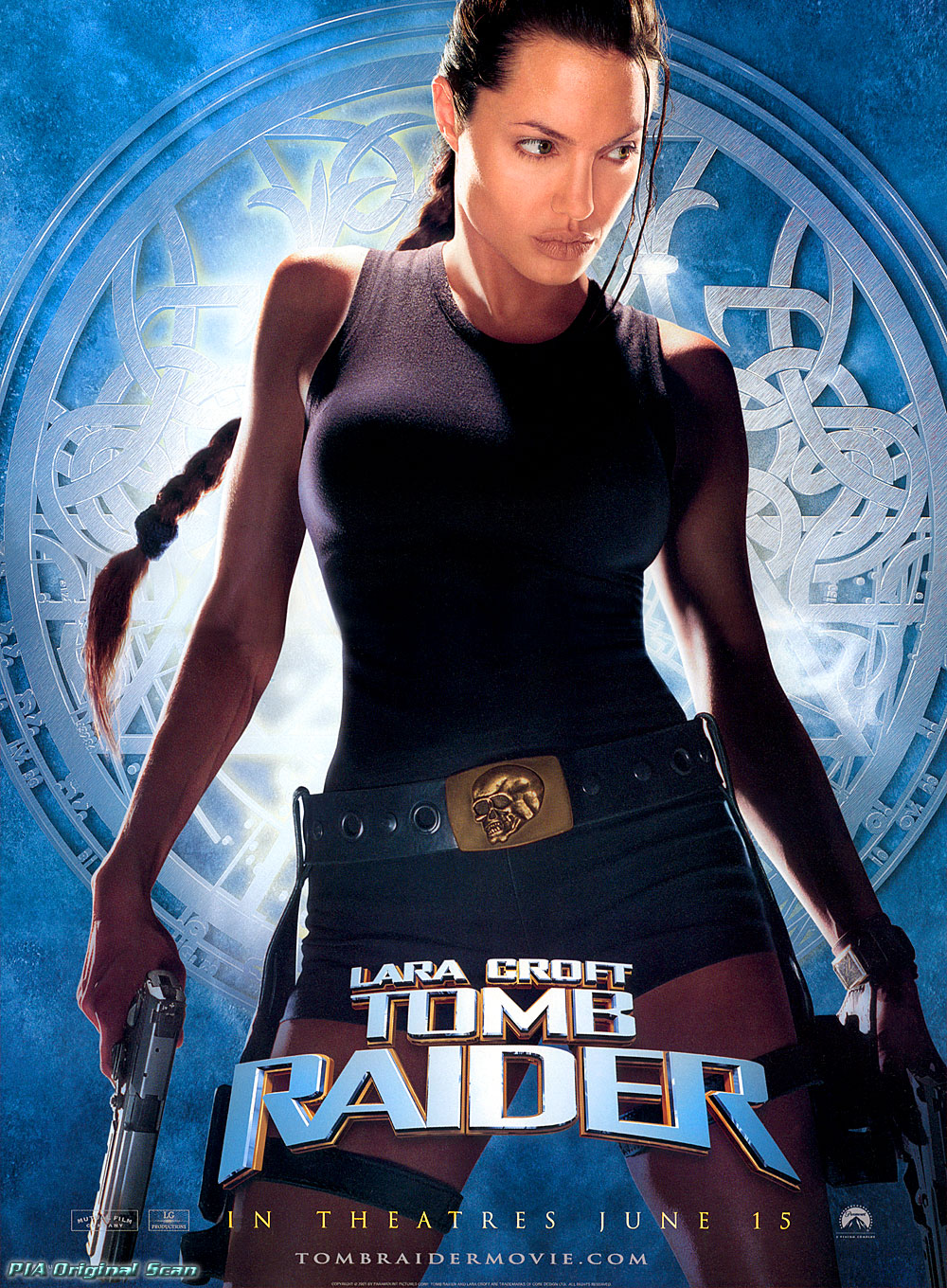
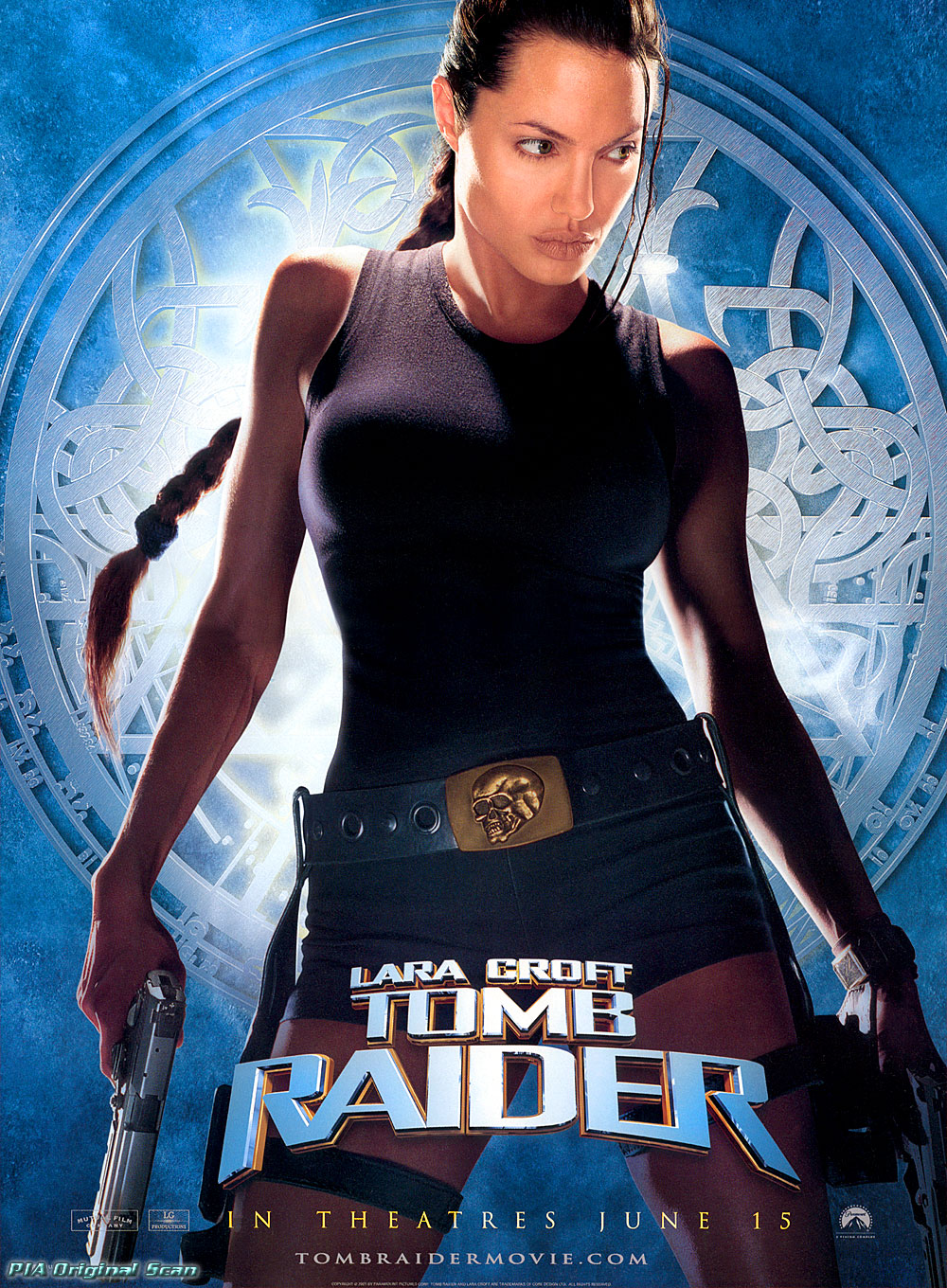
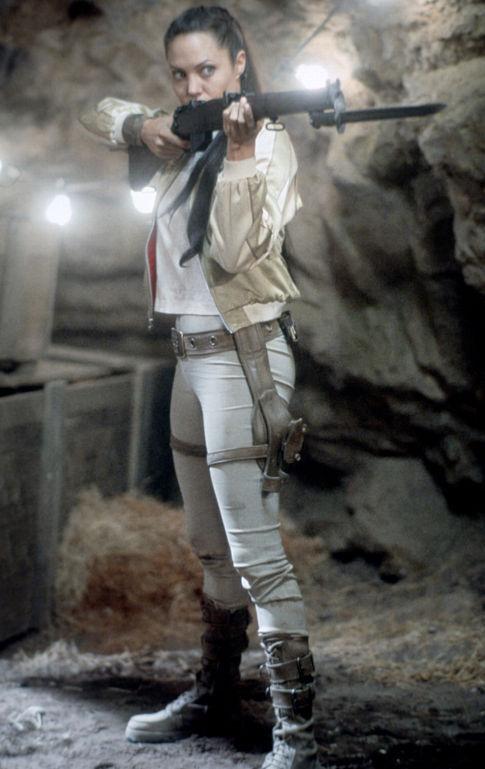 The first problem with the film is its title, a clunky mess apparently lacking in any punctuation – I’ve taken my best guess at what it should be above, even if it doesn’t line up with the first movie. But hey, new director, new grammar… Interestingly, Steven E. De Souza gets a screenplay credit this time round – he was one of the people who wrote a rejected script before the original film was made, and I wonder how much has been recycled here.
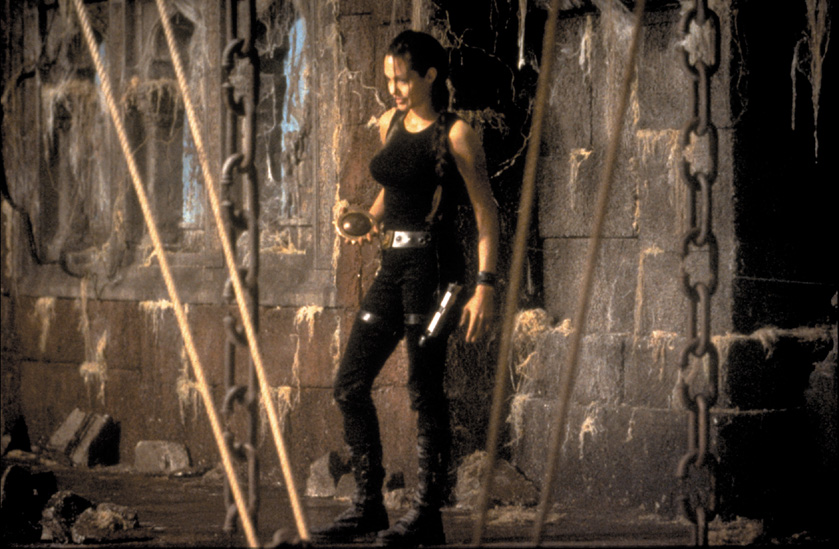
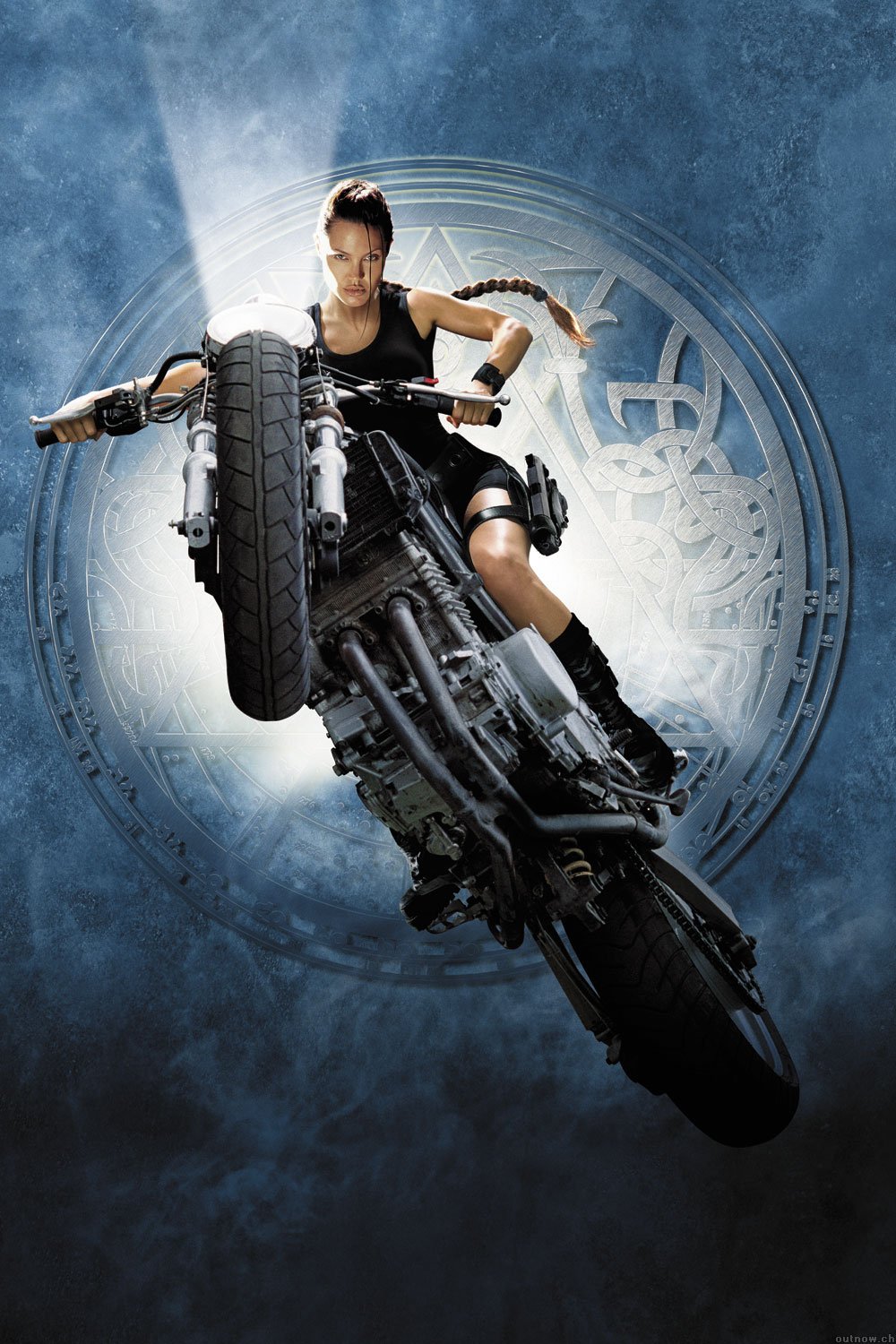
Certainly, a lot of what was said about the first film applies equally to the sequel; despite much affirmation that, this time, they’d really got hold of the character, the potential remains largely unfulfilled. Instead, we get something that (ironically, in the light of previous comments) nicks large chunks from Indiana Jones, adds a flavour of Mission: Impossible 2 and loses most of the more interesting elements from first time round.
The plot here concerns the search for what is, effectively, Pandora’s Box, which turns out to be a genuine artefact containing a deadly plague. Evil overlor…sorry, industrialist Jonathan Reiss (Hinds) wants possession, in order to sell it to the highest bidder as a biological weapon, and use the antidote to control who’ll be allowed to populate the post-plague world.
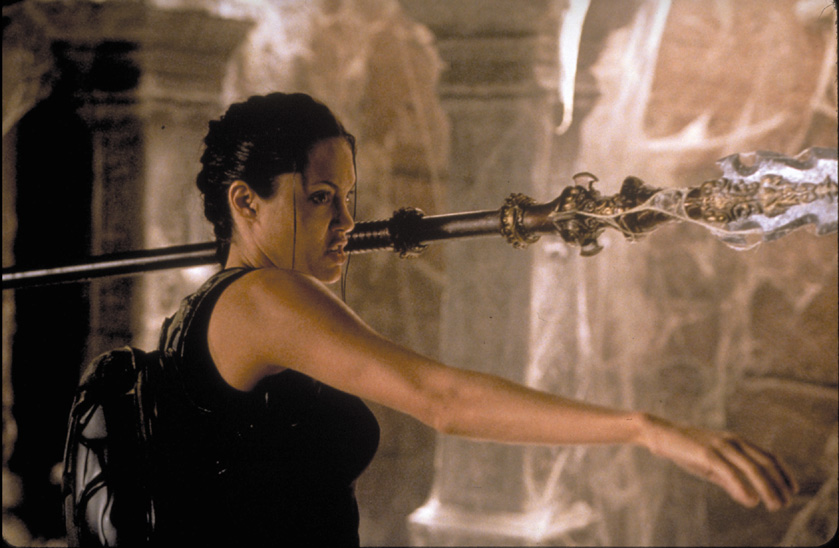
Though most of the film is concerned more with the struggle for possession of an amber orb, which points to the location of Pandora’s Box. This contest takes the participants from Greece to England to Kazakhstan to China to Hong Kong to Taipei and finally Kenya, though there’s so little local flavour it feels more like an episode of Alias, quickly establishing itself with stock exterior footage, before switching to an obvious sound-stage.
While Barrie and Taylor return as Lara’s sidekicks, they get given very little to do, which is disappointing, since their characters were entertaining elements first time up. Instead, Lara gets a sidekick, Terry Sheridan (Butler), a dubious character who first needs to be taken from a central Asian jail, and who was romantically entangled with Croft in the past. His fate is obvious.
Indeed, so is much of the movie, save the opening sequence, which instead opts to be so ludicrous as to defy belief. Lara lures in a shark with her own blood, then turns it into a jet-ski, before being picked up by her own personal F-sized submarine. Even for a video game, this is stretching it, and the sound you hear, is most of the movie’s credibility, heading shame-faced for the exit as it mumbles something about another appointment. What little is left, gets swamped in an orgy of product placement that rivals recent Bond movies.
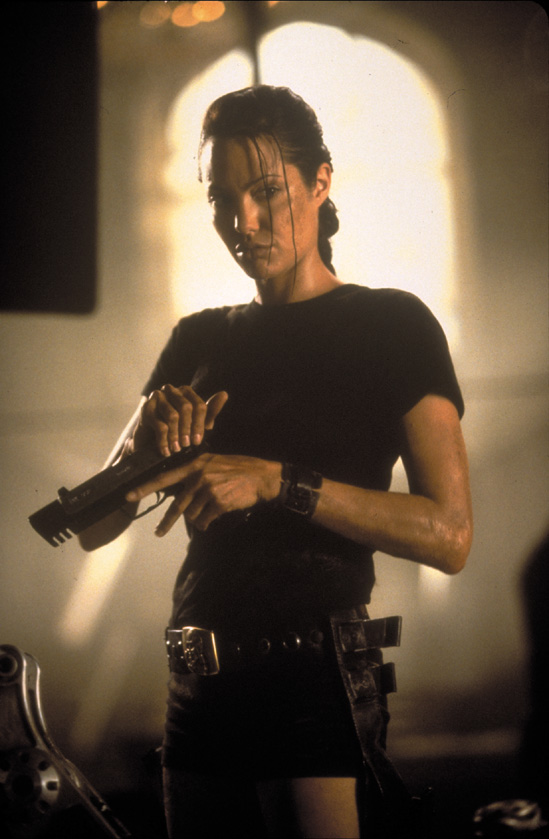
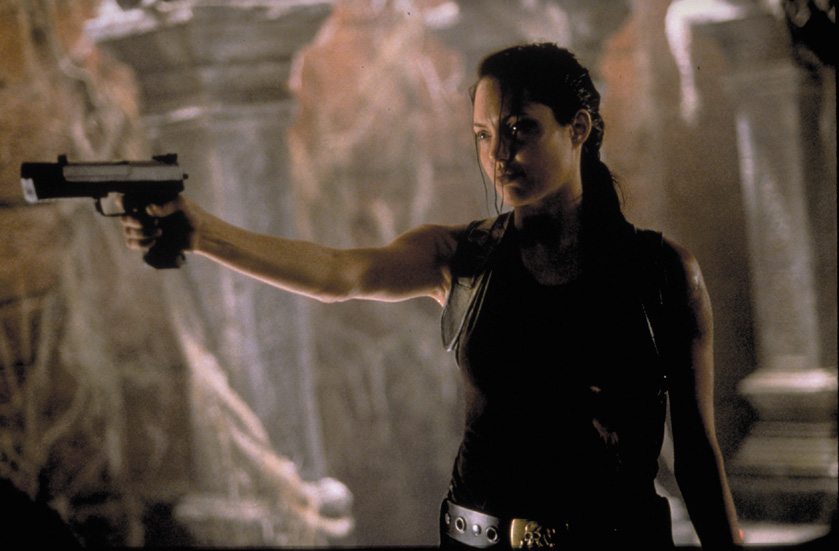
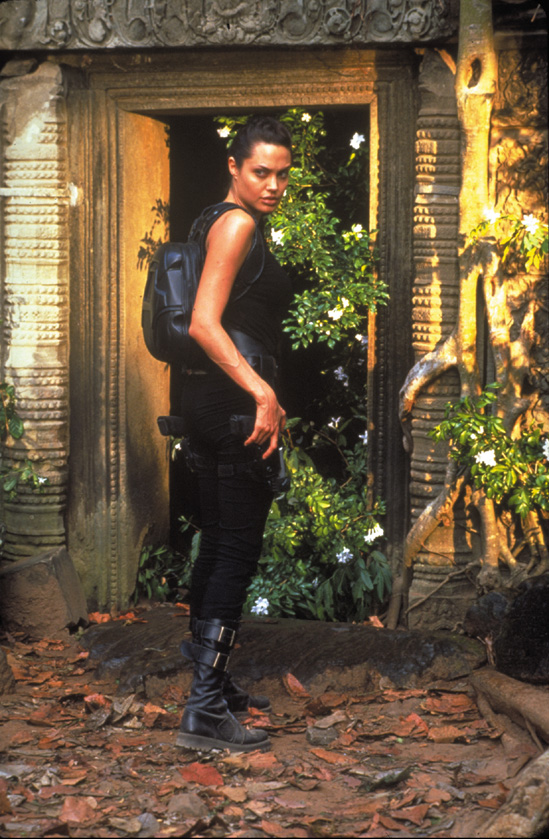
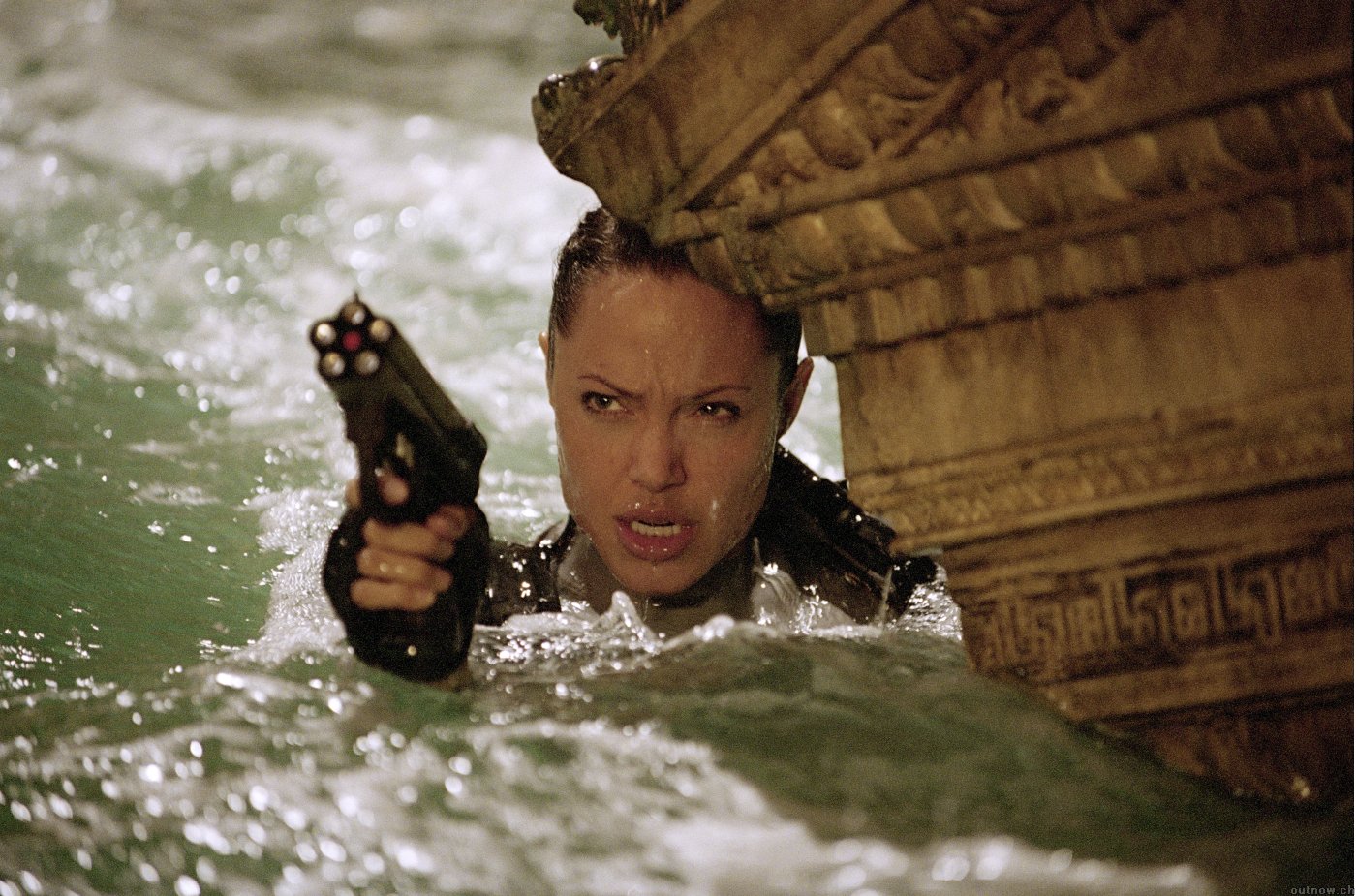 It does give you plenty of time to wonder about little things like the wisdom of instigating a shoot-out in a germ warfare laboratory, how many years have passed since someone parachuting off a tall building ceased to be exciting, and the failure to make Sheridan a credible opponent for a fist-fight with Lara Croft. The finale does feature some interesting CGI creatures, though any explanation of their presence, lust for human flesh, or ability to melt into solid rock is notable by its absence. Jolie still is Lara Croft, to an almost uncanny degree, but even her Oscar-winning talents can do little when faced with a script of such limited means.
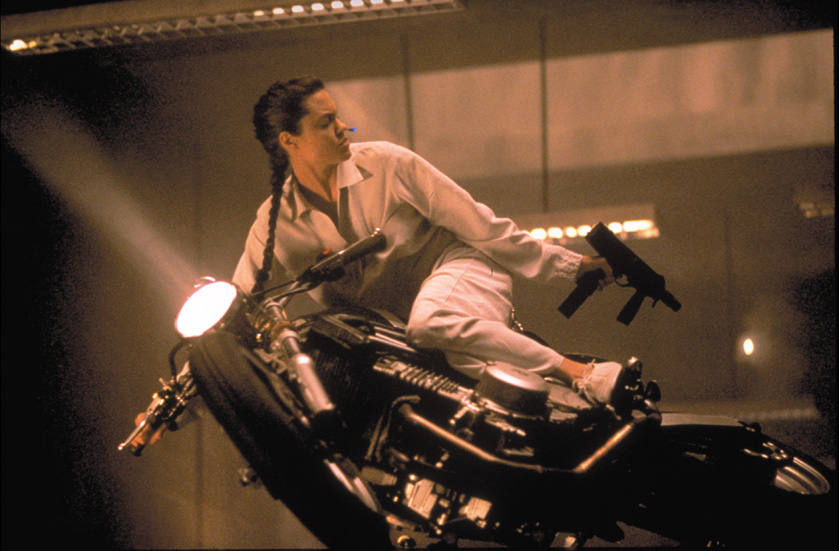
Director De Bont can direct action, as was shown in Speed – since then it’s been downhill. Twister, Speed 2, The Haunting, and now this, which has almost nothing worth mentioning as far as thrills go. It’s nice to see Hong Kong veteran Simon Yam as a smuggler, and his fight with Croft in a cave full of terracotta warriors is kinda cool, but the rest is distinctly mediocre, relying too much on doubles or CGI. The film desperately needs a tent-pole sequence to make you go “Wow!”, like the training robot or bungee-ballet from part one.
Not the worst big-budget, girls-with-guns pic of the summer (that’d be Charlie’s Angels: Full Throttle), but it’s significantly below the first film, which was flawed enough in itself. The harsh truth is, there is nothing here that justifies keeping the franchise going, and that’s really sad.
Dir: Jan De Bont
Star: Angelina Jolie, Gerard Butler, Ciaran Hinds, Noah Taylor
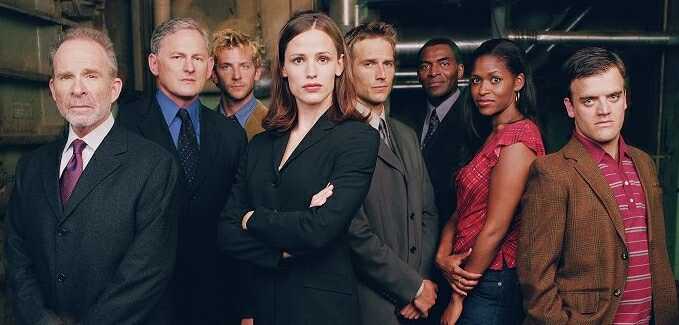
 “It’s everything you want, and more.” That was Chris’s opinion – I was kinda stuck for the right way to start, and as always, she delivered. As, indeed, Alias pretty much delivers, with a crunchy-yet-chewy first series that juggled drama, action and comedy to fine effect, twisting the plot frequently. One problem in TV drama is that you must allow viewers to tune in at any point and rapidly work out what was going on, and former Felicity scribe J.J. Abrams does so in less than 150 words – see above for the heroine’s monologue which opens each show.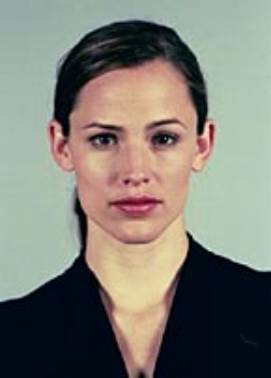
 ★★★½
★★★½ Put simply, having killed of most of the cast (a refreshing change from more cowardly shows, which refuse to let
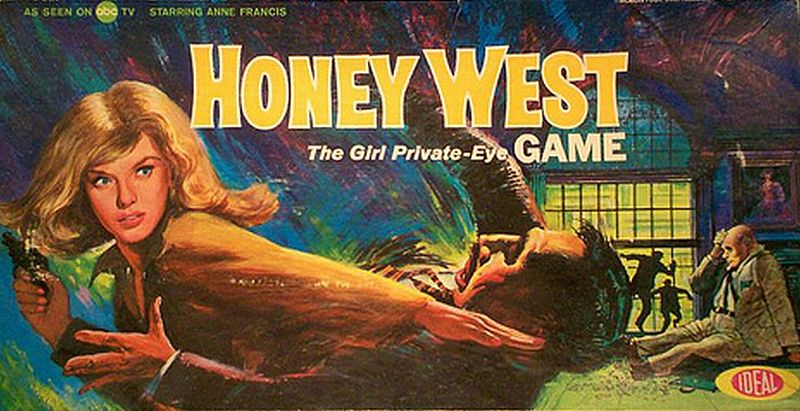 ★★★★
★★★★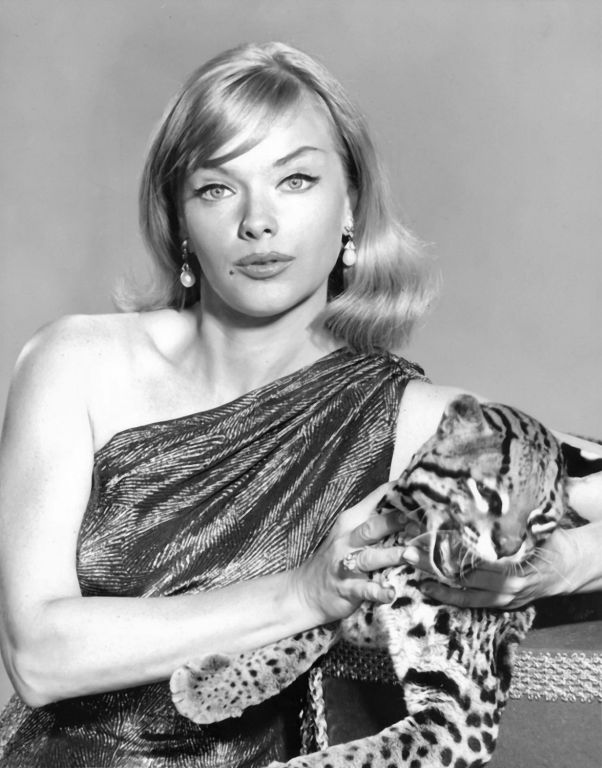 Naturally, this being the mid-sixties, the racier elements of the pulp novels had to be toned down, but the presence of Forbidden Planet star Anne Francis added its own share of potential, especially to boys of the appropriate age, which
 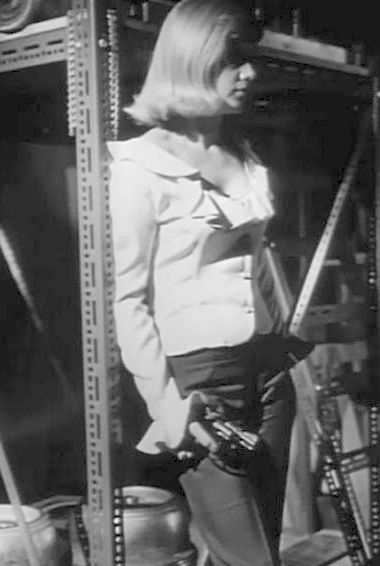 We also appreciated the parade of supporting actors, which include a significant number of familiar names, especially if you watch other shows from the era. Other names should be recognized regardless, including Kevin McCarthy, Michael J. Pollard, Richard Kiel, Joe Don Baker and Dick Clark. The music, by Joseph Mullendore, is an appropriate blast from the past, resulting in much snapping of fingers and shaking of shoulders from the GWG couch by myself and Chris. Indeed, Chris even came up with her own set of lyrics for the theme-tune, which you can find in the sidebar; we were singing lustily along with the opening credits, to the utter bemusement of our son. [The middle section is a bit tricky, and should probably only be attempted by trained professionals. We ended up going, “Raindrops on roses, and whiskers on kittens…” much of the time!]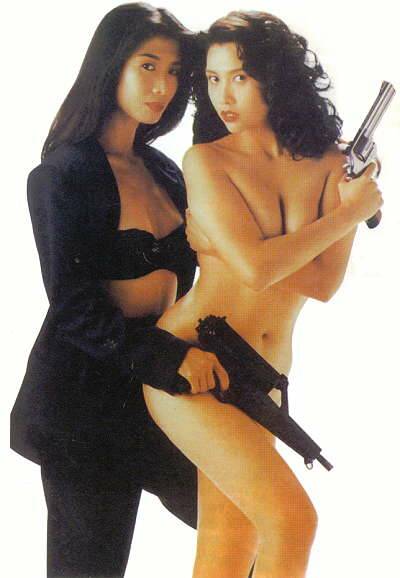
 Ng, in particular, nails her part with a relish that’s just fabulous, but Kelly Yao also does surprisingly well – her role is perhaps the most pivotal in the plot, and she’s required to do more than look pretty, which she does with a maturity and confident poise that borders on the balletic. Yau is about the closest to a sympathetic character the film has, being largely the victim of unfortunate circumstances, while Yam has pretty much made a career out of playing the troubled cop, and could do this kind of job with his eyes shut. Indeed, given the vomiting required, he largely does.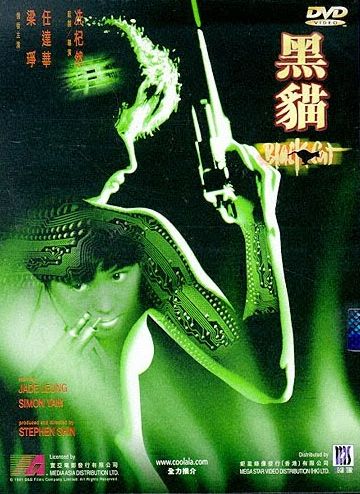
 ★★★
★★★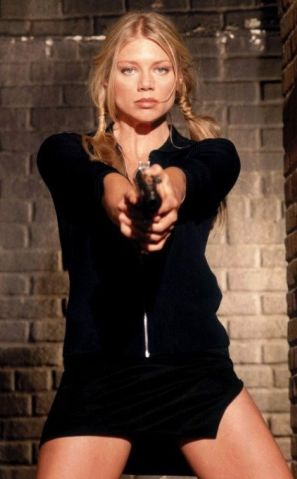 The other chance is that Section One, their version of Division, is not malicious – at least not in the same way. It’s certainly a heartless organization, which is utterly ruthless, and prepared to dispose of anyone who may interfere with their actions, but it’s more an awareness that when you’re dealing with terrorists, organized crime or other threats to the country and world, you can’t be unwilling to get your hands dirty. It leads to a significant bleaker overall tone, and is amazingly prophetic, given this was screened well before 9/11 led to this attitude become a necessary part of national security. Early on, it’s established that you can never trust Section heads Operation (Glazer) and Madeleine (Watson, who was also part of the remake, playing Senator Pierce – her given name there was also Madeleine), to the extent that their deceit becomes almost a cliché.
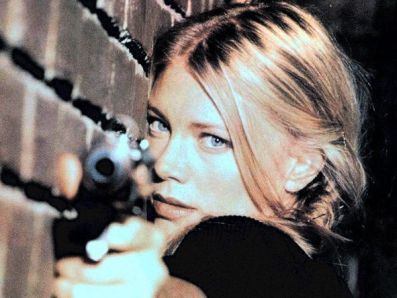 On the other hand, apart from the lack of action, the angle I liked least was the relationship between Nikita and her handler/fellow agent, Michael (Dupuis). I’ll come right out and say it: I hate ‘shippers, and storylines that pander to them are nothing more than an irritant to me, especially in shows which I watch for action, where they do little except interfere with the good stuff, in my humble opinion. [We’ve seen this in the new incarnation, where the show has disintegrated from one of the best shows on TV, into little more than Mr. and Mrs. Smith And Friends.] I’m definitely a “noromo”: If I wanted unresolved sexual tension and relationship nonsense, I’d watch daytime soap operas. Right from the first time Nikita and Michael meet, it’s doe-eyed heaven, even though there is obviously little or no honesty, trust and anything else on which a genuine relationship could ever be founded.
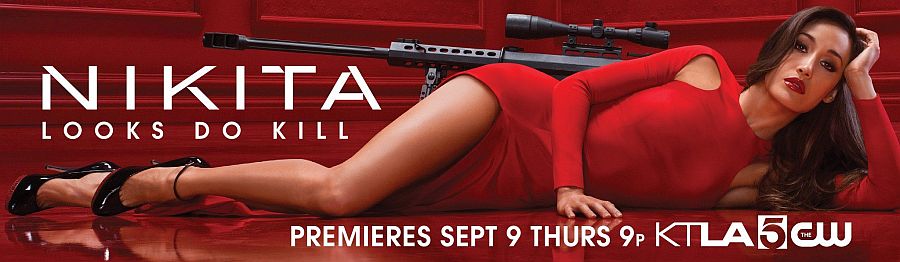 ★★★★
★★★★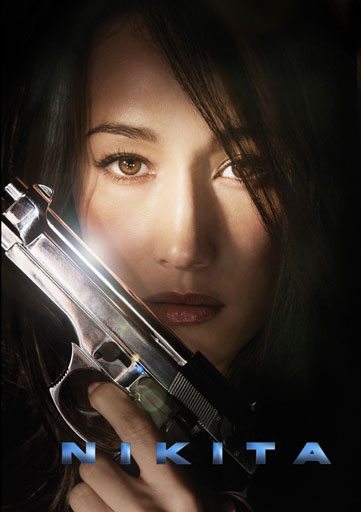 I was reassured by the casting of Maggie Q as the lead, who has a solid action pedigree, both in Hong Kong (Naked Weapon) and the West (Live Free or Die Hard and M-I:3). While its source material was clear, it took a different approach. Instead of telling Nikita’s story from the beginning, with her recruitment into a shadowy semi-official organization and training as an assassin, it starts later, after she has mutinied and left them. Now, she is working to bring down the organization known as Division, its leader, Percy (Berkeley), and his right-hand man, Michael (West), who trained Nikita before she went rogue. Her ‘secret weapon’ is Alex (Fonseca), a new recruit going through training, while acting as Nikita’s mole and feeding her information, allowing her to sabotage and obstruct Division’s missions.
 They even crammed in nice nods to the original movie and its TV predecessor too, with a dive down a chute to escape, and a cameo from Alberta Watson, one of La Femme Nikita‘s actors, as part of the intelligence committee supposedly in charge of Division. By the time the dust has settled, Nikita was driving off into the sunset with a surprising ally, and Alex was also teamed up in a new way, setting things up nicely for the second series. Whether it was going to get one or not seemed in doubt for a while, as the rating did sag mid-season, dropping the show onto the ‘bubble’. However, it was announced in May that the CW would pick it up for another series, moving the show to Friday nights to play along with Supernatural.