




Literary rating: ★★★★★
Kick-butt quotient: ☆☆☆
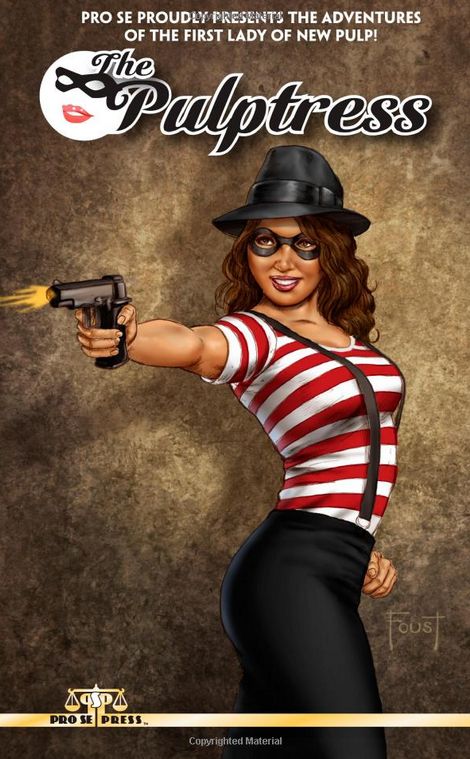 Pro Se Press is a relatively new small press devoted to the tradition of pulp fiction, as exemplified by the U.S. magazines in the earlier part of the 20th century. Through their Pulp Obscura imprint, they rescue older classic stories from undeserved obscurity; and they’re a venue for contemporary “New Pulp” authors, who seek to keep the tradition and its spirit alive. Founding editor Tommy Hancock created the costumed character of the Pulptress as a role for a model to play in representing Pro Se at pulp conventions and other venues (debuting with great success at the first Pulp Ark convention in 2011). It wasn’t long before the idea of using her as a fictional protagonist was born; hence, this first Pulptress story collection of five tales, written by Hancock and four other invited contributors from the Pro Se family.
Our heroine is intentionally something of a mystery woman. As Hancock explains in the short introduction, she’s the orphaned daughter of two pulp era heroes, though we’re not told who (her real first name is Emily, but we don’t know her last name). Fostered by a few other pulp heroes, both classic and New Pulp, who taught her a lot that’s not usually covered in a typical education, she’s now in her 20s. Like Pro Se Press, she’s based in small-town Arkansas; but she travels wherever her mission leads her, and her mission is to help the innocent and take down the perpetrators of evil, working from outside the normal channels of law enforcement and with a variety of aliases. A mistress of disguise and possessed of gymnastic skills that are, I’d say, of Olympic quality, she’s also smart, trained in martial arts, and no slouch with a firearm. While she’s attractive, she’s also described at various points as “strong,” and “buff,” with well-toned muscles –as the cover art indicates, those aren’t antithetical ideas.
A potential problem in this type of collection can be that the individual authors don’t have enough common conception of the main character to make her seem like the same person from story to story. That’s largely not a problem here: the Pulptress is recognizably herself from beginning to end, and all five writers draw her with an appealing, good-hearted and easily likeable personality; she cares about others, and she’s got an obvious zest for the challenging and adventurous elements in what she does. Being adept at hand-to-hand (or foot-to-head, or fist-to-gut, etc. :-) ) fighting, her situation doesn’t require her to use a gun, or lethal force, in all stories, and you get the impression that bringing her (human, at least) opponents in alive is her preference; but as Ron Fortier’s “Butcher’s Festival” indicates, she can also handle situations where that’s not an option. (I didn’t view that as a contradiction, just a flexible response to different circumstances.) A more noticeable contradiction is in the area of speaking style. Like the older pulp yarns that serve as models, none of these stories has a large amount of bad language (some have none), and all the writers here avoid obscenity or misuse of Divine names. But in some stories, our protagonist will cuss some, while in others she doesn’t at all. Most people are more consistent in their speech than that, so it would be more realistic to let her be consistent as well. But this wasn’t a major problem for me!
The quality of the writing in all five stories is good; our authors each have their own style, but they all use description well and bring characters and settings to vivid life. (Andrea Judy’s evocation of the catacombs under the city of Paris is especially memorable; if she hasn’t actually been there, her research was exceptionally good.) The action scenes are (for pulp) realistic, in that we don’t have protracted fights between two combatants who absorb punishment well beyond human capacity and keep fighting; here, a knock-out blow to the head will do what that kind of blow actually does. Emily’s not Super Girl, either; she can be pushed to her absolute physical limit at times, and she doesn’t disdain help or rescue when it’s needed. An interesting feature of the stories is that they sometimes employ other series characters, whose paths cross the Pulptress’ to give her a helping hand: Derrick Ferguson’s Dillon, a black man whose race is underrepresented among pulp heroic figures (used by Hancock in “Black Mask, Big City”), Erwin K. Roberts’ The Voice, and Fortier’s Brother Bones. Obviously, prior knowledge of these characters would enhance those stories, but it isn’t required; I hadn’t encountered any of them before. (If you haven’t, these tales may whet your interest –I’d definitely like to read more Brother Bones stories!) Given my liking for the supernatural in fiction, it was an added plus to find that the menaces in two stories are supernatural, and another has a definitely supernatural important character.
Arguably, I hand out too many five-star ratings; but I loved these stories, and didn’t really see any serious downside here (though you’ll find the occasional minor typo or editorial snafu). If pulp action adventure is your thing, what with no sex, tasteful handling of violence (nothing gratuitous or over-stressed), a conflict of good and evil that you know in your gut the bad guys don’t have a prayer of winning, and a heroine you can respect and admire, you can’t go wrong with this one!
Editor: Tommy Hancock
Publisher: Pro Se Press, available through Amazon, both for Kindle and as a printed book.
A version of this review previously appeared on Goodreads.


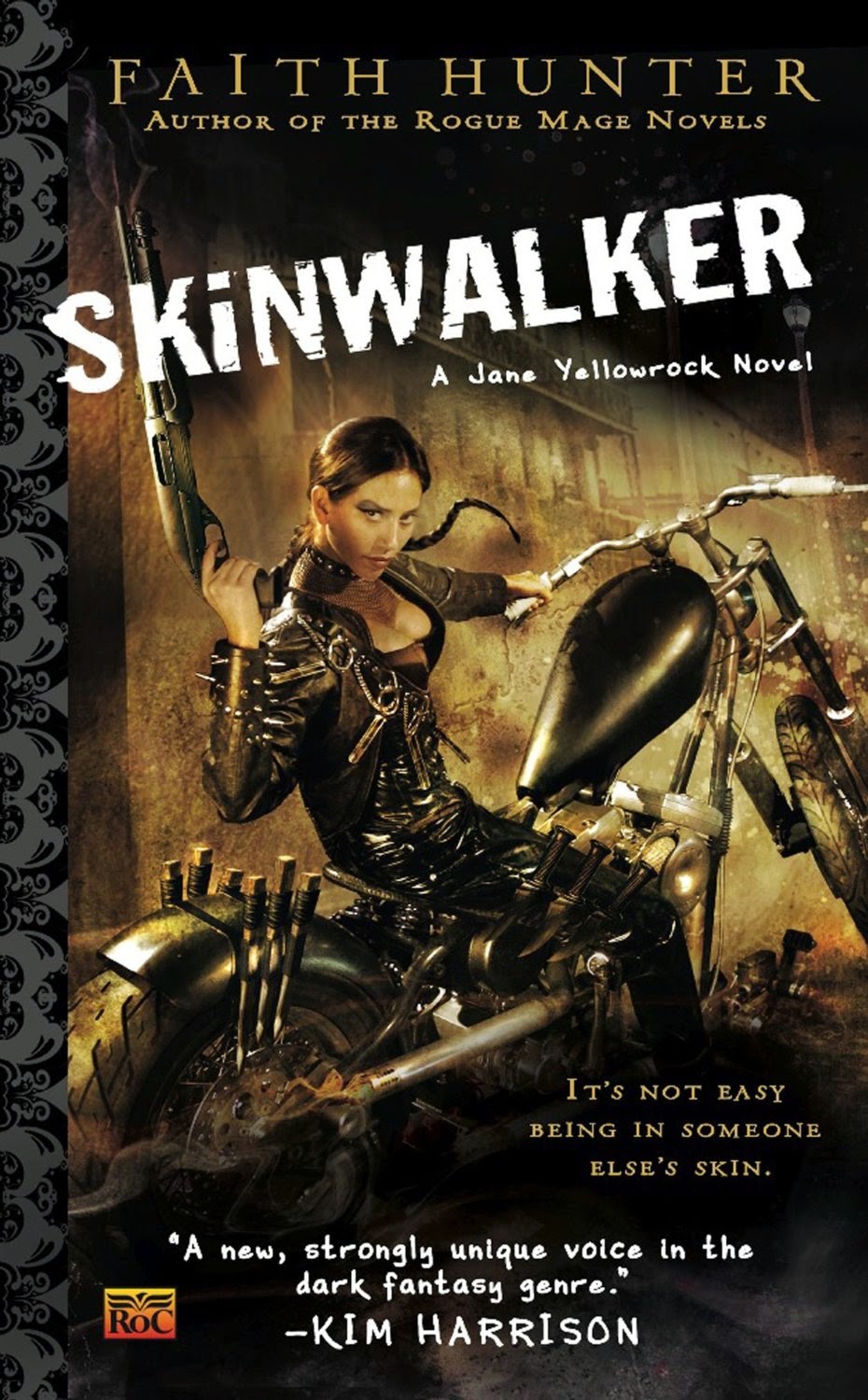
 Supernatural fiction is a favorite genre of mine, and I have a soft spot for strong heroines who can kick some butt when necessary; so naturally, I thought a book that appealed to both interests might be rewarding. But that didn’t begin to prepare me for how much I liked this one! In this opening volume of the Jane Yellowrock series, featuring a Cherokee Indian shape-shifter who makes her living hunting down and killing rogue vampires that prey on humans, Faith Hunter has created one of the most original and vividly-realized fictional protagonists to come down the pike in a long time, and established herself in my eyes as one of the genre’s outstanding contemporary voices.
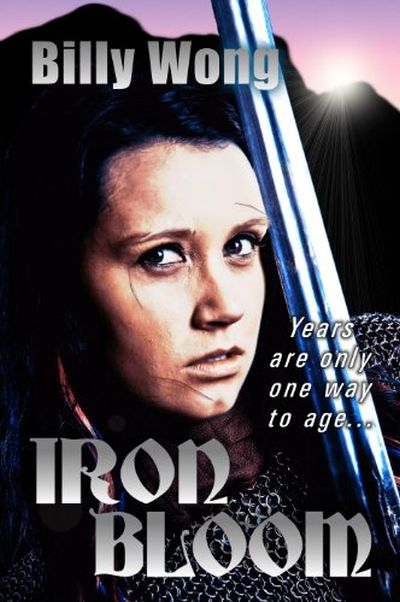 This first book in Wong’s Legend of the Iron Flower series is one I got for my Kindle app at a time when it was being given away free. I only read books that way to see whether I consider them worth buying a copy –and in this case, the print edition is now on my book shelf. As a first novel, it’s not unflawed, but I liked it well enough to support the author by buying a copy, and plan to continue reading the series.
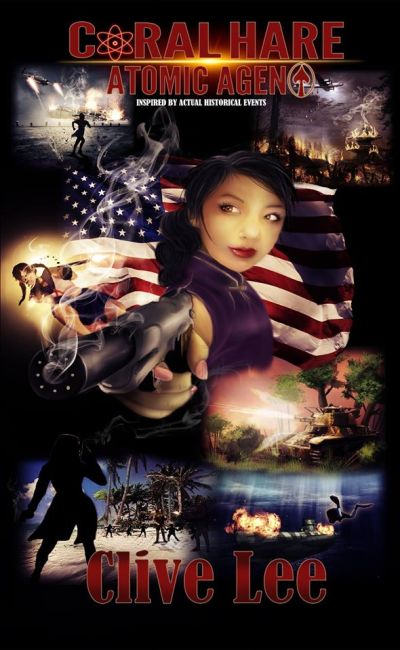 Full disclosure at the outset: the author, who’s a member of my Action Heroine Fans group on Goodreads, gifted me with a no-strings-attached free copy of this novel.
 For me, the main weakness of the novel was a sense of missed opportunity for moral reflection. True, Mina’s trying to stop WMD’s from being built and deployed, which is certainly a commendable goal. She also doesn’t harm any civilians herself. But she knows about the Manhattan Project, which is a mirror image of the Japanese effort, and is present for the firebombing of Tokyo (shown left, and in which more civilians died than in both atom bomb attacks combined). We’re not told what, if anything, she thinks about any of this; the silence can suggest that she pretty much endorses an “us against them” ethic in which whatever “our side” does is okay, because OUR cause is just. For the time and place, of course, that attitude is realistic (for both sides), and Mina at least doesn’t have the racism that fueled a lot of that attitude.
 I first became aware of this novel through an article back in February about MMA champion Ronda Rousey and