




★★½
“Well short of Marvel-ous”
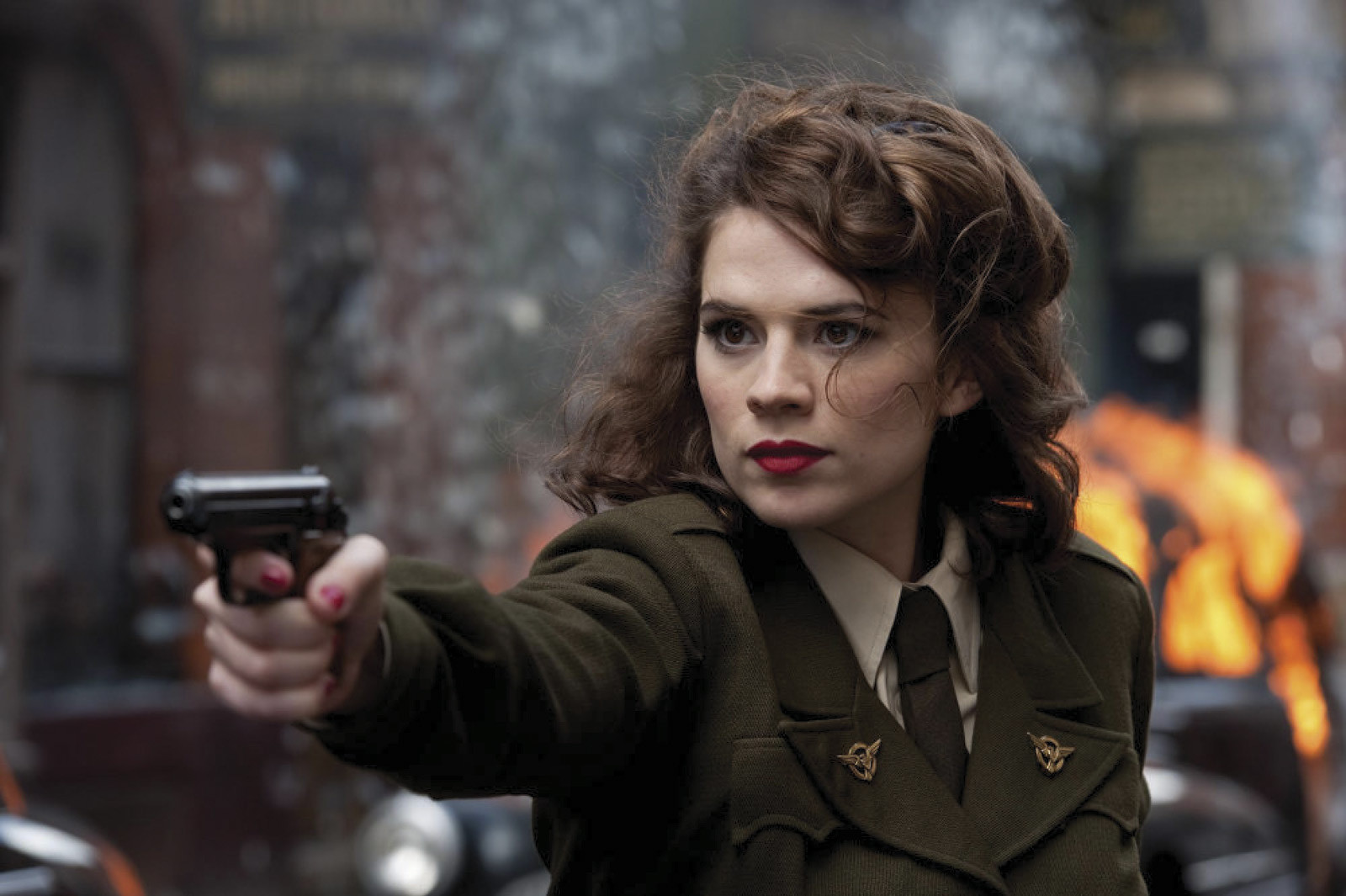
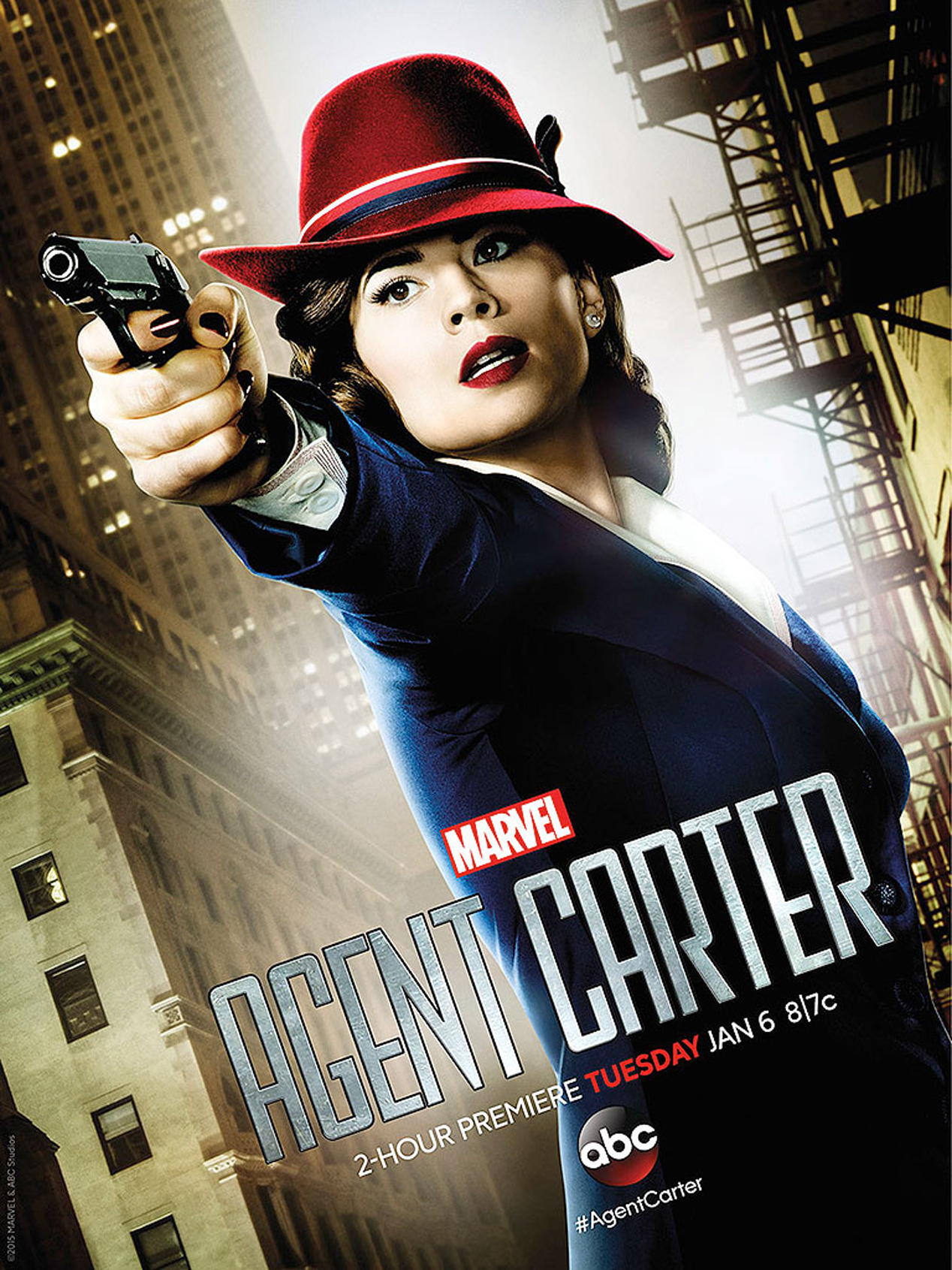 I read somewhere, that this was Marvel’s 20th media entry, between films, TV series, etc. and the very first to feature a female lead. To be blunt: it shows. Just because your series is set in the forties, does not mean it also has to perpetuate the attitudes of the time: the tagline for the teaser was “Sometimes the best man for the job…is a woman”, which is about four decades past its expiration date. Another example: right the way through to the end, the opening, “previously on” montage included a clip of Carter being told to answer the phones, even though it was entirely irrelevant to proceedings. But it does showcase the attitude present through the entire show, which felt almost apologetic about the entire concept. The series itself was basically a throwaway, feeling like a token gesture, given not even half of a regular order, being given a mere eight episodes to be shoe-horned into the schedules while Agents of SHIELD was on winter hiatus.
Given this short run, you’d think the makers would have wanted to trim all the excess fat off their storyline, especially since the period setting should free it up from the tiresome apparent need to tie all contemporary Marvel features into the same “universe”. Ah, but no. Instead, we get a lengthy thread, particularly in the first half of the series, focusing on Tony Stark’s dad, to the extent that Carter felt like a supporting player in her own show, just as she was in the Captain America films. Really, as someone who is not a “Marvel fan”, who can take or leave their product [The Avengers and Guardians of the Galaxy were both forgettably alright, and I bailed on Agents of SHIELD after a few episodes], I could give a damn. I was looking for a standalone story, not one that spent half its time apparently trying to tie itself to the apron-strings of other media entities. This may help explain why the show’s ratings plummeted, losing about 30% of its live audience by episode four.
That’s a bit of a shame, because it did actually improve over the second half. We got less of the “Hey, look! It’s a woman! In the forties! Doing stuff! Isn’t that just amazing!” attitude, and she actually got to investigate a genuine threat, rather than helping Stark’s butler bail his employer’s ass out. This uncovers a Soviet plot to train young girls as sleeper agents for embedding in the United States, which leads in turn to a plan to release a poisonous gas which induces murderous psychosis in those exposed to it, back in Times Square. This was much more interesting and entertaining, and it’s just a shame the show didn’t get there sooner, while the short order meant it ended abruptly thereafter, with nothing except a coda that I presume was some kind of inside reference. making sense to those familiar with the inhabitants of the Marvel universe. Which would not be me, so the only reaction it provoked was “It’s the Dream Lord from Doctor Who“, and I imagine that was not the intended effect.
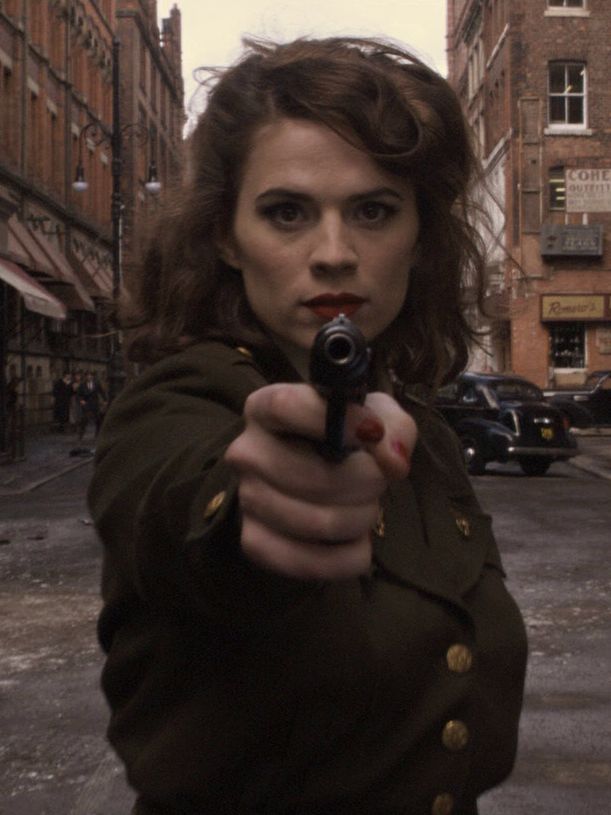
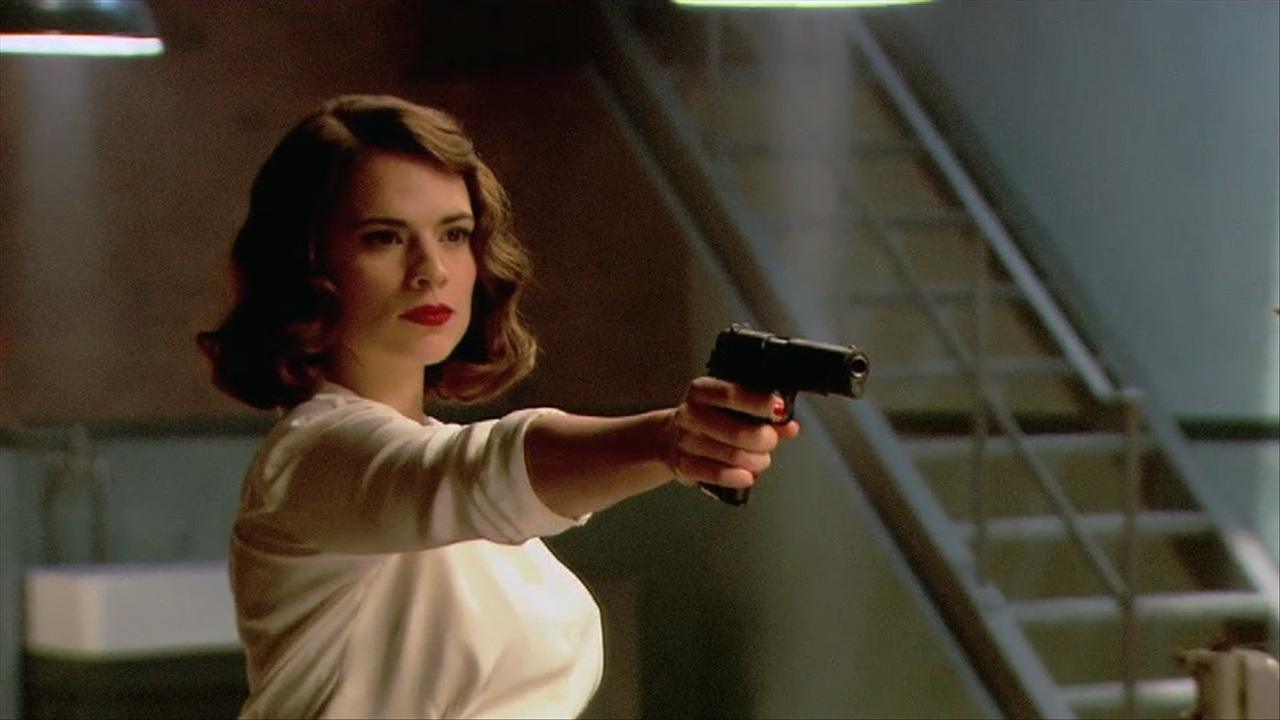
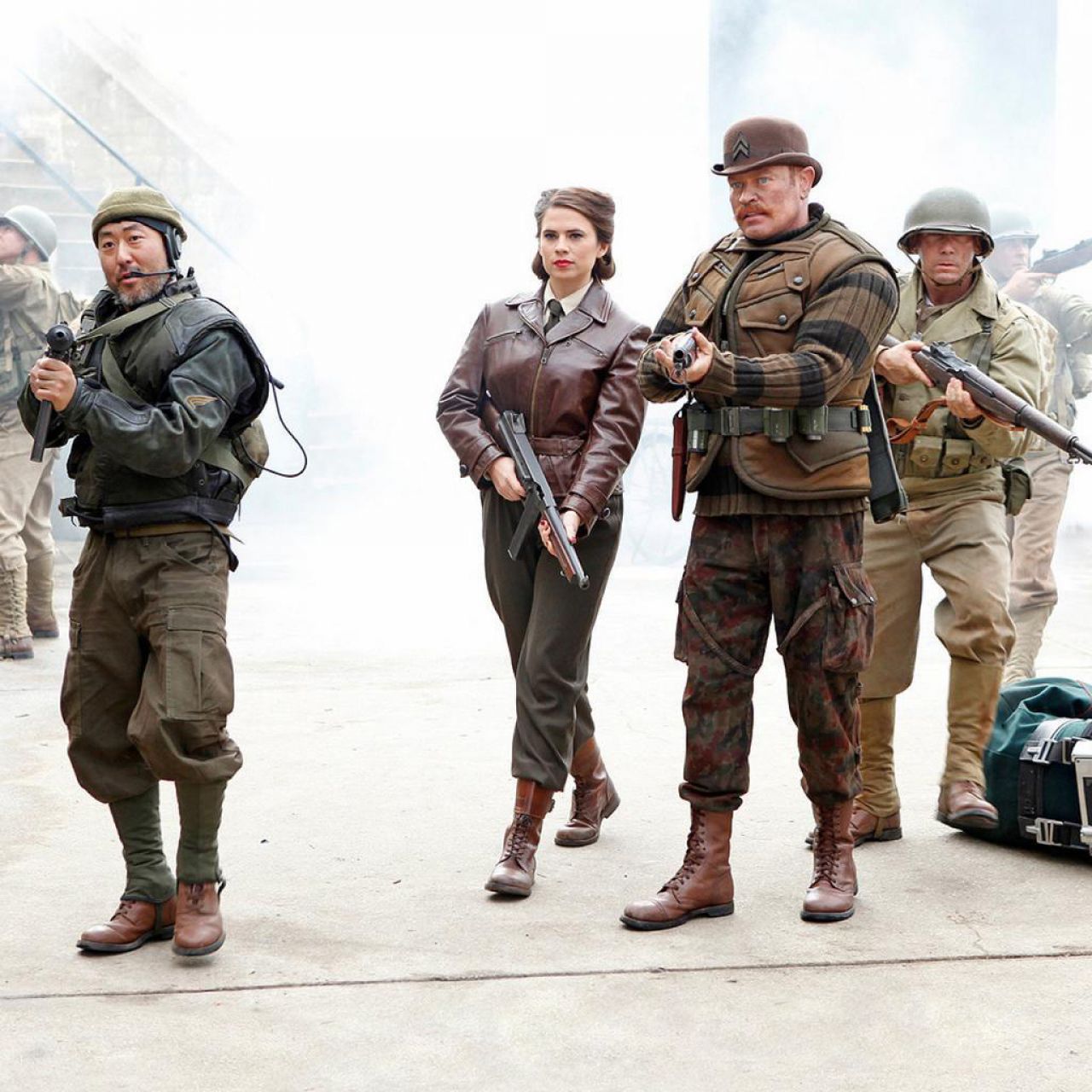
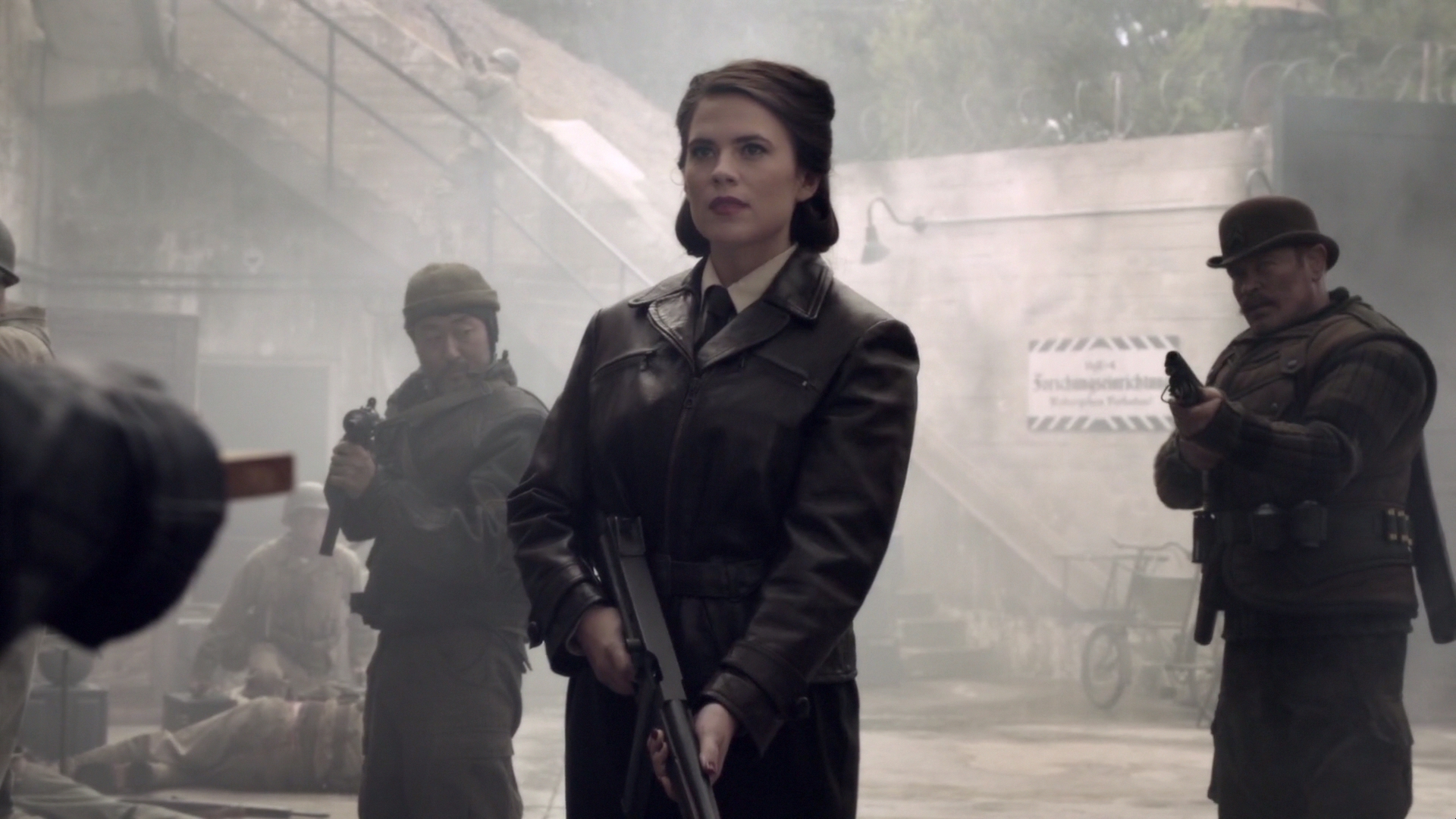
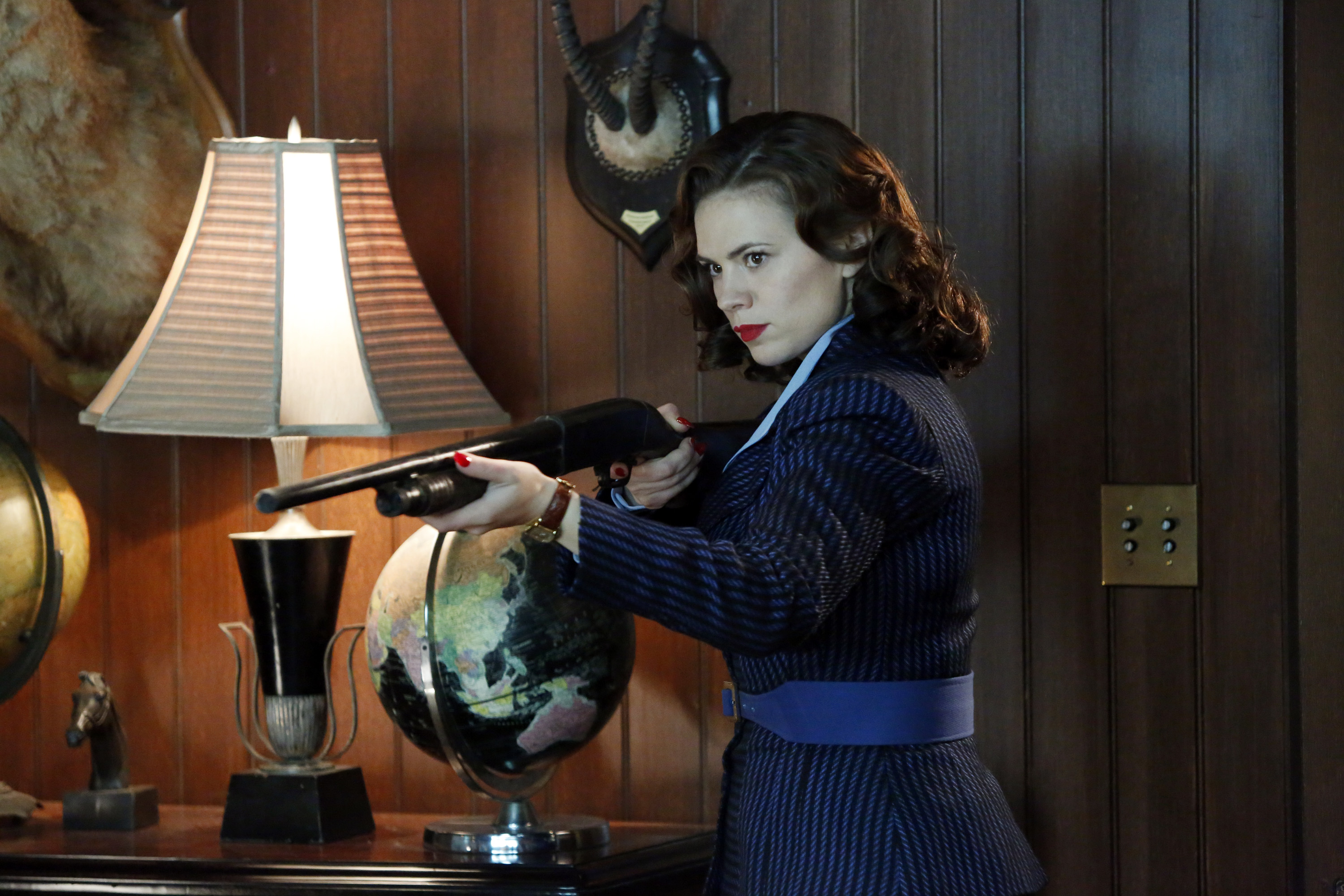
The main reason to keep watching the show was Atwell, who fit the lead character like a white leather glove. She brought an immense degree of likeability to the role, and not having seen her in the Captain America films was not a problem at all. D’Arcy, as Stark’s manservant, Edwin Jarvis, also brought the right sense of outraged propriety to his role, and the pair had a decent quality of chemistry together, without the show needing to shoehorn in any unresolved sexual tensions. [Indeed, the lack of any real romantic interest for Carter was a plus, even if it was mostly because she was still pining for the missing Captain America] But beyond those two, and Bridget Regan as Dottie Underwood, a strong female antagonist, the supporting cast was largely forgettable. All the men with whom she worked at the SSR were basically interchangeable suits, and even Lyndsey Fonseca, who was Alexandra Udinov in Nikita, was given nothing much of significance to do in her role as a waitress who befriends Peggy.
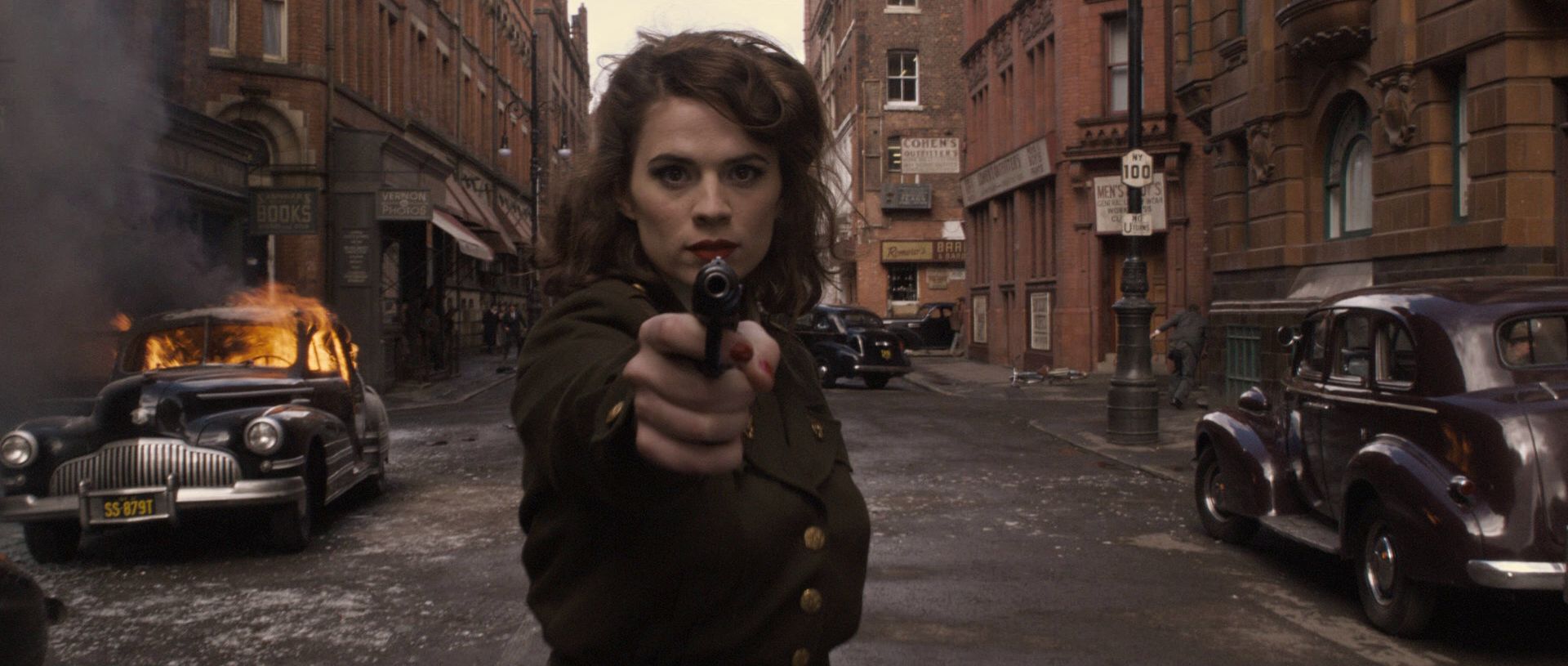 The action, as you’d expect, was also very solid: particular highlights I remember include an excellent brawl in a diner, and a thrilling chase aboard a truck loaded with an explosive chemical. Atwell more than held her own in this aspect, showing why her colleagues’ relentless and repetitively dismissive attitude of Agent Carter rang false. But whether there will be a second series or not remains in doubt, with ratings that were short of the show for which it was standing in. Despite not having enjoyed this one very much, I’m still pulling for it, because there’s a severe shortage of action heroines on television at the moment and luke-warm success is better than nothing at all. Though I desperately wanted to love this, I couldn’t, and can only hope for better from A.K.A. Jessica Jones, due to premiere on Netflix later this year. Perhaps Marvel will learn from the missteps here, and present us with a heroine truly worthy of the name.
Star: Hayley Atwell, James D’Arcy, Chad Michael Murray, Enver Gjokaj

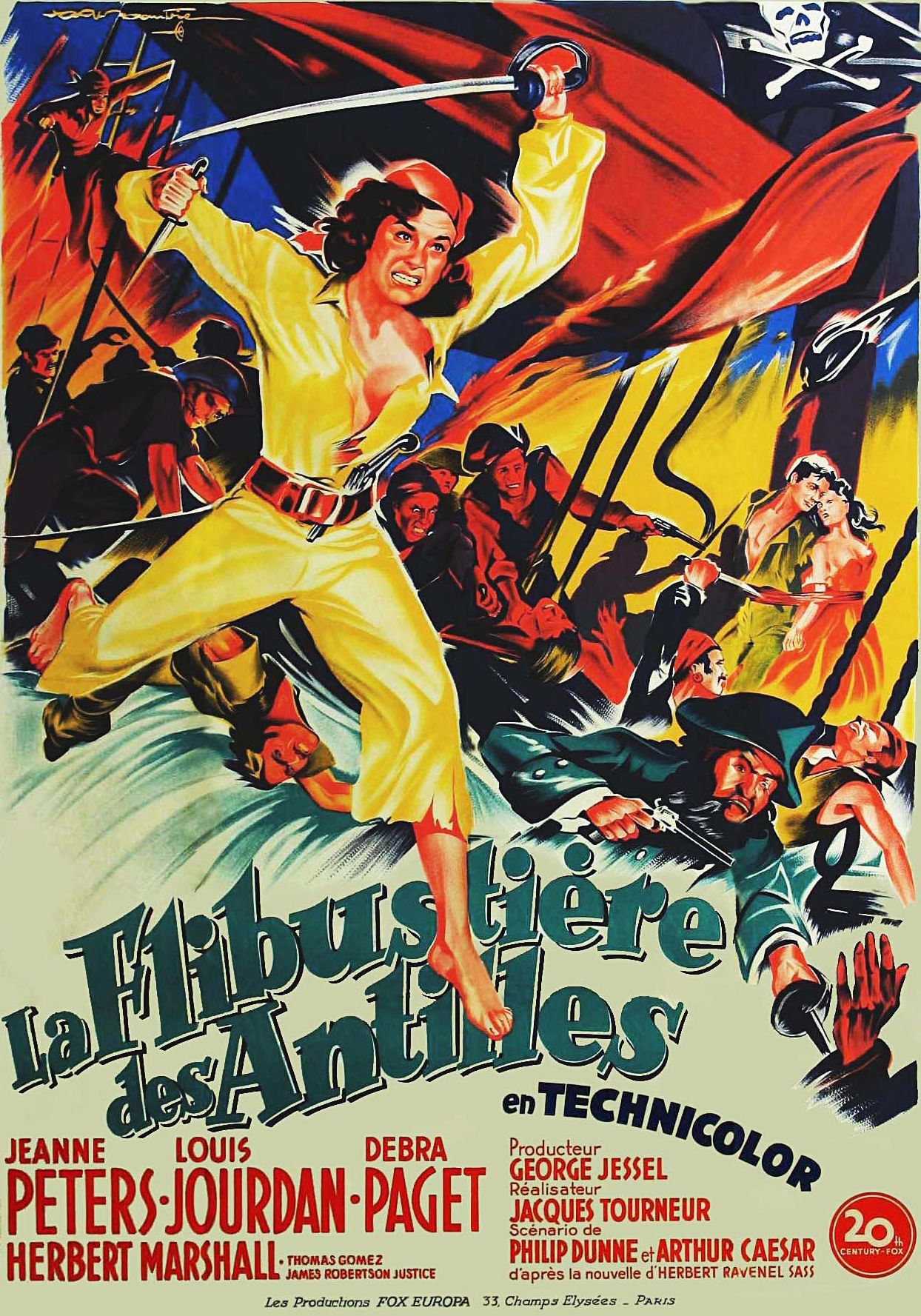
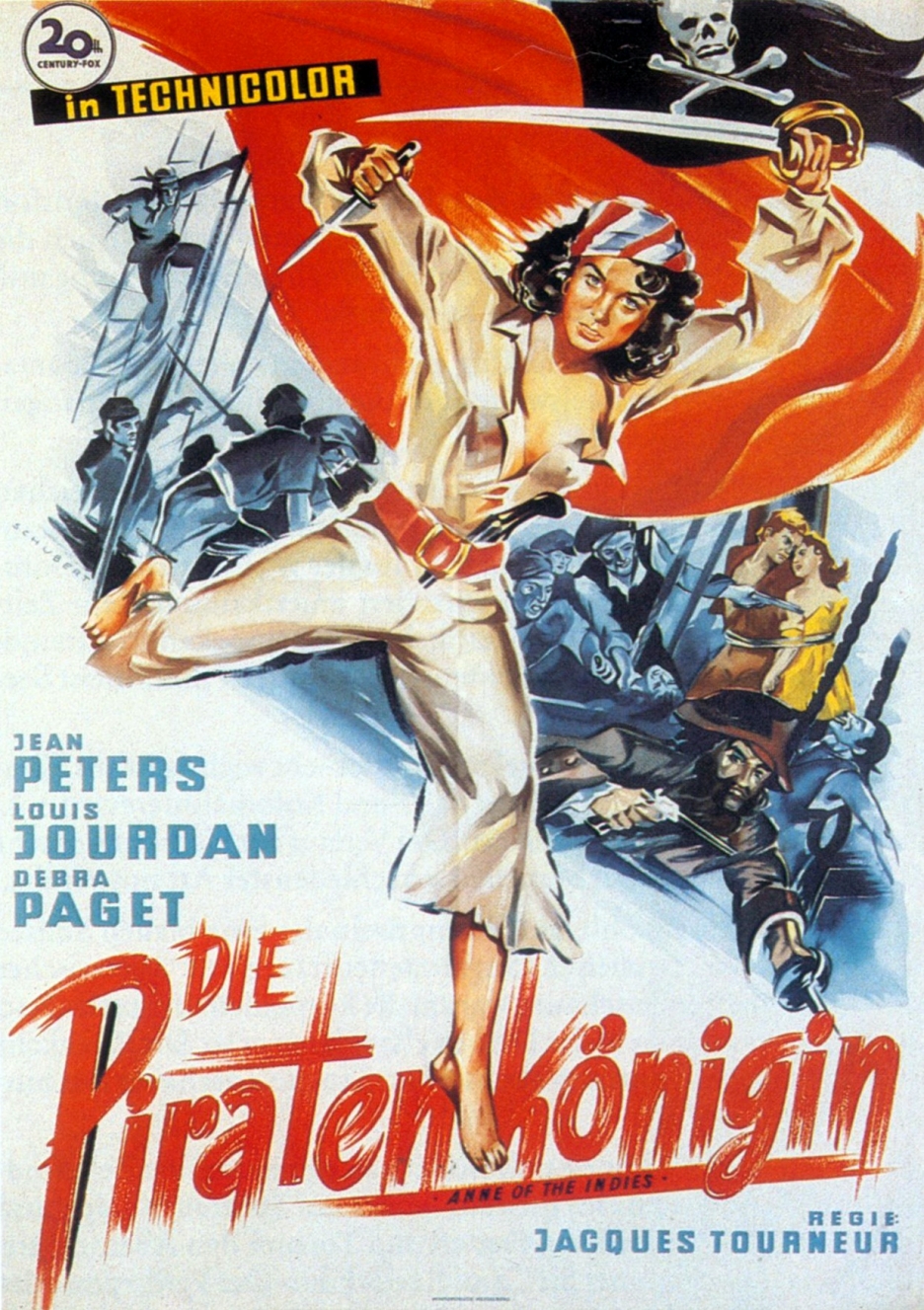

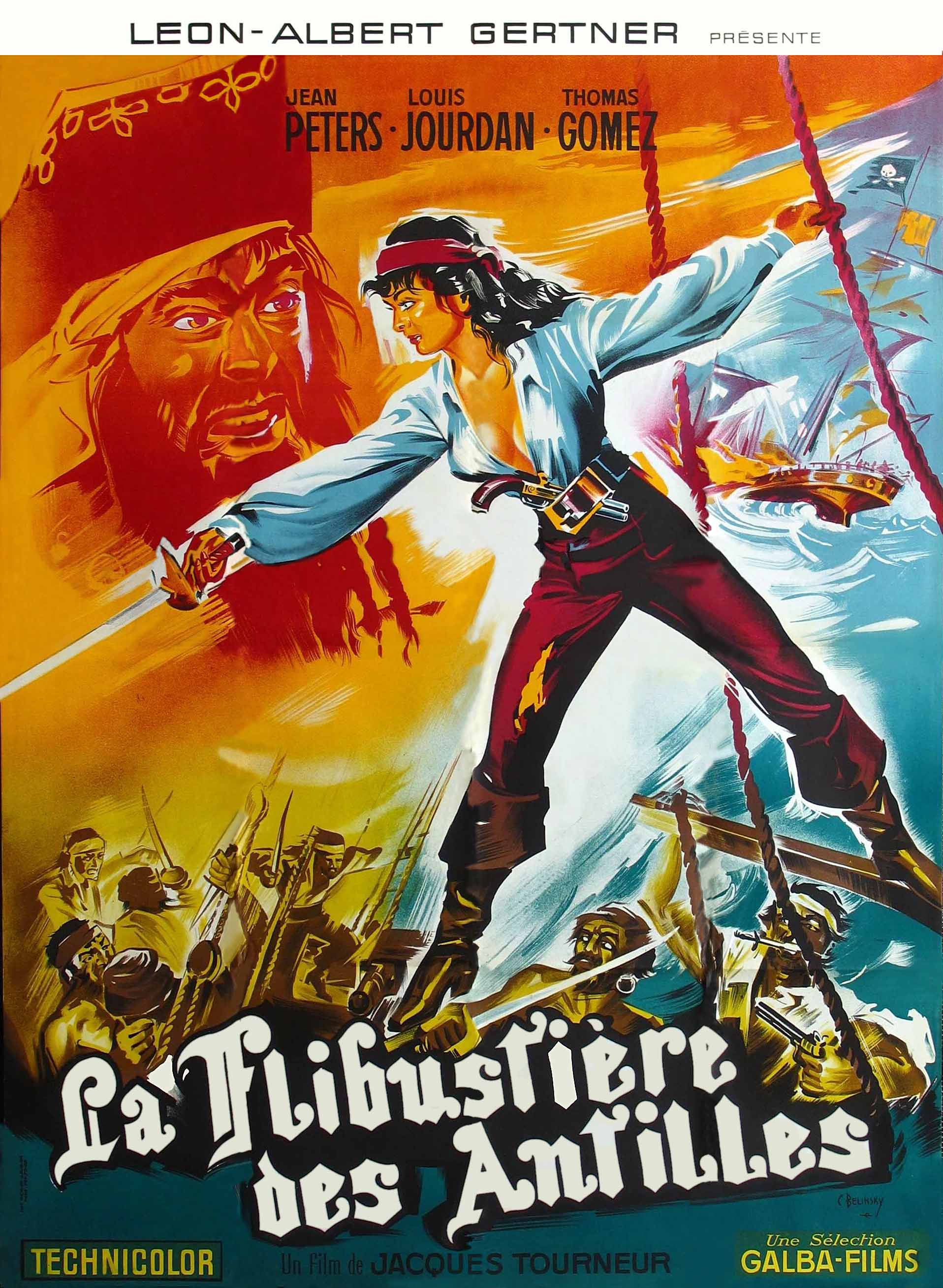

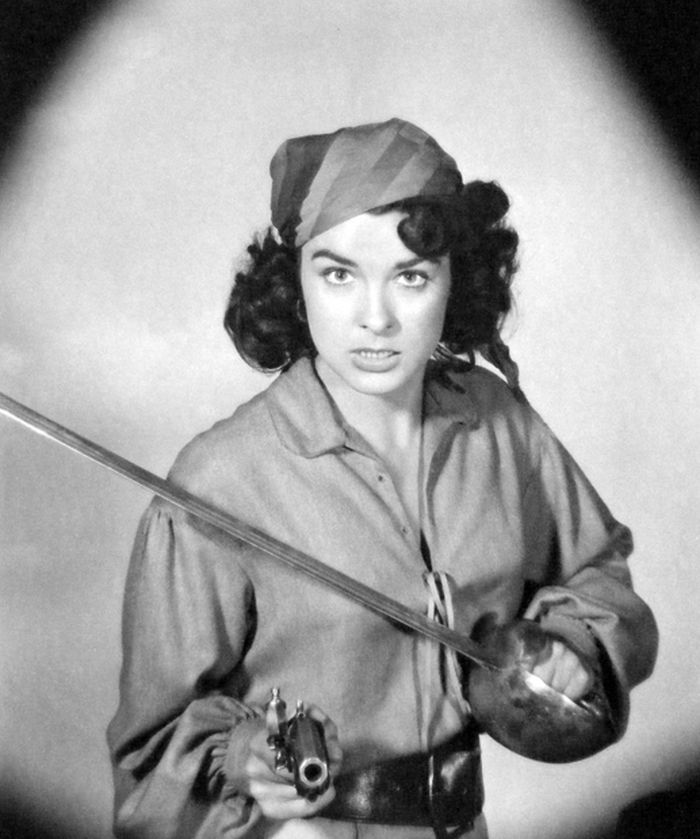
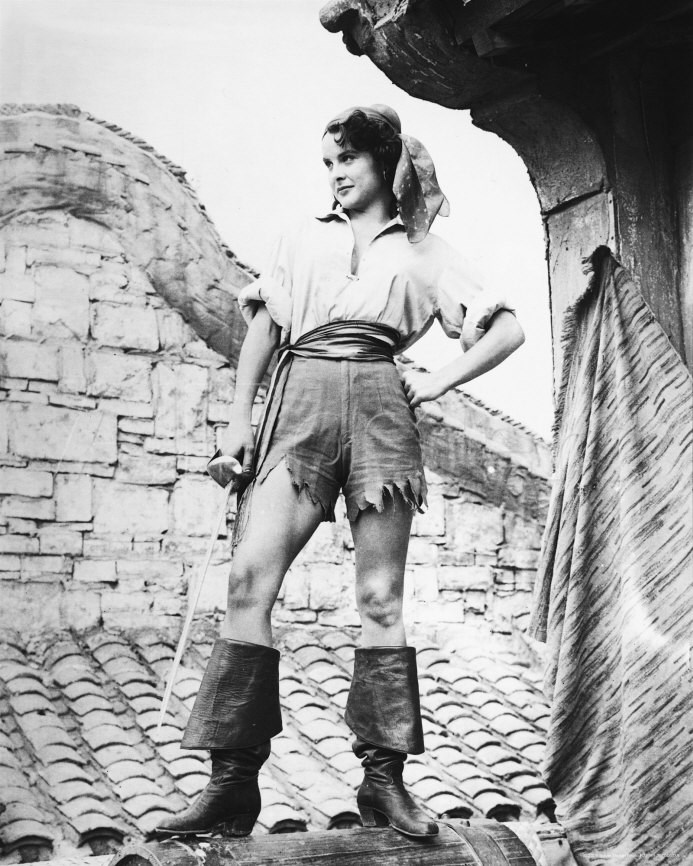
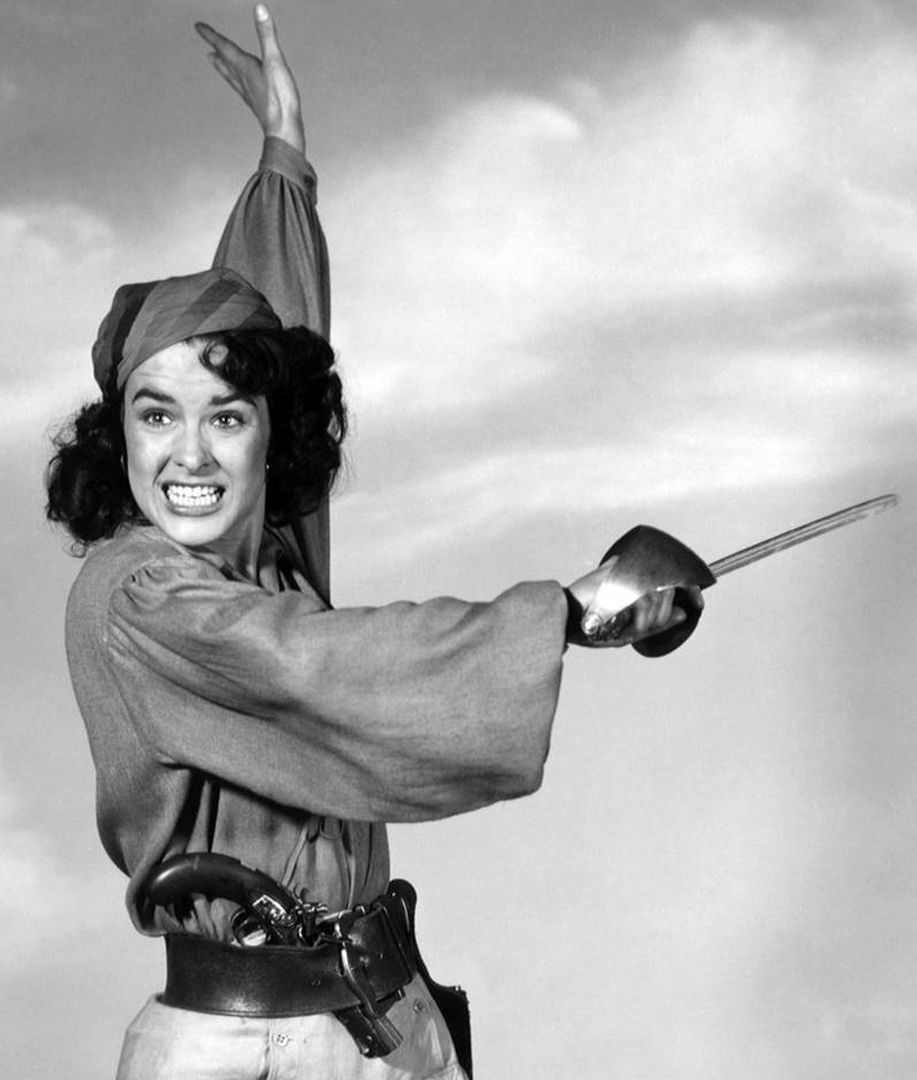
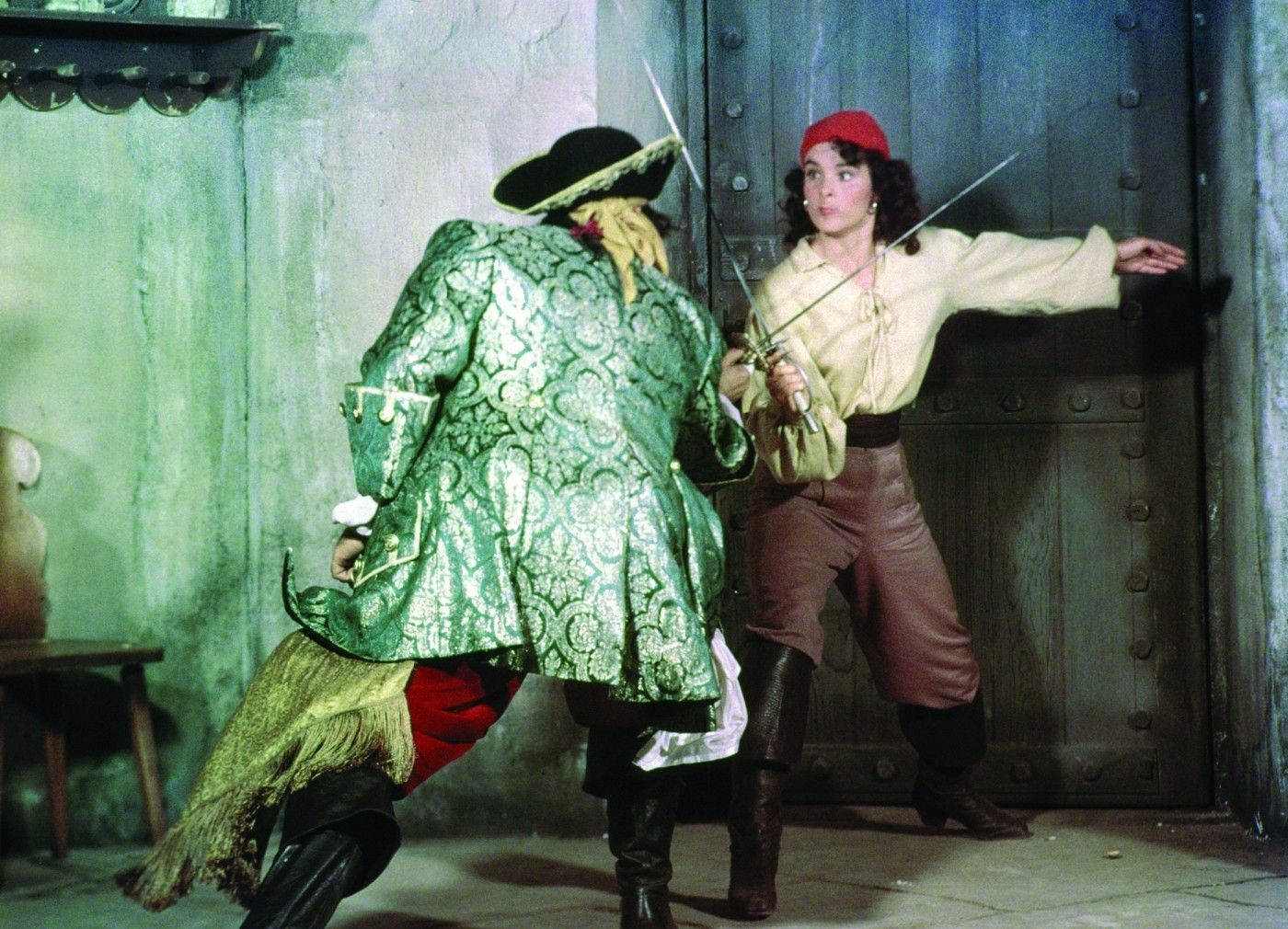
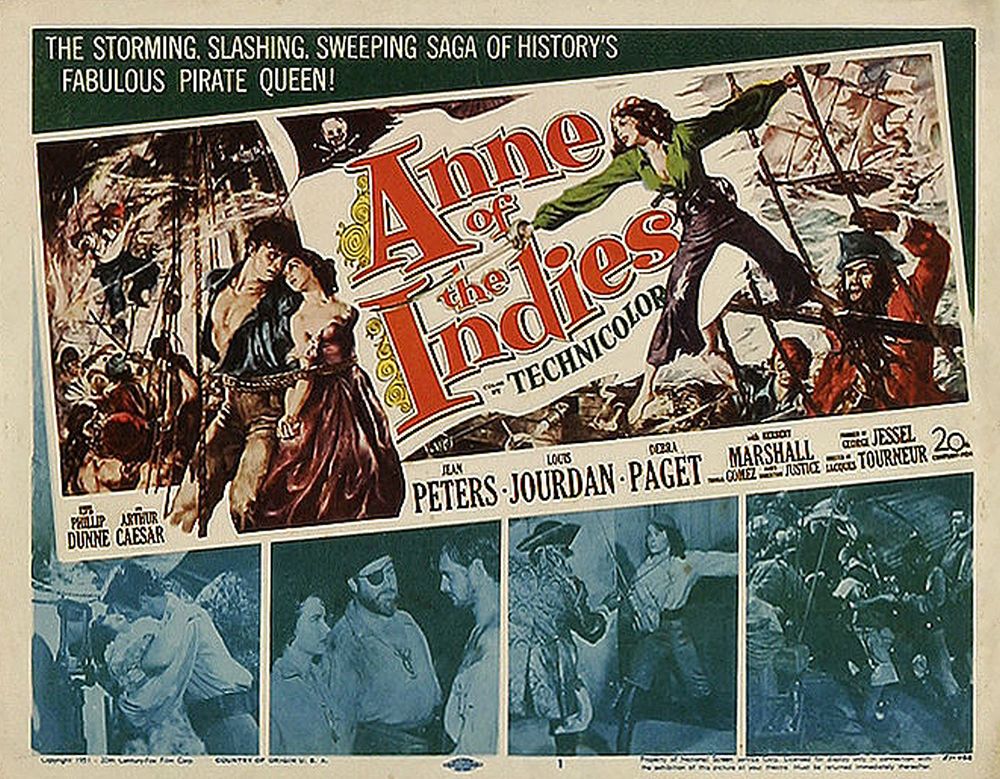
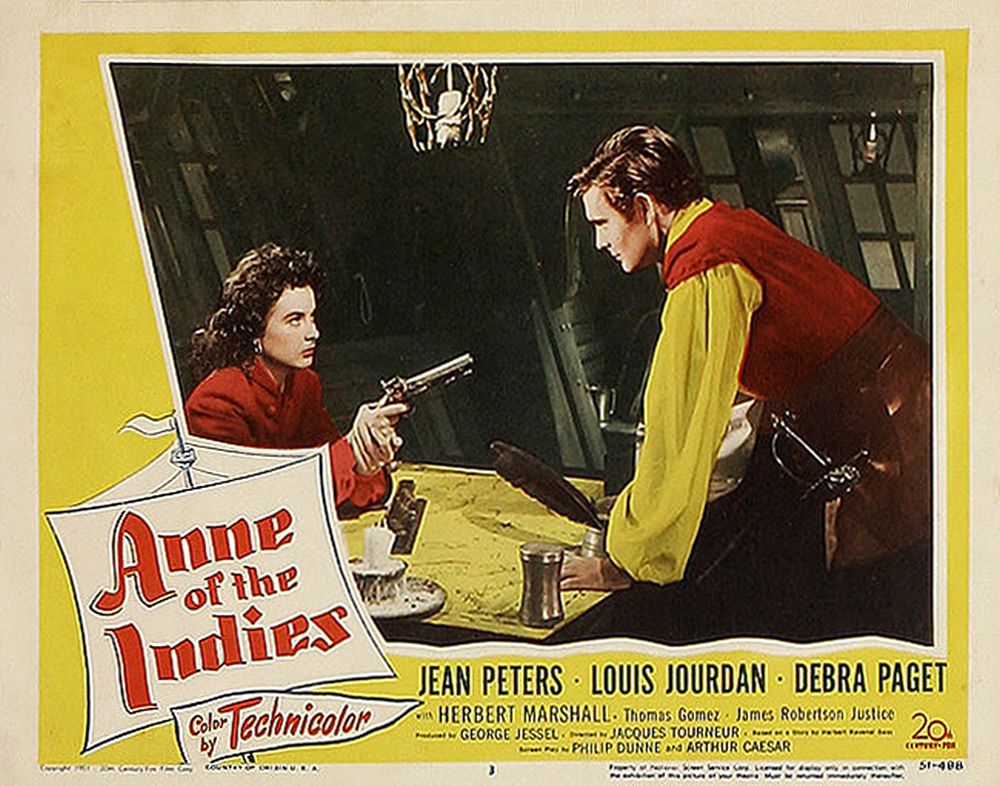
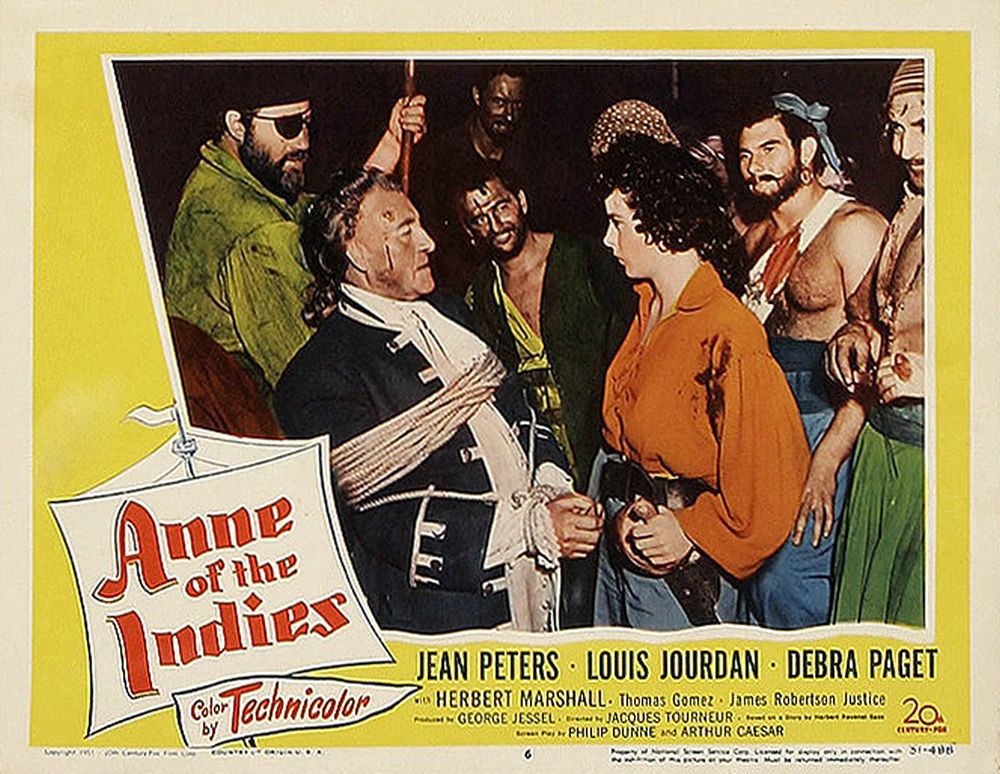
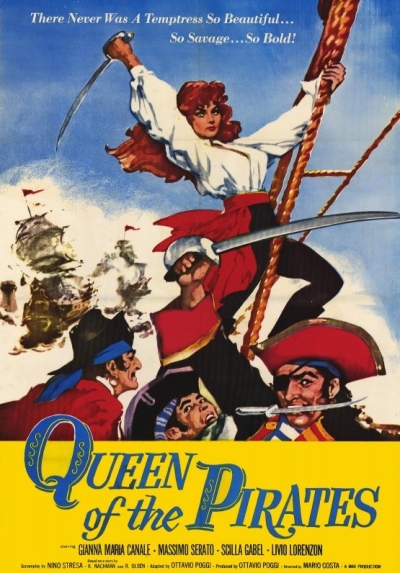 Sandra (Canale) and her father fall foul of the local tyrannical Duke (Muller) after they refuse to pay his excise duty. Arrested, the arrival of the poor but noble Count of Santa Croce, Cesare (Serato), saves them from death – or a fate worse than in Sandra’s case, as the Duke has a profitable sideline, shipping local girls off to the Middle East. After escaping, they join up with a local pirate band, who agree to help target the Duke after Sandra bests their leader in sword-play. To gain the hand of the duke’s daughter, Isabella (Gabel), Cesare agrees to hunt down the “Queen of the Pirates” who has brought trade to a standstill, not knowing that his target is the same woman he helped save, and since then has had a secret longing.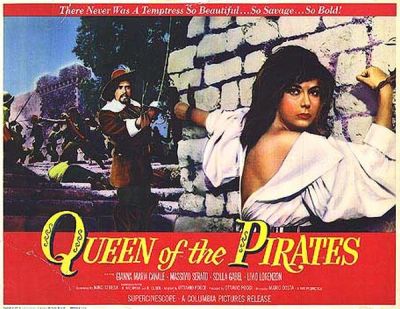
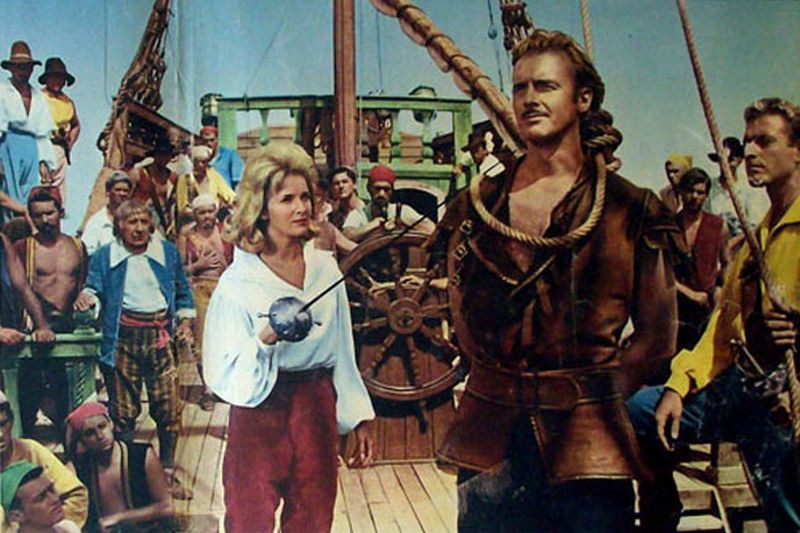
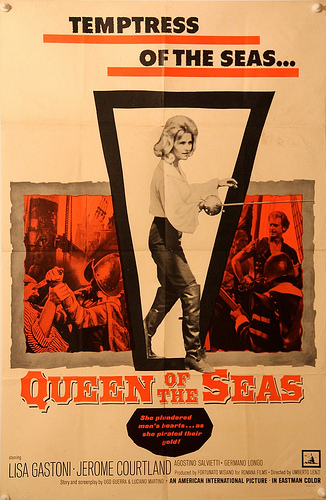 Despite its age – this was made in 1961 – it has stood the test of time fairly well, except for a romantic ending which is both predictable and unfortunate. This turns the heroine into exactly the subservient woman she spent the first 80 minutes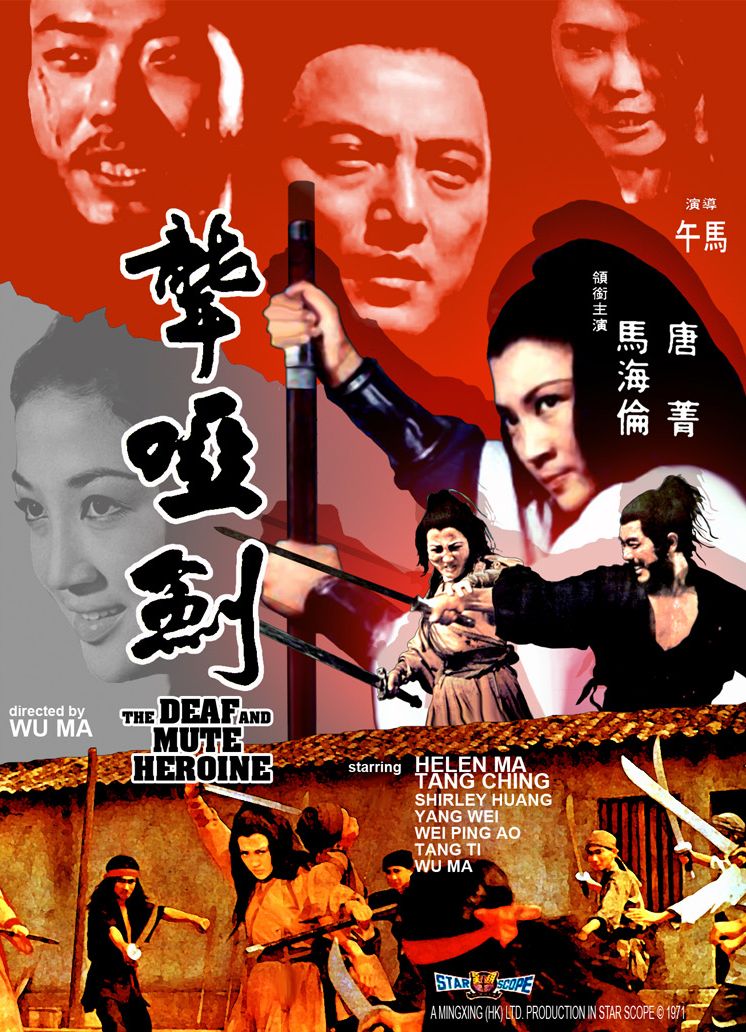



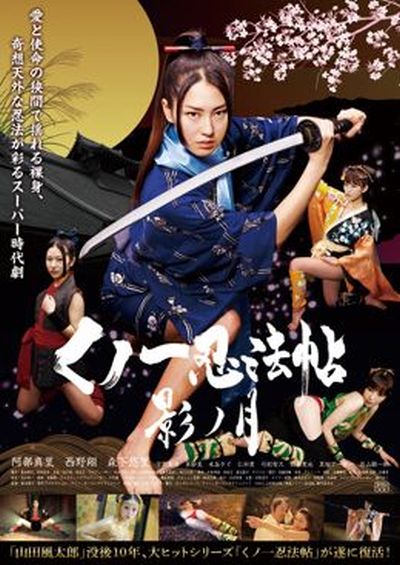 This has more than slight echoes of the Female Ninjas, Magic Chronicles series, sharing the feudal setting, along with similar… unconventional attack forms by the protagonists. That’s unsurprising, since both are apparently based on Ninja Tsukikagesho, by Yamada Futaro. And, just to confuse matters further, the IMDb states that part 6 of FMMC shares the title here. Whether this might be the IMDb getting confused, I can’t say. I wouldn’t blame them if so, because the entire plot here is more muddled than enlightening. It takes place in the 1730’s, when Shogun Yoshimune and his deputy, Muneharu, were struggling for control. As a way of fomenting dissent by embarrassing him, Muneharu drags out the Shogun’s former concubines; to stop this, Yoshimune sends a group of his top female ninjas, under Tsurugi (Abe), to kill the women before Munharu’s men can get to them, triggering a ninja war. Complicating matters, turns out one of the concubines may have had a bastard son by Yoshimune, and whoever gets proof of that lineage will really hold the whip hand.
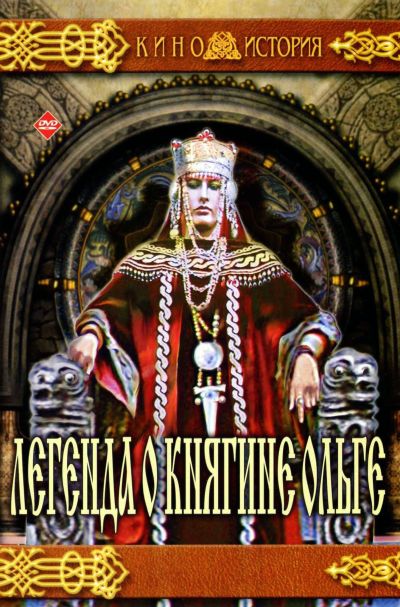 While the film itself is not that good, it did introduce me to a new action heroine of history: Olga of Kiev, who seems to have been a serious bad-ass, even by the high standards of European bad-asses of the time. There’s some suggestion she was of Viking extraction, with her name originally Helga, and that would certainly make sense. She married Igor of Kiev around 903, and after his death, ruled the state of Kievan Rus’ for 18 years, in the name of her young son, Svyatoslav. The Russian Primary Chronicle
 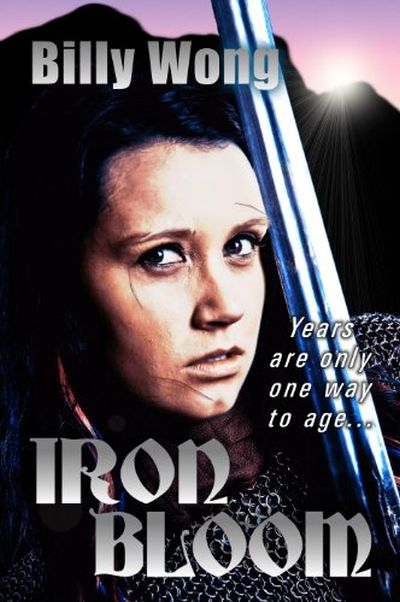 This first book in Wong’s Legend of the Iron Flower series is one I got for my Kindle app at a time when it was being given away free. I only read books that way to see whether I consider them worth buying a copy –and in this case, the print edition is now on my book shelf. As a first novel, it’s not unflawed, but I liked it well enough to support the author by buying a copy, and plan to continue reading the series.