



★★½
“A strip off the old block.”
It’s the mid-1950’s, and Bourbon Sue (D’Lite) is recruited to join the titular group (hehehe… He said, “titular”…), under leader Johnny Valentine (Shanks), and immediately thrown into the heart of a vital mission. There are three codes needed to operate a Nazi death ray, which has been dormant since the end of WW2 a decade previously. But the son of Mussolini, a clone of Hitler and the not-as-dead-as-reported Stalin are convening with the codes in a burlesque club, and it’s up to Sue and the other girls to ensure the weapon is not activated. “Seduce and destroy,” as their slogan goes, and the fate of civilization hangs in the balance – though there’s clearly no rush to save the world, with plenty of time to take in a number of performances at the club.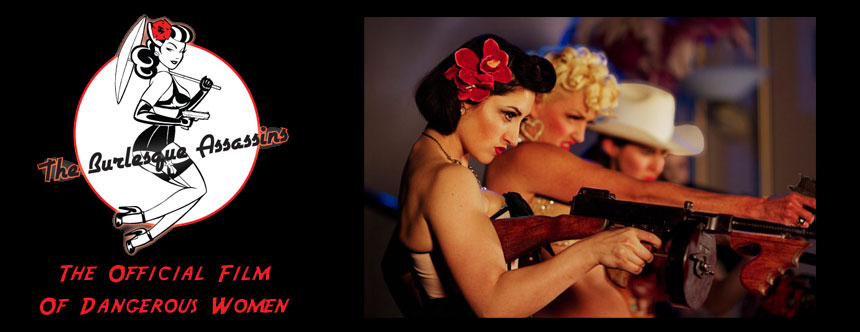
I’m kinda ambivalent about burlesque. The basic concept – attractive women undressing – is one I can get behind (hehehe… “behind”…), but having attended a number of shows, while entertained, I found maybe 5% of the acts at all erotic. It feels more to me like a modern dance recital, with limited clothing. And this one’s appeal is probably directly connected to your interest in burlesque; I think my wife probably enjoyed this more than I did. It’s not obviously low-budget, but its limitations are obvious: virtually the entire last two-thirds of the film takes place in the club, alternating between the stage and the dressing room, as Sue and her colleagues try to pry the codes from the axis of evil. It’s pretty limited and quite repetitive in terms of story, despite the makers’ efforts to jazz things up with flashbacks and other cut scenes. I’m not sure burlesque with a plot is something the world really needed, to begin with.
But that said, the actors are clearly having a lot of fun, not least Shanks, who spends much of the film in a wig and dress, though the beard and cigar are a bit of a giveaway – naturally, he’s the one for whom the Hitler clone falls. You get the sense a lot of the other cast members don’t have much cinematic experience, but they get by, largely through putting over their larger-than-life character with stage presence. The action here is definitely played for laughs more than anything; indeed, the whole escapade is tongue in cheek, which renders it somewhat criticism-proof. However, this also caps the impact at a fairly low level, since there can be little or no emotional connection with such a trifle. This can truly be recommended, only if you’re a devotee of old-school ecdysiast arts.
Dir: Jonathan Joffe
Star: Roxi D’Lite, Armitage Shanks, Carrie Schiffler, Dusan Rokvic
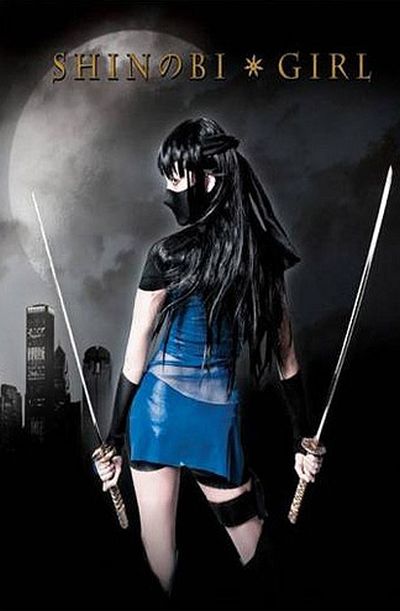 Okay, I’m sure there are worse films on Netflix. Somewhere. But I haven’t yet found them/ Combining cheapjack production values with poor performances and woefully bad attempts at social commentary, the occasional decent fight sequence aren’t able to overcome the very significant negatives. The heroine is Noriko (Hellquist), who is raped by the Wall Street bigwig, Ronald Brooks, for whom she works – and then framed for his murder. She creates a secret identity, Shinobi Girl: as well as seeking to expose the real killer, she acts as the protector of the 99%, hunting down and dispatching the decadent uber-rich. They are led by Brooks’ widow (Fahey), and commit heinous crimes with no fear of legal reprisal, up to and including orgies of murder and cannibalism (!).

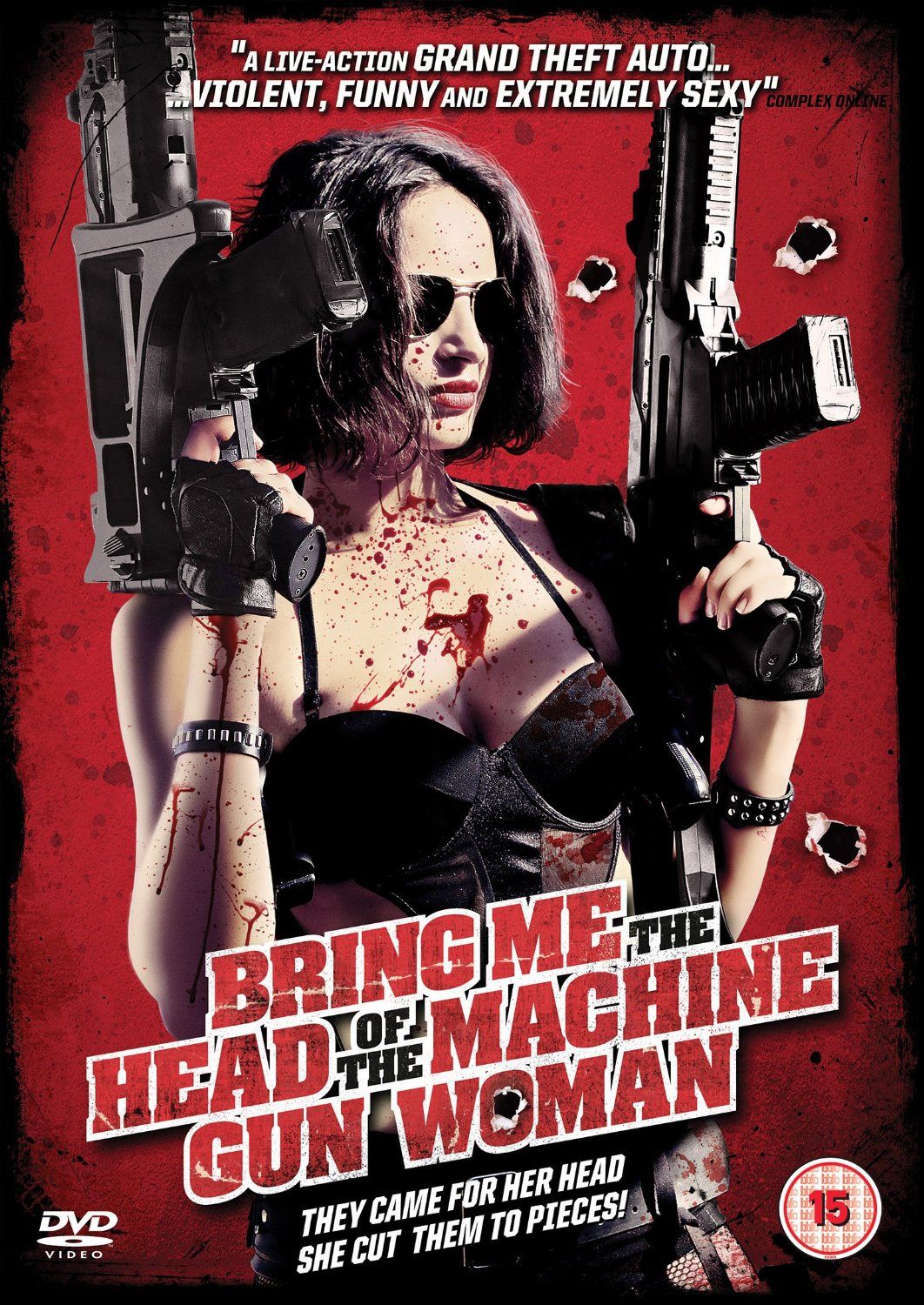
 Recent high-school graduate Cassie (Cobb) works at a bank alongside her mother (Quinlan), bickering about the usual things, such as whether to go to college or not. This mundance existence is suddenly interrupted by a robbery: Cassie is stunned to realize the raiders are actually some of her school friends. When they realize this, the girls are forced to take her along, and she discovers the cause of the crime – the father of one (Thomson) has been kidnapped while on business in Mexico. Meanwhile, Mom is tracking down her kidnapped daughter, FBI agent Mendoza (Blasi) is also on the hunt, and one of the girl gang has her own plans for the ill-gotten gains, which doesn’t involve any ransom.
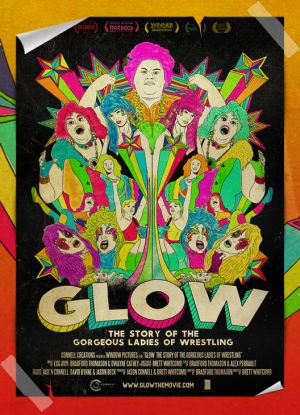 It has now been almost a quarter-century since GLOW was cancelled in 1990, and there still hasn’t been anything quite like it on television in the Western world: a pro wrestling federation entirely populated by women wrestlers. The brainchild of David McLane, and funded by Pia Zadora’s husband, the owner of the Riviera casino in Las Vegas, GLOW was a marvel of eighties low-budget television, mixing self-effacing comedy (it depicted McLane as having his office in a phone booth) with larger-than-life characters such as Matilda the Hun, and of course, wrestling matches. This documentary tells the story of the federation’s rise and fall – largely through the eyes of the women, as McLane and Matt Cimber, the show’s director, both declined to be formally interviewed (which is a shame, as it would definitely have provided another dimension for the film).
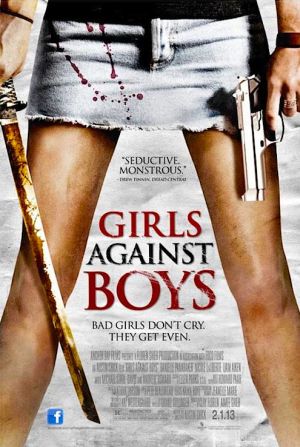 Shae (Panabaker) is not having the best luck with men. Her older boyfriend just dumped her, to try to get back with his wife, and a night where she drinks to forget ends up with her being raped in the stairwell of her apartment building. Fortunately, there to lend a helping hand is Lu (LaLiberte), a barmaid who turns out to have a dark side. A really dark side. As in, when Shae is reporting her rape. Lu takes the desk sergeant to a motel, handcuffs to the bed, sticks a gun into his crotch and pulls the trigger. When the authorities prove about as useful as they usually are in this situation, Lu helps Shae take revenge on the bastard who raped her. Then his friends. Then the ex-boyfriend. But when Shae finds a guy who might actually not be a total douche-bag, Lu is still thoroughly unimpressed.
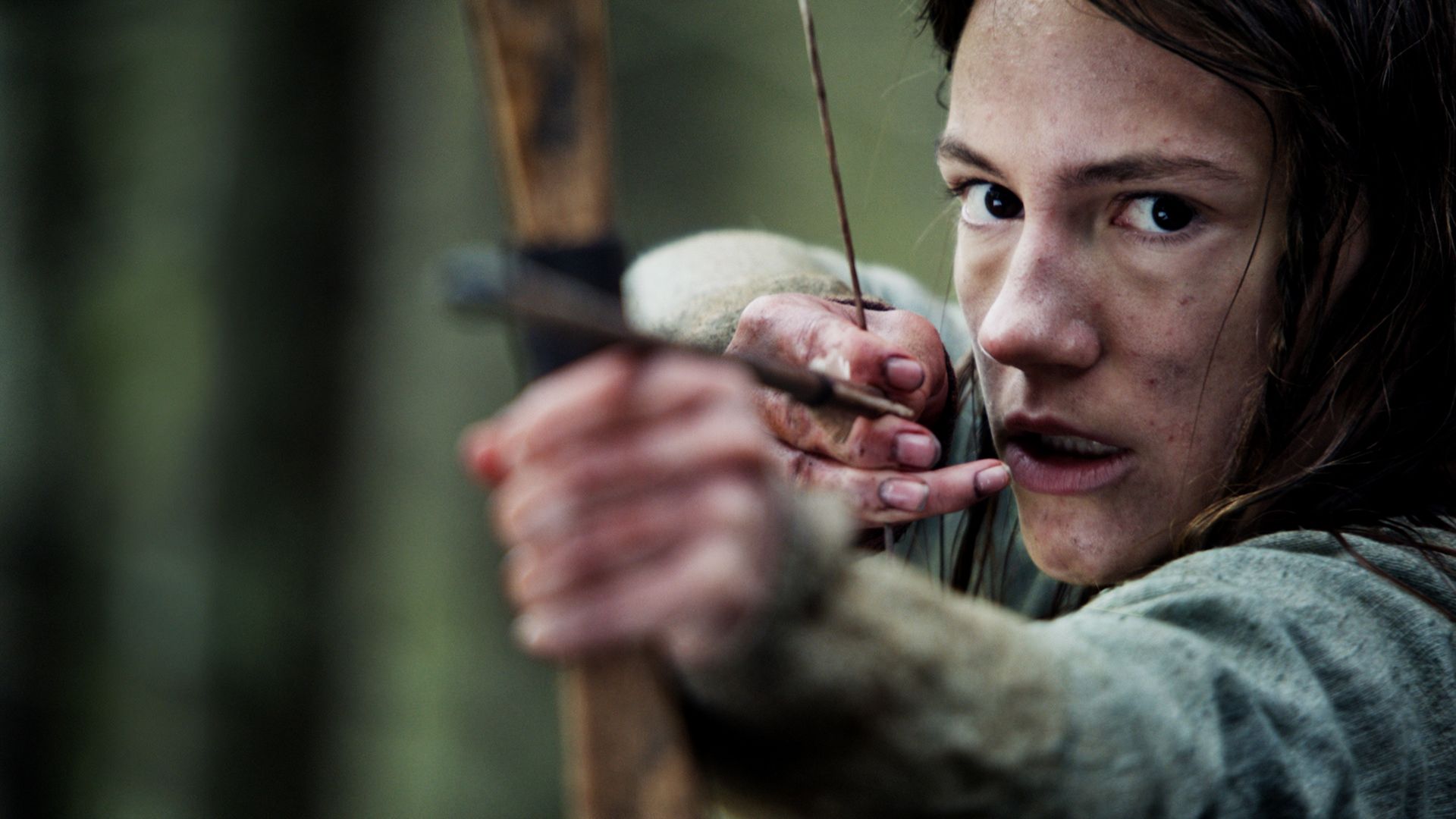
 Evil mastermind Snakehead (Liu) kidnaps eight of the world’s top assassins, and transports them to a bunker in his Bangkok lair, where he makes them fight each other to the death, laughing maniaally all the while. Why? Because he’s an evil mastermind, that’s why: it’s what they