



 ★★½
★★½
“Like mother, like daughter.”
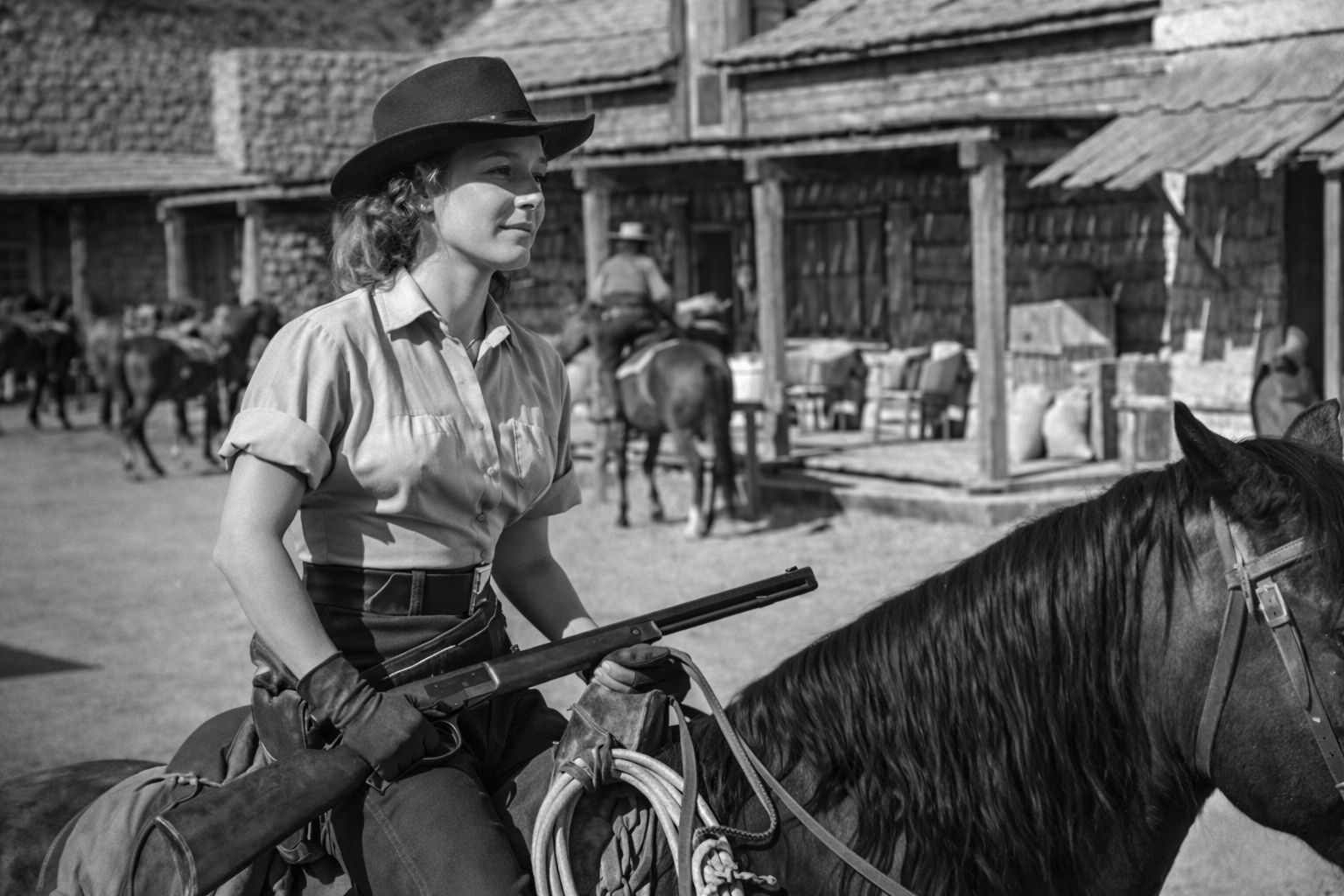
After one of her henchmen kills a local marshal, a posse is sent from Antioch to deal with outlaw Belle Starr, who had previously been in an uneasy truce with the town. However, when they arrive, they find Belle dead, and the gang subsequently scatters. Her daughter, Rose (Roman) mistakenly blames the new marshal, Tom Jackson (Montgomery), for her mother’s death. She apparently takes up honest work as a waitress, and Jackson falls in love with the young woman, initially unaware of her felonious ancestry. But Rose ends up leaving town with Bob Yauntis (Cameron) – he’s a former member of the gang who, unknown to her, was the actual killer of Belle and the previous marshal.
I guess this is something of a follow-up to Belle Starr – or maybe Badman’s Territory, since Isabell Jewell played Belle in both movies. This certainly has a similarly loose approach, taking historical fact as a jumping-off point for fictional adventure. Belle did indeed have a child: however, she was named Pearl Starr. Rather than an outlaw, she became a prostitute and ended up running several bordellos herself, and died in Arizona in 1925 (I’m a little surprised she wasn’t covered in Outlaw Women of Arizona). This appears to be taking another Western wild woman, Cimarron Rose, and making her Belle’s daughter. In reality, that Rose did hang with a criminal nicknamed ‘Bitter Creek’, as Bob is called here. She was supposedly involved in the Battle of Ingalls, an 1893 gunfight between outlaws and law-enforcement.
Back in the cinematic world, it’s a shame Belle doesn’t survive longer into the movie. Having her, not just be an outlaw, but being the leader of an entire gang, is not something you see much on Westerns, particularly from this era. Obviously, the apple doesn’t fall very far from the tree, but you don’t get the idea Rose is exactly the sharpest tool in the box, letting Bob manipulate her at every step of the way. She refuses to accept the truth, well beyond the point at which any sensible person would be going, “Wait a minute…” While Roman might not be Gene Tierney in Belle Starr, there is something of a resemblance. She passes muster in a “We have Gene Tierney at home” way.
It is a little disappointing how she ends up sidelined in the middle, in favour of Marshal Jackson hunting after Bitter Creek Yauntis and his gang. Rose just becomes one of the gang, though the way she isn’t treated particularly differently from anyone else, is somewhat refreshing. She does take the lead in trying to help an injured gang member, leaping off her horse to help him when he collapses into a river. Bob’s callous indifference here is what helps turn Rose against him, and she flees (across some very nice scenery), with Bob and his henchmen in pursuit. No prizes for guessing who arrives to save the day: having a woman who could save herself was still a little too advanced for Hollywood.
Dir: Lesley Selander
Star: Ruth Roman, George Montgomery, Rod Cameron, Wallace Ford
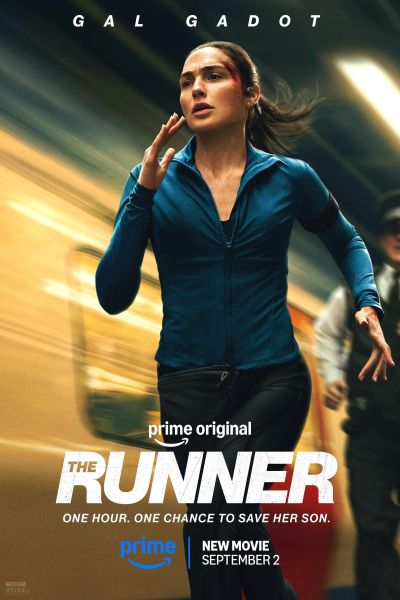 Poor Gal Gadot. Her career since
 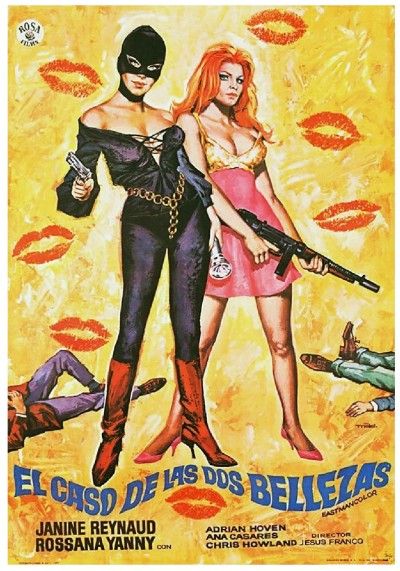 I have some friends – people whose opinions I typically respect – who swear by Jesus (Jess) Franco. For example, Tony, who used to run Psychotronic Video in London, and whose all-time favourite movie is
 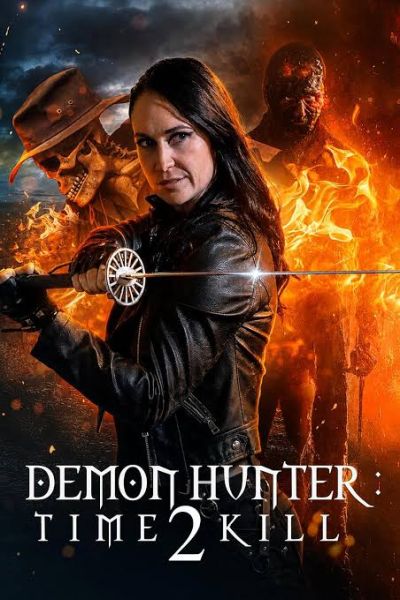 This falls into the category of unexpected surprise. It was over eight years ago that I reviewed
 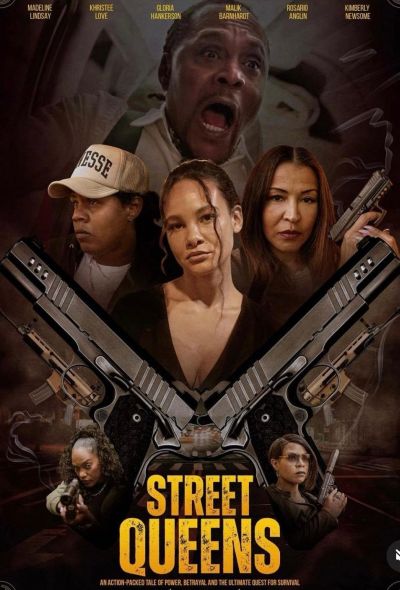 This gets an extra half-star, simply for trying to go in some unexpected directions. I’ve seen enough of these urban flicks to know the template from which they are largely stamped. Now and again, this doesn’t so much colour outside the lines, as forget about the lines entirely. It doesn’t always work. God knows, it doesn’t always work. Still, I respect the attempt. It used the word “duplicitous” inside the first minute, and you get a voice-over saying things like, “The crimson stains of her actions seemed to fade momentarily, offering a fleeting illusion of absolution. A fragile attempt to reconcile the duality of her existence.” That’s some fancy-ass, hi-falutin’ language for a film in this sub-genre.
 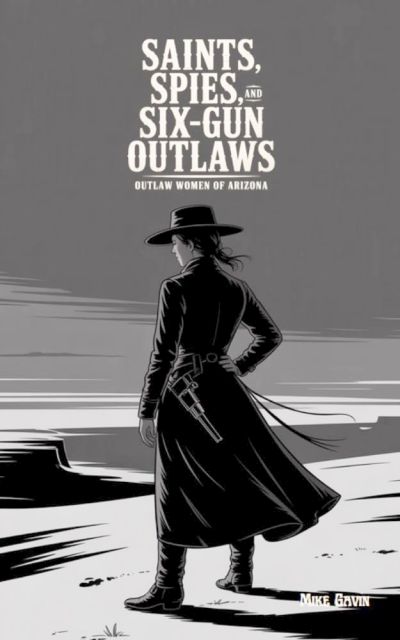 This is a slim little book – more of a booklet, really, coming in at only 74 pages in length. But since it combines both our topic of discussion and local interest, because I live in Arizona, it was an easy decision to pick up a copy, after Dieter brought it to my attention. It does use quite a loose definition of “outlaw” – it is something only really discussed in the book’s epilogue, dividing them into three categories. Most obviously, are the ones Gavin calls “The Breakers of Law”, such as stagecoach robber Pearl Hart, whose exploits were dramatized in
 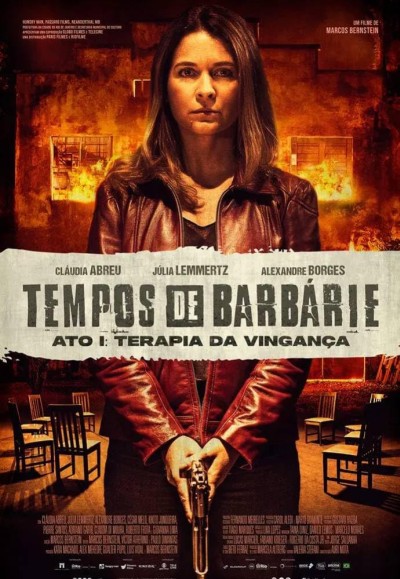 This begins with a caption detailing the horrendous number of gun deaths annually in Brazil, including several thousand per year in police actions. Given the synopsis, I wondered how the film was going to reconcile this with its own subject – would the answer to gun violence be…
 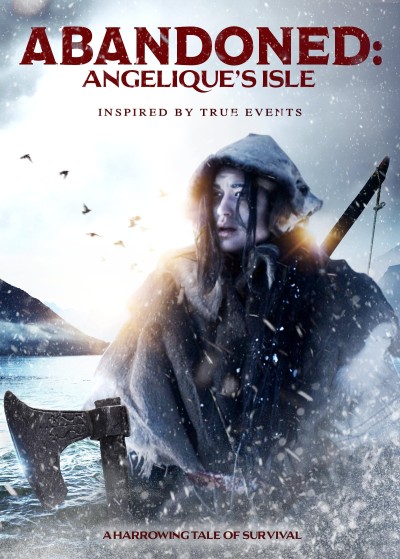 This is based on the
 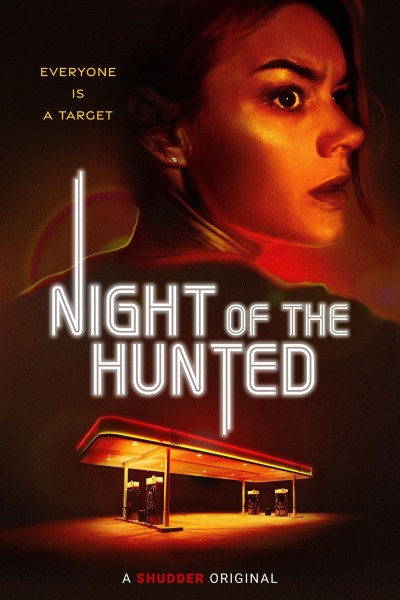 It has got to the point where ‘A Shudder Original’ has become more a threat than a promise. I was hoping for much more from Khalfoun, who gave us the brilliant
 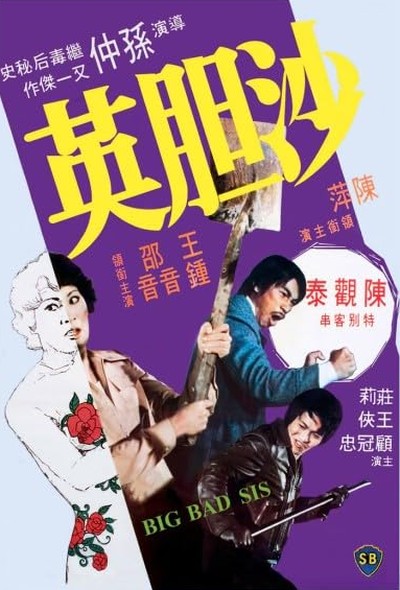 Despite this being from Hong Kong, I’m actually tagging this one in the “Pinky” category, because in a lot of ways, it feels closer to a pinky violence movie from Japan, being basically the story of a posse of bad girls. Except, this being Hong Kong in the seventies, where even juvenile delinquents were expected to hold down a responsible job. In the case of Fung Ying (Ping), this is working in a massive garment shop. It feels almost like prison labour, not least because of various predatory types, to whom Fung takes exception, becoming an unofficial shop steward. It helps she’s a bit of a bad girl herself, a former gang member.