 ★★★★★
★★★★★
“Dark Angel.”
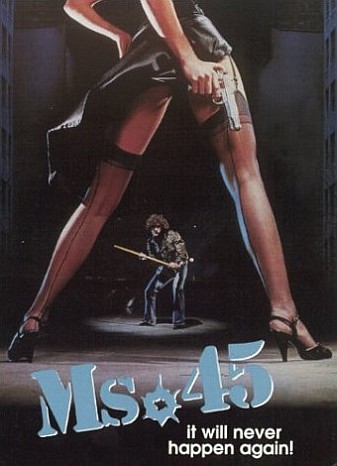
 Abel Ferrara is one of the most interesting of American film-makers, with an uncompromising vision that has seen him almost entirely shut out of mainstream cinema: the closest he’s come to a Hollywood movie was his Invasion of the Body-Snatchers remake, which was a failure on just about every level. Instead, he’s been on the outside, looking in, with films that range from the brilliant to the near-unwatchable. You never know what you’re going to get. It can be something raw and amazing, like Bad Lieutenant, or it can be a garbled, self-indulgent mess, such as his attempt to adapt William Gibson’s New Rose Hotel.
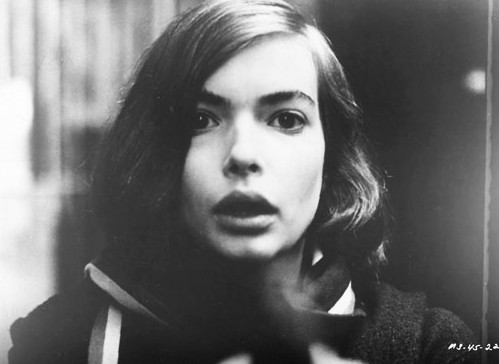
Ms. 45 falls firmly into the first category, held together by an amazing, luminescent performance from the then 17-year old Zoe Tamerlis [a.k.a. Zoe Lund], whose character Thana is entirely mute – except for one word, whispered in the final scene. She works in a garment factory, run by sleazy owner Albert (Sinkys): one day, she is raped on the way home. Worse follows, as when she stumbles in to her apartment, another intruder is there, and violates her again. However, with the aid of a convenient domestic appliance, she kills him – and now possesses his gun, with which she can take on, single-handed, the men she now perceives as threats.
As Thana’s mental state disintegrates, however, her action gradually shift away from justified. While the viewer initially sympathizes with her, and cheers her on, it slowly becomes apparent that she has become entirely unhinged, paranoid and delusional. She goes from reaction to pro-action, dressing up and going out with the specific intent of luring men in and killing them. In many ways, Thana ends up worse than those who triggered her rage, spiralling down into what are basically random acts of violence: Tamerlis had, allegedly, been a victim of rape the previous year by a professor at Mount Holyoke College, and did not report it. As Ferrara put it, “Women are brought up in a male dominated society. You’re being raped every day, one way or another. That is the metaphor of the film.”
 Hmm. While I can acknowledge the political subtext in Thana’s muteness [especially since it appears largely to be psychological, going by the last scene], I’m not quite sure how seriously I take this claim overall, given Ferrara actually plays one of the rapists, and a large percentage of the time is spent objectifying and fetishizing his lead actress, to the extent where Chris felt she looked like a supporting actress in a Robert Palmer video. Perhaps the most memorably instance of this is Thana, dressing up as a nun – but one that also wears stocking and suspenders – before heading out to a Halloween party. With her blood-red lipstick, she kisses each of the bullets before loading them into her gun, a sequence which tells us much about Ferrara’s repressed Catholicism [also apparently rampant in Lieutenant, where both Ferrara and Lund worked on the script], as well as paying homage to the other great New York street-sweeper, Travis Bickle from Taxi Driver.
Certainly, Tamerlis’s reading of the film is rather different. [Spoiler alert] “No, Ms. 45 is not about women’s liberation, any more than it is about mutes’ liberation, or garment workers’ liberation, or your liberation, or my own. Notice that her climactic victim is not a rapist in the clinical sense. He is her boss. The real rapist. Our real rapist… Ms. 45 presents a humble, yet well-crafted metaphor for rebellion of the any-sexed oppressed. But the gun was put in a woman’s hand. A woman carried that universal message, and so it was all the more powerful. It made us shiver. Male and female. Different timbres and temperatures of shiver, but shiver all round.”
Running counter to that, or perhaps lending it an additional depth, is that the one who stops Thana, in effect betraying her, is one of her own. It’s a woman and a fellow garment worker, her former friend Laurie (Stuto), who stabs her in the back, literally – a metaphor that I’m certain was not accidental, any more than the phallic positioning of the knife at Laurie’s crotch. [End spoilers] The subtext there seems to be that the oppressed can not be trusted to stick together in their battle against the oppressor, even though Laurie is a strong-enough personality in her own way. She certainly has no problem responding in kind to the barrage of verbal harrassment she and Thana suffer as they walk home from work. Our heroine, meanwhile, has ‘victim’ written all over her in the early stages of the film, though the strength she eventually finds and displays, is clearly in a radically different and anti-social direction.
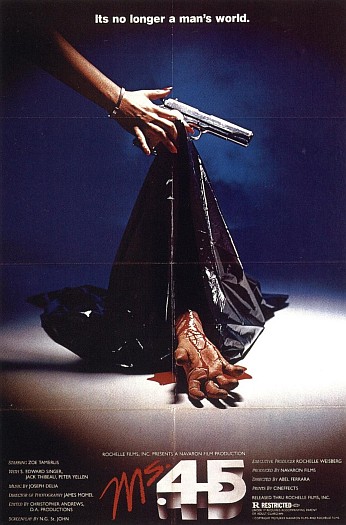 There are certainly holes in the plot logic. Where is Thana getting all the bullets from, and why is she such a crack-shot, despite presumably having never having handled a gun before? Yet these are in step with the pitch-black tongue-in-cheek humour the film contains: witness the long, rambling monologue inflicted on Thana by a guy she meets in a bar [her muteness making her the ultimate good listener]. I laughed like a drain at the sequence where Thana tries to get her landlady’s dog run over in traffic, as its nosiness concerning the severed body-parts round her appartment poses a threat. And when disposing of said parts, there’s surely nothing that you want to hear less, than for someone to shout after you, “Hey, lady! You dropped your bag!”
Chris, who lived in the Big Apple during the early-80’s, can also attest to the attitudes and dialogue as being authentic Noo Yawk, and the film does an excellent job of portraying the city as a predatory jungle, with a threat lurking behind every corner, especially for someone as attractive as Thana. Of course, “threat” is relative, and by the end, our heroine is the biggest threat – albeit only to those with a Y-chromosome, and the question of whether they deserve it or not is, to some degree, debatable. Still, in the words of the great philosophers, Paul Cook, Steve Jones and Ronny Biggs, “No-one is innocent.” Particularly in these days of movies produced by bean-counters, it’s refreshing to see a film that eschews a black-and-white approach in favor of an arc that takes us with a character as they journey into somewhere very dark and unpleasant, without needing to resolve things in a manner best described as, “…and they all lived happily ever after.”
[The pics and quotes here largely come from zoelund.com, a tribute site apparently run by Zoe’s ex-husband.]
Random notes
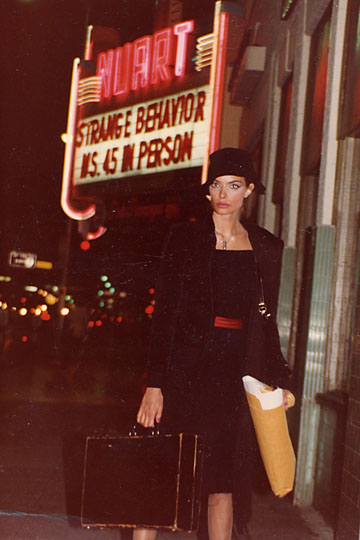
- Tamerlis used to show up to some screenings of the film [above, outside the Nuart theater in Los Angeles] and discuss the social and political implications of the movie afterwards with the audience.
- Which must have been interesting, as even the grindhouse theaters that were the movie’s natural home found it difficult viewing. In Cult Movies 2, Danny Peary says of the film, “Never has a 42nd Street theater been so quiet and disciplined as when Thana went through her rounds and murdered every offensive male who crossed her path… Unexpectedly, the men who had whooped all through Amin and the obscenely gory previews of Dr. Butcher, whimpered worrisomely “Oh, my God” and slumped in their seats and shut up.”
- It’s still unavailable in the United Kingdom except in a version where the rape scenes are cut by one minute, 42 seconds. Even the 2000 US DVD was re-edited: the cuts include changes to the first rape featuring Ferrara’s cameo, which is split by an insert shot from a later scene, the second rape omits a line “This oughta make you talk, huh?” and the climatic shoot-out removes an on-screen murder, which now occurs off-screen.
- The film inspired a song by L7, with the same title: “She’s got a gun, just make her day: don’t fuck with her, she’ll blow you away. She walks the streets at night and they think she is a whore. She’s gotta deal with you – she’s gonna even out the score.” The less well-known Dandi Wind also wrote a song called Ms. 45: “Today I bought a gun, Now I’m dressed just like a nun.”
- “According to Tamerlis, her performance in Angel of Vengeance provoked a sniper attack on her in New York, wounding her.” — 1983 Virgin Film Yearbook
- While Tamerlis experienced some success as a screenwriter and actress [Larry Cohen’s Special Effects is certainly worth checking out], she was a long-time drug user first of heroin and then cocaine. This contributed to her death of heart failure in Paris, in 1999.
Dir: Abel Ferrara
Stars: Zoe Tamerlis, Albert Sinkys, Darlene Stuto, Helen McGara
a.k.a. Angel of Vengeance




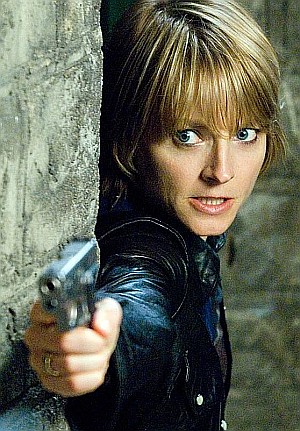 Erica (Foster) has a very comfortable life: nice job as a radio host, imminent marriage to a doctor. This is suddenly destroyed in minutes, when she and her fiance (Andrews) are brutally attacked: he is killed, and she is left a nervous wreck, who sees a threat in every shadow on the city streets. A move to Kansas, while probably better for all concerned, would not be so cinematically or narratively interesting: instead, she buys a black-market gun for protection. A chance encounter on the subway unleashes her inner Bernhard Goetz and before you know it, she’s sweeping the scum off the streets, up to and including the crime lord whom even Detective Mercer (Howard) cannot touch, while simultaneously documenting the city’s reaction to her exploits on the airwaves. This brings her into contact with Mercer, since he is also investigating the vigilante slayings; his suspicions in this area gradually turn towards his new friend.
 Let’s start off by giving us a heroine who is dying, thanks to an inoperable brain tumour. Way to bring me down, Juncture: what do you think this is? DamesWithDiseases.com? The Hallmark channel is tha…oh, hang on. She’s following a child-porn purchaser back to his house, and guns him down? Hmmm. This is clearly not your everyday Illness of the Week flick. For Anna Carter (Blackport) has decided to go out with a bang: several of them, in fact. Realising she only has a short time to live, she decides to extend her day-job as the co-ordinator for a charitable foundation, and correct the failings of a justice system: neglectful mothers, drunk drivers, selfish CEOs, they’re all likely to meet impeccably-dressed vengeance.
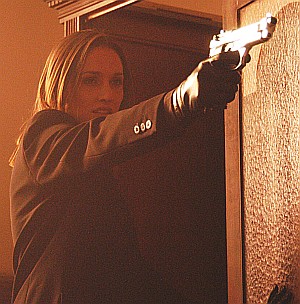 Still, there’s a great deal to admire here, with every penny being squeezed out of the budget. Particular kudos to cinematographer Richard Lerner and composer Neal Acree, whose efforts enhance proceedings significantly – the results look to be the product of a significantly-higher budget, than the rumoured million dollars. It leaves you questioning what you would do in the same situation: follow Queen Latifah off on a Last Holiday, or head for the dark side, as Anna does here, with a mission for what you perceive as the ‘greater good’? Certainly more thought-provoking than usual, it’s intended as the first part on a trilogy, though stands fairly well on its own, I would be very interested to see how things proceed from here, as Anna heads towards closure, both personal and medical.
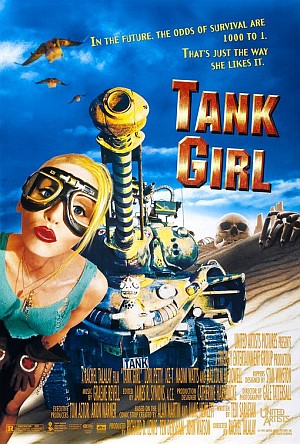 The creators of the Tank Girl comic once said: “It’d be cool if a bunch of tinseltown producers could get hold of her, totally misunderstand what they’re dealing with, ignore our advice, and bring out a movie that would bomb, alienate our fan-base, destroy the comic, and bankrupt the pair of us in the process.” Mission accomplished. I never really liked the original comic, but the anarchic appeal of a minor cult classic is almost entirely removed, in favor of a lead character who never gets beyond irritating. The setting is the same: a post-apocalyptic wasteland where water is almost entirely under the control of the evil Water & Power, headed by Malcolm McDowell. When his minions destroy the compound where ‘Becca (Petty) and her pals live, she is enslaved, but escapes with the help of Jet Girl (the then-unknown Watts) and teams up with the shadowy, feared Rippers to take on W&P.
 ★★★½
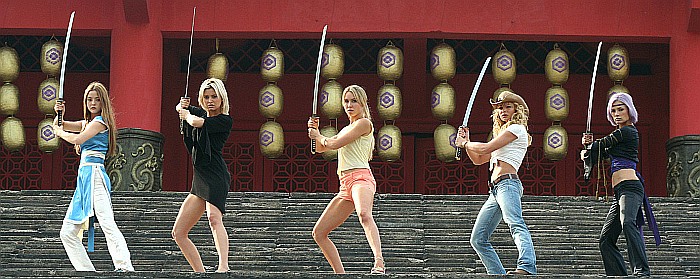
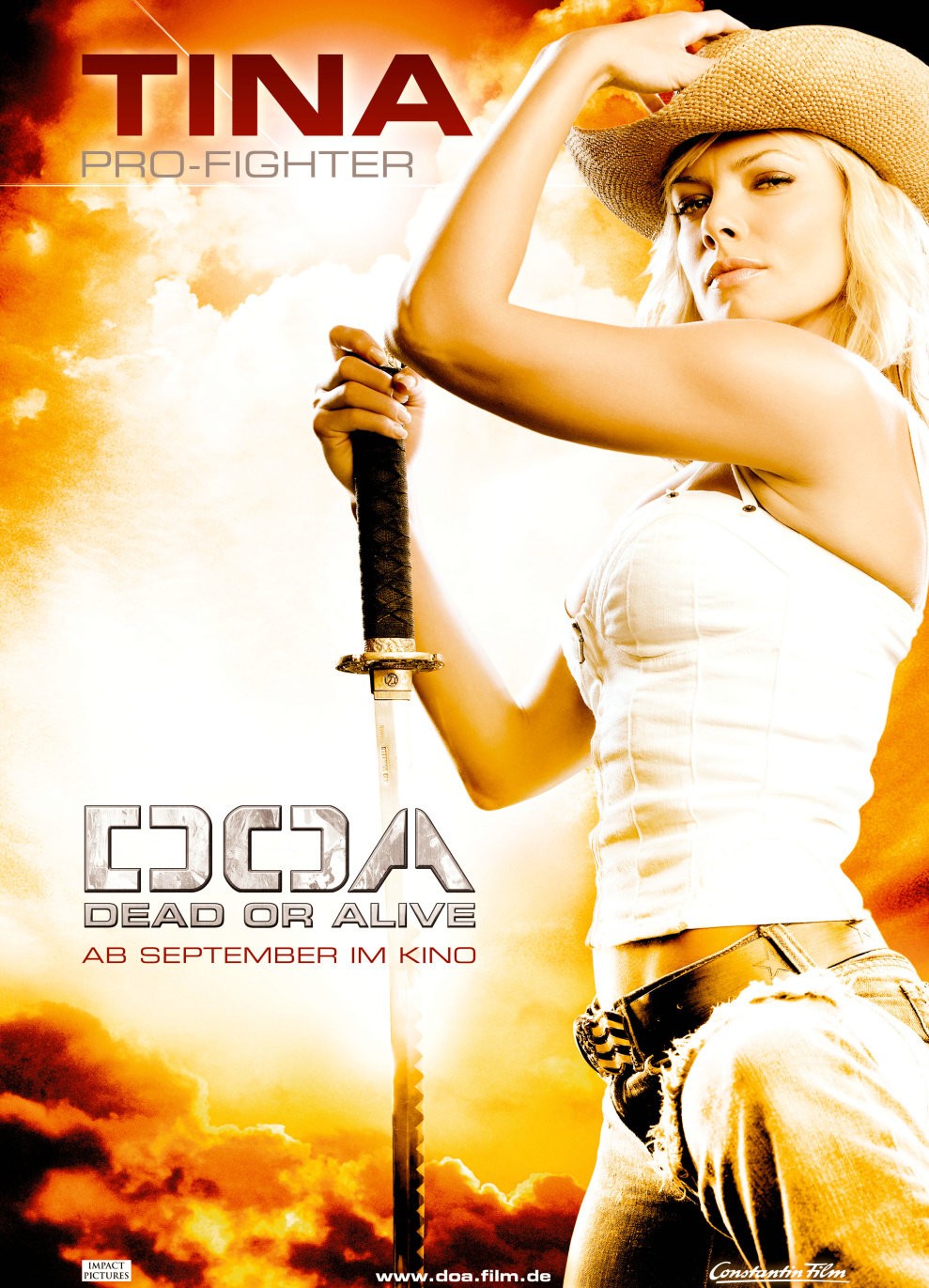
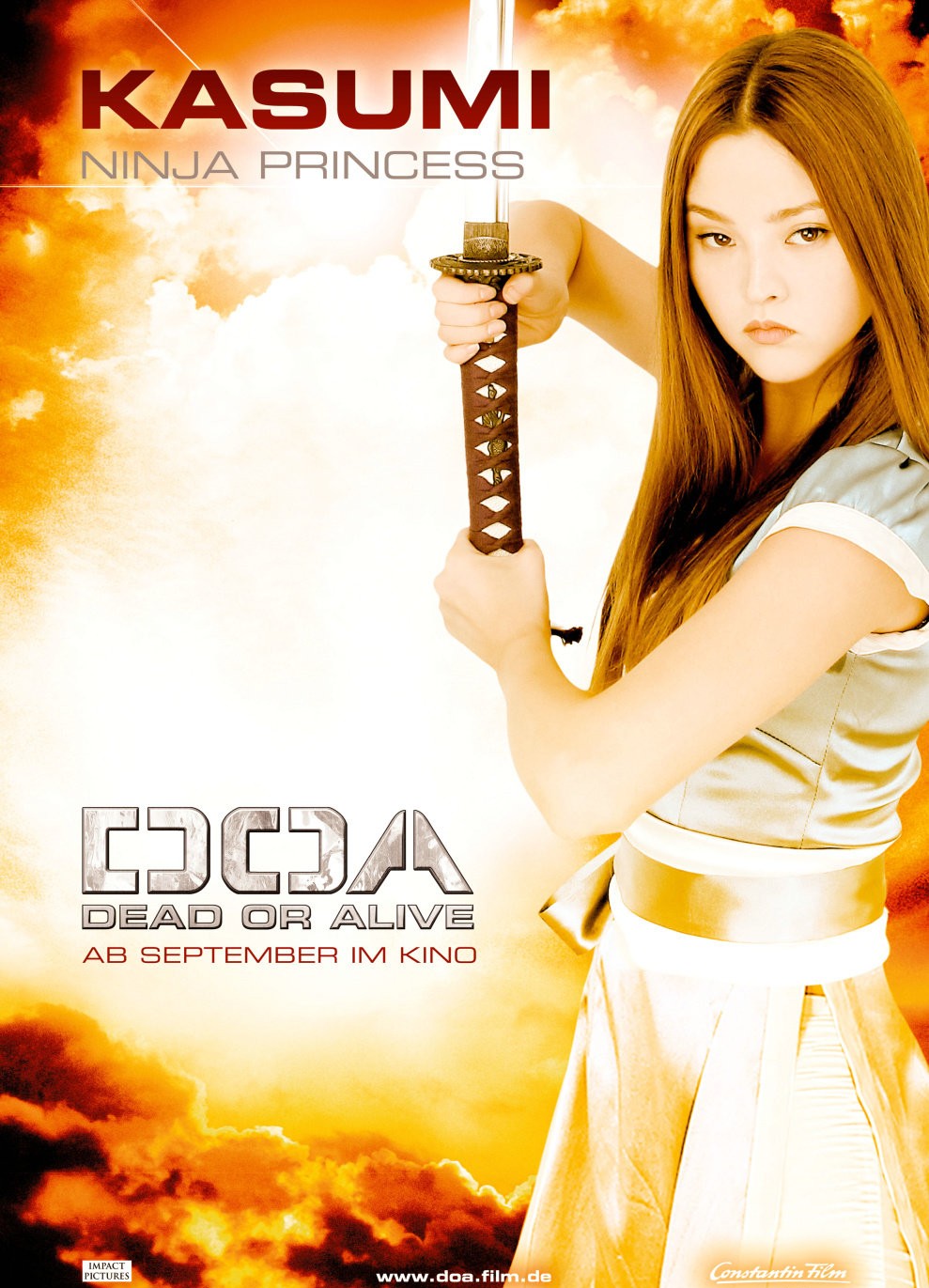
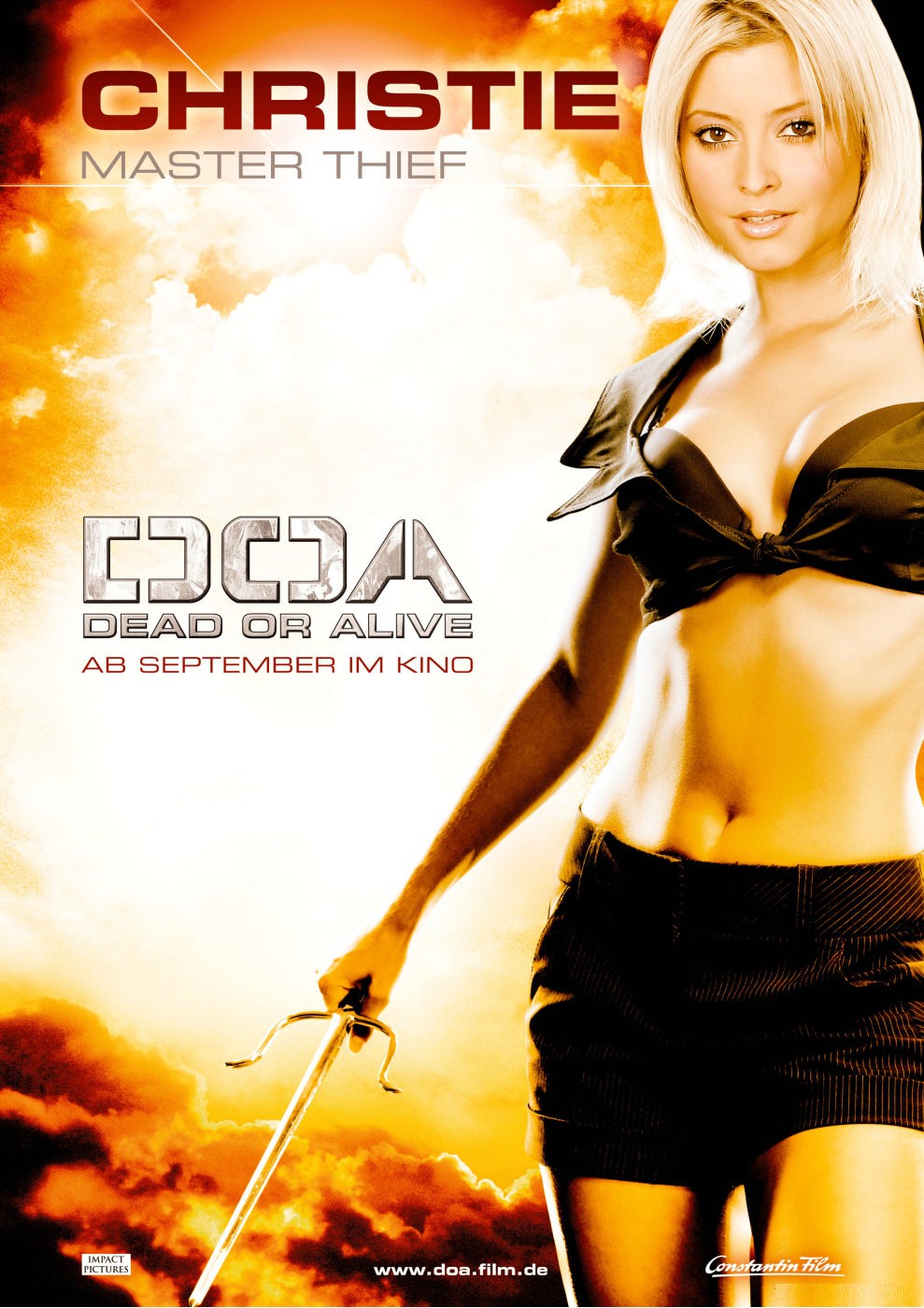
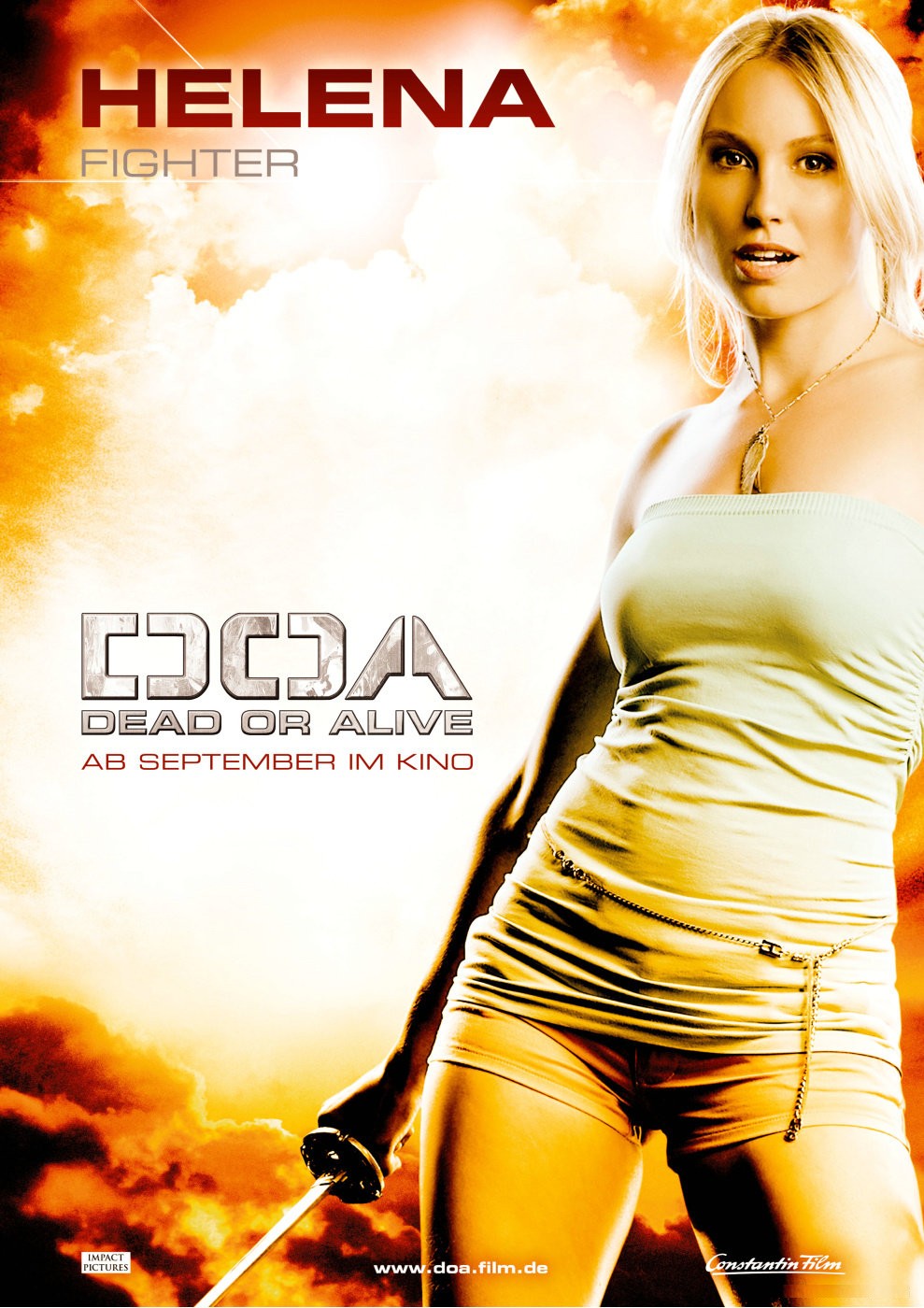
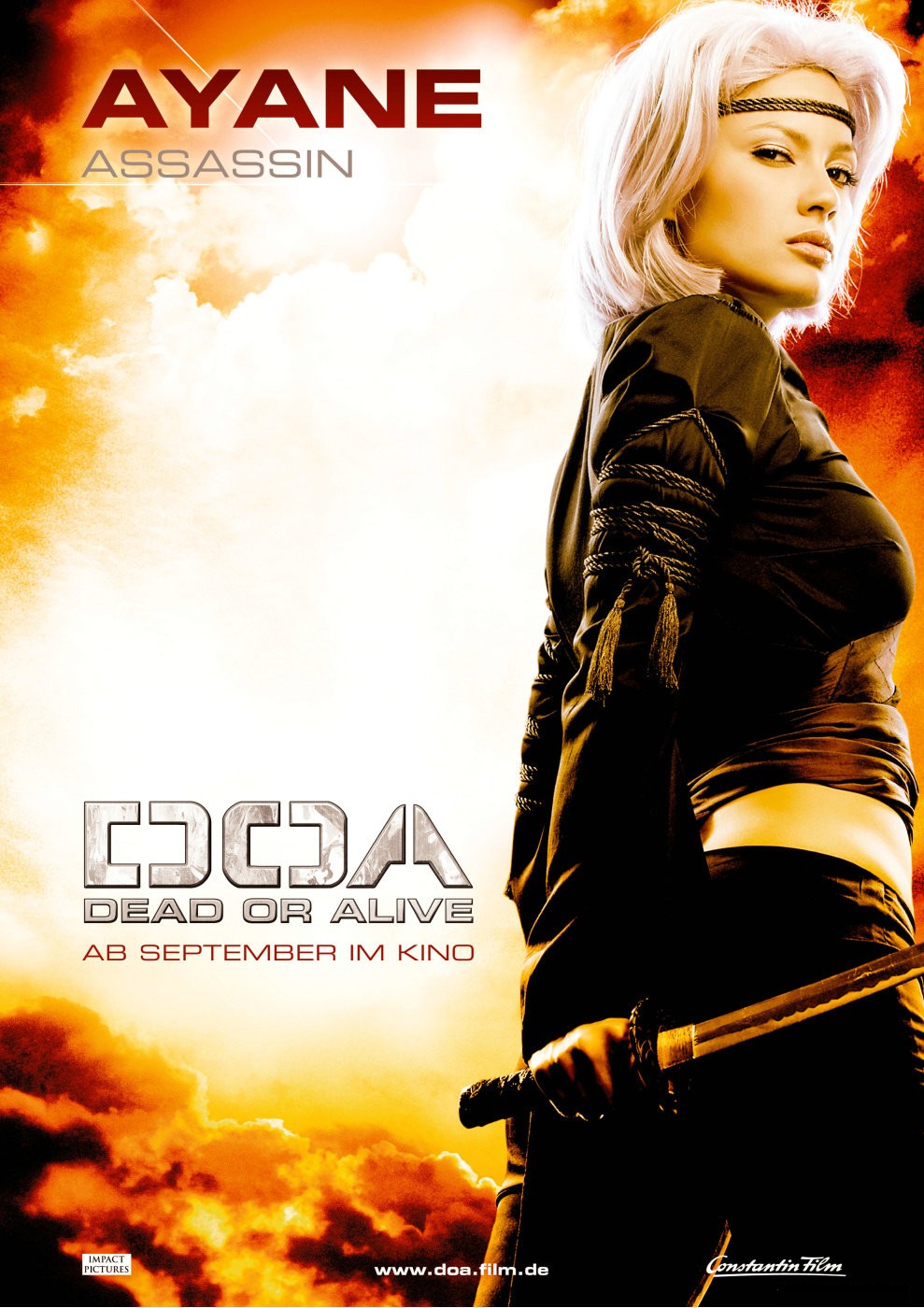
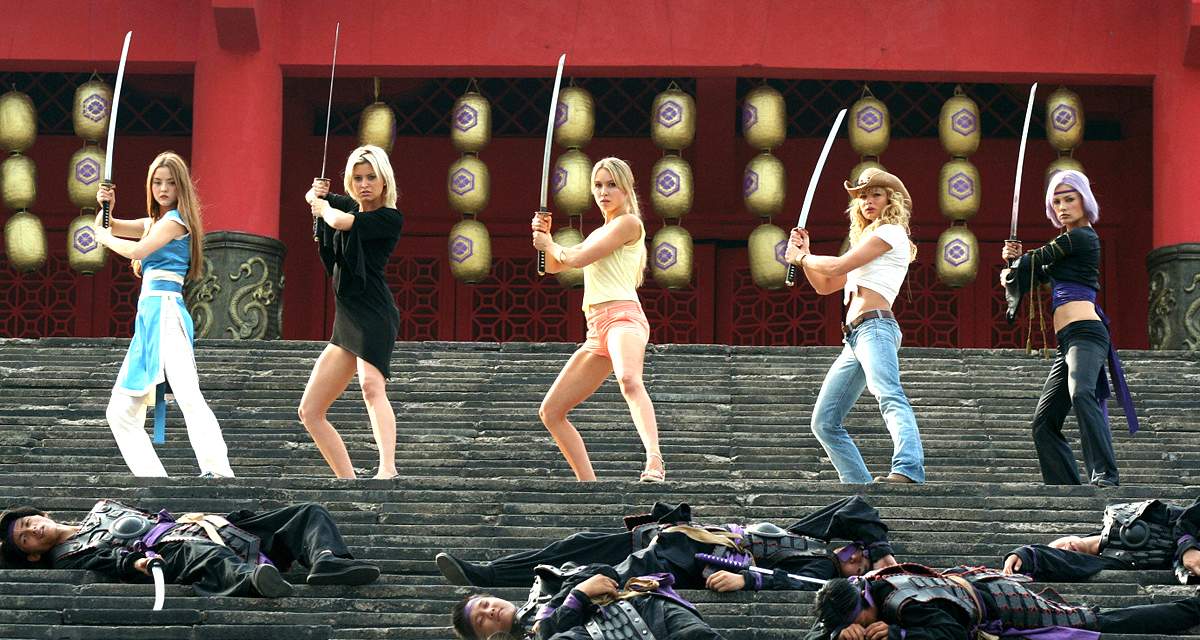
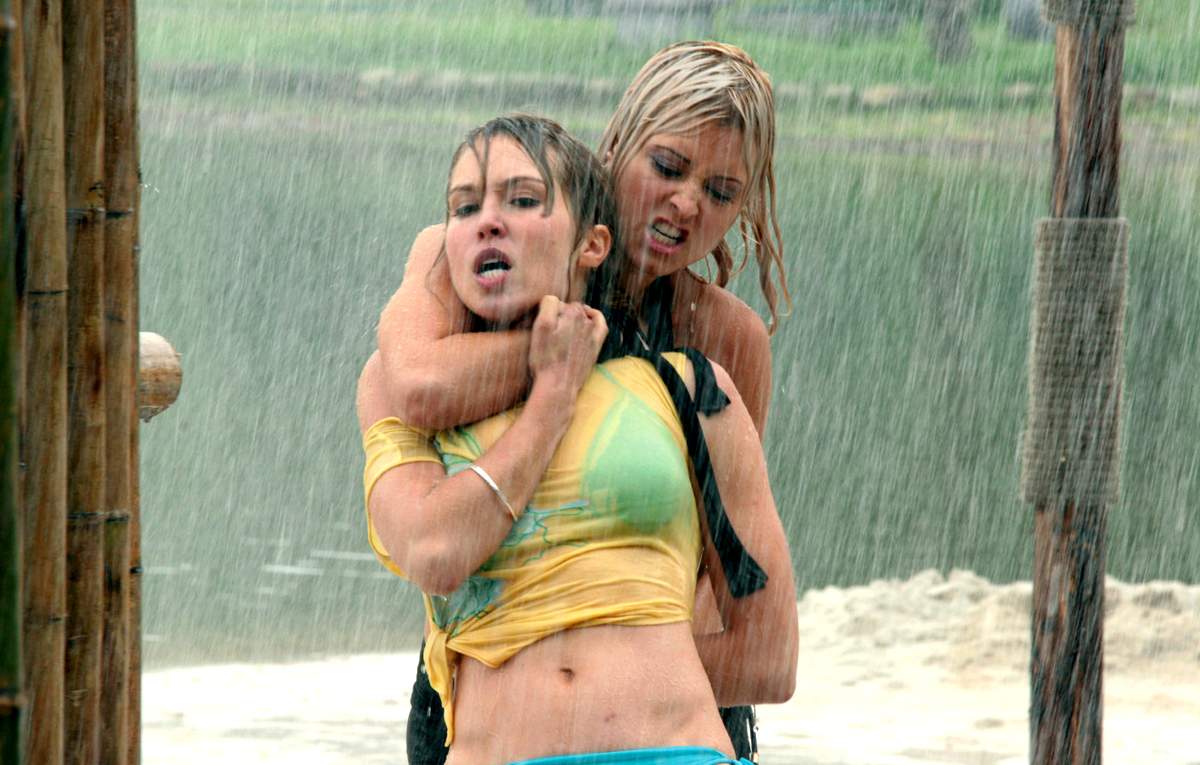
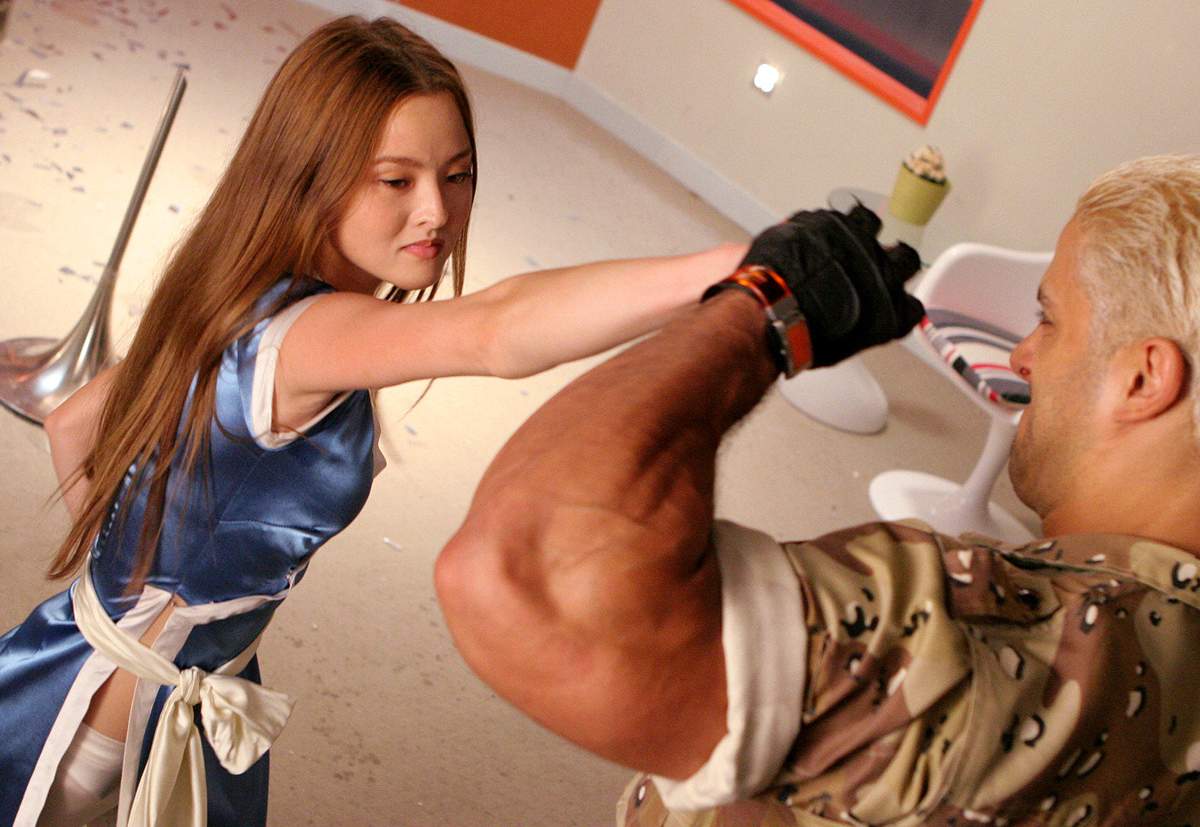
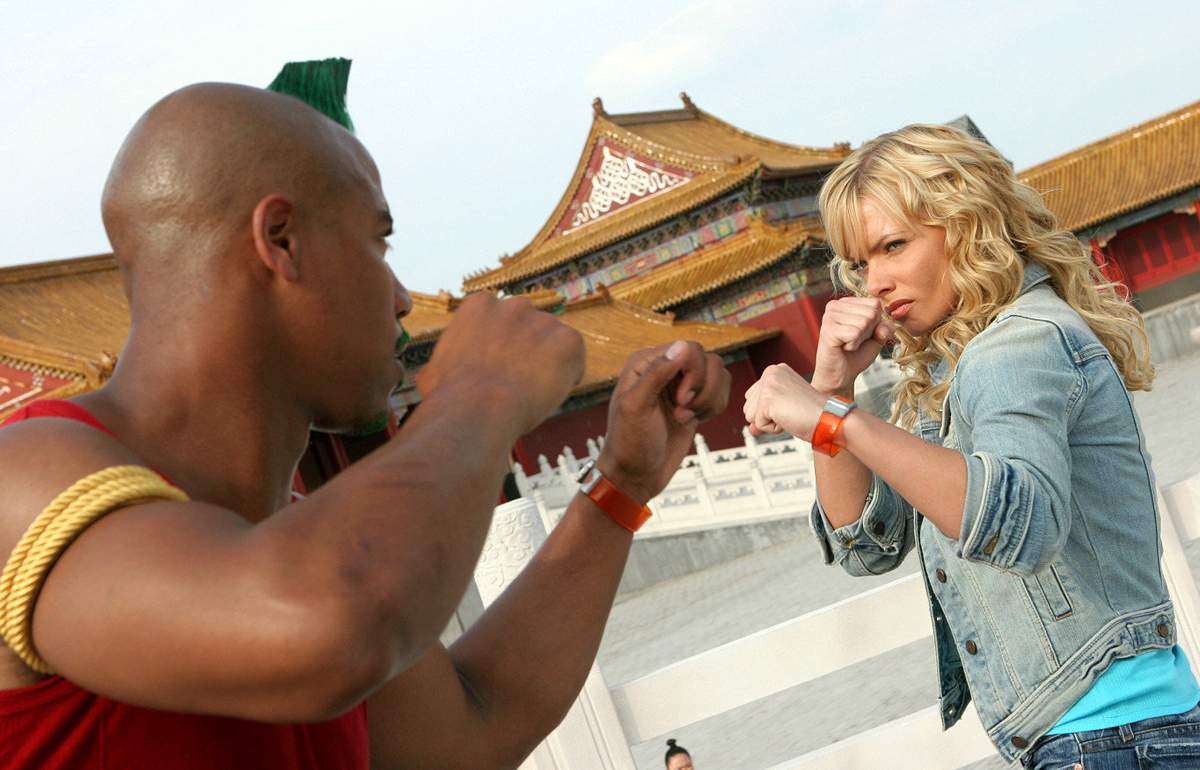
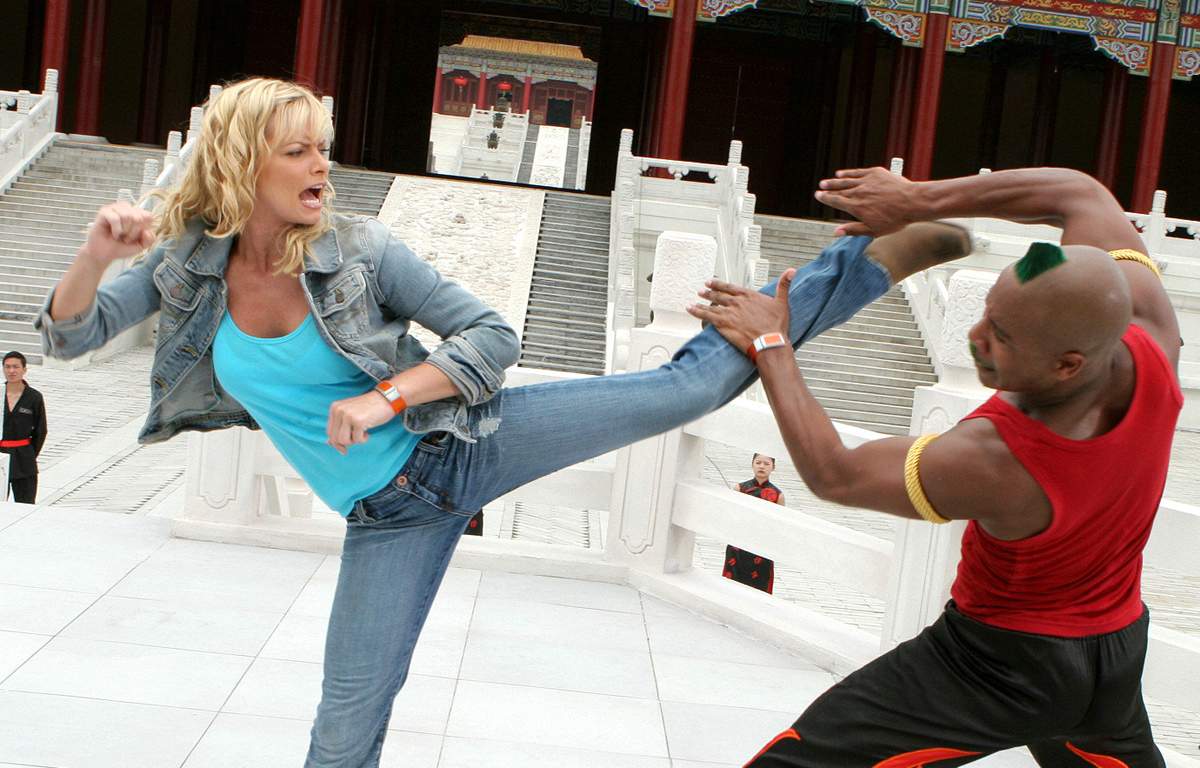
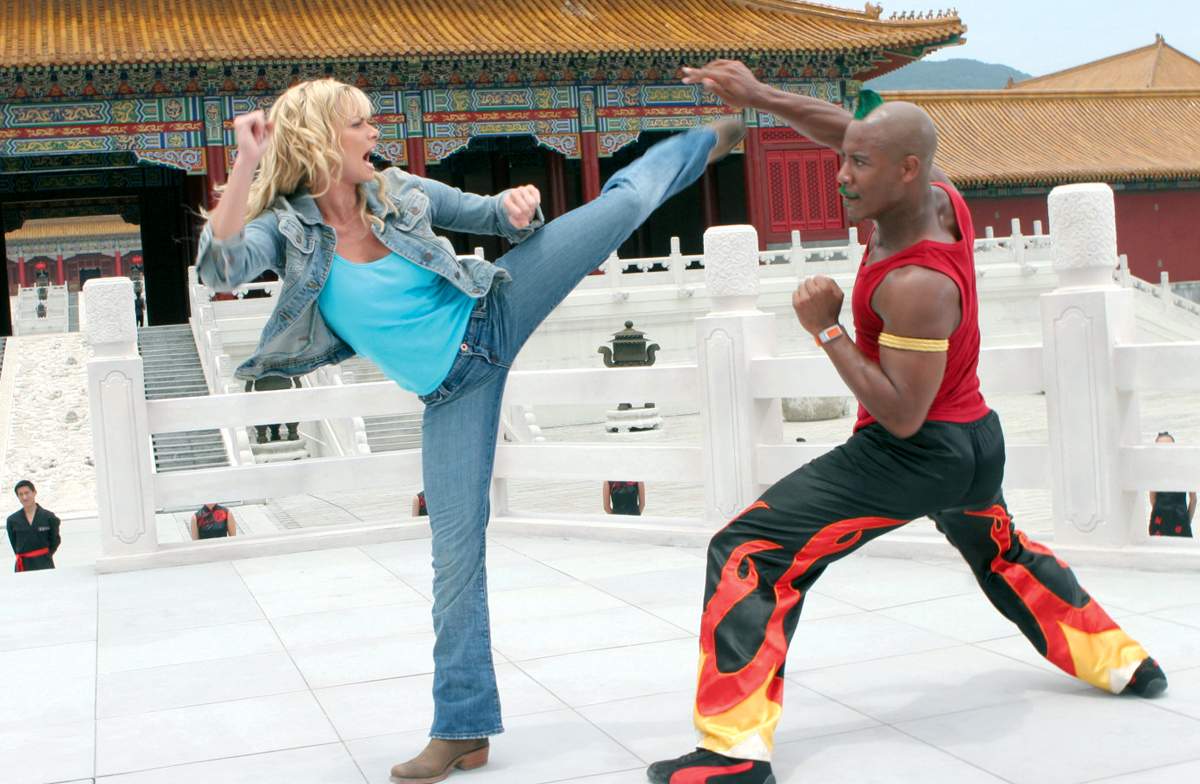
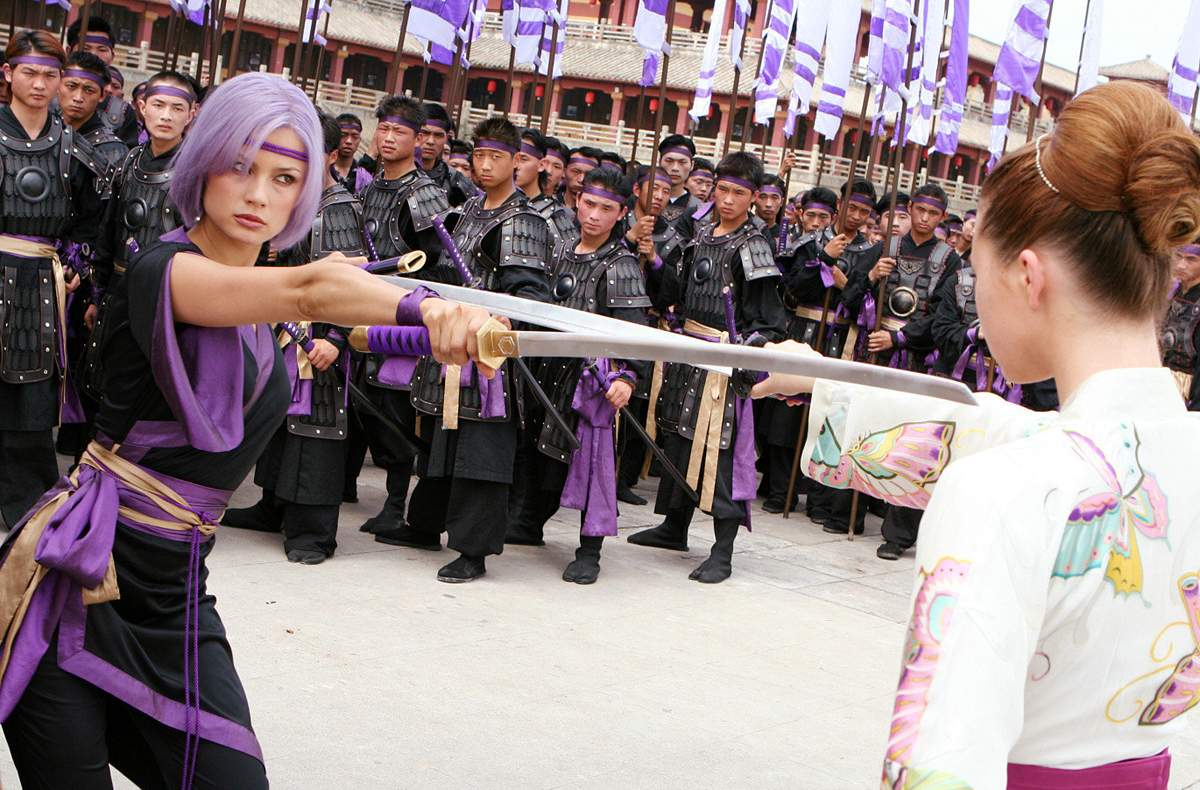
★★★½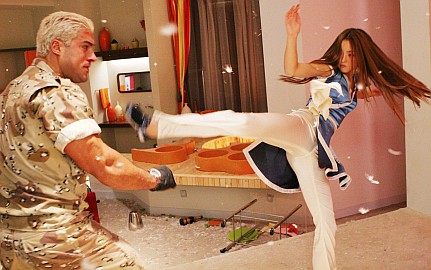 And…it’s not as bad as we feared it might be. Admittedly, I am not the best person to judge its merits in comparison to the video-game from which it was adapted. While I’ve mashed buttons on it and got my ass kicked by our son occasionally (and, somewhat oddly, Dead or Alive Xtreme Beach Volleyball, despite being a jiggle-fest of epic proportions, was a great favourite of our
 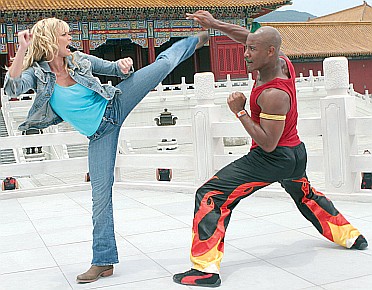 It remains, however, a movie based on a video-game, and almost inevitably this means the storyline is absolute pants. Yet another martial-arts tournament, sponsored by a rich ne’er-do-well; has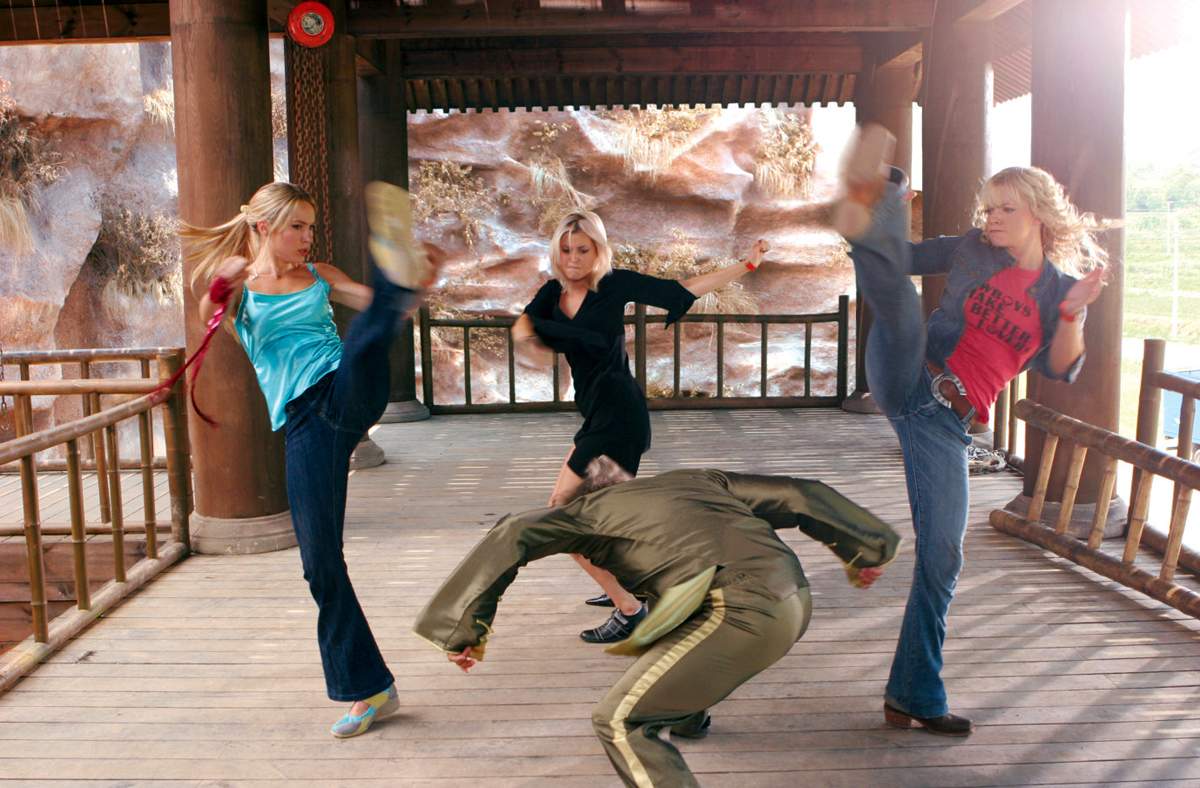


 This is probably a borderline Girls With Guns flick, but Angelina Jolie is the nearest thing we have to a legitimated action-heroine superstar: Lara Croft, Mr. and Mrs. Smith and now this, where her character, the uber-assassin Fox, is certainly the most interesting in the film. Office drone Wesley (McAvoy) discovers his true heritage is in The Fraternity, a group of killers who surgically remove bad elements from society, as their names come up encoded in a cloth woven by a mystical loom. However, one of their number has gone rogue, and Cross (Kretschmann) is now taking out his former colleagues, one by one. Recruiting, training and using Wesley, is the only hope they have to stop the renegade.
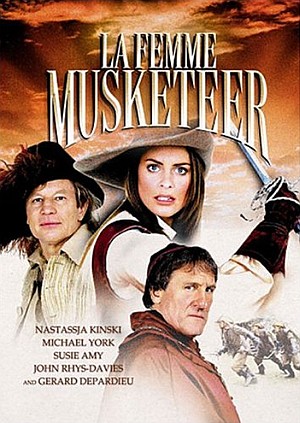 While not the first film to give D’Artagnan a daughter – the fairly self-explanatory D’Artagnan’s Daughter got there a decade before, with Sophie Marceau in the role – this is still entertaining enough, though at 171 minutes, probably too long. Valentine (Amy) heads to Paris to join the King’s guards, only to find herself framed for murder after coming into possession of a letter that could bring down the monarch. Fortunately, the other Musketeers also had children who followed in their father’s footsteps, so she has help as she tries to thwart the evil plans of Cardinal Mazarin (Depardieu) and his henchman Villeroi (Pirae).
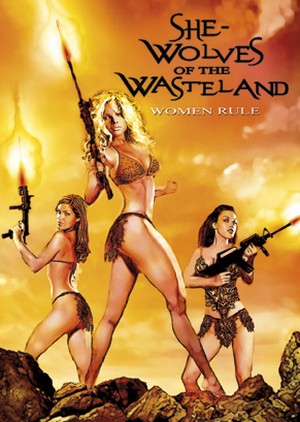 I remember seeing this under its original title back in the 1990’s, and being unimpressed by it then. Fooled into acquiring it on DVD under its new name, time has not been kind to this distaff version of Mad Max. Phoenix (Kinmont) finds herself taking care of Keela (Sanders), who is pregnant with a male child – a rarity, in a world which, thanks to biological war, is populated almost entirely by women. Overseeing things is the Reverend Mother (Howard) and her sidekick Cobalt (Khambatta), who are intent on keeping control. And, boy, can they hold a grudge, since Keela goes from utterly flat, to giving birth, to being the mother of a kid at least four years old, in the space of about two minutes cinematically. Not quite sure what the villains are doing during this time: presumably ruling over an empire populated entirely by extras from a Duran Duran video,