 ★★★½
★★★½
“Sympathy for the devil.”
Alright, this needs some background first, so I’ll try my best to give the necessary information. Date a Bullet is a two-part spin-off movie from Date a Live. This was originally a light novel series, that became a manga and then an anime series. The last-named started in 2013 and is currently in its fourth season: it also previously got a pair of OVAs and one movie. This is the second film, though is essentially two episodes that were put together, and released in cinemas as a movie, despite a very short length of 50 minutes.
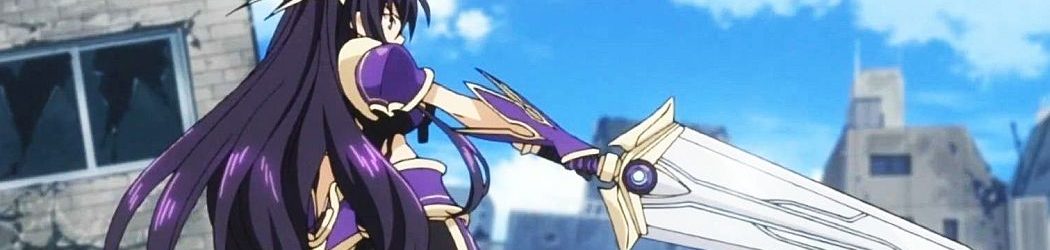
Date a Live was (and still is) as bonkers a basic premise as anime shows can be. A catastrophe 30 years ago causes spirits to appear in our world – until now, always in the form of beautiful girls. What are the odds? If the spirit is stressed or aggravated, she causes earthquakes and natural disasters. A little advice from me: how about the defense services NOT attack at the very first sight of such a spirit? Just an idea… A secret organisation protecting mankind from them has figured out a new way of dealing with these girls. The young, naive student Shido has to approach them, built up confidence and go on a date with them. When he kisses them he “seals in” their powers by doing so. This usually results in the spirit stopping being dangerous and moving into Shido’s home (where are his parents?). For the remainder of the episodes he is busy, trying to cope with school, the emotional needs of the girls and cooking for them all.
I guess there’s something that show wants to teach young Japanese men how to deal with girls. The whole secret organisation’s spaceship team (lead by Shido’s younger sister?) is trying to figure out the best of three responses for Shido when talking to the girls, and usually chooses the worst possible. Hilarity ensues. But somehow I couldn’t feel anything for Shido except for pity, dealing with all these girls wanting so many different things from him. It can’t be easy to be one of those beloved students in what we call nowadays a “harem anime”. There are plenty more of these where this comes from! The show is based on the idea of a so-called dating-app or game that helps train your dating skills before going into the wild, where untamed femininity can overwhelm an innocent, anxious Japanese boy. The idea is not the worst: I could have used such a tool when I was younger!
But this is a different beast, because it deals with the extraordinary character of Kurumi Tokisaki (Sanada), who is really different to all the other girls Shido met in the main show. Usually, meeting a girl spirit meant that, to cut a long story short, Shido would kiss the girl, or she, enchanted by Shido’s friendliness would kiss him – it has to be voluntarily. She’d join his harem, while they all crave his attention, everyone wanting a piece of him, his time, physical contact and so on. Not Kurumi. When she first appeared in the show, she seemed the girl spirit of this half-season, so to speak, but then quickly turned the tables.
 While the other girls might be complicated and have problems, like feeling unloved, being shy and, in one case, not even being into men, there always was a solution. Kurumi is… different: Shido soon found out she was there to sexually arouse him, so she could “eat him”. We can argue about the not-so subtle subtext: male Japanese anxiety about a sexually demanding and active woman. In the very same episode, some boys make sexually charged comments about her, she lures them into the shadows… next the blood is dripping from the walls.
Yeah, cute-looking Kurumi in sexy red-black lingerie is a killer, a femme fatale and if I’m not mistaken (correct me if I’m wrong), falls into the popular category of the “yangires”, female psychotic anime characters that can go on a bloody rampage at the slightest provocation. She is the killer shark among Shido’s girl. But then, she never becomes part of his actual haremm because they never kissed. Innocent Shido would have been dead meat. There may be a hint of Kurumi being abused in her former life; it could just be me, trying to read between the lines.
In a show that follows the usual rules of harem anime, a character like this is almost a provocation, riding roughshod over those unwritten rules. Kurumi is a force to be reckoned with. Her left eye features the yellow dial of a clock: with her magical calling of “Zaphkiel”, an angel that can manipulate time and appears as a giant dial, she can actually turn time around. By shooting her gun into her own head she can replicate herself and create as many clones of herself as she wants. Magically she appears to be independent, she can appear wherever and whenever she wants.
For most of the show she has been the “punch clock villain”, someone you could expect to appear sooner or later in the show. Though she seems to soften her attitude to Shido, after her first encounters with Shido, where he unsuccessfully tried to reason with and find an emotional angle on her – that worked with the other spirits. In one episode, she goes on a date with him, only to be shot by a superior version of herself at the end, This clone was obviously trying to fulfill her supressed romantic desires. In a late season 3 episode, she even helped him travel back in time to prevent a catastrophe that would send one of his girlfriends on a later revenge trip against the other girl spirits.
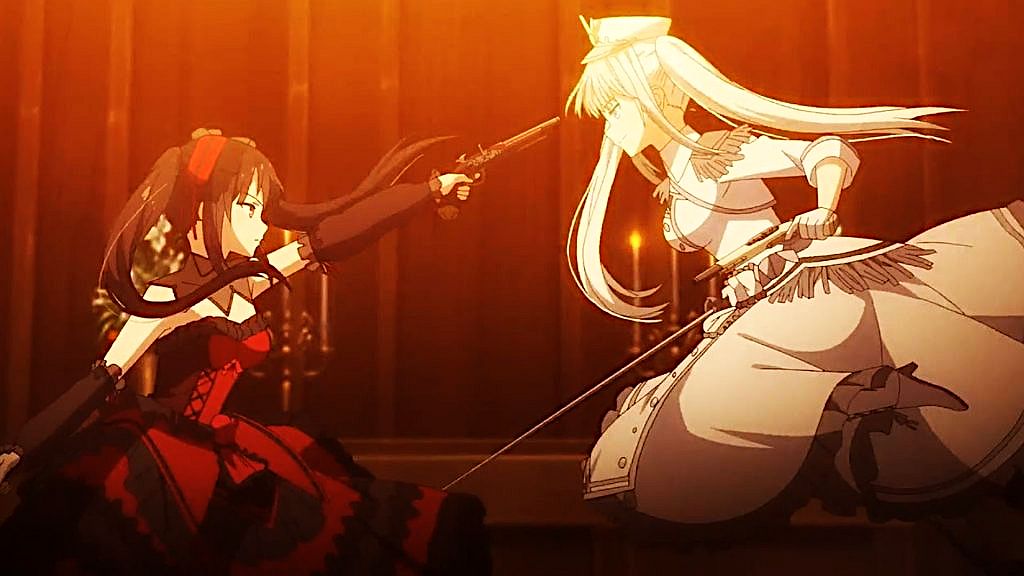
Okay. On to Date a Bullet , which is exceptional in the Date a Live universe as it tells a story with Kurumi as the main character. There’s no Shido to be found here, none of the harem girls or supporting characters appear, It’s as if you took a bad Bond girl and gave her a solo movie. So, quite unusual! So, what’s the story? Kurumi finds herself in an alternate world where she is told she is in a battle royale. The winner gets a wish, and might even be able to return to her own world. As she is being told by a small girl who functions as comic relief, that the combatants are all “half-spirits”, Kurumi in her no non-sense manner declares her in quite clear terms that she considers herself a full spirit, not a half one. Then there is the character of the White Queen, an especially dangerous ghost she will sooner or later have to face.
The movie is well-made, though the DVD is definitely too expensive for just ran 50 minutes. It’s entertaining enough, though as expected, too short to build up much tension. But it also serves mainly to show that Kurumi has a heart, too. Flashbacks show a younger Kurumi when she was alive and in school with the one friend she had, Sawa Yamauchi, dreaming of how it will be when she will have a boyfriend. While you can easily guess who the White Queen is, Kurumi shows during the story how tough and no-nonsense she is. She is thankful for help, but this doesn’t mean she’s so naive as to trust you immediately. She has a softer side, too, saving a little cat that plays a special role in the story, and at the end seems to have found a pet that might accompany her in future. Though why she killed her best friend in the past, remains unanswered.
The film helped understand the character a bit better and gave her the limelight she deserves. I wouldn’t say we know everything about Kurumi Tokisaki now though. The character stays interesting and as Date a Live with its funny situations and cute/sexy girls is something of a guilty pleasure for me, I look forward for a dubbed version of season four, and discovering what kind of role Kurumi will play in it.
Dir: Jun Nakagawa
Star (voice): Asami Sanada. Asami Seto, Kaede Hondo, Mariya Ise



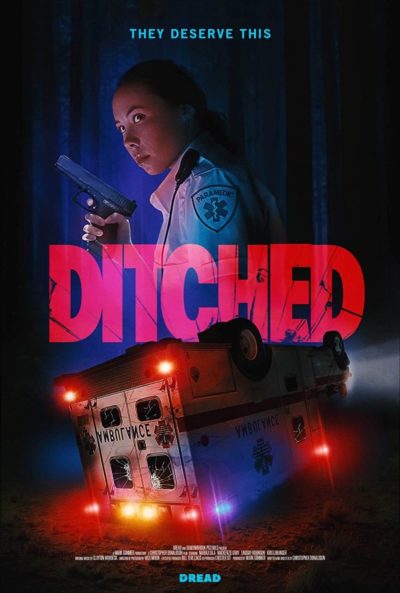 Paramedic Melina (Sila) regains consciousness to find herself in the back of her ambulance, along with her patient, Franson (Loranger), and the rest of the crew in various states of health. The vehicle had gone off the road and fallen into a ravine, along with the accompanying police car. It turns out they were transporting Franson and another prisoner to hospital when the crash took place – and it quickly becomes apparent that what happened was far from an accident. A posse of camo-clad hunters close in on them, led by Caine (Gray). Their mission to make all the vehicle’s occupants, both criminal and otherwise, pay for the sins of their pasts. They’ve brought with them the wronged parties in question, to exact bloody revenge.
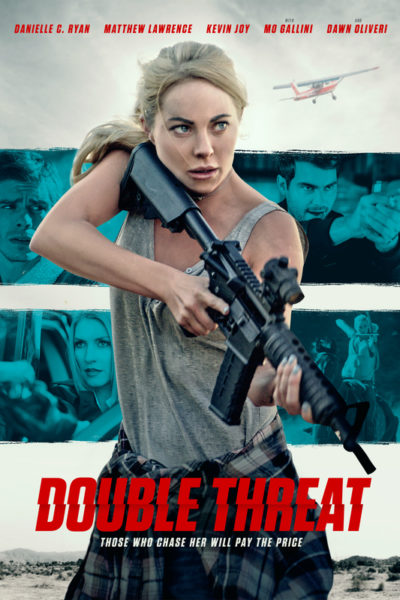 If Ryan looks familiar, that’s because she is. She starred in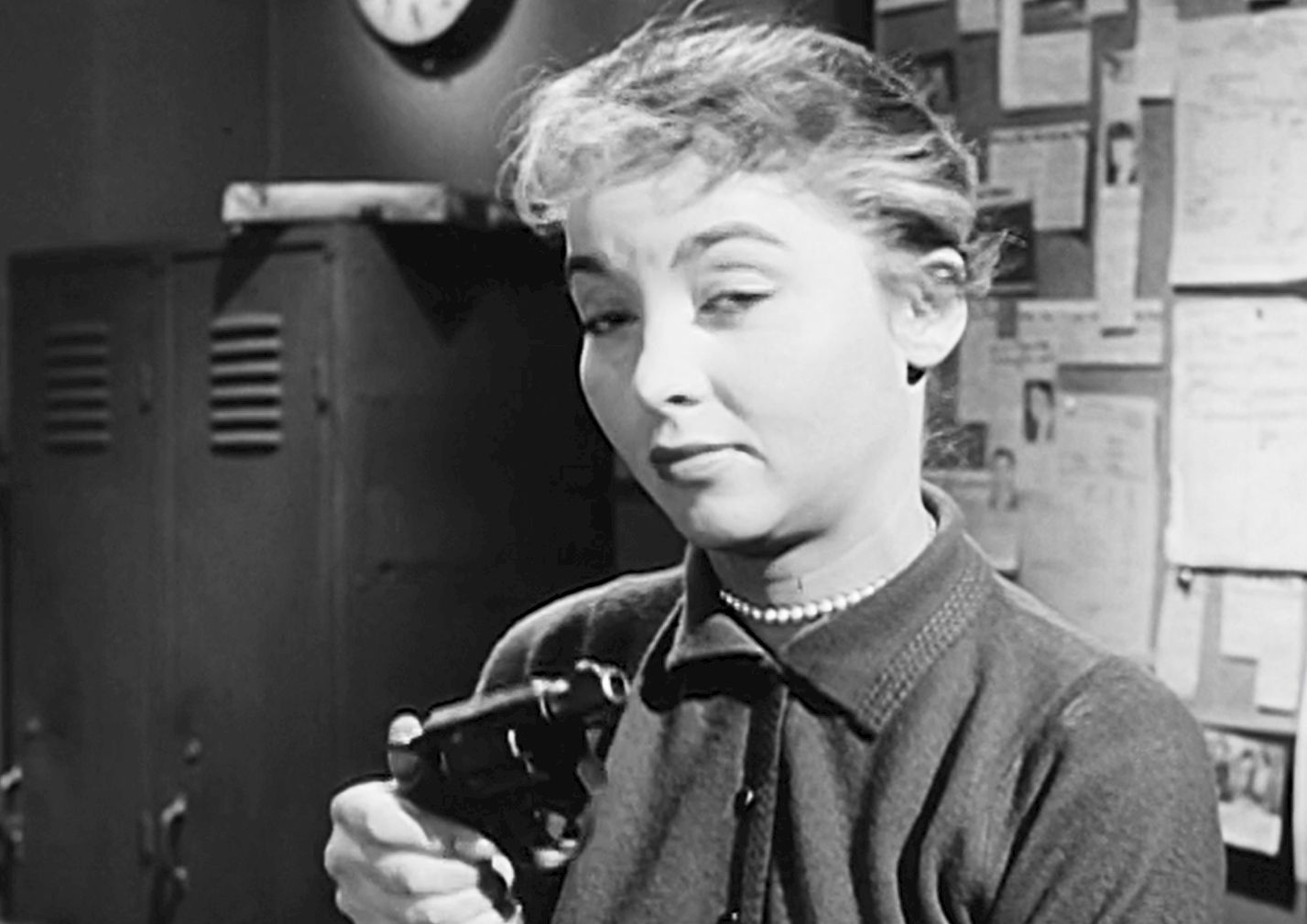
 With a lot of voice-overs, the style feels reminiscent of Dragnet, which had been a very popular show for most of the fifties. Each episode opens with a stern reminder: “Presented as a tribute to the Bureau of Policewomen, Police Department, City of New York,” and centre on the cases worked by Patricia “Casey” Jones (Garland). As the title suggests, most of them involve Jones going undercover in some guise. That covers an extremely broad range of assignments, from a photographer to a junkie, a nurse to a blackmailer, a high society girl to a prisoner. However, some of the episodes do not require such subterfuge, though there is a tendency for these crimes she is given for investigation to be fairly gynocentric, e.g. trying to find a delinquent father.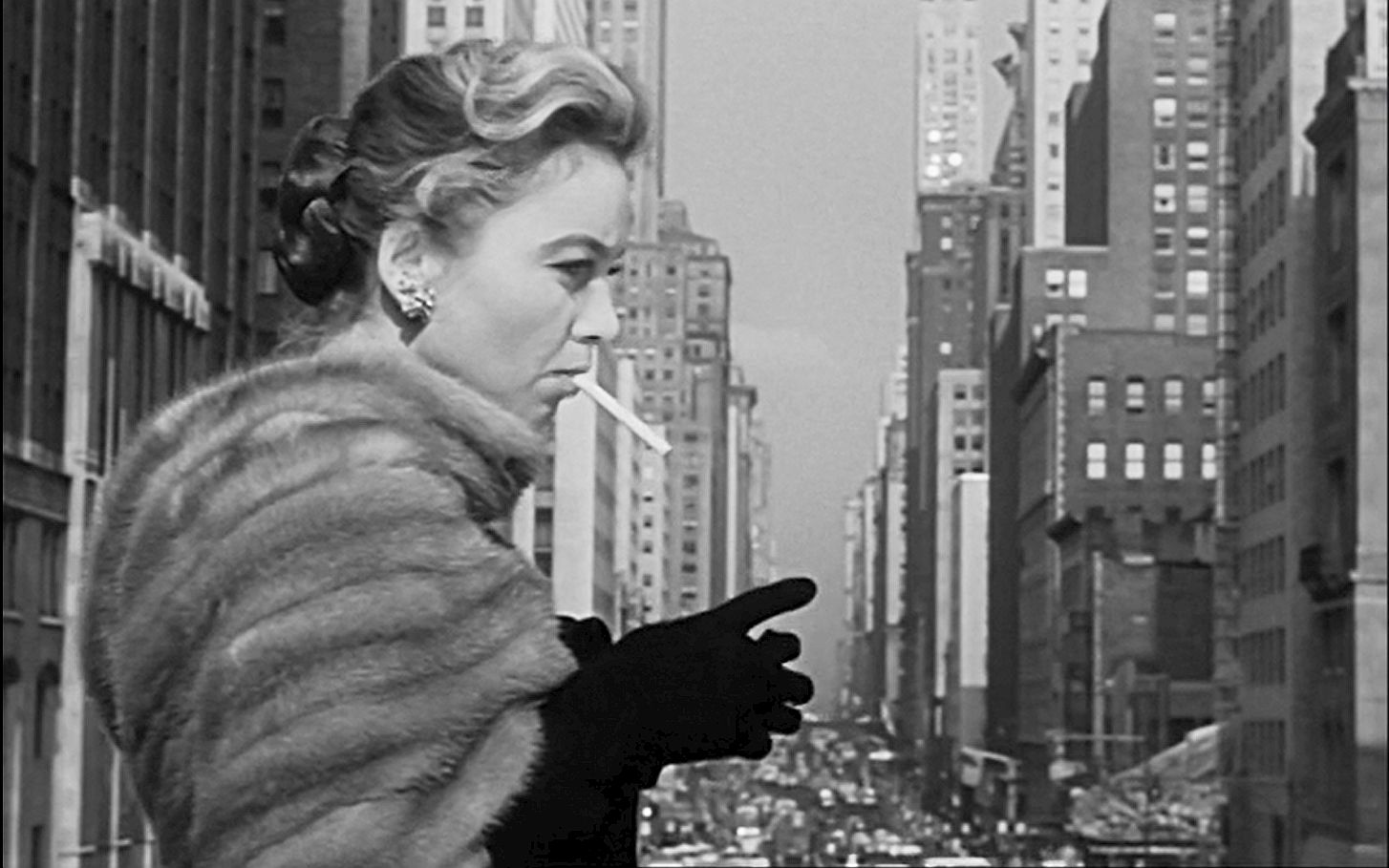
 We begin with the usual disclaimer for films of this kind: middle-aged white guys like me are not the target audience. However, I think it’s fair to say that concepts like story-telling and character development are not limited to any particular race, colour or creed, so I still feel equipped to offer an opinion on these aspects. Though, actually, what felt like it worked best here was its strong sense of place. I’ve never been to the projects in Jamaica, New York (though Chris grew up elsewhere in the same borough of Queens). But the film does a good job of showing you that environment; it certainly works better than the (largely token) efforts to convince you some scenes take place in Miami, or even Moscow.
 Liane Zane brings her Elioud Legacy trilogy to a rousing and powerful conclusion in this novel, which was actually my favorite of the three. (Full disclosure at the outset: Liane, who’s a Goodreads friend of mine, generously gifted me with a paperback ARC, because she knew I’d really liked the two earlier books. No promise of a good review was offered or requested; this book amply earned that on its merits.)
 For me, in the previous books, these two characters had always seemed the least interesting and appealing, largely because I didn’t really know them. Indeed, Beta (short for Alzbeta –she’s Czech) is hard to get to know. She’s a “lone wolf” with very few friends, and a brusque manner that can come across as practically feral. And because Andras is big, strong and taciturn, and mostly inclined to obey orders, it’s easy to fall into the trap of subconsciously dismissing him as not very smart or sensitive (though that’s a great mistake!). But here they come into their own; we see them as the complex and special people they truly are. The previous book ended with Beta arousing a sleeping, half groggy Andras for an unexpected sexual encounter in his bed –and then vanishing before morning. When this book opens, none of the other five main characters have seen her for three years (so it’s now 2018). But we soon learn that there’s been more of a reason for her disappearance than her commitment issues. Much is going on, and Asmodeus (and his fellow demon Yeqon. whom we met in the second book) are exponentially ratcheting up their plans, which won’t bode well for humanity if they come to fruition. But the Archangel Michael (directed, of course, by God, though here He operates offstage) has plans too….
 Roughly ten minutes into this, it was clear I’d made a terrible mistake. I’ve seen my share of wretched creature features in my time, and this is down near the bottom of the barrel. It does have an interesting, if totally ludicrous idea. Five women are invited to a remote hotel, to take part in a game-show, competing for a prize of £100,000. Among them is struggling single mother Sienna (Wunna) who, unable to find a baby-sitter, takes her two kids with her. As the cover ever so subtly suggests, the game has carnivorous dinosaurs roaming the hotel and grounds, and “winning” simply means not getting eaten. Naturally, Sienna’s two kids also disobey Mum’s instructions not to leave the room.
 The latest stop in our ongoing tour of female-driven urban crime movies brings us to the nation’s capital in Washington, where the police are celebrating just having taken down a leading light in the city’s organized crime industry. Now, they set their sights on a new target: the gang led by Racine Robinson (Vaughan) and her two daughters, Kat (Crosby) and Candy (Bethea). These might prove a tougher nut to crack, since the Robinson crew have a harsh, zero tolerance policy to anyone who messes with them in the slightest, yet also gathered local support during the coronavirus pandemic. Indeed, Racine is so popular in the neighbourhood, a run for political office is not out of the question. However, she has rivals, who have more than a passing interest in seeing her taken out of the picture – albeit for very different reasons, in order to make room for them to rise up.
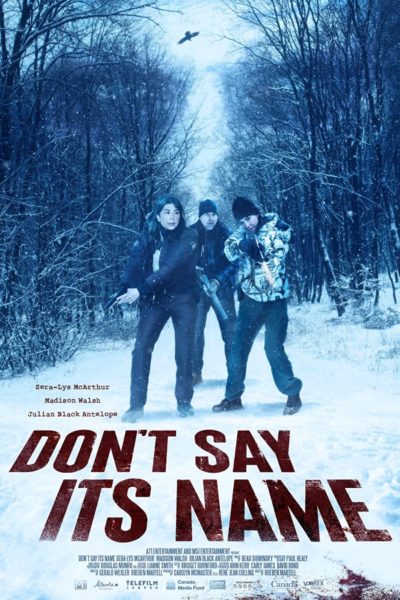 I was going to start this with a warning to try and avoid reading other reviews of this before watching it, because it felt as if, without exception, they all included spoilers for a significant plot-point, that wasn’t actually revealed until deep into the movie. Heck, the IMDb synopsis does it too. However, having sat through the entirety of this bland piece of indigenous folk pseudo-horror, all I can say is “Meh.” You do you: it’s probably not as if it’s going to have much impact, because it’s hard to spoil something which already smells past its best before date.
 This is likely an admirable effort in terms of its budget. The IMDb estimates it costs $100,000 and it looks like Price squeezed every cent – or, since it’s British, penny – out of that. To give you some idea, also per the IMDb, “Sections of the film were shot during the Covid-19 United Kingdom lockdown with just the occupants of the director’s flat. The director’s girlfriend doubled for any actors and WhatsApp voice notes from cast members were used for any extra lines of dialogue.” This is the kind of thing that can only be respected. Which is why I feel a little bad about having to give this an underwhelming review, because… truth be told, it’s kinda boring.