




★★½
“The more things change…”
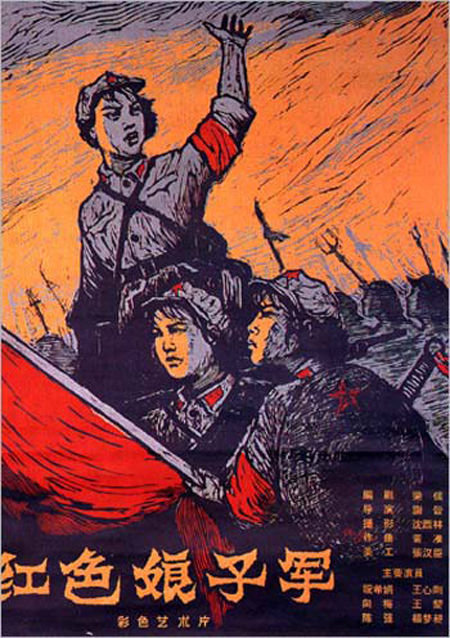
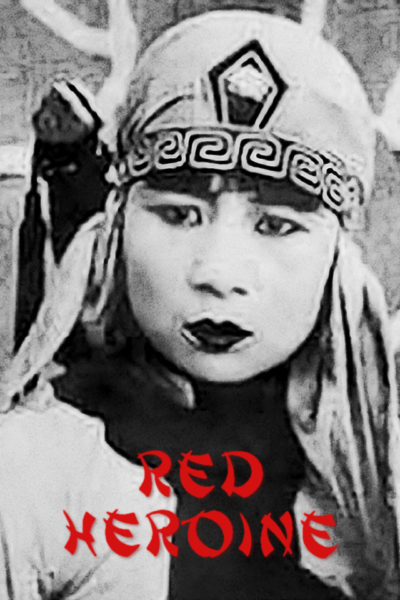 Tied somewhat to our March feature on the earliest action heroines in cinema, is this Chinese film, It’s not just the oldest surviving action heroine film from that country, it’s the oldest martial-arts film of any kind. This silent feature dates from all the way back in 1929 – I had to keep reminding myself that the “red” in the title was not a Communism reference, this being from well before such things. It’s most likely an attempt to cash in on The Burning of the Red Lotus Temple, a now-lost film series whose highly successful release had begun the previous year.
Heroine, like Temple, was a serial, in this case consisting of 13 feature-length episodes. This was #6, and I’m not sure quite how it fitted into things – it stands on its own perfectly well. The heroine is Yun Ko (Van – for all character names and credits, I’m using the names given in the intertitles), whose village is threatened by the approach of an invading army, under General Chiny Che Mang (San). While trying to flee, her blind grandmother is killed and Yun Ko captured.
She’s just on the edge of being forced to become one of the General’s scantily-clad harem – an aspect which seems very racy for the twenties! – when she is rescued by a Daoist monk, the White Monkey (Juh). He had met Yun Ko’s cousin (Wen), who informed Monkey of her plight. After being taken to her grandmother’s grave, she vows that those responsible will pay, and becomes a pupil of the monk. Three years later, with the invaders now in full control, the General is still up to his lascivious tricks, arresting a girl’s father on trumped-up charges, to get her to accept his sordid demands. It’s time for White Monkey and Yun Ko finally to strike.
In some ways, it’s most impressive how little has changed in the almost 90 years since this was released. The most standard of all martial-arts movie plots – “You killed my (insert family member), and you must pay” – is clearly in play, as is the student who must learn from a master in order to take that revenge. I also note that crappy subtitling was there, right at the birth of the genre. On the other hand, I’m quite impressed a print with any English-language content survived at all, even if it’s at the level of this exchange between Yun Ko and White Monkey:
“Are you not care to revenge?”
“As I am so weak, how could I to revenge?”
“Don’t kill yourself. I’ll teach you my military skill.”
The first third of this is very solid, with Van making for a good heroine. She has the extraordinarily expressive eyes essential to a silent star, putting across the horror of what has befallen her, and the “worse than death” fate yet to come. However, once she teams up with her kung-fu guru, they both vanish from the film until the very end: clearly the concept of the “training montage” had still to be invented. What replaces them – the General’s conniving against a completely different target – is far less interesting, little more than silent soap-opera, draining the film of almost all its energy.
Our revengeful duo finally return, sailing briefly through the air in an early and extremely primitive version of flying fantasy or wuxia. Equally primitive are the fight scenes, which certainly remind the modern viewer we’re still four or more decades before Bruce Lee showed up. This is still a somewhat interesting watch, for anyone with an interest in martial arts films. However, it’s really only of note for being the first of its kind, and this aspect is purely a result of circumstance, rather than its own inherent merits.
Dir: Wen Yeh Ming
Star: Van Shih Bong, San Kwan Wu, Juh Yih Fong, Wen Yih Ming
a.k.a. Hongxia
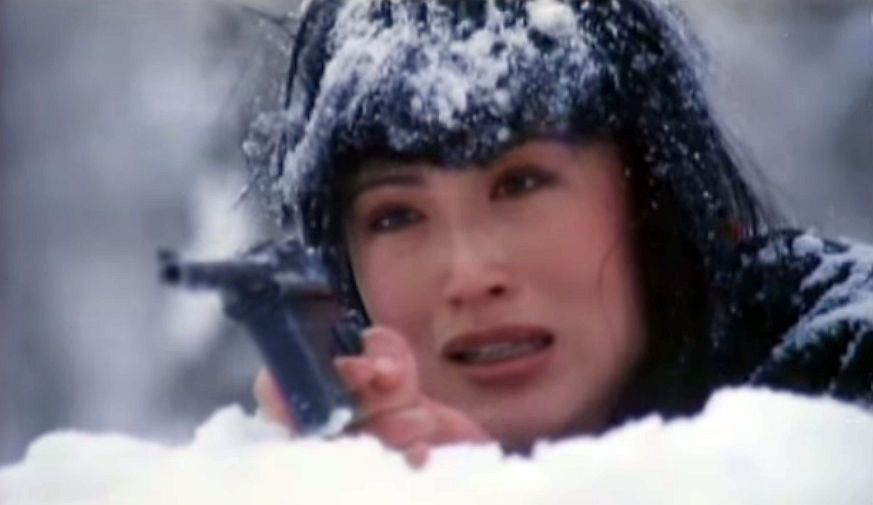
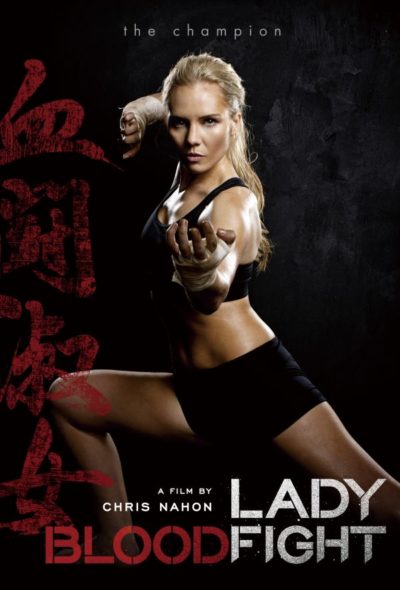
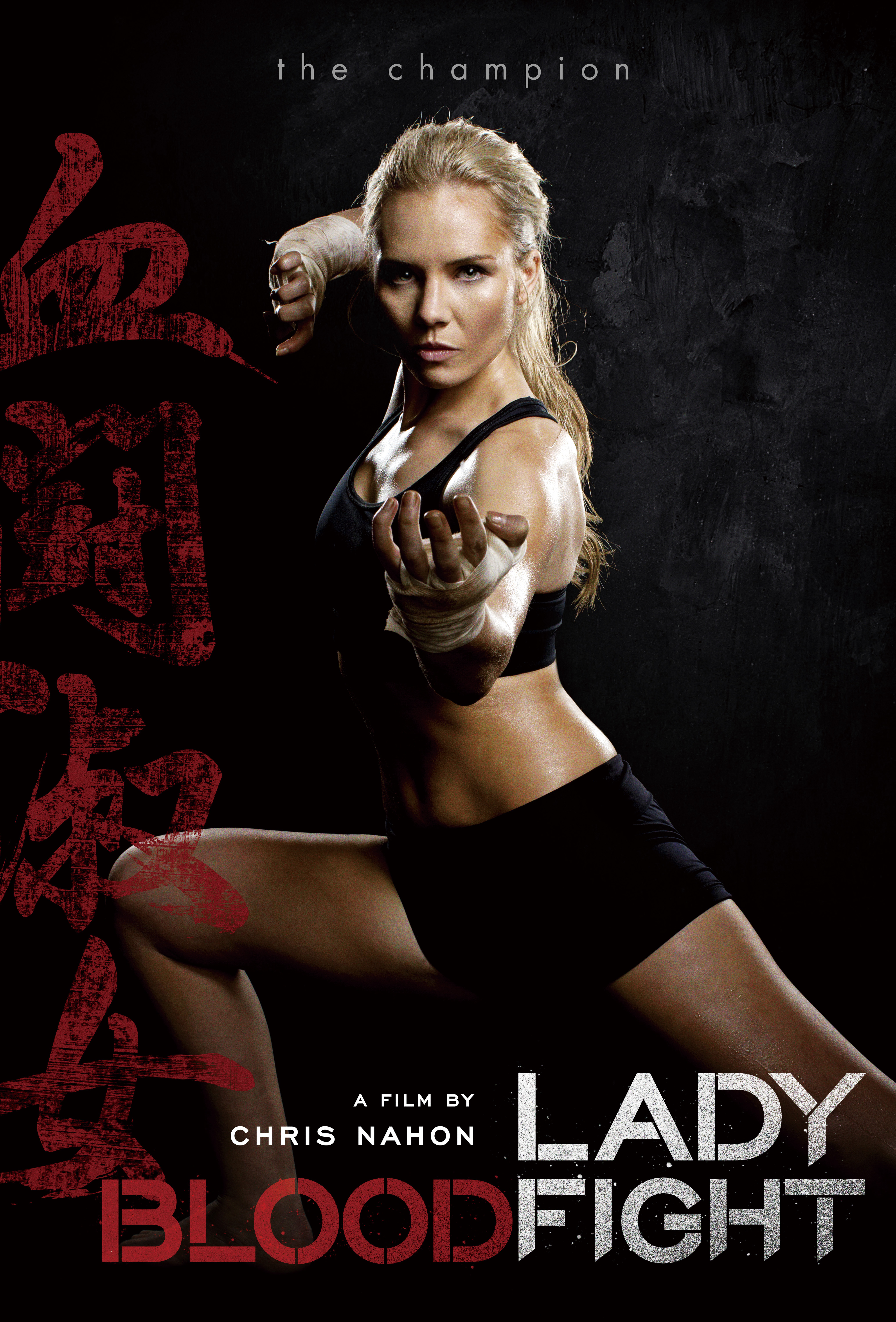
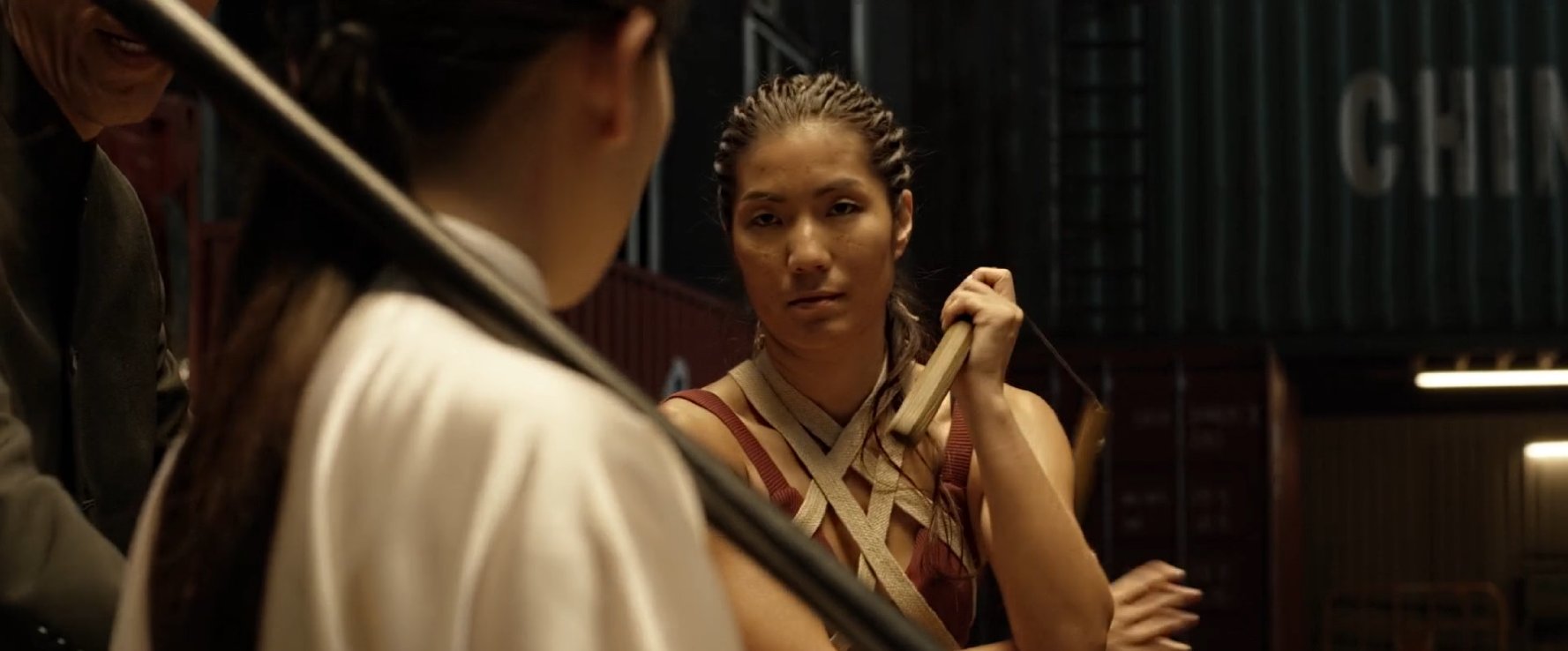
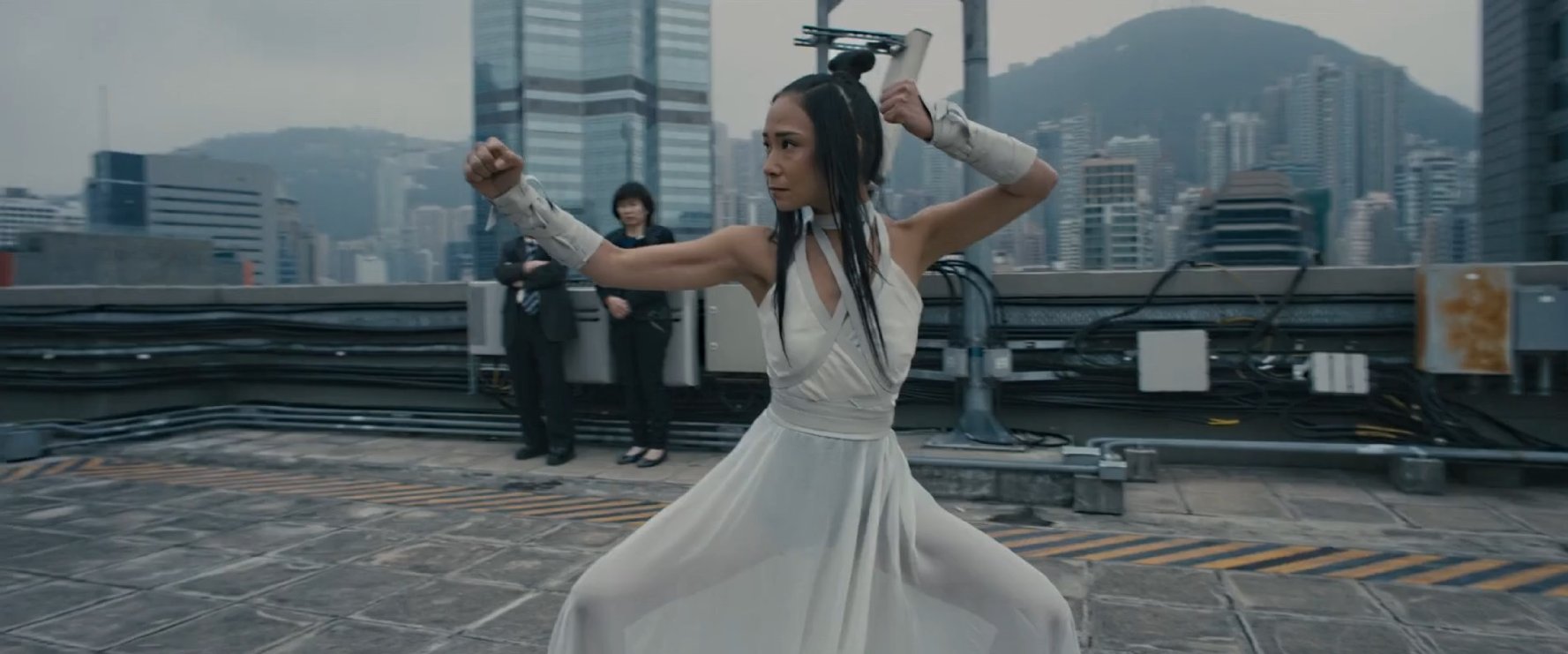
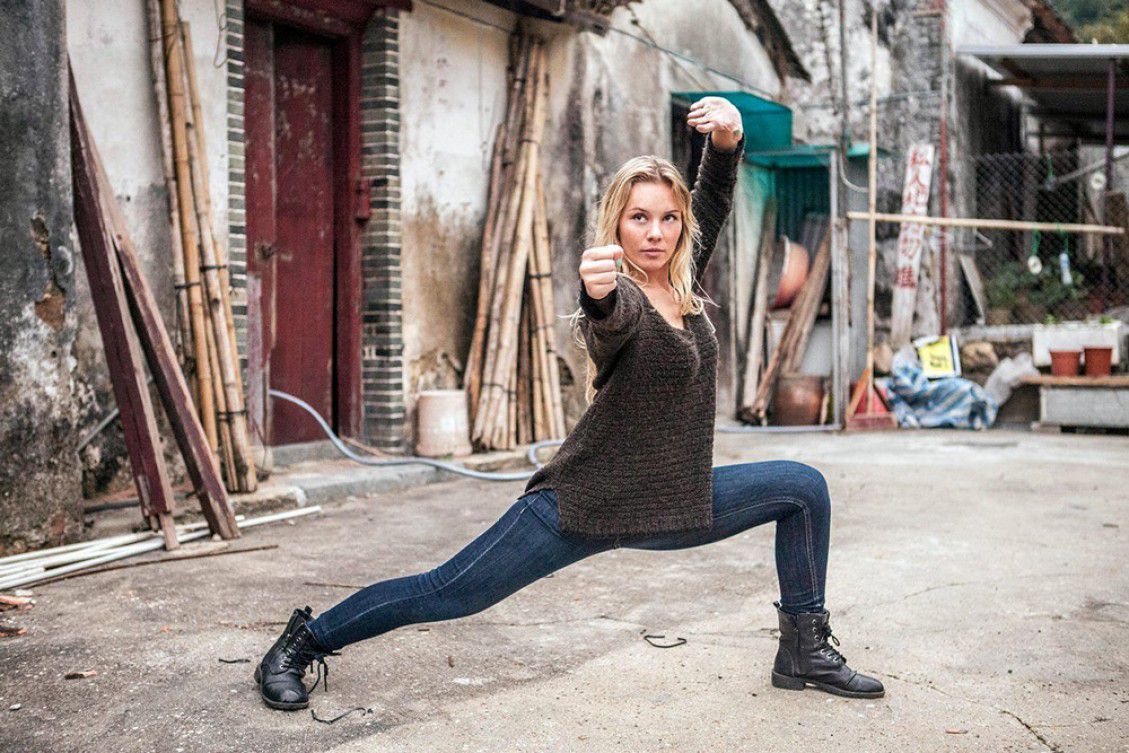
 This rattled around in pre-production for a while, originally being called Lady Bloodsport, and with the names linked to it being significantly higher in profile: Maggie Q, Shu Qi and Zhiyi Zhang. The end result here is obviously smaller and cheaper – the fights at its core all take place in the bastion of martial arts, a warehouse – and you can’t help but think, “What if…?” However, it’s still thoroughly enjoyable, despite – or, perhaps because of – feeling like a throwback to straightforward movies such as the original Bloodsport, which helped launch the career of Jean-Claude Van Damme in 1988.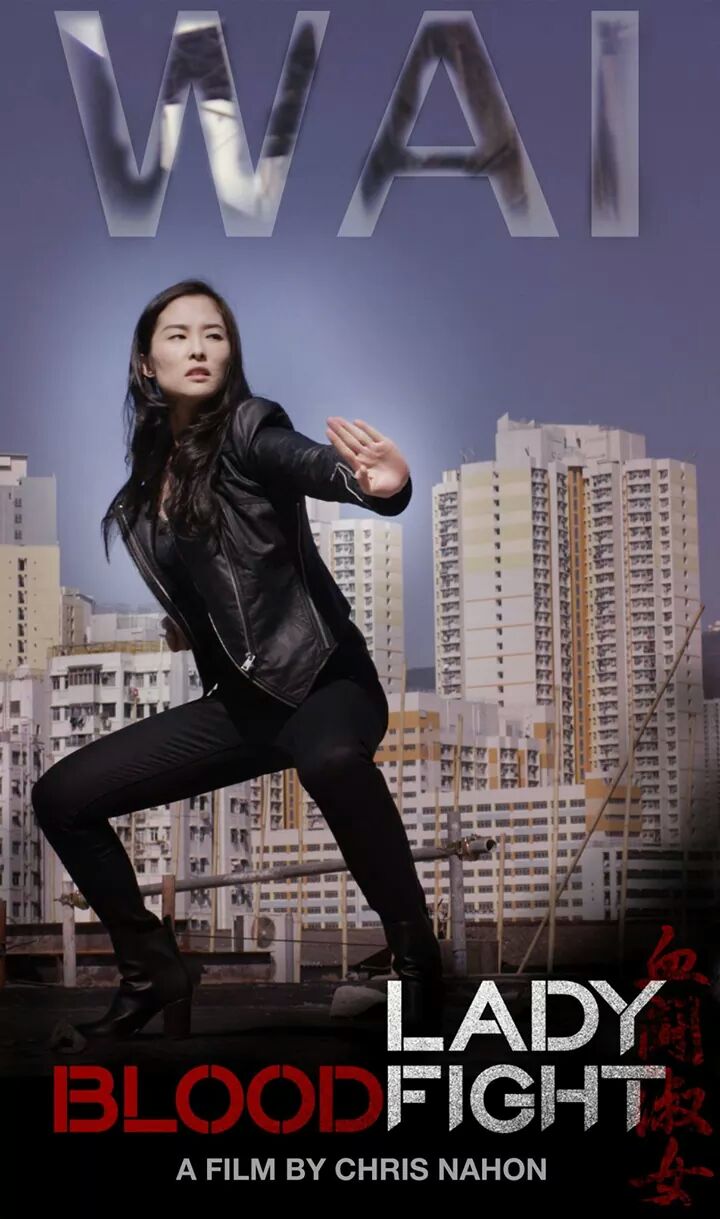


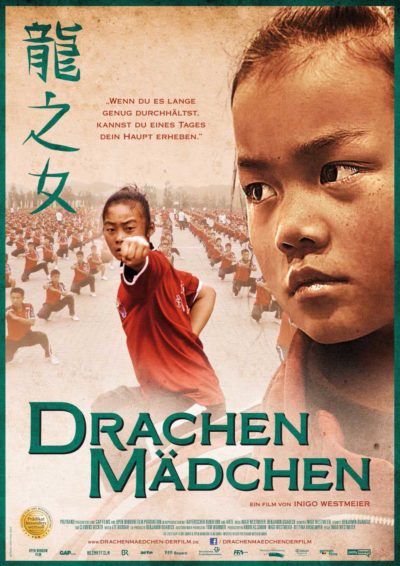 If you’re familiar with Jackie Chan’s life story, you’ll know he (along with fellow future start Sammo Hung and Yuen Biao) was basically brought up in a Peking Opera school, where he learned martial arts and acrobatics as well as theatrical skills. Discipline there was notoriously strict – the film Painted Faces gives a good idea of what it was like. But that was the sixties. Surely no such abusive educational regime exists nowadays?
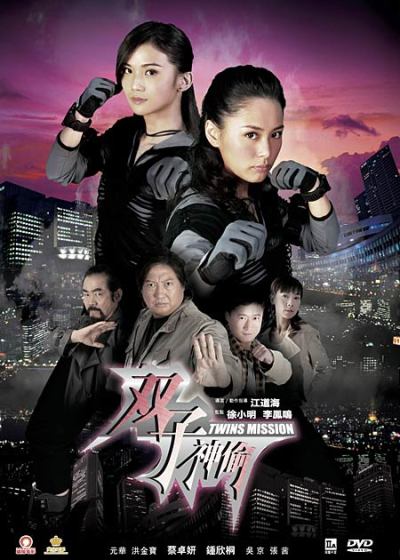 Twins Effect, the first film starring the Cantopop duo, Twins, was a frothily entertaining mix of action and humour, that was surprisingly entertaining. Its sequel? Despite a stellar supporting cast, and some great action, not so much, with a historical setting, and a balance that tilted unfavourably towards comedy. This third entry does at least return to the modern era, and also continues some impressively slick fights – and more broken glass than any other movie I can immediately think of – but has a similarly lumpy attitude, feeling almost like two films spliced together.
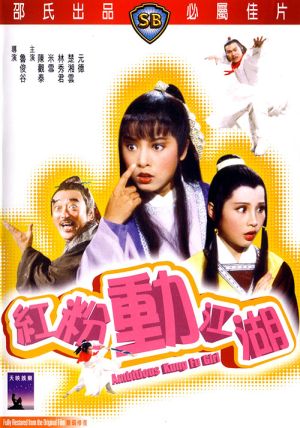 Tian Si Si (Yim) is a spoiled rich girl, whose doting daddy pays kung fu fighters to give the illusion that she can beat them up. Despite his desire to wed her off in an arranged marriage to Yang Fan (Tak), Si Si runs off to meet her idol, Qing Ge (Chen), a true master of the martial arts, whom she knows only through the fictional tales of derring-do, told by her maid. Susequently, Si Si becomes the target first of con-men, then is sold to a brother, and when they realize who she is, becomes the centre of a scheme to force her into marriage, so her husband can inherit her father’s fortune. Throughout it all, Yang is about the only loyal friend, though when she meets her idol, she discovers that, while if he isn’t as depicted, he still has a courageous streak of his own.