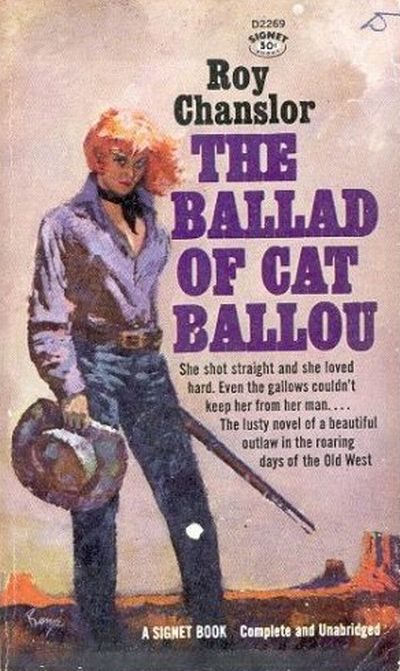
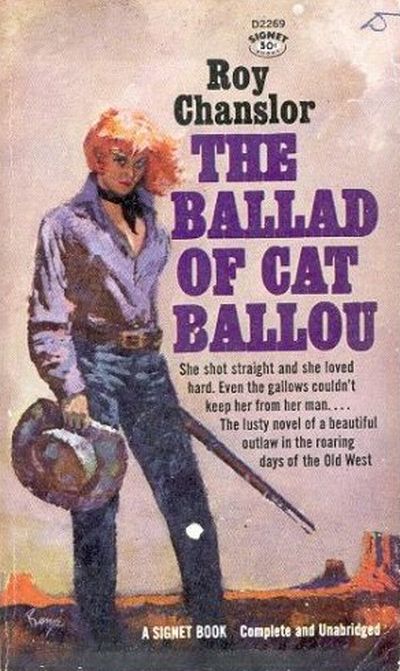
 My generation, raised on 1950s and early 60s TV, tends to think of the classic Western genre as a male preserve, where females were the gallant cowboys’ ever-so-meek love interests or damsels in distress, but where men wore the guns and did all the shooting, cow-punching and heavy work. This reflected a moment in American pop culture, post-World War II, when the cultural and socio-political elite of that day consciously cultivated a faux “traditional” cult of female home-bound domesticity and passivity (to encourage the myriads of “Rosie the Riveters” to butt out of the workforce and free up the jobs for the returning male ex-soldiers). But that state of affairs never reflected the actual reality of the Old West, a harsh and dangerous land that often demanded that both sexes step up to plate and take their share of both fighting and strenuous work. The work of earlier Western genre writers like Edgar Rice Burroughs (The Bandit of Hell’s Bend) and pulp magazine authors like Les Savage Jr. often reflected that reality; and though written in 1956, this novel by Roy Chanslor (1899-1964), with its strong heroine, stands in that older tradition.
This is not, however, a novel of nonstop, slam-bang action from start to finish. On the contrary, Chanslor begins his story with his protagonist “Cat” (short for Catherine –she’s named after her mom) Ballou’s birth. (The titular folk “Ballad of Cat Ballou” that he quotes from, there and throughout the book, is completely fictional, as are the characters; but it imparts a mythic, larger-than-life quality to the narrative.) Then he goes back before that, to the days before her parents met, to help us understand the history of her family, the ill will between the Ballous and the Fields, and the nature of the world she was born into, in which the law was sometimes simply a perverted tool of the wealthy and powerful for plundering the weak, and where “outlaws” were sometimes only principled people fighting for their just rights. Our setting is Wyoming Territory; the localities of the main action are fictional, but supposedly in southern Wyoming, from clues in the text. Textual clues also suggest a date of ca. 1870 for Cat’s birth, and ca. 1886-87 for the crisis that ultimately confronts her. (The passing reference to territorial governor Ed Donaldson, however, isn’t a clue –no such name appears in the real-life roster of Wyoming’s governors!)
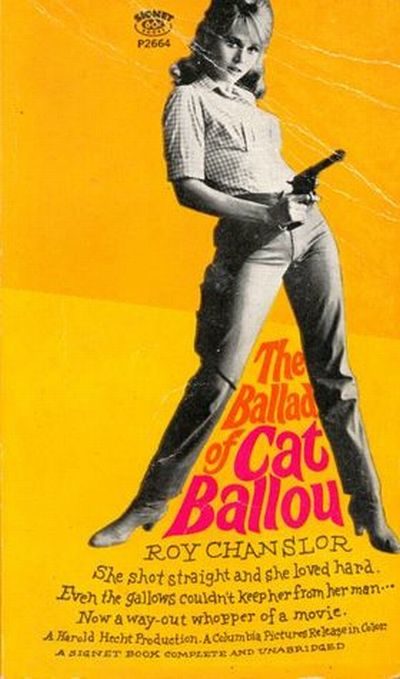
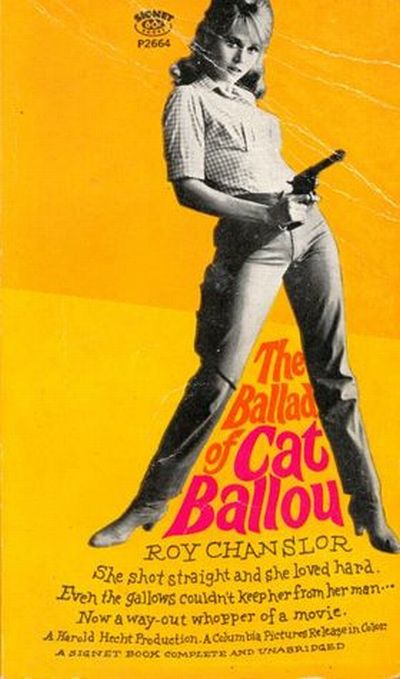
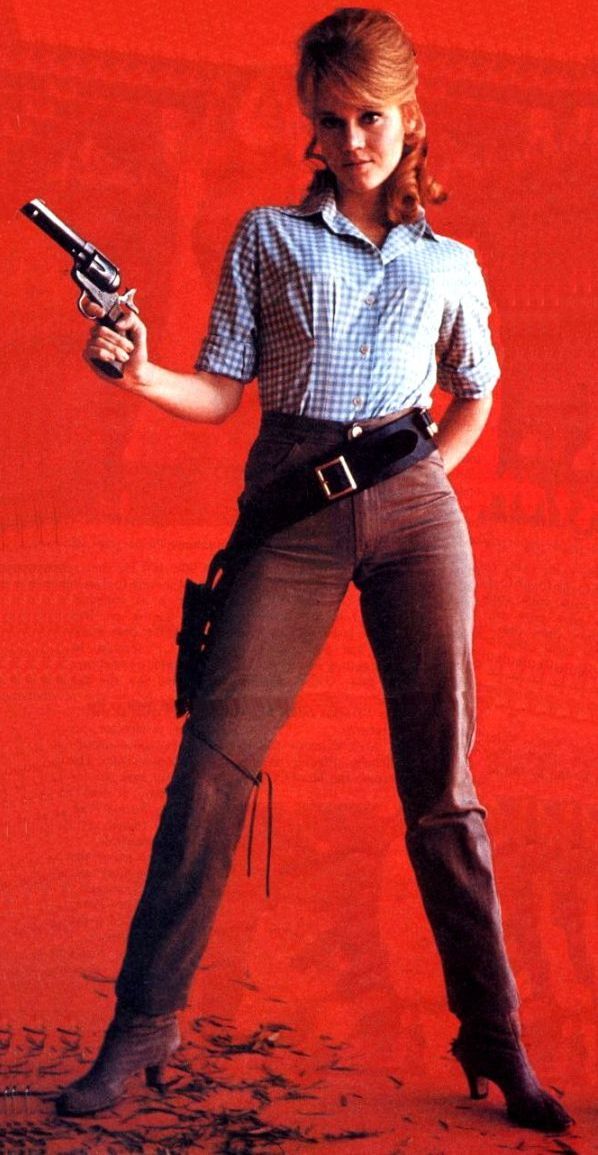
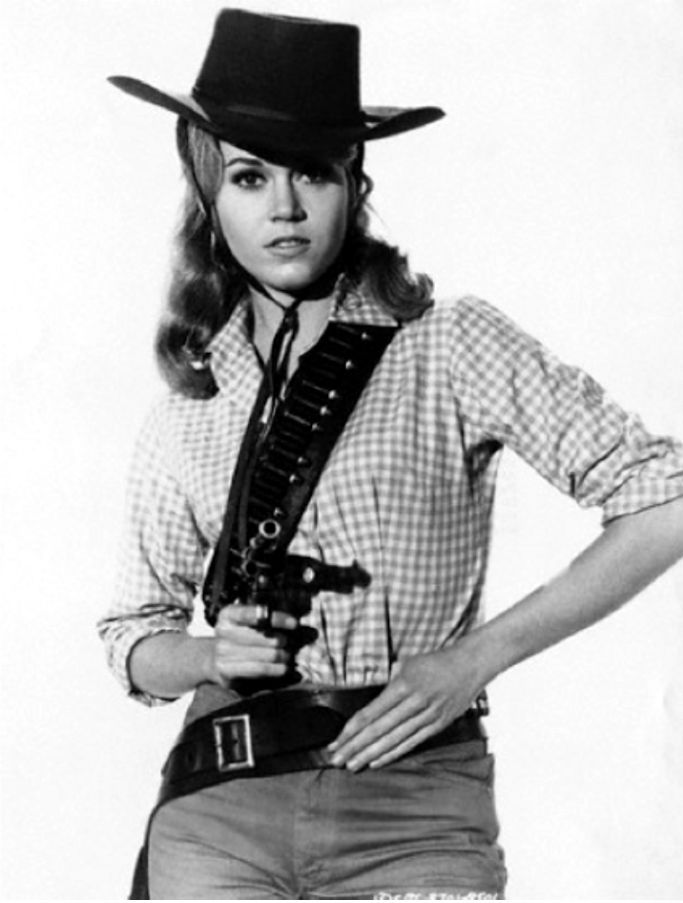
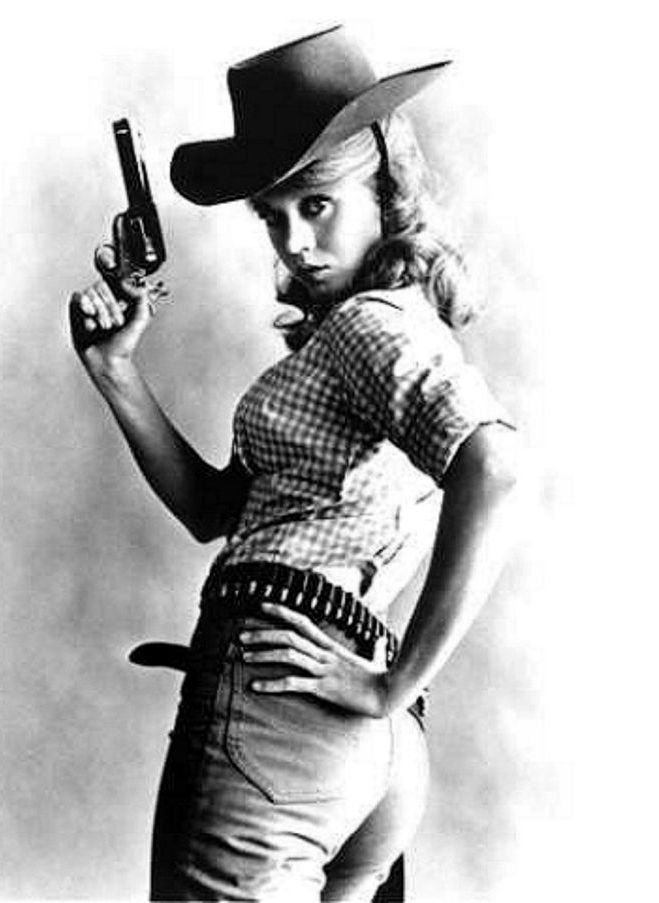
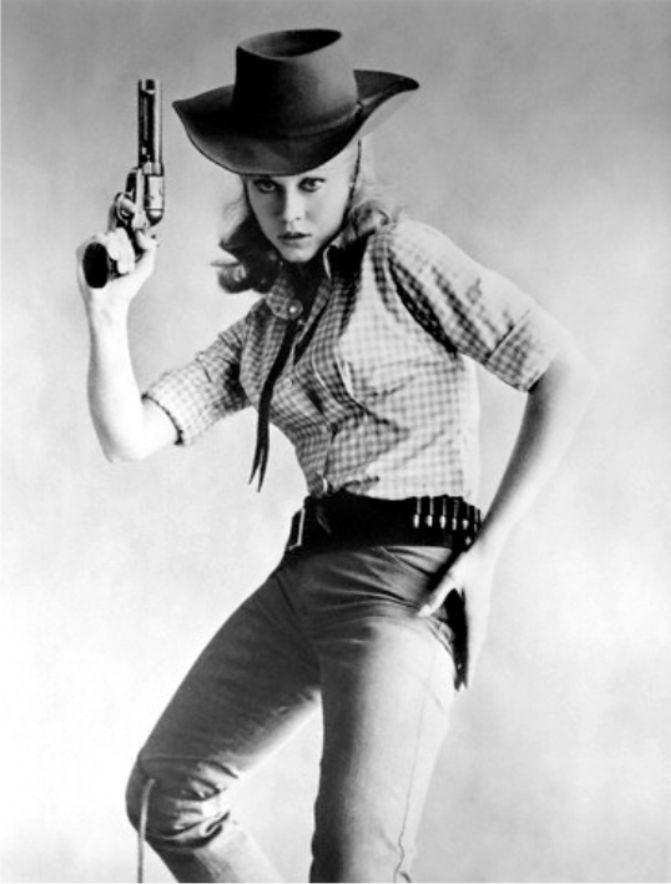
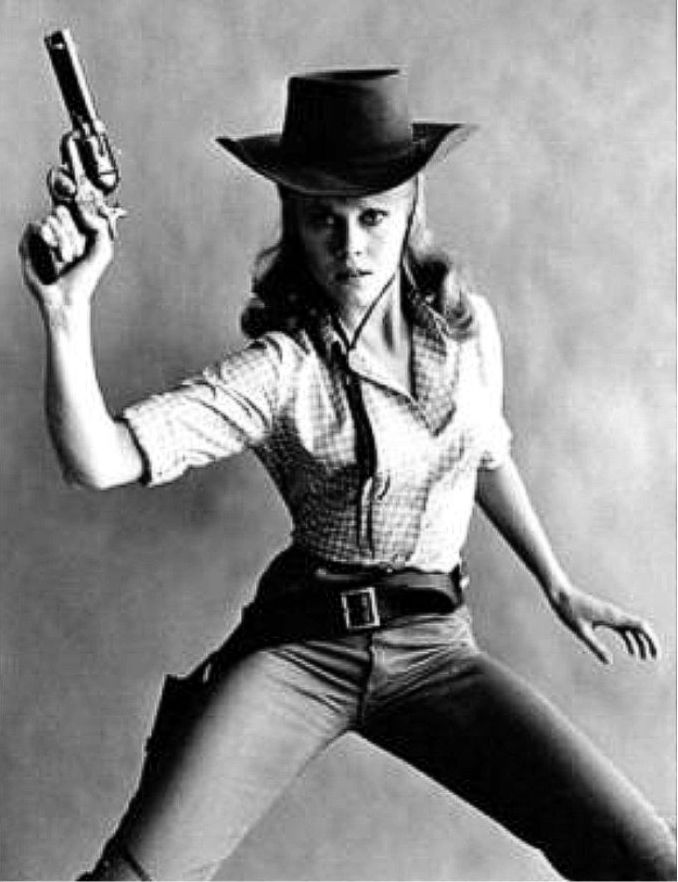
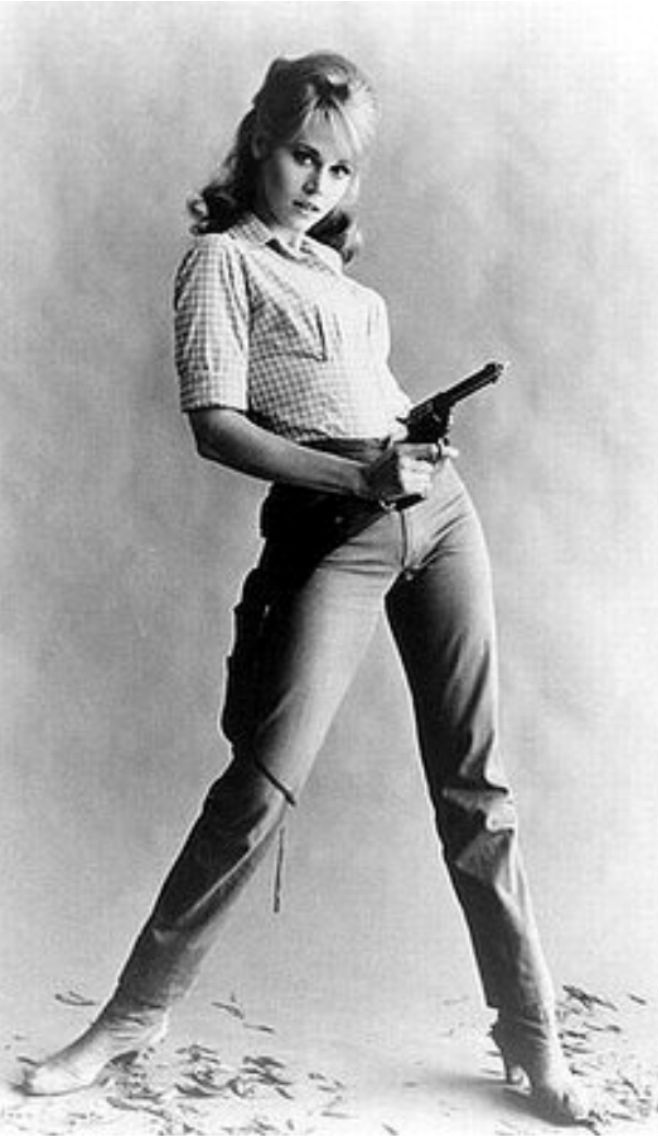
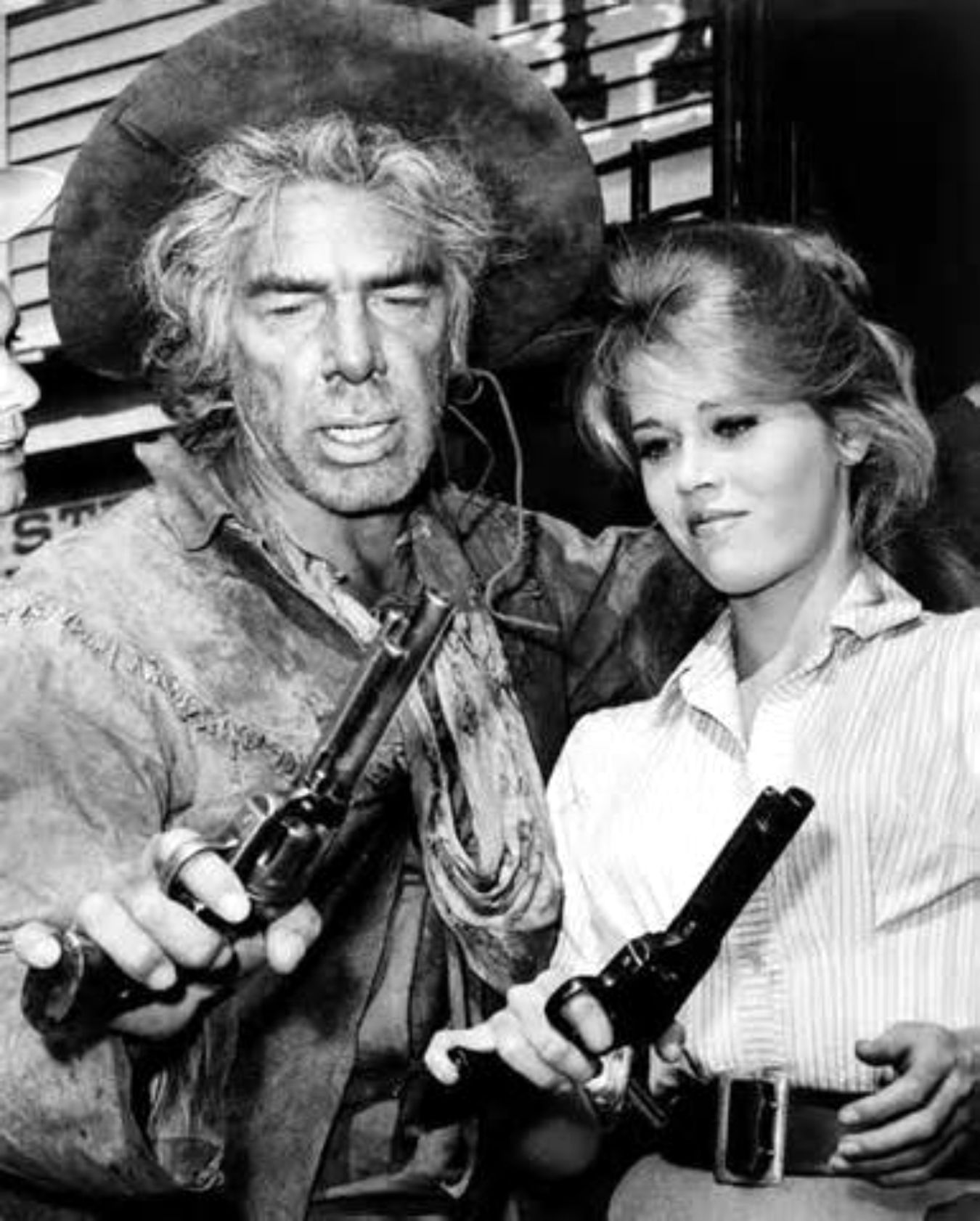
Chanslor uses an omniscient, third-person narrative voice, and a prose style that’s not unlike that of other Western writers of his generation –workmanlike, dignified without being stilted. He gives dialogue an authentic, colloquial feel, without resorting to heavy dialect. Not much attention is given to description of the natural world; the author’s focus is on the human world, and the thoughts, feelings and relationships of his characters. He’s also very good at creating an entire array of lifelike, nuanced characters, on both sides of the law (no simplistic “virtuous good guys in white hats and evil bad guys in black hats” here!). As in life, the storyline includes both tragedy and triumph. There’s violent death, and gun-play, in places (despite the cover art on the edition I read, Cat doesn’t wear or shoot a Colt here –but she’s as fast-shooting and as accurate with a rifle as any man); but it’s handled matter-of-factly, and as in the real world, it’s over quickly. (The results are what lingers.)
 As is often the case with fiction that shows human beings involved in intense conflicts with life or death stakes, and making decisions about the use of deadly force, this novel brings to life very real questions about right and wrong, the relative primacy of law and order vs. justice, the moral obligations of humans to each other, the possibly conflicting claims of justice and mercy, the merits of being “fenced in” vs. freedom (and what exactly constitutes “freedom”), and what constitutes honorable behavior in difficult situations. Chanslor tends to point up right and wrong behavior by example rather than by exposition, though he does at times use Old Doc, Cat’s maternal grandfather, and Martha Babcock as mouthpieces for his opinions. In general, though, it’s clear that his own moral orientation is basically that of the traditional Code of the West, with a high value on respect for others’ rights, fair play, fidelity to one’s word, courage, and loyalty to family and friends. His attitude toward religion is aloof (Old Doc advocates reading Scripture “for the sound, not the sense”), but he’s respectful toward his preacher character, who’s definitely one of the good guys.
Romantic love plays a strong role in the tales of both Cat’s parents and her own story. In both cases, we’re dealing with situations of what could be disparaged as “insta-love.” As I’ve noted in other reviews, in pre-modern settings, what we think of as unrealistic “insta-love” could very often be true to life; men and women who didn’t expect to “date,” and who wanted matrimony rather than being afraid of it, learned to size each other up pretty quickly. Frankie and Catherine Ballou’s marriage, IMO, fits that pattern. Cat and her man’s union, though, strains the bounds of probability even for 19th-century attractions; and some of Cat’s attitudes and actions are those of a hormone-driven teen (she’s 16-17 at the time of her main story), not a responsible adult. I also felt Chanslor’s attitude was too cavalier in blithely excusing one character’s adultery when his wife was recovering from a miscarriage –I can understand the psychology of sexual deprivation, and don’t discount the value of forgiveness where penitence is genuine, but I don’t feel it’s “just being a normal male.” These points were what cost the book a star. In the main, though, the messages of the book promote sexual respect for women and glorify committed love in faithful marriage. Parts of the novel have an undercurrent of frank sensuality; but it’s monogamous sensuality that it celebrates.
I found the book a gripping read; there are moments of extreme suspense, and concern for the fate of characters you care about, and toward the end I read for longer than normal because I had to finish it! In some respects, this would actually make a great book for discussion groups to read together, because it can pose a lot to think about and discuss.
Note: Readers should be warned that the book has some d- and h-word bad language, and a fair amount of misuse of Divine names as well.
Author: Roy Chanslor
Publisher: New American Library, available through Amazon, currently only as a printed book.
A version of this review previously appeared on Goodreads.



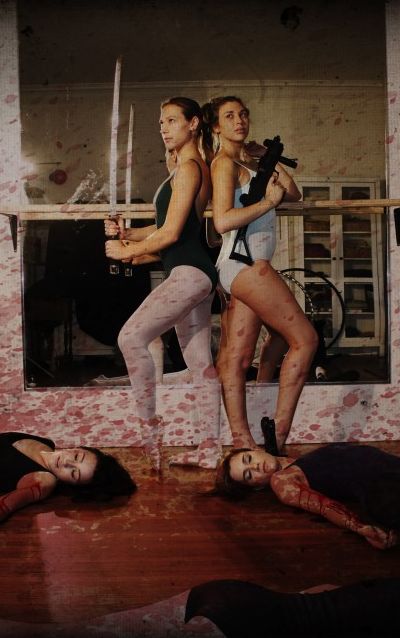
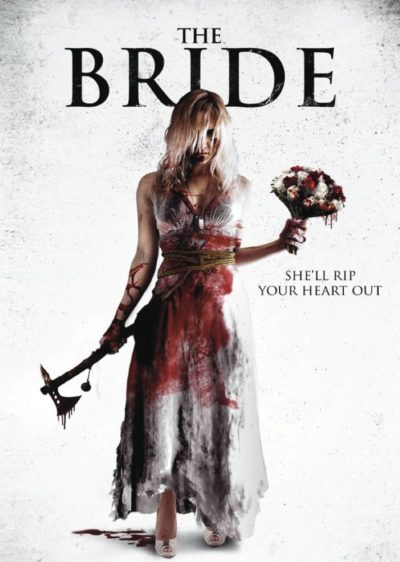 About to get married, Kira (Riddervold) and Marco (Campos) head out for a last quiet weekend together, at a luxurious cabin in the woods. Unfortunately, they become the target for the local rednecks and their kidnapping plot. This goes wrong, leaving Marco shot dead and Kira raped, then shot dead. Both bodies are buried in the woods, but – what are the odds? – it’s at the base of a tree where a native American woman was similarly slain by American soldiers in the mid-19th century. The spirit of that victim resurrects Kira out of her grave, in order for her to take her vengeance on those responsible.
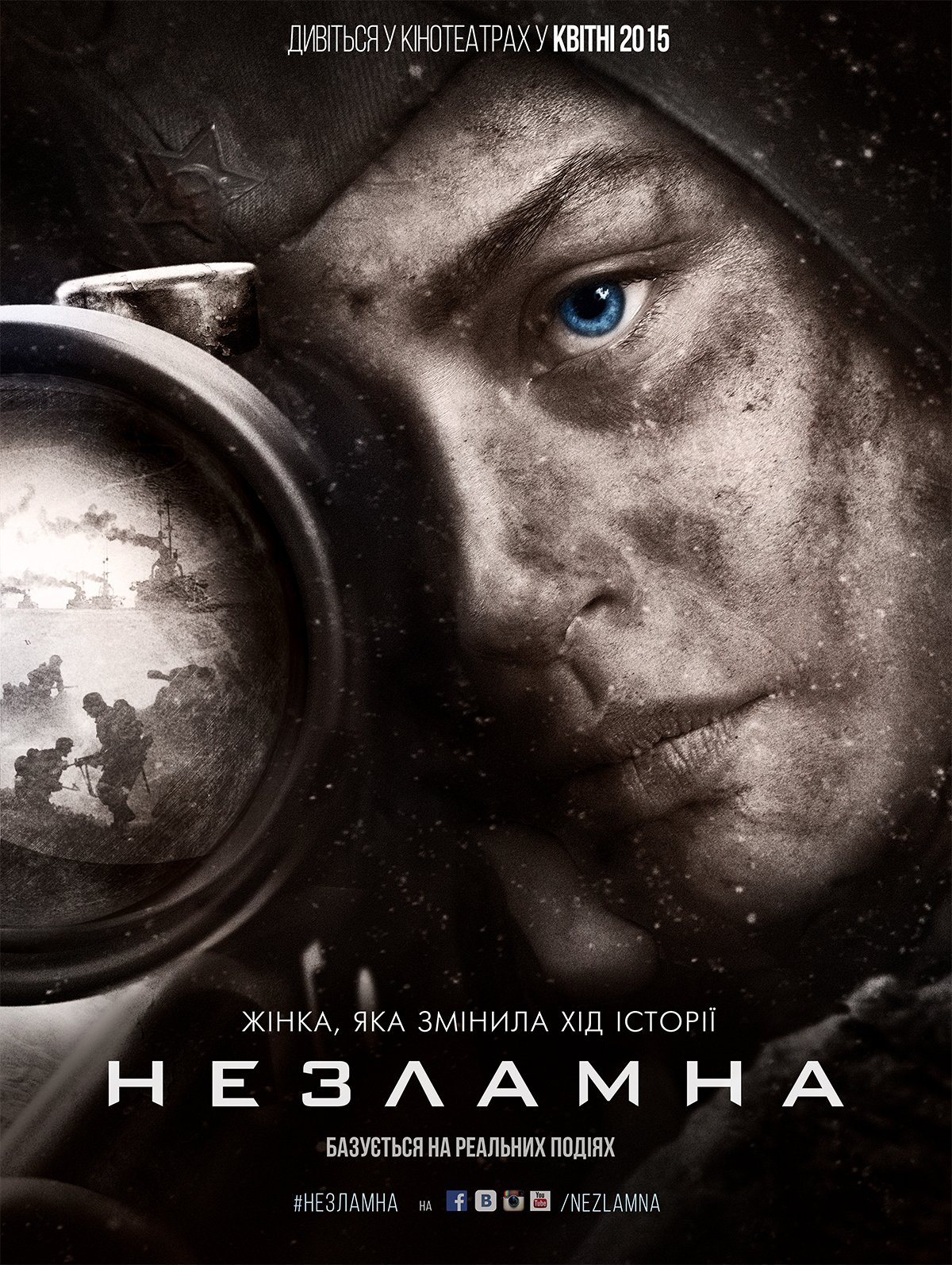
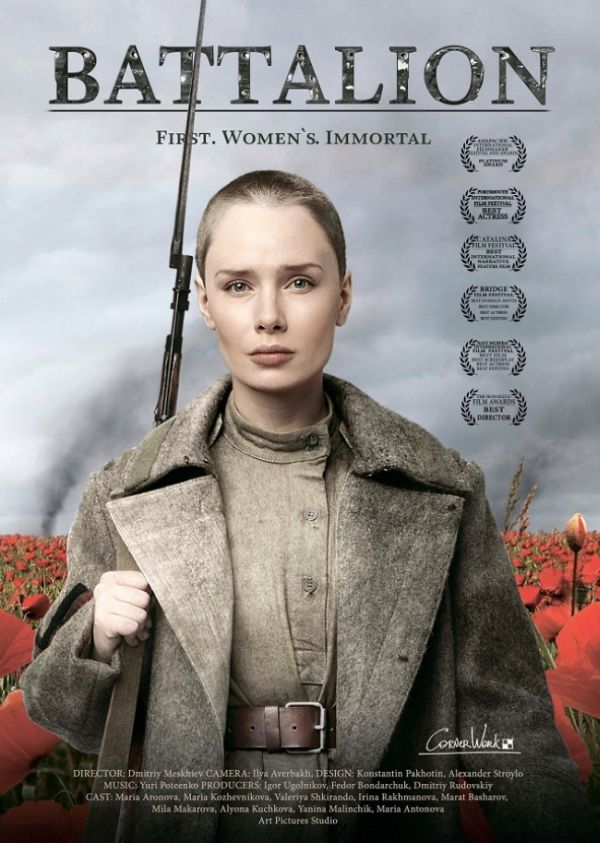
 The above is an equal-opportunity truism and, as we see here, applies just as much to the first matriarchal unit in the modern world. This was the charmingly-named 1st Women’s Battalion of Death, created late in World War I, as the Russian Revolution was taking place. Its aim was to encourage the disillusioned regular army into continuing the fight against Germany, in a “If the ladies are fighting, surely you should be, too?” kinda way. At least initially, it’s the story of two sisters, Nadya (Kuchkova) and Vera, daughters of a rich family, who volunteer for the unit after Vera’s fiance, Petya, is killed at the front. Their mother sends their maid, Froska (Rahmanova), to try and protect her daughters, as they go through the training that will turn them into soldiers capable of taking on the enemy. The film climaxes with an initially successful, but ultimately futile, offensive – while the women initially gain ground, the regular army’s morale is so broken, they don’t support the push, allowing the Germans to counterattack [this aspect is largely true to history].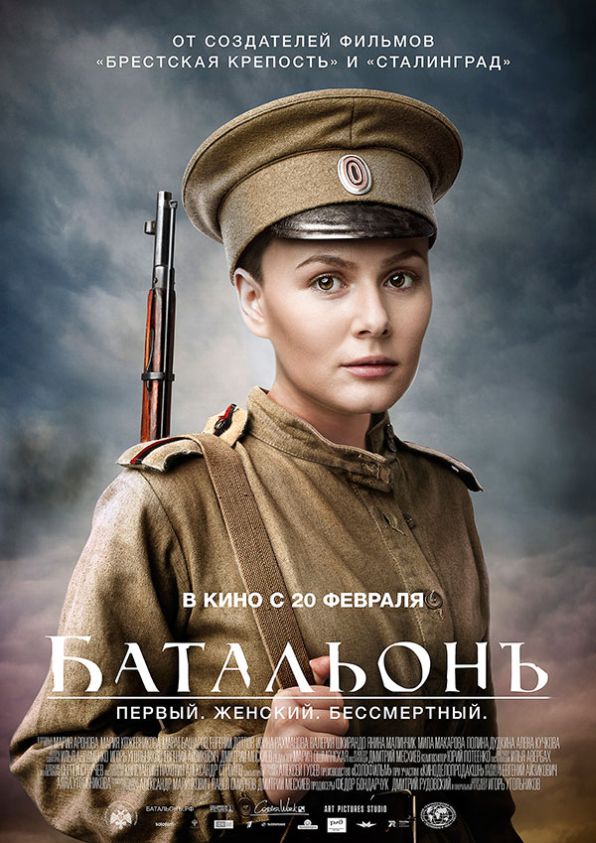

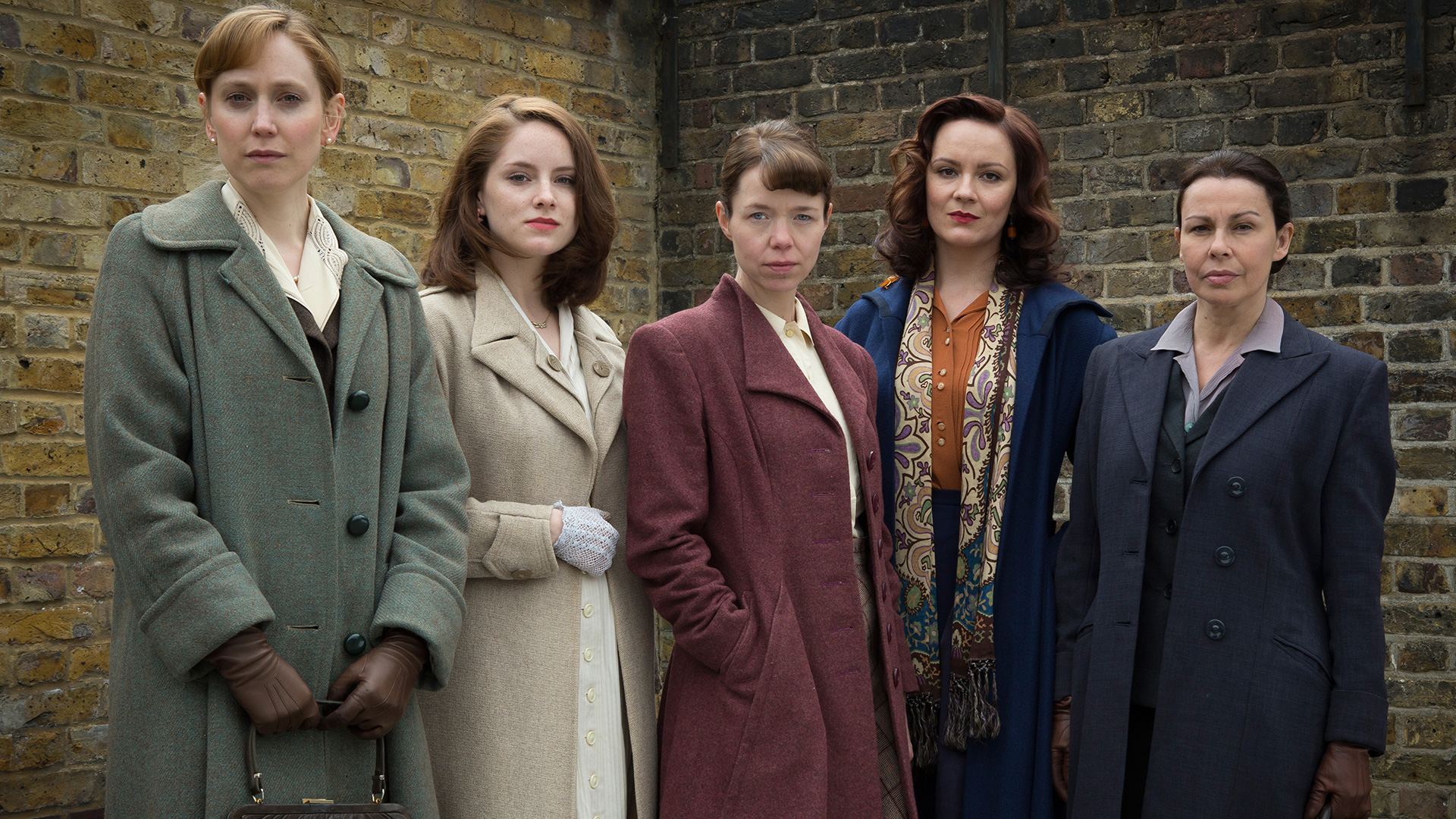
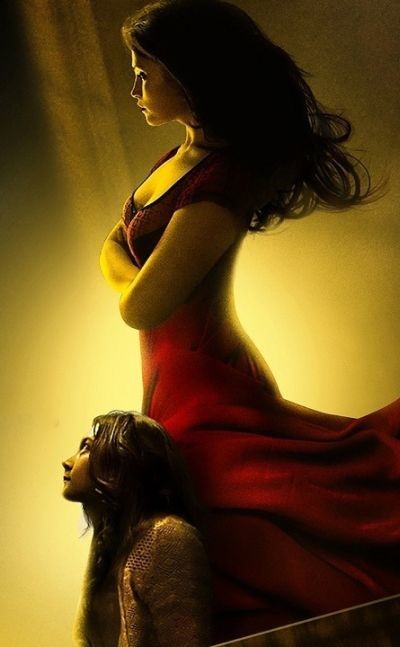 Ok, that’s probably not strictly accurate, but there is more than a hint of it, in the way this manages to combine period drama with Gothic horror trappings – while also depicting the same characters in the present day. This slipping back and forth in time is somewhat distracting, and there are points where you wish they had just picked an era and stuck with it. The heroines here are a pair of mother and daughter vampires (Arterton and Ronan), who have been more or less on the run for about two centuries. For the mother, Clara, was a terminally-ill prostitute who stole the secret of vampirism from her client, Captain Ruthven (Jonny Lee Miller) in the early 19th century. She not only became immortal herself, she turned her daughter, Eleanor – an act strictly against the tenets of The Brethren, who are kinda like the vampire union, who put out a death-warrant on the pair. In the present day, this means Clara – still turning tricks to provide for Eleanor – has occasionally to decapitate people with a garrotte, should they turn out to be hunters sent by The Brethren.
 Hazel (Thorne) suffers from severe agoraphobia, which has left her trapped in her room, but her mother, Dee (Sedgwick) has finally succeeded in convincing Hazel to seek treatment. A ride is arranged to a treatment centre in the middle of the desert: to help Hazel cope, she’ll travel in the blacked-out back of the van, with her mother up front. However, on the way, the van is ambushed and another passenger kidnapped. The perpetrators, brothers Jesse and Pru (Grillo and Tveit), shoot everyone else to cover their tracks, but don’t notice Hazel in the back. Dee is badly wounded, and their only hope of survival is for Hazel to overcome her fear and head out across the wide-open landscape for help. However, the brothers have realized they left some loose ends, and Pru – who has significant mental issues of his own – is sent back to tidy up the survivors.