



★★
“I knew I shoulda taken that left turn at Albuquerque!
 Coming out of the micro-budget scene in New Mexico, this is a straightforward tale of vengeful “hell kittens”, to quote the official synopsis. Bella Meurta (Kate) is a hooker, who kills one of her clients after he gets rough with her. In revenge, her little sister is savagely beaten and left dead [note: not left for dead…] in the street. Bella gathers together her posse to take out the mobsters responsible: stripper Fageeda Cunt (Blackery), dominatrix Silky Gun (Coi), and jailbird turned home healthcare professional Harley Hellcat (Rebelle). [Look, I’m just reporting these character names, I didn’t create them. Particularly Fageeda’s] But as the saying goes, “Before you embark on a journey of revenge, dig two graves.” Or perhaps more, in this case.
The aim is clear here, with West looking to create (yet another) throwback to the days of grindhouse and straight-to-rental action flicks. Which explains the faux artifacts like film scratches, I guess – though since it’s clearly shot on video, you kinda wonder why they bothered. Unfortunately, the execution falls a bit short as well. Cheap, I can easily forgive; it’s the occasional sloppiness here that’s annoying. For instance, when we see little sis lying dead in the road, her corpse is in pristine condition. Then, when Bella shows up in the next shot, the body is suddenly blood-spattered and badly bruised. Having a low-budget is no excuse for glaring continuity gaffes such as that.
Even at barely an hour long, there feels like there are significant chunks of padding, such as scenes of Fageeda and Silky at “work”, which bring plot development grinding to a complete halt. Particularly in the second half, the plot seems herky-jerky, with scenes in utterly different locations next to each other, lacking any explanation of how or why the characters went from Point A to Point B. There’s also a weird, almost complete lack of anyone over the age of about 30, which makes this seems like a revenge-based remake of Logan’s Run. And it appears most of the lead actresses are local burlesque dancers. The Venn diagram of the skills needed for those professions is not two superimposed circles, shall we say.
Yet I can’t say I hated this. We’ve been involved with enough low-budget film-making to be able to appreciate what’s involved, and much of the same vibe is present here. There are enough moments of quirky eccentricity, such as the Russian mobster confused by an ignition interlock device, which kept me adequately entertained through the film’s slacker moments. The fight scenes – something we always found a nightmare to try and make look even half way to good – didn’t entirely suck. You certainly will need a high degree of tolerance for ultra-cheap independent cinema to get through this, and I wouldn’t recommend it for beginners in that genre. Yet, I’ve seen worse [much worse, trust me on that], and despite the flaws, have to acknowledge the obvious effort involved.
Dir: Mikel-Jon West
Star: Intoxi Kate, Joy Coy, General Blackery, Holly Rebelle
 There seems to have been a sudden surge of gynocentric takes on Taken (as it were), with first
 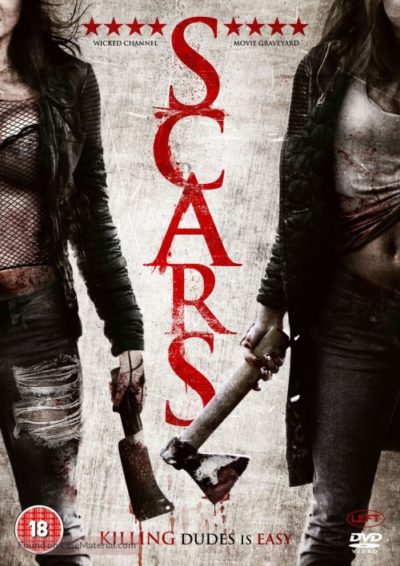 Scar (Cole) has anger issues, which we see in the opening scene, where she stabs her boyfriend to death. Scarlett (Kimmel) makes her living by having affairs with married men, then blackmailing them. The two women team up after Scar rescues Scarlett, when one of her extortion targets is beating her up in an alley. The pair subsequently begin an odd relationship, peppered with bursts of brutal violence against men. The police investigation, led by Detective Mike (Wells) passes over them, but Mike begins a relationship with Scarlett, until he begins to suspect that her friend is involved in the string of killings.
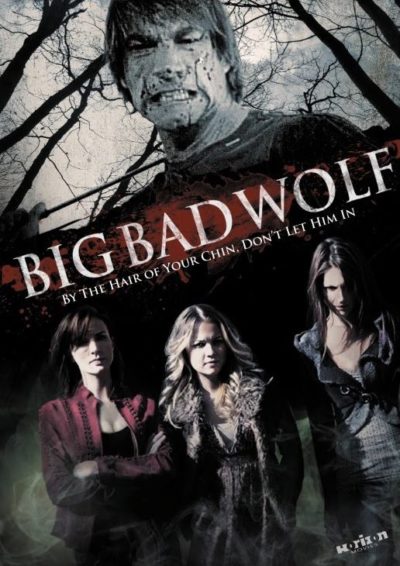 A modern-day update of The Three Little Pigs, this works better than you might think. The wolf is “Huff” (O’Connell), a really warped individual whose interests appear to be religion, drugs and molesting his three step-daughters. Bit of an odd combination. Their mother, Lorelei (Elina Madison), is a largely absent stripper, who seems not to care too much that her boyfriend’s attention have now turned from her oldest daughter, Brixi (Bollinger), to the youngest one, Shay (Stefanko). But when Huff prepares his big score, using cash “borrowed” from his mistress’s ex-husband (or something like that – the relationships here are so complicated, you need a chart to keep track), Lorelei sees her opportunity, sending the three girls away with the money. That leaves Huff in serious trouble, and he’s soon after them, intent on retrieving the cash. Huff is indeed going to puff… on his asthma inhaler.
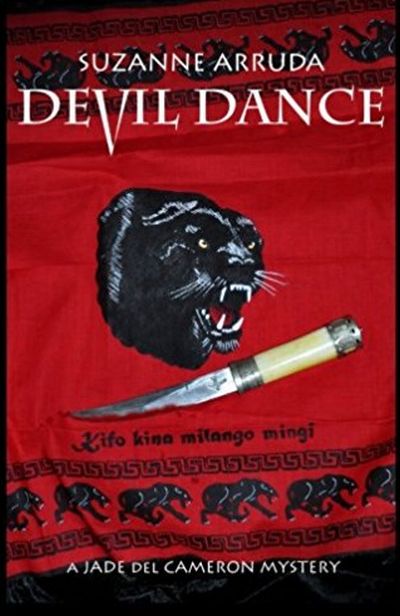 This final installment (the author confirms that fact in her Acknowledgments) of the series is set in May 1921, a few months after the previous one. The book’s opening finds Jade in Zanzibar, a new setting for her, which takes her out of the Nairobi area and away from her friends there. One reviewer complained about their absence, but as a compensation, we get to not only spend some more time with Jade’s formidable Spanish-born mother, Inez, but to meet Jade’s dad as well. Her parents have come to Africa for her impending nuptials, and she and Inez plan to enjoy a relaxing sight-seeing trip while Richard del Cameron gets acquainted with his new son-in-law on a planned safari.
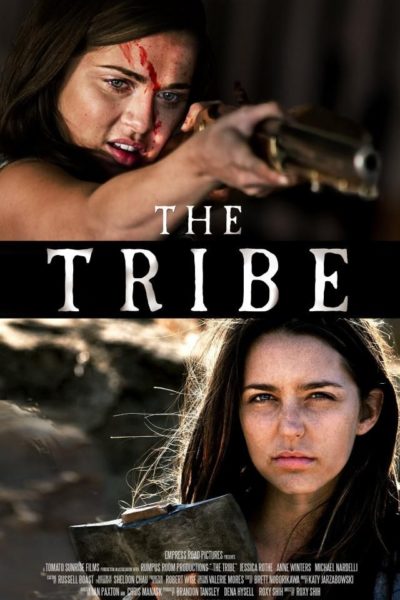 Disease has wiped out most of civilization, and left those who have survived, scrambling to cope. Better equipped than most are sisters Jenny (Rothe), Sarah (Winters) and silent little Danika (Jones). For their father was a doomsday prepper, who created a “bug out” cabin in the desert, stocked with all the necessities to survive. However, neither he nor their mother are around any longer: the former died during the crisis, and the latter went out to seek help and never returned. So it’s all down to the sisters, who have been reminded about the golden rule, time and again, by their Dad: do not let anyone in, under any circumstances.
 ★★★½
★★★½

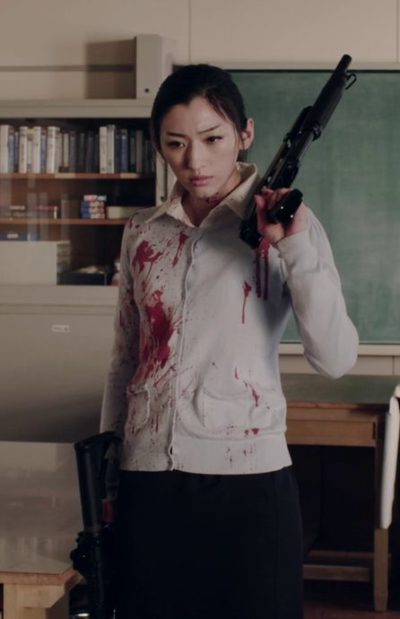 A bus full of Japanese schoolgirls includes the quiet, poetry-writing Mitsuko (Triendl), who drops her pen. Bending down to pick it up, she thus survives the lethal gust of wind which neatly bisects, not only the bus, but the rest of her classmates. Ok, film: safe to say, you have acquired our attention. [Not for the first time the director has managed this: the opening scene of his Suicide Circle is one we still vividly remember, 15 years later]
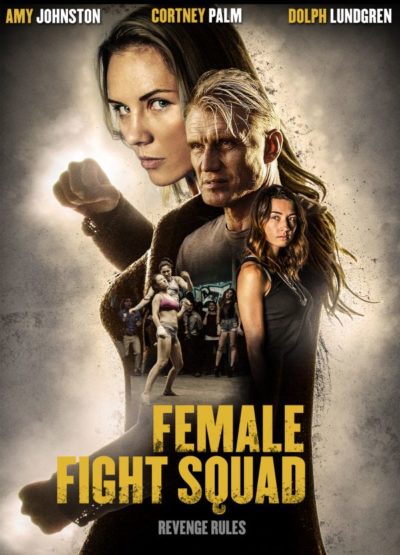 This was originally known as Female Fight Club. I presume the title was changed after a strongly-worded letter from David Fincher’s lawyers, perhaps to evoke thoughts of its star’s stunt work on Suicide Squad. It’s interesting, because Amy Johnston’s previous feature,
 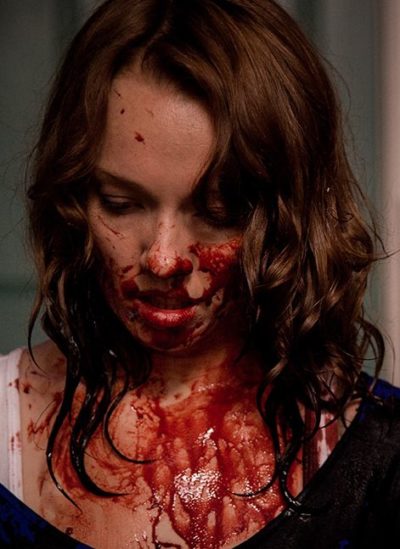 The horror genre has a tangential connection to the action heroine one, most directly through the concept of the “final girl” – when the last person left alive is a woman who confronts and defeats the threat. From Halloween to Alien, this has been a staple of the genre, but whether it qualifies a film for inclusion here, depends largely on what has gone before. For example, 10 minutes of frantic action at the end can’t counterbalance the first 80, if the focus there was not on a female lead.