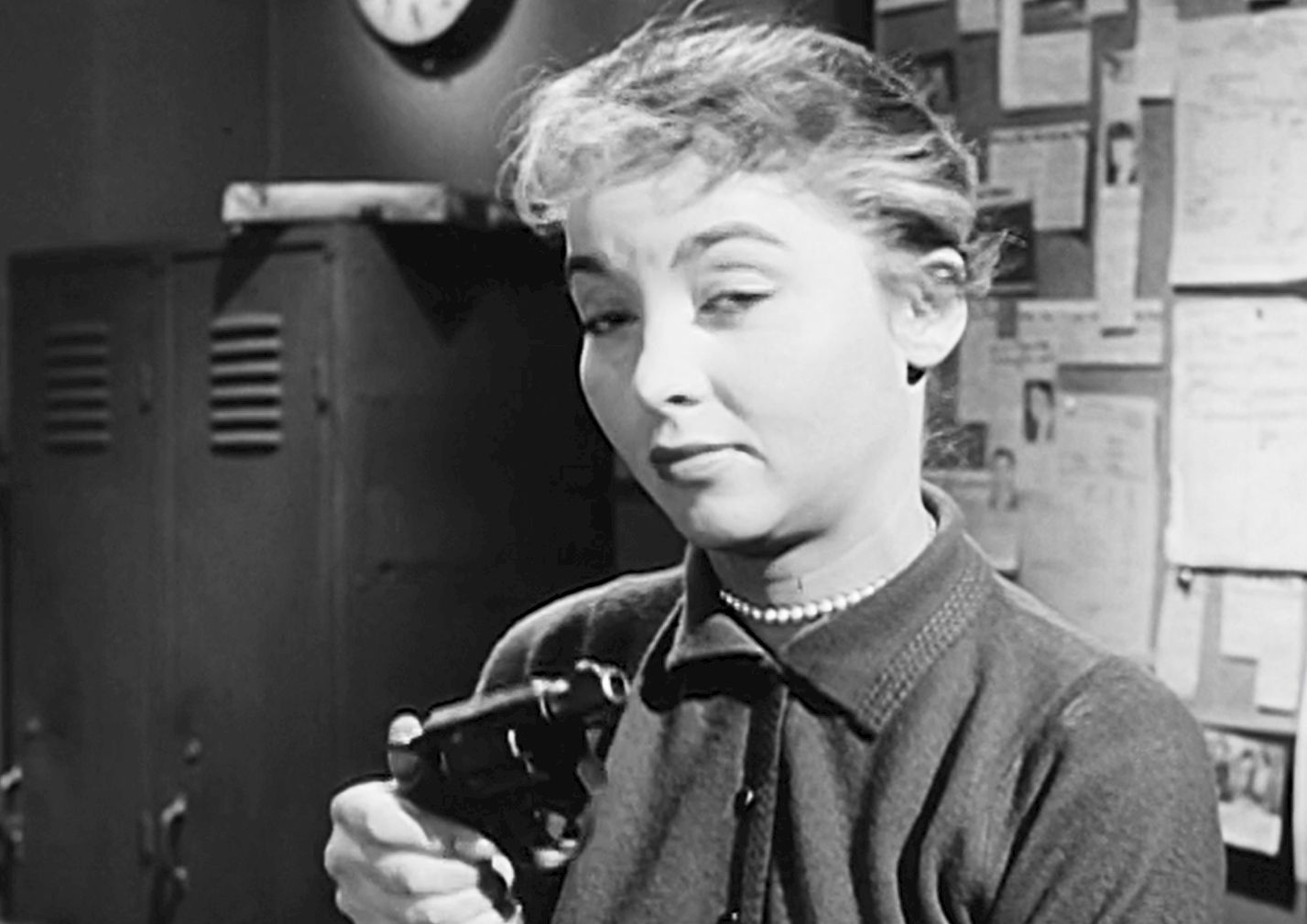
“Down the line, you name it, we’ve done it. Today, tomorrow, next week, we’ll pose as hostesses, society girls, models – anything and everything the department asks us to be. There are 249 of us in the department. We carry two things in common wherever we go: a shield, called a potsie, and a .32 revolver. We’re New York’s finest. We’re policewomen.”
— Patricia Jones, Episode 1
If you asked people what was the first American TV show to feature a policewoman, I suspect not many people would get the answer correct. Some might go with Cagney and Lacey. Others might be able to dig a little further back into their memories, and come up with either Get Christie Love! or Police Woman. Maybe some would include The Mod Squad. But the actual pioneer dates back more than fifteen years before Angie Dickinson began patrolling the streets of Los Angeles. The honour goes to Beverly Garland, the star of Decoy. While now largely forgotten, the show ran for 39 episodes on syndicated television, from October 1957 through the following July. It was also one of the first shows to film on location around New York, and the footage of those scenes is a remarkable time-capsule of life in that era.
Garland was already a well-established actress, her career having started with a role in 1949’s noir classic, D.O.A. She was Emmy-nominated for for her work on 1955’s Medic, and around the same time, was employed on a number of occasions with B-movie legend Roger Corman. Two of those films have already been covered here: Gunslinger and Swamp Women. I will not, however, be covering their work together on It Conquered the World… She later said of Corman, “Roger was always very professional, except when it came to putting us up in a good hotel or giving us a decent meal.” On that basis, the humdrum tedium of a television series might have come as a welcome break, albeit with a punishing schedule that offered little slack. She fell ill one week, during the filming of episode “Across the World”, and rather than pause filming, the script simply was rewritten to minimize her involvement.
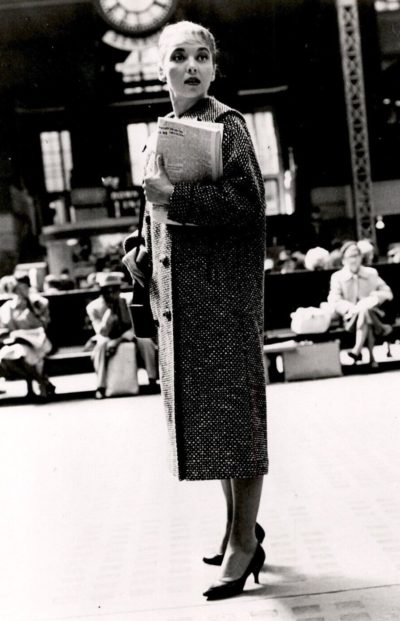 With a lot of voice-overs, the style feels reminiscent of Dragnet, which had been a very popular show for most of the fifties. Each episode opens with a stern reminder: “Presented as a tribute to the Bureau of Policewomen, Police Department, City of New York,” and centre on the cases worked by Patricia “Casey” Jones (Garland). As the title suggests, most of them involve Jones going undercover in some guise. That covers an extremely broad range of assignments, from a photographer to a junkie, a nurse to a blackmailer, a high society girl to a prisoner. However, some of the episodes do not require such subterfuge, though there is a tendency for these crimes she is given for investigation to be fairly gynocentric, e.g. trying to find a delinquent father.
As well as the voice-overs, Jones would quite frequently break the fourth wall and address the audience directly – the quote at the top of the article is one such monologue. It feels quite groundbreaking, and is definitely helped by Garland’s commitment to delivering lines which, in other hands, could potentially seem cheesy. I was also genuinely impressed how gritty and, on occasion, dark the stories were, especially considering the era. Death is a frequent visitor, and the topics concerned get heavy, including drug abuse, mental illness and domestic abuse. While everything more or less ends up all right in the end, in that the guilty receive their just deserts, there is considerably more moral gray than I expected. Considering each episode is typically only 24 minutes long, they pack a lot in, and still manage to achieve a considerably emotional wallop on occasion.
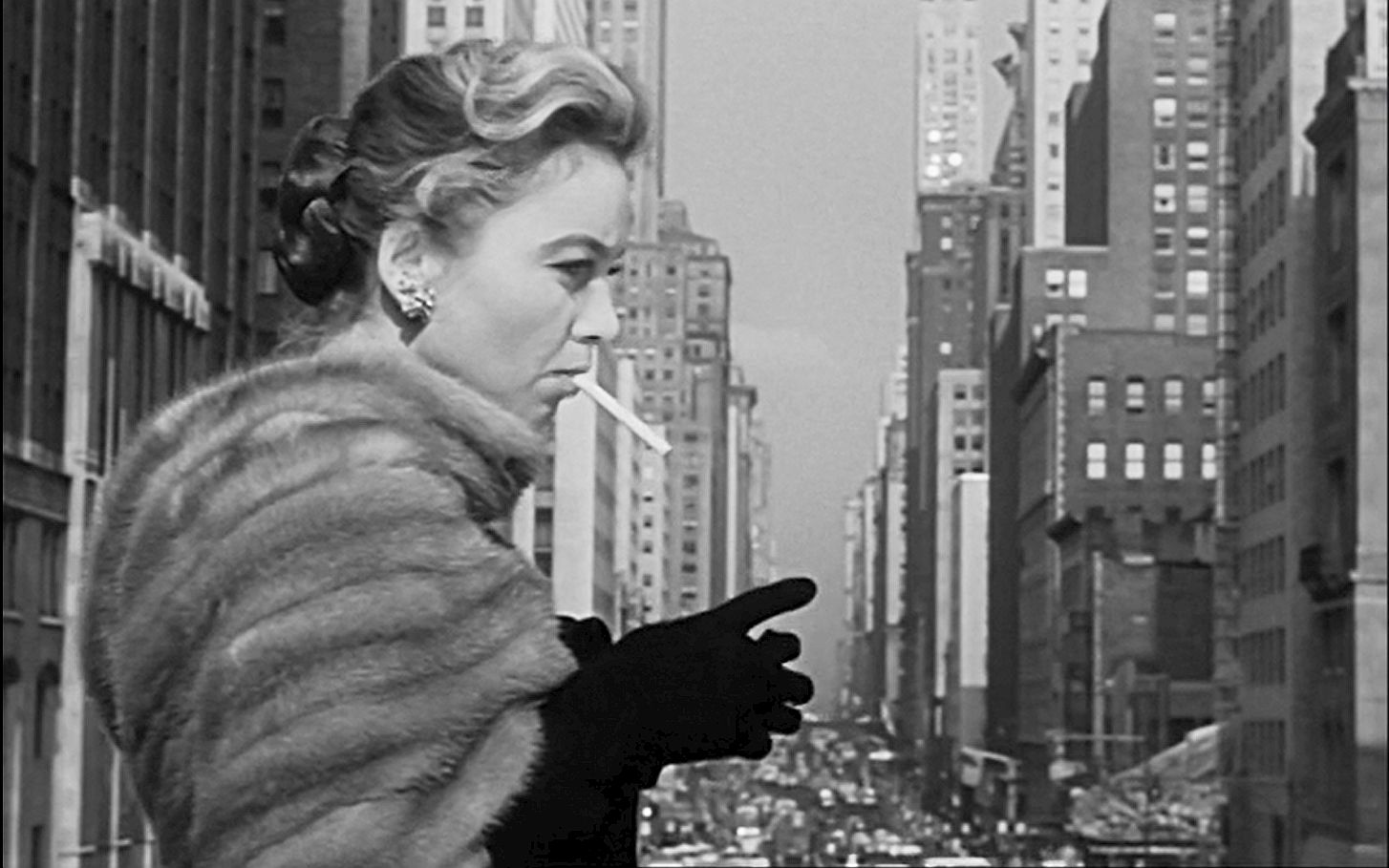
Outside of Garland, there were no real “regulars”. The IMDb lists the next most frequent actors, such as Frank Campanella, who played Lieutenant Cella, as appearing in only three episodes. However, there were a lot of faces who made guest appearances, that would go on to more significant roles later in their careers. Those include Ed Asner, Peter Falk, Larry Hagman, Diane Ladd, Al Lewis and Suzanne Pleshette. They helped the show receive warm reviews, Billboard praising Garland in particular: “Aided by a versatile acting range – and a camera-soothing face which combines the high-cheekboned femininity of Greer Garson with the sexiness of Sophia Loren – she manages to be simultaneously a convincing New York City cop and the kind of girl who would make a charge account at Cartier’s worthwhile.” They proclaimed, “Not since Marilyn’s famed walkaway in Seven Year Itch has the camera ogled such a distracting New York pedestrian.”
It’s difficult to be sure whether or not the show was a success, operating as it did outside of the traditional network in the syndicated marketplace. The pre-sales appear to have been brisk with one bulk pre-release sale covering half of the $1.2 million cost for the entire 39-episode run. However, in May 1958, as production was drawing to a close on the first season, the plug was pulled on further episodes, allegedly because producers lacked sufficient funds to continue. The concept of a series about a policewoman would go back into the vaults for years, but Garland would continue her career over the coming decades, both in television and movies. She eventually became the go-to actress when a mom was needed, filling that role in My Three Sons, The Scarecrow and Mrs. King and Lois & Clark: The New Adventures of Superman.
Her legacy in this show stands the test of time surprisingly well. While it may feel dated in a number of aspects (there’s so much smoking!), the character of Casey feels decades ahead of its time. There’s no fluff, in the sense of romantic liaisons: indeed, we know very little about Jones’s life outside of the force. The short-form approach just doesn’t have time to mess around with extraneous filler like that. While it frequently deals with moral issues, the show doesn’t use itself as a platform to lecture the viewer: you’re left to draw your own conclusions. Certain recent works could learn a thing or two there. She’s respected by her colleagues, and it’s no surprise Garland would say that women often told her she inspired them to join the police force. It’s a show that deserves more recognition than it has received, and with many of the episodes in the public domain, is ripe for rediscovery.




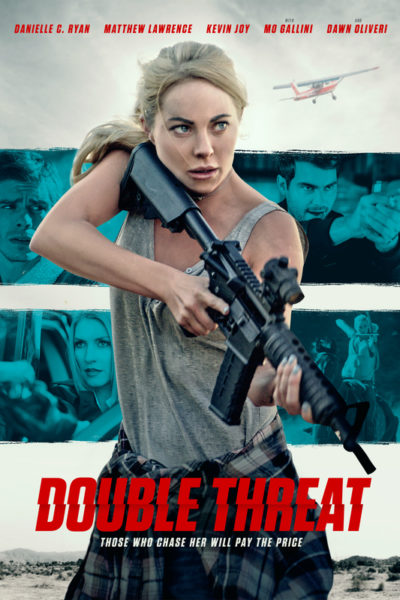 If Ryan looks familiar, that’s because she is. She starred in Survivor – no, the other film by that name – and also 626 Evolution, making a fairly decent impression in the former, and let down significantly by the approach of the latter. There, she was billed as Danielle Chuchran: not sure if the name change is a result of marriage, or simply a realization that “Ryan” is a lot easier to remember. Whether you will want to is a different matter: she’s likely the best thing in this, and when it appears, the action is decent. There just isn’t enough of it, and the stuff between the set-pieces ranges from mediocre to cringeworthy.
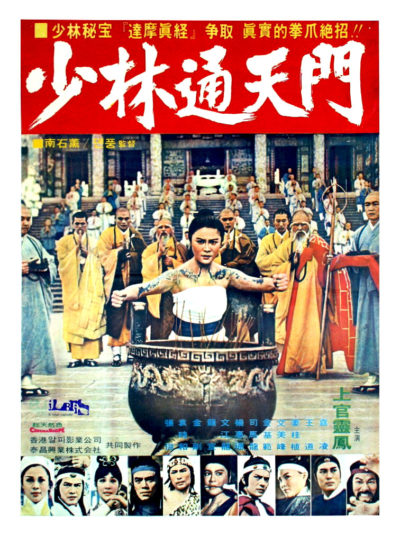 This Taiwanese kung-fu potboiler just about manages to sustain interest for an hour, before losing the plot (literally, and such as it was to begin with) down the stretch. It begins with ten martial arts masters stealing an omnibus edition of fighting manuals from the local Shaolin temple. Trying to get entry, and failing, because they won’t admit women, is Shi Fu Chun (Kwan). With the help of former head priest Lin Chiu (Chan), who still lives nearby, she is taught a slew of skills, and ends up assigned the task of recovering the purloined books, and restoring the temple’s honour. Oh, except the “positive kung-fu” learned is causing Shi Fu to transition into a man. So she/he (inexplicably, the 1977 film does not provide us with preferred pronouns…) needs to find and learn some “negative kung-fu” stat, to counter the process.
  There seem to have been quite a few movies out of Europe over the past couple of years, about the female soldiers fighting in Kurdistan for independence with the PKK and related groups. French films



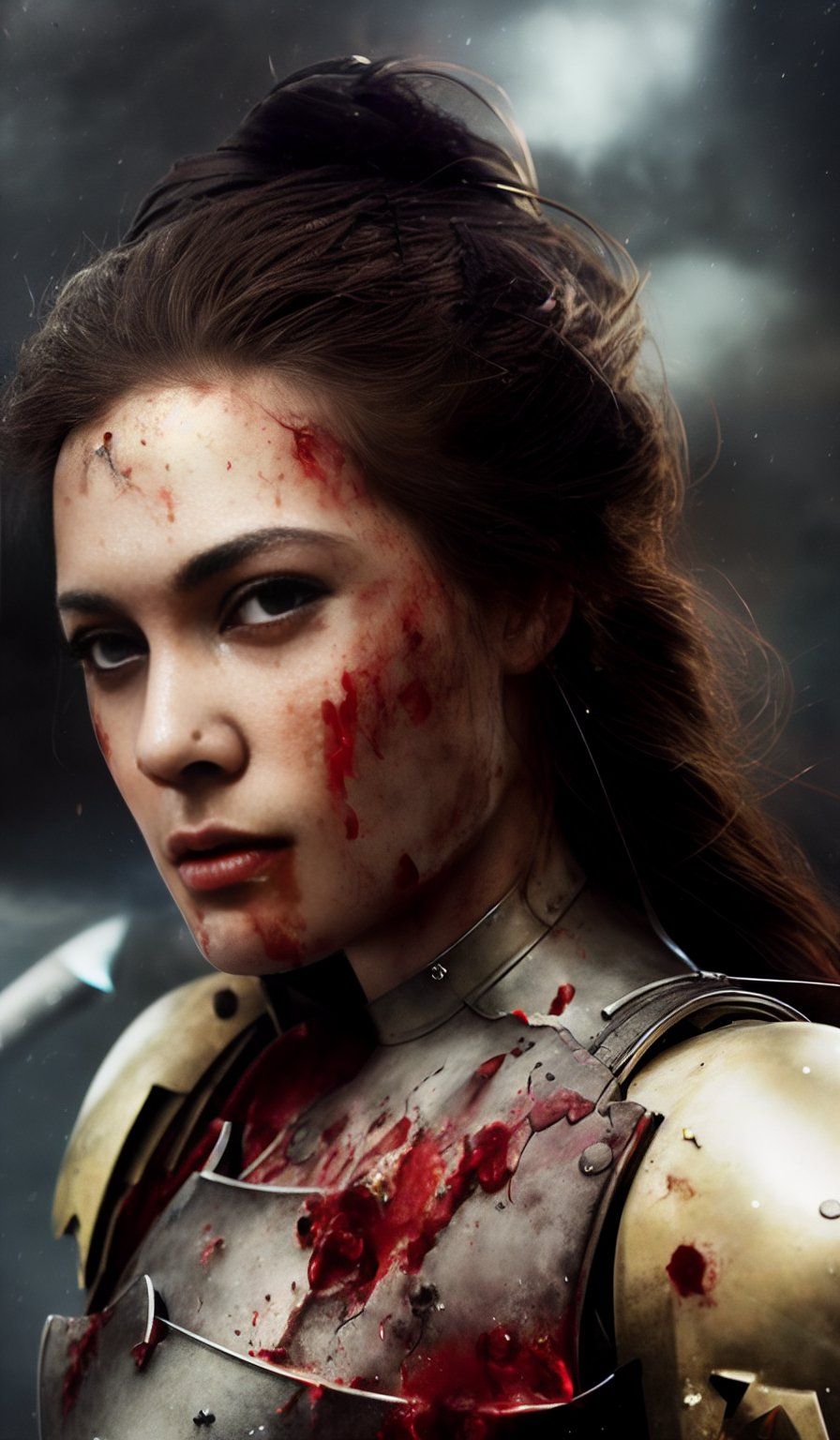



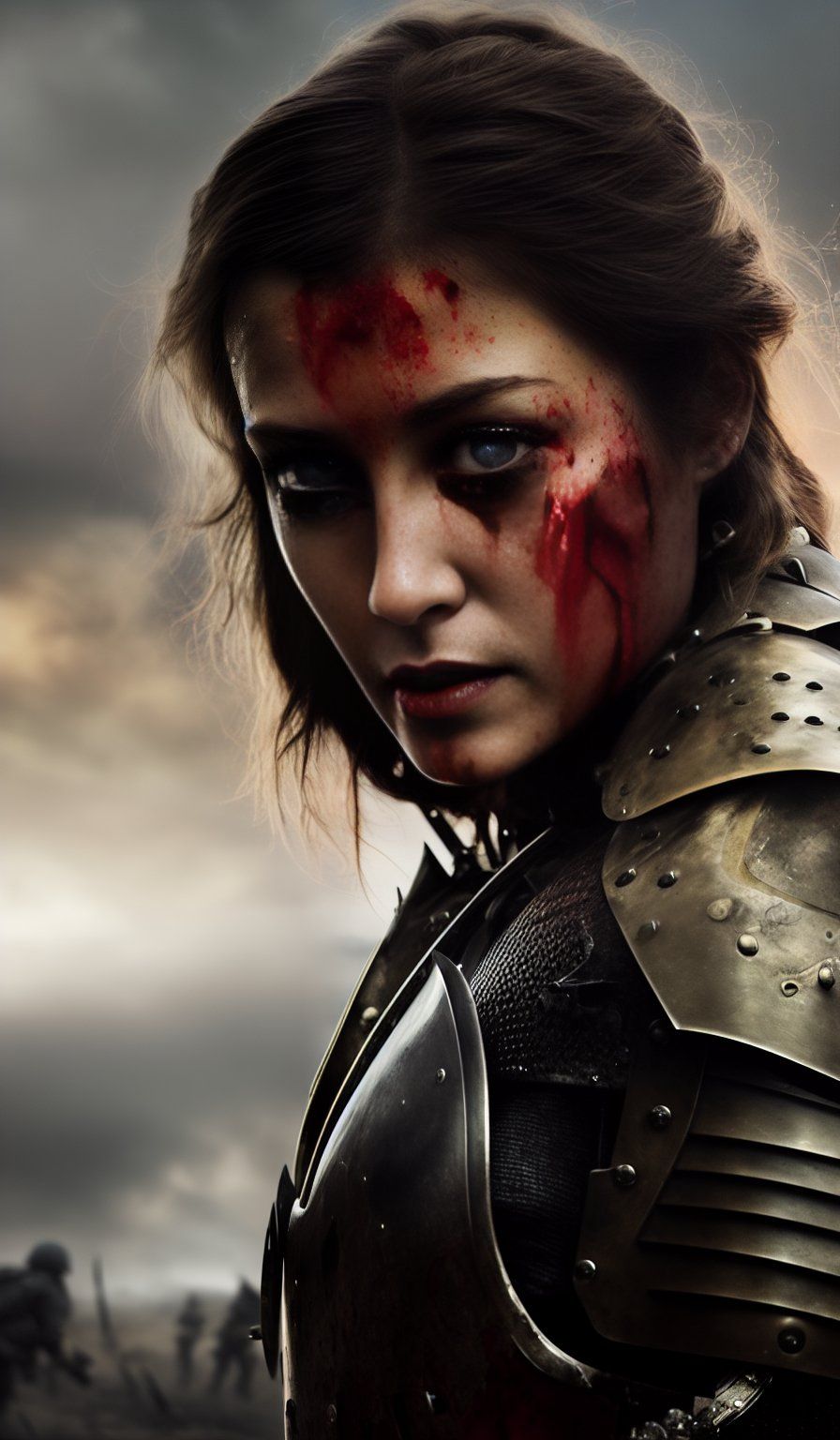


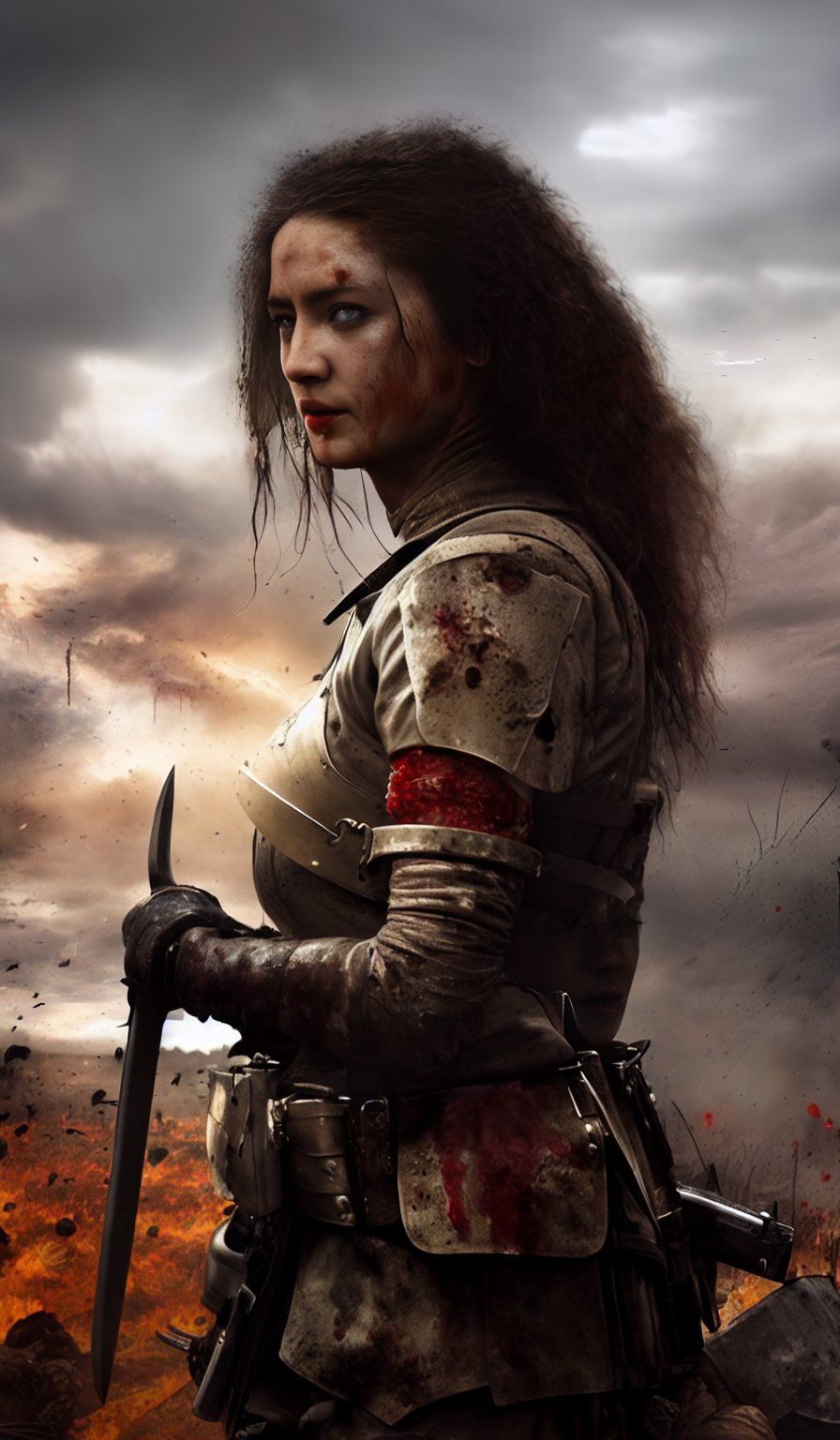








 This SF novel takes place in the future where the human Commonwealth is engaged in a brutal space war against the militaristic Shrehari Empire – imagine Klingons on krack, perhaps. They have superior technology, but humanity’s ability to think outside the box and improvise has helped level the playing field. Siobhan Dunmoore has just survived – emphasis on “just” – a battle against the Imperial cruiser Tol Vakash of Captain Brakal, forcing him to retreat by attempting a kamikaze crash of her badly-damaged craft into his. As a “reward”, she is assigned command of the Stingray, a craft with a bad reputation. Its previous captain is now facing a Disciplinary Board, and the crew are barely even trying. It seems Dunmoore has been set up to fail, and she’ll need to overcome resistance from enemies both domestic and alien, as well as overt and covert, before she can even think about going another round with Captain Brakal.
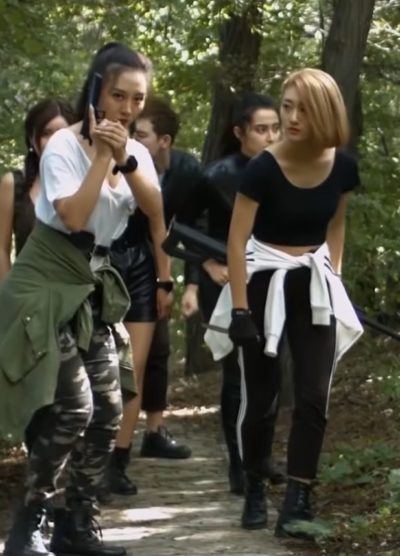 I have seen bad movies before. I have seen Chinese movies before. But I have never before seen such a bad Chinese movie. Really, their action films are usually at least somewhat competent: even the dreadful work of the notorious Godfrey Ho usually had something of… well, interest, if not perhaps quality to offer. This, however? Utterly appalling, with close to no redeeming features. One anecdote should give you some idea of what I mean. When our daughter was 12, she and her little friend borrowed the camcorder and made a 10-minute action movie, mostly taking place in the garage. I am 100% serious when I say it had significantly better fight choreography than this, and the other elements which go into the film are of little if any higher standard.
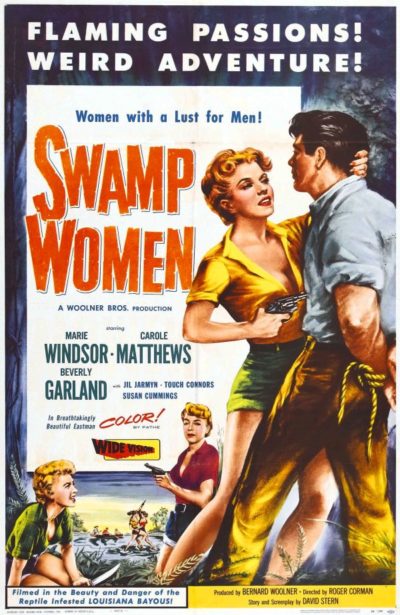 One of the earliest films directed by Roger Corman, it’d be a major stretch to call this a good film, yet I can’t deny I found it entertaining. It definitely has better female characters than most movies of the mid-fifties. Four women break out of jail and head into the swamps, in search of stolen diamonds which were previously hidden in the Louisiana swamps. Except, one of them is an undercover police officer, Lee Hampton (Mathews), who had been inserted into prison to join the gang and lead the escape, in the hope of recovering the loot. After the car breaks down, they hijack a boat owned by an oil prospector, Bob, and his girlfriend, taking them hostage as they head deeper into the bayou.
 This felt oddly familiar, like I had watched it before. One scene in particular – a maintenance man comes to replace a light-bulb, only to become an apparent threat – had me