
★★
“The sixties called. They want their Western back.”
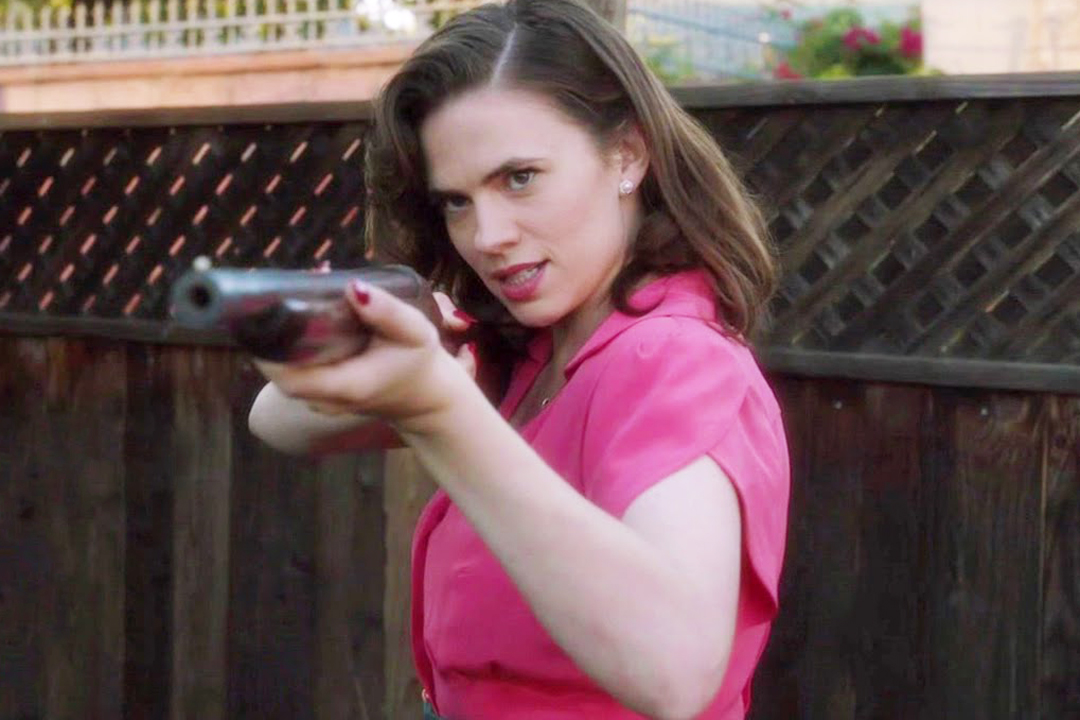
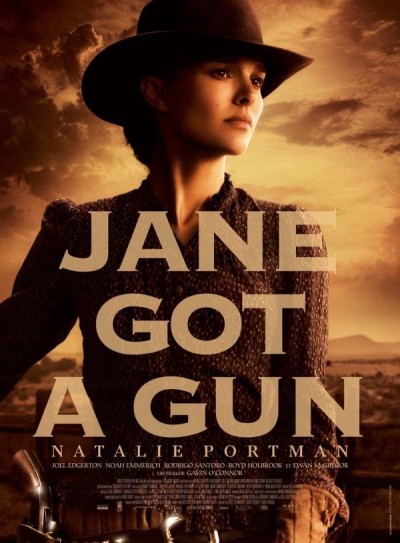 There have been no shortage of revisionist spins on the Western over the last few years, looking to drag the genre into the 21st century after it seemed all but dead. Just in the last four months, I’ve seen Bone Tomahawk, The Hateful Eight and The Salvation, and while their approaches have been radically different – as have the degree of their success – they are, at least, trying to bring something new to the party. Jane Got a Gun? Not so much, to the point that viewers may feel the urge to check they haven’t fallen through some kind of wormhole, back to the era of Bonanza and The Virginian.
The rural farming life of Jane Hammond (Portman) and her husband, Bill (Emmerich), is thrown into turmoil, when he comes home, shot multiple times. Turns out, he had a battle with notorious outlaws, the Bishop Boys, which ended with several dead on their side, and Bill severely injured. Worse follows in the wake, as John Bishop (McGregor) is on the trail, seeking revenge for his men. With Bill in no state to defend himself and Jane, she turns to former boyfriend Dan Frost (Edgerton, also co-writer on the screenplay), who reluctantly agrees to help Jane stand against the Bishops.
The results are so overwhelmingly bland, one suspects they’re a great deal interesting than the disastrous production, which saw original director Lynne Ramsay literally not show up on the set for the first day of shooting. It took almost three further years for the movie to be released – and they probably shouldn’t have bothered, since it was the lowest grossing wide opening weekend ever for the Weinstein company, then posted the worst second weekend drop ever for a 1,000-plus screen release. Though you can see why it flopped, it’s not a bad movie, just an utterly forgettable one, without a single particularly memorable character to be found. Portman – also a producer, which may explain some things – perhaps comes out best, although her performance consists mostly of setting her jaw and exuding steely resolve. It’s not complemented by the flashback structure used in the story, which is clunky at best, and results in a severe lack of narrative flow. What was the hot-air balloon about, for instance?
It’s even fairly retro in the way Jane leaves most of the fighting to Dan, at least until the very end, and the movie simply feels astonishingly safe, as if O’Connor was reluctant to take any risks at all, for fear of jeopardizing a production which had already gone very badly wrong before his arrival. But sometimes (and Apocalypse Now is likely the best example), film-makers just need to say, “Screw it”, and plunge on regardless towards realizing their vision. If the results may or may not be great, they’ll probably be less forgettable than here, and considering how long it took to arrive, it wasn’t worth the wait.
Dir: Gavin O’Connor
Star: Natalie Portman, Joel Edgerton, Noah Emmerich, Ewan McGregor
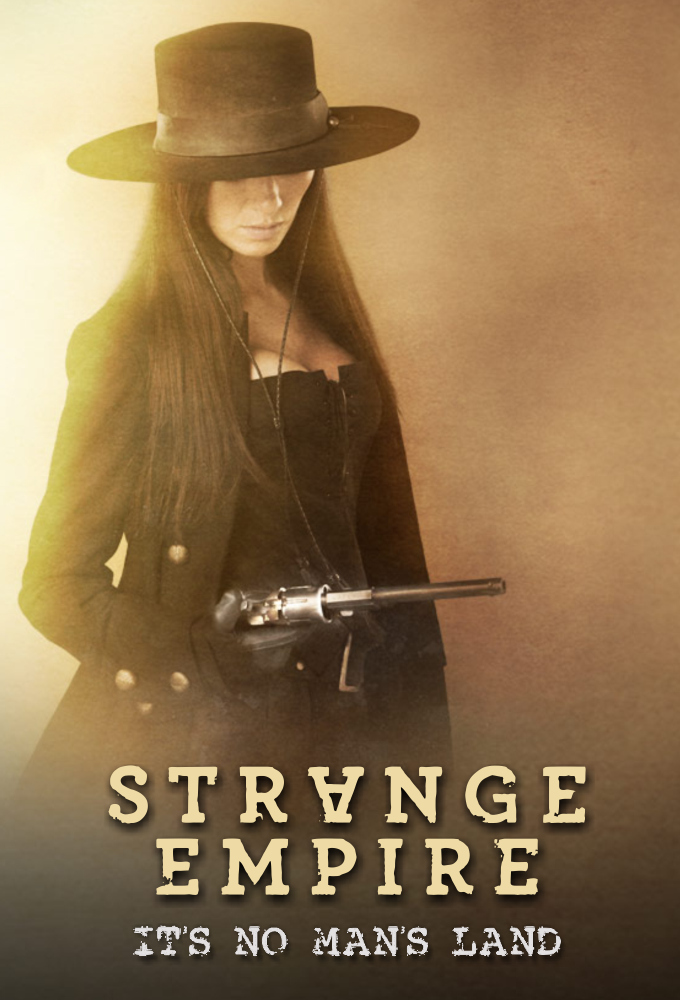
 This Canadian TV series ran for 13 episodes, but was not renewed at the end of the first series, leaving the double shock which occurred at the end of the final episode, with no hope of resolution. That’s a shame, since there was a lot to like about its grubby portrayal of 1869 life, just north of the border between Canada and Montana. It begins when a wagon train of settlers, passing near the mining settlement of Janestown, is attacked and almost all the men are killed or driven away, leaving the women to fend for themselves. In particular, there is Kat Loving (Gee), a half-Indian sharpshooter who seeks the truth about her husband’s fate, and Rebecca Blithely (Farman), a female medical researcher, something almost unheard of at the time. But they are up against John Slotter (Poole), who runs Janestown as his own personal fiefdom, and whose wife Isabelle (Jones) is a match for the new arrivals in terms of her wits, and likely surpasses them when it comes to crafting of intrigues.
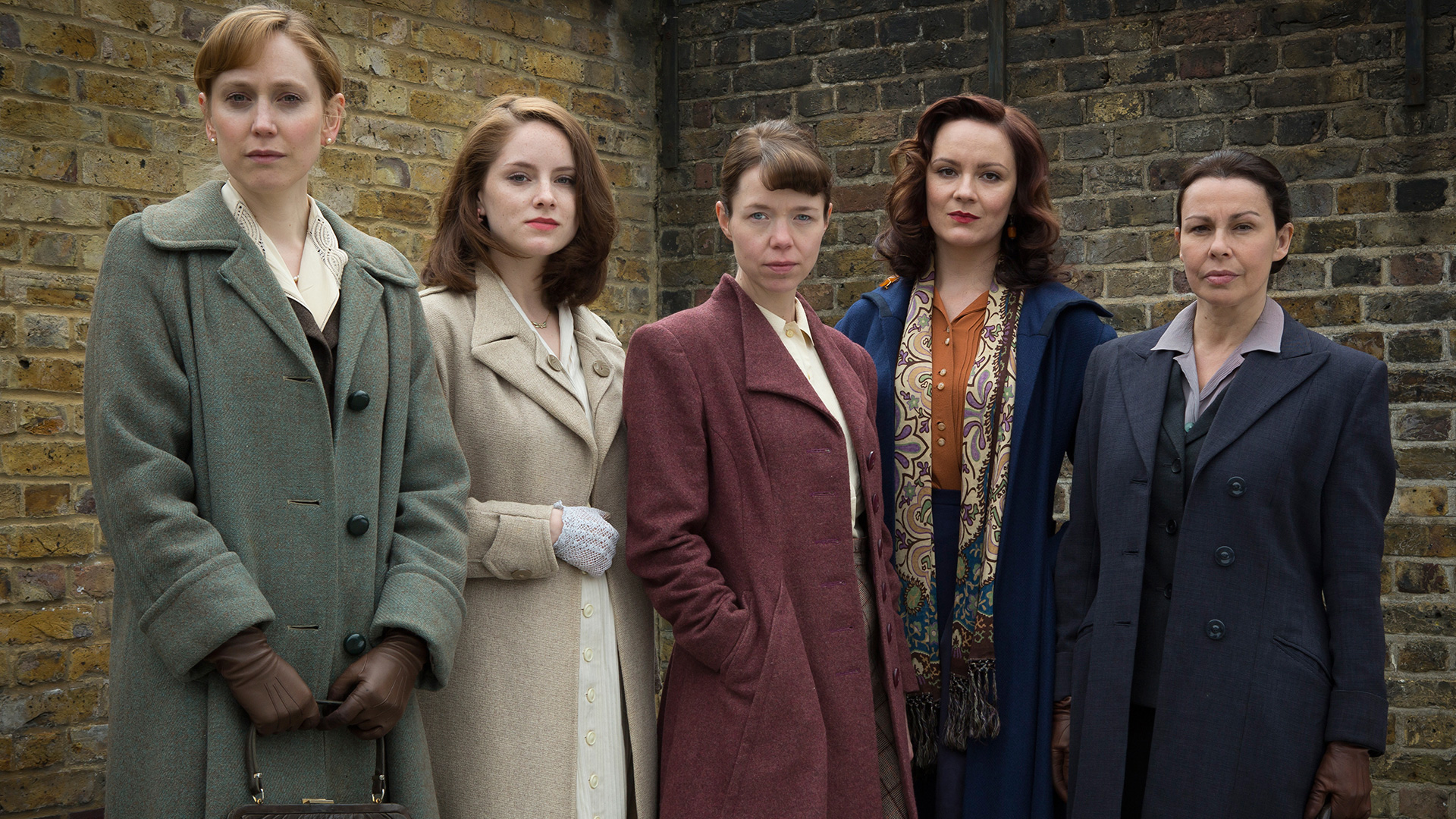
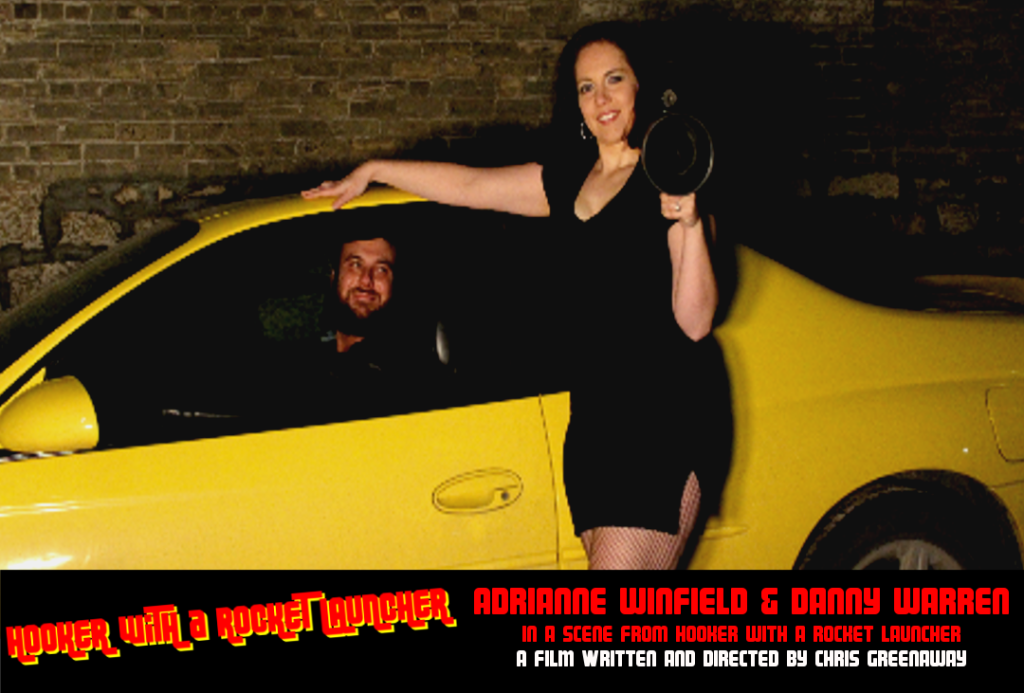 Some titles conceal their meaning behind layers of depth. Needless to say, this is not one of those – but it is, instead, one that demands your attention, and I was not surprised to hear that, according to its Canadian creator, Chris Greenaway,”The title definitely came first.” However, inspiration for this short came from a number of sources. Most obvious among those is Hobo With a Shotgun, the fake trailer originally part of the Grindhouse double-bill, directed by Robert Rodriguez and Quentin Tarantino, before eventually becoming a real (and wonderfully trashy) movie, starring Rutger Hauer. But Chris says the project additionally “drew inspiration from 80s ‘hooker movies’ such as Angel and Vice Squad. As Misty’s weapon of choice indicates, we were also heavily influenced by the awesome Cannon Films action movies of the 80’s like the Death Wish sequels and Delta Force.” I’ll pause here, for anyone of a certain age to sigh nostalgically.
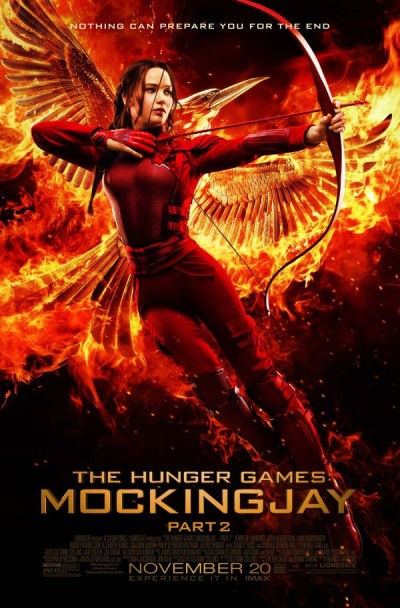 Unlike the adventures of our schoolboy wizard, where the final installment took the most at box-office, this was the least successful of the Hunger Games movies. And I can see why: almost without exception, it’s a relentless downer, rather than a grandstanding finale. I have not, to this point, read the book on which it is based, so can’t say how accurately this cynical tone reflects the novel, but based on the movie, let’s just say, politicians as a species do not come out of it with a glowing portrayal! It begins immediately after the end of the events of Part 1, when Katniss (Lawrence) was attacked by brainwashed ally Peeta (Hutcherson). Meanwhile, the rebellion gains momentum and territory, as they head towards the Capitol. Katniss’s role is now as a ‘Joan of Arc’, a rally point, and she is sent into the Capitol as part of a propaganda squad. However, she subverts the mission, claiming secret orders to assassinate President Snow, although it becomes clear that the lines between “good” rebels and “evil” establishment are increasingly vague.