




 ★★★
★★★
“And Then There Were None – with vampires”
SPOILER WARNING FOR THIS REVIEW: ESPECIALLY IF YOU HAVEN’T SEEN THE TRAILER!
Trailers can do a lot of damage to a movie’s impact, and is definitely the case here. If the trailer hasn’t outright told us the idiot gangsters had kidnapped a little vampire girl, the first third could have been very suspenseful. To elaborate: we witness the kidnap of an innocent little girl; normally our sympathies would immediately be with the victim, worrying about her well-being. We explore the setting and characters are more or less established. Then a gruesome murder happens and the gangsters wonder, “Who’s killing our people? Why? The girl’s father is big in the (criminal) underworld and has a mysterious henchman named Valdez. What’s his story? Is it all a reckoning for past misdeeds?”
This potential homage to Bryan Singer’s semi-classic The Usual Suspects falls flat, as anyone who saw the trailer (and posters) already knows it’s the little girl who is pulling the strings and will murder the gang of misfits. It’s a total fail by the marketing department responsible, though you understand a wish to signal to horror fans it’s something for them. I guess it will pay a dividend in the end – though will keep people away who are not horror fans and might have gone, expecting a crime thriller. In any case, the big surprise is ruined and you can’t help wonder if that was the best way to go.
When Hitchcock released Psycho in 1960, no people were allowed into the cinema after the movie had started, and the audience had no idea what awaited them. You thought it was about Marion Crane stealing money and going on the run… until she got stabbed in the shower. That was a real shock. You won’t experience that here, and no-one cares for the first victim (played by the unfortunately now deceased Angus Cloud). At one time, a plot with a group of people in an enclosed space and a killer amongst them, would have made for fine suspense. The film makes no secret about taking inspiration from Agatha Christie’s 1939 thriller And Then There Were None (originally known by another, non-PC title!), and the same concept works in Alien – a fine horror/thriller in space with as much focus on characters as on suspense.
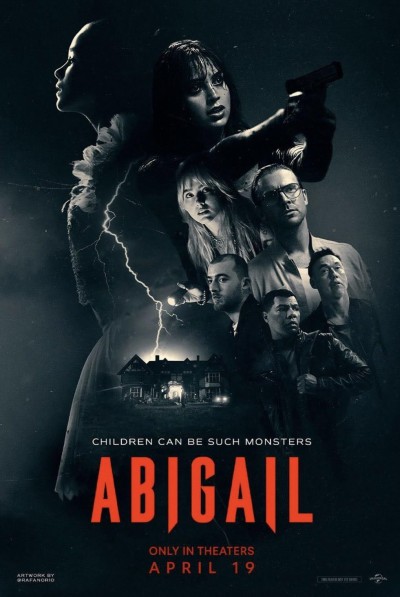 Today, it doesn’t seem to be enough. You instead end up with superficially drawn characters, about whom you just get to know enough to understand where they come from, and then you blast in with the gory action scenes. Don’t get me wrong; I liked the movie. But I would have liked it more if I had cared for the characters fate. They die here and there, they twist and they turn – and I just don’t care for them at all. The movie just has not the time to build its characters, or doesn’t want to take the time for it. Which is a pity but perhaps a sign of our frantic, “more, more, more” times. I recently saw a new BBC version of Christie’s story; while they took the time to tell it, they overloaded the plot because simple, storytelling has gone out the window in today’s film narrative.
The big problem is, the moment the main characters are established as gangsters, you don’t really feel pity for them. Why should you? They are mean spirited people – bad guys – and that is a minor flaw in the concept. Having largely sympathetic space travellers finding an alien life form is quite the opposite. We are supposed to side with them because it’s a vampire. But the necessary character building hasn’t been done, and because one twist isn’t enough the movie gives us two or three more. At the end we are supposed to root for Abigail (Weir) and last surviving gangster Joey (Barrera), fighting one of her own who turned against them. Directors Bettinelli-Olpin and Gillett are asking too much of us emotionally. Should we always side with the underdog? Why? In the end they are all monsters, therefore equally unlikable, though the movie tries to make us pity the little vampire, that big daddy doesn’t really seem to care about, until he shows up at the end.
The same directors did much better with Ready or Not, where you constantly felt for Samara Weaving’s character, thrown into the pit with an insane, blood-thirsty family. It doesn’t work well here, due to the basic premise. The leads are hardly more than sketches and even Joey doesn’t get much more than being a junkie mom who cares for her little boy. It’s not enough in the development department, folks! The actors all do good work – as far as I can tell. In Germany, you get distracted by the choice of dubbing actors: the voice actor for Cloud is hardly bearable and Kevin Durand’s German voice sounds almost like Patrick from SpongeBob Squarepants which is… distracting! Also, I feel in the German version, a lot of humour is lost, I guess something to do with line delivery. I can imagine a line like “I hate ballet!” being hilarious in English, but in the German version it has no real effect.
I don’t know any of the actors save Durand and supporting actor Esposito, but the greatness of Weir’s performance can’t be stressed enough. I did believe her helpless girl – or would if I hadn’t been spoiled before – as well as the frightening vampire. How many people can scare a bunch of grown-ups? Though, of course, it’s not new ground. We saw how effective such casting can be when Kirsten Dunst did it thirty years ago in Interview with a Vampire. The trope of the “scary, evil kid” in general reaches back until at least the 1950s. The production design is beautiful and luxurious for the old villa with bar and billiard table, a kitchen (strangely situated in the cellar?), secret tunnels in a library, a computerized control room and a pool underground for corpse disposal. Similarly great is Brian Tyler’s effective score which I would really like on CD instead of the digital release.
 I was less impressed by Barrera who plays the main gangster role. She is set-up as the intelligent, tough and strong woman, but her actions constantly contradict this, e. g. she can’t imagine a kid could be evil. Why? Because she has a child of her own? Everyone knows children are natural monsters and only by time, education and life experience become “human”. Her colleagues turn out partly smarter than her there. And when she, a normal mortal, tells a vampire, “I’m going to kill you now!” you wonder how delusional she can be. There’s a big goof at the end, when she gets her mobile out to call her son and say goodbye. Weren’t all cells collected early on by Esposito’s character? If she had another, wouldn’t she have been able to call help? Why didn’t she? Perhaps I missed how she got it back – maybe in the control room when the two vampires were fighting. Someone please enlighten me? [Jim. I think when she’s in the control room unlocking the house, she sees the bag of collected phones and takes one from it. Not exactly highlighted though!]
Strangely, the movie is claimed to “re-imagine” Universal’s Dracula’s Daughter from 1936. Having seen the classic movie, I can hardly see any similarities, save the main character is a female vampire, and daughter of a vampire. Her father turns up in a last minute surprise, effectively adding nothing except for re-establishing the classic Hammer vampire, of the Christopher Lee variety. Still, despite these flaws this is a good, entertaining horror movie. It’s not really suspenseful as the main characters are disposable and not developed enough to care about. And the trailer… (see previous rant!) It’s also surprisingly gory. I remember a time when such a movie would have been for 18+ audiences in Germany; this is 16+. Well, it’s not the 1980s anymore and Catholic priests aren’t sitting in German censorship board meetings anymore, so… enjoy!
Dir: Matt Bettinelli-Olpin, Tyler Gillett
Star: Melissa Barrera, Dan Stevens, Kathryn Newton, Will Catlett
Now, that trailer… Again: SPOILER WARNING!
 ★★★
★★★ Jump forward to 2003. Cassandra “Cassy” Webb (Johnson), Constance’s daughter, is a paramedic who saves lives everyday, but is strongly averse to emotional attachment. I wondered what she does in her leisure time – but then, the same could be said about me! After being drowned, dead for three minutes, and revived, she has visions which turn out to be clairvoyant; she can glimpse the future moments before it happens. After experiencing the death of a colleague, she realizes she can act to stop her visions taking place. [What a revelation!] While on a train she foresees the death of three girls, killed by a masked man with superpowers. She tries her best to save them; no easy job as she has to improvise and out-think her pursuer constantly, while taking care of young girls who don’t necessarily follow her orders. That’s the moment you realize this movie might be made with 30-year-old moms as its target audience, which is something I have not seen before on the big screen.. Kudos for originality, I think.
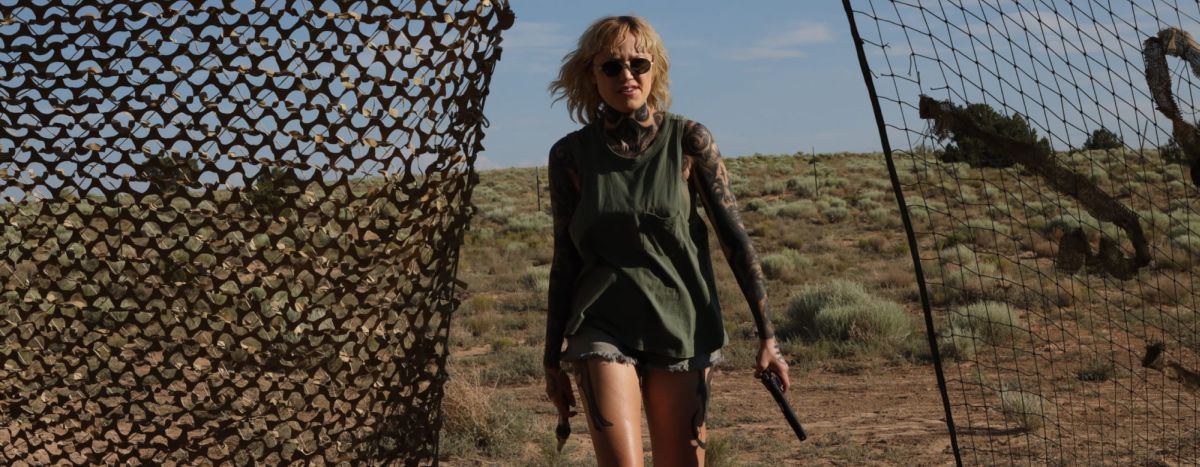 ★★★★
★★★★ To be honest, I never read Boston Teran’s novel. I wasn’t aware of the story until this movie came out here on DVD – but then the book was also never released in my country. I’ve every intention to read it and have already ordered it in English. However, I can’t make any comparisons between the book and the movie adaptation, directed by Nick Cassavetes, son of John Cassavetes.
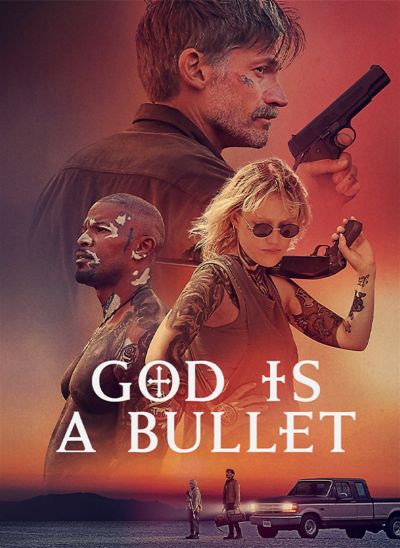 It’s the most fulfilling part of the movie. In a way, Case is Bob’s guarding angel; she knows about those people, how they behave, how to deal with them, also the danger that they embody as human life has hardly any value for them. Bob goes “undercover” to find his daughter which also means he has to look and appear like these people, so gets a full-body tattoo by “The Ferryman” (Foxx in a larger supporting role). The aim is to contact the sect, whose cult leader Cyrus (Glusman) is a specific piece of human scum, and deal with him. All of what has happened ties back to Bob’s father in law and his superior at the police office, though he doesn’t know this.
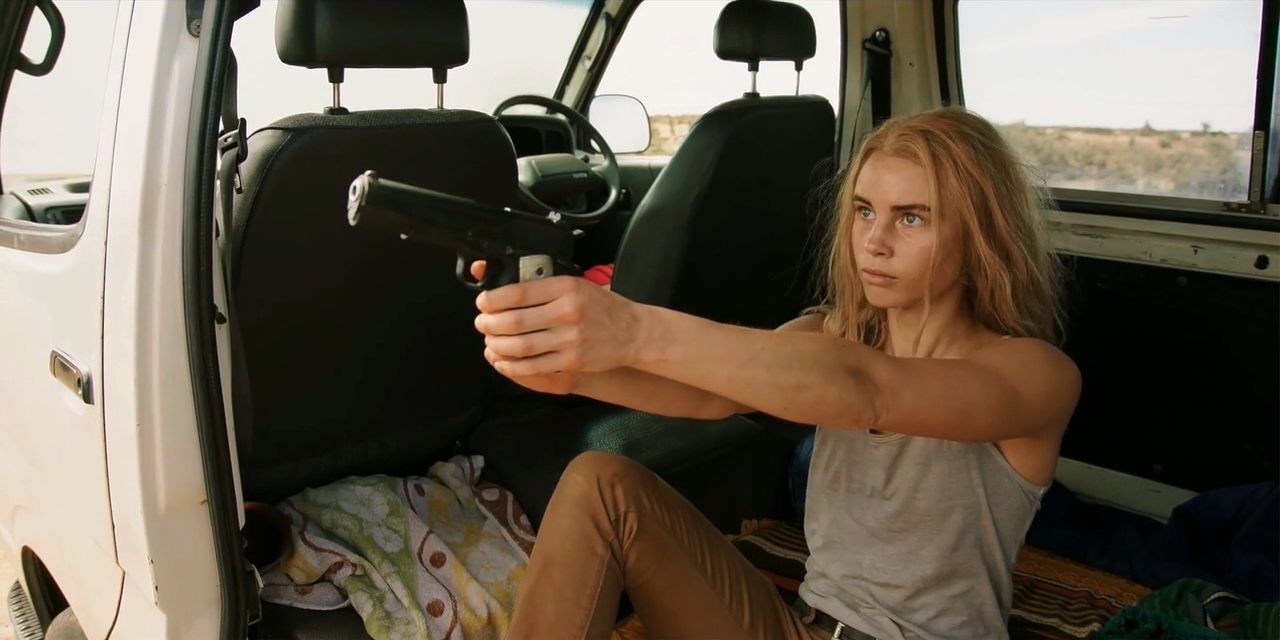 ★★★★
★★★★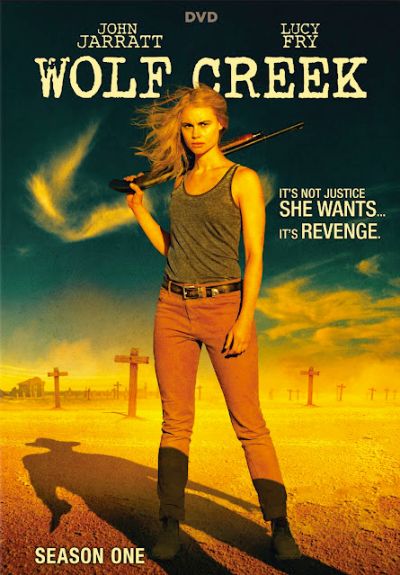 I have to say that this series really surprised me. I had bought it based solely due to the cool cover photo and didn’t expect much more than a probably over-gruesome third-rate slasher, I mean, is Australia really famous for great serial killer psycho thrillers? Though there is the very good Stacy Keach and Jamie Lee Curtis thriller from 1981, Road Games. As a matter of fact, this short (six episodes) series blew me away with its astounding quality. When you read the above, you might be forgiven for getting the impression the whole thing will come across as a bit cheap in its storytelling, or the motivation of its characters – a bit schlocky in general.
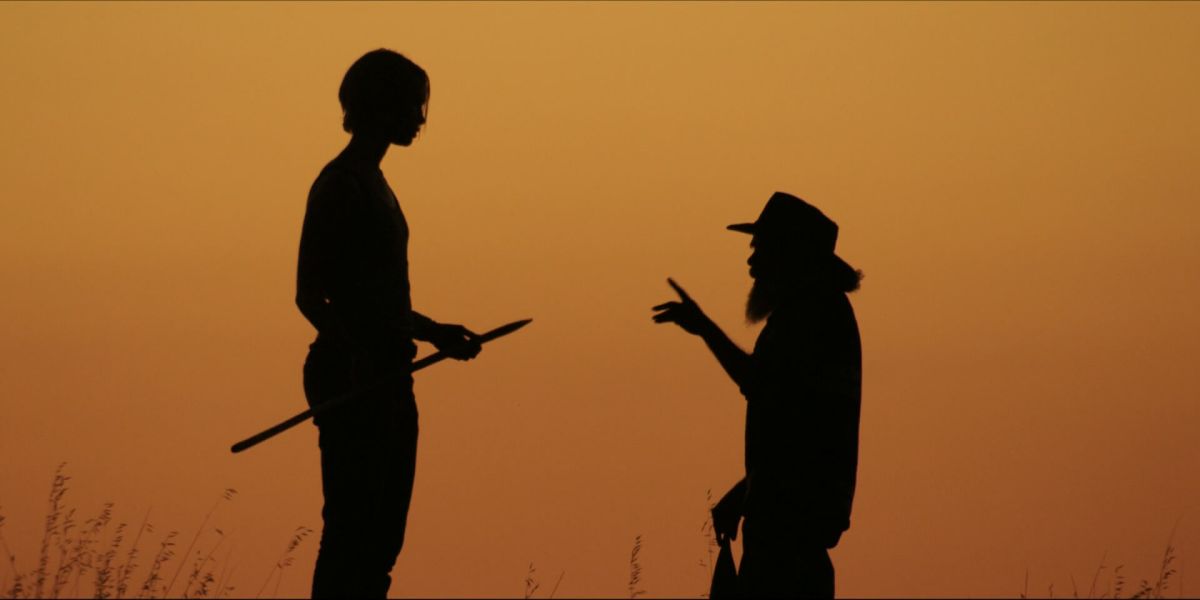 Eve is repeatedly confronted by these criminals, or wanna-be-rapists who see a normal dressed woman as an offer, and experiences family tragedies that actually form the core of the narrative. She is not without help though. As well as the policeman on her trail who reluctantly starts to cover-up for her, there is a criminal whom she meets in the desert, an old Aborigine who fits into the classic mentor role, a colleague in a bar and she even gets a canine companion. Though the question always lingers while watching the show: Will she get her revenge? What will she do when meeting the man who killed her family? Does she even have a chance against an experienced, sadistic killer like Mick?
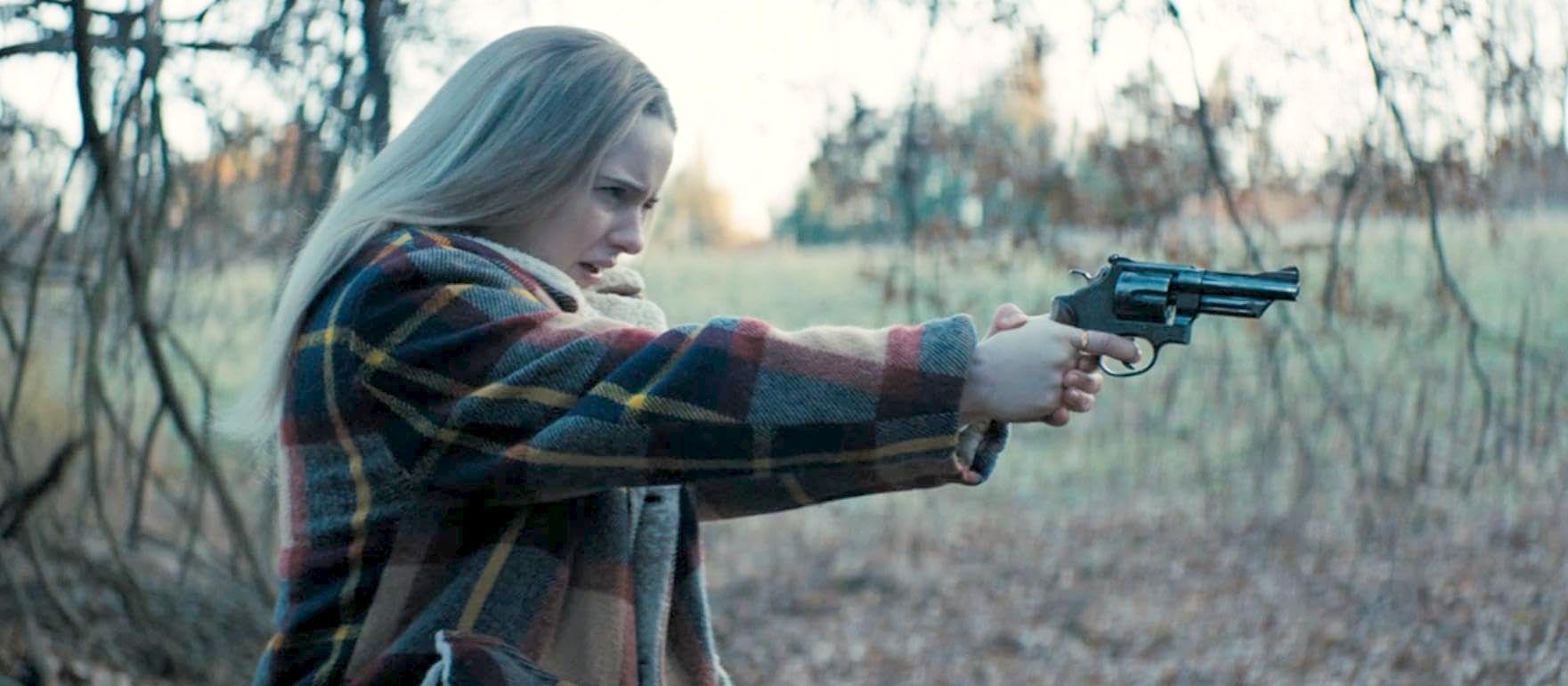 ★★★★
★★★★ I think this makes it quite an unusual movie as – in contrast to many other movies – we are not immediately brought up to speed with an info-dump, so that we tie ourselves emotionally to Jean. As a result, the fear and tension she experiences are really palpable to us, too. We don’t know who Cal is and why he is helping her, or why people are after Jean. In my opinion, the movie is particularly successful in showing a female perspective, as part of something that would otherwise potentially have been just an ordinary gangster story. In the beginning, Jean does whatever she is told, while at the same time also trying her best to be a good mother to the little baby, even if her knowledge in this respect is also just rudimentary.
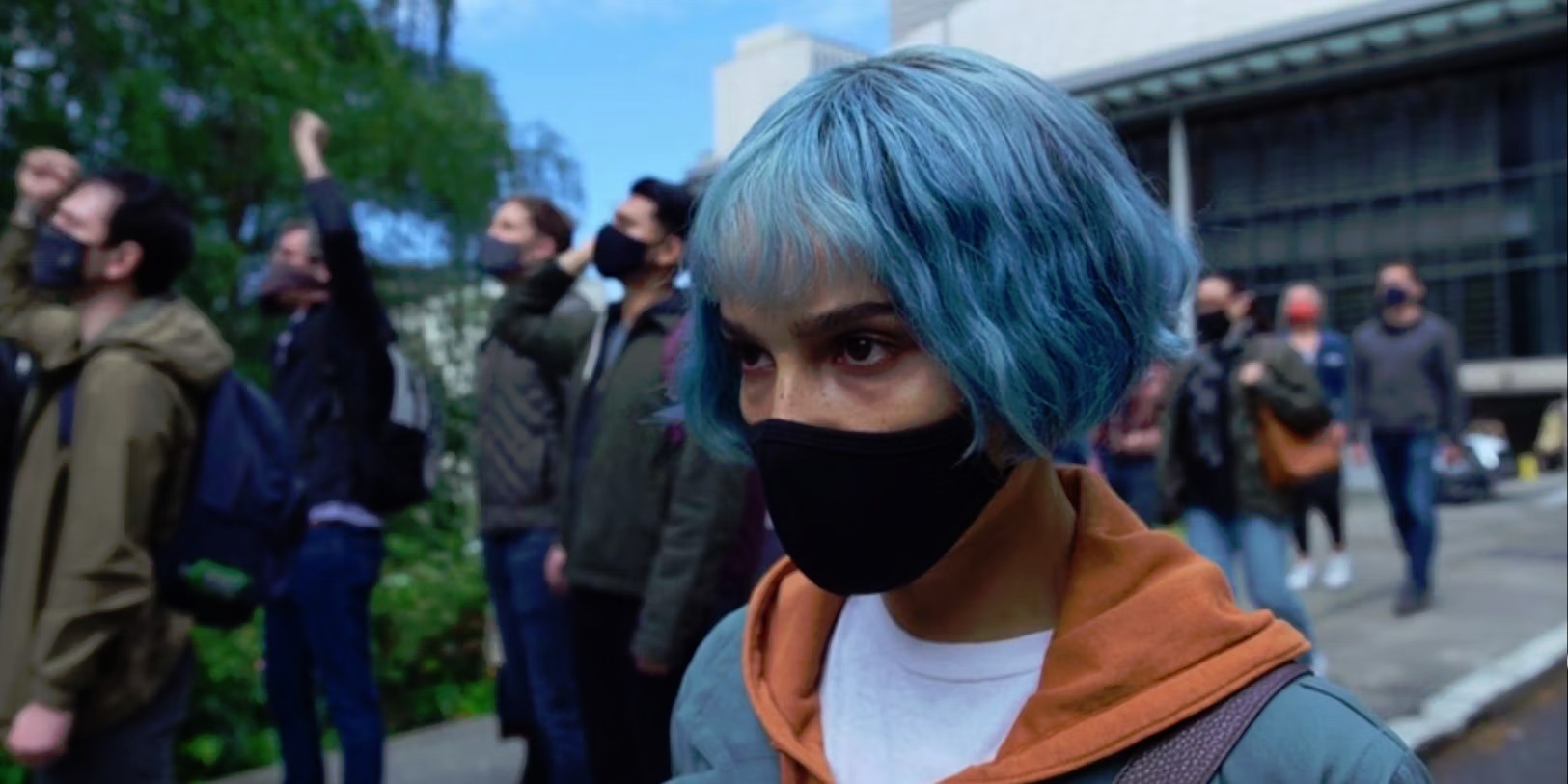 ★★★
★★★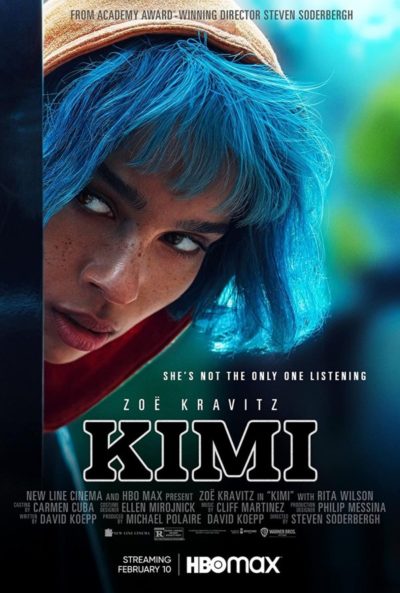 Kimi indirectly discusses this attitude, but also seems to make a clear point that there is a need to leave your own four walls sometimes, because not everything can be handled from your laptop. That said, it’s quite disturbing how much
  ★★★½
★★★½ While the other girls might be complicated and have problems, like feeling unloved, being shy and, in one case, not even being into men, there always was a solution. Kurumi is… different: Shido soon found out she was there to sexually arouse him, so she could “eat him”. We can argue about the not-so subtle subtext: male Japanese anxiety about a sexually demanding and active woman. In the very same episode, some boys make sexually charged comments about her, she lures them into the shadows… next the blood is dripping from the walls.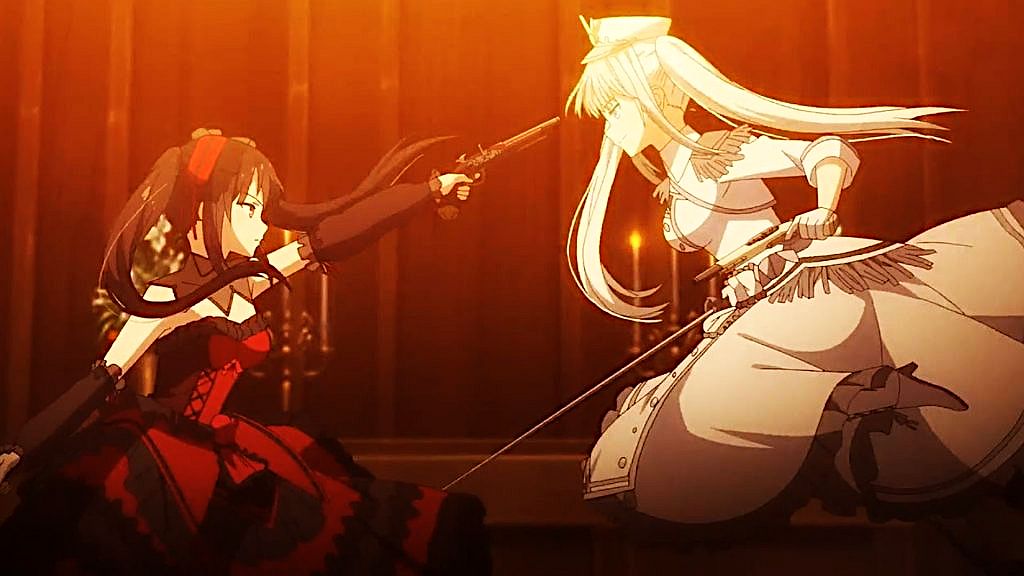
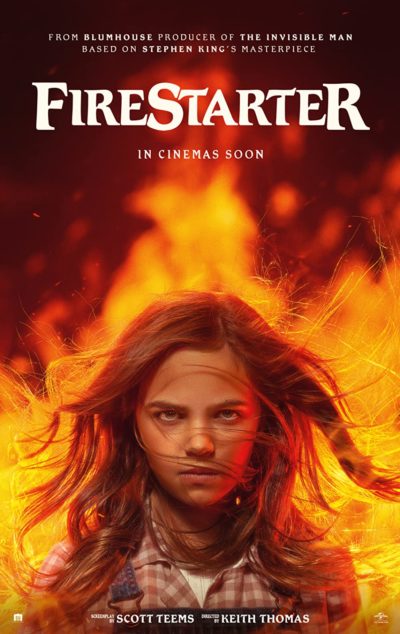 I must admit: While I always found the premise for Stephen King’s 1980 novel Firestarter interesting, I never read the book. 500 small-printed pages are just too much for me. The story itself shares some of its DNA with Carrie, with the difference that this here is about a younger child, not an adolescent, and instead of telekinesis the girl knows pyrokinesis, meaning she can create fire from nowhere and control it. It could be argued that King was just kind of re-using ideas from Carrie, making less of an effort to create something original as he did with other material. Opinions on the story seem to be split. Some think it’s a great novel, of the usual King quality; others think it’s a typical work from the time when King was writing as if he were on the run, and striking while the iron was hot (honestly, I don’t really see he has slowed down so much over the years).
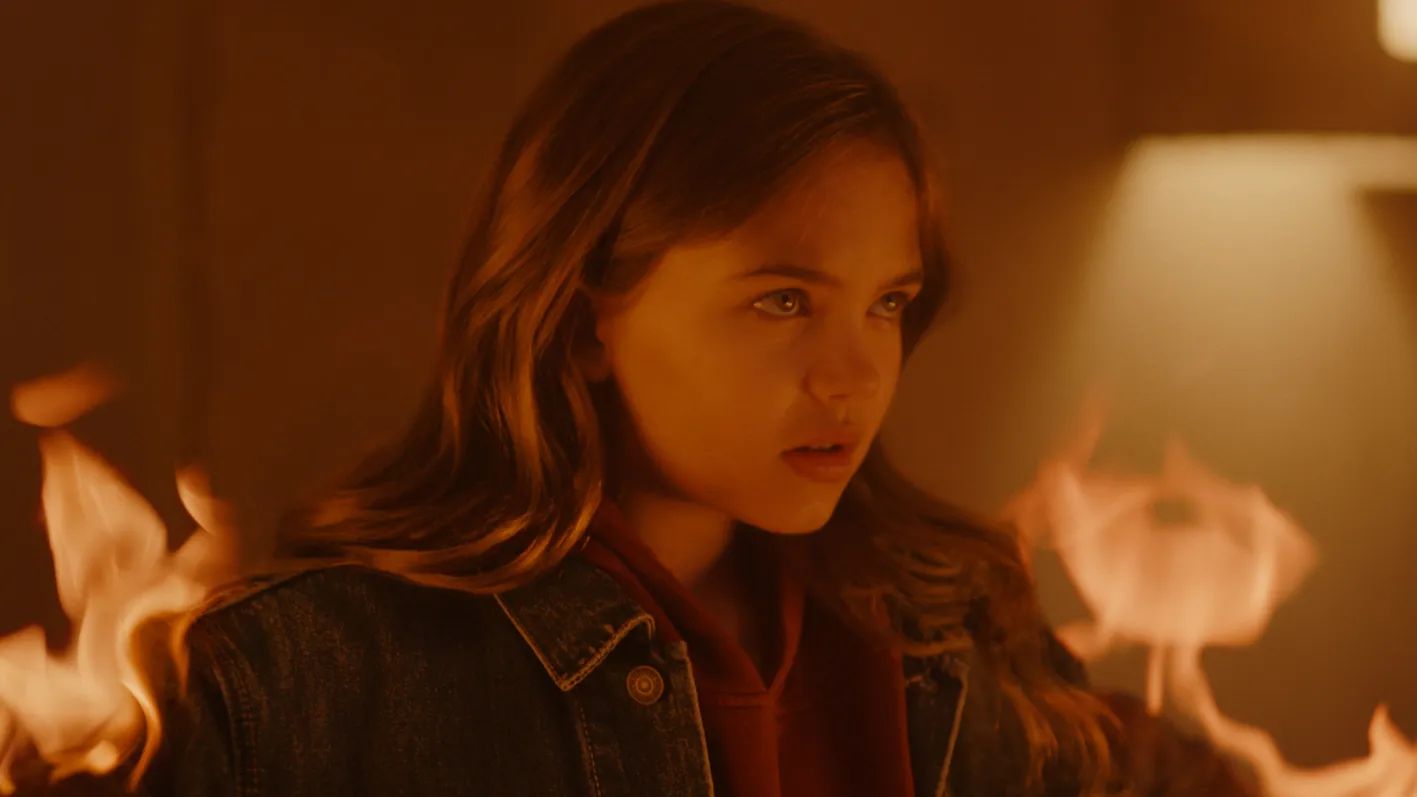 Firestarter is a strange beast with a difficult task: Retaining the core of the original story but not being to close too the orignal movie. Paying tribute to current political correctness, yet not changing the original material too much. For most of the time, they do fine, I’d say. Some changes did catch my eye: the conflict between the parents wasn’t there, as far as I remember, in the original movie. The mother wants Charlene to train so she can control her powers, the father would rather she suppress them, for who knows what may come out of them being released? In contrast, the original spent more time with Dad and daughter in the lab, the evil Rainbird slowly gaining Charlie’s confidence in order to kill her when appropriate. It went more for slow menacing tension – also the approach of King’s novel – while this plays more as a “fugitives-on-the-run” scenario.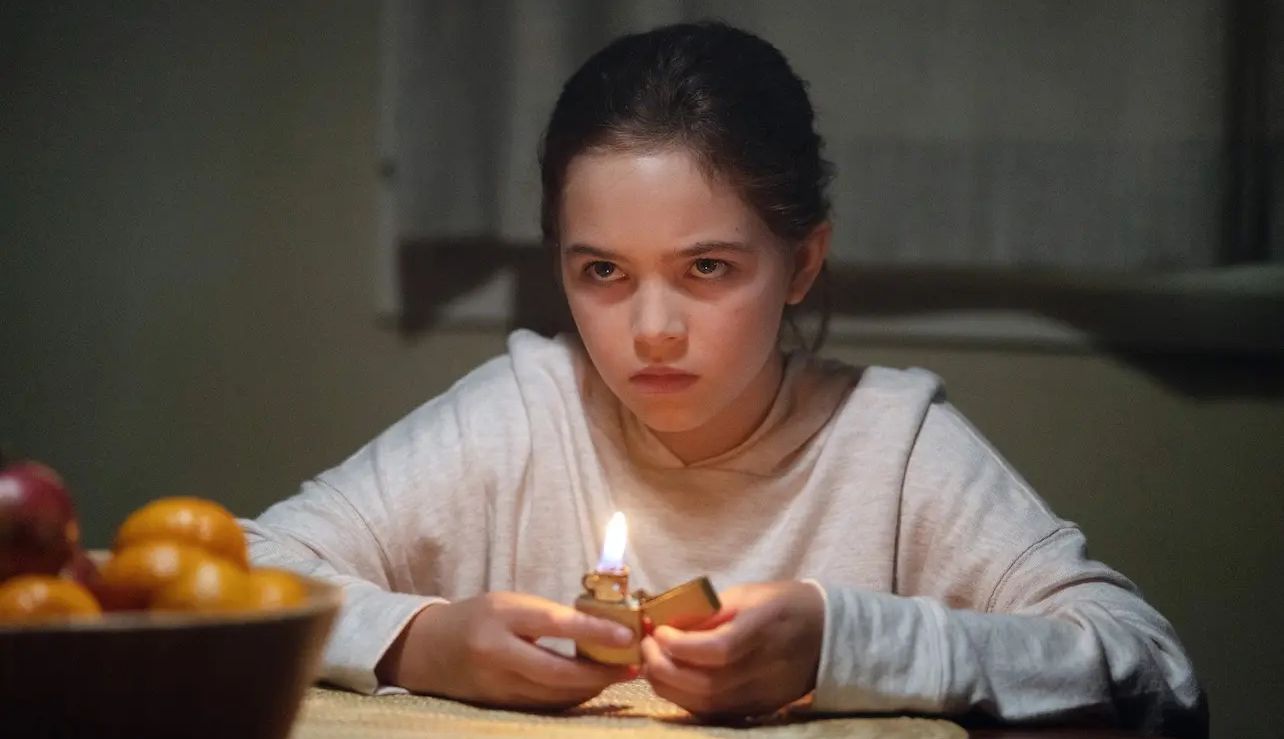
 ★★★
★★★ So, what’s it all about? There was a US-Japanese anti-terrorism organisation called CIRS: after having become public knowledge, a new agency for covert operations was created, called SORD (Social Ops, Research and Development). This organisation has established many schools within the country, where homeless poor orphans from unfortunate backgrounds are being trained and schooled to protect the country (meaning: to kill people).
 Though just 88 minutes long, this is very well done. The few short scenes of the childrens’ childhood give their fight more meaning then the talked about (but never really felt) conflict between for example 007 and 006 in GoldenEye. The fight itself is well-choreographed, looks believable (I’m very well aware I’m talking about an anime!), has exactly the right length and comes across as deliciously hard. And while the whole story about the stolen heart is solved in the end, I liked that this movie doesn’t end the way one would expect. The otherwise trigger-happy Rena
 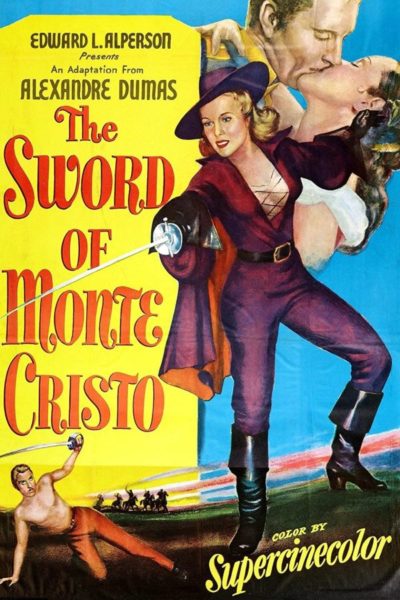 This 1951 movie is a bit clichéd. But then one has to consider that a lot of these weren’t clichés at the time the movie was made. That said, you will find everything here that you might expect from such a movie: A good king, his evil scheming brother who wants his throne, a dashing captain who has his way with the ladies, revolting citizens, a hidden treasure and a beautiful lady.
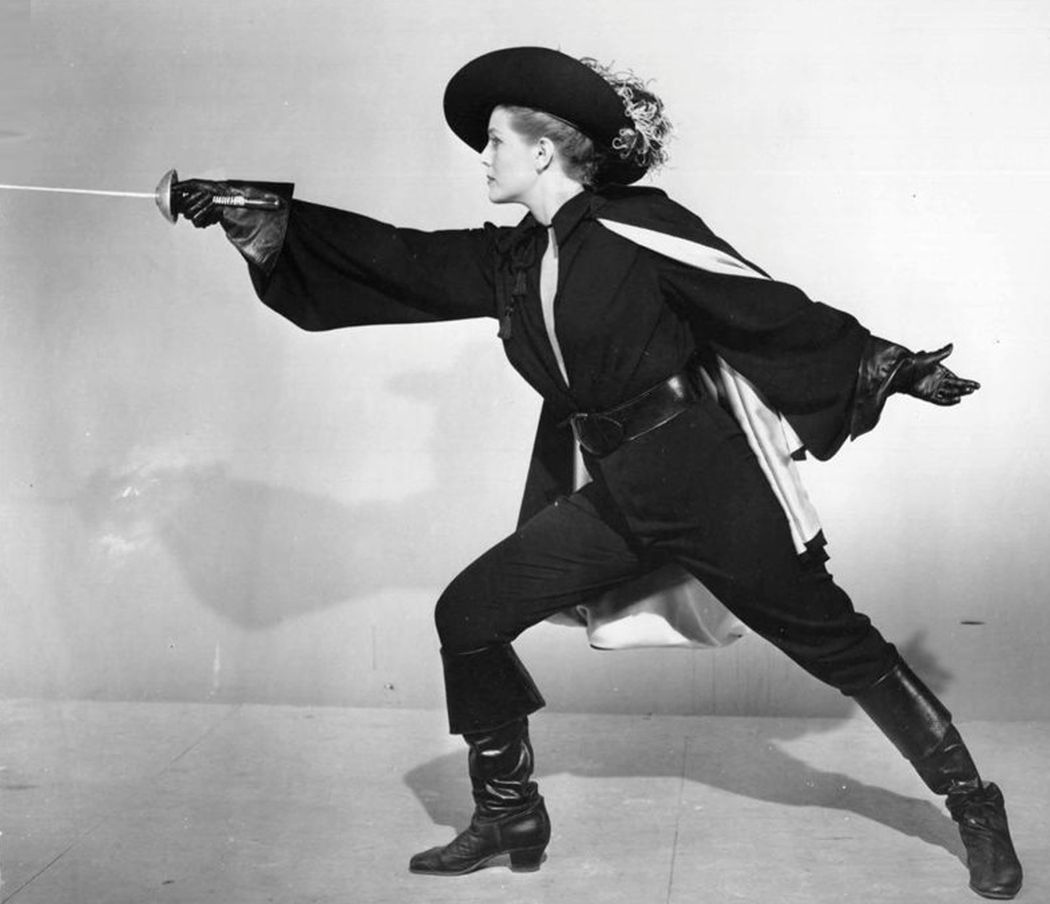 When he enters her private rooms, after she has just redressed as her normal self again, he takes – unasked – a seat and puts his shoes on the table. He also forces a kiss on Lady Christianne. When she snaps, “You don’t behave like a gentlemen should!“ he answers, “Well, you don’t behave like a woman should!“ You are left a bit baffled wondering how women in 1951 were supposed to behave when being kissed involuntarily, by an unknown stranger, who just entered your home through the window? But then even her nanny seems to agree (“A young lady shouldn’t run away from a man, she should catch one!”). How things have changed since that time!
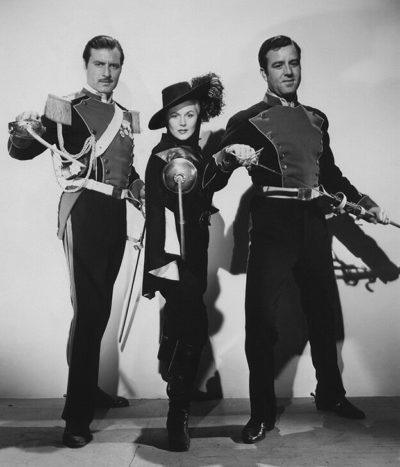 Countess Christianne does enough riding, fencing and chandelier-swinging to be rightfully included in the genre of female action heroines. Yes, she is not alone: Captain Renault comes across like a second-class Errol Flynn, supporting her and hinting as to her “true motives“ for cross-dressing and fighting (“You don’t fight against the king! I think, you are fighting against your female nature!“). Though Renault kills the big bad, she still has a mind of her own, riding with the Royal dragoons and killing off LaRoche’s right-hand man, Major Nicolet (Conrad).