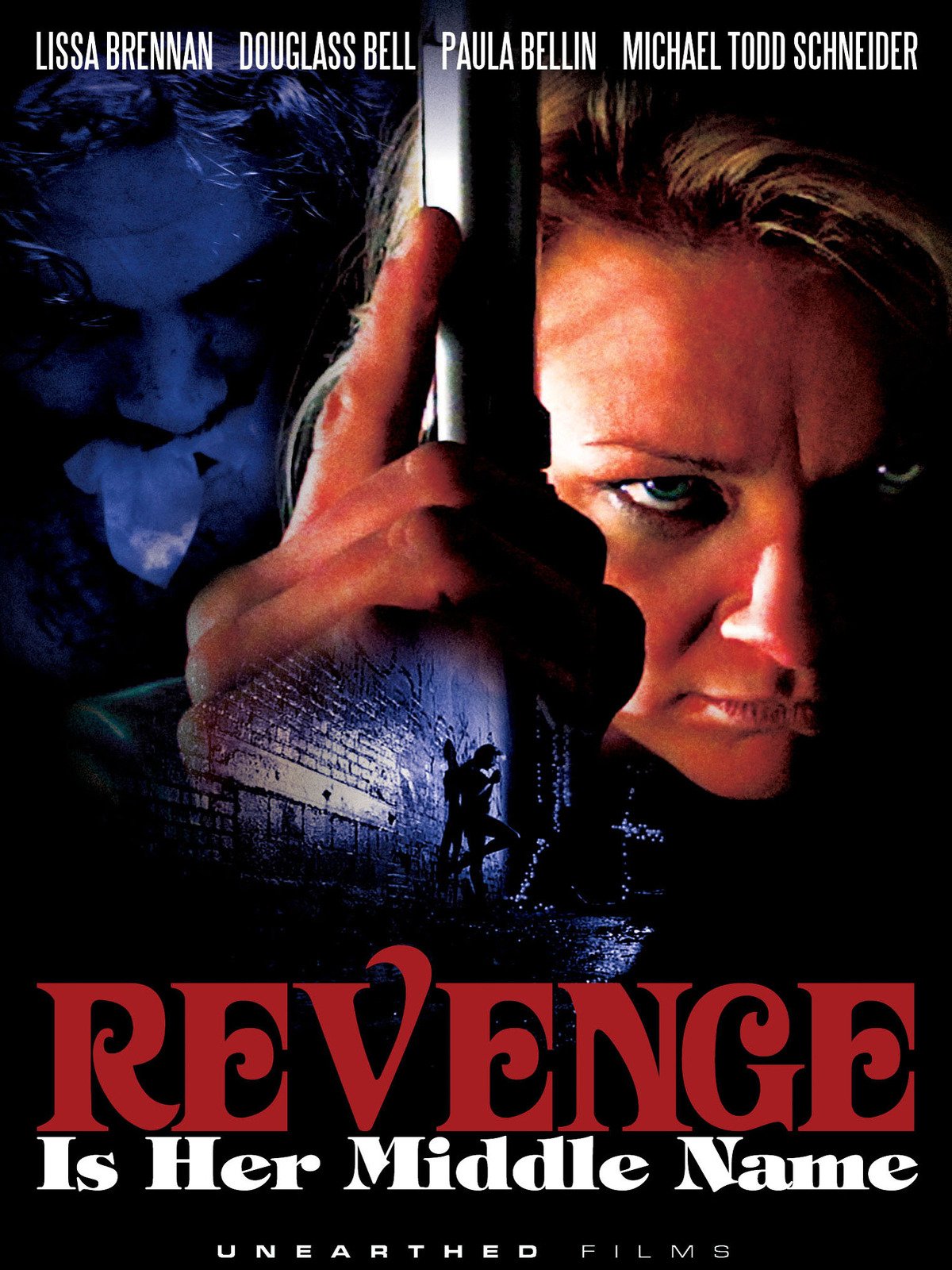

★★
“Great poster. Shame about the film.”
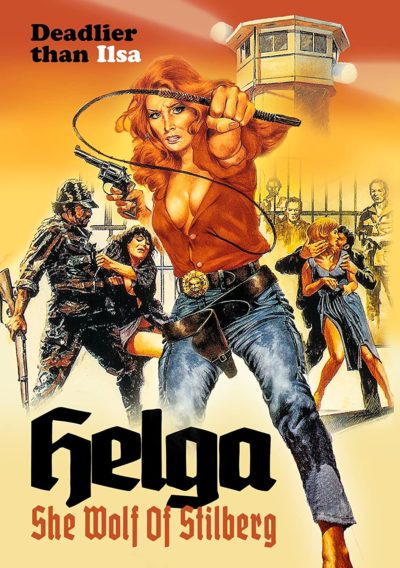 I guess this shows that the concept of the “mockbuster” is not something invented by The Asylum. This came out in 1978, the year after the Ilsa franchise had come to an end with Tigress of Siberia. But France apparently decided it wanted to get into the act, and created its own knock-off Ilsa, in the shape of Helga (Longo, who has a cameo early on in Bruce Lee’s Way of the Dragon, and was also in War Goddess). What this does, is mostly act as proof of just how damn good Dyanne Thorne was in her role. She may have been unable to pronounce “Reich” consistently, but she went at the part with gusto, and had an amazing amount of presence, essential to the job. Longo simply doesn’t, and as a result, this is largely pedestrian and dull.
Opening with a sprightly and thoroughly inappropriate intro tune, we find ourselves in a cabinet meeting in an unnamed dictatorship. Names like “Helga”, as well as the angular uniform patches, suggest somewhere Fascist, but the bearded, cigar-smoking leader and his #2 called Gomez indicate a Cuban influence. Whatever. Helga is assigned to run the castle turned political prison in Stilberg, which appears to contain… Oh, maybe a dozen female inmates, tops, who are occasionally shipped out to a nearby farm. Though what they do there, apart from getting sexually harassed by the farmer – called “Doc” for no apparent reason – is unclear. The latest prisoner is Elisabeth Vogel (Gori), daughter of a rebel leader. Helga is intent ob breaking her, but Elisabeth has her own plans, assisted by a guard (Allan) who is secretly on her side.
Let’s be clear: Helga would be chewed up and spat out by Ilsa, in about five seconds. To start with, there’s her fashion sense: we first see her in a floral dress more befitting a PTA meeting. Ok, it’s a cabinet meeting, but would Ilsa have cared about that? While Helga does eventually slide into a pair of tight leather pants and a red shirt, if you’re going to embrace the S/M aesthetic, you need to do so wholeheartedly. But the most embarrassing scene sees Helga break down in tears on her bed, just because a prisoner has said some mean things to her. C’mon. What self-respecting villainess would ever do that?
There is an underwhelming lack of imagination in the sadism here too. No medical experiments or hanging them on blocks of ice here, just some light whipping. The nudity is copious, with forest in Amazonian quantities, if you know what I mean, and I think you do. But it, too, is almost as tedious as the over-frequent shots of truck convoys, going from castle to farm – or, for a bit of variety, farm to castle. I will say, the production values are decent, and the castle is a better location than Ilsa managed (recycled sets from Hogan’s Heroes!). But the pretty sheen cannot conceal the boredom and lack of invention at its heart.
Dir: Patrice Rhomm
Star: Malisa Longo, Patrizia Gori, Richard Allan, Dominique Aveline
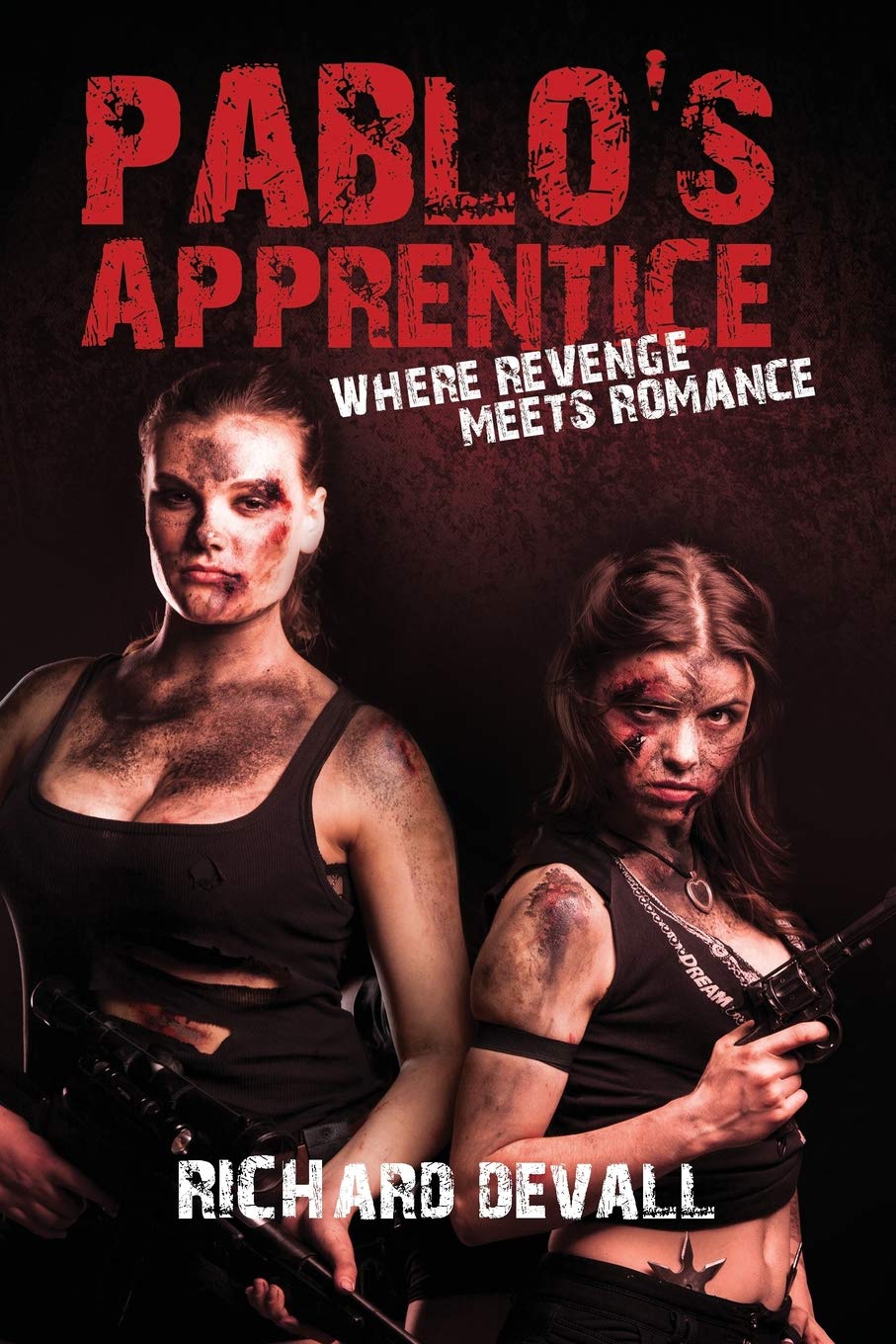
 There’s a decent idea here, and an attempt to add some new wrinkles to that old reliable, the rape-revenge genre. Unfortunately, there are too many problems and missteps to make this a worthwhile entry. Violet (Winkler) is an aspiring actress, whose dreams are shattered when she falls for a fake audition. She is lured into a basement, raped, and the resulting footage posted on a highly-dubious website. She’s clearly broken by the trauma, to the increasing worry of her mother (Burns). But hope is present in her growing relationship with Josh (Crowe), a young man she met at the lake where Violet likes to sit, trying to find some measure of peace. However, how will he react when he finds out about her other life, in which she is making those responsible for the assault, pay.
 I am old enough to remember when Suvari was playing jailbait in American Beauty. It is therefore a bit disturbing to find her here, taking on the role of the mother of a seventeen-year-old daughter. Where has the time gone? But then, it has now been approaching 23 years since Beauty came out. This realization is probably more chilling than anything this technically competent, but almost entirely lacklustre thriller is able to deliver. It starts off with an interesting premise, and even has some not commonly-seen elements in its heroine. But the longer this goes on, the more it feels rote and by the numbers, without enough to differentiate it from other, better entries in the (more or less) Die Hard knock-off sub-genre.
 Firstly, I’m not quite sure whether this is a movie or not. The IMDb lists it with a running time of 98 minutes, but Tubi had it as 4 x 25-minute episodes. I’m guessing the former is just a compilation of the latter, it works about the same either way. The title translates as “The way of the empty hand”, and the emphasis here is very much on the first part: the journey. The heroine is Nicki Wright (G. Niebauer), who has barely got out of rehab for alcohol problems, when she gets involved in a brawl, after seeing a woman being assaulted by a man. Her mother had had enough of dealing with Nicki’s taciturn BS, and dumps her on her father, Cliff (D. Niebauer).
 This likely suffered, having been watched the day after Boyka: Unleashed which, while not an action heroine film by any stretch of the imagination, is a near-perfect demonstration of how brutal, no-holds barred fights
  Bea is living a quiet life, far out in the Wyoming countryside, with her husband Justin and young son, Bear. However, this isolation is an entirely deliberate choice in order to escape from her past. For in her previous life, she was Phoenix Romano, an enforcer and hit-woman for her mob boss father. After deciding she’d had enough of that life, she liberated several millions of his money, and vanished, hoping never to be found again. Naturally, things don’t quite work out like that. Justin and Bear are killed in a car crash, but Phoenix has reason to suspect it wasn’t an accident, and that instead her past life is catching up with her. But why did whoever was responsible for that go after her family, and leave her alive?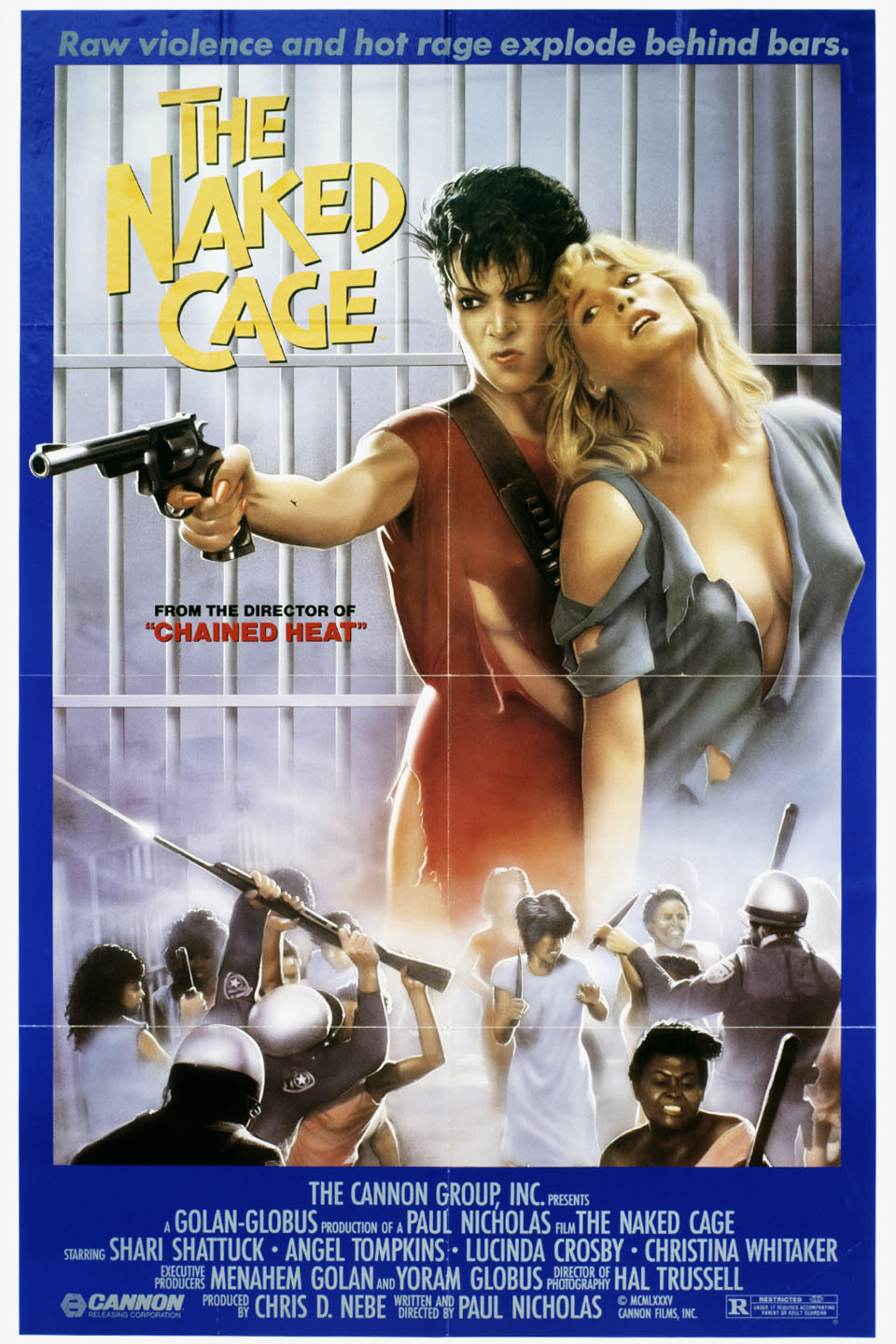
 Yes, in some way, this is probably among the closest the West has come to reproducing the DGAF attitude of Japanese entries like the