




Literary rating: ★★★★★
Kick-butt quotient: ☆☆☆☆
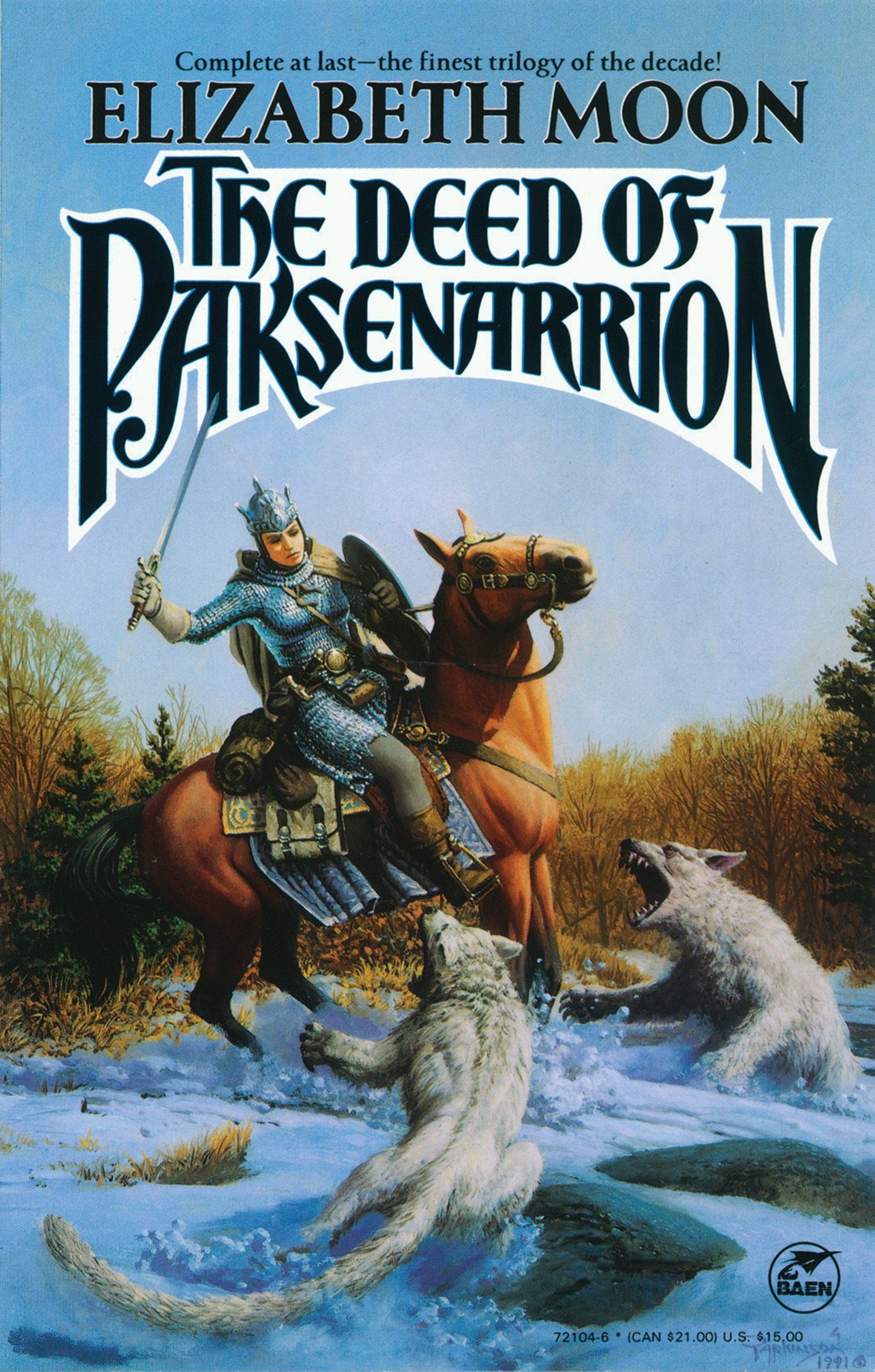 This is an omnibus volume containing an entire trilogy of novels: Sheepfarmers Daughter (1988), Divided Allegiance (1988), and Oath of Gold (1989). Together, they tell the story of Paksenarrion Dorthansdotter, a young woman in a fantasy world who, as a tall, strapping farm girl of eighteen years, runs away from home to escape an unwanted forced marriage, and joins a company of mercenary soldiers.
Moon’s literary vision here has both strengths and weaknesses (which are sometimes the converse of each other). Her world-building is very detailed; it brooks comparison with Tolkien’s or, at least, Paolini’s on that score. (I appreciate a fictional world where women can occupy positions of power, and can train and serve as soldiers in full equality with men.) She also brings a high level of realism to the fantasy genre; as a Marine veteran, she knows a great deal about what the experience of initiation and training into a military unit is like. Indeed, other than the fact that Paks trains with a sword rather than a rifle, her life as a recruit is probably much like that of real-life modern “grunts” going through boot camp; and Moon recounts it in great detail.
The realistic note continues through the trilogy. Though magic operates in this world, and magical species like elves, dwarves and orcs exist, this element doesn’t appear much in the first book. (It will come much more to the fore in the later ones.) Realistically as well, Moon is willing to suddenly kill off characters, including characters you’ll have come to like and care about — exactly the way that real-life humans may die suddenly in combat situations, whether everybody likes and cares about them or not. Characterizations here are, not surprisingly, very realistic and vivid, and this is true of many secondary and minor characters too.
Some fantasy fans may want a higher level of magical content in their reads than the first book offers, and find it too much on the “mundane” side, though I don’t have a problem with this myself. Some readers won’t be happy to have characters they like, and expect to play more prominent roles, killed off. A bigger problem, though, is pacing. Usually, I have a pretty high tolerance for a slow narrative pace. Even so, I found this one glacially slow. Moon takes us through every aspect of “boot camp” life, every stage of every journey, every part of a siege, etc. You learn a lot about the world and the characters this way, but some scenes don’t add anything along that line. There are exciting, action-filled scenes, too; but many readers would find this narrative draggy in quite a few places. But the pace picks up somewhat in the later books (or perhaps we just get more used to it). And while characters who model responsible sexual behavior are refreshing, Paks’ total disinterest in sex seems at odds with the author’s usual realism. However, that trait will fit in with the future the author has in mind for her heroine.
Paks’ character grows considerably over the course of the trilogy. At the beginning, she’s a good-natured but simple young girl, who’s likeable enough as a person, and who does have a moral code; but she doesn’t think about the ethics of taking human life on the battlefield in wars over things like trade or border disputes, where her company happens to be on whichever side hired them first. To her, that’s just what mercenary soldiers do; it’s simply a morally neutral job that she likes and is pretty good at –though, to her credit, it’s important to her that she’s part of an “honorable company” that doesn’t murder noncombatants or rob innocent peasants.
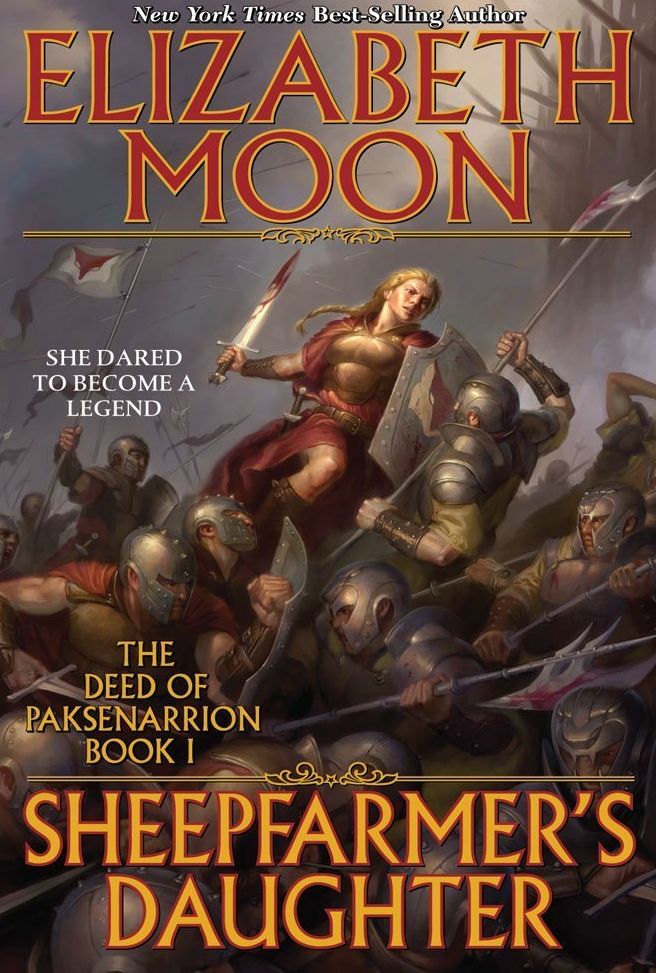 But the first book ends with a crisis of genuine moral decision, in the tradition of serious fiction that aspires to do more than just entertain; and our heroine’s ethical sensibilities are in for real growth and development in the succeeding books. And this comes about as believable personal maturation of who she’s always essentially been, not as an artificial change tacked on by the author. This is one of the great strengths of the trilogy. (For fans who don’t like the military-centric type of fantasy, Paks is taken out of the mercenary company context fairly soon in the second book.)
While the first novel introduces us to the seemingly polytheistic religions and cults of Moon’s fantasy world, the later volumes take us behind the scenes to see more of a unifying pattern in apparent diversity. The human cultures of Pak’s world recognize a righteous Creator, the High Lord; and it’s explicitly suggested that the elven and dwarven concepts of the Creator are the same God, just with a different name and different stressed aspects. Other, lesser “gods” are spiritual entities that either serve the Creator, or in the case of the evil ones (and some are radically evil) oppose him, much like Satan opposes God; while human saints like Gird and Falk are separately venerated by distinct groups of followers, but each are recognized as servants of the common High Lord. In other words, religion in that world is much more monotheistic in essence than it initially appears; and it’s a strongly moral monotheism. (And as in our world, believers have to struggle with challenges to faith and problems of theodicy.) These religious themes play a key part in the last two novels.
There’s plenty of sword-fighting and other action here, quests and intrigue, magical perils, hidden identity, and a plot that’s suspenseful right up almost to the last page. But it’s also a work of rare psychological and spiritual depth, with the kind of serious dimension that marks it as truly great fiction, fiction of lasting literary significance, not just entertainment value. It’s also fiction that will break your heart in places, because there are points where Paks practically goes through hell –and some scenes here are not for the squeamish. But light is only recognizable against darkness; and out of great darkness here comes great light. One of the most powerful scenes in English-language literature that I’ve ever read in a lifetime of reading occurs here (you’ll know it when you read it). It’s a real shame that this trilogy isn’t more widely known by fantasy fans; but more than that, it’s a shame that it’s not recognized as one of the crown jewels of the American literary canon from the late 20th century. I’d like to hope that someday it will be!
Author: Elizabeth Moon
Publisher: Baen Books. Available through Amazon, both for Kindle and as a printed book.
A version of this review previously appeared on Goodreads.
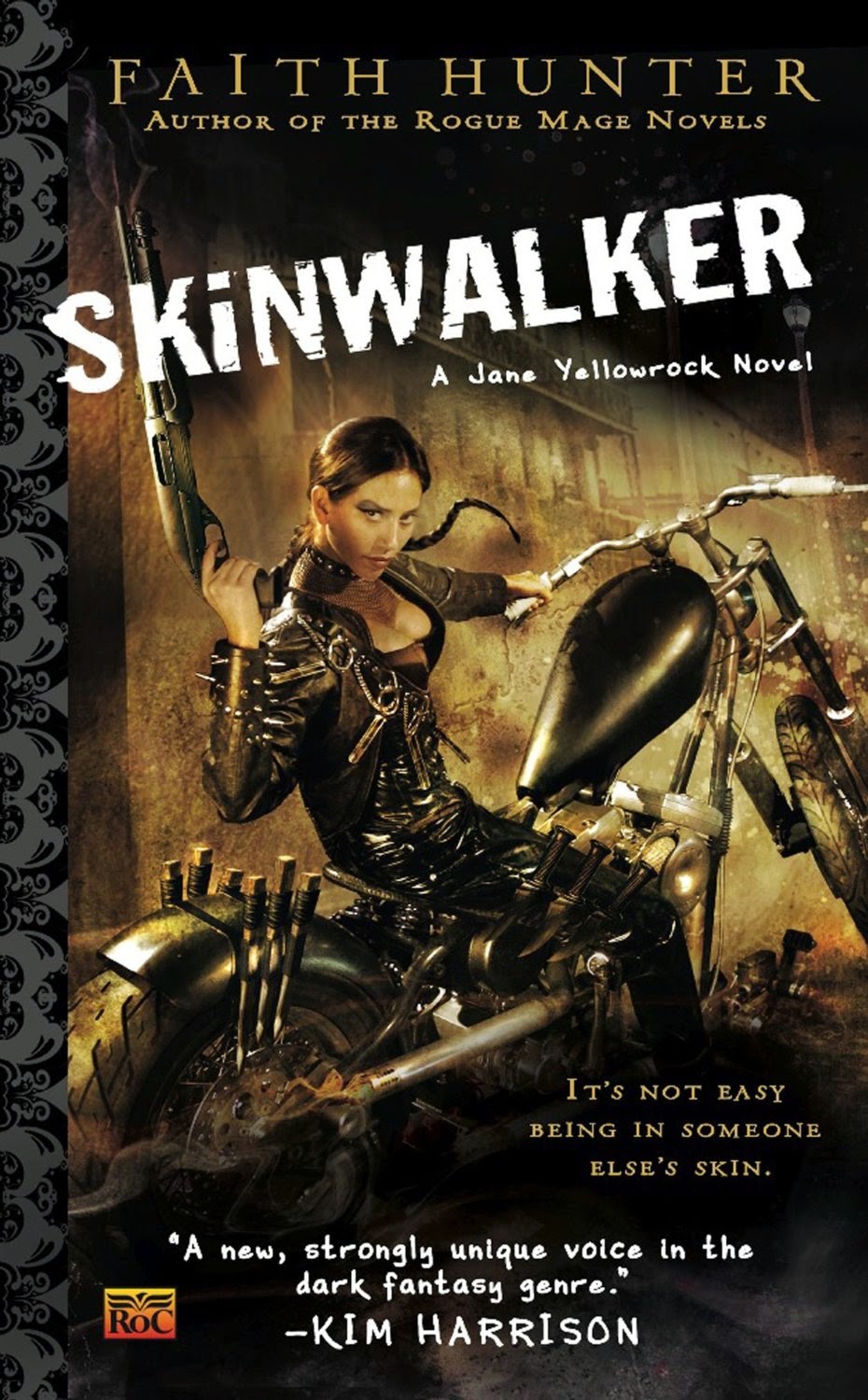
 Supernatural fiction is a favorite genre of mine, and I have a soft spot for strong heroines who can kick some butt when necessary; so naturally, I thought a book that appealed to both interests might be rewarding. But that didn’t begin to prepare me for how much I liked this one! In this opening volume of the Jane Yellowrock series, featuring a Cherokee Indian shape-shifter who makes her living hunting down and killing rogue vampires that prey on humans, Faith Hunter has created one of the most original and vividly-realized fictional protagonists to come down the pike in a long time, and established herself in my eyes as one of the genre’s outstanding contemporary voices.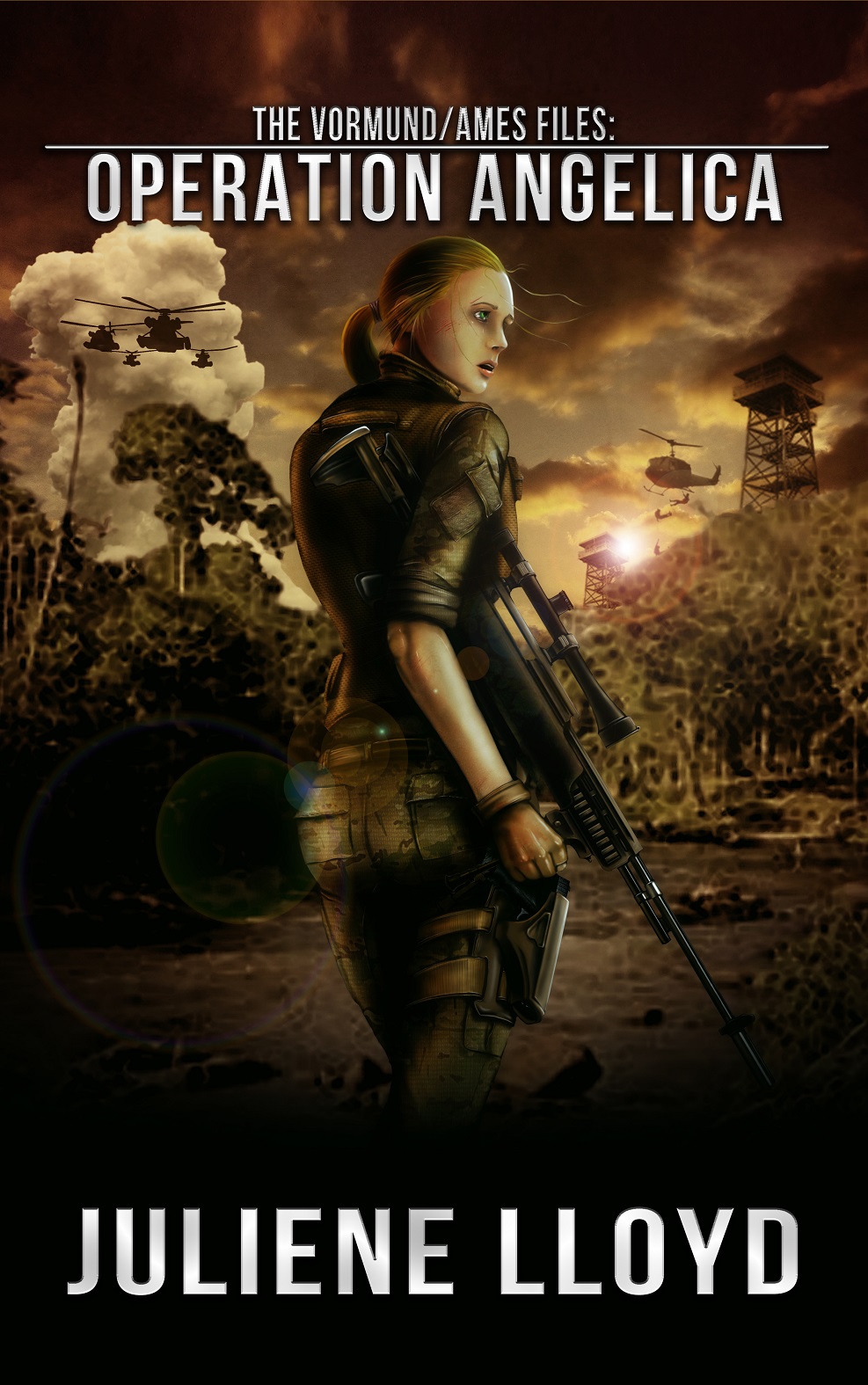
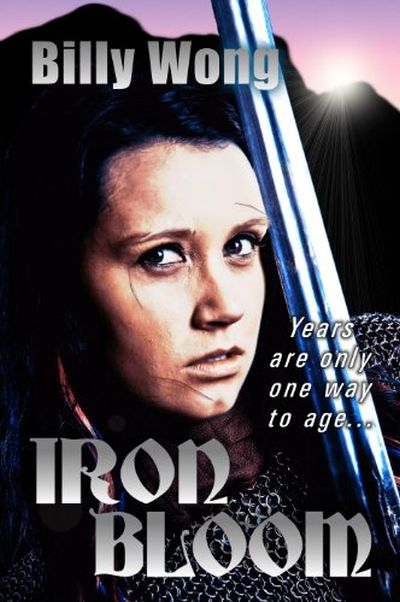 This first book in Wong’s Legend of the Iron Flower series is one I got for my Kindle app at a time when it was being given away free. I only read books that way to see whether I consider them worth buying a copy –and in this case, the print edition is now on my book shelf. As a first novel, it’s not unflawed, but I liked it well enough to support the author by buying a copy, and plan to continue reading the series.
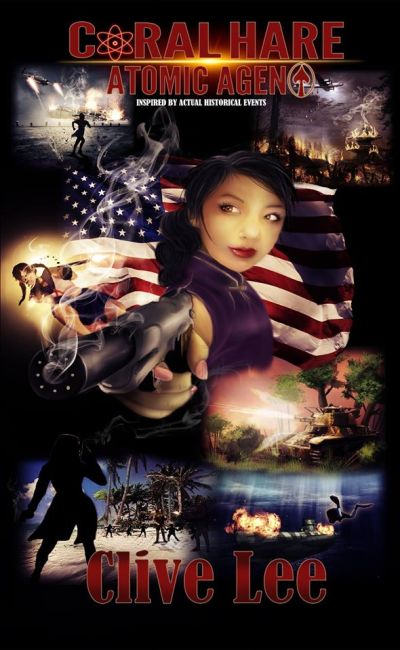 Full disclosure at the outset: the author, who’s a member of my Action Heroine Fans group on Goodreads, gifted me with a no-strings-attached free copy of this novel.
 For me, the main weakness of the novel was a sense of missed opportunity for moral reflection. True, Mina’s trying to stop WMD’s from being built and deployed, which is certainly a commendable goal. She also doesn’t harm any civilians herself. But she knows about the Manhattan Project, which is a mirror image of the Japanese effort, and is present for the firebombing of Tokyo (shown left, and in which more civilians died than in both atom bomb attacks combined). We’re not told what, if anything, she thinks about any of this; the silence can suggest that she pretty much endorses an “us against them” ethic in which whatever “our side” does is okay, because OUR cause is just. For the time and place, of course, that attitude is realistic (for both sides), and Mina at least doesn’t have the racism that fueled a lot of that attitude.
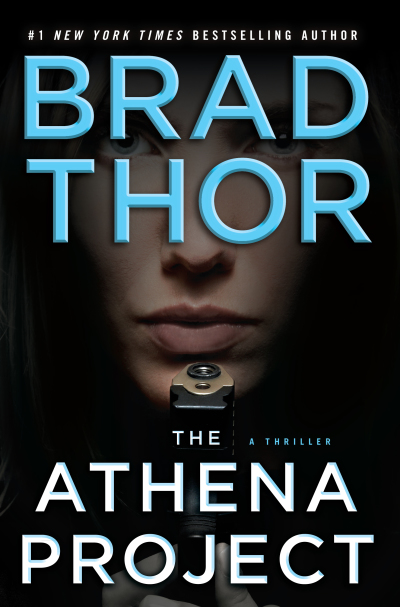 I first became aware of this novel through an article back in February about MMA champion Ronda Rousey and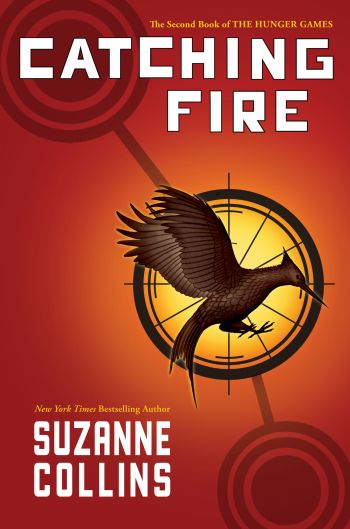
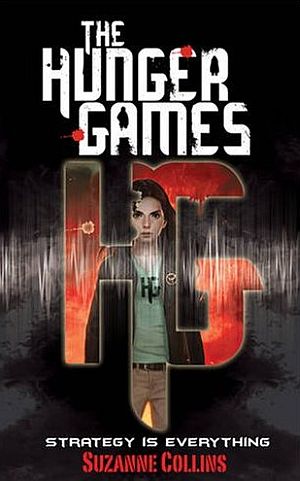 I don’t “do” literature much here: I used to read a ferocious amount, but time and opportunity have waned since I stop commuting by train to work. However, I got a Kindle for my birthday, and that spurred me to finish the first novel I’ve read in a long time. While I enjoyed Hunger, and am keen to see the movie version, I was not blown away by this as much I hoped. It’s certainly a provocative premise. In a dystopian future, the former US has been divided up into districts. To discourage rebellion, each year every district sends two teenagers, selected at random, to the capital. They are placed in a large, multi-terrain arena for a nationally-televised tournament to the death: last one alive wins glory and a life of ease. When her younger sister is selected in their District 12, Katniss Everdeen volunteers to replace her: she has been using her hunting skills to support her family, so feels she has a much better chance of survival. But it’s still one against twenty-three…
 The rise of self-publishing has provided an opportunity for authors to distribute their product directly to the public – it’s no longer necessary to have a contract or even a publishing house. This is, frankly, a double-edged sword: just because you
 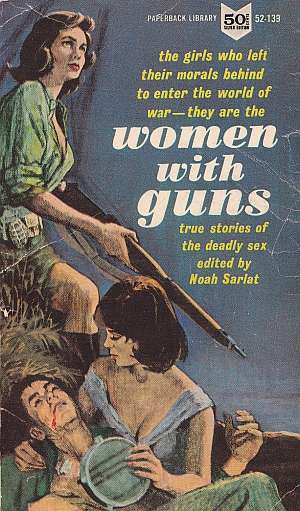 The tender sex – and the terrible things they can do. Violence, savagery, sudden death on the battle field, torture and butchery behind enemy lines – these are the facts of war. It is a man’s world… but what of the women trapped in it? What of women such as: