




★★★★
“The Spy Who Loved Me”
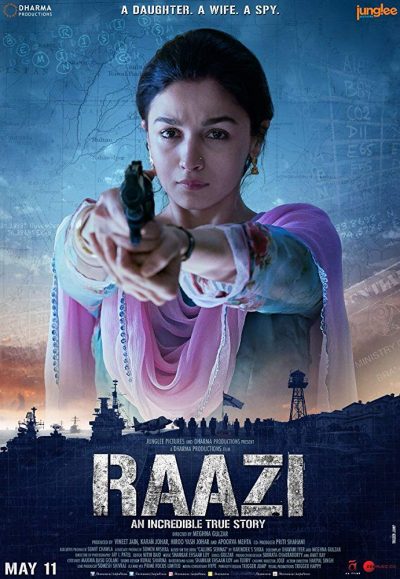
 This Indian spy thriller manages to be both remarkably restrained and human, avoiding a potentially jingoistic approach, and going for something considerably more measured. It takes place just before the war between India and Pakistan in 1971, when Indian agent Hidayat Khan is pretending to give information to Pakistan. In order to get close to their top brass, he convinces his daughter, Sehmat (Bhatt), to enter an arranged marriage to Iqbal Syed (Ahlawat), an officer whose father (Sharma) is a Brigadier in the Pakistani army. After being trained by senior intelligence officer Khalid Mir (Kaushal), she goes to join her new husband, and begins operations as a spy inside the Brigadier’s household.
From there, it’s a series of tense incidents, with a servant becoming increasingly suspicious of Sehmat, but her also falling for Iqbal, and realizing that the enemy are not so different. These conflicting loyalties create emotional carnage, not least when she has to kill multiple people in order to protect her mission. [One of whom is killed using an umbrella laden with a ricin pellet, which is odd, since this was seven years before the KGB used exactly this method to assassinate a dissident, Georgi Markov] She does succeed in sending back vital information to Mir, but he has great difficulty in getting the Indian military to take the data seriously, being uncorroborated evidence from a rookie agent. When the Pakistanis start rolling up Sehmat’s local support cell, it becomes a race against time to extract her before she is caught in the net.
What I particularly liked about this was Sehmat’s “ordinariness”: she has no amazing abilities or combat skills. She is brave, smart and very committed, yet far from immune to the hellish toll a mission like this takes, especially on the psyche of someone thoroughly unprepared for it. The film does a much better job of depicting this than, say, Red Sparrow, in particular with an ending which is genuinely poignant, and a far cry from the black and white depiction which I was expecting. There’s as much ground to criticize the Indian side – not least for their cynical exploitation of a young girl’s desire to satisfy the wishes of her father – as the Pakistani one.
This was one of the highest-grossing Bollywood movies with a female lead ever, trailing only romantic comedy sequel Tanu Weds Manu Returns, and it’s easy to understand why. About the only misstep I can think of, was giving Sehmat’s father lung cancer, as if relying on her daughter’s sense of filial obligation and patriotism wasn’t sufficient moral blackmail. It’s a sloppy and unnecessary bit of early melodrama, whose lack of subtlety is severely at odds with the rest of the film. In a world where most spy movies treat death as a throwaway trifle, this goes a long way to remind us that the taking of another human’s life is absolutely not a trivial matter, regardless of the reason.
Dir: Meghna Gulzar
Star: Alia Bhatt, Jaideep Ahlawat, Vicky Kaushal, Shishir Sharma
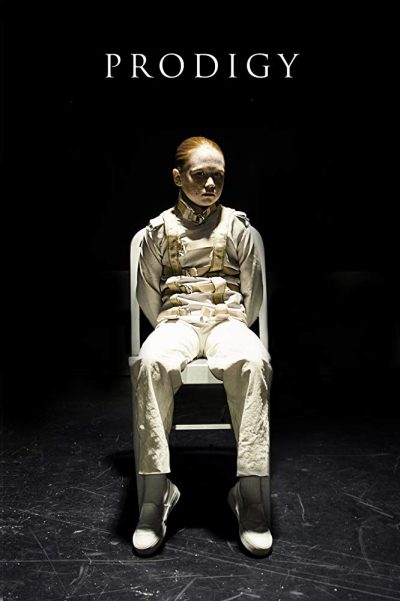 This small-scale production – a cast of little more than half a dozen, and one location, not counting the park scenes which bookend it – packs a wallop significantly above its weight. Psychiatrist Jimmy Fonda (Neil) is brought into a military facility by an old friend, Olivia (Andersen), to interview a young girl, Ellie (Liles), who is being held there. To avoid pre-judging her case, Fonda deliberately avoids reading the documentation about her with which he has been provided. But the stringent security precautions (“In the event the subject escapes the restraints, drop to the floor and cover your head”) under which she’s held, should give him a clue that this is far from a normal nine-year-old. If it didn’t, the conversation with her which follows certainly does.
 Up to a certain point (which I’ll get to in a bit), this low-budget post-apocalypse picture from the Netherlands has been solid if unspectacular. The limited resources have shown themselves in a world which almost entirely consists of running about sand dunes and light forest. The fight scenes have been grubbily realistic rather than impressive, with the kind of amateur flailing around with limited weaponry you’d probably actually see after armageddon has actually taken place. And the main focus of the plot has been the usual warlord type, Deacon (Bolt) who turns people into “supplicants” – drug-crazed pit-fighters for his personal amusement. Standard practice for a post-apocalyptic leader, really.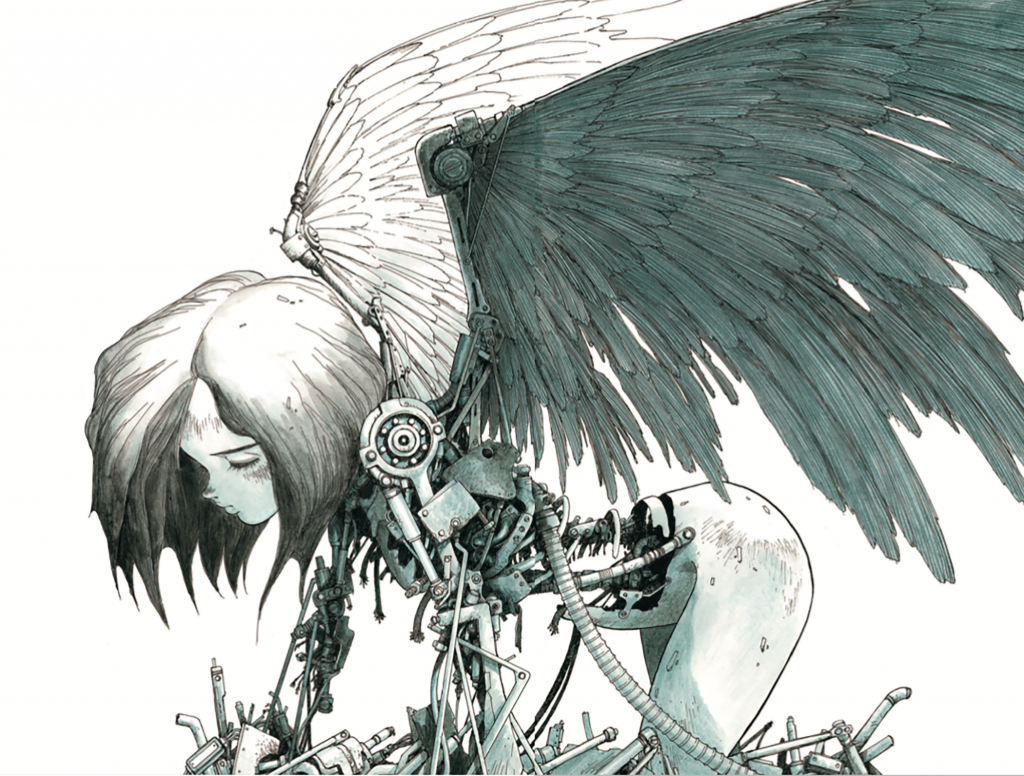
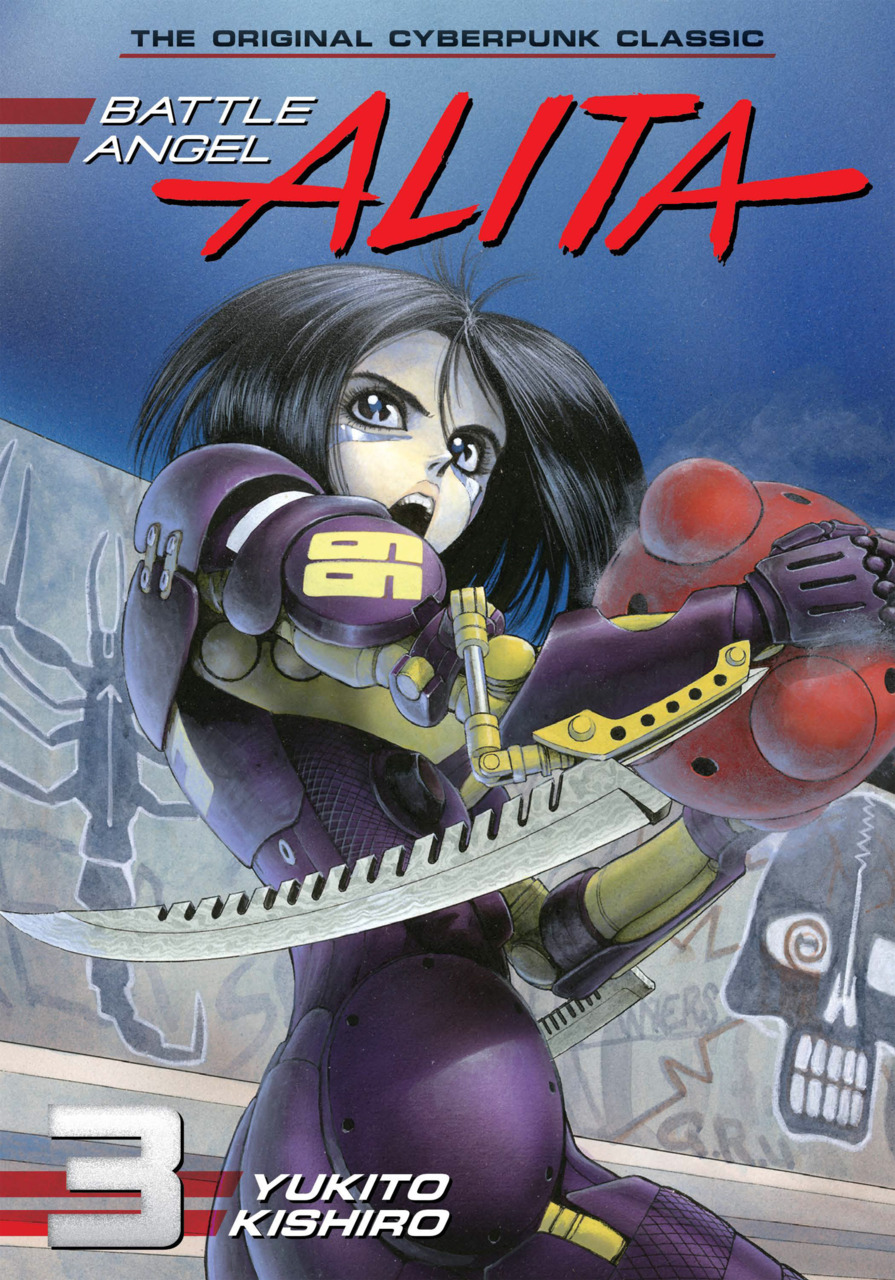
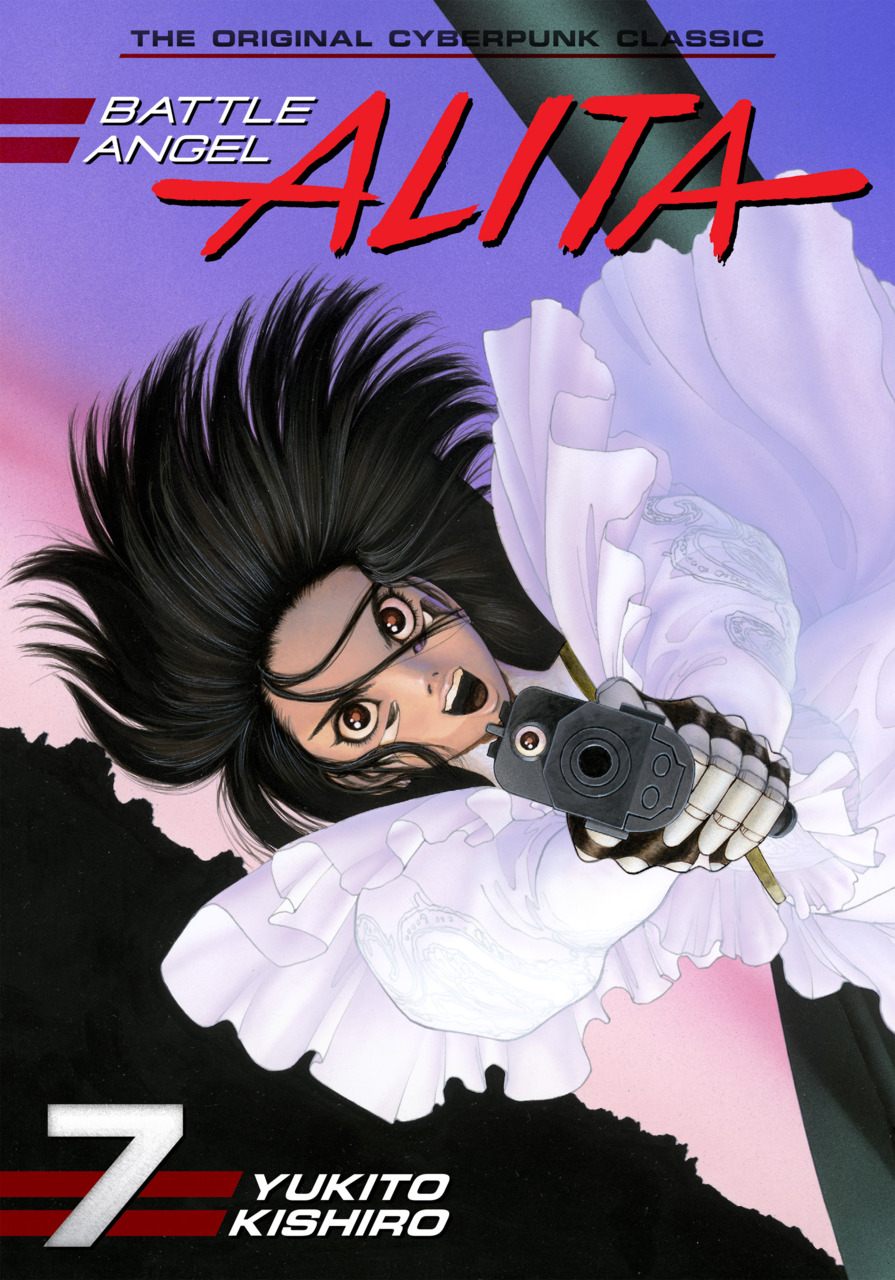
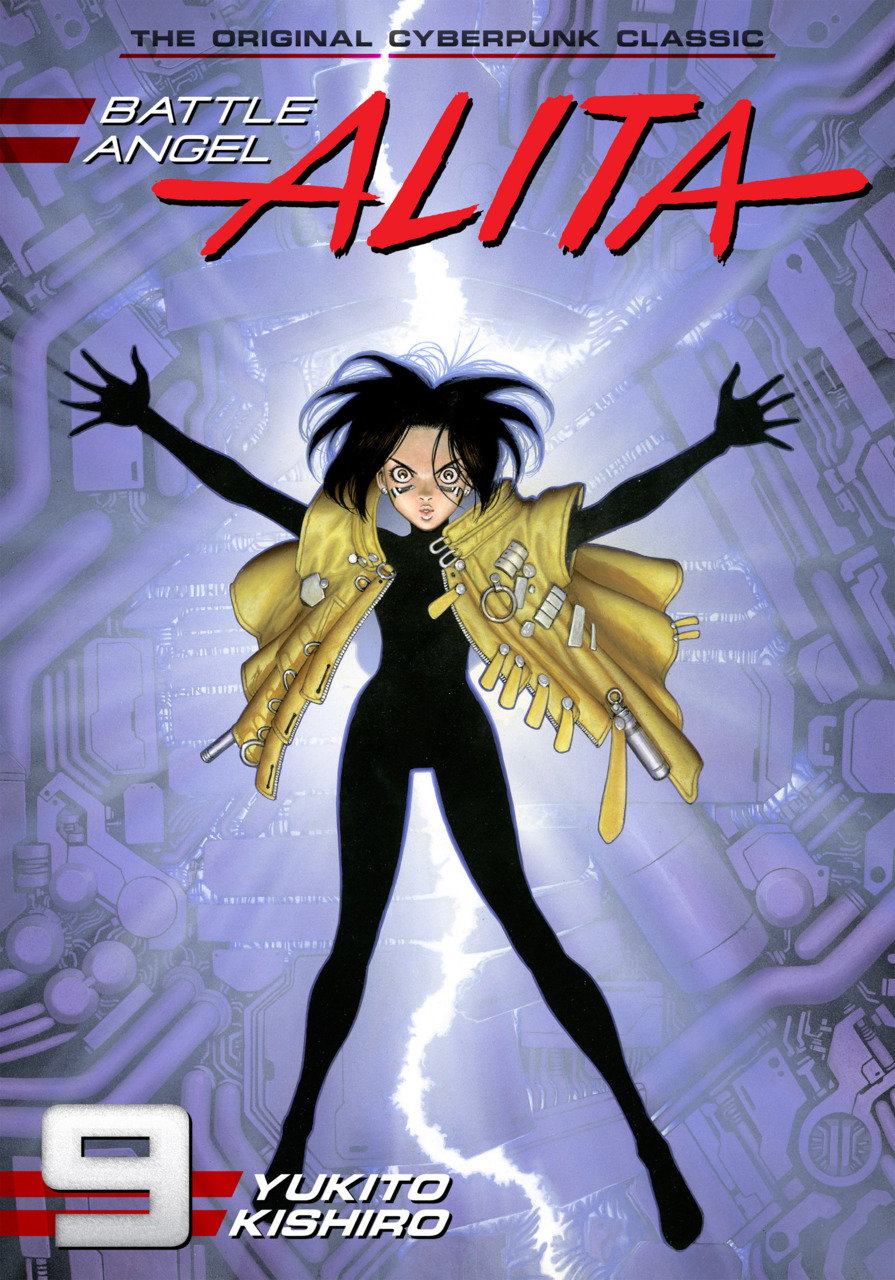
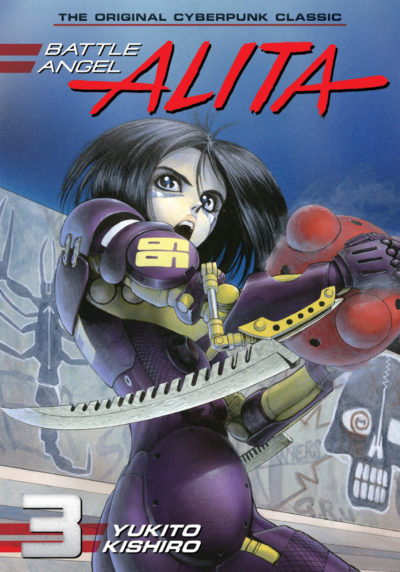 wever, there’s still an amazing amount going on in terms of story-line and universe-building. You can easily see how the feature film will only be able to cover perhaps one-quarter of the series. I presume it will begin with the origin story, in which Ido finds the head of Alita in the scrapyard beneath the floating city of Tiphares, and gives it a cybernetic body. He’s a part-time bounty hunter, only to find out quickly, the combat abilities of his new charge far surpass his own. Unfortunately, she has little or no memory of her prior life; where she got these skills and how she ended up in the scrapyard is only revealed well into the series.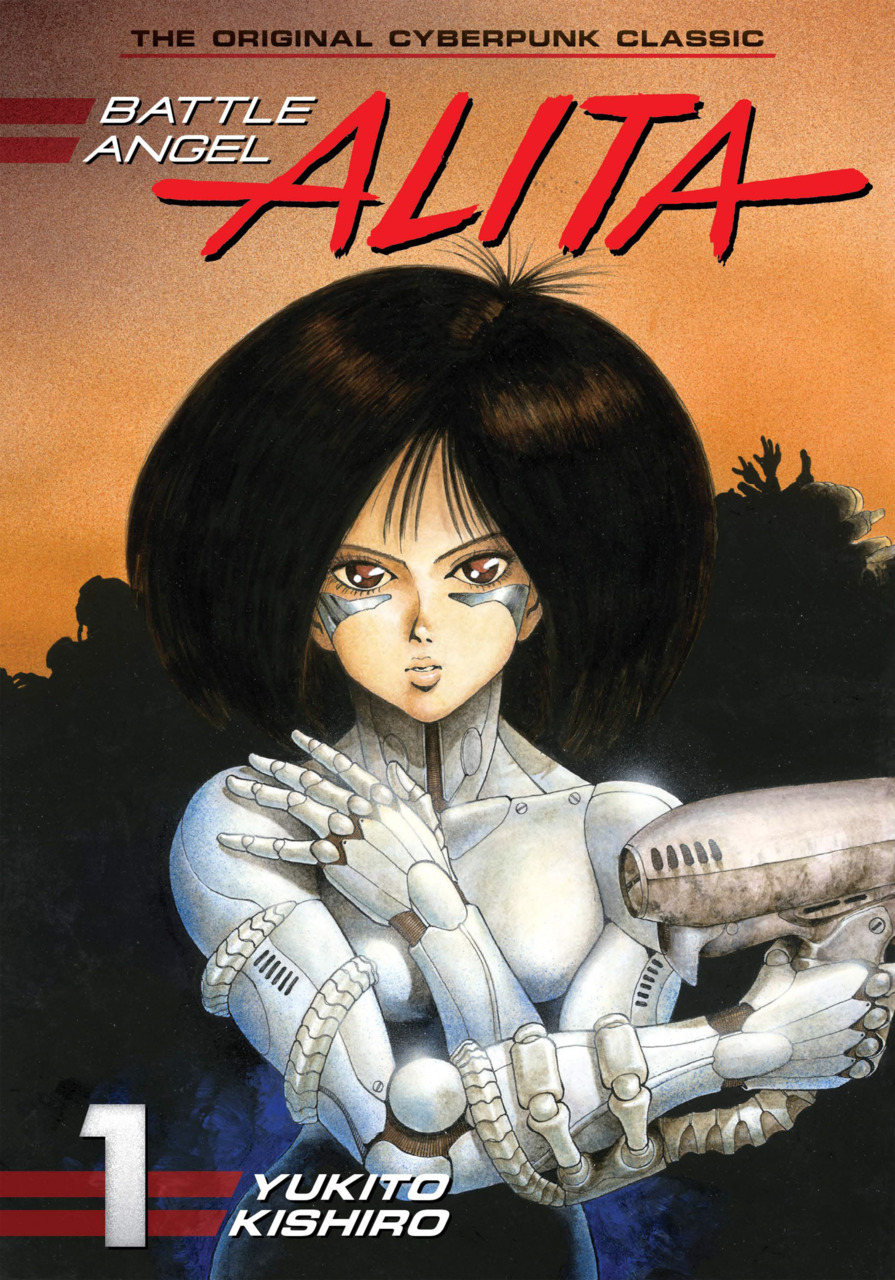






 ★★★★
★★★★ The show is defiantly messy in terms of its characters, who manage both to embody the stereotypes of the dogged law-enforcement official and the slick, femme fatale, while also subverting them. From the viewpoint of this site, Oksana is likely the more interesting. As a high concept, imagine a female version of Dexter: charming and affable on the surface, yet extraordinary lethal – and capable of flicking that switch in a moment. The difference is, Villanelle has chosen not to control and direct her “dark passenger” so much as embrace them fully, and is given the chance to do so by the profession into which she is recruited. It also allows her to indulge her fondness for haute couture.
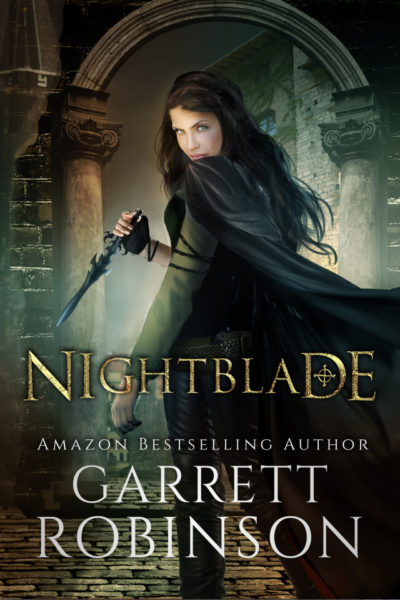 One of the common problems I’ve found with fantasy novels is establishing the universe. It’s clearly going to be very different from the reader’s, and the author needs to get them up to speed on how things work in the book’s setting. If this isn’t done quickly and effectively, the reader can be left floundering in a world they know nothing about. Robinson uses a neat trick to get around this. His heroine, Loren, basically knows nothing about it either, because she has been brought up in a remote rural area. Virtually all she knows about life outside the woods comes from tales told to her by an itinerant tinker, and her dreams of becoming a heroic thief seem no more than fantasies.
 ★★★★
★★★★
 I say the above, since the father of the star here is Clint Eastwood, possibly the most famous vigilante in cinematic history. He gave us Dirty Harry, who memorably spat out lines such as, “When an adult male is chasing a female with intent to commit rape, I shoot the bastard – that’s my policy.” This apple doesn’t fall far from the tree. Though Noelle, the art student who becomes an avenging force after being raped at a party by a fellow student, takes a little longer to get to that point of unrepentant street justice. Her first victim is purely accidental, her attacker falling over a balcony after she confronts him, in the hope of getting some kind of apology. Doesn’t happen, and his death doesn’t exactly cause her sorrow. When she realizes she is also far from alone in what she has gone through, she decides that active retaliation is the best approach.