


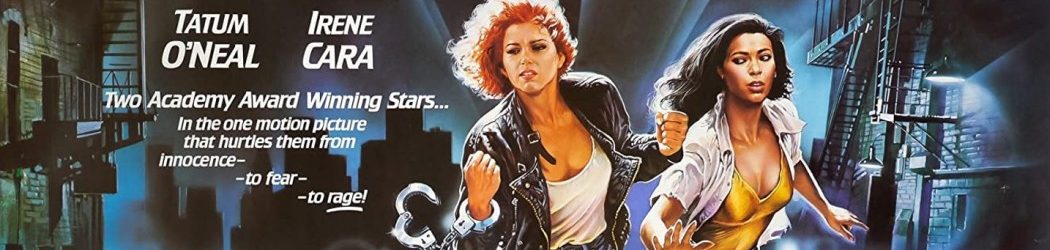

★★★★
“Virtually game for anything.”

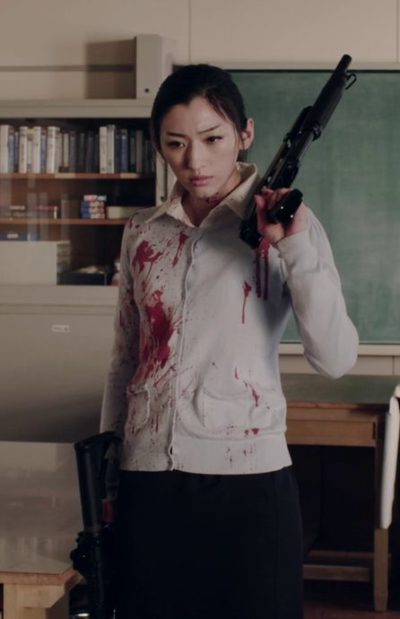 A bus full of Japanese schoolgirls includes the quiet, poetry-writing Mitsuko (Triendl), who drops her pen. Bending down to pick it up, she thus survives the lethal gust of wind which neatly bisects, not only the bus, but the rest of her classmates. Ok, film: safe to say, you have acquired our attention. [Not for the first time the director has managed this: the opening scene of his Suicide Circle is one we still vividly remember, 15 years later]
What follows is an extremely hyper-violent gallop through a series of scenarios, with Mitsuko and her friends becoming the target for assaults by everyone from teachers to bridesmaids. Can she figure out what the hell is going on, with matters not helped by her apparent amnesia, with no memory of everything prior to the bus? And, more importantly, is the film going to be able to deliver any kind of rational explanation for this?
The further this went on, the less convinced this would be possible. However, I have to say, it ends up making far more sense than I expected. It even explains things as disparate as the fairly lecherous costume choices (the schoolgirls’ skirts are more like broad belts, and frequently fly up in anything more than a light breeze) as well as the extremely drone-heavy cinematography. On reaching the end, I immediately wanted to watch this all over again, armed with the provided explanation, and see what other clues I had missed.
There’s a lot to admire here: it plays almost like a cross between Sucker Punch and Run Lola Run, combining the slick visuals and “anything can happen” mentality of the former (and has been similarly condemned), with the latter’s… Well, mostly its running. Seriously, Triendl (who is Austrian-born, hence her non-Japanese surname) racks up as many miles in this 85 minutes as an entire series of Doctor Who companions. But not just her, because even more confusingly, her character is played by multiple different actresses across the various scenarios.
Interestingly, until the very end, there are almost no men in the movie at all, save the pig-headed bridegroom, to who our heroine will be wed. Perhaps that’s a clue in itself to the nature of the multi-verses around which Mitsuko finds herself bouncing. It’s fascinating to watch everything unravel, and the lead actresses do very well, in a role or roles that could have been little more than a place-holder. Watch the emotions flickering across Triendl’s face, for instance, as she tries the virtually impossible task of explaining to one of her friends what she has gone through.
There’s no denying the strongly feminist subtext here, providing you can look past the chauvinist trappings and arterial spray. Sono is both embracing and critiquing the exploitation world in which he has largely operated, although does so with a light enough touch, you can simply enjoy it as a blood-drenched action film, rather than having to worry about its philosophy. And the less you know about it going in, perhaps the better.
Dir: Sion Sono
Star: Reina Triendl, Mariko Shinoda, Erina Mano, Yuki Sakurai
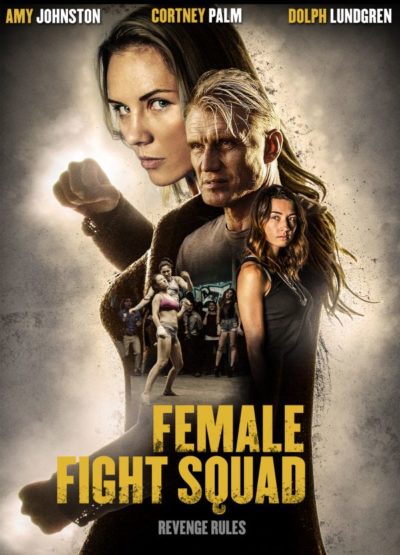 This was originally known as Female Fight Club. I presume the title was changed after a strongly-worded letter from David Fincher’s lawyers, perhaps to evoke thoughts of its star’s stunt work on Suicide Squad. It’s interesting, because Amy Johnston’s previous feature,
  The horror genre has a tangential connection to the action heroine one, most directly through the concept of the “final girl” – when the last person left alive is a woman who confronts and defeats the threat. From Halloween to Alien, this has been a staple of the genre, but whether it qualifies a film for inclusion here, depends largely on what has gone before. For example, 10 minutes of frantic action at the end can’t counterbalance the first 80, if the focus there was not on a female lead.
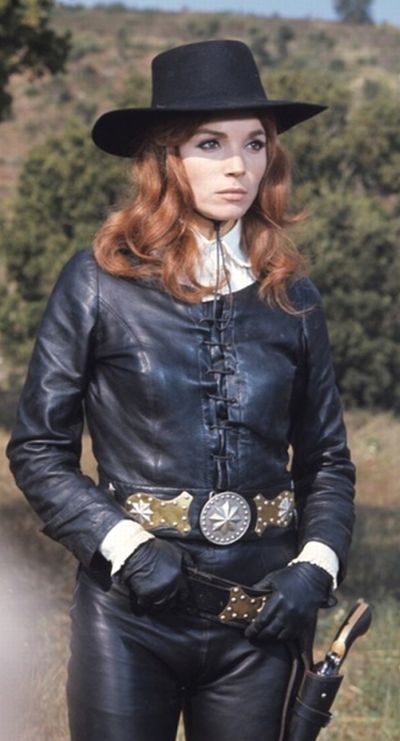 This is virtually unique, in being almost the only spaghetti Western with a female lead, and certainly unique in being the only one
 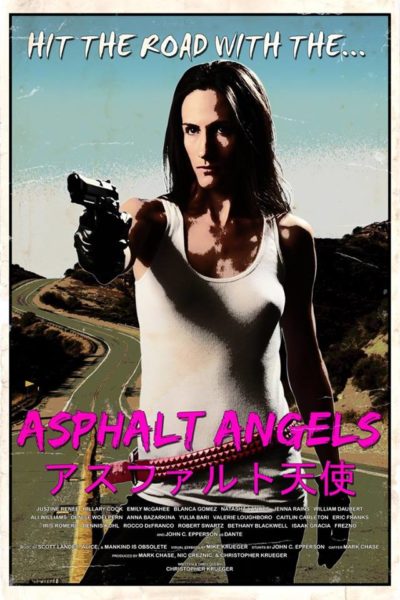 While the lack of resources is frequently and painfully obvious, I’m inclined to look kindly on this. My tolerance is due to the abiding love for our genre possessed by writer-director Krueger, shown in the influences, both obvious and subtle, on display here. From Faster Pussycat to Female Prisoner 701, he seems like the kind of man whose DVD collection reflects my own. Hell, despite being set in America, a character here even uses the greeting stance beloved of bad girls in pinky violence movies: knees bent, right arm outstretched, palm up. I can’t truly hate a film made by someone who knows what that is.
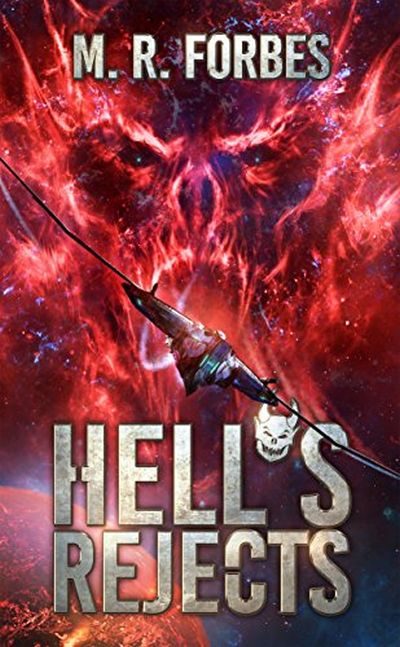 The heroine in this enjoyable slice of space opera is Lieutenant Abigail Cage. She’s a “breaker” – effectively, a hacker – although one who is highly trained in combat. Her latest mission is to enter a rebel compound and recover a laptop, but the job goes awry, and she finds herself framed for treason after a cache of weapons goes mission, and sent to Hell. No, literally: that’s the name of the planet, and it’s an entirely apt one.
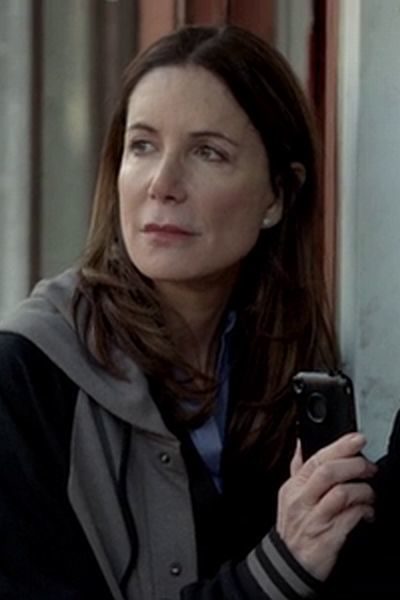 Ann Willis (Robbins) is a single mother, working as a waitress and trying to keep family together after the death of her husband from lung cancer. To help out, son David (Abrahamson) abandons his plans to attend college and gets a job in a local factory. But he falls in with some questionable company there and, lured by the prospect of easy money, starts dealing drugs for the local mobsters, run by Canarsie. Things go from bad to worse after his supposed “friend” Mike (Falahee) frames him for the disappearance of some product, and things end with David’s dead body floating in the river, having been beaten to death by his associates. The cops, and in particular, Detective Frank Hogan (Baldwin), investigate – but to be honest, aren’t particularly interested in one drug-dealer being killed.
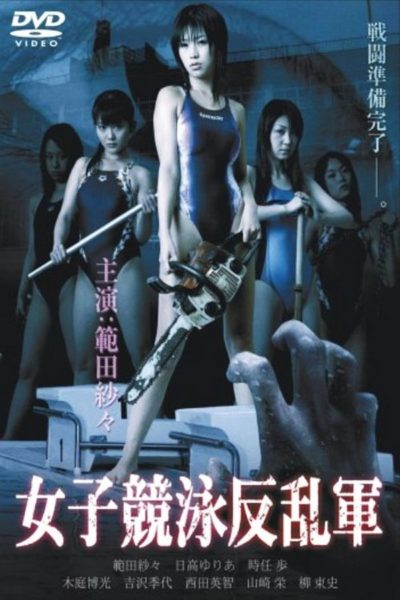 I strongly prefer the alternative name (as given in the credits below, though in some territories this was also known as Inglorious Zombie Hunters) – it’s one of the finest exploitation titles of all time, both describing exactly what the film is about, while simultaneously reeling in the potential viewer. Certainly beats something which sounds more like an Asylum “mockbuster” version of a certain, snarky Marvel superhero. If the product itself doesn’t quite live up to it’s own name, this mostly a case of, really, how could it?
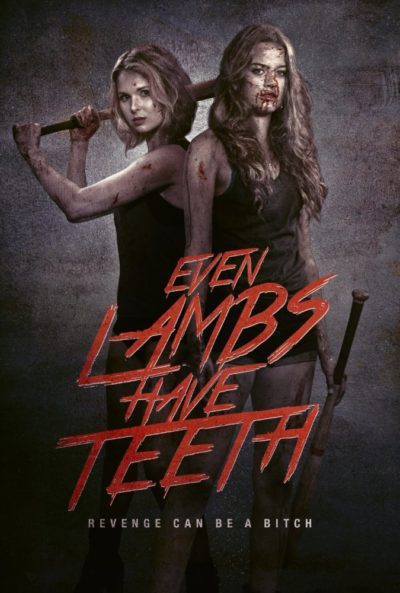 Katie (Skovbye) and Sloane (Prout) are teenage BFF’s, who head off to spend time on an organic farm – though their real goal is the weekend shopping in New York which will follow it. On the way, they are distracted by a couple of bits of prime young, rural manhood. But before you can say “roll in the hay,” they are drugged, the pair waking up to find themselves chained to duplex shipping containers, from where they are rented out as sex slaves to anyone interested. Their sudden dropping off the grid concerns Katie’s uncle Jason (Richards), who happens to be an FBI agent. He heads to the area to investigate, unaware the local sheriff is in on the plot. However, there’s only so far you can push a person, before they break. When Katie and Sloane snap, and escape, rather than heading for safety, they decide to stick around, so they can get thoroughly medieval on those responsible.
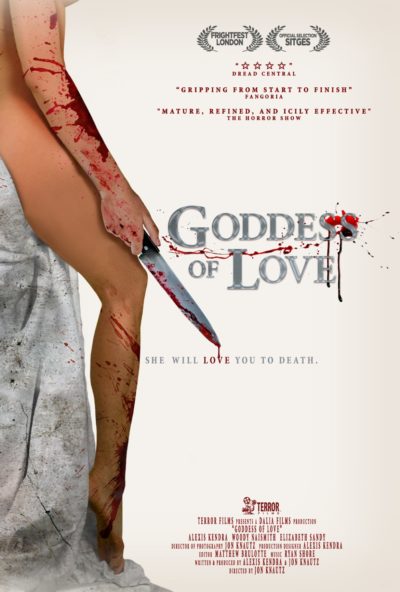 Right from the start, it’s established that Venus (Kendra) is not the most mentally stable of creatures, alternating between emotional fits in the bathtub, drug abuse and her day job as a stripper. That’s pretty much the trifecta of Stay Away for any man. But she ends up dating one of her strip-club customers, Brian (Naismith), a photographer who likes Venus because… she reminds him of his late wife. Which as opening lines go, I’d imagine would rank highly as Stay Away for any woman. While initially working far better than you’d expect, that only makes the eventual crash and burn of their relationship, all the more brutal.