This is based on a TV series from Britain, which ran for two seasons in the eighties – I’ve seen it, but for some reason never got round to writing about it. The show would have been right in our wheelhouse, being written by Lynda LaPlante, who also created Prime Suspect. This version transplants the action from London to Chicago, and retains the basis story at its core. When their husbands die in connection with an attempted armed robbery, the wives of the late participants decide to take up the mantle of criminal enterprise, using a dossier of plans left behind. However, the motive is different here. The money stolen, and subsequently destroyed, belonged to crime boss Jamal Manning, who demands Veronica Rawlings (Davis), wife of the robbers’ leader, repay it back. All two million dollars of it.
It ups the ante compared to the British version: there, it was largely a desire by Mrs. Rawlins, simply to follow in her husband’s footsteps. It probably makes Veronica more sympathetic, though she’s not quite as hard-ass as Dolly was, across the pond. Less effective is the desire to add various political and social subtexts to things. For Manning is standing for office in a local election, seeking to disrupt things by going up against Jack Mulligan (Farrell), the scion of a long-standing dynasty. While it turns out both the original robbery and Veronica’s planned crime play into this power struggle, it does divert from the main story. And don’t even get me started on the Rawlings’ son having been killed by the police, an entirely pointless thread. [Except when shooting people, the cops here are notable by their absence] With considerably less time available than in the original, which ran for six, hour-long episodes, this is problematic.
It’s especially so when it comes to depicting the rest of the widows beyond Veronica, who are given scant attention in term of their characters. This is a shame, especially in the case of Alice Gunner (Debicki). The actress cuts a striking figure, not least because she’s 6’2″ – or one inch shorter than Brienne of Tarth. :) Rodriguez is similarly wasted, in a role that doesn’t make much use of her presence. Fortunately, Davis is up to the task, and is just as impressive as she was in Lila & Eve. [Though despite some efforts, Chris still hasn’t got me to watch Davis in How to Get Away With Murder!]
Falling therefore into the category of good, rather than great, it would perhaps have been better to copy the British structure and make this a mini-series – though does anyone still make those any more? Shonda Rimes is, perhaps, the contemporary American version of LaPlante, and the creator of HtGAWM would have seemed an ideal person to do such an adaptation justice. Water under the bridge, however, and if you can overlook the occasionally over-earnest wokeness on display, this is still solid enough, anchored perfectly well by Davis’s fibe performance.
Dir: Steve McQueen Star: Viola Davis, Michelle Rodriguez, Elizabeth Debicki, Colin Farrell
This is new territory for me, being the first Polish film to qualify here. Turns out, director Vega has, largely single-handedly, driven a bit of a new wave of cinema from that country. Rather than the lugubrious dramas of Krzysztof Kieślowski, Vega is more like Guy Ritchie, making violent gangster flicks. In this case, the script came with direct input from the gangsters themselves, one of whom contacted Vega after being annoyed by their portrayal in a previous movie. Probably wisely, he opted to take their criticisms on board here…
It’s very much an ensemble piece, covering the stories of five different women. Though perhaps the film’s biggest issue is they’re not quite different enough, and for some time, I was sure that two were the same person! It starts with police officer Bela (Bołądź), being recruited to go undercover and infiltrate the Mokotowska organized crime gang, whose boss Padrino (Bogusław Linda) rules Warsaw with an iron fist. She becomes the lover of one of his top henchmen, known as Cieniu (Fabijański). When he eventually is arrested, his wife Anya (Warnke) and their nanny, Daria (Dygant), take on the mantle, and start working for Padrino instead.
It was Bela and Daria I conflated, initially thinking that Cieniu [which is Polish for “shadow” – never say we’re not educational here!] had got Bela a job in his house, after falling for her. I was eventually disavowed of that, not least because Daria has a real talent for the criminal world, in particular the brutality necessary to survive. This becomes particular apparent after the film’s most harrowing scene, where she takes her revenge on another gang who tried to muscle in on her drug-running business. By the time she’s done, all that’s left of them is their teeth. To be honest, Vega might have been better concentrating on her character, as Daria’s transition from mild-mannered nanny to bad-ass is awesome.
The rest of the stories and character arcs are more of a mixed bag. Bela largely vanishes from the film in the middle, which concentrated on Ania and Daria – the former is a real trophy wife, dumb as they come, and interested only in being able to spend money. There’s also Padrino’s daughter, known as “Futro” (Julia Wieniawa-Narkiewicz), who is the apple of her daddy’s eye – made apparent in a great scene where he praises her singing talent… and we then hear what she sounds like. That affection can be used against him, and when Futro’s drug use becomes a problem, Bela poses as a therapist to get into her father’s house that way. The fifth woman… I literally have no recollection of: Siekiera, played by Aleksandra Poplawska. Sorry.
Even at 138 minutes long, the film is perhaps spread too thin: a mini series might have given the material more room to breathe. However, this is still an impressive, entertaining watch, and the time flies by. It’s slickly produced, and populated by figures who bear the shape of real-life – albeit perhaps in an exaggerated form. Vega has stated his intention is to make a trilogy, and the end certainly points that way. I’m looking forward to the next installment.
Dir:Patryk Vega
Star: Olga Bołądź, Sebastian Fabijański, Katarzyna Warnke, Agnieszka Dygant
a.k.a. Kobiety Mafii
The WWE has had a fraught relationship with women’s wrestling over the years, but things seem to have been heading in a positive direction recently. They dropped the terrible “Divas” tag, renaming the belt back to being the women’s championship, and with Triple-H overseeing things, seemed to be bringing in talent based on wrestling ability, rather than just looks. While very much a work in progress, this led to ground being broken on October 28, with the company holding its first-ever pay-per-view show entirely filled with women’s matches. That there was enough talent to make such a show possible, in itself indicated how things had changed. However, it was not without controversy.
The event itself was announced in July, and may have been a reaction to criticism of WWE after their April Greatest Royal Rumble show in Saudi Arabia. Due to that country’s social climate, women were not allowed to wrestle there, and after a promo video included them in action, the Saudi General Sports Authority issued an apology for this “indecent material.” Having a women-only PPV seemed like an acknowledgement of the issues. Yet Evolution was overshadowed by another WWE event in Saudi Arabia, scheduled a week later – a situation not helped by the murder of local journalist Jamal Khashoggi at the country’s consulate in Istanbul. The concept also came in for criticism from those who felt the company was patting itself on the back for “evolving” out of depths which were entirely of Vince McMahon’s own making.
I can’t honestly say these factors had any impact on my interest in the largest women’s show ever – at least, in the United States. For back in 1994, AJW held their oddly-named Big Egg Wrestling Universe show at the Tokyo Dome, with a crowd of over thirty thousand in attendance. In comparison, attendance at the Nassau Coliseum was less than one-third that, at 10,900. Still, it was an order of magnitude up on the previous American high, likely belonging to Impact Wrestling‘s One Night Only: Knockouts Knockdown show, which took place before a crowd of 1,100 in May 2014. And, for me, the possible positives heavily outweigh any negatives: a good show could encourage viewers to check out all-women federations like Shimmer or Shine. A rising tide floats all boats – I note a local Arizona federation staged its first gyno-centric show the weekend after Evolution.
But would they deliver? Technically, it was a decent presentation by WWE, if a little smaller-scale than expected – the regular RAW set-up was elsewhere in the country, so they had to make do a bit in terms of lighting and spectacle. I did like the commentary team of Michael Cole, Beth Phoenix and Renee Young, who all seemed genuinely enthusiastic – even Cole, who can sometimes come over as a bit of a dick. With that said, let’s go through the seven matches on the official card (there was a ‘dark’ bout that took place before the broadcast began) and see how they fared. Spoilers. of necessity, follow the rest of the way.
1. Trish Stratus and Lita defeated Mickie James and Alicia Fox. Things started slowly, as two retired Hall of Famers returned to kick the show off. Though James has been around almost as long, and fought against Stratus and Lita when they were active (both retired in 2006). This seemed intended as a bridge, to link the past to the present, but the fact the veterans had been out of ring action for more than a decade inevitably meant this was mostly slow and careful. Though the biggest botch belonged to Fox, whose save on a pinfall attempt was so late, the referee had to stop counting. The icons won after Lita hit her signature moonsault. She was the first woman I ever saw doing that move, and it’s still impressive [especially now at the age of 43!].
2. Nia Jax won by the 20-woman Battle Royal. Never been a big fan of the Battle Royal; it makes the ring look like a brawl on a rush-hour train in the early stages. Still, it was nice to see some more veterans, including Alundra Blayze, and Molly Holly, whom we interviewed in 2006. Iy did showcase the depth of women’s talent now present in the WWE. There were times in the past when I doubt they could have found 20 women in the company for a bout like this, without including make-up artists and secretaries. Things became less chaotic once we eventually got down to the final few competitors, and I was pleased to see Jax win. She’s one of the furthest from the archetypal “Diva” – billed at six foot tall and 273 pounds – yet unlike some of the larger men, is no slouch in the ring. Fun fact: her cousin is Dwayne “The Rock” Johnson.
3. Toni Storm defeated Io Shirai in the 2018 Mae Young Classic tournament final. The first singles match was an excellent one, despite being between two wrestlers not yet on the main roster. Both were familiar though: Storm had reached the semi-finals of the 2017 Mae Young Classic, while Shirai was part of one of our all-time favourite matches on Lucha Underground. Storm is an Australian, and could hardly be more archetypally Antipodean if she tried: tall, blond and fit. She’s going to be a star. For Shirai, the problem for WWE may be finding people of her level, against whom she can wrestle. I almost sensed her having to slow down and pull her punches here, to avoid overwhelming Storm. As with most Japanese wrestlers, the key to her success in the West will be if she can get her personality on the mic, something which has limited many of them in the past.
4. Sasha Banks, Bayley, and Natalya defeated The Riott Squad (Ruby Riott, Liv Morgan, and Sarah Logan). There’s nothing like a good bad girl, and the Riott Squad provides three of them. They certainly had my backing – but then, I’ve never been impressed by Banks, and for some reason, Bayley irritates me more than anything (I think it’s at least partly the hair). I thought the Squad worked particularly well as a team. If the rumblings about WWE introducing a women’s tag division prove true, then you could pick any two of the trio and they’d be more than credible contenders. Their opponents though? Meh. Largely forgettable, even Natalya, who typically represents good value for money.
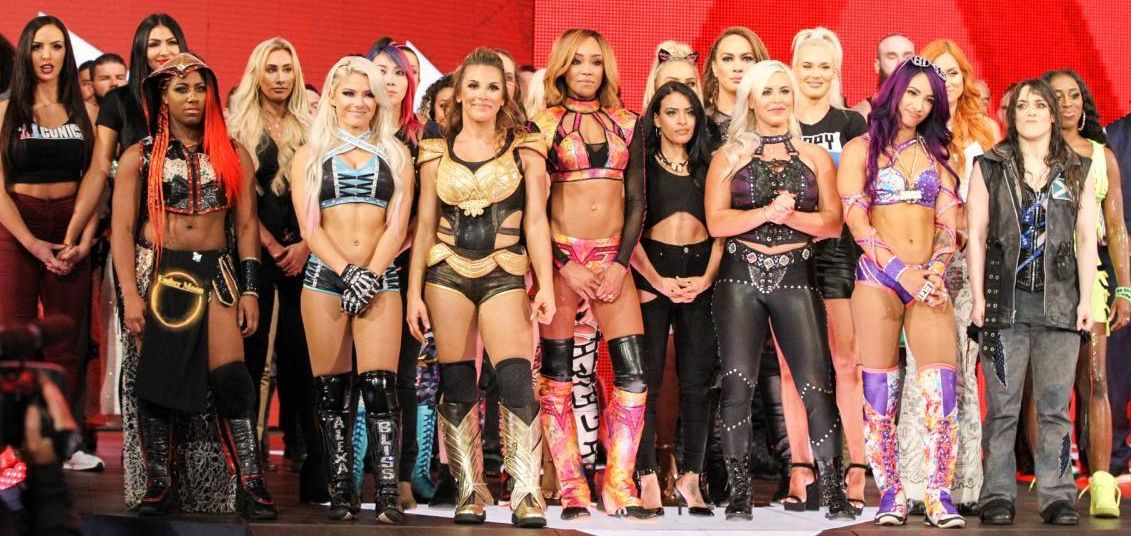
5. Shayna Baszler defeated Kairi Sane for the NXT Women’s Championship. The two, shown below, have been feuding in NXT (the WWE’s top developmental brand), with former MMA fighter Baszler winning the title in April, but losing it to Sane in August. This was also a rematch of the final from the first Mae Young Classic, in which Sane prevailed over the “submission magician” Baszler – and was similar in content, with Bazler trying to ground and pound Sane, while the latter used her speed and agility to stay out of her opponent’s grasp. While Sane lost, it was largely only through the intervention of Baszler’s friends in the front-row, who helped her regain the title. That dubious interference helps solidify her heel status nicely, though she will need to do a better job of not seeming like Pepsi to Ronda Rousey’s Coke.
6. Becky Lynch defeated Charlotte Flair in a Last Woman Standing match for the WWE SmackDown Women’s Championship. This was pretty much a universal pick as match of the night: in Cageside Seats‘s poll, it got 86% of the votes, with nothing else at more than 4%. I can see why (though preferred Storm/Shirai). At almost half an hour long, it was epic in length: a stark contrast to the women’s match which started the #GiveDivasAChance trend on Twitter, and helped open the door for this show. That bout in 2015, pitted Paige & Emma against the Bella Twins, and lasted… 26 seconds. However, Lynch’s superior talent was often glaringly obvious, especially in the early stages, with Flair starting very slowly. She did improve as it went on, and this eventually blossomed into a full-on brawl, with kendo sticks and ladders used without mercy as weapons. It ended when Lynch powerbombed Flair through a table, and left her unable to beat the referee’s ten-count – the only way to win this match. It was certainly the fight that defined the event.
7. Ronda Rousey defeated Nikki Bella for the WWE Raw Women’s Championship. Our daughter went to school in Scottsdale with the Bella Twins. I’m sure she would have enjoyed seeing Nikki get the crap pounded out of her by “the most dangerous woman on the planet”. It was interesting how Nikki uses “diva” – WWE’s official designation for women wrestlers until April 2016 – as a term to get heel heat. In many ways, she is the last of that ‘old guard’, and to be honest, the sooner she’s gone the better, because she and her sister still can’t do more than take part in glorified catfights and make duck-faces. As such, Rousey is the anti-Bellas, and I’m fine with that. However, I’m unimpressed by WWE giving her the title, four months after her pro wrestling debut – at Wrestlemania. Considering the women who have honed their craft in obscurity for decades (hello, Mercedes Martinez), guess there’s still work to be done before WWE truly “gets” it.
All told, it was a solid event, especially considering it was the first of its kind. Yet if it is to be at all meaningful, it can’t be the last, and if WWE could avoid overshadowing it next time, simultaneously shooting itself in the foot, that would be just great… There won’t be quite the same novelty to promote Evolution II, yet that shouldn’t be a problem, as long as the weekly shows continue to provide a chance for the women to show their talents on a regular basis. It’s been a long time since I’ve been as optimistic about the potential future for women’s wrestling in the West, and despite the flaws, in future years we may look back to this event as a watershed in its blossoming.
Star: Ronda Rowsey, Nikki Bella, Becky Lynch, Charlotte Flair
★★★½
“She’s more cold-blooded than any man I’ve ever seen.”
This Western was released in 1953, and feels decades ahead of its time. It’s set toward the end of the Civil War, in the town of Border City, which sits exactly on the dividing line between North and South. A settlement built on mining, it has remained a neutral zone under strictly enforced rules laid down by Mayor Delilah Courtney, selling lead to both sides for their bullets. As well as Yankee and Confederate soldiers in the area, the picture is complicated by Quantrill’s Raiders, a group of independent (yet generally pro-South) soldiers under Charles Quantrill (Donlevy). [They really existed, and as the film reveals, had some well-known names in their ranks]
Quantrill arrives in town alongside Sally Maris (Leslie), there to visit her brother, Bill, who runs the local saloon. However, tensions are high, since a couple of years earlier, Quantrill had abducted Bill’s girlfriend, Kate (Totter), taking her as his wife. Kate instigates a gunfight in which her husband shoots Bill, and after some doubts, Sally takes over the saloon. But Kate won’t let it lie, and her enmity leads to a gunfight between the women, which Sally wins, although she refuses to finish the wounded Kate off. When the Yankee army rides in, seeking to end Quantrill’s group, she shelters Kate, despite all that has happened. Meanwhile, Sally has fallen for Lance (Lund), a supervisor at the local mine, who is playing a dangerous game as an undercover agent for the Confederacy.
A lot to unpack in a brisk 90 minutes, with a great concept, of which I’d like to have seen more use made. An entire film about Mayor Courtney and her hardcore approach to neutrality (which includes summary execution for anyone she perceives as threatening the balance) would have been worth the watch. But it’s mostly the Sally/Kate dynamic which drives the film, leading to a saloon cat-fight after Kate threatens to start singing Dixie – an incendiary act which could easily trigger a blood-bath. Even more impressively, it escalates into the duel mentioned above (and shown below) – is it the first gun-fight in cinema, solely between two women? It’s a spectator sport, with the rest of the town watching in fascination; the men on both sides simply let things unfold as they may.
Though it’s really Sally’s story, Kate gets the poster and is also the subject of the tagline at the top. Proof, once more, that bad girls have more fun. There was, apparently, a difference in approach between the two actresses, Joan Leslie saying, “Audrey later told me she played the whole thing for farce, while I was doing it straight.” Yet fifties farce turns into female empowerment when viewed through a 21st-century lens, especially when Kate is lamenting her husband’s hold over her, which is positively #MeToo in tone: “At first I fought him. I tried every way I knew to try and escape. And later on, I became just like him.” Yet she’s actually far more of a dangerous wild-card than Quantrill.
I must say, Sally’s transition from straitlaced lady to whorehouse madam is rather jarring, and it’s never satisfactorily explained why she’s such an expert shot. The film never quite manages to recapture the refreshing energy of her duel against Kate; it feels like that should have been the climax, rather than petering out at the end of the war, with everyone joining in a rousing chorus of Dixie. And Totter’s pair of musical numbers appear to have strayed in from another film entirely. Yet the two leads are more than capable of carrying this: it’s especially interesting to note how this foreshadows the similarly-themed, yet much better known, Johnny Guitar, released a year later.
Dir: Allan Dwan Star: Joan Leslie, John Lund, Audrey Totter, Brian Donlevy
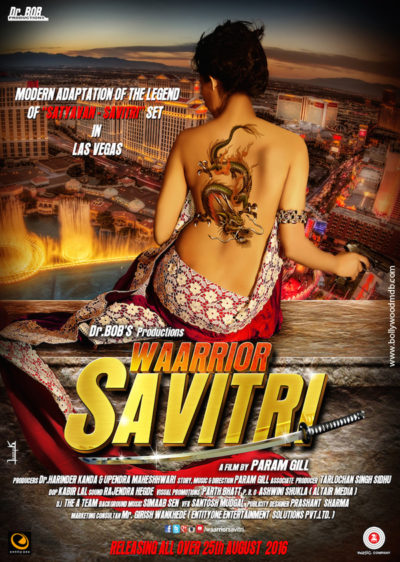
This is a modern update of the story of Savitri and Satyavan, originally found in Indian epic saga the Mahabharata [and when I say, “epic saga”, it’s 1.8 million words long!]. The tale has been an immensely popular topic for Bollywood, Wikipedia saying there have been thirty-four different film versions, dating back over a century to 1914’s Satyavan Savitri. The basic story is of a woman, Savitri, who defies a prediction that her chosen husband, Satyavan, will die in a year, and marries him anyway. She then has to talk the god of death out of collecting him.
The director’s day job is as a California dentist, which may explain why a good chunk of this is set in Vegas, and this was his first foray into Bollywood. It was a bit of a jarring introduction, since Gill apparently received death threats as a result of this film and was burned in effigy. Hey, everyone’s a critic… But it was actually religious fundamentalists who were responsible, sending him an email which said, “Self ban your film Warrior Savitri. It shows Goddess Savitri in poor light. If this film is released, you will be beheaded in public.” He still appears to have his head: perhaps the fundamentalists saw the film and realized it wasn’t worth a fuss. While I can see what it’s trying to do, the bulk of it doesn’t work.
That’s largely down to poor execution, though the plot has enough of its own problems. For example, the scene setting has Savitri (Raizada) learning martial arts after nearly being abducted as a child. However, this is then all but forgotten in the particularly tedious middle portion, as she meets Satya (Barmecha) and elopes with him to Vegas after a poor astrological prognosis of imminent doom causes her father to nix the marriage. After some more messing around – and, of course, the inevitable (and not very good) musical numbers – the predicted doom occurs, with Satya critically injured in a poorly-staged car-crash. Savitri gets involved with the evil Money John (Smoorenburg) and his sidekick, Candy (British page 3 girl, Lucy Pinder), to whom Satya owes money, while also having to bargain with Yama (Puri) for her husband’s soul.
Raizada isn’t actually the issue here; indeed, most of the performances are fairly serviceable and occasionally good. Puri is particularly impressive, his portrayal of the Grim Reaper as a world-weary, avuncular type being both against the obvious approach, and almost endearing. The scenes with the god of death chatting to Savitri are the best in the movie. The problems are more technical: most notable are some really bad digital effects, from green screen work to CGI explosions, and horrendously awful foley work during the martial arts fights. Really, when you’ve got a lengthy cat-fight between two women like Savitri and Candy, and all that sticks in your mind is how bad the sound effects were… something has clearly gone horribly wrong somewhere.
Dir: Param Gill Star: Niharica Raizada, Rajat Barmecha, Om Puri, Ron Smoorenburg
a.k.a. Waarrior Savitri [yes, with two a’s!]
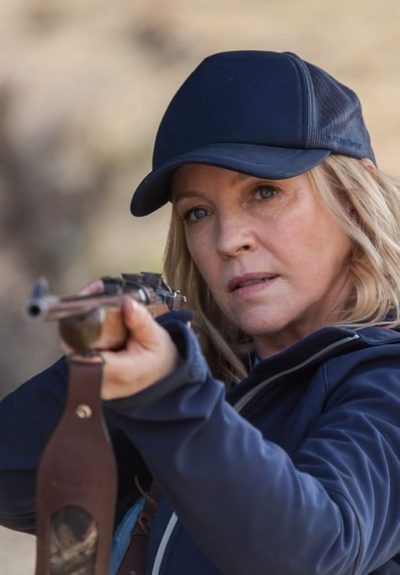
Not to be confused with the Angelina Jolie movie, this Australian TV series kicks off with an incident at a bus-stop, where Lola (Gibney) and Chelsea (Hakewill) are witnesses to a bloody battle, in which Lola accidentally shoots one of the participants. Both women are abducted by the survivor, but he in turn is gunned down by a former policeman. The pair high-tail it from the scene in the car, and discover it contains a hold-all carrying a large quantity of cash. Unable to trust the authorities – not least because both women have legal clouds hanging over them – they are forced on the run. In pursuit is the owner of the cash, Morrison (Phelan), and his minions, led by corrupt copper Ray Stanton. For Lola and Chelsea are entirely right in their paranoia.
There have been two seasons to date, each of six 45-minute episodes, making for a relatively quick watch. The story does occasionally strain belief in a couple of areas, with the long arm of coincidence playing more of a part than it ideally should. Chris also would like you to know that none of the dramatis personae should submit their applications to MENSA any time soon [or put another way, I lost track of the numbers of times, she yelled “STU-pid…” at the screen]. But I was largely willing to overlook these flaws, in the service of two great lead characters, whose interaction is a joy to watch. Lola is the tougher one out of the box, for reasons that become apparent, and more likely to engage in direct action, right from the very beginning. She’s driven by fierce loyalty to her family, especially her son. Chelsea, is almost the exact opposite: a mouse who slowly finds her inner lion, who is both smart and dumb at the same time, without it seemed a contradiction.
The first season ended in a pure cliff-hanger, Lola getting a call to be told, “Did you think this was over? We have your son.” Consequently, the second broadens the scope of the show considerably, with Lola haring off to recover and try to protect him (cue Chris with the “STU-pid…”, as the young man makes another in a series of questionable decisions!). She’s also after a key piece of evidence that will put Morrison away, allowing her and Chelsea to return to something approaching a normal life. The setting expands out too, from Australia to include both Thailand and, in particular, New Zealand, where the landscapes are almost a distraction on the “Tourist Board promotional film” level. [Seriously, at one point, a villain even pauses in his pursuit to take a selfie with the scenery]
The strength of the show though, remains the pairing of Gibney and Hakewill; the former’s age (in her fifties) makes her an interesting rarity in our genre, where youth dominates. She was also co-creator of the show, along with her husband – the lesson here being, if you want a good role, write it yourself! Despite obvious comparisons I’ve seen to Thelma & Louise, this does a better job of digging into the depths of the central pair, albeit with few scenes even approaching Ridley Scott’s style. Perhaps Season 3 can have a little less reliance on unfortunate happenstance, rather than direct action. For example, we do not need anyone else being disposed of, by falling onto a pointy branch…
Created by: Rebecca Gibney, Richard Bell Star: Rebecca Gibney, Geraldine Hakewill, Stephen Peacocke, Anthony Phelan
After a long absence, Wynonna Earp (Scrofano) returns to her home town of Purgatory, near the Rockies. There, we discover the truth about the death of her father and disappearance of her sister, events which precipitated Wynonna’s departure. Turns out the great-great-granddaughter of the legendary Wyatt Earp has a supernatural duty to fulfill, using her ancestor’s equally legendary 16-inch barrel “Peacemaker” revolver. Wyatt kept demons known as “revenants” in check, and the mission has been passed down the family line since, with Wynonna the current incumbent. Fortunately, mystical borders keep the revenants within the “Ghost River Triangle,” and she has the help of Deputy Marshal Xavier Dolls (Anderson), an agent in the “Black Badge” division of the US Marshals Service; Doc Holliday (Rozon), the now-immortal former friend of Wyatt; and Wynonna’s kid sister, Waverly (Provost-Chalkley).
Yeah, as the tag-line above suggest, there’s more than an echo of Buffy here, from Wynonna being the unwilling “chosen one”, through Purgatory being a hot-bed of supernatural activity (or “Hell Mouth”?), and the associated “Scooby Gang” who help out the heroine. Doc is a parallel for Angel, being a somewhat ambivalent immortal who has an on-again, off-again relationship with Wynonna. Dolls is Giles, the sensible adult of the group. And Waverly is a lumpy combination of Giles (research skills), Dawn (bratty little sister) and Willow (gratuitous lesbian tendencies). I’m not sure how many of these similarities come from Beau Smith’s comic which is the source here. It first appeared in 1996, when Buffy was still a failed movie, and not yet the successful TV series it would become. But the showrunner admits, when pitching Wynonna, she would describe it as “Buffy meets Justified.”
So, if you’re looking for originality, you are far better off elsewhere, certainly. That said, the horror-Western is some way from being an over-familiar genre, and the obvious influences certainly do not mean it is without merit or appeal. There has been a real shortage of action heroine shows on American television – which leaves me happy to see, even one as derivative as this. I particularly liked Scofrano, who brings a cynical world-weariness to her mid-twenties character.The show also does a good job of disseminating information, striking a nice balance between revealing its secrets, and keeping the audience guessing. The middle episodes do degenerate a bit into ‘Occult Monster of the Week’ territory, yet the writers redeem themselves with a strong final arc that sets the stage nicely, and not too obviously, for the second season.
Wynonna [a spelling which looks plain weird, with at least one N too many] takes to her destiny with gleeful abandon, dispatching revenants with enthusiasm. It’s refreshing to see a heroine who doesn’t agonize endlessly about dispatching the enemy – even if in this case, it’s probably because they are already dead. Overall, I think the show will likely go as far as Scrofano can take it. If it takes advantage of the chance to improve, and does so to the same extent Buffy did (the cast there didn’t grow into their characters until perhaps the third series), it’ll certainly be worth another look.
When I told Chris the title of this one, I swear you could hear her eyes rolling at the mere thought of it. But by the end, even she had to admit to having been won over by its dark charms. Most obviously is the sense of black humour which isn’t just dry, it’s as arid as the Atacama Desert. Morgan (Jungermann) and Jean (Carr) are fascinated by female serial killers, running a podcast on the topic which has acquired its own, unique fanbase. Morgan falls for Simone (Vand), a colleague at the food co-operative where she works. But Jean – who is also Morgan’s ex – can’t help thinking there is something seriously off with Simone.
At first, this seems like petty jealousy. But what exactly is Simone keeping in that lock-box of hers? Could she be a candidate for the podcast, more than Morgan’s new soul-mate? As things progress – a mysterious death at the co-operative, the realization that “Simone” may be just the latest in a series of identities, circling back towards one of their podcast subjects – the crunch eventually comes. Jungermann seems to be stressing the difference between chatting vapidly about which serial killer was the most “stylish”, or interviewing one in captivity (O’Toole provides a deliciously twisted cameo as the incarcerated Lila, voted second-most stylish by the podcast’s listeners – she is not at all impressed by the winner), and having to deal with one in the wild. When there’s someone who might or might not present a direct threat to you and your friends, it’s no longer a vicarious thrill.
This is set almost exclusively in the lesbian community – there are very few speaking male roles. But it’s still enormously accessible, and avoids the frequent pitfall of gay cinema, making its characters human first, rather than defined predominately by their sexuality. Morgan’s insecurities, such as the belief Simone is too attractive possibly to be attracted to her, are universal ones. Her reactions, similarly, make sense in the circumstances. These help keep the film grounded, along with dialogue which is all the better for being delivered almost entirely deadpan by everyone involved. [There’s something of Carrie-Anne Moss about Jungermann, both in her look and delivery of lines]
It is definitely a movie for a certain taste. If you’re not fond of acidic wit, this won’t be your cup of herbal tea, and it does occasionally become too wrapped up in itself; I’m sure aspects flew well over our heads. The script also seems to run out of steam, providing an ending that fizzles out into indie indecisiveness. Mind you, given one of the film’s subtexts is the fear of commitment, perhaps its ending is another reflection of the same thing. There was still easily enough to keep us interested, and it proves that good characters and solid dialogue are not limited by cinematic boundaries of genre or setting. I trust Chris learned not necessarily to judge a movie by its title!
Dir: Ingrid Jungermann Star: Ingrid Jungermann, Ann Carr, Sheila Vand, Annette O’Toole
In the future, overpopulation becomes such a problem that strict limits are placed on children per family. You are only allowed one, with any others being taken by the authorities and put into “cryosleep”, so they will no longer consume resources until the situation has been addressed. After a woman secretly gives birth to septuplets, their grandfather, Terrence Settman (Dafoe), brings them up, rigidly schooling their actions so they remain under the radar. Each gets to go out on the day of the week corresponding to their name e.g. Monday on Monday, etc. On their return, they share with their siblings the events of the day, so the illusion can be sustained. 30 years later, with their grandfather gone, the seven women have evaded capture, though tensions between the different personalities are growing. Then, one evening, Monday simply doesn’t come back. The following day, neither does Tuesday. The remaining sisters have to try and figure out what’s going on, without exposing themselves.
There are strong hints of Orphan Black here, the TV series in which Tatiana Maslany played multiple clones, with distinct personalities, who end up working together to uncover a conspiracy. That ran for five seasons, truly flogging a dead horse into the ground, and the concept works a good deal better at the two hours for which this runs. Though even here, the third quarter does somewhat run out of steam. The main pleasure is the seven different versions of Rapace – and, indeed, the seven mini versions seen in flashblack, played by Read. Watching them bickering around the dinner table is a marvel on both technical and acting levels. Despite limited screen time, Rapace imbues them with distinguishing characteristics that mean you can tell the players without a scorecard. Though, again, the third quarter gets rather murky in this area, especially when two versions start rolling around, brawling with each other.
Wirkola is best known for Hansel and Gretel: Witch Hunters (a film which, like the Resident Evil series, performed much better overseas), and has a similarly stylish grasp of the action here. Though not all the seven sisters are action-oriented, some of them most definitely are. The highlights are a chase through the streets of the city, and a misguided attempt by the authorities to storm the apartment where the sisters are embedded. It does not go well. These sequences likely work rather better than the plot. As well as my doubts a subterfuge like this could be sustained for three decades, despite Settman’s undeniable commitment to it, I must confess I’m with Nicolette Cayman (Glenn Close), head of the Child Allocation Bureau. She points out the grandfather’s actions are thoroughly selfish: he feels that rules for the necessary good of all, should only apply to other people, not his descendants. The story likely also needs a better antagonist: someone against whom the Noomis can directly battle. Cayman is largely absent and operating at just too much of a distance to qualify.
There’s still more than enough here to appreciate, with a well-crafted dystopian world which seems not implausible – see China’s “one child policy,” for instance. But it’s really Rapace’s show, and the actress builds on the intensity shown in the Millennium Trilogy. She seems to have both a fondness and a talent for action: Noomi likely has as good a claim to being the current Queen of European Action Heroines as anyone.
Dir: Tommy Wirkola Star: Noomi Rapace, Clara Read, Marwan Kenzari, Willem Dafoe
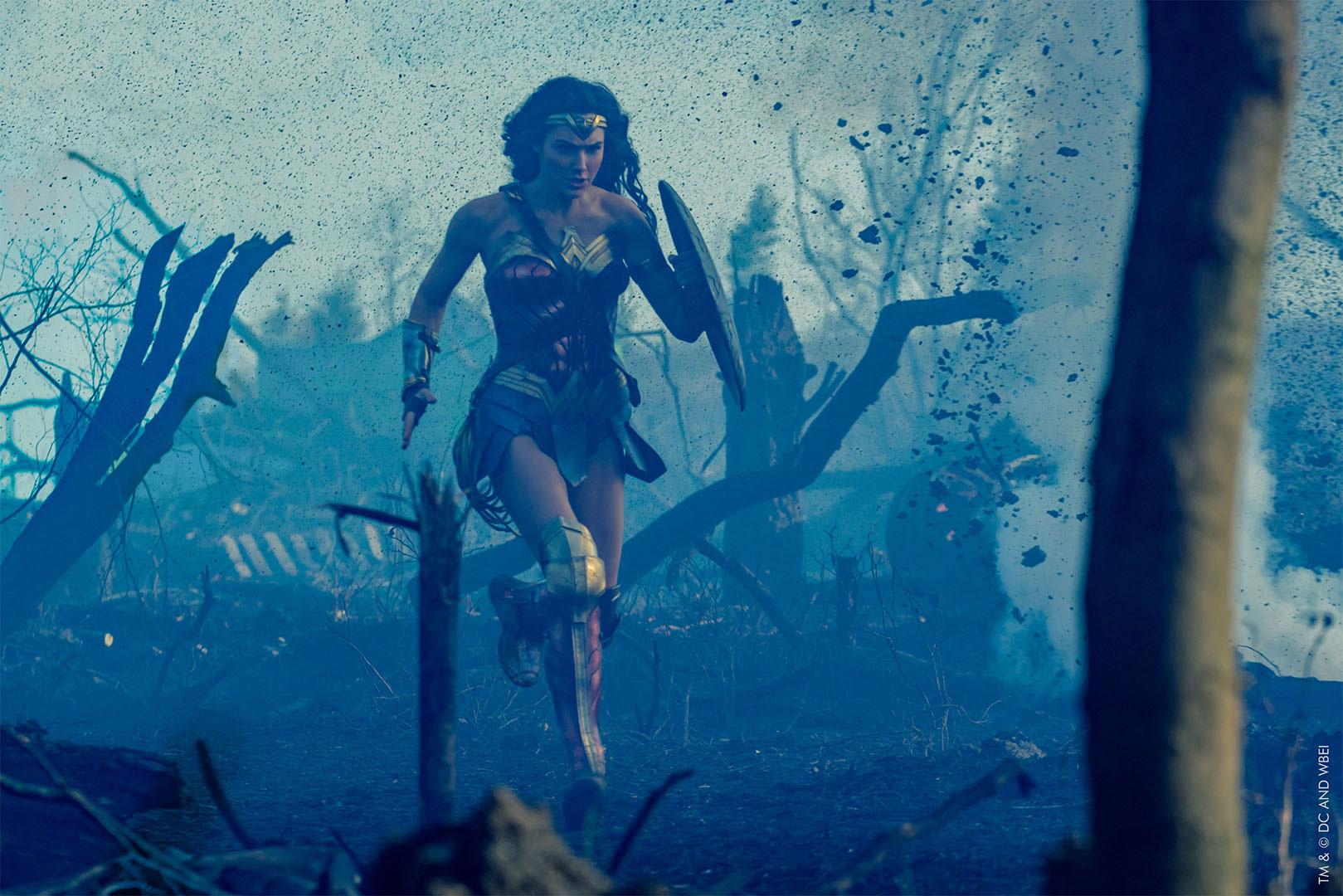
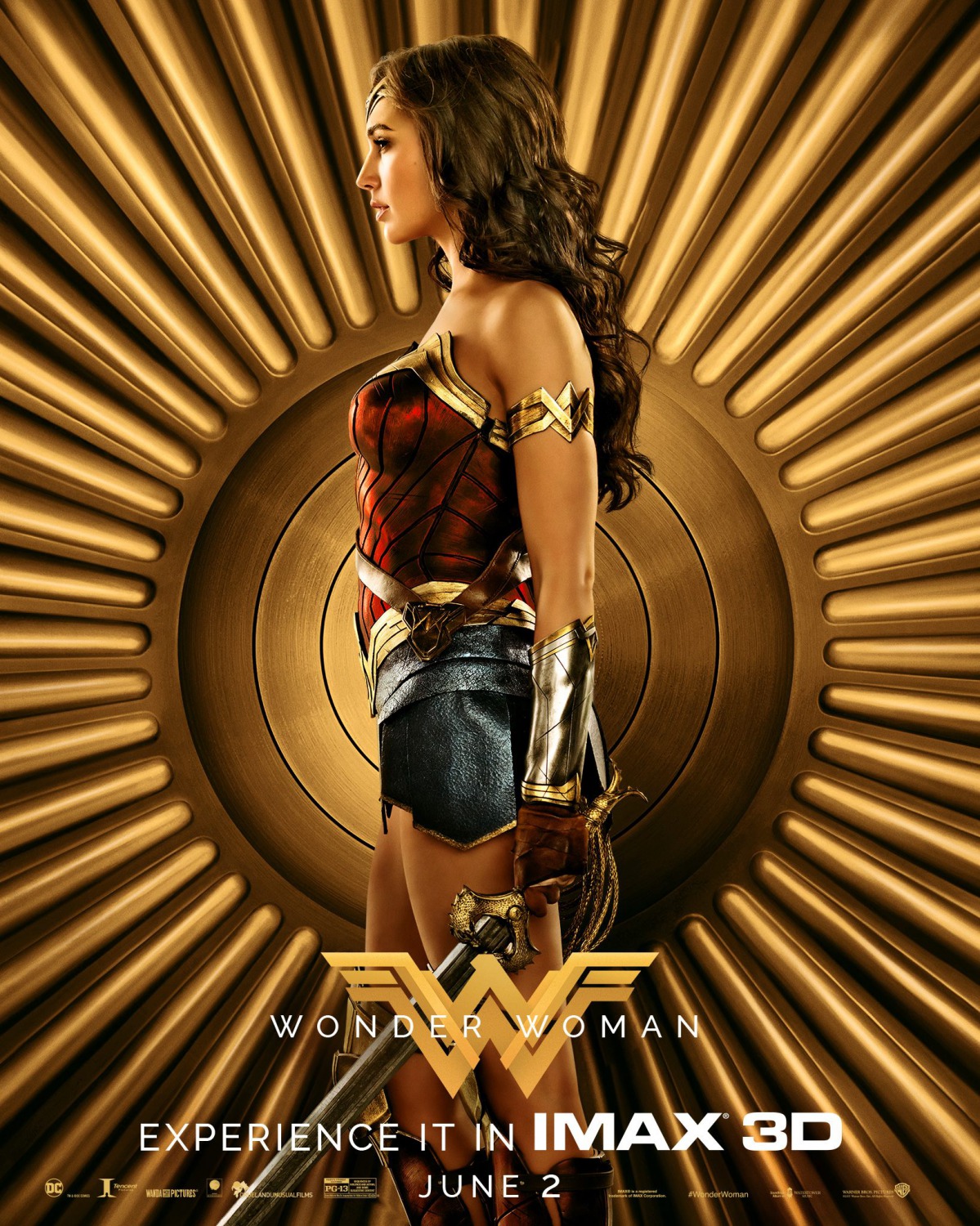
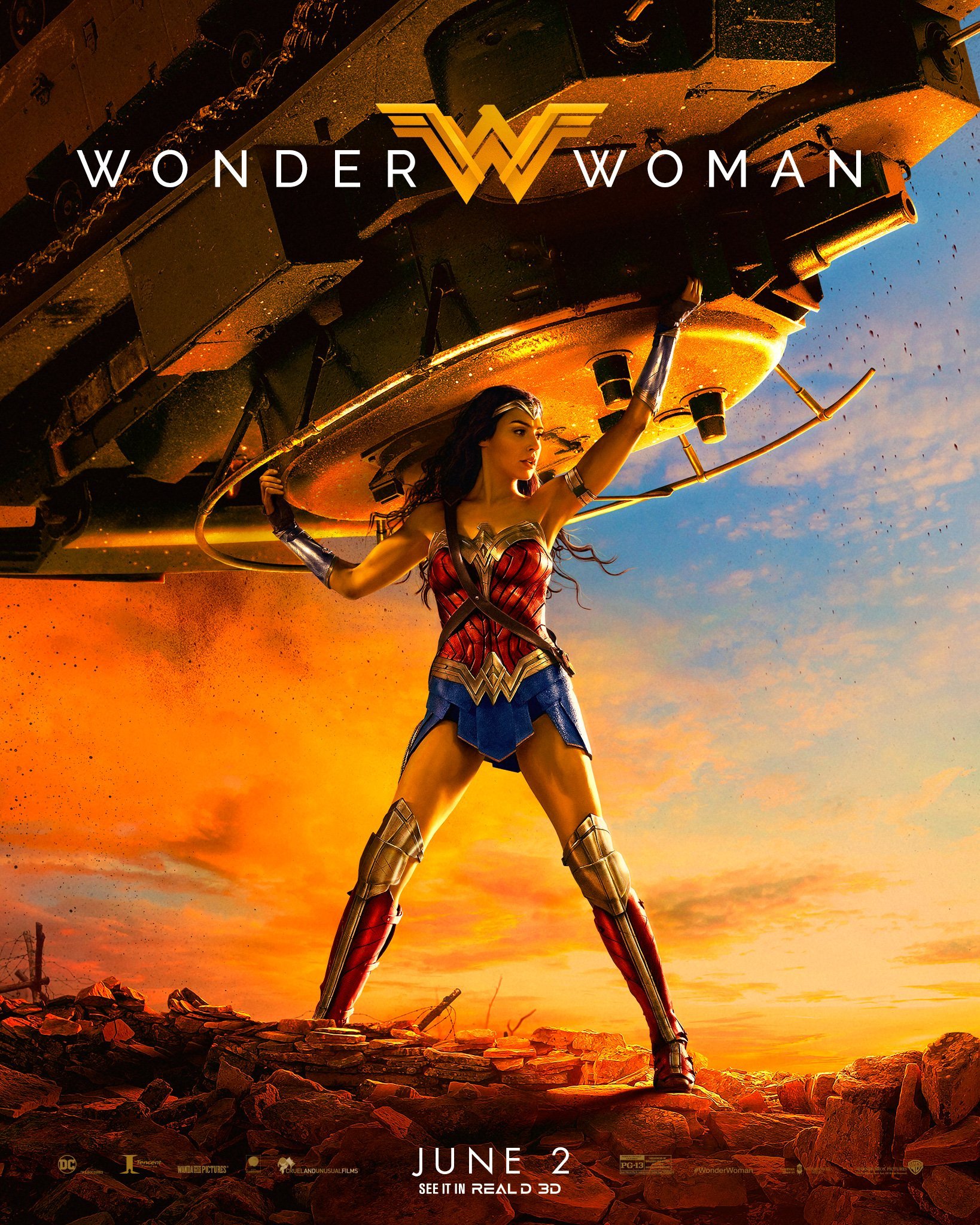
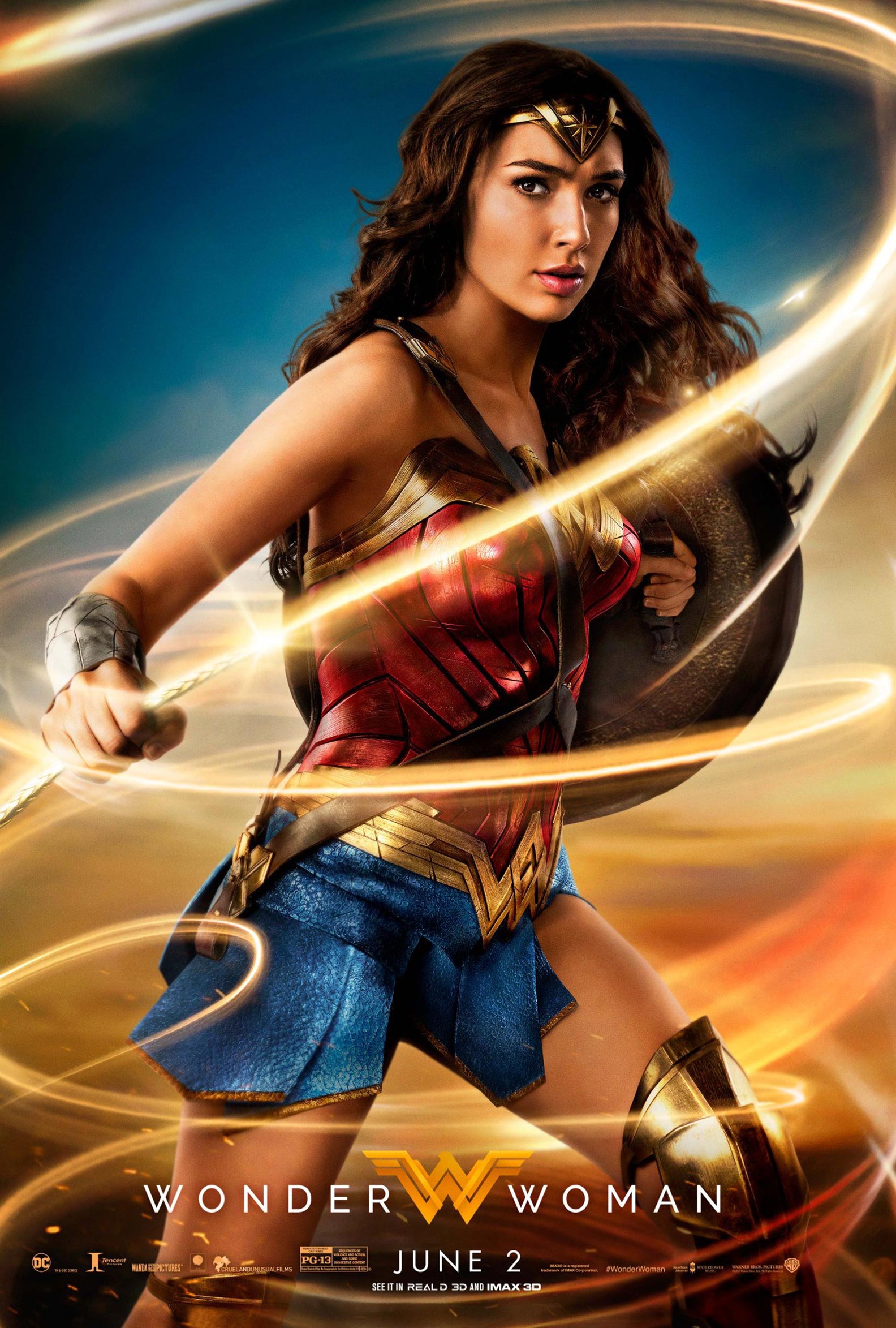
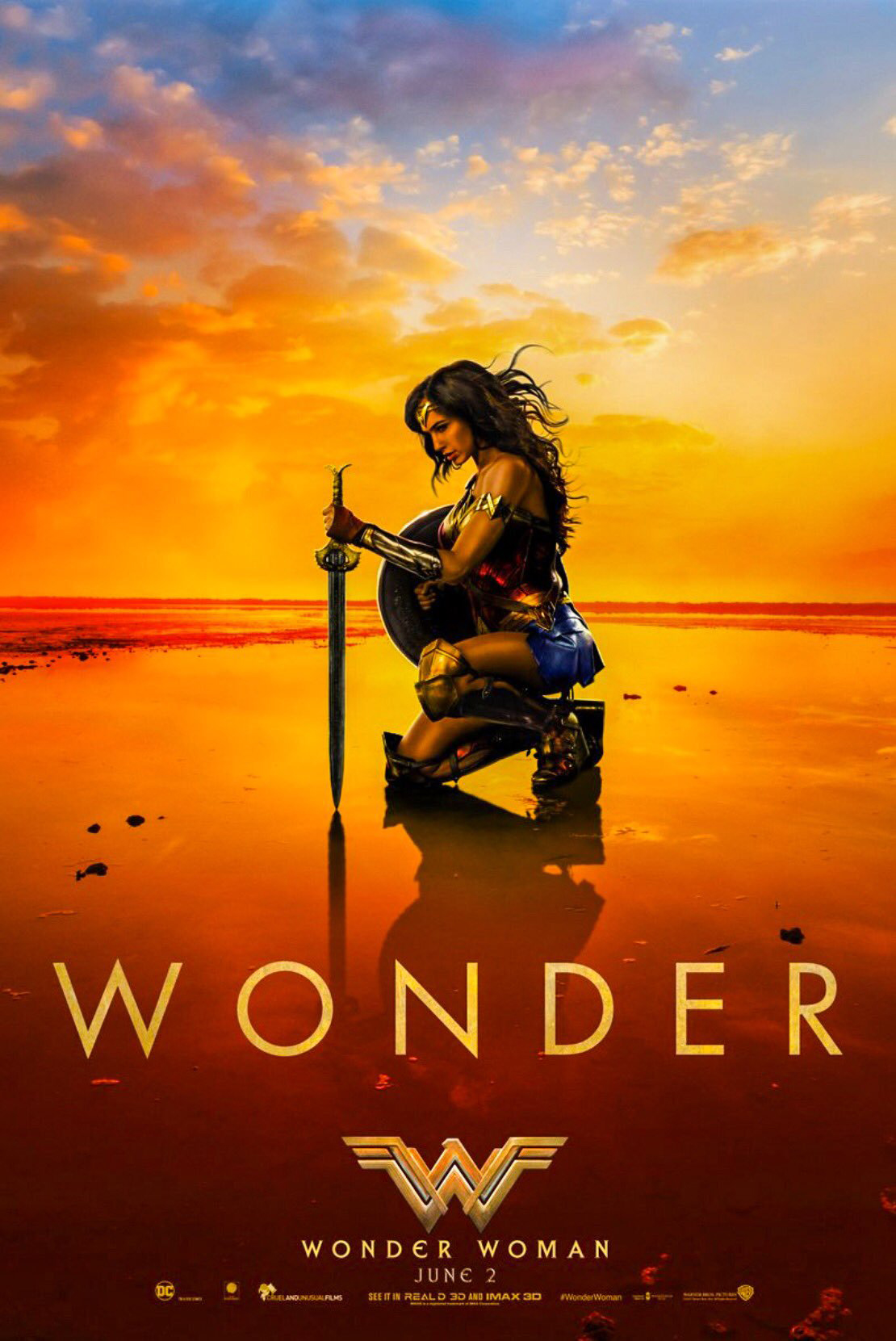
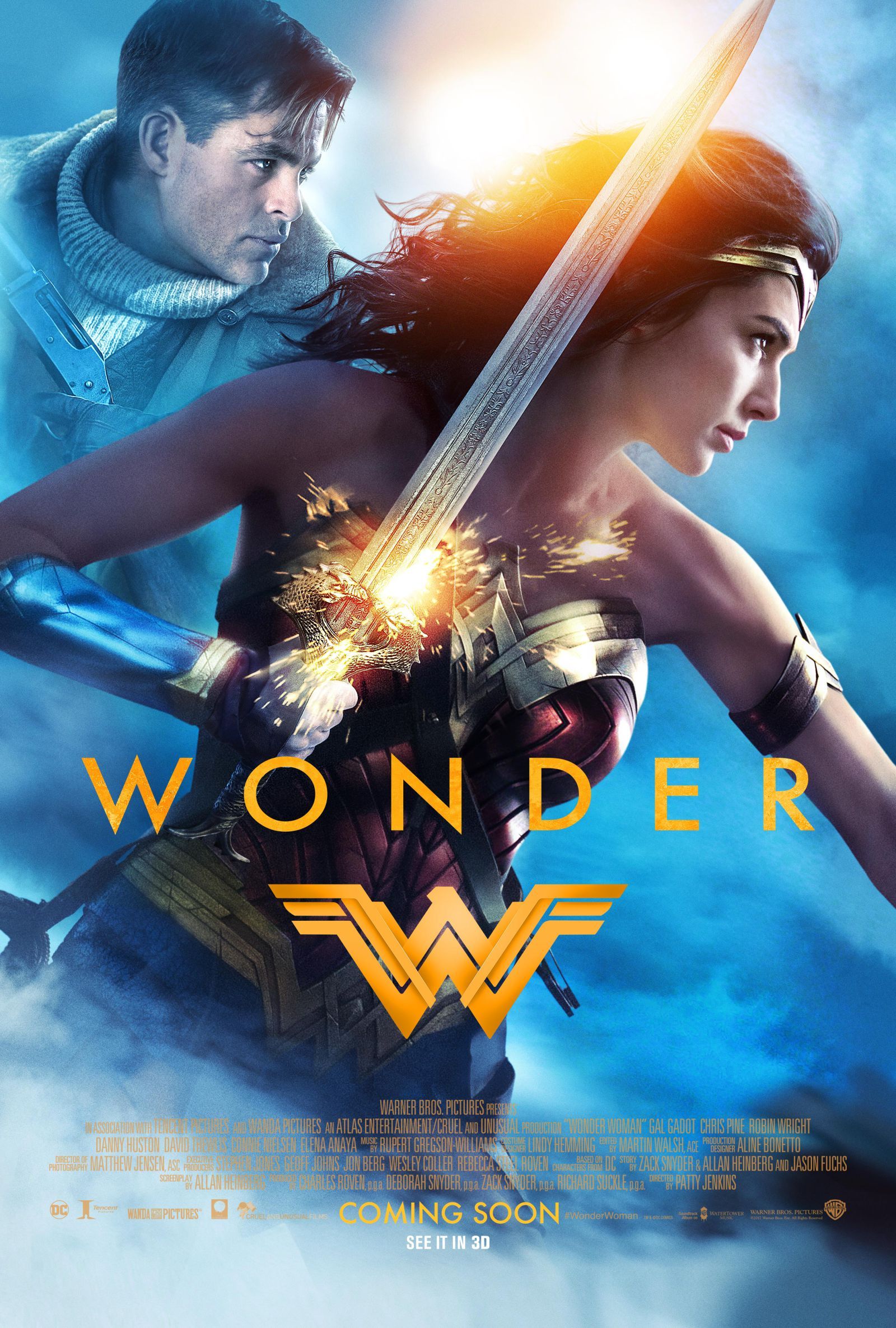
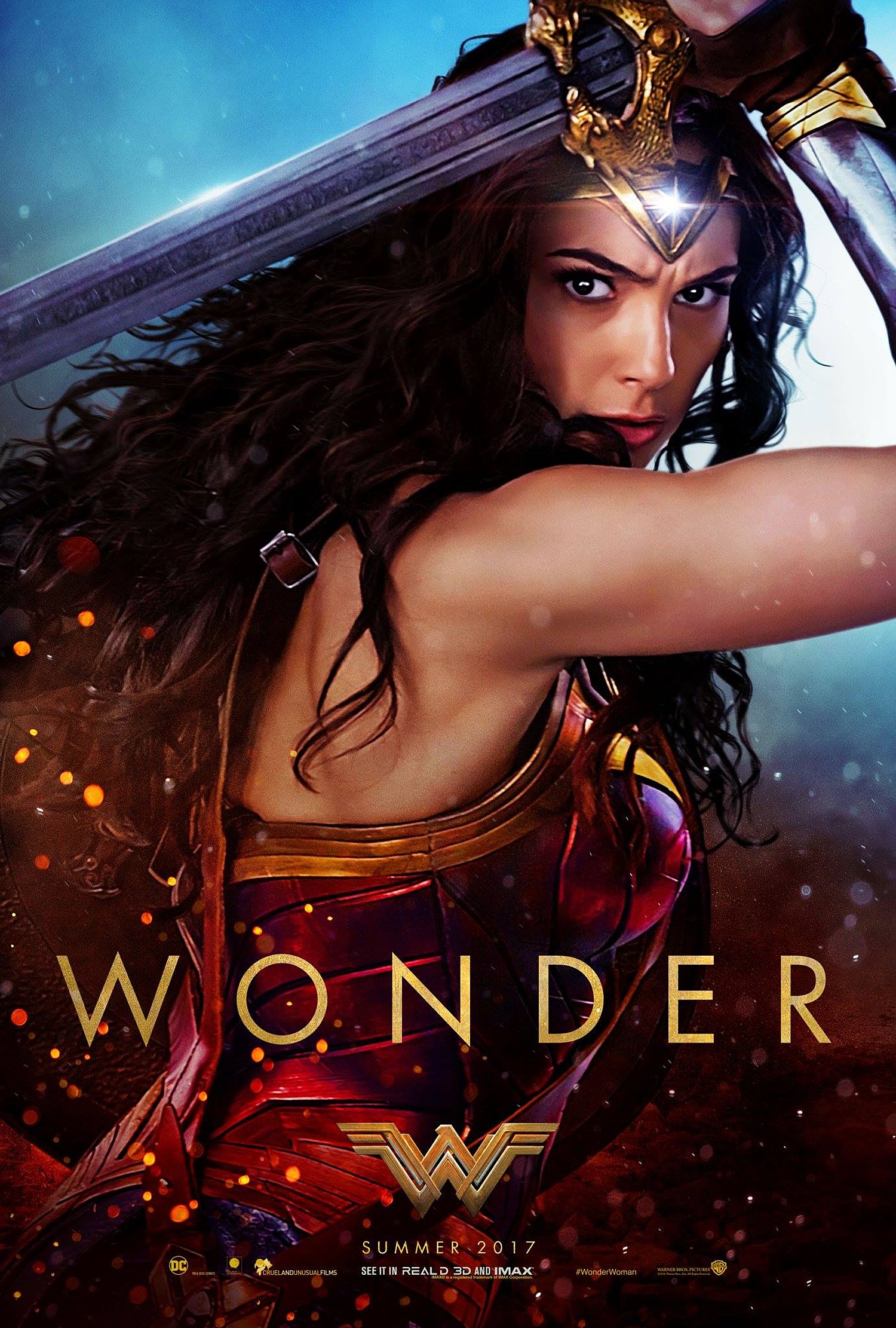
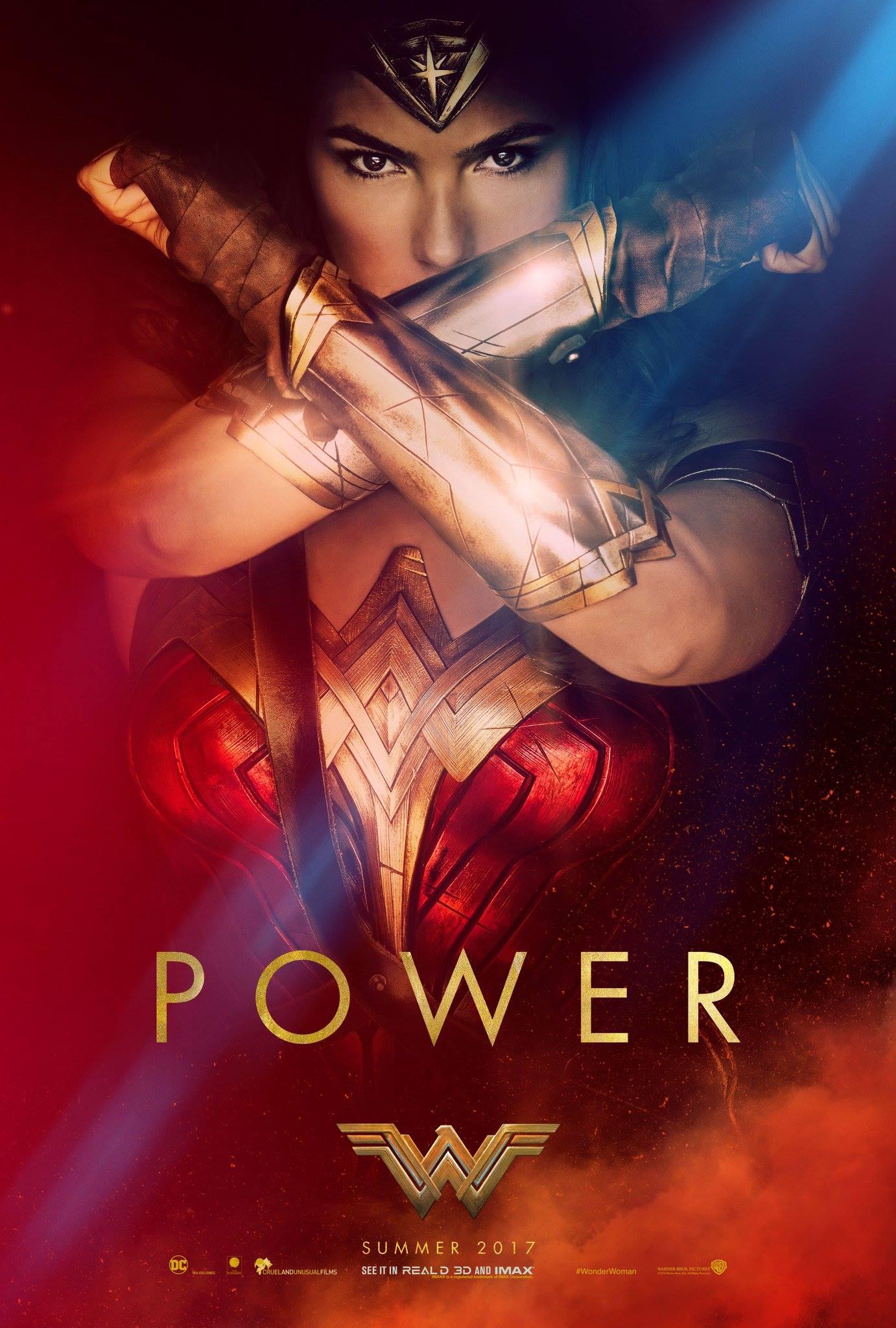
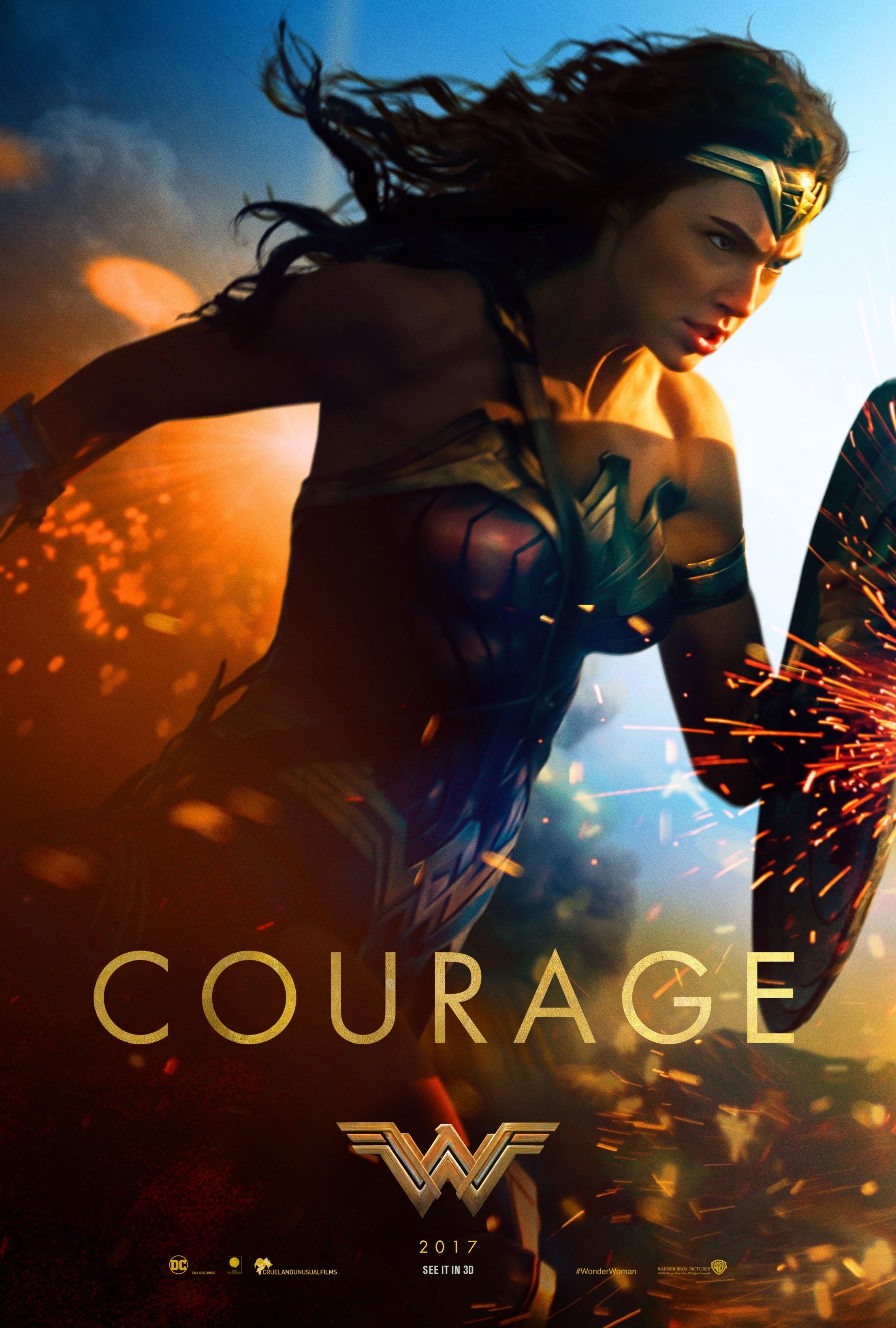
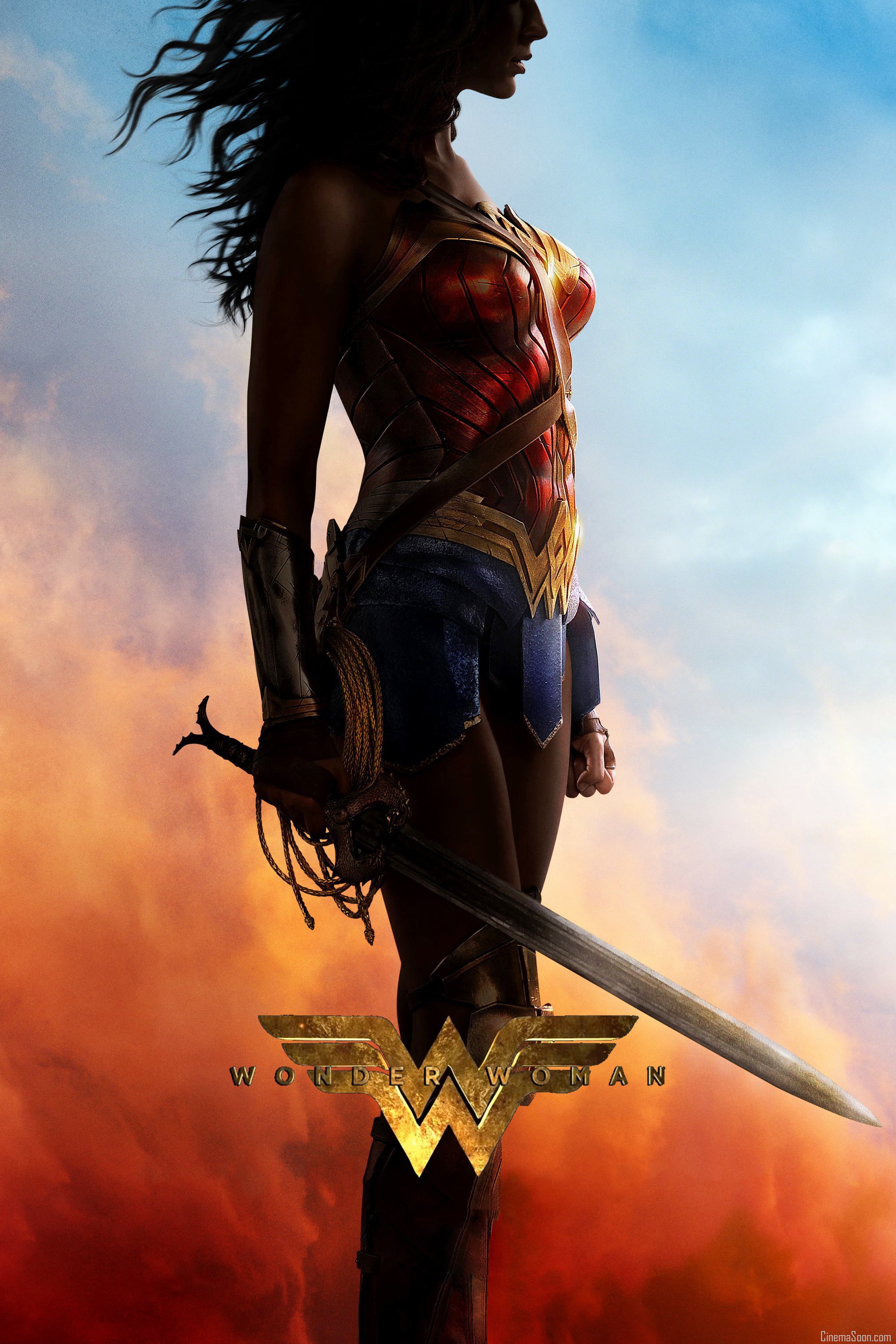
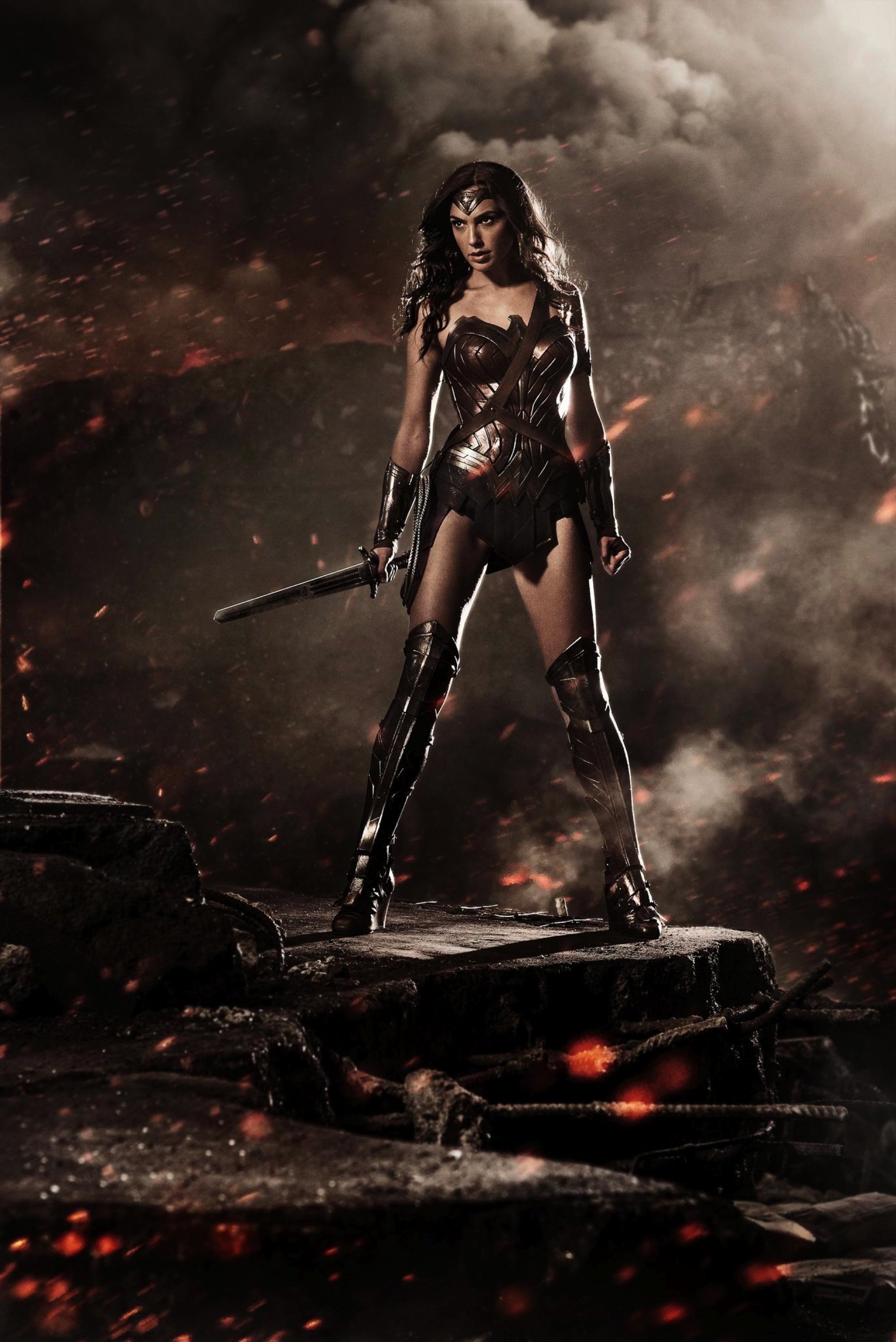
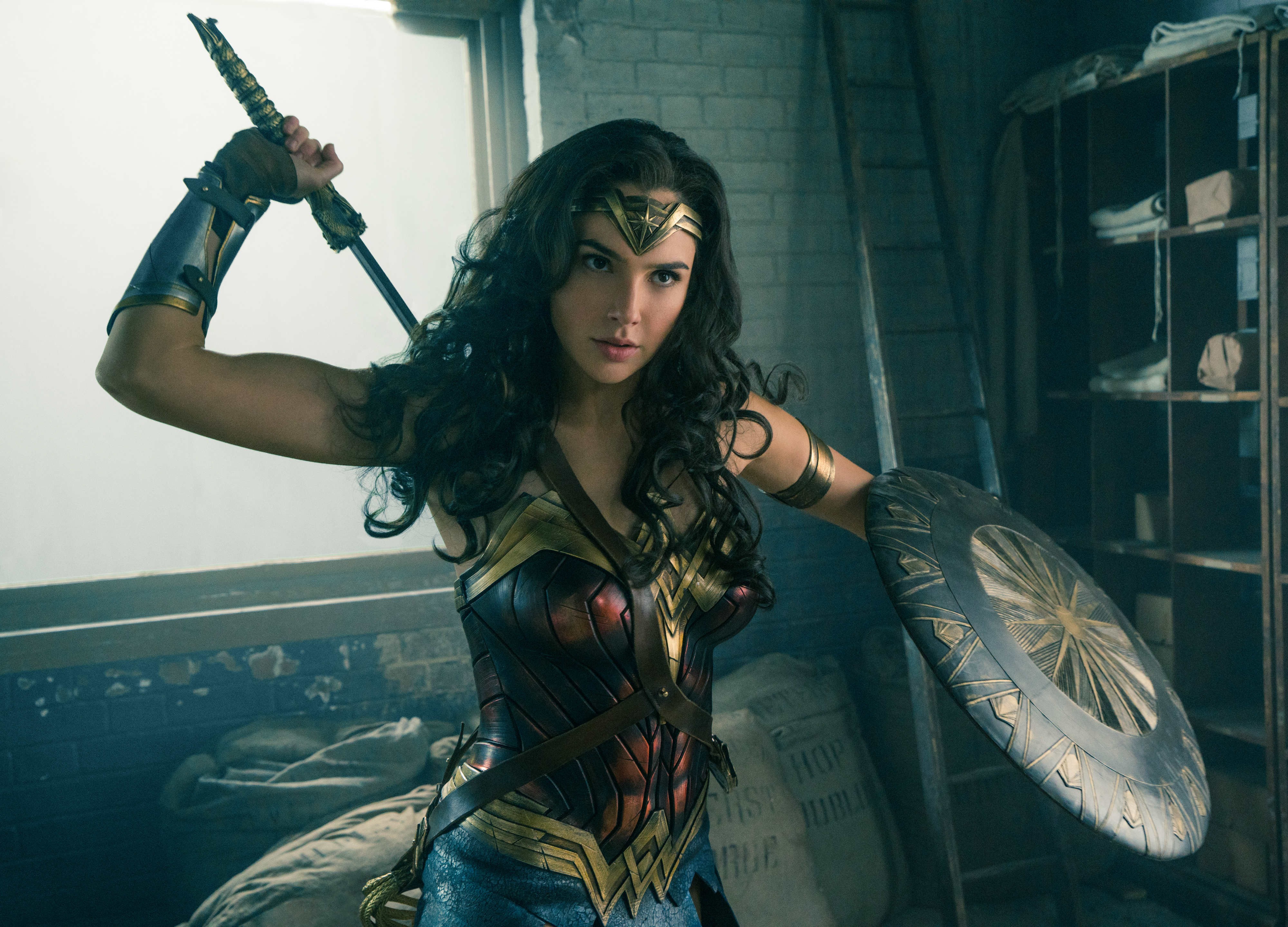
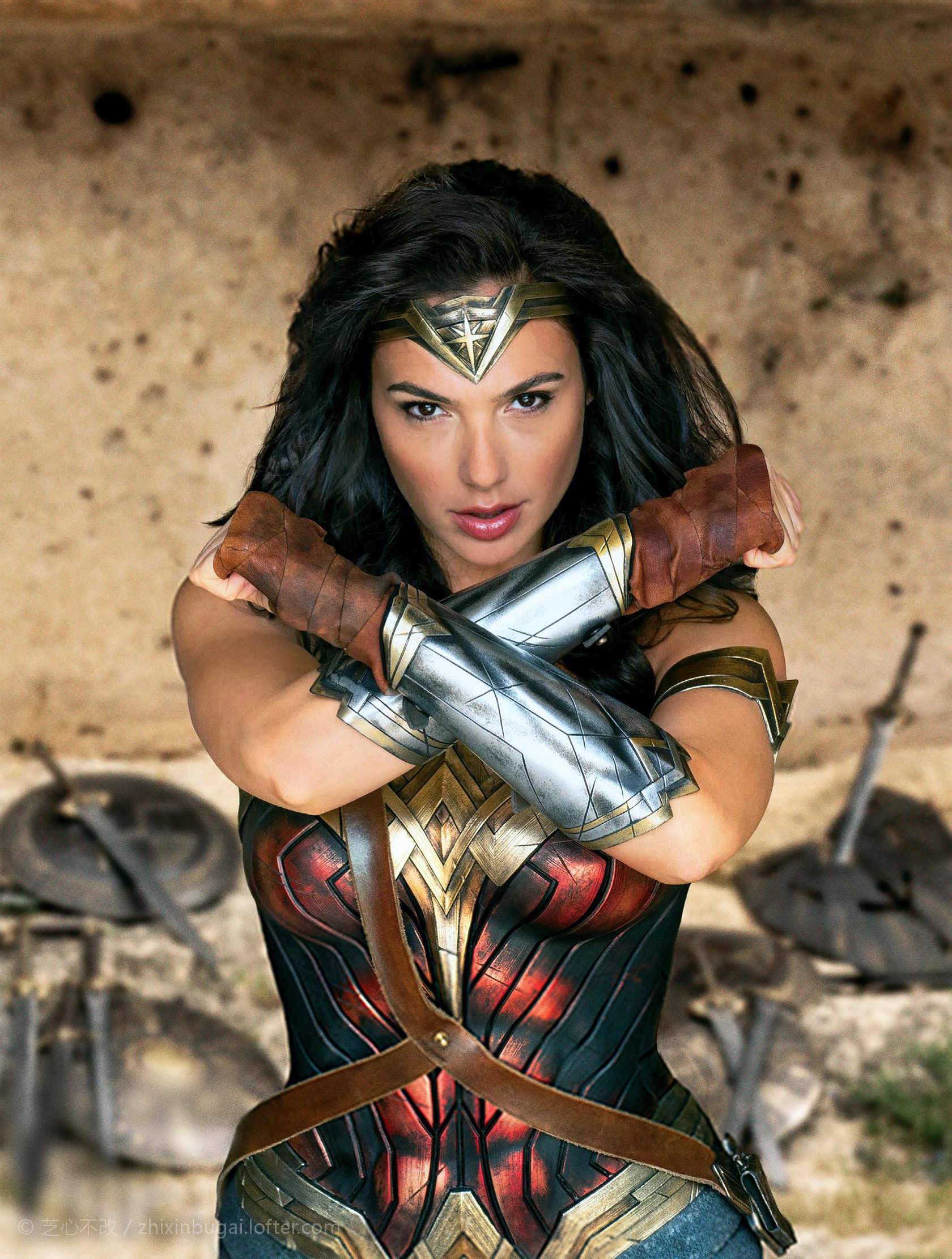
I’m not an enormous fan of either the Marvel or DC Cinematic Universes. Superhero films tend to bore me: the concept in general seems like lazy writing, and nor can I handle the subsequent contortions needed to generate a credible threat e.g. Kryptonite. The Dark Knight is the only film from either stable that I actually possess, mostly due to Heath Ledger’s incredible performance. The others I’ve seen, from Iron Man through to Suicide Squad, have been no better than popcorn pleasantries, without much to offer in the way of emotional heart. That’s the biggest improvement Wonder Woman offers: a heroine who, as personified by Gal Gadot, cares – indeed, perhaps too much. And through her passion, she makes the audience care.
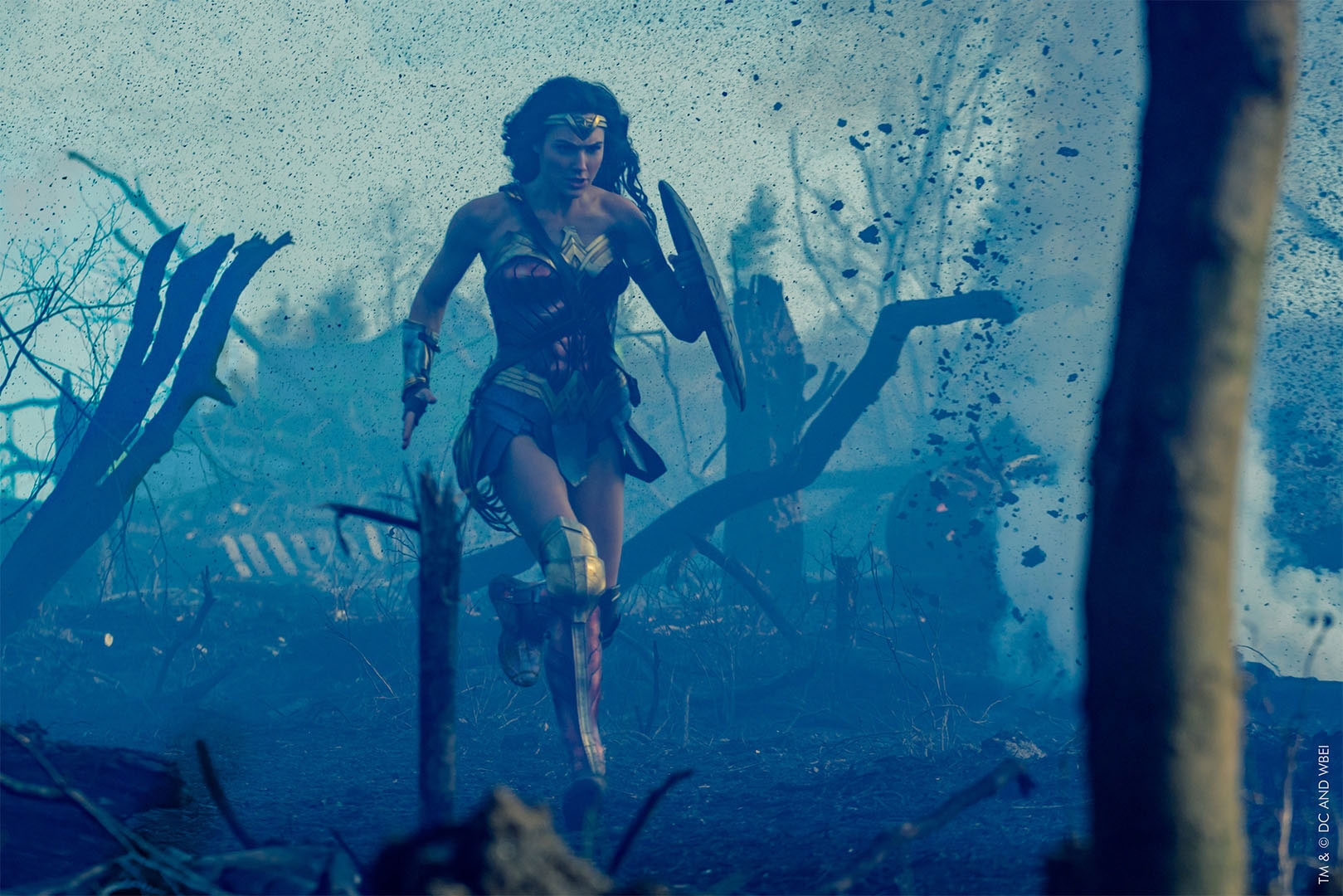
There’s one scene which particularly demonstrates this. Diana (no-one ever calls her by the WW label here) has just arrived at the front in 1918 Belgium, and is experiencing the hell of modern war for the first time. She is horrified by the suffering of the civilians and refuses to accept the explanations of her partner, US Captain Steve Trevor (Pine) about why nothing can be done. She won’t accept it, and goes over the top on her own, leading by selfless example, to rescue people she’s never even seen. It’s true heroism, and the intensity of Gadot’s performance – with a nod to Pine for the set-up – gives it a wallop that in terms of sheer emotion, surpasses almost anything else delivered by Marvel or DC to date.
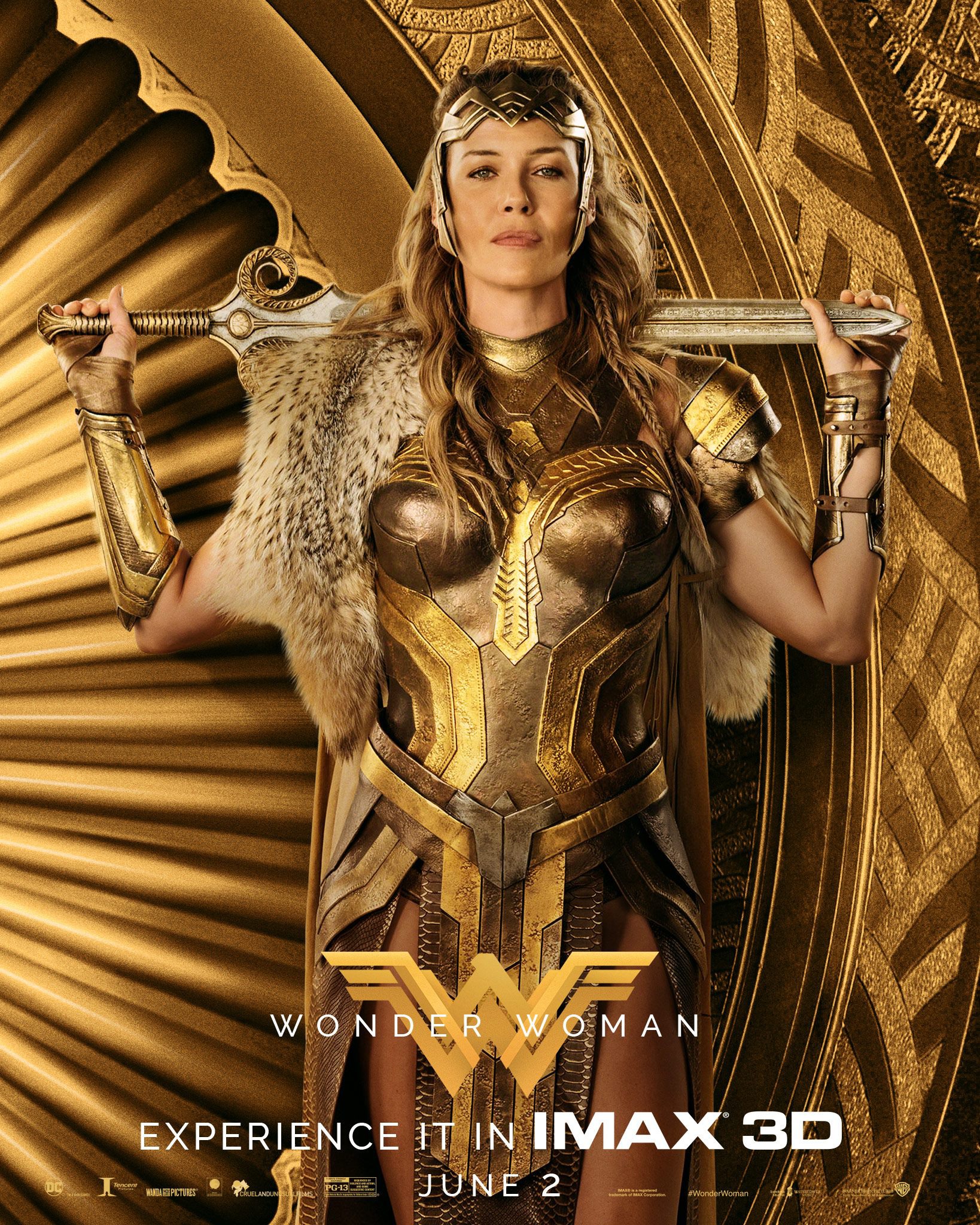
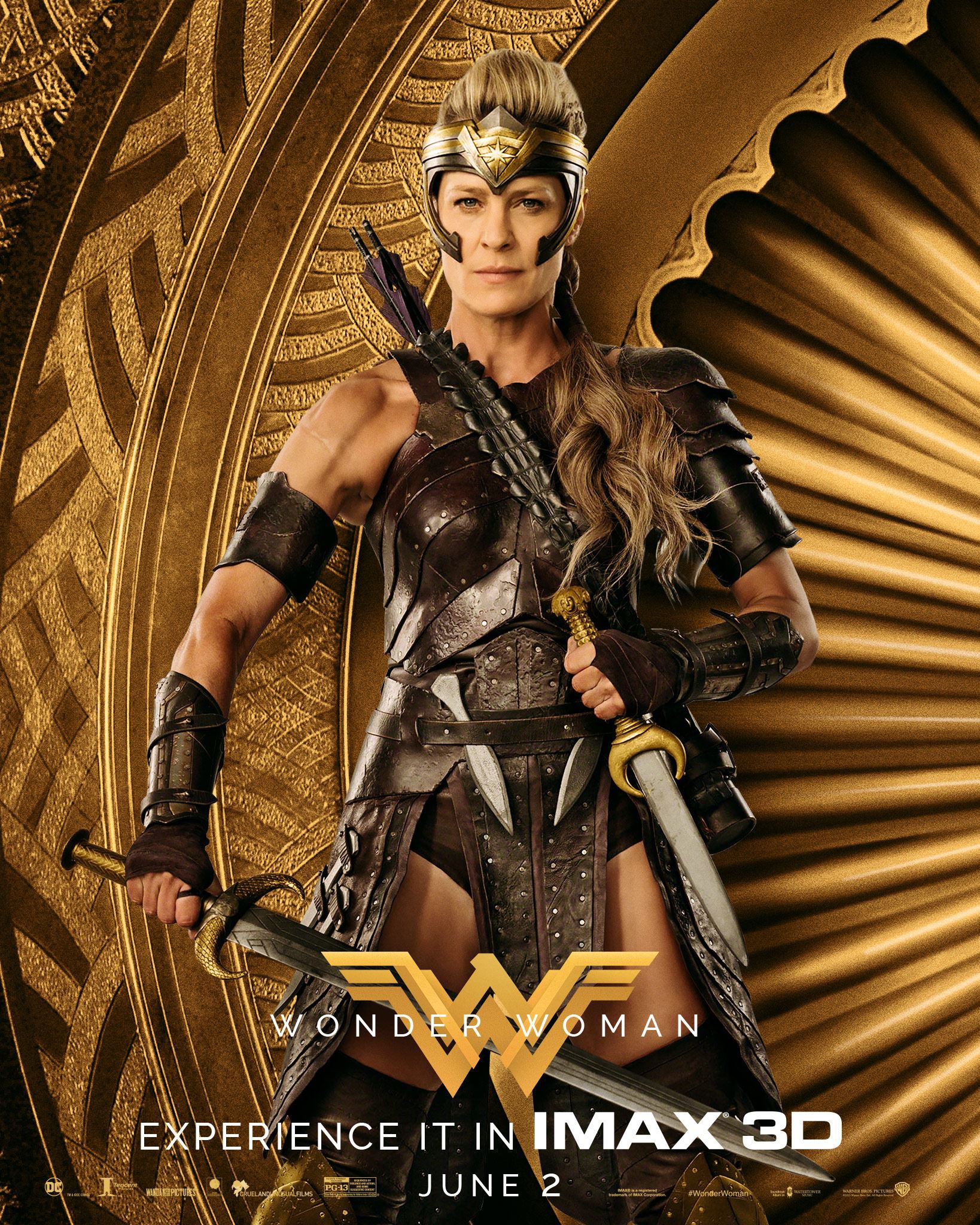
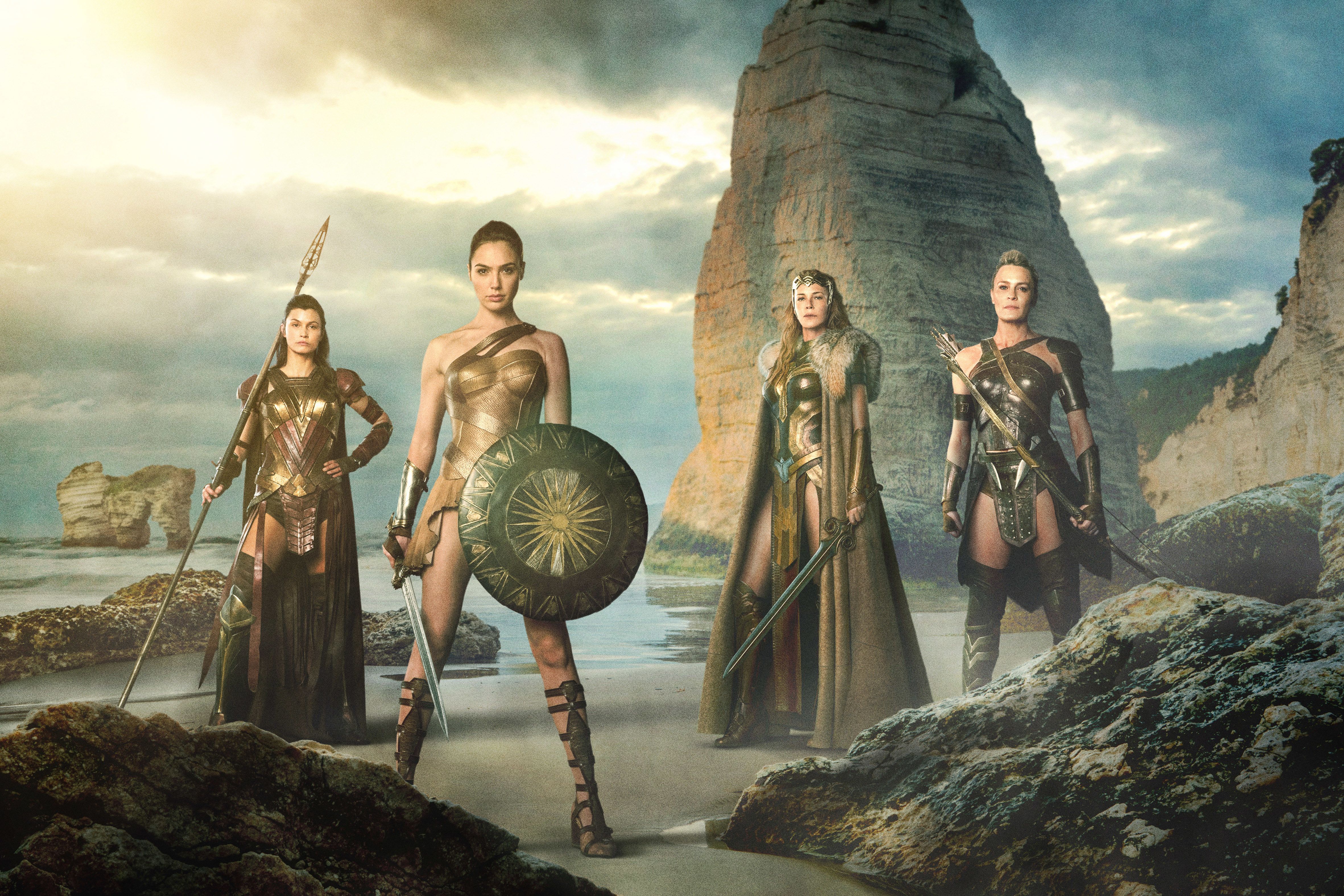
To reach that point, however, takes quite a lengthy set-up. We begin with the adorable young Diana, watching the other Amazons training on Themyscira, imitating their kicks and punches in a way a million 8-year-olds were likely doing on the way home from the cinema this weekend. Despite her mother’s wishes, Diana is trained and becomes the Amazons’ top warrior, just in time for Steve to show up, hotly pursued by the Germans. This is because he has stolen documentation of a rogue chemical warfare program, run by Doctor Isabel Maru and General Ludendorff (Huston). After helping fend off the Germans, at considerable cost, Diana agrees to go into the world at large, because she believes the Greek god of war, Ares, is behind the program. She’s not ready for the world. And nor is the world ready for Diana…
The positives here greatly outnumber the negatives, starting with the cast, who are almost universally spot-on. Gadot may not be muscular enough for some as an Amazon goddess, but I can honestly say, that was an issue which never crossed my mind during the (perhaps a little long) 141-min running time. Any possible shortcomings physically, are perfectly well-covered by the intensity and dedication of her performance. Pine, too, is excellent: he grounds the film, acting as the audience’s voice and offering up much the same comments as we would. There is romantic tension between Steve and Diana, yet it’s lightly enough handled not to interfere. The supporting cast…well, they provide solid support, led admirably by Etta Davis as Steve’s secretary. My main qualm might be Huston, who isn’t the supervillain every good superhero(ine) needs: he’s no Heath Ledger, put it that way. Dr. Maru might have made for a better antagonist, though the script has other intentions for her.
Technically, it’s good, rather than great. Jenkins does occasionally succumb to the fast-cut style of editing, and some of the green-screen work is frankly ropey. Witness the 8-year-old Diana falling off a cliff, for instance, which really does not look like comes from a $150 million film. The script is similar: the main twist it offers is one which I guessed almost immediately (if you’ve been watching a current TV show, you likely will too), though it didn’t damage my enjoyment too much. It is occasionally a little… well, smug? Is that the right word? I’m not sure, but that’s how exchanges about the war like this come off: Trevor: Maybe we’re all to blame. Diana: I’m not! #WellActually… I’d say that being part of a group which hides in a literal bubble for two thousand years does not absolve one of all responsibility for the state of the world. To slightly misquote Edmund Burke, “The only thing necessary for the triumph of evil is for good women to do nothing.” Anyway, this is me, cringing at the earnest obviousness of the above. Or obvious earnestness. That it stood out, however, indicates it was more a misstep than a consistent direction.
Good thing too. For I hate the way almost every major motion picture with an action heroine nowadays, seems to turn into World War One itself. From Fury Road through Ghostbusters to Rogue One, they become a battleground for gender trench warfare, with the camps lobbing verbal bombs at each other, and taking no prisoners. Look: if the goddamn movie is robust, it doesn’t matter whether you have a hero or a heroine, unless you make it matter. [That’s where George Miller was smart and Paul Feig wasn’t, perhaps reflecting the former’s superior confidence in his material – and he was justified there] Here, this is exactly what you would expect: the title is the movie. No kudos are deserved for it, nor any criticism. If you are somehow upset by the concept, stay away, and don’t whine about it. Nor is it the deeply life-changing experience some allege – or, at least, if your life is dramatically changed (by this or any other Hollywood product), I’d guess you have other issues. Or possibly, are aged eight.
I do wonder what the character’s creator, William Moulton Marston would have thought, seeing his bondage-heavy heroine turned into a glossy major movie. Especially since history is littered with not-very-good comic adaptations featuring female leads: Brenda Starr; Sheena; Supergirl; Tank Girl; Catwoman; Elektra; Painkiller Jane. To tell the truth, I think I was personally more relieved than anything, that this did not exhibit a similar degree of suckage. It was a very, very high profile effort, and failure, commercially and/or critically, would have had a severely dampening impact on any similar future productions. This doesn’t appear to have happened, and its success will hopefully open the door for more top of the line action heroines – some of which could end up being even better. Meanwhile, we’re bracing ourselves for the tidal-wave of little Diana Princes which will swamp our doorstep on Halloween.
Dir: Patty Jenkins Star: Gal Gadot, Chris Pine, Danny Huston, David Thewlis




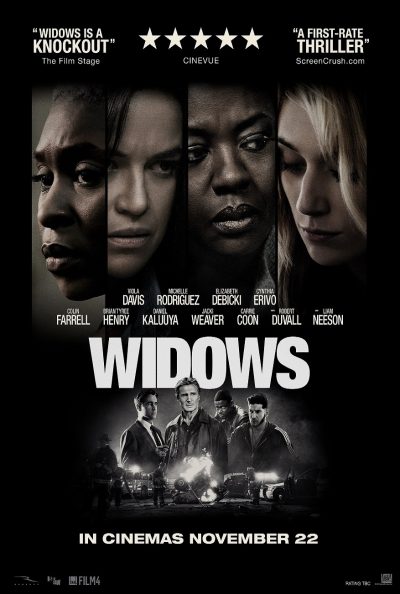 This is based on a TV series from Britain, which ran for two seasons in the eighties – I’ve seen it, but for some reason never got round to writing about it. The show would have been right in our wheelhouse, being written by Lynda LaPlante, who also created Prime Suspect. This version transplants the action from London to Chicago, and retains the basis story at its core. When their husbands die in connection with an attempted armed robbery, the wives of the late participants decide to take up the mantle of criminal enterprise, using a dossier of plans left behind. However, the motive is different here. The money stolen, and subsequently destroyed, belonged to crime boss Jamal Manning, who demands Veronica Rawlings (Davis), wife of the robbers’ leader, repay it back. All two million dollars of it.
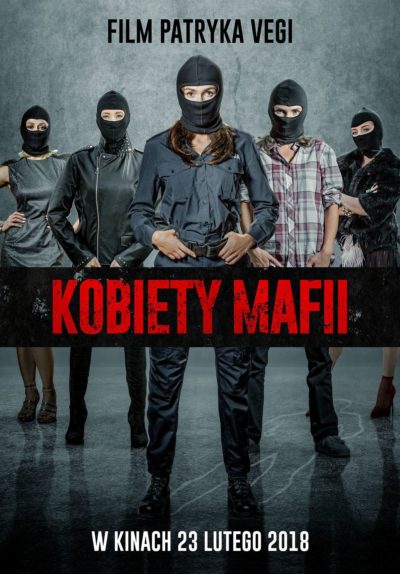 This is new territory for me, being the first Polish film to qualify here. Turns out, director Vega has, largely single-handedly, driven a bit of a new wave of cinema from that country. Rather than the lugubrious dramas of Krzysztof Kieślowski, Vega is more like Guy Ritchie, making violent gangster flicks. In this case, the script came with direct input from the gangsters themselves, one of whom contacted Vega after being annoyed by their portrayal in a previous movie. Probably wisely, he opted to take their criticisms on board here…
 ★★★½
★★★½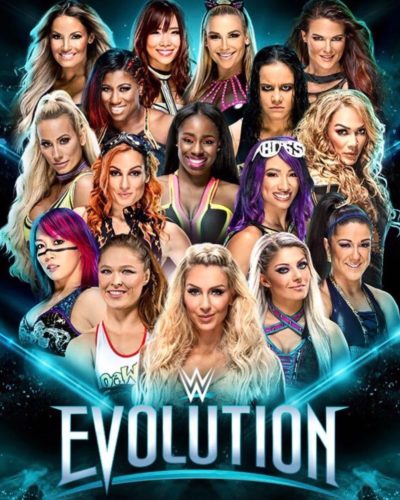 But would they deliver? Technically, it was a decent presentation by WWE, if a little smaller-scale than expected – the regular RAW set-up was elsewhere in the country, so they had to make do a bit in terms of lighting and spectacle. I did like the commentary team of Michael Cole, Beth Phoenix and Renee Young, who all seemed genuinely enthusiastic – even Cole, who can sometimes come over as a bit of a dick. With that said, let’s go through the seven matches on the official card (there was a ‘dark’ bout that took place before the broadcast began) and see how they fared. Spoilers. of necessity, follow the rest of the way.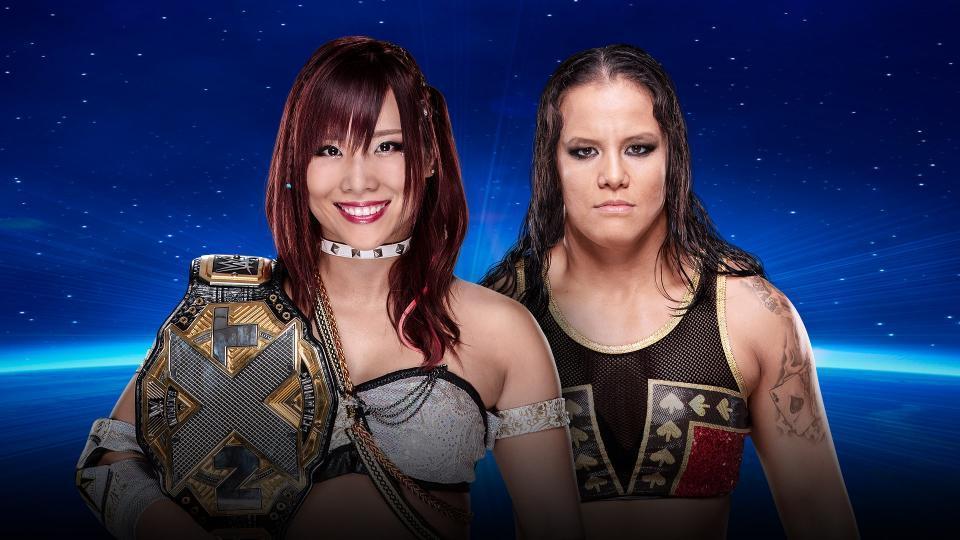
 This Western was released in 1953, and feels decades ahead of its time. It’s set toward the end of the Civil War, in the town of Border City, which sits exactly on the dividing line between North and South. A settlement built on mining, it has remained a neutral zone under strictly enforced rules laid down by Mayor Delilah Courtney, selling lead to both sides for their bullets. As well as Yankee and Confederate soldiers in the area, the picture is complicated by Quantrill’s Raiders, a group of independent (yet generally pro-South) soldiers under Charles Quantrill (Donlevy). [They really existed, and as the film reveals, had some well-known names in their ranks]
 This is a modern update of the story of Savitri and Satyavan, originally found in Indian epic saga the Mahabharata [and when I say, “epic saga”, it’s 1.8 million words long!]. The tale has been an immensely popular topic for Bollywood, Wikipedia saying there have been thirty-four different film versions, dating back over a century to 1914’s Satyavan Savitri. The basic story is of a woman, Savitri, who defies a prediction that her chosen husband, Satyavan, will die in a year, and marries him anyway. She then has to talk the god of death out of collecting him.
 Not to be confused with the
 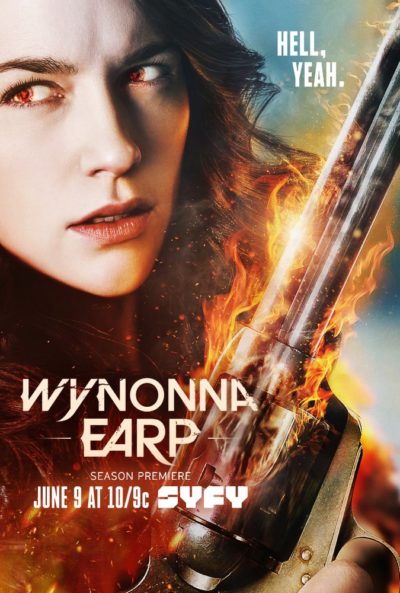 After a long absence, Wynonna Earp (Scrofano) returns to her home town of Purgatory, near the Rockies. There, we discover the truth about the death of her father and disappearance of her sister, events which precipitated Wynonna’s departure. Turns out the great-great-granddaughter of the legendary Wyatt Earp has a supernatural duty to fulfill, using her ancestor’s equally legendary 16-inch barrel “Peacemaker” revolver. Wyatt kept demons known as “revenants” in check, and the mission has been passed down the family line since, with Wynonna the current incumbent. Fortunately, mystical borders keep the revenants within the “Ghost River Triangle,” and she has the help of Deputy Marshal Xavier Dolls (Anderson), an agent in the “Black Badge” division of the US Marshals Service; Doc Holliday (Rozon), the now-immortal former friend of Wyatt; and Wynonna’s kid sister, Waverly (Provost-Chalkley).
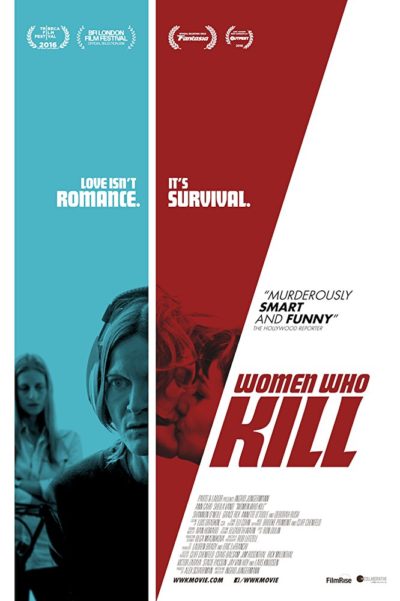 When I told Chris the title of this one, I swear you could hear her eyes rolling at the mere thought of it. But by the end, even she had to admit to having been won over by its dark charms. Most obviously is the sense of black humour which isn’t just dry, it’s as arid as the Atacama Desert. Morgan (Jungermann) and Jean (Carr) are fascinated by female serial killers, running a podcast on the topic which has acquired its own, unique fanbase. Morgan falls for Simone (Vand), a colleague at the food co-operative where she works. But Jean – who is also Morgan’s ex – can’t help thinking there is something seriously off with Simone.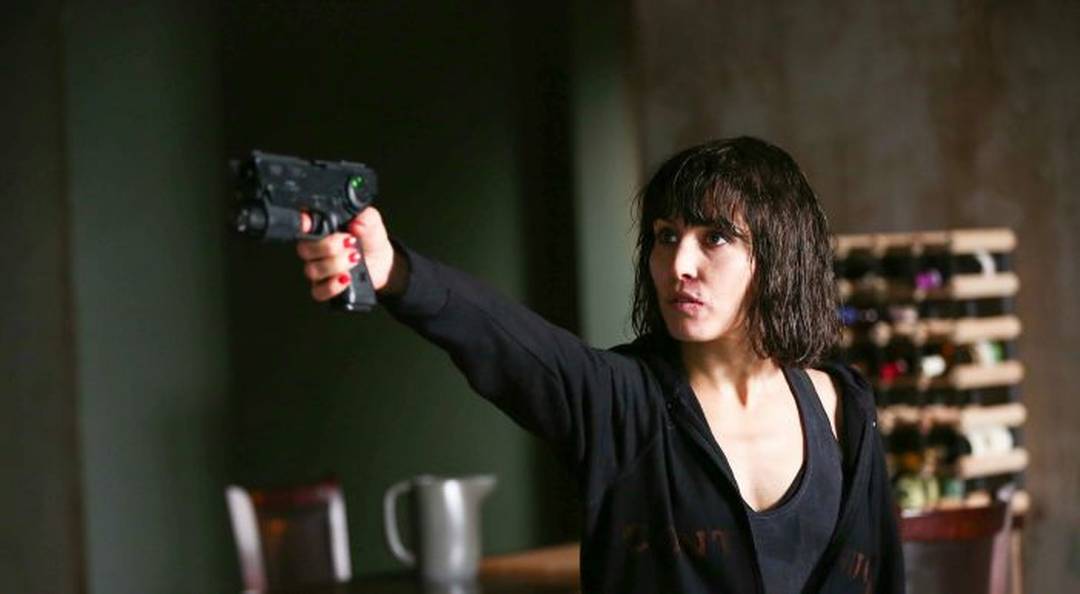
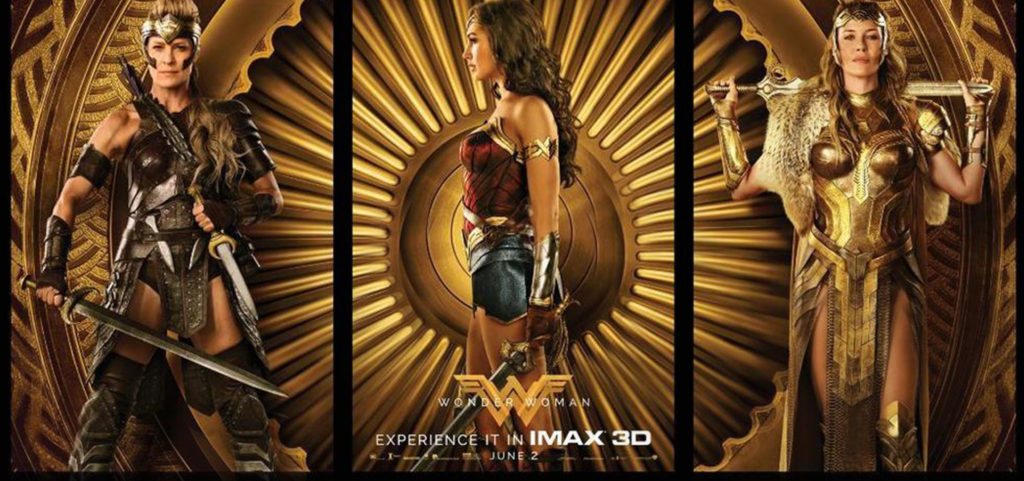 ★★★★
★★★★ I’m not an enormous fan of either the Marvel or DC Cinematic Universes. Superhero films tend to bore me: the concept in general seems like lazy writing, and nor can I handle the subsequent contortions needed to generate a credible threat e.g. Kryptonite. The Dark Knight is the only film from either stable that I actually possess, mostly due to Heath Ledger’s incredible performance. The others I’ve seen, from Iron Man through to Suicide Squad, have been no better than popcorn pleasantries, without much to offer in the way of emotional heart. That’s the biggest improvement Wonder Woman offers: a heroine who, as personified by Gal Gadot, cares – indeed, perhaps too much. And through her passion, she makes the audience care.