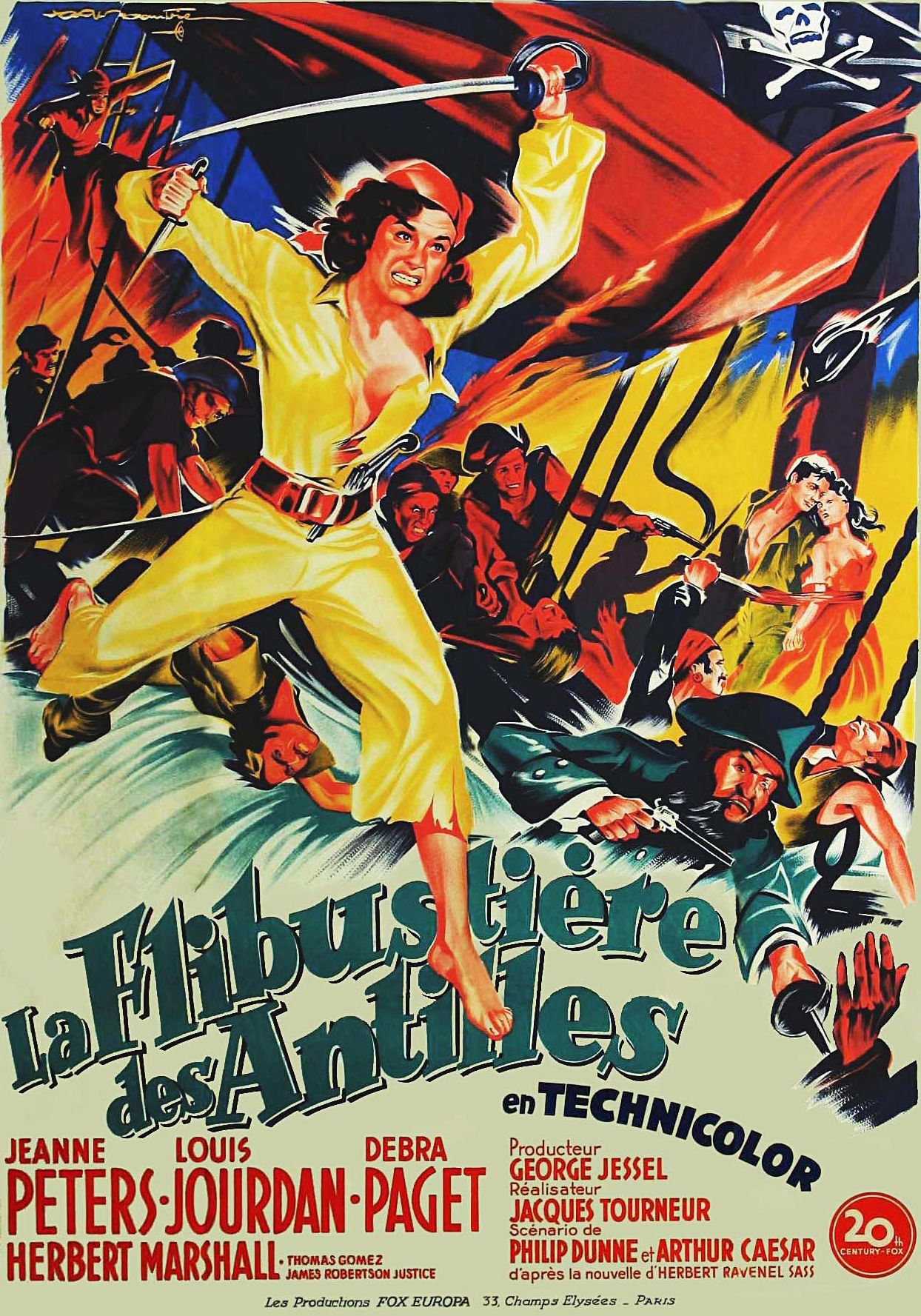
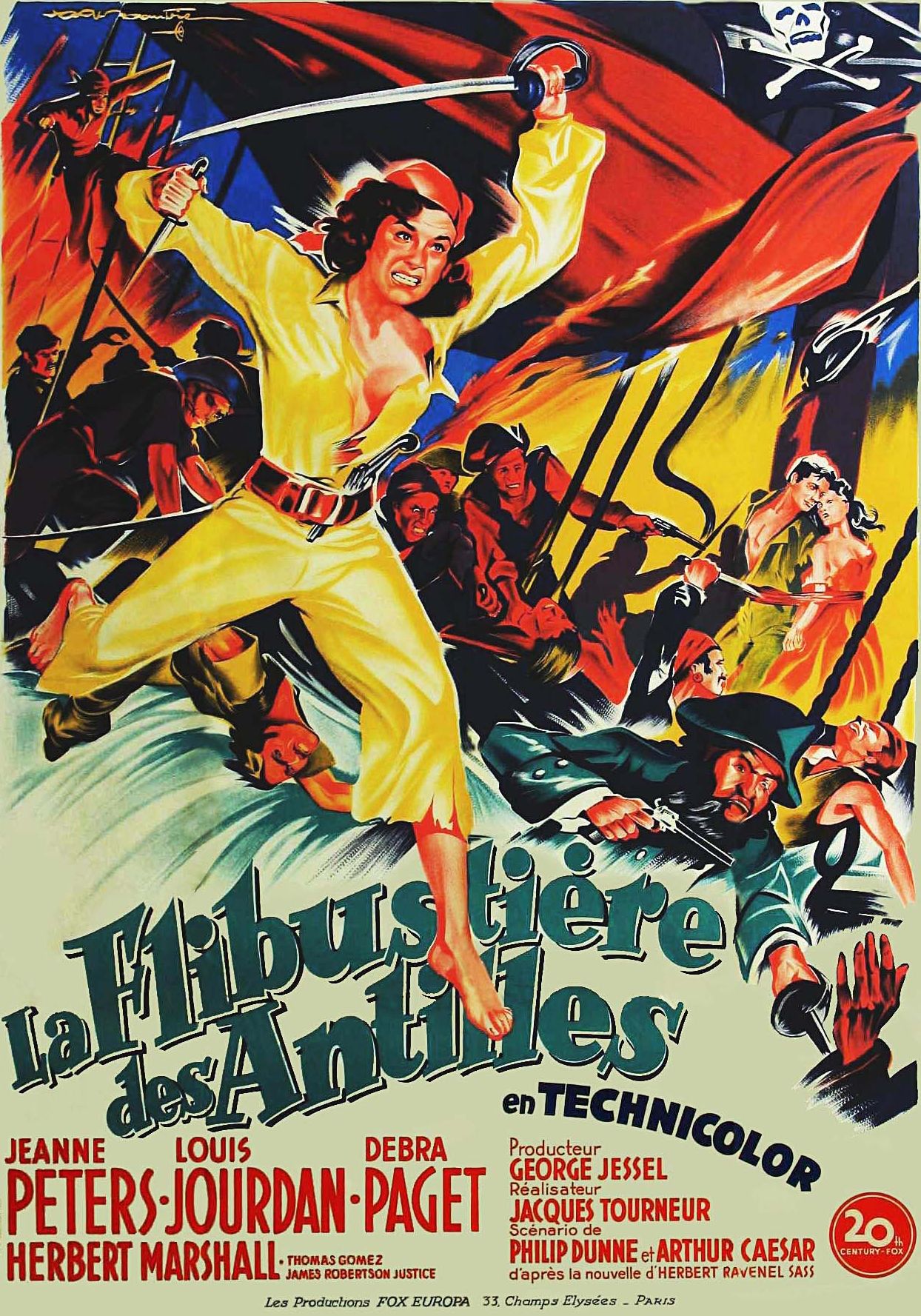
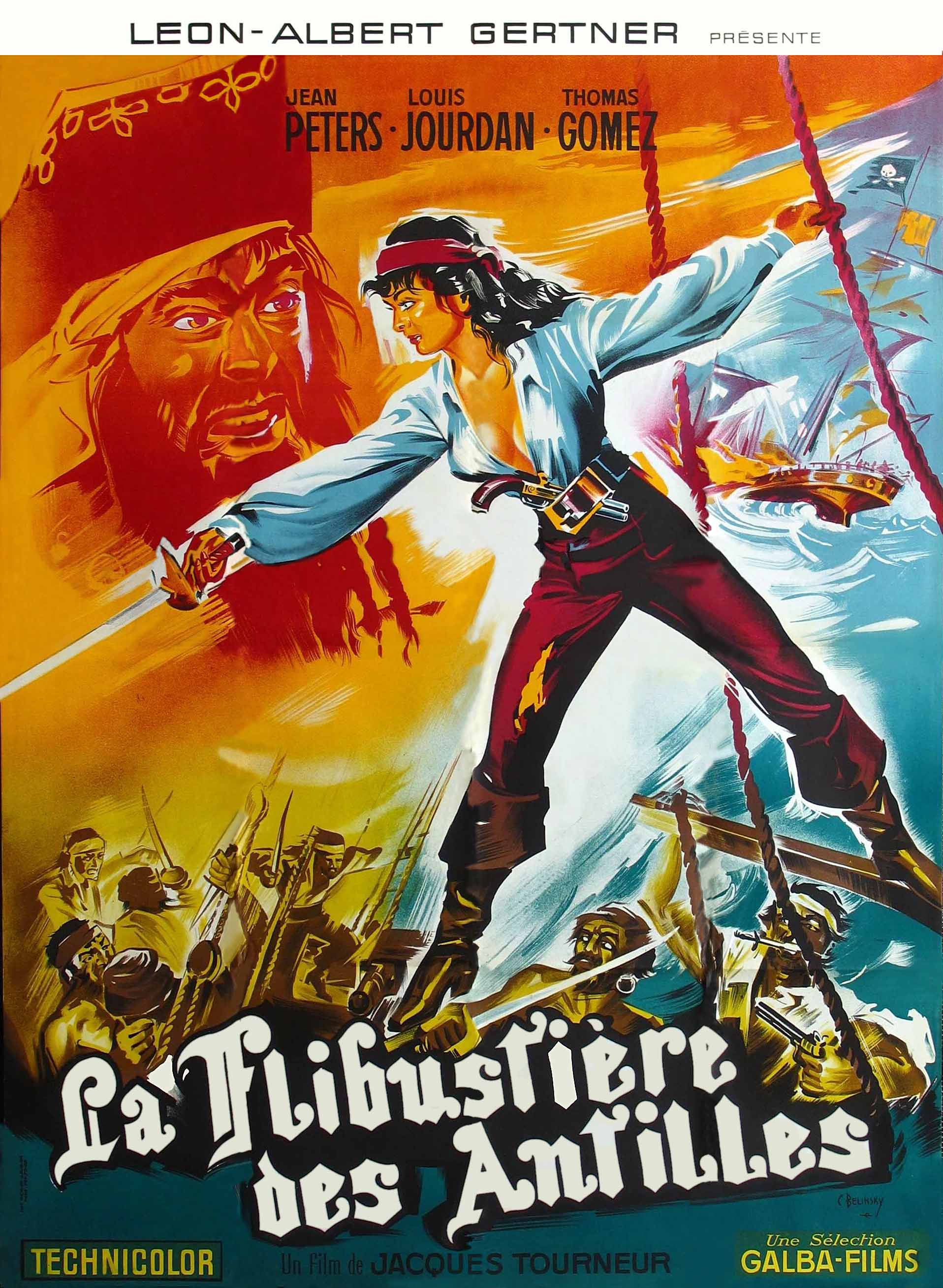
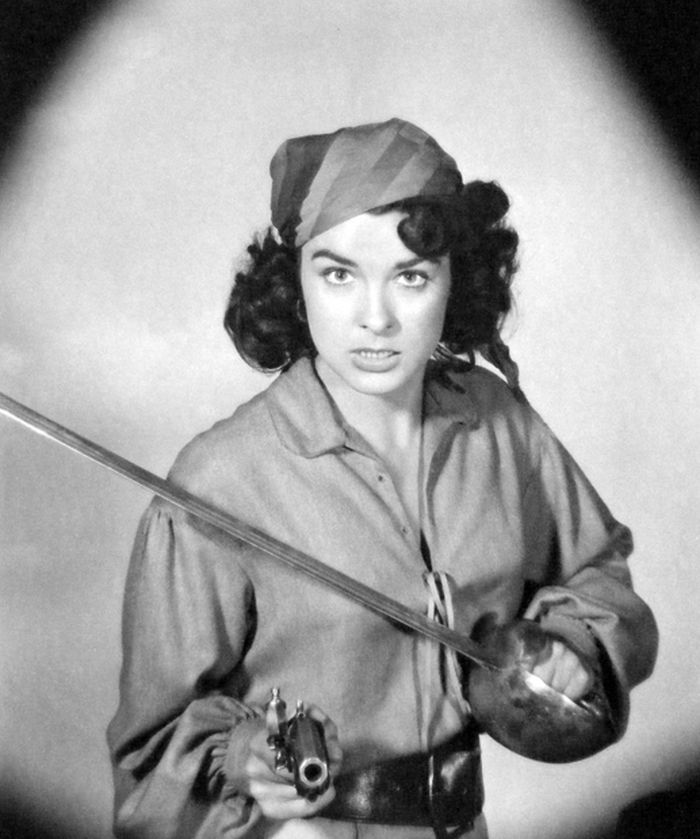
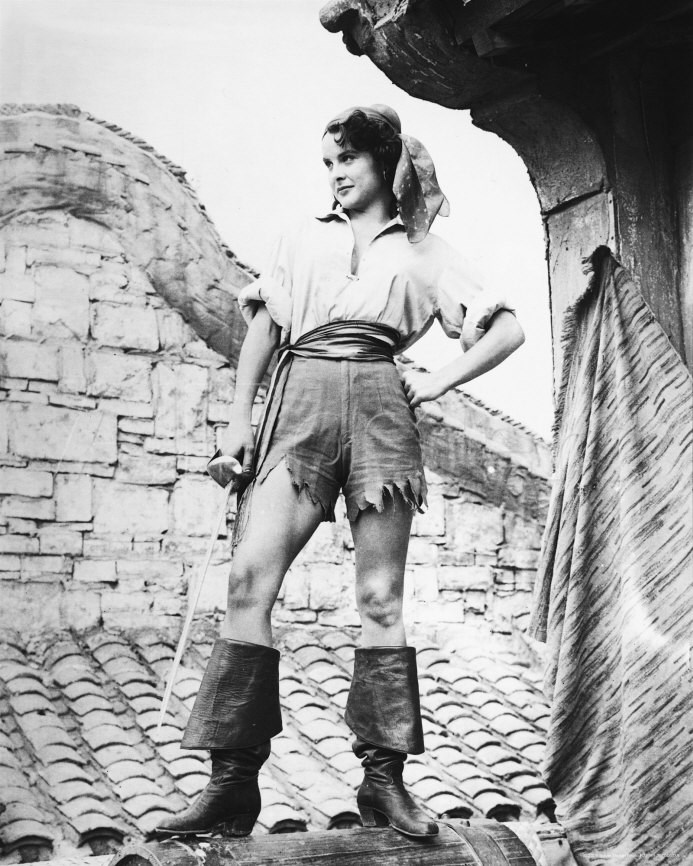
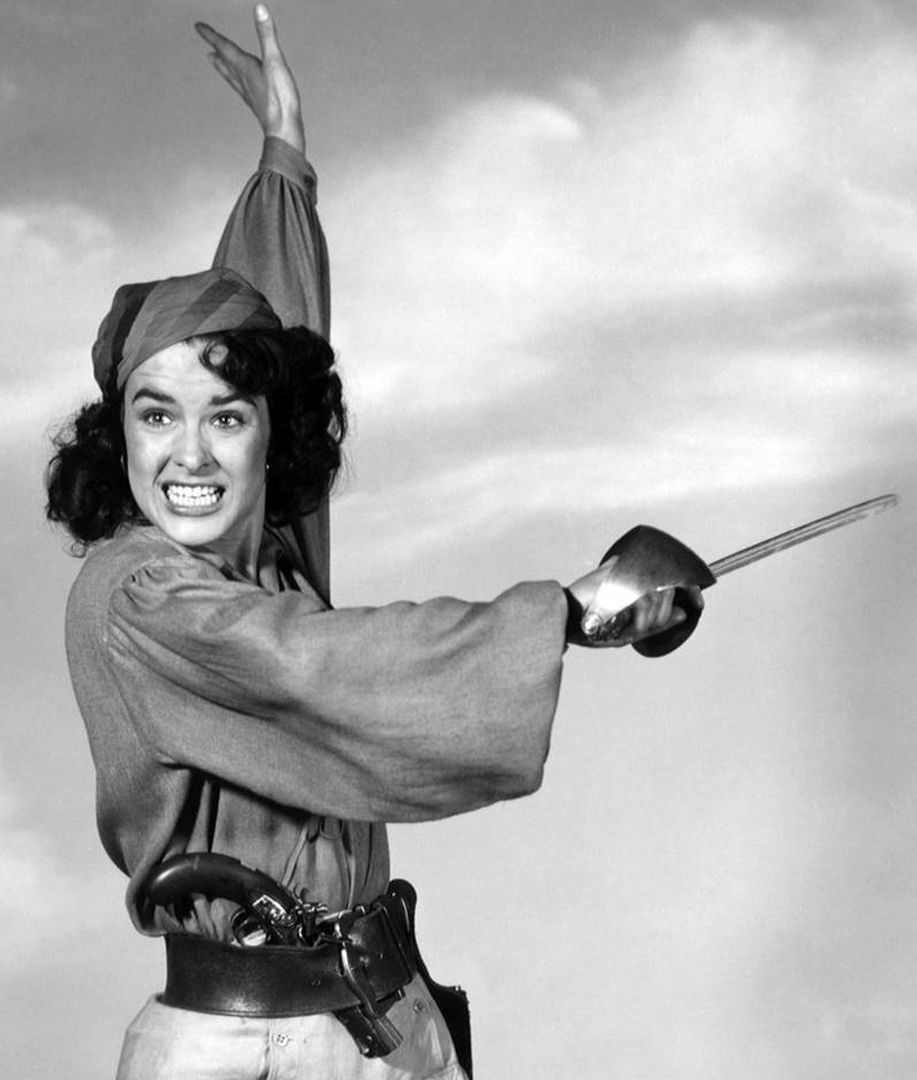
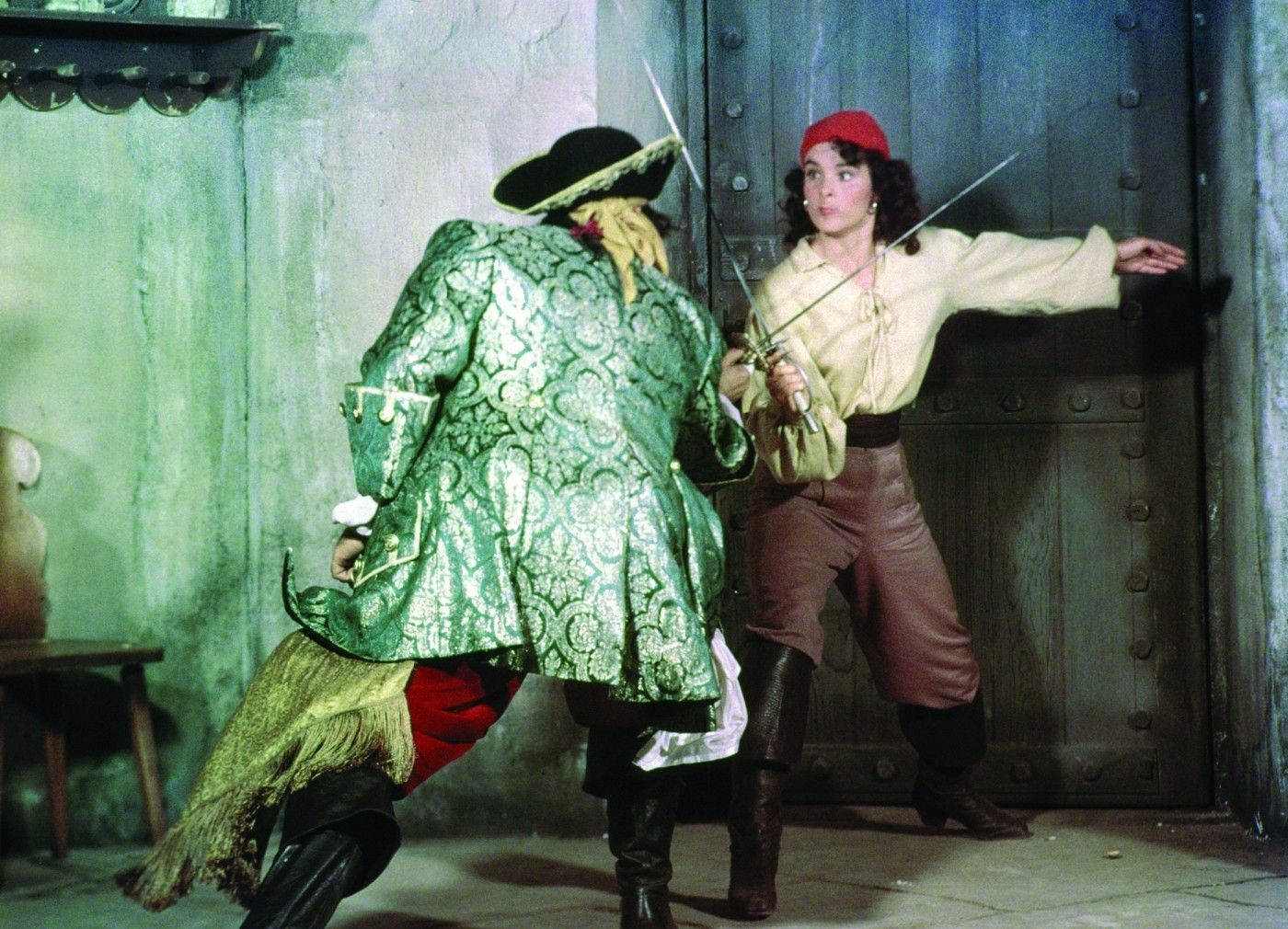
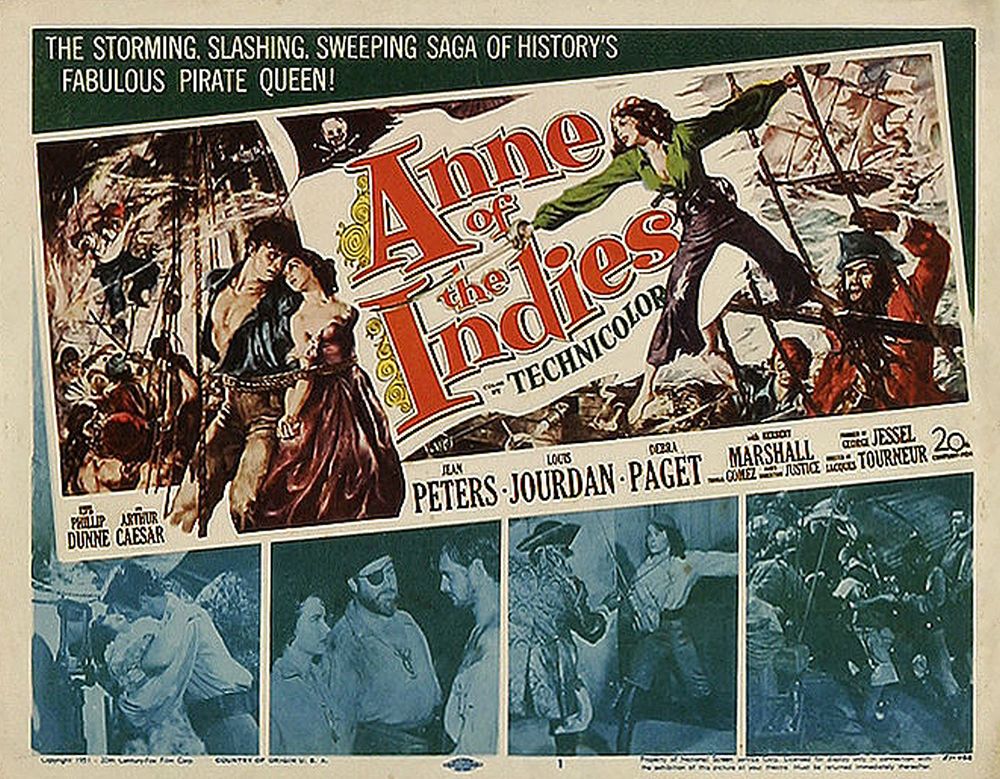
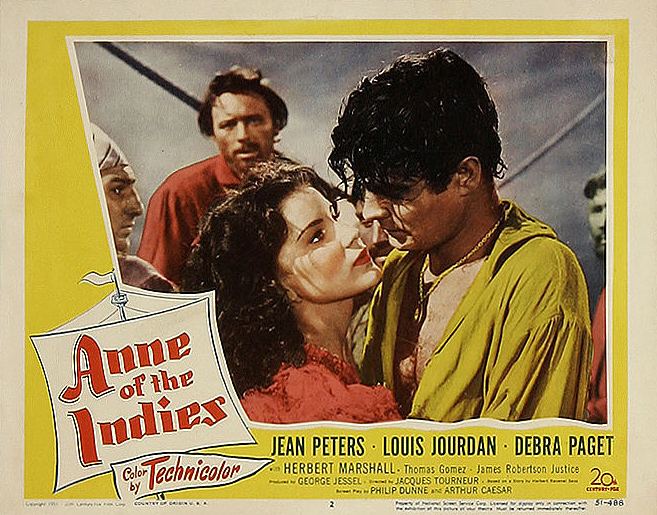
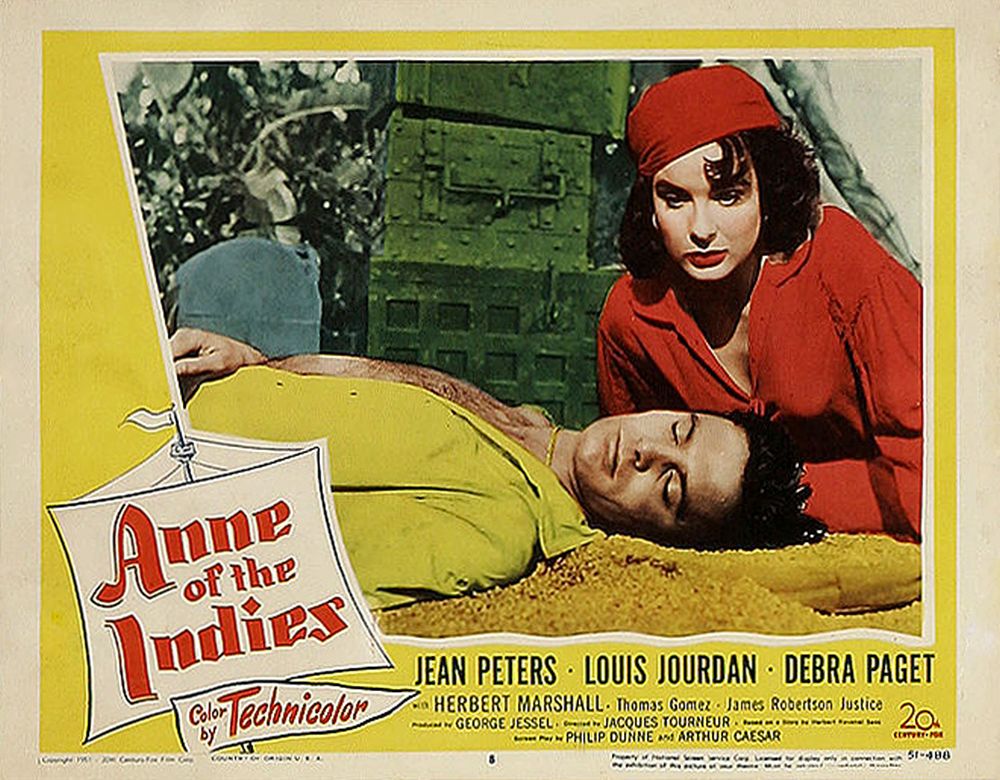
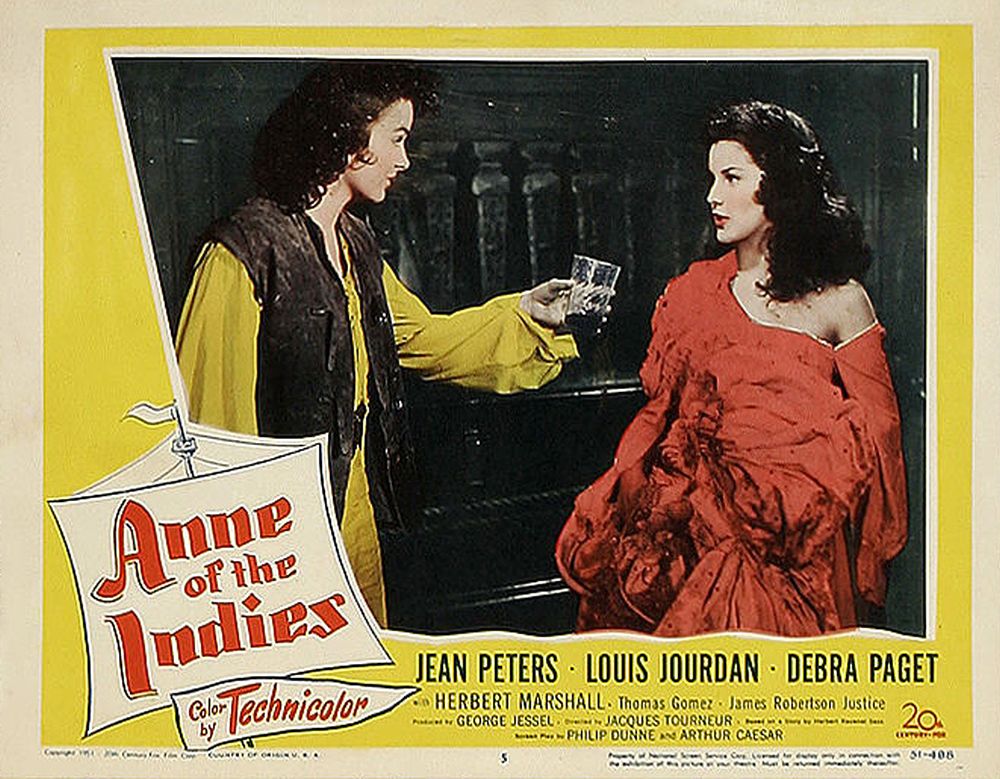
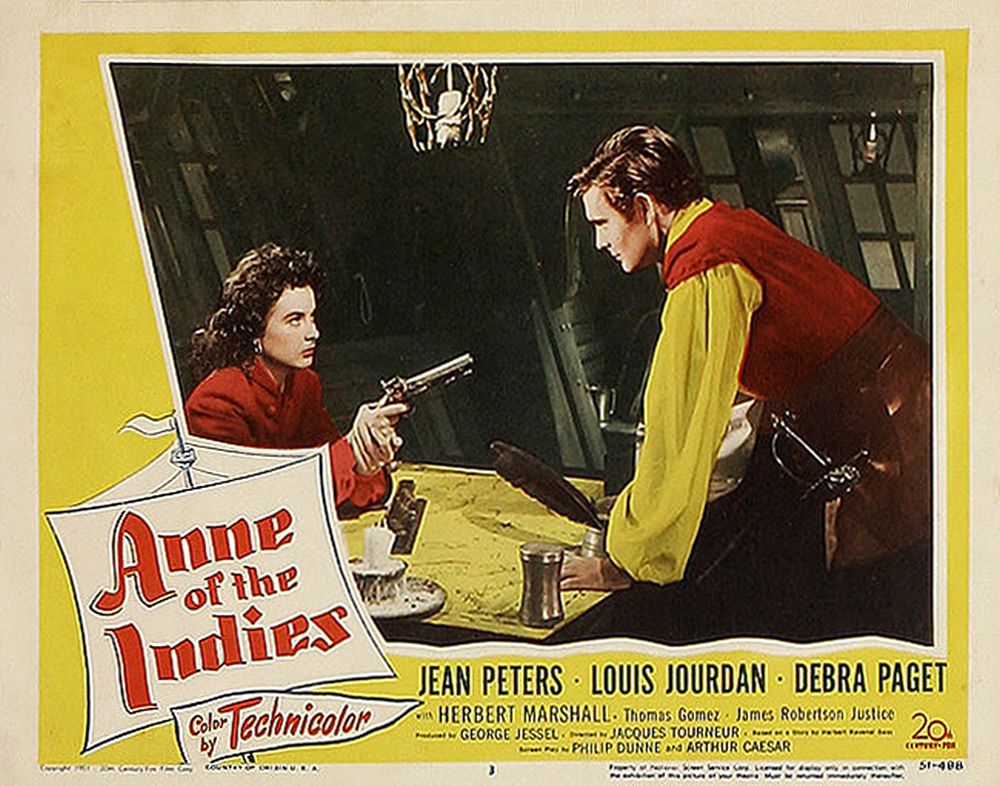
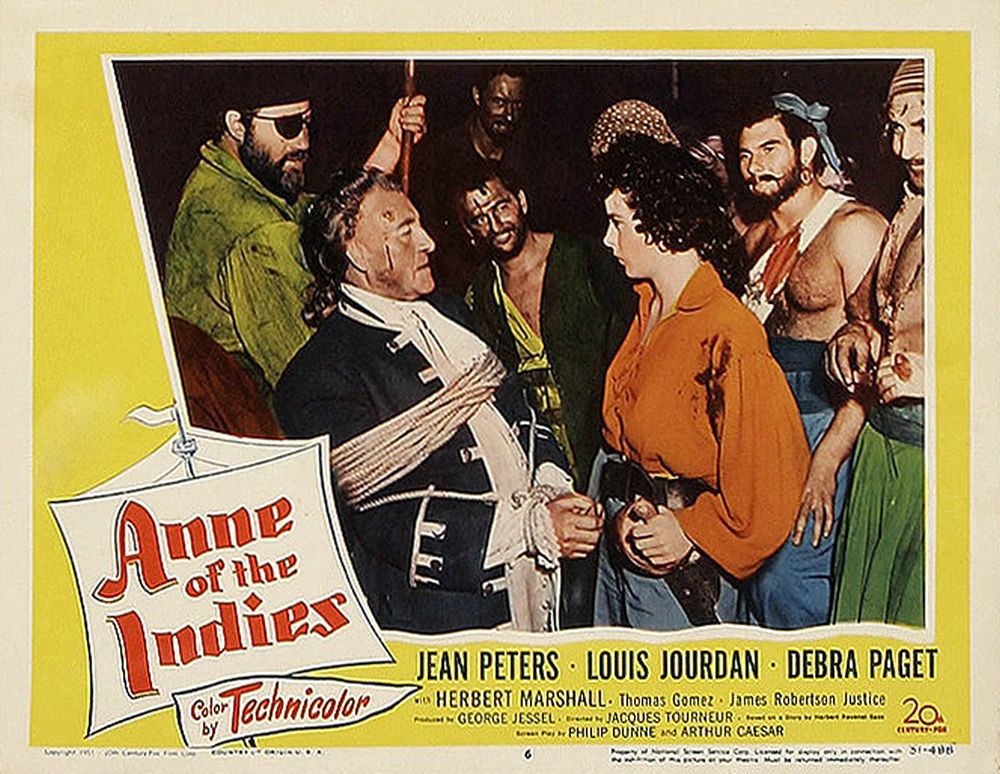
Strikingly ahead of its time, this 1951 film looks for a while like it will meander down a well-trod path – woman pirate falls for handsome hero – but ends up going in a completely different direction, and is all the better for it. Captain Providence is the scourge of the seas, the most notorious pirate out there, infamous for a ruthless approach to any British captives. While the latest batch of victims are being made to walk the plank, Frenchman Pierre François La Rochelle (Jourdan), found in chains below decks is spared: he’s startled to discover Providence is actually a woman, Anne (Peters), and accepts her offer to join the crew. He tells her of buried treasure, pointing to which he has half a map; the other half is owned by a resident in the British stronghold of Port Royal, and he’s set ashore to go negotiate for it, while Anne’s ship, Sheba Queen, waits off-shore. Except, it has all been a massive ruse, with La Rochelle actually working for the British, after they captured his vessel. Hell hath no fury like a woman pirate scorned: Anne kidnaps Pierre’s wife, with the intent of selling her into white slavery. Can he get her back?
What’s particularly effective here is the second part of the film, after Anne realizes she has been duped. Conventional plotting would have her abandoning her own career and continuing to chase after Pierre. Not here: her response is basically, “No, fuck you“, doubling down with the intent of extracting personal vengeance, by kidnapping his wife and selling her into slavery. Though as one review points out, “The fact that there were not many – indeed, probably not any – Arabs wandering around what is now Venezuela in the 1710s trading in fallen European women isn’t allowed to get in the way of this storyline.” This Anne, who lets her quest for revenge consume her over the latter half, is a fascinating character, even if, naturally, morality has to win out in the end. Her conscience, personified throughout by the ship’s doctor (Marshall), must awaken, allowing for a finale offering redemption through heroic sacrifice. But considering when this was made, it’s arguably even more transgressive for its time than the ending of Thelma & Louise.
The other outstanding feature is Peters, who handles herself particularly well, giving the impression of knowing what she’s doing. This is particularly the case in a (semi-)friendly bit of swordplay between Anne and her piratical mentor, Blackbeard (Gomez). You’re not expecting much, since the former is a heroine in a 1950’s movie and the latter looks to have the range and mobility of a sofa. But it’s really good: it might have been undercranked, but it still looks lightning-fast and genuinely skilled, doing a good job of establishing Anne’s credentials as someone to be feared and respected. Director Tourneur is best know for his classic RKO horrors, such as the original Cat People and I Walked With a Zombie, but shows that his talents were not limited to black and white chills, and work just as well on these wide open, Technicolor seascapes. The quality here is virtually across the board, with the exception of James Robertson Justice’s highly-dubious Scottish accent, and has certainly stood the test of time.
Dir: Jacques Tourneur Star: Jean Peters, Louis Jourdan, Herbert Marshall, Thomas Gomez
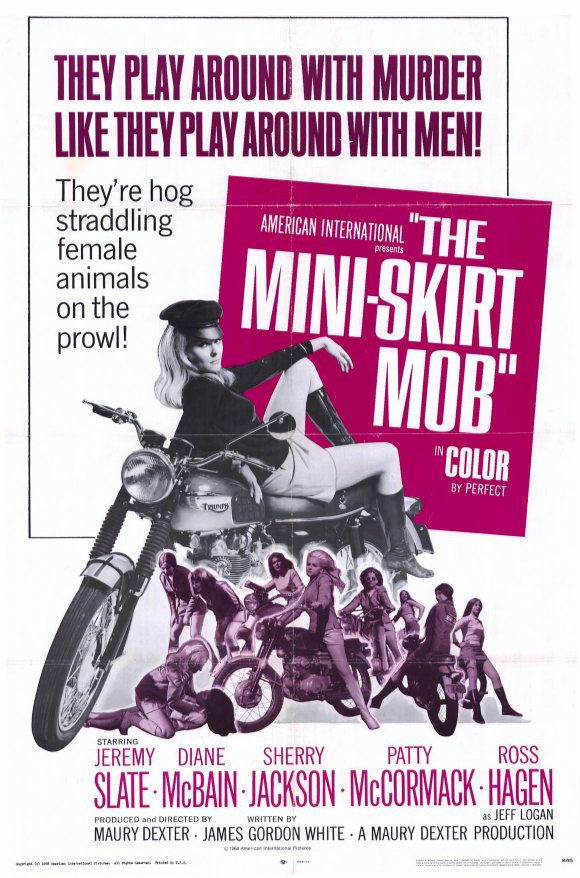
It’s not much of a stretch to imagine this coming out of Japan, as an early ancestor of the pinky violence genre. Though that would probably require the additional of significantly more nudity, since it proves surprisingly coy on that front, without a nipple to be found. The central character is Jeff (Hagen), a rodeo star who has just married Connie (Jackson). This does not sit well with his old flame, Shayne (McBain), who heads an all-girl gang, The Mini-skirts. Together with a group of male bikers (who include cult legend, Harry Dean Stanton), they harass the newlyweds, on and off the road, until a tragic accident leads to the death of one of the bikers. Then, the gloves come off, with Jeff and Connie besieged in their caravan by Shayne and her crew. However, they find an unlikely ally in Shayne’s sister, Edie (McCormack, who had previously been nominated for an Oscar as the tiny psychopath in The Bad Seed). While she stepped aside from Jeff when Shayne decided she was interested, Shayne is now sniffing around Edie’s current man, Lon (Jeremy Slate) and Edie has no interest in stepping aside again.
It’s an interesting set of power dynamics here: Shayne is the one who runs things here, manipulating others – Lon in particular – to do her bidding without the slightest qualm. For instance, after Lon has brawled with Jeff to the point where the latter has pulled a rifle on the gang, as far as Lon is concerned, that’s the end of the matter. But Shayne casts aspersions on his manhood, basically goading him into further action. She has also the whip-hand in her relationship with Edie, who is initially happy to follow along, clinging to her big sis’s coat-tails, until the scales fall from her eyes and she realizes how far Shayne is prepared to go in her quest for vengeance against the man who has – oh, the horror! – found love in the arms of another woman, Or, as Shayne puts it, “You need a real woman, Jeff – not a mouse.” Rodents are something of a running theme, it appears: she also tells a touching story of a visit to a zoo with Jeff, where she watched a snake hunt and swallow alive a mouse. Who said romance was dead?
It’s Jackson, using so much hair-spray she doesn’t need a motorcycle helmet, who keeps this watchable – even when the biking scenes, juvenile delinquent hi-jinks and Budweiser product placement begin to wear thin, and that doesn’t take very long. However, the siege of the caravan racks up the tension, and brings an unexpected and quite nasty death, albeit one clearly accomplished through thoroughly unconvincing stunt-doubling. That, and a finale where Connie shows an equally unexpected streak of malice, left me suitably entertained, though it would certainly be a stretch to call this anything more than throw-away drive-in fodder.
Lurking behind what has surely to be one of the worst titles in cinema history (truly a Troma creation), to my surprise, this is actually a solid enough little low-budget flick – albeit one that is straightforward to the point of idiocy. Widow Susan Morris (Sweeney – blonde, so definitely not the woman on the cover!) is out in the wilds. looking for a house where she can get away from it all. Unfortunately, she crosses paths with the monstrous Mongo (Oldfield, who reminds me of someone, but I can’t work out who) and his gang of drug-peddlers, and they do not take kindly to the interruption. It isn’t long before Susan has to find herself a new realtor. And that’s the least of her worries, as she finds herself perpetually in peril from the gang, who have every intent of raping and then killing her. Or maybe killing her, then raping her. They don’t seem too fussy about that. But everybody has their breaking point, and when they push Susan too far, she snaps, and takes the fight to her attackers.
Yes, it’s dumb. Yes, it’s cheap. Yes, it makes little or no sense, in particular her sudden transformation from plucky but largely ineffective heroine [who can’t even stab someone in a way that causes them more than moderate discomfort] into a warrior woman, capable of embedding a shiny axe in your head from 15 paces. But, you know what? It’s never boring, and I’ve sat through more than my fair share of low-budget crap that figures talk is cheap – so we’ll pad things out with lots and lots of that, before getting to anything approaching the meaty stuff. No such bait and switch here. We open with Mongo demonstrating his favourite weapon, a headpiece with a spike attached, which makes him look like a disgruntled unicorn, and after little more than five minutes of backstory involving Susan chatting to the real-estate agent, things kick off. And once they do, they don’t stop kicking until the final credits roll after 81 briskly entertaining minutes, as she is harried from one peril to the next, with laudable diligence (if variable competence) by Mongo and his henchmen.
Few involved here show any degree of acting talent, yet this shortcoming doesn’t matter very much, since we’re dealing with broad caricatures – let’s face it, subtlety would be a waste of time. There are some ludicrous mis-steps, such as the sequence where Susan escapes by running over the heads of the gang, which appears to have strayed in from a Jet Li movie. In what world does this even make sense? It could also have done with ramping up the exploitation elements considerably: much of the violence is implied (though the guy getting impaled on a nail was nicely done) and there’s no nudity. If talk is cheap, breasts are almost as inexpensive, and much more appreciated. It would also have helped if the stuntman used to stand-in for Sweaney, had been given a wig that matched her hair: hers is wavy, his is curly, and the difference is obvious. Yet I can’t bring myself to hate this, despite its obvious flaws. I was satisfactorily entertained, even without the use of alcohol.
Dir: Patrick G. Donahue Star: Debra Sweaney, Brian Oldfield, Sean P. Donahue, Mike Donahue
a.k.a. Savage Instinct
★★
“A kinder, gentler era. Particularly for heroines.”
Despite a good central idea, this founders on failing to have the courage of its convictions. The heroine’s appearances are book-ended by a boyfriend (Egan) who reckons she’d be better off in an apron than a police uniform, and colleague Mike Trent (Brady), who treats her with hardly any more respect – Chris watched the end of this one with me, and her sole comment (not including various derisive snorts) was, “I would not have fared very well in the fifties…”
Christine Miller (Smith) is the young lady in question, whose father is gunned down by a mobster after spurning a payoff. Christine feels guilty about this, because her father ran up debts to put her through school, and is left with a burning desire to take vengeance on those responsible. Enter Trent, an LA detective who is trying to roll up the entire gang, but their wary nature has led to him being unable to gather any evidence. He thinks a women, posing as a drugs buyer, might have better luck, and is convinced that with the right coaching, Christine is the right one for the job – over qualms that she might not be able to control her emotive impulses, because she’s a girl ‘n’ stuff. He sends her to bond with Liz Crow (George), a former Chicago criminal who became addicted to her own supply, and is now in rehab, seeking information which will establish a solid background for Christine’s undercover persona.
That done, she moves into a boarding house opposite a low-level connection to the gang, and starts trying to work her way up the food chain. It’s not without issues, as her target remain suspicious, and her cover is stretched the the limit, for example, when her boyfriend happens to bump into her, calling Christine by her real name within earshot of a lurking gang member. As such, it concentrates more on attempting to craft tension than action, along with a lengthy (too long, it might be said) depiction of the relationship between Christine and Liz. But it doesn’t really work, leading instead to a lengthy climax which appears to consist mostly of people running around a building constructed entirely out of staircases, landings and doorways, shooting at each other with the accuracy of Imperial Stormtroopers. It’s just not something which has aged well, and will leave you mostly with an appreciation of how far cinematic heroines have come in the sixty-plus years since.
Dir: Joseph Pevney Star: Alexis Smith, Scott Brady, Richard Egan, Gladys George
★★
“The aroma of Troma is not necessarily a good thing.”
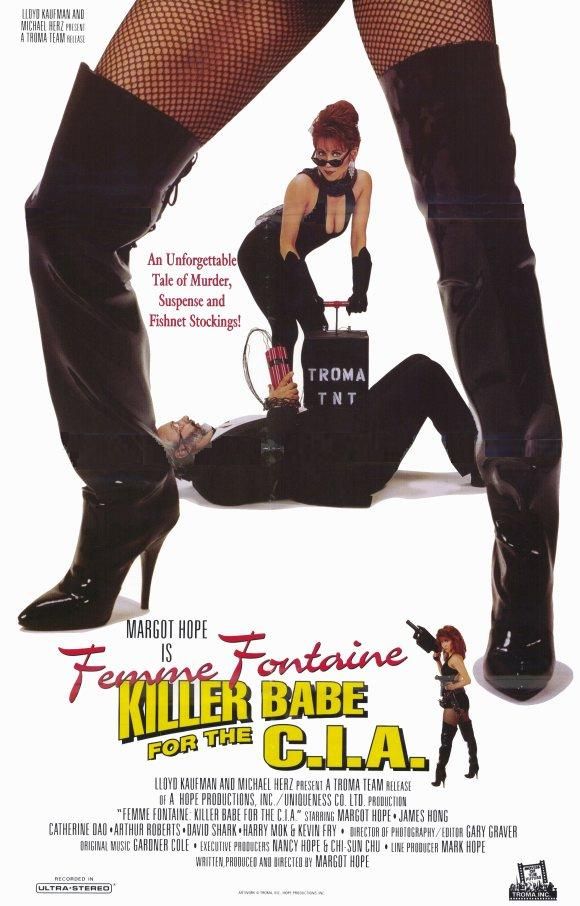
First off, bit of an retitling faux pas here. The heroine’s name is actually Drew: nobody ever calls her “Femme”, and this part of the title appears to be purely a Troma invention. Which is unfortunate, because “Femme Fontaine” is French for “squirting woman”. As I found out when Googling for an image to illustrate this. It took quite a long time staring at cat videos to detox from that, let me tell you. Anyhow, this is what could kindly be described as a labour of love for Hope, who stars, directs, wrote and produced this. Less charitable opinion may prefer the term “vanity project,” especially considers she never directed, wrote or produced anything else.
Heroine Drew Fontaine (Hope) is an assassin, who gets drawn into a murky web of shenanigans after her mentor, Master Sun (James Hong), an agent turned Buddhist priest, is gunned down during a raid by a neo-Nazi group on his temple [which may have been inspired by a real-life mass killing at a Buddhist temple in Arizona, three years earlier]. Turns out the place was being use to hold cash from an Oriental crime gang run by Mercedes Lee (Dao), being laundered through an adult movie producer. But the Aryan neo-Nation, under their Ilsa-like leader Gertrude Schank (Paxton), are instead going to use the money to fund research into biochem weapons of mass destruction, with the help of a former Nazi scientist. Fontaine is recruited by federal authorities for an off-book operation to infiltrate and destroy the group, which requires an unholy alliance with Lee – who, it turns out, had a relationship with Fontaine’s now-disappeared father.
I hope you were paying attention there, because this will be on the test at year-end. It’s definitely a slog during the early stages, with little or no narrative flow, instead consisting of scenes that start, proceed and end, without connection to the ones that precede or follow them. There’s also no consistency of tone: for instance, Dao appears to be approaching her role largely straight, but Paxton chews scenery at such a rate, she seems to have strayed in from another Troma project, the renowned/infamous Surf Nazis Must Die. Hope wobbles uncertainly between these extremes, not sure whether or not to take her own project seriously, and that inevitably infects the viewer with a degree of emotional apathy: you can’t commit to a film, if its makers can’t. Things do improve in the second half, and there’s one scene, where Fontaine and Lee are trying to extract information from a prisoner, that possesses a genuine edge which is refreshing. However, this never gets out of second gear; to be honest, I’ll remember the Google Image search much longer than the actual movie!
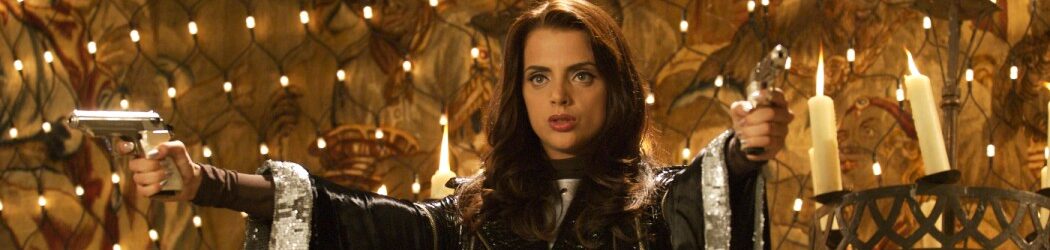
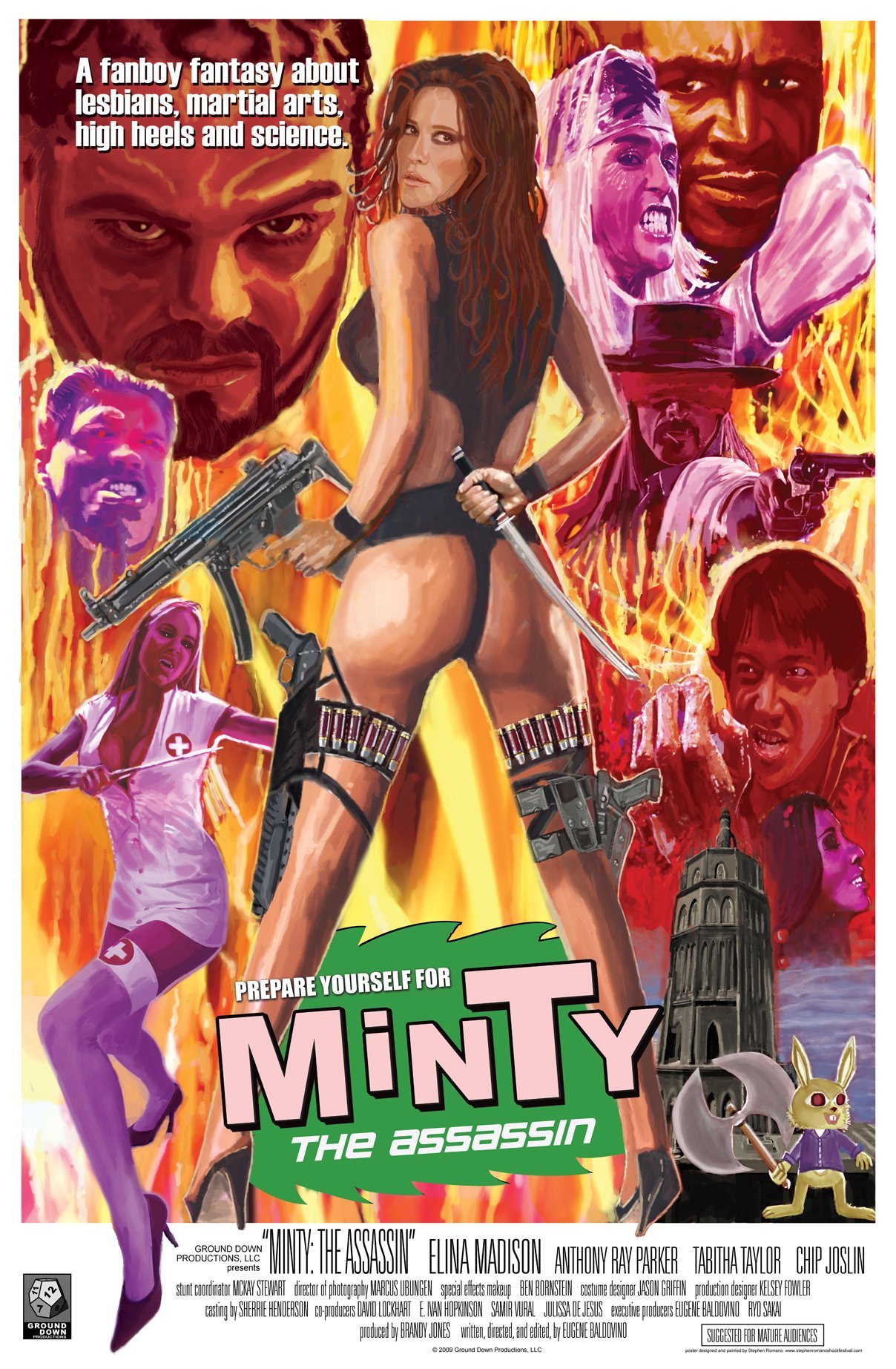
When a film clearly doesn’t take itself seriously, and in particular, when it almost takes delight in acknowledging its own flaws, this does convey a certain immunity to criticism. “Yes, we know this is crap,” it seems to be saying. “So what?” But on the other hand, it’s hard to be a parody of comic-book fan-service, when you actually are comic-book fan-service. The heroine here is Minty (Madison), an assassin who works for a man known only as Big Boss (Parker, channeling the spirit of Michael Clarke Duncan). When he is kidnapped by Dr. Brain Bender (Joslin), an evil scientist – really, how could he be anything else with that name? – and his vampire sidekick, Double Delicious (Taylor), Minty, powered by chocolate, has to fight her way up through the levels of the Cock Tower [sic], defeating Bender’s other minions, up to where Boss is being held. While Bender can’t beat Minty himself, he transfers his mind into DD’s body, and there’s only one way for our heroine to prevail…
If you guessed the answer is “lesbian canoodling,” give yourself two points.
It’s very much a mixed bag here. Some moments fall entirely flat, and the film often isn’t as funny as it thinks it is. This is in part because most of the supporting characters don’t have the acting chops to pull off the satirical aspects, which is a lot harder than it looks. “Broad comic mugging” seems to be the main direction provided by Baldovino, and that rapidly becomes more tiresome than entertaining. However, there are some scenes which do work well. I particularly enjoyed Minty going up against a Bruce Lee look-alike (the fight here was nicely put together and edited), while there’s also an animated interlude featuring Minty being chased through a Prince of Persia-style level by a psychotic rabbit. This ends in an arterial way that feels like it comes out of a particularly twisted Tex Avery cartoon.
Unfortunately, the finale then gets itself bogged down in soft-core shenanigans with poor continuity e.g. in one shot, Delicious is topless, the next, she’s wearing butterfly-shaped pasties. [Look, you’re either willing to get undressed or you’re not. Have the courage of your convictions, and don’t change your mind mis-scene] Admittedly, it’s preceded by Dr. Bender explaining that the goal of all fanboys is to see the heroine naked, so this is simply delivering on that promise. But blatant foreshadowing doesn’t make it any more interesting or entertaining, and the movie doesn’t at all make it clear that Bender is actually a fanboy who has somehow come across into Minty’s comic-book world for nefarious purposes. Maybe there’s a director’s cut somewhere that explains all this. Instead, as seen here, it’s a probably over-ambitious and occasionally entertaining mess, not without its charms, yet some way short of being charming enough.
Dir: Eugene Baldovino Star: Elina Madison, Chip Joslin, Tabitha Taylor, Anthony Ray Parker
Cassie: What a day, huh? Parachuting into a cemetery because the perimeter was guarded and it was our only way in, and exposing a deadly double agent who was trying to elude capture by faking his own death and being buried with an oxygen tank, only to be dug up later. D.D.: We knew all that, you know. Cassie: I know. I’m just saying it for anyone who might’ve been wondering why we’re going through all that trouble. Shane: Who’d be wondering? Cassie: I don’t know, anyone. Look, I’ve never told you guys this, it’s kind of embarrassing. Sometimes I get the weirdest feeling like people are watching us, like they’re listening in on every single thing we do or say. Shane: Yeah, I get that feeling, too.
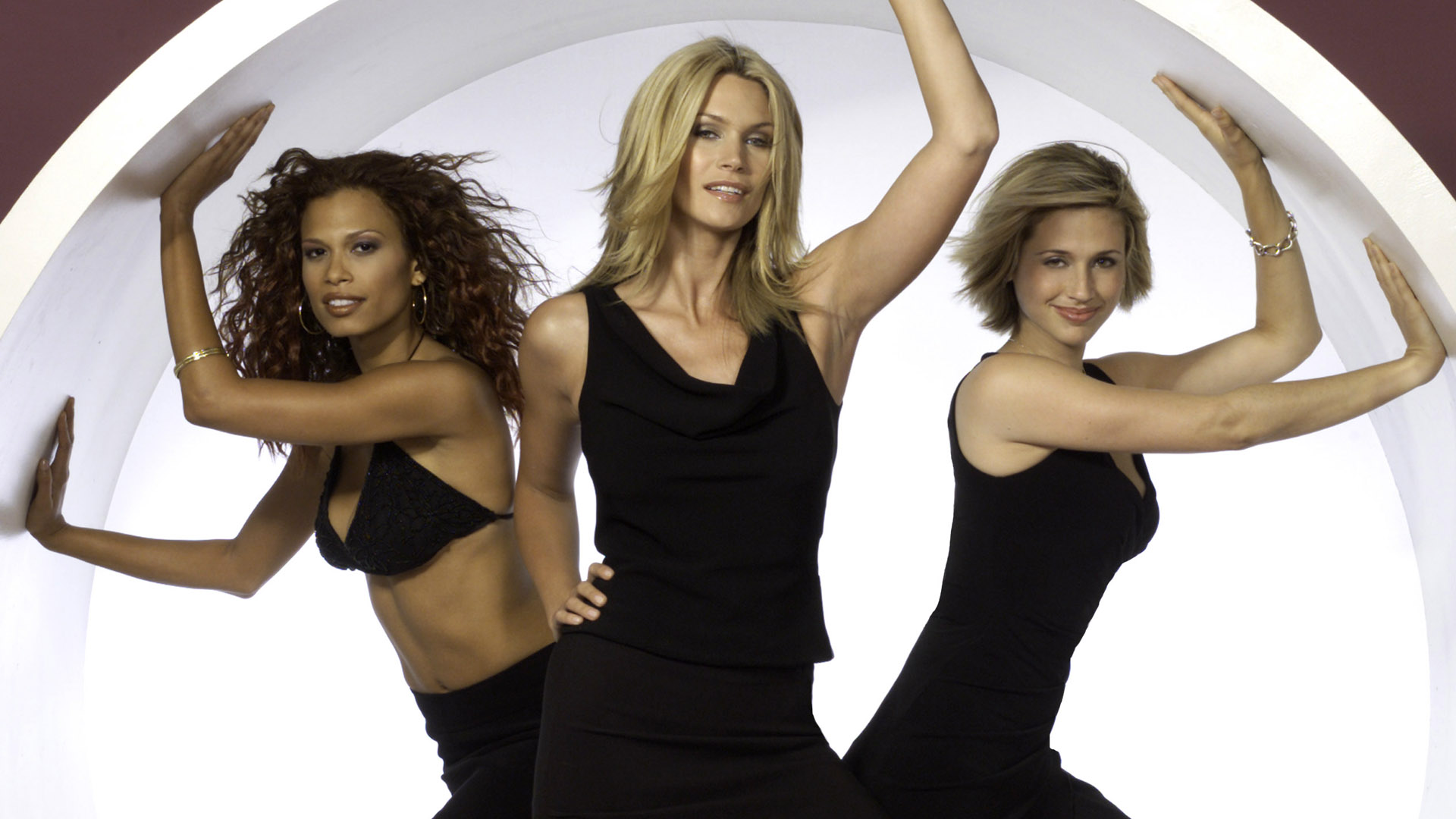
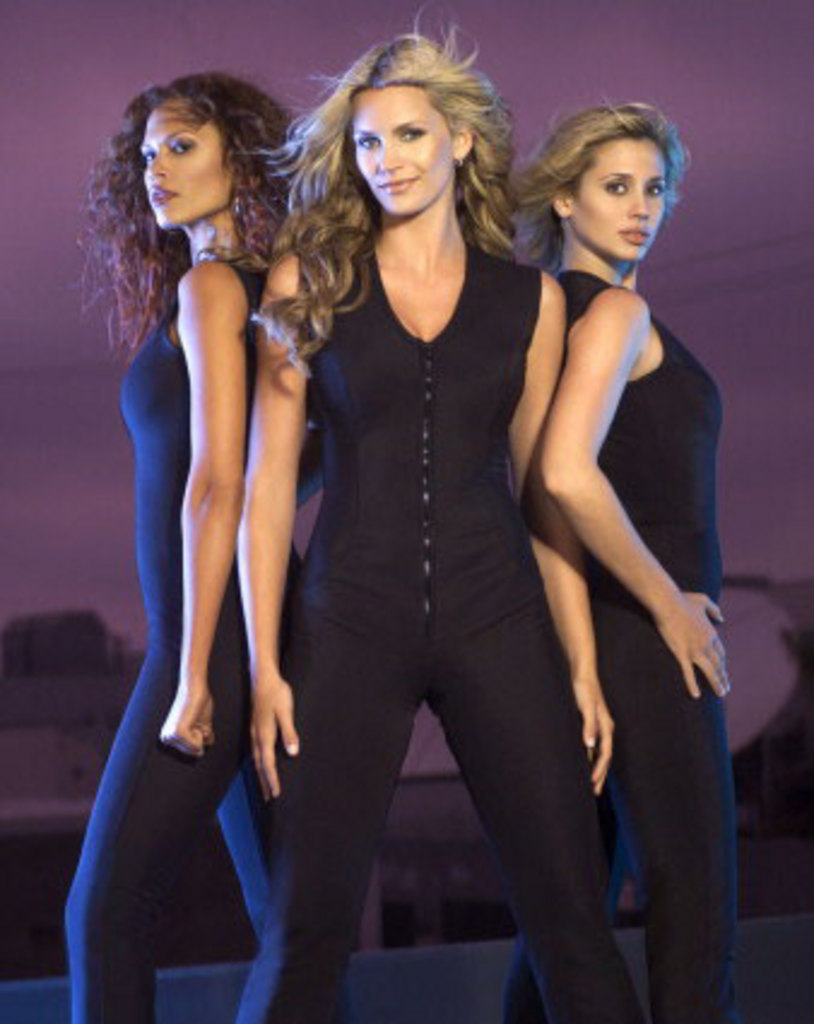
This series came out in the wake of the Charlie’s Angels movie which rebooted the franchise in 2000, and shares much the same combination of action escapades and tongue-in-cheek, self-referential (and often self-deprecating) humour. However, sustaining this for 90 minutes is a much easier proposition than doing so over 20 episodes, each three-quarters of an hour or so without commercials. What seemed like a deliciously frothy concoction in the opening episode, juggling the elements with some skill, eventually ground down to tedious repetition. Chris, in particular, hated the show with a passion, which is a little odd, since she’s a big fan of the similar Chuck. Mind you, since I can’t stand Chuck, I’m not really able to argue, especially since my arguments in defense of She Spies became more like token gestures by episode 20.
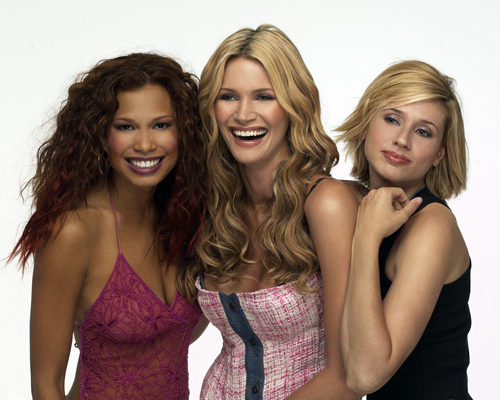
Just like Charlie’s Angels, this focuses on a trio of butt-kicking babes: in this case, liberated from prison by Jack Wilde (Jacott), who puts them to work in a quasi-governmental organization that hunts down bad guys while exchanging witticisms. They also share a house, which makes things very convenient for any of said bad guys, who want to take them out. The trio all bring their disparate, somewhat dubious skills to bear on the situations that result: there’s con-artist Cassie McBaine (Henstridge), computer hacker Deedra “D.D.” Cummings (Miller) and master thief Shane Phillips (Williams). The first episode is a fairly accurate summary of the basic idea: they’re assigned to protect a former politician turned talk-show host from an assassination plot, and have to go undercover at the studio to reveal the culprit [and given the target’s former and current occupations, there’s no shortage of suspects].
What the first episode does brilliantly – and what the rest of the series never consistently recaptures – is not so much breaking the fourth wall, as riding a wrecking-ball into it, repeatedly. For instance, the three ladies are introduced by Jack on a literal game-show, with him as a host. Does this make any sense? Of course not. But it doesn’t matter, since we are already on a show about, to quote the introductory voice-over, “three career criminals with one shot at freedom. Now they are working for the feds who put them away. These are the women of She Spies, bad girls gone good!” Take the suspension of disbelief that requires, added to the cast and crew clearly being in on the joke, and you can potentially manipulate proceedings in any direction you want, the more ingeniously whimsical the better. The universe is your plaything.
Too often, however, the opportunities this offers are squandered rather than exploited, and the plots became tedious rather than springboards for the imagination. Though there were still occasional moments of surreal genius, such as the trio pretending to be Swedish – which worked rather better for blondes Henstridge and Miller (“I like toast!”) than African-American Williams. Most of the time, the episodes largely have to skate by on the personalities of the leading ladies: that’s not a bad thing as such, since they all do credibly, with Miller likely faring best. There are also some very entertaining guest stars, beginning with Barry Bostwick as the talk-show host mentioned above; also in the first season are Claudia Christian, as the original She Spy, and Jeffrey Combs. However, there’s only so much emptily witty banter I can take, and the script-writers’ well ran painfully dry, the deeper into the series I went, for instance with the increasingly obvious use of money-saving flashback sequences.
The last edition of season one was particularly bizarre. Shane bumps into a former boyfriend who is planning to have himself cryogenically frozen so that he can be with his dead fiancee, and uncovering a plot by the facility to harvest body parts from their subscribers, in order to keep a billionaire away. I’d like to have been at the planning meeting where that idea got green-lit, simply due to the copious quantities of drugs which much have been ingested there. It possesses a darker tone, which is jarringly at odds with the ironic approach of the series as a whole, and supports the impression, generally escalating as the series went on, that those involved in creating the show had more or less given up and were phoning it in. I do exempt the four leads from this criticism, since they bravely struggle against the snowballing tedium of the scripts until the very end.
Even the action becomes relatively muted, and to be honest, it was never very good to begin with. And that is comparing the show to its contemporaries on television – say, Buffy the Vampire Slayer – rather than the Charlie’s Angels movie, which had the SLIGHT advantage of action choreographed by Yuen Wo-Ping. This is the area where Miller is probably the weakest of the three, since she looks less like a brick-house, and closer to one built of straw, vulnerable to anyone on-set sneezing in her direction. While Henstridge and Williams fare better here, it’s still generally clear they are more effective in the scenes requiring flexibility and grace, than at portraying strength and power. All three sometimes suffer also from painfully obvious stunt doubling, though since this is the bane of TV action generally, it’s par for the course.
In the end, it’s a difficult path to tread, because the show [at least the first season watched for the purposes of this article] could never appear to decide whether or not it quite wanted to be taken seriously. Zap2It.com describes She Spies as “Alias meets Austin Powers” and, while that certainly isn’t inaccurate, those are almost contradictory and mutually exclusive genre entries. It’s very hard to be taken seriously, when you are constantly undercutting yourself with cool, ironic asides or acknowledging the silliness of the scenarios being depicted, and you probably shouldn’t even try. In reviewing the Angels movie, the conclusion I reached was “It works beautifully, despite its flaws, but it wouldn’t bear frequent repetition.” Twenty episodes of She Spies largely proves the truth of this.
The first four episodes in September 2002 were planned to screen on NBC, before the series was then bumped from network to syndication [while this was always the plan, it is snarkily referenced in a later discussion about She Spies action figures: “You wind them up and they dare you to find their time slot”]. but it only lasted three before being yanked. At the end of the first series, Jacott left proceedings, and the second run of episodes also abandoned much of the self-referential approach, playing things straighter. However, the new approach failed to catch on any better, and the show was not renewed beyond its sophomore season. Below, you’ll find the first episode in its entirety – all forty have been up on YouTube for more than three years, so seem to have at least tacit approval. But it’s largely downhill from this first show, folks.
Star: Natasha Henstridge, Kristen Miller, Natashia Williams, Carlos Jacott
★★★
“There are bad people in the world and they shouldn’t be around the good people, especially the little ones,”
A young woman is walking down the street. A truck pulls up alongside her, and the driver starts talking to her, at first nicely, but gradually more crudely. When she spurns his advances, he pulls a gun. However, the woman pulls her own weapon from her handbag and shoots him dead. Welcome to the world of Miss Meadows (Holmes), where bad behaviour is countered with lethal force. It’s an offshoot of the “urban vigilante” film, where someone goes off the rails in response to rudeness and the perceived failures of modern culture, rather than a direct threat. Falling Down was perhaps the first example, also seen in Bobcat Goldthwait’s God Bless America. Both those were rather more acerbic than this, gynocentric entry, which perhaps has more in common with John Waters’ Serial Mom. At one point, a cop calls Miss Meadows a “Pulp Fiction Mary Poppins,” and that’s a fairly accurate high-concept here.
She’s a somewhat nomadic first-grade substitute teacher, with a past which clearly contained a defining trauma, who has long phone calls with her mother (Smart), and seeks to protect her local community from an influx of criminal elements. But when she meets and falls for a cop (Dale), who gradually realizes the woman he’s seeing may also be the killer his colleagues are hunting. And he’s not the only person who discovers the secret behind her facade. Meadows is an wonderful and engaging concoction, a throwback to an earlier era of politeness and courtesy, and its that contrast to her ruthless approach, tap-dancing her way to mass murder, that drives the film. It’s not entirely successful; the storyline, overall, relies too much on good fortune and convenience [every fast-food restaurant I’ve been in has surveillance cameras; the one here, not so much], and also tends to the obvious – a priest who molests children, there’s a shocker. It would make for a far ‘edgier’ film, if there was more grey involved in her targets, even at the risk of losing some of the audience. Killing paedophiles and murderers is an easy option, weakening the moral dilemma posed here.
But I thoroughly enjoyed Holmes’s performance; I hadn’t seen her in anything since Thank You for Smoking, back in 2005, before she became most famous for being Mrs. Tom Cruise. She takes a character that possesses two distinct, largely-opposing aspects, and nails it: Miss Meadows is, at once, charming and, clearly, barking mad, with a grip on reality that, we discover, may be a great deal looser than it initially appears. Concentrating more on these psychological aspects – perhaps instead of the rather implausible romantic angle – might have boosted this film out of the “quirkily forgettable” niche into which it is instead dropped.
Dir: Karen Leigh Hopkins Star: Katie Holmes, James Badge Dale, Callan Mulvey, Jean Smart
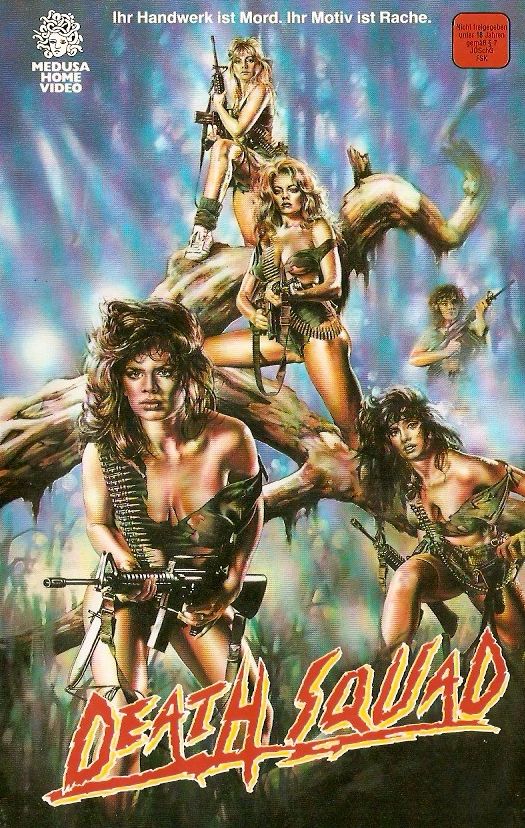
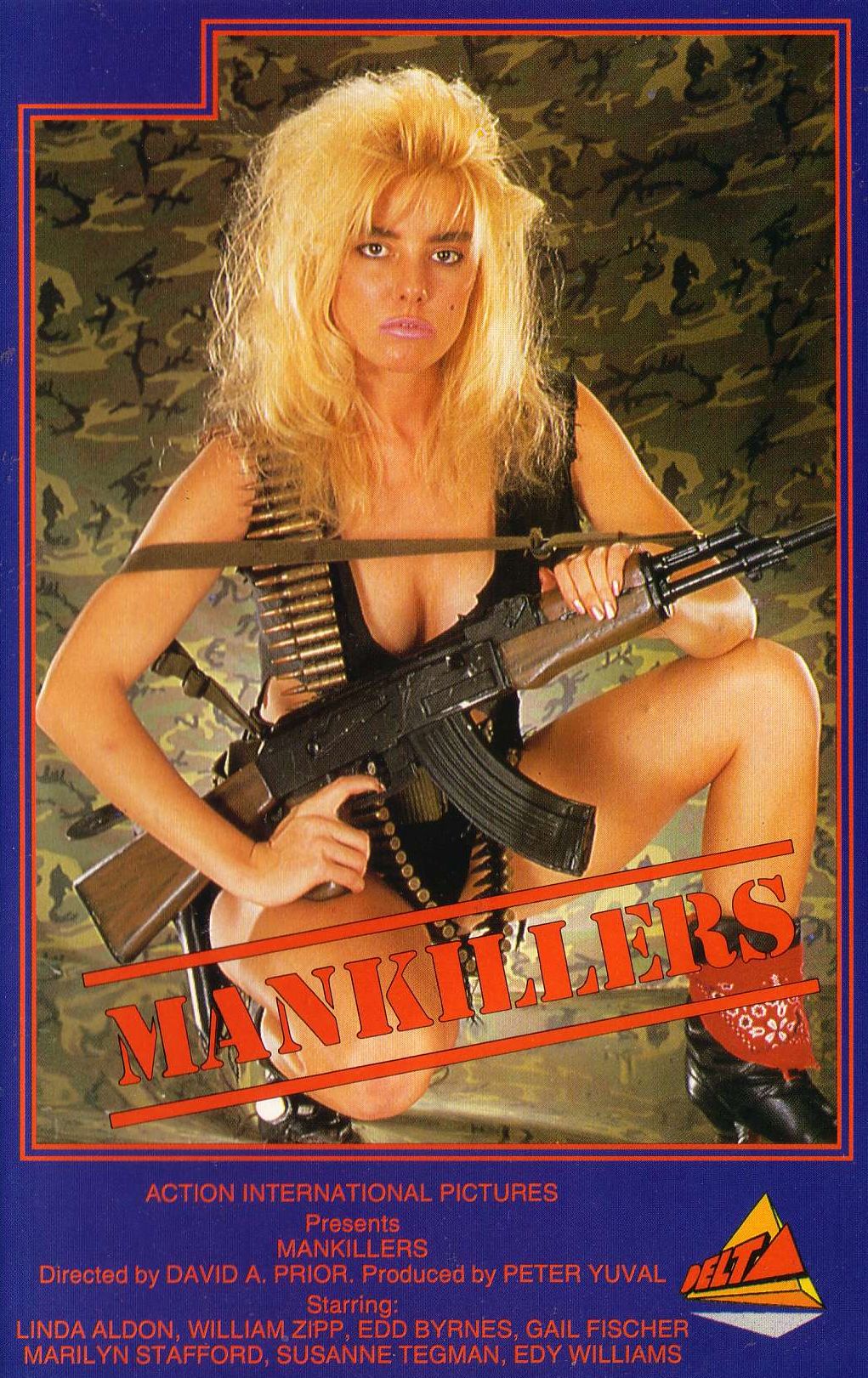
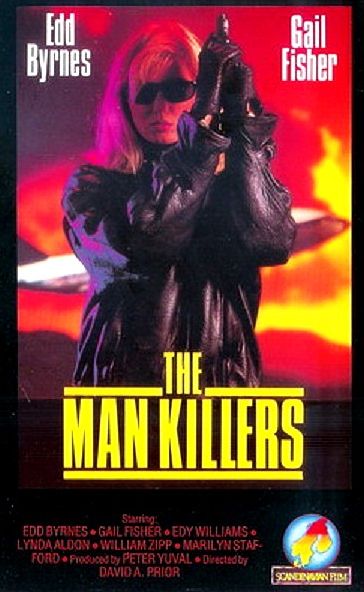
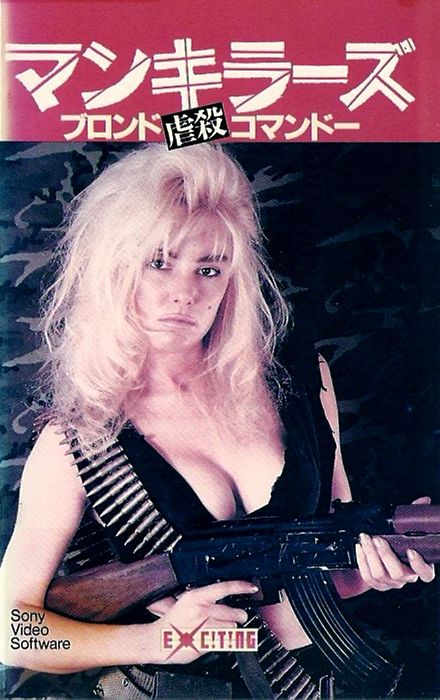
I remember bumping into this one back in the 90’s, on VHS [kids, ask your parents!]. Stumbling across it again recently, I wondered why I had ever bothered – but then I discovered the cornucopia of lurid video sleeves used to lure unwary buyers into purchasing or renting it, and it all made much more sense. I can’t remember exactly which one was on the British video releaase, but I think it was a slight variant of #2 (below, left), over a gratuitous background of exploding fireballs. There are times when I miss those days of prowling the local video store, or market stalls, picking up cinematic “gems” based entirely on their covers. And then, I watch something like this, and remember how few of those purchases ever came anywhere close to living up to their promotional material.
Much as in Naked Avenger, this focuses on an international white-slavery ring, inexplicably appearing to be operated out of a run-down junkyard in some backwoods community. The chief perp in this case is John Mickland (Zipp), a former government agent whose inside knowledge means he can easily counter all “official” efforts to bring him down. So, the government turns to Rachael McKenna (Aldon), who visits a local prison to recruit a “grubby half-dozen” of ne’er-do-wells whom she can lick into shape, in order to form a squad that can head into Mickland’s lair and take down his operation. Quite why they have to be women, is never explained: if there’d been some element of subterfuge, such as infiltration by pretending to be merchandise, that’d have made some sense. Instead, it’s not much more than a traipse through a forest, and a gunfight which follows: since there’s no apparent interest in capturing anyone, would have been more logical just to call in an air-strike. But then, I suppose, we wouldn’t have got the lengthy training montage. And, let’s face it, that’s basically just an excuse for hot-pants and crop-tops, as well as some of the eightiest hair I’ve ever seen. Seriously, the film needs a widescreen release, so we can appreciate the full majesty of the coiffeurs on view.
Not least, because there is precious little else to appreciate. This is such a painfully poverty-stricken production – though it looks like Avatar in comparison to Naked Avenger, that when the action comes, it looks more like little kids playing soldiers. When it comes down to McKenna going one-on-one with Mickland, it becomes somewhat more interesting, largely because the latter is as hard to kill as Jason Vorhees, and is capable of taking multiple bullets, yet can still drive away. Lucky that our heroine came prepared, even for this eventuality. However, getting to that final point will tax the patience of most viewers – as well as their hairdressers.
Dir: David A. Prior Star: Lynda Aldon, William Zipp, Edy Williams, Gail Fisher
a.k.a. Death Squad
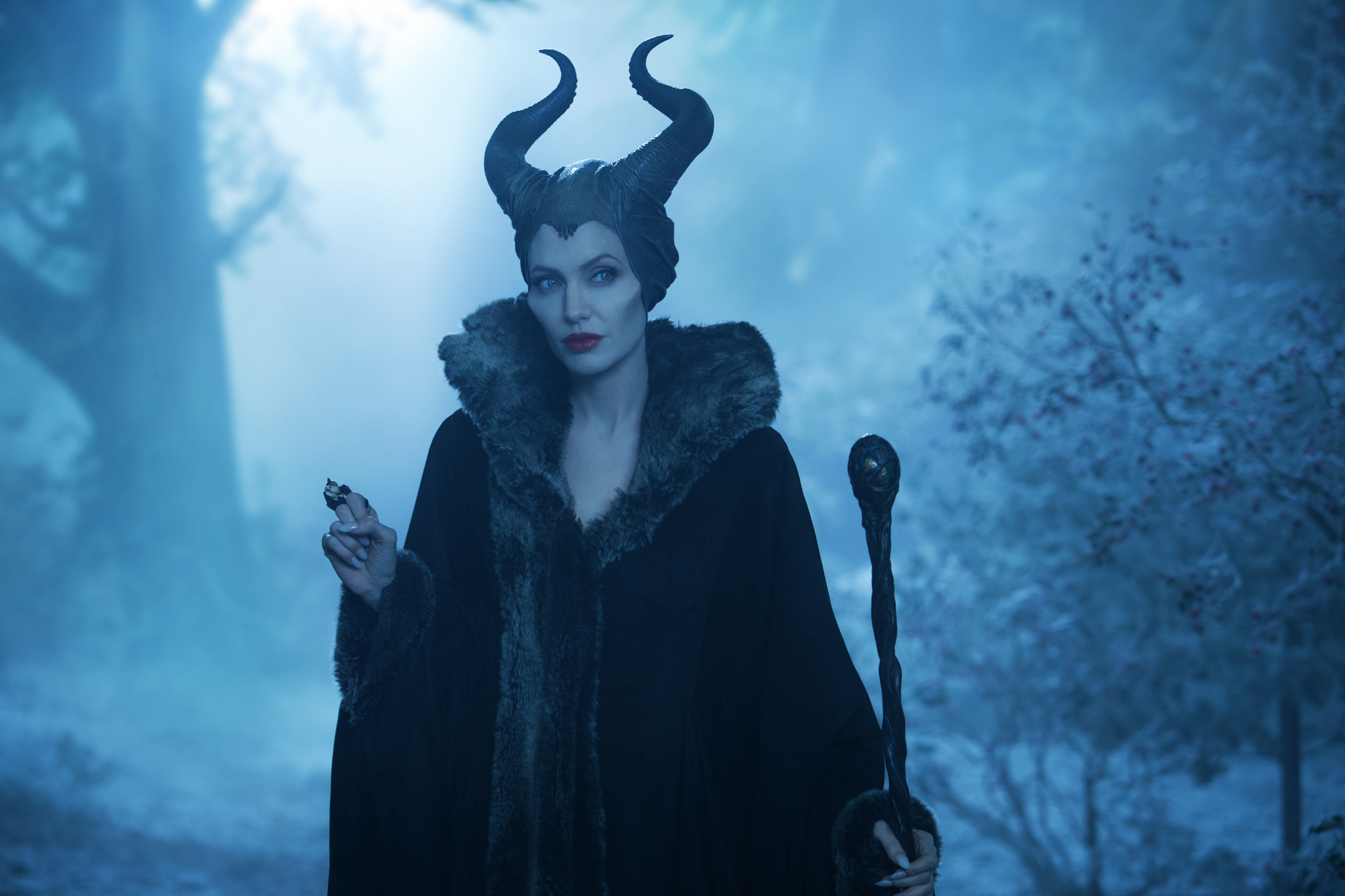
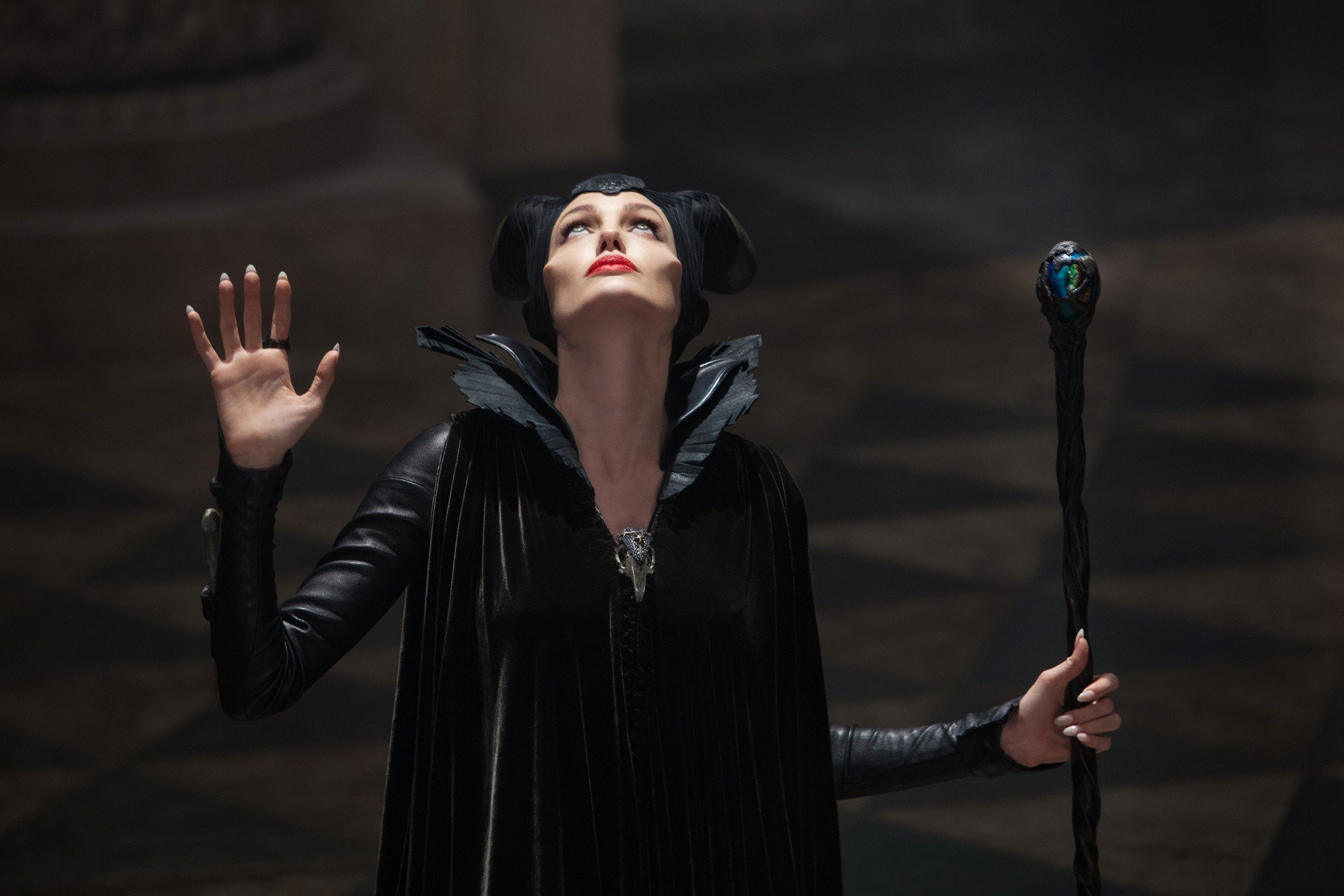
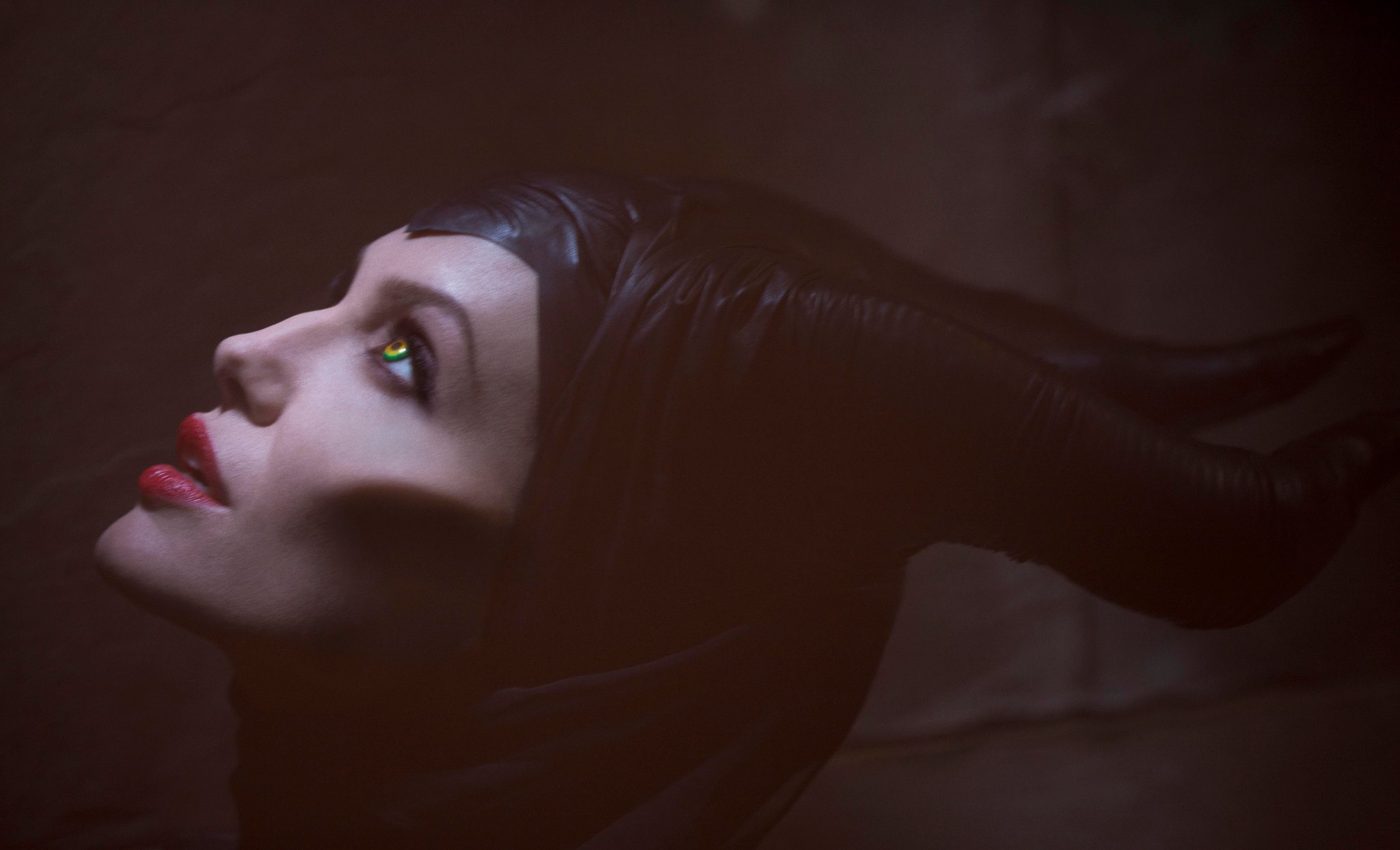
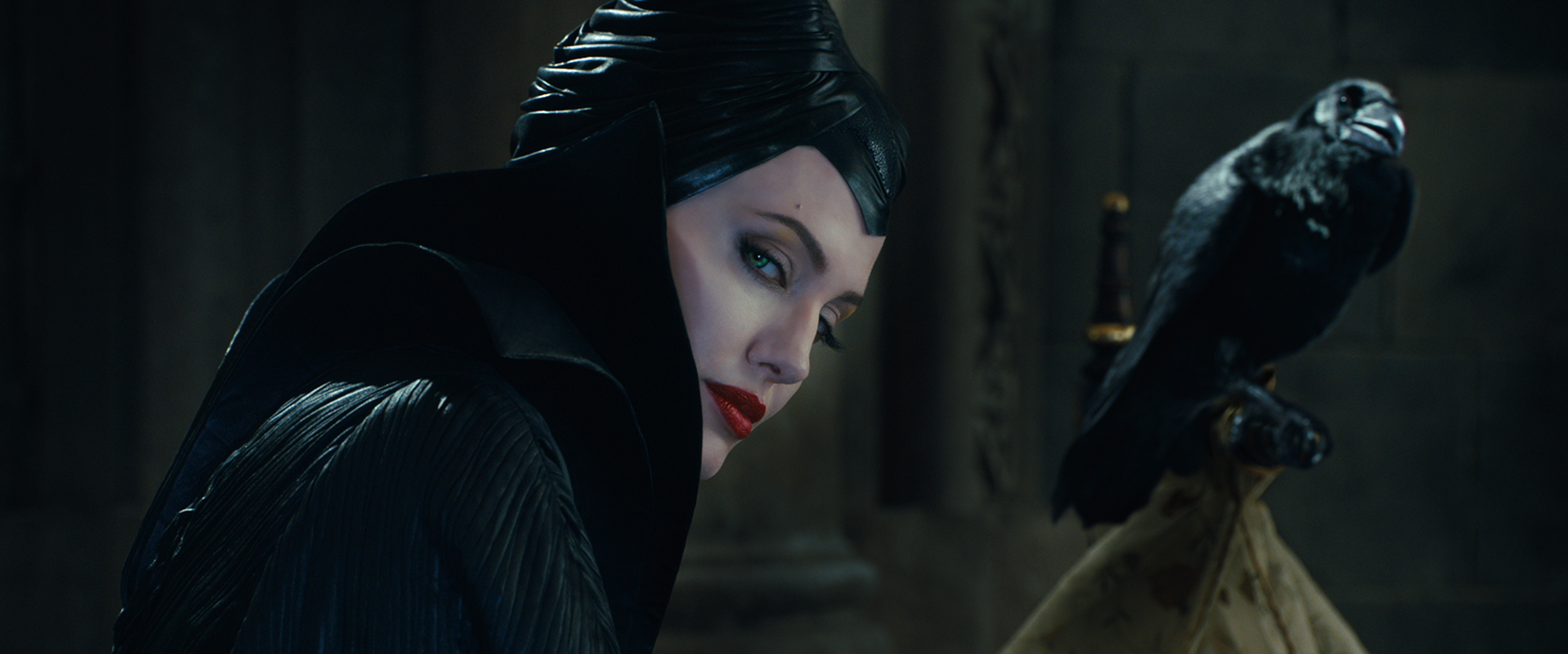
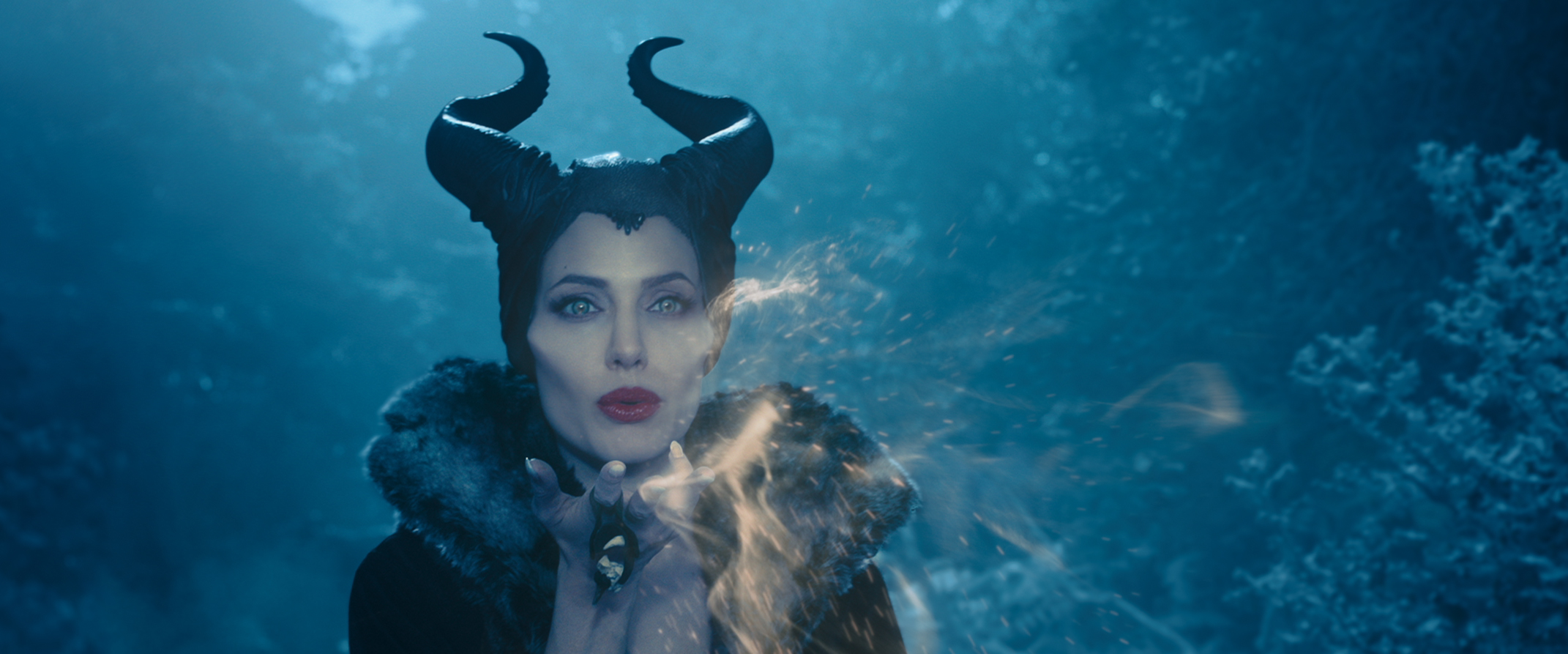
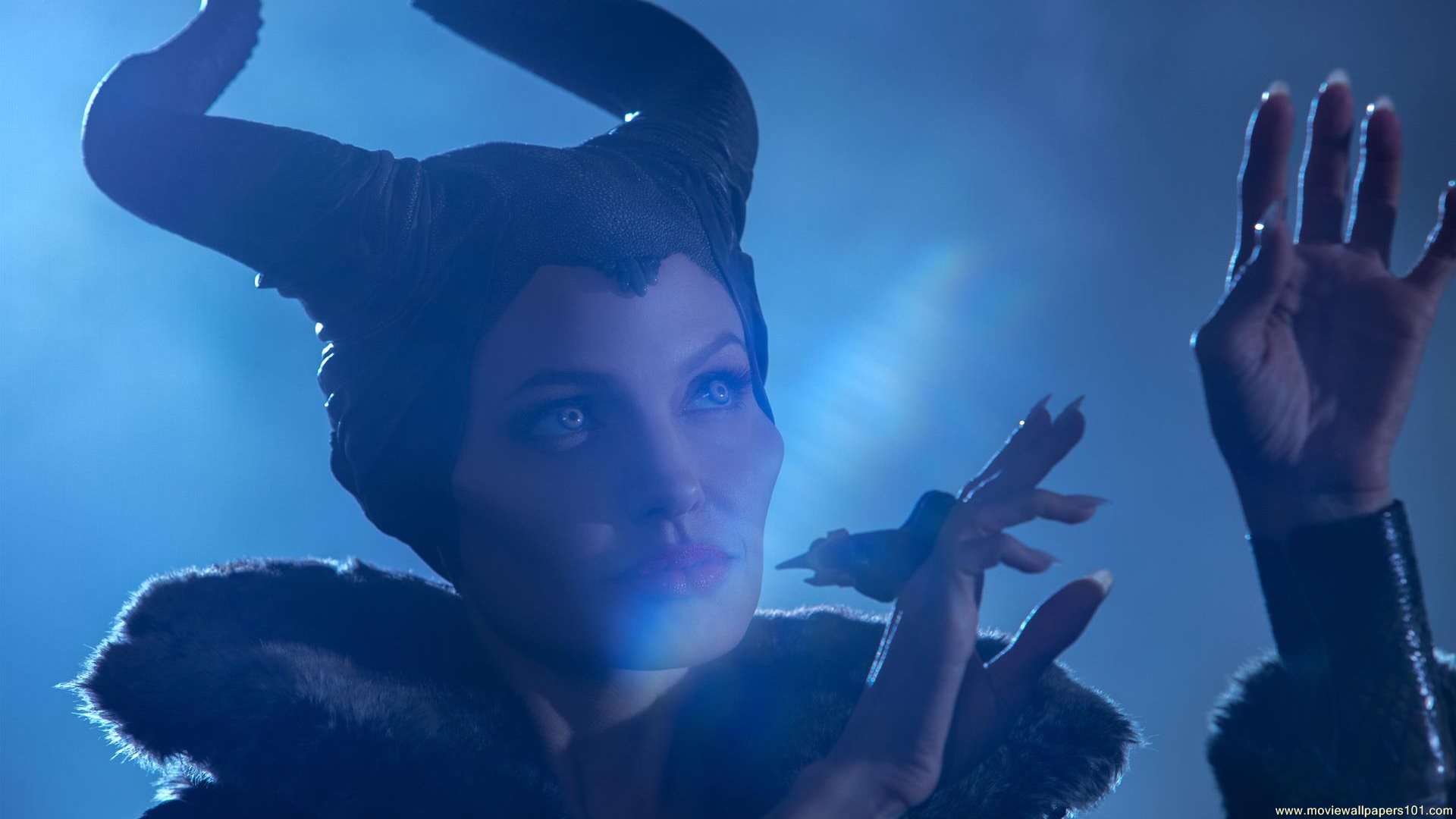
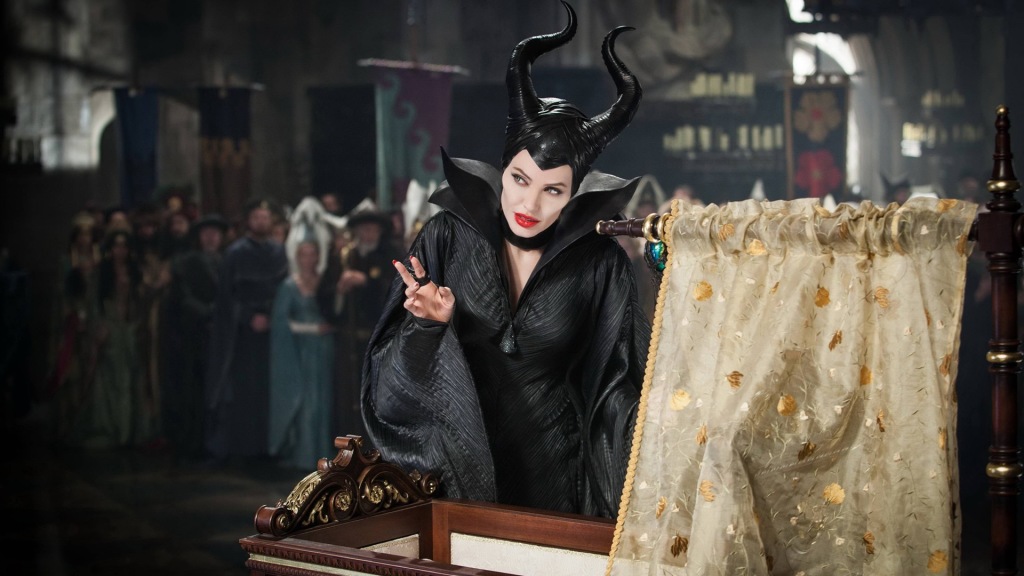
This idea seems insane on the surface: take one of the classic villainesses of all-time, and tell the story from her point of view? How could that possibly work? But then, you think about it a bit, and the possibilities become apparent – not just in the fairytale arena, but in others as well. What about a Bond movie from the perspective of Goldfinger? A horror movie through Freddy Krueger’s eyes? One of the first things you realize, is that casting is particularly key: here, you need to have a lead who can take a character that has been universally loathed by generations, to the point where it’s in our cultural DNA, and turn it around, to become the sympathetic focus. The other essential aspect is the motivation: what happened to make them the way they are, and justify their subsequent “evil” actions? You have to bring the audience along on that character’s journey – and, bear in mind, this is a Disney film, so the scope for any kind of explicit content is close to nil. Yeah, we were right the first time, there’s no way this will ever succe…
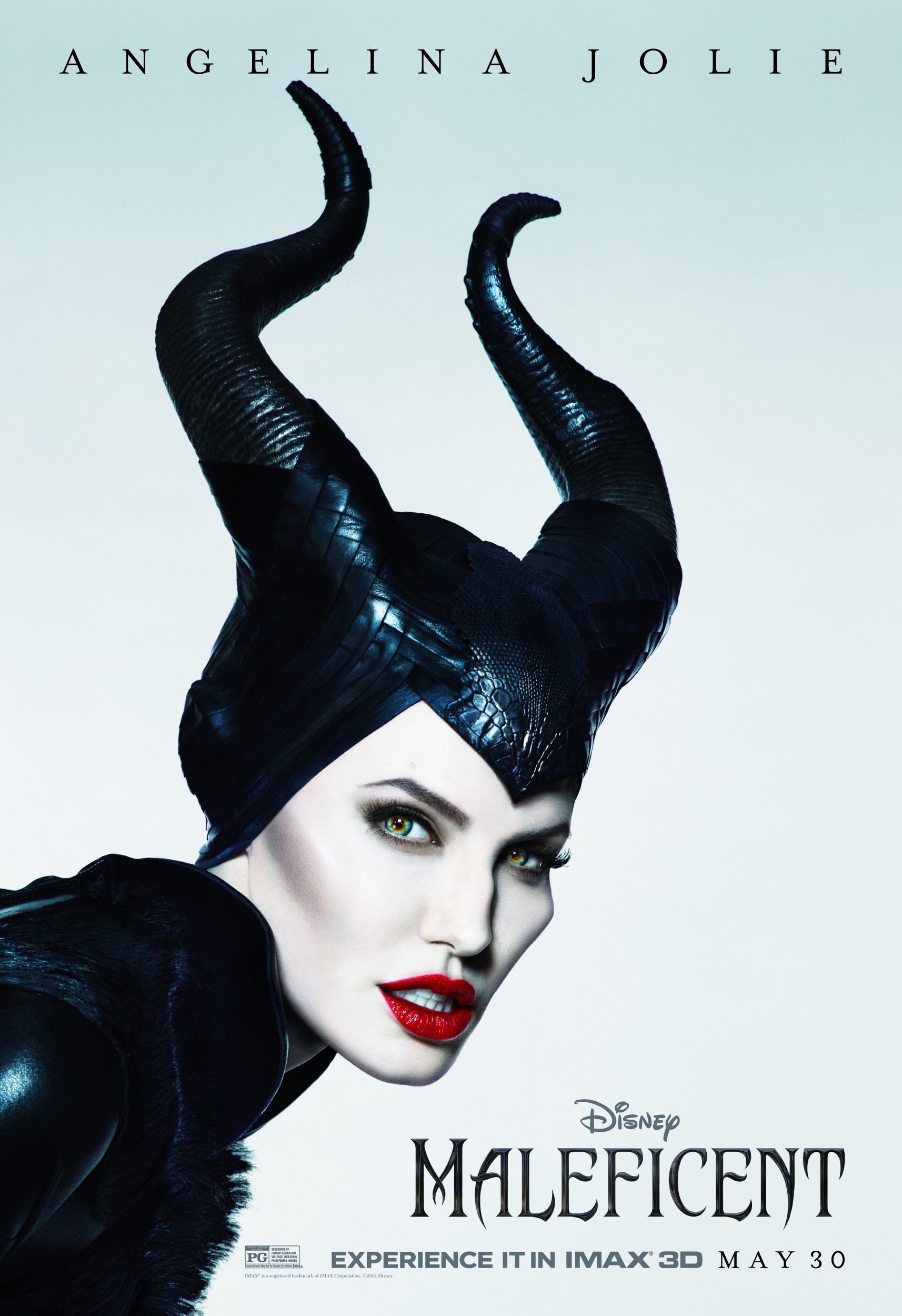
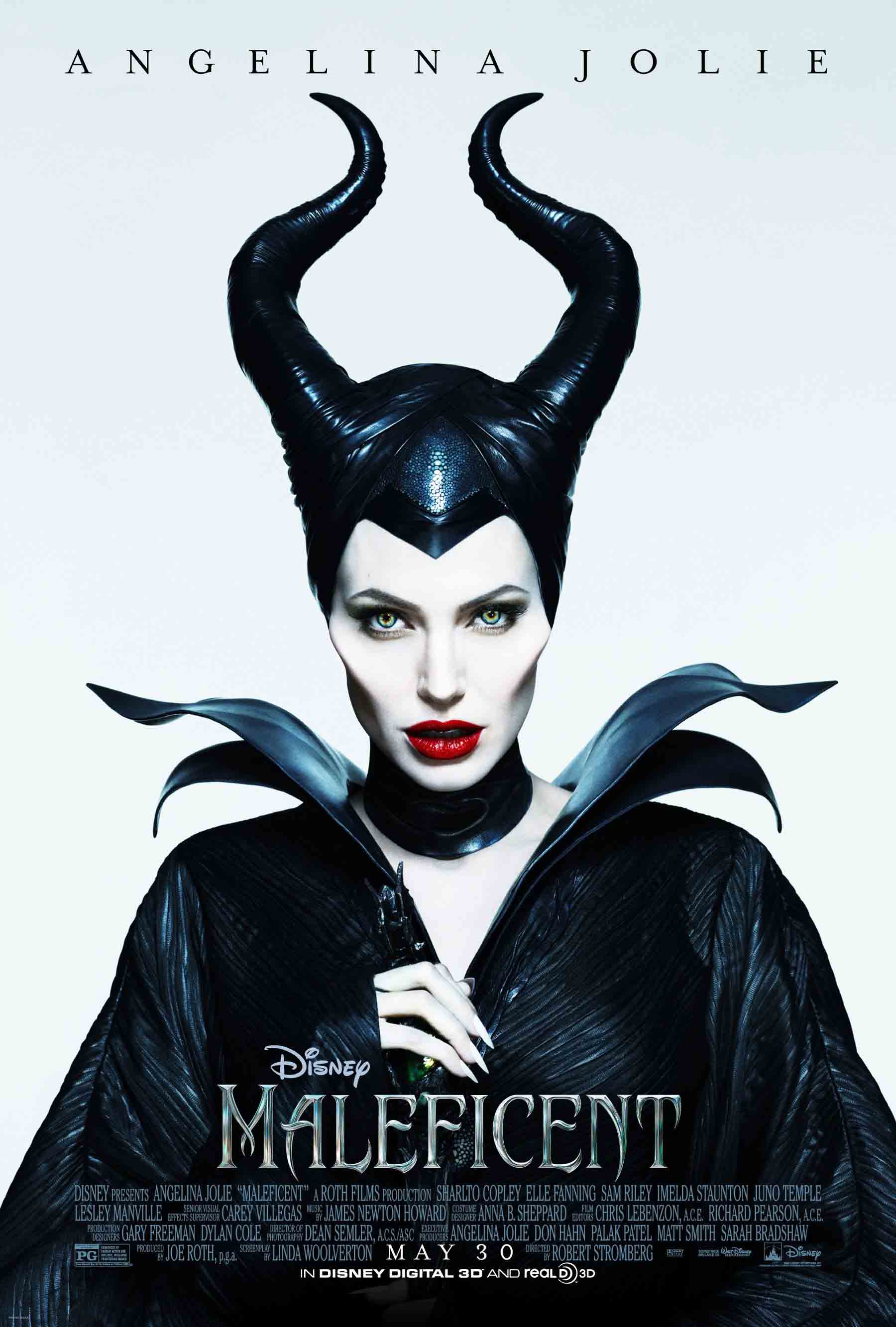
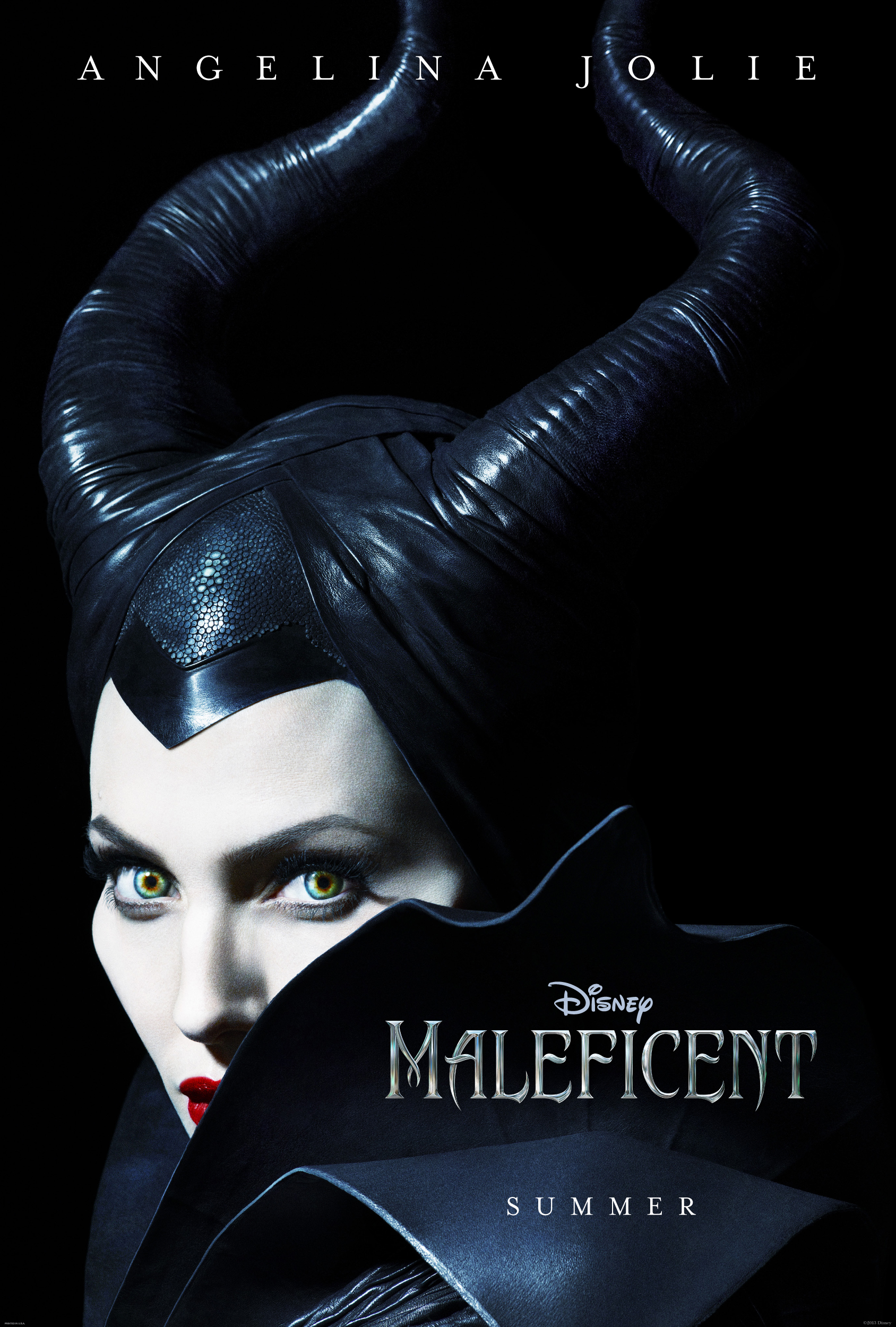
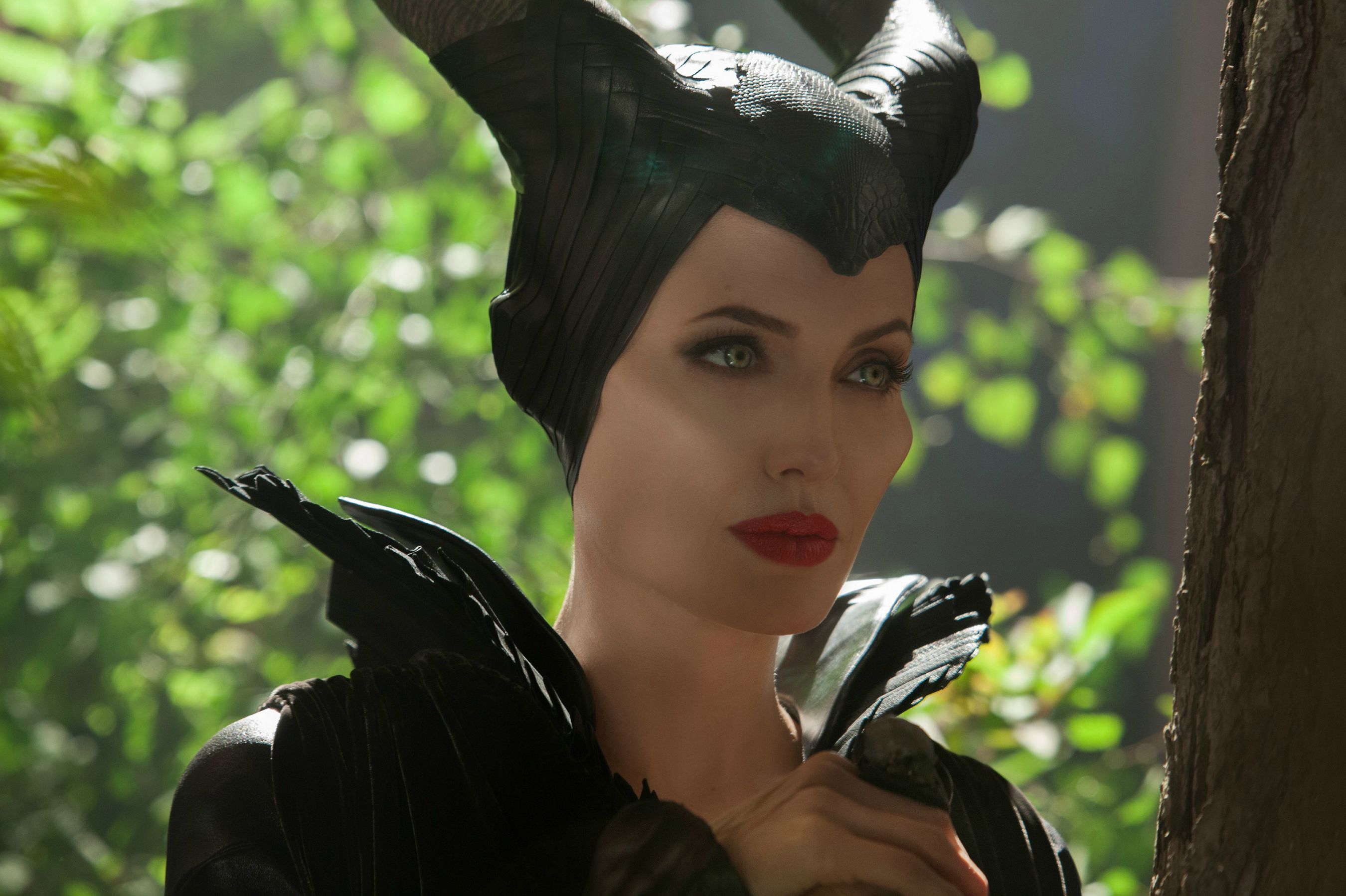
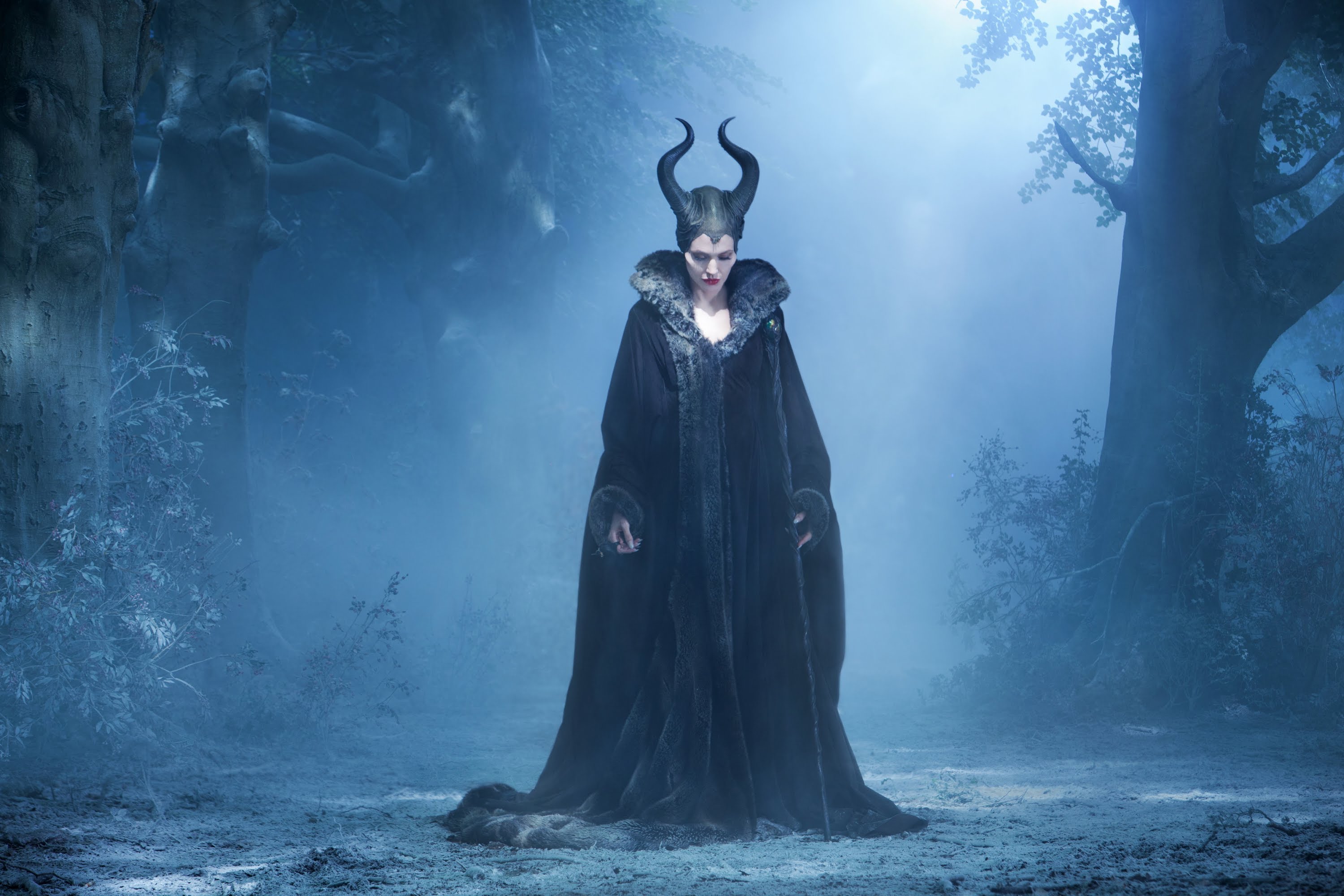
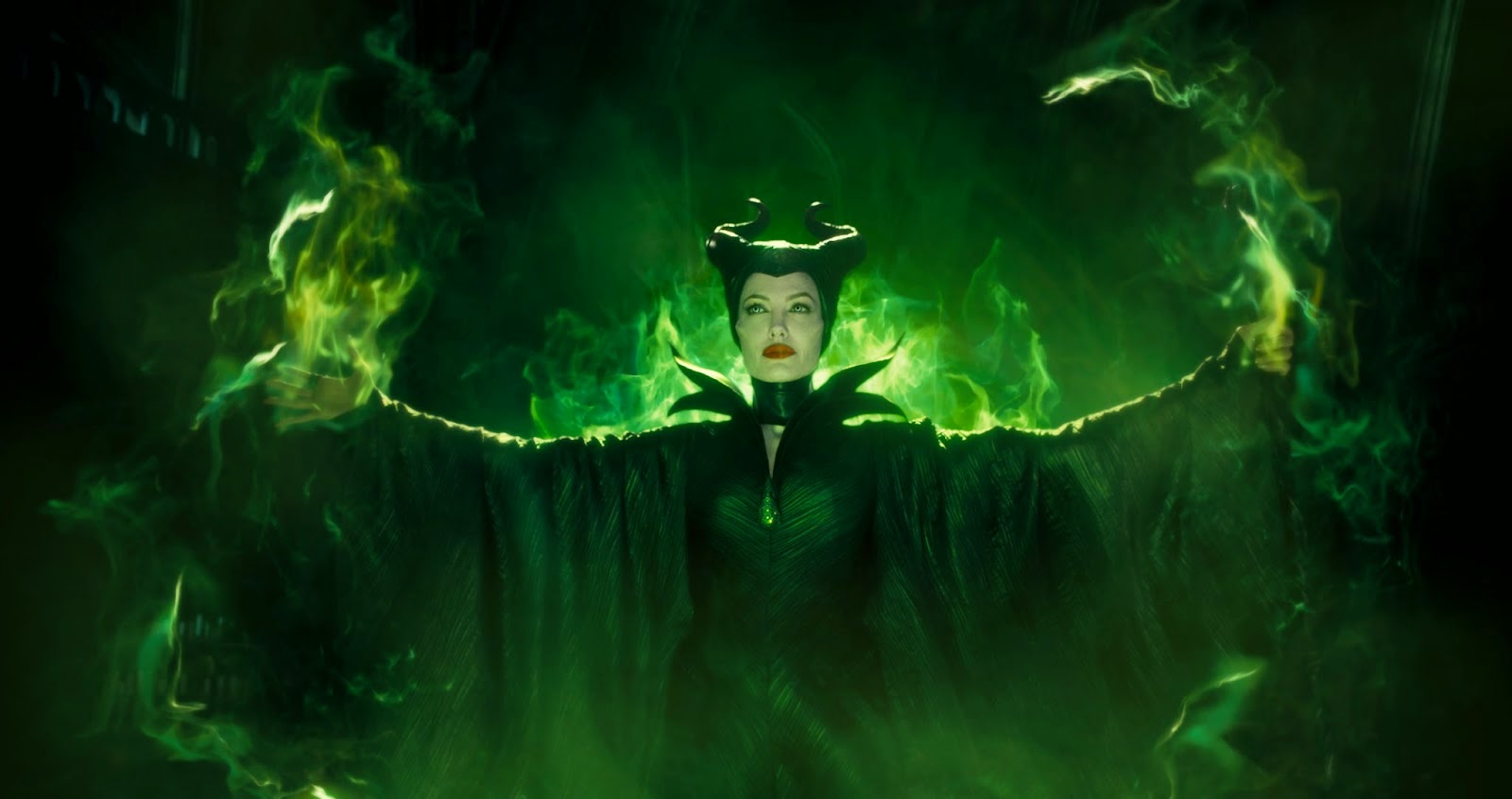
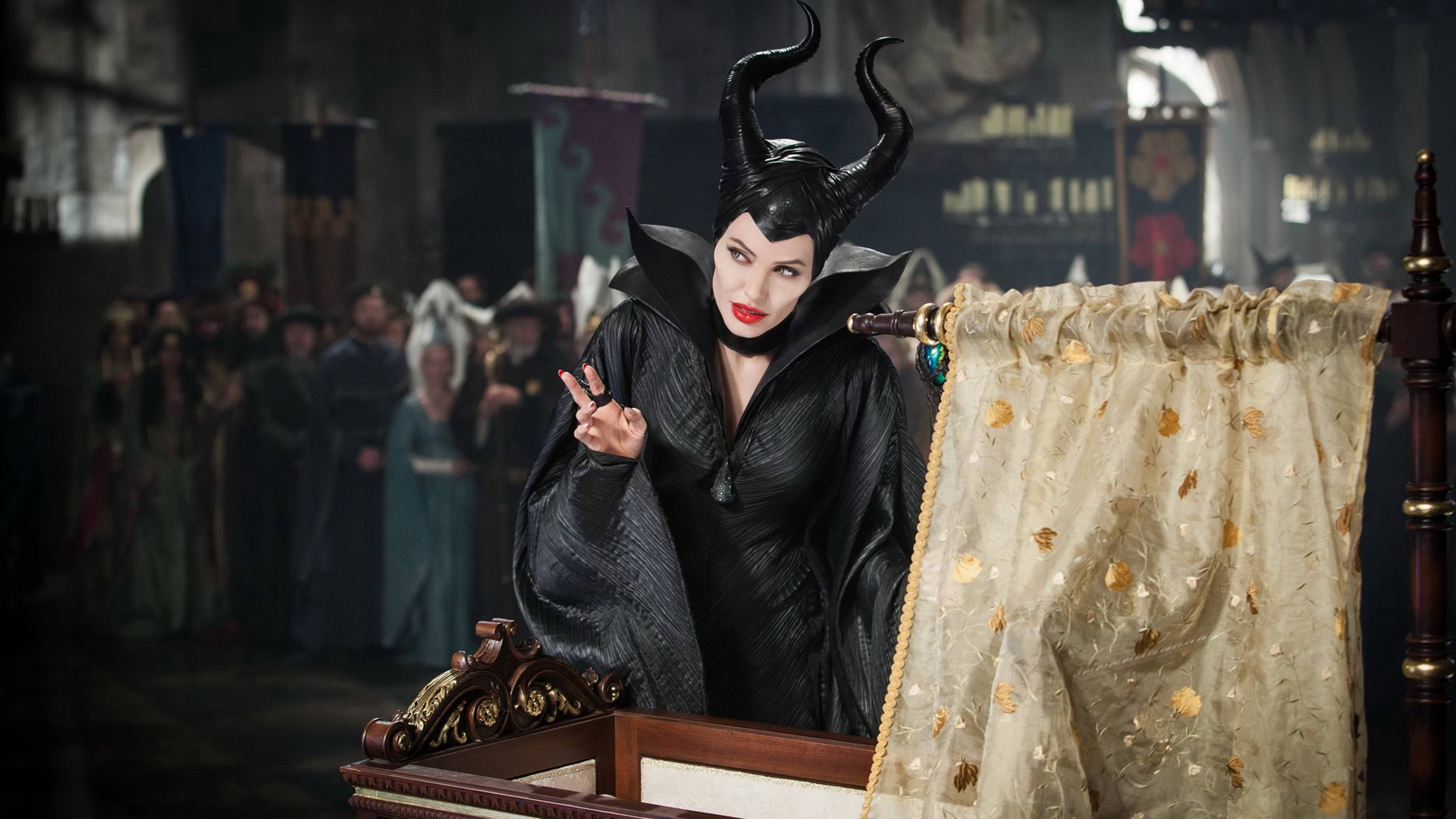
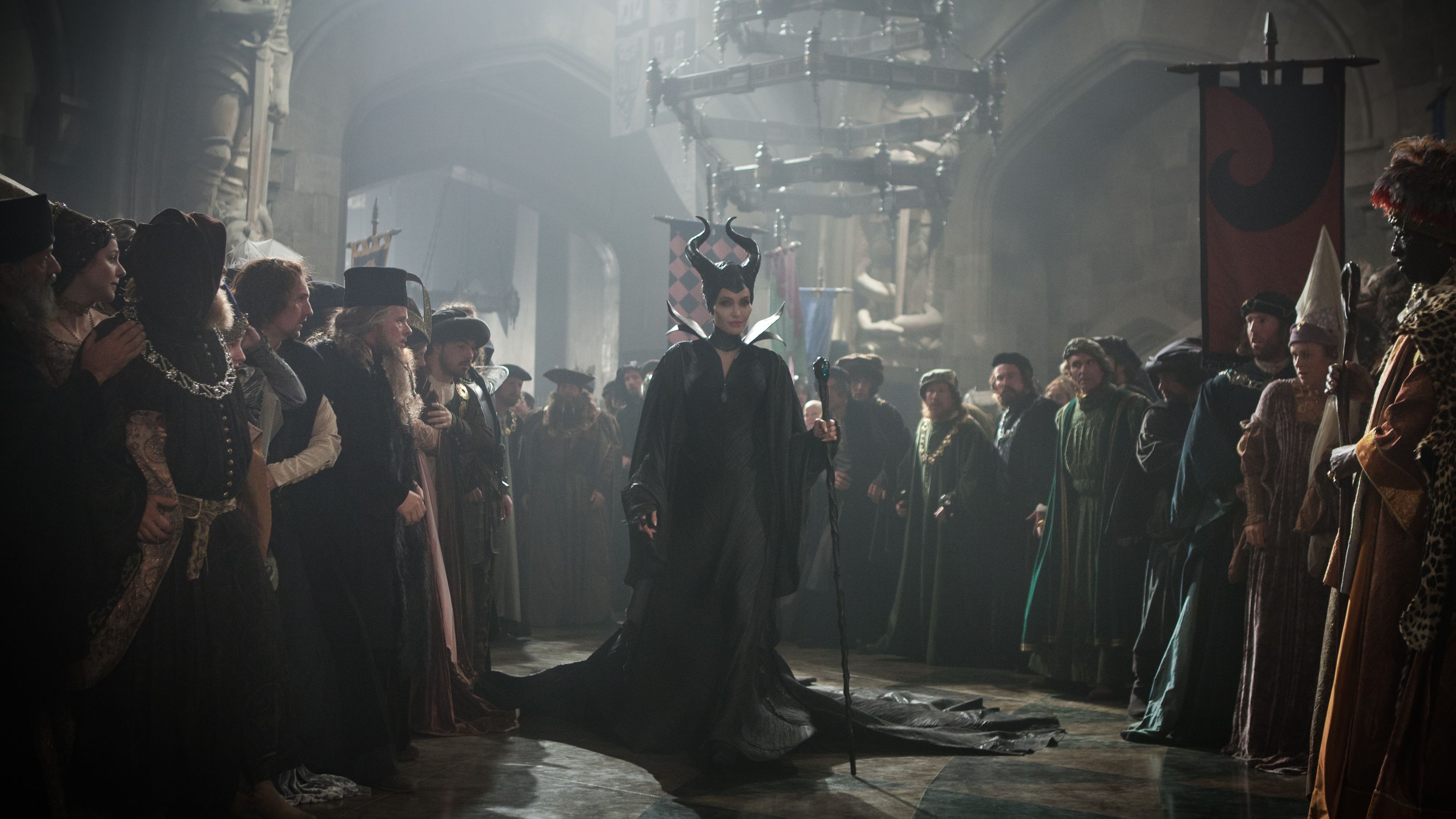
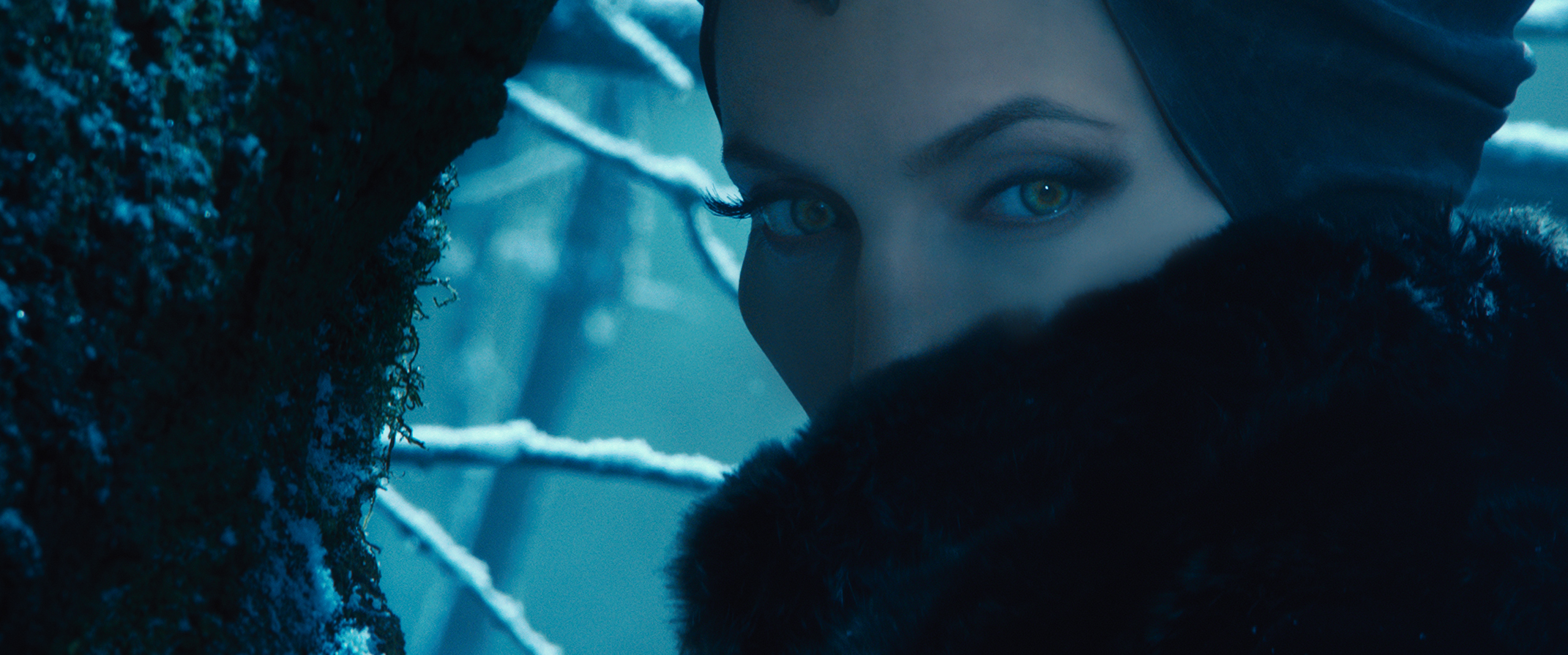
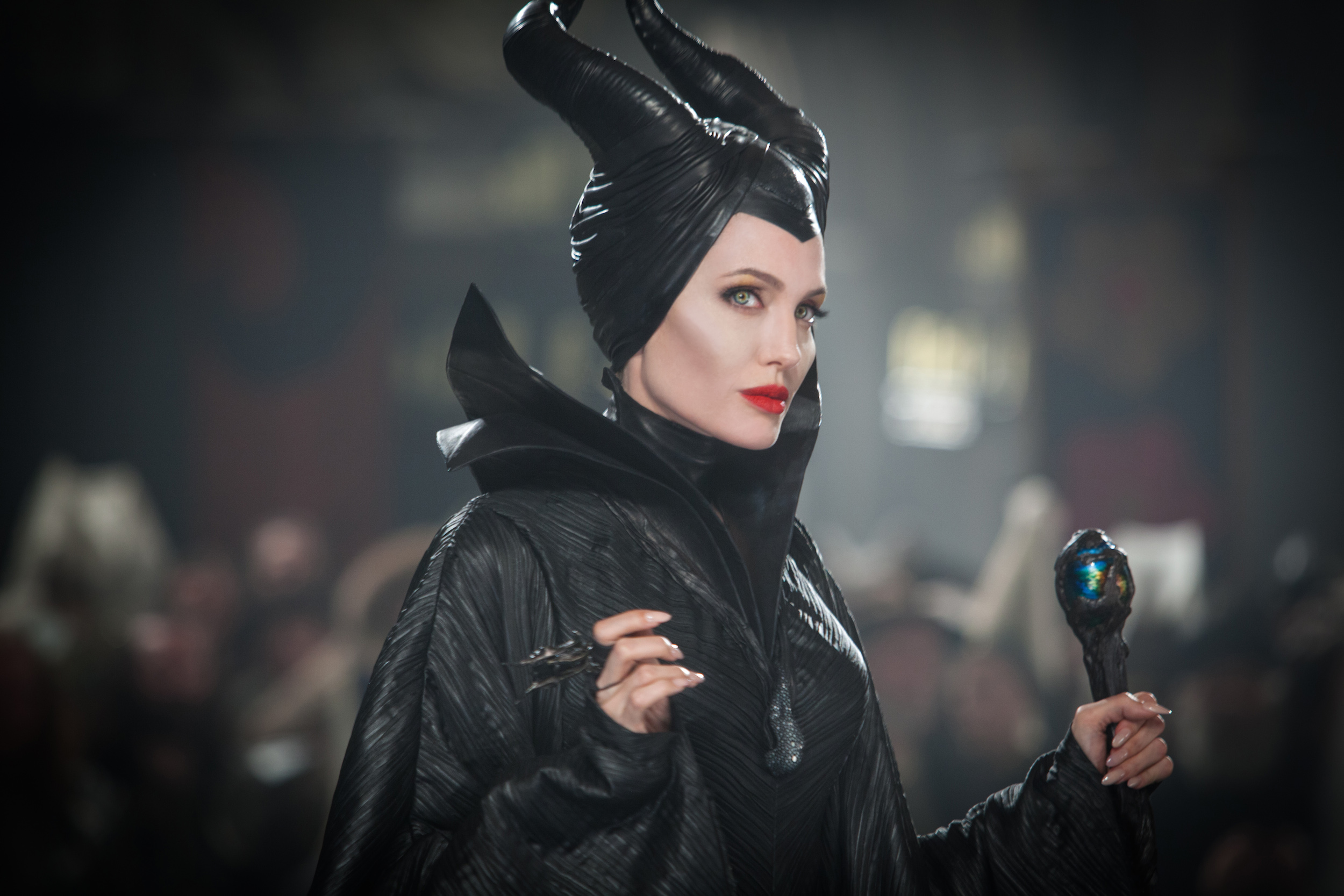
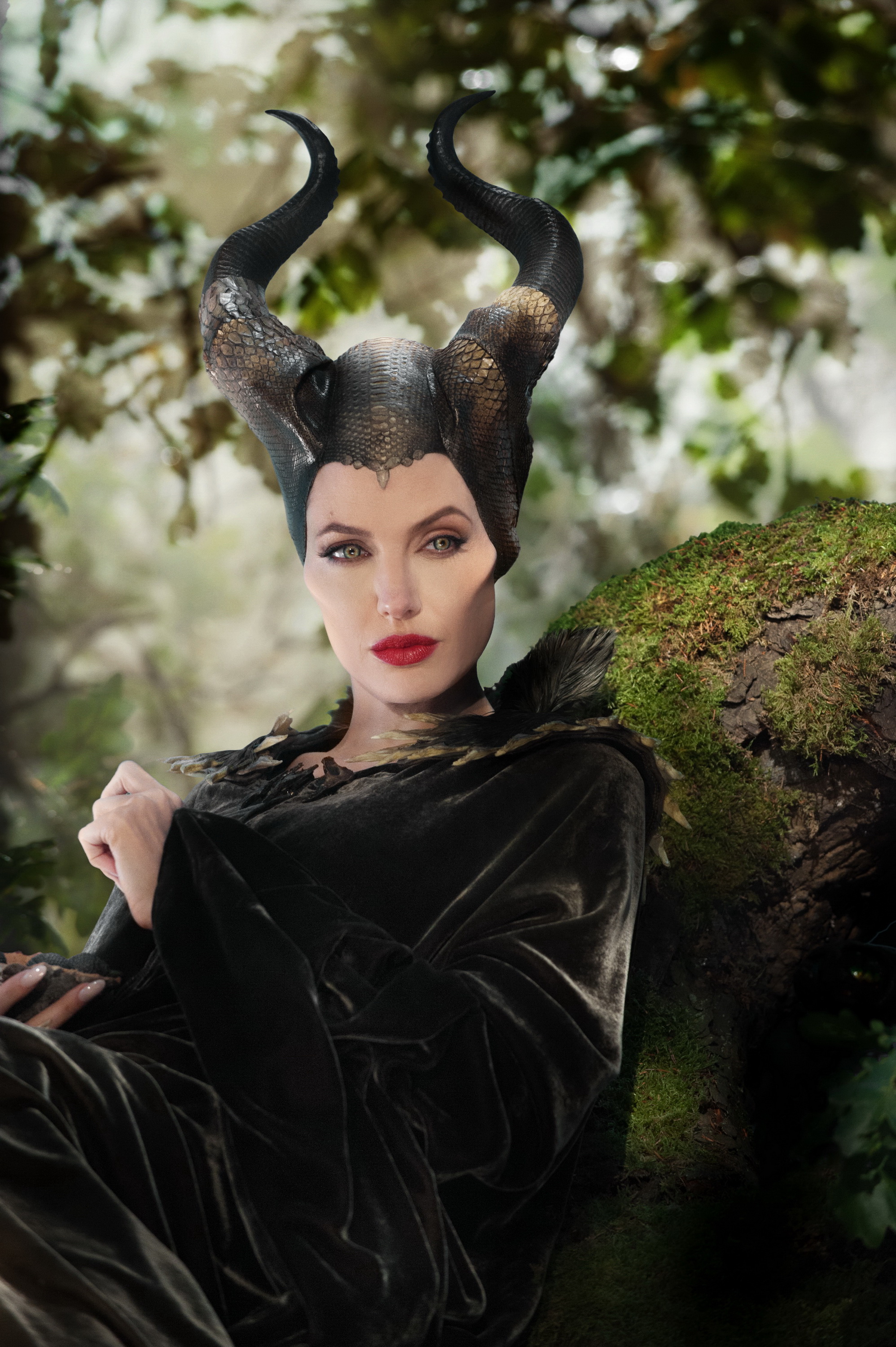
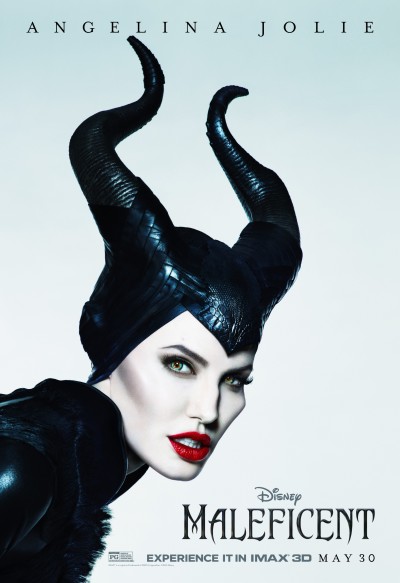
What? Angelina Jolie as Maleficent? Suddenly, the idea doesn’t just make sense, it became more a case of, why did nobody think of this before? Virtually from the first photos of Jolie in her uber-goth get-up, it was clearly perfect casting: Jolie was Maleficent and Maleficent could have been no-one else. That extends through the finished product: whenever Jolie is on screen, the film ramps up at least another gear, if not two, because you know something’s going to happen. She doesn’t even necessarily have to do much: there’s a relatively early scene, where she’s walking across the countryside, and behind her, stone fences are being shredded, as if by an unseen tornado. That, combined with Jolie’s expression, playing out on a face whose cheekbones could cut glass, completely sells the premise of what follows. Though we can’t shortchange Linda Woolverton’s screenplay which, as mentioned above, is a crucial component. The torment through which the heroine goes, is about as thinly disguised a date-rape metaphor as you’ll ever see in a Disney film, and works impeccably.
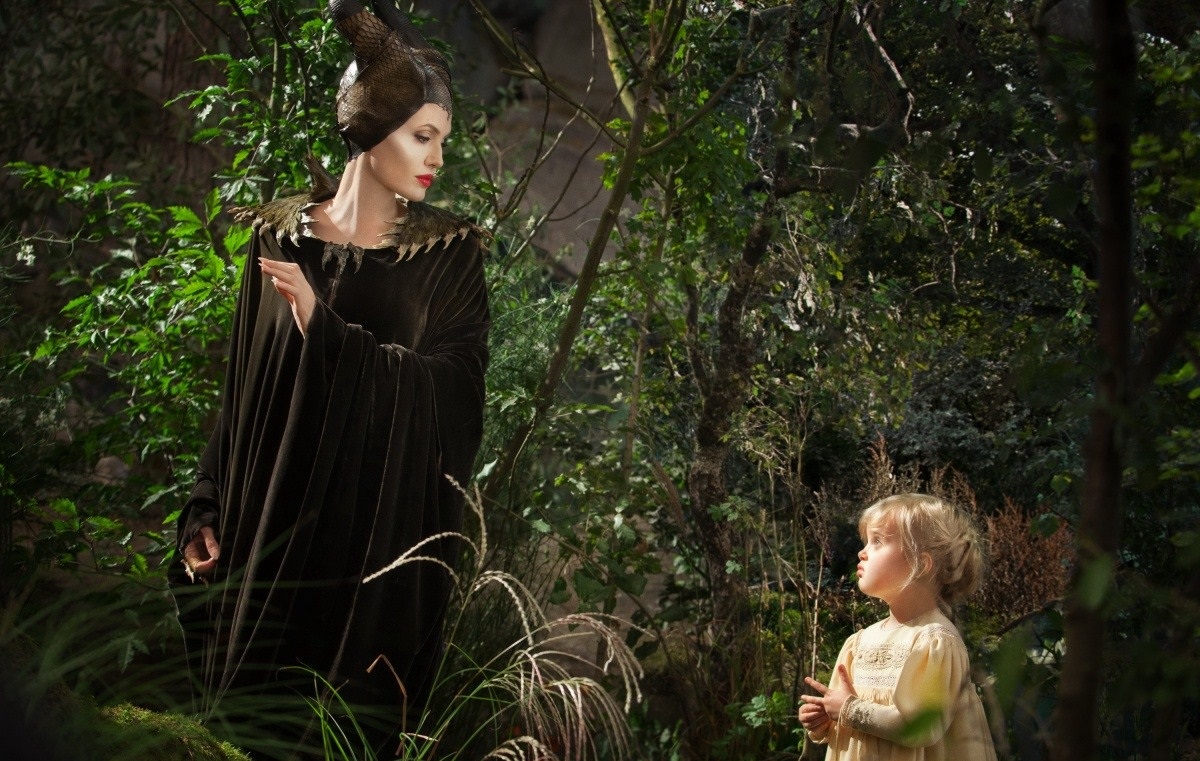
The set-up has two kingdoms, a human and a fairy one, living in… Well, I wouldn’t say peace, but cordial disdain is perhaps close to it. This lasts until the monarch of the former, King Henry, casts envious eyes over his neighbour, only for his invasion attempt to be humiliatingly destroyed by its queen, Maleficent (Jolie) and her fey army. He promises his daughter’s hand to anyone who kills the queen, and this opens the door for Stefan (Copley), who had been a friend of Maleficent’s growing up. Their friendship blossomed into more during their teenage years before they drifted apart. However, his ambition overwhelms his friendship; he drugs Maleficent, cuts her wings off using iron (poisonous to fairy folk), and uses this as proof to secure his position as heir. The queen throws up an enchanted forest between the two kingdoms, but doesn’t forget the wrong done to her, and when King Stefan has a baby daughter… Well, you know how Sleeping Beauty goes from there, I trust.
Except, there’s one very significant twist. Chris and I took a pie break an hour in, and she complained the film’s direction was “obvious.” Yes… and no. It was clearly pointing in the Prince Charming and happy ever after directions, but I’m delighted to report this is then subverted into something entirely different, and which packs a much greater emotional wallop. There was sniffling coming from beside me on the couch before the end, let’s just leave it at that. If there’s a Disney moral to be found in the (mostly awesome) ending, it’s perhaps not just the value of forgiveness over revenge, but that when someone offers you the former, it’s often wisest just to take it. Oh, and another important lesson: if you go plummeting off battlements with a creature that has wings and can fly, there’s really only going to be one loser in that scenario.
While Jolie and the story are uniformly excellent, that’s not to say the film is without problems. First-time director Stromberg is better known as an art director, and this is painfully apparent whenever the heroine isn’t on screen. The lengthy sequence where Princess Aurora (Fanning) is growing up in seclusion, tended to by a trio of fairy godmothers, Bibbety, Bobbity and Boo – okay, I made that last bit up – is, frankly, dull. Aurora herself is such a cloying goody two-shoes, she makes the original animated version of Maleficent seem like a paragon of subtlety and depth. and the fairoic trio are about the most grating efforts at comic relief I’ve seen since the last Adam Sandler movie. I was also not very impressed with some of the creations in fairyland. More than one of these second-rate CGI creations, look like they were designed to shift merchandise rather than serve any genuine purpose for a mature audience: think along the lines of Jar-Jar Binks with wings.
These are issues which would probably sink many a lesser movie, but Jolie and the story are strong enough to keep you engrossed, through to a spectacular, dragon-infused finale which the last part of The Hobbit will have to go some to beat. It’s easy to understand why this is, at time of writing, the third-biggest worldwide film of 2014. Depending on how Mockingjay Part 1 goes, it could remain the biggest action-heroine movie of the year, which would be an amazing feat, given muted prerelease expectations of around $150m domestic (it took 60% more). Regardless, Maleficent certainly cements Jolie’s role as the reigning queen of our genre, from Tomb Raider through Mr + Mrs Smith to Salt and on to this. If the reports of her retirement from acting, to concentrate on directing and writing instead, prove to be true, Jennifer Lawrence, Eva Green or anyone else will find it very difficult to fill the abandoned pair of glass slippers.
Whoops, wrong fairy-tale. :)
Dir: Robert Stromberg Star: Angelina Jolie, Sharlto Copley, Elle Fanning, Sam Riley




 Strikingly ahead of its time, this 1951 film looks for a while like it will meander down a well-trod path – woman pirate falls for handsome hero – but ends up going in a completely different direction, and is all the better for it. Captain Providence is the scourge of the seas, the most notorious pirate out there, infamous for a ruthless approach to any British captives. While the latest batch of victims are being made to walk the plank, Frenchman Pierre François La Rochelle (Jourdan), found in chains below decks is spared: he’s startled to discover Providence is actually a woman, Anne (Peters), and accepts her offer to join the crew. He tells her of buried treasure, pointing to which he has half a map; the other half is owned by a resident in the British stronghold of Port Royal, and he’s set ashore to go negotiate for it, while Anne’s ship, Sheba Queen, waits off-shore. Except, it has all been a massive ruse, with La Rochelle actually working for the British, after they captured his vessel. Hell hath no fury like a woman pirate scorned: Anne kidnaps Pierre’s wife, with the intent of selling her into white slavery. Can he get her back?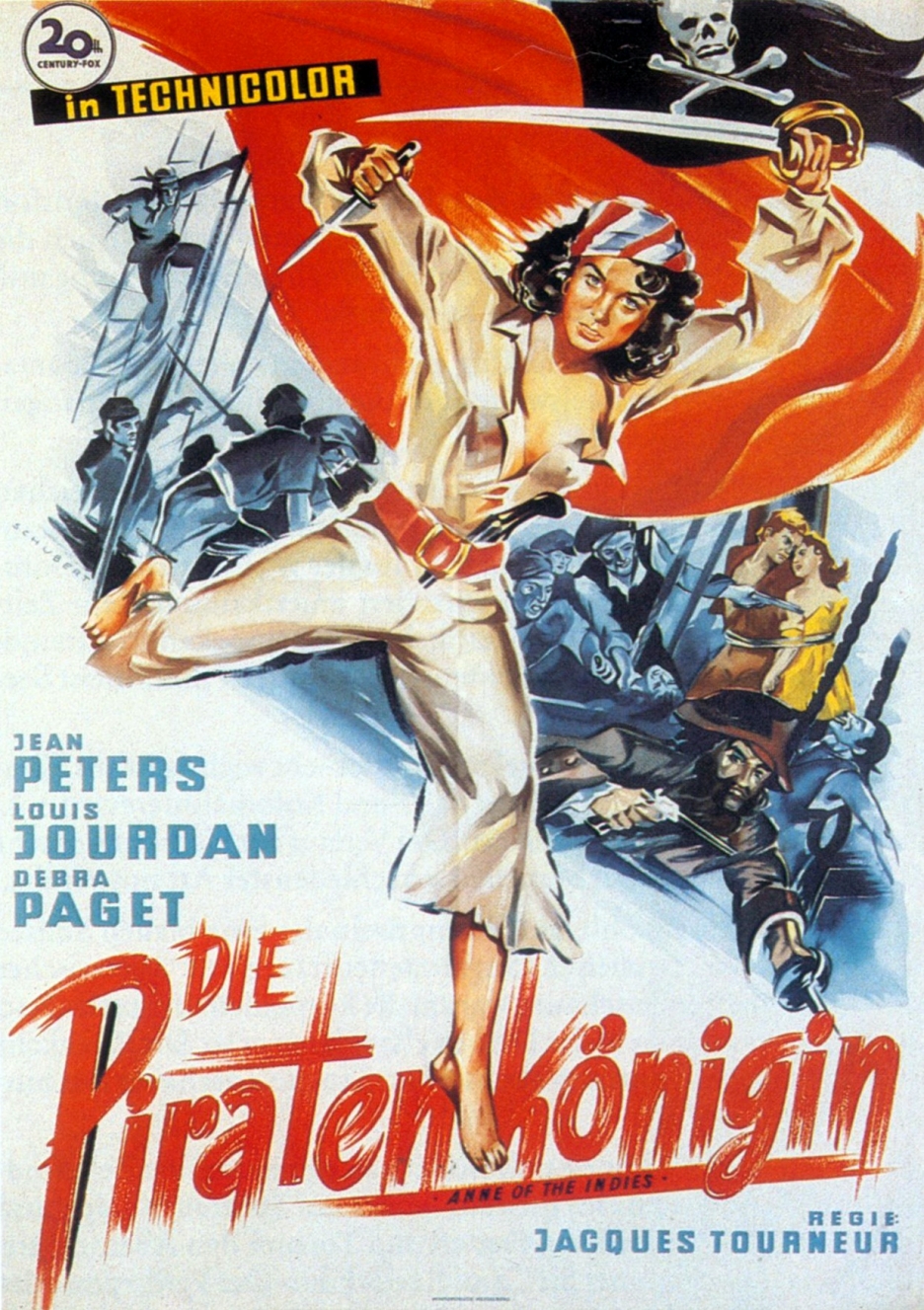





 Except, there’s one very significant twist. Chris and I took a pie break an hour in, and she complained the film’s direction was “obvious.” Yes… and no. It was clearly pointing in the Prince Charming and happy ever after directions, but I’m delighted to report this is then subverted into something entirely different, and which packs a much greater emotional wallop. There was sniffling coming from beside me on the couch before the end, let’s just leave it at that. If there’s a Disney moral to be found in the (mostly awesome) ending, it’s perhaps not just the value of forgiveness over revenge, but that when someone offers you the former, it’s often wisest just to take it. Oh, and another important lesson: if you go plummeting off battlements with a creature that has wings and can fly, there’s really only going to be one loser in that scenario.