




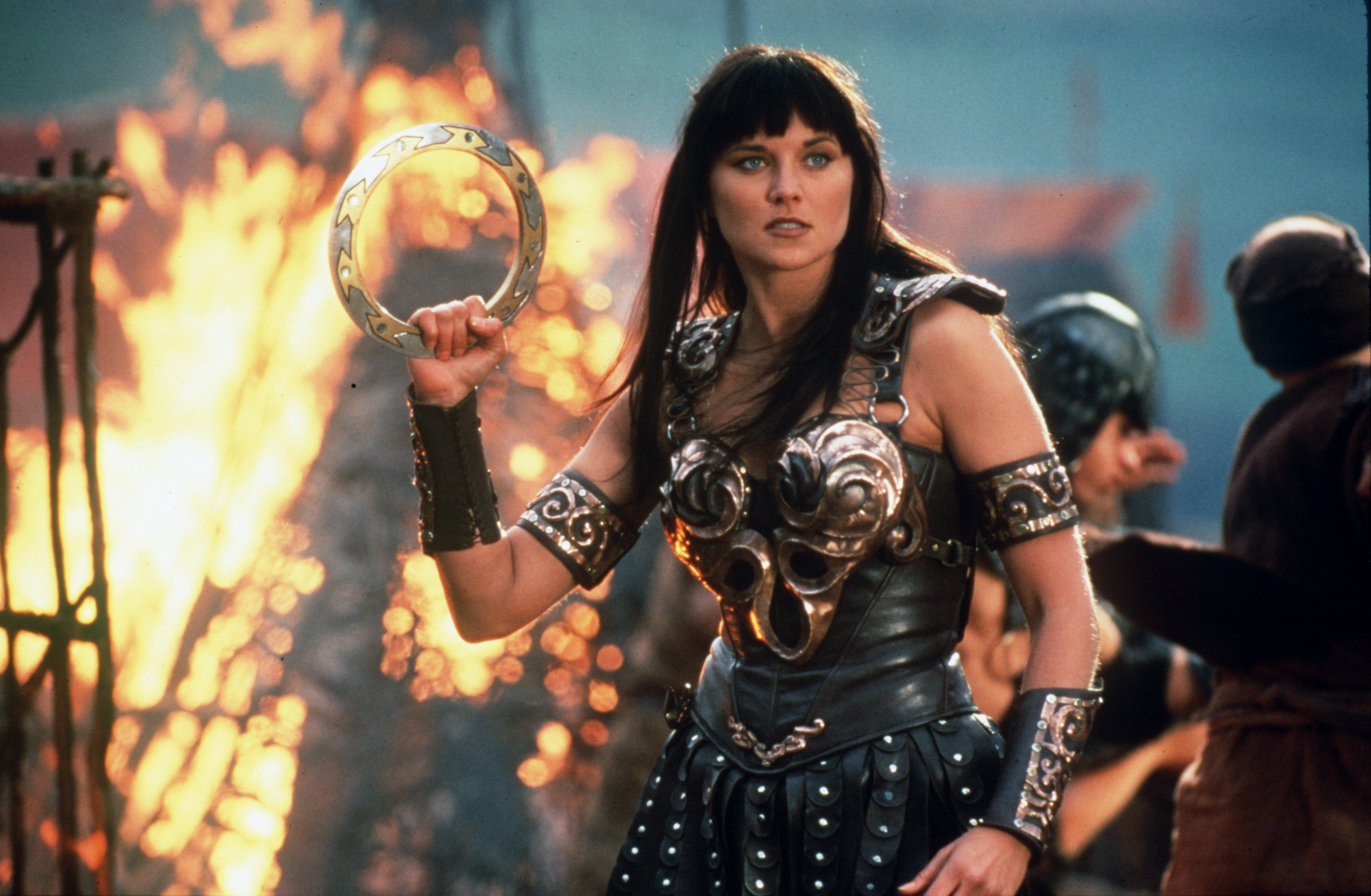
 Well, it was a glorious 24 hours of hope, while it lasted. On Monday, the Hollywood Reporter wrote that NBC were “in the extremely early development stages” of preparing a reboot of the much-loved action-heroine series, which originally began in 1995. Producers of the original show, Rob Tapert and Sam Raimi, were reportedly involved, continuing a partnership which had also brought us Spartacus and the upcming Ash vs. Evil Dead – both of which included roles for Lucy Lawless, a.k.a. Mrs. Tapert. There was no firm word as to whether Lawless would have been involved in the reboot, but based on that track record, it would seem likely. Albeit not as the heroine, the piece saying “the new Xena would have to have the charisma and charm of Lawless and the smarts of The Hunger Games‘ Katniss as producers are said to be looking for a sophisticated and smart superhero for a new generation.”
This was certainly something Lawless had been keen on for quite some time. Just earlier this month, while appearing at San Diego Comic-Con to promote Ash vs. Evil Dead, she said: ” I’m pitching my ass off to make it happen, whether it’s with me or not… It’s about who’s got the rights. But that’s a piss poor excuse anymore… Freakin’ pay it. It’s better to have 80 percent of something than 100 percent of nothing. Don’t waste this opportunity. Reinvigorate that franchise… They’re fools not to bring it back.” Judging by the reaction in the media, Lawless is right: the demand for a Xena revival is clearly still there, and it wouldn’t be the only piece of fondly-remembered nineties television, with the Fox revival of The X-Files already being one of the most eagerly anticipated shows of 2016.
But, not so fast, those of you already strapping on the leather corset in preparation for the cosplay contest at XenaCon next year. For no sooner had the seed been planted, then the earth on which it was sown was strewn with cruel salt:
Sorry, friends! news of a #Xena reboot is just a rumor. I’d love it to happen one day but it’s still in the wishful thinking stage.
— Lucy Lawless (@RealLucyLawless) July 20, 2015
Pardon me, if I sob gently into my Gabrielle-shaped pillow for a bit. :) Though it’s kinda odd, because the Reporter piece definitely seemed like it was a good deal more than a “rumor”, with meat on its bones, though did acknowledge the development was still in the extremely early stages. One wonders whether the story was, perhaps, a trial balloon of sorts, sent up to see whether the public were enthusiastic about the potential, or whether it was greeted with derisive rolling of the eyes. That question seems to have been answered in the positive, and it would certainly fill a niche for action-heroines on network television, which right now appears virtually to begin and end with Agent Carter and Covert Affairs. But let’s not forget, NBC are also the network which got as far as the Wonder Woman pilot, with Adrienne Palicki, and that never even (officially) aired. There’s many a slip ‘twixt cup and lip.
If the idea does progress, the issue could then become one of casting. There is, obviously, a strong groundswell of support from the existing fanbase to have Lawless and Renee O’Connor [who has been quiet on the whole thing] reprise their roles, even though they are aged 47 and 44 respectively. While not “past it” – Vin Diesel, say, is 48, or the Rock is 43 – this is a full two decades older than they were when they started the series. Lawless has acknowledged this, saying she thinks it’d be funny for the reboot to have a “middle-aged Xena in a muumuu with a bad attitude and a smoking habit.” Hmm. It might be funny as a one-0ff, but not sure there is exactly much staying power in that idea! Who I would like to see take over, and it would also provide a nice sense of continuity, is Zoe Bell, who was Lawless’s stunt stand-in in the show. Performances in the like of Raze have shown her capable of holding her own on the screen; and think of the money they’d save in doubles…
We’ll see what develops. I’d like to see it, but have to say, my re-viewing of the series has been a bit like binge-watching Monty Python: yes, there were some absolute classics, but your brain kinda forgets all the filler and other, lower-quality stuff in between those gems. The potential is there, sure, yet also the potential for a fond memory of my younger days to be shredded. For an example, look no further than the Charlie’s Angels reboot? Enough said.



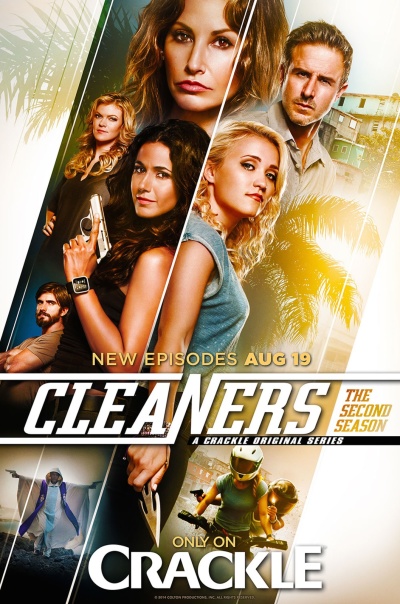 While twice as long as the first series, at 12 episodes rather than six, I can’t say it’s actually any better. Indeed, I think the dilution of the main element which was so much fun the first time round – the relationship between the two, disparate hitwomen, Roxie (Osment) and Veronica (Chriqui) – leaves this season less entertaining. Yes, it’s bigger and more exotic: but it feels spread thinner, to the detriment of the core aspects. The story takes up shortly after the events of the first series, with V+R in the Caribbean, waiting to get their share of the money from Eileen (Missi Pyle) and Mother (Gershon). But instead, an assassination squad is sent to get them, kicking off a reunion with Veronica’s “parents”, a deranged killer who thinks Roxie is his dead wife, a rogue CIA operative who sends Frank Barnes (Arquette) after Mother, and so on. It builds to a climax where Veronica, previously injected with a lethal nanobot virus that’s about to go off, takes part in an underground death match at a cockfighting arena, to prove her love for the deranged killer. I shit you not.

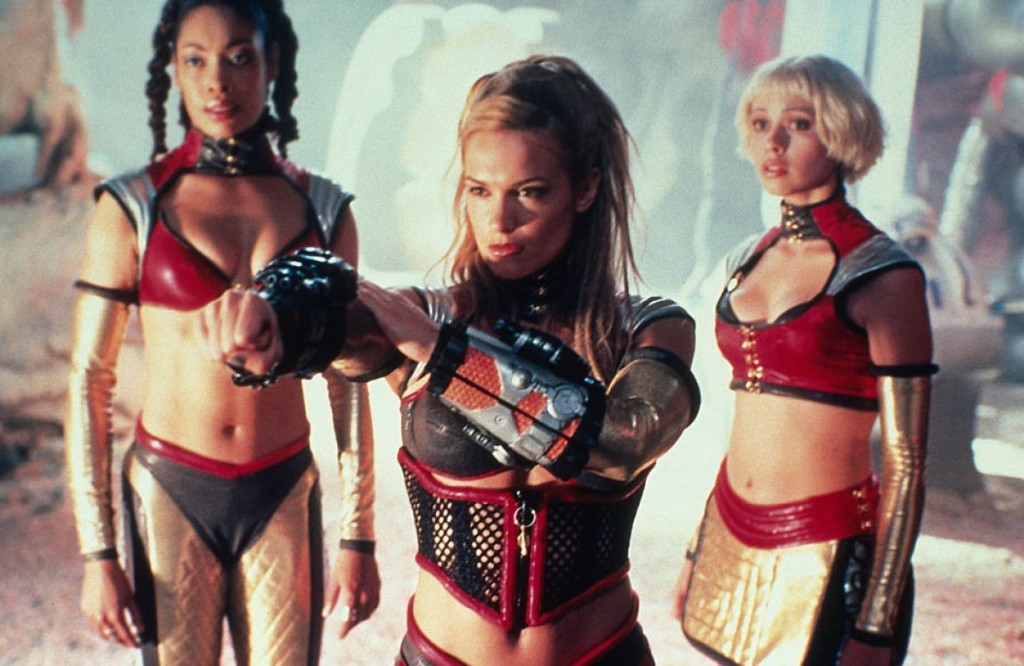 ★★★
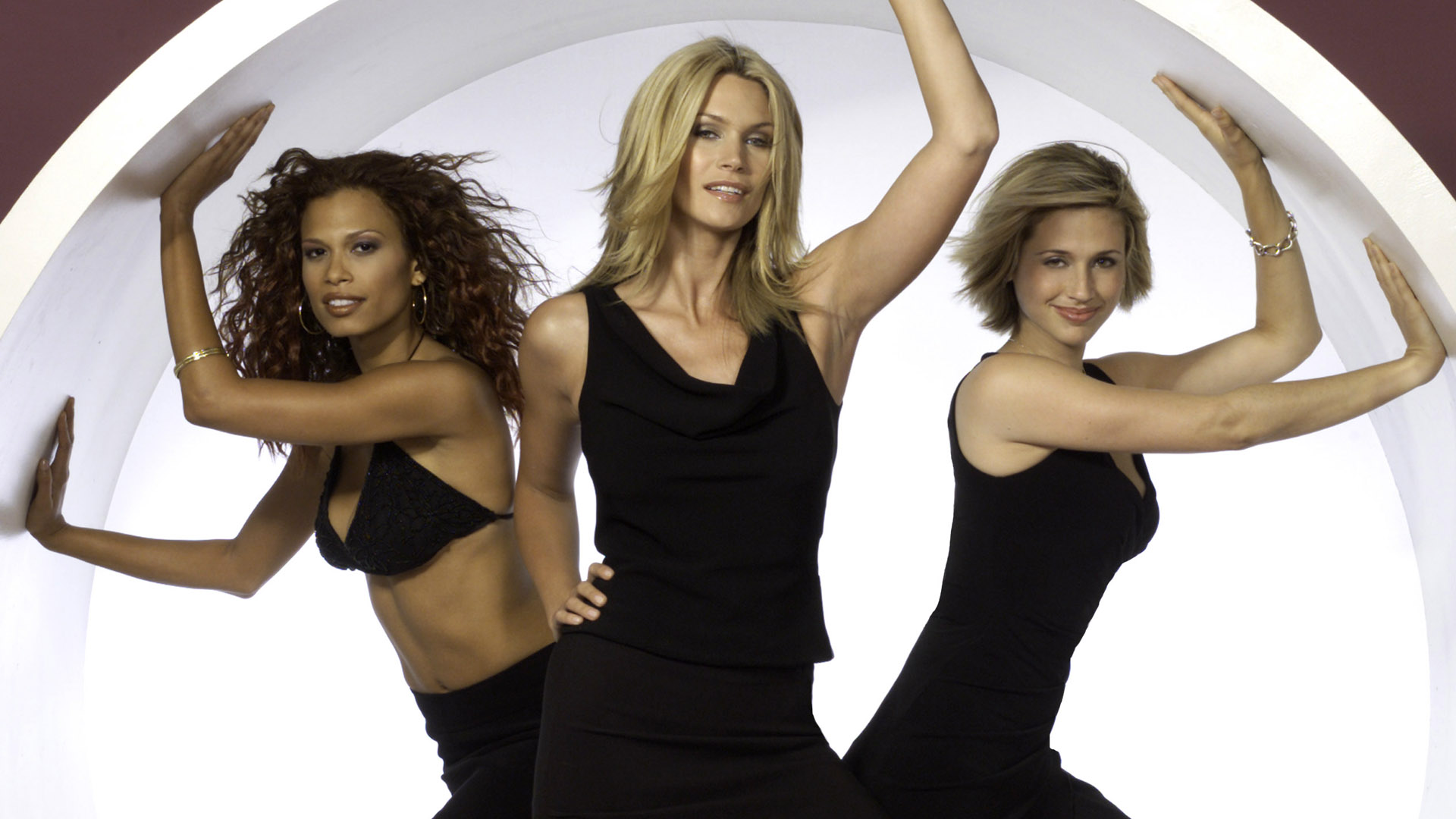
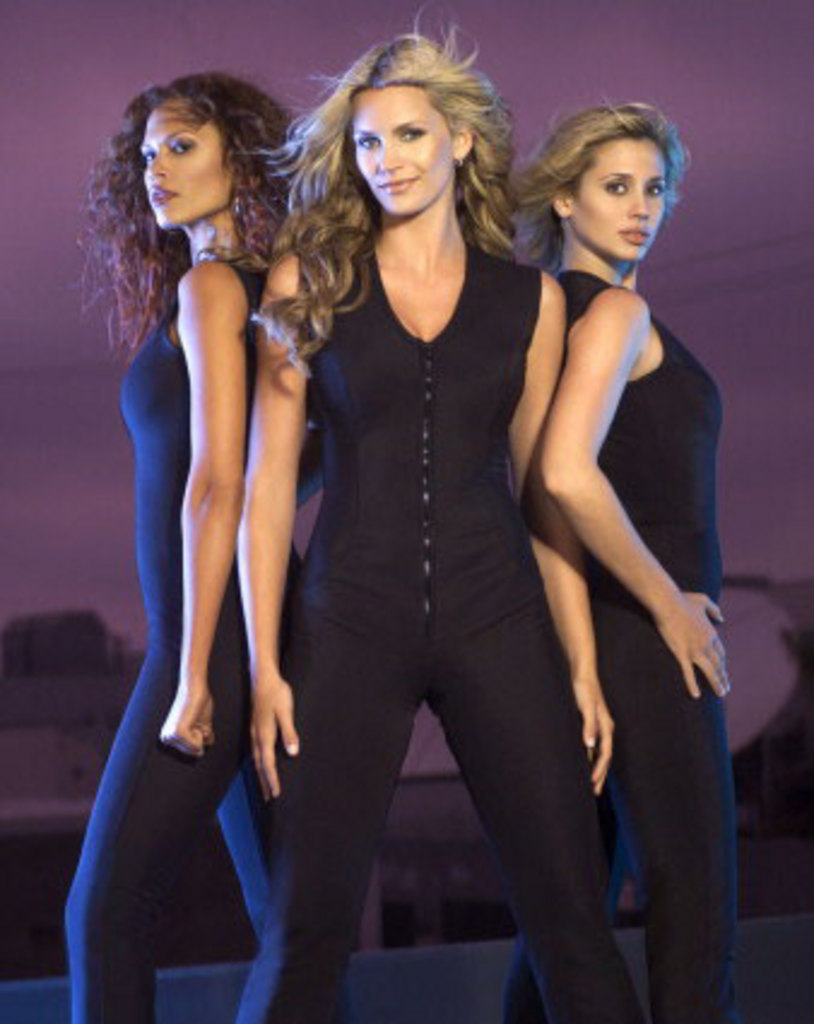
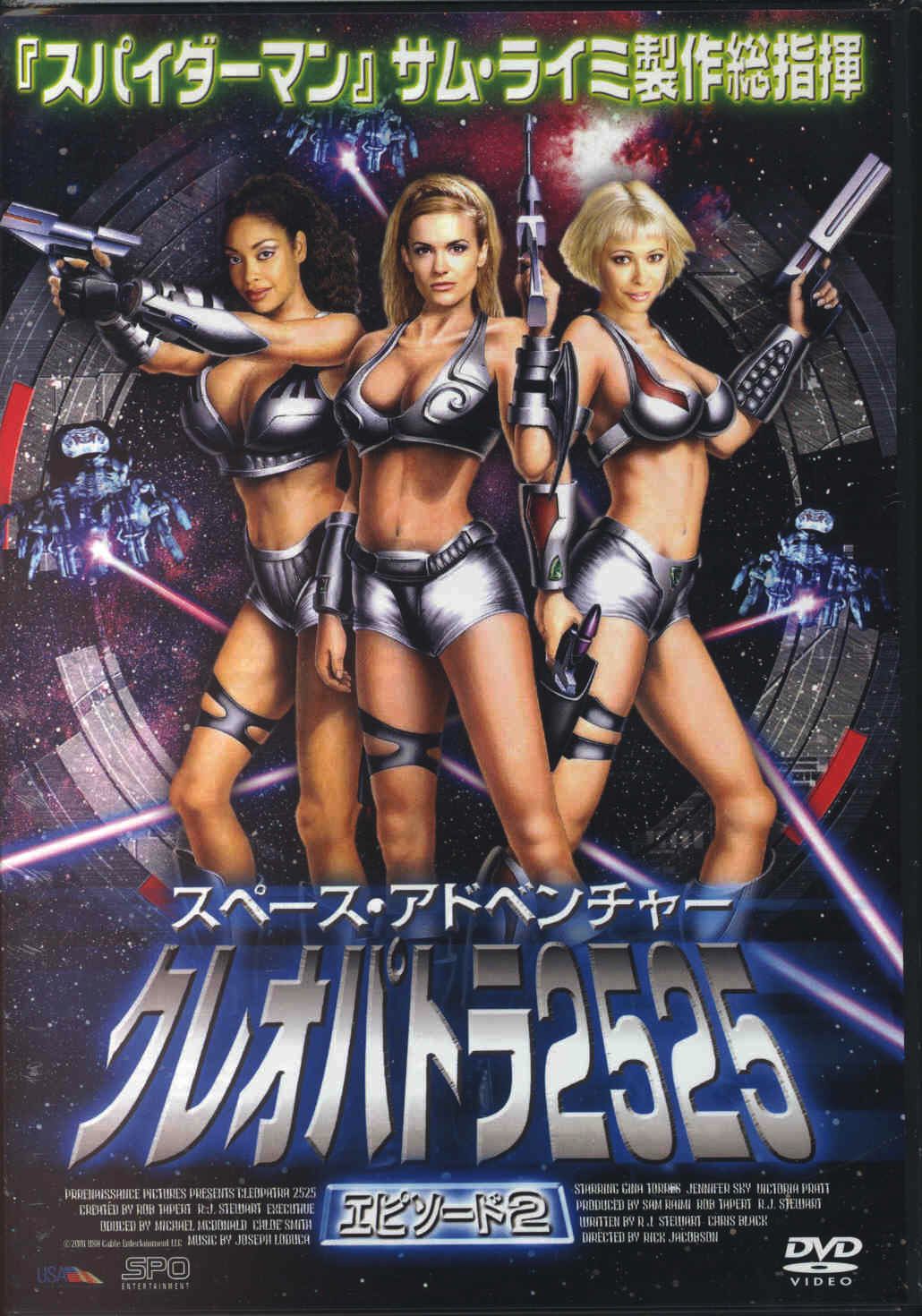
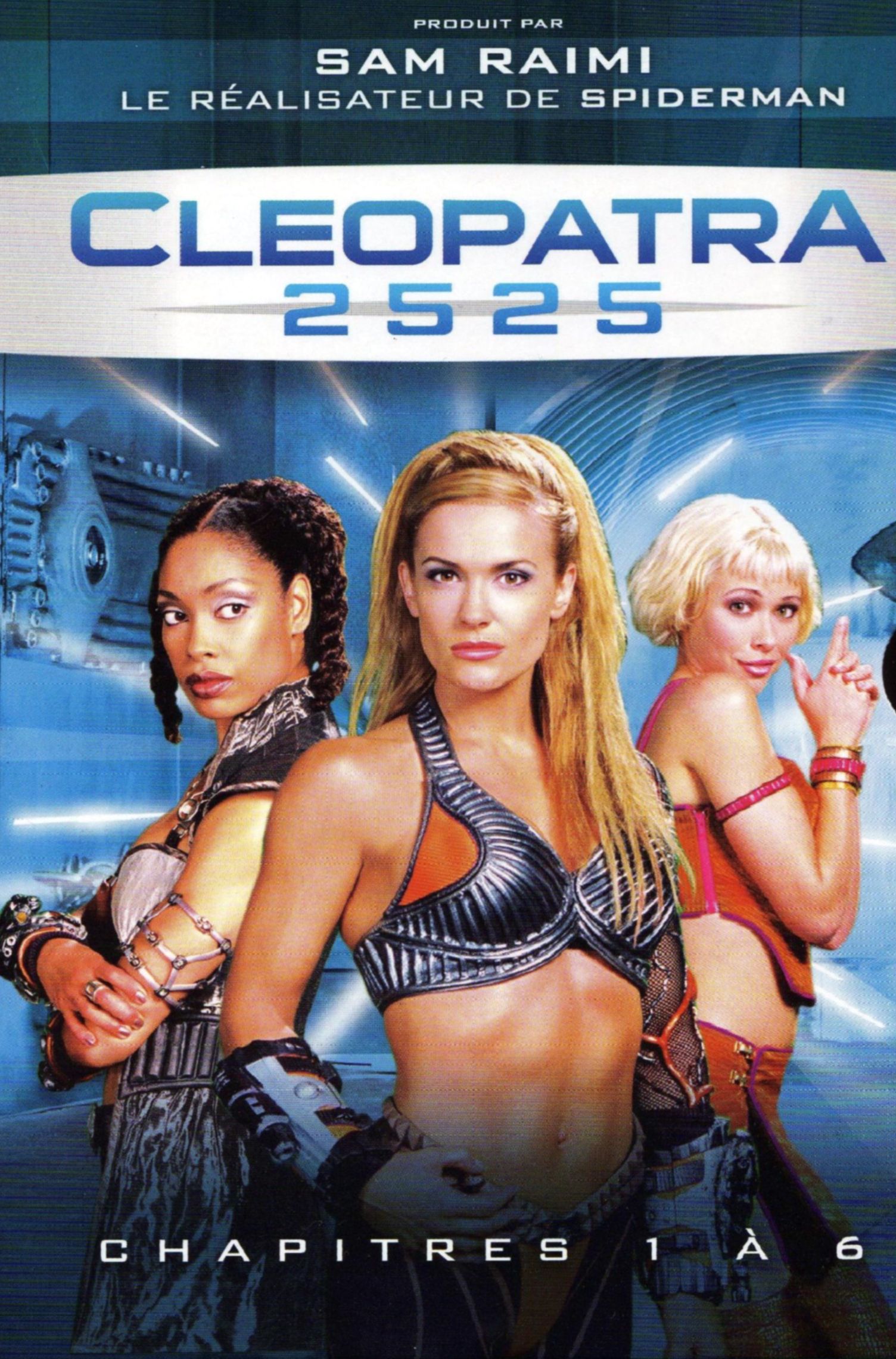
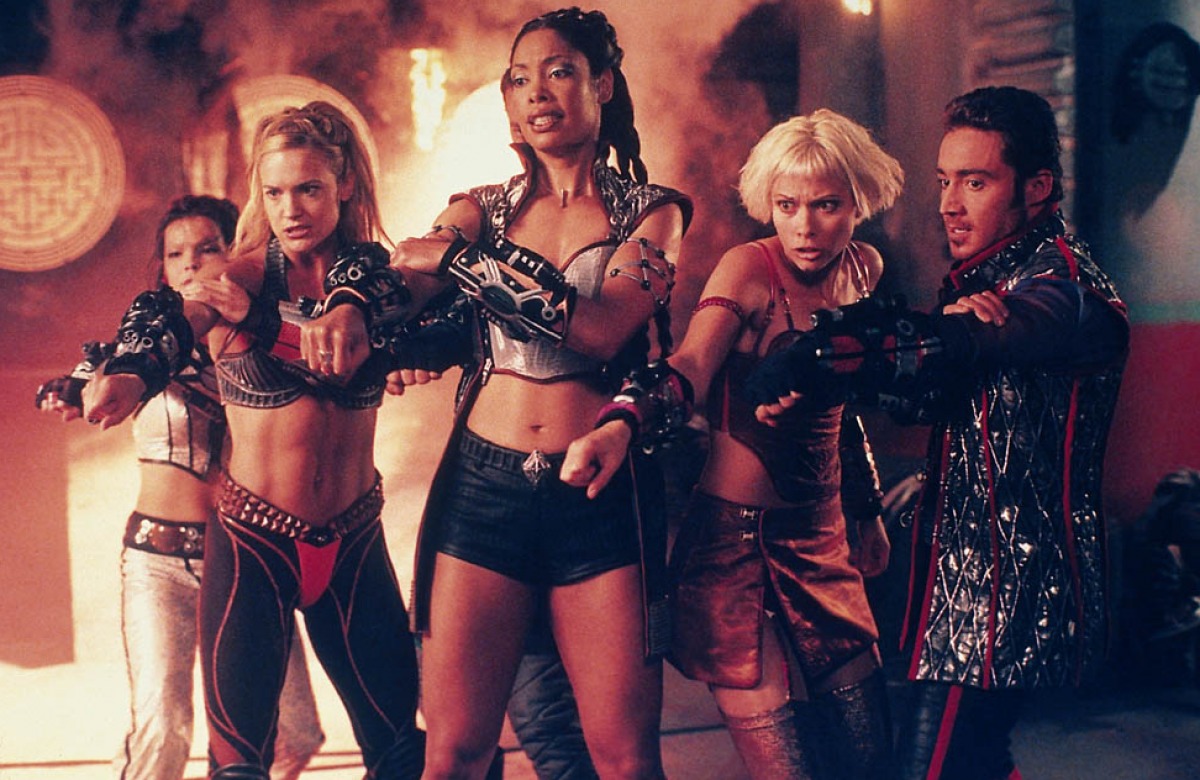
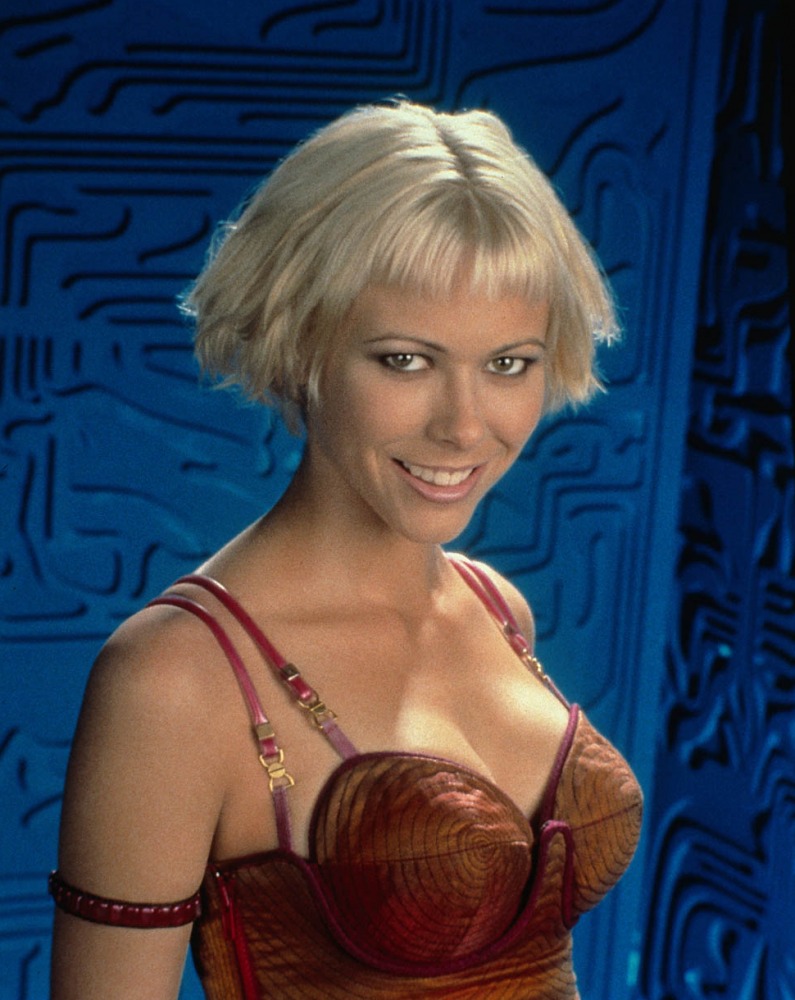
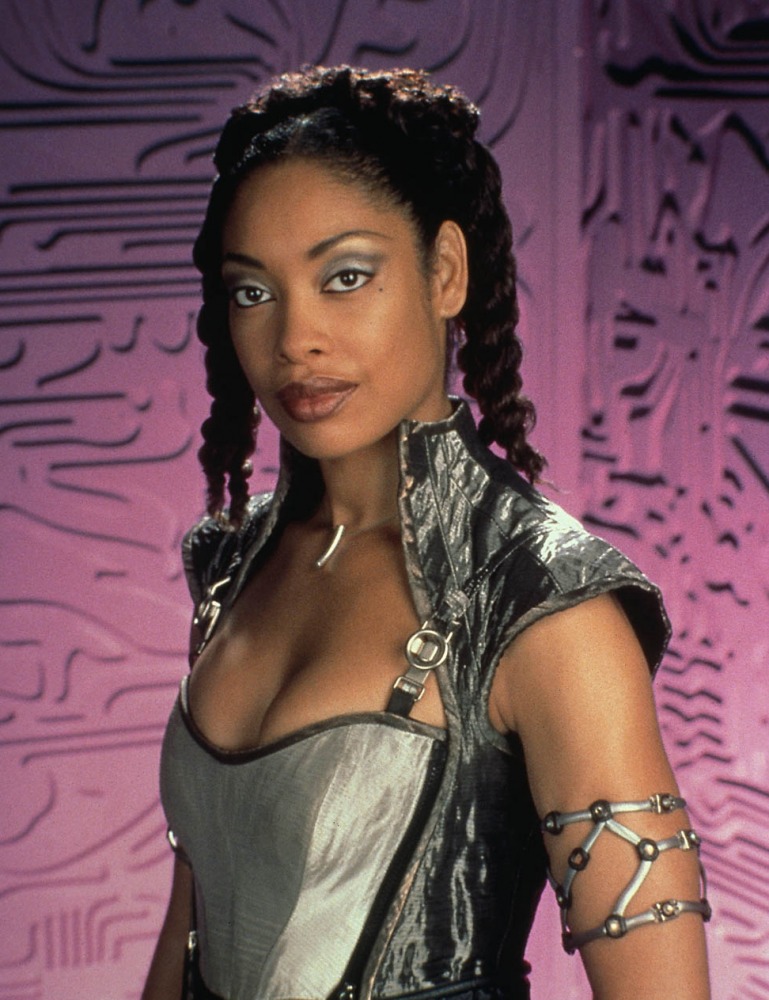
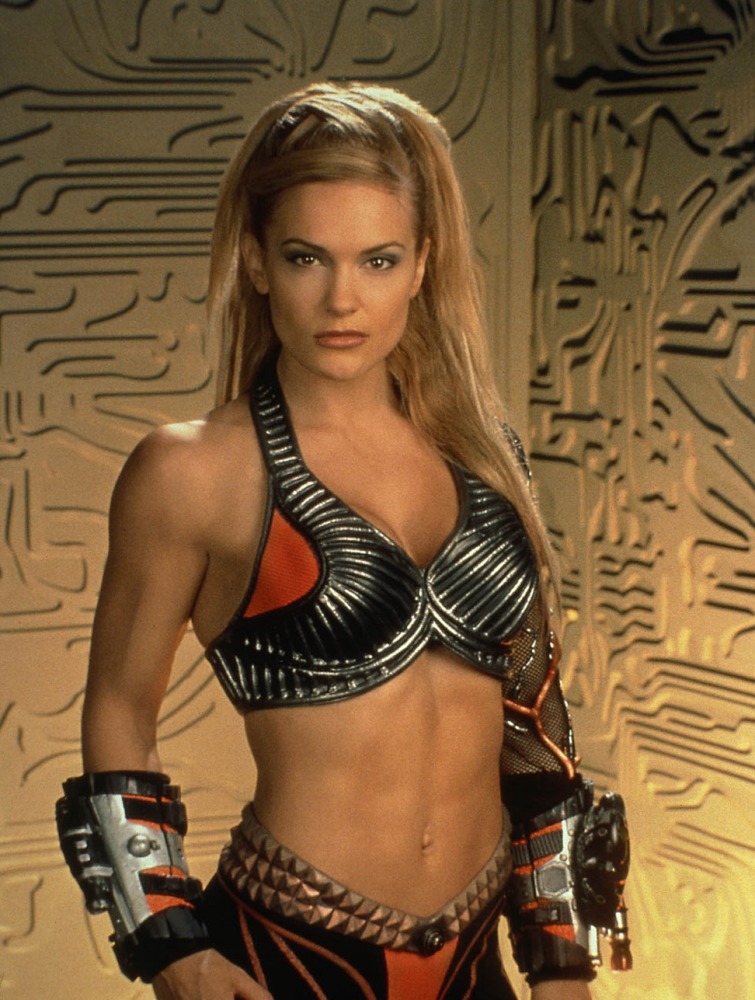
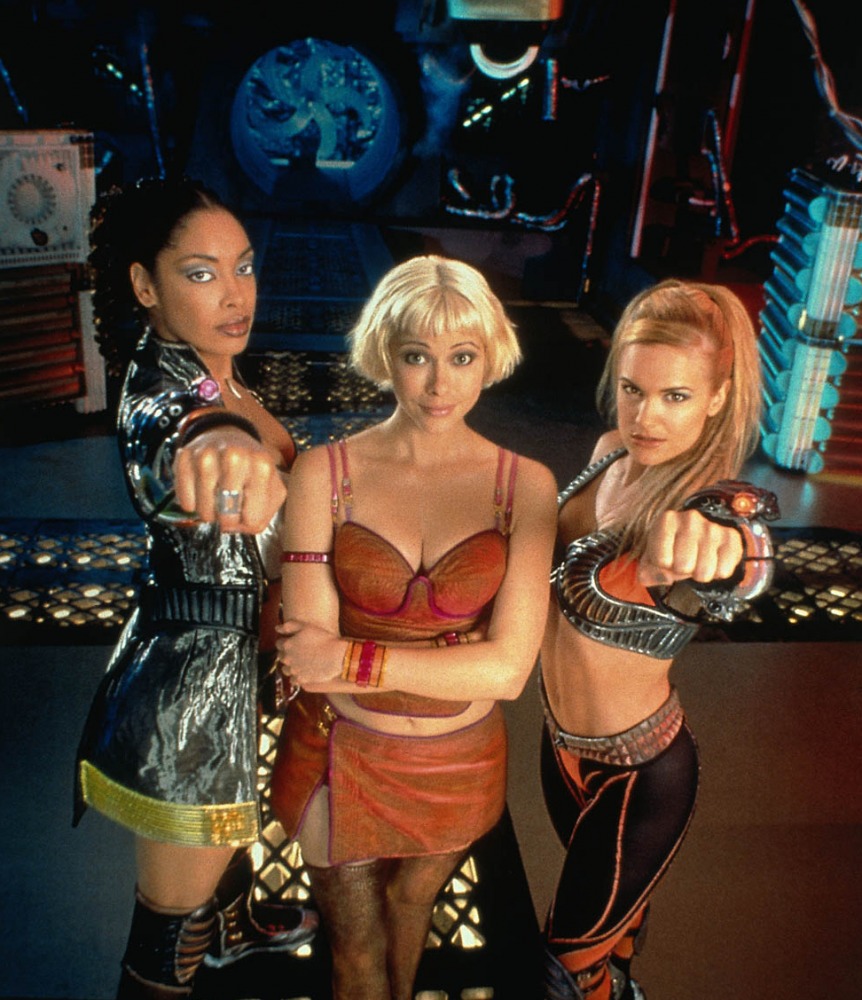
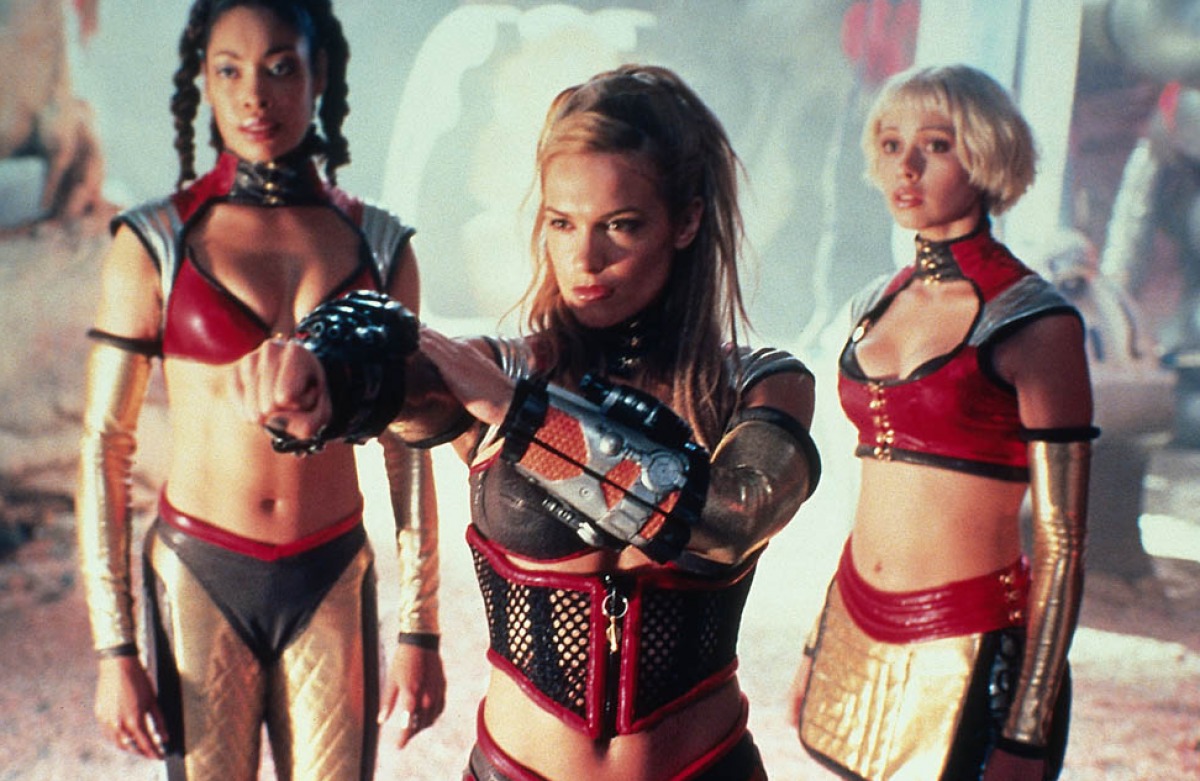
★★★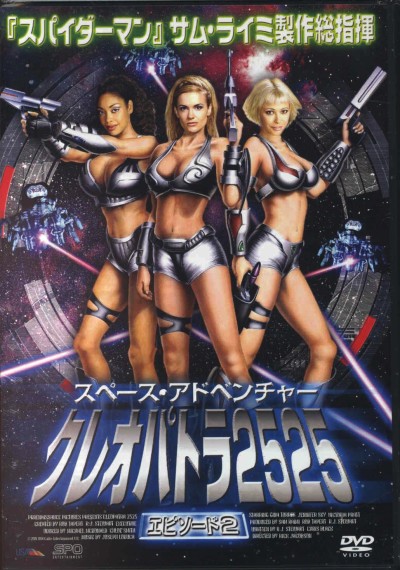 All three, however, were clearly selected as much for their visual appeal, and the 25th century is not short of beautiful people – it’s also quite warm, going by the ah, flimsy clothing worn by the trio. Cleo and her former profession fit right in. But taking any of this seriously would largely be doing the show a disservice, because it’s clear it doesn’t take itself seriously. There isn’t really time for that kind of thing, with each episode barely 20 minutes, excluding opening (theme song sung by Torres, a funked-up and lyrically altered version of Zager and Evans’ one-hit wonder, In the Year 2525) and closing credits. There isn’t much time for anything, in fact: both characterization and plotting remain about as scanty as the outfits. Hel is thoughtful but can be distant; Sarge likes shooting things first and asking questions later; Cleo, to be honest, is mostly irritating, coming over as both whiny and rather vacuous.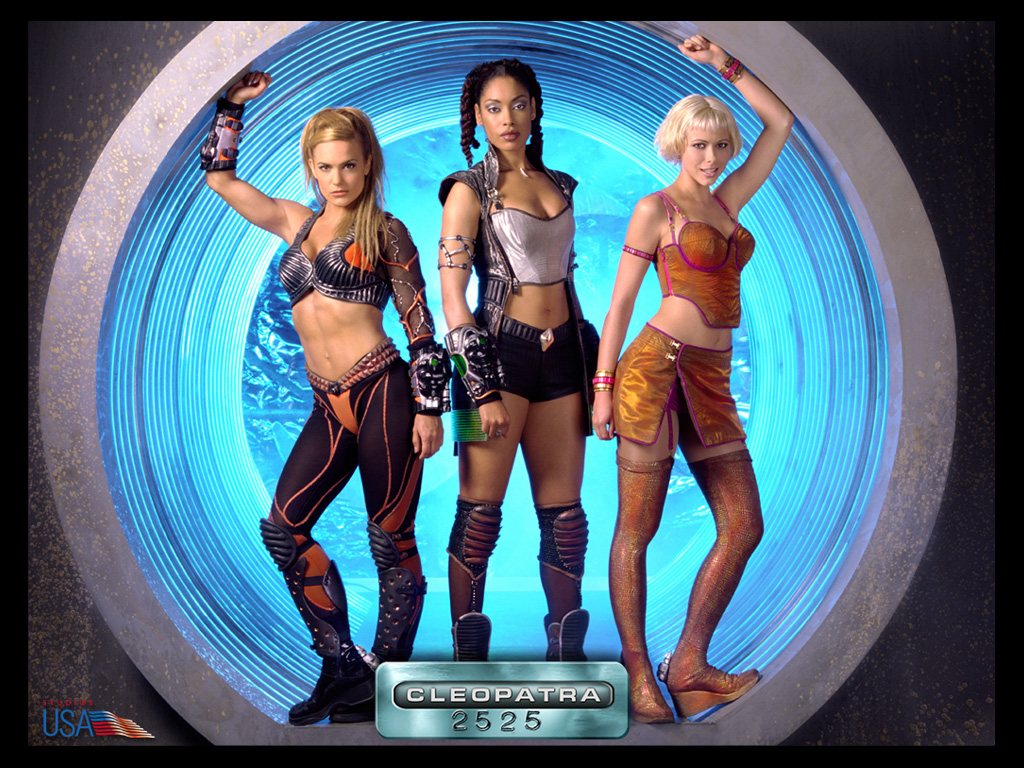
 Somewhat following up on the news from February that
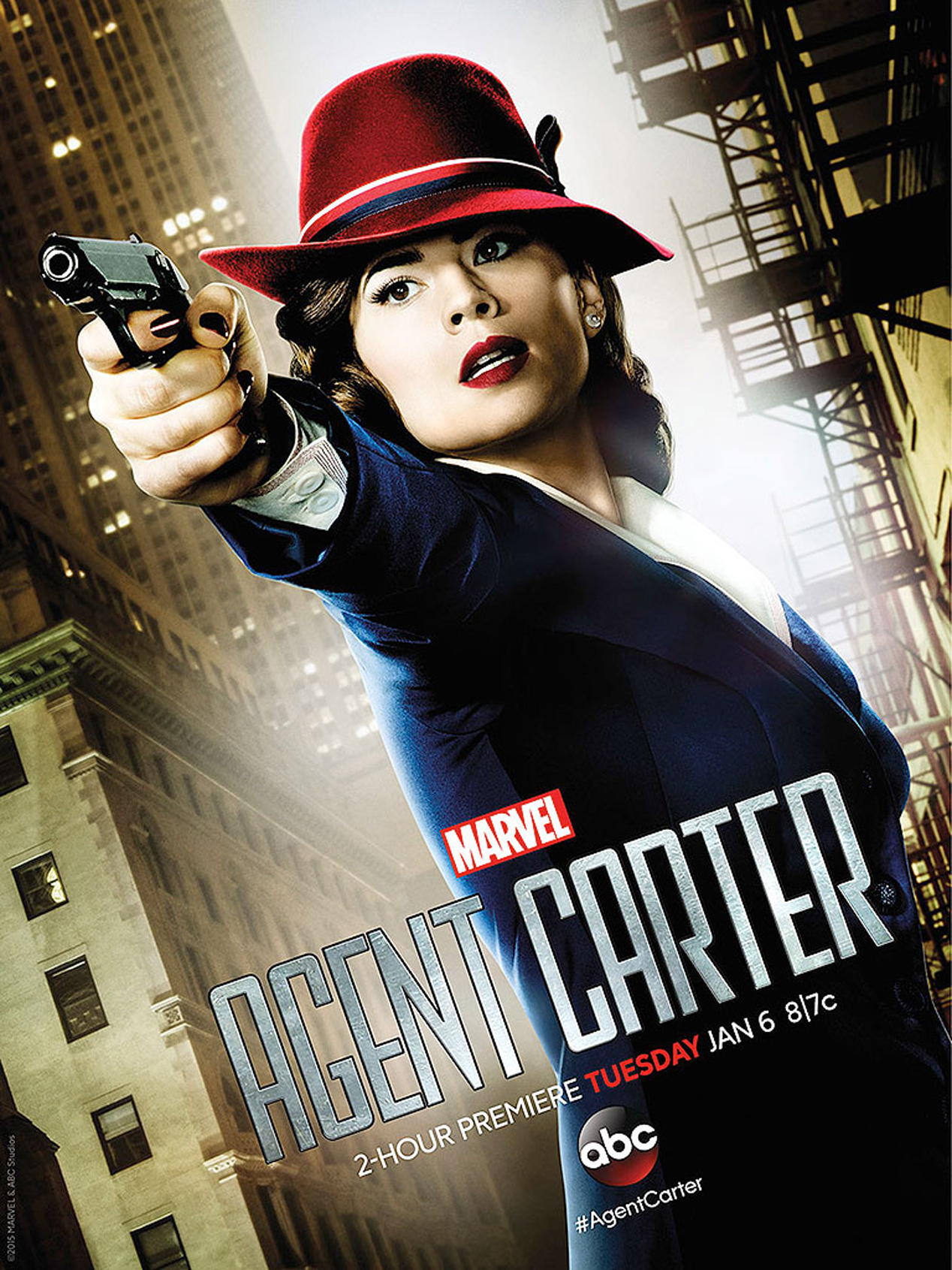
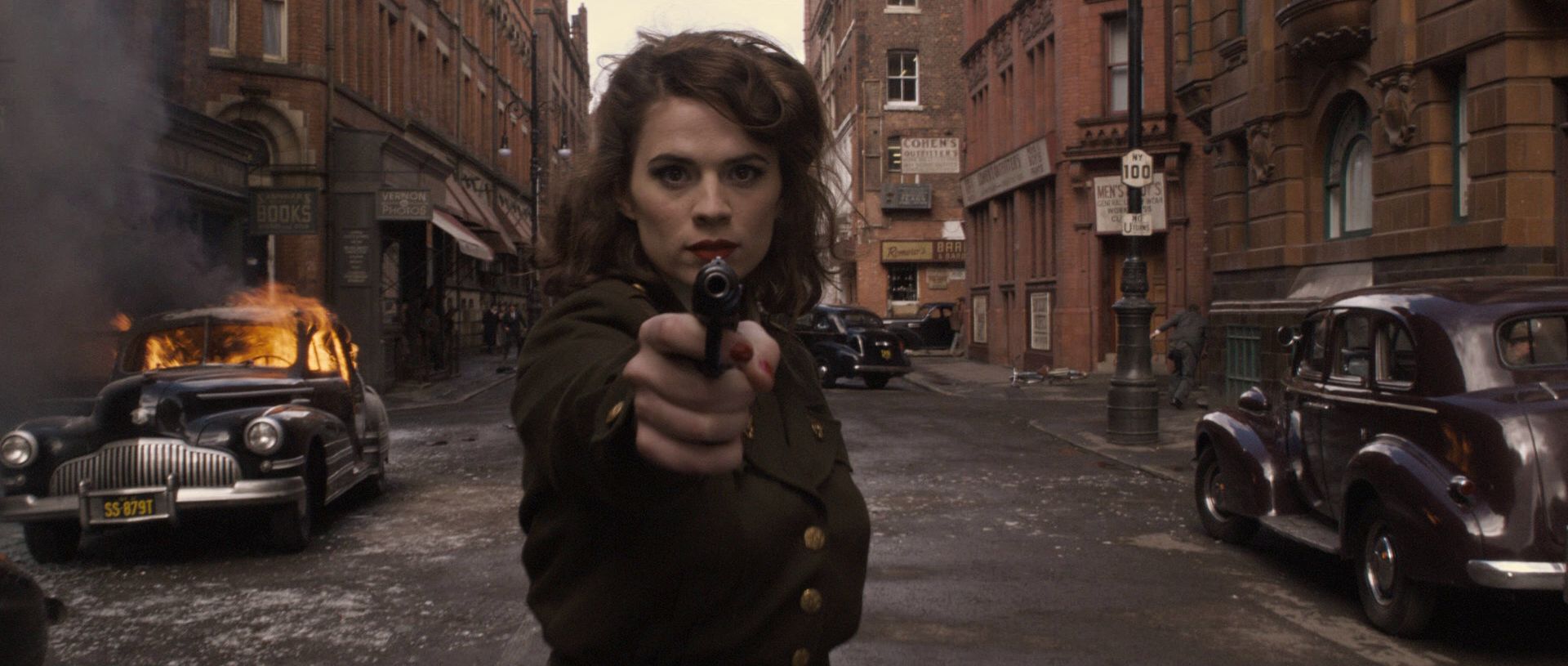
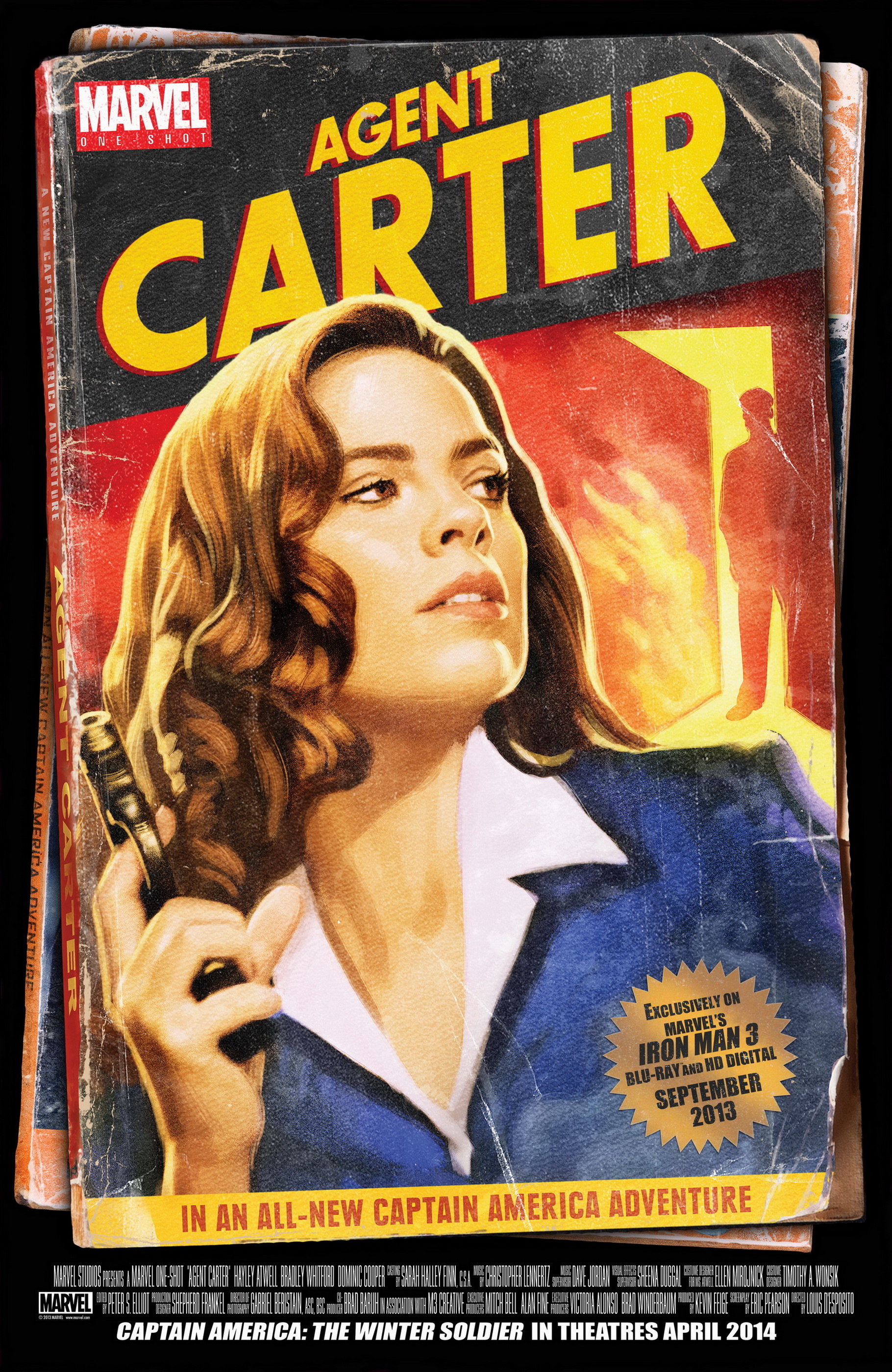
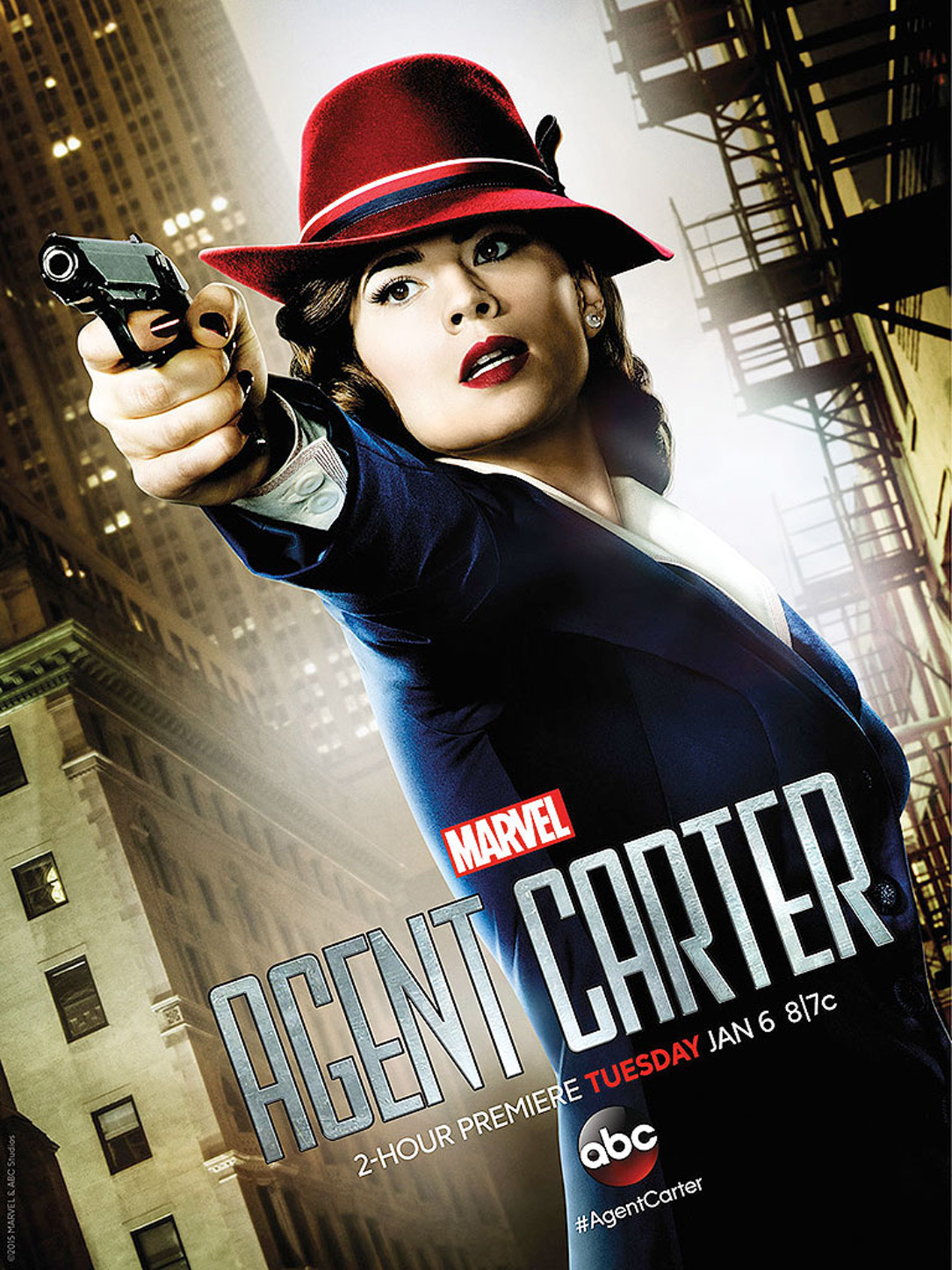
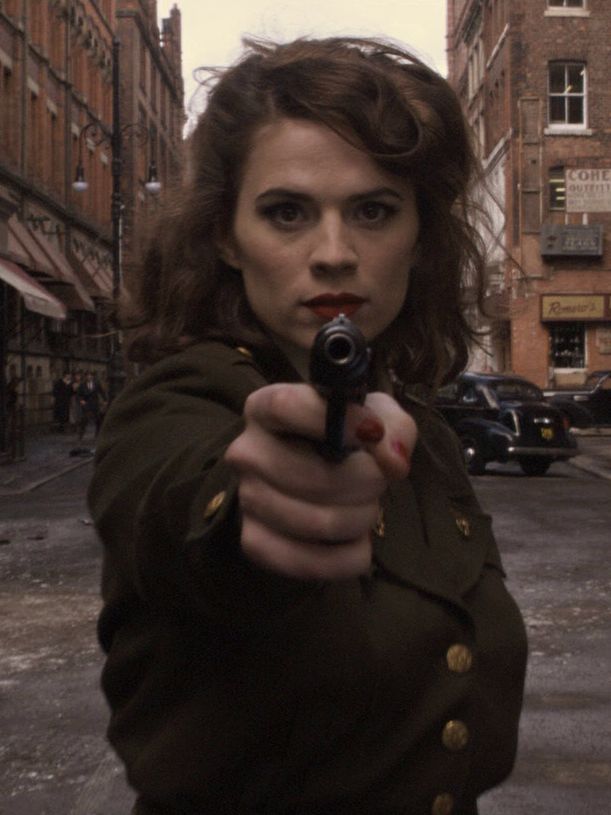
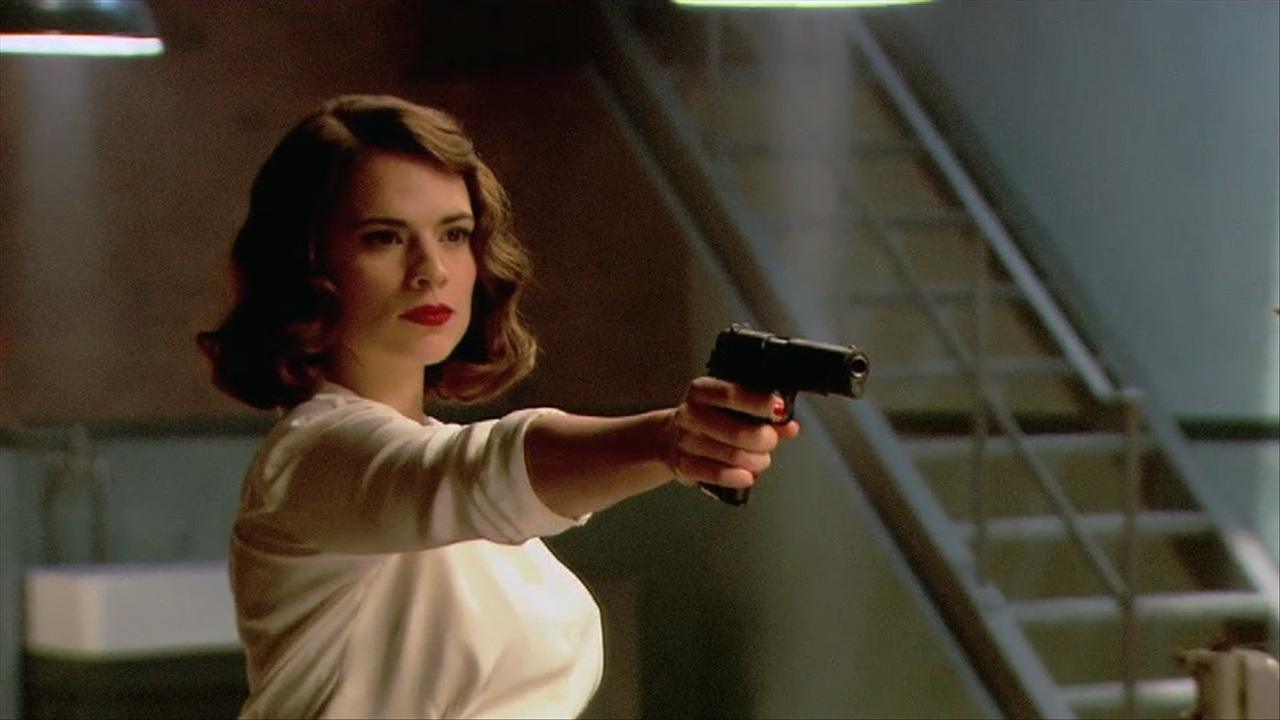
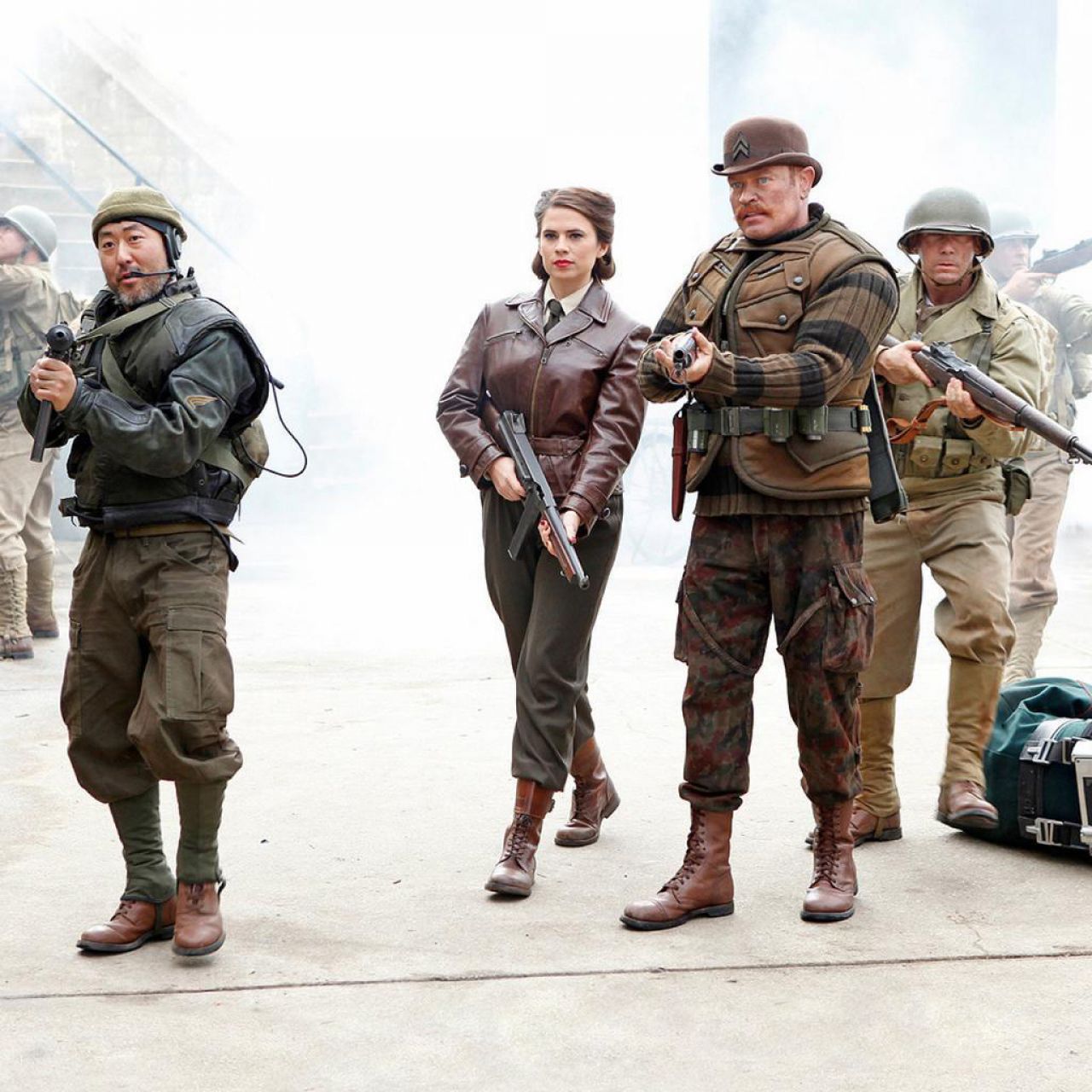
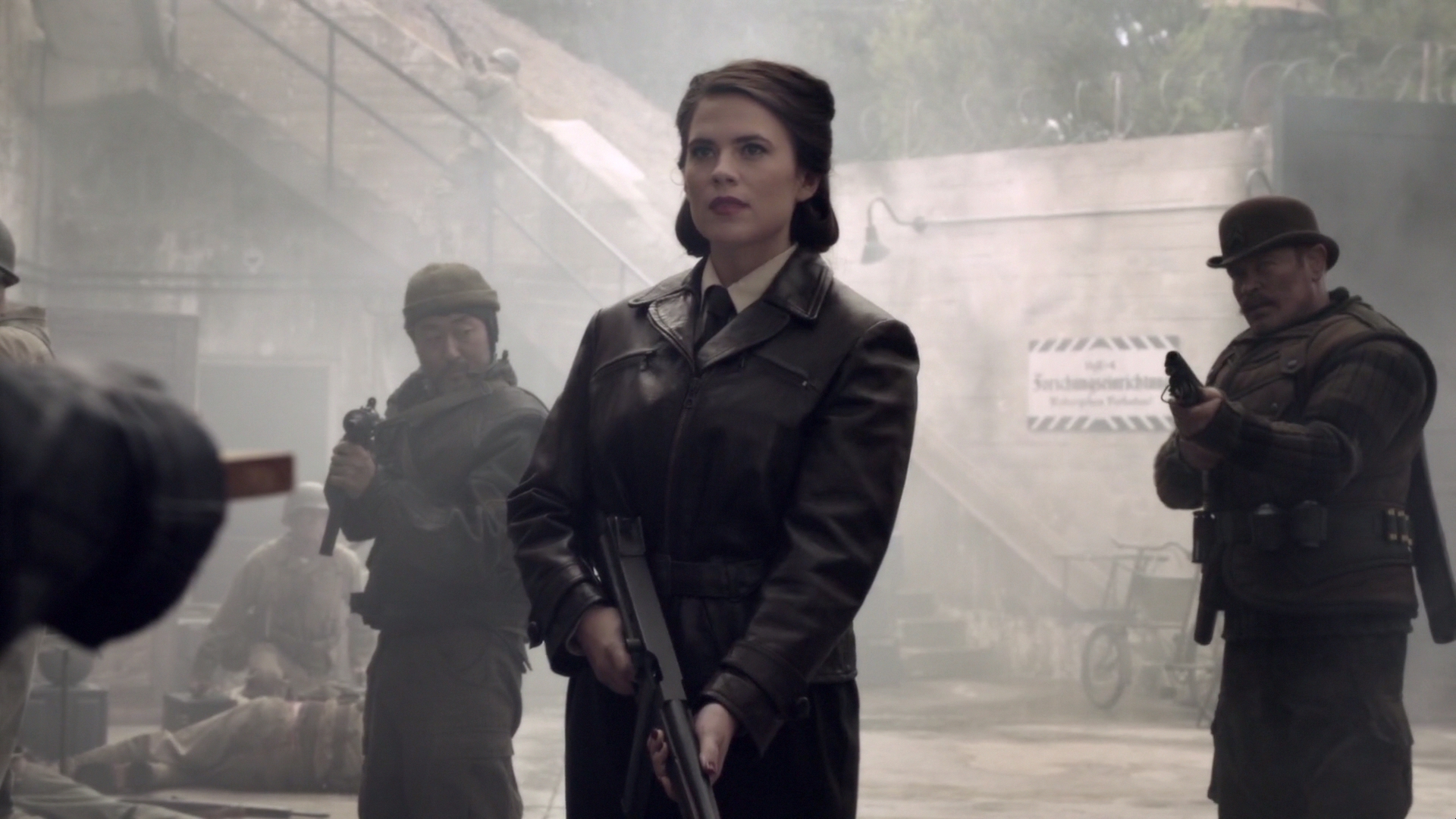
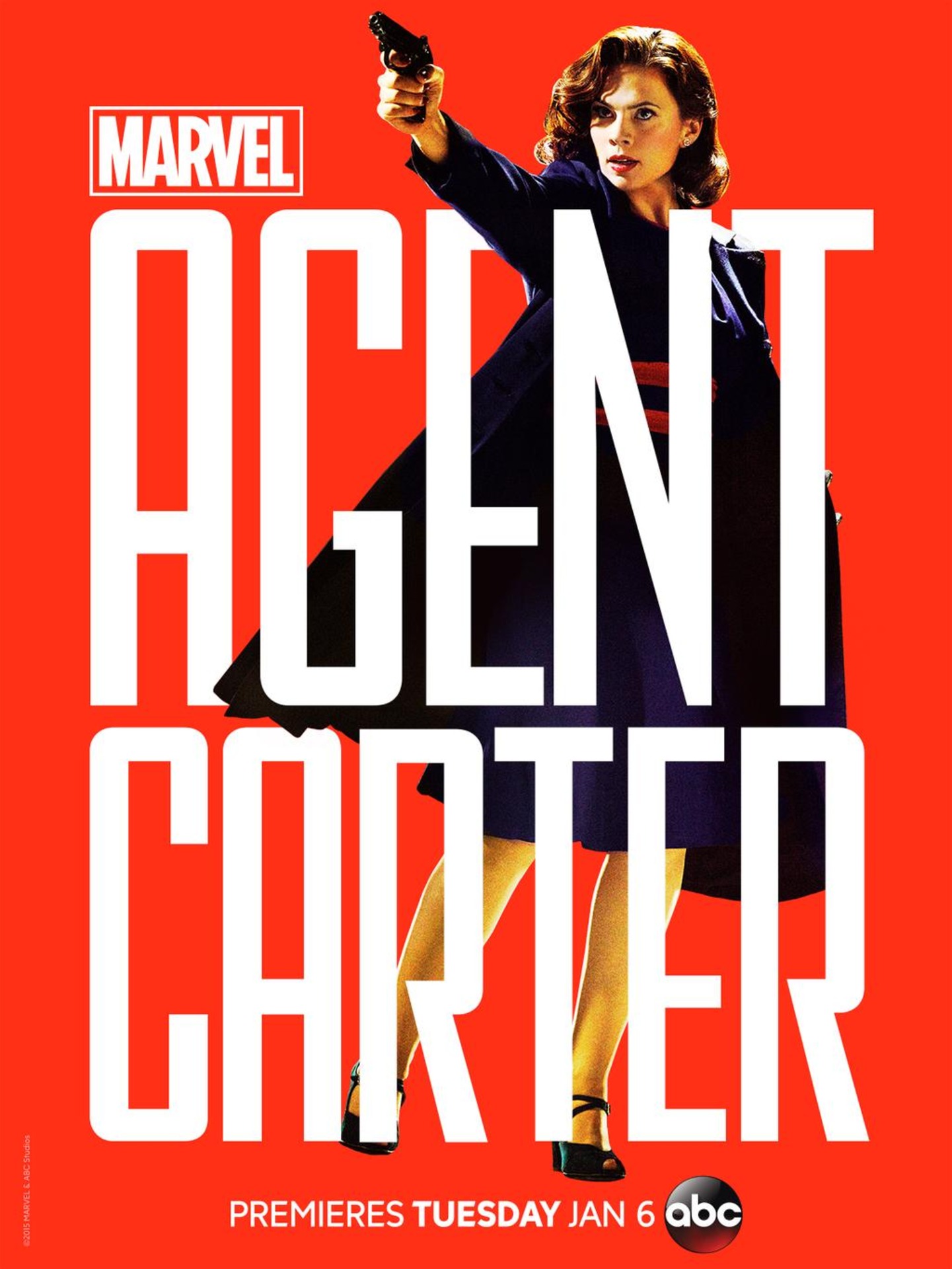
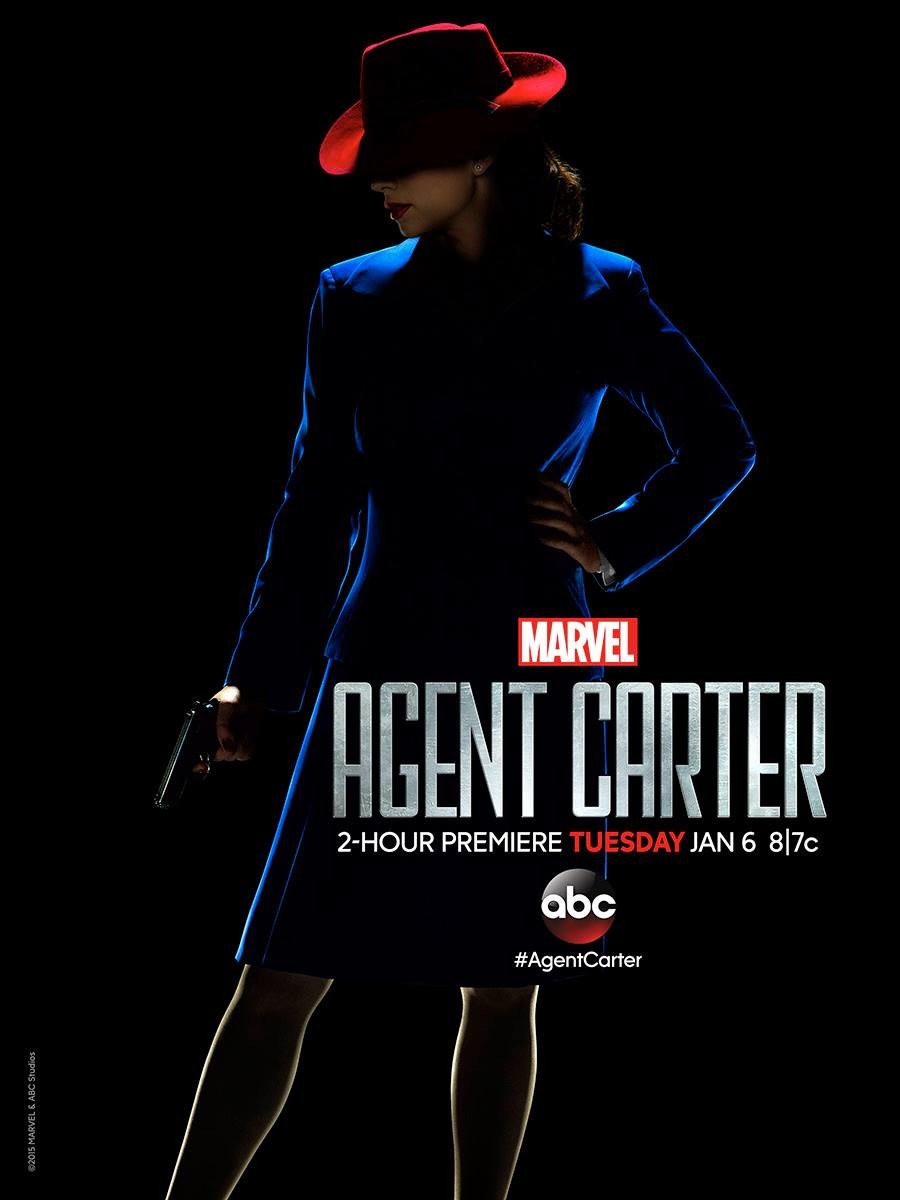
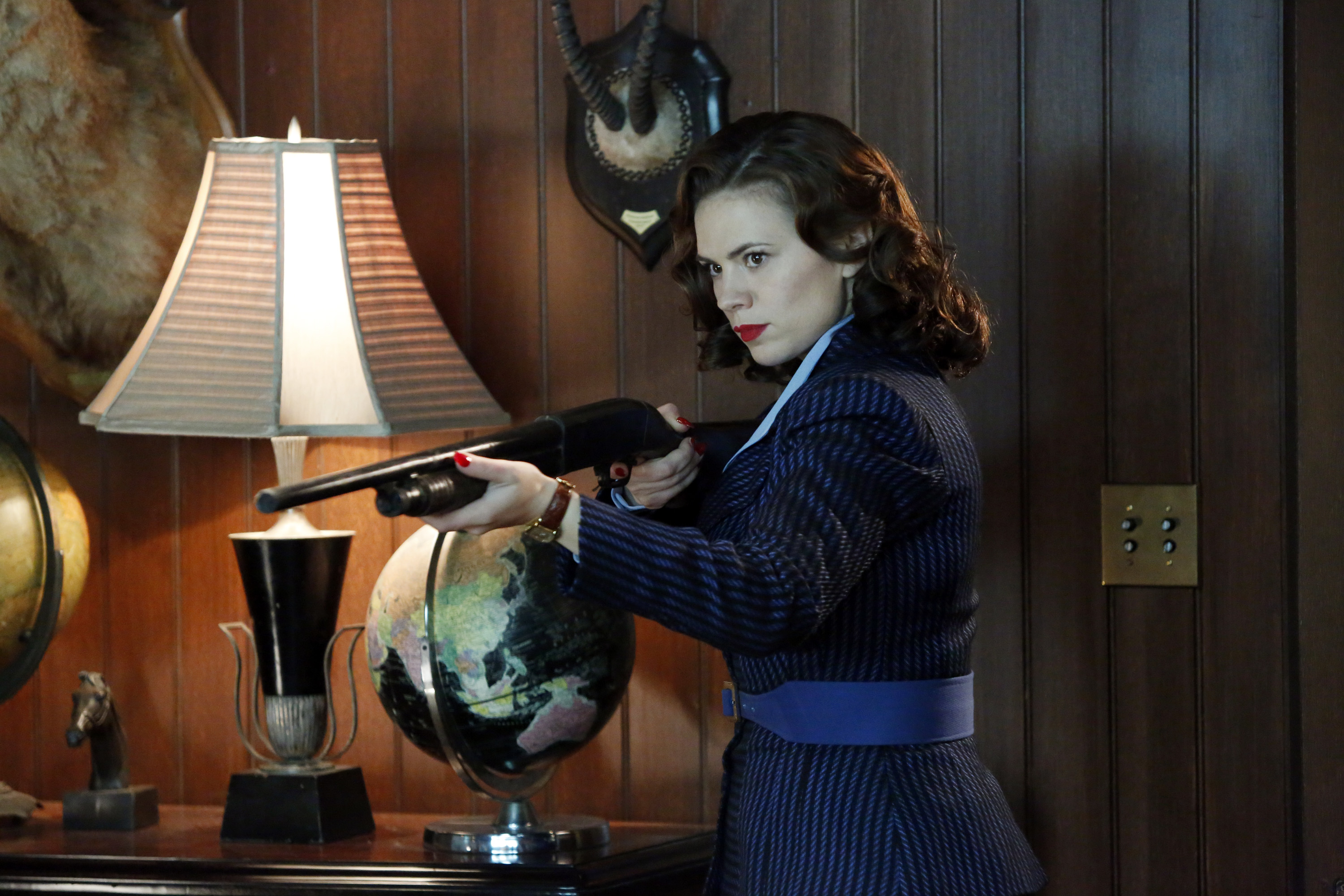
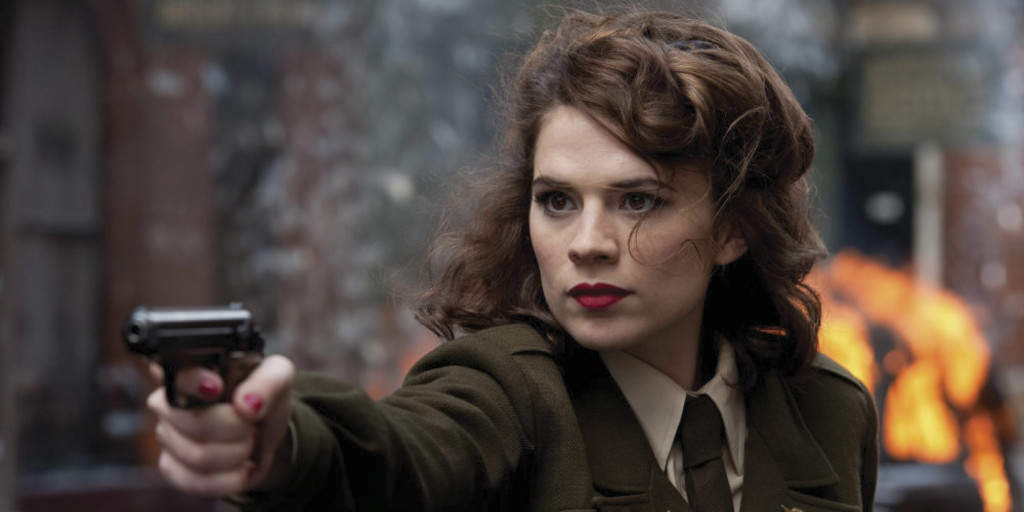
 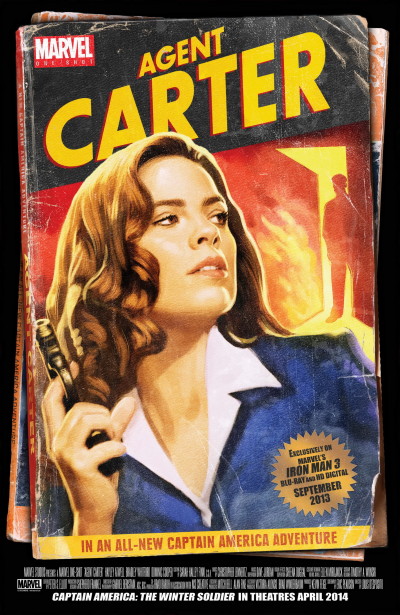 It’s largely inspired by the Marvel One-Shot: Agent Carter short film, included as a bonus feature on the home release of Iron Man 3, though as the blurb notes, Carter also played a significant role in the two Captain America films. But her character dates all the way back to May 1966 (making her virtually the same age as me!), first appearing in Tales of Suspense #77. In her comic incarnation, Carter joined the French Resistance, fighting alongside Captain American and falling in love with him, before suffering amnesia and being sent home.
 ★★★★
★★★★ Crackle is the streaming content subsidiary of Sony – it has been around for a while, but we only became aware of it last December, when a new widget popped up on our Apple TV. Think of it as a little like an advert-supported version of Netflix; you can watch for free, whenever you want, but you have to “pay” by sitting through commercials (during which the FF option on your remote is disabled. Bastards!). The library of movies and shows offered is based around that studio’s library, and has a number of entries for action heroine fans. Bonus points, not just for having Run Lola Run, but in the subtitled version; they also have Ultraviolet: Code 044, the anime spin-off from Milla Jovovich’s action-horror film, though that is only available dubbed. We’ll get to that later, I imagine, but the first thing to leap out at us was this original series, about a pair of female assassins. It’s certainly not to be confused with the Samuel L. Jackson movie or Benjamin Brett show.
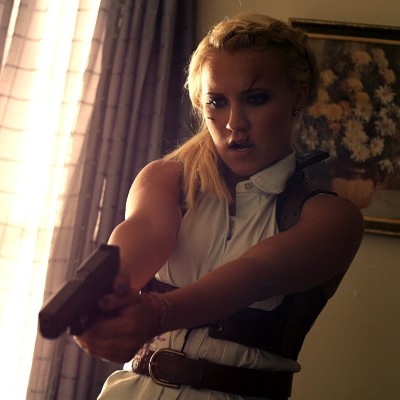 There are six episodes, but they’re barely 20 minutes each, discounting adverts, and by the time you remove the credits, and “previously/next time on Cleaners” sections, it’s basically a single feature. Maybe I’ll get round to editing it together in exactly that fashion. There’s a hint of Tarantino in the fast-paced dialogue, as the characters snark back and forth at each other – my favourite line was Roxie’s response, after Veronica had expounded on some topic: “Jesus! What did you have for breakfast? Wikipedia?” Leyden throws on large helpings of style, which is something of an acquired taste: in the first episode, it seemed more of a chore than a pleasure, but as the show wore on, he either restrained himself better or we grew used to it.