



★★
“Plastic surgery disaster.”
 Mildred Moyer (Chamberlain) has a problem, and it’s as plain as the nose on her face. Actually, it is the nose on her face, which would not look out of place – as one callous workmate points out – on a certain wooden boy of fairy-tale renown. Needless to say, her life has been made unpleasant by cruel comments from strangers and acquaintances. Finally, she has had enough and goes to a shady plastic surgeon to get it fixed. Unsurprisingly, this goes wrong – the fact her appointment is at 11 pm in the basement of a strip-club might have been a clue – and she is left horribly disfigured as a result. This drives her over the edge, and she vows savage revenge on all those who had wronged her.
There’s a really weird tone to this. You would think, given the subject matter, that it would be a dark movie, but Rhiness seems to be aiming more for humour as the over-arching atmosphere. Now, there’s obviously an overlap for horror and comedy, but it’s a cross-pollination of genres which is hard to pull off. The likes of Sam Raimi, Peter Jackson and Stuart Gordon can do it. Rhiness… not so much. Indeed, if you told me you didn’t find this either horrific or funny, that would feel like fair comment. Occasional moments do briefly achieve a solid foot in either camp, in my opinion. But not for long, and none manage to combine them effectively.
It is clear that the director is going for parodic excess in many elements: Mildred’s nose is so extreme as to be a clear indicator of that, and a lot of the performances go down similarly broad lines. Her ultimate nemesis, Blanche (Whelan), could not be a more broad depiction of a “mean girl” if she tried, and I strongly suspect she was, indeed, trying for that. But I felt the switch in Mildred from meek and milquetoast to mass-murdering psychopath felt sudden and forced. Perhaps it was having watched Joker the previous night, which took its time to bring the audience along on that transition, rather than just going “Hey, it’s time for her to go berserk.”
The killings are a mixed bag, and that’s being kind. Even allowing for the low-budget some of the effects are simply not good enough. Again, the deaths don’t generate much of anything on the viewer, only occasionally going sufficiently over the top to be amusing. However, Rhiness and team do deserve credit for keeping things simple: the goals here are not exactly lofty, and the lack of ambition and pretension is likely for the best. Chamberlain also helps to keep the project’s head above water, and even when the story isn’t doing enough to sustain your attention, her performance is quirky and engaging. But I can’t help thinking the whole project would have been better off deciding to be either a horror film or a comedy, and sticking with one or the other.
Dir: Brandon Rhiness
Star: Elizabeth Chamberlain, Julie Whelan, Hudsynn Grace Kennedy, Jaime Hill
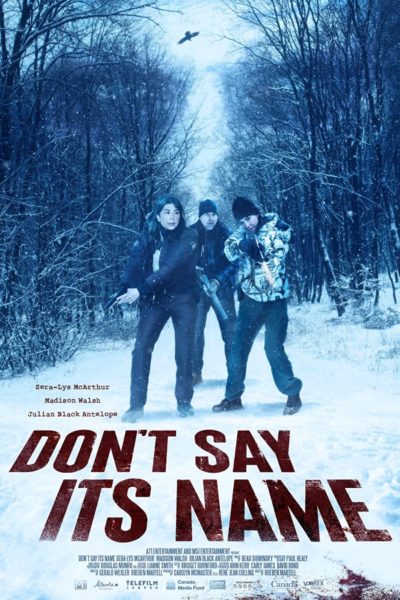 I was going to start this with a warning to try and avoid reading other reviews of this before watching it, because it felt as if, without exception, they all included spoilers for a significant plot-point, that wasn’t actually revealed until deep into the movie. Heck, the IMDb synopsis does it too. However, having sat through the entirety of this bland piece of indigenous folk pseudo-horror, all I can say is “Meh.” You do you: it’s probably not as if it’s going to have much impact, because it’s hard to spoil something which already smells past its best before date.
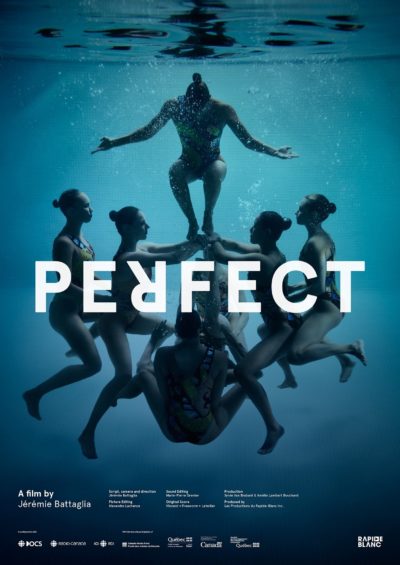 When I reviewed Russian fencing film
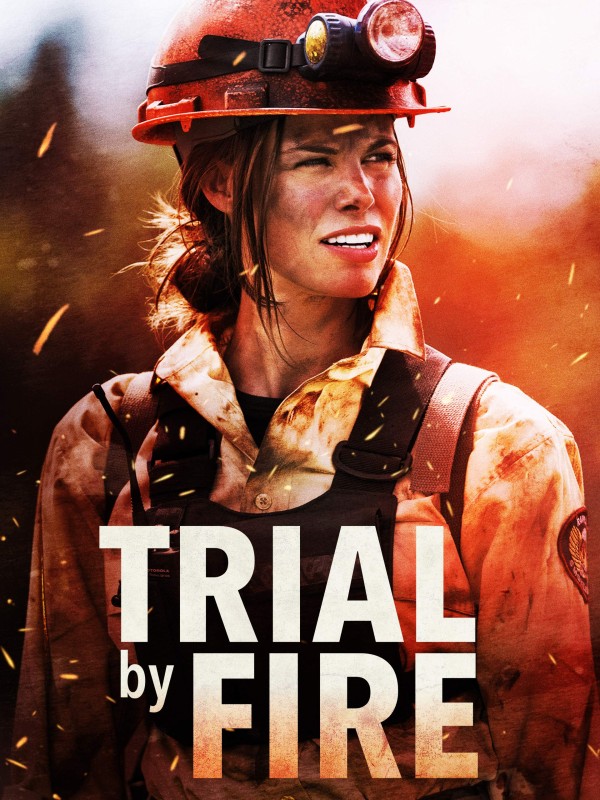
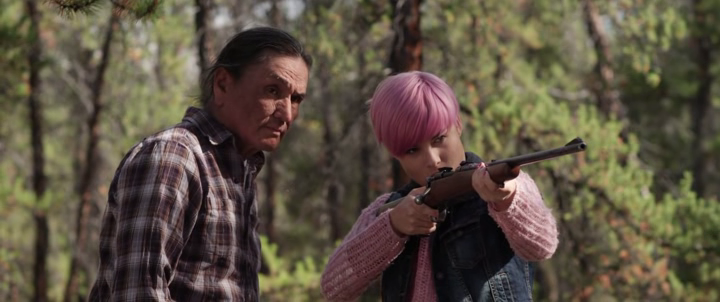 While certainly more relaxed that many of the films we cover here, this makes it in on the strength of its heroine’s character arc. That belongs to Lia (Jacobs), a teenage girl in the Northwest Territories of Canada, who is being raised by her father. When he has to go off for work, she gets sent north of the Arctic Circle to live with her grandmother (Jerome) for the nightless summer. She hates the rural life, and runs away, stealing a boat in the hope of reaching Dawson City, the nearest big town – not realizing it would be four weeks journey. She falls overboard after her boat breaks down, and is lucky to be rescued by Alfred (Howard), a hunter from the local Gwich’in tribe. As they cross the remote wilderness, she begins to appreciate it, bonding with the thoroughly down-to-earth Alfred and learning from him – wolves hate the smell of tobacco, apparently. But when an accident befalls her guide, Lia is going to have to dig into her own resources.
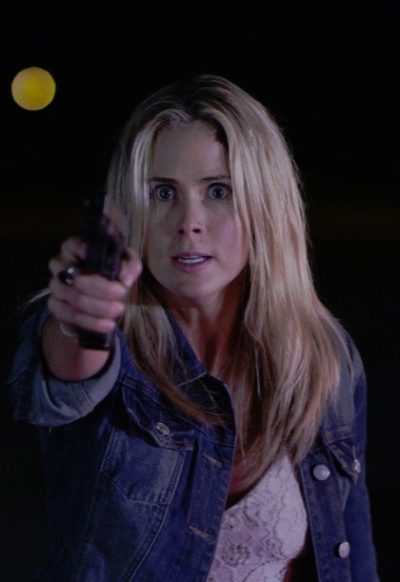 This falls victim to the Spielberg Effect. By that, I mean, that any movie directed by Steven Spielberg will inevitably become the yardstick by which future entries of that kind are judged – typically, unfavourably. Killer shark films will be compared to Jaws. Holocaust epics to Schindler’s List. And the genre of movies in which drivers are menaced by unseen truck drivers? Expect comparisons to Duel. And in this case, they are entirely warranted. I guess if you’ve never heard of Duel, this might just pass muster. But you would still be better off watching it, than this lame imitation, which has a nice car (a Mustang) and some lovely scenery (I’m guessing Canadian). That’s all it can offer though.
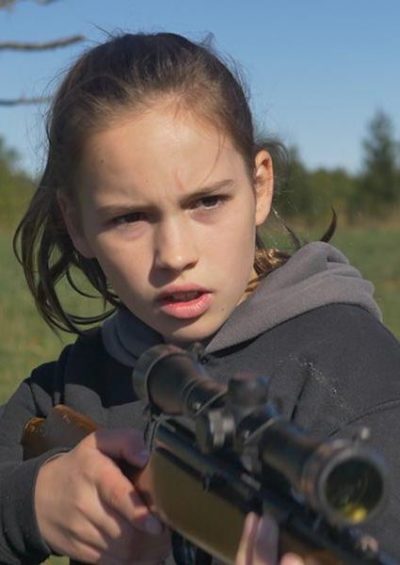 Really, for a reported budget of about $6,500 – and those are Canadian dollars, which currently works out to less than five grand in freedom dollars – this is quite impressive. You could argue that trying to create a convincing post-apocalyptic scenario on such a tiny budget is biting off more than you can chew. And there are certainly moments which just don’t work. But in its low-key approach, it’s probably a more accurate reflection than many of the way in which the world might end. Not with a bang, but with a whimper, and a slow grinding to a halt.
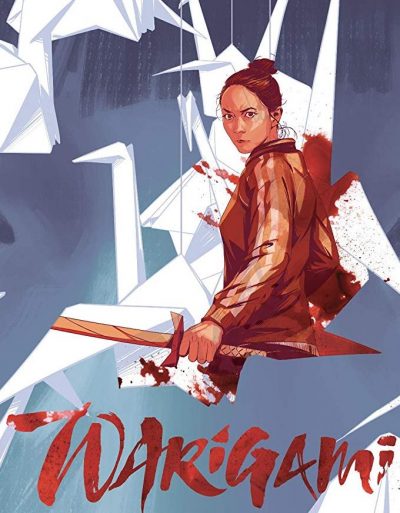 This feature-length entity is the omnibus edition of a series created for Canadian streaming service, CBC Gem. Originally 10 x ten-minute episodes, they’ve been combined into one entity, though the joins are still pretty visible. It is, however, a brisk and generally entertaining work, with a good twist to the usual martial-arts shenanigans.
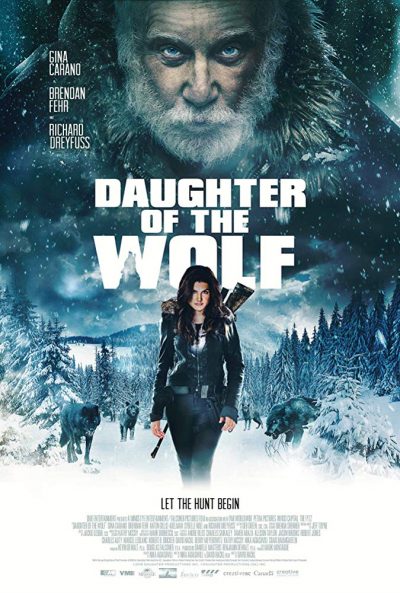 The cinematic goodwill Carano accumulated as the result of her electric debut in