 ★★★
★★★
“We have a mommy who slays the monsters for her daughter – but the monsters are real.” — Shane Black“
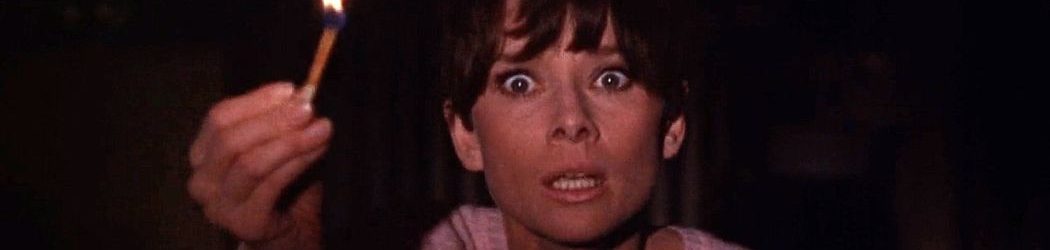
As mentioned in my review of Kate, I was startled to discover I had never reviewed this, since it is one of the most well-known entries in the action heroine genre of its time. Since its time was almost exactly 25 years ago – the movie was released on October 11, 1996 – now seems as good a point as any to rectify the omission. It was the second collaboration in our field between Renny Harlin and then-wife Geena Davis. The first was Cutthroat Island, a film whose troubled production and spectacular failure we have previously covered. But that did not dissuade either Harlin or studio New Line Pictures from trying again, albeit without the troublesome period setting and sea-going. As a result, the budget here was $65 million, a third lower than Cutthroat.
Some aspects were still not exactly cheap. Writer Shane Black was, at the time, a ‘rock star” screenplay author, having written Lethal Weapon – though subsequent efforts The Last Boy Scout and The Last Action Hero had not lived up to commercial expectations. Still, the script for this provoked a bidding war between New Line, Warner Brothers and Columbia Studios, eventually costing the first-named $4 million in July 1994, including a $500K producer’s fee for Black. That was a new record for a spec script, one which would last more than a decade, breaking the previous high of $3 million, paid to Joe Eszterhas for Basic Instinct. This was before filming on Cutthroat Island had even started, so production of Goodnight was put on the back-burner. Consequently, shooting did not begin until 18 months after the script was purchased.
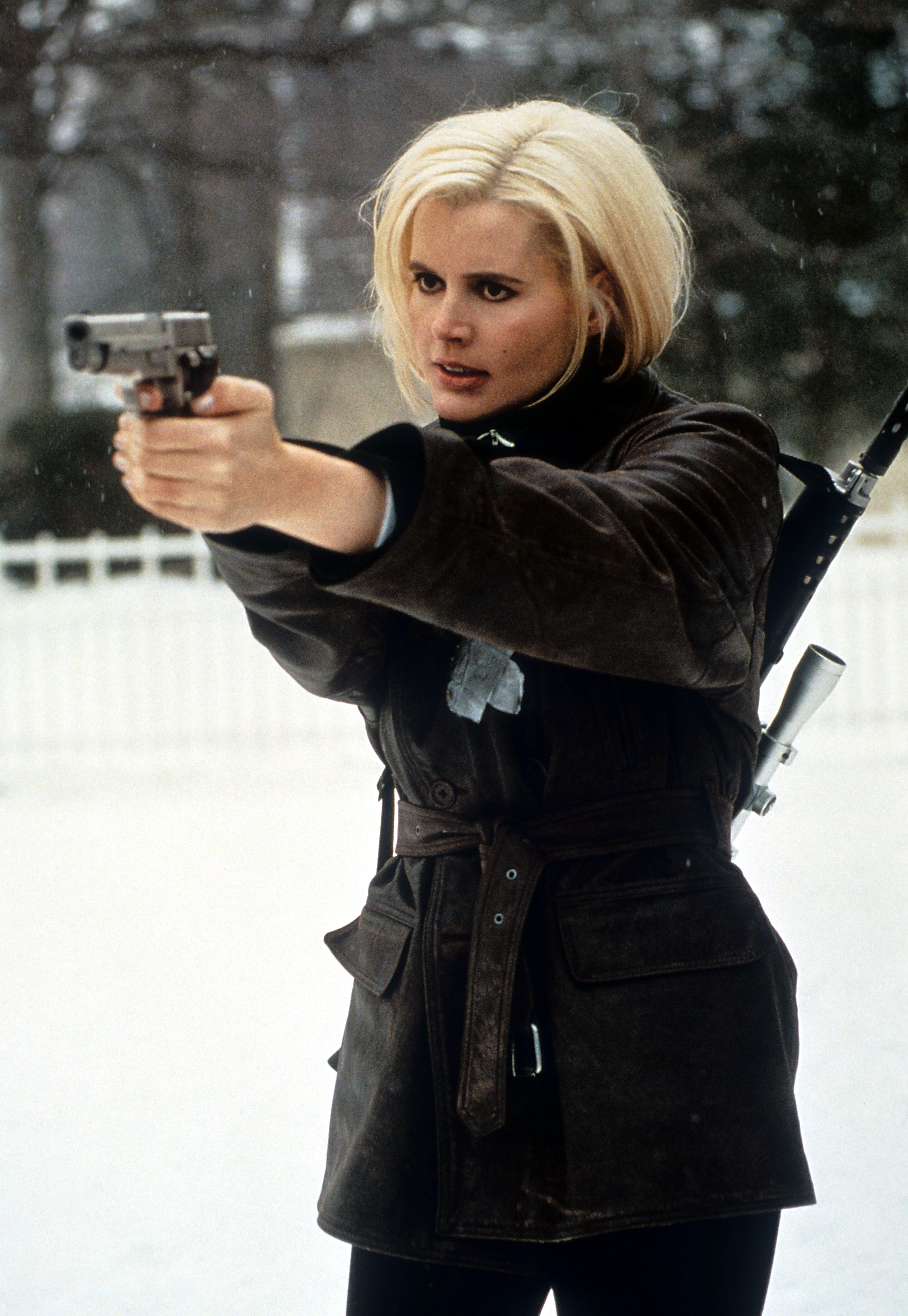
 It took place from January-May 1996 in Ontario, Canada, and the conditions posed many issues for the cast and crew. According to Harlin, “The coldest night was when we were working on the bridge in the end sequence. It was a night when the wind was blowing 70 miles an hour and it was minus 98 degrees with the wind chill.” Though it was probably Davis, who had to pretend she was unconscious and lie on the ground, who experienced the worst of it. Harlin had nothing but praise for her: “Geena’s particularly tough. She’s very athletic and very determined. So, if there’s anything she feels that she can’t do, she’ll put all her energies into making sure that she can learn it, and by the time it is needed, she can do it.”
Generally, however, production went smoothly – save for a historic location burning down. But if you read Black’s February 1995 script, you can see the violence has been significantly toned down by the time it reaches the screen. For example, this line depicting a character, shot in the head in a diner: “Mr. Shotgun dies on his feet. Outgoing matter. Flung. Spattered on the grill where it sizzles along with burnt hamburger.” Ick. A test screening also triggered a significant change. Jackson’s character, private eye Mitch Henessey, was originally intended to die, but the audience reaction was so negative, that Harlin went back and shot additional footage. “That’s right! You can’t kill me, motherfuckers!” now crows Henessey, as he comes back from the dead.
While not the disaster at the box-office which was Cutthroat Island, it wasn’t a great success. In its opening weekend, it came in at #3, well back of fellow new release The Ghost and the Darkness, and even behind The First Wives’ Club, in its fourth week out. By the end of its run, it had taken $33.4 million, though did better overseas, with $56 million. Still, that $89.4 million was not much more than the production budget and after promotion and other costs, profits will have been slim to non-existent. Was it a hang-over from Cutthroat? Poor marketing? Or simply having an action heroine? Black reckons “It might have made more money” with a male lead. That all said, how does it stand up, a quarter-century later?
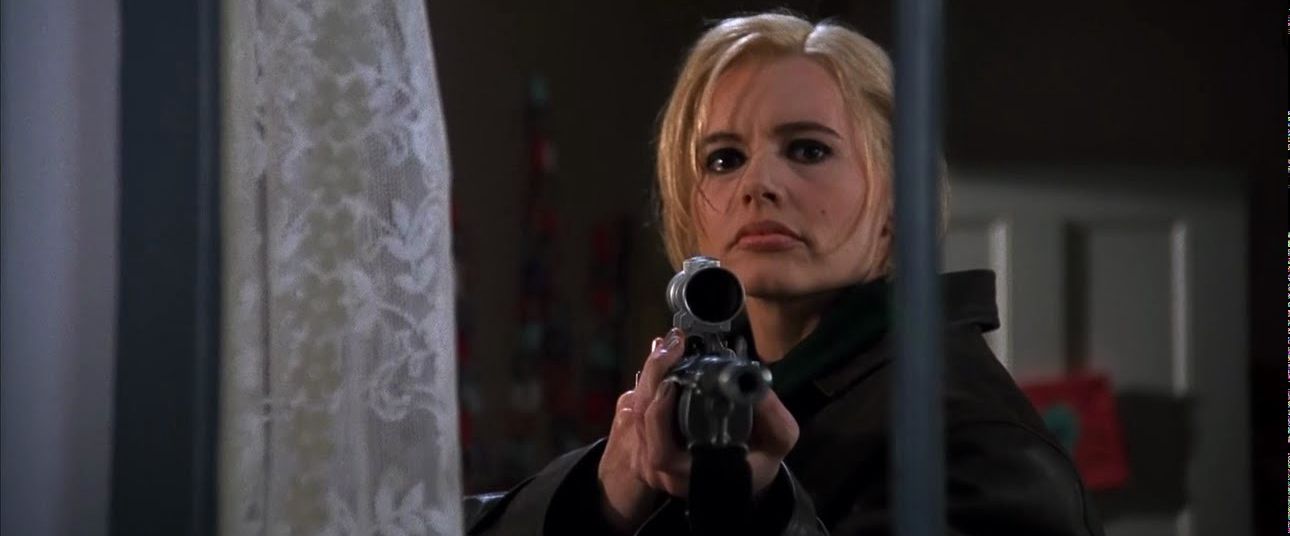
Truth be told, I’ve seen this several times over the years: it always feels I should like it more than I do, and I come away feeling a little disappointed. Especially now, it is a product of its time, and certainly, pales in comparison to not dissimilar spy movies since, such as Salt or Atomic Blonde. The pacing feels particularly leisurely, with it being close to an hour before Samantha Caine (Davis) gets fully in touch with her inner assassin, “Charly” Baltimore. Charly suffered amnesia after a fall on a mission eight years previously, and had become happy housewife Samantha, complete with boyfriend and adorable little moppet. But a blow to the head reawakens Charley – much to the concern of a number of people, not least of whom are her former employers, to whom she could now become an embarrassment.
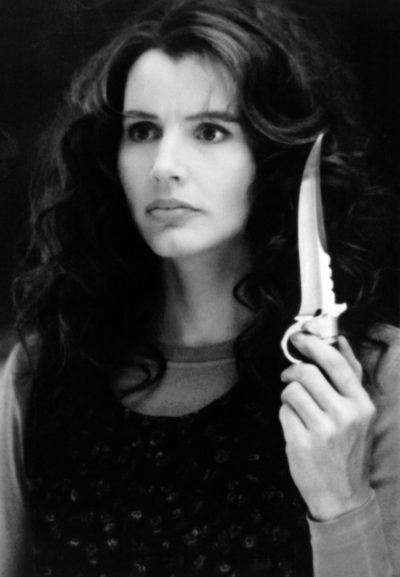 Firstly, what is it with Black and hyperviolent Christmas film? Like Die Hard, and much of his output, this takes place over the festive season because… I guess it’s a counterpoint to that hyperviolence. That aside, this is mostly the journey of Charly to rediscover her past, but the terrorist mission she was targeted with disrupting, is about to happen in a couple of days – what are the odds? – as a CIA false-flag operation, under Assistant Director Leland Perkins (Malahide). As leverage against her, Perkins’s minion (Bierko) kidnaps the moppet. Big mistake. Charly storms in and rescues her daughter, before having to stop the planned attack. I must say, the moppet is remarkably resilient, surviving being thrown through a hole in the wall of her house, and a hellacious tanker crash, with barely a scratch.
It might have been more fun to have sustained the housewife/spy duality for longer e.g. having Charly turn up at the PTA, or deal with the thousand and one microaggressions of everyday suburban life. Instead, we get rather too many scenes of her driving round with Henessey. These are kinda fun – there’s an entire film to be made about the shady PI, with his sideline in blackmail – yet in a movie that’s two hours long, feel like needless padding. The bad guys are basically stupid, wasting any number of opportunities to take care of the problem i.e. Charley, and go about their plot in a way that… well, let’s be charitable and say, maybe it made sense in the mid-nineties. That is not the only aspect to have dated poorly. The whole “false flag” thing now has the distinct scent of conspiracy nut to it, since we’ve heard this claimed for virtually every attack since 9/11.
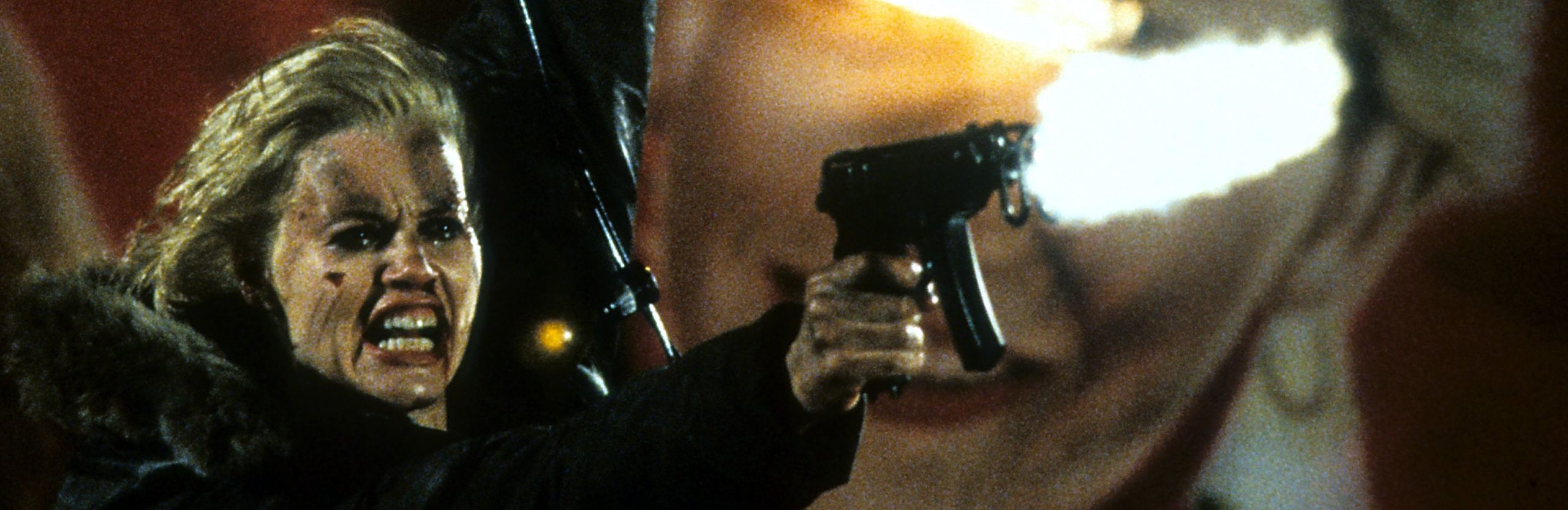
It’s certainly not all bad though. Davis is great on both sides of her split personality, eventually merging them into a whole which feels comfortable. There’s no denying her derring-do, and on several occasions, Harlin shoots things so you feel certain it’s a stunt double assembling a gun, or ice-skating, only to pan up and show – nope, it was Geena. The final explosion at Niagara Falls is as spectacular a giant fireball as you could hope to see, and the action scenes in general are top-notch stuff, from a time before you assumed CGI was always involved. However, I think I preferred Cutthroat, not least due to its more consistent tone. Black always wants to seem both hard-edged and jokey; he doesn’t get it right here, leaving each side pointing a finger at the other, in accusatory fashion.
Both Jackson and Harlin speak fondly of the film. Jackson calls Long Kiss the favorite of his own films to watch, and Harlin agrees. Despite the initially underwhelming return, its cult status has helped to feed discussion of a sequel over the years, though Davis – long divorced from Harlin – would not be involved. The director said it would be about Jackson’s character crossing paths with an adult version of Davis’s daughter. Harlin now lives in China, where the film is apparently well-regarded and said that “Several people, producers and financiers, here in China have talked to me about doing either a Chinese remake or doing an English-language sequel.” As of June 2021, he still wants to make a second part.
Will it ever happen? Only time will tell, though given how long since the original movie, it seems doubtful. But we’ll always have that, and the moderate yet violent delights of Geena Davis as a home-maker turned lethal operative.
Dir: Renny Harlin
Star: Geena Davis, Samuel L. Jackson, Patrick Malahide, Craig Bierko



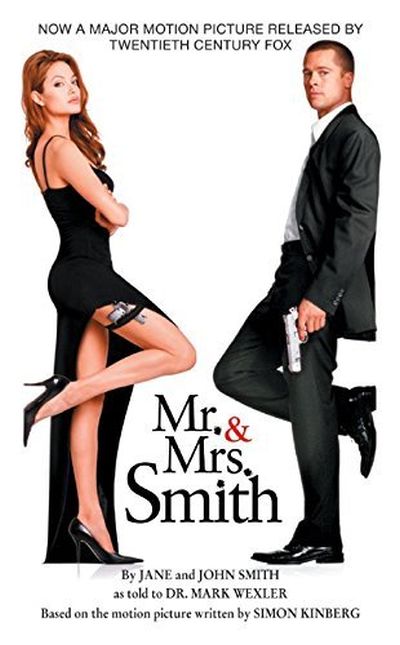 Cathy East Dubowski is a professional writer, who apparently specializes in both YA and grown-up movie novelizations. This is apparently her best-known one (and my only exposure to her work). To her credit, she attempted a fresher approach here than simply re-telling the screenplay in third person. The movie used the frame device of the couple’s visits to a marriage counselor. Here, the author begins the book with the counselor’s notes and transcripts from his initial sessions with the Smiths, both together and separately; the main body of the story is their alternating journal posts which the counselor asked them to write, without necessarily showing the text to anyone else. IMO, this works well; we get inside both their heads, and understand them and their feelings. (One reviewer complained that the technique makes for “repetition,” but I didn’t find this to be a problem. While they’re often describing the same events, their different perceptions of them are very revealing, and as such anything but boring.)
Dubowski follows the movie fairly well (I could spot some minor differences, but though my memory of the film isn’t as sharp now as it was right after watching it seven years ago, I could also recall a good many scenes and lines of dialogue). The main difference is that the bad language in the book is much worse than in the original. There, I don’t recall it as very noticeable (and I would have picked up on that sort of thing), though the PG-13 rating is in part for “brief strong language.” Here, it’s not brief, and there’s a lot of it, including the f-word and religious profanity; I found most of this gratuitous. (Otherwise, the content issues aren’t problematical; there’s implied –actually, stated– sex, some of it premarital, but nothing explicit, and while the violence level is through the roof, it’s not really gory and is so over-the-top it’s hard to take seriously.
The same could be said for both the movie and the book in general.) A lot of plot points aren’t really credible; it’s difficult to go into detail without spoilers, but I didn’t think any of the decisions by the couple’s superiors were believable, Benjamin Danz’s role didn’t logically make sense, and I couldn’t imagine any real-life assassins reacting to the situation of discovering another hitter targeting the same mark the way this pair did. Also, the carnage in the highway chase scene would have resulted in police attention long before it concluded; and I thought the ending was way too pat. The causes of the couple’s estrangement over the years also aren’t really brought out and explained.
Objectively, given all of these shortcomings, in terms of its literary worth the novel doesn’t deserve more than two stars. Three was a gift; but it’s one I’m subjectively willing to give, just because I honestly did like the book, to a degree. The reason I did is for the strength of its depiction of a couple who honestly do love each other, and who are willing to fight both external dangers and their own inner anger and misunderstandings, in order to hang on to and recapture the bond that drew them to each other in the first place. And it’s made clear that a big part of doing that is learning to be honest with each other, to be themselves without playing a role, to communicate and give your entire commitment to the relationship. That aspect of the book, even though the story is told with a significant leaven of humor, is in itself as serious as can be, and applies to all marriages, whether the partners both happen to be contract assassins or not. And despite their faults, I had the sense that both main characters were essentially decent human beings, whom I did care about and want to see succeed in their married life.
Author: Cathy East Dubowski
Publisher: Harper; available through Amazon, currently only as a printed book.
A version of this review previously appeared on Goodreads.
Cathy East Dubowski is a professional writer, who apparently specializes in both YA and grown-up movie novelizations. This is apparently her best-known one (and my only exposure to her work). To her credit, she attempted a fresher approach here than simply re-telling the screenplay in third person. The movie used the frame device of the couple’s visits to a marriage counselor. Here, the author begins the book with the counselor’s notes and transcripts from his initial sessions with the Smiths, both together and separately; the main body of the story is their alternating journal posts which the counselor asked them to write, without necessarily showing the text to anyone else. IMO, this works well; we get inside both their heads, and understand them and their feelings. (One reviewer complained that the technique makes for “repetition,” but I didn’t find this to be a problem. While they’re often describing the same events, their different perceptions of them are very revealing, and as such anything but boring.)
Dubowski follows the movie fairly well (I could spot some minor differences, but though my memory of the film isn’t as sharp now as it was right after watching it seven years ago, I could also recall a good many scenes and lines of dialogue). The main difference is that the bad language in the book is much worse than in the original. There, I don’t recall it as very noticeable (and I would have picked up on that sort of thing), though the PG-13 rating is in part for “brief strong language.” Here, it’s not brief, and there’s a lot of it, including the f-word and religious profanity; I found most of this gratuitous. (Otherwise, the content issues aren’t problematical; there’s implied –actually, stated– sex, some of it premarital, but nothing explicit, and while the violence level is through the roof, it’s not really gory and is so over-the-top it’s hard to take seriously.
The same could be said for both the movie and the book in general.) A lot of plot points aren’t really credible; it’s difficult to go into detail without spoilers, but I didn’t think any of the decisions by the couple’s superiors were believable, Benjamin Danz’s role didn’t logically make sense, and I couldn’t imagine any real-life assassins reacting to the situation of discovering another hitter targeting the same mark the way this pair did. Also, the carnage in the highway chase scene would have resulted in police attention long before it concluded; and I thought the ending was way too pat. The causes of the couple’s estrangement over the years also aren’t really brought out and explained.
Objectively, given all of these shortcomings, in terms of its literary worth the novel doesn’t deserve more than two stars. Three was a gift; but it’s one I’m subjectively willing to give, just because I honestly did like the book, to a degree. The reason I did is for the strength of its depiction of a couple who honestly do love each other, and who are willing to fight both external dangers and their own inner anger and misunderstandings, in order to hang on to and recapture the bond that drew them to each other in the first place. And it’s made clear that a big part of doing that is learning to be honest with each other, to be themselves without playing a role, to communicate and give your entire commitment to the relationship. That aspect of the book, even though the story is told with a significant leaven of humor, is in itself as serious as can be, and applies to all marriages, whether the partners both happen to be contract assassins or not. And despite their faults, I had the sense that both main characters were essentially decent human beings, whom I did care about and want to see succeed in their married life.
Author: Cathy East Dubowski
Publisher: Harper; available through Amazon, currently only as a printed book.
A version of this review previously appeared on Goodreads.
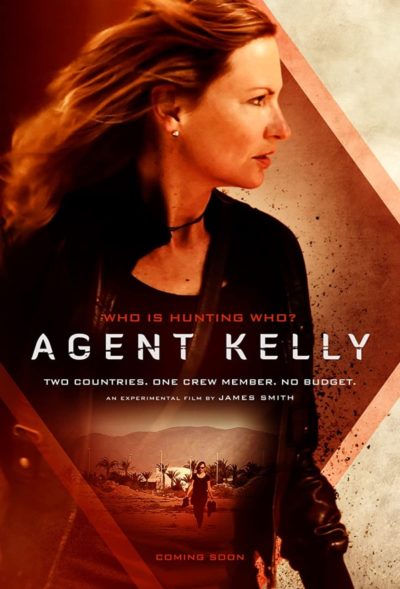 Seeing this described as “an experimental thriller,” set my alarm bells ringing. I’ve seen enough “experimental” film in my time, to realize it’s typically a code-word meaning “incoherent rubbish.” The above rating is thus partially a reflection of my relief that this did not fall into that category. You still, very definitely, have to manage your expectations here. If you go in expecting a slick, Jason Bourne style adventure, you will be sorely disappointed. For this is a no-budget entity, largely guerilla filmed by a one-man crew, and with a lead actress who has no real experience. It has already significantly surpassed all my expectations, simply through not being a total disaster.
 ★★★
★★★ There is also, quite often, some kind of emotional resonance, in the cases where the child is not biologically related [when that is the case, you don’t typically need or get any more explanation, blood being thicker than water]. Maybe the kid acts as a surrogate, a replacement for one previously lost (Alien), or the heroine could never have. Or if a girl, the protagonist can perhaps see a younger version of herself. The other common theme is the use of the child as a key, to unlock the adult. Often, the latter has lost her humanity, typically through harsh circumstances, becoming largely a lone figure, with her emotions suppressed. The “childlike innocence” of the young person, to use a cliché, can be used as a psychological crowbar, pricing open the hard shell of the grown-up, allowing them to reconnect with their humanity. The more emotionally-driven immaturity also stands in contrast to the adult’s stoicism, often to an extreme degree.
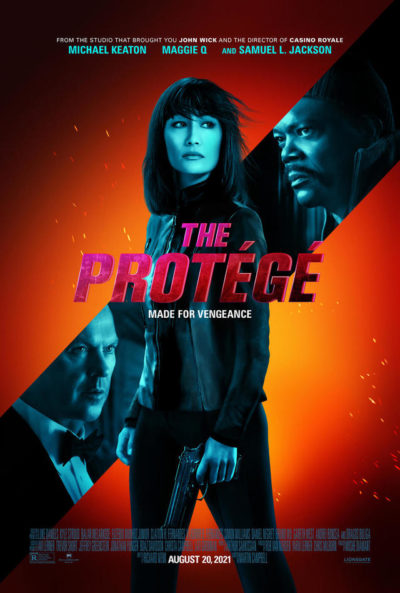 It’s nice to see Maggie Q get back into the action genre again. It’s where she achieved renown – most obviously in the second
 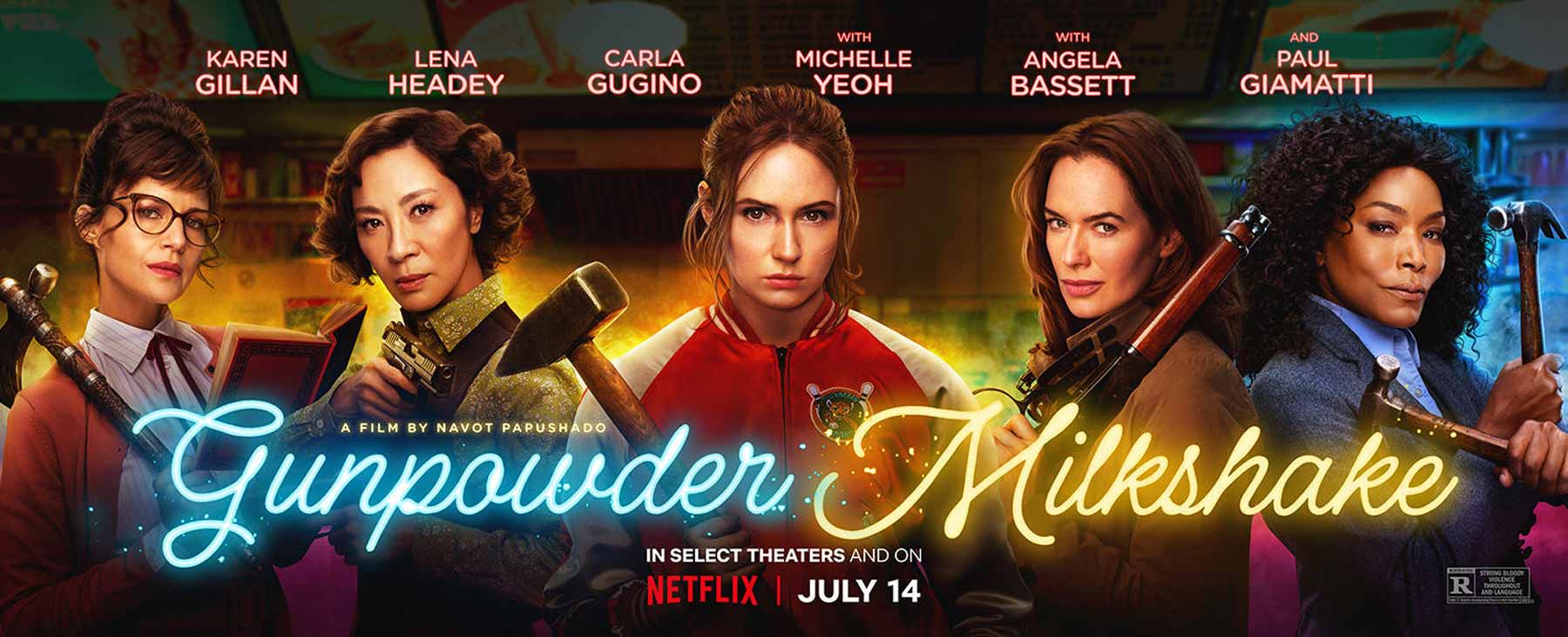 ★★★★
★★★★ Yeah, it’s kinda like that. As in John Wick, the hero(ine) is an assassin for hire, in a world where there exists a significant infrastructure of support for hitmen and hitwomen. After they fall foul of the wrong people, our hero(ine) becomes the target, but has more than enough skills to be able to fend for themselves, and takes the fight to their aggressors. Oh, yeah, and it also borrows significantly from Leon: The Professional, in that the assassin becomes the protector of a young girl. Hmm. But this leverages those two with very large injections of style. Not quite to the level of
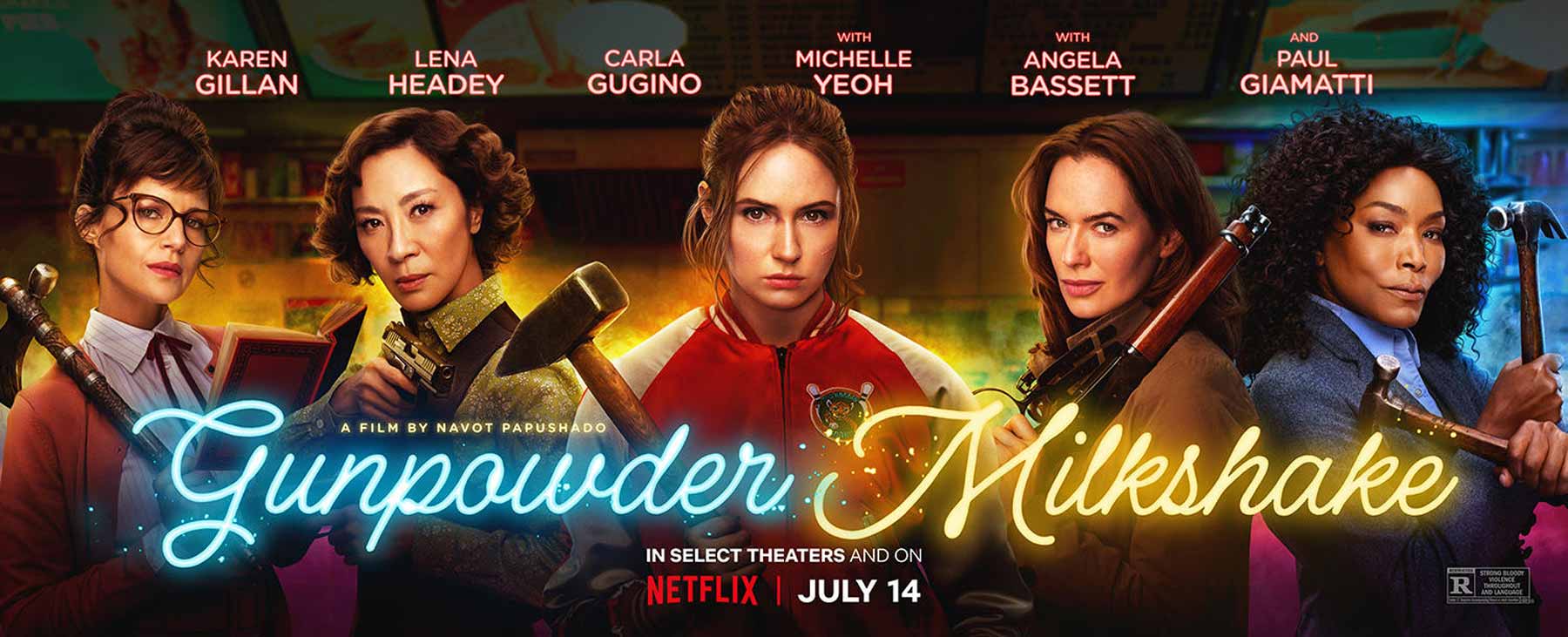
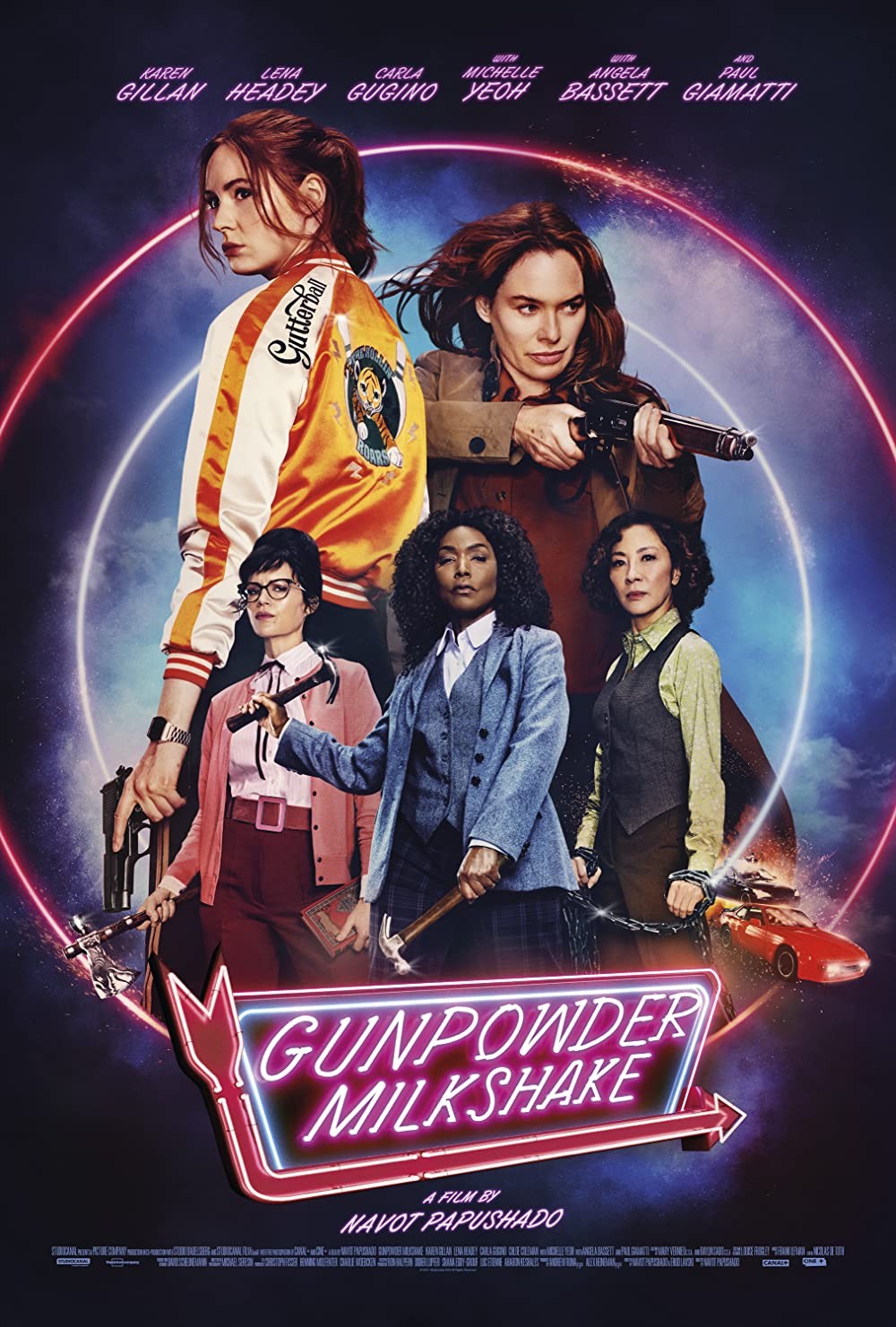
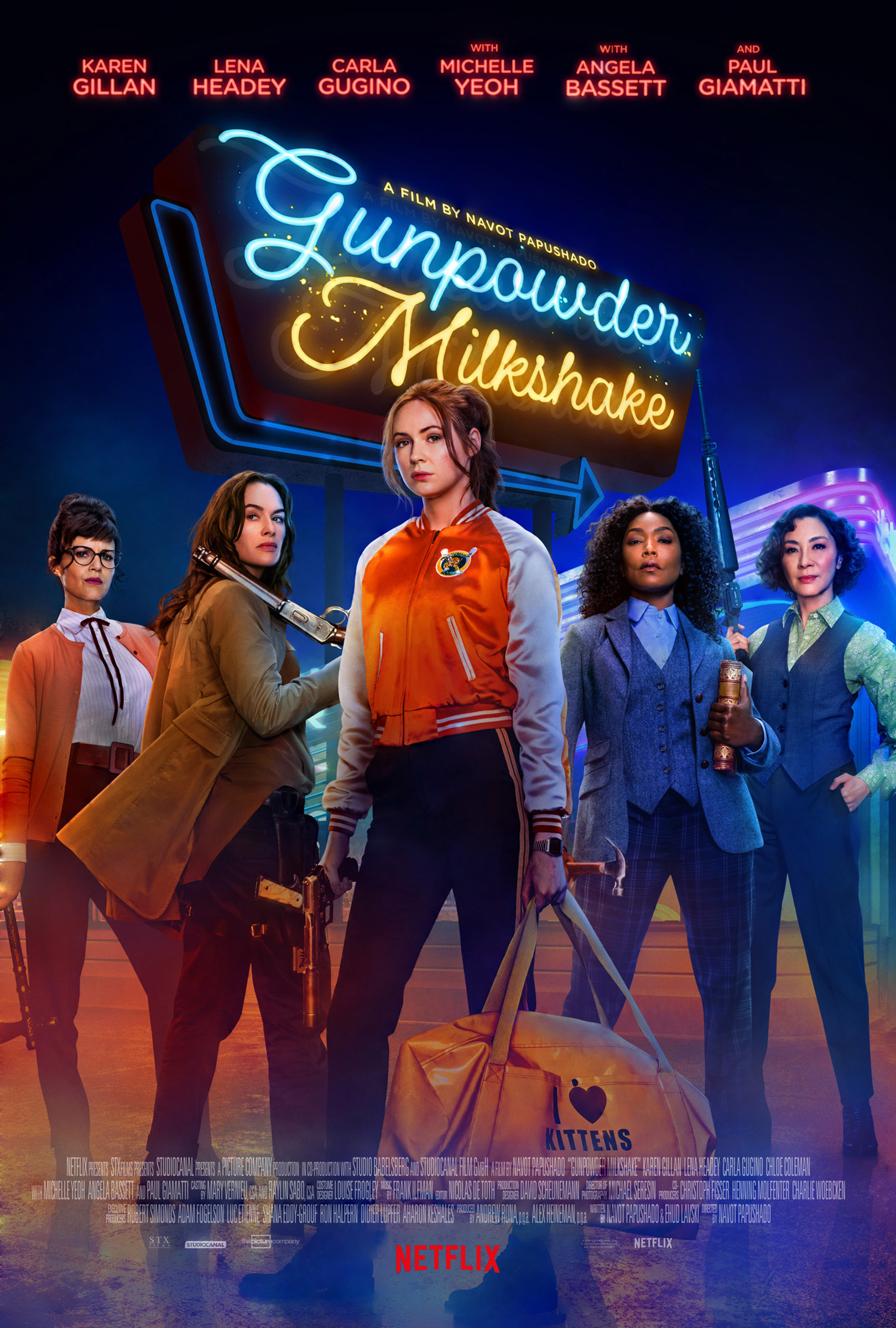
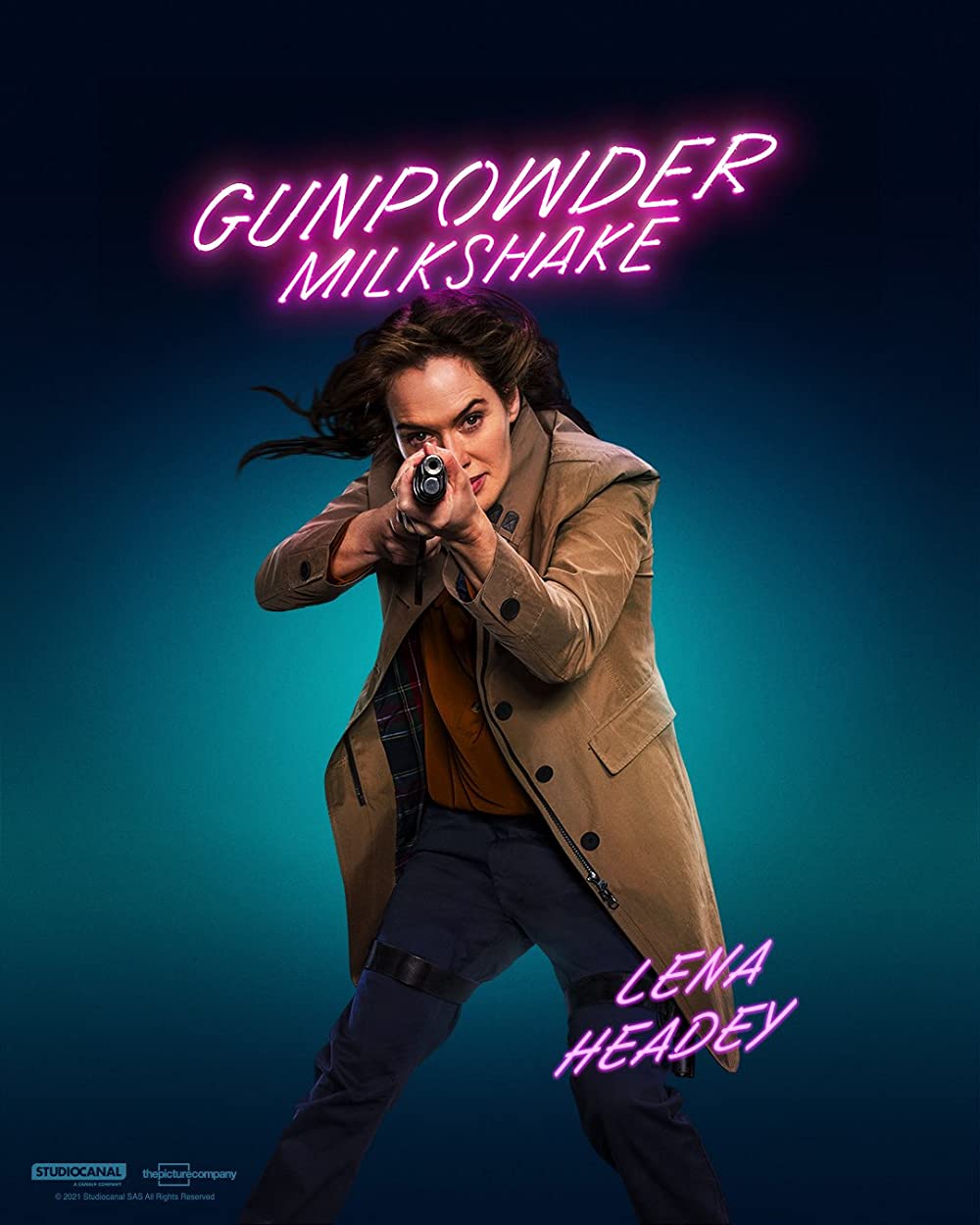
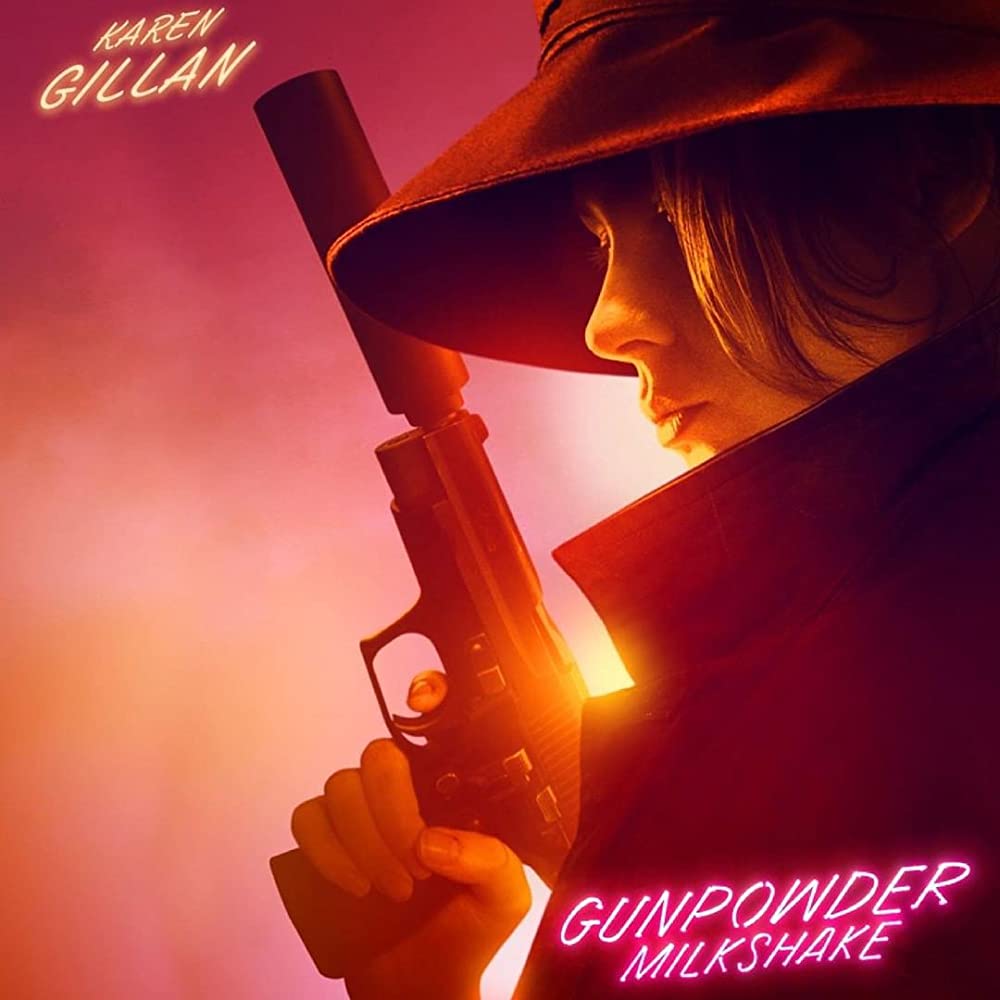
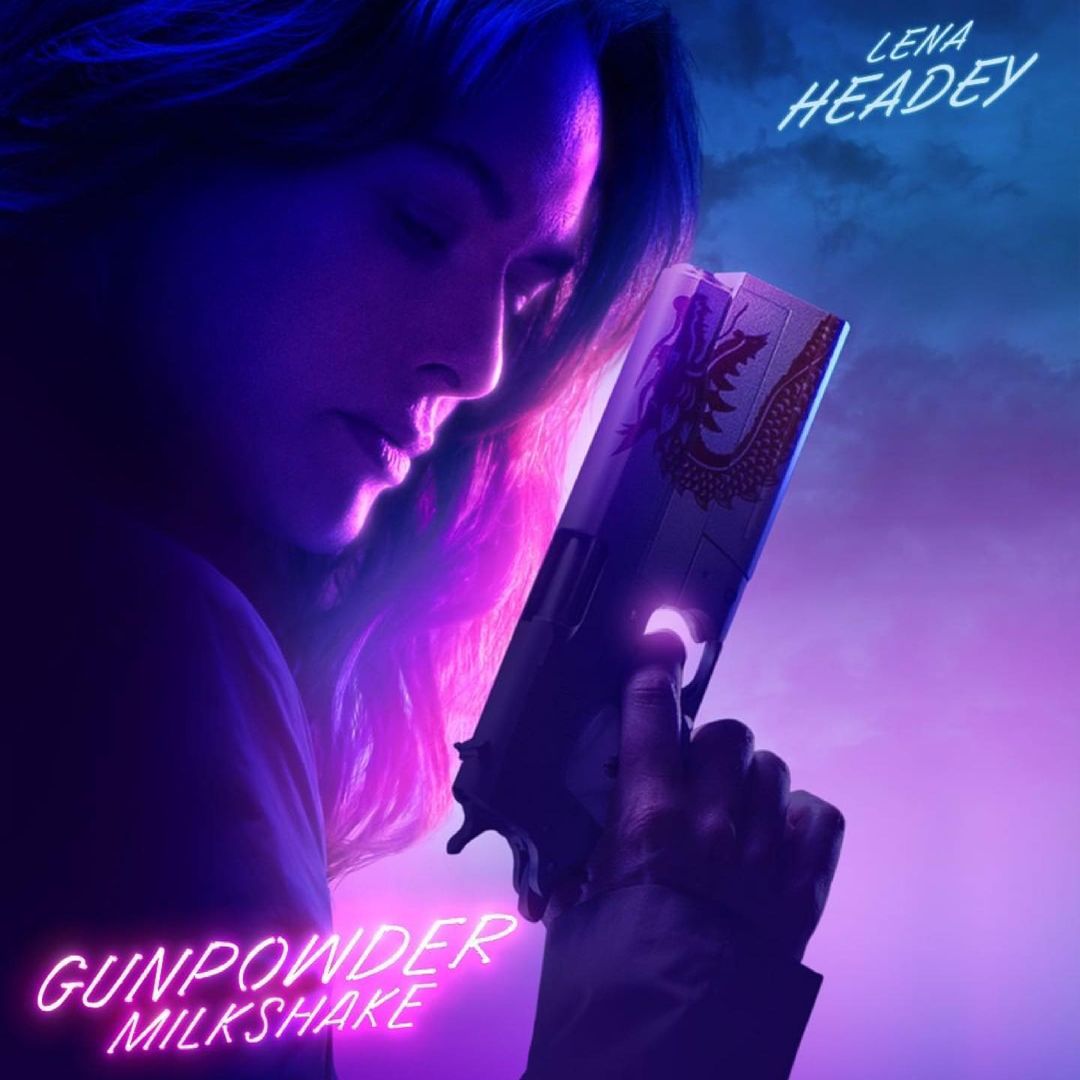
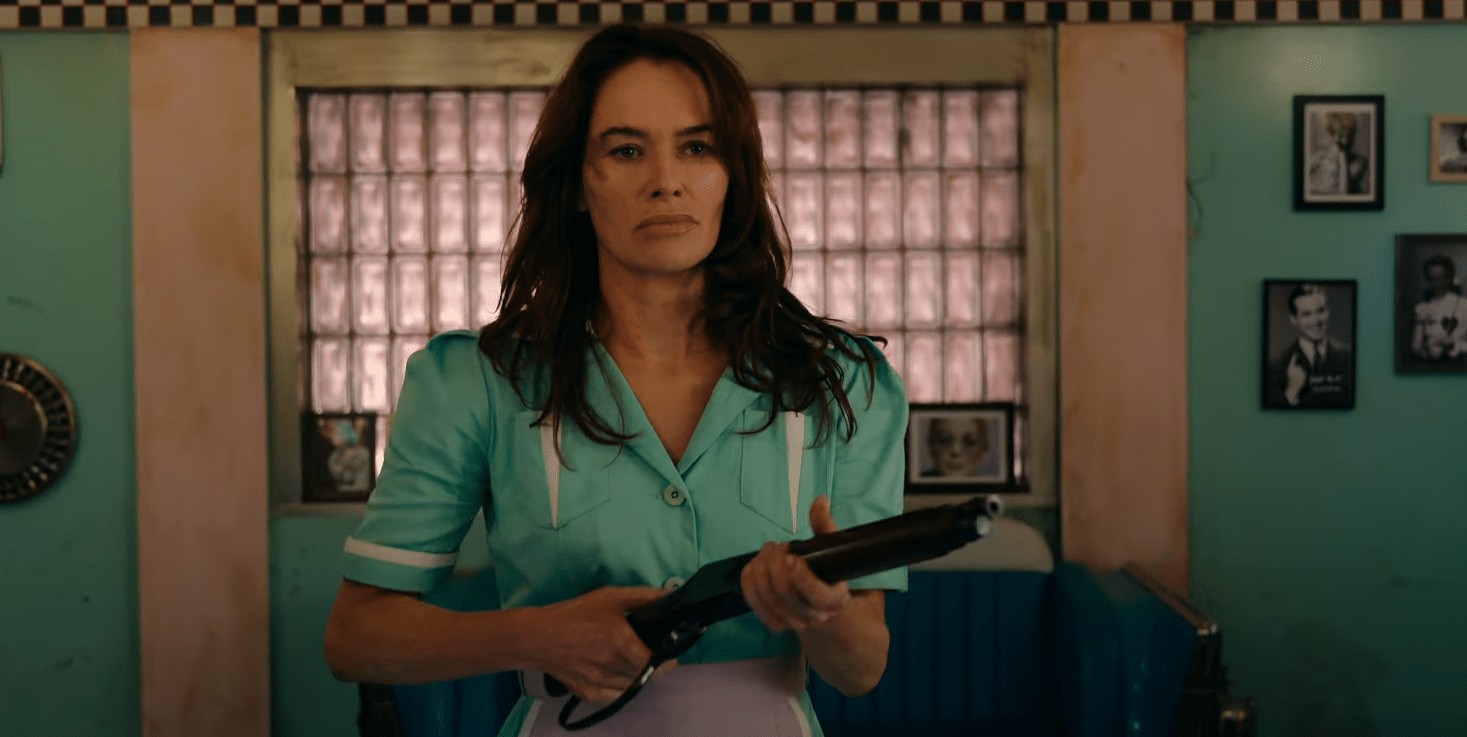
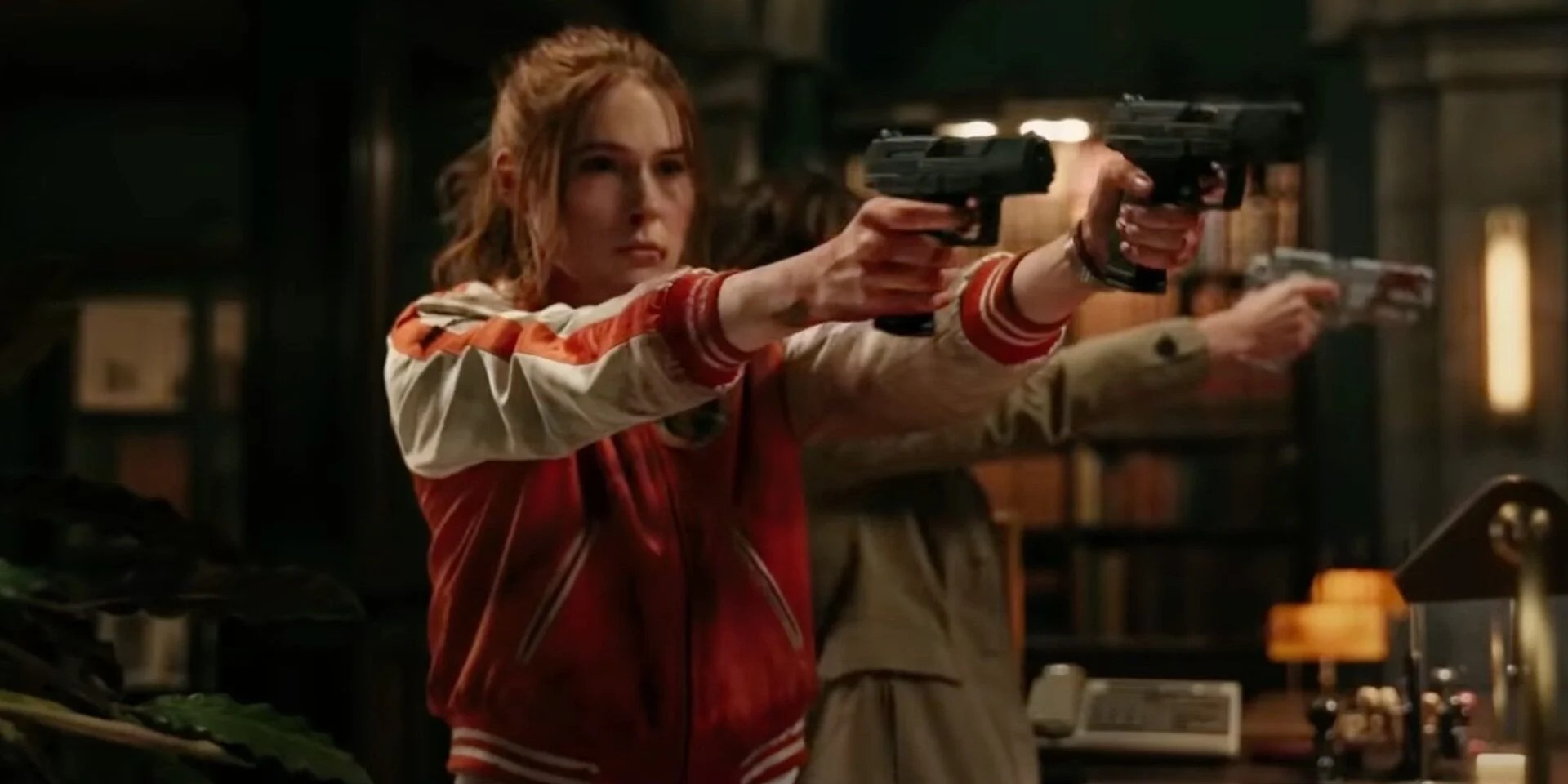
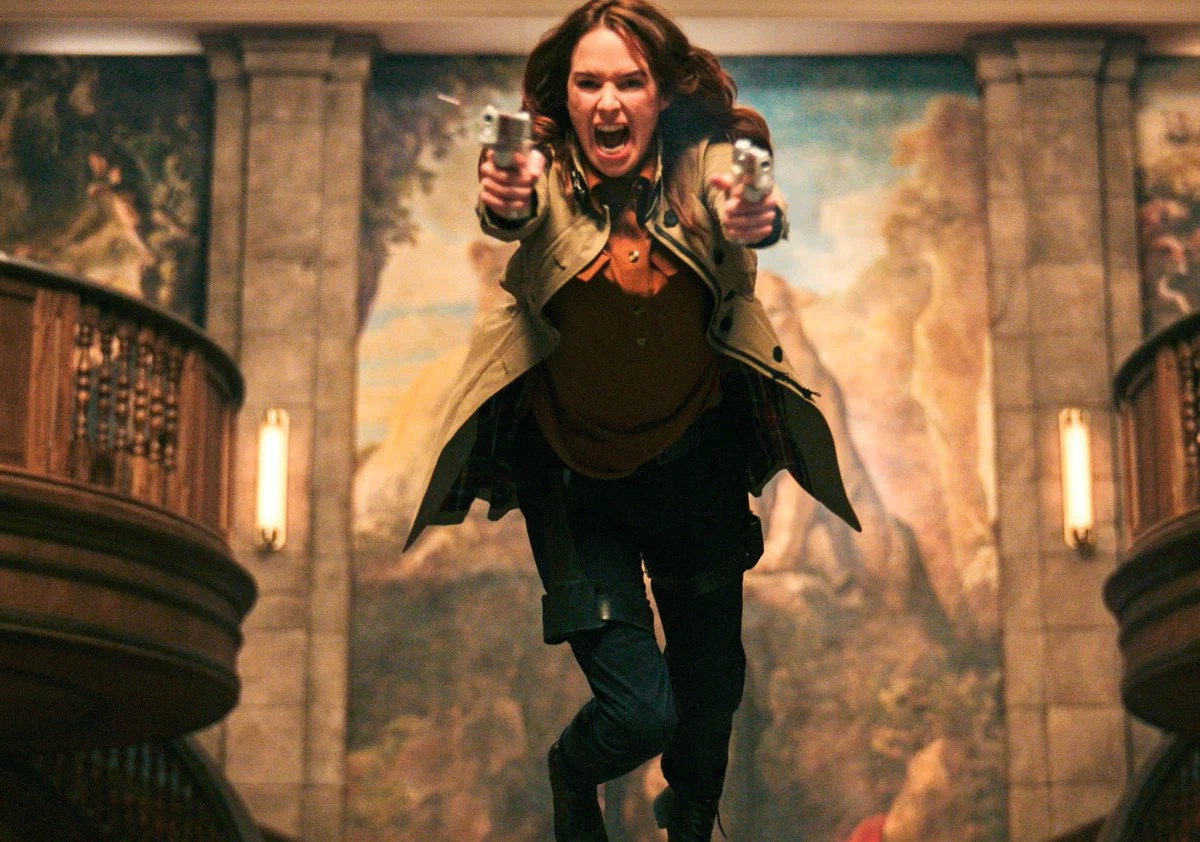
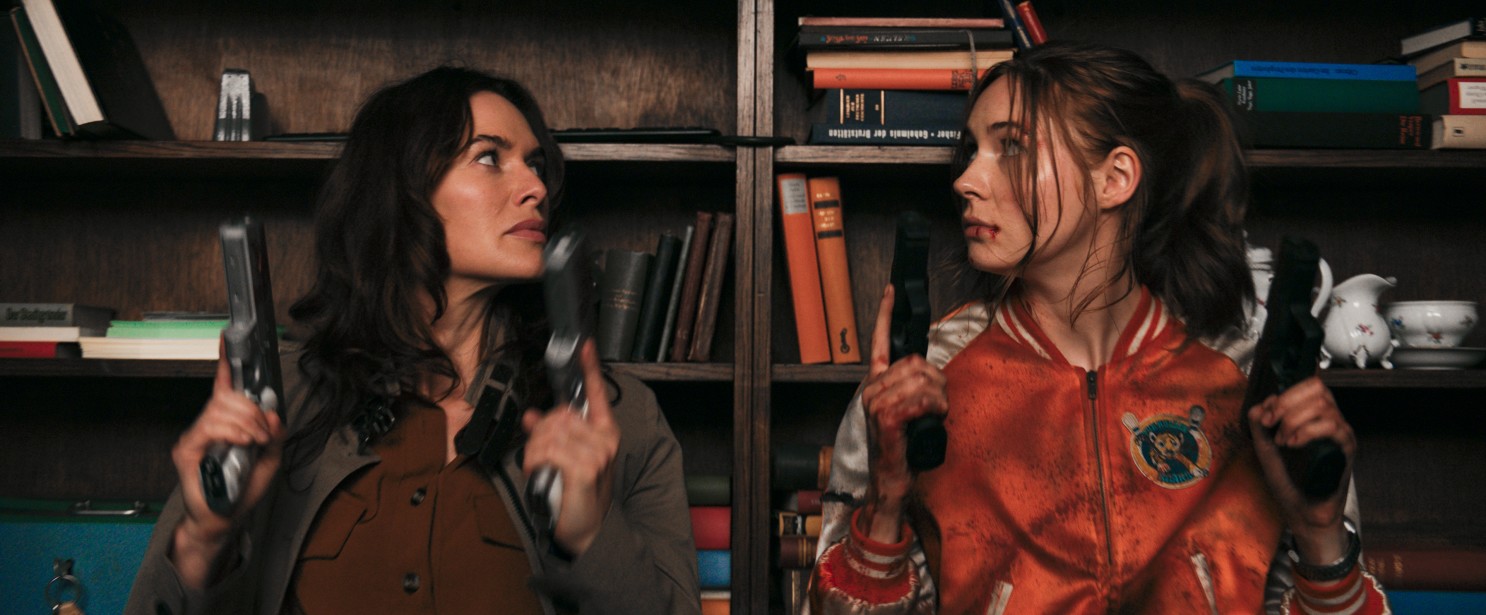
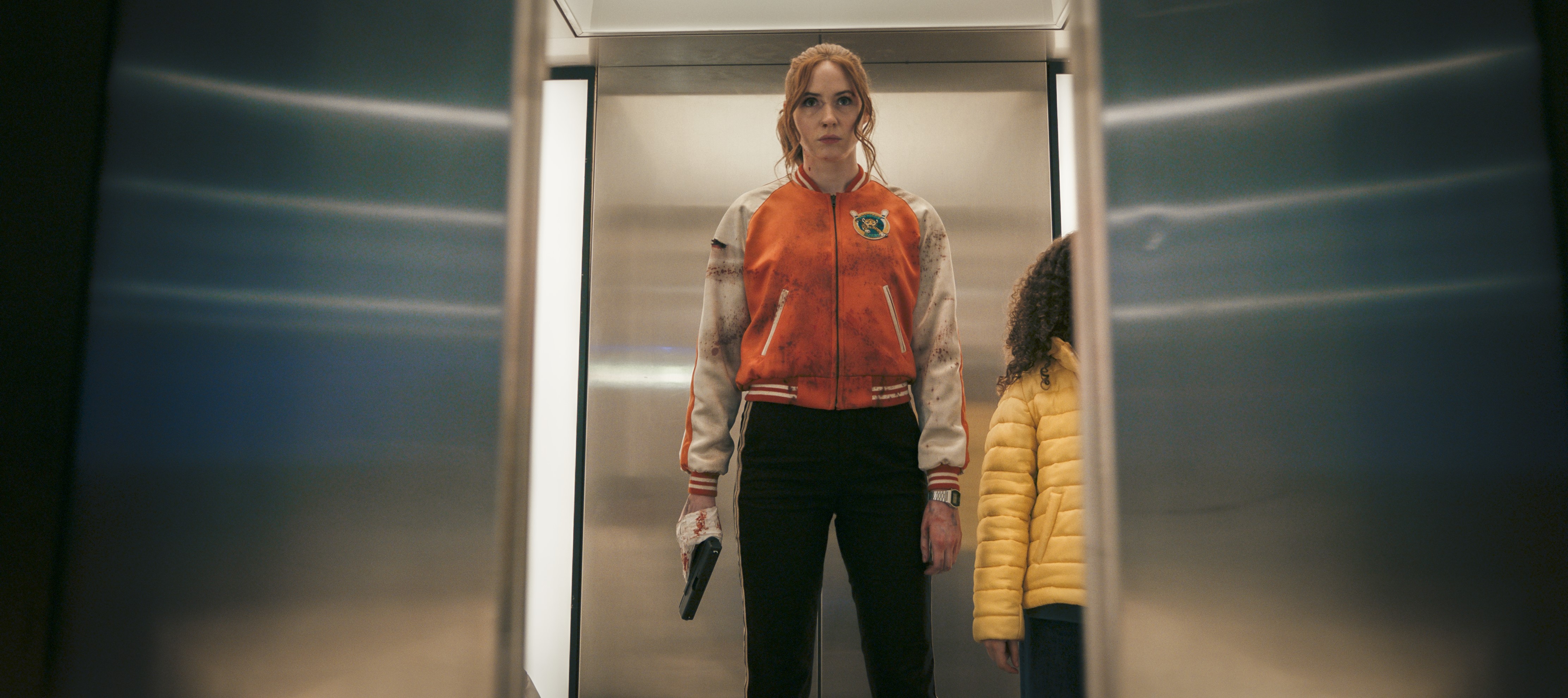
 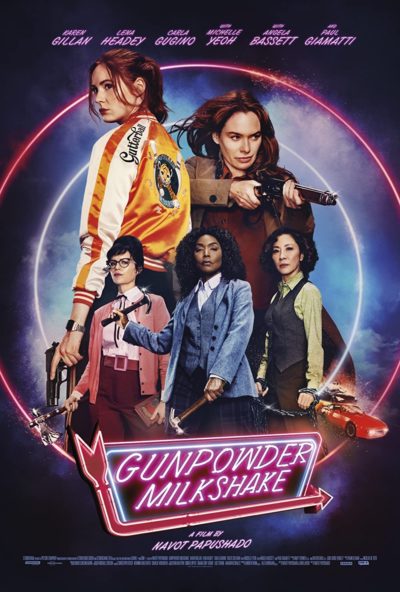 Said protagonist is Sam (Gillan), a killer with abandonment issues ever since her mom (Lena Headey) walked out on her, fifteen years earlier. Sam is tasked by her employer, Nathan (Giamatti), with recovering a haul of stolen cash. But she finds the thief was coerced into action, after his eight-year-old daughter (“8¾!”, as we are reminded on several occasions), Emily, was kidnapped. Likely reminded of her younger self, Sam takes custody of Emily, though the cash is destroyed in the process. This, and a previous job where she killed the son of a very important person, makes her persona non grata, and the hunter becomes the hunted.
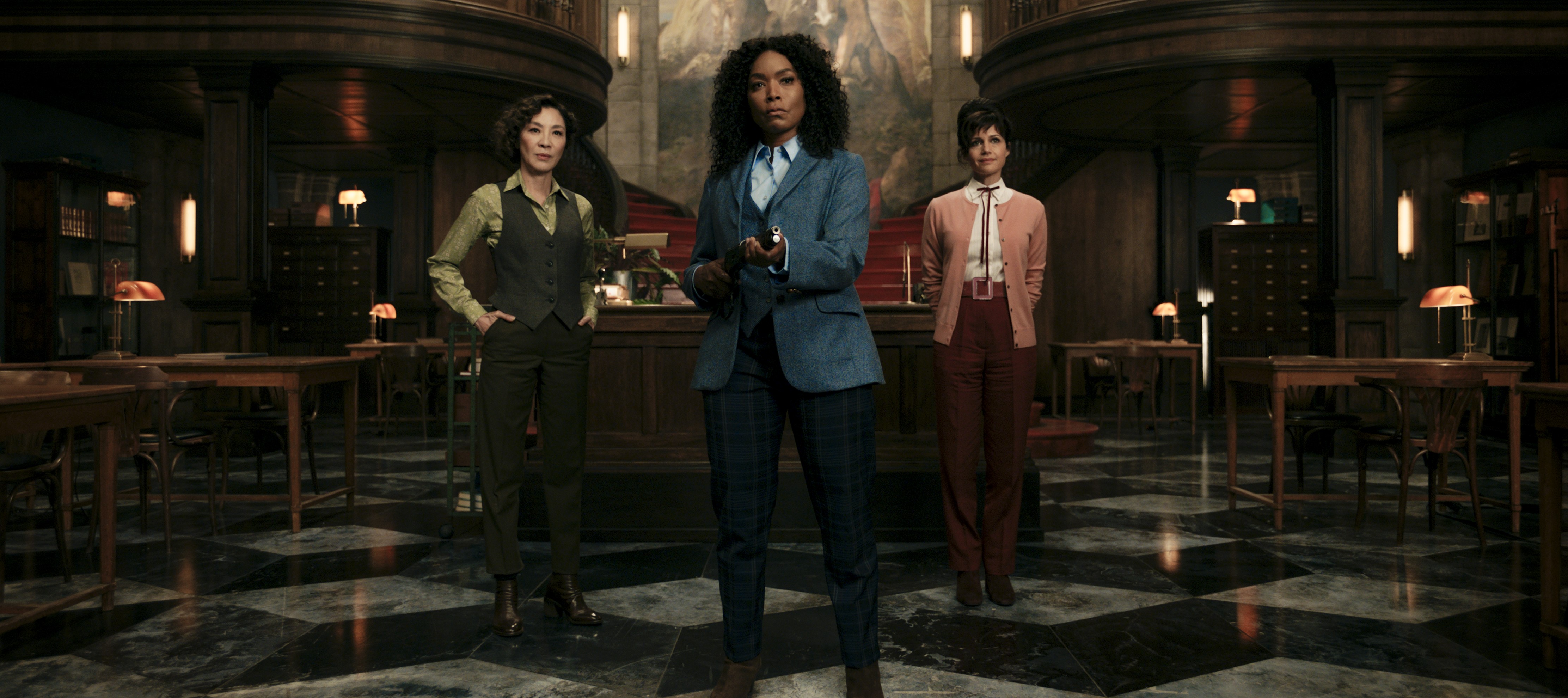
 It is notable that the film is split firmly along gender lines. with every one of the protagonists being women, and every one of the antagonists being men. However, it’s fortunate that seem largely to be about the extent of the messaging, and nobody particularly pays attention to this. Everyone is kept quite busy trying to kill each other. It’s also a bit less of an ensemble piece than I expected from the trailer. Especially in the first half, it’s Sam vs. the World, with the Librarians introduced, and then shuffled off to one side until Sam is ultimately forced to turn to them for help. That’s not particularly a criticism. I like Gillan, who was born about 25 miles from where I was, so is likely the nearest I have to a local action heroine. She can carry a film perfectly well, even if I’d rather have heard her natural Scots accent.