




★★½
“Joan of Waco”
 Joan is always a figure who has the potential to be co-opted into other times and locations. Recently, we reviewed Maid of Baikal, a novel which relocated her to the Russian Revolution. This takes a similar approach, moving her from the 15th century to a contemporary setting, and also relocating it to middle America. It begins with largely unseen forces orchestrating the bombing of a federal building, also only heard. We then leap forward to the military tribunal trial of “Joan (LaLiberte – such a conveniently appropriate name for the role, I have to wonder if it’s a pseudonym), who is convinced her actions were in accordance with God’s will. Not everyone is in agreement, shall we say.
The main plus here is the lead actress, who is instantly plausible in the role, It’s clear that Joan, as first encountered, is absolutely possessed with unshakeable faith. However, things like an encounter with a relative of one innocent victim, begin to suggest her belief is not on the utterly solid foundation it initially appears. On the other hand, the main problem is an obtuse and distanced approach, which makes it hard to be sure what approach the film-makers are taking. It’s brave to position an extremist as the heroine of your film. Yet, it feels like they chicken out, and are unwilling to take that ride to its natural conclusion, instead swathing almost every scene in a haze of moral ambiguity.
The modern setting does cement the moral that historical – or, indeed, current – narratives are almost always subjective. At the time of her death, Joan of Arc was a heretic to the Catholic Church; now, she’s a saint to the same body. A similar angle becomes very apparent here: the script has Joan visiting locations such as Waco, Ruby Ridge and Oklahoma City, the stories of which depend largely on your own, pre-existing beliefs. Everyone surrounding the case seeks to manipulate it and Joan to their own ends, whether it’s chief interrogator Major Calhoun (Cook), or the Human Rights Watch advocate (Hunter), who wants Joan to use her rights, in order to help LGBT activists in Hungary. It’s agendas, all the way down. Hell, there’s even a character identified in the end credits as “The Deep State.”
I think I’d rather this had picked a lane and stuck to it. I don’t care particularly which lane: make Joan a terrorist who totally deserves to die for her crime of cold-blooded murder, if you want. Or a heroine, bravely fighting for what’s good in the country, a reminder of the awkward truth that the United States was formed by armed insurrection. This wants to be both, and neither, playing its cards too close for the audience to be willing to bet on it with any emotional investment. As a result, the ending doesn’t pack the wallop you feel its aiming for, though I certainly admire the attempt to spin the story in a new way.
Dir: Matthew Wilder
Star: Nicole LaLiberte, Christopher Matthew Cook, Erin Aubry Kaplan, Alice Hunter
a.k.a. American Martyr
 This feel like it could easily have come out of the nineties, with the distinct whiff of a throwback to the golden age of Hong Kong “girls with guns” movies. That is, of course, not a
  This is not your normal action heroine film. Nor is it your normal zombie apocalypse film. While it certainly nods in both directions, it seems entirely committed to going in its own direction. My mental jury is still out on whether or not this was a good thing or not. I think if I’d perhaps been prewarned what to expect, I might have been better equipped to handle this. It takes place after the outbreak of a plague, with the dwindling number of survivors now holed up in two cities: Weimar, where infection is an immediate death sentence, and Jena, reported to be trying to research a cure.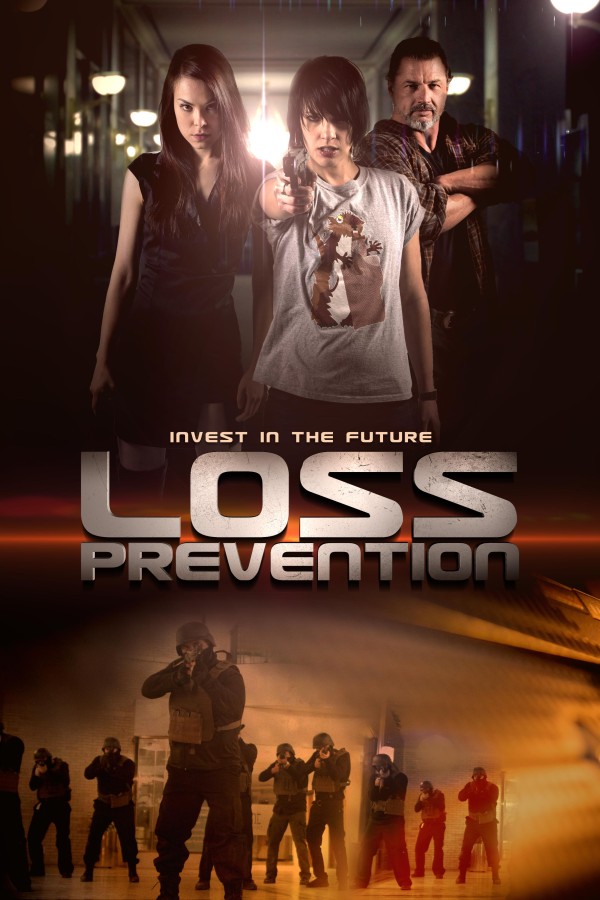
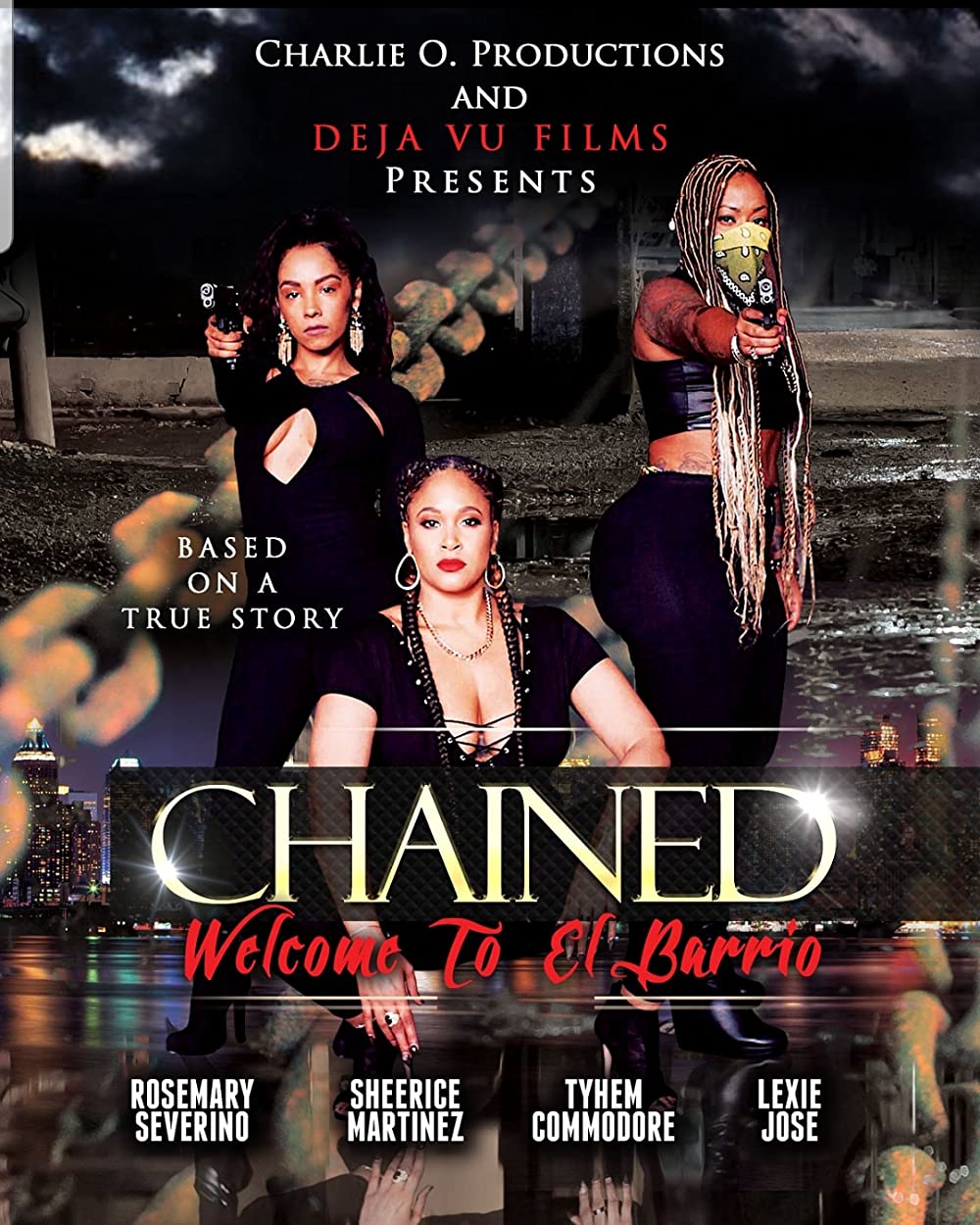
 No-one does low-budget hyperviolence like the Japanese. Whether it’s pseudo-snuff like Guinea Pig: Flower of Flesh and Blood, or more fantastical entries such as
  Poor teenage girl Mako (Ogura) is having a pretty crappy time of it. Her parents are feuding over money troubles, she’s getting bullied at school, and then, her father ends up arrested for fraud. But, just when things are their lowest, she gets a paper-cut. For reasons that are never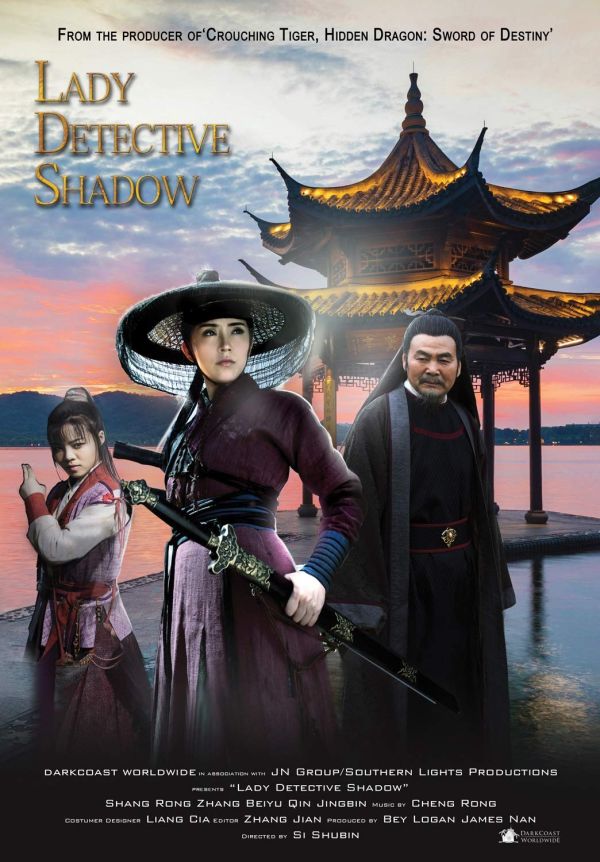
 While ultimately hamstrung, not least by its limited resources – this cost a mere five thousand dollars – it does what low-budget films should generally tend to do. That is, go where their better-off siblings dare not tread. In this case, that’s the forbidden territory of religion. Two young, female missionaries, Amber (Durand) and Martha (Crosland) are going door-to-door, seeking souls they can save and bring into the body of their church – clearly Mormon, going by the reference to Salt Lake City among other things, though operating under a pseudonym here! While their attractive shape proves successful at getting them in the door, the residents who don’t live up to the ladies’ high moral standards are in for a shock. For the two kill non-believers, with Amber in particular, having a zero tolerance policy. And she considers herself “saved”, basically giving her a free pass to do anything necessary in the name of the Lord.
 For most films. I’ve usually got a fairly good idea of what is likely to be the final review grade, inside about 30 minutes. It may drift half a star up or down, but it’s relatively rare for there to be more variation than that. This would be one such case, which started off as underwhelming, went through a brief surge of “Oh, yeah – I get it!” in the middle, before returning to the mediocrity from whence it came. At various points, this could have been anywhere between ★½ and (although briefly) ★★★★. Well done, I guess?