



★★½
“Women of Glow, not Women of GLOW…”
 This would be a creditable little film, if the makers could ever be bothered to finish it. Yeah, it ends in what is supposed, I presume, to be some kind of cliffhanger. But it botches the landing badly, first by leaping forward two weeks instead of showing us the climax to which things have been leading up. Then, it just… ends, without resolution in any of the major plot threads. It’s a shame, because to that point, if doing nothing particularly new, this is competent in its execution, and I’ve seen a lot worse. It gets the basics right, with a half-decent story and characters: in the urban genre, this is sadly less common than you would hope.
It takes place in Atlanta, where the fictional Glow Street is the centre of the drug trade, with various factions fighting for control, with their battles spilling over into the neighbourhood, where innocent bystanders sometimes bear the brunt. After a brief “Tsk-tsk” about this in a detective’s speech at the beginning, however, morality is hard to find here. Instead, we’re plunged into the activities of Jahdai (Lynn) and her colleagues, who initially act as enforcers for Troy. But after they disobey a direct order from him, in order to take care of some personal business, they are no longer employed. In need of cash to meet their own liabilities, they decide to rob a stash house. Naturally, this doesn’t go as planned.
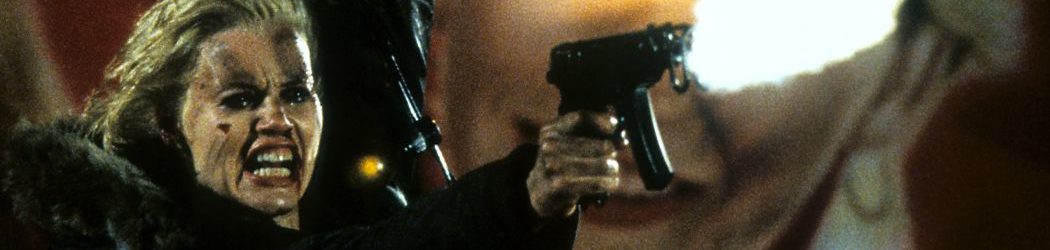
The main thing this probably has going for it is Lynn. She has some spectacular skin art, so looks the part, and has the attitude to match. Jahdai is certainly not somebody I would want to cross, yet manages to become someone who is not one-dimensional (another common problem in this sub-genre). Indeed, there are a slew of subplots, including a mother with lung cancer, a father who just got out of jail, and so on. It probably takes about forty minutes for the main story – the stash-house robbery, and subsequent betrayal – to kick in. Then there’s Trav (Stagg), the brother of someone killed in an earlier incident, who is out for revenge on Jahdai, largely what leads to the non-ending discussed above.
Escobar does an acceptable job of keeping the various threads coherent, and there’s no shortage of enthusiastic carnage. On the downside, there’s far too much unconvincing CGI blood, while often leaves the film looking like a Grand Theft Auto side-mission. All told, however, I was kept reasonably entertained and engaged, and it definitely looks and sounds like a professional work, rather than shot on somebody’s phone. Until things fall apart at the end, I would have been interested in seeing subsequent tales from this hood. But the writers’ inability to finish the job, leave me wary that further entries might end up pulling a similar trick. Tell me a complete story, dammit – if it’s good enough, I don’t need tricks to drag me back for more.
Dir: Vincent Escobar
Star: Destinee Lynn, Kierra Shiday, Caleb Stagg, Natasha Eli Pearson
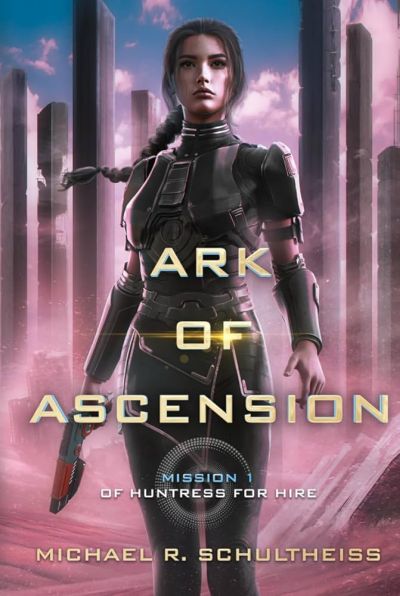 I don’t necessarily expect to understand a literary universe from the first page. These things take time: I get that. But I do expect that, as I go through the chapters, things will become clear. If I reach the end, and am still vague on a number of significant plot points, then something has gone wrong. Sadly, it’s the case here, and that largely hampered the effectiveness of the narrative. In this case, it had a cascading effect. Because I didn’t understand one situation, that rendered a character’s purpose uncertain, and this then meant the heroine’s motivation wasn’t clear.
 The Chinese title is 狙击之王:暗杀, which Google Translate informs me translates as “Sniper King: Assassination”. I don’t want to assume anyone’s gender, but I think I’m going to go with the alternate title above, as more appropriate, over the one on the poster. Because there’s no doubt about the amazing talents possessed by Anna (Yang), for whom a shot at three kilometers range is barely an inconvenience. We get right into the action with her being committed as a psychopath after begin captured, following her assassination of a drug lord. Yet another drug lord, actually – she has a deep hatred of them, for reasons we eventually discover, and has been taking them out with regularity.
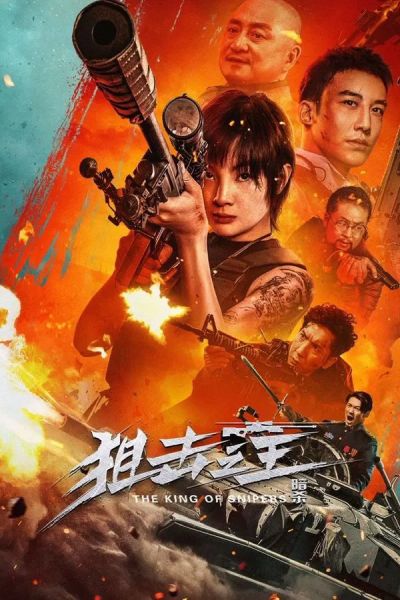 It’s not long before someone tries to kill her in the psychiatric facility, but she’s able to escape (somewhat), with the help of struck-off former doctor, Nasipan (Tao). However, she is forced, with the aid of a nano-bomb injected into her bloodstream, to take a mission for Artest (Mak). There’s a war of succession going on in the country of “Libiwala”, with the prospect of drug production becoming legal in the country – to the joy of crime boss Roger (Lee). Artest requires Anna to liquidate all those in line for the leadership to prevent this. Or maybe encourage this. It’s all a bit murky, and the plot twists and turns until the very last scene, though never gets incoherent.
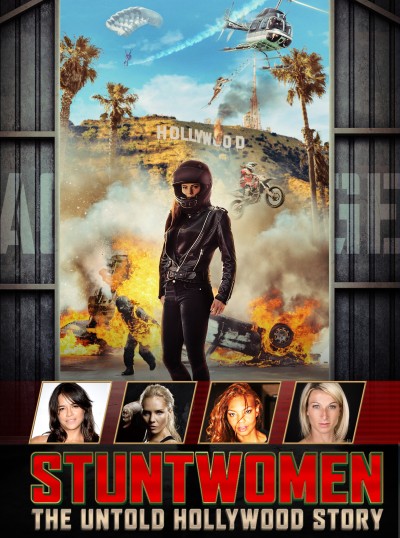 Regular readers will already be aware of the long history of stuntwomen, going back a hundred years to the
 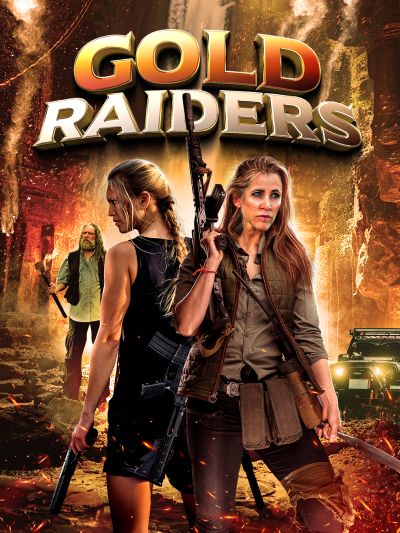 To be fair, for most of the time, this was likely hovering around the two-star range. Not brilliant: it was rather obvious why
 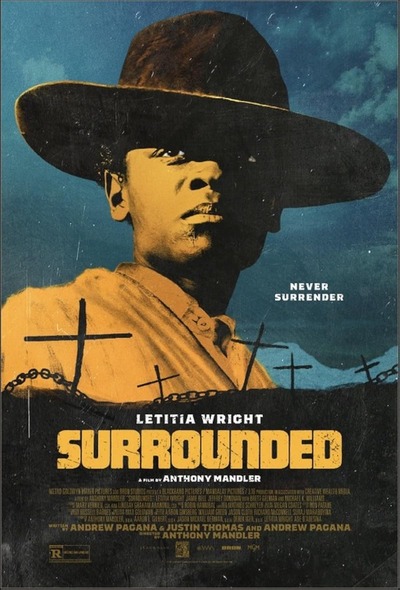 This is certainly a little different from the usual Western. It takes place a few years after the conclusion of the Civil War. Mo Washington (Wright) is on her way to Colorado to take up a piece of land she bought with her hard-earned savings. To avoid trouble on the journey, she is dressed as a man, though being black is problematic enough at that time. The stagecoach in which she’s travelling – or rather,
 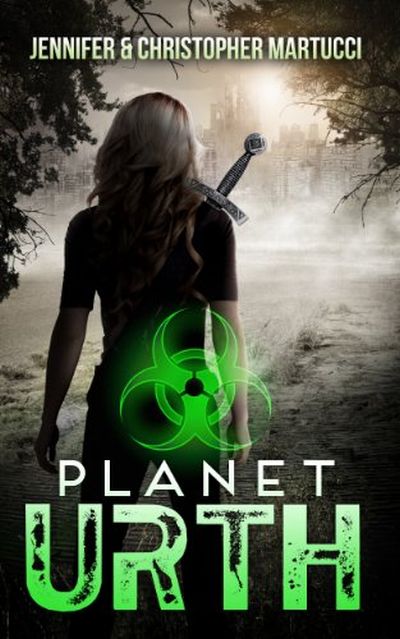 This is written by a husband and wife duo, which is a nice idea. I wonder how Chris would react if I suggested writing a novel to her? Unfortunately, the results are a little disappointing. It feels like the execution is better than the idea – usually it’s the other way around. For example, this is a post-apocalyptic scenario, except the book never details in more than the vaguest terms, what happened. It’s disposed of in about one page: a war, involving both bio- and nuclear weapons. Some humans went underground; those who didn’t, became “grotesquely distorted” mutants and calling themselves Urthmen. We’re now 200 years later, and they are still seeking to wipe out the dwindling number of “real” humans who abandoned their bunkers for some reasons. Those include Avery, in her late teens, and her sister, eight-year-old June, orphaned by the death of both parents: Mom killed by Urthmen, Dad… just kinda died, I guess.
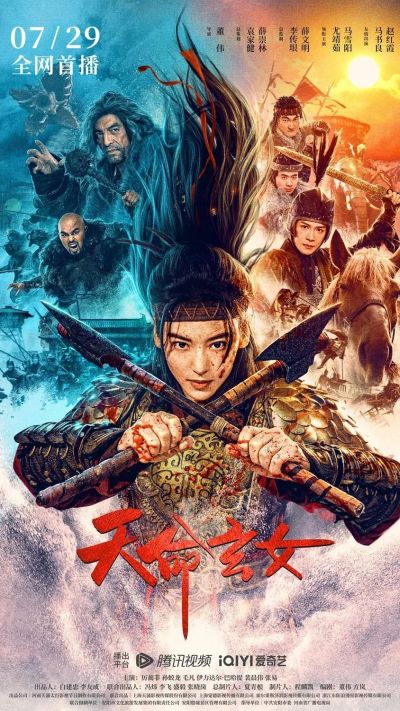 I’m very cautiously giving this one our middest of mid-tier ratings, which I reserve the right to change in future. Because this one showed up on one of the… “less official”, let’s say Chinese movie channels on YouTube. While the likes of Youku and iQiyi make the effort to deliver subtitles which are typically at least intelligible, I’d say the subs here reached such a level, only about one line in five. Then I still had to figure out cultural context for this period piece, which also seemed to reference local folklore. I guess I should be grateful the soundtrack here was intact. The previous night, I’d watched another film on the same channel which, I kid you not, had random bursts of musak injected, presumably to avoid YouTube’s automated copyright system.
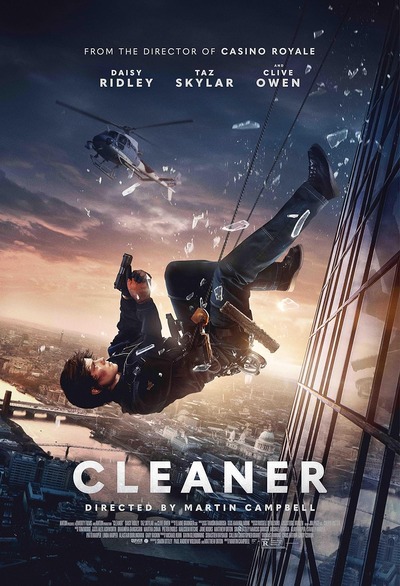 Director Campbell recently appeared here with the entertaining
 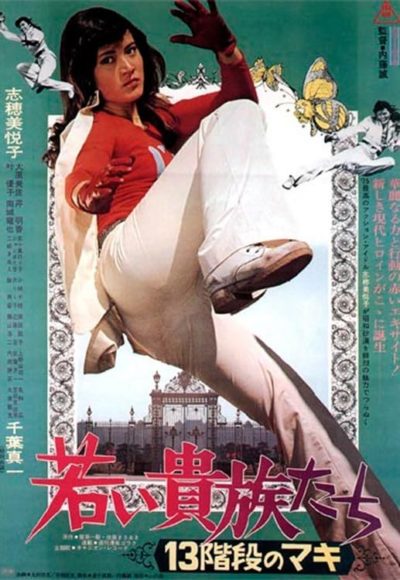 Made by Toei, this is very much a straightforward “pinky violence” film in concept, telling the story of the Wildcats and, in particular, their leader Maki Hyuga. What separates this – in ways both good and bad – from the pack is that Maki is played by Sue Shiomi, best known for her roles in the