



★★★½
“Probably the best American women’s wrestling DVD I’ve seen to date.”
 This 8-woman tournament took place on October 2004 as part of All Pro Wrestling’s Halloween Hell weekend, in in Hayward, California and.was the first under the ‘Chickfight’ banner. If you’re used to the Diva “matches” [quotes used advisedly] put on by the WWE, this will come as a pleasant surprise – it’s closer to the Japanese style, where technical skill is more important than breast implants. Perhaps the most surprising thing is the length of the bouts: rather than being a five-minute distraction, 15 or 20 minutes being not uncommon. The wrestlers come from Mexico and Japan as well as the US, though they really deserve better than both the location, which appears to be a lock-up garage complete with a roll-up door on one side, and the crowd, the bouts taking place in front of an audience that hardly seems to number fifty.
That said, the women still give their all, and Sugey is probably the most impressive, both in her quarter-final contest against Candice LaRae, where she totally destroy her opponent into unconsciousness, and then again in her semi-final match versus Nikki Roxx, where the pair roam turn the entire venue into the ring. Meanwhile, the other half of the draw sees Cheerleader Melissa – who can now be seen on TNA as Awesome Kong’s “Islamic” sidekick, Raisha Saeed – move through the tournament, defeating her opponents, Tiffany and Christie Ricci. The contests there are more evenly-balanced, though probably also count as somewhat less memorable – the acid test being that they failed to distract us as much from the appointed task of packing up boxes, in preparation for our imminent move. The final is a steel-cage match between the Princess and the Cheerleader [which, if it’s not a Disney movie, should certainly be one], held on a later evening – likely a wise decision, since otherwise, the wrestlers would be fighting their third contest in one night.
To be honest, the finale was a bit disappointing, since we believe it’s not a real steel cage match until the phrases “busted wide open”, “mask of blood” or “Oh, the humanity!” are used. This was far more like a regular wrestling bout inside a wire fence than anything, and the cage also hampered the camerawork, leaving me feeling like I was watching proceedings on CCTV. It didn’t help that the commentators didn’t know the rules for the fight, and weren’t aware that escaping the cage made you the winner. Really, it’s a pale shadow of a cage match when compared to something like the 1997 tag-bout, Las Cachorras Orientales (Mima Shimoda and Etsuko Mita) vs. Kaoru Ito & Tomoko Watanabe. That, dear readers, is a cage-match [and can be found on our video page for April 2009]. Overall, however, it’s a good-value package with some quality content and despite occasional qualms about the production values, I intend to check out other entries in the series down the line.
Star: Princess Sugey, Cheerleader Melissa, Nikki Roxx, Christie Ricci
 This is one of those which split the panel here. Chris was thoroughly unimpressed with its lack of a well-defined conclusion: “I
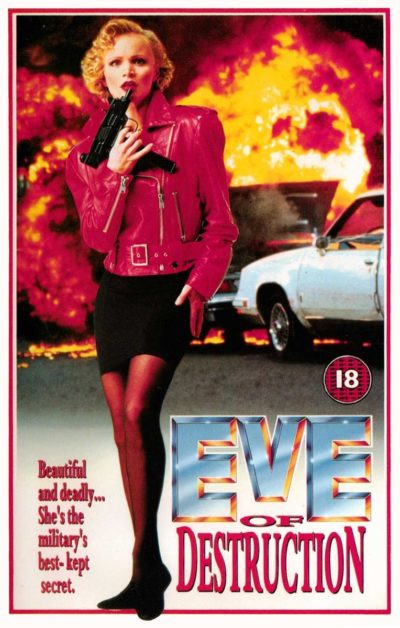 While undeniably a product of its time – which would be 1991 – this has stood the test of time very well, and remains a solid piece of action SF. Eve Simmons (Soutendijk) is a researcher working for the US government on creating life-like robots for surveillance missions, and her creation, Eve VIII, not only looks like her, but has her memories and psychology too. When on a test run in San Francisco, Eve VIII is caught up in a bank robbery and a bullet sends her off the grid, and on her own mission. Jim McQuade (Hines), something like a proto-Jack Bauer, is brought in to track down the lost little robot, who has all of her creator’s complexes, but none of the social restraints, leading to a fondness for automatic weapons, which she uses with abandon as she works out her psychiatric issues [cheaper than counselling, and a good deal more fun]. Oh, and Eve VIII also has a nasty little surprise package tucked away inside. It’s up to McQuade and Simmons to stop the killing machine before things
 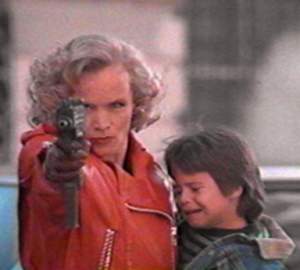 But as a straightforward B-movie, it works nicely, with Hines having a nicely sardonic wit: “A spinach lasagne, in a light tomato and basil sauce,” is the reply, when Simmons asks dubiously what is McQuade’s “specialty” as a government agent. I’m still trying to work out if the film is feminist or chauvinist: you could read it either way, with the ‘liberated’ (if robotic) woman a free spirit, though the ending firmly puts Even back in her place, to say the least. She also emasculates one man, somewhat familiar territory for Soutendijk, who previously wielded a scissors to leg-crossing effect in The Fourth Man. Gibbins, meanwhile, died in the 1993 Hollywood fires, while trying to rescue a cat. Guess there’s never an unstoppable robot around when you really need one.
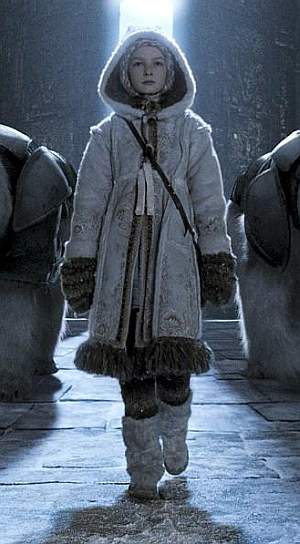 There aren’t that many decent action heroine films for kids: much as I love Bloody Mallory or Kill Bill, they aren’t really child-appropriate. At the other end, films like the Harry Potter or the Narnia series, while containing female characters of some importance, sideline them in favor of the boys. That makes this a refreshing breath of fresh air, in that the heroine is firmly front and center as she goes through her adventures. It’s set in an alternate universe where people’s souls take the form of animals that accompany them everywhere, known as daemons. Childrens’ daemons shapeshift, but adults’ ones are static in form. Things are run by an authoritative group called The Magisterium, but Lord Asriel (Craig) who has found “dust” in a far Northern land, that could challenge the established order – the Magisterium have been kidnapping children for use in human experiments to counter dust. Into this is dropped Asriel’s niece, Lyra Belacqua (Richards), who is given the last golden compass, a device able to answer any question in the right hands. she is about to head North with Mrs. Coulter (Kidman), only to find she has a central role in the kidnapping – as Lyra’s best friend has now vanished, she bravely heads off, initially on her own, to rescue him.
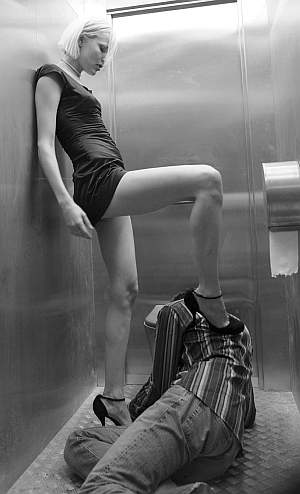 Andre (Debbouse) is at the end of his tether, owing large amounts of money to at least three separate gangs. He decides to end it all by leaping off a Parisian bridge into the Seine below, but is beaten to it by the tall, leggy blonde, Angela (Rasmussen, who you may remember in a bathroom stall with Rebecca Romijn-Stamos in the opening of Femme Fatale). His suicide forgotten, he jumps in to save her, and as they sit, dripping on the river-bank she vows that she will repay his selfless act by taking care of him. This may not be quite the way he expects; for example, she hijacks a negotiation with one of the mobsters to whom Andre owes money, marches upstairs and emerges not long afterwards, the debt apparently forgiven and with tens of thousands in bonus cash. Just as important as resolving his pecuniary problems are the emotional ones which plague Andre, and Angela is perhaps even more adept at addressing those: his lack of self-confidence, trust issues, an inability to give or receive love and so on. She sees the good person who is buried
 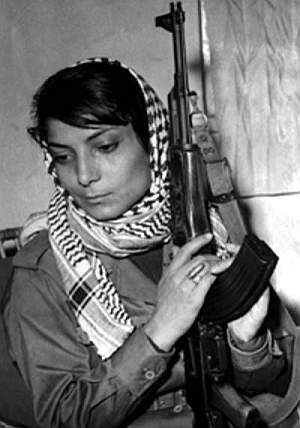 Khaled became internationally famous in 1969, for hijacking a TWA flight from Rome to Athens, diverting it to Damascus, where it was blown up – after everyone had been taken off [this was a kinder, gentler era of terrorism]. She then underwent plastic surgery to conceal her identity, and the following year tried to hijack another plane. However, air marshals shot her colleague and captured Khaled, who was taken into custody in London, only to be released soon afterwards as part of a prisoner exchange. She returned to the Middle East, her sky-piracy career at an end, but became an icon of the Palestinian movement, and remains active in it to this day, despite travel restrictions. The Guardian wrote of Khaled in 2001,
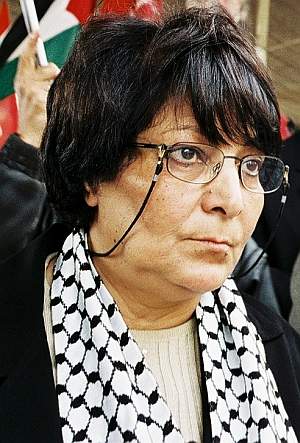 A fascinating and complex character, it can’t be said that much of the complexity – both hers, and the entire Middle East situation – comes across in this documentary, less than a hour long. You get a quick romp through her early history, her family’s departure from then-Palestine just after World War II, both hijackings, and then we leap forward to the present day, where she’s a mother and works for a political group. There are some interesting moments, such as where she draws a line between what she did, and the 9/11 hijackings: “I don’t agree with the murders of civilians, no matter where in the world”, and she’s been consistent in expressing that. More probing questions would have been welcome: instead, Makboul – brought up in Sweden by her Palestinian parents – admits to having been basically a fan. She interviews others involved in the hijacks, such as a stewardess and the crew, and follows Khaled on a trip to the Chatila refugee camp in the Lebanon, but the film ends abruptly, just as she asks Khaled about the negative image of Palestinians as terrorists that she helped create.
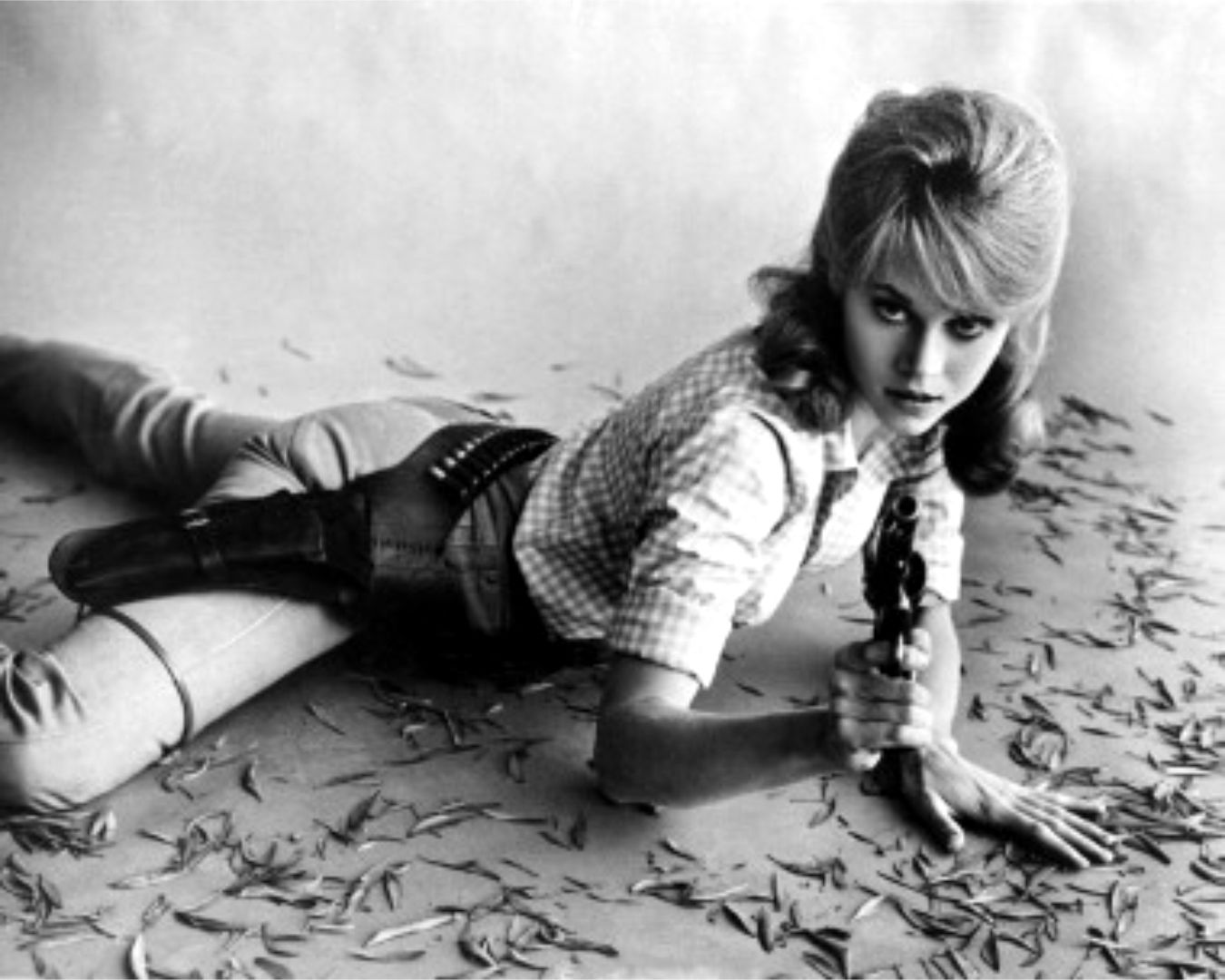
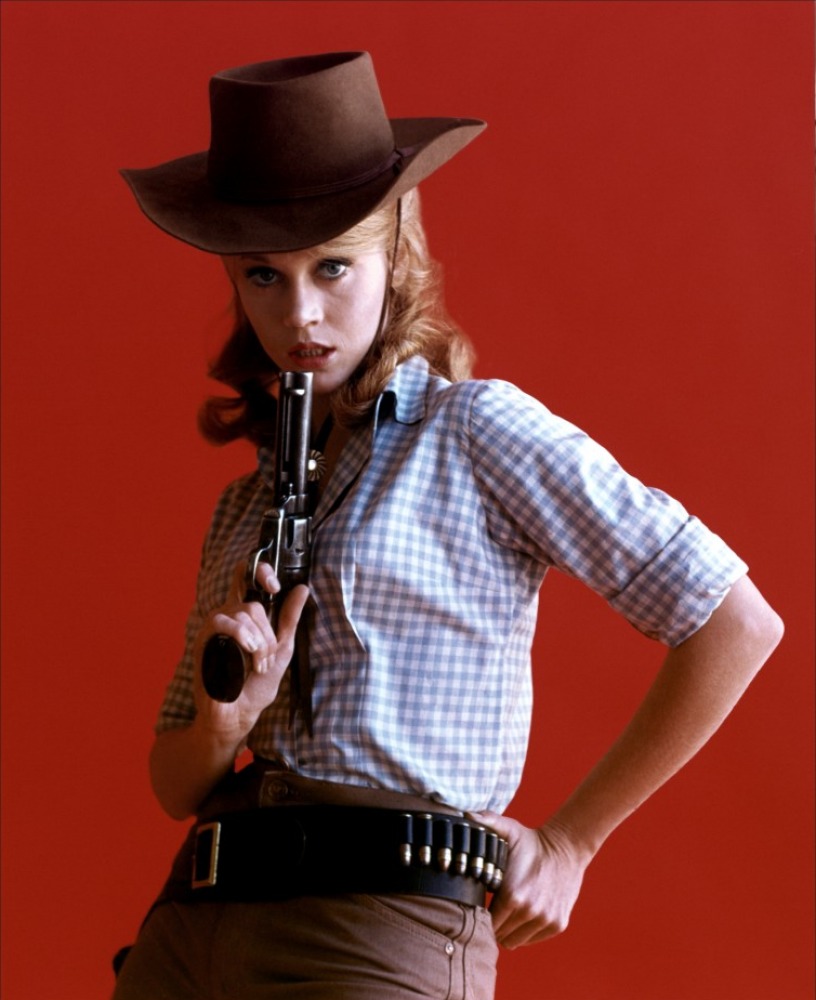
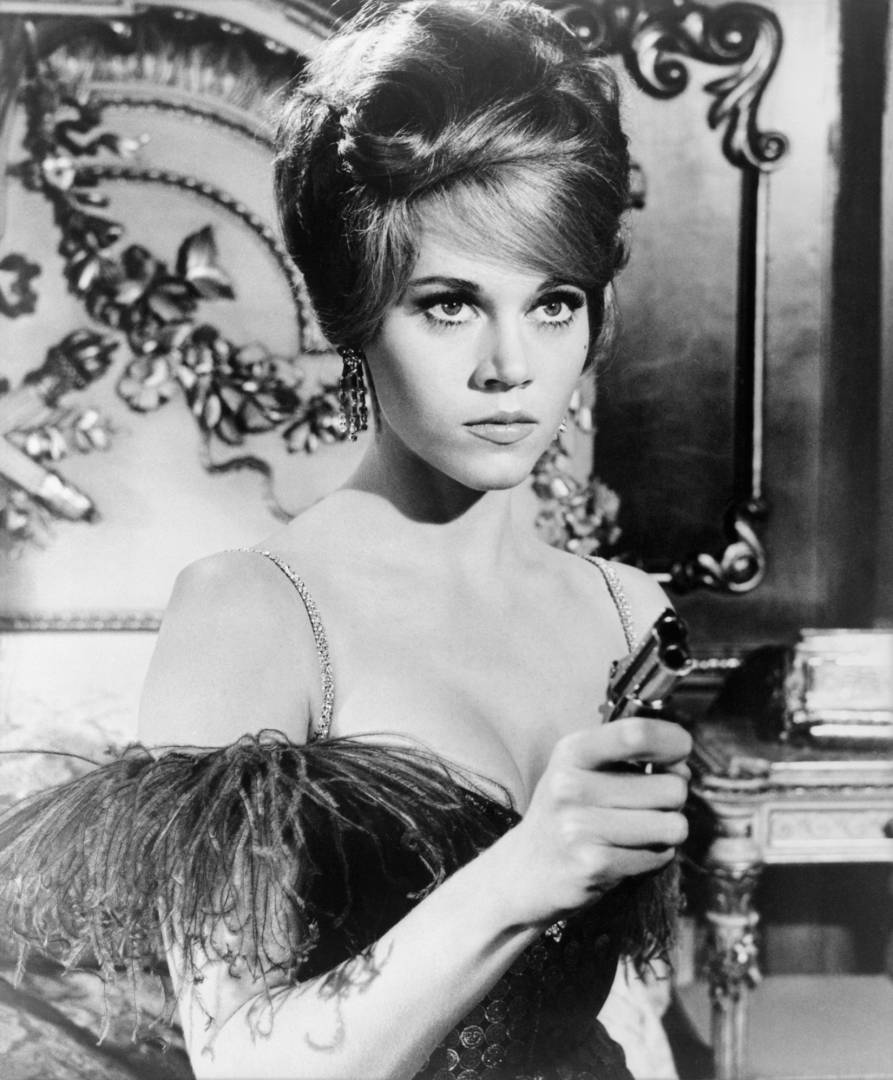
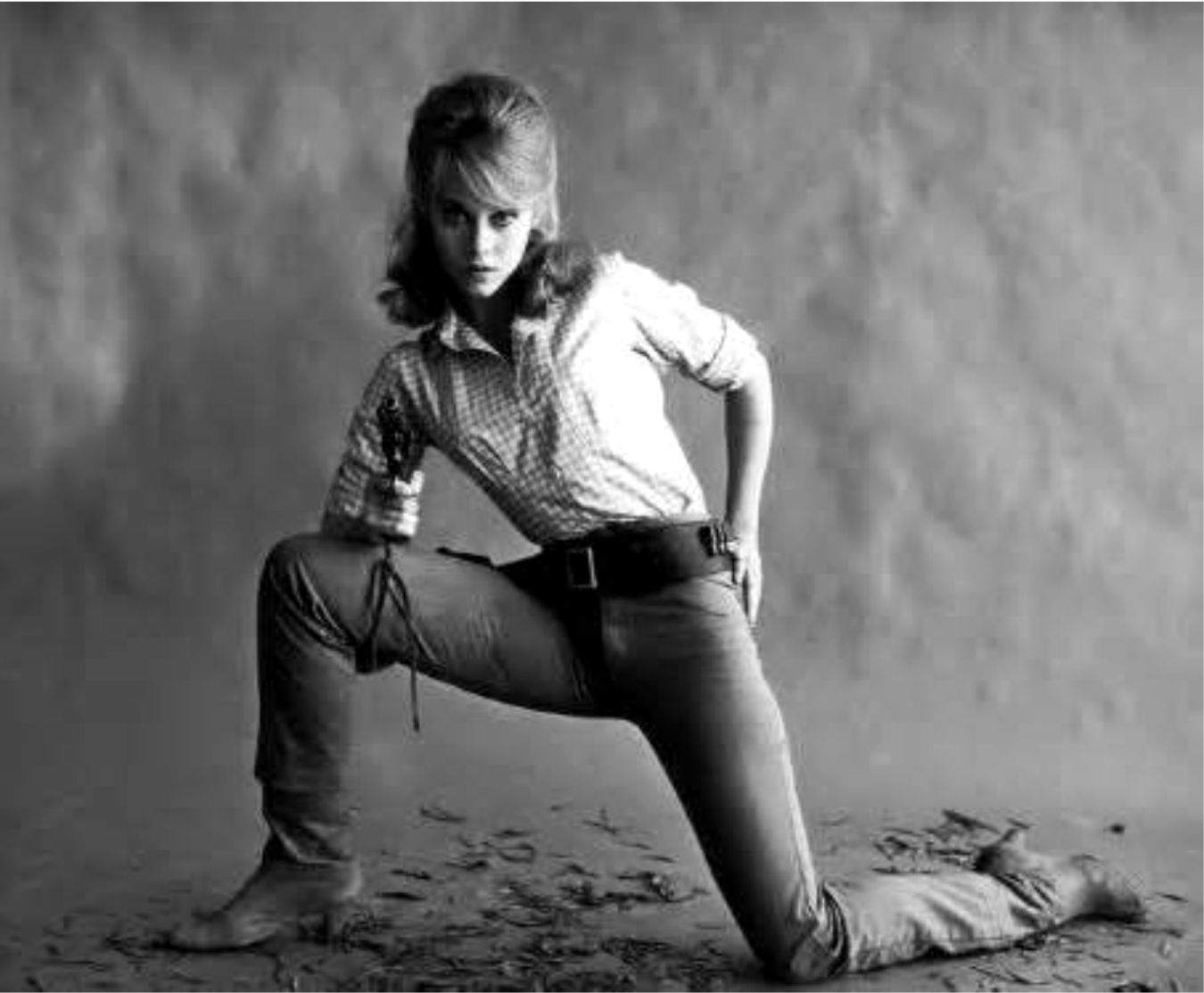
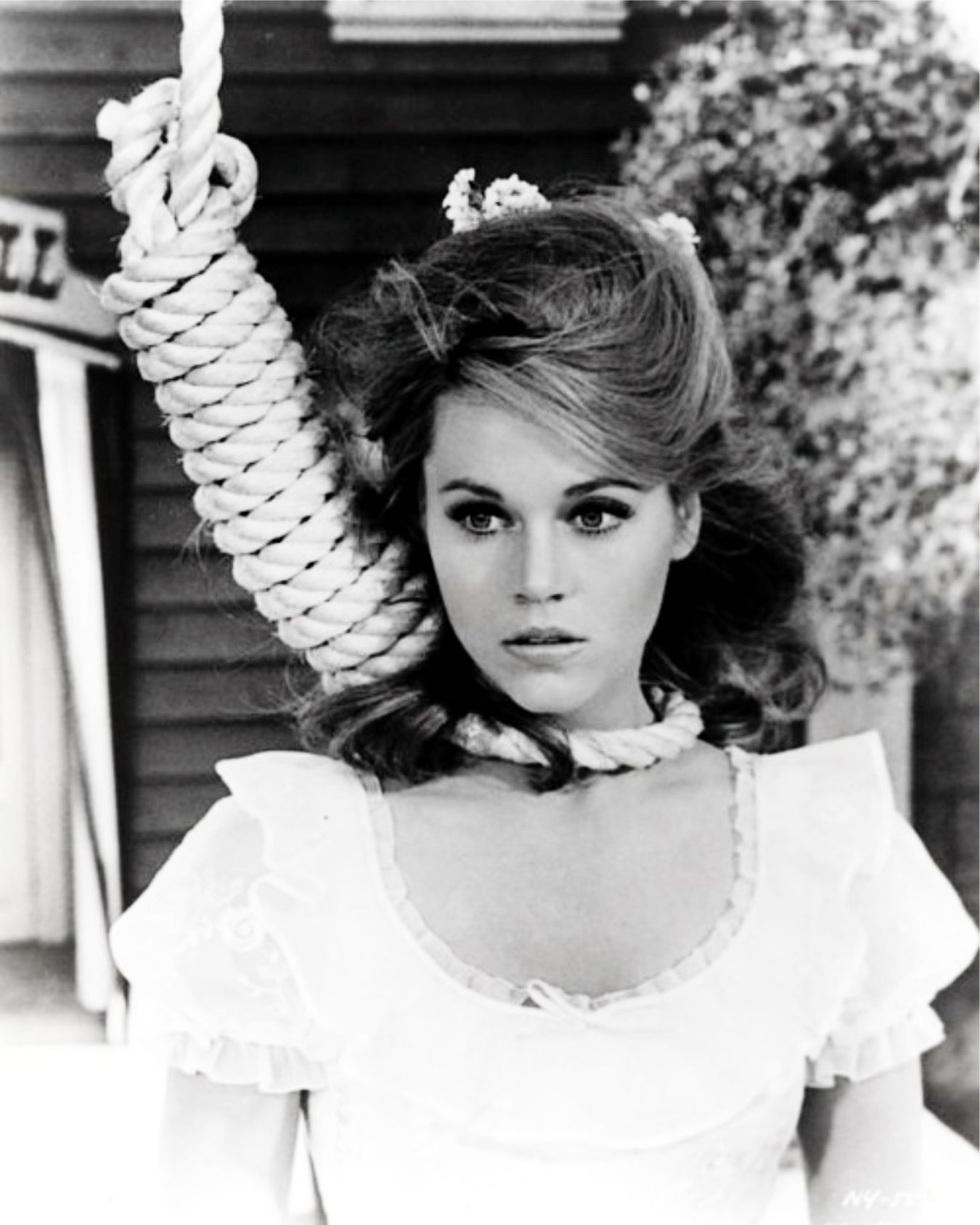
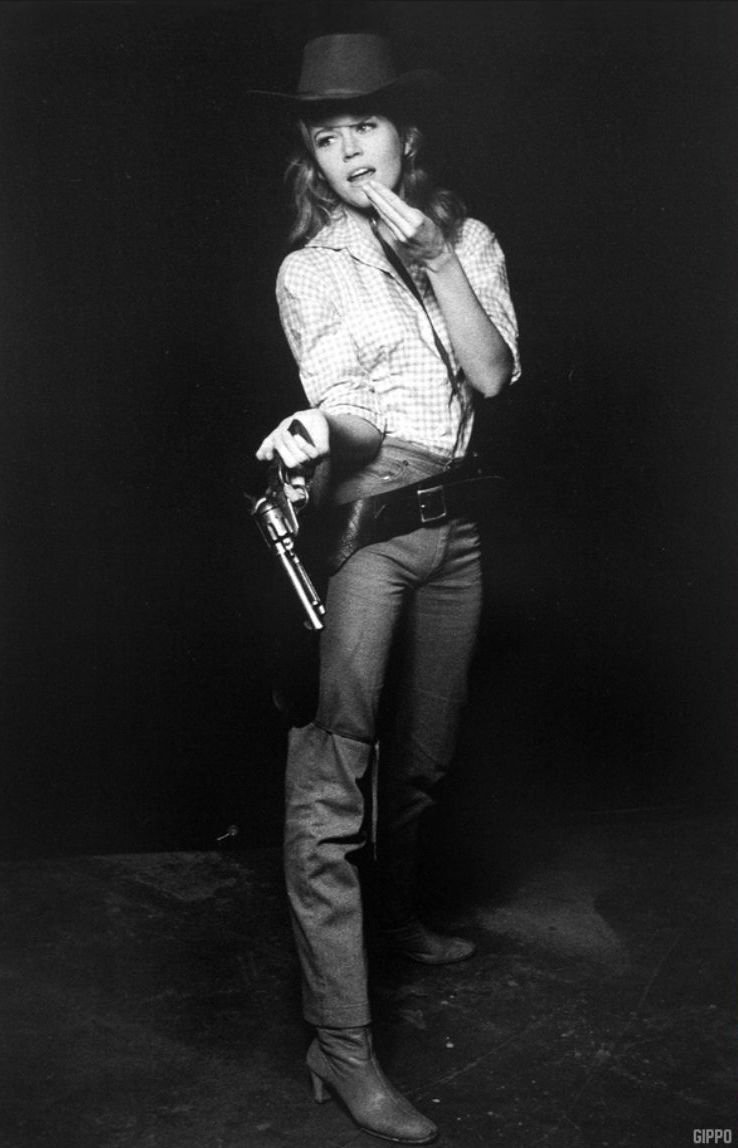
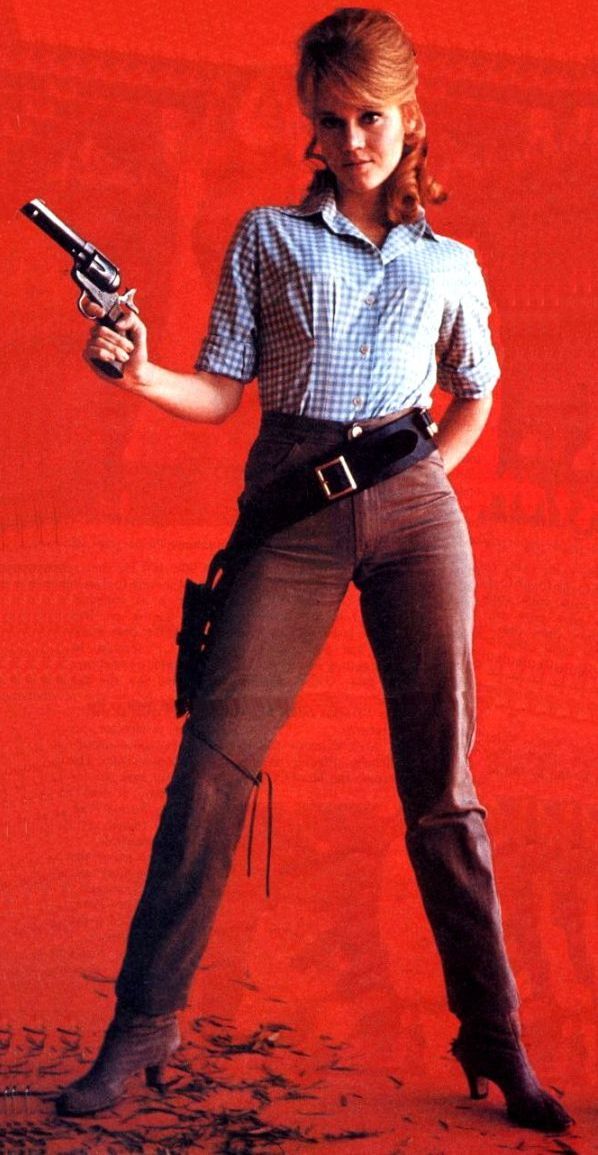
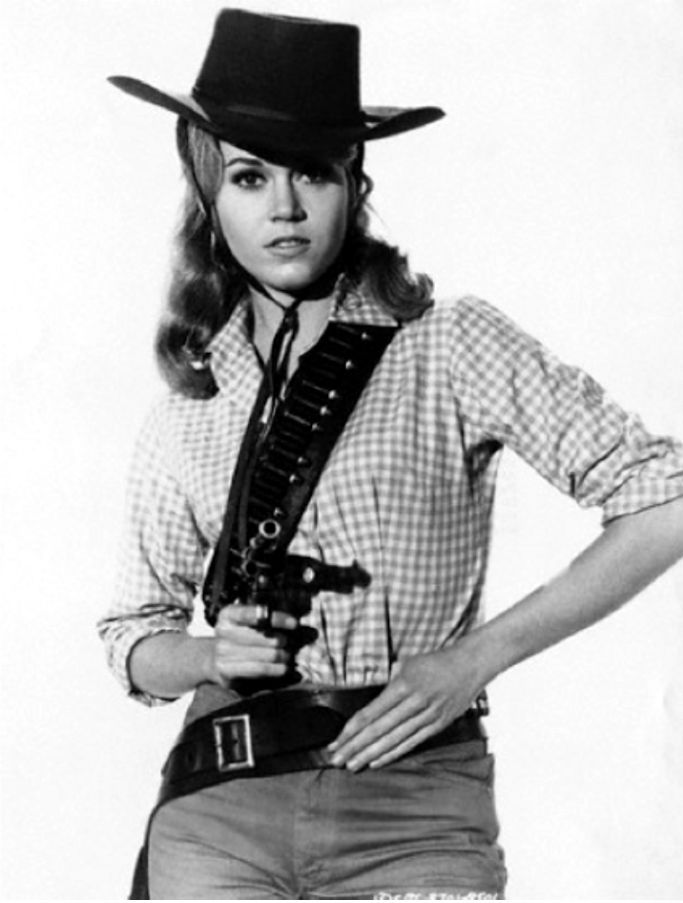
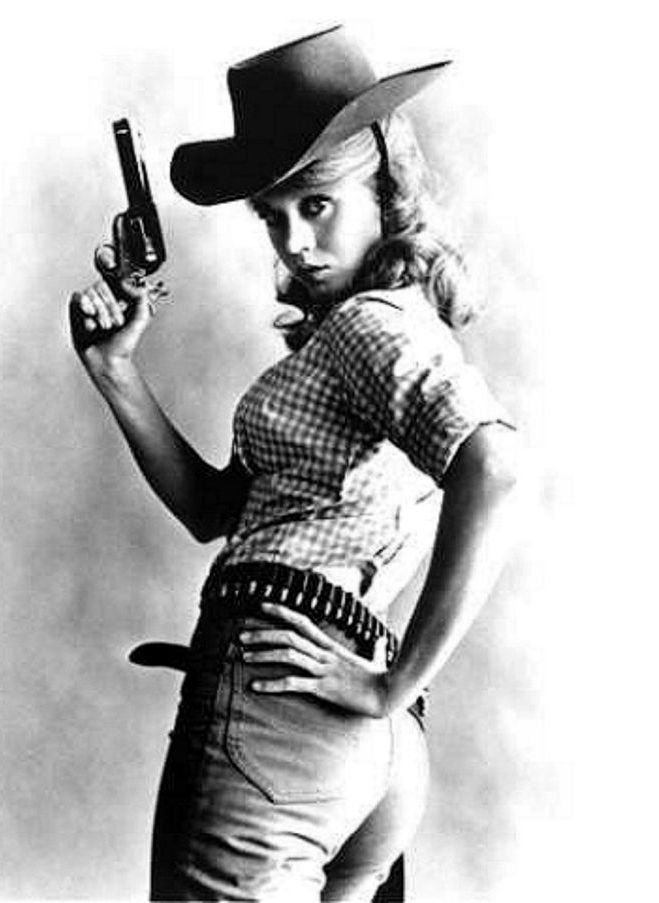
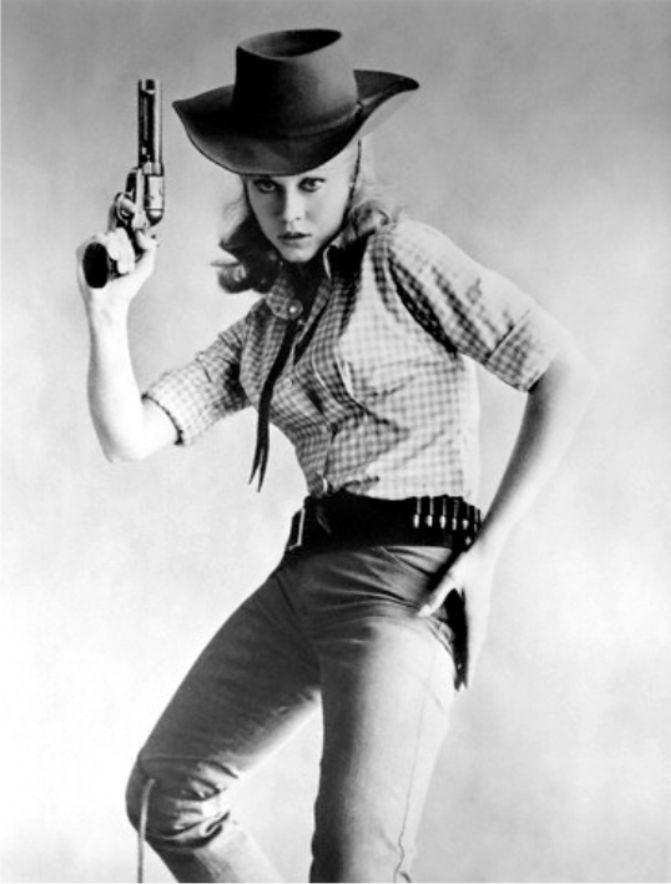
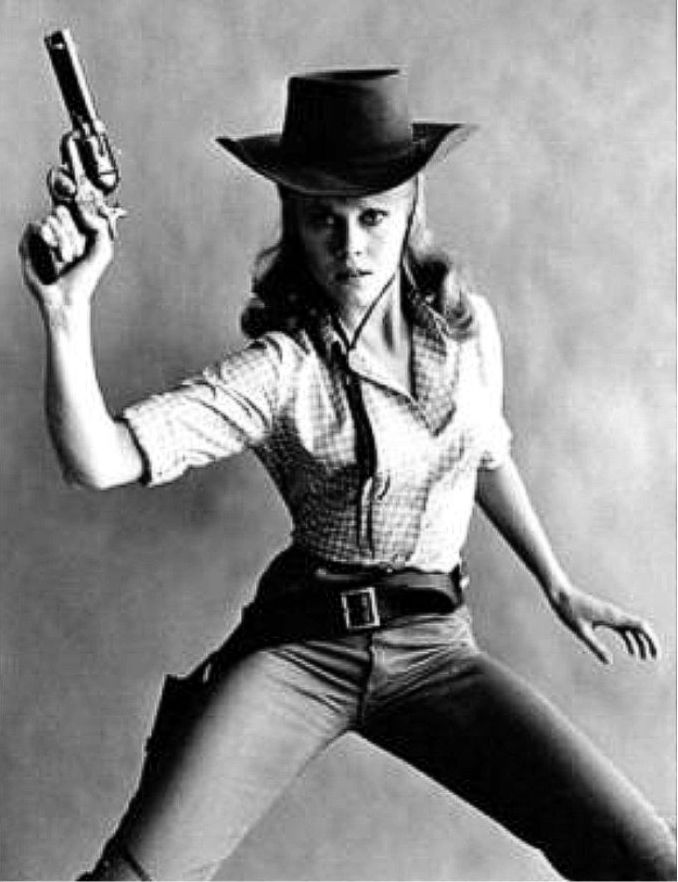
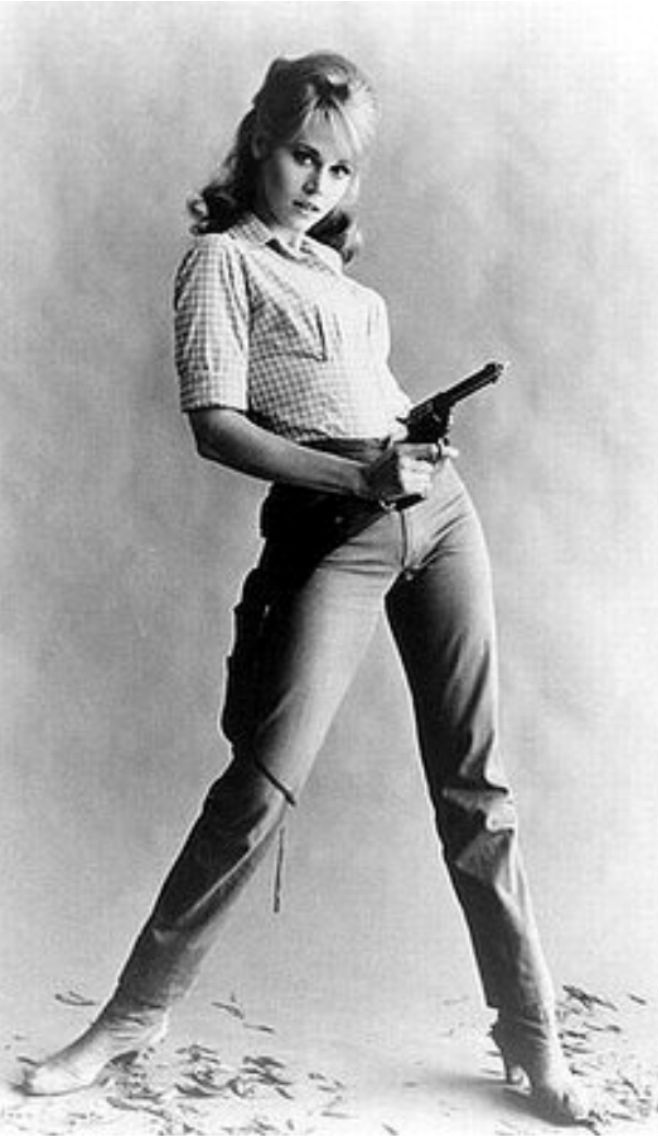
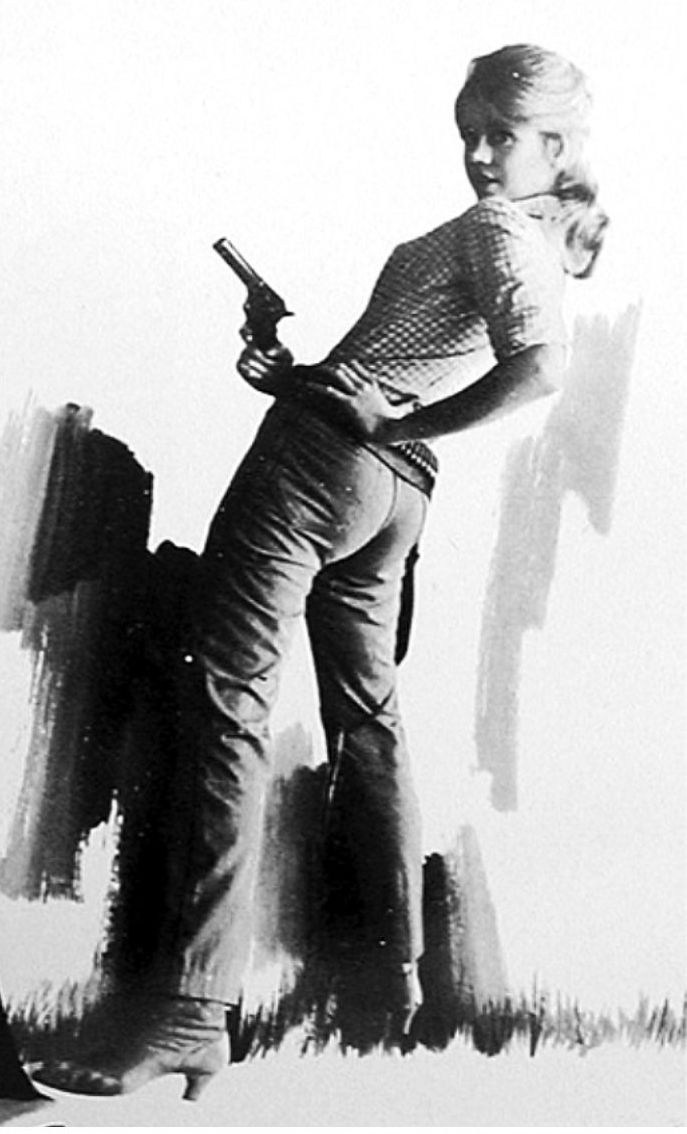
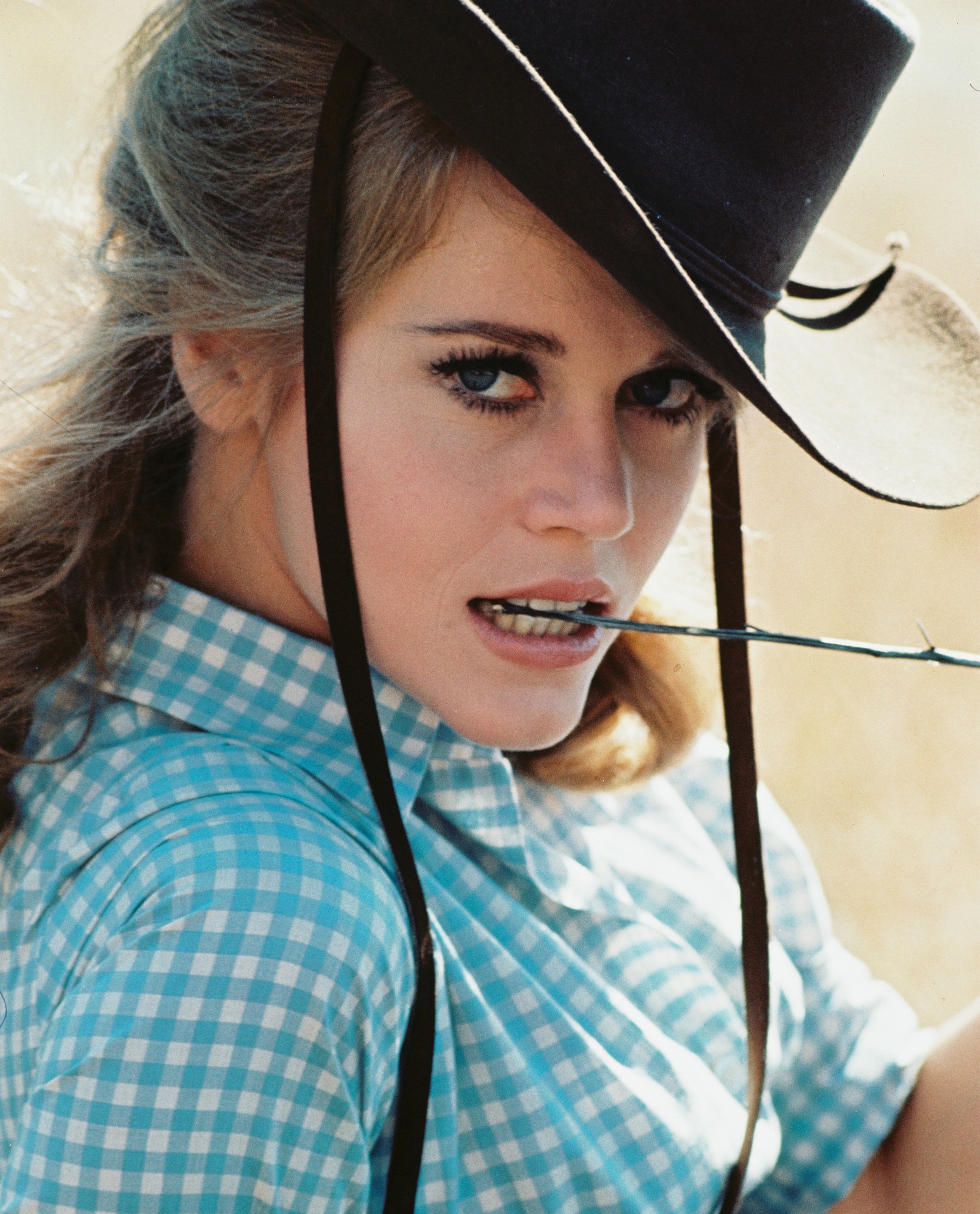
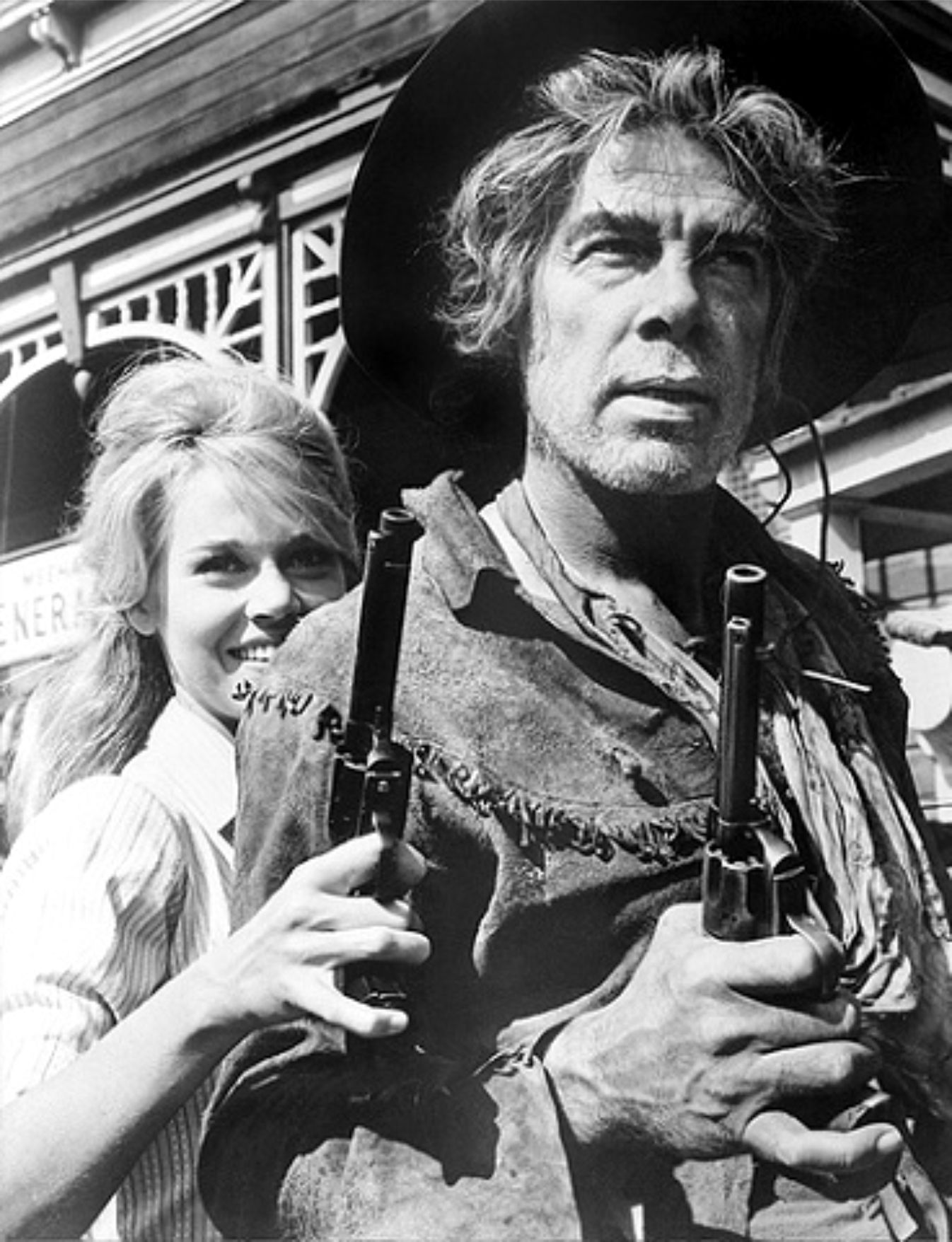
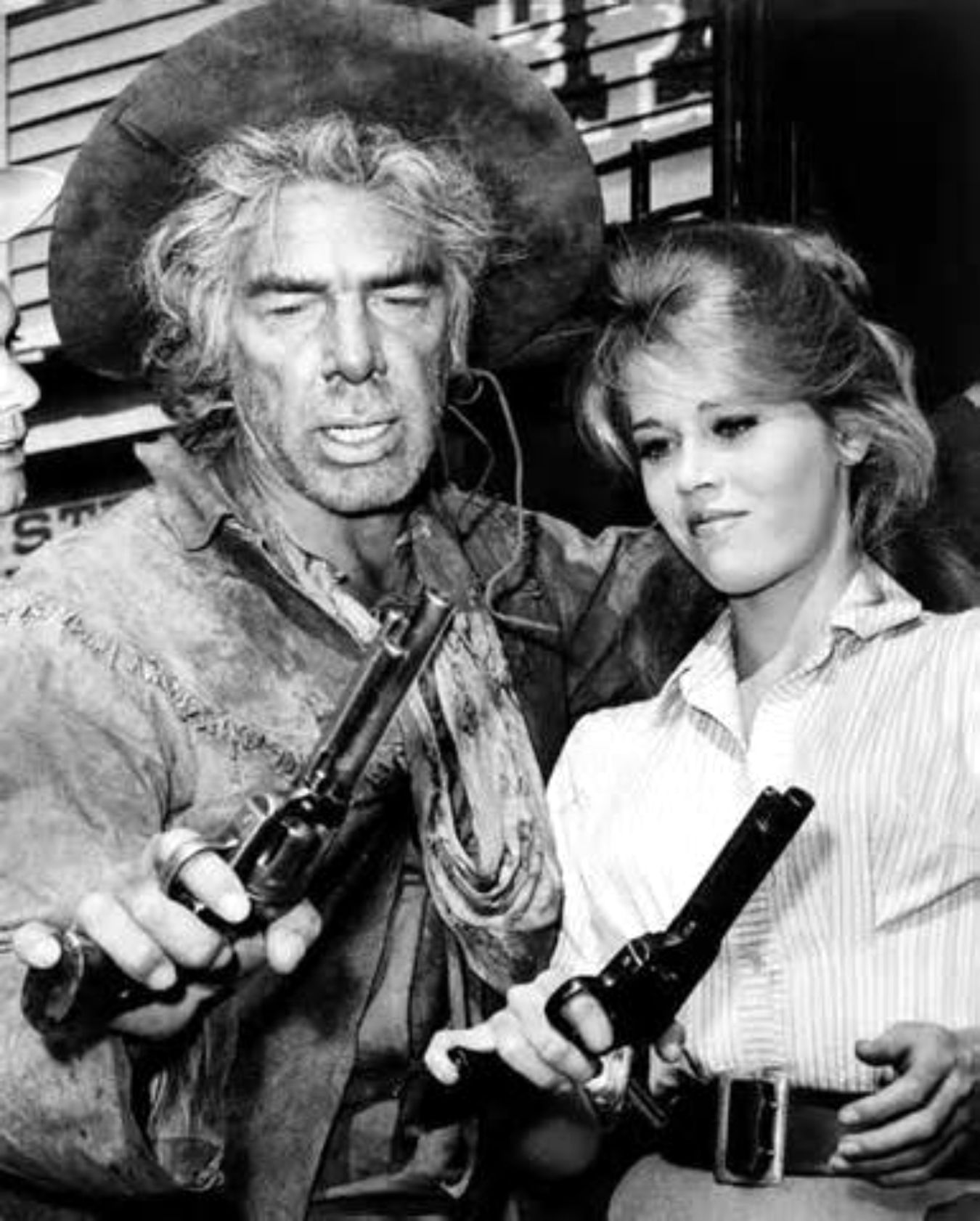
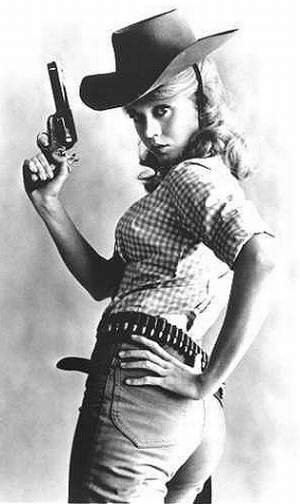 Aspiring teacher Catherine Ballou (Fonda), heads home to see her father in Wyoming, but finds him engaged in a struggle over his land with a land baron, and threatened by the villainous Tim Strawn (Marvin). She sends for legendary gun-fighter Kid Shelleen (also Marvin) to come protect them, only to find he is less legendary gun-fighter, and more alcoholic bum, incapable of saving himself. Strawn shoots Cat’s father and, when justice fails to be served, she heads off to a nearby outlaw town, where she vows to bring the land baron down and take revenge herself.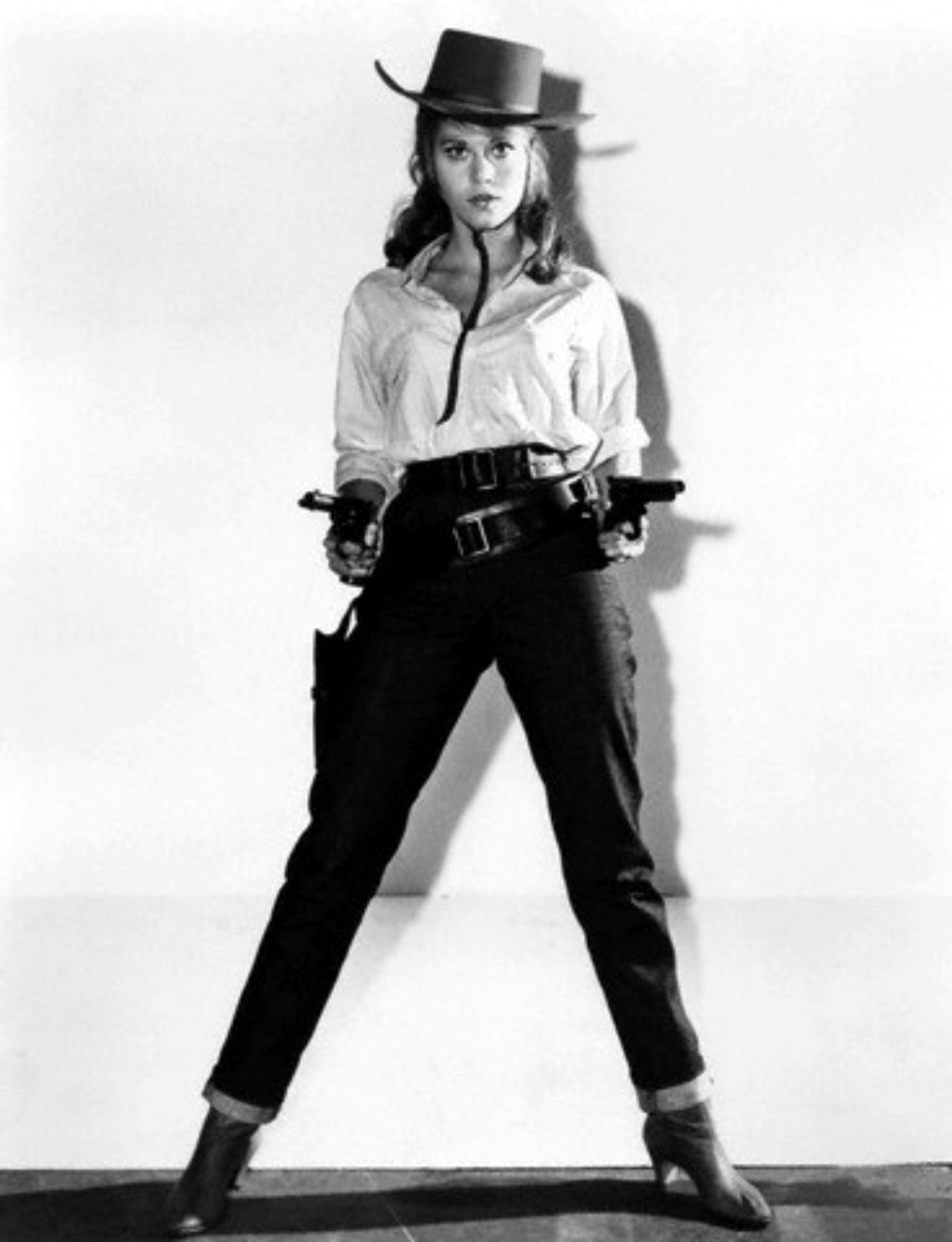
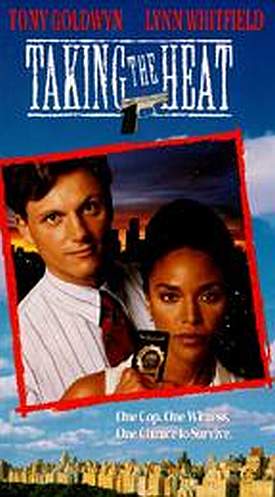 Michael Norell (Goldwyn) sees mob boss Tommy Canard (Arkin) whacking a debtor, but won’t admit it to the cops. However, when they look at the credit-card transactions, the truth comes out and Detective Hunter (Whitfield) is sent to retrieve the witness; Canard, thanks to a mole, also finds out and send his top hitman to ensure Norell never reaches the courthouse. A heatwave has simultaneously hit New York, leading to blackouts, gridlock and a breakdown in communications, so it’s down to Detective Hunter, back on her old stomping ground, to negotiate her way through the traffic jams and dodge the killers out to get Norell.