



 ★★★
★★★
“After the apocalypse, crop tops will fortunately not be in short supply.”
When Hercules: The Legendary Journeys ended its run in January 2000, producers Renaissance Pictures looked to replace it, but instead of going with another hour-long show to follow the hit Xena, took the unusual step of making two, 30-minute action series. This was a break from normal practice: half-hour comedies were standard, but for shows like these, it was a format which had not been seen since the seventies. The second was Jack of All Trades, starring Bruce Campbell as Jack Stiles, a wisecracking spy for the US at the turn of the 19th century. The first was radically different: a SF saga, set 500+ years into the future, when robots have driven humanity, literally, underground.
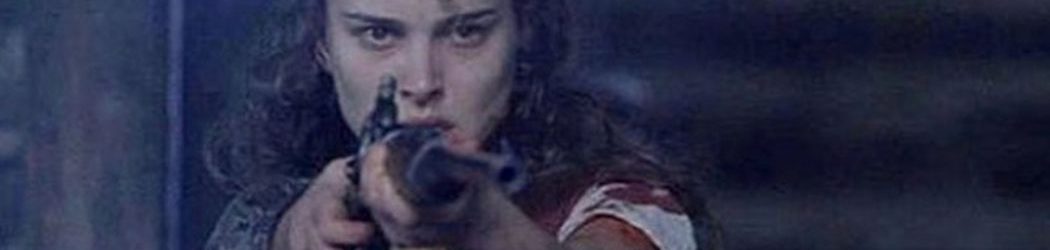
Waking up here is Cleopatra (Sky), a 21st-century exotic dancer who got frozen after a boob-job went wrong. She’s rescued by Hel (Torres, who’d go on to cult stardom in Firefly) and Sarge (Pratt), part of a team fighting the robots, which are known as ‘Baileys’, their human-imitating agents called ‘Betrayers,’ and dealing with the anarchic and dangerous life beneath the surface, guided by a voice in Hel’s head, that organizes the anti-Bailey resistance. [In the original pilot, that voice was Lucy Lawless, but she ended up being replaced by Elizabeth Hawthorne] Cleo gradually becomes part of the team, being the viewers’ voice in the dystopia of 26th-century life, while Hel and Sarge represent the brains and brawn of the team.
 All three, however, were clearly selected as much for their visual appeal, and the 25th century is not short of beautiful people – it’s also quite warm, going by the ah, flimsy clothing worn by the trio. Cleo and her former profession fit right in. But taking any of this seriously would largely be doing the show a disservice, because it’s clear it doesn’t take itself seriously. There isn’t really time for that kind of thing, with each episode barely 20 minutes, excluding opening (theme song sung by Torres, a funked-up and lyrically altered version of Zager and Evans’ one-hit wonder, In the Year 2525) and closing credits. There isn’t much time for anything, in fact: both characterization and plotting remain about as scanty as the outfits. Hel is thoughtful but can be distant; Sarge likes shooting things first and asking questions later; Cleo, to be honest, is mostly irritating, coming over as both whiny and rather vacuous.
At least in the first series, the storylines don’t focus on the Baileys as much as I remembered. The heroic trio also find themselves taking on evil clown Creegan, against whom Hel has a personal grudge (for good reason), or psychic Raina, who can not just read your mind, but implant suggestions in it. The latter was a personal favourite villainess, played by Danielle Cormack, who is a veteran from Xena, having played Amazon Ephiny there. That’s true for much of the cast: Sky read for the part of Gabrielle, but also ended up playing another character, Amarice, while Pratt was Cyanne, the Queen of the Northern Amazons. Torres was on the show too, though not as an Amazon. Perhaps more confusingly though, she played Cleopatra – the Egyptian version, not the stripper one. There’s also a considerable overlap of directors who worked on both shows.
Cleopatra is generally more consistent in tone: that may not necessarily be a good thing, as one of the joys of Xena was seeing it swing from mass crucifixions to musical numbers. It does make Cleo less suitable for binge watching, because the episodes exhibit a certain sameness that grows somewhat repetitive after a while: three was about my personal limit, so not much more than an hour, before the titular heroine started to grate on my nerves. But in the show’s defense, it wasn’t created to be viewed like that, and in 20 minute chunks, generally manages to be energetic and action-packed entertainment. Outside of the Raina episodes mentioned earlier, I particularly enjoyed Run Cleo Run, a take on one of my most beloved films, Run Lola Run, that somehow manages to be even more hyperkinetic than the original – though with a less kick-ass soundtrack.
Star: Jennifer Sky, Gina Torres, Victoria Pratt









 This is the story of three young women, sharing a house. There’s Kris (Pope), the sensible and apparently staid one, who works as a tax accountant; her flighty girlfriend Tara (Armstrong); and roommate Sammi (Baird). Tara and Sammi stumble into the aftermath of an apparent gangland shootout, exiting with a bag containing over $3 million in cash. The trio have very different ideas about what to do next, but Kris convinces them the best bet immediately, is to stash the bag in a lock-up, secured by three separate padlocks, with each holding one key, until they figure out if anyone is coming after the money. However, Sammi’s inability to keep her mouth shut proves disastrous, as her boyfriend is $50,000 in debt to local mob boss Kostas Jakobatos (Rhys-Davies), and sees an opportunity to clear the balance, and a lot more. Neither of the men have reckoned with Kris who, it turns out, is much more prepared for the situation than her two house-mates.
 ★★★★
★★★★ Crackle is the streaming content subsidiary of Sony – it has been around for a while, but we only became aware of it last December, when a new widget popped up on our Apple TV. Think of it as a little like an advert-supported version of Netflix; you can watch for free, whenever you want, but you have to “pay” by sitting through commercials (during which the FF option on your remote is disabled. Bastards!). The library of movies and shows offered is based around that studio’s library, and has a number of entries for action heroine fans. Bonus points, not just for having Run Lola Run, but in the subtitled version; they also have Ultraviolet: Code 044, the anime spin-off from Milla Jovovich’s action-horror film, though that is only available dubbed. We’ll get to that later, I imagine, but the first thing to leap out at us was this original series, about a pair of female assassins. It’s certainly not to be confused with the Samuel L. Jackson movie or Benjamin Brett show.
 There are six episodes, but they’re barely 20 minutes each, discounting adverts, and by the time you remove the credits, and “previously/next time on Cleaners” sections, it’s basically a single feature. Maybe I’ll get round to editing it together in exactly that fashion. There’s a hint of Tarantino in the fast-paced dialogue, as the characters snark back and forth at each other – my favourite line was Roxie’s response, after Veronica had expounded on some topic: “Jesus! What did you have for breakfast? Wikipedia?” Leyden throws on large helpings of style, which is something of an acquired taste: in the first episode, it seemed more of a chore than a pleasure, but as the show wore on, he either restrained himself better or we grew used to it.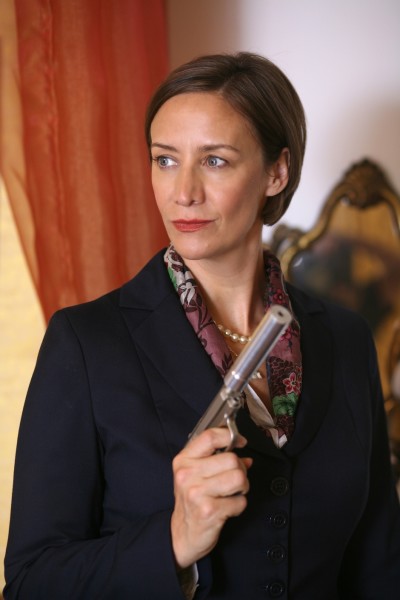
 I watched this purely on the strength of
  ★★★★½
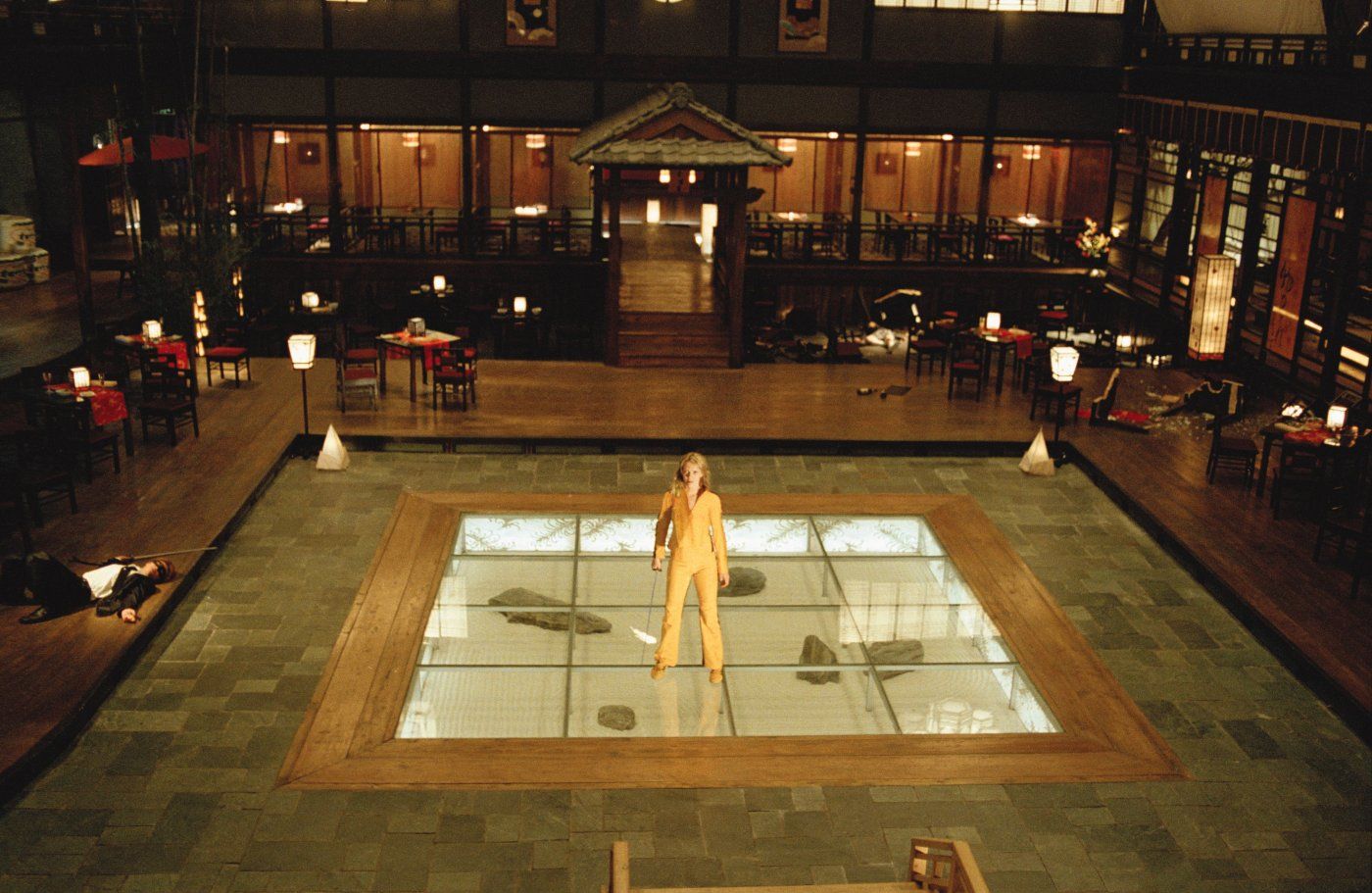
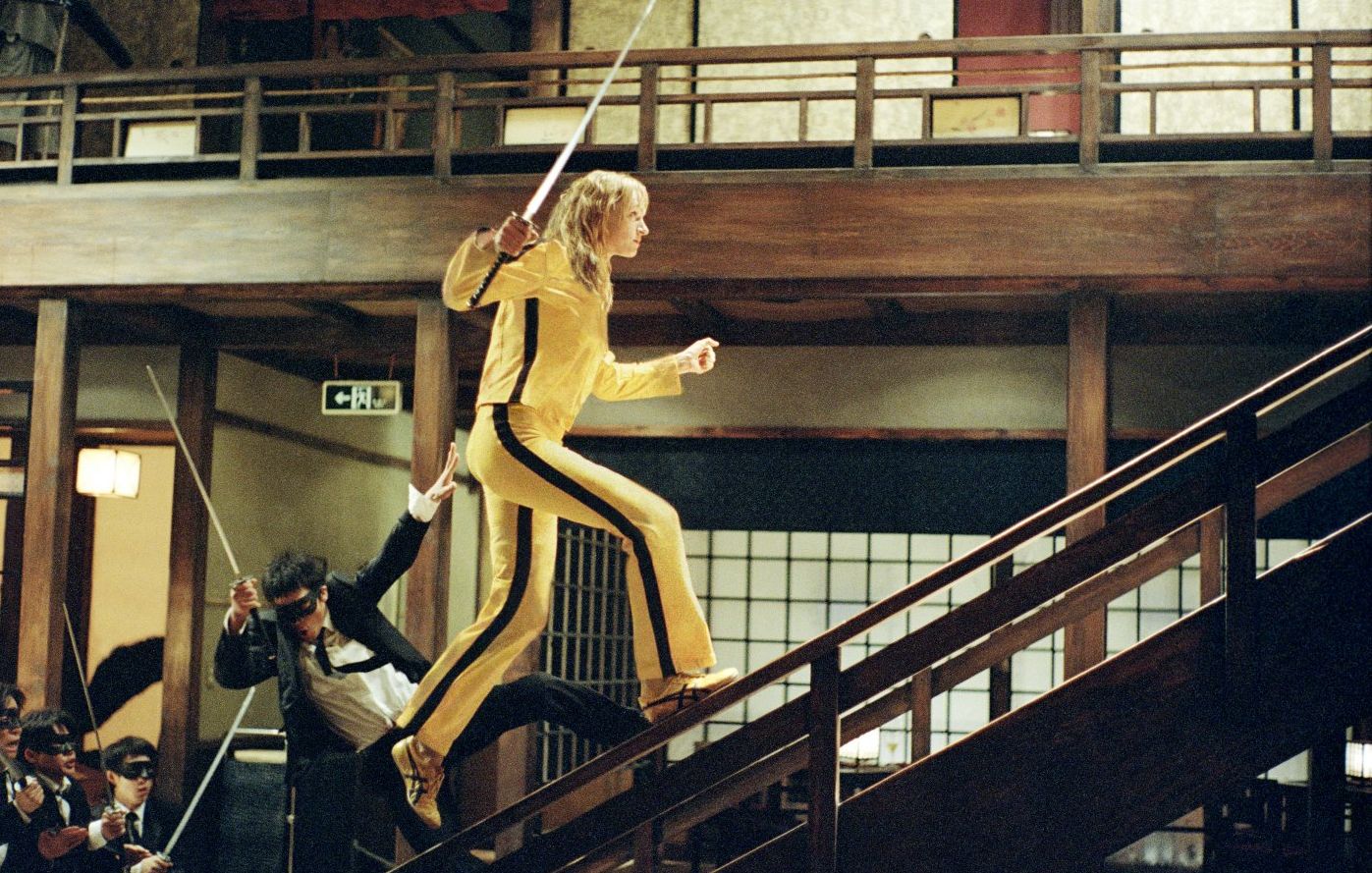
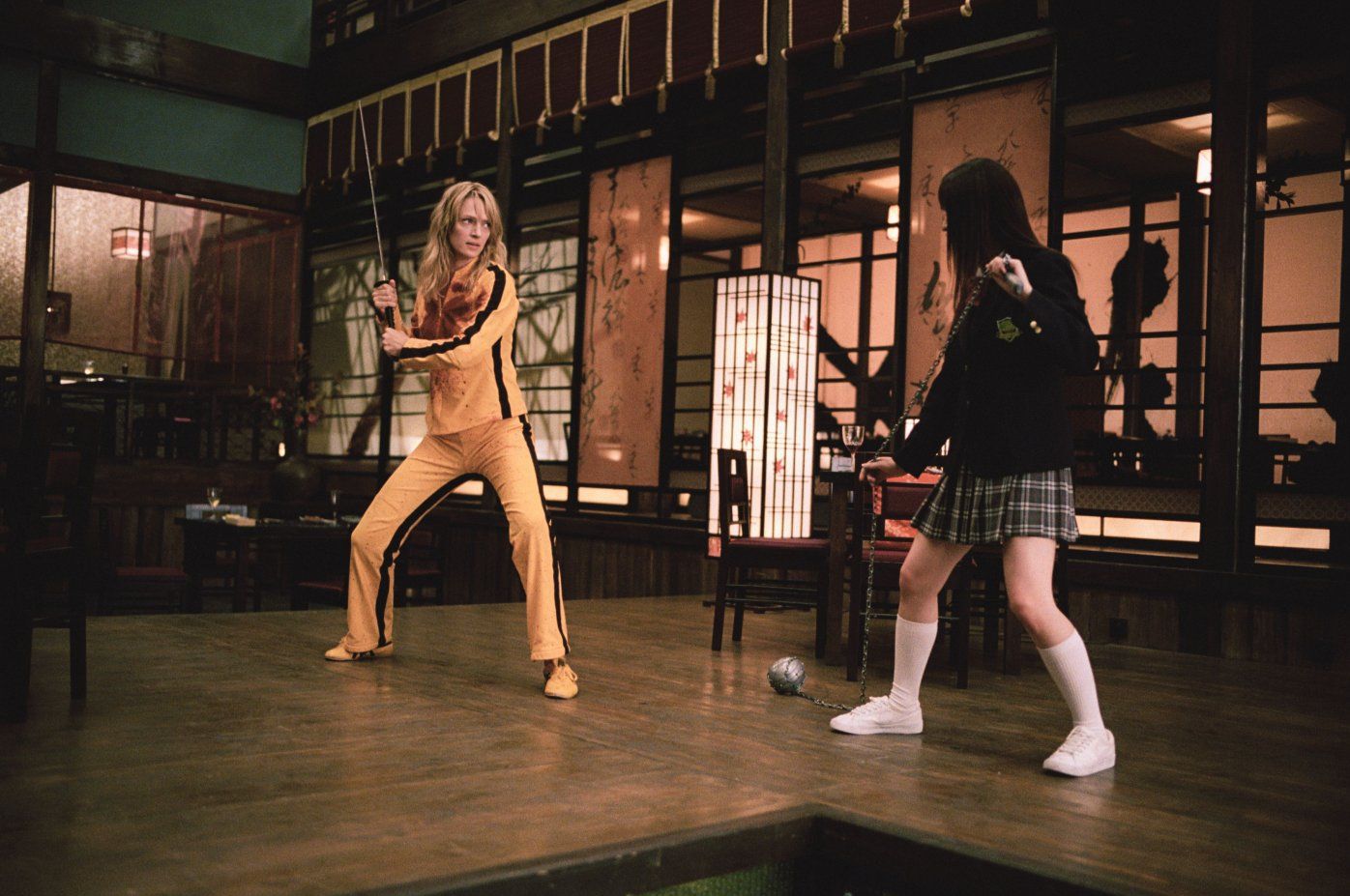
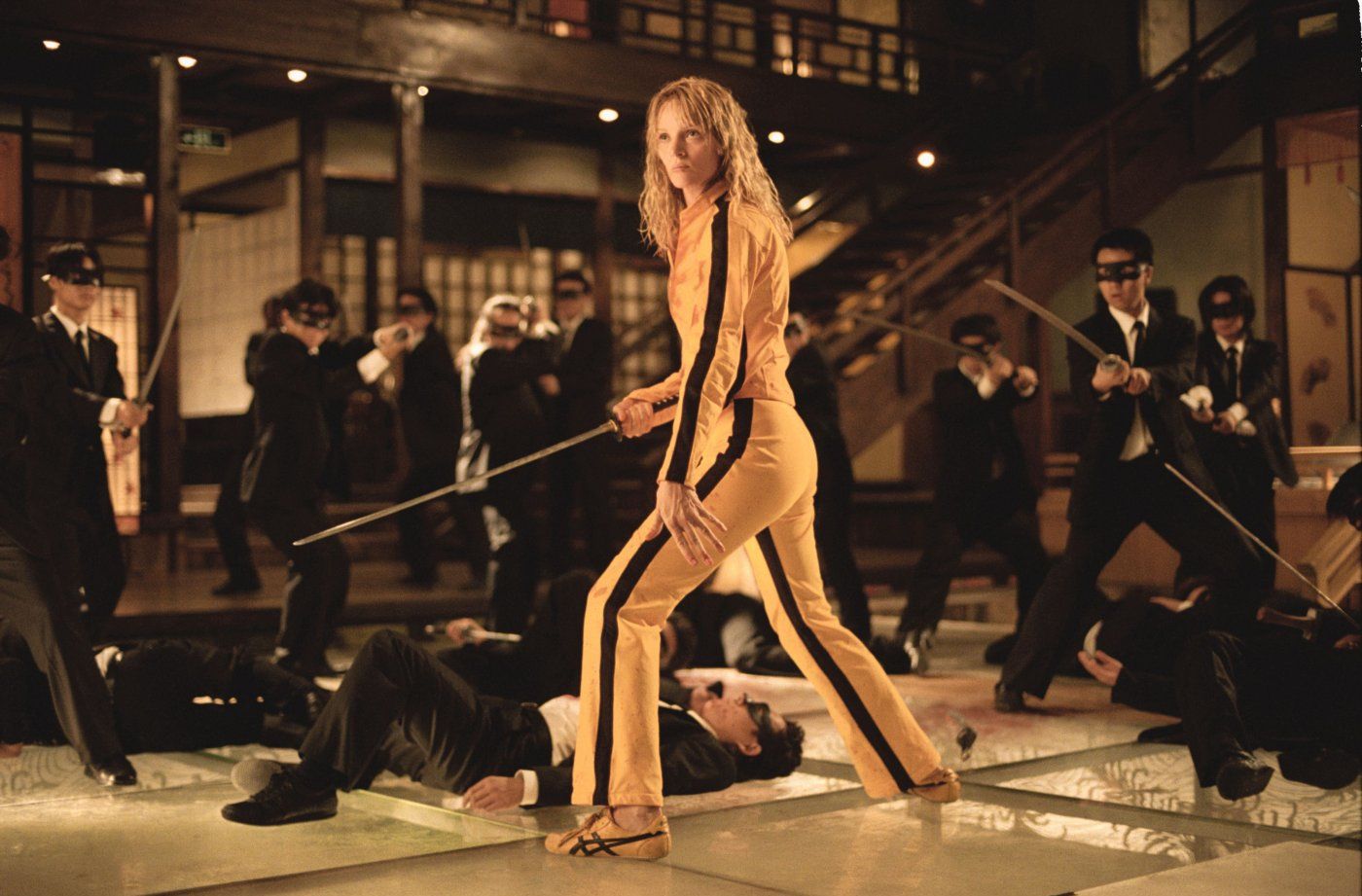
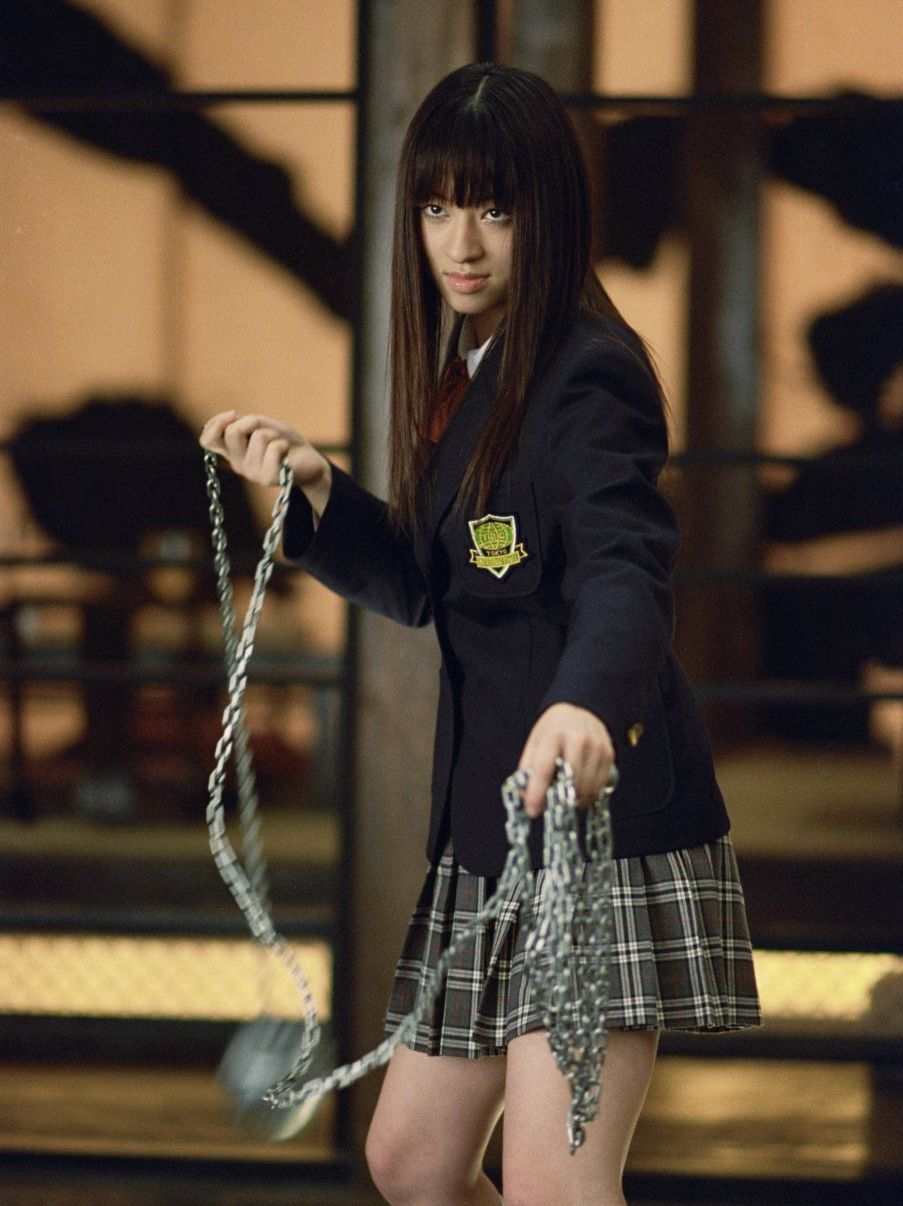
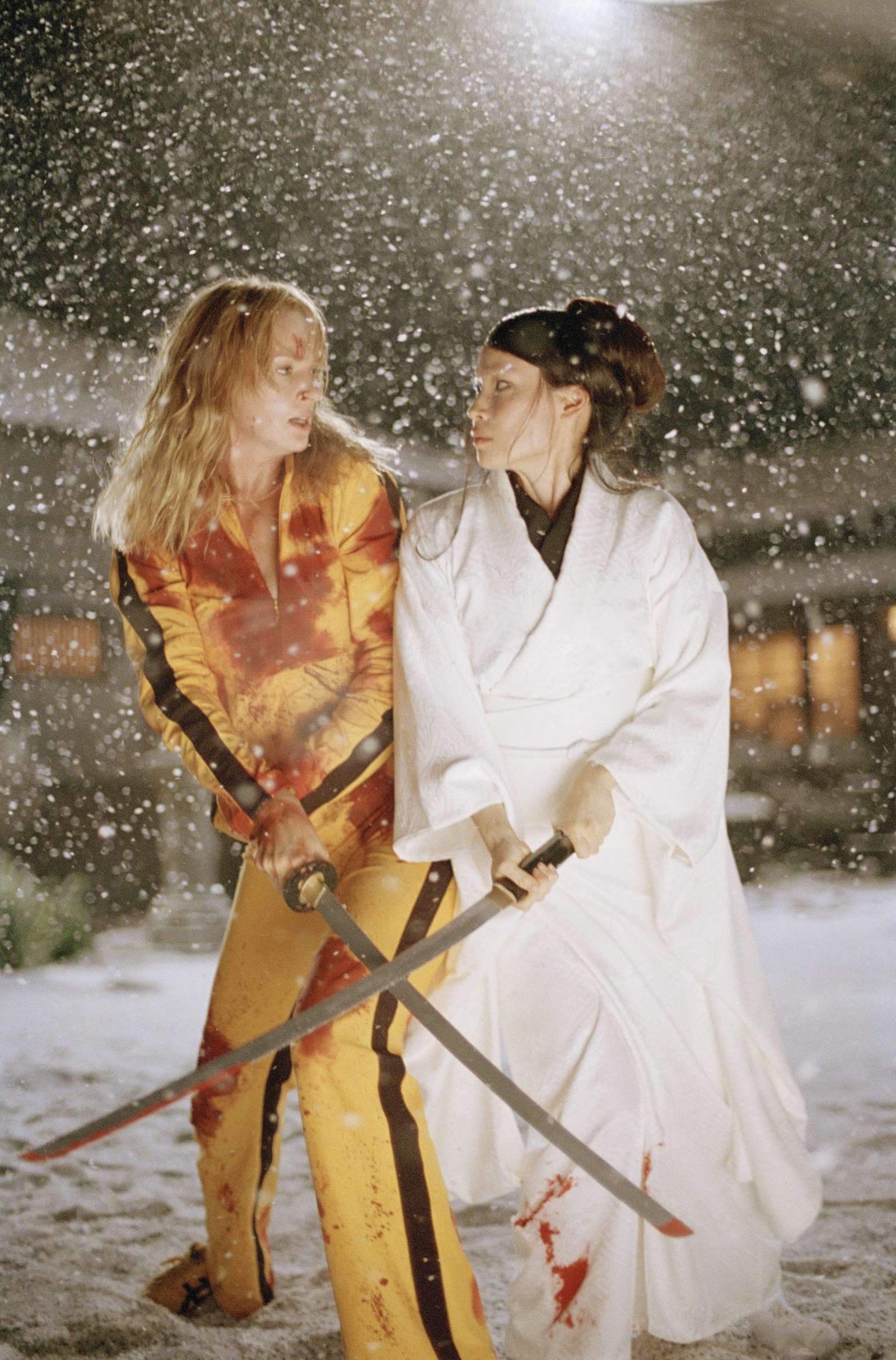
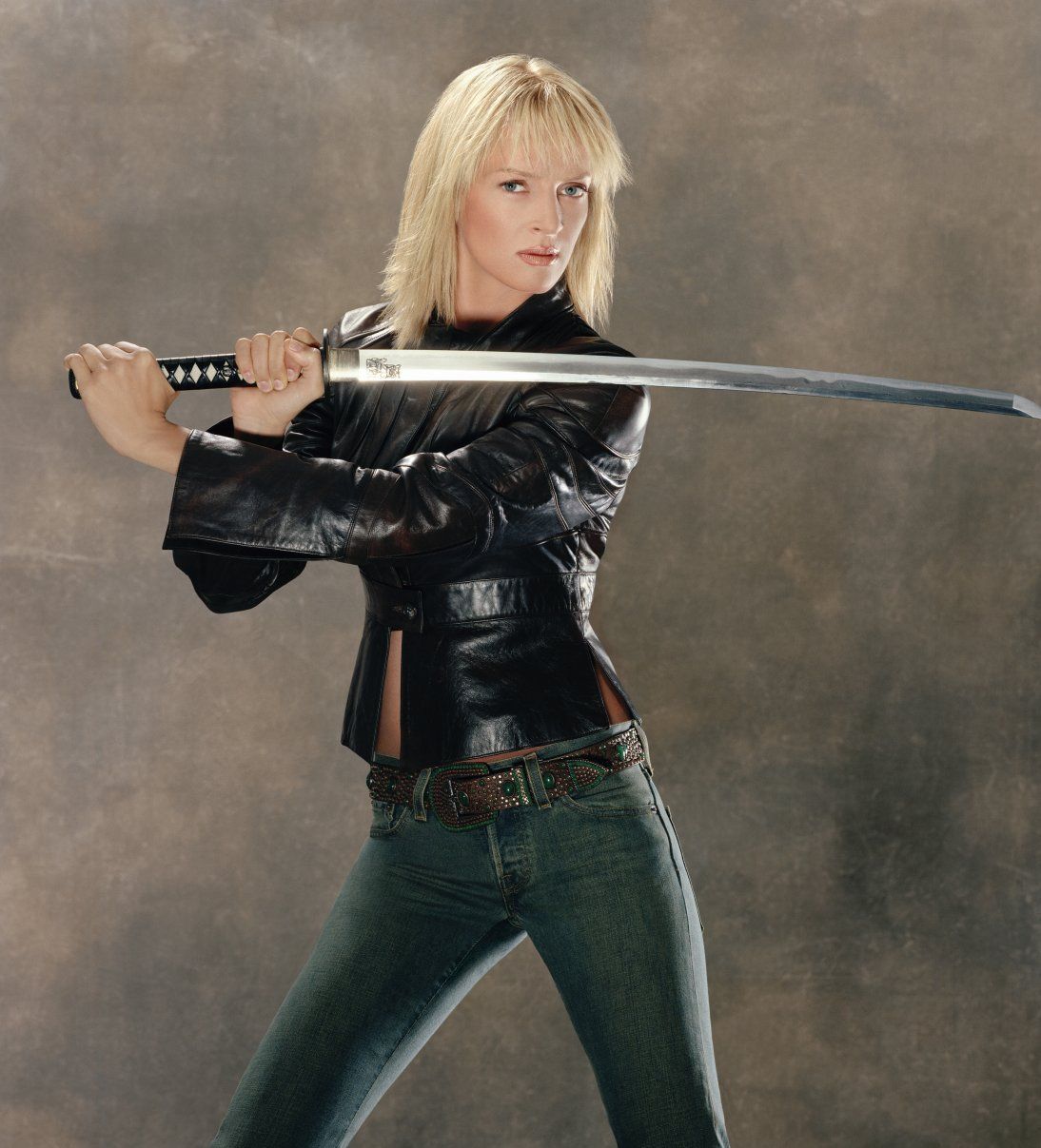
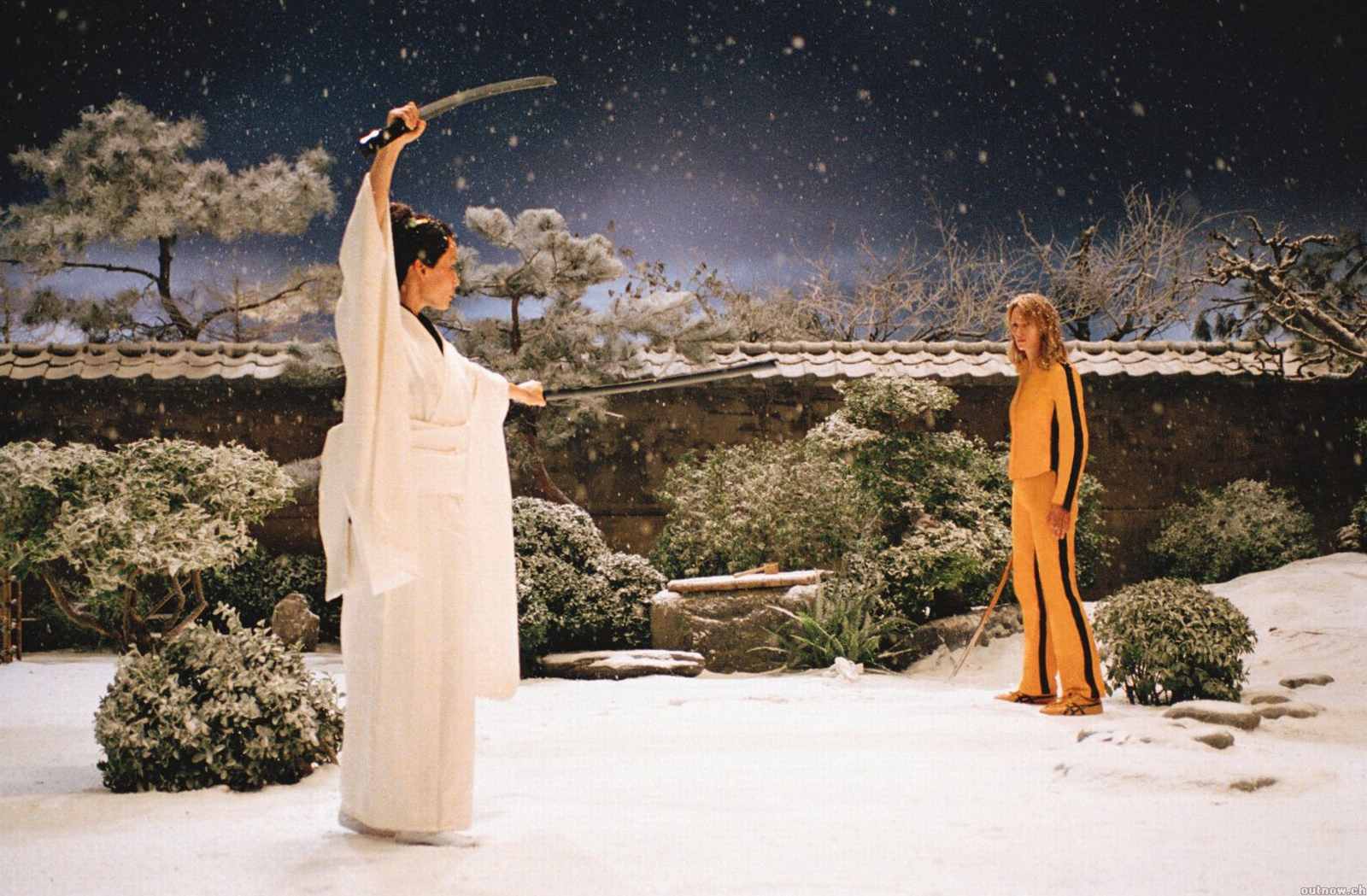
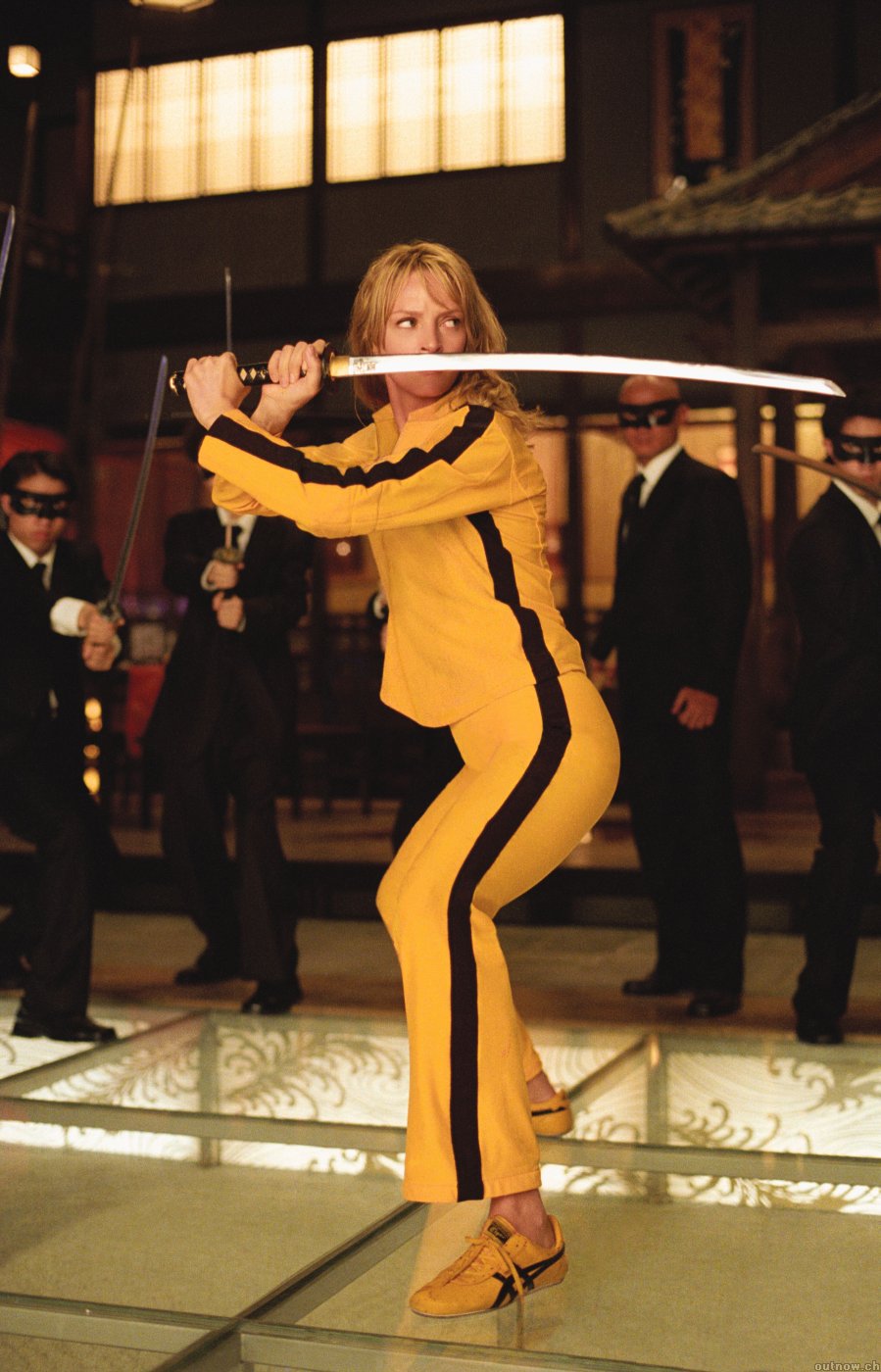
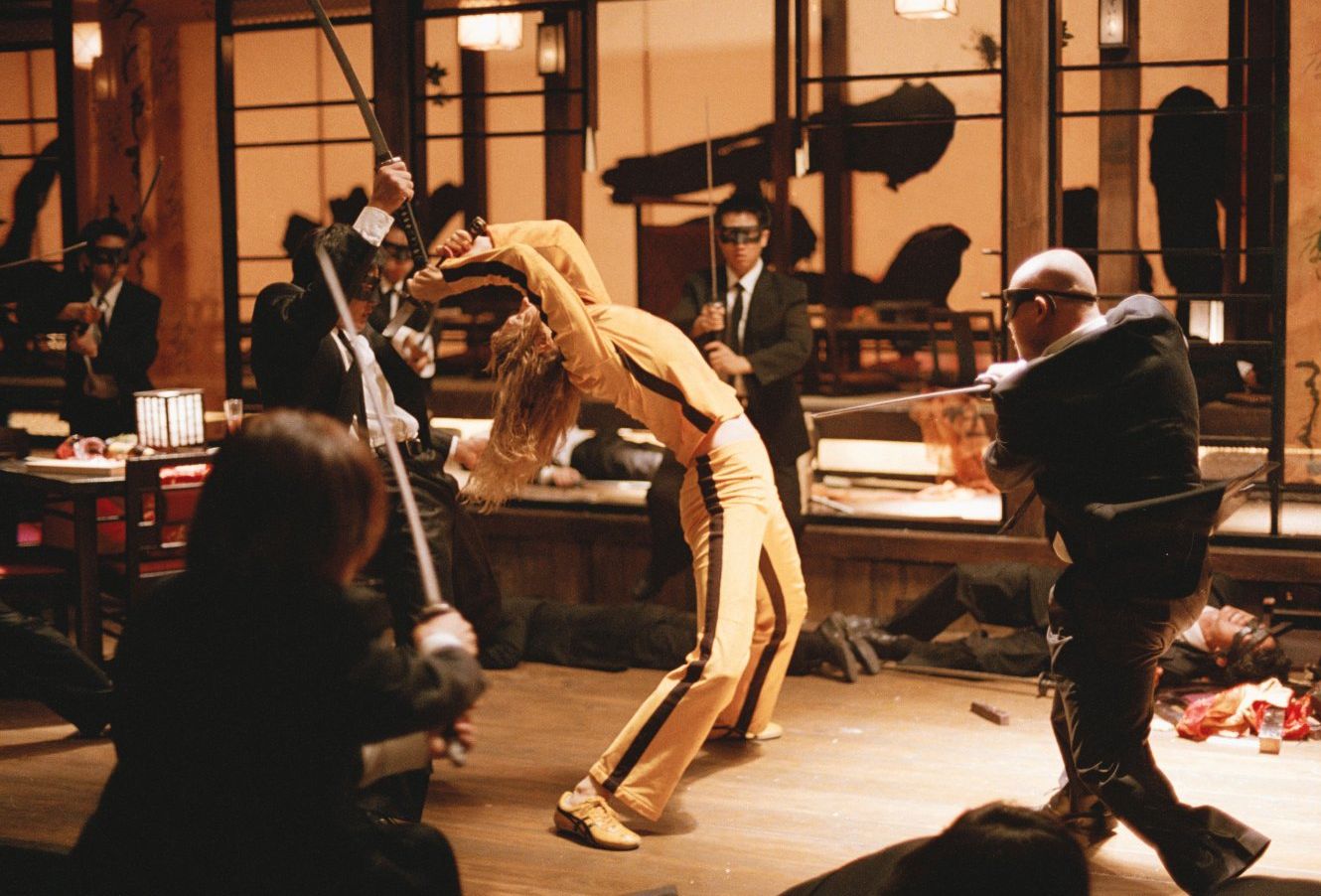
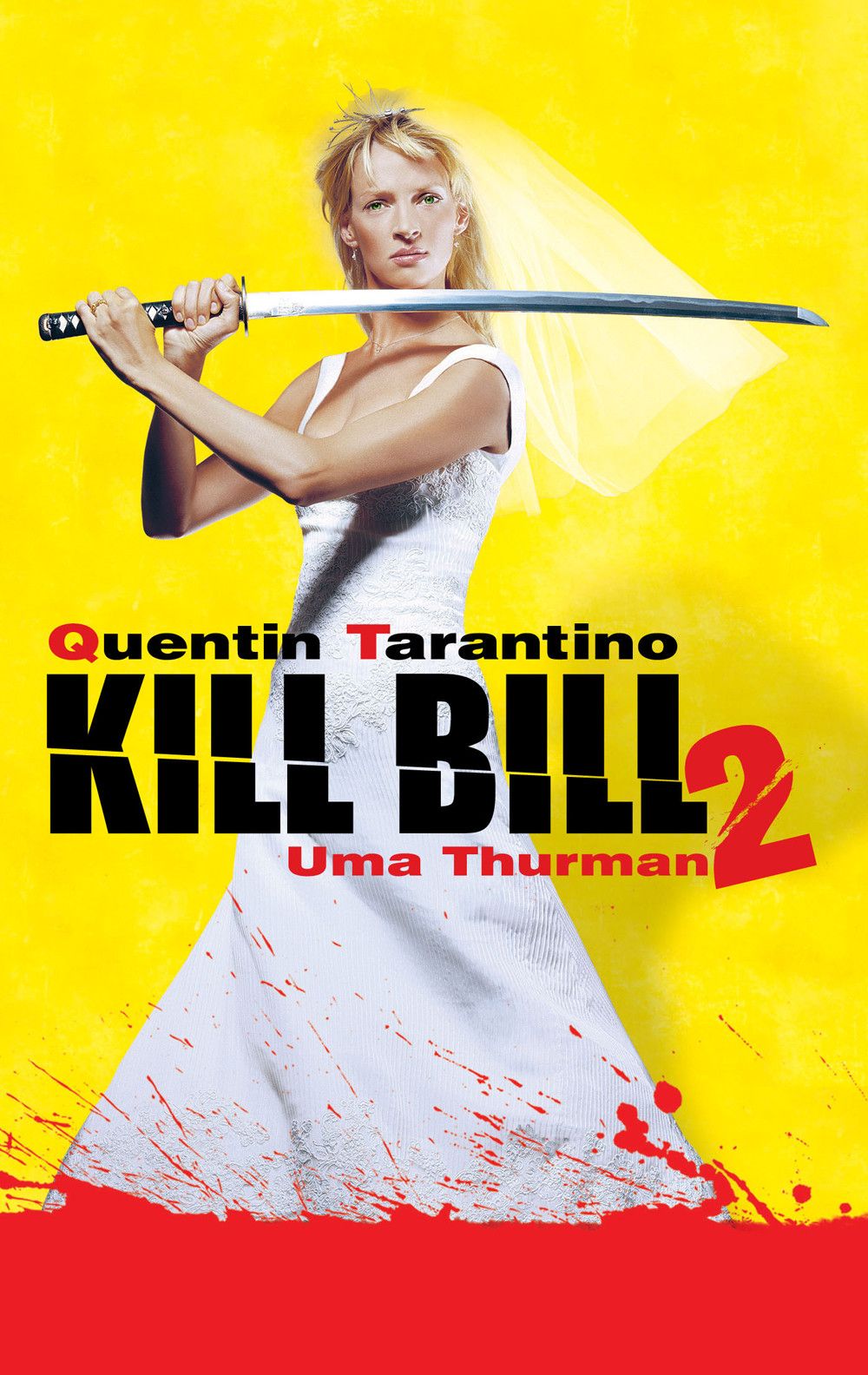
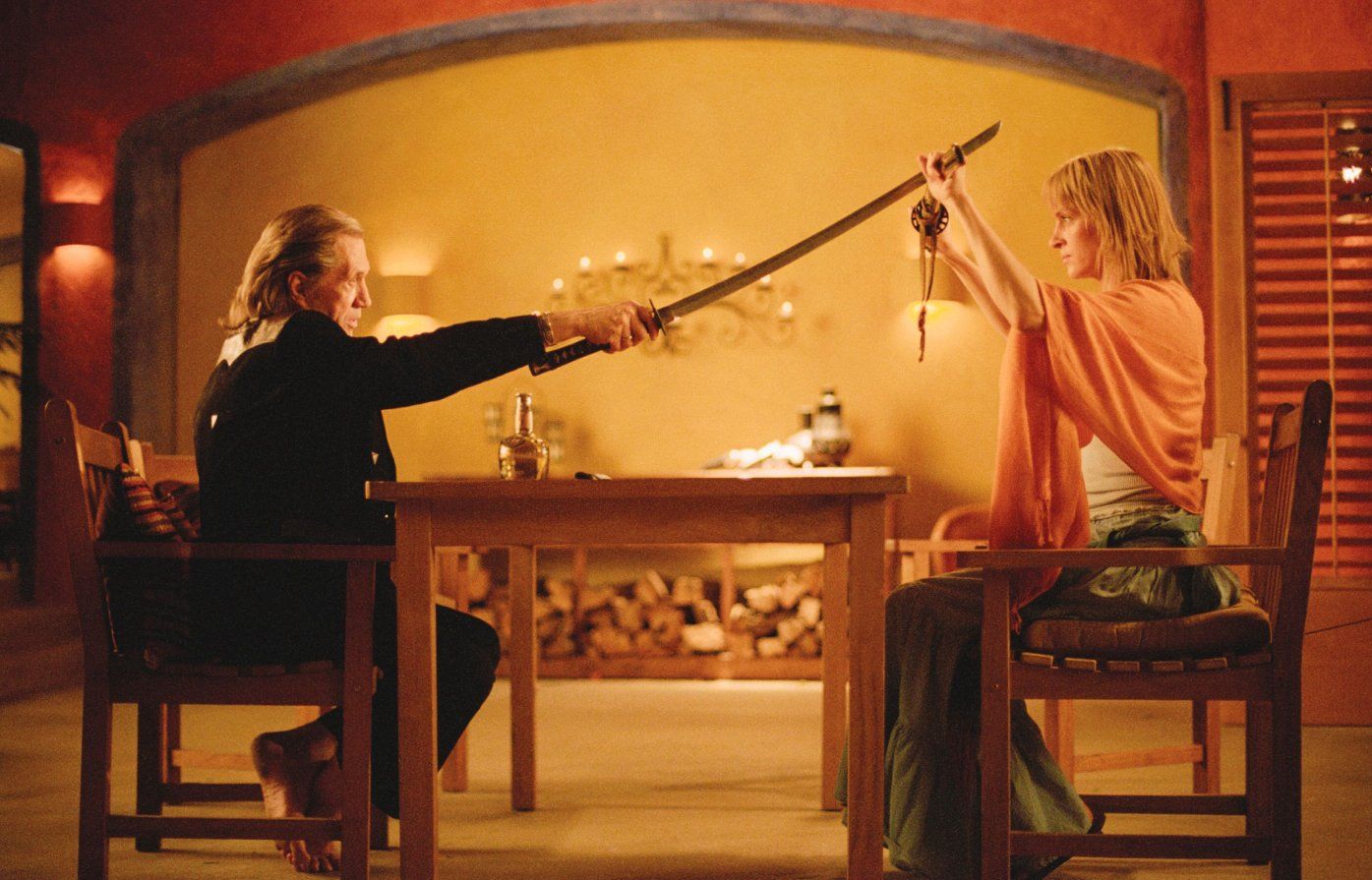
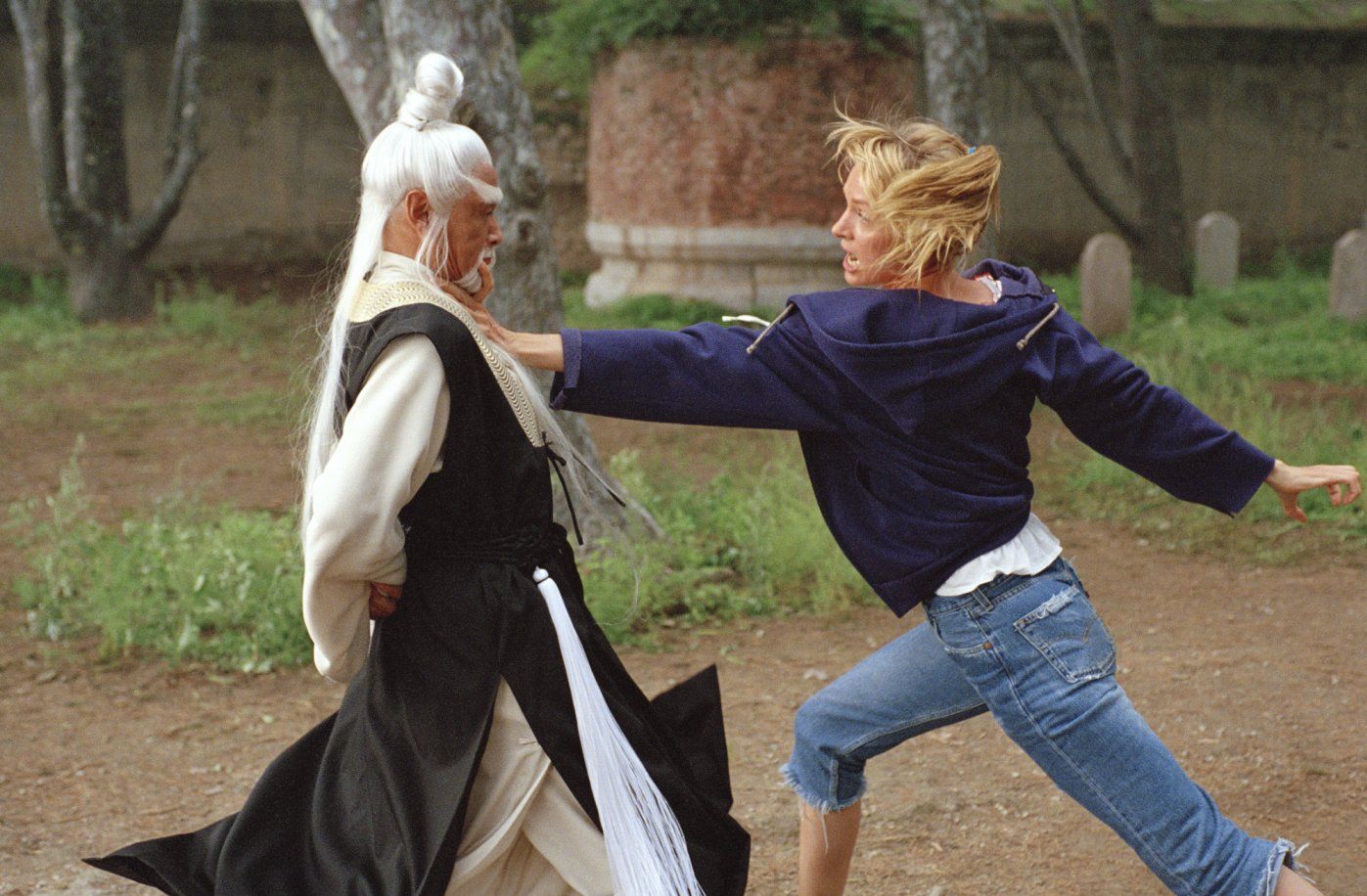
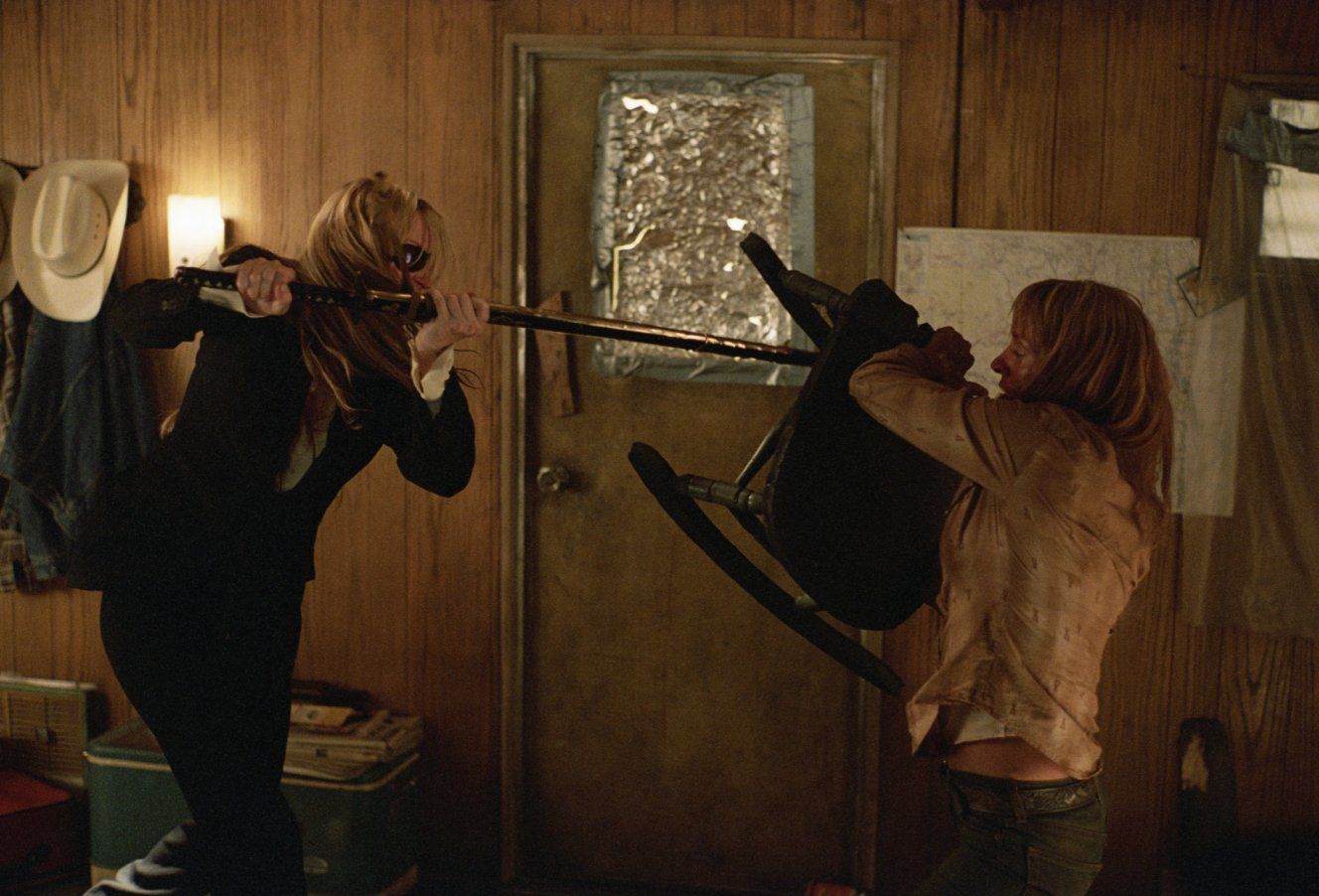
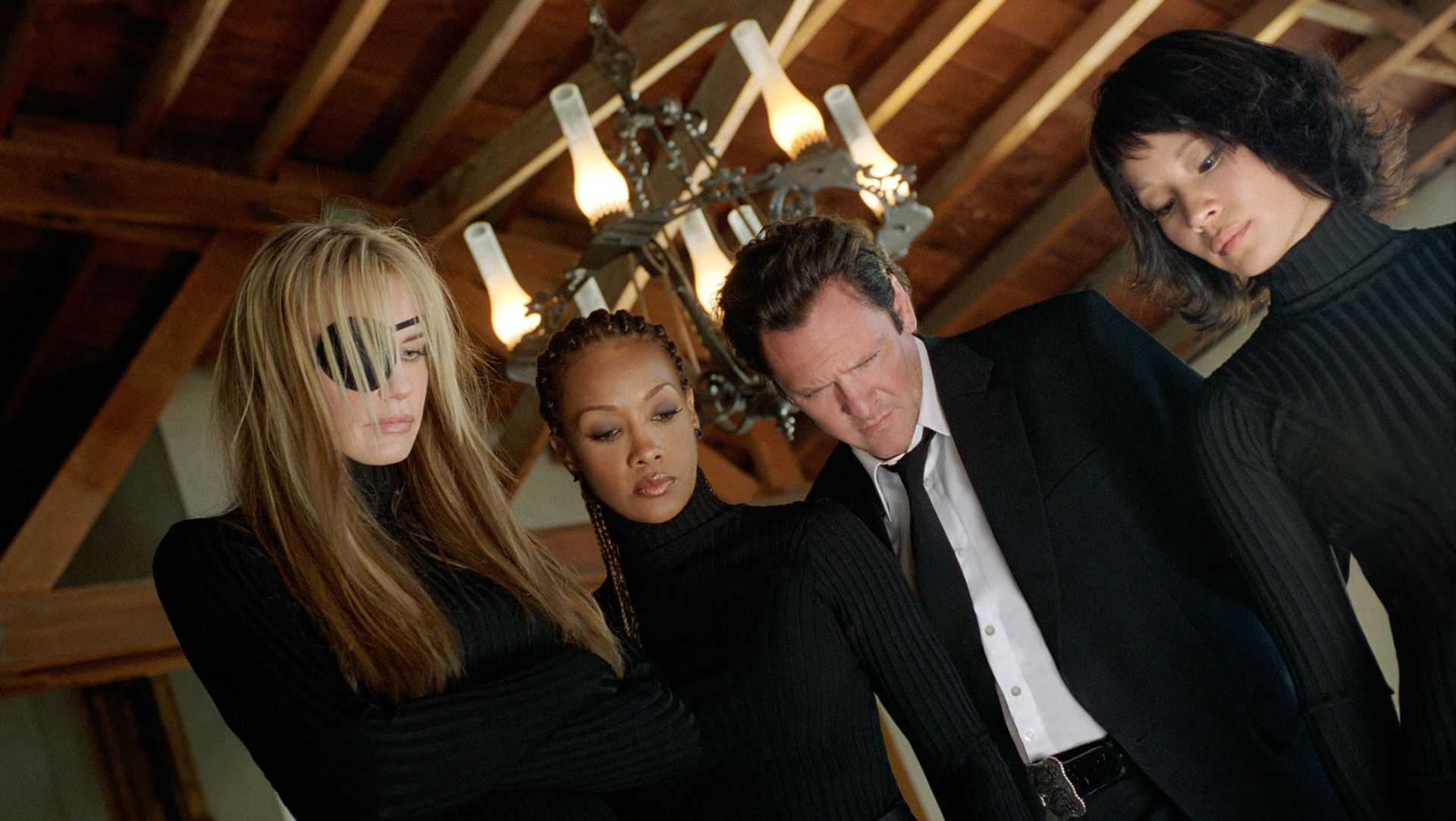
★★★★½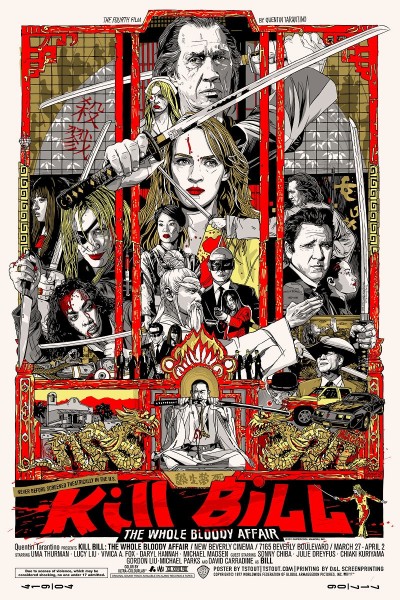 In terms of content, there isn’t much alteration, with the only real change, a small but significant cut at the end of Volume 1. What’s removed, is Bill’s line, “Is she aware her daughter is still alive?” This means neither audience nor heroine know this, until she shows up at Bill’s house for the final confrontation. [I have to say, her daughter certainly doesn’t seem like a four-year old either.] Rather than substance, the biggest difference for me was stylistic: the overall balance seemed more even, as a single entity, than seen as two separate pieces months apart. Volume 2 seemed excessively talky on its own. While that’s still the case, it’s to a significantly lesser degree, being balanced directly by the first half, where The Bride engages in actions, not words. Indeed, the only person she kills in the second part is Bill, a sharp contrast to the pile of corpses left in her wake during its predecessor. His death still feels somewhat rushed, and it’s a shame the original ending – a swordfight between Bill and Beatrix, clad in her wedding dress, on the beach – couldn’t be filmed, because the production went over time.
 What hasn’t changed is the sheer, unadulterated awesomeness of the fights, as jaw-droppingly brutal and intense as they were ten years ago. Yuen Wo-Ping certainly cements his position as the most inventive and effective martial arts choreographer in history. Though this version has the entire House of Blue Leaves fight in colour, the arterial spray becomes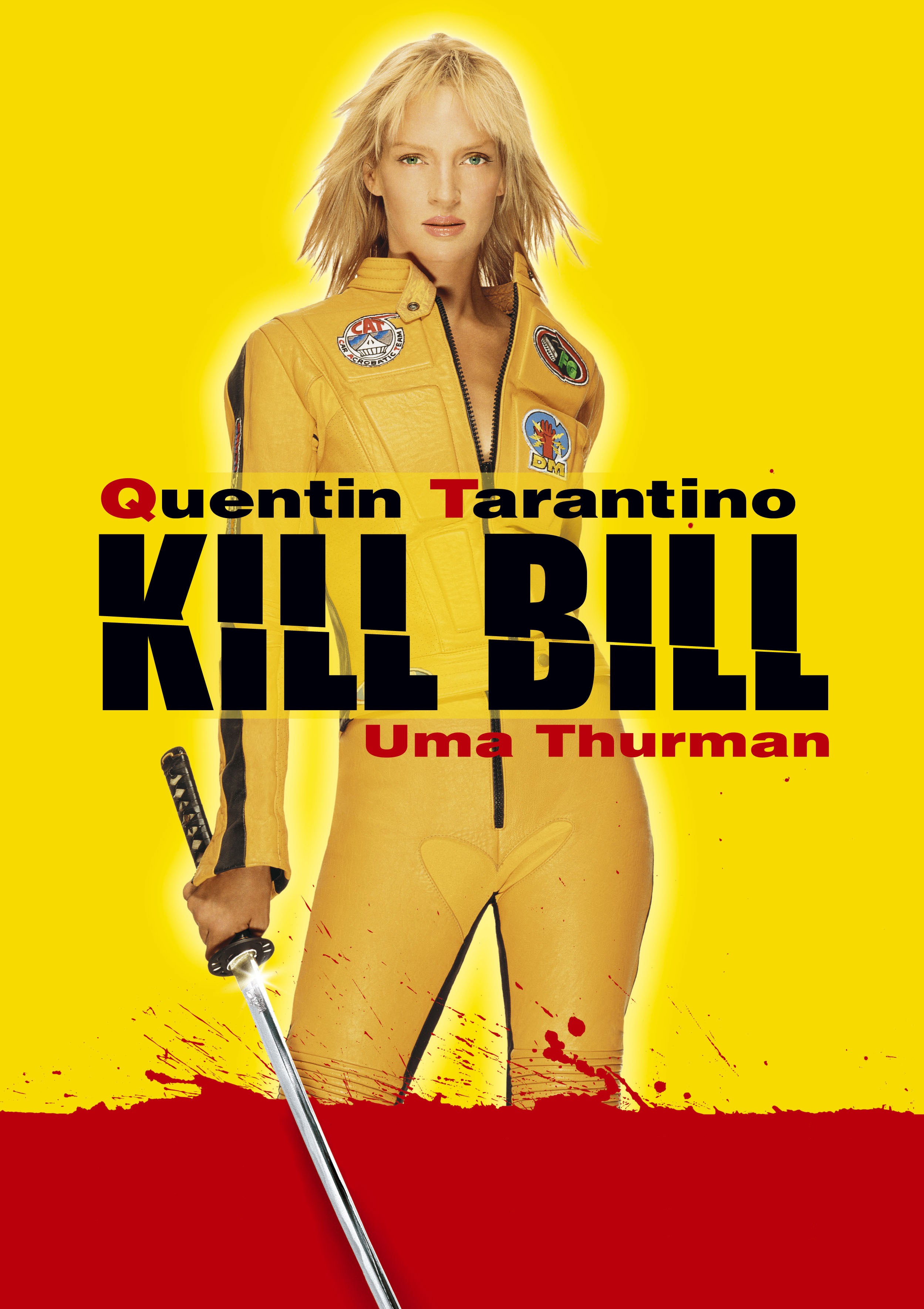











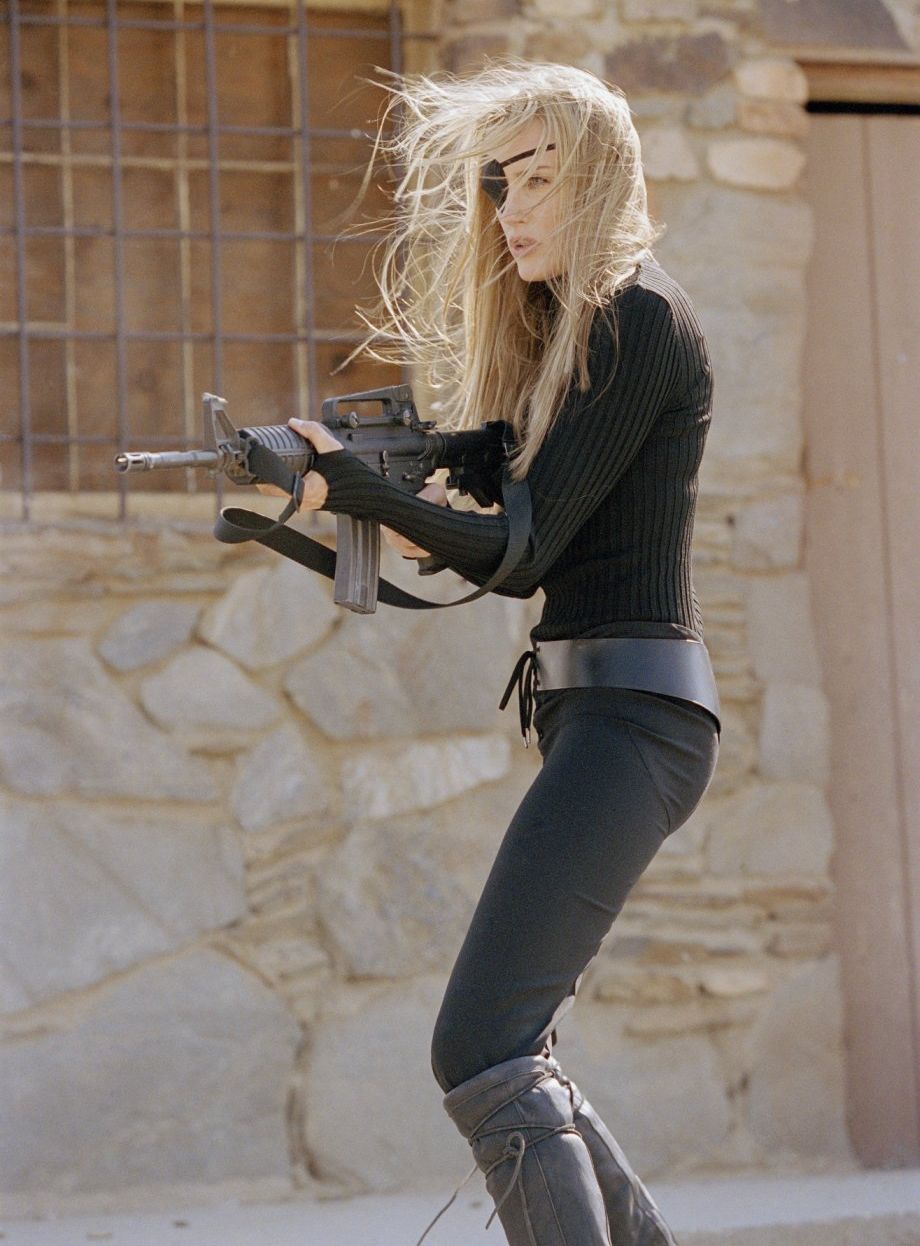
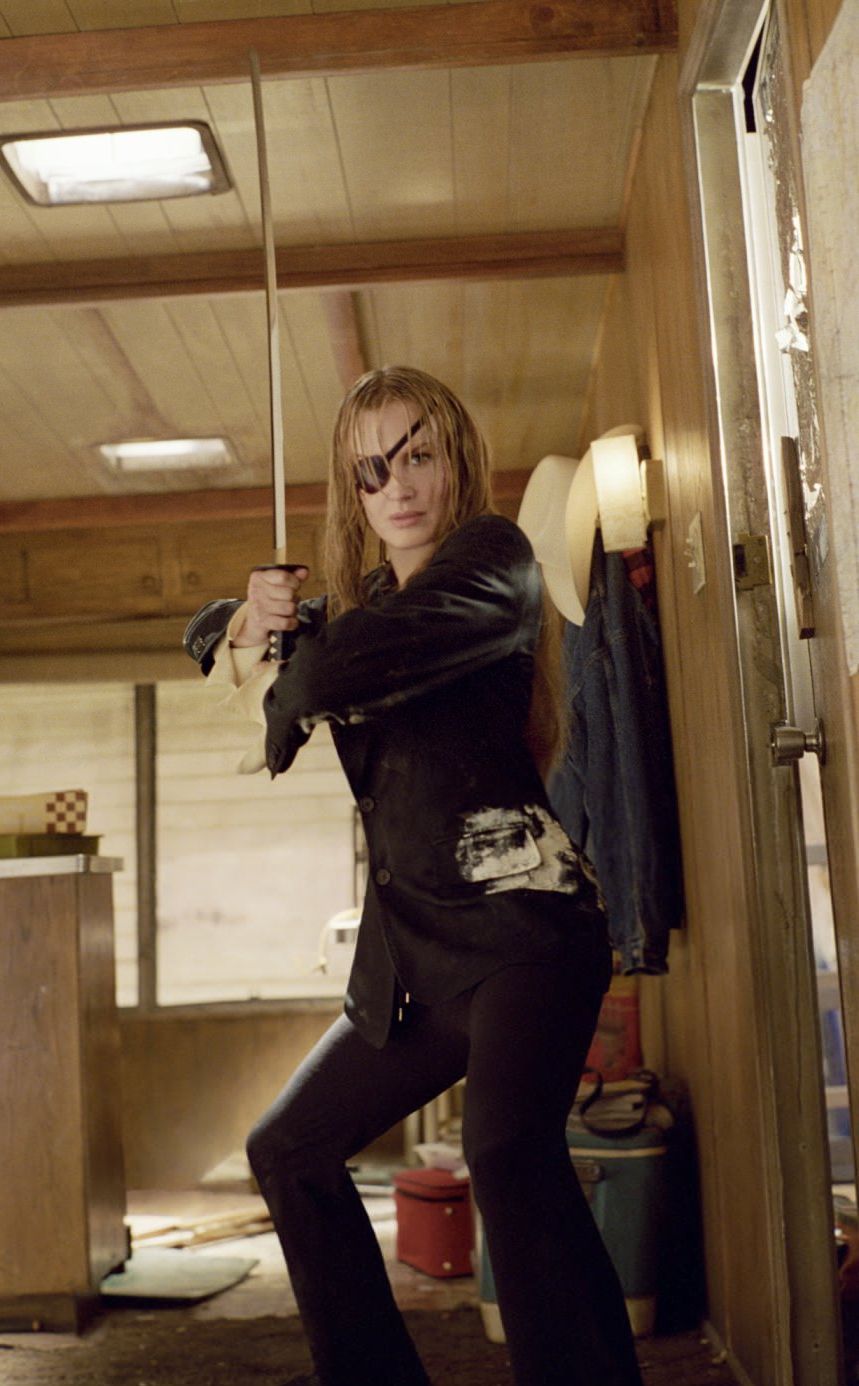

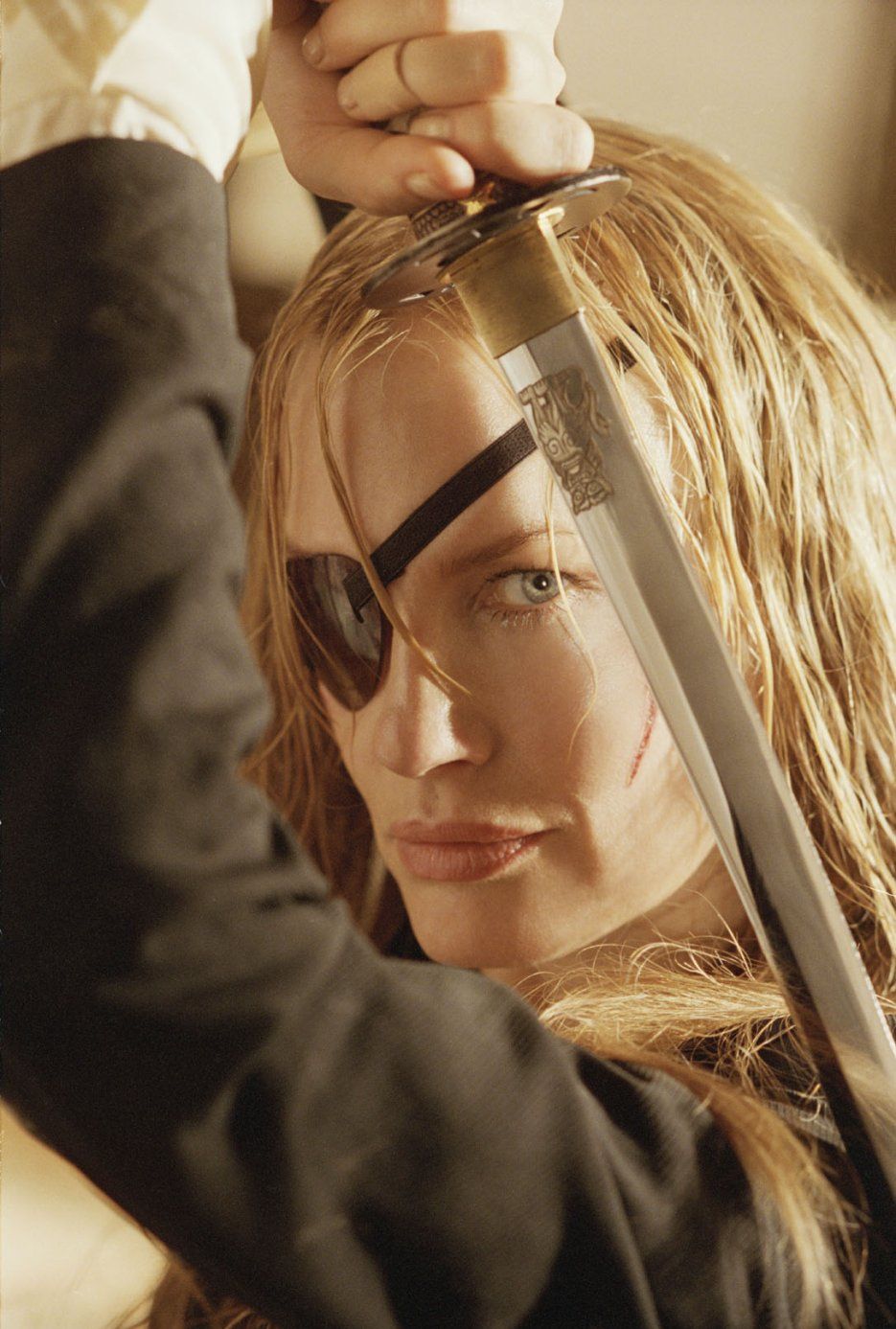


 Okay, I’m sure there are worse films on Netflix. Somewhere. But I haven’t yet found them/ Combining cheapjack production values with poor performances and woefully bad attempts at social commentary, the occasional decent fight sequence aren’t able to overcome the very significant negatives. The heroine is Noriko (Hellquist), who is raped by the Wall Street bigwig, Ronald Brooks, for whom she works – and then framed for his murder. She creates a secret identity, Shinobi Girl: as well as seeking to expose the real killer, she acts as the protector of the 99%, hunting down and dispatching the decadent uber-rich. They are led by Brooks’ widow (Fahey), and commit heinous crimes with no fear of legal reprisal, up to and including orgies of murder and cannibalism (!).
 Make no mistake. By few objective standards could this be described as a “good” film. It is, however, one I found entertaining as all get-out, in a “WTF were they thinking?” kinda way. The main story has Hawaiian cop Jo Alwood (Ford) hunting sleazebag psycho mercenary Robert Kell (Broome), He killed Jo’s sister, among a slew of other women, just after she had accepted a position as bodyguard to bisexual S/M pop star Delilah (Mark), who is his final target. If this sounds a bit familiar, it’s a remake of 1992’s Blackbelt, by the same director, which starred Don ‘The Dragon’ Wilson as the cop. Ford isn’t as good as martial arts, but makes up for this shortcoming by the frequency with which she takes her top off. Heck, she even combines the two, and does martial arts clad only in a thong, which reminded me of another Roger Corman Philippino production,
  Patty (Eleniak) is in an abusive relationship, but finds an outlet through an unconventional source – boxing. This comes through her friend June (Ellis), who works occasionally as a ring-girl for a promoter (Doman). One of his fighters is Tommy (Colby), a part-time boxer whose main source of income is as a limo driver, but also helps run a gym in the upstate New York city of Troy, which helps keep the local kids out of trouble. Reluctantly, he agrees to train Patty, who develops, not only physical strength as a result, but the self-confidence to handle her situation.
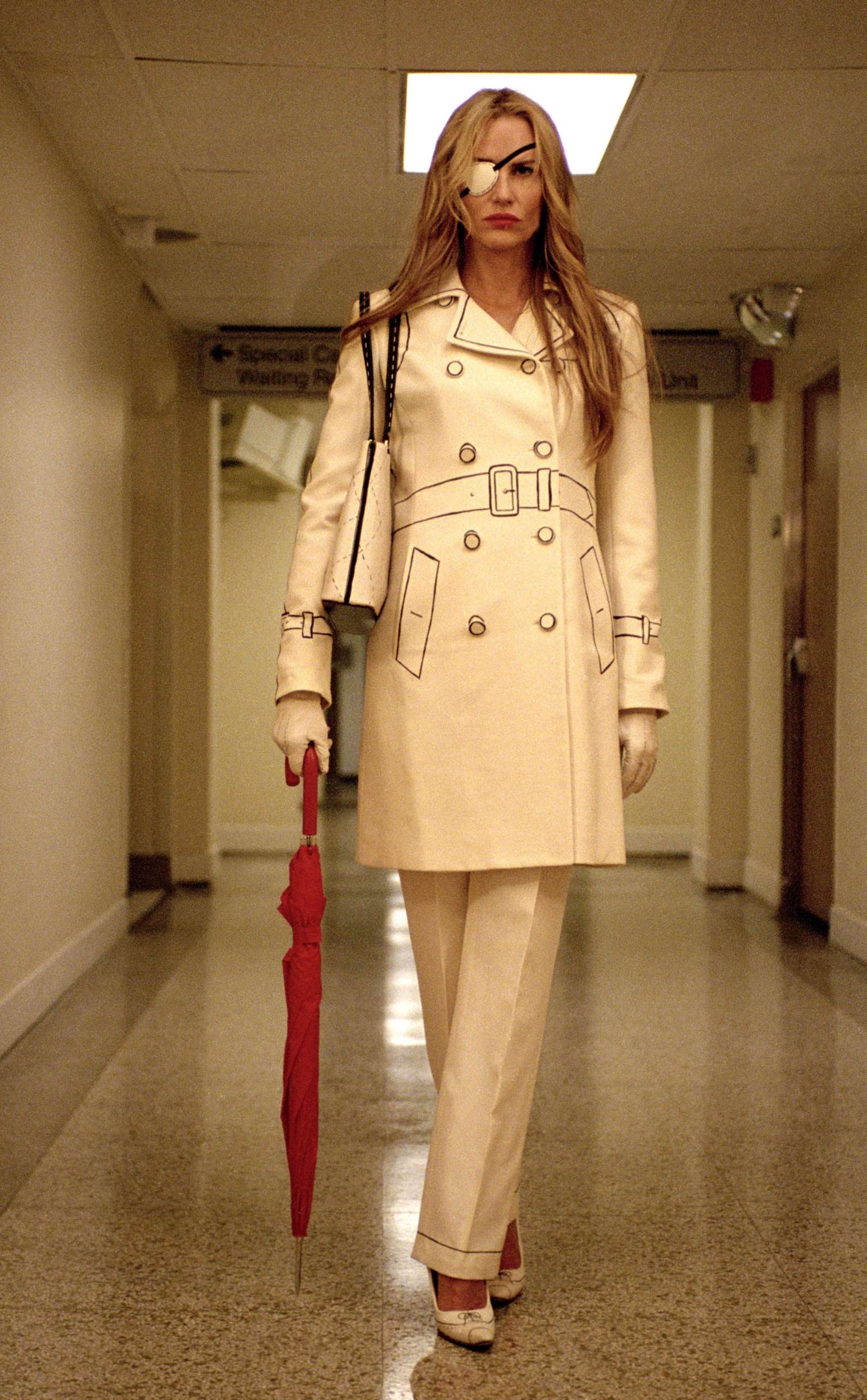
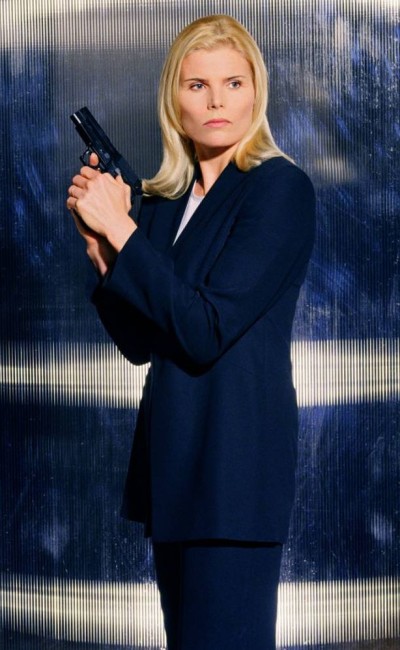 The low score for this is partly not entirely the film’s fault. Despite the title, it’s actually the third entry in a series of TV movies – following First Daughter and First Target. All focus on blonde Secret Service agent Alex McGregor, charged with protecting the President and his family. However, only this one is available on Netflix, which is where I picked it up: had I known in advance, I would likely have started at the beginning. Certainly, the abundance of references to events prior to the start of this movie becomes explicable – if no less irritating – and this might well make more sense if you’ve seen, in particular, First Daughter. The makers seem largely to ignore the second entry, First Target – perhaps because the role of McGregor there was played by Daryl Hannah, after Mariel Hemingway turned down the role she had played in #1. She returned here,
  The back-story behind how this was made is, in some ways, more interesting than the film itself. The star and co-writer was working as a stripper, and came up with the idea, almost as a coping mechanism to handle some of the creeps with whom she had to interact. Funding came from a customer at one of the clubs. But, unfortunately, it turned out that the money he was “investing” was actually being embezzled, leading to a two-year crawl through post-production – it still hasn’t received an official release in its American home. Made in 1997, it looks like a fossil from an earlier, much scuzzier era, with both its grimy New York locations and feel harking back to the work of Abel Ferrara.