



★★★½
“Twoooooooo….”
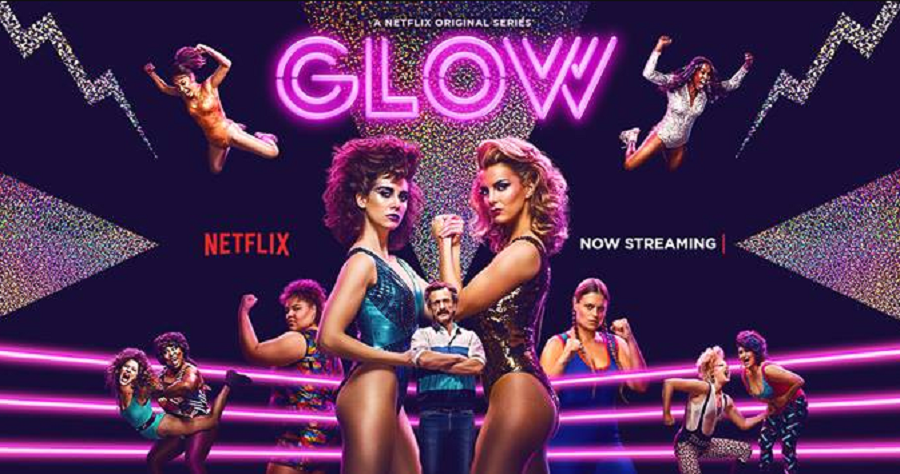
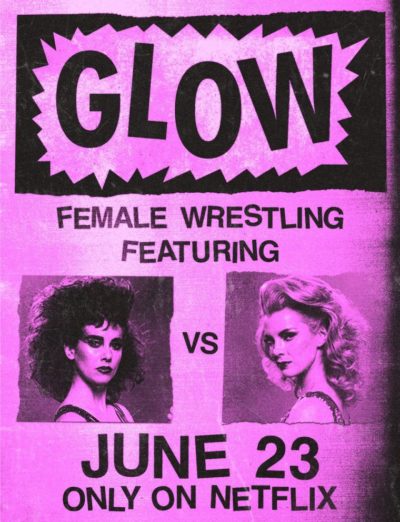 I don’t typically binge-watch shows, being generally content with an episode or two per week. For the second season of GLOW, Netflix’s original series (very) loosely based on 80’s TV show Gorgeous Ladies of Wrestling, we made an exception and blitzed through the series in a couple of days. This in itself is a recommendation – with most of the episodes running barely 30 minutes, it was very much a case of “just one more…” Before we knew it, we were done, and left with a vague feeling of emptiness and slight regret at having burned the 10 episodes so quickly.
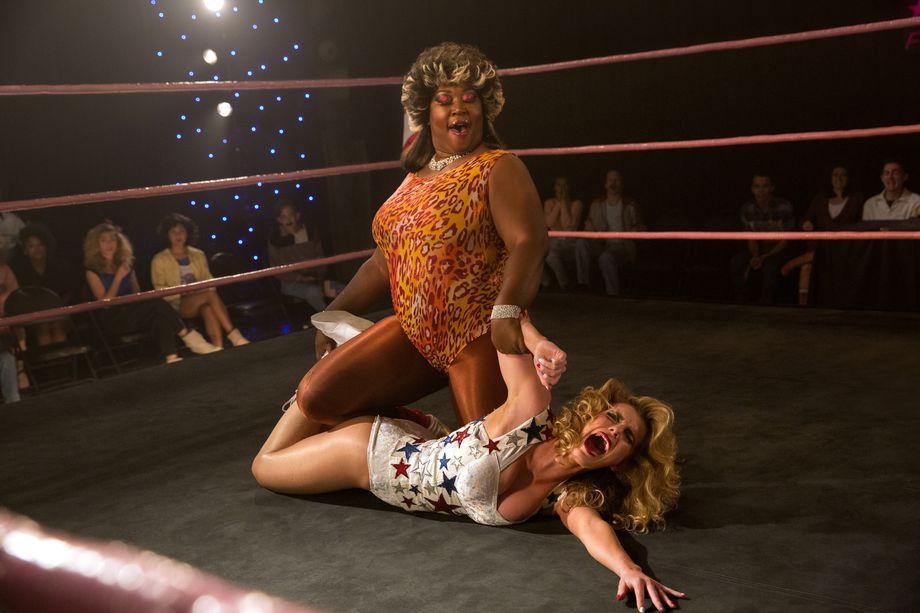
Is it as freshly original as the first series? I’m inclined to say not quite, mostly because it’s treading in its own footsteps. Some aspects have improved – not least the wrestling, which (under the continued tutelage of Chavo Guerrero, who makes a cameo on the final episode) is now probably better than anything the real Gorgeous Ladies ever managed. But the balance seems to have tilted. It feels more like a soap opera with occasional interludes of sports entertainment, while its predecessor went the other way. This series is also rather more strident and obvious in its morality, not least a ham-handed shoehorning in of a #MeToo narrative that had #MeRollingMyEyes.
If the first season was about the struggle up the mountain to make the show, this one is about the fight to stay on the summit and avoid cancellation, in the face of evaporating sponsors and an unengaged TV station, as well as the ongoing relationship between its top stars: former soap star Debbie, a.k.a. Liberty Belle (Gilpin) and bit-part actress Ruth, a.k.a. Zoya the Destroya (Brie). This comes to a literal crunch when a coked-up Debbie genuinely breaks Ruth’s ankle during a match – an incident inspired by a badly dislocated arm suffered by Susie Spirit in the real GLOW.
Some scenes, and even entire episodes, are great: the GLOW parody of “USA for Africa” is perfect, as is the anti-teen sex PSA Debbie assembles. And the eighth episode is, save for the final few seconds in which life decides to imitate art, an entire TV episode of the supposed show. It’s a faithful recreation of the style – albeit with rather less wrestling than the “real” thing – and is glorious, something I’d happily watch every week. The performances throughout are beautifully nuanced, with the best being Brie, and Maron as the show’s good-hearted bastard director Sam Sylvia.
But there were enough flaws in the writing as well as weaker episodes (especially during the first half); combined with the lack of any much sense of building on the previous season, I have to give it a slightly lower rating. Debbie’s coke use, for example, comes out of nowhere and goes there too. Maybe things like that will become more relevant in any third series: this one ends with the cast and crew heading to Las Vegas [finally catching up with the real GLOW, who were based out of there]. Until then… Well, we’ll just have to watch Lucha Underground instead.
Created by:: Liz Flahive and Carly Mensch
Star: Alison Brie, Betty Gilpin, Marc Maron, Sydelle Noel
 I’ve come to the conclusion I prefer bad films to bad books. A bad film can be appreciated and offer entertainment in unexpected ways. I’ve rarely found that to be the case with literature, which just… lies there, dully. If a movie sucks, then you can at least allow it to drift into the background, while you check your phone, play with the cat, or do household chores. A bad book, on the other hand, requires every bit as much effort as a good one: the return on that investment is just a great deal less.
 Gia Valentina Santella is the daughter of a rich Italian family in California. She doesn’t seem to do much with the bountiful hand fate has dealt her: drinking, casual sex and designer labels appear to be her main interests. But her easy life is rudely disrupted after her parents die in a fire at their estate in Switzerland (!). In the aftermath, she is sent a letter from the man who carried out their autopsies, confessing that he was paid off to conceal the real, much less accidental cause of death. As Gia starts to dig into the past, seeking the truth, it soon becomes apparent that it was a good deal murkier than initially appears. And also, that someone has a strong, vested interest in ensuring it stays covered.
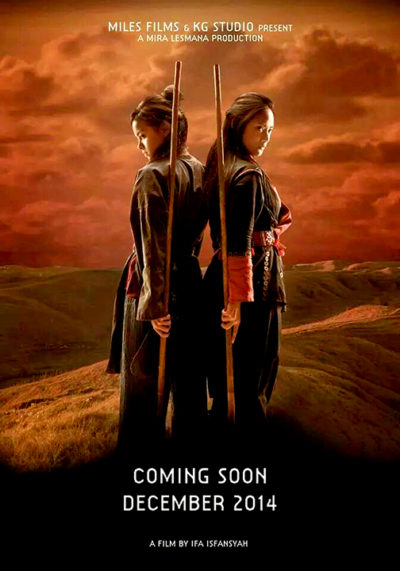 Veteran martial arts guru Cempaka has been training her four students, the children of other gurus she defeated, for years. It’s time to pass on the ultimate move, and the titular artifact which goes with it. She selects Dara (Celia) as her heir, but before Cempaka can bestow the necessary knowledge, she is attacked by Biru (Rahadian) and Gerhana (Basro), two of the students passed over for Dara. In the ensuing fight, Cempaka is killed and the cane stolen by Biru. The injured Dara is found and nursed back to health by the mysterious Elang (Saputra), a man with a murky past and no shortage of his own skills. Biru and Gerhana frame Dara for the death of their mistress, and use the cane’s power to take over the local area. Can Dara track down the last living practitioner of the Golden Cane style, and learn the skills necessary to defeat her fellow students?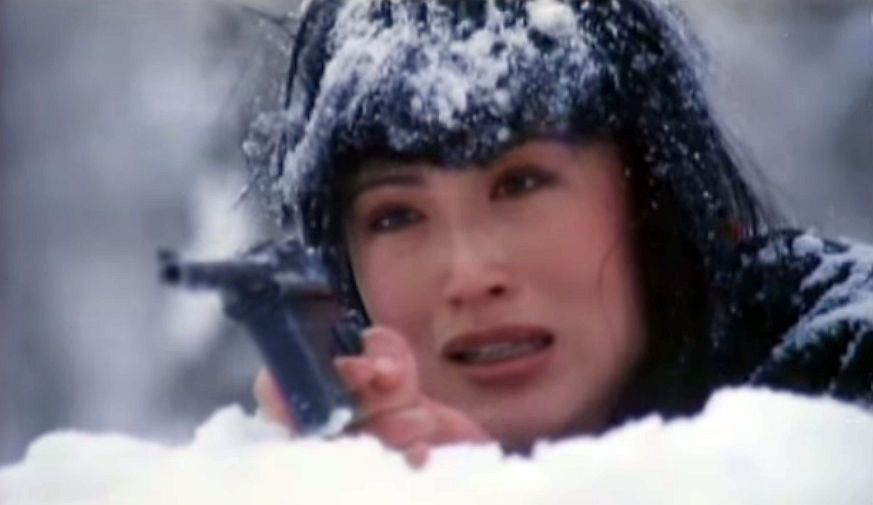
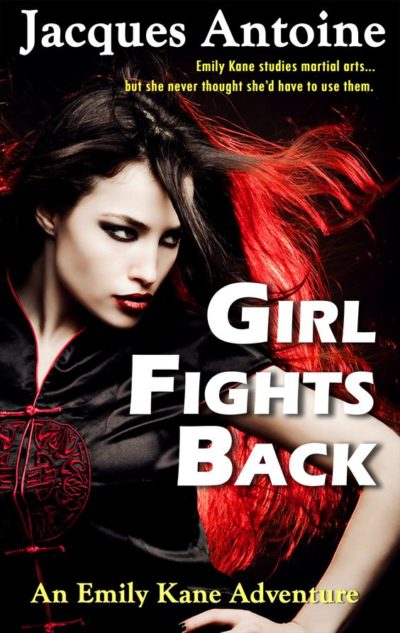
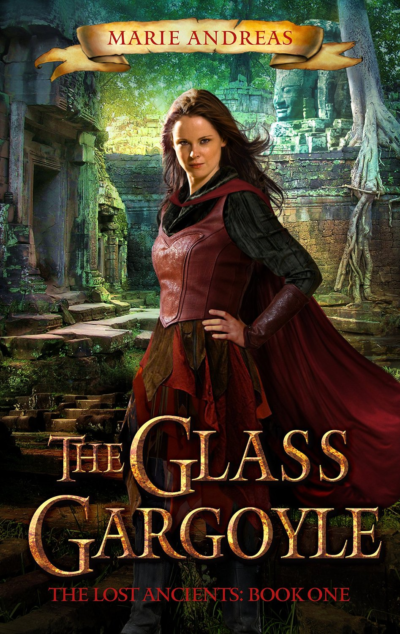 Taryn St. Giles is an out of work archaeologist, who has taken up bounty hunting in order to pay the overdue rent, after the untimely death of her current patron. However, her latest target turns out to be considerably more than she can handle. For Alric is a master of both disguise and hand-to-hand combat, and Taryn’s pursuit of him rapidly entangles the heroine in a deepening web of magic and intrigue. The titular artifact – which doesn’t actually show up until well into the second half – is a potential gate, which could open a doorway and leave this world a thoroughly unpleasant place for just about everyone. Fortunately, Taryn has friends both academic and physically-inclined on her side, as well as a trio of semi-domesticated fairies. Though the last-named are engaged in their own war, with a local family of squirrels.
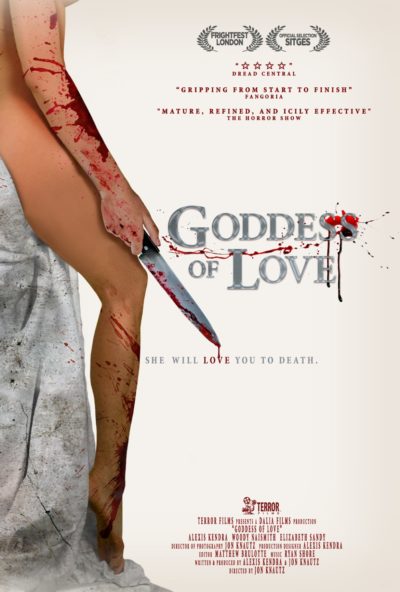 Right from the start, it’s established that Venus (Kendra) is not the most mentally stable of creatures, alternating between emotional fits in the bathtub, drug abuse and her day job as a stripper. That’s pretty much the trifecta of Stay Away for any man. But she ends up dating one of her strip-club customers, Brian (Naismith), a photographer who likes Venus because… she reminds him of his late wife. Which as opening lines go, I’d imagine would rank highly as Stay Away for any woman. While initially working far better than you’d expect, that only makes the eventual crash and burn of their relationship, all the more brutal.
 ★★★★
★★★★ I have only vague memories of the Gorgeous Ladies of Wrestling, which never quite made the same cultural impact on the far side of the Atlantic as in their native country. I seem to recall seeing a couple of episodes, deciding it was a bit crap, and then slapping in a Megumi Kudo barbed-wire death match tape instead. But my interest was rekindled by the wonderful documentary,
  This is a great deal of fun, striking a very impressive balance between the drama, comedy and – to my surprise – the wrestling elements. For the show does a particularly good job of explaining both the appeal of the sports entertainment in question, and the work that goes in to making it look good. Here, it probably helps that real wrestlers were involved: Chavo Guerrero was the main consultant, and his uncle, Mando Guerrero, helped train the original GLOW ladies in the eighties. Fans will also spot John Morrison/Johnny Mundo, Brodus Clay, Carlito and Joey Ryan in various roles. It’s not at all a parody of the sport; to a significant degree, the original GLOW felt like that. But it also does extremely well at linking the wrestlers and the characters they play, and showing how the latter evolve and develop out of the former.
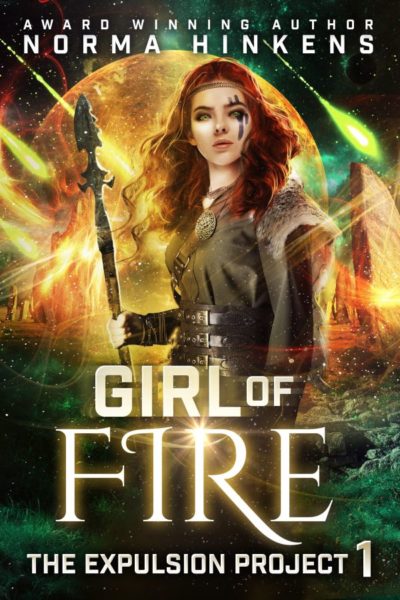 You might be forgiven for expecting something Hunger Games-like, given Katniss was referred to frequently as the “girl
 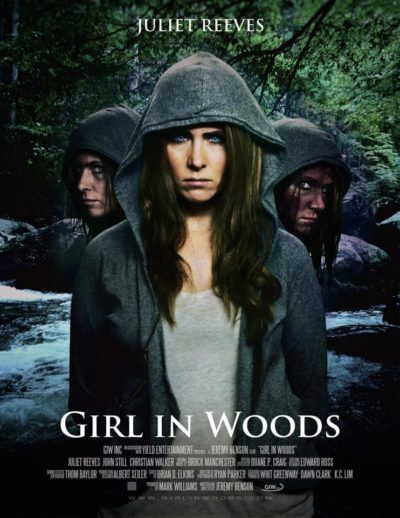 It’s always interesting when reviews of a film are deeply polarized, and that’s the case here. The first page of Google results run the gamut from “I simply despised the film as a whole” to “The images are frightening within, and the only thing better than the scares are the performances.” While I lean toward the latter, I can see how this could have failed to make a connection with some viewers, and if that happens, then there isn’t much else to prevent the former opinion. It’s the kind of film where there isn’t likey to be a middle ground in reactions.