



★★
“Making America Grate Again.”
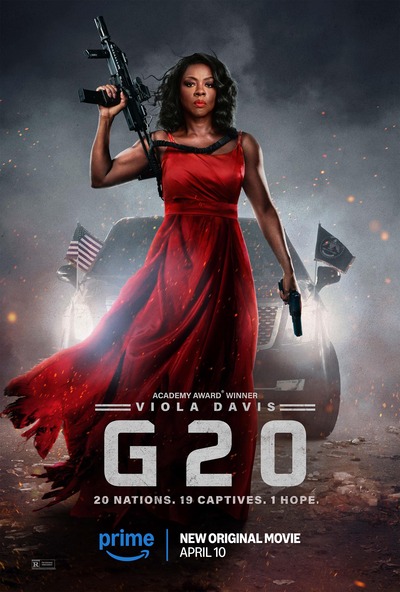 Amazon Prime doesn’t have the best reputation for its original movies. Indeed, I’m hard pushed to think of one which I’d want to watch again. That record is unchanged after this, a fairly ludicrous Die Hard knock-off which even an Oscar winner like Viola Davis can’t do much to salvage. It’s another in the recent series of “president in peril” films. When your movie takes inspiration from the likes of Olympus Has Fallen, you’re setting the bar low from the get-go. Then cobble together a script involving the three boogeymen of current culture – AI, cryptocurrency and white men. Finally, pretend Kamala Harris won the election, and was a military-trained bad-ass. Given all this, two stars is probably an achievement.
US President Danielle Sutton is in South Africa with her family to attend a conference and get agreement for her plan to… [checks notes] “empower struggling sub-Saharan farmers through access to digital currency.” Where’s DOGE when you need somebody to shut down this blatant waste of taxpayer money? The conference is taken over by Edward Rutledge (Starr), a formee Special Forces soldier whom I thought was South African, but turns out to Australian. I blame Starr’s ropey accent. He plans to use the gathered leaders to create deep fakes which will tank the economy and boost the value of his crypto holdings. Naturally, President Sutton is able to slide away with the help of Secret Service agent Manny Ruiz (Rodríguez), and… Oh, figure it out yourself.
I’ll never be averse to a good Die Hard knockoff. Unfortunately, this isn’t much cop. While Davis does what she can, being decent dramatically, and just about credible on the action (if you squint hard enough), she can’t negate the stupidity and cliché-ridden nature of the script. For example, Sutton’s whiny and rebellious teenage daughter, who – what are the odds? – turns out to be a world-class hacker, so can counter Rutledge’s plans, when necessary to the plot. And even Davis looks unconvincing when going toe-to-toe with men significantly larger than her, then straight-up outmuscling them. There are ways to handle this kind of thing, e.g. Air Force One used stealth for its hero more than strength. Director Riggen doesn’t bother, damaging the movie’s credibility.
It doesn’t help that it’s currently hard to make politicians of any colour seem sympathetic. I have a deep cynicism about them, and frankly, Rutledge makes some credible points in his inevitable anti-government rants. I also felt a rather unpleasant racist tone to the script, with enough of the fights being interracial to leave me going “Hmmm…” Go through this thinking “White people bad”, and you’ll probably be fairly accurate at predicting the script’s twists. If generally competent on a technical level, there are still mis-steps like some obvious CGI. All films in the Die Hard genre are wish fulfillment to a certain degree. This, however, takes it to a near-stupid degree, and doesn’t provide the escapism for which I was looking.
Dir: Patricia Riggen
Star: Viola Davis, Antony Starr, Ramón Rodríguez, Anthony Anderson
 This would be a creditable little film, if the makers could ever be bothered to finish it. Yeah, it ends in what is supposed, I presume, to be some kind of cliffhanger. But it botches the landing badly, first by leaping forward two weeks instead of showing us the climax to which things have been leading up. Then, it just… ends, without resolution in any of the major plot threads. It’s a shame, because to that point, if doing nothing particularly new, this is competent in its execution, and I’ve seen a lot worse. It gets the basics right, with a half-decent story and characters: in the urban genre, this is sadly less common than you would hope.
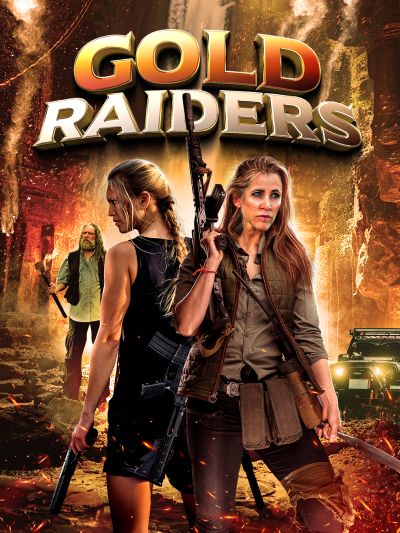 To be fair, for most of the time, this was likely hovering around the two-star range. Not brilliant: it was rather obvious why
  I’m very cautiously giving this one our middest of mid-tier ratings, which I reserve the right to change in future. Because this one showed up on one of the… “less official”, let’s say Chinese movie channels on YouTube. While the likes of Youku and iQiyi make the effort to deliver subtitles which are typically at least intelligible, I’d say the subs here reached such a level, only about one line in five. Then I still had to figure out cultural context for this period piece, which also seemed to reference local folklore. I guess I should be grateful the soundtrack here was intact. The previous night, I’d watched another film on the same channel which, I kid you not, had random bursts of musak injected, presumably to avoid YouTube’s automated copyright system.
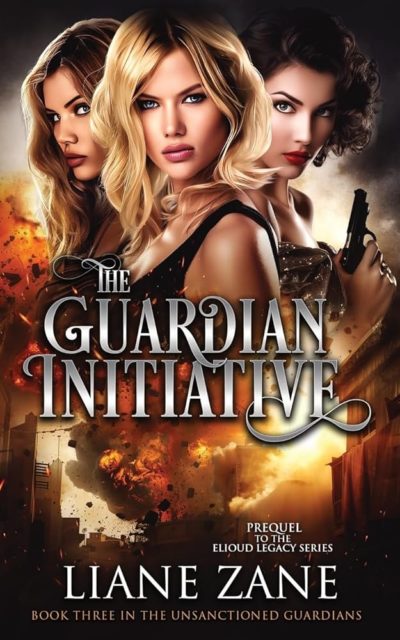 About a year has elapsed since the events of the previous book. CIA agent Olivia Markham landed on her feet sufficiently, after the events in that one, to preserve her career with the Company; but since then, at her request, she’s been moved to a desk job. For most of the interim, she’s been in charge of an agency safehouse in Montenegro, which fronts as a free clinic for the town’s numerous foreign refugees, run by an NGO that’s not aware of the CIA connection. (The clinic work is real; when she was recruited by the agency in the first book, Olivia was a college pre-med student, and she has EMT certification.) She’s also fallen in love with a French medical doctor at the local hospital; the two are living together, and will get engaged in the first chapter. But …she’s about to cross paths with an Islamic terrorist mastermind from the previous book. Meanwhile, Italian spy Stasia Fiore is still investigating the theft of a Predator drone from the Italian military; and Capt. Beta Czerna is soon to be approached by a desperate woman who needs help in rescuing her sister from the clutches of a Polish crime lord who’s into sex trafficking (among other villainous things). Circumstances are about to converge these plot strands, and bring all three ladies together for a violent, high-stakes thrill ride.
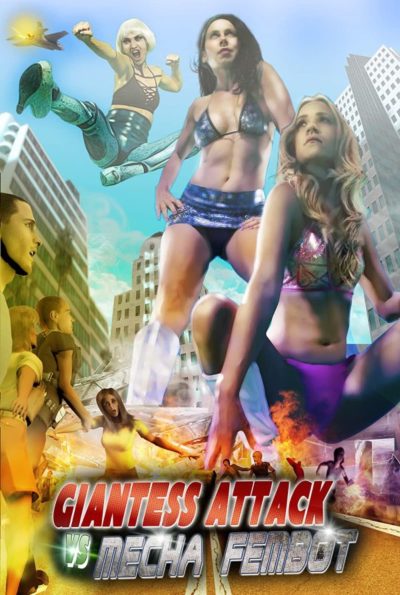
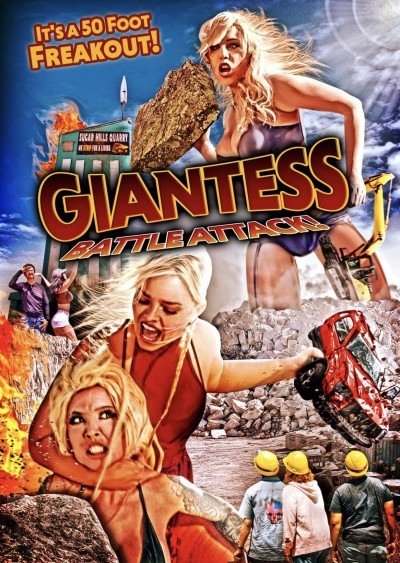 I was expecting this to be a follow-up to the previous Giantess films, most recently
 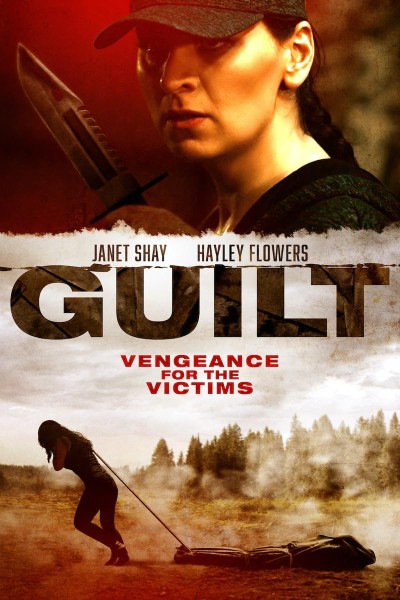 This starts off strong, with an attention grabbing scene where a woman gets a visit from a plumber. She offers him a glass of water, and… Things do not go as expected. For the woman is Jessie (Shay), a psychiatrist on a mission. She has made it her purpose in life to punish paedophiles whom she feels have been too lightly punished by the law. The man is one such, and it does not end well for him. Specifically, he is stabbed, and buried in a shallow grave, deep in the Australian outback. Safe to say the film has got my attention. Unfortunately, it’s more or less downhill all the way from here.
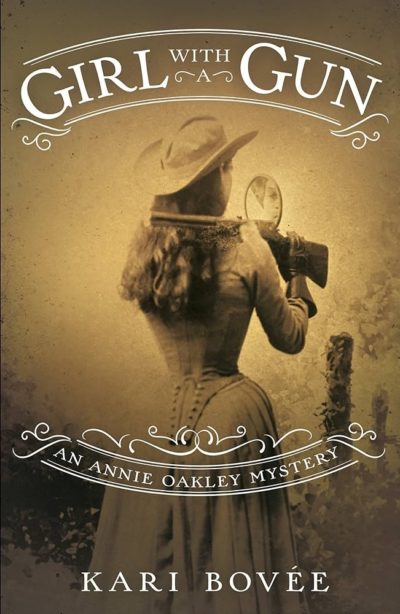 This is an interesting idea. Take a real-life historical action heroine, whose life provides the underlying framework, and write a fictional story around that. Obviously, Annie Oakley really existed, and the broad strokes of her life here are accurate. If you’ve read
 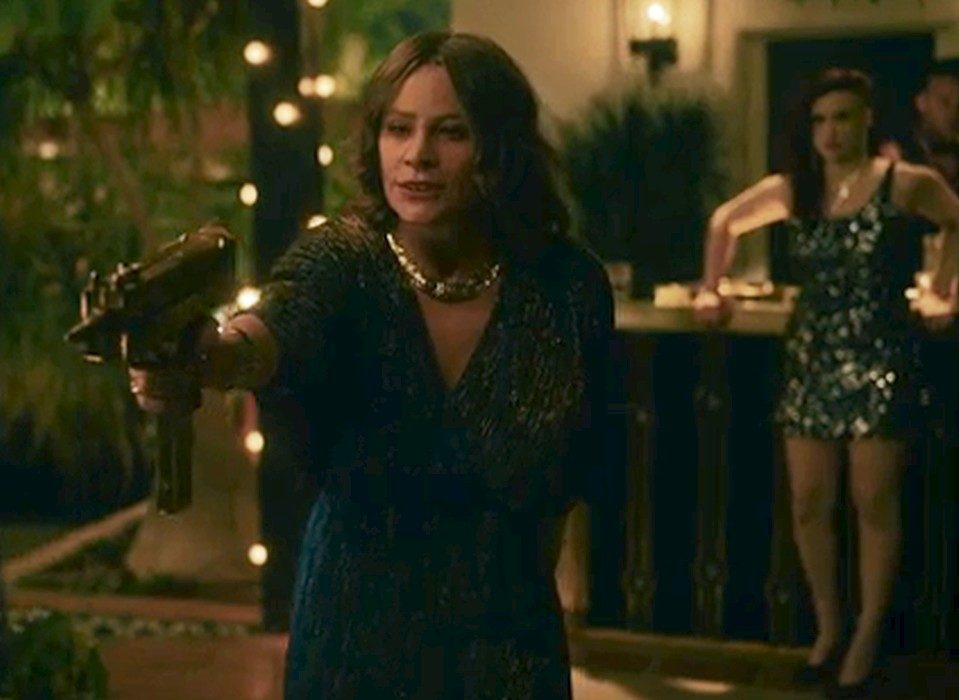 ★★★★
★★★★ This is far from the first time we’ve covered films, series or documentaries about Griselda Blanco, the drug boss who ruled Miami with a lead fist in the eighties. There was Colombia narconovela
 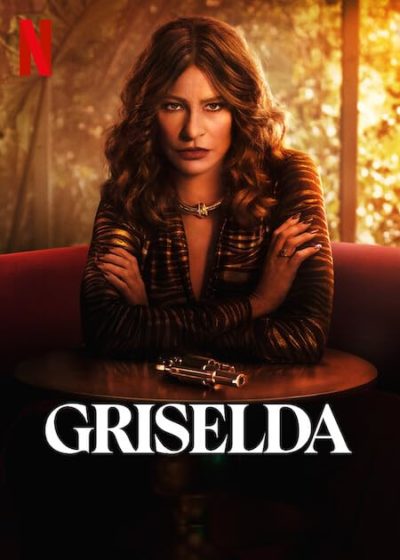 It’s kinda inspiring, weirdly. Early on, the series can be seen a twisted version of the American dream, where an immigrant can come to America, pull themselves up by their bootstraps, and anyone can achieve success if they work hard. The reality is, Blanco didn’t arrive in Miami seeking asylum from domestic abuse, but fleeing increased law-enforcement heat for drug trafficking in New York. Not exactly what Vergara
 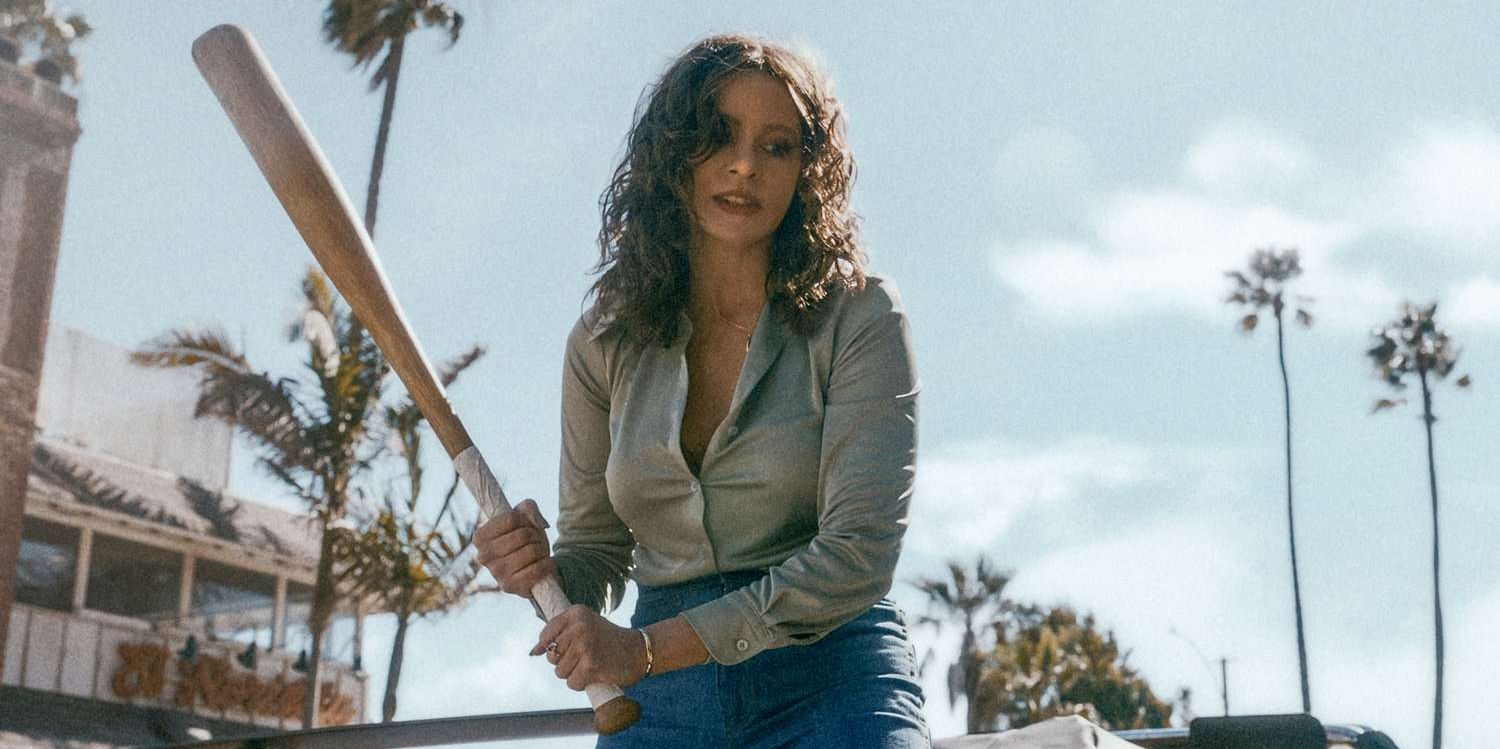 In terms of production value, this is definitely several slices above the other efforts, even if Los Angeles stood in entirely for Miami (the latter no longer resembling what it was at the time). Of particular note is the make-up work on Vergara. It must have been a challenge, because events unfold over a significant number of years: your lead is, obviously, more or less fixed at a point in time. Initially, there’s little of note, but it gradually builds up, in a way that’s so subtle you might not notice. Until, by the end, you suddenly realize the character no longer looks like the actress. Though still rather prettier than the real Griselda.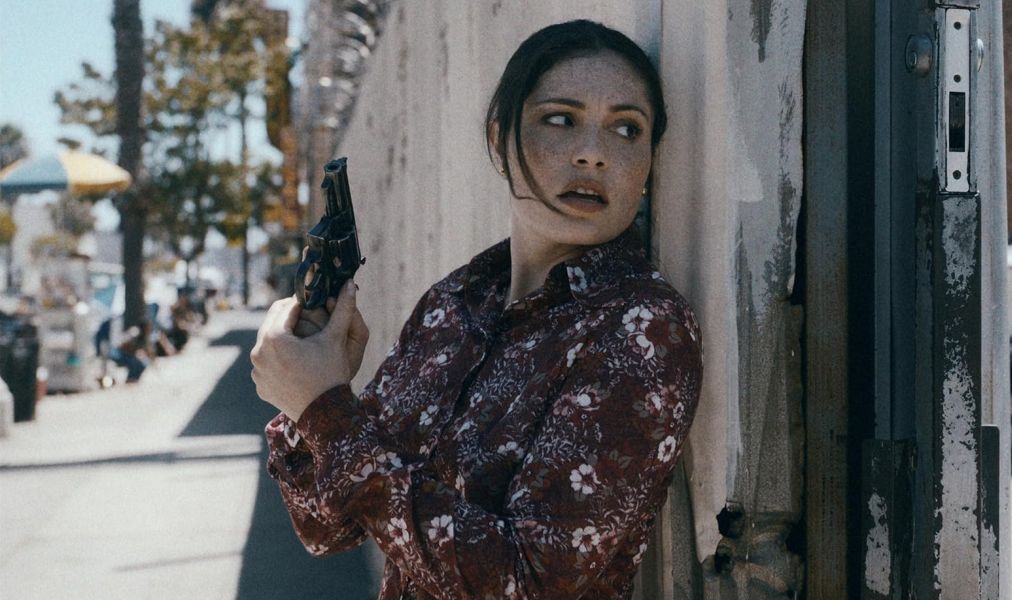
 The first