★★★½
“When you go on a journey of revenge, dig two, uh, MULTIPLE graves…”
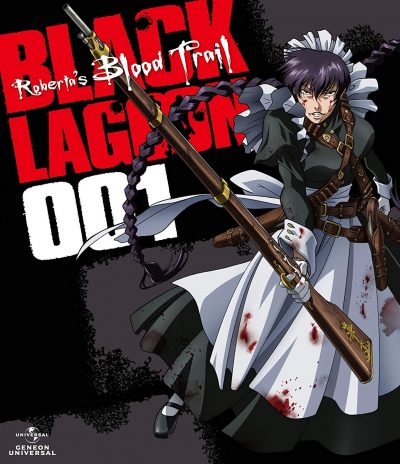 [Jim] Almost four years after Black Lagoon, this five-episode mini-sequel was released, re-uniting us with Revy (Toyoguchi), Rock (Namikawa) and the other members of the Lagoon Company. They remain, as before, a somewhat shady outfit, operating out of the South-East Asian wretched hive of scum and villainy, which is the entirely shady city of Roanapur. This arc is also a reunion of sorts with Roberta (Tomizawa, who has been doing voice work since back when I was a “real” anime fan, in the days of Bubblegum Crisis!) She’s the lethal Colombian maid who guards the Lovelace family, with whom Revy and crew crossed swords in one of the Black Lagoon arcs, before Roberta returned to South America.
A politically-motivate bomb explosion there took out her master, and set Roberta off on a trans-continental mission of vengeance, beginning in her country, before crossing the globe to Roanapur. That’s because the people responsible are a black ops group affiliated with one wing of the US government. They are now in town, preparing to go up into the Golden Triangle on their next mission, capturing a Laotian drug-lord. Following her are the Lovelace heir, Garcia (Ikura) and back-up killer maid Fabiola. But quite a few others are also interested in the outcome, including another wing of the US government (CIA vs. NSA), and the various factions of organized crime who run the city.
If there’s an overall theme here, it’s perhaps “redemption for past sins.” Rock, in particular, is seeking to atone for his failure to save a young girl, in the events that ended Black Lagoon. But it sometimes seems that everyone has history, of one kind or another, which has left them carrying baggage: even the NSA assassins have issues. Rock may be the central character here and, disappointingly, Revy spends much of the show on the disabled list. But despite her being sidelined, there are no shortage of strong female characters who take no crap from anyone: Roberta, Fabiola, Miss Balalaika, Eda. Say what you like, Roanapur is clearly an equal-opportunity hive of scum and villainy.
If anything, this is perhaps even more hyper-violent than its predecessor; going from cable TV to video seems to have taken off some of the restraints. Parts #3 and #4 in particular seem almost like an extended exercise in carnage around the streets of the city – amusingly, neither the authorities nor the other inhabitants appear too fazed by these happenings! It’s all a little confusing, with so many players in the game, but things settle down a bit for a solid finale, upstream in the jungles of Laos. All told, if you liked Black Lagoon, then this is almost certainly going to be appreciated in the same way. One review called this a cross between the works of John Woo and Takashi Miike, and it’s hard to argue with that as an overall assessment.
★★★★
“Back with a bang!”
[Dieter] When a couple of years ago, Jim wrote a review on the 2006 anime series Black Lagoon I was a bit heartbroken. Not that anything was wrong with his review, but as a long-time fan of the series, I felt there was so much more to be said about it. Hopefully, I can do this here. One remark before you start reading: As I will spoil things here, it would be good first to have read Jim’s review before or watched the show.
Rei Hiroe wrote the original manga, first tried out in 2001 and put into regular release in 2002. As often is the case, an anime adaption followed, ending after two seasons and 24 episodes – simply because there wasn’t any more material left to adapt. Hiroe had long suffered from depression, with new chapters coming out at longer and longer intervals; even today, there are only 13 volumes of the series. The first 6 were covered by the original anime series and volumes 7 – 9 by this OVA (Original Video Animation), produced in 2010/11. It consists of 5 x 30-minute episodes, a bit longer than the average episode of the original series.
The story is a stand-alone, nothing new for the show. Roberta’s Blood Trail opens with a callback to the previous story. Former Japanese business man Rokuro Okajima, is now re-named Rock and an employee of criminal delivery organization Black Lagoon. He tried unsuccessfully to save young girl and Yakuza boss Yukio from the evil machinations of a gang war between another Yakuza clan and Russian mafia organization “Hotel Moscow”, led by the merciless Balalaika. But unfortunately, the “law of the jungle” prevailed, resulting in a big gun-battle between Revy and Yakuza killer Ginji, and the suicide of Yukio.
His failure left him psychologically scarred: his intentions to help others have always backfired, as trigger-happy colleague and confidant Revy notes. At the same time, the head of the Lovelace family is accidentally killed by a CIA operation in South America. It leading the family maid, Roberta, who had already appeared in a previous story arc, to go on a full-blown revenge trip against the CIA. Regrettably, she chooses as her battle ground Roanapur, a small, fictional island and city somewhere around the border of Thailand and Cambodia, and home to Black Lagoon.
 This could draw unwanted attention to the criminal underworld of Roanapur, and endanger the peace between the criminal factions there, including Hotel Moscow. Mr. Chang from the Chinese triads asks Rock to help son Garcia Lovelace, and his younger employee, Fabiola, find Roberta – the sooner she leaves the island the better. Unfortunately, this is much more difficult than thought and leads to a three-front war between Roberta, Hotel Moscow and a CIA special squad lead by Major Caxton, responsible for the death of Garcia’s father.
The whole team responsible for this story has topped even their previous efforts. This really feels like the magnum opus of Rei Hiroe and director Sunao Katabuchi. The manga encompasses three whole volumes and was even more complicated, so the director had to boil down the story to bring the entire length of the OVA to 160 minutes. This is “the big one” (to quote James Bond’s M here): a large, ambitious tale beginning in 1969 Vietnam, and ending in the current day of the story (probably the early-to-mid-90s), in the Golden Triangle. Almost every character still alive is used for this epic. While the whole story takes a little while to get into motion, once it builds up steam, it’s a relentless action ride.
But the faint of heart be warned: If previous episodes of the show were already adult content and definitely not for kids, that is even more true for the OVA. The violence depicted is very strong, with neither mangaka nor director showing any qualms about going the whole nine yards. So, there is blood, mayhem and even scenes of torture and sexual abuse. But it’s not just about being daring, by showing extreme violence in the unforgiving world of gangsters, agents and soldiers. One theme the show constantly deals with – sometimes subtly, here more obviously – is psychological trauma.
Roberta’s rampage is not just about the death of her master. She suffers from overwhelming guilt for previous actions in her life. It’s directly indicated in her hallucinations, and also her taking medication. Former Afghanistan veteran Balalaika is asked in a key scene by Major Caxton, if psychological problems were the reason for her dismissal from the army. And in another revealing moment, Revy experiences a flashback to her youth that gives us a difficult to digest look at how she may have started on the path to the place in life where she is now. It’s a scene only in the anime, not the manga. It confirms once again that, while the manga is great and I love it, the animated version by Katabuchi is something special, and an improvement over the manga.
 The story repeatedly stresses the fact that children who are mistreated by authority figures may end up as frightening, violent monsters when they grow up. They struggle with what they have become, and look back filled with pain to the innocent dreams of their youth. It’s something also covered in previous story-arcs, e. g. the vampire twins, but there is more insight (and more pain) here, and it has become a predominant theme. At the same time, Hiroe and Katabuchi do not release their anti-heroes from responsibility. Revy in particular is called out by Fabiola about her hypocrisy. If she is so unhappy with her life what stops her leaving Roanapur with Rock and opening a fruit stand in some other place? Revy’s response is little more than the usual showing-off and “I’m already dead!” speech.
On a larger scale, the OVA shows the connection between organized criminality and “legal” institutions like the C.I.A.. Roanapur, we learn, can exist the way it does only because major powers in the so-called civilized world need it, for purposes of which the public will never hear. In a way, the series opens a can of worms and it will be interesting to see if Rei Hiroe ever returns to this. He didn’t in the three manga volumes he has written since then.
Black Lagoon has never been a “happily ever after” story. Most characters have to pay a high toll here, with Rock being overtaken by “the darkness of Roanapur”, and becoming obsessed with “finally winning”, while Roberta suffers more physical losses. Yet the end seems almost cautiously optimistic. Roberta survives and is “conquered by love”, so to speak. The end titles show her and Garcia welcoming Major Caxton and company in their home. Even Rock hasn’t totally given up. His gun finger points at Roanapur as he says to Revy: “One day…!”
I just love the show. With many memorable characters, and great action scenes that remind me of American action movies of the 1980s and 70s, yet with deeper themes and reflections on human nature, plus musings that go into philosophy, psychology, heck, even the intrinsic nature of evil of large-scale organizations, it is an absolute exceptional series. And while other series like Jormungand or the always beloved Cowboy Bebop may touch similar chords, there is hardly a show that challenges Black Lagoon on its own territory. My only qualm is that the overall story is still not finished. Somehow, based on everything so far, I can’t picture an ending where Rock and Revy just walk happily into the sunset.
Dir: Sunao Katabuchi et al.
Star (voice): Megumi Toyoguchi, Daisuke Namikawa, Michie Tomizawa, Kazue Ikura




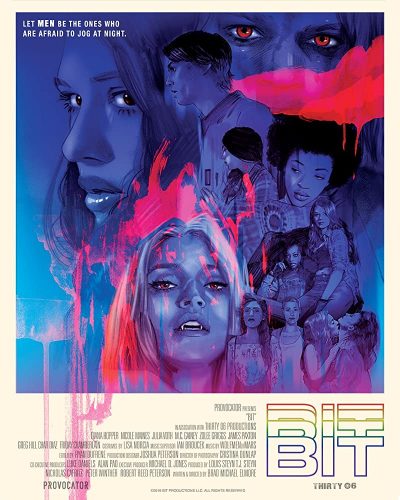 There are times when I am bracing myself, going into a movie. Here’s the synopsis for this one: “A transgender teenage girl on summer vacation in Los Angeles fights to survive after she falls in with four queer feminist vampires, who try to rid the city’s streets of predatory men.” Given my long-standing aversion to message movies, this seemed like 90 minutes of my worst nightmare. What had I let myself in for? But this proved to be surprisingly accessible – even for those of us who are neither transgender nor queer, and are enrolled in the Camille Paglia school of feminism.
 Former WWF star Lesseos, where she was known as the Fabulous Mimi, carved out a small career for herself in low-budget action films, mostly in the mid-nineties. Though the ones we’ve covered before, such as
  Becky (Wilson) is the quintessential troubled teenager. Since her mother died, she has become increasingly estranged from her father, Jeff (McHale, replacing the original choice, Simon Pegg, who had to drop out due to scheduling conflicts), not least because of his new girlfriend, Kayla. Dad arranges a weekend away for everyone at the family cabin to try and repair things. However, relationship problems rapidly become the least of everyone’s concerns. For a quartet of escaped Aryan Brotherhood convicts, led by Dominick (James, going completely and effectively against type), have turned up, seeking a key they had hid on the property. Not too happy to find an inter-racial family, they capture everyone except Becky, who had stormed off in one of her huffs.
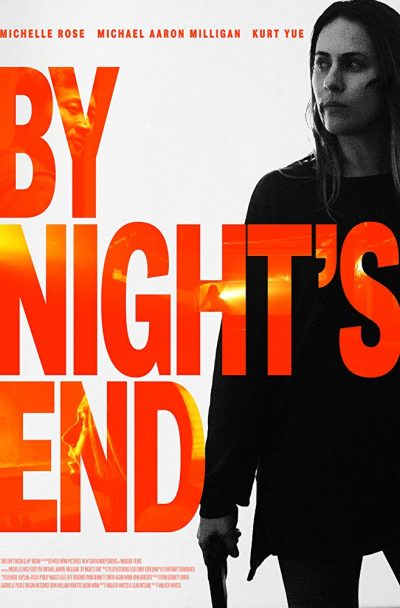 There are lessons to be learned here. In particular: should you gun down a home invader in the middle of the night… just call the cops. Even if they have offered you ten thousand dollars to let them walk away, immediately before their untimely demise… just call the cops. Of course, Heather (Rose) and Kurt (Yue) have issues, which make their decision to do otherwise understandable, if not wise. They’re teetering on the edge of financial carnage, and figure that if the intruder was willing to pay them that much, whatever he was after in their house has got to be worth a lot more. Therefore, they postpone alerting the authorities for a bit, choosing to look for the target of the search.
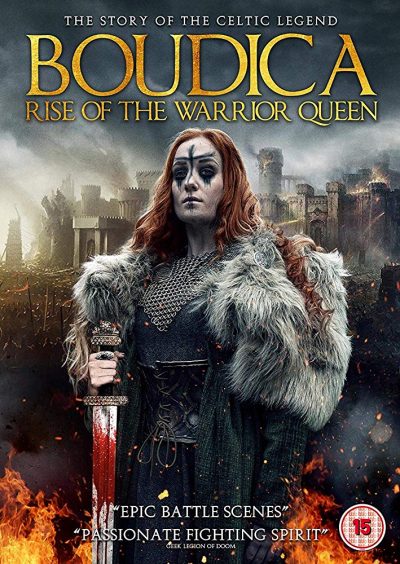 I try and not let my expectations influence my reviews: a movie deserves to be judged on what it is, rather than what I expected it to be. A film-maker usually doesn’t get to decide, for instance, the DVD sleeve. But when you invoke the name of Boudica in your title, this creates certain requirements with regard to your content, especially when combined with the words “warrior queen.” These are requirements which this movie is utterly incapable of meeting. Technically, the word “rise” is probably the only accurate element to be found, on the cover, which certainly counts as among the most inaccurate in recent memory.
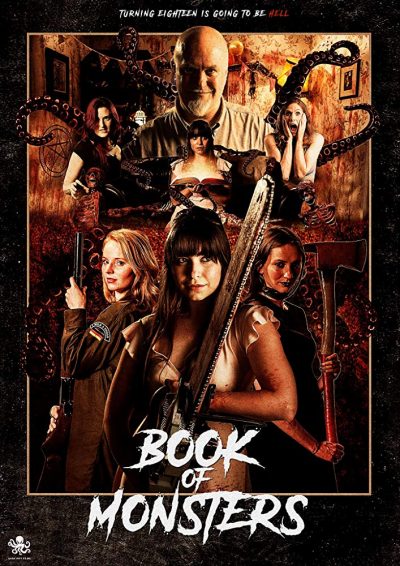 Ten years ago, the mother of eight-year-old Sophie (Craine) was attacked and killed by what her daughter insisted was a monster – a claim to which she held, resulting in her being institutionalized. Now, a somewhat recovered Sophie is about to enjoy her 18th birthday, having organized a party with her friends. But she’s about to discover that the monsters were very real, and just waiting for her to reach adulthood. Fortunately, Mom was a bit of a monster hunter, who conveniently left a book of helpful tips as well as a secret vault of tools and weapons. Together with her pals, Sophie is prepared to make a stand and defend her home against the attackers.
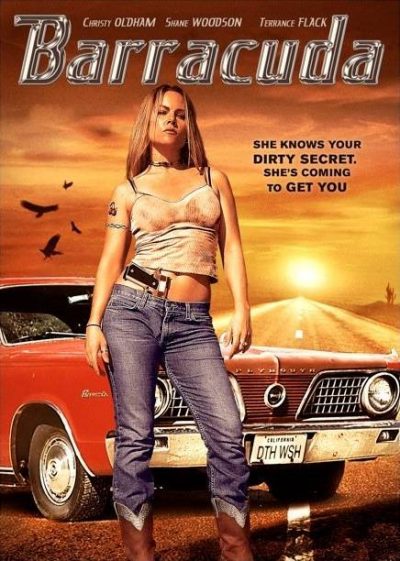 Struggling artist Summer (Oldham) takes on a temporary job as a phone-sex operator to make ends meet. It gives her a very jaundiced view of men, having had to plunge into the worst and most sordid depths of their fantasies. After realizing that some pose a more direct threat, and funded by hush money from one of her customers, she buys the car of the title. and takes their information, along with the tapes she has recorded of them, on a little road-trip across the South and West of America. She’s heading towards her sister (Hinchley), bringing the perverts to justice as she goes, and seeking closure for her own past.
 You could skip the first 30-45 minutes of this, and it really would not affect your enjoyment level significantly. It seems to be one of those cases where the director is far more in love with the dialogue and characters than they deserves, and so we have to sit through far too much flapping of jaws by the latter, delivering the former in inane and uninteresting conversation, before we get to the meat of the story. Which is, as follows.
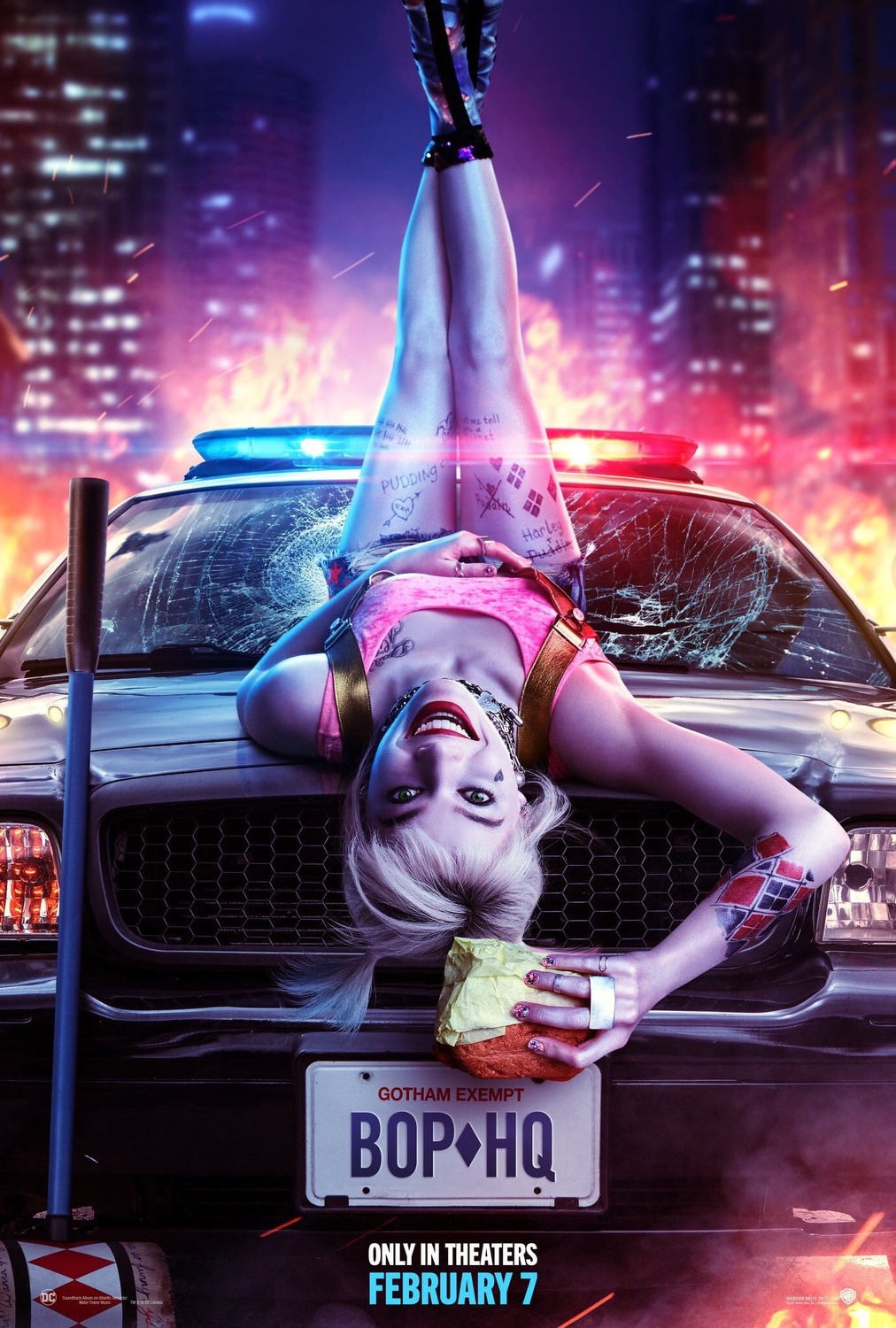
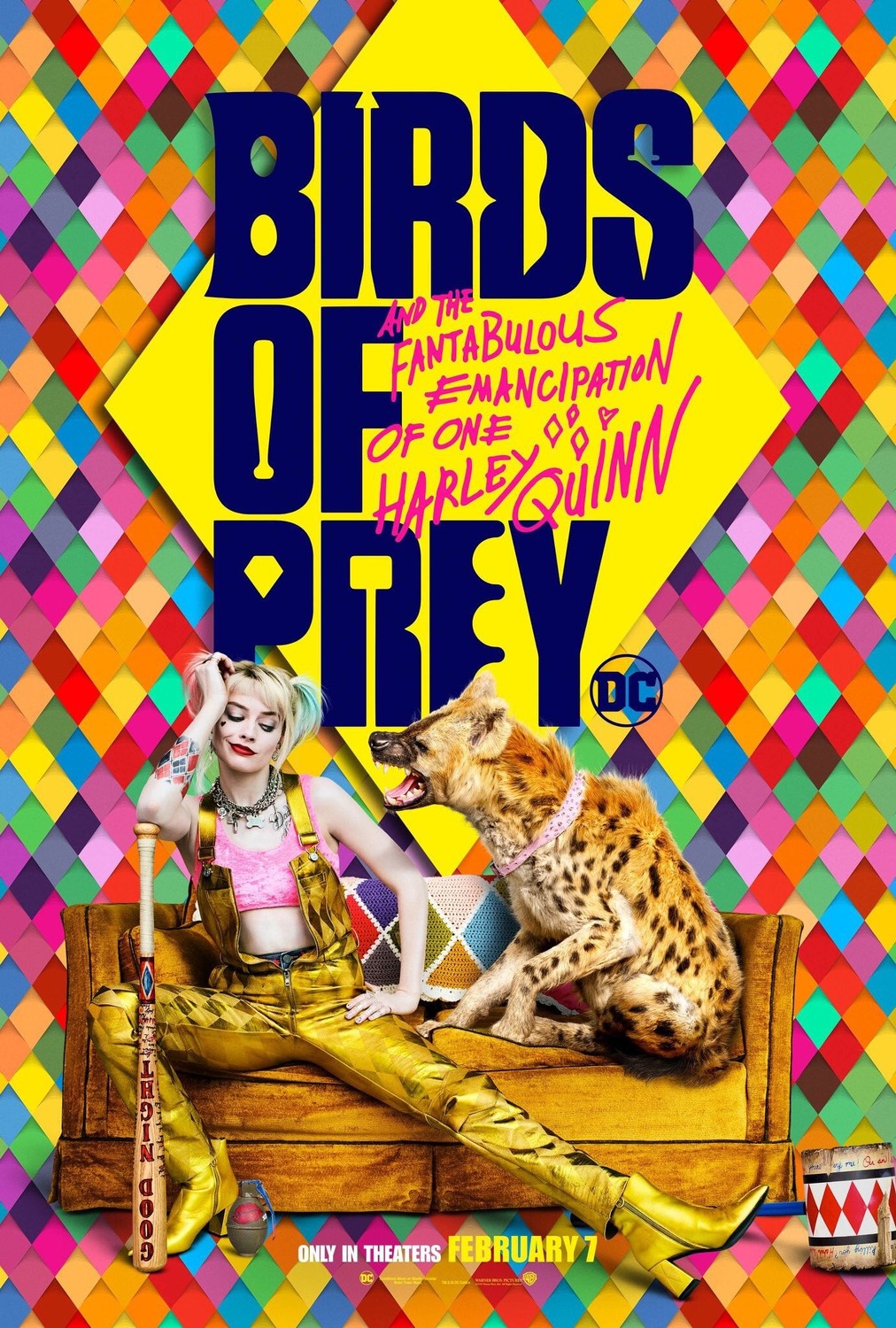
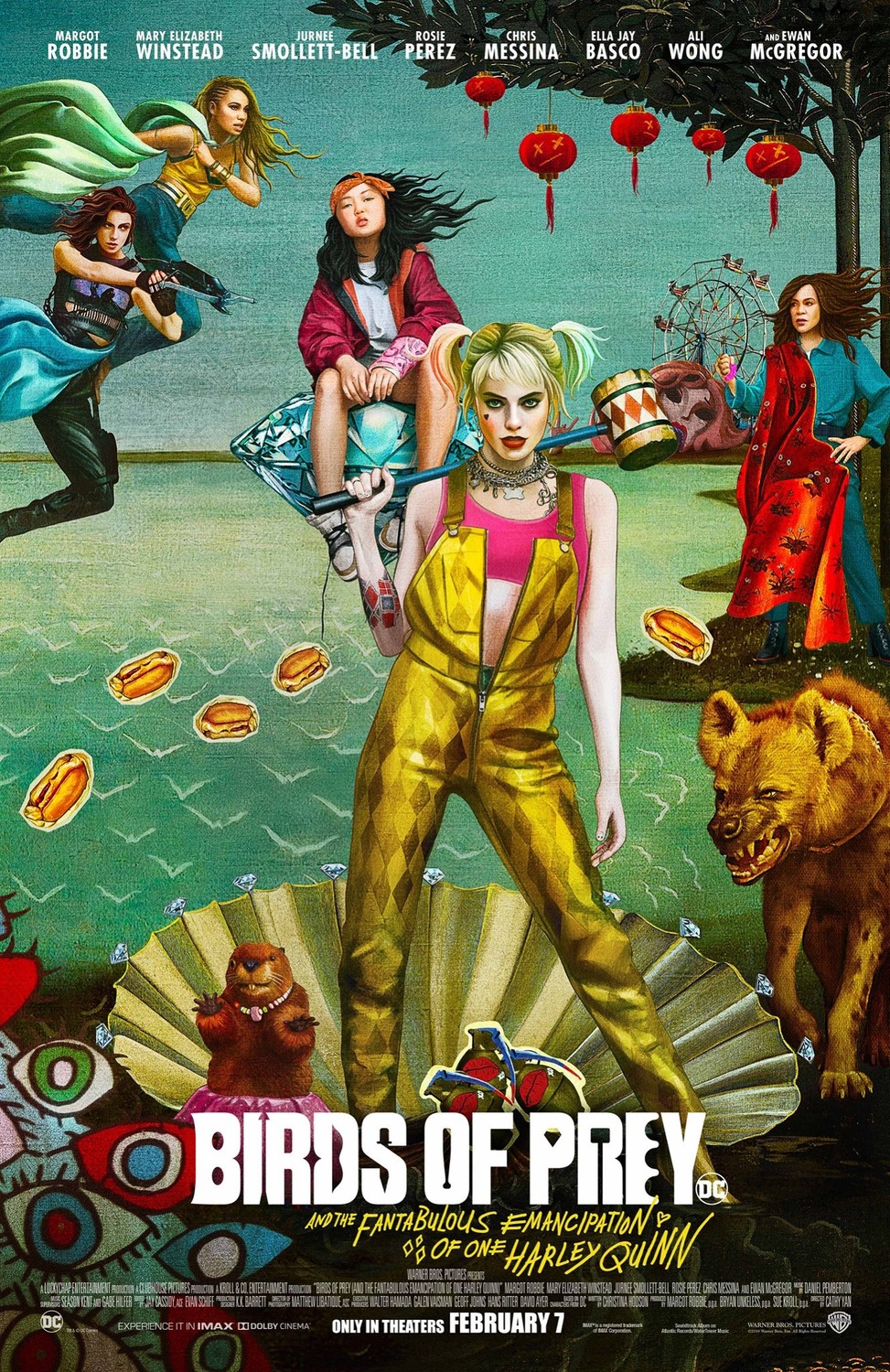
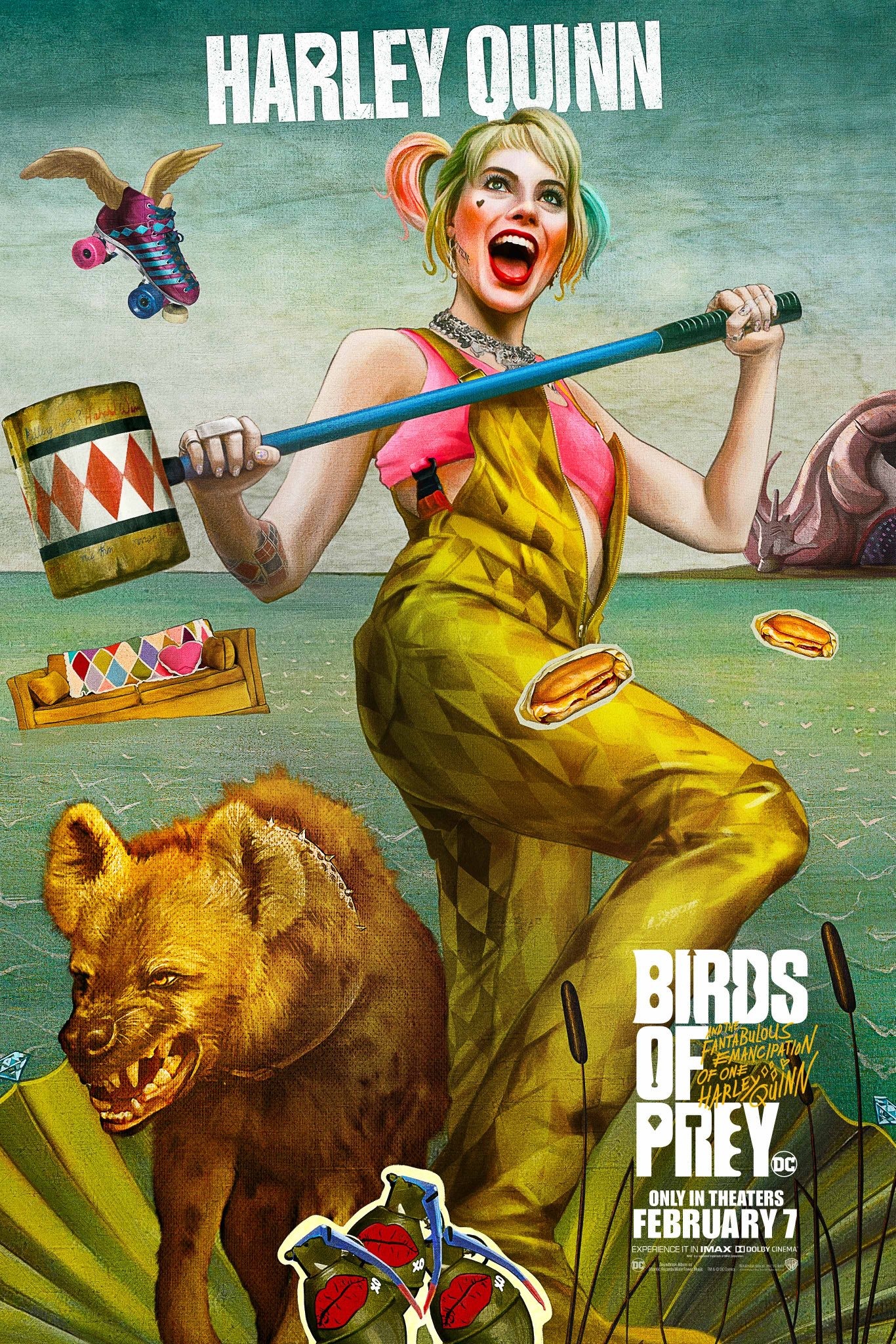
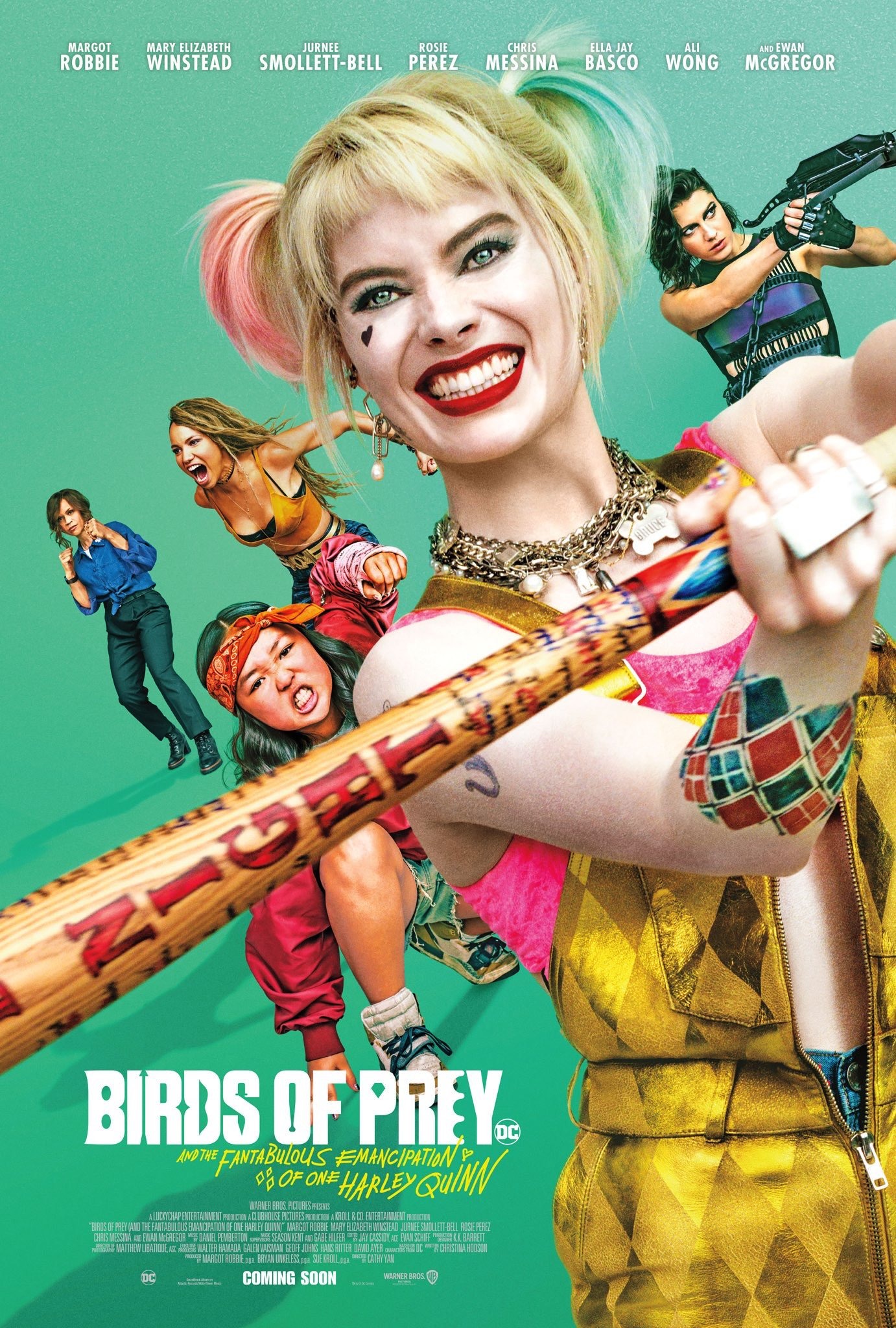
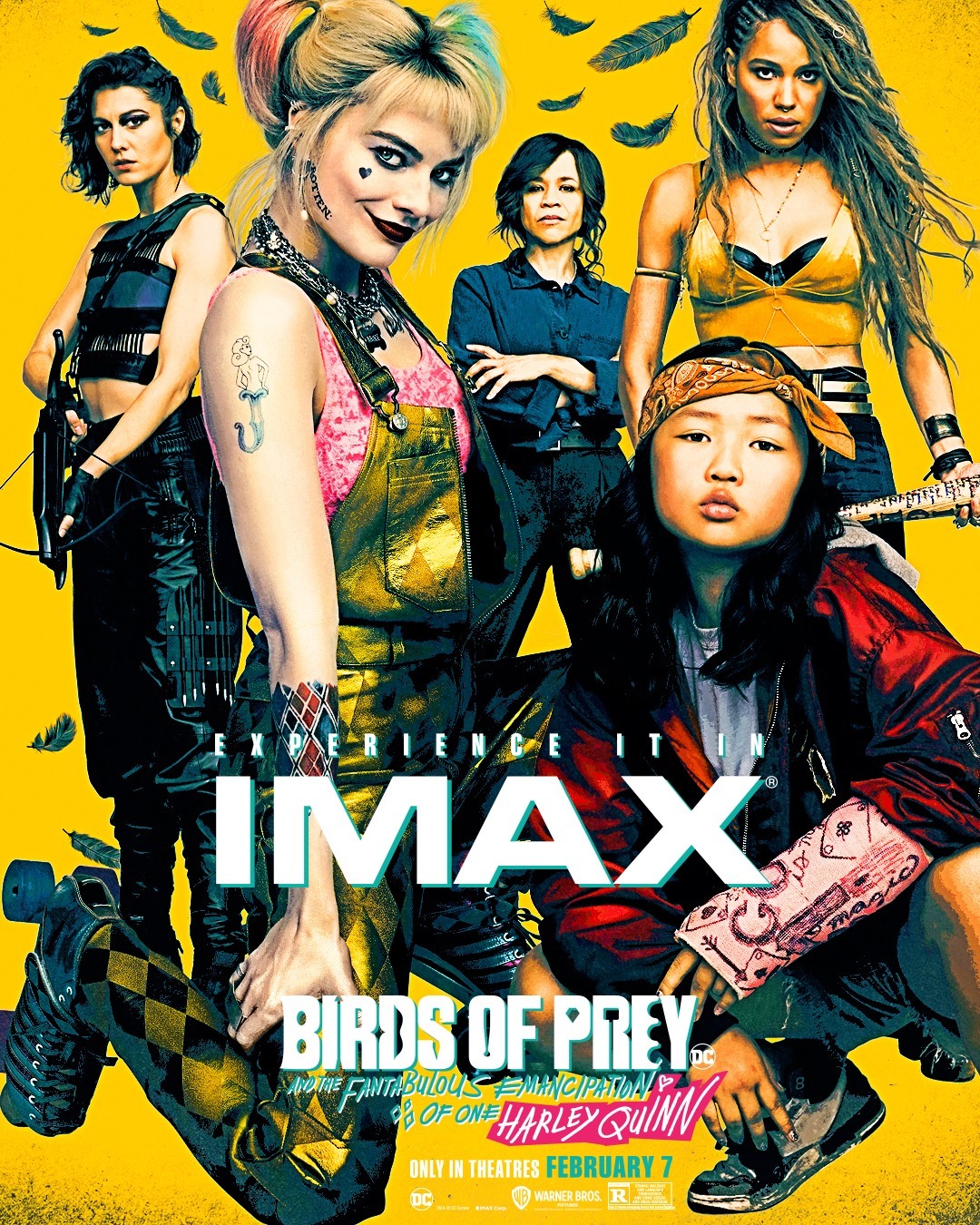
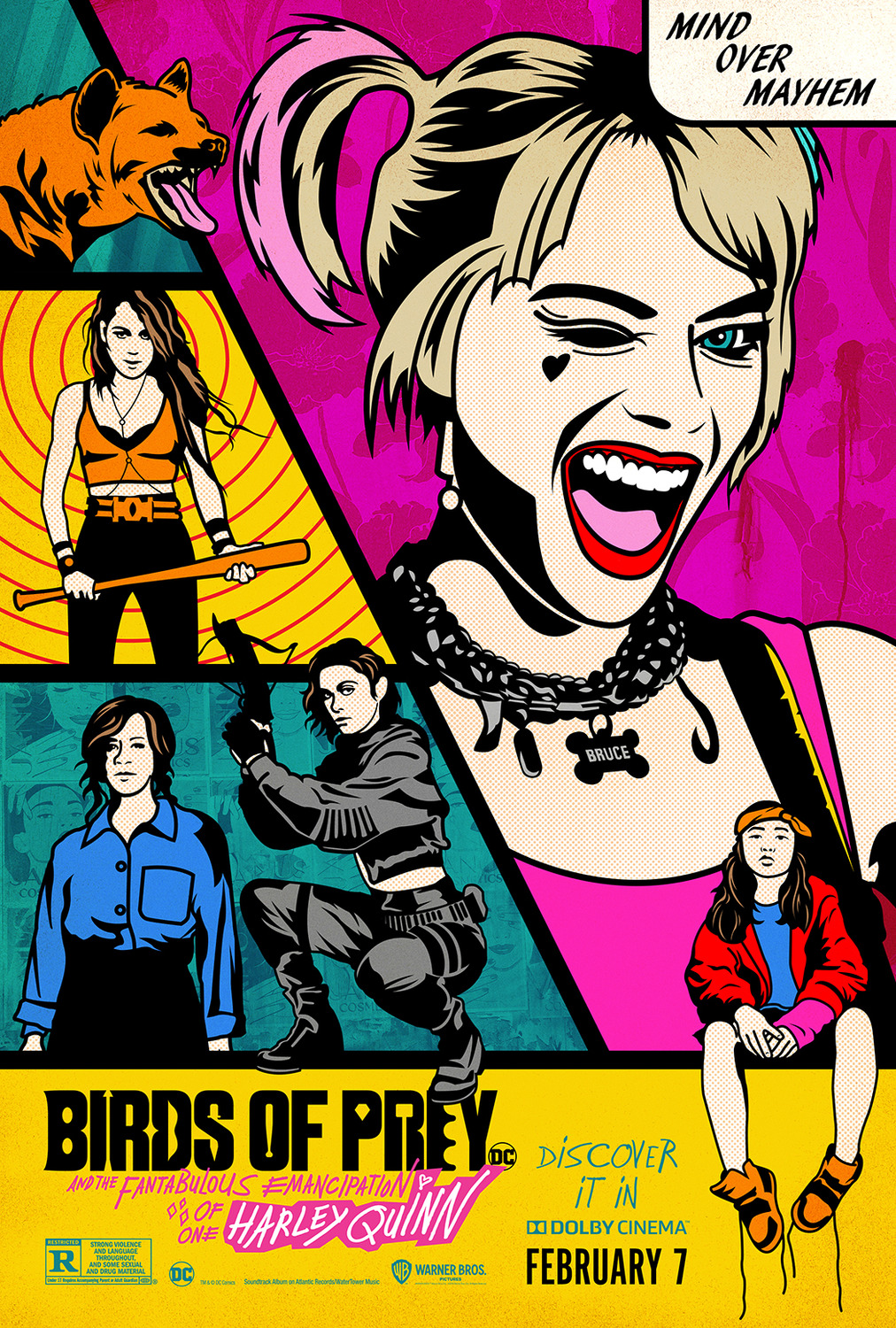
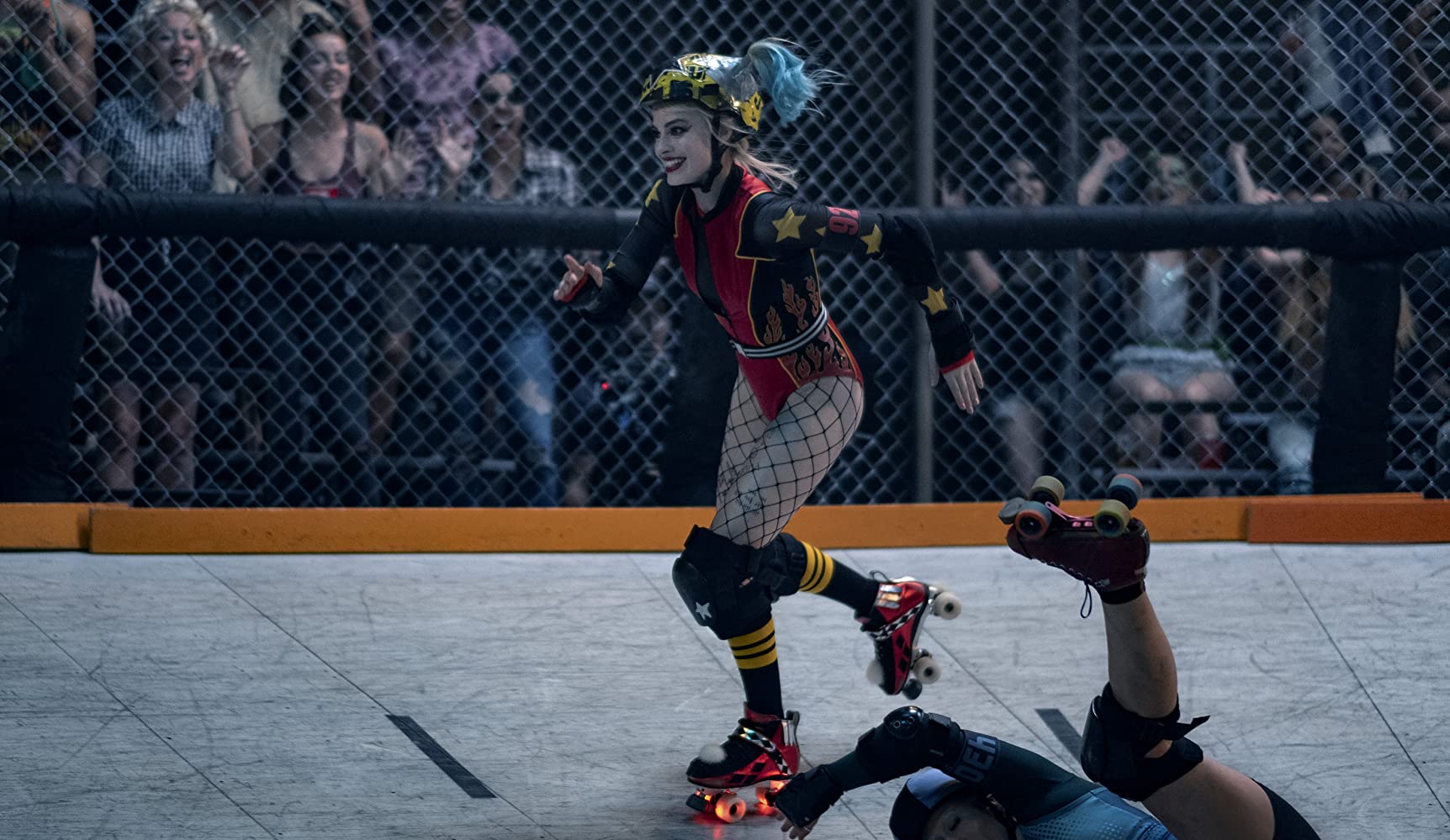
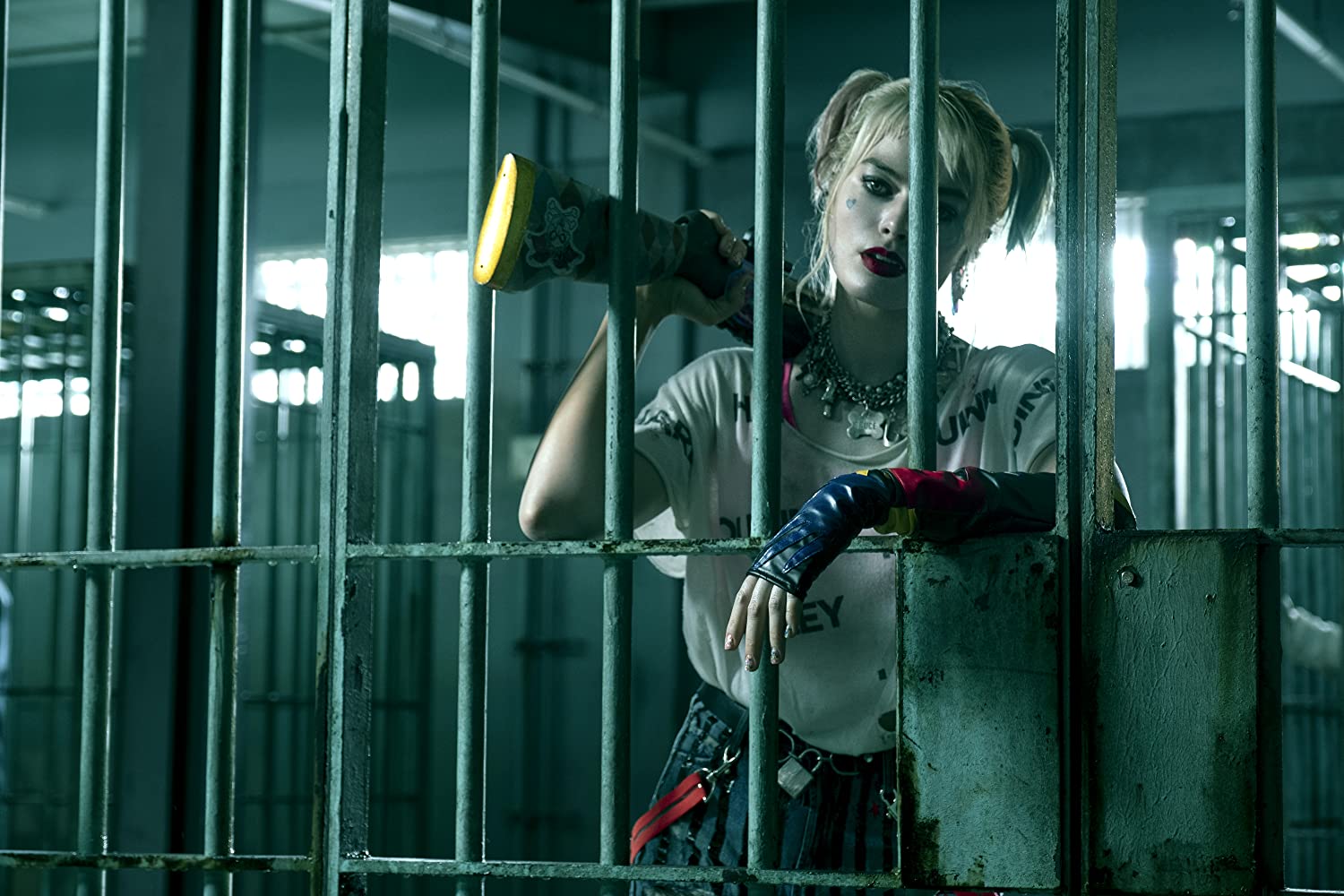
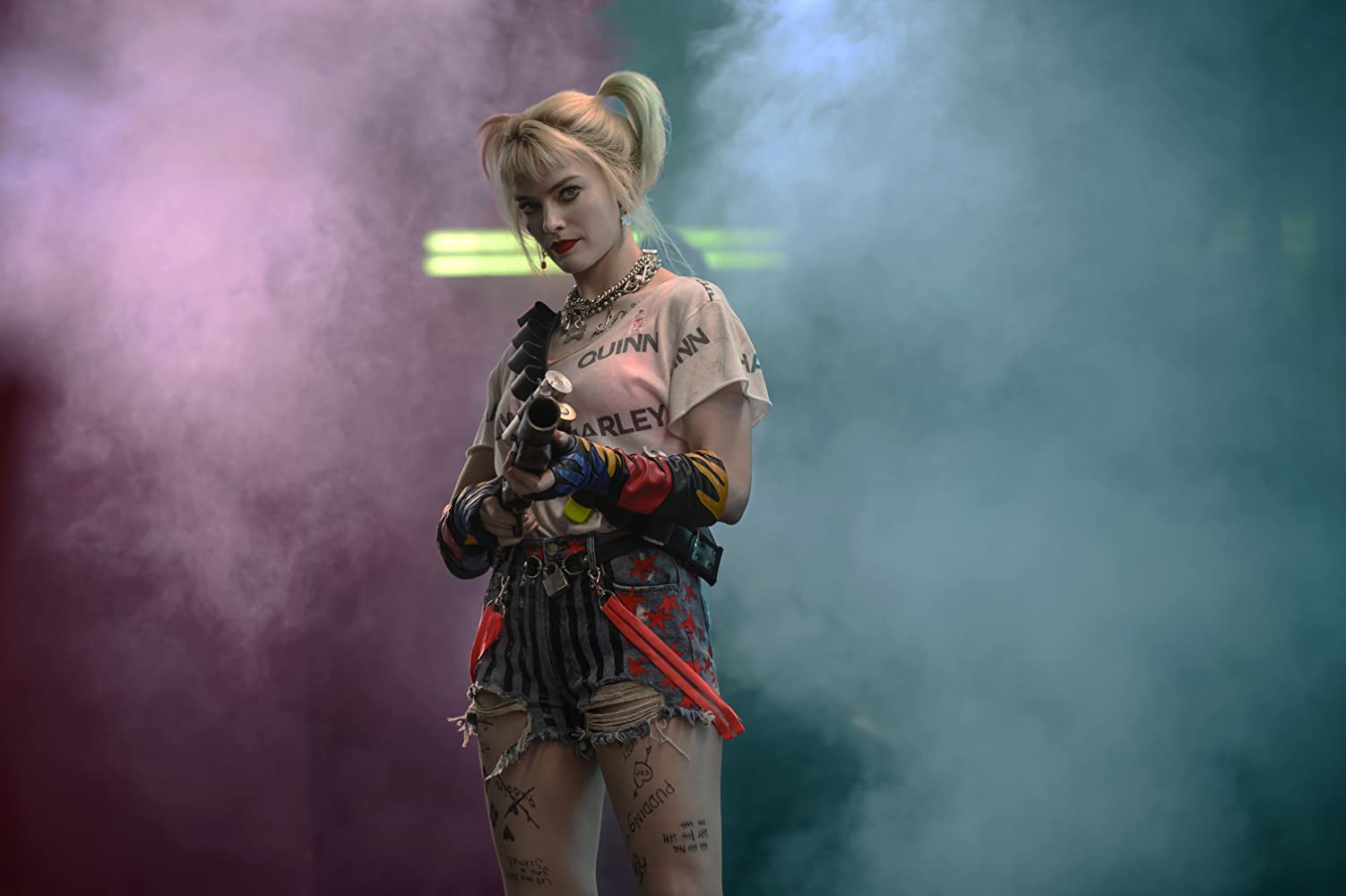
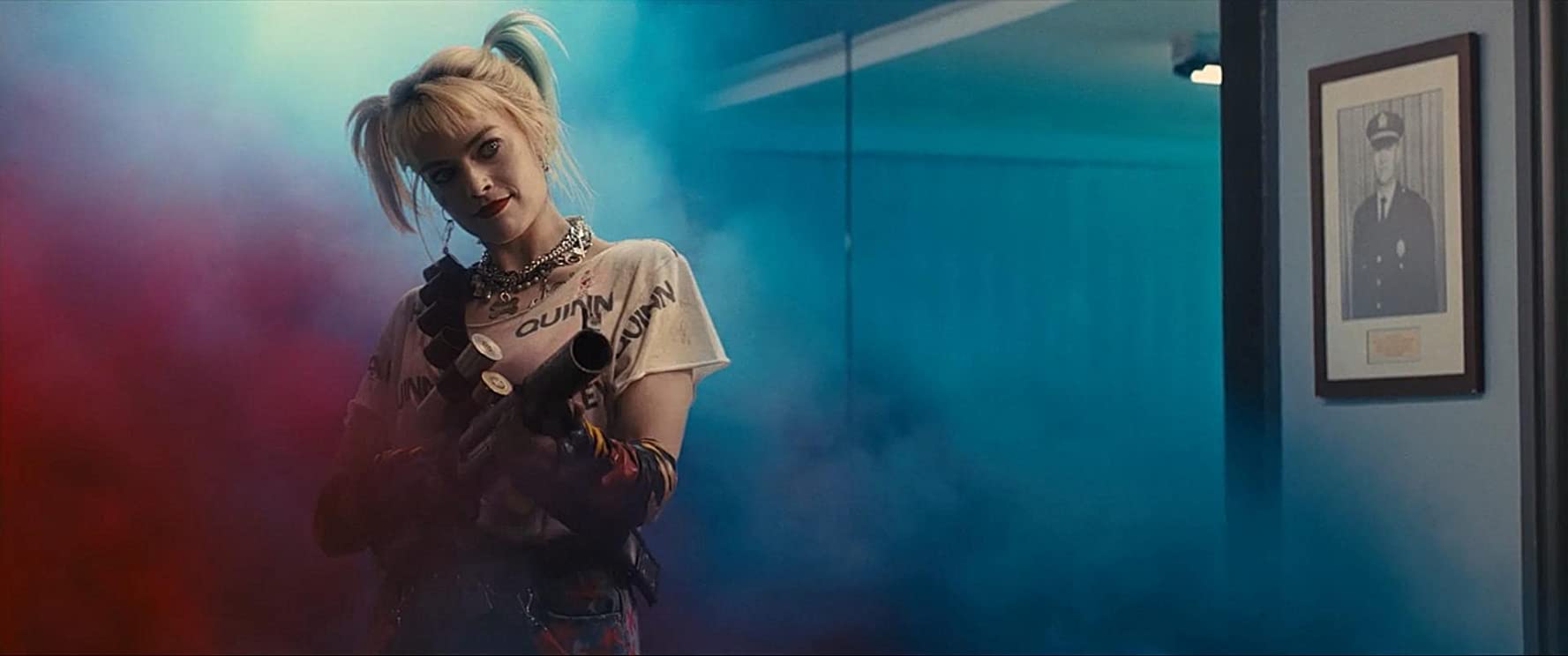
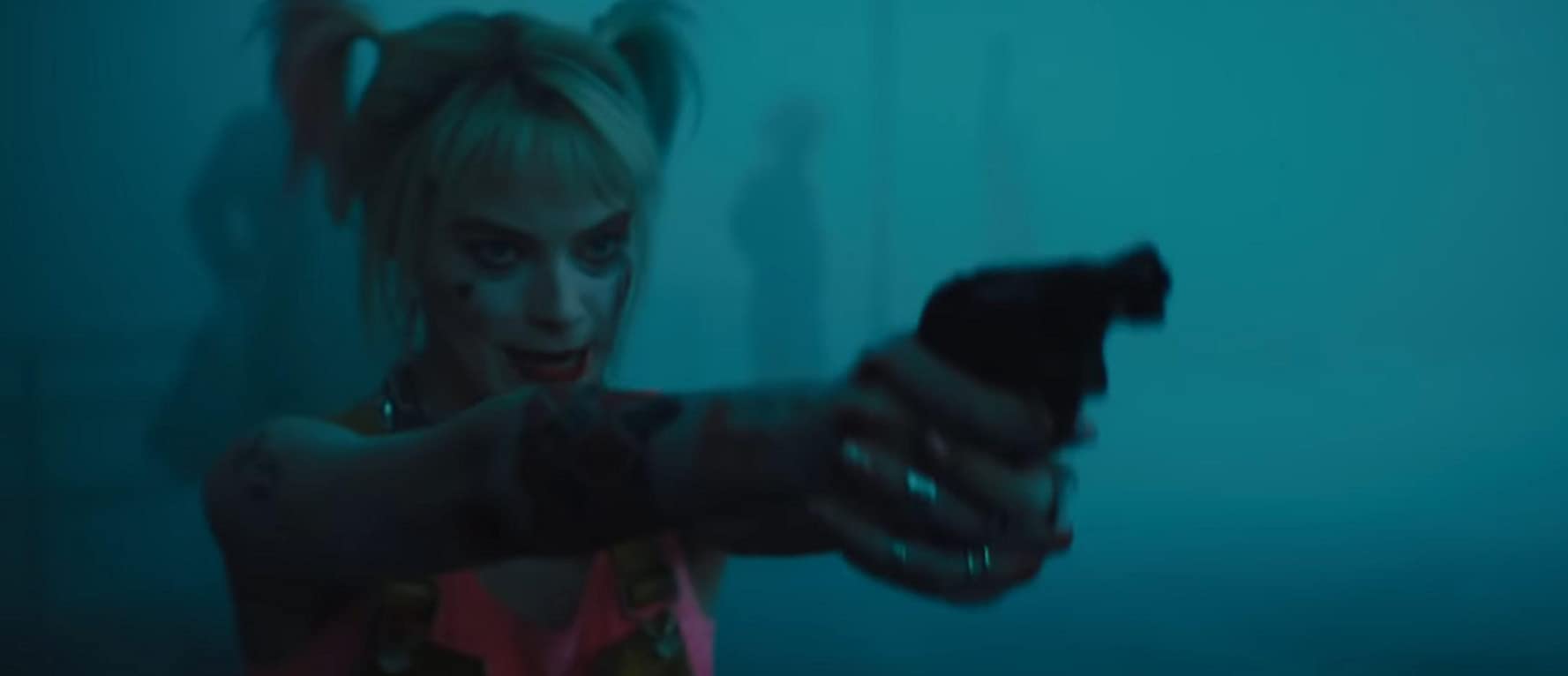
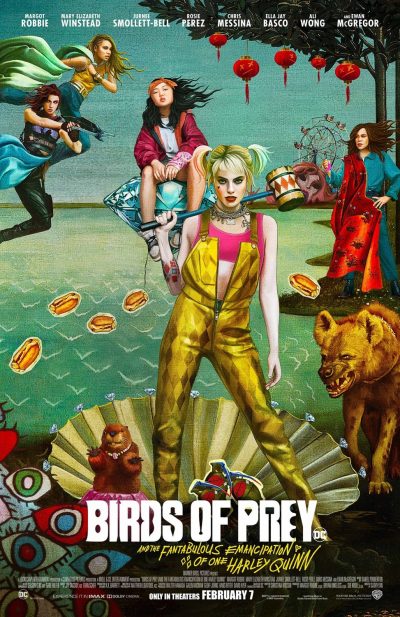 Or, to give this its full, rather misguided name: Birds of Prey (and the Fantabulous Emancipation of One Harley Quinn). I am not convinced that films are improved by giving them gimmick titles including made-up words. It smacks rather of desperation on the part of the makers. Though this is… alright. It did not actively annoy me in quite the same way
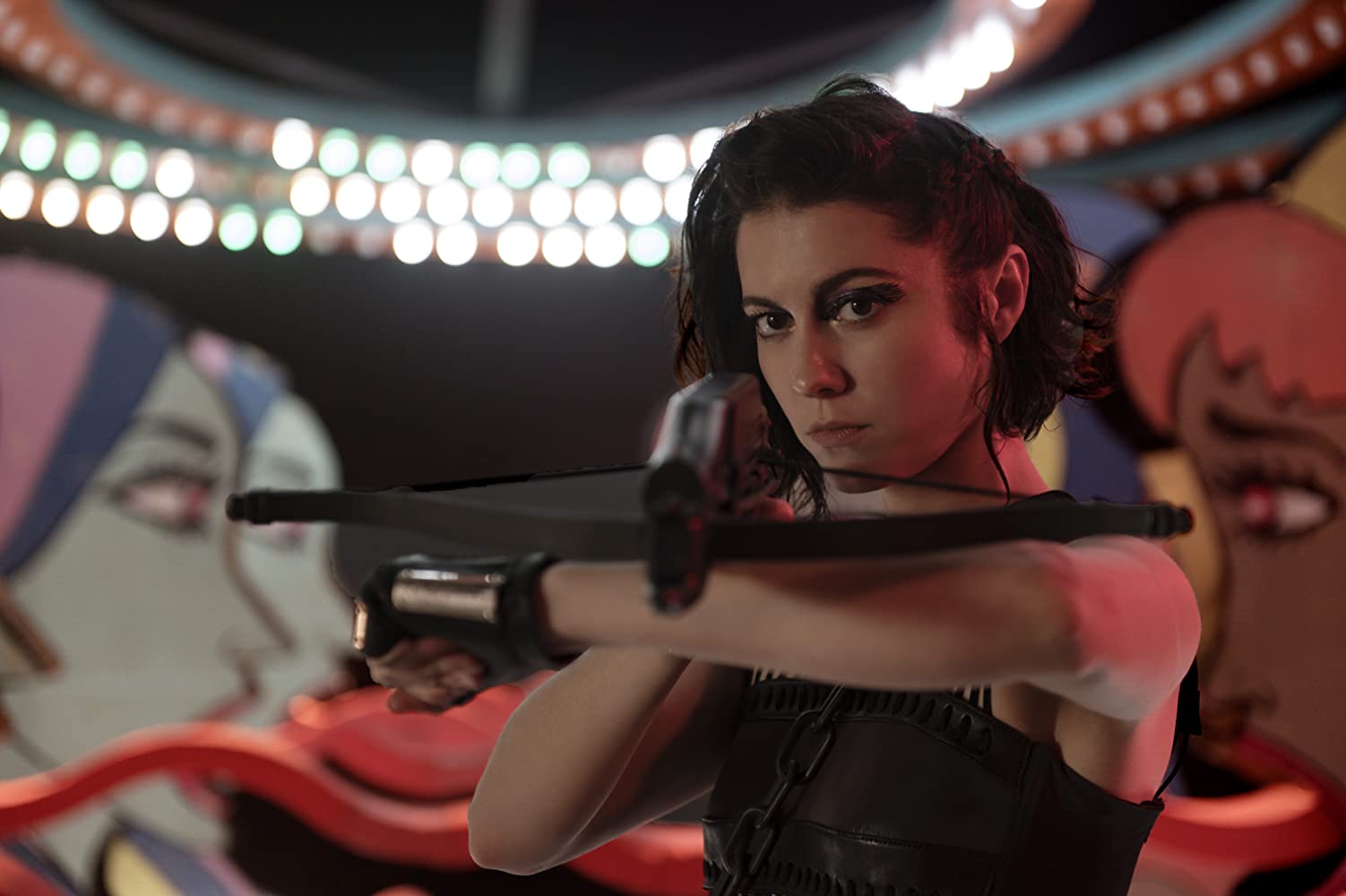
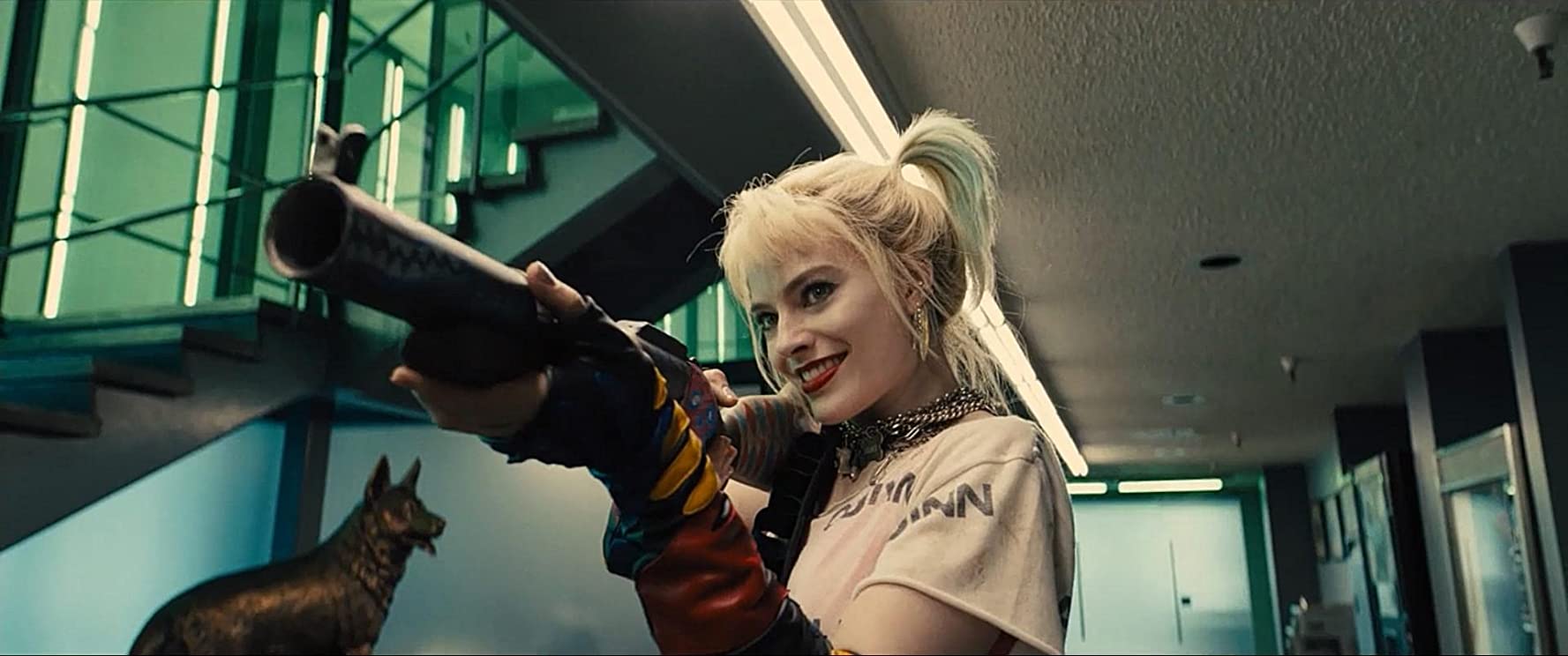
 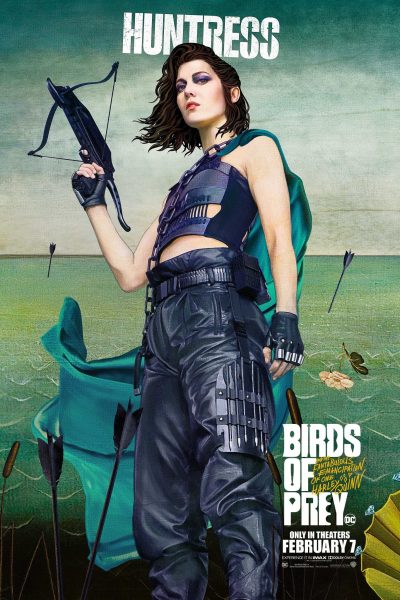 The action is a bit of a mixed bag. There are a couple of very good brawls for Harley, most notably one in a police evidence warehouse (even if the cops seem curiously unwilling to draw and use their firearms. What is this, the United Kingdom?) where Robbie and her stunt doubles get to showcase some stellar moves. But the final fight has much the same problem as the plot in general. In trying to make sure each of the four fighting leads get their chance to shine (Cassandra basically cowers in a corner for the duration of it), the climax basically succeeds in selling all of them short. There is quite a nice “funhouse” atmosphere there, since it takes place in an abandoned amusement park, though it feels like some of the potential wasn’t fully developed.