 ★★★½
★★★½
“The end of an era”
We live in a strange world in which Wonder Woman ’84 gets delayed again while The New Mutants is suddenly getting its release. Over the years, the story surrounding this movie has become more interesting than the one it tells. Originally, the film was scheduled for 2018 but didn’t find much luck. Director Josh Boone (The Fate in Our Stars) had the interesting idea of doing a Breakfast Club-type movie set in the Horror genre. After initial enthusiasm from the studio, execs pulled back, wanting to make the film more accessible, less horrific. Than the studio head at 20th Century Fox left, which led to changes at the script.
Originally, the film was supposed to play in the 80s (after X-Men: Apocalypse) and would have included Professor X and Storm. The script at hand seemed to depict the caretakers of the New Mutants in a very negative way. This is apparent when you see the character of Dr. Reyes (Alice Braga), the replacement for Storm. As the original X-men characters were always the heroes of the franchise, their appearances were skipped. But the success of the first part of Stephen King adaptation It (2017), led to a rethink, that the film should not abandon its scarier elements. The next thing to happen was the acquisition of 20th Century Fox studio by Disney (is there anything the House of Mouse doesn’t already own?) which meant that Dark Phoenix as well as The New Mutants were now Disney’s to deal with.
And obviously Disney didn’t care too much for Fox’s leftovers. Dark Phoenix went into cinemas last year with little fanfare, remaking a storyline that had already been told (and according to many, much better) in X-Men: The Last Stand (2006). The remake was a box-office failure – and this time the often overly negative criticism of fans, which I usually explain as Marvel fans who can’t stand that there is any competition for their beloved Disney films, might have been justified. I don’t know, because even I didn’t bother to watch the movie – and the X-Men movies were my entry into the Marvel universe. Why pay again to watch a story I saw 13 years ago, and own on DVD?
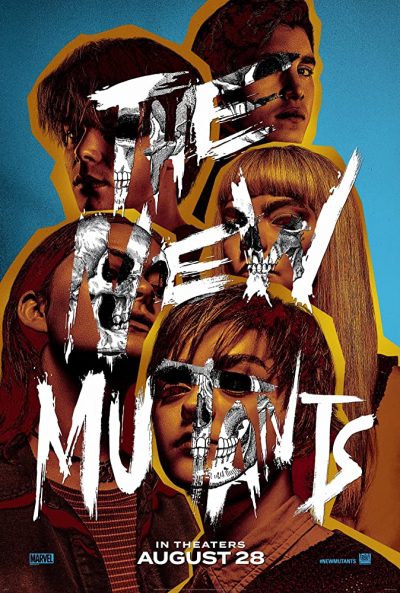 It seems to me that cinemagoers are tired of always seeing movies following the same old formula they have been watching, repeated again and again. That you can be successful by being different is proven by movies like Deadpool or Venom. The New Mutants tries to do something similar, but unfortunately, the caravan has moved on. After It and Netflix’s Stranger Things, the concept of the movie is nowhere near as original as it might have been a few years ago.
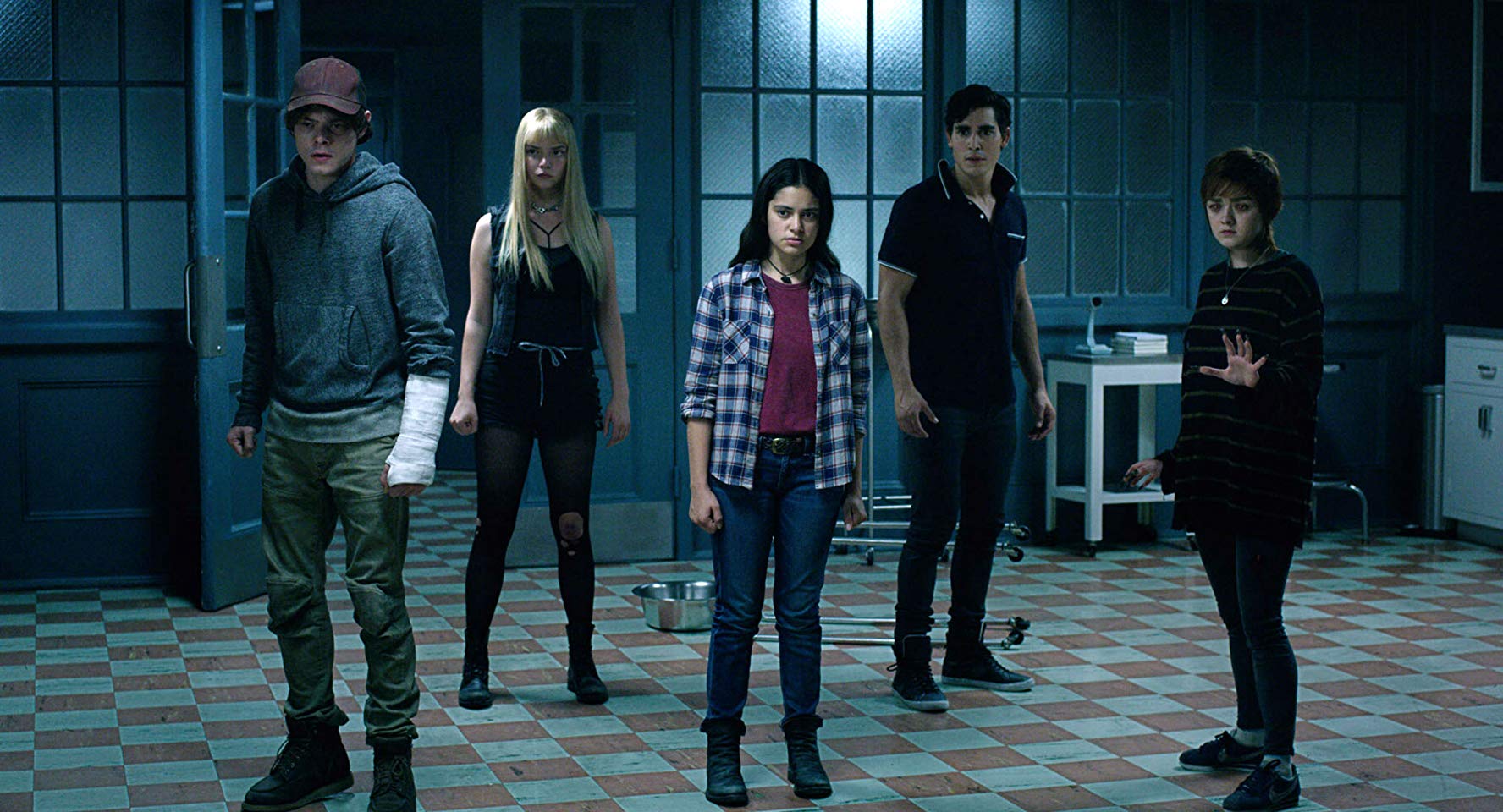
Based on Chris Claremont’s comic series from the 80s – at that time Marvel’s successful attempt to create a successful competing series to DC’s Teen Titans – New Mutants is about five misfits with the usual unusual abilities you know from the X-Men universe. Dani Moonstar (Blu Hunt) survives a catastrophe that killed her entire tribe, and wakes up in a hospital (which actually looks more like a nunnery!).
There, Dr. Reyes is trying therapy on four other mutants: Rahne Sinclair (Maisie Williams) who can turn into a were-wolf; Illyana Rasputin (Anya Taylor-Joy), Colossus’s little sister, who is able to jump in and out of the alternate dimension Limbo and can manifest a soulsword; Sam Guthrie (Charlie Heaton), who can move extremely quickly in the air and creating so extreme energy while being invulnerable in this situation; and Roberto da Costa (Henry Zaga), who can create when being excited solar energy, so he becomes actually burning hot. In the comics these characters are also known with their usual other names which are Wolfsbane, Magik, Cannonball and Sunspot but the movie never mentions these names.
Dr. Reyes intentions are to teach these young disturbed teens how to deal with their abilities and not hurt other people. It’s suggested by Reyes, they might then go to a school for gifted youngsters (hint, hint). Unfortunately, not all is as it seems and very soon the teenagers have to face their own anxieties and traumas. The evil power that killed off Dani’s people arrives at the facility and they are forced to work together to save Dani as well as defend their own lives and freedom.
Basically, this movie tries to go for a smaller scale, after a succession of X-Men movies that seemed to increase constantly in size. It’s a nice idea, and one I respect. This was even seen as the potential start of a new trilogy – although, which film nowadays isn’t? And I have to give the filmmakers this: at least they tried to do something different. That’s worth a lot in my book, considering we live in a time when Disney’s Marvel movies seem to be written and directed almost on autopilot (exception: The Avengers). Once a film series gets too big, the next logical step is to scale down. It can be a successful move: look at the James Bond movies, which seem to do so at regular intervals. However, it needs an audience that still cares. Unfortunately, I think that boat has sailed long ago for the X-Men. For most people, Logan (2017), Hugh Jackman’s final appearance in the role of Wolverine, was the last hurrah and end of the series.
There are a lot of good elements here. A darker, more sombre and psychological variation on the X-Men theme, it feels like Chris Carter’s TV series Millennium compared to his warmer, more sympathetic X-Files. This comparison is particularly appropriate, since The New Mutants was filmed in Vancouver, Canada, where the first few seasons of The X-Files were produced and here, too, the composer is Mark Snow.
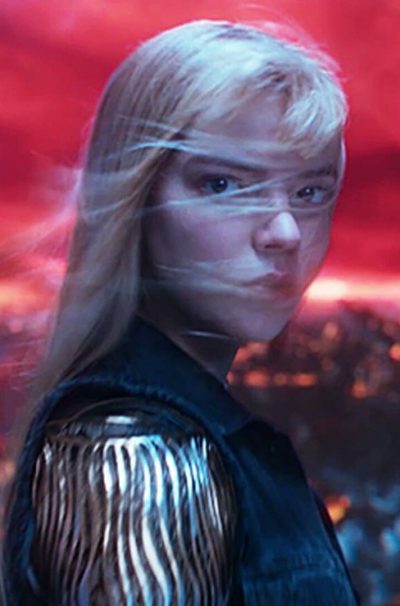 The first half of the (fortunately not-too-long) movie – I really, really hate the lengthy running time of blockbuster movies today – focuses on the five misfits, their pasts and their relationship building. The second is when the action and the CGI comes into play, though is more restrained than you may be used to in these movies. The New Mutants really feels like the intimate stage-play of X-Men films. The main inspirations, apart from those already mentioned, seem to be the psychological drama Girl, Interrupted (1999) with Winona Ryder and Angelina Jolie, as well as Buffy the Vampire Slayer – the latter is watched by the mutants a couple of times, and seems to correspond with things we see later. But, while I said that the new movie is more psychological, don’t think it’s deep, beyond “Well, I’ve got these superpowers, didn’t know how to control them, killed some people and now I’m kind of a wreck.”
But still… I kind of liked that this went a different route than the usual overblown extravaganzas. Anya Taylor-Joy as Illyana Rasputin, a.k.a. “Magik”, leaves a particular impression. Though I have to wonder why those in power found it necessary to change the backstories: Rahne (Williams) and Dani seem to be moving towards a lesbian relationship while the film subtly indicates that Illyana might have created the “limbus” (her magical world) due to sexual abuse as a child. Neither of this has any basis in the comics, it’s just Josh Boone overwriting existing lore, perhaps to make the characters more “realistic”. I don’t know why people do that. Is being kidnapped by a devil-like demon and being transported in some kind of hellish dimension not terrifying enough anymore? On the other side, the story of “Magik” has hardly been touched, so the possibility of a solo film that could dive deeper into the lore of the character still exists. Though I guess, we’ll never see this at all.
I stayed until the end titles were over. For, while the movie was not the best of the series (though far from the worst), I felt a little sad realizing this was finally, officially and really the end of 20th Century Fox’s X-Men films. The first X-Men, in 2000, ushered in a new era of comic book movies and introduced me to Marvel superheroes. And while we have seen all sorts of similar films since, I always had a liking for this franchise. They tried out new things, and wanted to be different from that what Disney/Marvel did. Sometimes they succeeded, sometimes they failed – sometimes they succeeded and the result was still not that great. It’s always easy to do the safe, secure thing and laugh all the way to the bank. It’s less easy to constantly try to reinvent oneself.
Regardless of what their respective qualities or flaws were, I guess I’ll miss them.
Dir: Josh Boone
Star: Maisie Williams, Anya Taylor-Joy, Charlie Heaton, Alice Braga



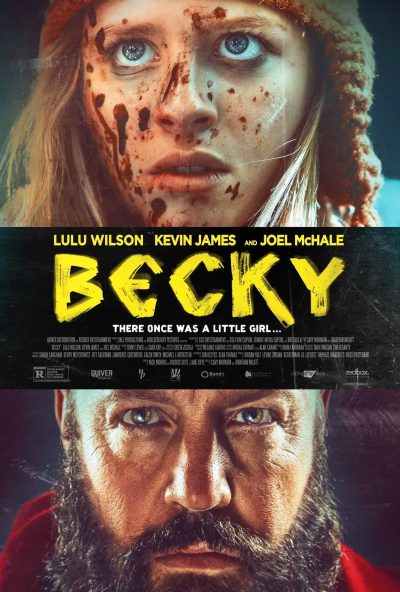 Becky (Wilson) is the quintessential troubled teenager. Since her mother died, she has become increasingly estranged from her father, Jeff (McHale, replacing the original choice, Simon Pegg, who had to drop out due to scheduling conflicts), not least because of his new girlfriend, Kayla. Dad arranges a weekend away for everyone at the family cabin to try and repair things. However, relationship problems rapidly become the least of everyone’s concerns. For a quartet of escaped Aryan Brotherhood convicts, led by Dominick (James, going completely and effectively against type), have turned up, seeking a key they had hid on the property. Not too happy to find an inter-racial family, they capture everyone except Becky, who had stormed off in one of her huffs.
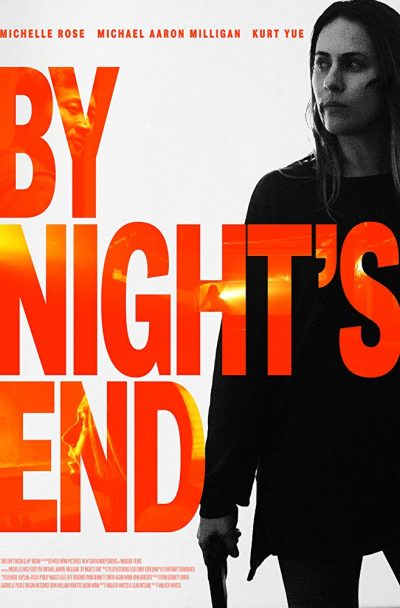 There are lessons to be learned here. In particular: should you gun down a home invader in the middle of the night… just call the cops. Even if they have offered you ten thousand dollars to let them walk away, immediately before their untimely demise… just call the cops. Of course, Heather (Rose) and Kurt (Yue) have issues, which make their decision to do otherwise understandable, if not wise. They’re teetering on the edge of financial carnage, and figure that if the intruder was willing to pay them that much, whatever he was after in their house has got to be worth a lot more. Therefore, they postpone alerting the authorities for a bit, choosing to look for the target of the search.
 I suppose this could be claimed to be a “mockbuster”, not so different from the sound-alike films released by The Asylum, e.g. Snakes on a Train. There’s no doubt this was made to ride the coat-tails of its far larger and better advertised big sister. And it’s not alone, with at least two other Chinese films apparently in production, one animated and the
 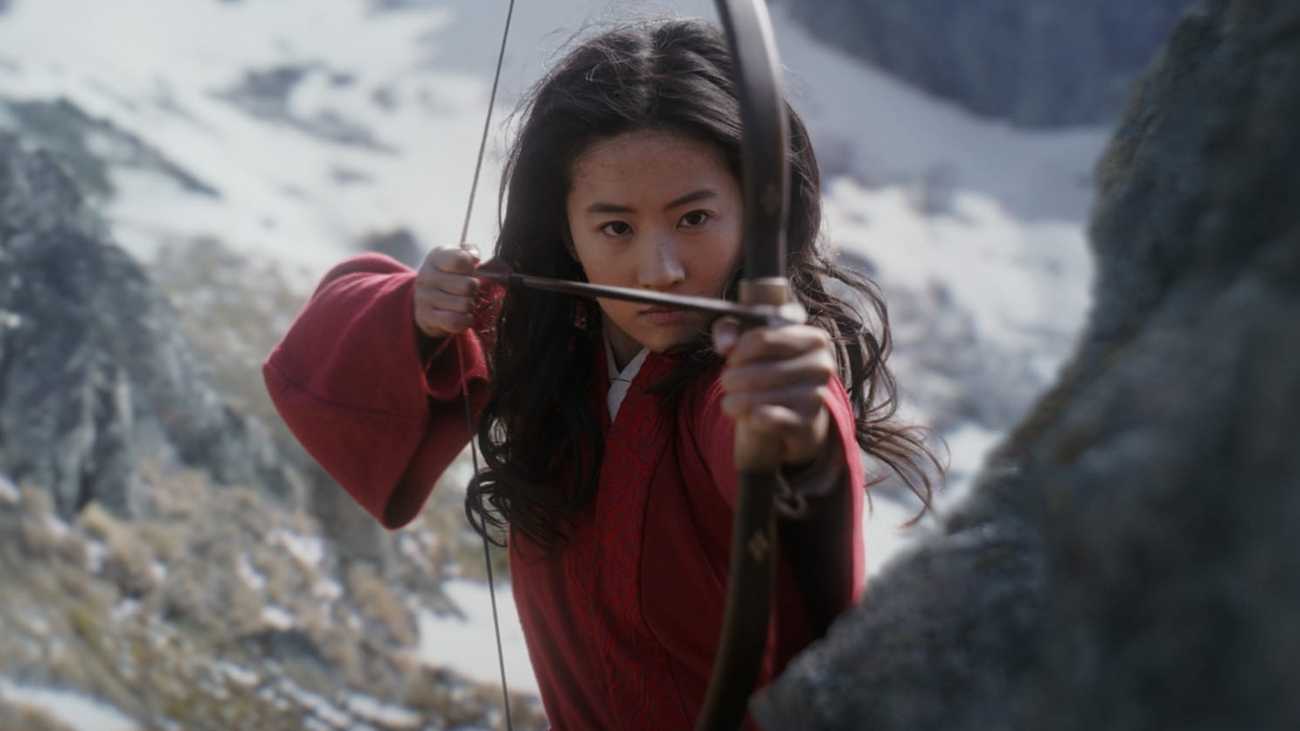 ★★★
★★★ And make no mistake: I love the animated version: to me, it’s the best of the “new wave” of Disney features which began with Beauty and the Beast. It has a huge emotional range, perhaps more than any other Disney film outside Pixar, and can switch on a dime, going from cheerful song to grim destruction without jarring. I will also say, this is the first I’ve seen in Disney’s live-action adaptations of their animated catalog. All the others seemed entirely redundant, but this one seemed to offer scope for a different take on the subject. It does deliver on this expectation, but I can’t help feeling that, overall, more was lost here than gained.
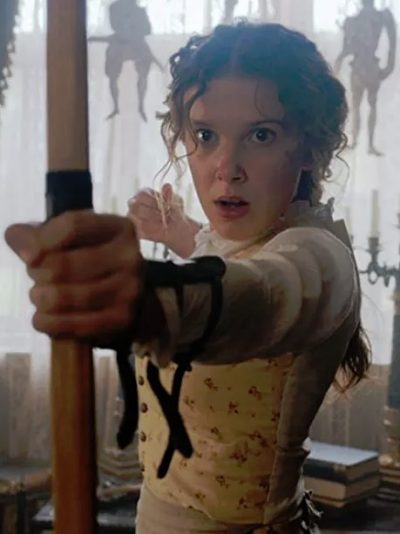 Complete ranking of Enolas
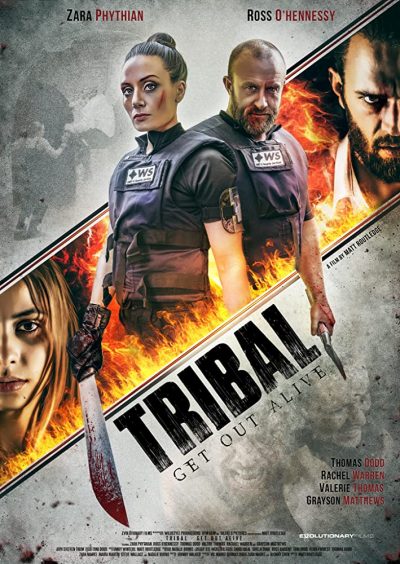 The IMDb omits the colon from the title, making rather less sense. Though it’s not inappropriate, because sense is likely not this film’s strongest suit. Indeed, I’d be hard-pushed to call it a “good” film. It is, however, consistently entertaining, and a fine piece of B-movie making. Ex-soldiers Caitlin (Phythian) and Brad (O’Hennessy) are bailiffs… Wait, is that a thing outside the UK? Just in case it’s not, let me quickly explain: they are not quite cops, but are still legal officials who can, for example, impose evictions or collect debts.
 It has been a rough year for action heroines at the cinema. Actually, it has been a rough year for everyone everywhere, thanks to COVID-19. But for the purposes of this site, we have been sadly lacking the kind of tentpole releases which we usually write about over the summer. Wonder Woman 1984, for example, was to have come out in June. But with all venues bar the few remaining drive-ins closed, that was moved first to August, then October [and I don’t know about you, but I’m still not comfortable with the concept of cinema going]. Disney’s live-action version of Mulan opted to bypass theatres all together, and will instead be released on their streaming service.
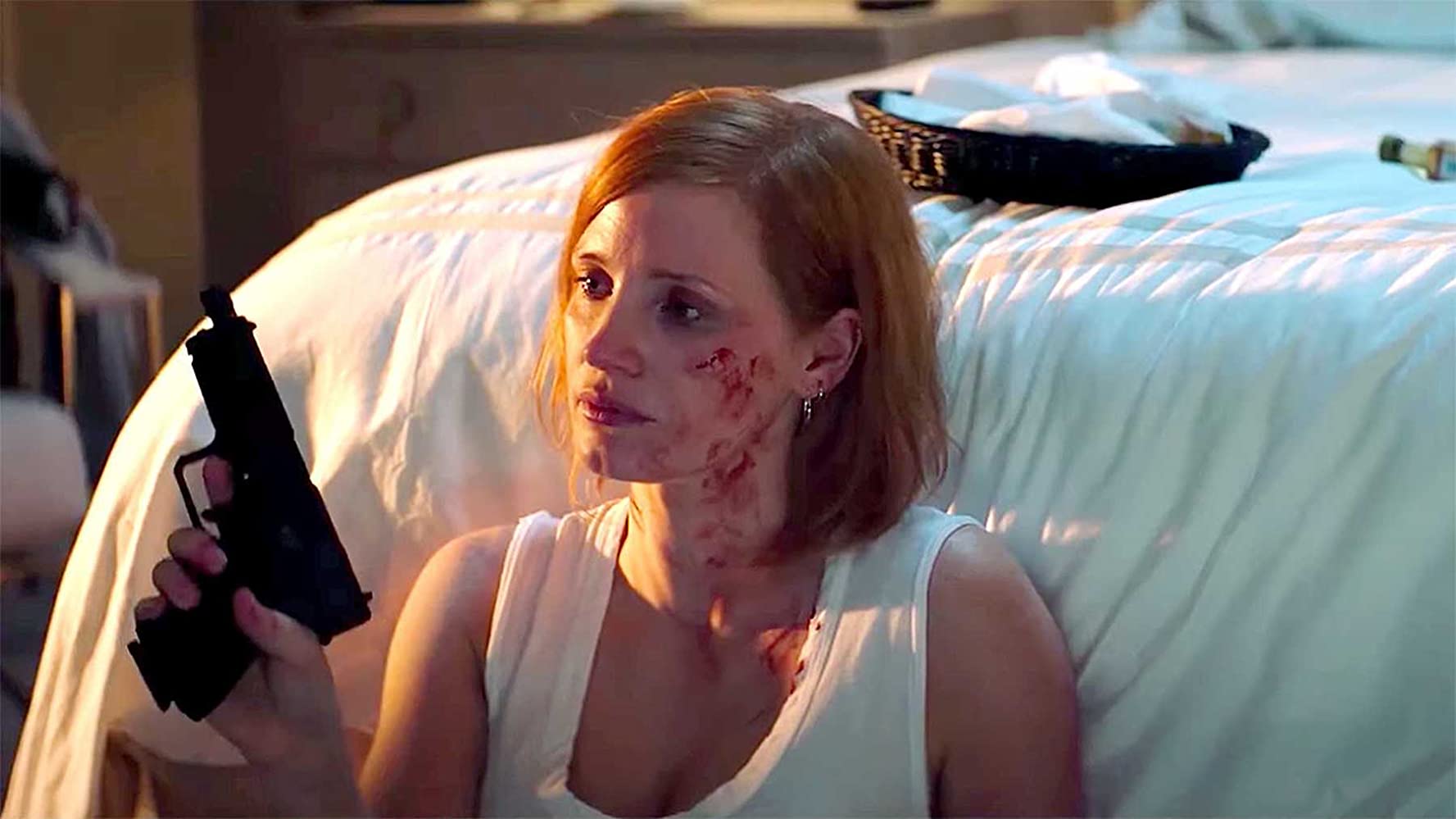
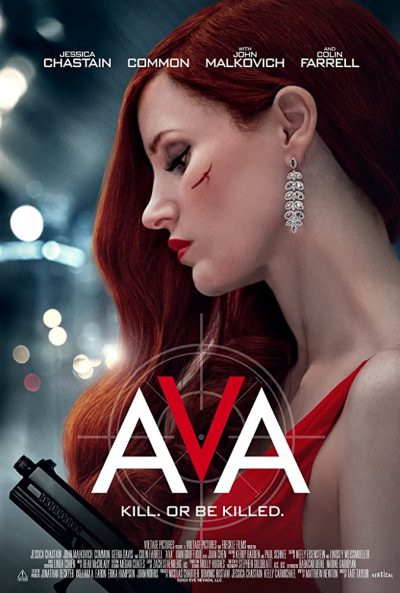 The above paragraph is lean, mean and would have made for a perfectly decent movie. However, the script apparently decides it’s not enough – perhaps Chastain wanted something into which she could sink her dramatic teeth. For we get a whole slew of subplots and conflicts thrown on top. These include, but are not limited, to the following. Ava is a recovering alcoholic. Ava is estranged from her sister (Weixler). Ava had a previous relationship with her sister’s boyfriend, and there are still feelings there. He has a gambling problem. Ava caught her father having an affair, which led to her leaving home. It also caused Ava to break ties with her mother, played by Geena Davis.
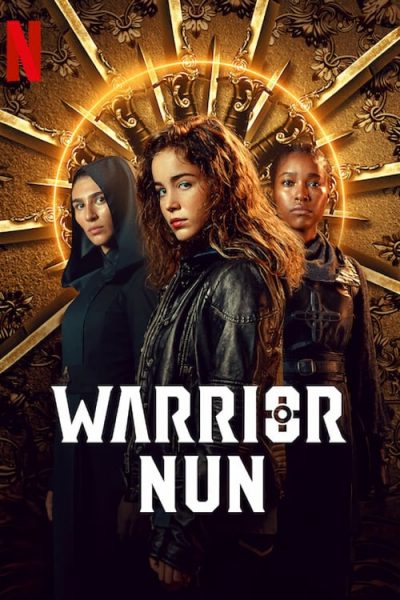 There’s probably a decent movie in here. An interesting premise, occupying the nexus where religion and science cross, and some very effective hand-to-hand action sequences, would potentially have made for a decent 90 minutes of fun. The problem is, this actually runs for 10 x forty-minute episodes, and the result is stuffed so full of padding, that it could be used as a sofa. The nuns of the title are members of the Order of the Cruciform Sword, a group which has been fighting demonic entities for centuries. Chief among them is the bearer of the Halo, a divine relic which bestows its owner with great powers, including rapid healing and the ability to phase through solid objects.
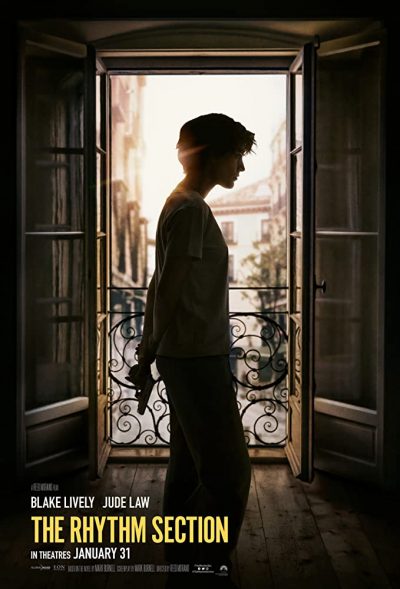 The action-heroine genre has seen its share of high-profile flops in the past. But this long-delayed entry, originally due out in February 2019, is among the worst, setting a record for the lowest ever opening at the North American box-office for a wide release. It took in only $2.8 million from 3,049 theaters when it opened in January, and ended with a worldwide gross below $6 million, against a budget of $50 million. While smaller in scale, that’s a