




★★★★
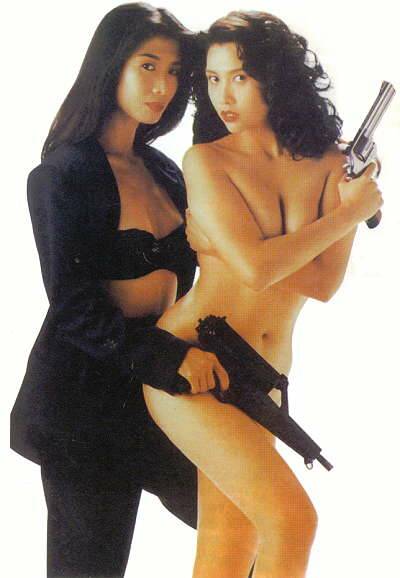
 Take a large helping of Basic Instinct, toss in some Nikita, and just a pinch of obscurer works such as Intimate Confessions of a Chinese Courtesan. Toss into the blender, and crank up to 11. The story concerns Kitty (Yau); when she goes to take revenge on the gangsters who killed her family, she crosses paths with Sister Cindy (Yao), a hitwoman who only takes out male scum. She saves Kitty and trains her as a new apprentice, despite the close attentions of cop Tinam (Yam), besotted with Kitty. He has a murky past, and throws up every time he holds a gun, since he accidentally shot his brother. Which isn’t good, especially when Cindy’s last apprentice, Princess (Ng) and her sidekick Baby (Svenvara Madoka) come back for tea and revenge…
It’s a script by Wong Jing, about whom opinion is sharply split. Some HK cinema fans regard him as a talentless hack, leaping on trends and churning out dreck purely for the money – the IMDB currently gives him 85 directorial credits. However, he’s had a hand in more of my favourites than any other film-maker: God of Gamblers, City Hunter, The Magic Crystal, Tricky Brains, New Legend of Shaolin, so I’m a big fan. Here, though not officially in the chair, I sense his hand was not limited to a writing role, not least because, at the time he was, ah, “seeing” Chingmy Yau.
Whoever the auteur, the result is one of the more delirious and mad entries in the girls-with-guns genre: much as Suspiria nails a dreamlike quality in the horror field, so does Killer for action heroines. It’s a nightmarish version of the war between the sexes: murder isn’t enough for our assassinettes, castration also seems to be required, while Cindy keeps a basement full of drooling rapists for training purposes and, I sense, doesn’t really feel the rest of mankind are much better. Much the same depth (or lack thereof) applies to all the characters: the women are largely man-hating lesbians; the men, bumbling idiots.
It all looks superbly stylish, thanks in part to cinematography by Peter Pau (Crouching Tiger) – though no-one seems certain whether he shot the movie, or just the supercool trailer, which has a whole bunch of stuff that never appears in the actual film. But regardless, the action (even though the starlets lacked much of a martial arts background, they’re pretty impressive), costumes, dialogue, characters and storyline all mesh elegantly into a whole that is undeniably exploitation cinema at its finest.
 Ng, in particular, nails her part with a relish that’s just fabulous, but Kelly Yao also does surprisingly well – her role is perhaps the most pivotal in the plot, and she’s required to do more than look pretty, which she does with a maturity and confident poise that borders on the balletic. Yau is about the closest to a sympathetic character the film has, being largely the victim of unfortunate circumstances, while Yam has pretty much made a career out of playing the troubled cop, and could do this kind of job with his eyes shut. Indeed, given the vomiting required, he largely does.
But in this film, there’s no doubt: this is a women’s world, and any men in it are barely tolerated, as long as they behave themselves and cause no trouble. You could debate the gender politics on view here almost endlessly, but one seriously doubts Wong Jing had the slightest interest in this angle, any more than the late Russ Meyer viewed Faster Pussycat as a stirring tale of female empowerment. The viewer is, naturally, free to take whatever party favours away they want; just don’t seek to impose such high moral thoughts on those of us who are simply after a head-spinning dose of dubious entertainment.
This one is best enjoyed – indeed, perhaps only truly enjoyable – after a 16-oz steak and several alcoholic drinks of choice. Sprawl on the couch with your head gently spinning, and enjoy the heady excesses as they unspool. The term “Cat. III cinema” (the HK version of an R-rating) means many things, and covers much territory, both good and bad; this is firmly at the upper end of the spectrum, and combines sex and violence in a giddy way rarely seen in Western cinema.
[A couple of caveats: be careful of the version you buy: the Fortune Star version released in the US through Fox is heavily cut, both for sex and violence. Oddly though, some parts that have been removed (such as bits from Baby’s pool assassination) turn up as background in the interviews. Go figure. It’s hard to work out why they were removed, especially when they left in the “hilarious” scene in which a severed penis is mistaken for an undercooked sausage. The Region 2 DVD from Hong Kong Legends is probably the best way to go, if you have a multi-region DVD player. Also avoid any dubbed version; even by the usual low standards of such things, the English track is awful.
And don’t get reeled in by the sequels in name only, which redefine suck to almost unexplored depths. You’d think that with a title like Naked Killer 2: Raped by an Angel and a cover like this, you could hardly go wrong. You will learn, very quickly, exactly how it’s possible: in my other incarnation, I wrote, “I can forgive many things in a Cat. III film; but boredom is not one of them,” which should be sufficient warning to stay well clear.]
Dir: Clarence Fok
Stars: Chingmy Yau, Simon Yam, Kelly Yao (Wai Yiu), Carrie Ng
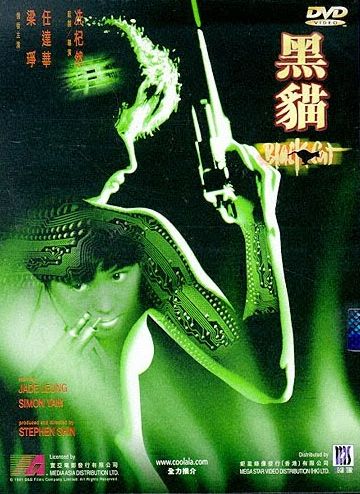
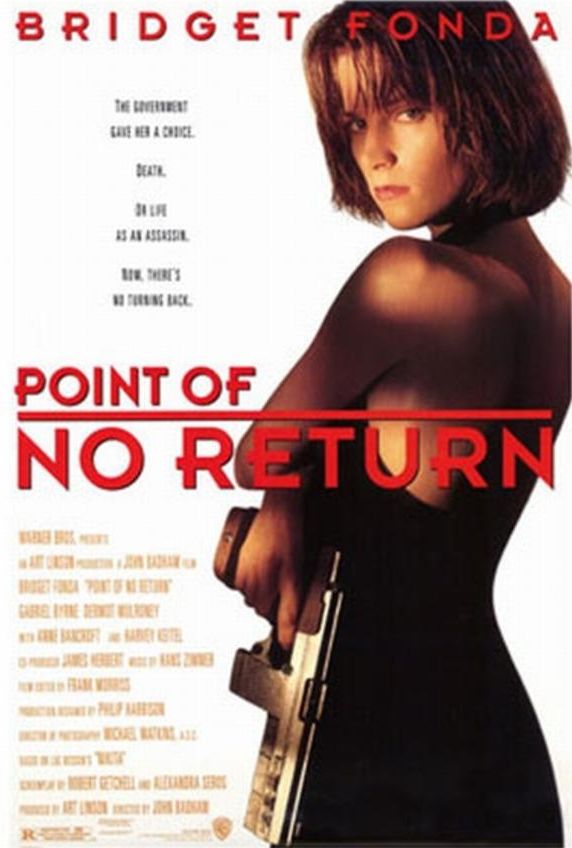
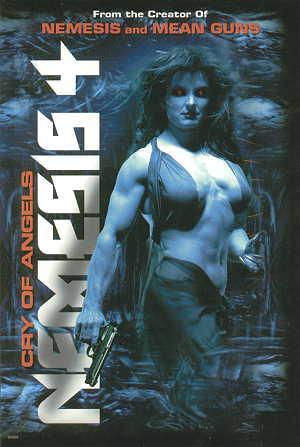 Though the lead actress, body-builder Sue Price, looks nothing like the cover pic (right), credit is due for choosing someone who defies conventional standards of female beauty. However, take all the points away, and then some, for pretending she does; having her spend half the film naked is something both Chris and I could very easily have lived without. She is, frankly, scary. That’s a shame, as while the budget here was obviously tiny, it’s put (mostly) to good use, with an interesting script.
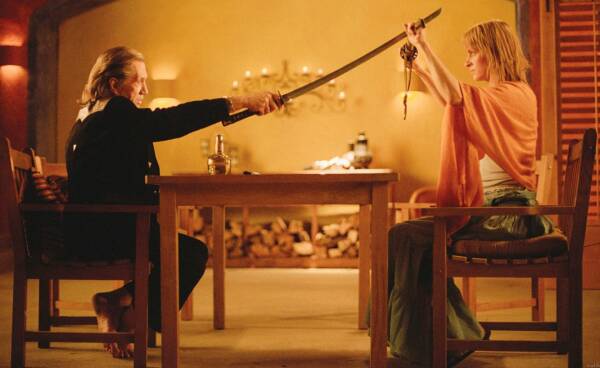 ★★★★
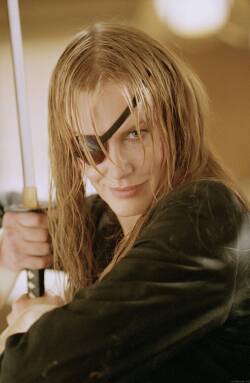
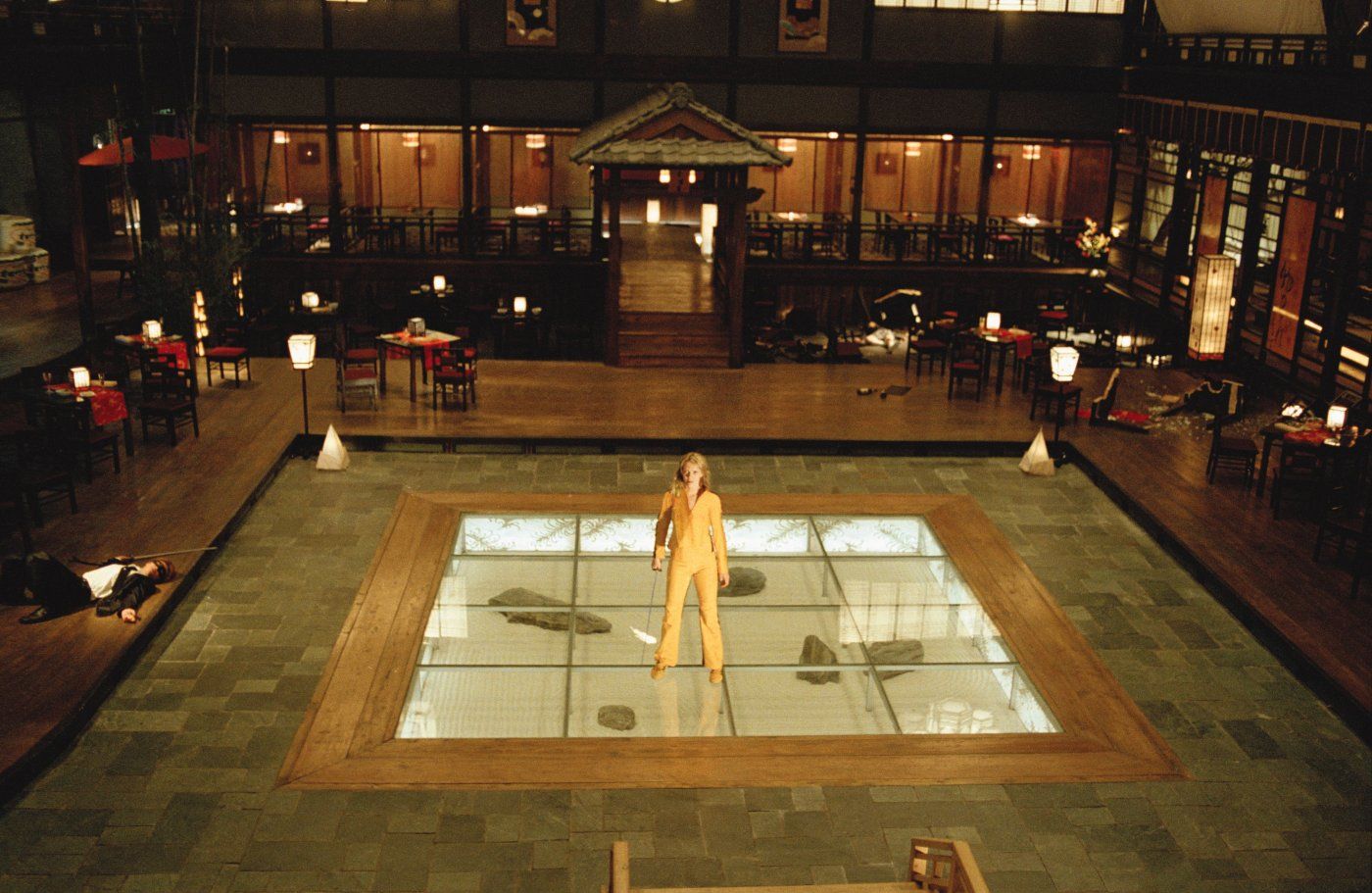
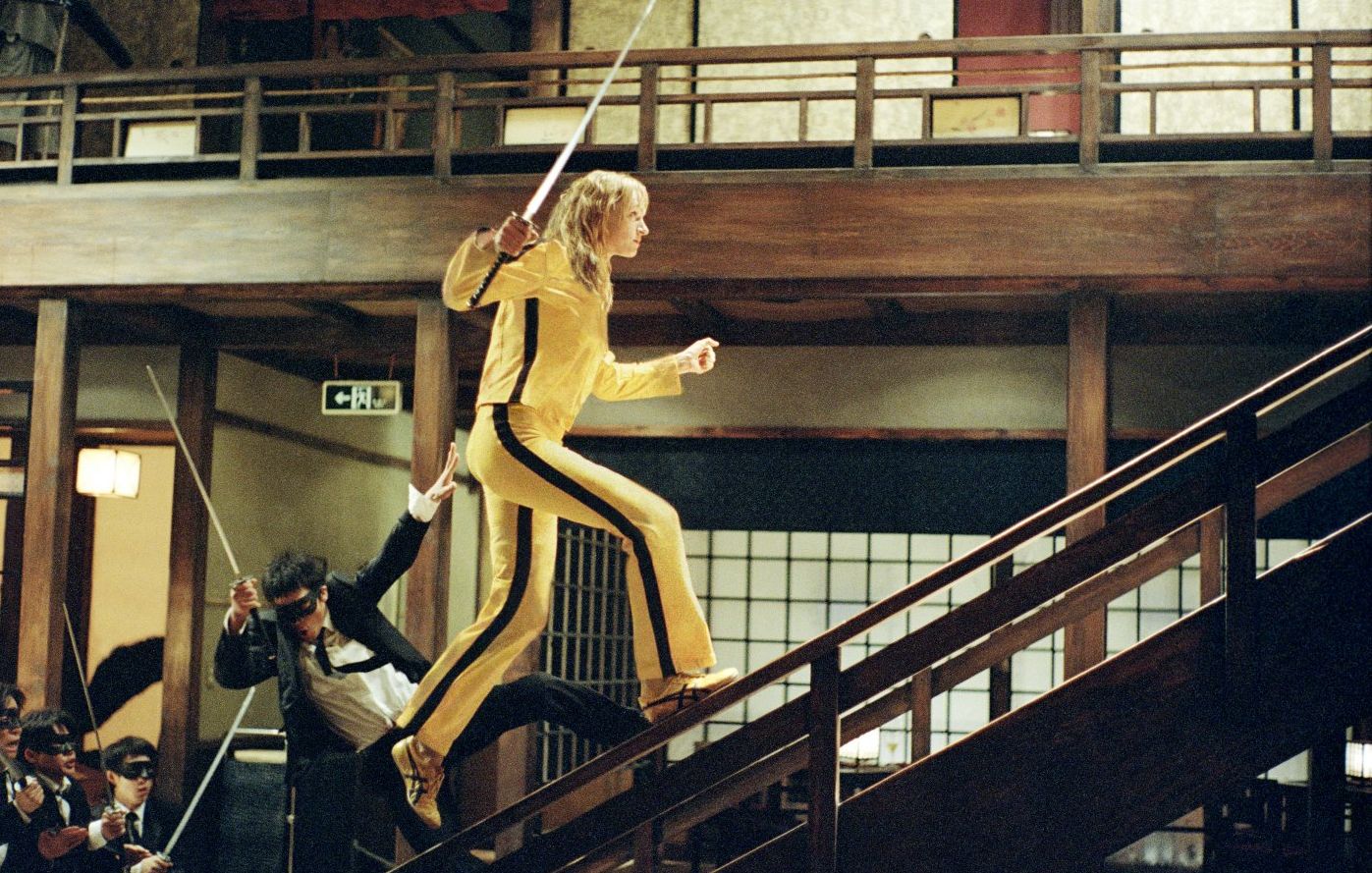
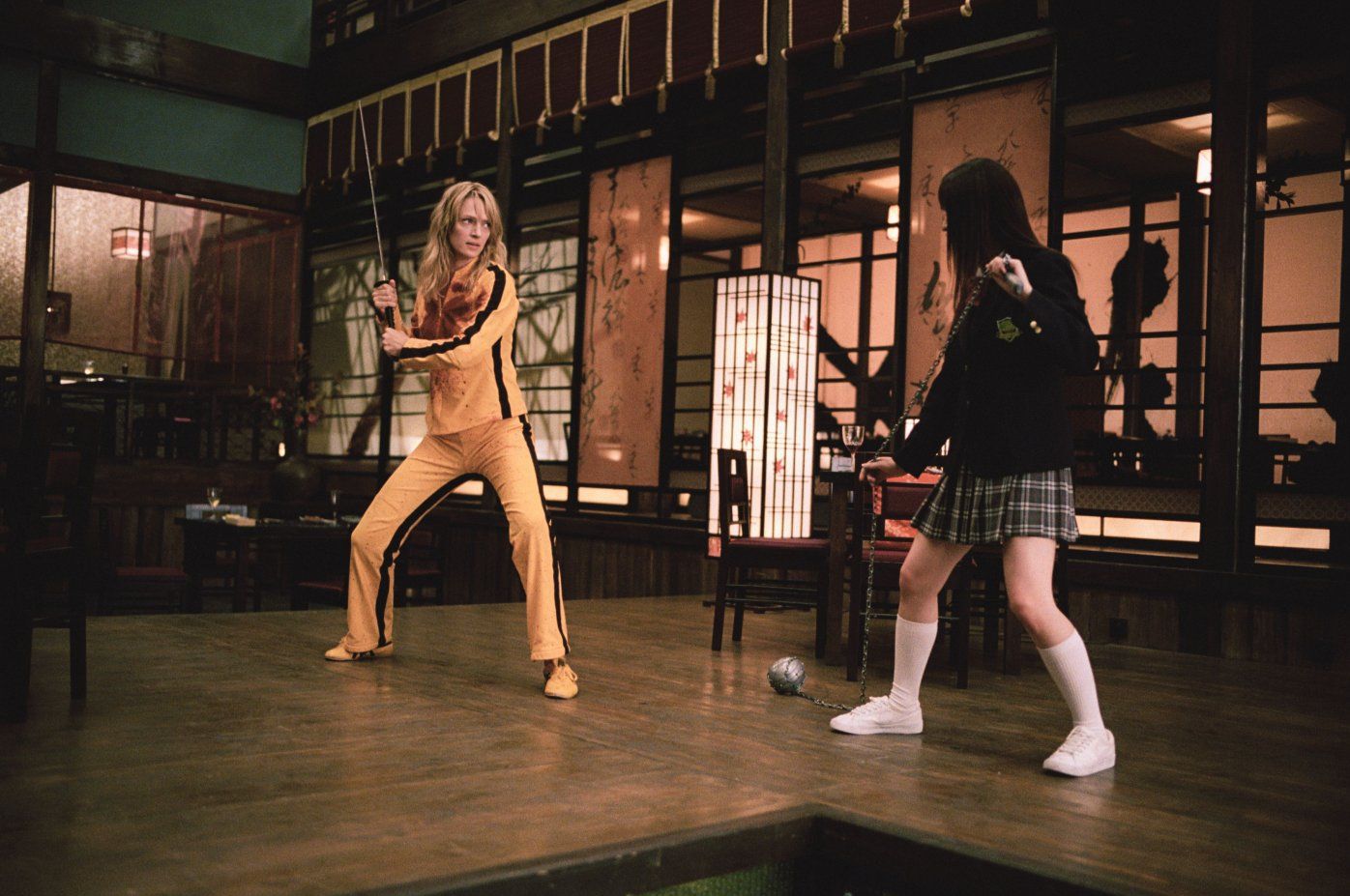
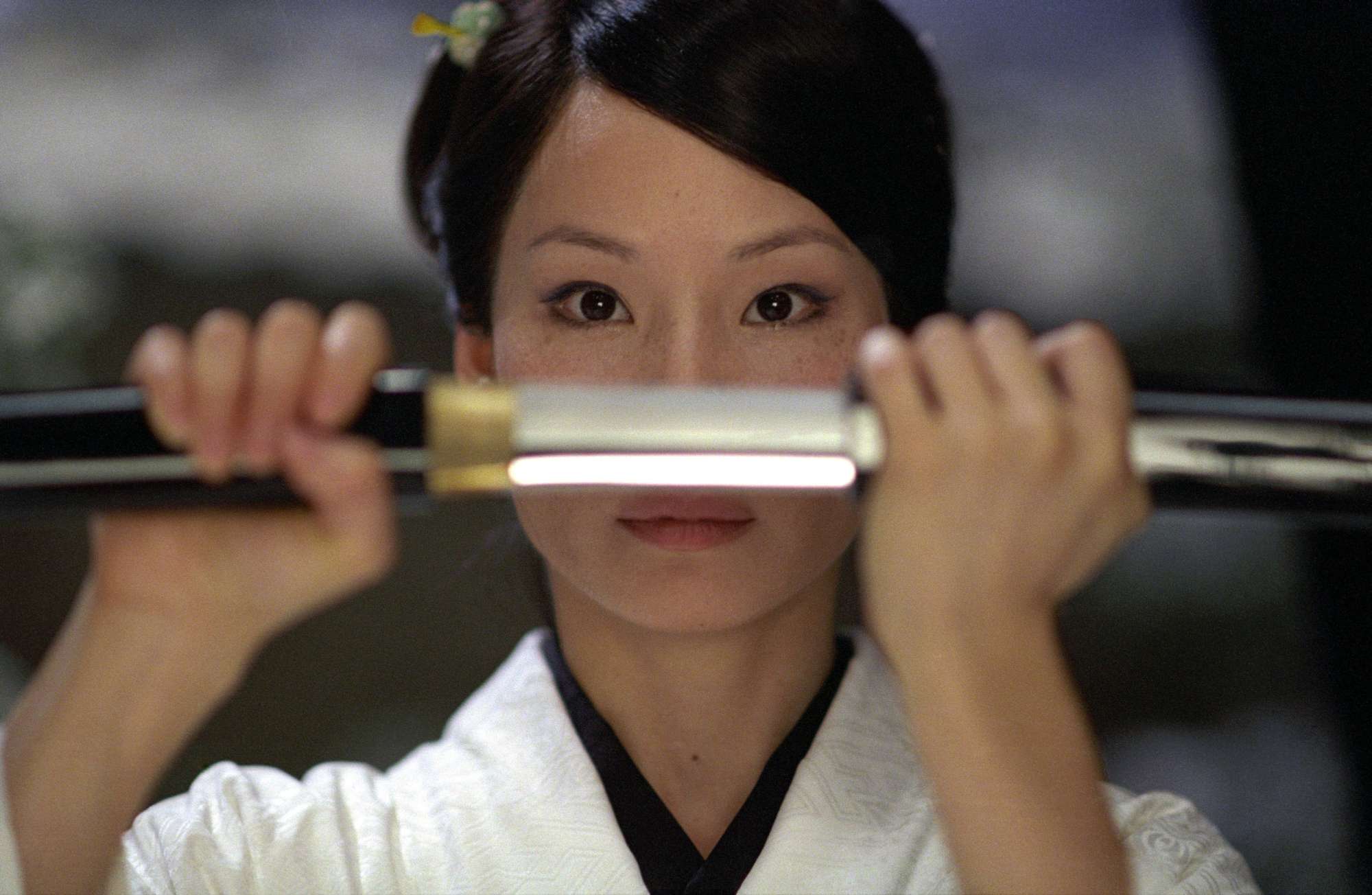
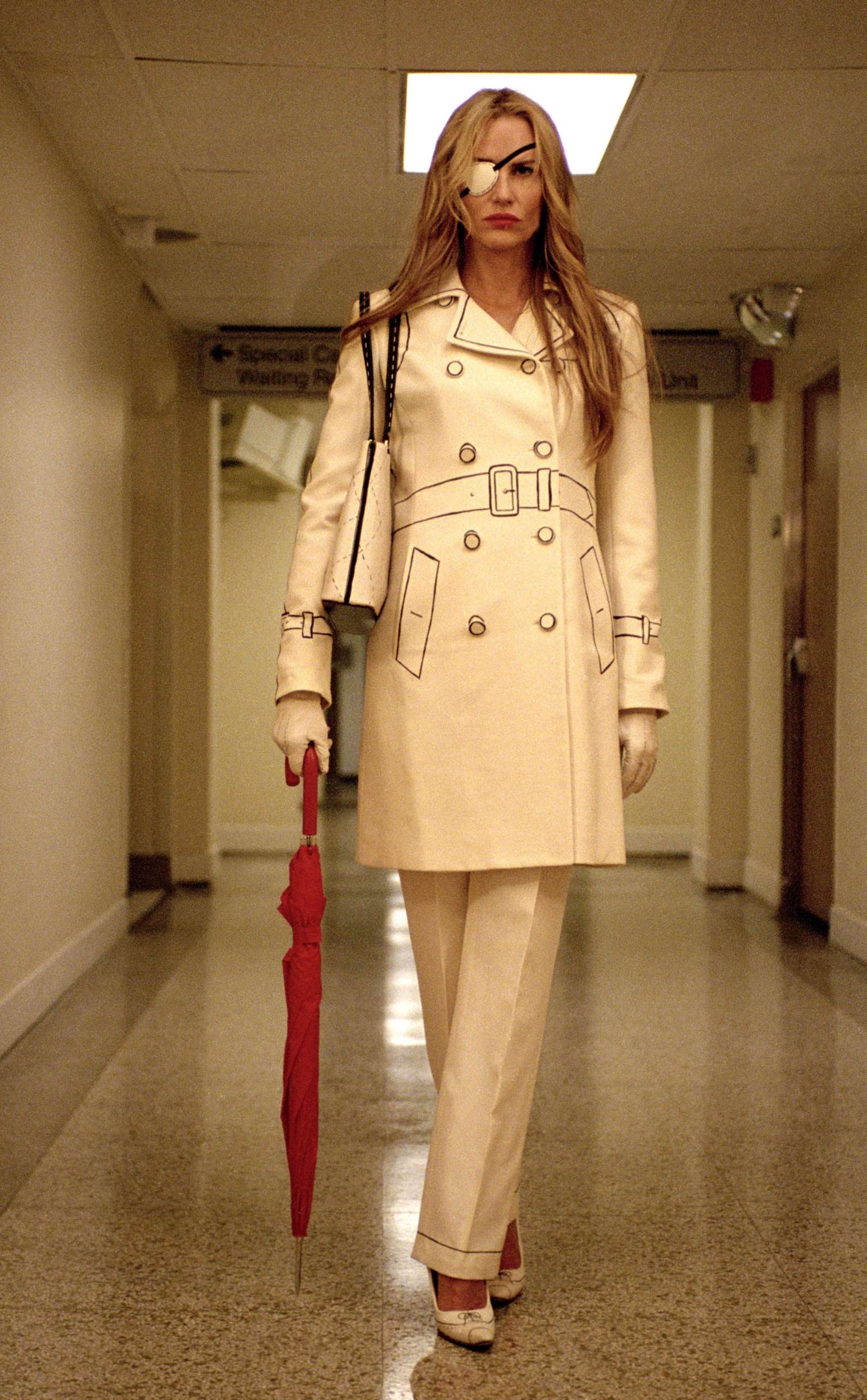
★★★★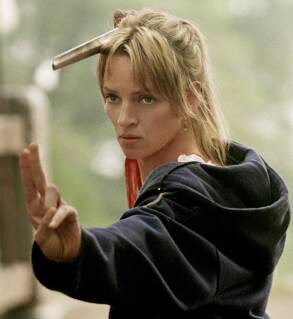 Precisely what, I’ll get to in a minute. But I also have to say that when this film works, it does so extremely well, with moments – and a good number of more lengthy sequences – that are just about perfect. We learn why Elle Driver (Hannah) has only one eye; the relationship between Budd (Madsen) and Bill (Carradine); the reason the Bride quit her life as an international jet-setting killer; and how the Crazy 88’s didn’t actually have 88 members. All these elements are dealt with swiftly and efficiently, plugged in like jigsaw pieces in their correct place, so it’s not as if Tarantino
  But when Tarantino just nods to other movies, rather than waving them in the air and shouting “Look at me! Amn’t I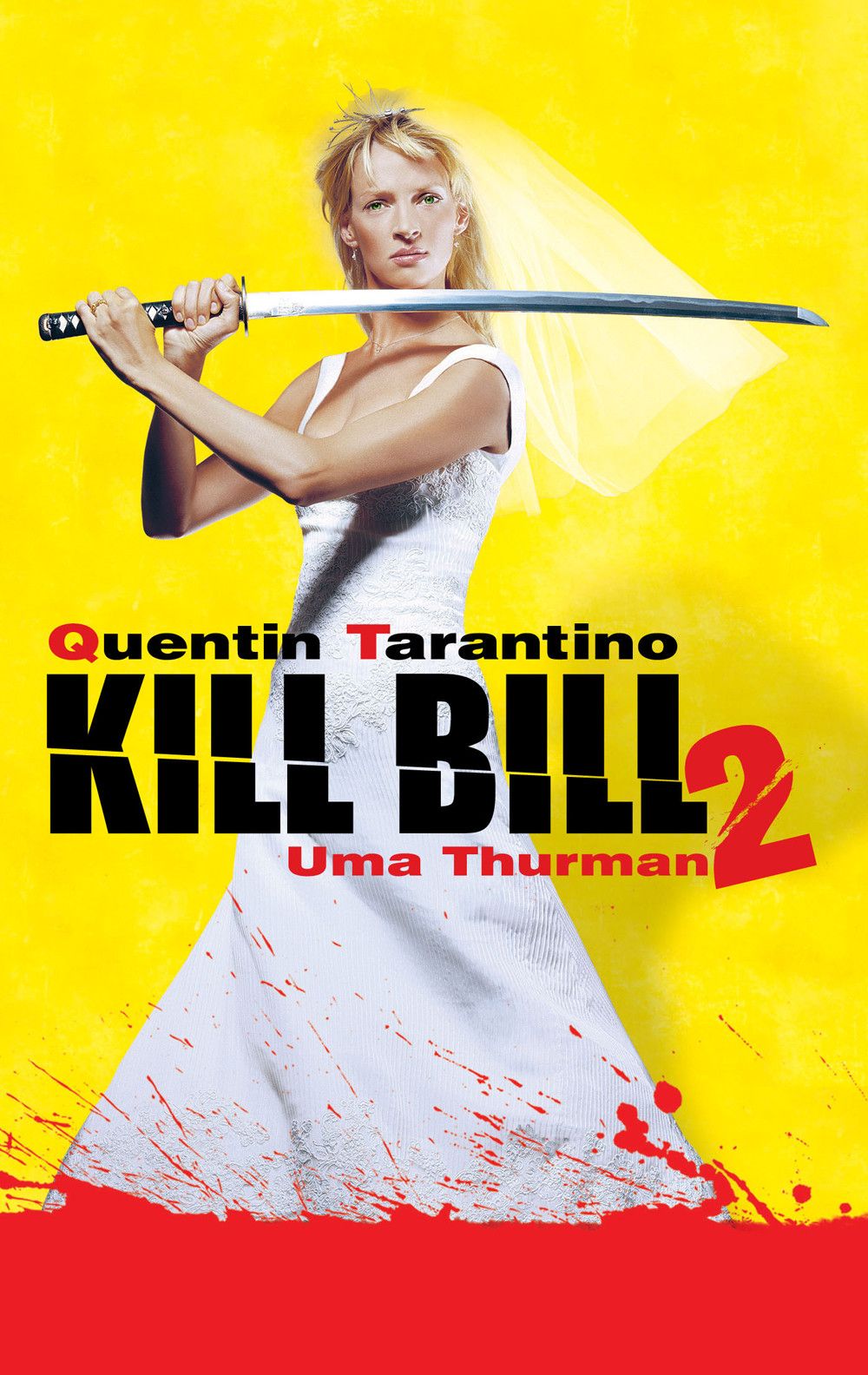
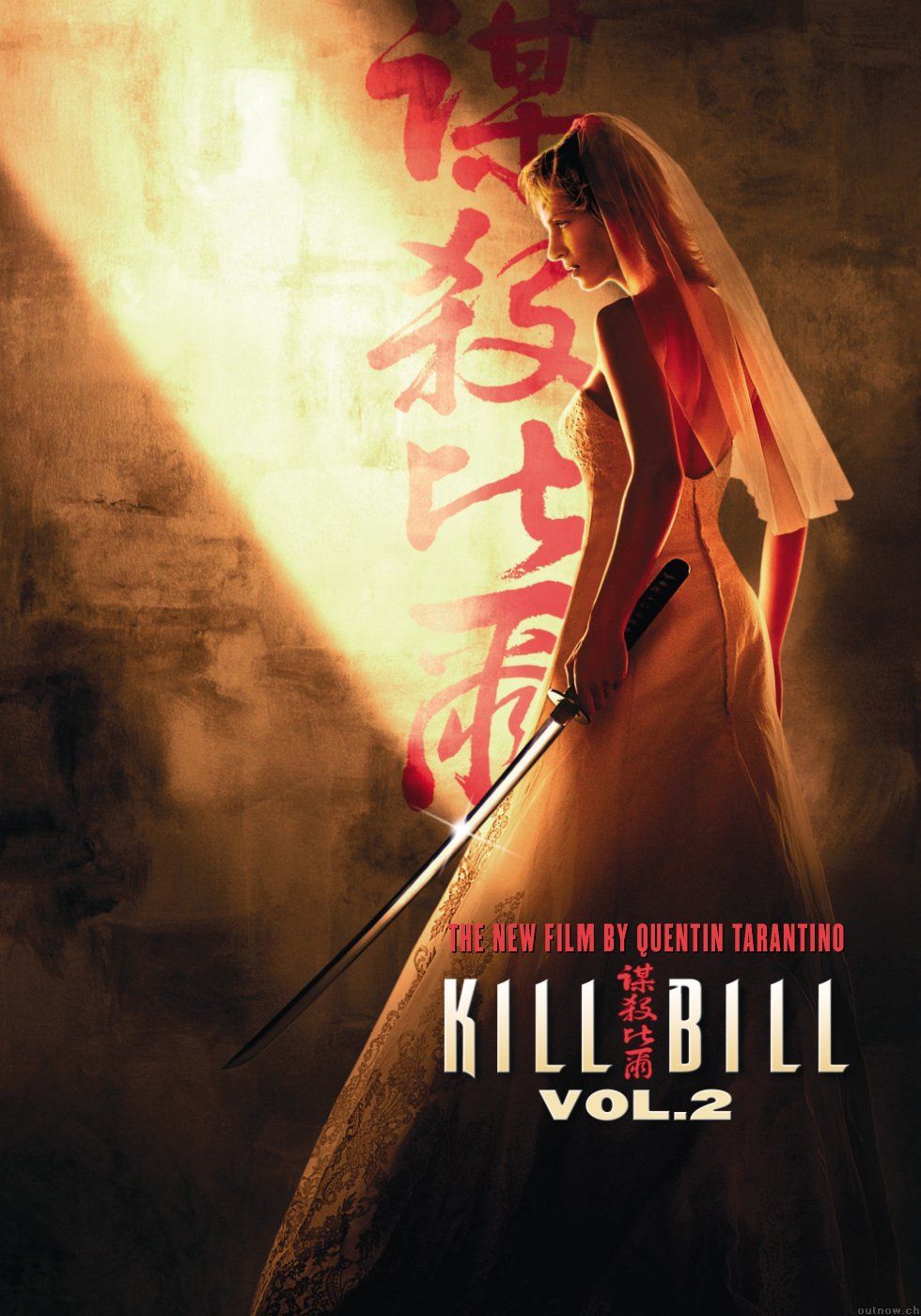
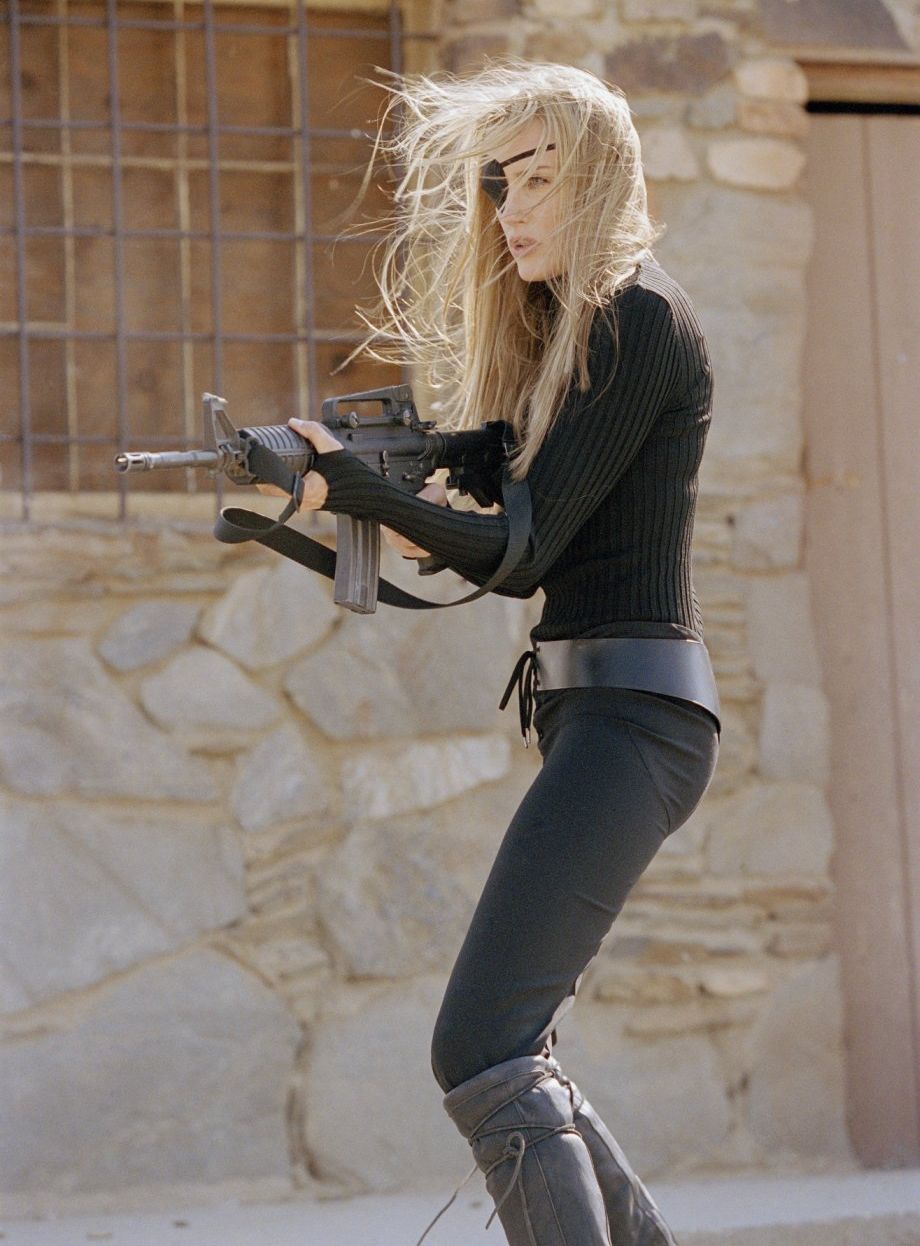
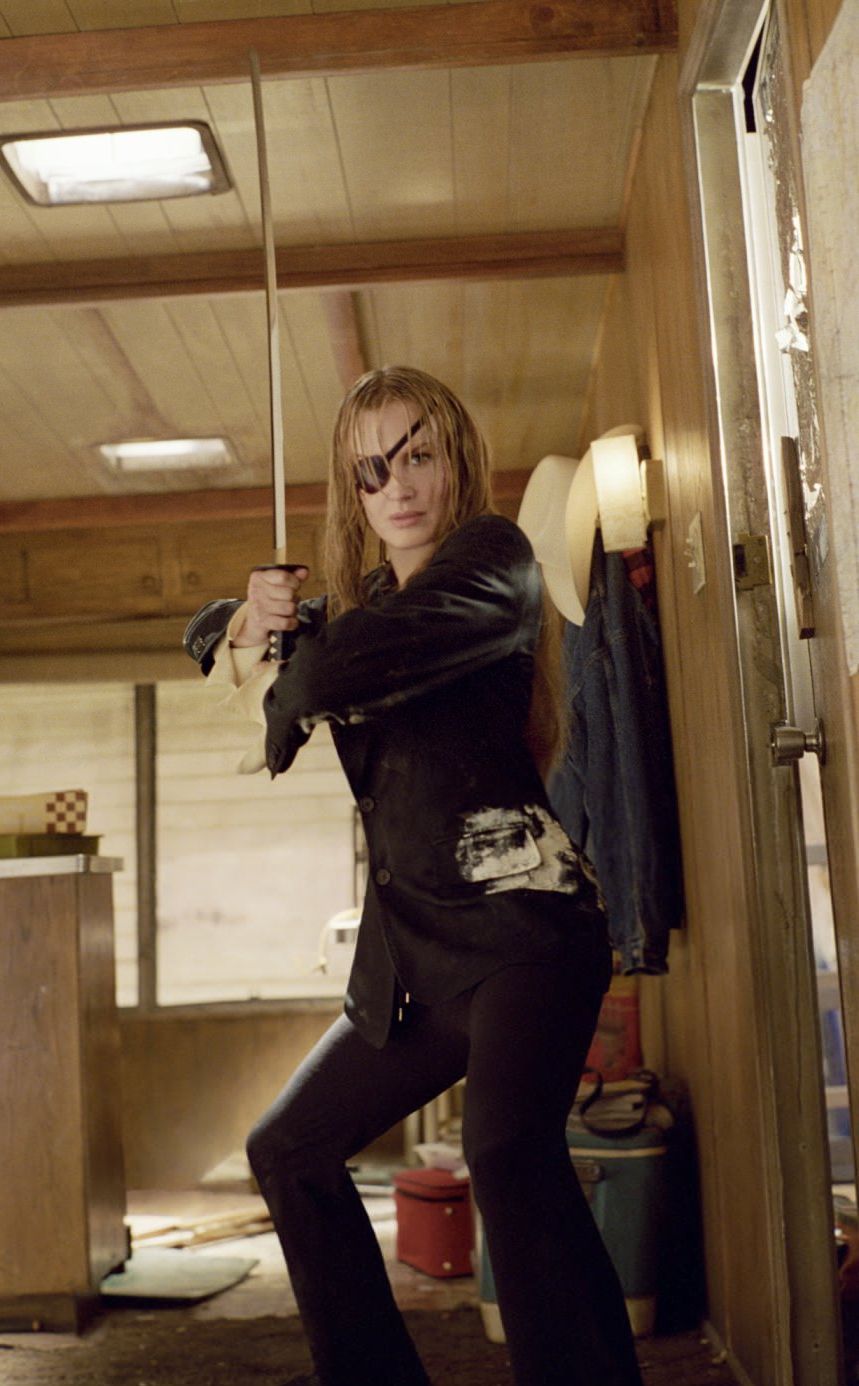
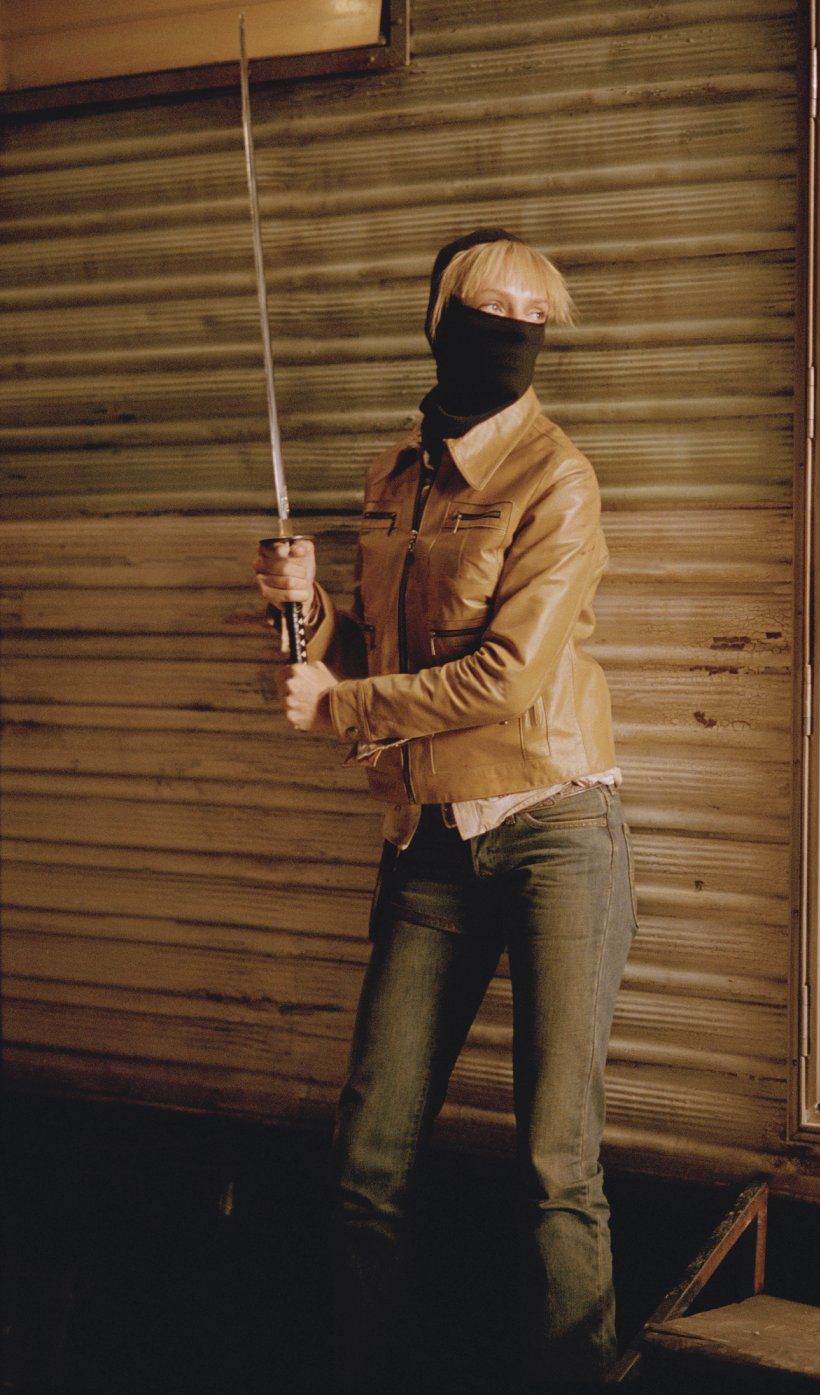
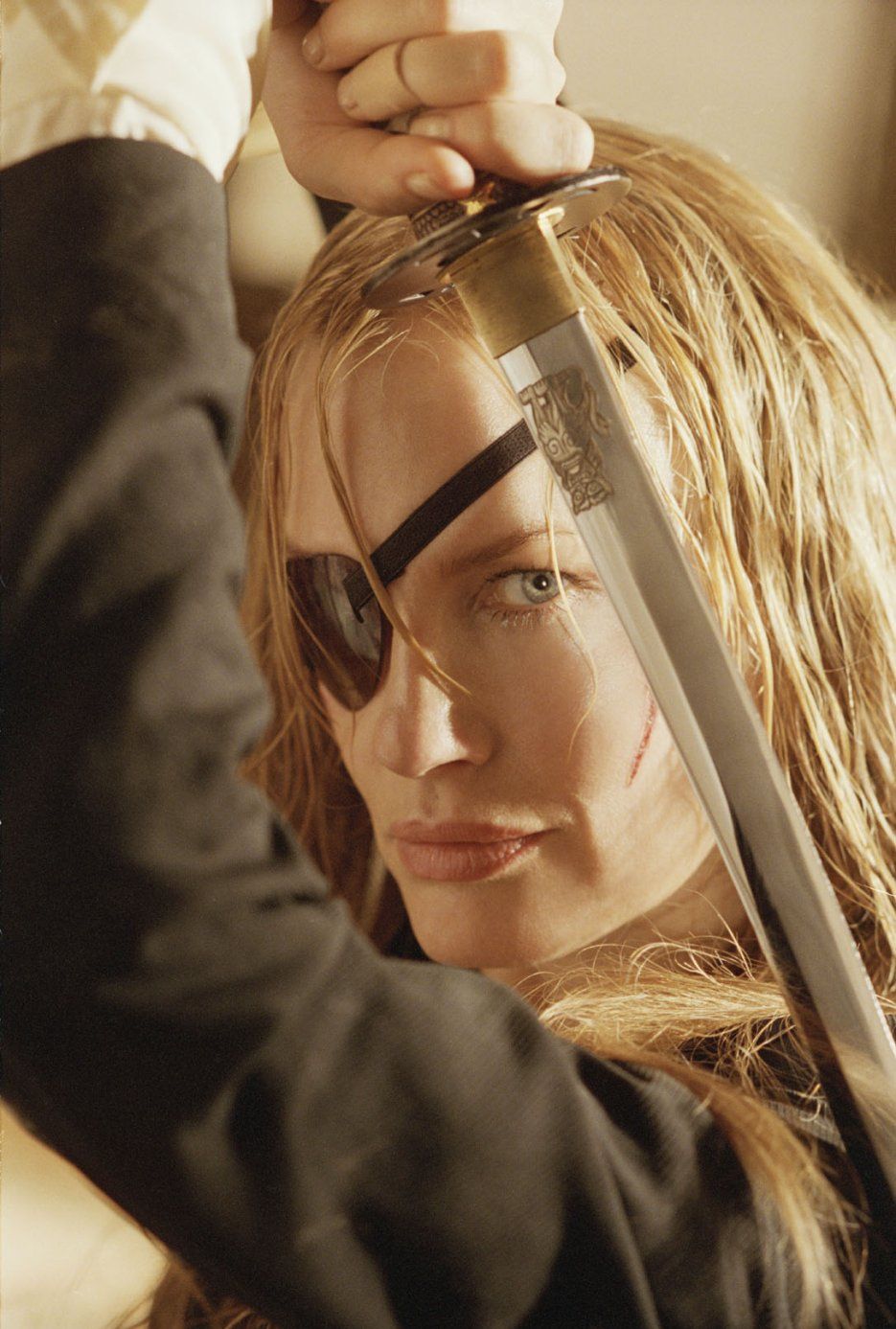
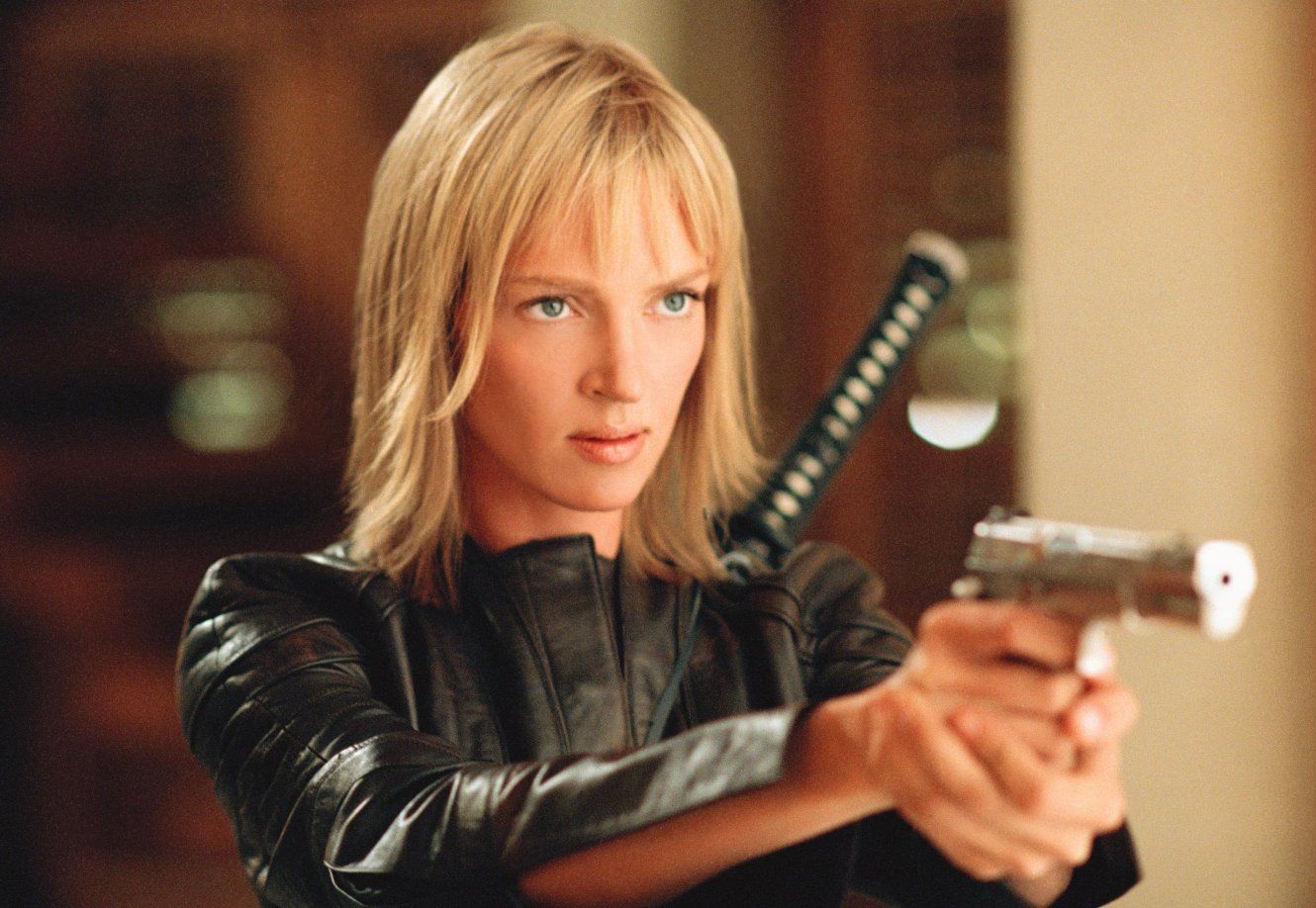
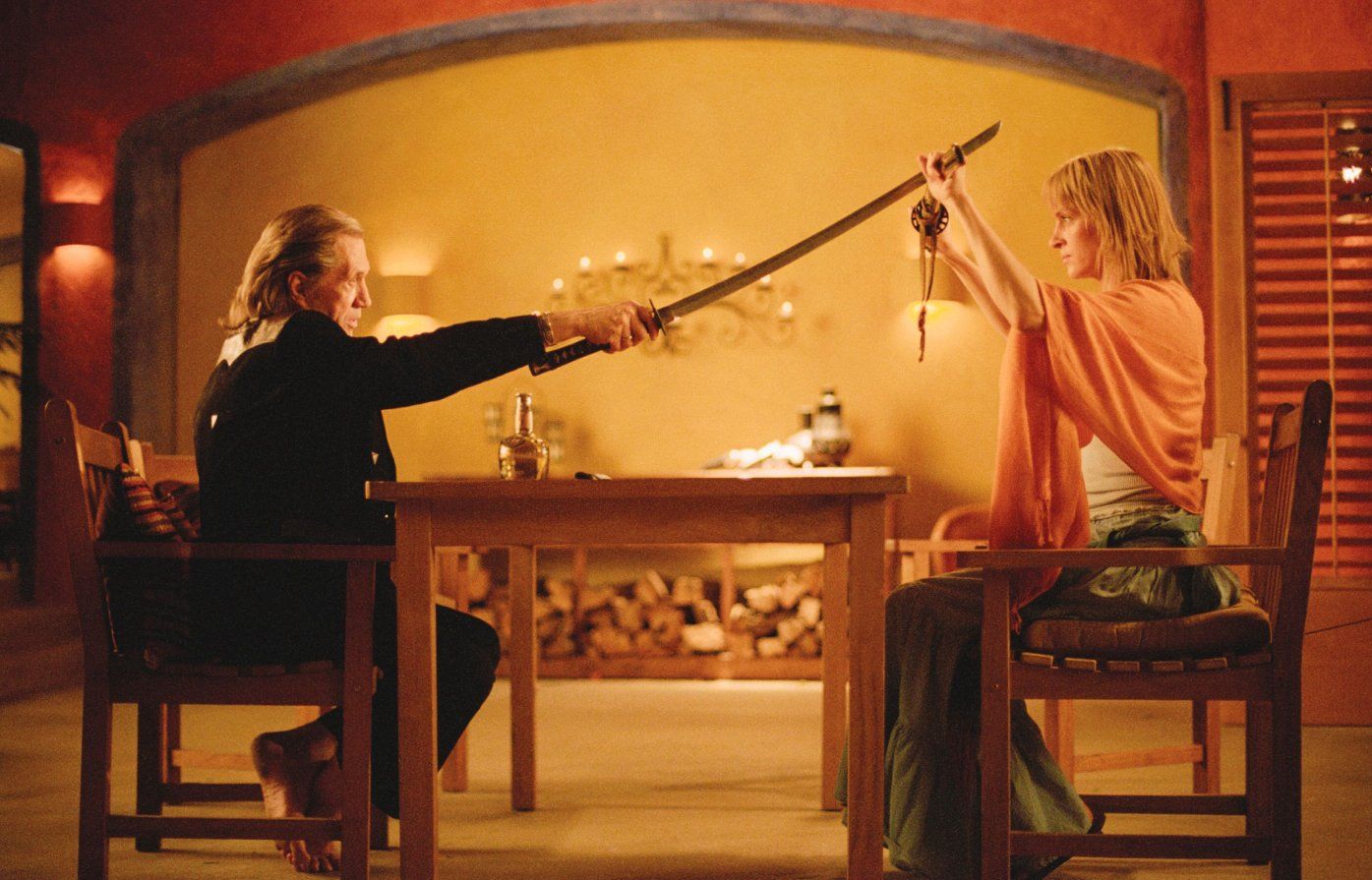
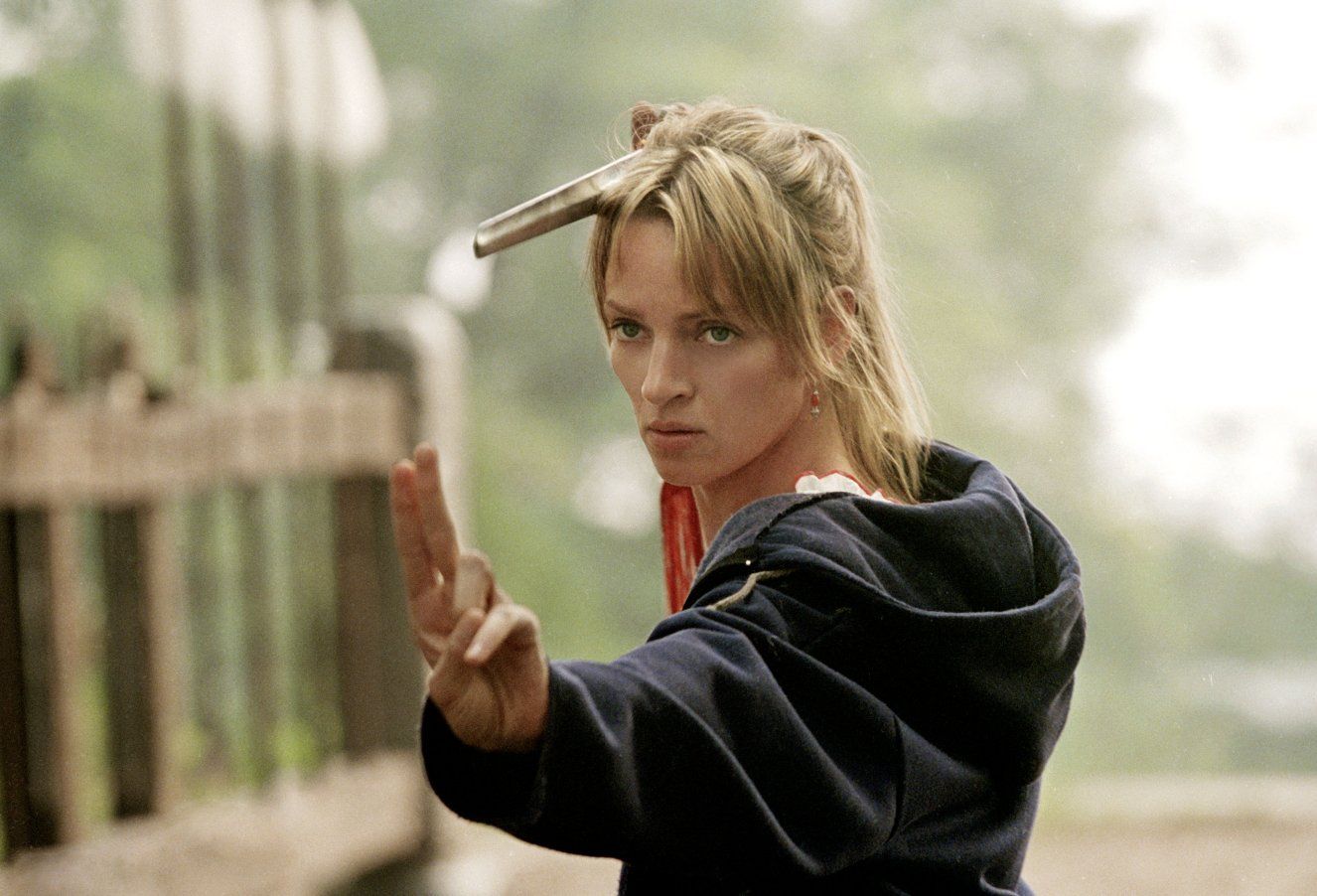
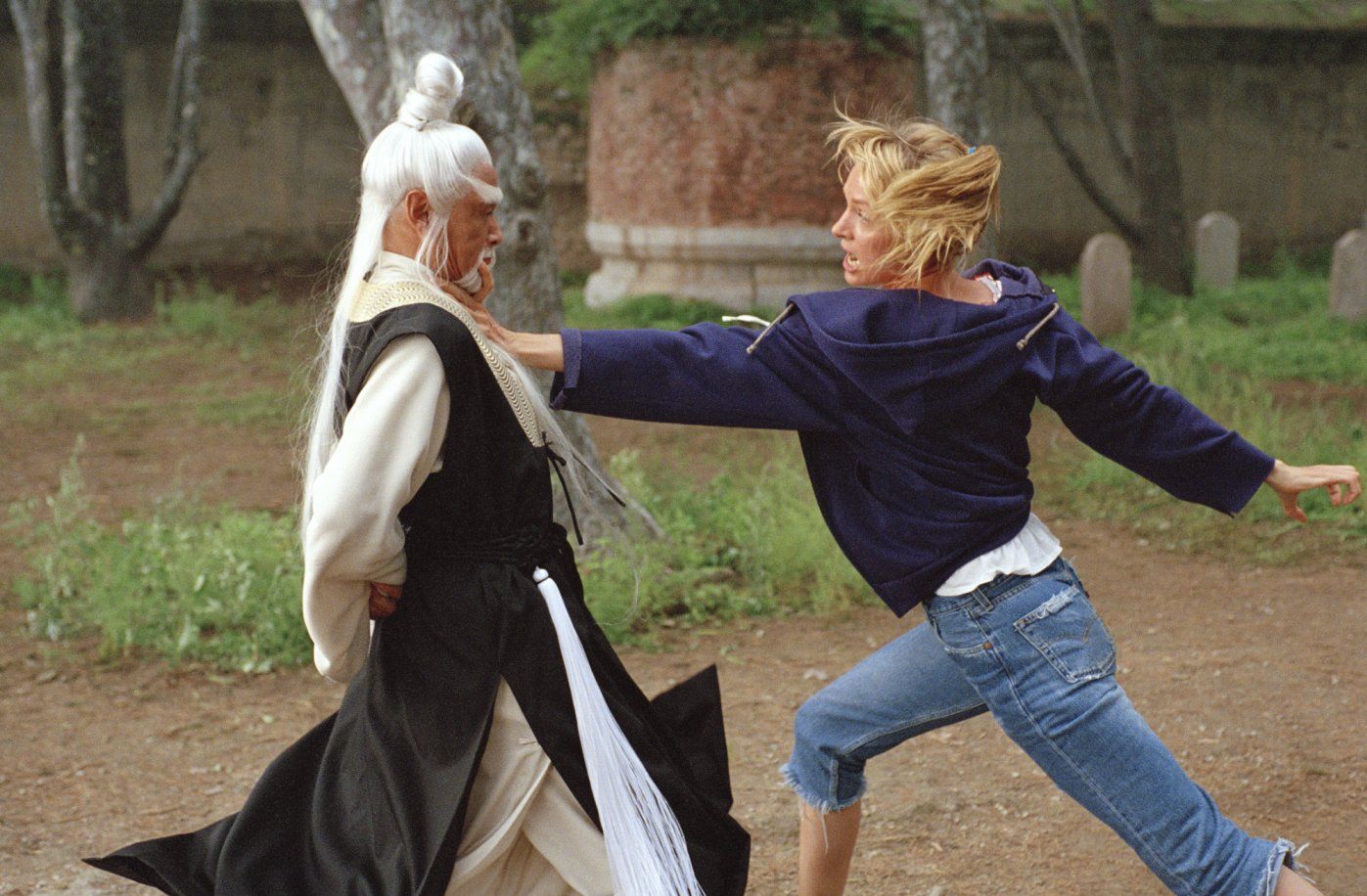
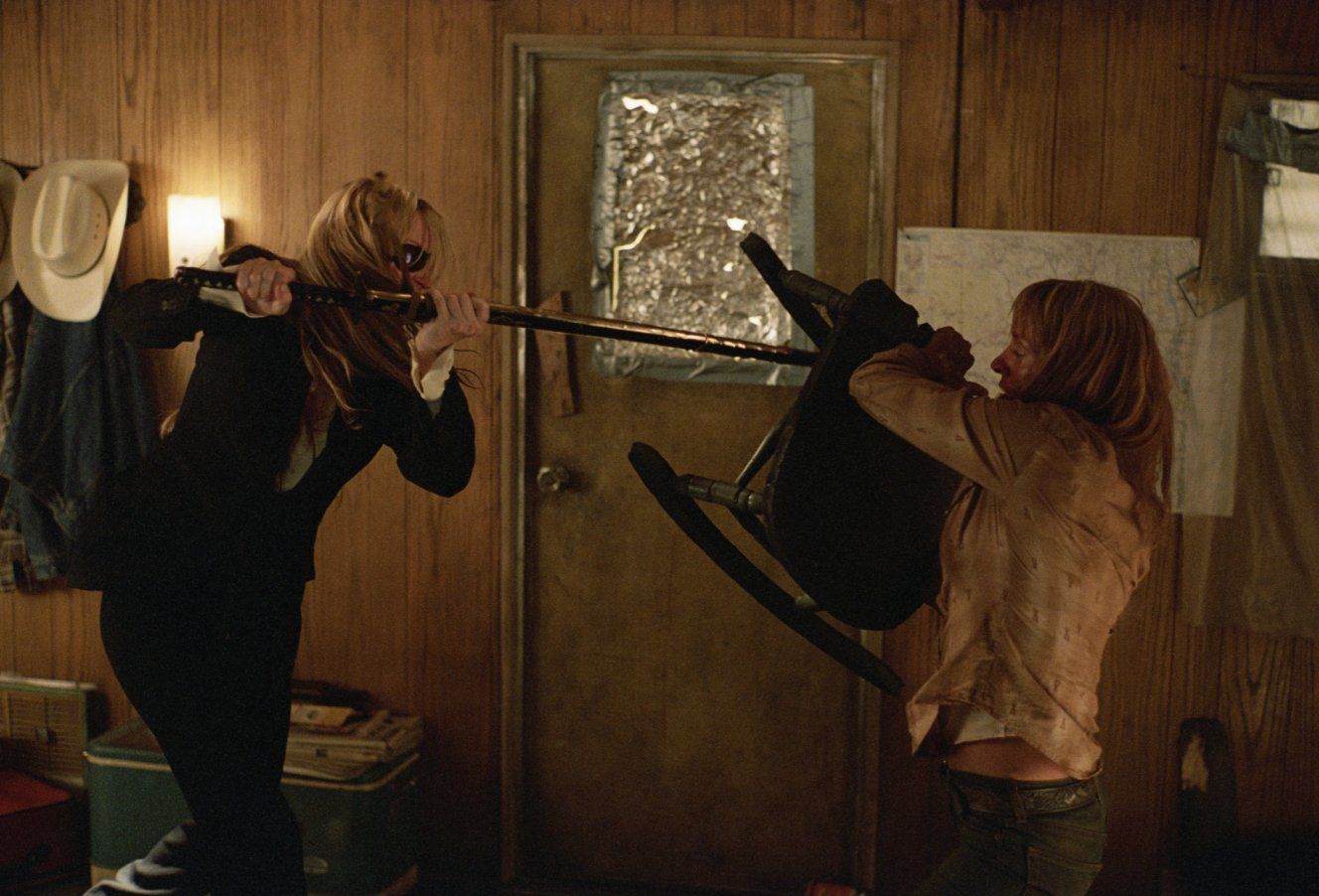
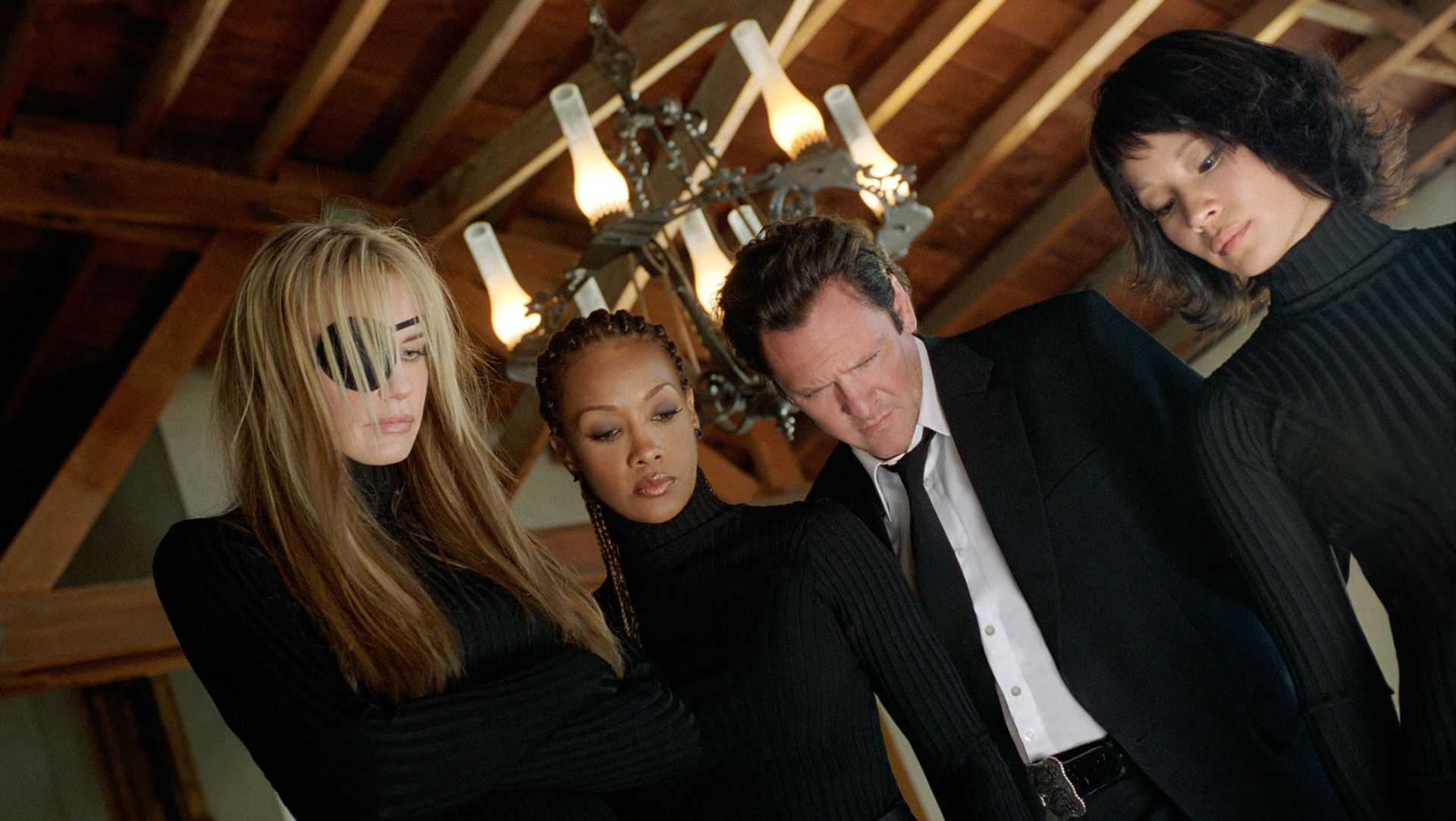
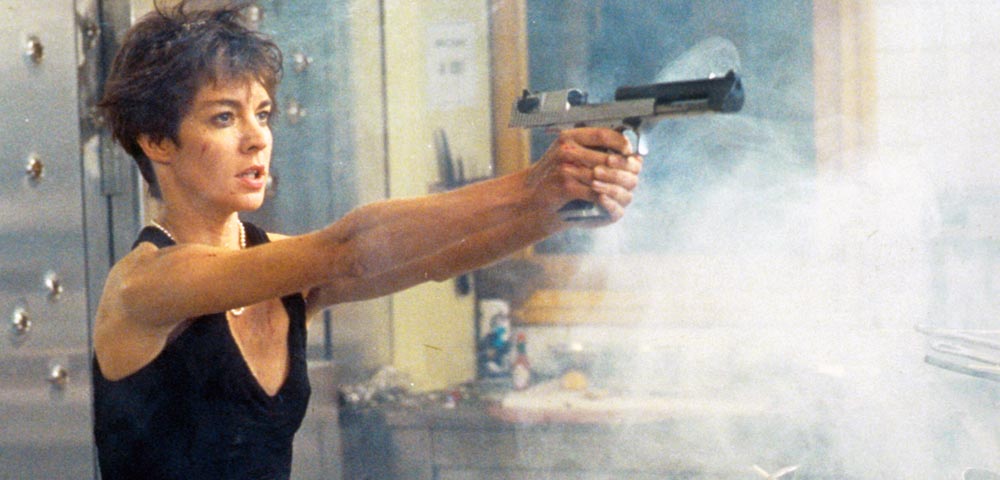
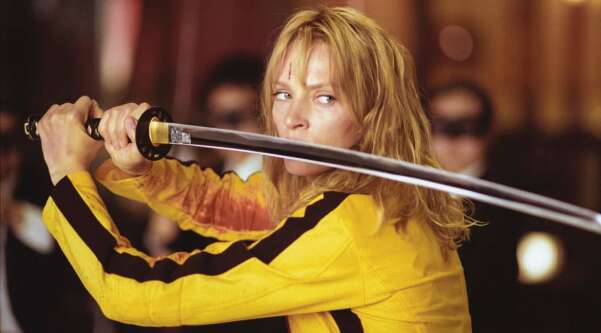
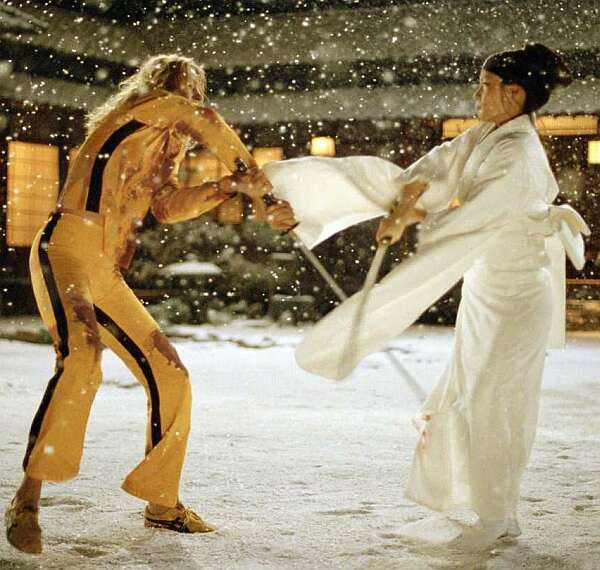 There is also the nasty question of how much of what is praiseworthy, is actually Quentin’s own work. If you’ve seen the infamous Who Do You Think You’re Fooling?, which intercuts clips from Reservoir Dogs with very similar scenes from a Hong Kong movie made several years previously, City on Fire, you’ll know what I mean. I’d rather praise film-makers such as David Cronenberg, who do more than cobble together pieces “borrowed” from other people, no matter how amusingly post-modern the results may be.
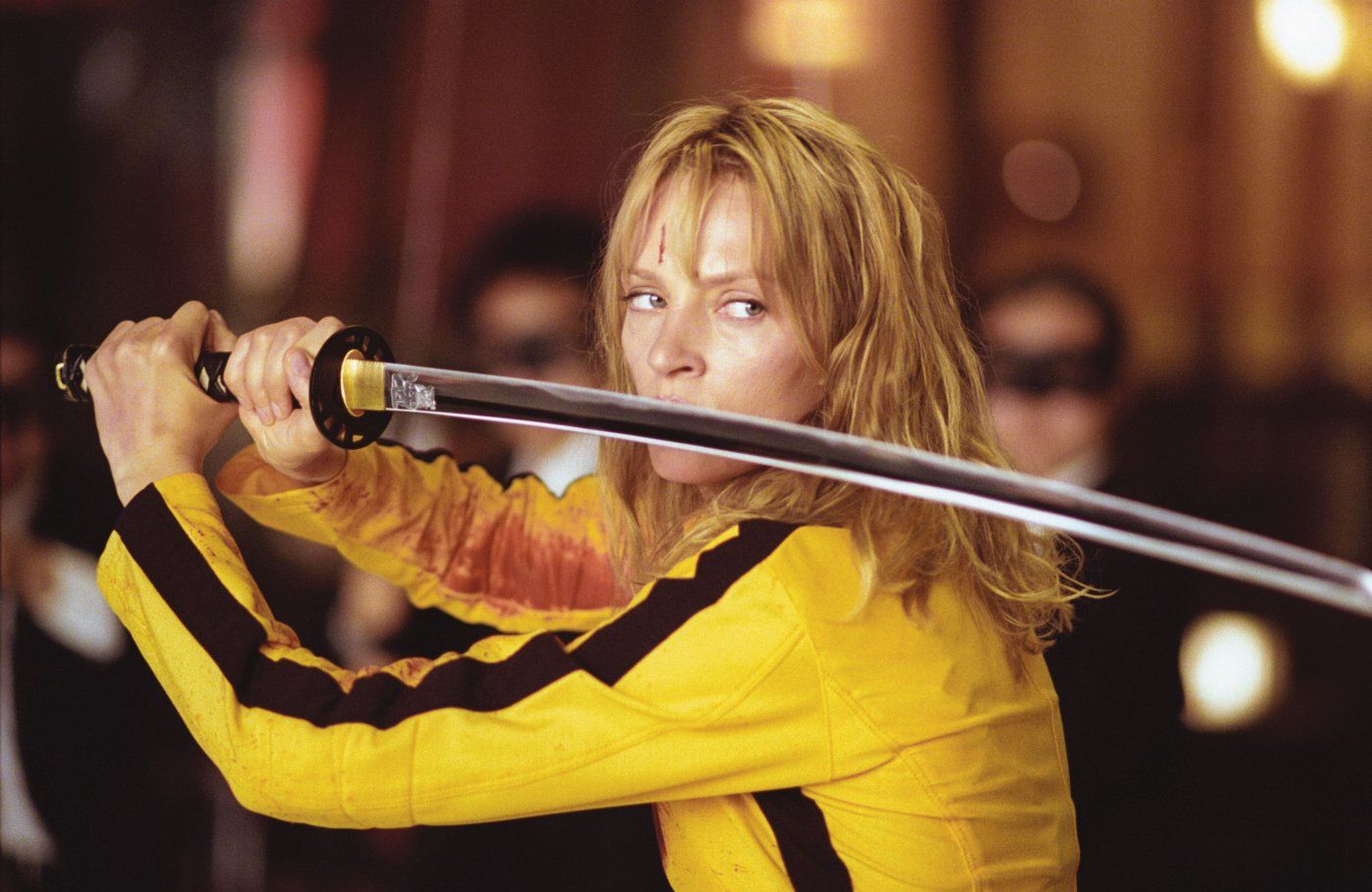
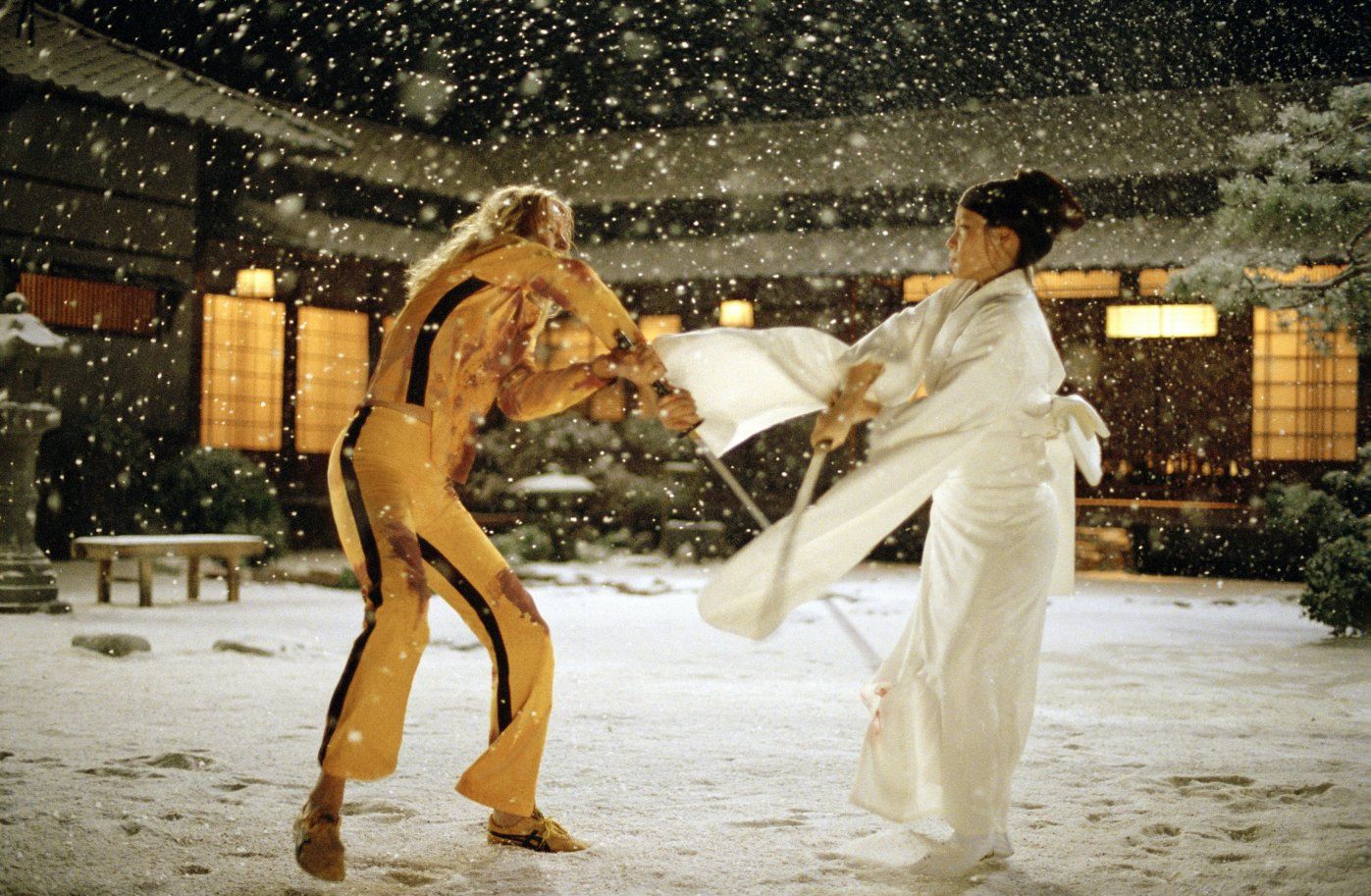
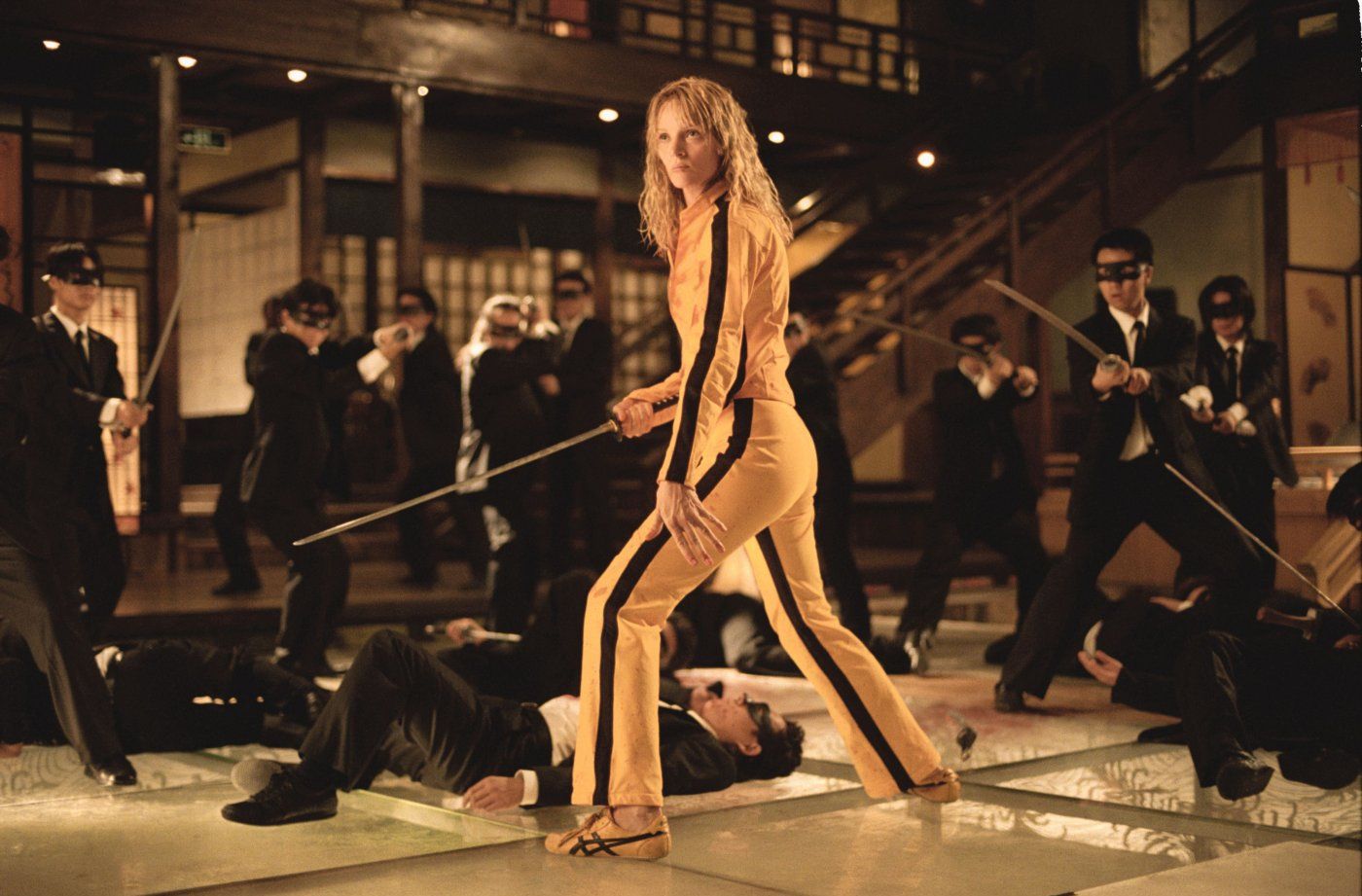
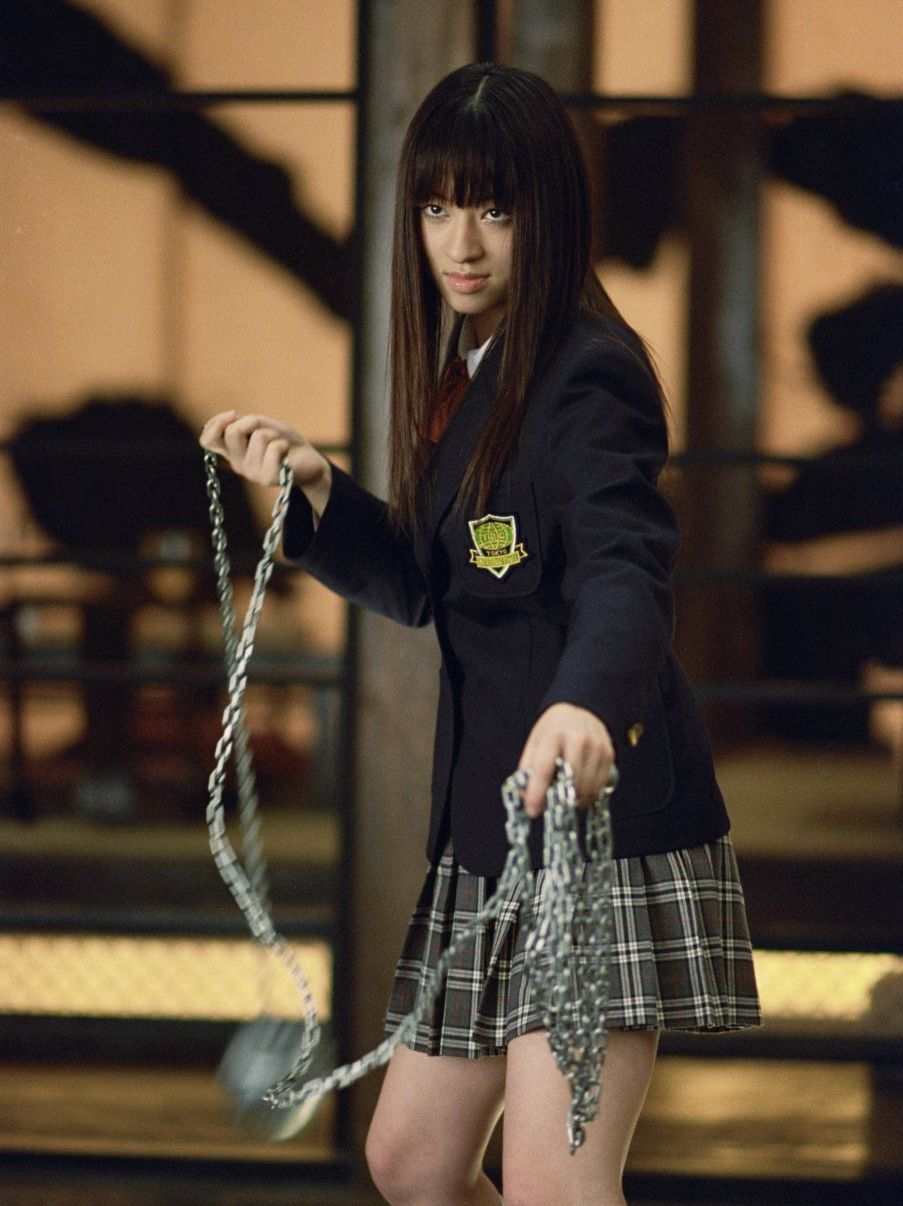
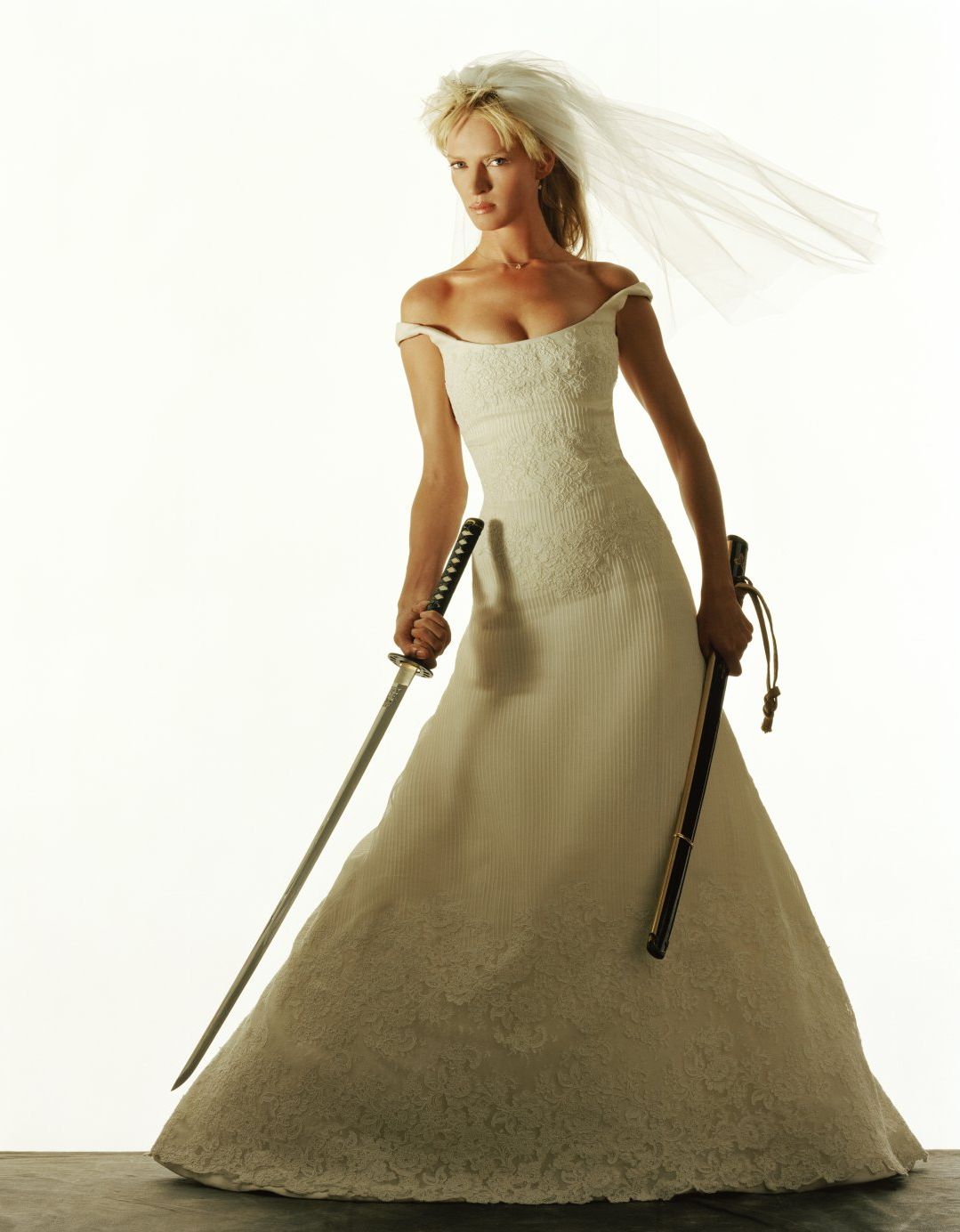
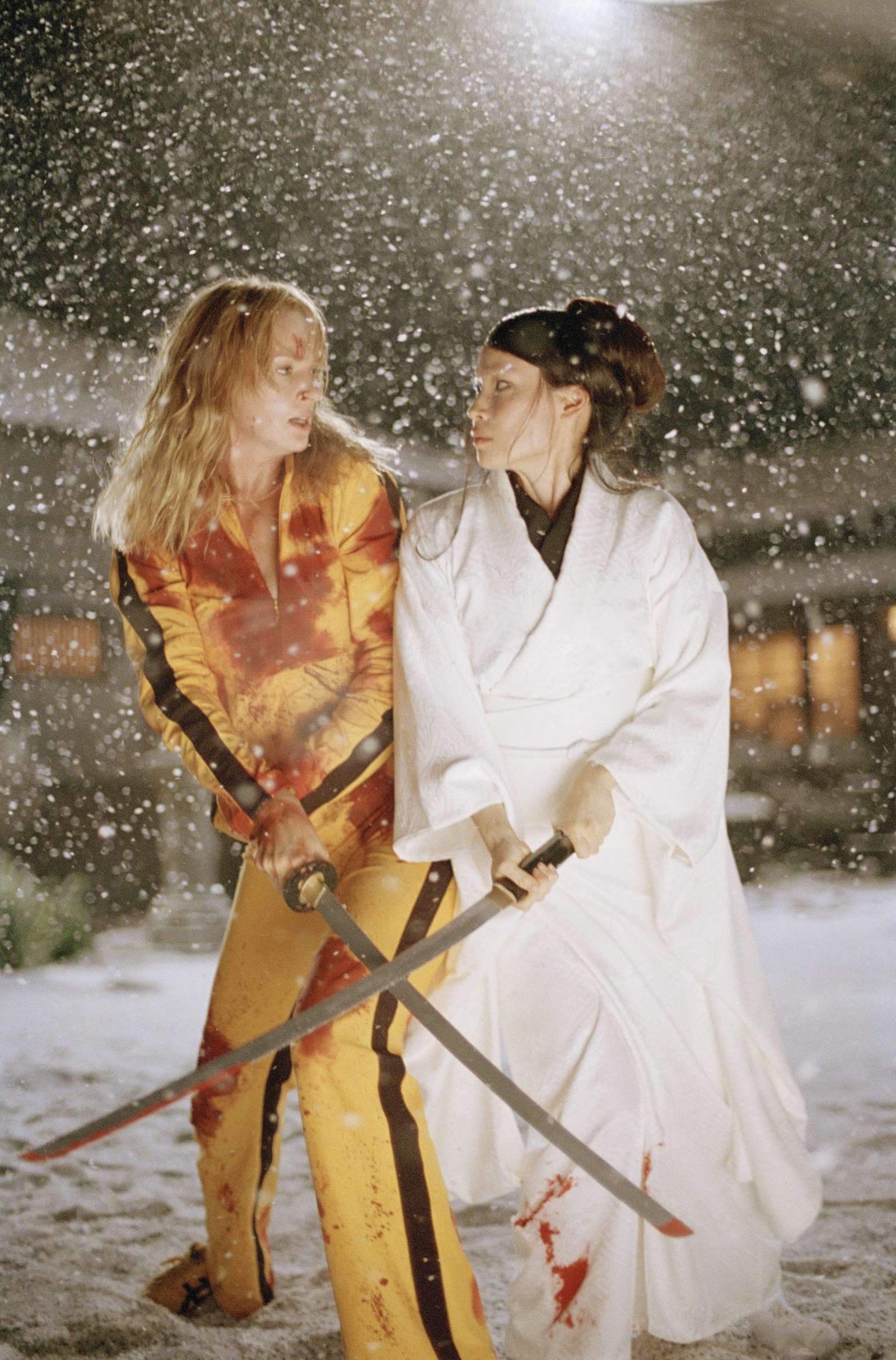
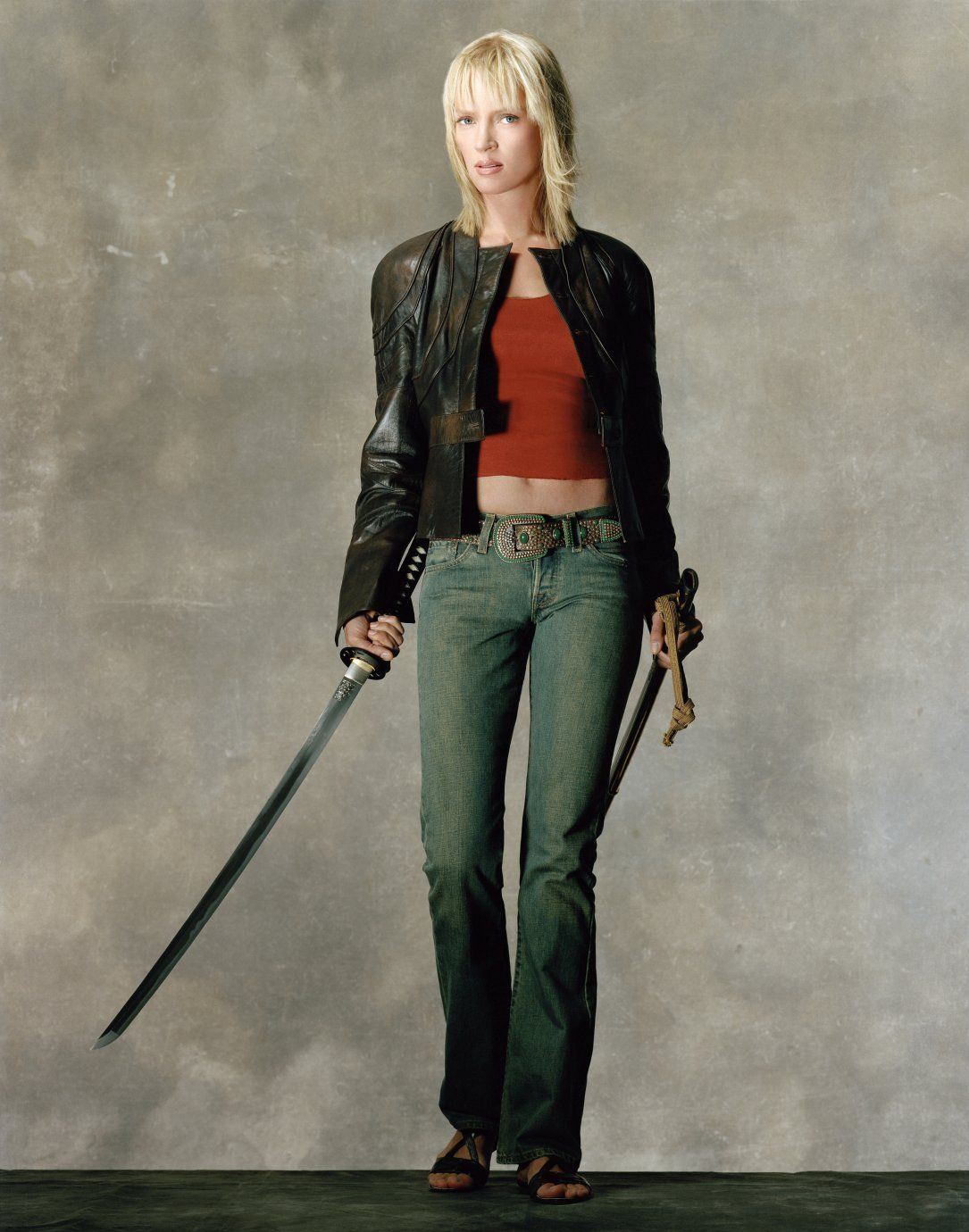
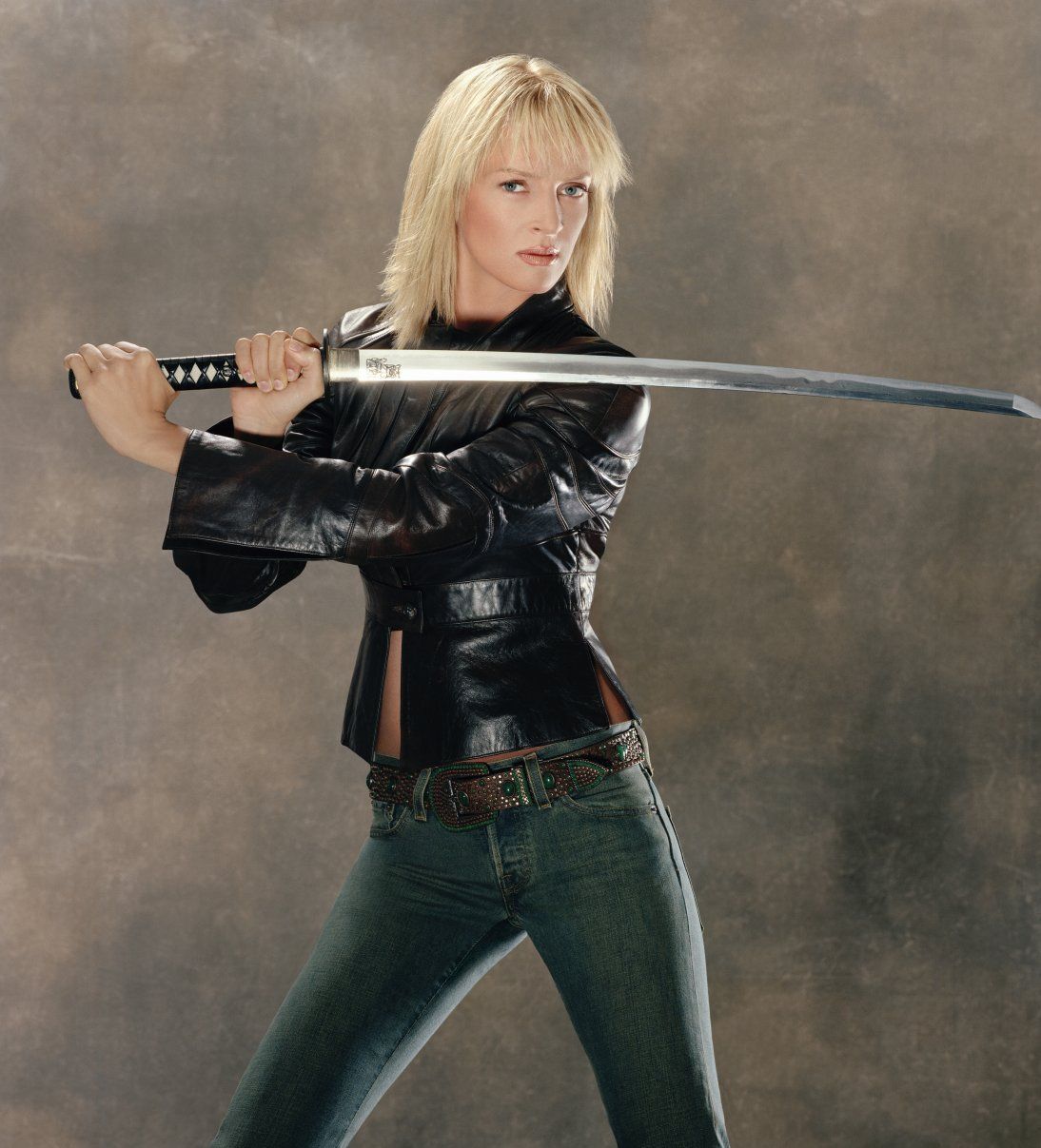
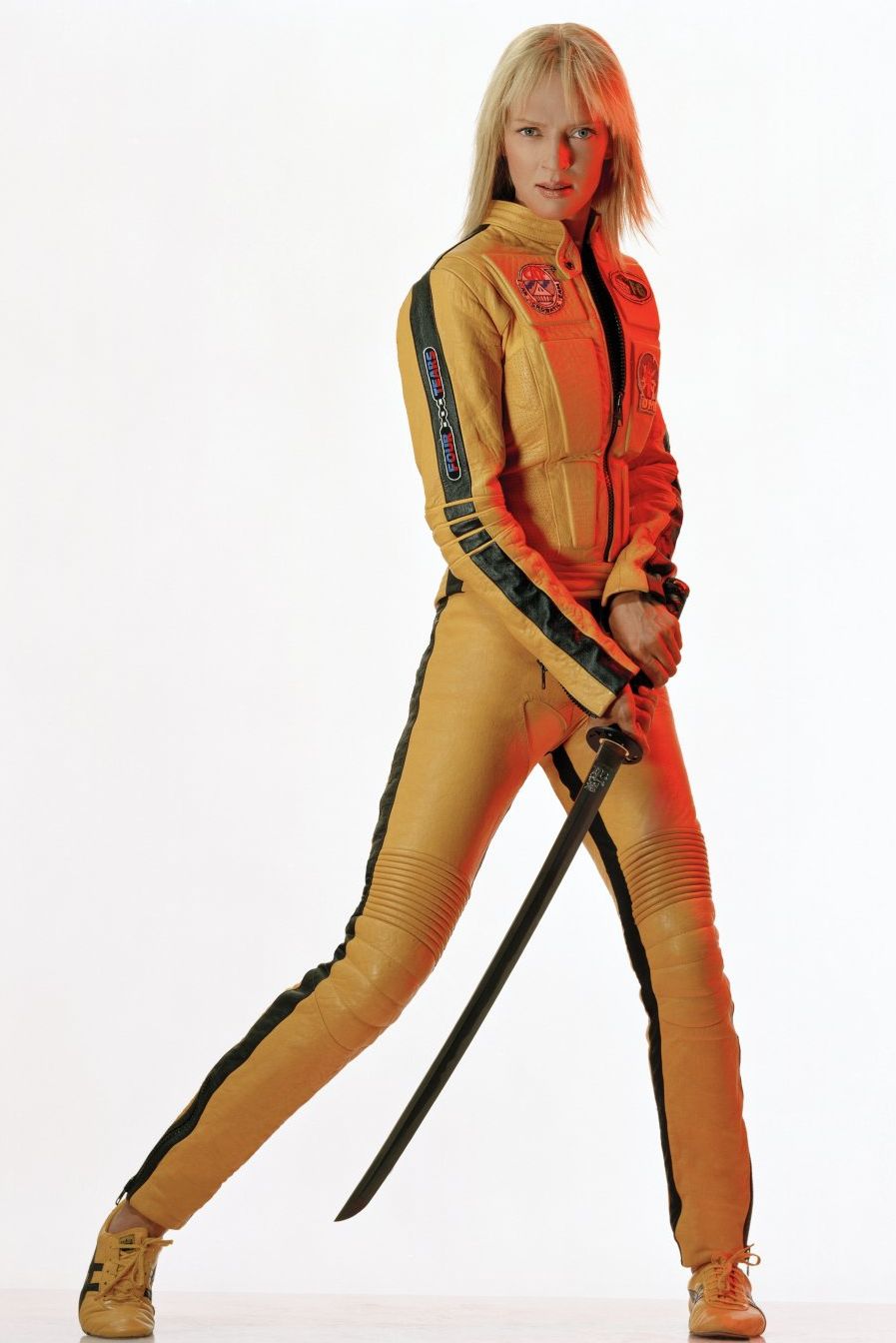
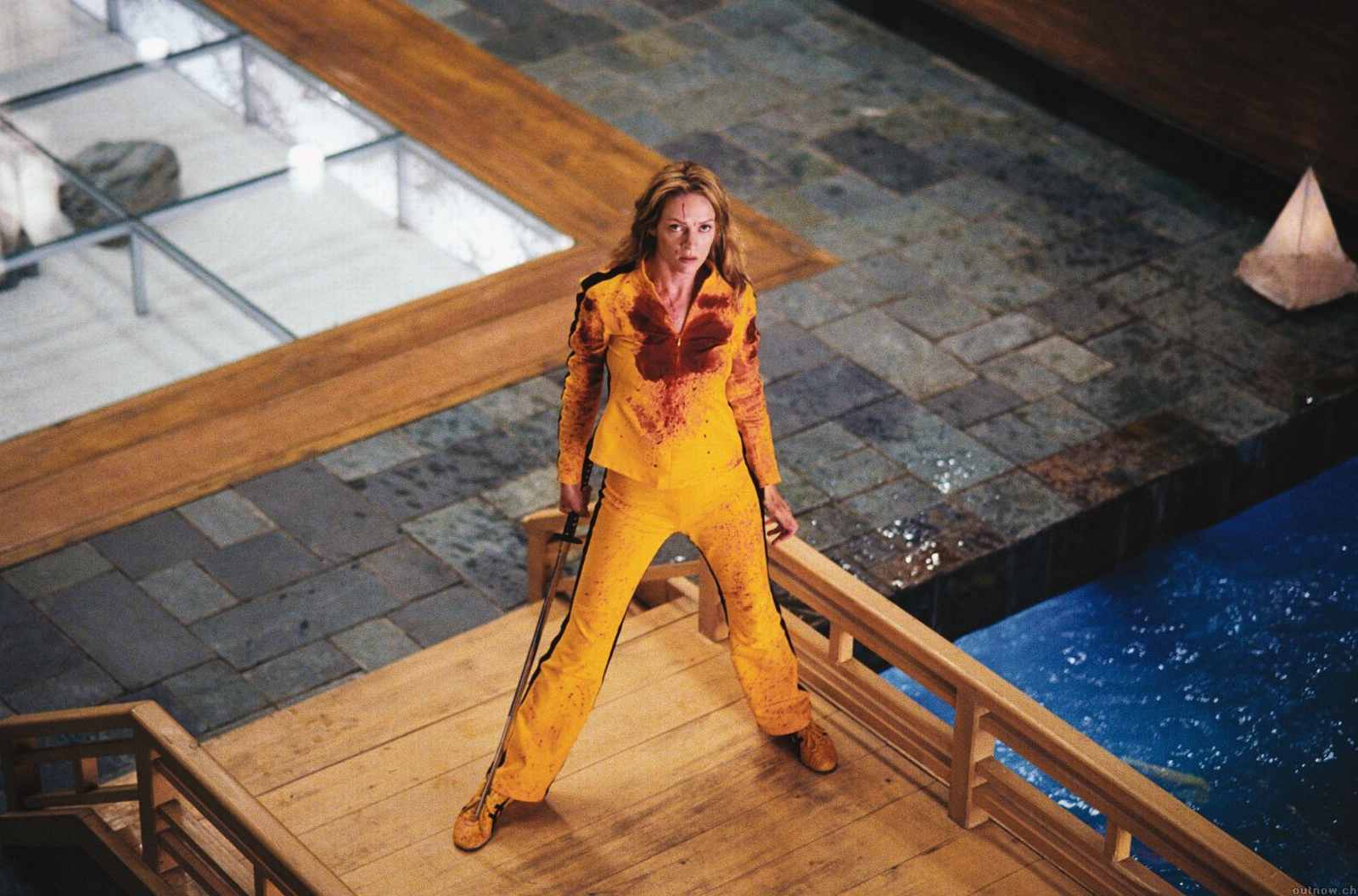
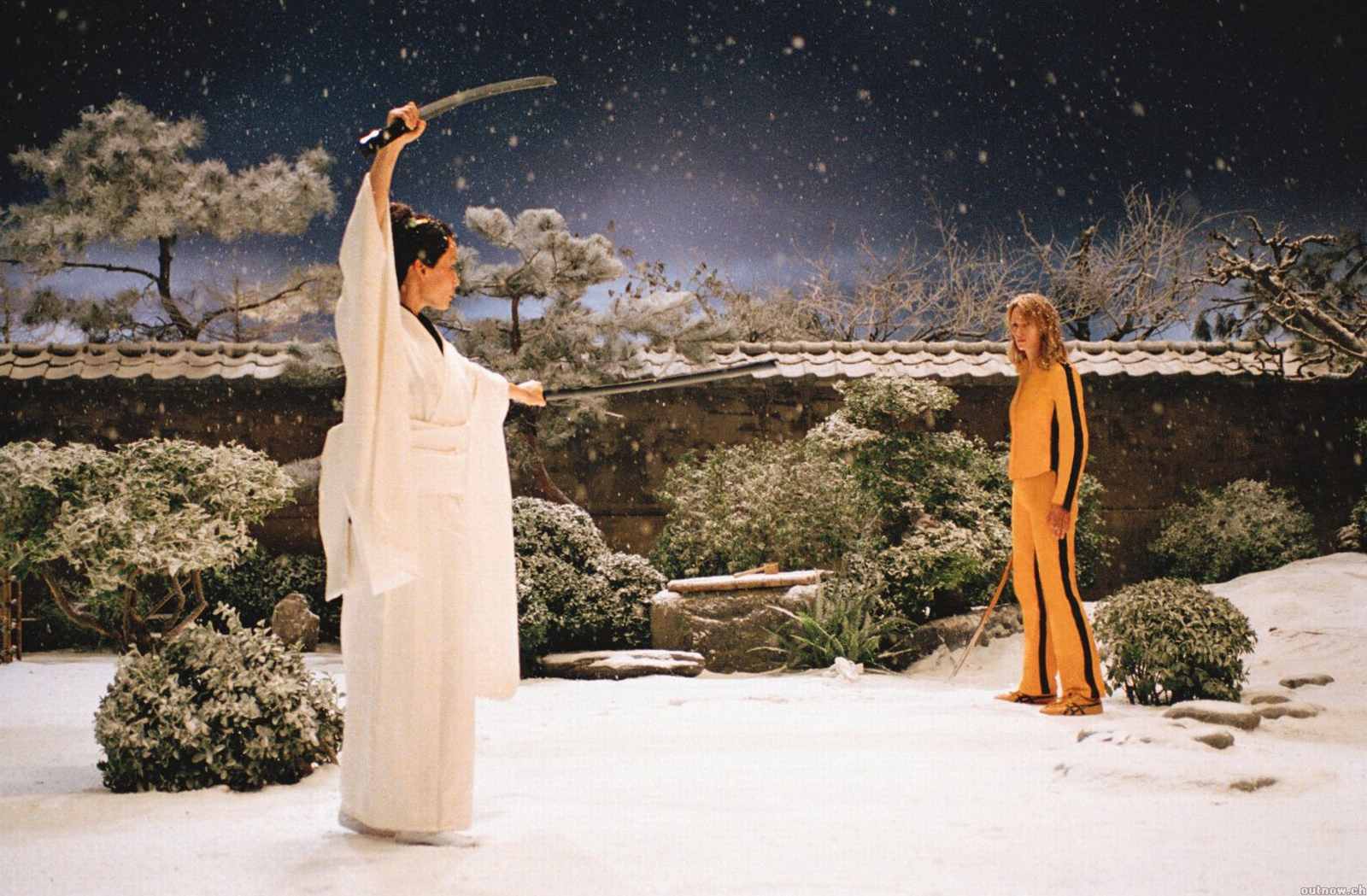
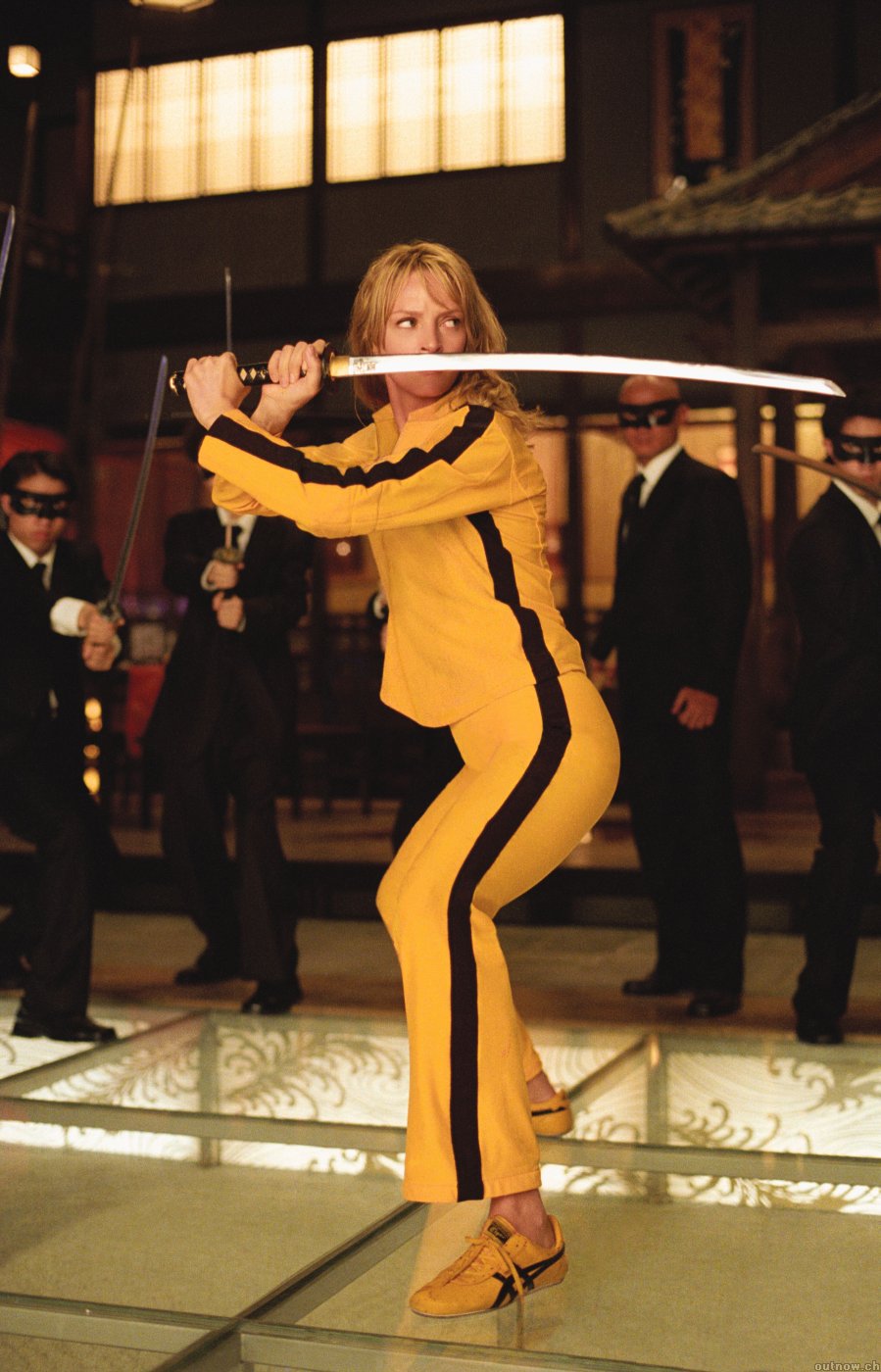
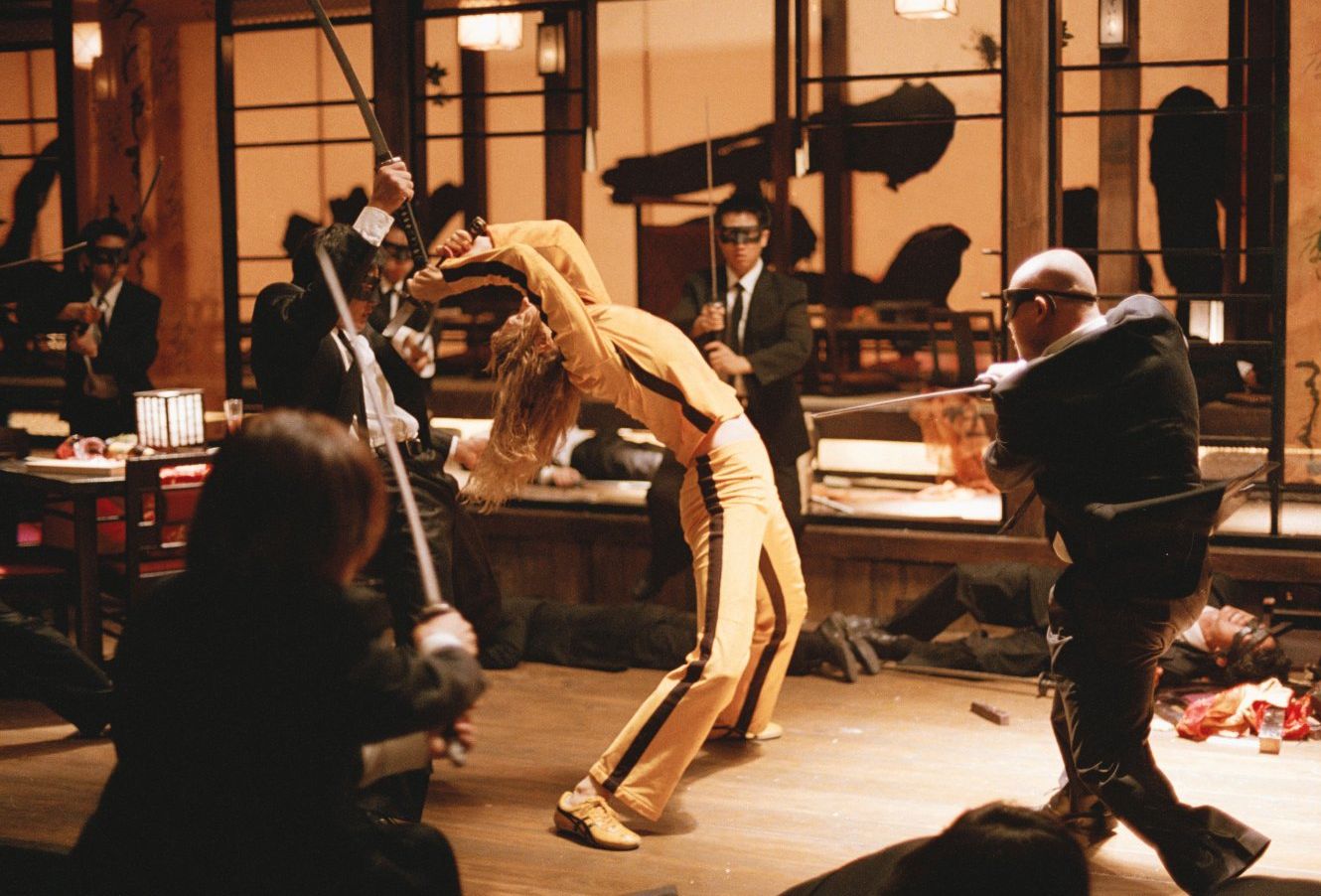
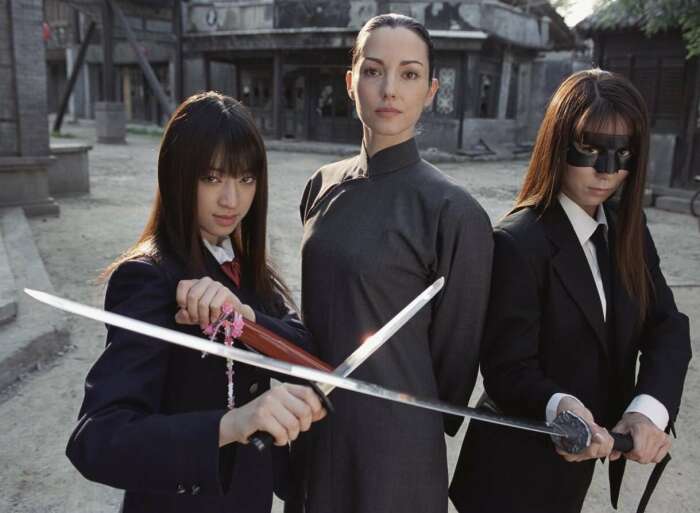 Uma Thurman is The Bride – her character is never named (it’s given a couple of times, but beeped out) – a member of the Deadly Vipers Assassination squad operating under the eye of Bill (David Carradine, not yet seen). When she tries to quit, her marriage is interrupted by the rest of the team, who kill the groom, the priest and even the guy playing the organ. They think they’ve killed the pregnant bride. They’re wrong.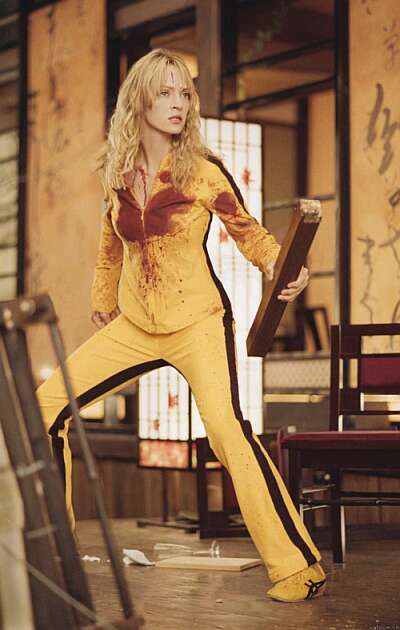
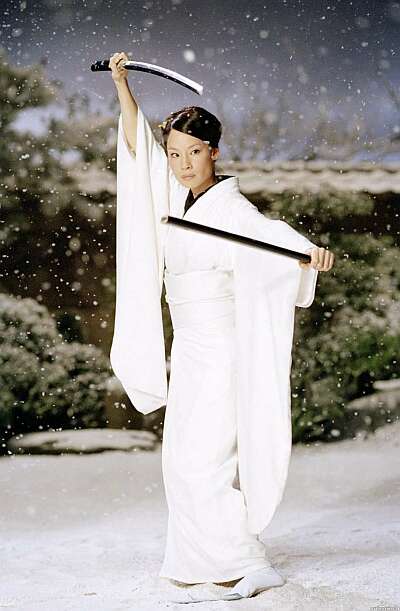
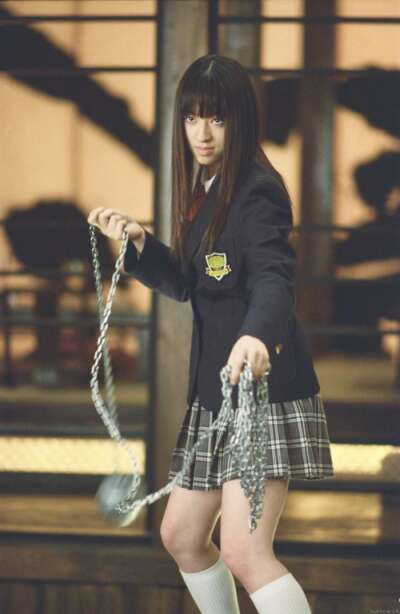
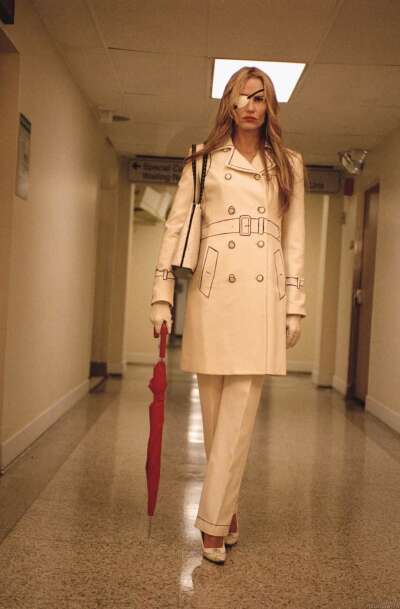
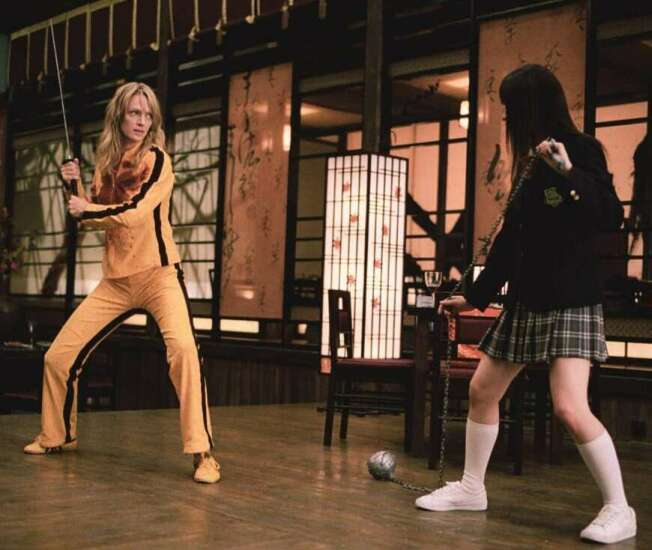 The trailers make this look as if it’s non-stop action, but it isn’t really – there are only a couple of proper set-pieces. The first (cinematically, if not chronologically for the characters) is between The Bride and Green, a brawl around the latter’s house. Despite imaginative use of kitchen utensils, the photography is all wrong, with way too many closeups, leaving it impossible to tell whether there’s any skill – or, indeed, what the hell is going on. I wouldn’t be surprised if this was one of the first things Tarantino shot, since it’s the kind of mistake you’d expect from someone like him, unfamiliar with shooting martial arts.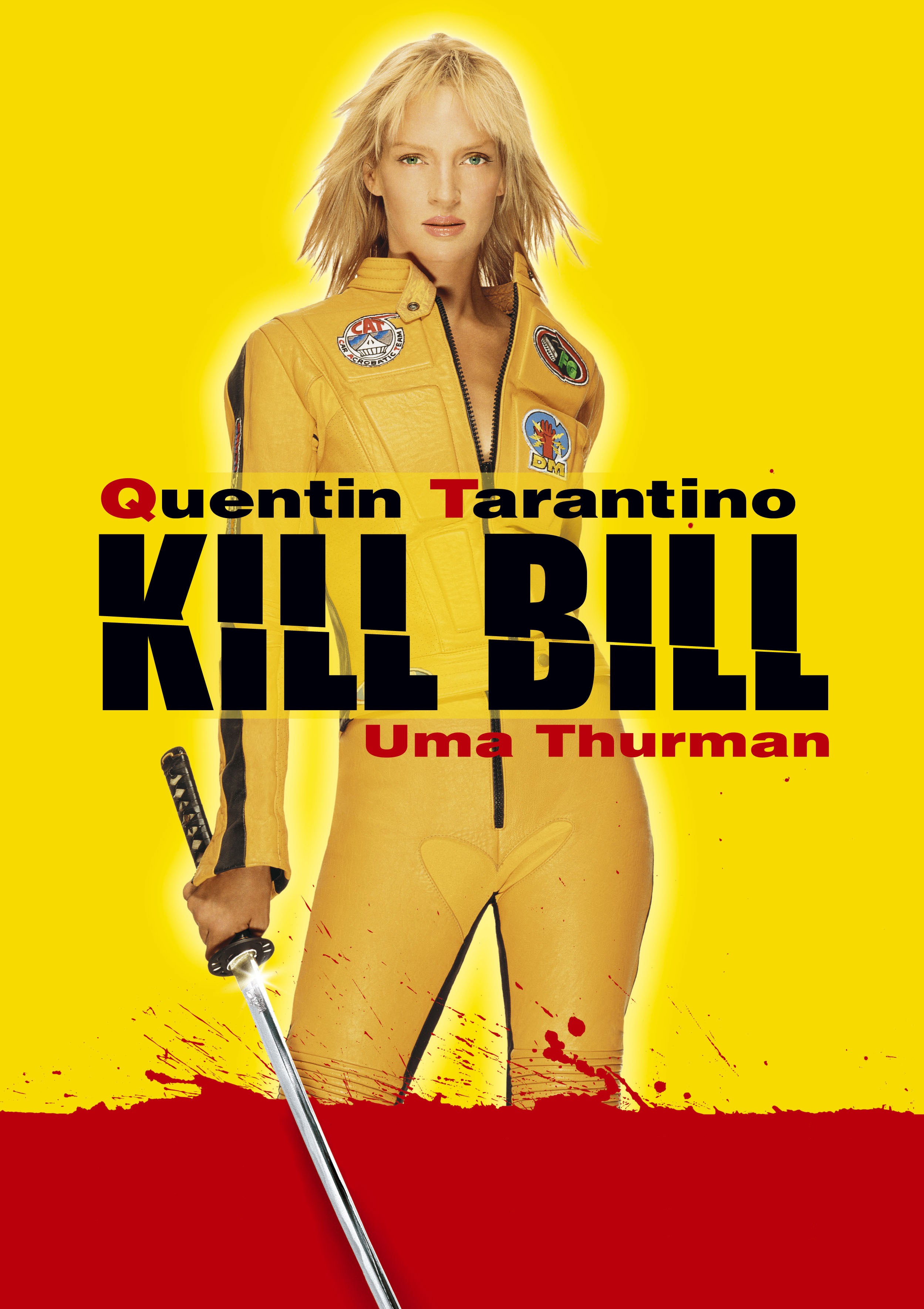




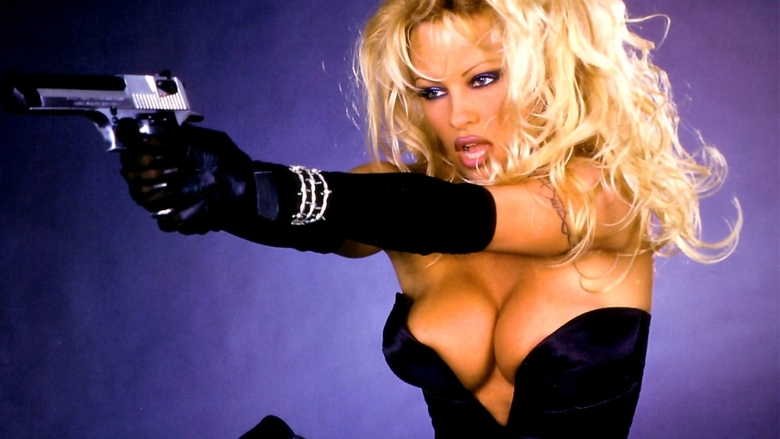

 While one might question Pam’s acting talents, she is backed by a sterling cast of character actors: Steve Railsback, Xander Berkeley, Clint Howard, Udo Kier and Temuera Morrison. Each one hits the mark in their role, delivering lines with the correct level of enthusiasm. Kier, as usual, steals the show (his presence definitely helped soothe Chris’s eye-rolling), though Berkeley’s sleazy cop is perhaps the biggest surprise, especially if you’re only familiar with him as Jack Bauer’s boss in the first two seasons of 24.
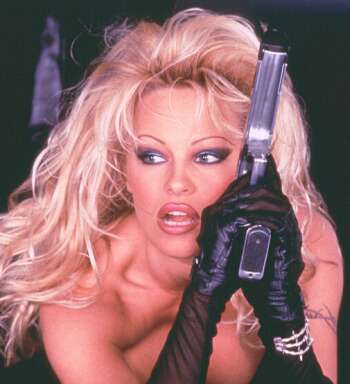 I admit, you could argue the entire story is irrelevant, and this is nothing more than an indefensible cocktail of eroticized violence. But those who live in such a moral vacuum as to require Hollywood to fill in the gaps, have got much bigger problems than Pamela Anderson’s breasts. If you can get past the first five minutes (which even I will say seem a lot longer), there’s no denying the effort expended here – albeit mostly on sex and violence, aimed at the lizard section of the viewer’s brain.
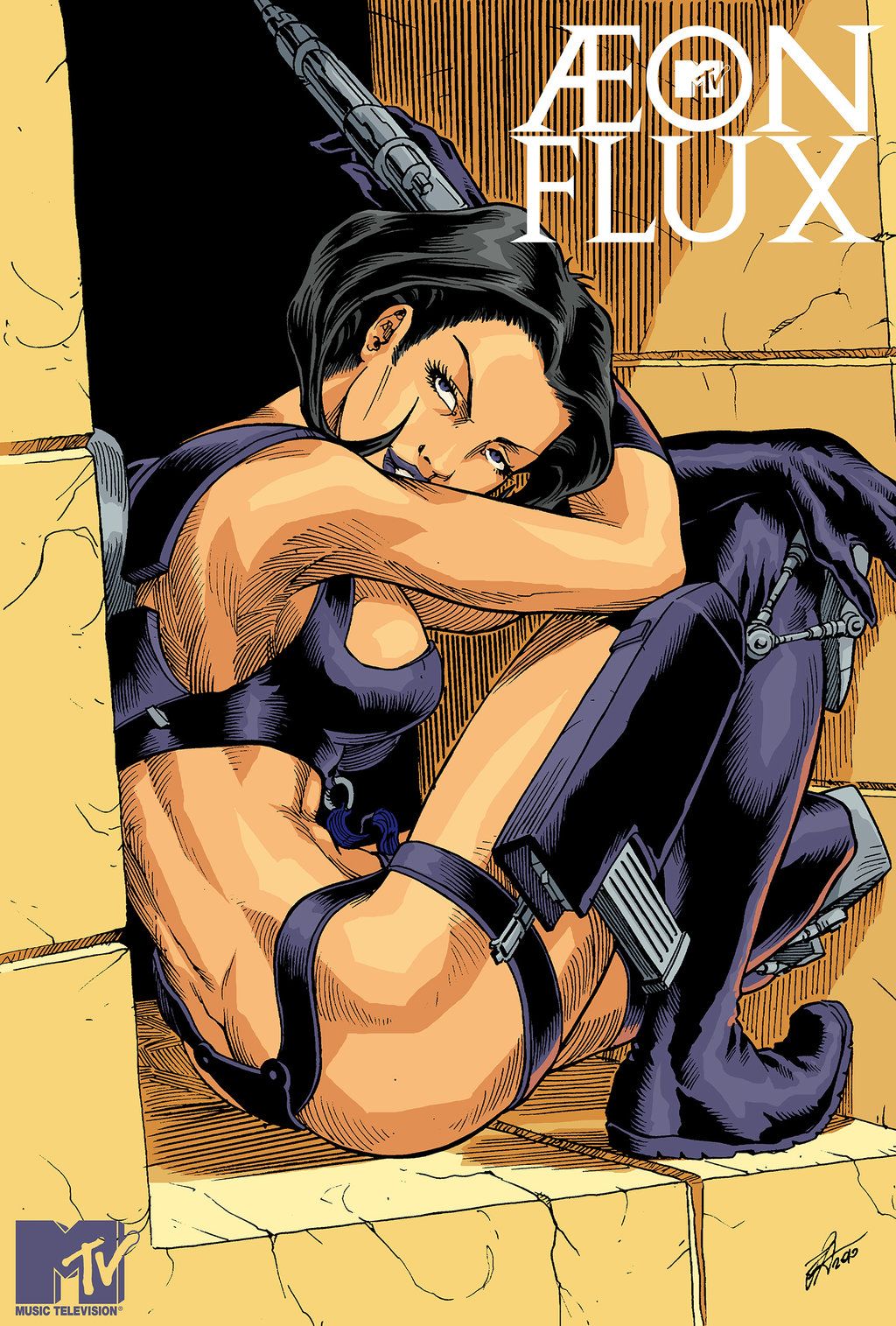
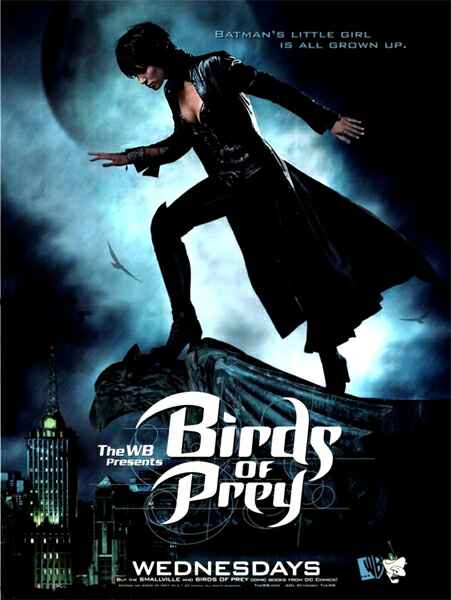 2002 should have been a great time to start a TV series based on a popular comic book – the biggest box-office hit that year was Spiderman, and with a host of other high-profile movies in the pipeline, comics had their highest profile in a long time. So what happened? Why was the show cancelled before Christmas, limping lamely along to the conclusion of its 13-episode run, the finale sacrificed against American Idol and The Bachelorette?

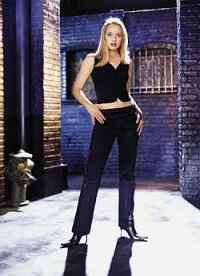
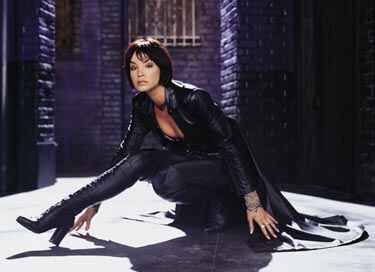 The show was at its best playing with the conventions of superhero TV; I particularly remember a discussion over secret identities and whether you could have one without a mask. But the same episode also featured – like the WWE, just without the chocolate pudding – a fight club where evil men watched as women fought. Given part of the appeal of the series itself was exactly this, it was shooting the audience in the foot, and illustrates the apparent schizophrenia of the show.