Another example which illustrates the difference between Western and Japanese approaches to education. For here we have “Class Black”, a group containing a baker’s dozen of female pupils, eleven of whom have been tasked by a mysterious group to assassinate the twelfth, with the person who does it being given absolutely anything they want by the organizers. Yeah, it’s not quiteBeverley Hills 90210, is it? Of course, nor is it quite that simple. One of the candidates, Tokaku Azuma (Suwa), is the daughter of a legendary and long-standing family of assassins, but has had enough of her enforced role. Inspired by her mother, she has decided to rebel, and so switches sides. Instead of targeting the intended victim, Haru Ichinose (Kanemoto), she vows to protect her from the other students.
Of course, it is a ridiculously contrived scenario, even given the rules which are laid down at an early “orientation”. The series (twelve x 25-minute eps, plus a bonus one) seems occasionally to be aware of this. It shows up in elements such as the class’s teacher (Sakurai), who is depicted as barely noticing three-quarters of his class has “transferred out” in about a week. But these are strictly assassins who act as necessary to the plot. For example, one attempt consists of strapping a bomb around Haru’s neck… but then giving Tokaku 24 hours to find the four-digit code necessary to disarm it. If I had the promise of whatever I wished, I’d not be as generous. I’m just sayin’…
Admittedly, when the truth is finally revealed over the final couple of episodes, it turns out things aren’t quite as they initially appeared. There are clearly far larger forces at play, pulling the strings from behind the scenes, which help explain some (though not all) of the machinations. I also like the slow reveal of information over the course of the series. We gradually learn about both Tokaku’s own background, and those of her ‘competitors’, which range from professionals to your average or garden psycho killers. Their styles of attack are equally varied: as well as the explosive devices mentioned above, there’s poison and even scissors attempted as methods of dispatch.
I was, frankly, a bit uncomfortable with the depictions of these fifteen-year-old girls. While there’s no actual nudity, the makers seem intent on coming as close as possible. That’s especially true of the bonus episode, in which the class is stranded on a desert island for a Battle Royale-style (though non-lethal) contest. Swimsuits-a-go-go. I’m on happier ground with the action – there’s some of that in just about every episode after the first – and the lack of romance (in part no doubt related to the lack of male characters) is also a plus. In the end, it’s a light enough entry to merit viewing, though I’m less sure about repeat value. It’s perhaps telling that I only finished watching it yesterday, and I already had to look up the heroine’s name.
★★
“Can’t see the wood for the trees. SO. Many. Trees…”
In 9th-century Scandinavia, teenage girl Runa (Stefansdotter) lives deep in the woods, with her mother, Magnhild (Idah), blind grandfather Ragnvald (Beck) and younger sister Bothild (Lyngbrant). Father Joar is notable by his absence, having gone off on a Viking raid to seek fortune for the family, and is now well overdue. However, he did at least train Runa to be a markswoman with the bow. Problems start when she finds a wounded warrior, Torulf, lying in the forest, and brings him back to their cabin, much against Magnhild’s wishes.
Torulf turns out to be a colleague of Joar’s, who tells a tale of the raiders looting a burial site – only to find vengeance coming out of the grave after them. He and Joar are the only two survivors. And when Joar returns shortly afterward, his arrival puts the whole group in peril, because of what’s inexorably following him. It’s only really at this point – two-thirds of the way in – that the film remotely begins to entertain. Up until this point, there has been a lot of sitting around the woods, and the director appears never to have heard of the maxim “Show, don’t tell.” Witness Torulf’s lengthy and frankly, boring, description of the situation, which would fit better into a Nordic saga recital than any cinematic retelling.
If the makers had gone for a siege type of film from the beginning, with the family barricaded in their cabin, and trying to fend off an unstoppable horde of barrow wights, this might have worked. It’s what I was expecting going in, and what I was waiting to see. And waiting. And waiting, while slow-moving coming of age family drama unfolded instead. I actually liked Stefansdotter in the lead role. Indeed, most of the performances are solid enough, and the same goes for the technical aspects. There was clearly some effort put in – the score, for example, is nicely done – and the forest provides a lushly appropriate backdrop against which any number of entertaining things might have unfolded. In a different, more interesting movie, anyway.
We finally do get the hand-to-hand (and hand-to-bow) battles for which we have been waiting. But only after a point by which the end credits would already be rolling on better-paced features. Even there, it is a bit on the dark side – though after my issues with Immortal Wars, the bar of what qualifies as “a bit on the dark side” has been raised considerably. This is nowhere near as bad, and you still can tell what’s going on, with a bit of peering. There’s a rough energy here which works, although the main impact is to make you wonder where the hell it has been for the rest of the movie. The makers should have sat down to watch the not-dissimilar Flukt, and built on what worked there, such as its steady flow of tension, instead of offering us 90 minutes of meandering around the woods.
★★★
“You’re never going to get to where you’re going if you acknowledge fear.”
The profession of journalist is not exactly well-regarded by many people these days. So it’s nice occasionally to be reminded that they can still potentially be action heroes, risking their own lives in pursuit of the truth. In this case, it’s Marie Colvin (Pike), a foreign correspondent for London’s Sunday Times newspaper, who lost an eye while covering the civil strife in Sri Lanka, leading to a piratical eye-patch for the rest of her career. Most people would treat that as a sign from the universe to look into a change of profession. But Colvin was made of sterner stuff, despite a hellacious case of post-traumatic stress disorder, with which she largely coped by drinking heavily. So she and photographer sidekick Paul Conroy (Dornan) continue to venture into the world’s hot-spots, whether it’s Iraq, Libya or Syria. There, they expose the terrible human cost that the conflicts have on the local population, without apparent concern for their own safety.
It’s not a spoiler to say this doesn’t end well, for Colvin was indeed killed in Homs, Syria in a January 2012 explosion. And that’s kinda the thing which both drives the narrative and irritates the heck out of me. The film opens and closes with the quote from its subject at the top. However, to counter-quote her with Arthur Conan Doyle, “It is stupidity rather than courage to refuse to recognize danger when it is close upon you.” As depicted here, it seems as if the journalist almost had a death-wish, spitting in the face of danger long past what was prudent or even had much purpose. There’s little or no acknowledgement by Colvin that a dead writer won’t be able to achieve much. If you don’t get out safely to tell the stories you have gathered, what’s the point? You can argue, to some extent, it’s this and her other flaws which render its heroine human.
On the other hand, I found it extraordinarily hard to relate to Marie, with her choices and subsequent actions being so entirely alien to me. She insists on getting right to the core of suffering, even if this means asking its subjects brutal questions. Is this laudable journalism? Or a close cousin to the reporters who shove microphones at victims of tragedy and ask, “How do you feel?” Director Heinemann was responsible for the very good documentary CartelLand, but seems to struggle a bit when he has to generate the narrative, rather than just recording it. We get only fragments that hint at Colvin’s character, such as a habit of wearing expensive bras, because she declares, “If anyone’s gonna pull my corpse from a trench, I want them to be impressed.” While there’s no denying the bravery of her chosen profession, or her qualifications for this site (albeit in the unorthodox wing!), and former Bond-girl Pike is excellent, I wasn’t left with any deeper appreciation of the why, rather than the how, of her life.
Dir: Matthew Heineman Star: Rosamund Pike, Jamie Dornan, Tom Hollander, Stanley Tucci
Former WWF star Lesseos, where she was known as the Fabulous Mimi, carved out a small career for herself in low-budget action films, mostly in the mid-nineties. Though the ones we’ve covered before, such as Double Duty and Pushed to the Limit, aren’t exactly classics. This, unfortunately, continues that trend, with far too much sitting around campfires, and not enough action. Put another way, it’s a movie which is in tents, instead of intense. [Thank you, I’ll be here all week…] Lesseos plays wilderness guide and former mixed martial-arts fighter Tipper Taylor, who has been contracted to take a bunch of noobs out for a few days of camping. Unfortunately, one of them, Vince (Axelrod), happens to witness and videotape a murder at a campsite. The two perpetrators need to recover the incriminating footage, and set about stalking the party through the wilderness, abducting Vince in an effort to get him to hand over the cassette.
This eventually leads to what is largely the film’s sole redeeming feature: a fairly lengthy and not badly-staged rural brawl between Tipper and Boar (Bower), the most brutal of the villains. The key word, unfortunately, is “eventually”. Because, to reach that point, you have to sit through well over an hour of the most mind-numbing chit-chat you could possibly come up with. It feels as if the original script was some kind of ensemble relationship piece, onto which the makers decided at the last moment to bolt on some fisticuffs. This feels most obvious during our first exposure to the heroine’s talents, in a thoroughly clunky scene where she literally pulls over to try and break up a fight between two vagrants. Instead, everyone is given a deeply uninteresting back-story. For example, Vince and his wife are lottery winners, now working through problems with their marriage, and Tipper is feeling guilty over her final MMA fight, which left her best friend paralyzed.
None of which has anything to do with the main plot, and so can entirely be ignored. Though I can’t over-stress just how much of this nonsense there is. If you’re looking for an open-air soap-opera, this should be your jam. Which is a bit of a shame, as Lesseos brings an easy, likable charm to Tipper, making her someone for whom you want to root. Her fighting style is stiff – though I should clarify, this is intended in the pro wrestling sense, meaning hard-hitting, It’s clear that’s where her background lies, with moves like drop-kicks not typically being part of the martial arts armoury! The problems here lie elsewhere, with a plot which just doesn’t foreground its action elements, never manages to set up Boar and his ally as any kind of credible threat, and all but entirely fails to explain why Vince never bothers telling anyone – least of all the authorities – about the snuff movie he recorded. Though I must confess to having laughed at the line in the trailer, “Mimi believes in women’s rights… lefts and uppercuts,” it’s all remarkably poorly thought-out, and I couldn’t help feeling that Mimi deserves better.
Dir: Robert F. Lyons Star: Mimi Lesseos, Verrel Reed, Robert Axelrod, Wayne Bower
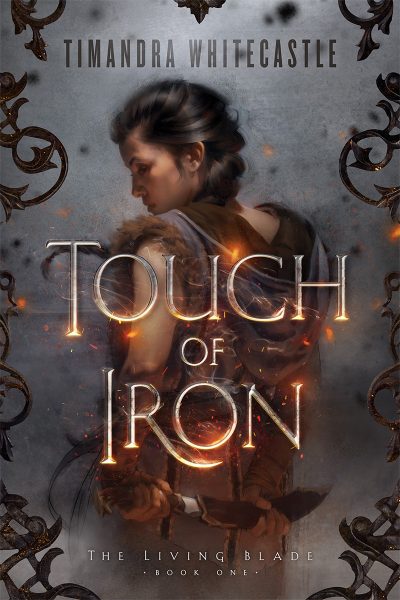
Owen and Noraya Smith are twins, in a world where such siblings are looked upon as cursed. Brought up as charcoal burners, they leave their village so Nora can avoid an arranged and unwanted marriage, and have the forture – whether good- or ill- remains to be decided – quickly to encounter the party of Prince Basham. He is scouring the country in search of a magical artifact called the Living Blade, which will grants its wielder great power. Assisting him is the half-wight Telen Diaz, a pilgrim/fighter. Owen joins the party, hoping to become a pilgrim himself; Nora decides to return home, but that option is removed from her as the village has been taken over by bandits. Fortunately, Diaz has followed her and is able to lend assistance when necessary. Nora eventually becomes his student in the fighting arts, and they all head to the temple/brothel of Shinar where the immortal seer Suranna can provide insight to the blade’s location. But the cost of her information is perilously high, since she has plans for both Nora and Diaz.
I believe this is what’s called “grimdark” fantasy fiction, which is basically as it sounds: in its simplest terms, think Game of Thrones rather than Lord of the Rings. I’ve no problem with the resulting “mature” content. Much of it here does seem necessary to the plot, though the concept of a vast, hidden city in the middle of nowhere that’s a gigantic, all-encompassing pleasure palace does pose certain logistical queries. There was also something slightly creepy about teenage Nora increasingly crushing hard on eighty-seven-year old Diaz – even if half-wights, like half-elves, age very well. I have a couple of other nitpicks. An almost entirely untrained Nora is capable of going all ninja and taking out an entire platoon of brigands. And there’s an assault on the city that comes out of nowhere, and whose purpose and participants both seem ill-defined.
With the negatives out of the way, on the positive side, I really liked Nora. She has a very sharp character arc over the course of the novel, but always seems to have been a bit of a bad-ass, even as a charcoal burner. It’s clear there’s a very significant future in front of her, and I sense she and Suranna will end up facing off down the road. I appreciated the way the heroine largely doesn’t care about the Living Blade; such apathy is pleasantly refreshing, though I suspect that opinion is going to change before long. Whitecastle has a good eye for world-building as well, giving the reader enough of an impression, without getting bogged down in too many details. It appears future volumes may concentrate more on Diaz. As I found him about the least interesting of the major characters, that will stop me shelling out for more. Still, as a one-off this made for an entertaining enough read, though I felt the first half, before they arrived at Shinar, was stronger and more interesting.
Author: Timandra Whitecastle Publisher: Amazon Digital Services, available through Amazon, both as a paperback and an e-book
1 of 3 in the Living Blade series.
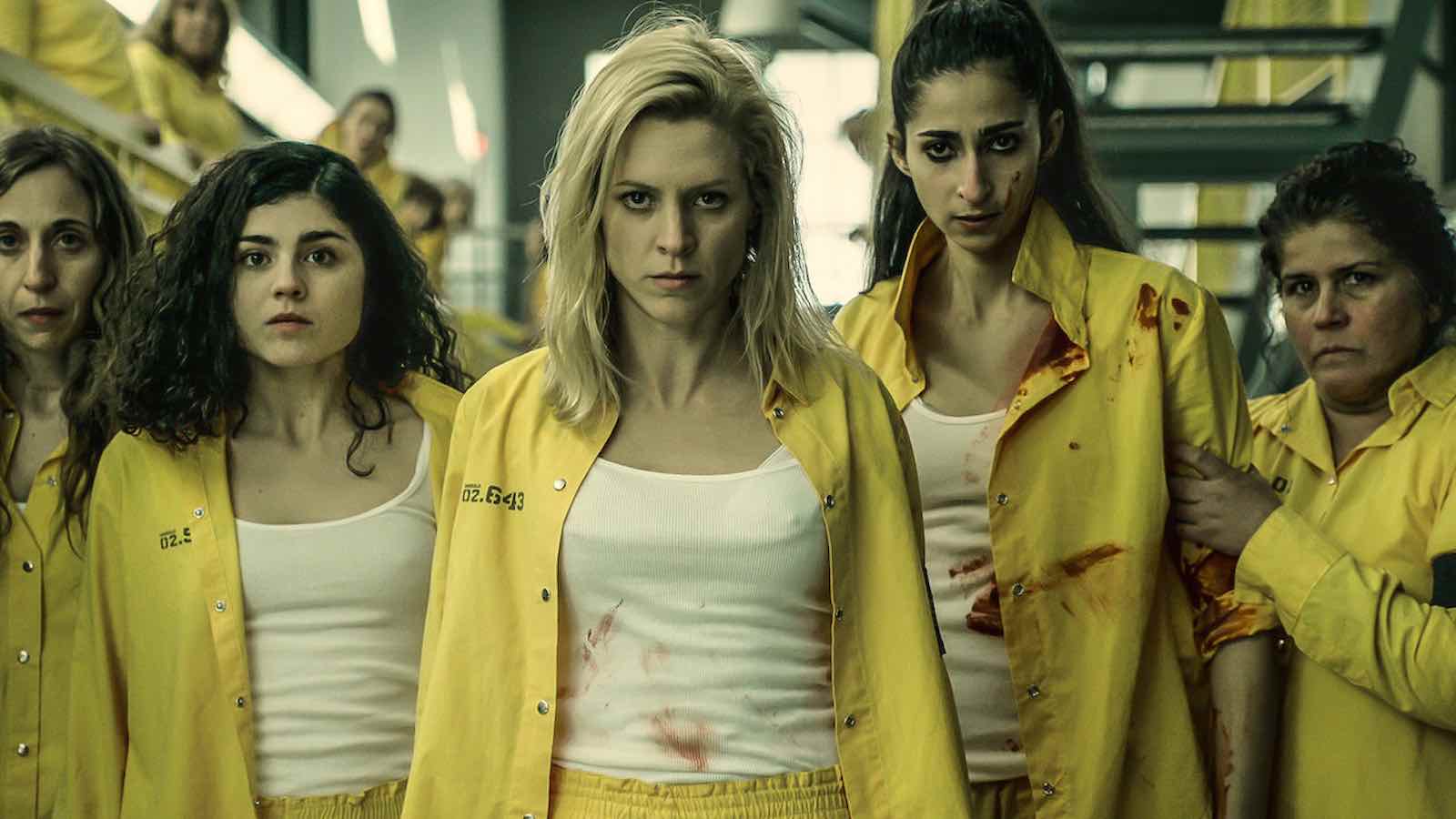
While this Spanish series started off back in 2015, it perhaps suffers through not having been watched until recently – in the wake of shows like Wentworth and The Yard. There are too many elements which left me feeling “Hang on: haven’t I seen that somewhere before?” For instance, the thread where a motherly inmate gets Alzheimer’s and pleads with her cell-mates to kill her before it destroys her mind entirely? Liz Birdsworth, in seasons six and seven of Wentworth. So, I guess your opinion on this may vary, depending on your familiarity with the genre. Also like Wentworth, the main protagonist is someone who is not a hardened criminal – but ends up becoming one, over the course of the show.
In this case, that is Macarena Ferreiro (Civantos). She gets seven years after becoming the patsy for her boss’s fraud. She stumbles across the location of a robbery haul, which brings her into conflict with… Well, just about everyone, but the key persona is Zulema Zahir (Lobato), the top dog of the prison. The five seasons (40 episodes in total) revolve around their love-hate relationship, though as usual, there are a good number of side stories and supporting characters, on both sides of the bars. Again, some of these may feel rather familiar, with the show going through the usual tropes of power struggles, warders good and bad, and criminal activities. It’s solid enough (and offers more nudity than the other shows, if that’s of interest!), just all too familiar at this point.
The show was originally cancelled after the second series, but after a significant pause was then revived for a third and fourth season. That delay required significant cast changes, due to the cast having moved on – Civantos’s other commitments meant Macarena became a secondary character. They also had to “transfer” to a new prison, as their existing sets had been taken over by another show (Money Heist, also on Netflix). But the real weirdness begins after the end of Season 4, which has an air of absolute finality to it. But, wait! There’s more! For Vis a vis: El oasis, followed. Set a decade later, Macarena and Zulema have teamed up, to become an armed robbery duo.
They recruit some of their old pals to pull off the dreaded ‘one last heist’, robbing the wedding of a cartel boss’s daughter. Needless to say, it goes about as well as ‘one last heists’ always do. Initially, it feels a bit like an unwanted supplement. But it ends up as probably the most relevant to this site, with the women holed up in a motel, in the middle of the desert, and under siege by the boss’s army. By going outside the prison walls, this offers most scope for genuine invention, and it’s likely why I felt this to be the strongest season. I just wish I hadn’t had to go through four series of generic prison drama to reach it.
Created by: Iván Escobar, Esther Martínez Lobato, Álex Pina, Daniel Écija Star: Maggie Civantos, Najwa Nimri, Carlos Hipólito, Roberto Enríquez
a.k.a. Vis A Vis (Face to Face)
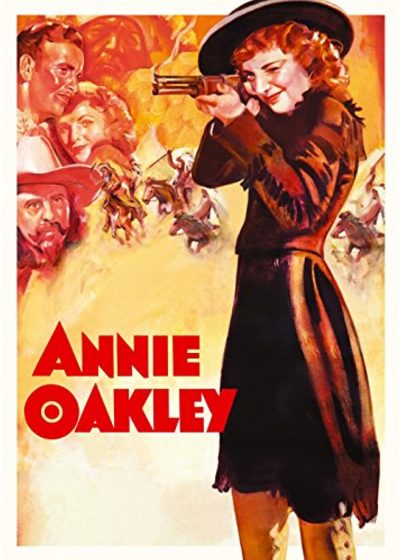
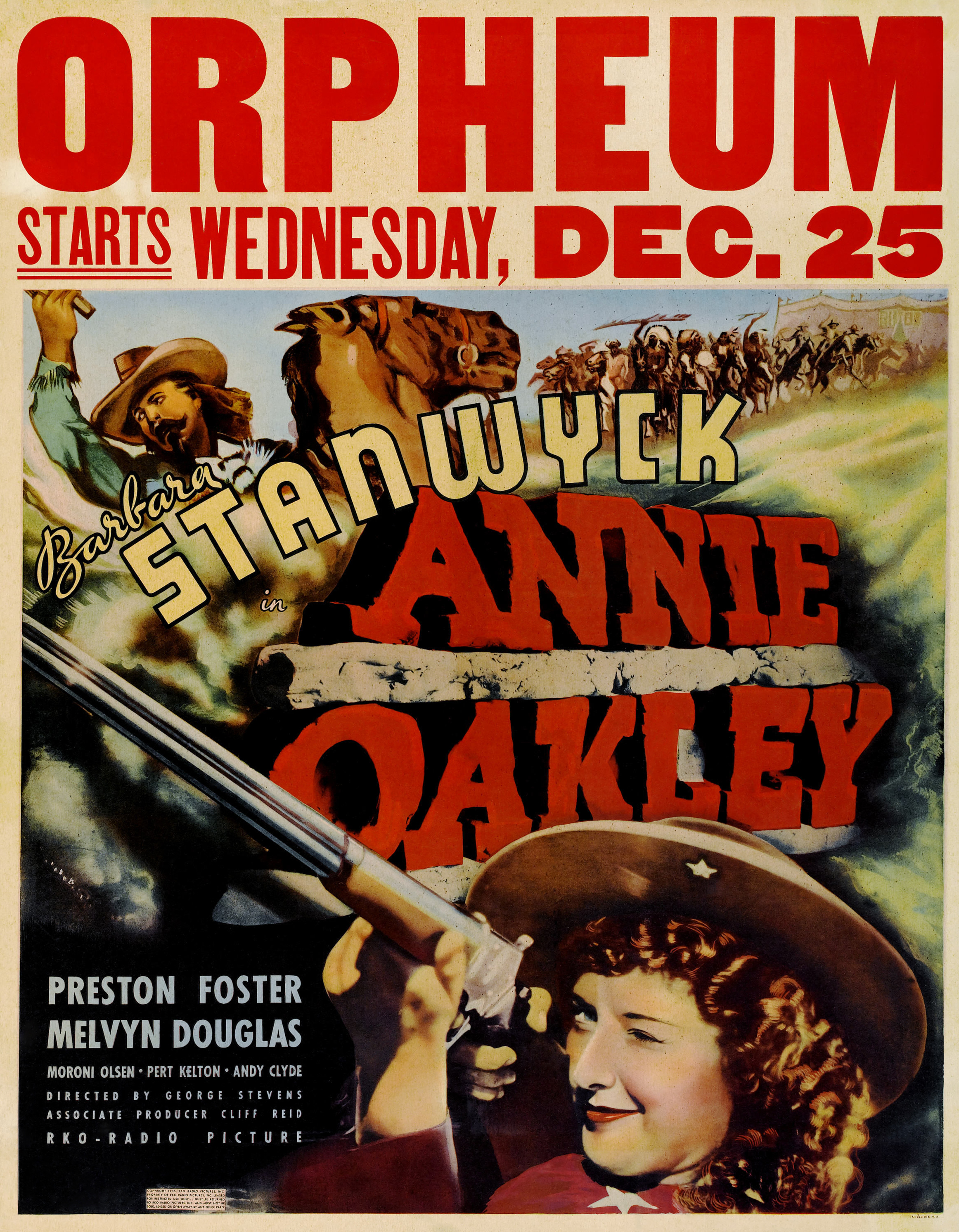
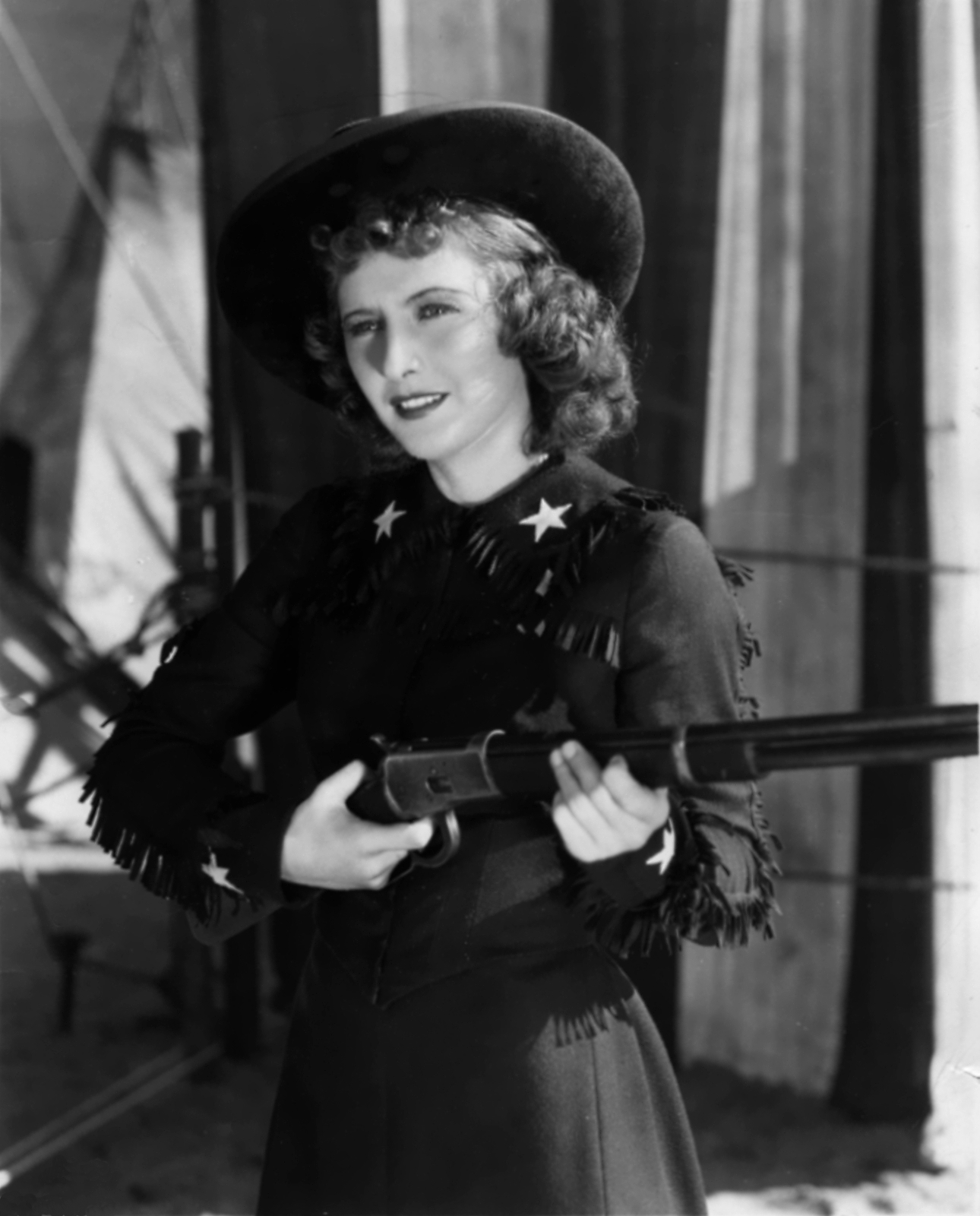
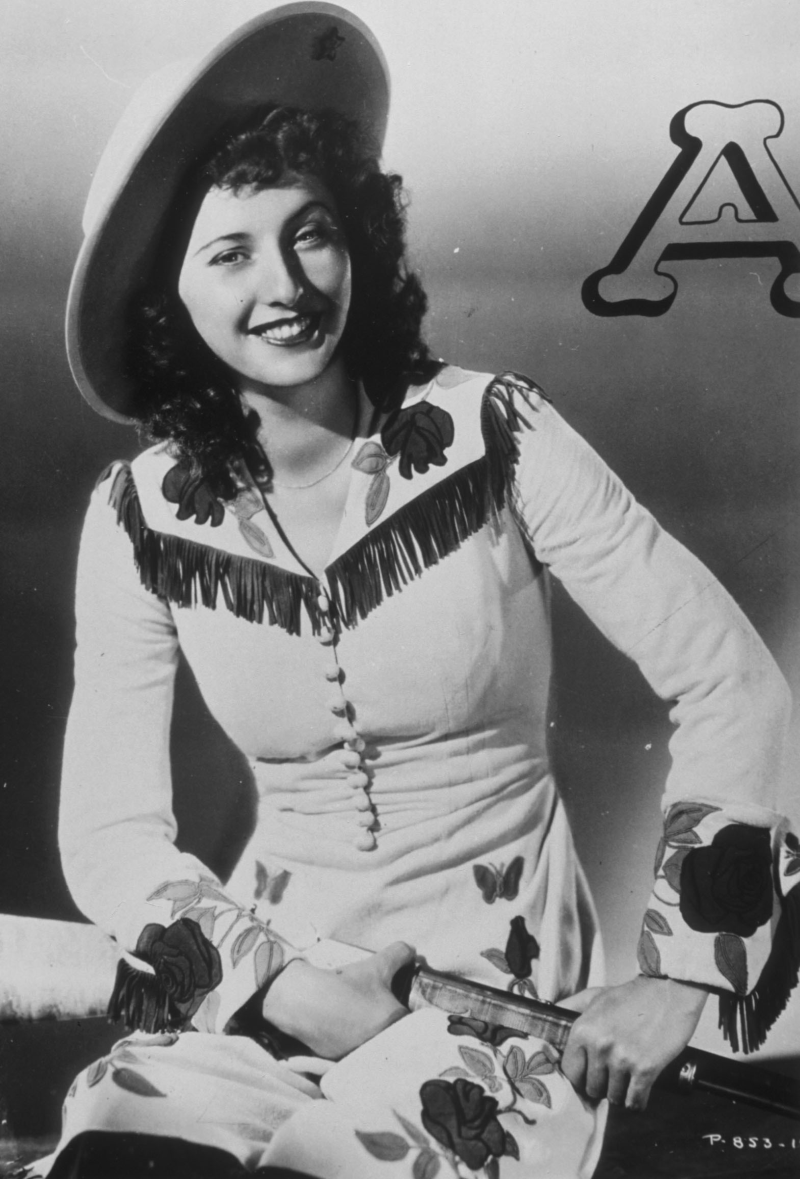
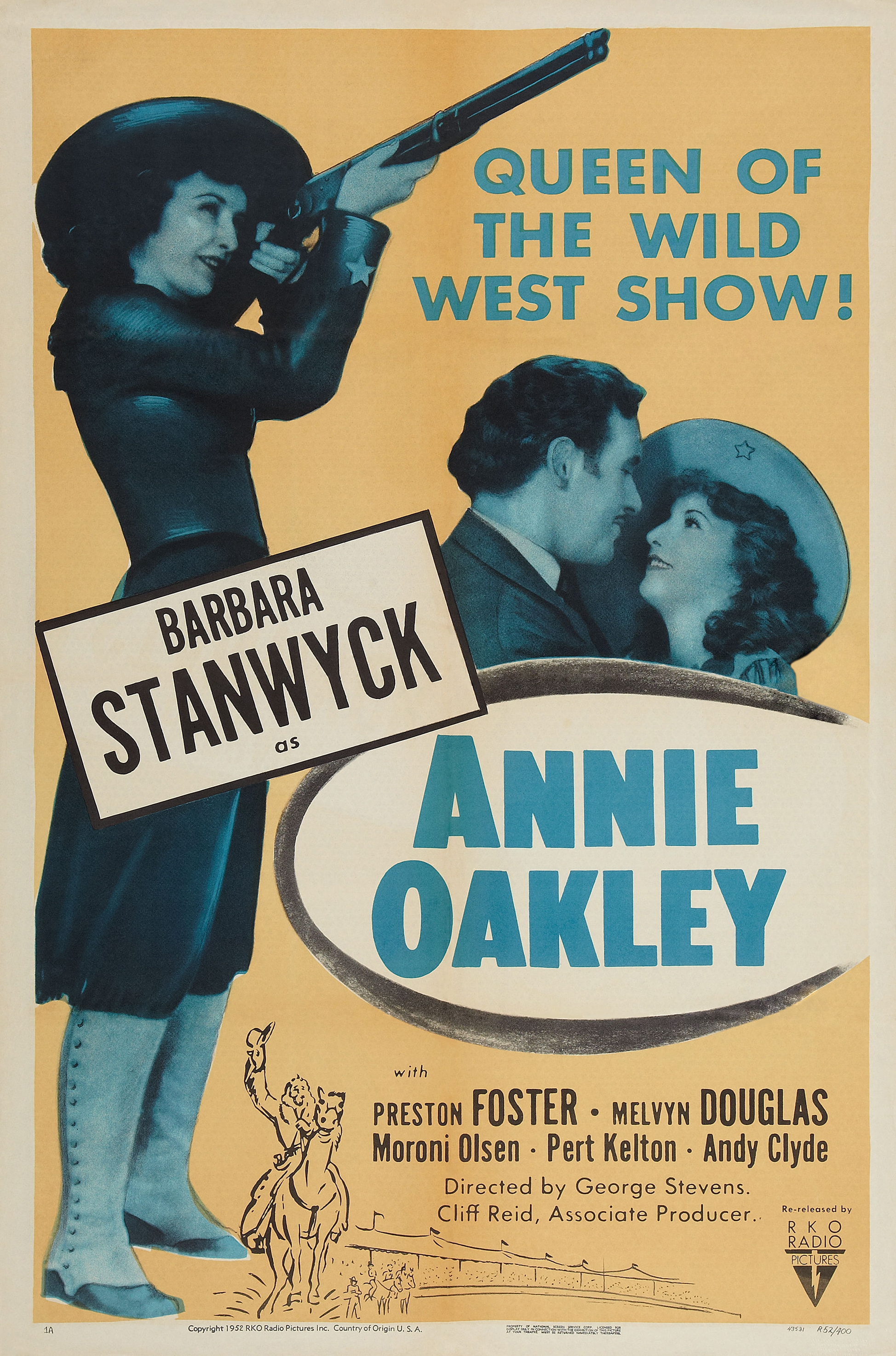
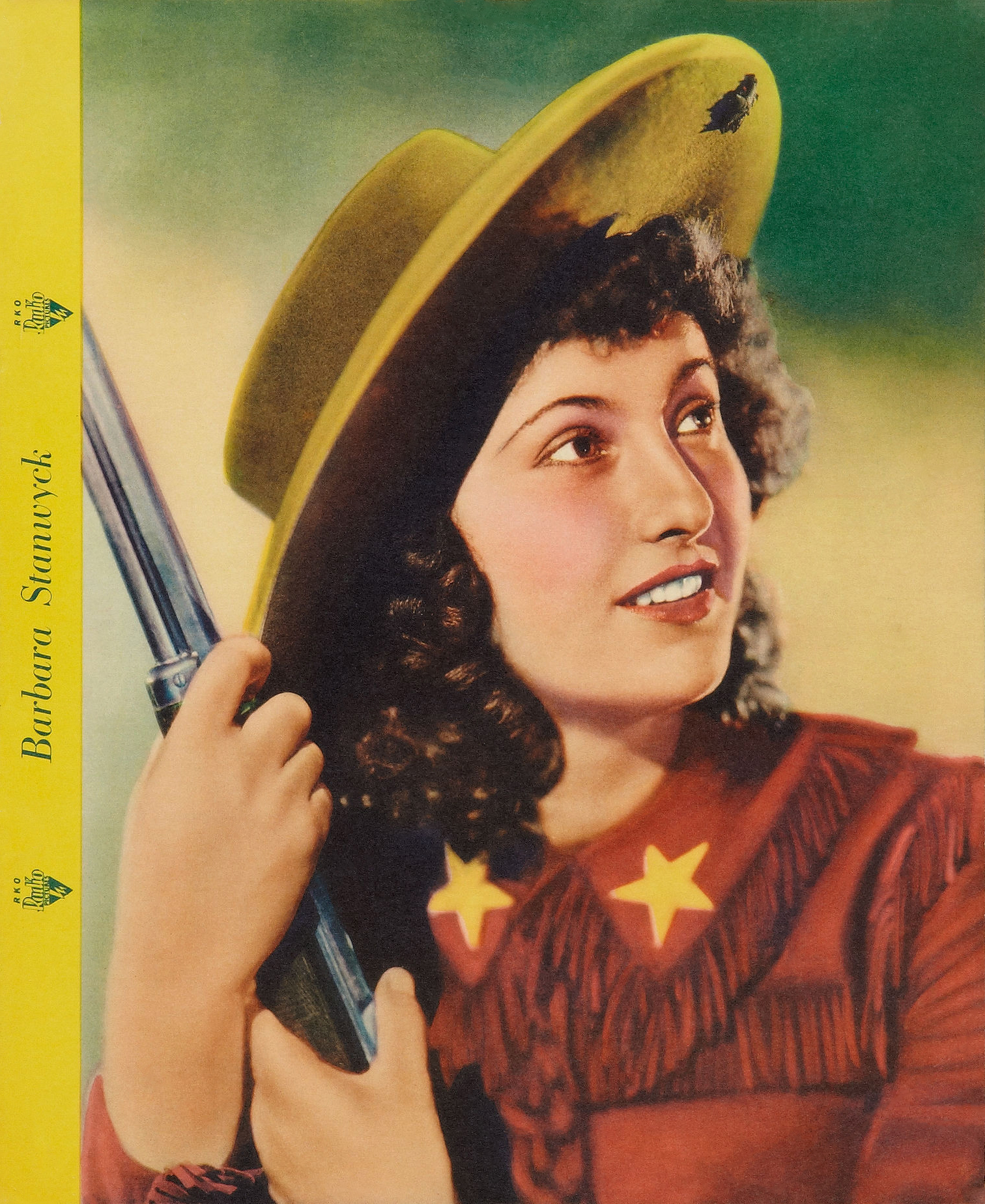
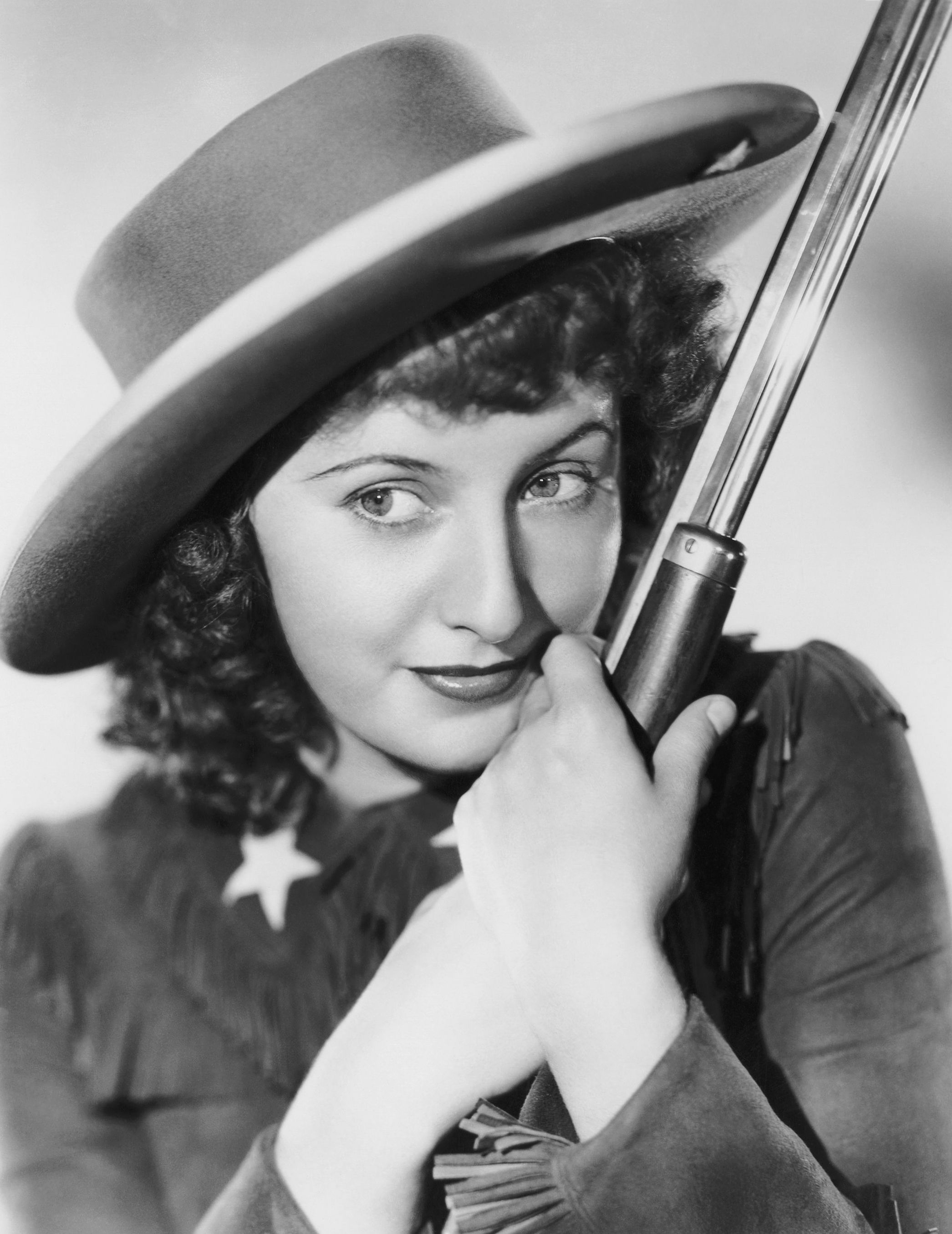
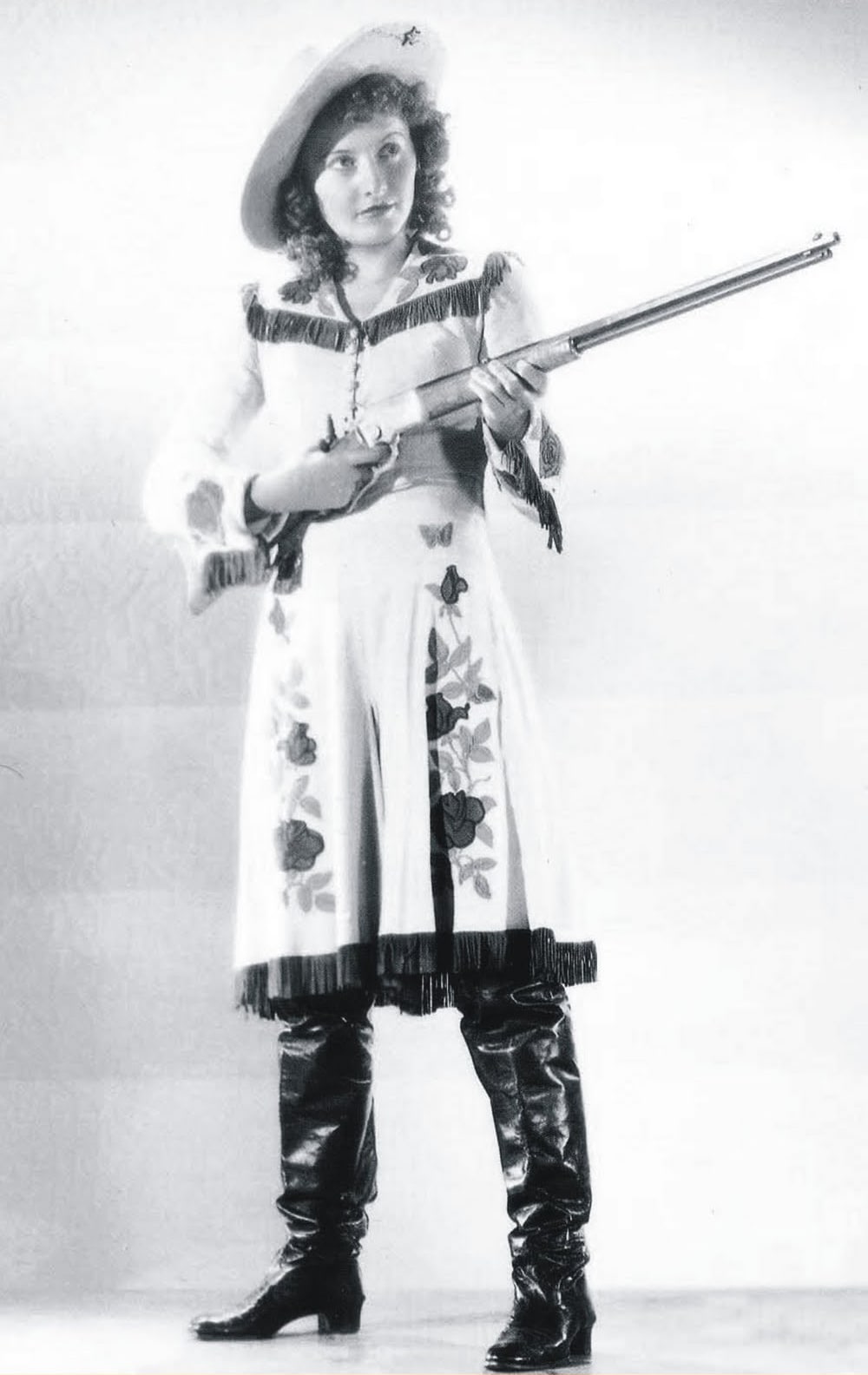
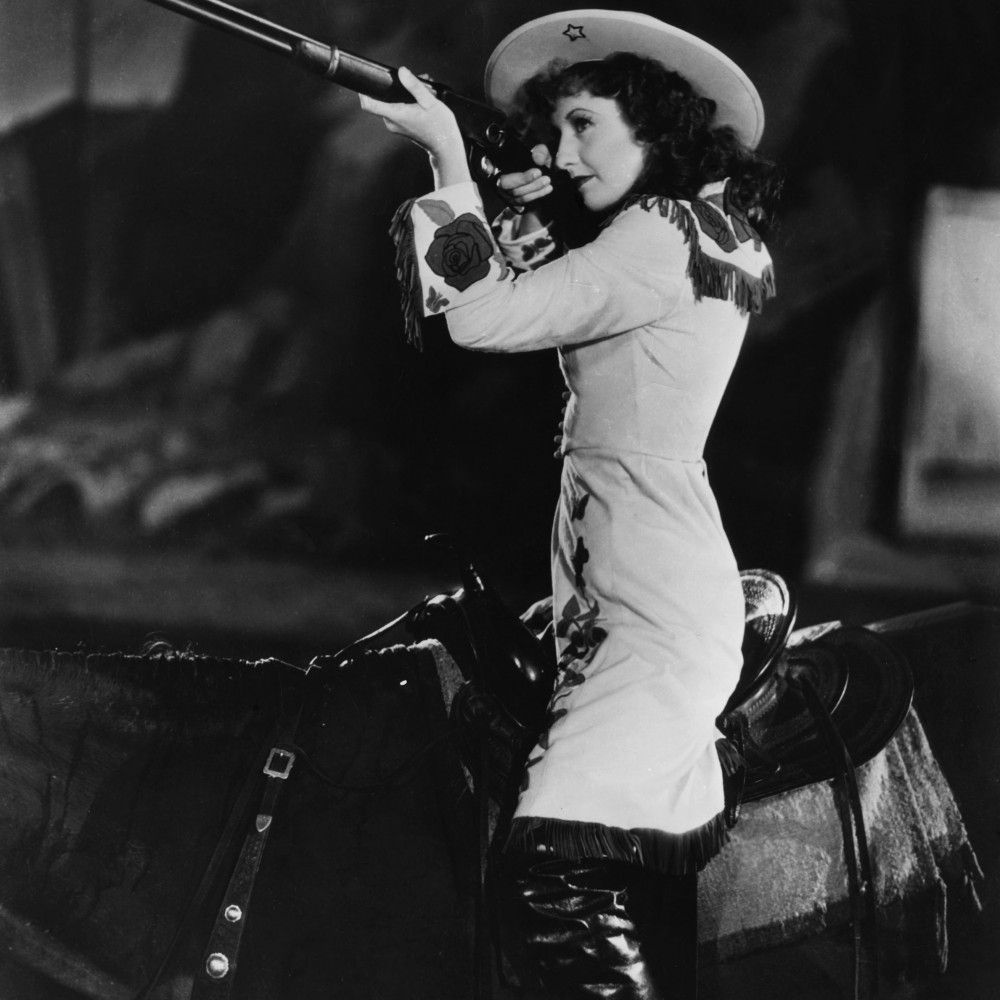
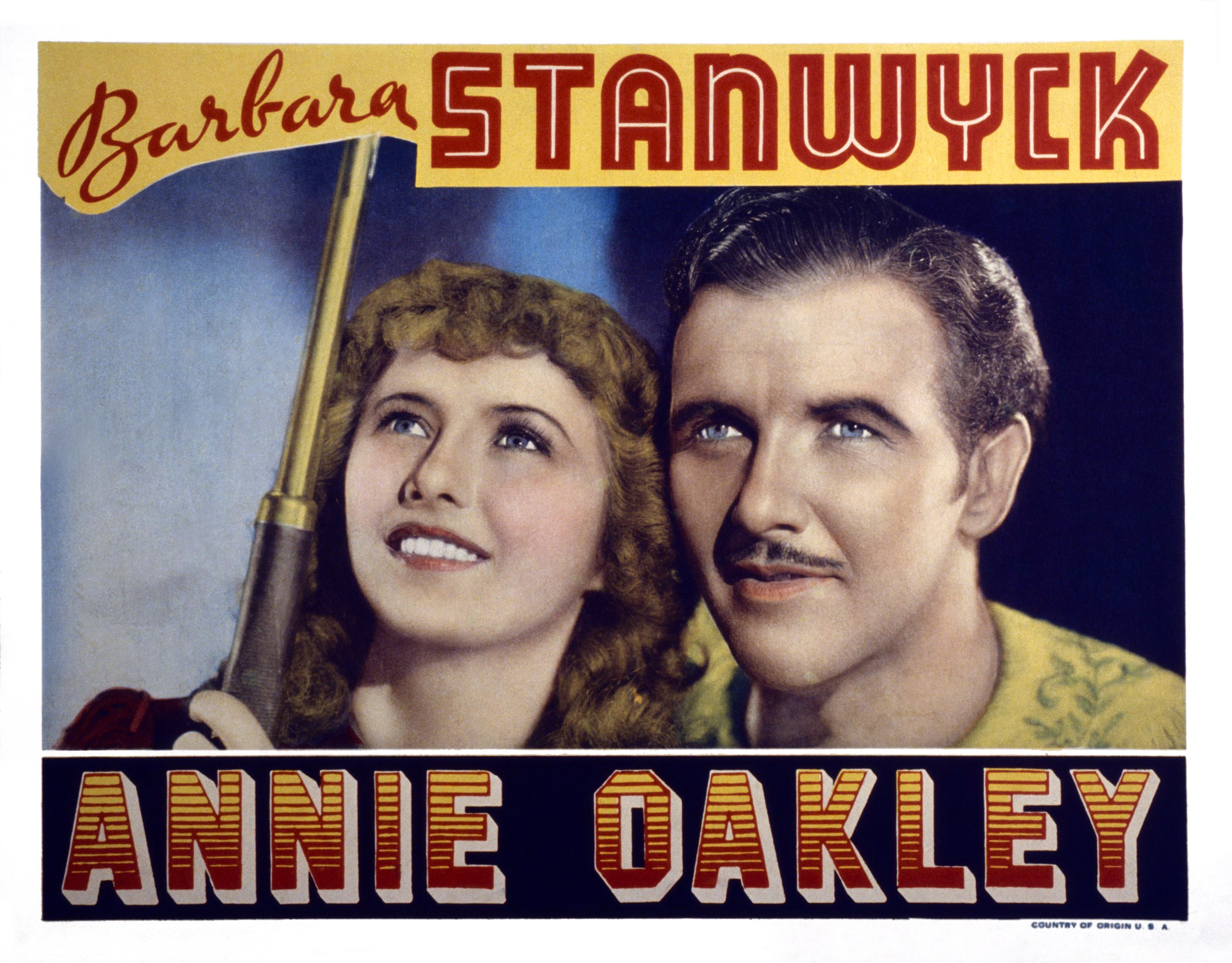
While not exactly an accurate retelling of the life of noted sure-shot Annie Oakley, this is breezily entertaining. Indeed, you can make a case for this being one of the earliest “girls with guns” films to come out in the talking pictures era. There’s no denying Oakley (Stanwyck) qualifies here. The first time we see her, she’d delivering a load of game birds – all shot through the head to avoid damaging the flesh – to her wholesaler. When barnstorming sharpshooter Toby Walker (Foster) blows into town, Annie ends up in a match with him, which she ends up throwing, due in part to her crush on him. She still gets a job alongside Walker, in the Wild West show run by the renowned ‘Buffalo Bill’ Cody (Olsen) and his partner, Jeff Hogarth (Douglas). But Annie and Toby’s relationship fractures after he accidentally shoots her in the hand, while concealing an injury affecting his sight.
This hits the ground running, and roughly the first third plays decades ahead of its time. Don’t forget, this was made only fifteen years after women were granted the right to vote across the entire United States. Its depiction of a strong, perfectly independent woman as personified by Stanwyck is great – there’s also Walker’s former “friend,” Vera Delmar (Perl Kelton). When sternly warned the saloon she’s about to enter is no place for a lady, she breezily replies, “Oh, I’m no lady.” I’m quite impressed this was able to get through, given the rigid imposition of the strict Hays Code, beginning the previous year, with its goal “that vulgarity and suggestiveness may be eliminated.”
Almost inevitably, it can’t maintain this pace. There’s too much footage of the Wild West Show, which seems to consist largely of people on horses milling around the arena. I guess people were easily satisfied in those days. Meanwhile, the romance between Oakley and Walker (an entirely artificial construction, with Walker never existing as an actual person), fails to be convincing. Somewhat more interesting is the portrayal of Chief Sitting Bull, the Native American warrior who also became part of Wild Bill’s show. While depicted largely for comic relief – witness the scene where he turns out the gas lights in his bedroom by shooting at them – he is played by a genuine Indian, Chief Thunder Bird, which is considerably more progressive than some movies. He is also instrumental in Annie and Toby’s reconciliation.
Stanwyck does an excellent job of depicting the heroine, portraying her as someone absolutely confident in her own talents. I’d like to have seen more development of her character: as is, the one we see delivering quail at the start of the film, is almost identical to the one we see making up with Toby in its final shot. Sadly, the subject didn’t live to see her life immortalized in film, having died nine years before this was released. I think she’d probably have been quite pleased with her depiction.
Dir: George Stevens Star: Barbara Stanwyck, Preston Foster, Melvyn Douglas, Moroni Olsen
“I would like to see every woman know how to handle guns, as naturally as they know how to handle babies.”
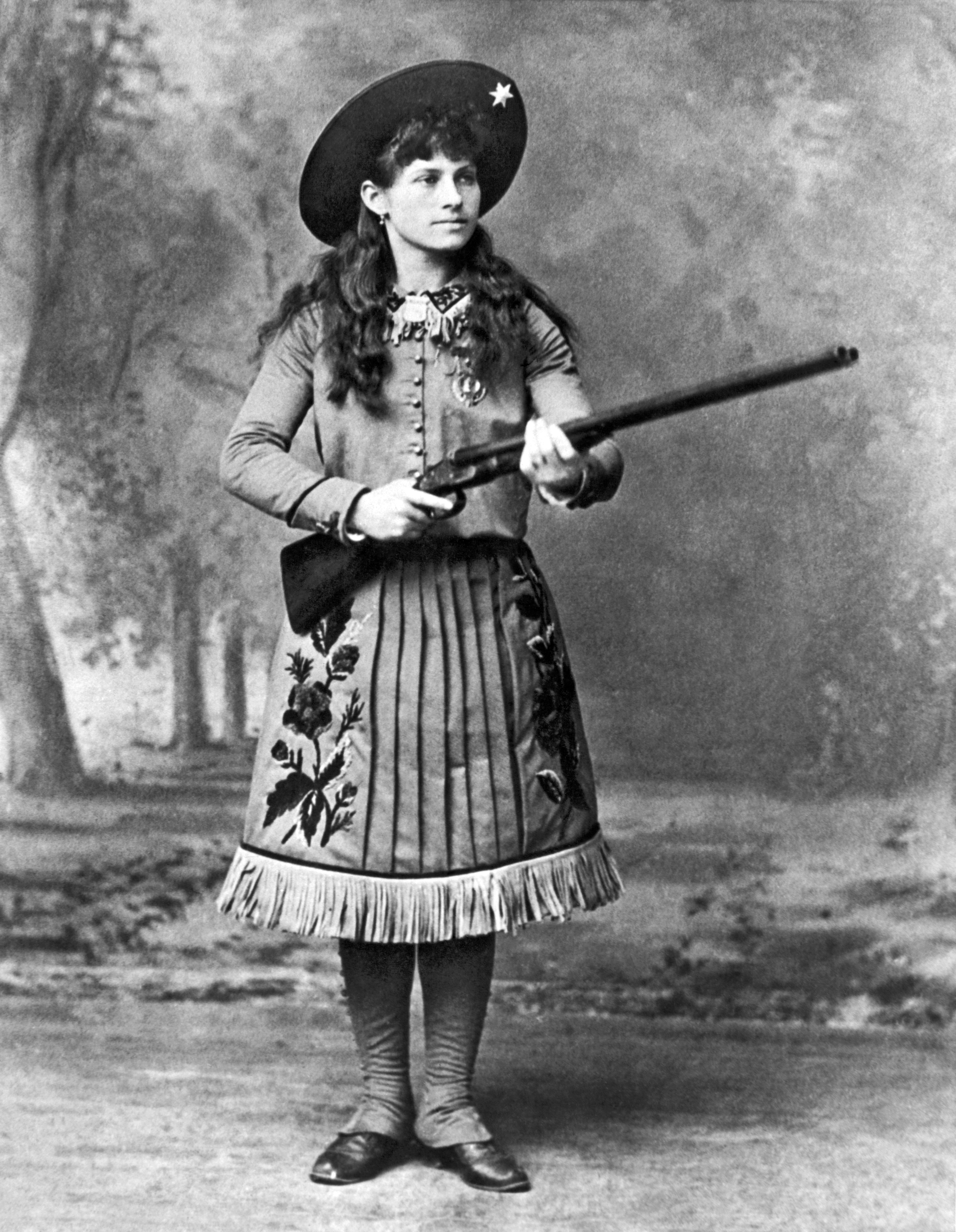
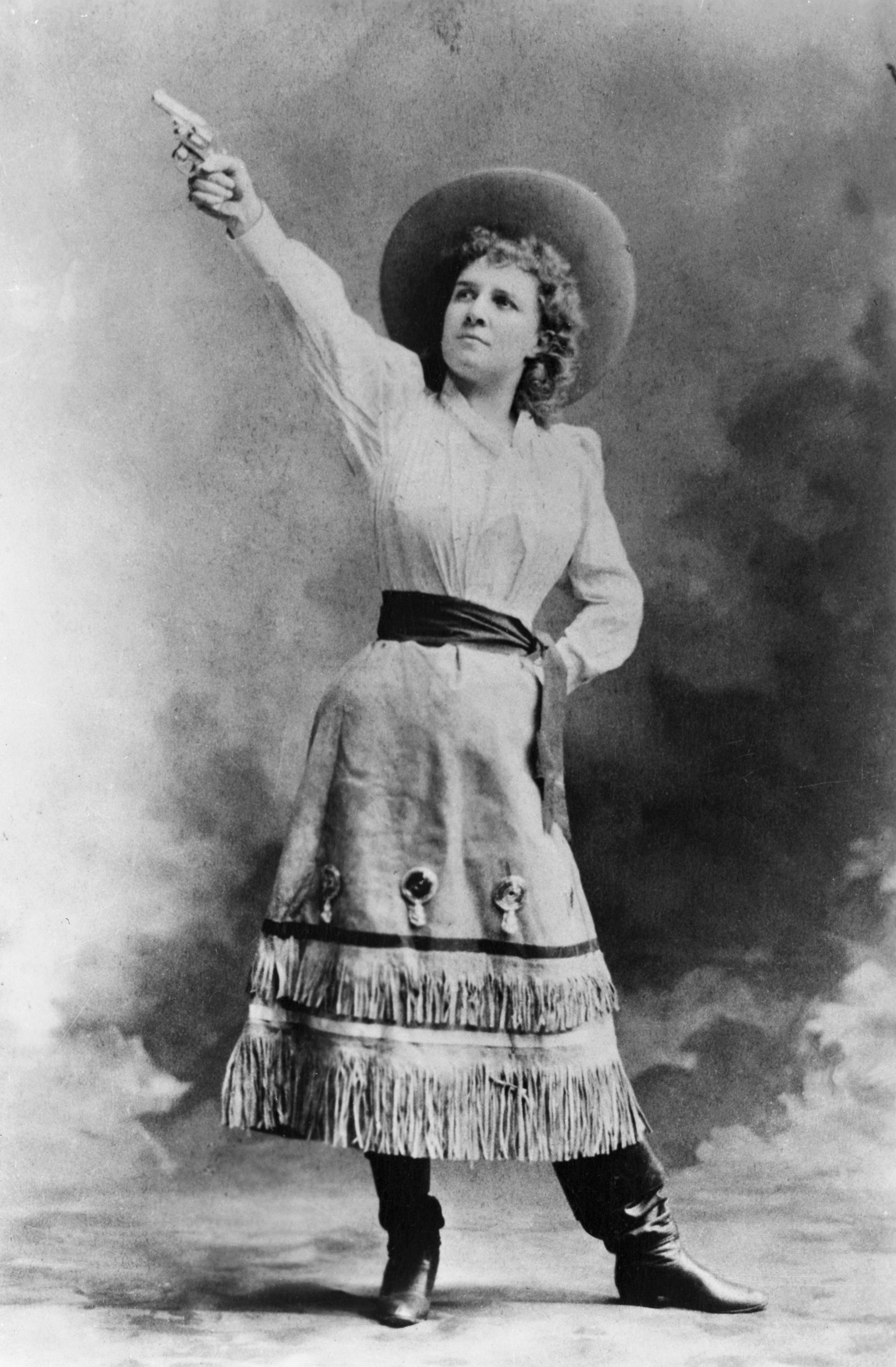
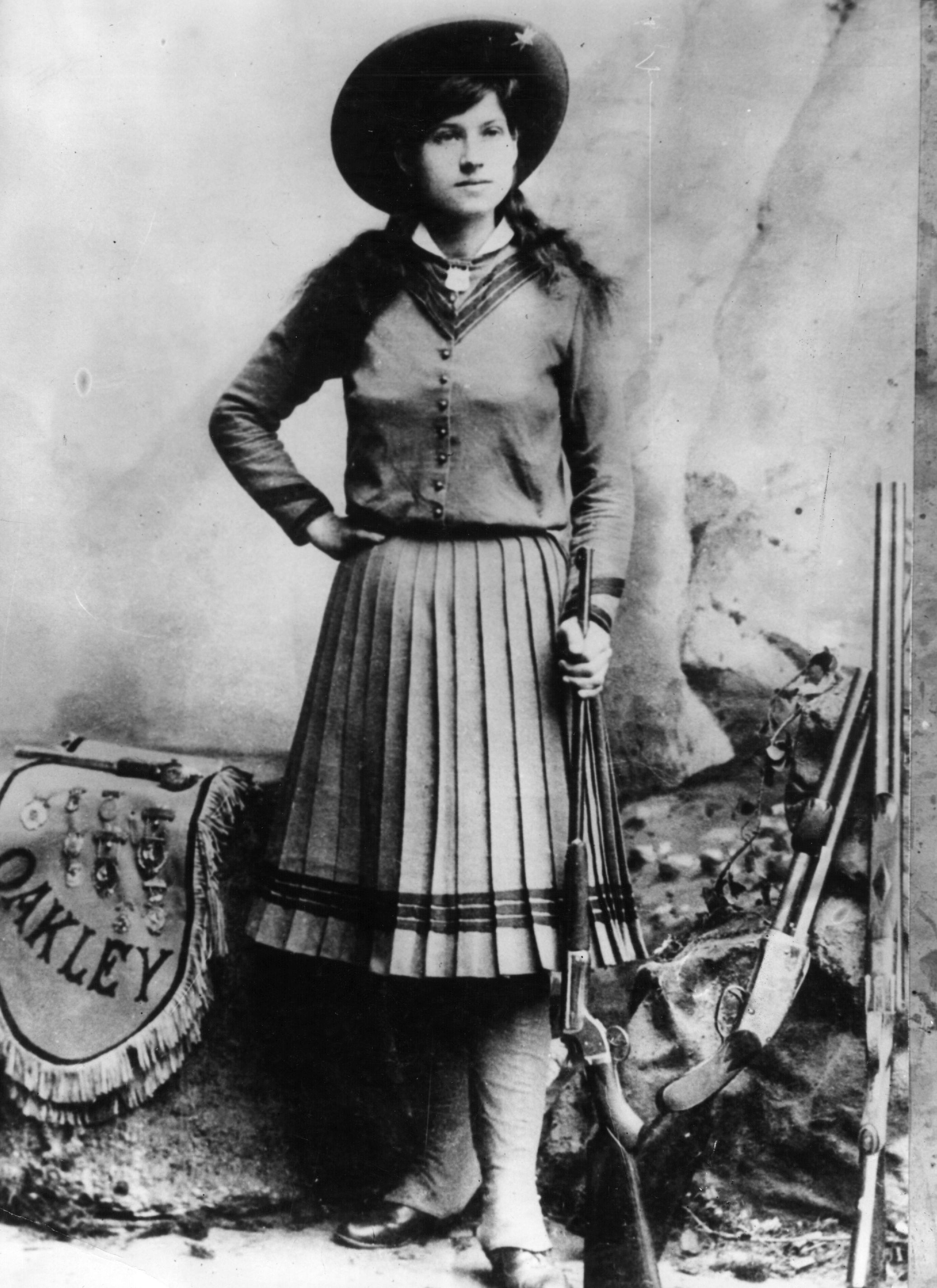
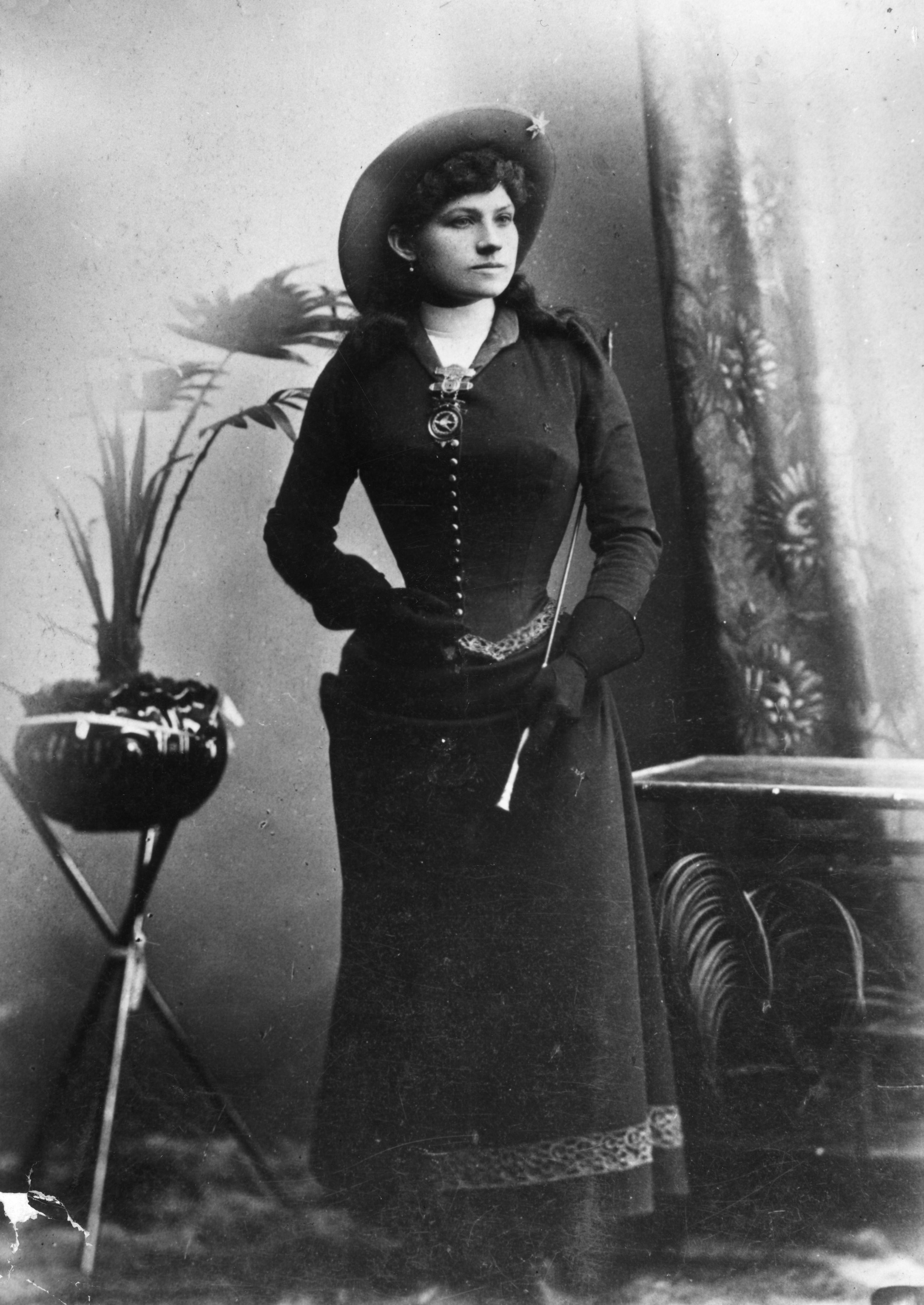
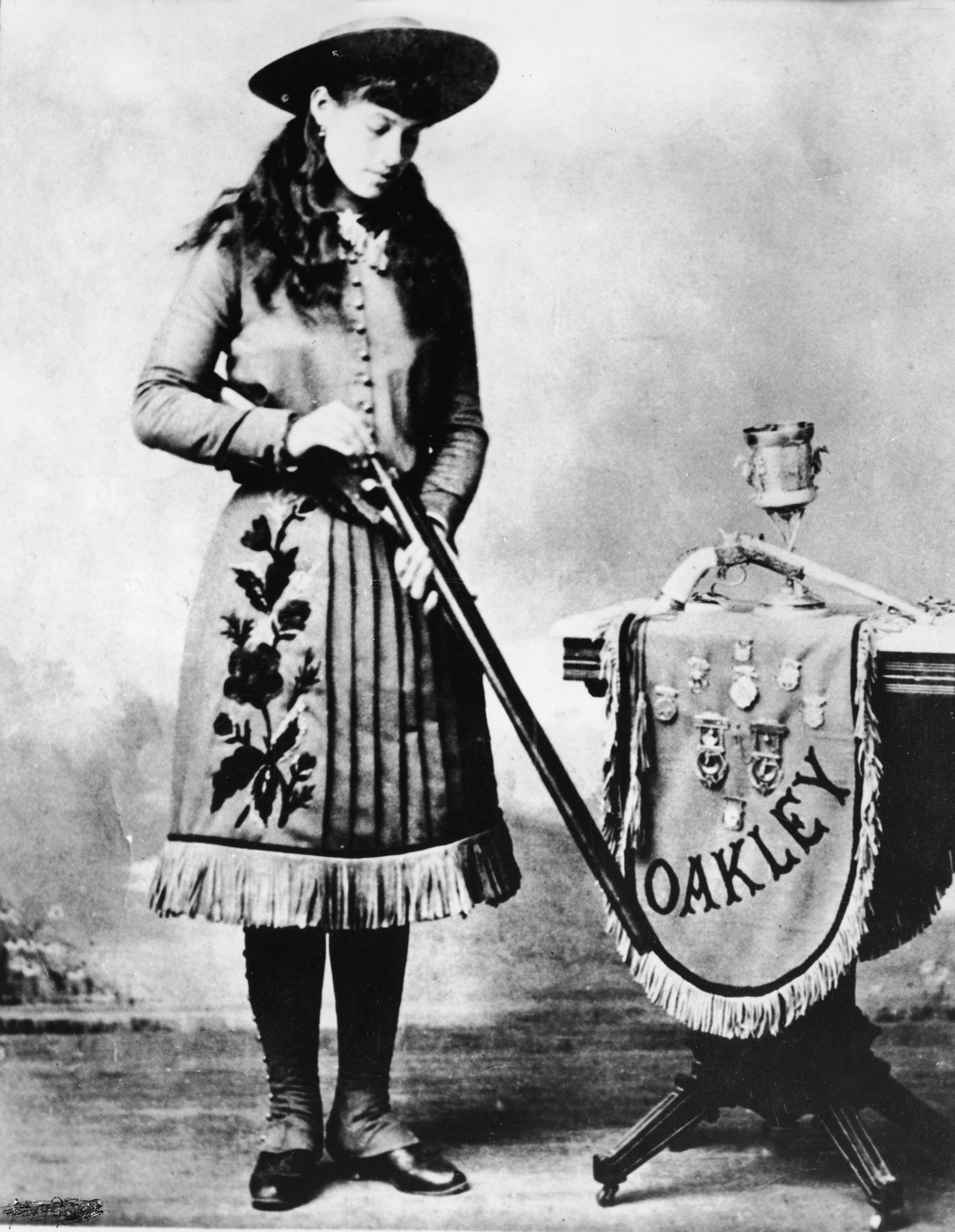
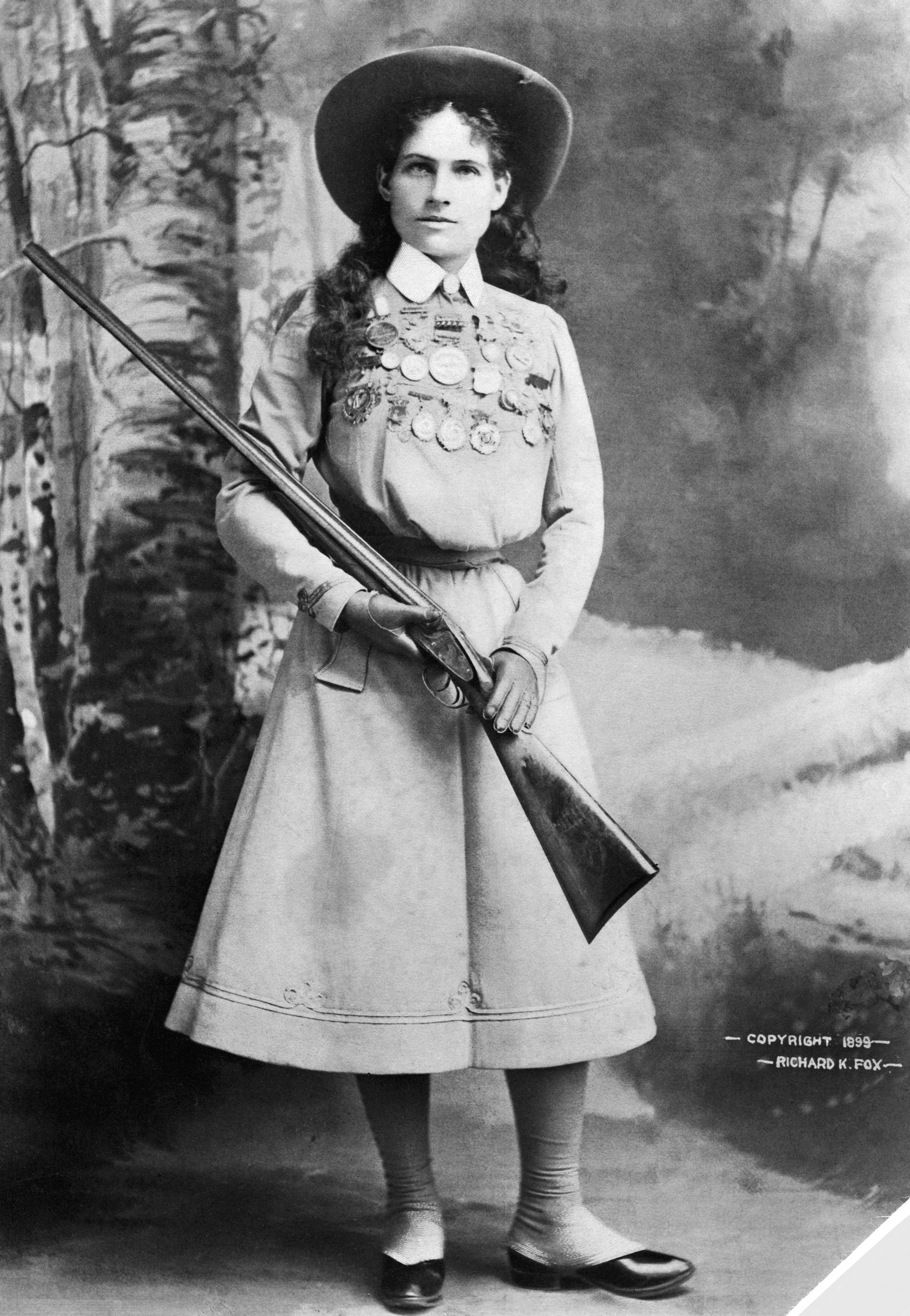
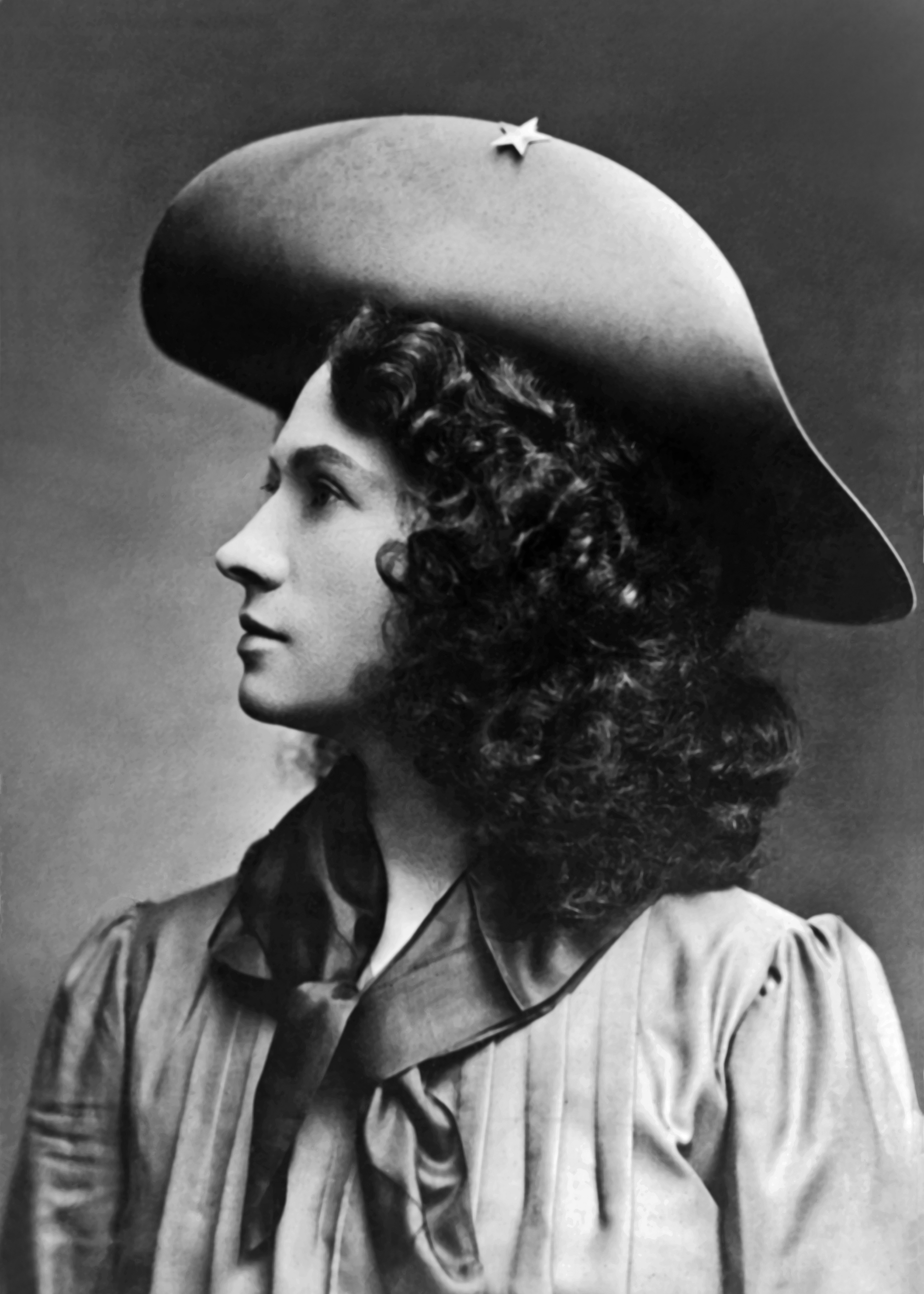
This article was largely inspired by the grainy, less than thirty second film clip above. It shows Wild West heroine Annie Oakley in action, filmed by none other than Thomas Edison on November 1, 1894 in his ‘Black Maria’ facility, one of the earliest films made at the world’s first film production studio. It’s weird to watch something made by one icon of American culture, and featuring another. It feels like seeing a photograph of Robin Hood, taken by Leonardo da Vinci, and is a reminder that Annie Oakley was a real person, not a mythical creation of Hollywood or the dime novelists. While the title here may be hyperbolic – obviously, there were other women to have picked up firearms before her – she was likely the first to achieve worldwide fame through her skill with a gun. As such, she certainly deserves a place in the action heroine Hall of Fame.
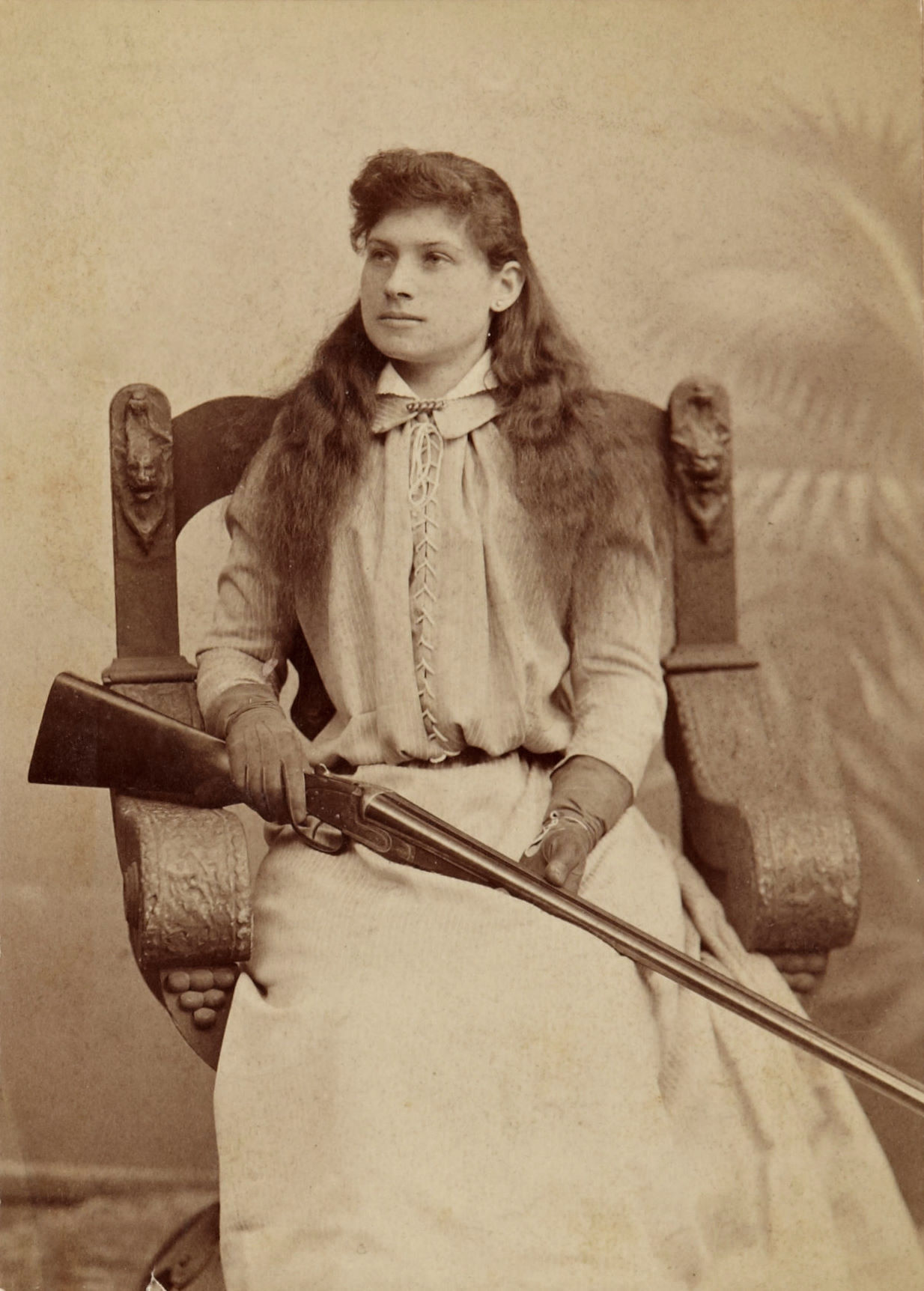
Born Phoebe Ann Mosey in 1860, she seems to have had a pretty crappy childhood. Her father died when she was five, and Annie became a ward of Darke County, Ohio, in 1870. From there, she was fostered out to a family, who apparently treated her as little more than a slave. She ran away from them a couple of years later, eventually returning to live with her mother, who had remarried, at age 15. But by this point, she was already well-versed in guns, having been hunting with them since she was eight. Her skill with them gradually became known through the region, and led to the shooting match against Frank Butler which propelled her towards greater fame, and a career as a professional markswoman.
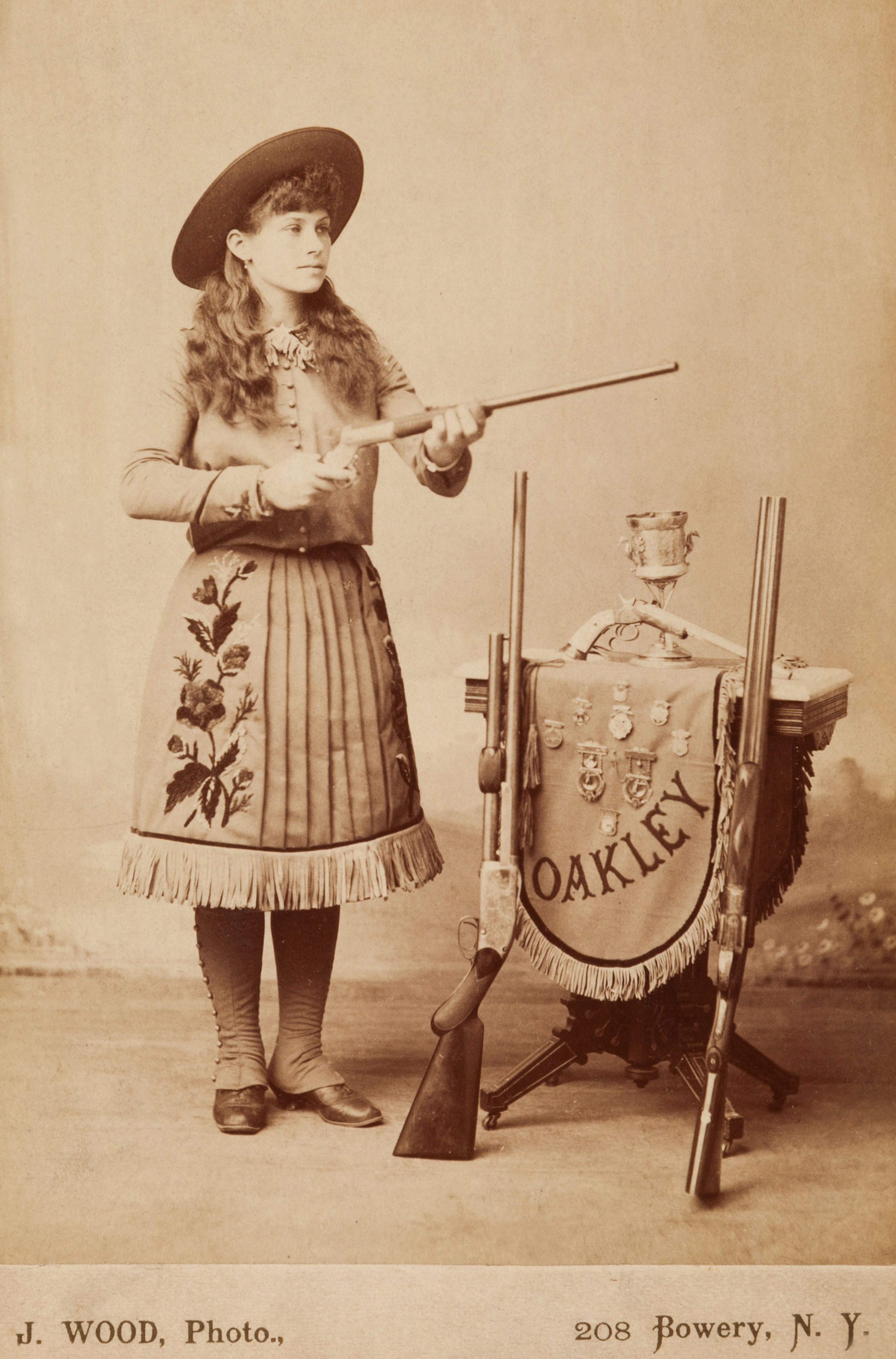
There’s some uncertainty about when this took place. Some sources say 1875, while others prefer 1881. The details seem fairly well-established. Frank Butler, part of a travelling show, visited Cincinnati, and laid a bet with a local hotel owner that he could beat any local shooter. The hotelier brought in Annie as his champion, and she won, when Butler missed his 25th shot. He may have lost the wager, but he didn’t come away empty-handed, as Butler married Annie in 1882. They began performing together, with Annie taking the stage name of Oakley, and three years later the married couple both became part of Buffalo Bill’s Wild West production [it never included the word “show” in its title], which had begun touring America in 1883.
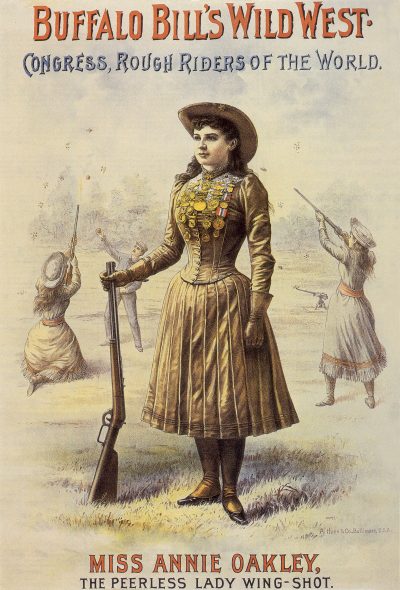
Performances typically opened with a parade of horse and riders from many nations, including the military and Indians. It proceeded through a series of re-enactments, such as of the Pony Express or an attack on a wagon train, and also included displays of skills related to life on the frontier, including trick riding, roping and marksmanship. While Oakley was the best-known woman to take part in the shows, she wasn’t the only one. In 1886, another trick shooter, Lillian Smith, also joined Buffalo Bill while still a teenager, and by most accounts, there was a fractious relationship between the two, with them having markedly different personalities and styles. Another Western icon, Calamity Jane, began appearing as a storyteller in 1893. Records indicate that Buffalo Bill paid the women the same as their male equivalents, though Oakley earned more than anyone save Bill himself.
It was as part of his show that Oakley’s fame achieved its peak, and not just in the United States. She was part of the company which toured Europe on multiple occasions from 1887 on, performing for many of the fabled “crowned heads of Europe,” including Queen Victoria and King Umberto I of Italy. In 1890, she reportedly used Germany’s Kaiser Friedrich Wilhelm II as an assistant for one of her stunts, shooting the end off a cigar he held, a trick she usually performed on her husband. Europe might have been rather different, if Annie’s skills had not been up to the task. For Kaiser Wilhem was one of the more aggressive leaders whose subsequent actions helped trigger World War I, making Oakley’s prowess very much one of the “what if” moments in the continent’s history.
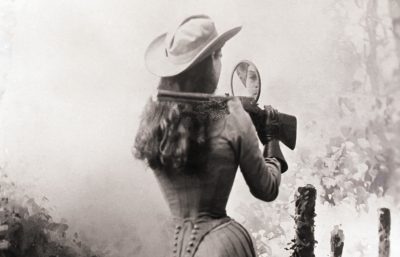
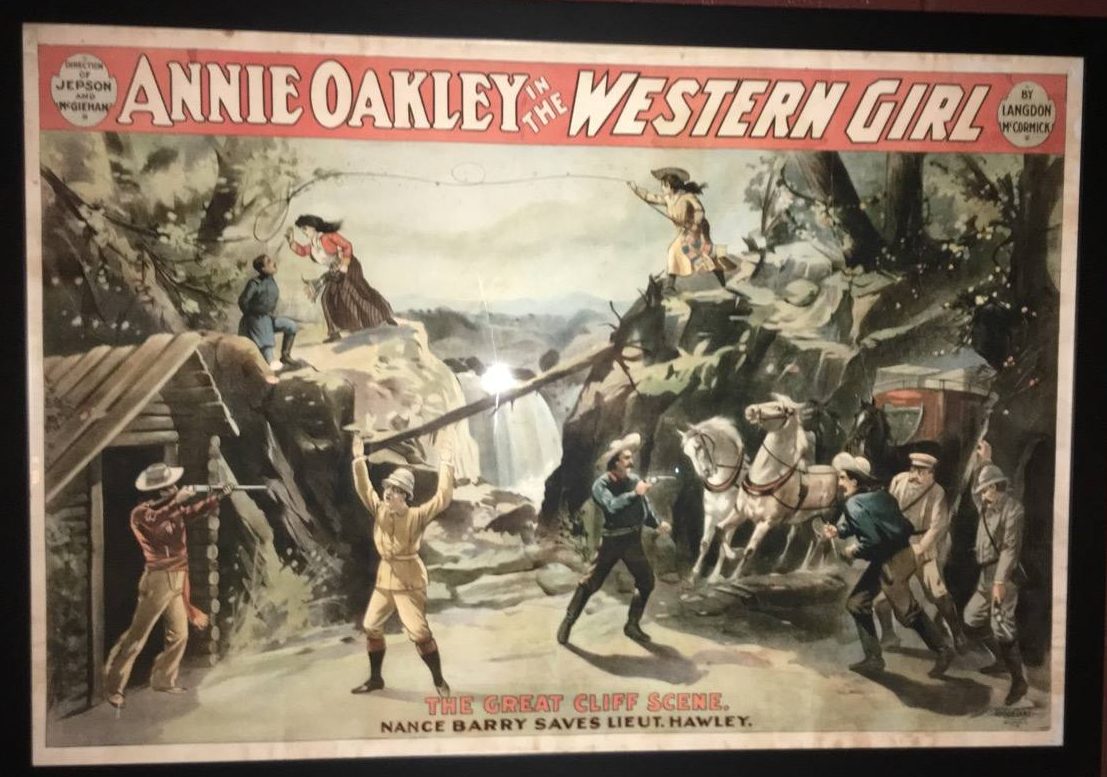
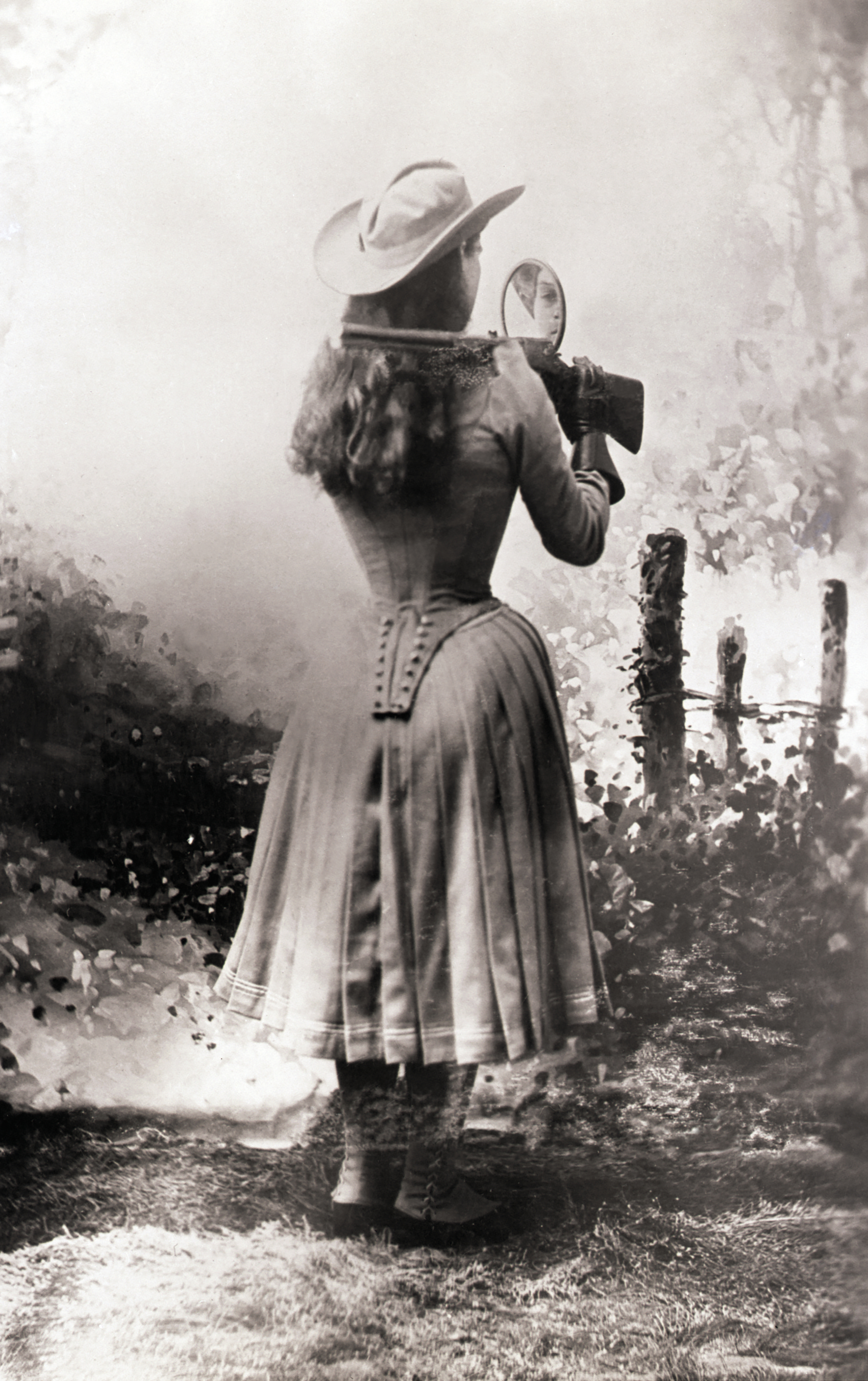
Her other stunts, if perhaps slightly less risky to the target, were little if any less impressive. She could find her target while facing away from it, sighting her gun backwards over her shoulder, using a mirror (left), or even the blade of a knife. She could also hit the edge of a playing card at thirty paces, or dimes tossed in the air. Her partner could throw four glass balls up, while Annie wasn’t even holding her rifle. Before they landed, she could pick up the gun and shoot them down. But in 1901, she was injured in a train accident, which left her needing multiple operations on her spine. The after-effects forced her into retiring from Bill’s company, though she still performed, starring in a stage play written especially for her by Langdon McCormick, The Western Girl. In it, her character Nance Barry saves the hero and wins his heart. It couldn’t possibly be any other way.
Annie’s life was hardly less interesting after her time with Buffalo Bill. In 1904, she took on press magnate Randolph Hearst, after two of his Chicago newspapers published a story headlined, “Famous Woman Crack Shot Steals to Secure Cocaine.” Turns out, the criminal was actually a burlesque performer who used the stage name “Any Oakley”. Hearst refused to retract the story, so Oakley ended up suing no less than 55 newspapers for libel, over the next six years. She won all but one of the cases, though the legal fees involved meant she ended up losing money, as she redeemed her good name.
She was far ahead of her time on the topic of women in combat. In April 1898, with the Spanish-American war about to break out, she wrote to the then-President, William McKinley, as follows:
Dear Sir, I for one feel confident that your good judgment will carry America safely through without war. But in case of such an event I am ready to place a company of fifty lady sharpshooters at your disposal. Every one of them will be an American and as they will furnish their own Arms and Ammunition will be little if any expense to the government.
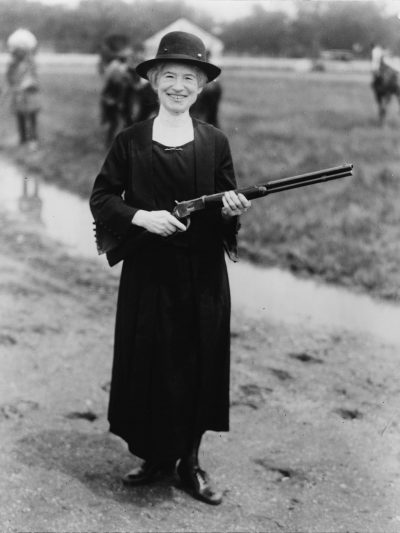
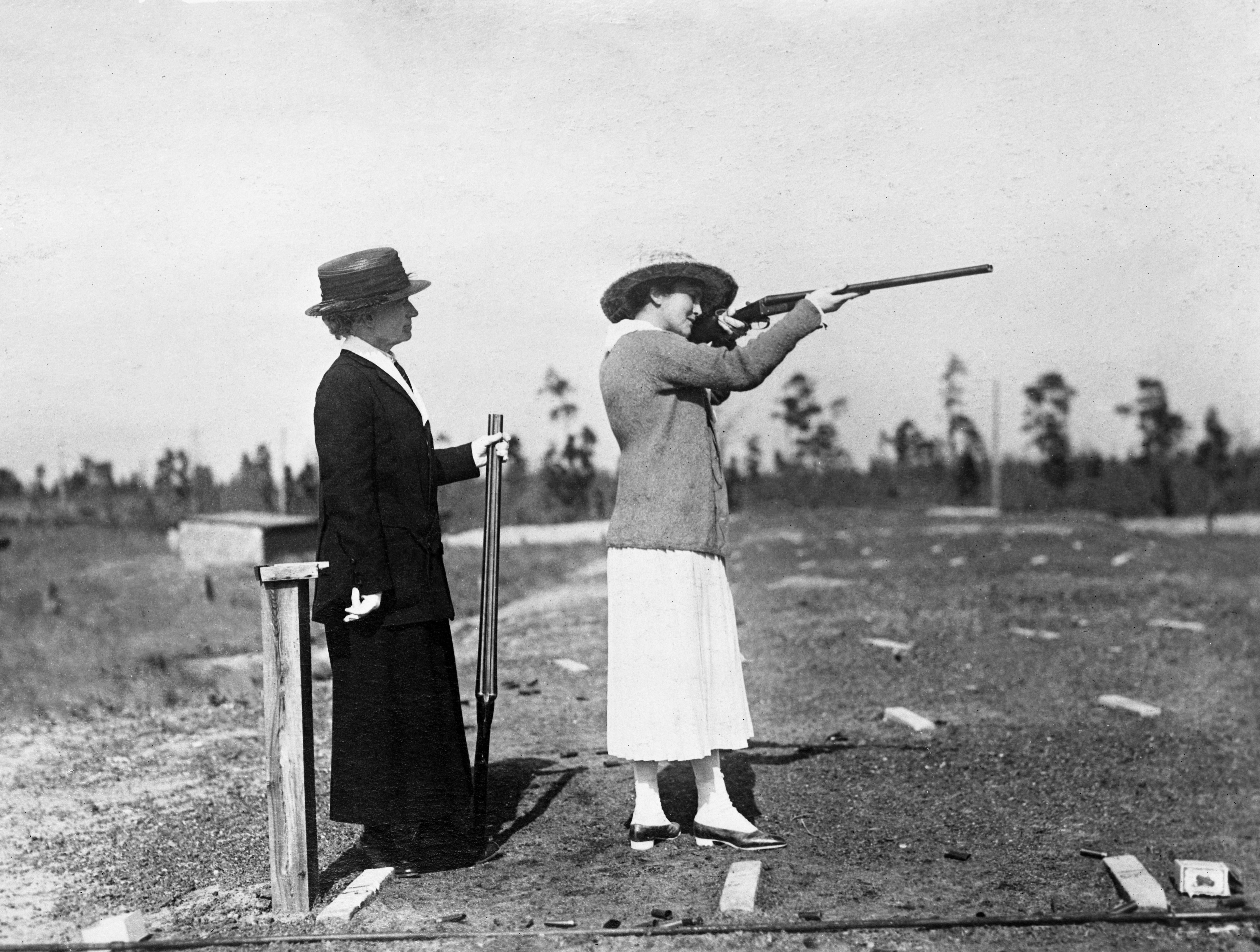
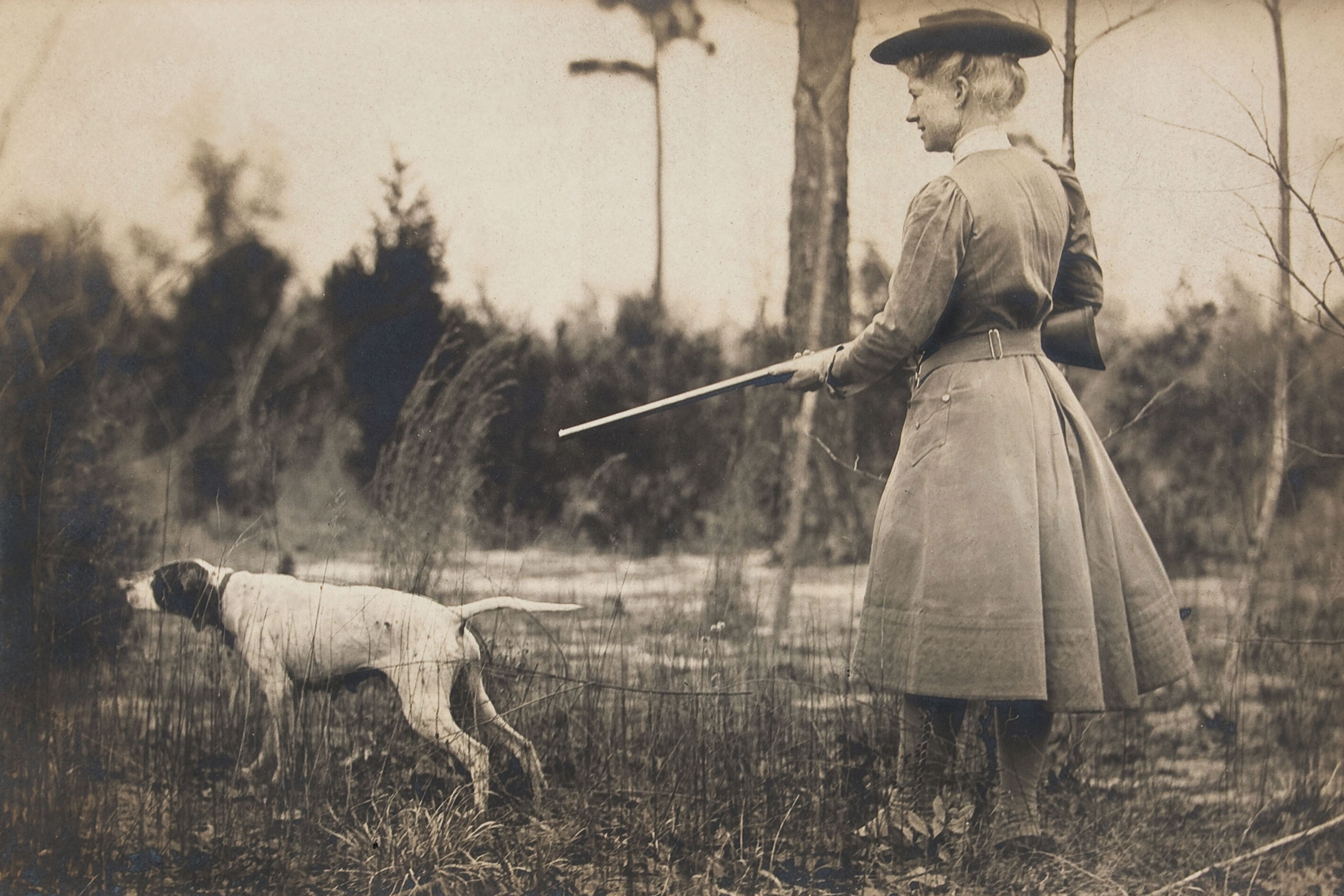
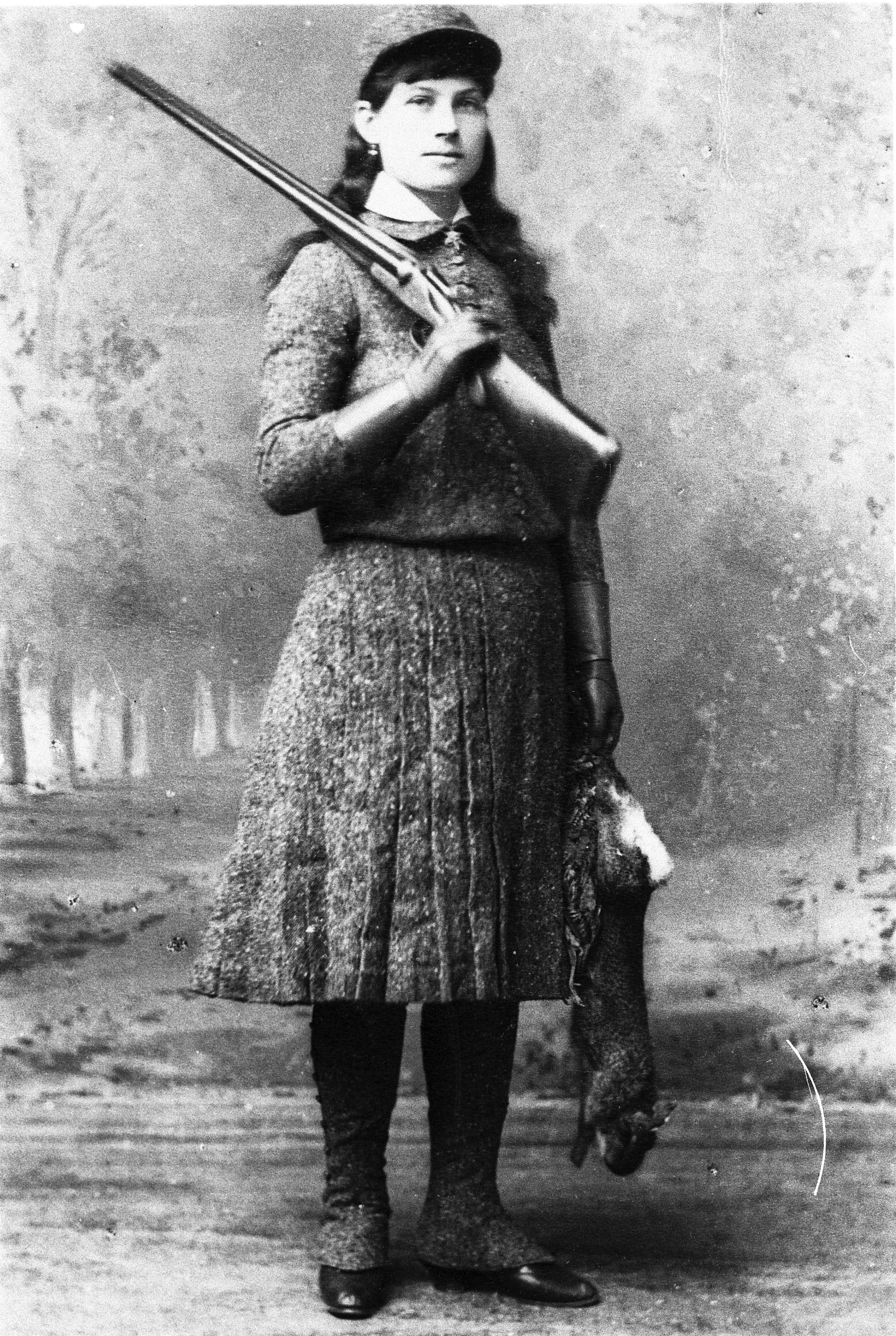
Her offer was, sadly, declined, despite the clearly positive economics. In terms of sharp-shooting, it would have been very interesting to see what Oakley might have done in a war situation. I like to think she might have surpassed sniper Lyudmila Pavlichenko’s mark of 309 victims from World War II. Certainly, her skills didn’t desert Annie with age. At the age of 62, in a North Carolina shooting contest, she hit 100 clay targets in a row from a distance of 16 yards. As the photograph (right) shows, she was clearly still enjoying the sport well into her sunset year.
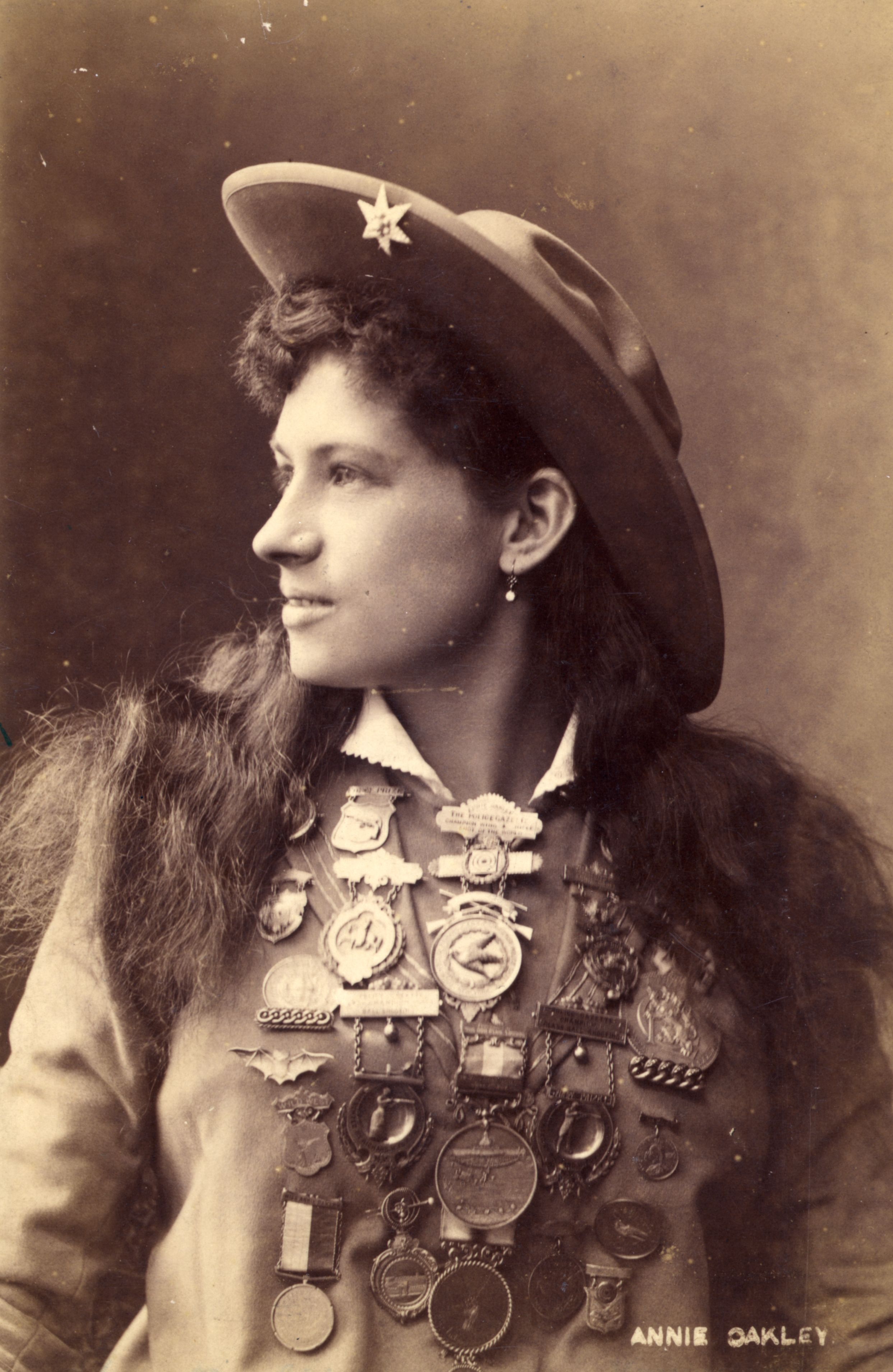
However, she died of pernicious anemia in 1926, at the age of 66. Her husband, Frank Butler passed away just 18 days later, with some reports saying he simply stopped eating after her death, apparently losing the will to live. But what Oakley represents lives on, not least in a host of books, movies and TV series in which she appeared, portrayed by actresses from Barbara Stanwyck to Geraldine Chaplin and Jamie Lee Curtis. The cultural fascination for her endures. In 2012, an auction of items owned by Oakley brought in over half a million dollars: a shotgun used on the 1887 European tour went for $143,400 and even her stetson hat reached $17,925.
Annie arguably stands as the first woman to make a career as a professional action heroine. Her legend will survive – and deservedly so.
Annie Oakley (film)
By Jim McLennan
★★★
“Annie Gets Her Gun.”
While not exactly an accurate retelling of the life of noted sure-shot Annie Oakley, this is breezily entertaining. Indeed, you can make a case for this being one of the earliest “girls with guns” films to come out in the talking pictures era. There’s no denying Oakley (Stanwyck) qualifies here. The first time we see her, she’d delivering a load of game birds – all shot through the head to avoid damaging the flesh – to her wholesaler. When barnstorming sharpshooter Toby Walker (Foster) blows into town, Annie ends up in a match with him, which she ends up throwing, due in part to her crush on him. She still gets a job alongside Walker, in the Wild West show run by the renowned ‘Buffalo Bill’ Cody (Olsen) and his partner, Jeff Hogarth (Douglas). But Annie and Toby’s relationship fractures after he accidentally shoots her in the hand, while concealing an injury affecting his sight.
This hits the ground running, and roughly the first third plays decades ahead of its time. Don’t forget, this was made only fifteen years after women were granted the right to vote across the entire United States. Its depiction of a strong, perfectly independent woman as personified by Stanwyck is great – there’s also Walker’s former “friend,” Vera Delmar (Perl Kelton). When sternly warned the saloon she’s about to enter is no place for a lady, she breezily replies, “Oh, I’m no lady.” I’m quite impressed this was able to get through, given the rigid imposition of the strict Hays Code, beginning the previous year, with its goal “that vulgarity and suggestiveness may be eliminated.”
Almost inevitably, it can’t maintain this pace. There’s too much footage of the Wild West Show, which seems to consist largely of people on horses milling around the arena. I guess people were easily satisfied in those days. Meanwhile, the romance between Oakley and Walker (an entirely artificial construction, with Walker never existing as an actual person), fails to be convincing. Somewhat more interesting is the portrayal of Chief Sitting Bull, the Native American warrior who also became part of Wild Bill’s show. While depicted largely for comic relief – witness the scene where he turns out the gas lights in his bedroom by shooting at them – he is played by a genuine Indian, Chief Thunder Bird, which is considerably more progressive than some movies. He is also instrumental in Annie and Toby’s reconciliation.
Stanwyck does an excellent job of depicting the heroine, portraying her as someone absolutely confident in her own talents. I’d like to have seen more development of her character: as is, the one we see delivering quail at the start of the film, is almost identical to the one we see making up with Toby in its final shot. Sadly, the subject didn’t live to see her life immortalized in film, having died nine years before this was released. I think she’d probably have been quite pleased with her depiction.
Dir: George Stevens Star: Barbara Stanwyck, Preston Foster, Melvyn Douglas, Moroni Olsen
Annie Oakley of the Wild West, by Walter Havighurst
By Jim McLennan
★★
“An appetiser rather than a main course, that diverts from the topic far too often.”
Annie Oakley was one of the earliest “girls with guns”. In her role as a sharpshooter, performing with the likes of Buffalo Bill’s Wild West show, she travelled the globe, appearing in front of Presidents, Kings and Emperors. She shot a cigarette held by the future Kaiser Wilhelm of Germany (accuracy later deplored by American newspapers, after the nations went to war in 1917). At 90 feet, she could shoot a dime tossed in midair, or hit the edge of a playing card, then add five or six more holes as it fluttered to the ground. In seventeen years and 170,000 miles of travel, she only missed four shows, and even in her sixties, could still take down a hundred clay pigeons in a row.
So why is this book unsatisfactory? Largely because much of it isn’t actually about her. Originally written in 1954, Havighurst uses Oakley as a key to write about…well, everything else connected to her, and you’ll find half a dozen pages passing without any mention of its supposed subject. The author goes off the track with alarming frequency: Buffalo Bill, a.k.a. William Cody, is the main beneficiary, and someone unschooled in the topic will learn almost as much about him as Oakley. There are some effective moments, particularly when Havighurst depicting the loving relationship between Annie and her husband, Frank Butler, whom she met while outshooting him in Cincinnati. Married for over fifty years, they died less than three weeks apart. But such passages are few and far between; the actual Oakley-related content of the book is disappointing, though I’m now keen to track down a better work on the topic.
By: Walter Havighurst Publisher: Castle Books [$8.98 from HalfPrice Books]
Annie Oakley (TV series)
By Jim McLennan
★★★
“One of the first TV action heroines; for 50 years old, better than you might expect.”
This TV series was Gene Autry’s idea; he wanted to give little girls a western star of their own, and created a show based on the character of Oakley, the most famous sharpshooter of all time. In his version, she lives in Diablo with her brother Tagg (Hawkins) and keeps the town safe along with deputy Lofty Craig (Johnson) – the sheriff, Annie’s uncle Luke, was somehow very rarely around… It ran for 81 episodes from January 1954 to February 1957; two DVDs, with five first season stories on each, have been released by Platinum – you can get the box set of both for $5.99, which is a steal.
Given its age, it’s no surprise that this is certainly a little hokey, but is by no means unwatchable. The writers cram a lot into each 25-minute episode, and Oakley is a sharp-witted heroine, in most ways years ahead of the usual portrayal of women (though still afraid of mice!) – she’d probably be a better deputy than Lofty! It certainly helped that Davis, a mere 5’2″, was a skilled rider herself, and did most of her own stunts. However, this being a 50’s TV show, there are limits. Annie never kills anyone, preferring to shoot the gun from their hand, while fisticuffs are left to Lofty, though at least one ep (Annie and the Lily Maid) has an unexpected mini-catfight.
Perhaps the best episode on the DVDs is Justice Guns, where an ex-marshal with failing sight seeks revenge on the man who shot his brother. Annie has to try and solve the situation, and while you know she will survive, the lawman’s fate is much less certain as the four o’clock shootout approaches. In a series that is, even I will admit, often sugary and predictable, this has genuine tension, and that’s something which five decades haven’t changed one bit.
A promising idea has its concept snuffed out by shaky execution and even worse writing. Sam (Rogers) is a former solder and now single mother. When her child falls sick, Sam heads for the chemist’s for medicine. She never gets there, being abducted in a van and rendered unconscious. She wakes in a large warehouse-like facility in the middle of nowhere, which turns out to be a military production facility. She’s not the only woman there, and finds that an invisible adversary, using advanced tech to cloak his presence, is taking advantage of the weekend to turn the place into a stalker’s amusement park. However, Sam’s background perhaps gives her a very particular set of skills, unavailable to the other victims.
I’m generally fairly oblivious to script-holes: Chris is considerably better at spotting them. But here, even I could see the glaring flaws. This is supposedly a cutting-edge military facility, yet the security is so bad, a child can literally get in. The motivation for the villain is poorly drawn, and it’s never explained how the lowly caretaker – for that’s what he is – manages to get to use all of his wonderful toys. Do the army also let soldiers take tanks off to drive around on the weekend? But it’s not as if the film has any confidence in him as a bad guy, for even after Sam has managed to avoid his threat, she then has to handle a military drone. Just one – for like I say, security is pretty bad. And it can easily be taken out with a conveniently to hand brick. If we ever go to war, I swear, we are screwed…
If the film had made much of Sam’s background, supposedly in the engineers’ corps, that might have helped. Watching her MacGyver her way against her opponent, using the plentiful material at hand could have been fun. But that would have required thought, something largely absent from the script. There are few points at which we are ever convinced of her military background, and the scenes where she is “fighting” her invisible opponent, all too often reminded me of the Monty Python sketch about self-wrestling. It’s a shame, as Rogers is by no means terrible otherwise, and is quite empathetic.
The same cannot be said for the ending, however. It’s understandable that the writer-director felt the need to tack something on, after the considerably underwhelming confrontation with the drone. What he delivers is the ultra-cliched finale where someone isn’t who they seem to be, but turns out to be the killer. No, those are not a pair of fidget spinners, they are my eyes rolling at this “twist”. At least he has the good grace not to stretch this out, bringing things to a ending that is brisk to the extreme. It’s clear the budget on this was limited, and I forgive it that. The lazy plotting is considerably harder to forgive.
Dir: Justin Edgar Star: Rebecca Rogers, Nathalie Buscombe, Ian Sharp, Laurence Saunders



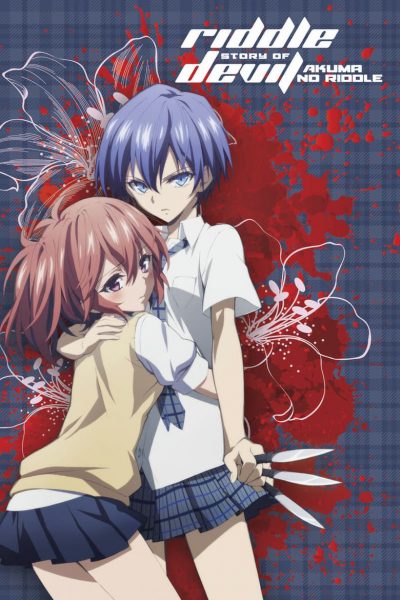 Another example which illustrates the difference between Western and Japanese approaches to education. For here we have “Class Black”, a group containing a baker’s dozen of female pupils, eleven of whom have been tasked by a mysterious group to assassinate the twelfth, with the person who does it being given absolutely anything they want by the organizers. Yeah, it’s not quite Beverley Hills 90210, is it? Of course, nor is it quite that simple. One of the candidates, Tokaku Azuma (Suwa), is the daughter of a legendary and long-standing family of assassins, but has had enough of her enforced role. Inspired by her mother, she has decided to rebel, and so switches sides. Instead of targeting the intended victim, Haru Ichinose (Kanemoto), she vows to protect her from the other students.
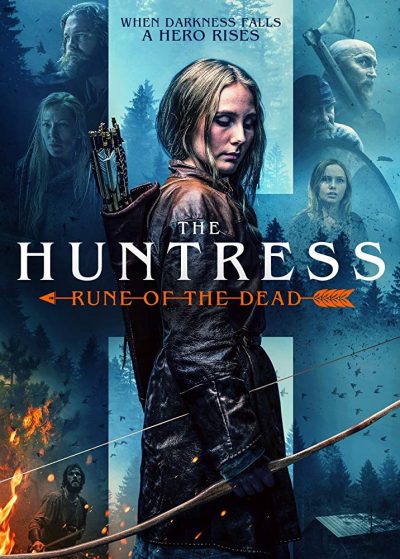 In 9th-century Scandinavia, teenage girl Runa (Stefansdotter) lives deep in the woods, with her mother, Magnhild (Idah), blind grandfather Ragnvald (Beck) and younger sister Bothild (Lyngbrant). Father Joar is notable by his absence, having gone off on a Viking raid to seek fortune for the family, and is now well overdue. However, he did at least train Runa to be a markswoman with the bow. Problems start when she finds a wounded warrior, Torulf, lying in the forest, and brings him back to their cabin, much against Magnhild’s wishes.
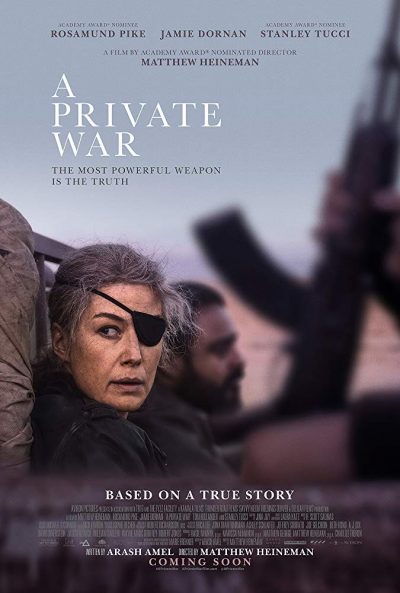 The profession of journalist is not exactly well-regarded by many people these days. So it’s nice occasionally to be reminded that they can still potentially be action heroes, risking their own lives in pursuit of the truth. In this case, it’s Marie Colvin (Pike), a foreign correspondent for London’s Sunday Times newspaper, who lost an eye while covering the civil strife in Sri Lanka, leading to a piratical eye-patch for the rest of her career. Most people would treat that as a sign from the universe to look into a change of profession. But Colvin was made of sterner stuff, despite a hellacious case of post-traumatic stress disorder, with which she largely coped by drinking heavily. So she and photographer sidekick Paul Conroy (Dornan) continue to venture into the world’s hot-spots, whether it’s Iraq, Libya or Syria. There, they expose the terrible human cost that the conflicts have on the local population, without apparent concern for their own safety.
 Former WWF star Lesseos, where she was known as the Fabulous Mimi, carved out a small career for herself in low-budget action films, mostly in the mid-nineties. Though the ones we’ve covered before, such as
  Owen and Noraya Smith are twins, in a world where such siblings are looked upon as cursed. Brought up as charcoal burners, they leave their village so Nora can avoid an arranged and unwanted marriage, and have the forture – whether good- or ill- remains to be decided – quickly to encounter the party of Prince Basham. He is scouring the country in search of a magical artifact called the Living Blade, which will grants its wielder great power. Assisting him is the half-wight Telen Diaz, a pilgrim/fighter. Owen joins the party, hoping to become a pilgrim himself; Nora decides to return home, but that option is removed from her as the village has been taken over by bandits. Fortunately, Diaz has followed her and is able to lend assistance when necessary. Nora eventually becomes his student in the fighting arts, and they all head to the temple/brothel of Shinar where the immortal seer Suranna can provide insight to the blade’s location. But the cost of her information is perilously high, since she has plans for both Nora and Diaz.
 ★★★
★★★ While not exactly an accurate retelling of the life of noted sure-shot Annie Oakley, this is breezily entertaining. Indeed, you can make a case for this being one of the earliest “girls with guns” films to come out in the talking pictures era. There’s no denying Oakley (Stanwyck) qualifies here. The first time we see her, she’d delivering a load of game birds – all shot through the head to avoid damaging the flesh – to her wholesaler. When barnstorming sharpshooter Toby Walker (Foster) blows into town, Annie ends up in a match with him, which she ends up throwing, due in part to her crush on him. She still gets a job alongside Walker, in the Wild West show run by the renowned ‘Buffalo Bill’ Cody (Olsen) and his partner, Jeff Hogarth (Douglas). But Annie and Toby’s relationship fractures after he accidentally shoots her in the hand, while concealing an injury affecting his sight.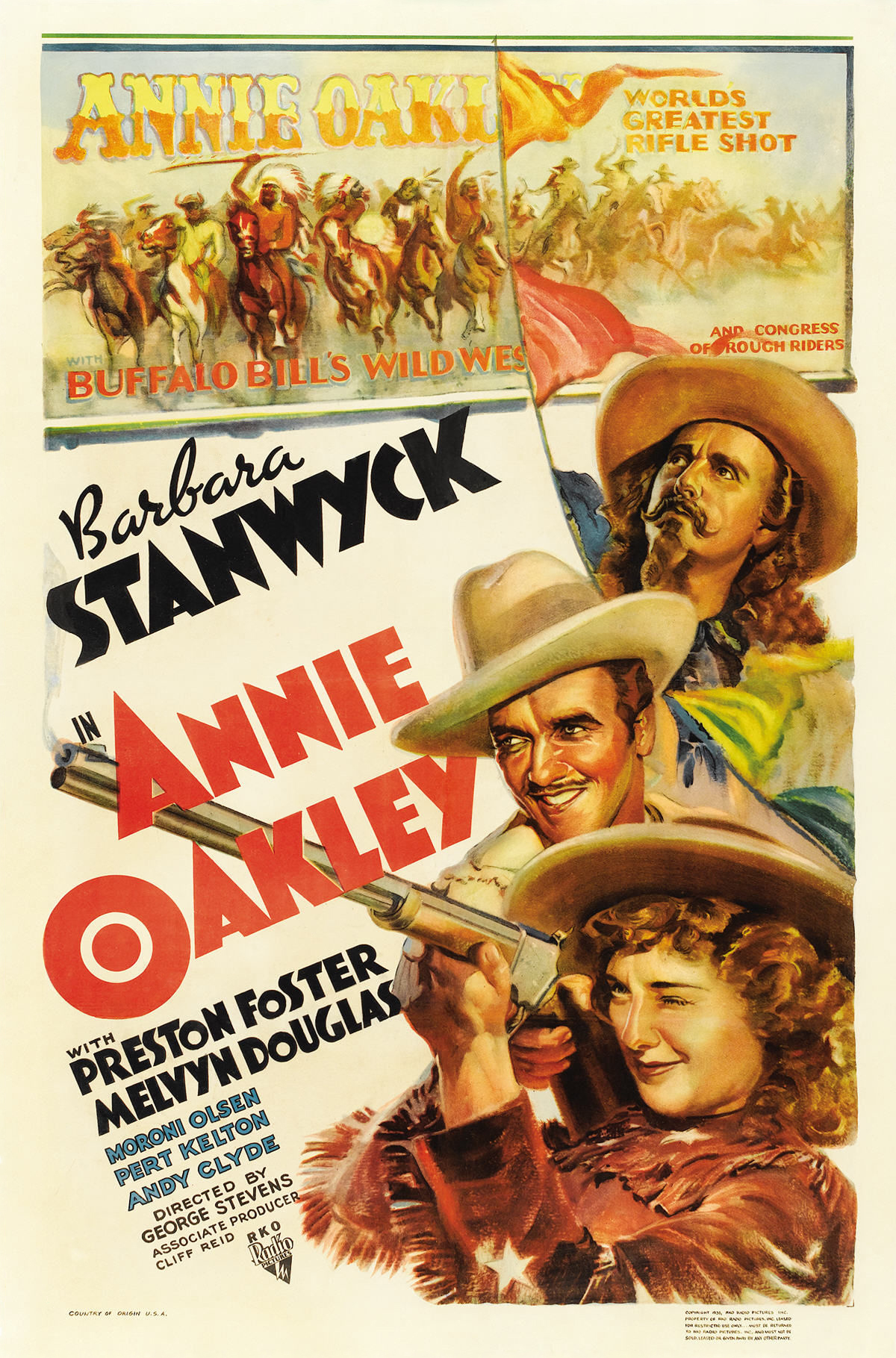
 She was far ahead of her time on the topic of women in combat. In April 1898, with the Spanish-American war about to break out, she wrote to the then-President, William McKinley, as follows: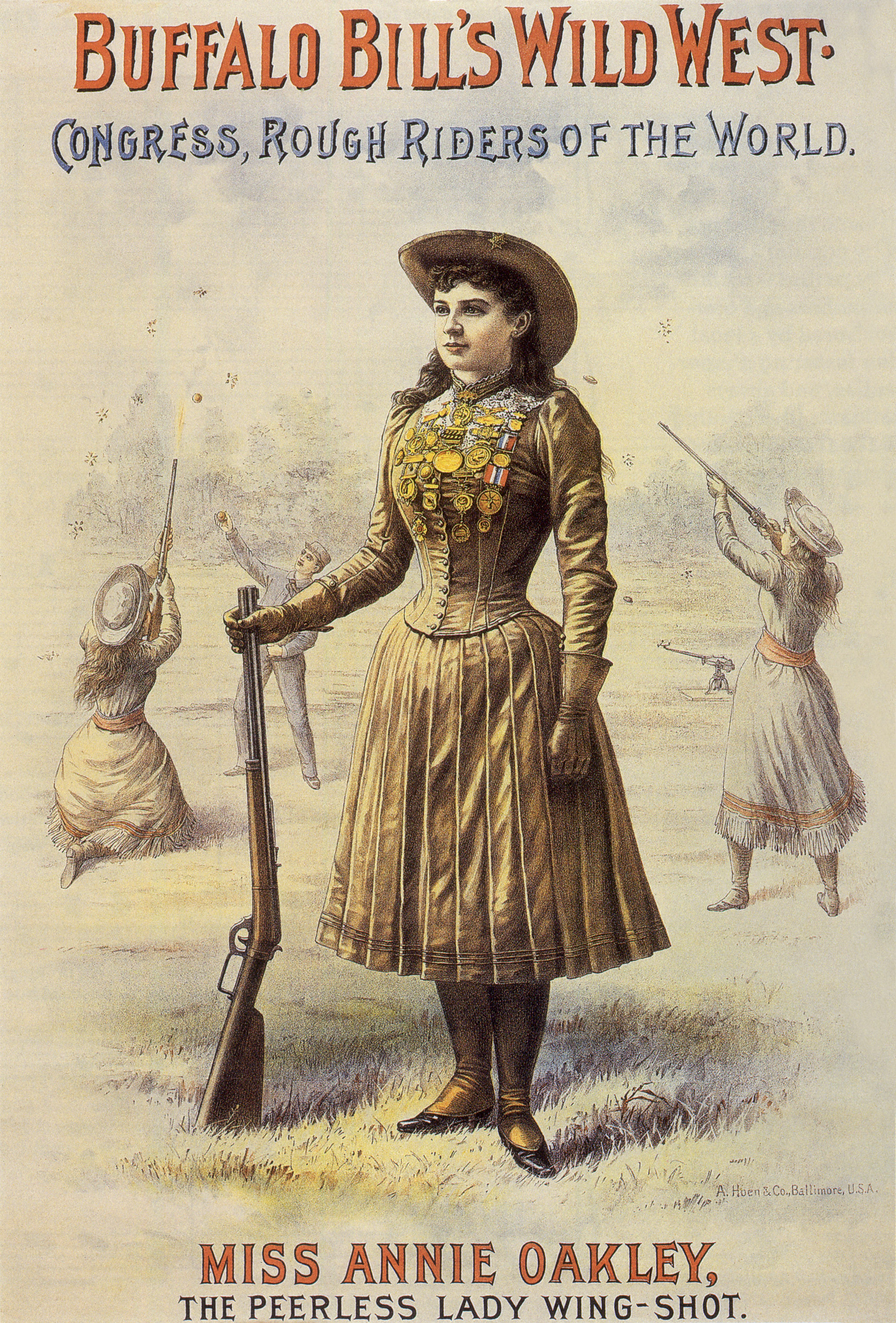
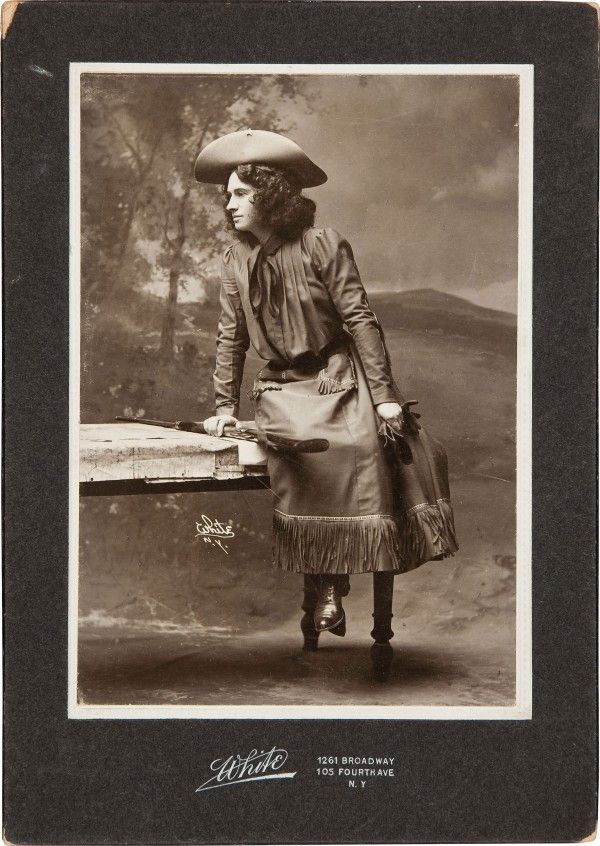
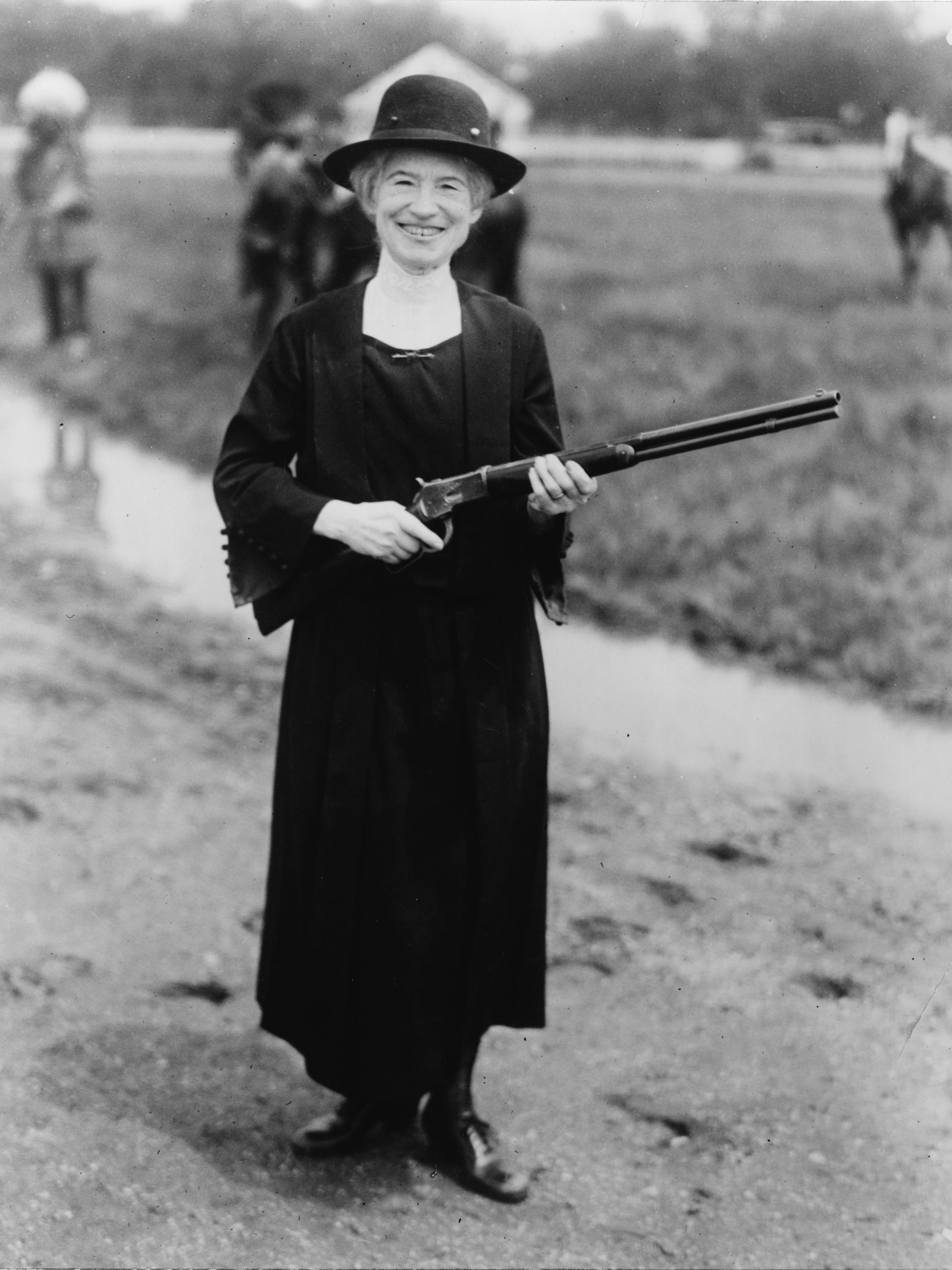
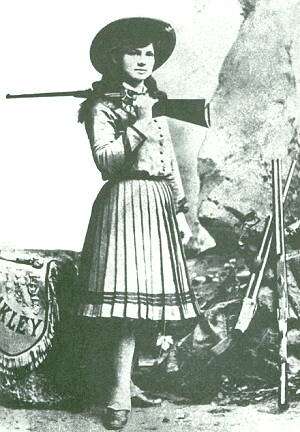 Annie Oakley was one of the earliest “girls with guns”. In her role as a sharpshooter, performing with the likes of Buffalo Bill’s Wild West show, she travelled the globe, appearing in front of Presidents, Kings and Emperors. She shot a cigarette held by the future Kaiser Wilhelm of Germany (accuracy later deplored by American newspapers, after the nations went to war in 1917). At 90 feet, she could shoot a dime tossed in midair, or hit the
 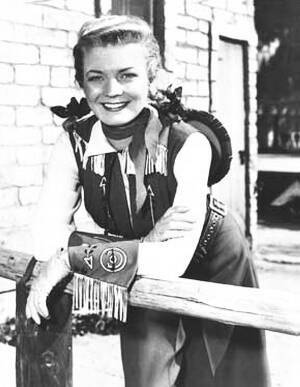 This TV series was Gene Autry’s idea; he wanted to give little girls a western star of their own, and created a show based on the character of Oakley, the most famous sharpshooter of all time. In his version, she lives in Diablo with her brother Tagg (Hawkins) and keeps the town safe along with deputy Lofty Craig (Johnson) – the sheriff, Annie’s uncle Luke, was somehow very rarely around… It ran for 81 episodes from January 1954 to February 1957; two DVDs, with five first season stories on each, have been released by Platinum – you can get the box set of both for $5.99, which is a steal.
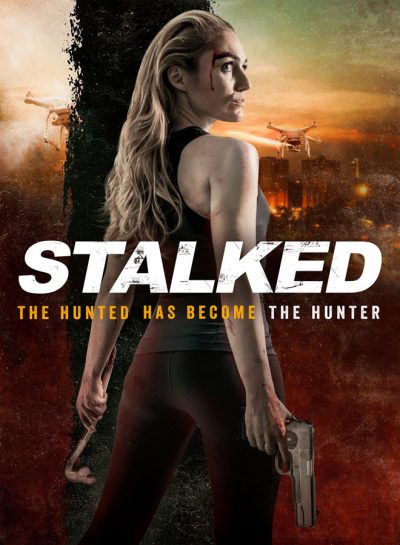 A promising idea has its concept snuffed out by shaky execution and even worse writing. Sam (Rogers) is a former solder and now single mother. When her child falls sick, Sam heads for the chemist’s for medicine. She never gets there, being abducted in a van and rendered unconscious. She wakes in a large warehouse-like facility in the middle of nowhere, which turns out to be a military production facility. She’s not the only woman there, and finds that an invisible adversary, using advanced tech to cloak his presence, is taking advantage of the weekend to turn the place into a stalker’s amusement park. However, Sam’s background perhaps gives her a very particular set of skills, unavailable to the other victims.