




Literary rating: ★★★
Kick-butt quotient: ☆☆½
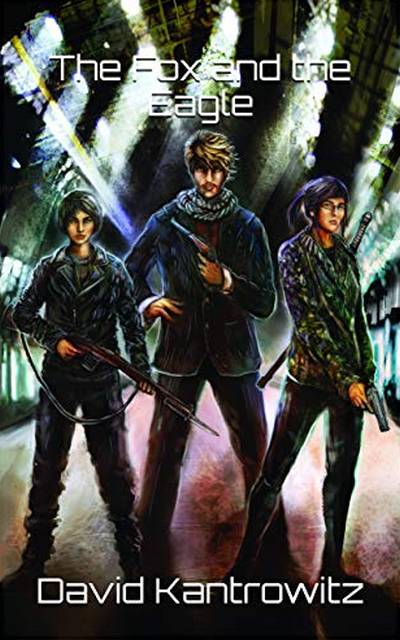 I don’t typically buy fourth books in a series, but didn’t actually realize that was the case here until after I’d finished it. From what I can gather, this is set in the same universe at its predecessors, but introduces a new set of characters. It certainly works well enough as a stand-alone entity, and poses no problems read on its own.
There are really two action heroines here. Evangeline Adeler is a CIA agent, who is investigating a strange series of abductions, when she becomes its latest victim. Turns out these are carried out by the Kira’To, aliens from a nomadic asteroid called the Eagle, hundreds of light years away. Humans are being taken in order to provide “a fresh genetic source” for the Eagle’s inhabitants – inbreeding generally being a bad thing. However, Eva is having none of that, escaping an arranged marriage and winning her freedom after prevailing in a trial by combat. The other heroine is Reveki Kitsune, a teenage girl and farmer’s daughter, who ends up the sole survivor after an attack on her uncle’s spaceship, the Fox, by members of a neo-criminal group called the Syndicate.
Due to this, she inherits the Fox, and meets Eva, who becomes part of the ship’s new crew while looking to find a way back to Earth. Their subsequent adventures take them on a raid to acquire a stash of neptunium, discovering the truth about Vecky’s parentage, and linking up with Tomoyasu, a long-time exile from the Eagle who is seeking to return there in order to stage a coup. The Eagle has a Japanese-based culture, for reasons apparently related to previous injections of abductees from there, This means Tomoyasu can take over if he can beat the current leader in a samurai duel.
It’s a decent slice of space opera, though does get rather confusing during the final battle on the Eagle, where Kantrowitz struggles to keep his multiple balls in the air. At one point, it looked like a major character had been disposed of with a single sentence, though I should have realized from this, that it was a red-herring. Still, he has some occasionally nice turns of phrase. For example, I particularly liked this line: “The pistol made a sound like someone dropped a steel refrigerator full of beer one hundred feet from a helicopter onto a concrete surface.” I was also amused by the way Eva likes to drop Earth culture references, e.g. “Thank you, Doctor House”, which no-one else ever gets.
She’s definitely the most bad-ass of the characters, and I did feel the split focus of the narrative was a bit of a problem. Her story ends up having to share chapters with Vecky’s and Tomoyasu’s, when I’d have preferred to hear more about Eva – as a newcomer to this setting, I’d have been learning about the galaxy at large, along with her. Everything ends in a bit of a cliff-hanger, with the roles reversed: Eva is no longer the only “stranger in a strange land,” and it’s clear that further parts will be arriving. I’m somewhat interested in more, but would welcome a sharper direction on the writing.
Author: David Kantrowitz
Publisher:Kyrie Devonai Publishing, available through Amazon, both as a paperback and an e-book
4 of 4 in the Reckless Faith series.
 Certainly the kind of action film for which you need to suspend your disbelief. In this case, the closest parallel is, as the tag-line above implies, the Jason Statham vehicle, Crank. In it, Statham’s character was poisoned, and had to keep his adrenaline permanently up for the rest of the film. to avoid dying. Here, it’s almost the reverse. Beckinsale’s character, Lindy, was born with a rare condition, “intermittent explosive disorder”. This is pretty much what it sounds like: uncontrollable aggressive outbursts, like a physical version of Tourette’s. This is a real thing. Not so real? Lindy is also “blessed” with high levels of cortisol, which make her faster and stronger than anyone else. Somewhere in the middle? Lindy controls her IED with electric shocks from a handheld device given to her by her therapist, Dr. Munchin (Tucci). All told, I’m tagging this as SF. #ChangeMyMind
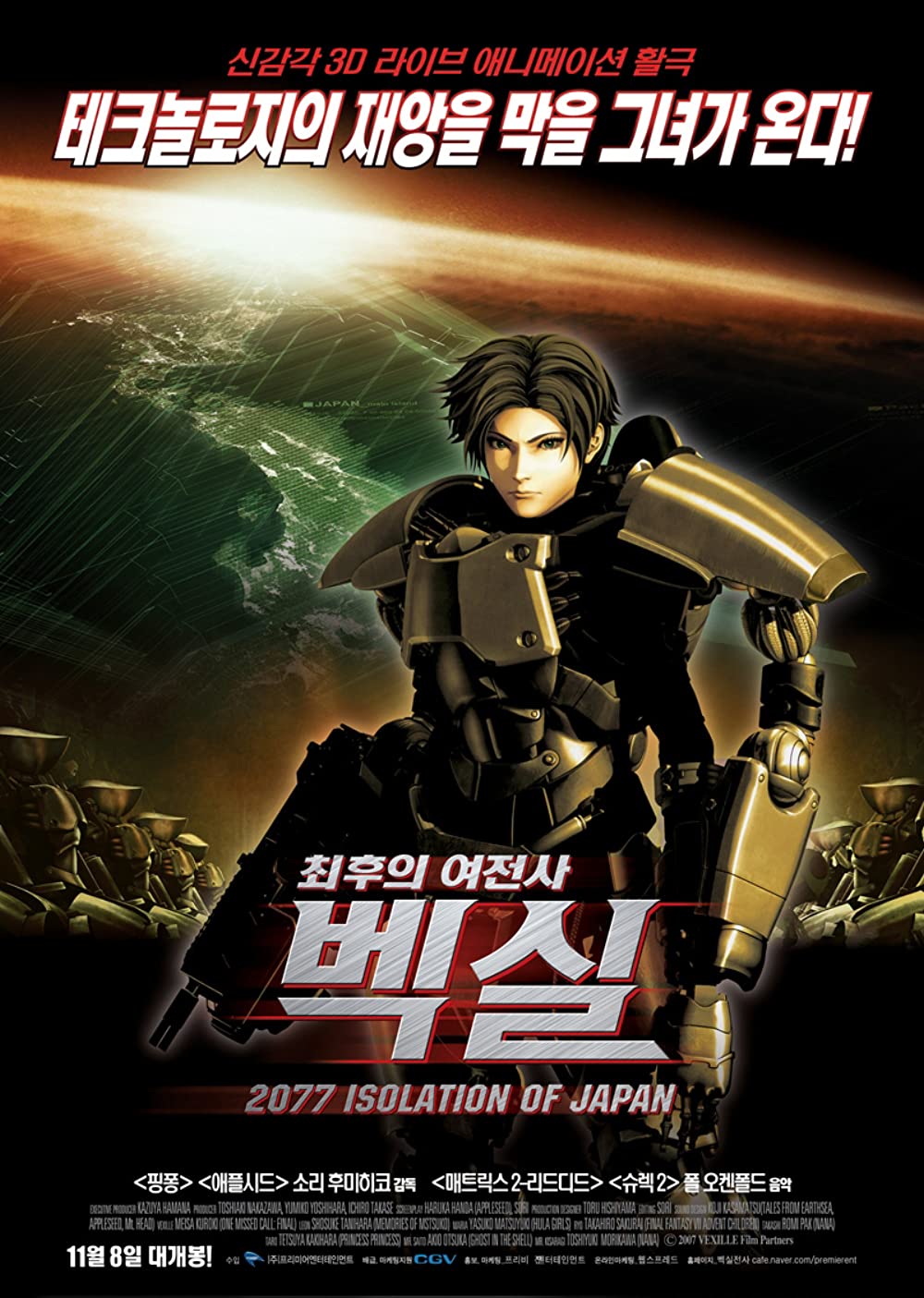
 In the second half of the 21st century, Japan closed its borders, after a schism between it and the rest of the world over the development of advanced androids by robotics pioneer Daiwa Heavy Industries, which the United Nations wanted stopped. For a decade no foreigner has been allowed in, and no-one knows what the country is now like. Then evidence arises that makes government agency SWORD embark on an “off the books” mission, to insert a team into Japan. It doesn’t go well, and before long the only member left active is Lt. Cdr. Vexille Serra (Kuroki). She discovers the country is now run by Daiwa, and things are… not what you’d expect. She links up with the head of the anti-Daiwa resistance, Maria (Matsuyuki). But time is running out for them, and the rebels are forced to mount a last-ditch attack on Daiwa’s island headquarters, in the hope of preventing a similar fate befalling the rest of the world.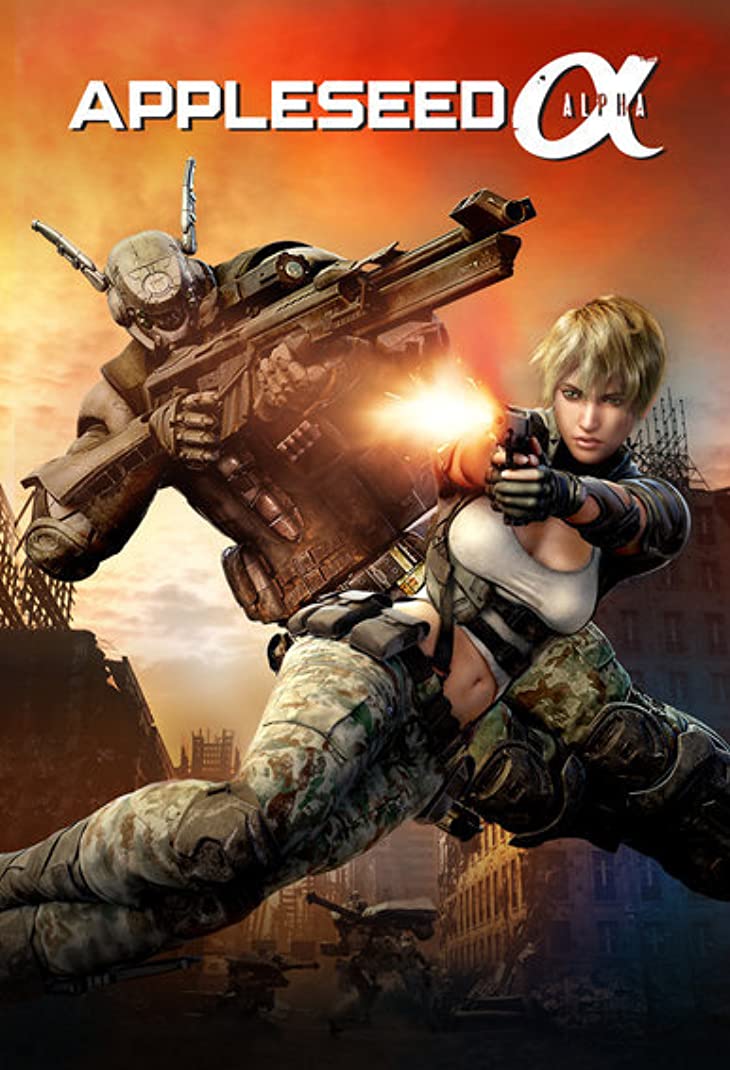
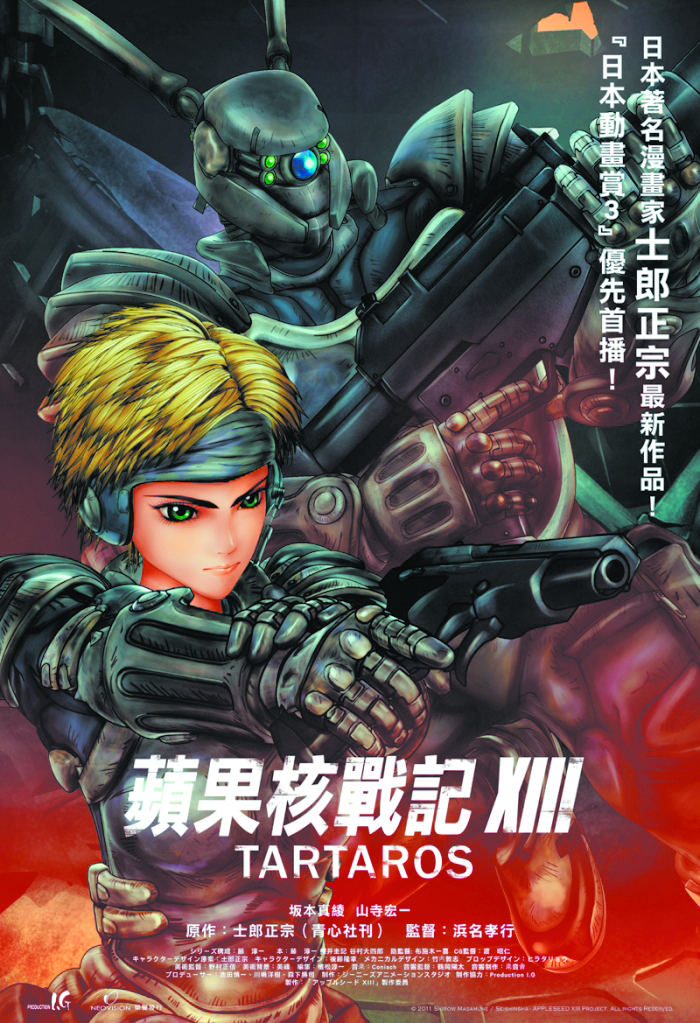
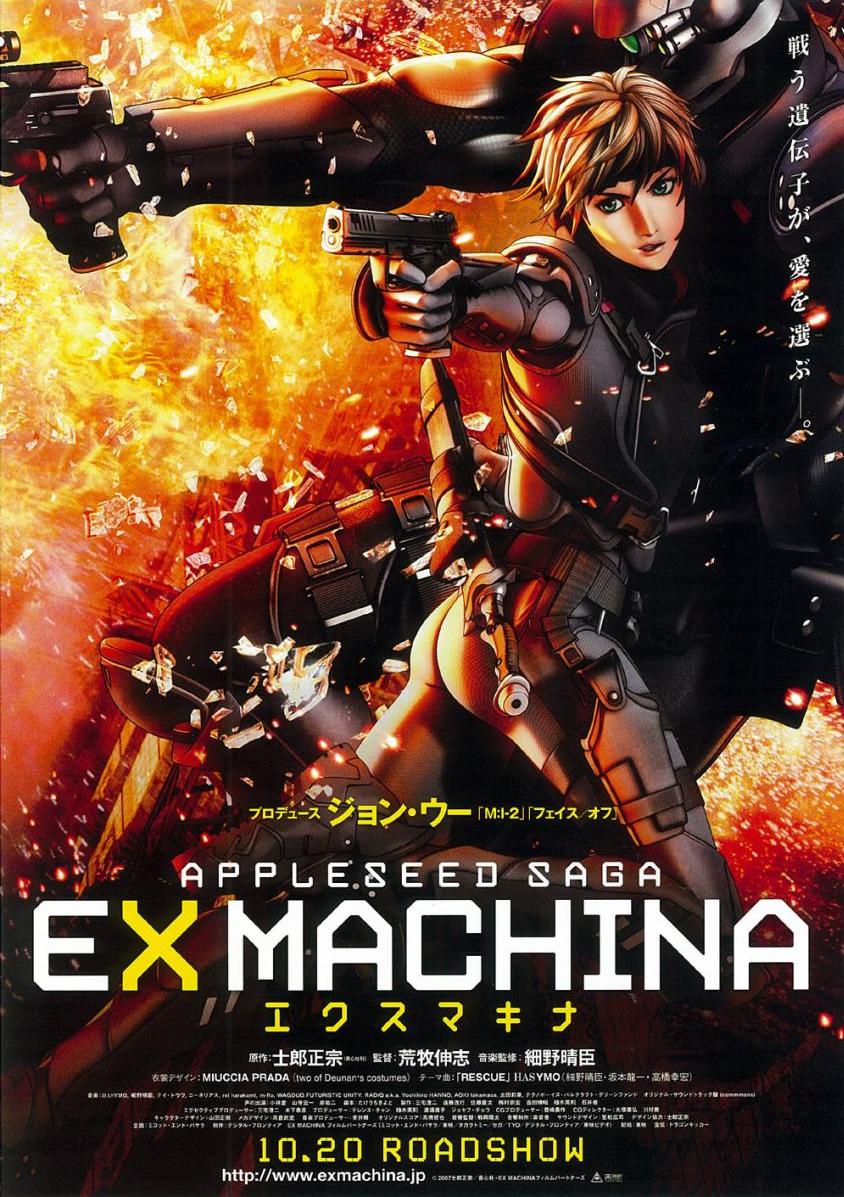
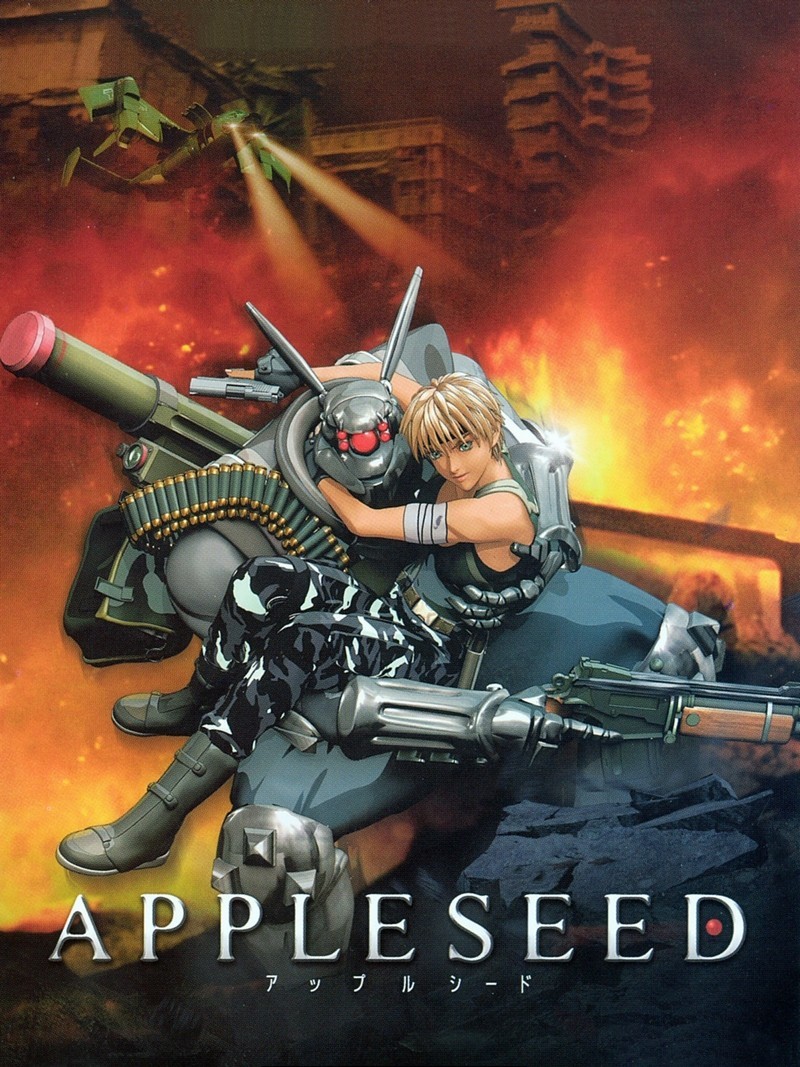
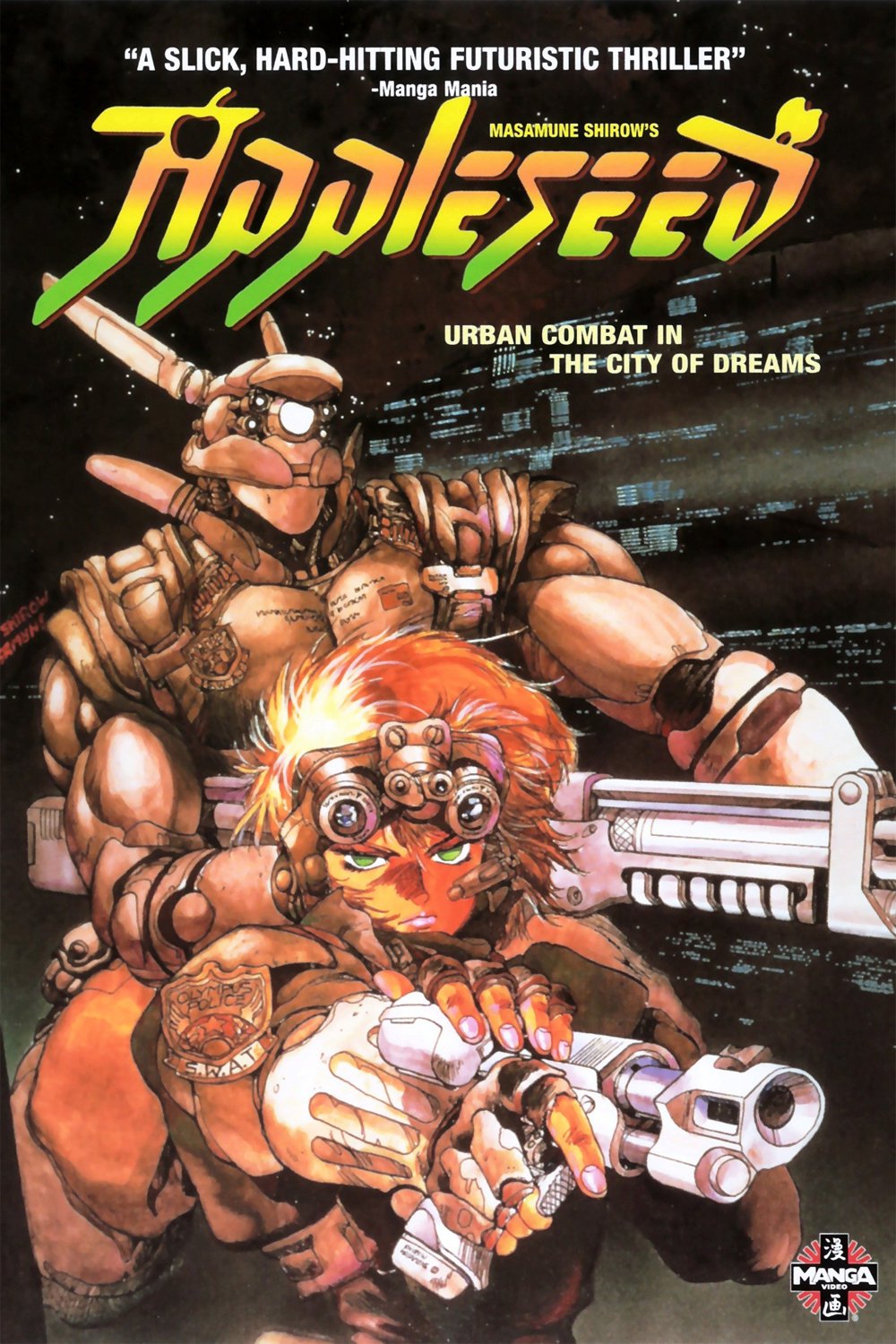
 Originally a series of three novels by Tow Ubukata, then a manga series published from 2009-12, I can only presume that something was lost in the translation to these three short (~65 minutes each) movies. Actually, make that just about everything. For after a promising first entry, I can’t think of a franchise that fell so completely off the rails. Okay, maybe The Matrix, with which this shares similar problems: taking itself far too seriously, and diverting into social commentary for which no-one was asking. I gave serious consideration to bailing and make this a rare “Did not finish,” which I’d not even bother writing about. But perhaps if my experience can serve as a warning to others, the tedium will not have been experienced in vain.