★★
“Approximately 900 times longer than the song which inspired it.”
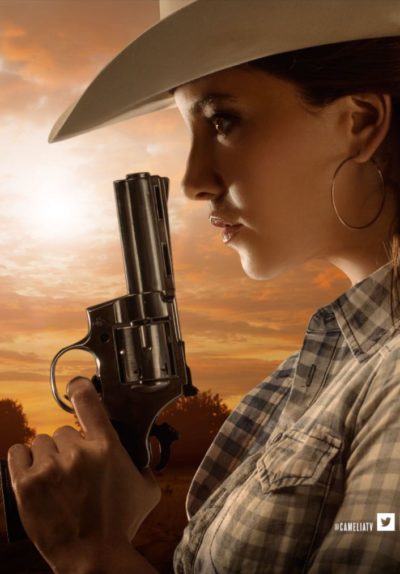 “A woman, if she loves a man, can give him her life.
But you must be careful if this woman is hurt,
For betrayal and smuggling are incompatible.”
— Contrabando y Traición, by Los Tigres del Norte
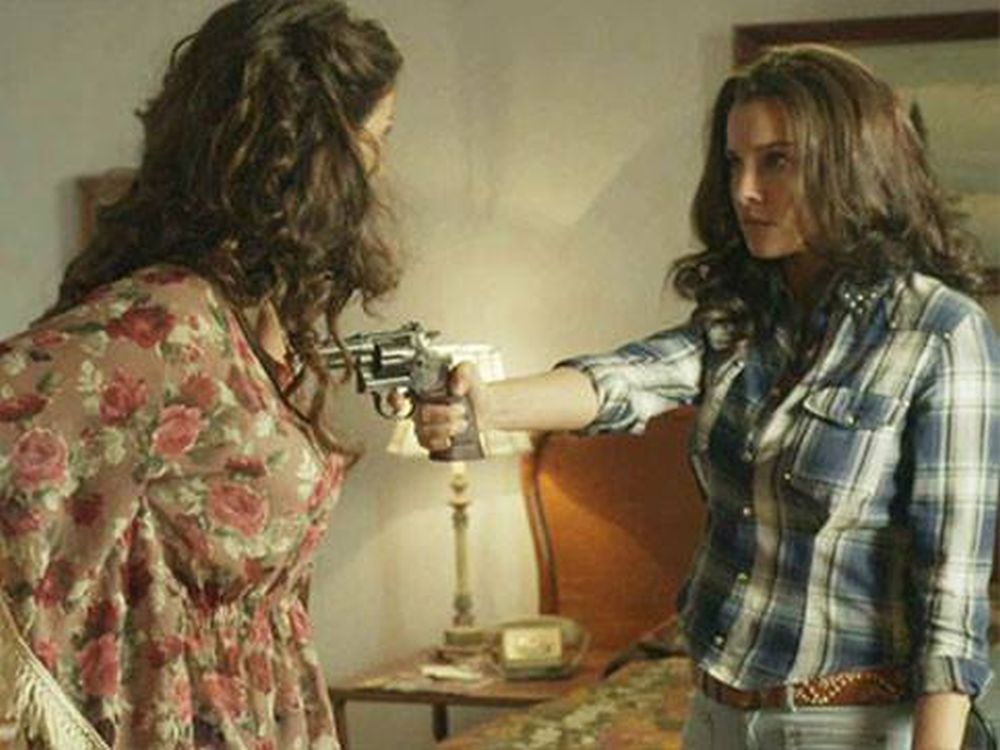
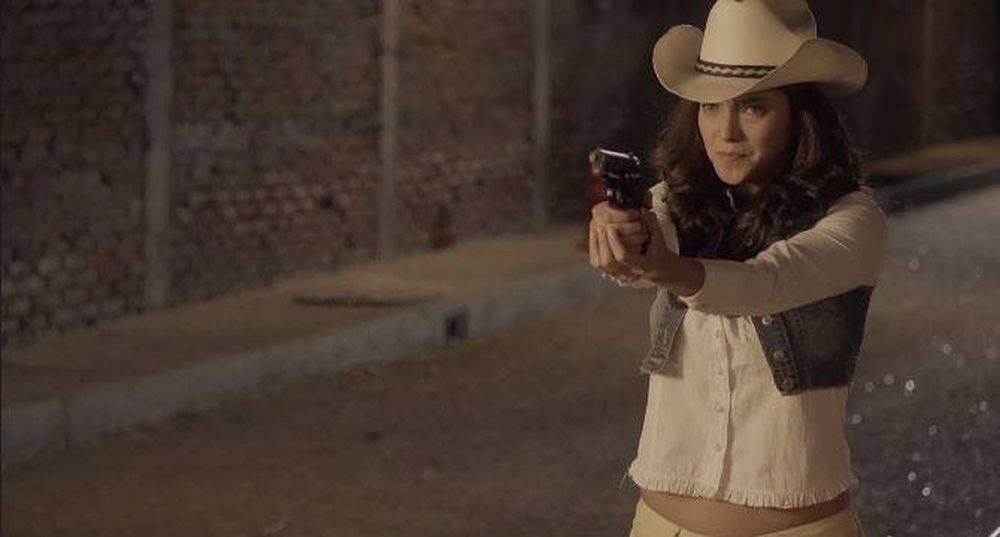
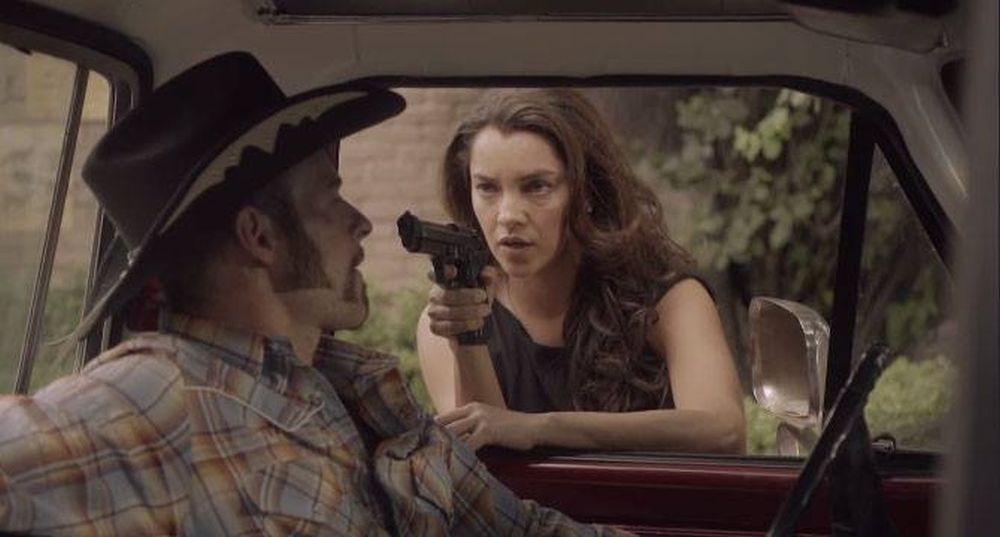
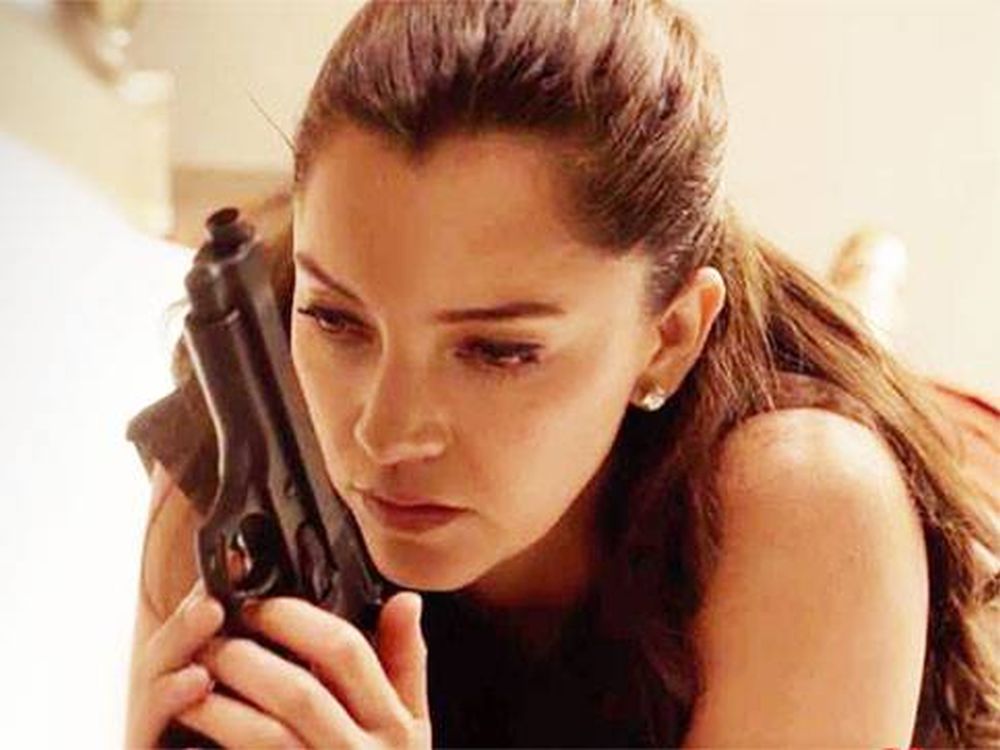
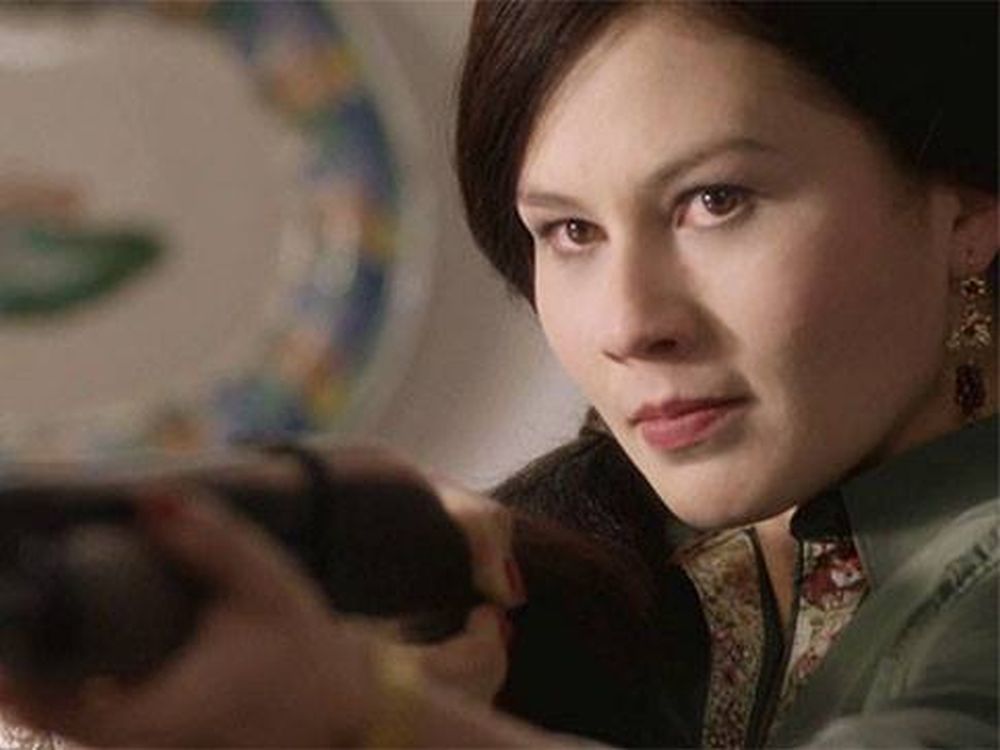
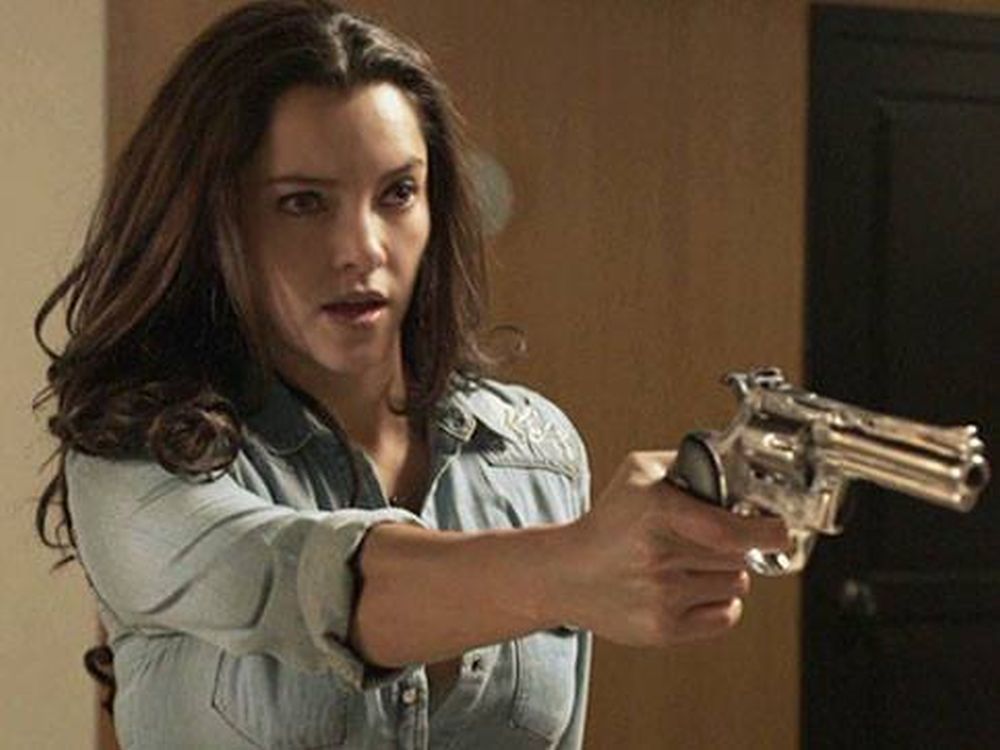
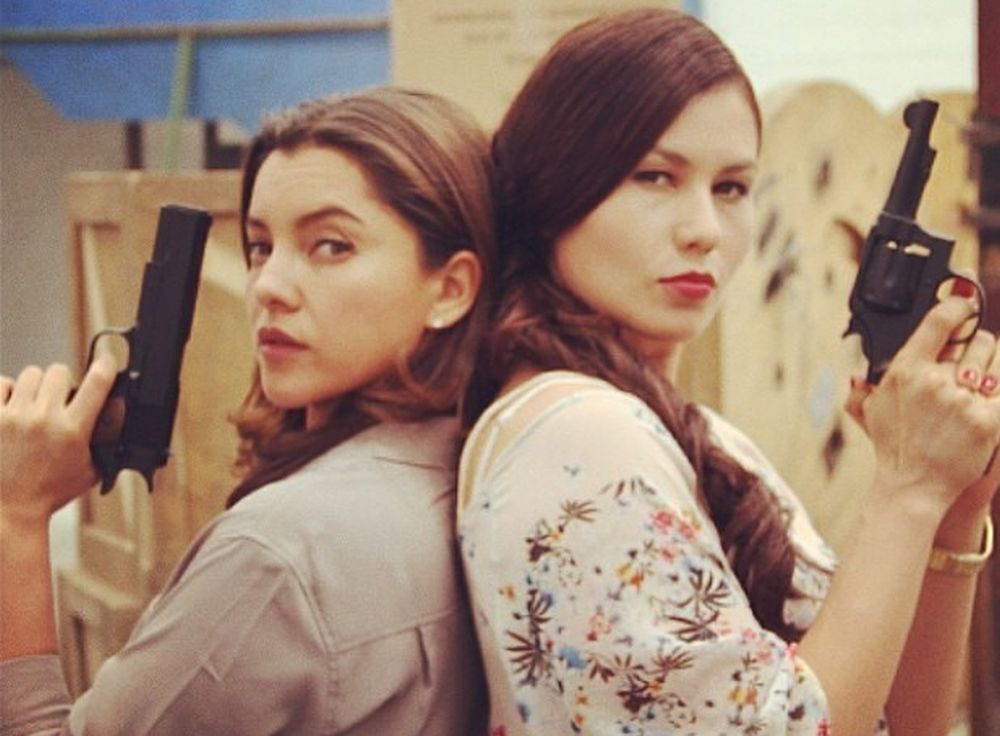
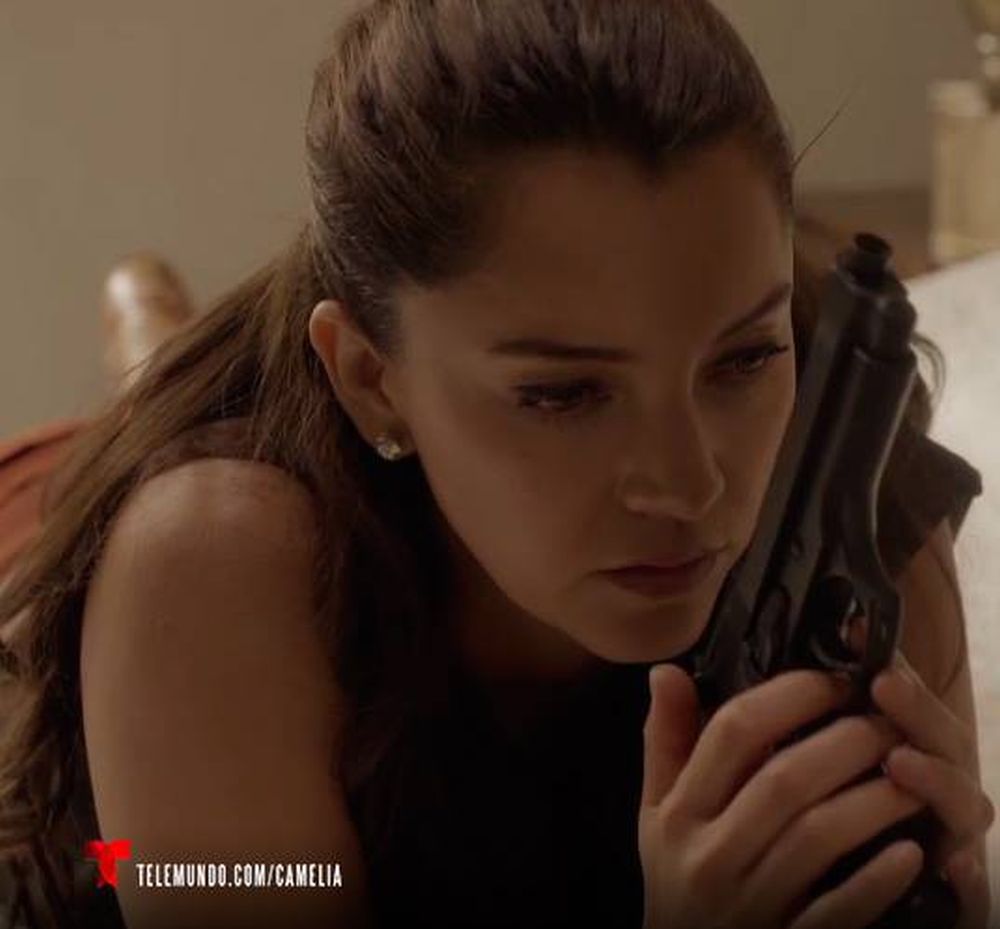
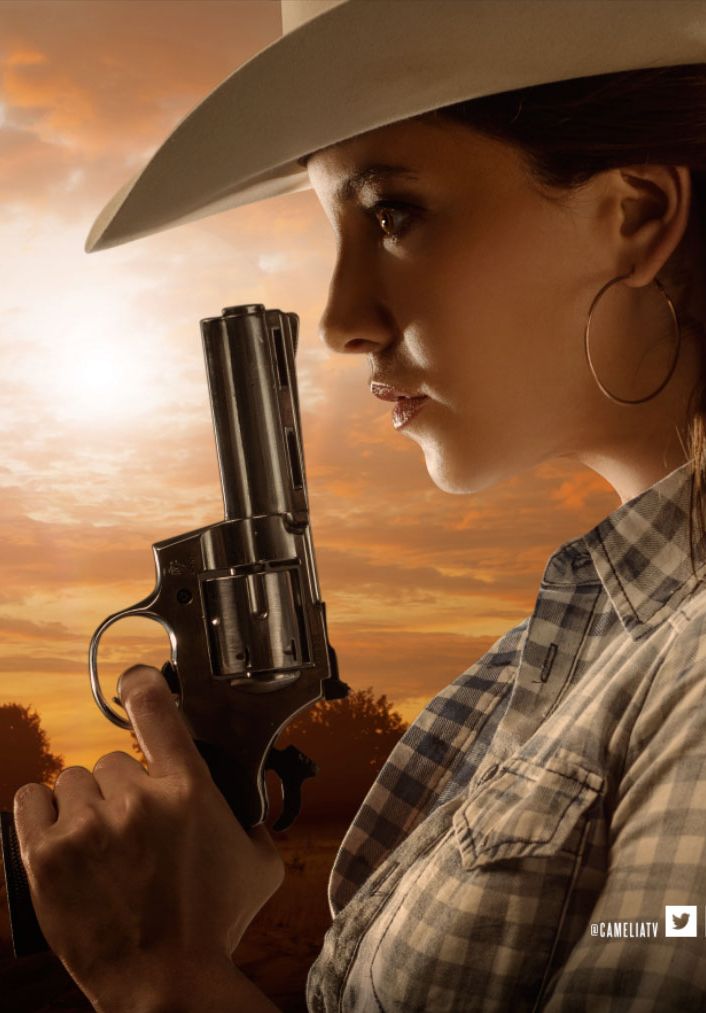
I almost gave up after 20 episodes, as it had largely degenerated into a telenovela version of American Idol. [Seriously: the heroine had partnered up with a wannabe singer, trying to break into show-business] But literally in episode 20, Camelia finally got her act together. She gunned down both a corrupt Border Patrol officer, then pumped seven rounds into her boyfriend after he announced he was going back to his wife and child. Ok, I’ll watch a bit further. Turns out, the show seemed to operate on 10-episode arcs. Episode 30 saw a Godfather-like wedding massacre, which rewarmed my interest. By part 40, we had a former Interpol agent, who had taken the veil and was hiding out in a convent, while still having her “very particular set of skills” And at the 50th show… Well, we were close enough to the end – the series had 60 episodes – it seemed kinda pointless to stop.
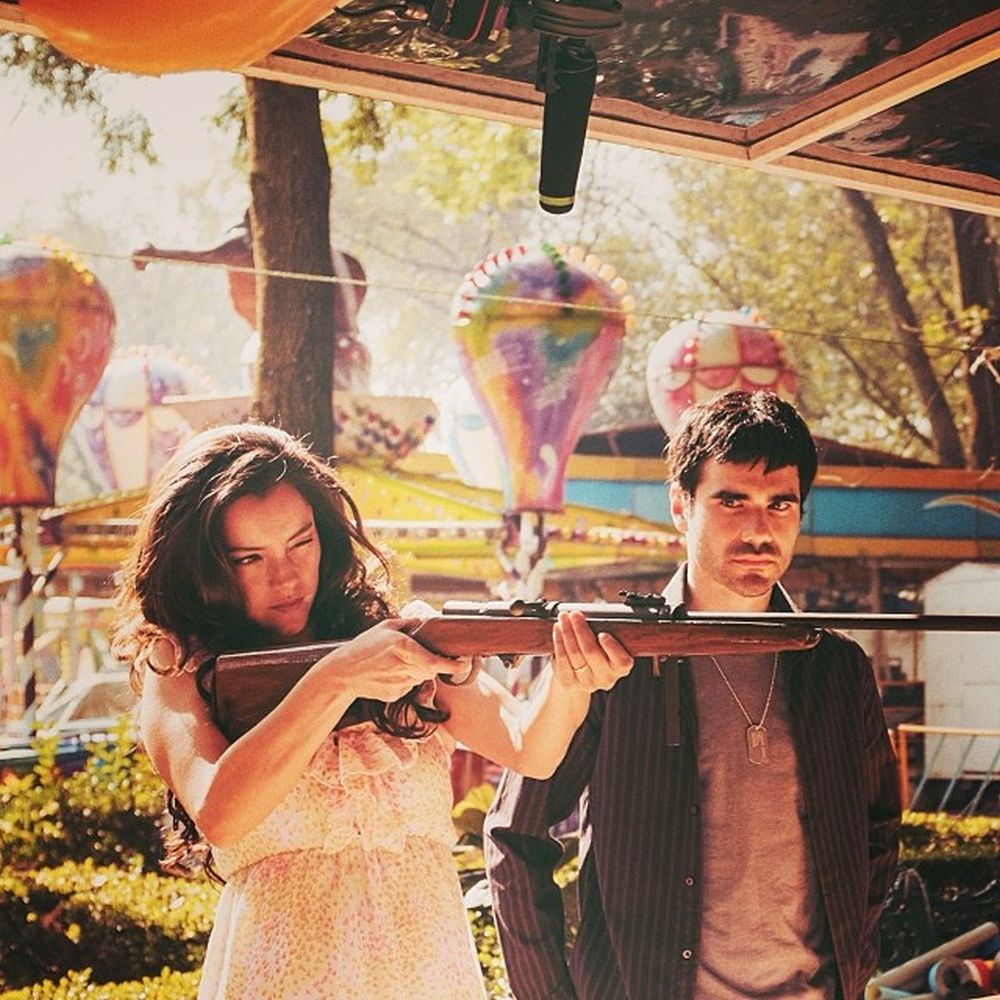
The problems were the nine episodes in between, which were much more a chore than a pleasure. The basic story has Camelia (Maldonado) being seduced away from her family in San Antonio, Texas, and ambitions of a career in dentistry, by hunky Emilio Varela (Hayser). He’s working for drug lord Antonio Treviño (Gama), who is actually Camelia’s father, and who wants her to join him in Mexico. Emilio’s mission diverts badly off-book, and ends up dying in a Californian back-alley. Thereafter, it’s a meandering tale involving the battles for turf between Don Trevino and his rival, Arnulfo Navarro, as well as the extended families on both sides, and various other elements, such as corrupt Army officer General Urdapilleta, who may (or may not) also be a serial killer.
This will happen: significant expansion is obviously needed when you adapt a three-minute song into about 45 hours of TV drama. For the inspiration here was 1972 song Contrabando y Traición, by Los Tigres del Norte. While colloquially known as “Camelia la Texana,” the original title of this narcocorrida – a genre once described as “gangster rap with tubas and accordions” – translates as “Smuggling and Betrayal.” That’s a fairly accurate summary of both the song and the series. It tells of a couple who drive from Tijuana to LA with marijuana in their car tires. There, as in the show, Emilio tells Camelia he’s breaking up with her after they cash in their cargo. The result? “Seven gunshots rang out, Camelia killed Emilio/All the police found was a discarded pistol/Of the money and Camelia, nothing more was ever known.”
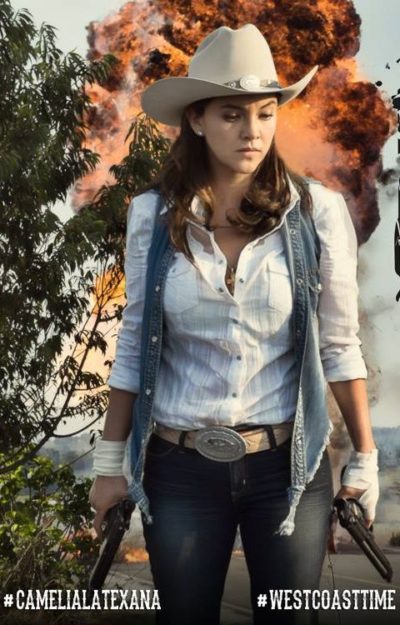 The song had previously been adapted into a 1977 film, starring Ana Luisa Peluffo and Valentín Trujillo – though the dynamic was rather different there, with the leading lady being a couple of decades older than her lover. (More than 20 years earlier, Peluffo had caused a significant scandal, when she appeared nude in 1955’s La fuerza del deseo, the first such scene in Mexican cinema) The song was also adapted into an opera in 2008, and has been acknowledged by Arturo Pérez-Reverte as a significant inspiration for his novel, La Reina Del Sur. The author said, “The day I heard Camelia La Tejana, I felt the need to write the lyrics of one of those songs myself.“
It’s an interesting decision to set the series in the seventies, at the time the song was released, rather than in the contemporary era. Though, outside of the cars and the preponderance of vintage facial hair, it’s easy to forget this is a period piece. The story is little more than a hodge-podge of telenovela cliches, semi-randomly stitched together. Emilio has a twin brother! Unexpected pregnancies! Long-lost siblings. And vengeance. Damn. So much vengeance, to the point that it was more of a surprise on the rare occasions when somebody didn’t have a deeply-held grudge. Emilio’s wife Alison against Camilla, for killing her husband. Don Trevino’s current wife, Lu, against the previous occupant of the position, Camilla’s mother, for rendering her infertile. Navarro against Camilla, for burning his face at a cockfight. And so on.
Hell, even ten-year-old blind girl Alma (Ana Paula d’León) is seeking revenge on those who killed her parents, before her adoption by Don Treviño. She’s actually one of the more interesting supporting characters, because she seems to have second sight, able to see things before they happen, and act to prevent them. It’s a shame the story lose sinterest in her entirely during the second half, because this concept could have developed in a number of intriguing ways. Someone with Alma’s talent would be a great weapon for any drug cartel, effectively keeping them one step ahead of their enemies. She’s not the only decent supporting character: “Queens of the South” La Nacha in the first half, and Concepción “La Cuquis” Olvera during the latter stages, both demonstrate it’s not just a man’s world.
Unfortunately, these delights are all rather minor. The great bulk of the episodes are unaffecting, not least due to a heroine whose middle names appear to be “Questionable Life Choices”. If there’s a poor decision to be made… Camilla makes it, with an inevitability previously associated only with characters from 19th-century Russian novels. Up until the very last episode, she’s less an action heroine than a reaction heroine, and you would probably need two hands to count all the female characters elsewhere in this show, who are more interesting than Camelia. The series seems tacitly to accept this, hence falling back on a tangle of subplots in which the supposed heroine is only tangentially involved.
The series ended as it had consistently done throughout: another 10-episode arc, ending in interest being piqued once more. [Spoiler warning] Camelia became the head of the Treviño family, and took her revenge on Navarro, spitting out the line, “No man made me a legend. I chose my own life, and I’ll choose my own death.” But there was also a schism, with Alma and Lu heading off, suggesting they would go up against Camelia in a second series. However, it has now been more than three and a half years since the first season ended, and the chances of any sequel seem increasingly slim. It isn’t too surprising. Adapting a three-minute pop song into a movie can be done: Convoy and Harper Valley PTA come to mind as examples. Stretching it into something of this length, however, is likely a remix too far.
Star: Sara Maldonado, Erik Hayser, Andrés Palacios, Dagoberto Gama



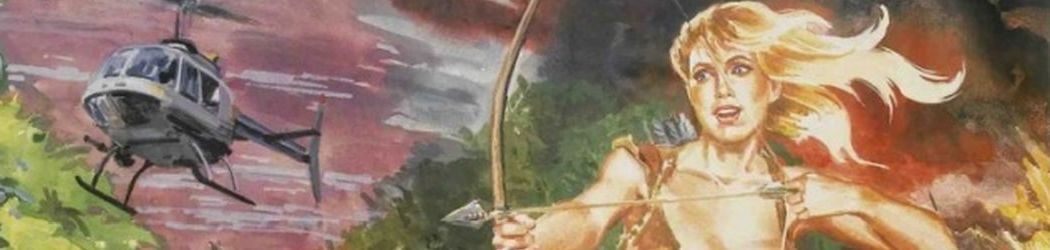

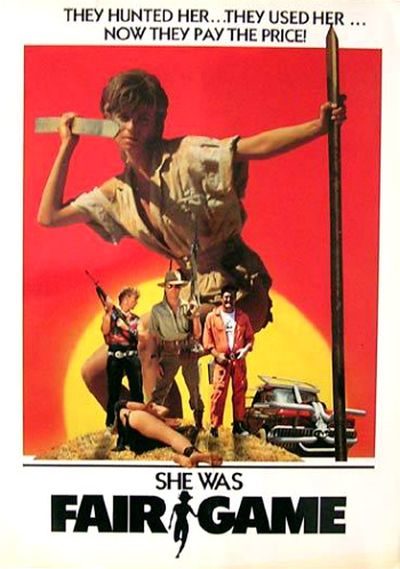 First off, this is not to be confused with the other Australian film of the eighties by the same name, made four years previously. This is considerably more sparse, and likely the better for it. Jessica (Delaney, who went on to marry John Denver, and have a highly acrimonious divorce from him) runs an animal sanctuary in the outback, but discovers someone has been hunting the local fauna on it. Suspicion falls on three local yahoos: Sunny (Ford, reminiscent of a young Sam Neill), Ringo (Sandford, doing some impressive stunts) and Sparks (Who – no, really, that’s his name), a trio of hunters targeting kangaroos – regarded as vermin by the farmers – for their meat. They don’t take kindly to being confronted, and begin an escalating campaign of terror against Jessica. But even a peaceful animal-lover can only be pushed so far before she breaks. Turns out that line is likely being strapped to the hood of their Jeep and driven topless across the countryside. Or thereabouts.
 This feels like a low-budget project in many ways, but manages to punch above its weight, in part due to an impressive supporting cast. While Lou Diamond Phillips, Danny Trejo and Steven Bauer are nowhere near as important as their names on the cover might suggest, their presence provide a solid foundation on which the less well-known members of the cast can build. In particular, Danay García as Loca; having bailed on Fear the Walking Dead after about two episodes, I wasn’t aware of her, but on the basis of this, she’s a name on whom we’ll be keeping an eye.
 I am a loner. A destroyed woman. A woman destroyed by people… I have a choice – to kill myself or to kill others. I choose TO PAY BACK MY HATERS. It would be too easy to leave this world as an unknown suicide victim. Society is too indifferent, rightly so. My verdict is: I, Olga Hepnarová, the victim of your bestiality, sentence you to death.
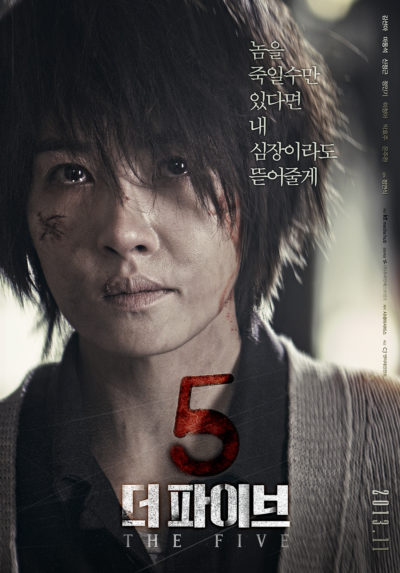 A chance encounter in a convenience store destroys the life of Go Eun-ah (Kim). For her young daughter accidentally sees serial killer Oh Jae-wook (On) abducting his next victim. Realizing he has been spotted, Jae-wook carries out a brutal home invasion, killing both the daughter and Eun-ah’s husband, and leaving her permanently paralyzed. But he has reckoned without Eun-ah’s fortitude. She devotes the rest of her life to tracking down her attacker, and puts together a team of four to help her. All need transplants, for them or their family. So Eun-ah has promised that once Jae-wook has been captured, delivered to her and killed, she will give them her organs. Damn. That’s what I call “fully committed”… But when Jae-Wook realizes he is being hunted, he turns his attentions on the hunters.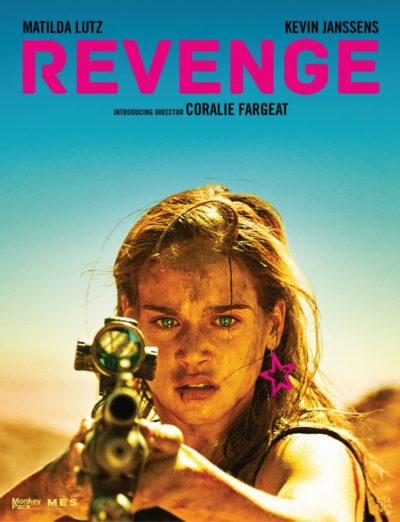
 This French rape-revenge movie is the most blood-drenched GWG film I’ve seen since
  For a film lauded for its supposed up-ending of the male gaze, this feels a bit odd, since it could be read as the sexual assault triggering Jen’s blossoming: rape as psychological therapy. She should thank her attackers! [The image of a rising phoenix branded into her skin, due to her impromptu first-aid, is not exactly subtle in its imagery. Then again, the entire film is not exactly subtle, and proudly defiant as such] If that reading is on shaky ground, it’s also amusing to note Revenge utterly fails the dreaded Bechdel Test, despite being brutally empowering, to a degree rarely seen. More evidence – as if it were really needed – of how shitty the Bechdel Test is at evaluating films.
 After exposing construction company Cementec as involved in corruption, journalist Kavya Krishna (Dam) is surprised to get a call from Siddharth Dhanrajgir (Devaiya), son of the company’s owner. He ends up offering her a job at far above her previous salary, and the two eventually grow into a relationship. However, it’s all a ruse: Siddharth dumps and firing Kayva, saying, “I fuck those who fuck with me.” When she tries to strike back by telling him she’s pregnant, he has her kidnapped and forced to have an abortion, which leaves Kavya permanently unable to have children. She vows to destroy Siddharth and his company, by any means necessary, using her investigative skills – and no shortage of feminine wiles – to get the information required.
 Gia Valentina Santella is the daughter of a rich Italian family in California. She doesn’t seem to do much with the bountiful hand fate has dealt her: drinking, casual sex and designer labels appear to be her main interests. But her easy life is rudely disrupted after her parents die in a fire at their estate in Switzerland (!). In the aftermath, she is sent a letter from the man who carried out their autopsies, confessing that he was paid off to conceal the real, much less accidental cause of death. As Gia starts to dig into the past, seeking the truth, it soon becomes apparent that it was a good deal murkier than initially appears. And also, that someone has a strong, vested interest in ensuring it stays covered.
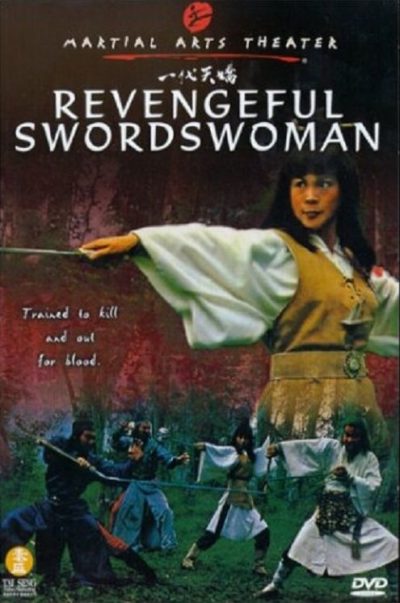 There’s no hanging around here. Virtually as we meet our heroine, Hsiang Ying (Lee), she’s getting tossed off a cliff by her kung-fu teacher, into a pack of wolves. Having survived that and made her way back – perhaps assuming this was all some terrible misunderstanding – her master then disavows her, announces he was the man responsible for killing her father, and locks her up in a cage. This all happens within, literally, three minutes of the film starting. Fortunately, a passing stranger sees fit to free her from the cage, and the ‘Heartless Lady’, as she becomes known, can go on her way, with the eventual aim of being exactly what the title suggests: revengeful.
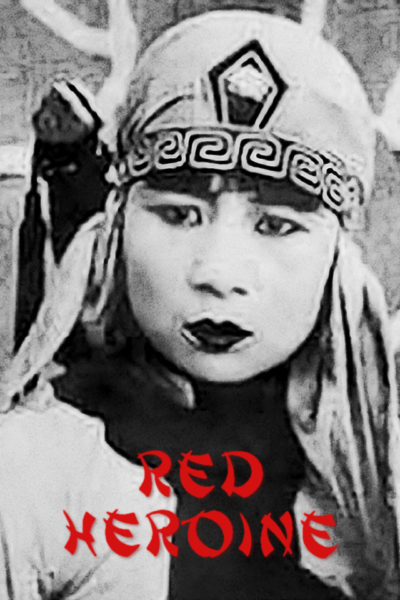 Tied somewhat to our March feature on the earliest action heroines in cinema, is this Chinese film, It’s not just the oldest surviving action heroine film from that country, it’s the oldest martial-arts film of any kind. This silent feature dates from all the way back in 1929 – I had to keep reminding myself that the “red” in the title was not a Communism reference, this being from well before such things. It’s most likely an attempt to cash in on The Burning of the Red Lotus Temple, a now-lost film series whose highly successful release had begun the previous year.