




Literary rating: ★★
Kick-butt quotient: ☆☆☆½
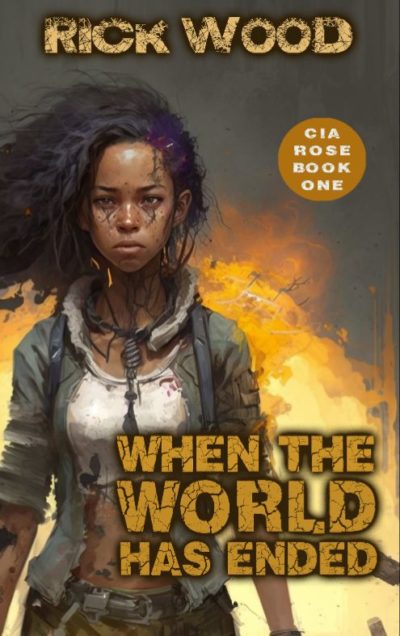 “It just seemed as if Hell opened up one day and that was that. Instant carnage, liberated monsters, death for all. They rose from somewhere beneath the ground, attacking for no clear reason and killing until God knows when.” That’s how this starts, so there’s no hanging around. Cia Rose is one of the few survivors, for whom every day survival is a perilous endeavour. She’s seventeen, and the daughter of a scientist. When the monsterpocalypse took place, the rich, influential and powerful – who, it appears, knew this was coming – headed for their shelters. Her father was allowed in, to research the invaders. Cia was not.
Four years later, she’s barely scraping by, running from the creatures or their mindless human slaves, known as Wasters. She still holds a grudge, albeit an understandable one, at being abandoned. But Cia is devoted to “Boy”, an autistic child whom she saved after his parents were torn apart by Masketes, a vicious flying species with lethal fangs and claws. The two are separated when Cia is captured by a pack of Wasters, and most of the book is concerned with her attempts to re-unite with Boy. During the process, she discovers that regular humans can be as much a threat as any monster, and finds out the truth about what happened to her father, both back in the early days of the invasion, and since then.
Wood certainly doesn’t stint on the horror, with much rending of flesh by the monsters, though I never really got much of an idea of what they looked like. For example, a Thoral has four legs and is “about the size of the average bungalow.” More than that, I’d be hard-pushed to say. Regardless, life is now nasty and brutal, not least when Cia is captured and made to become part of a repopulation program. The resulting sex scene is, perhaps intentionally, borderline creepy given the heroine’s age. Though it’s worth noting the story is set in Britain where the age of consent is 16 – not that “consent” is much of a factor here.
I think the biggest misstep is at the end, where Cia takes action which results in the immediate deaths of hundreds of people, destroying what had been a safe haven. No matter how bad your Daddy issues, and regardless of the reason, it’s hard to come to terms with the vast carnage for which she is directly responsible, willfully and very much with malice aforethought, while still empathizing with the character. Even though nobody we particularly care about is lost – only bad people, judged by Cia’s severely questionable moral code – it yanked away almost all desire to follow her progress through this post-apocalyptic landscape. It was basically a teenage temper tantrum. Having raised two teenagers, my tolerance for those is slim, especially with the lethal consequences they have here.
Author: Rick Wood
Publisher: Independently published, available through Amazon, both as a paperback and an e-book
Book 1 of 4 in the Cia Rose series.
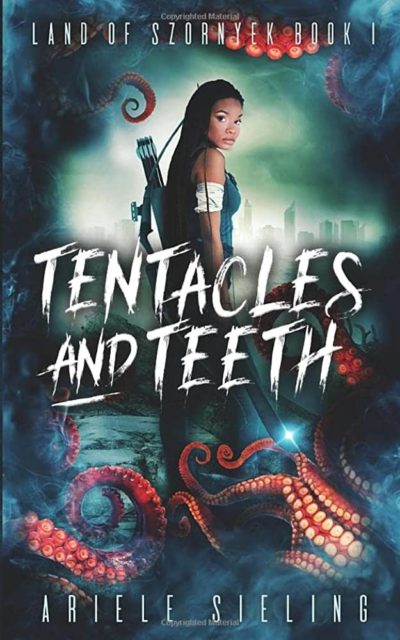 I was disappointed by the lack of tentacles. However, there were certainly no shortage of teeth in this post-apocalyptic tale, which takes place decades after the arrival of monsters, from an uncertain source, has led to the collapse of civilization on Earth. The survivors are left to scratch out a fragile existence, trying to dodge the many kinds of lethal new fauna which inhabit the landscape. Askari is a young woman who forms part of one such nomadic group, but finds herself increasingly questioning the strict rules by which they operate. As punishment for breaking these laws, is sent by elders of her tribe on a hazardous mission into a long-abandoned urban area.
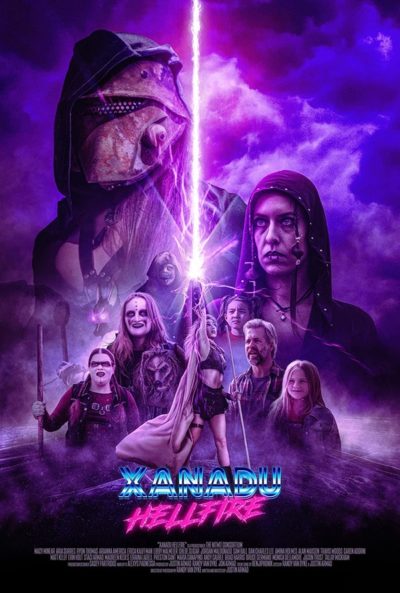 I went into this braced for it to be terrible, having sat through the same film-makers’, largely irredeemable
 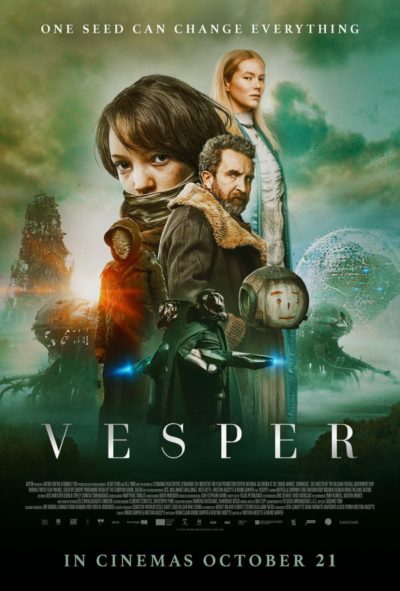 As the above suggests, I was getting a strong manga influence, in particular from the works of Hayao Miyazaki: it feels like the script could have been something he’d have written on a gloomy Wednesday in January. Feisty teenage heroine? Check? Ecological message? Check. For this takes place after some kind of change in the world, which has left the bulk of the population clinging on to existence by their grubby fingernails, in a world now owned by bizarre flora. Vesper (Chapman) is one such, tending to her paralyzed father (Brake) whose consciousness has been transferred into a drone. She trades with her uncle, Jonas (Marsan), swapping blood for the seeds they need to survive.
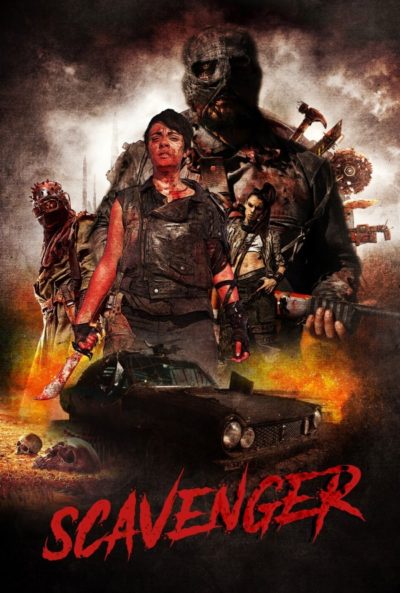 This should be right up my alley. For it’s a grungy, post-apocalyptic story of revenge, which is heavy both on the carnage and the nudity. Throw in disapproving reviews containing lines like, “Downright nasty movie that takes all the worst bits of exploitation cinema and proudly puts it on display,” or “Scavenger is truly appalling,” and you’ll understand why it was fast-tracked for viewing. However, the weird thing is… those reviews aren’t wrong – it is a bad movie, just not for the reasons they espouse. The bigger problem is simply poor execution, in a way that manages to take the sex ‘n’ violence, and make it all painfully dull. Of all the cinematic sins, that’s one I find hard to forgive.
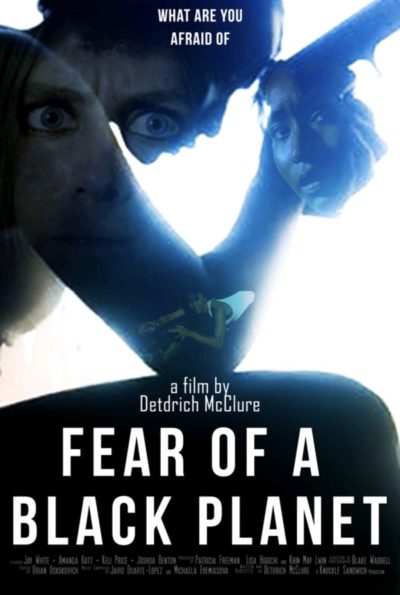 It’s interesting to look at the film’s IMDb page, and contrast the reviews, where there’s nothing less than an 8/10, with the rating, where 73% of votes are a 1/10. One “review” was actually a rant about other reviews which appear to have been removed? Something odd there. There’s no doubt, the film is not so much tackling a contentious topic, as driving head-first into it at 80 mph. Even the title (obviously inspired by the Public Enemy LP of the same name) is an incendiary one, guaranteed to raise the hackles of many – and, to be honest, not without reason, because of the assumptions it makes. It’s a shame, since the film is at least slightly more nuanced than the title makes it seem.
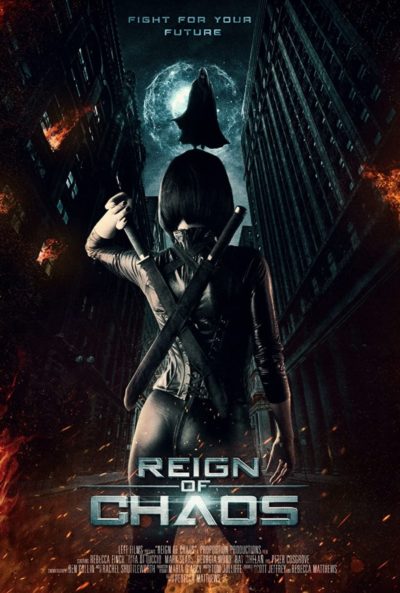 There are spells where I find myself going through a stream of mediocre movies, wondering when I’ll see something genuinely good. Then, I stumble into the likes of this, which leaves me yearning for the heady delights of mediocrity. It was in trouble right from the start, with five minutes of opening voice-over that did nothing but leave me confused. Then again, if your story requires five minutes of opening voice-over in the first place, you should probably rethink your storytelling techniques. The same could be said for a post-apocalyptic scenario in which food is in short supply, yet black pleather cat-suits are apparently easily available, in a range of sizes to fit all needs.
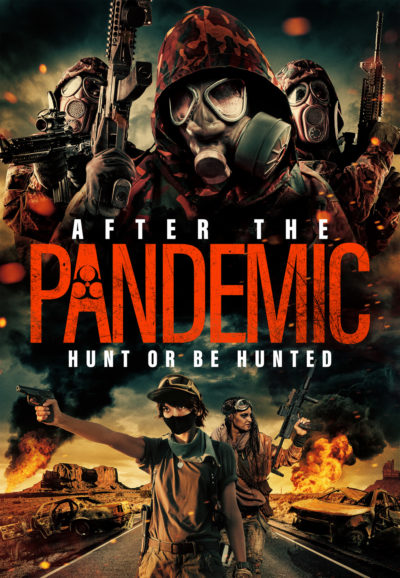 A disease sweeps the planet, killing billions. The only ones with any hope of surviving in the outside world are the young, a small number of whom appear to have a natural immunity. Five years on, and Ellie is one of the few to have endured, scraping for a life among the leftovers of civilization. But she and the other survivors are the targets for the Stalkers: roaming groups of biohazard-suit clad hunters in white vans. They seek to capture the immune, for use in a project to develop a vaccine that can allow the elite to come out of their safe havens. While trying to avoid them, she encounters Quinn (Smith), another survivor with a wealth of knowledge, and a hard-edged approach to life. Initially, Quinn wants nothing to do with Ellie, though eventually realizes two heads can sometimes be better than one, in the never ending struggle to stay alive and free.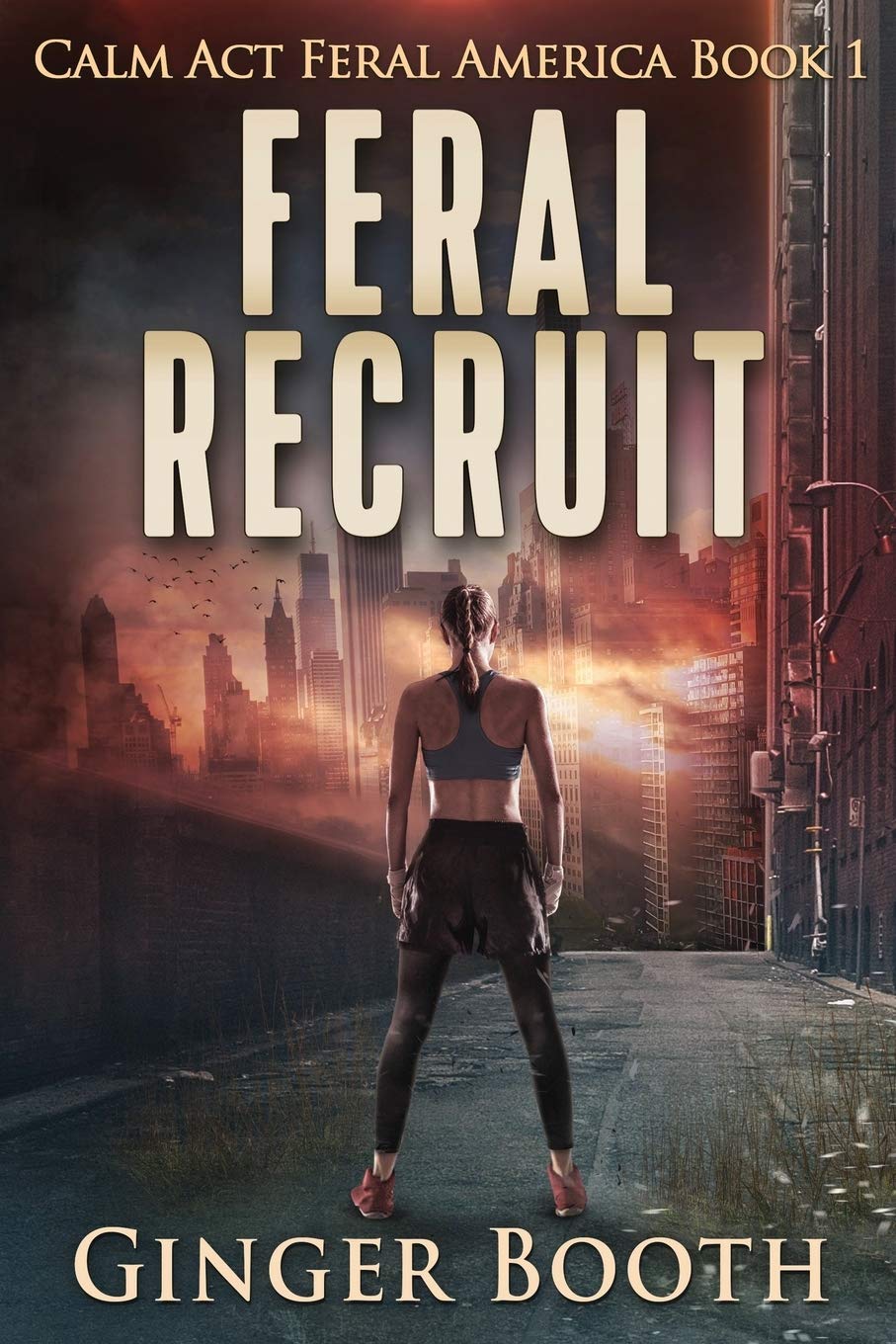
 It has been twenty years since